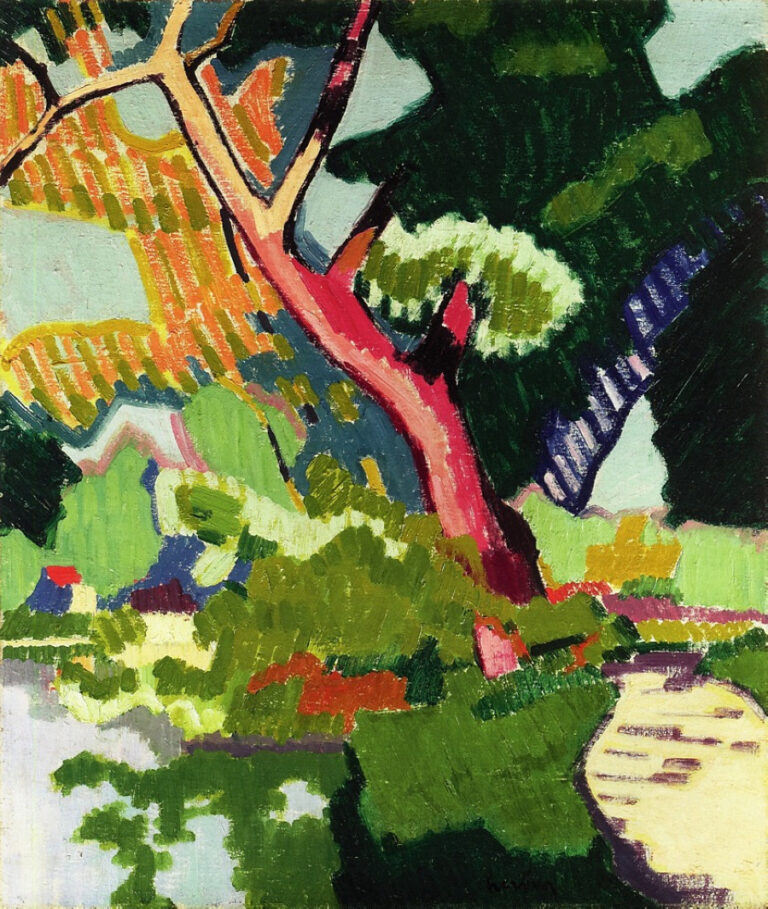
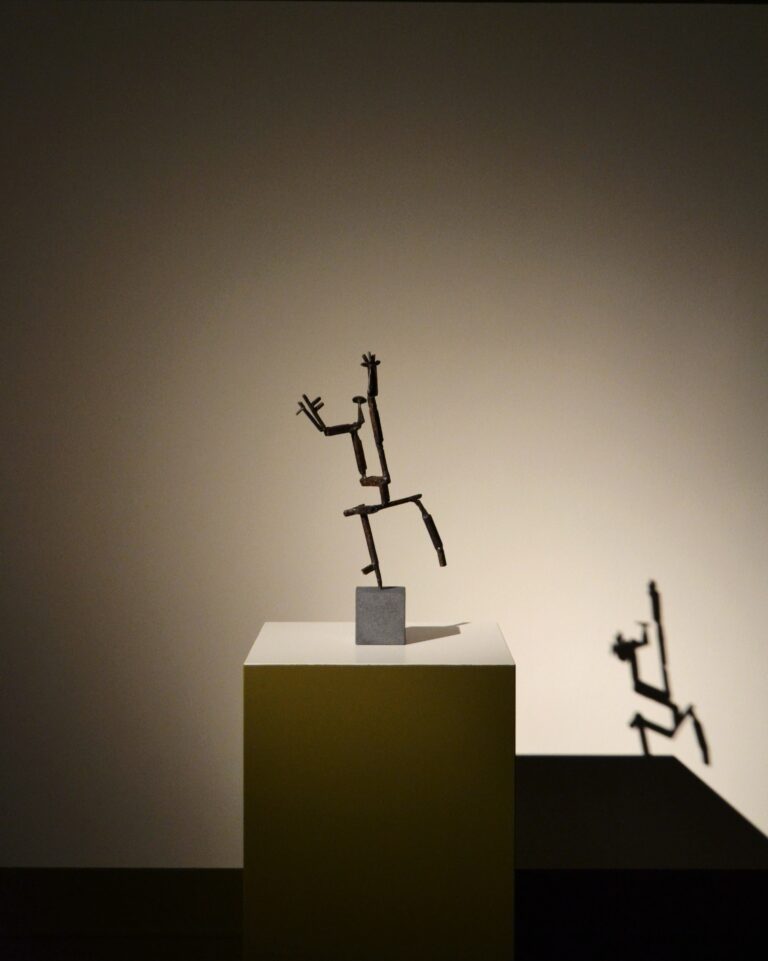
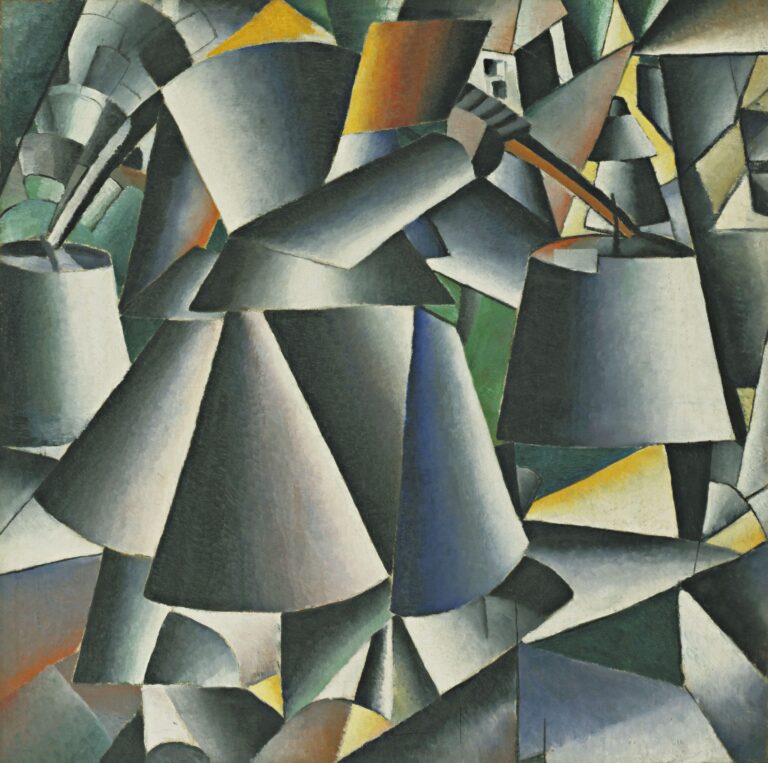
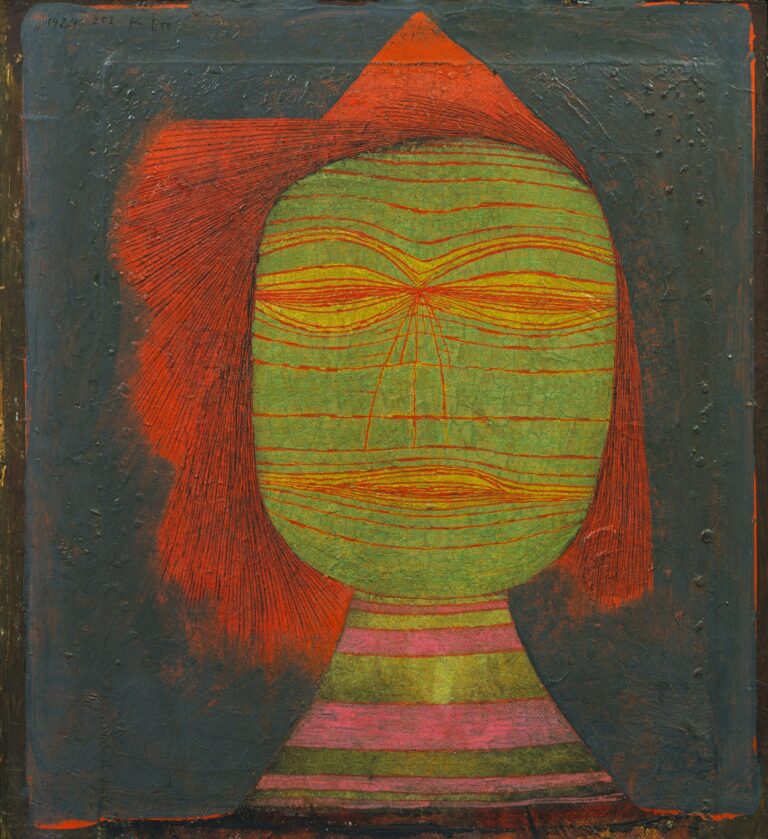
Cubism revolutionized modern art by breaking away from traditional perspective and realistic representation. Developed in the early 20th century, it challenged the idea that art should depict subjects from a single viewpoint. Instead, Cubist artists presented multiple perspectives at once, reshaping how form and space were understood.
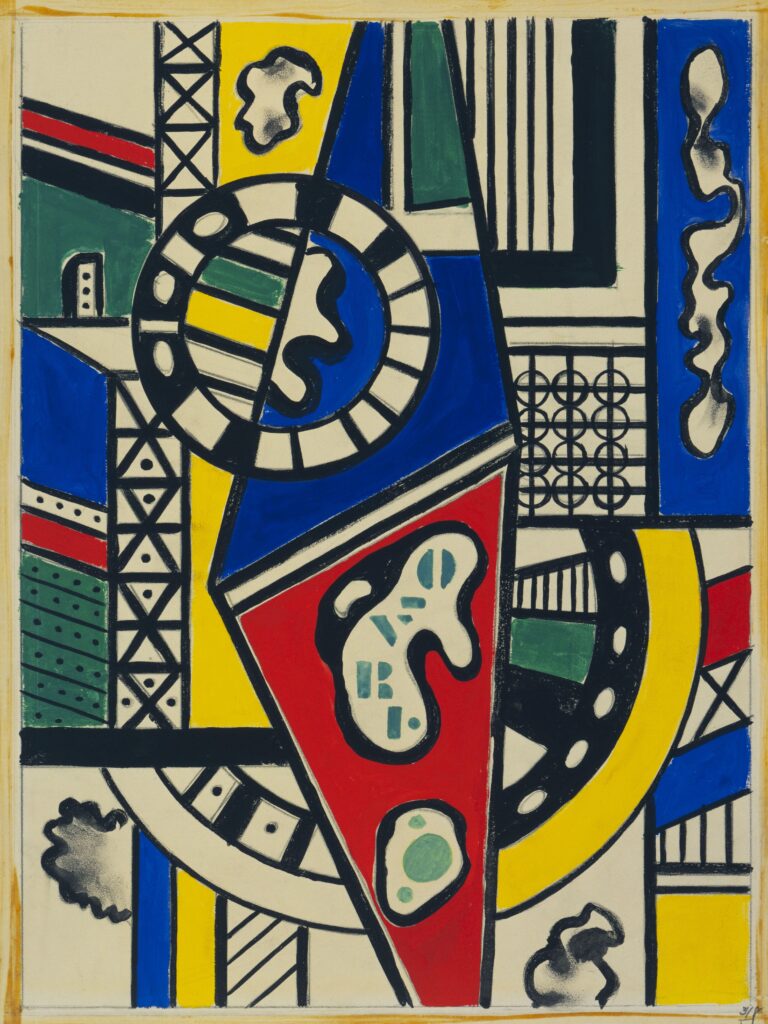
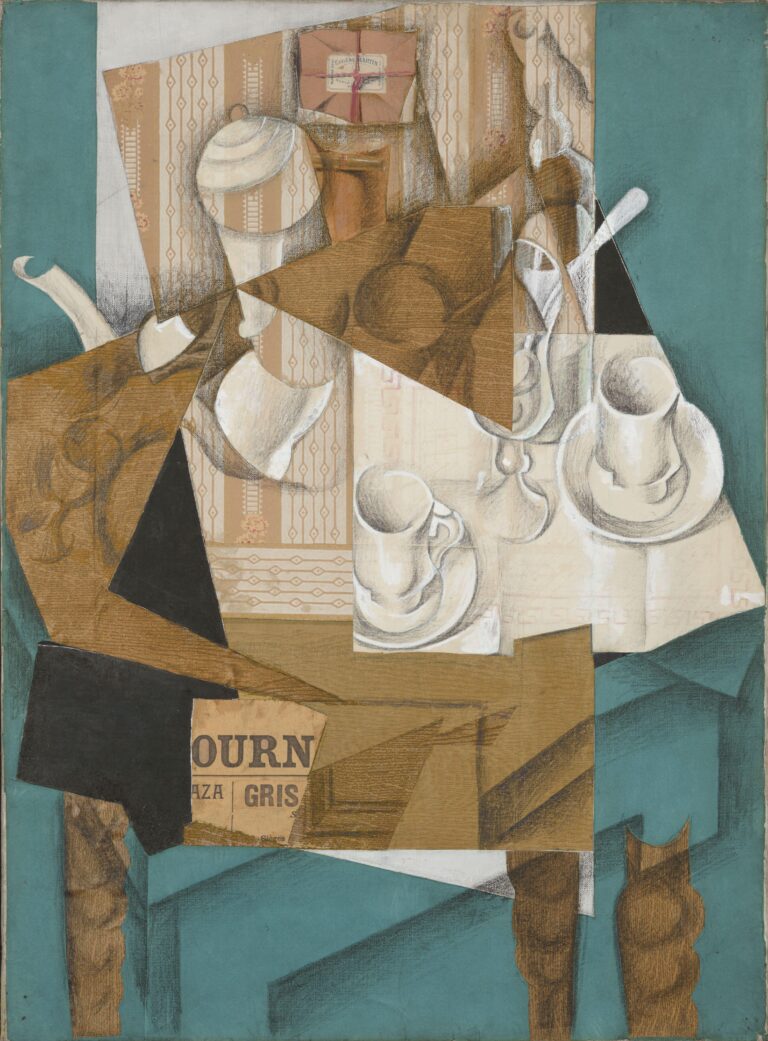
Objects were fragmented into geometric shapes and reassembled into complex compositions. Depth was flattened, and the distinction between foreground and background became blurred. Early Cubism favored muted colors, while later phases introduced collage elements and bolder tones. Everyday subjects such as still lifes, portraits, and musical instruments were common.
Cubism emphasized structure, analysis, and conceptual vision over visual illusion. Its radical approach influenced countless art movements and transformed the course of modern art. The style remains a cornerstone of artistic innovation and abstraction.