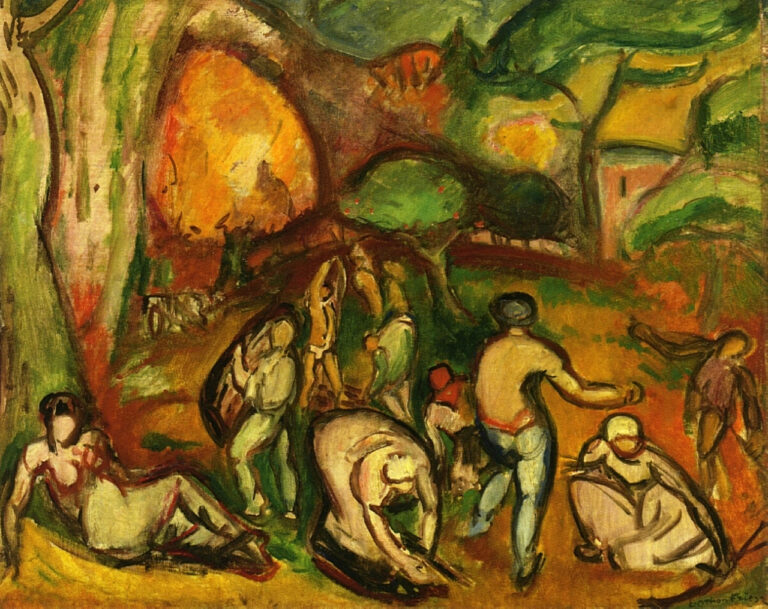
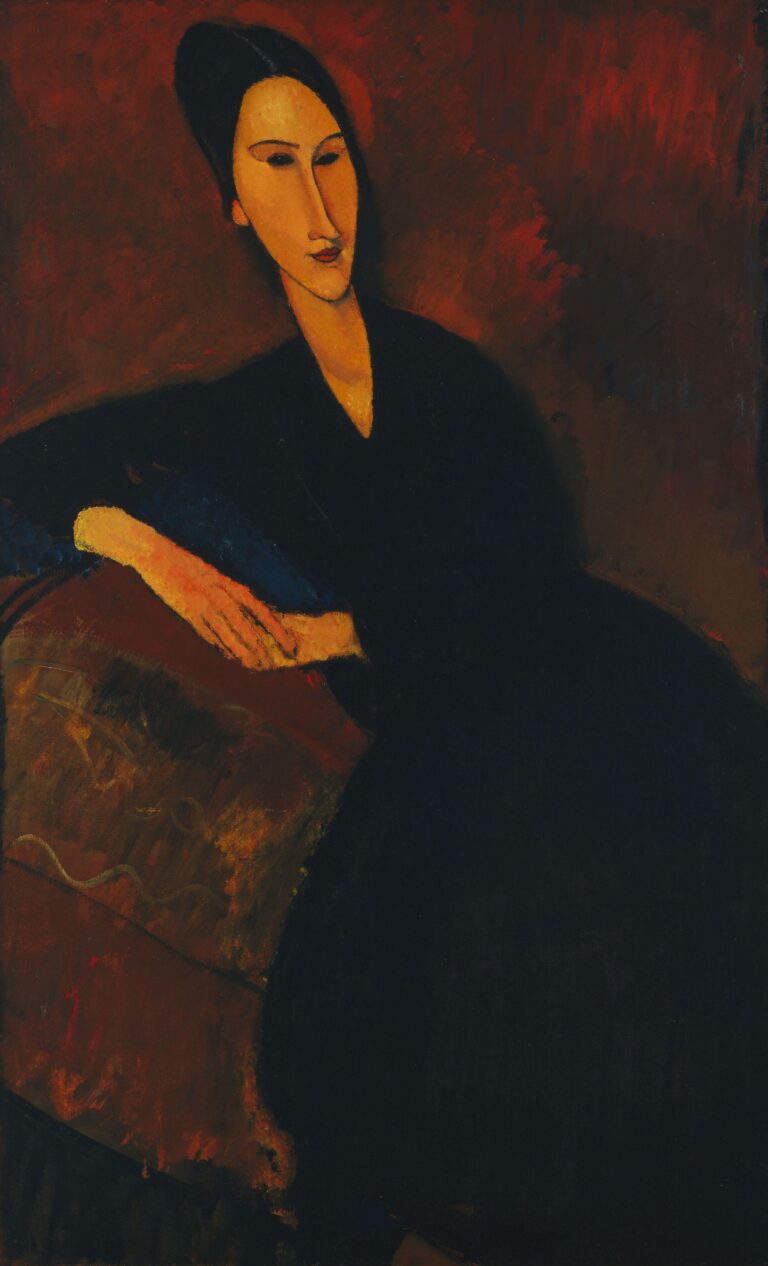
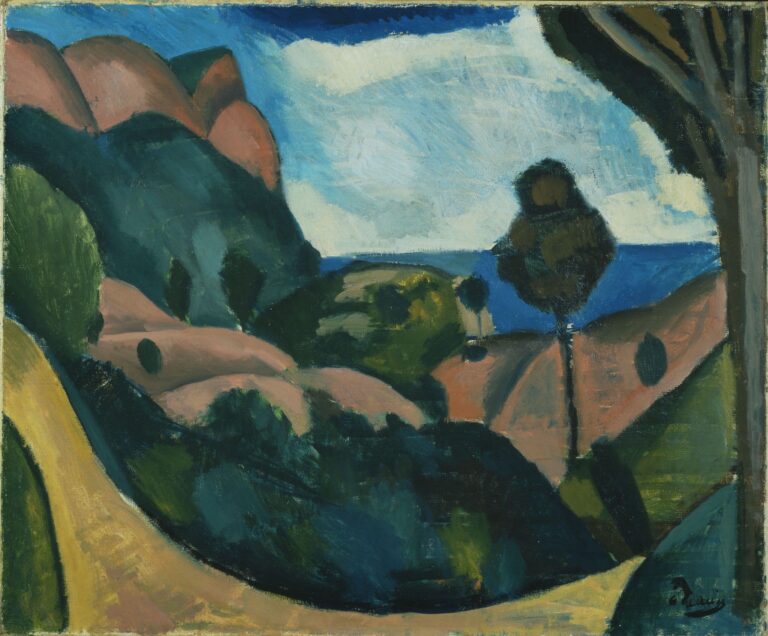
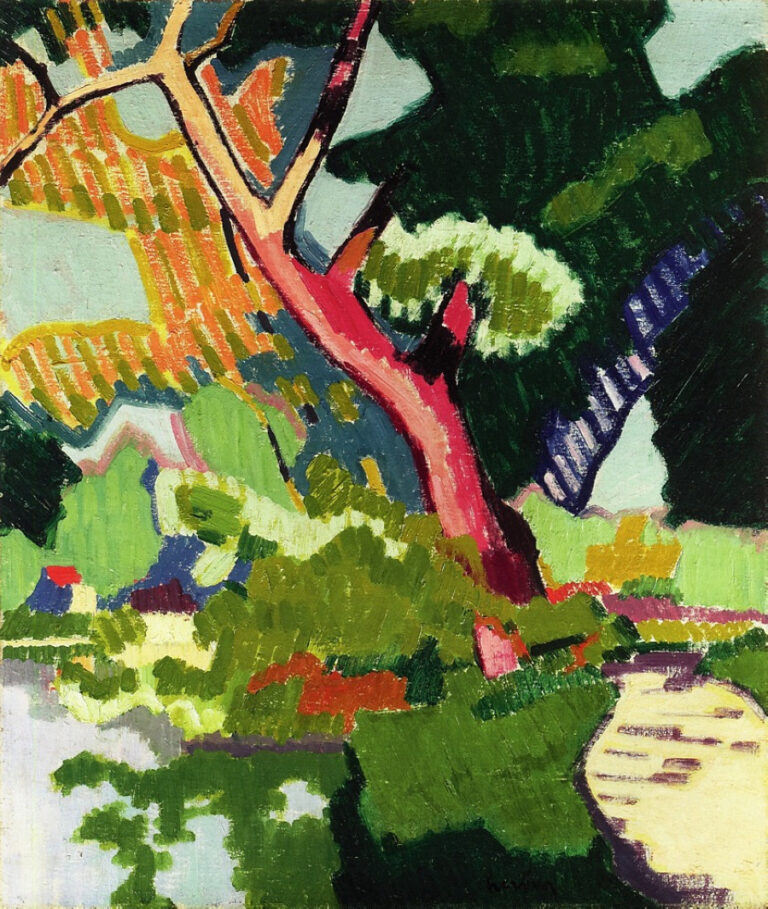
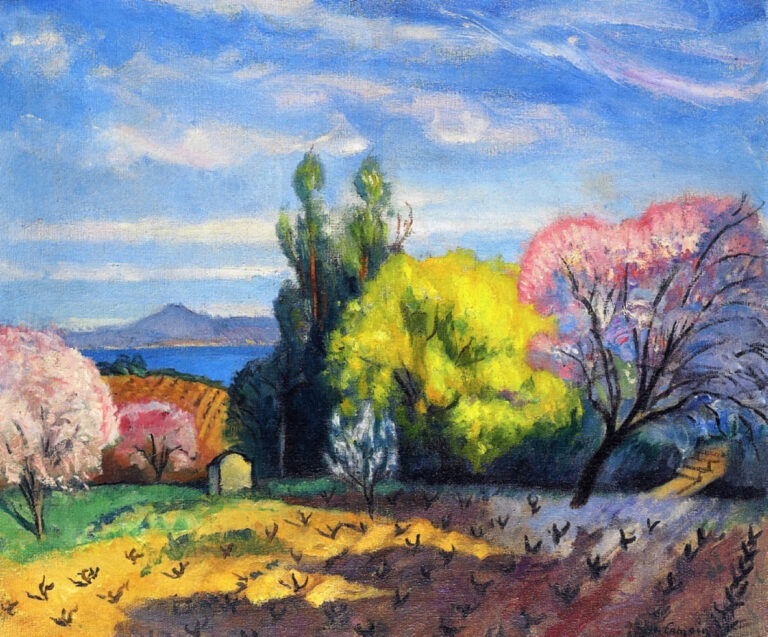
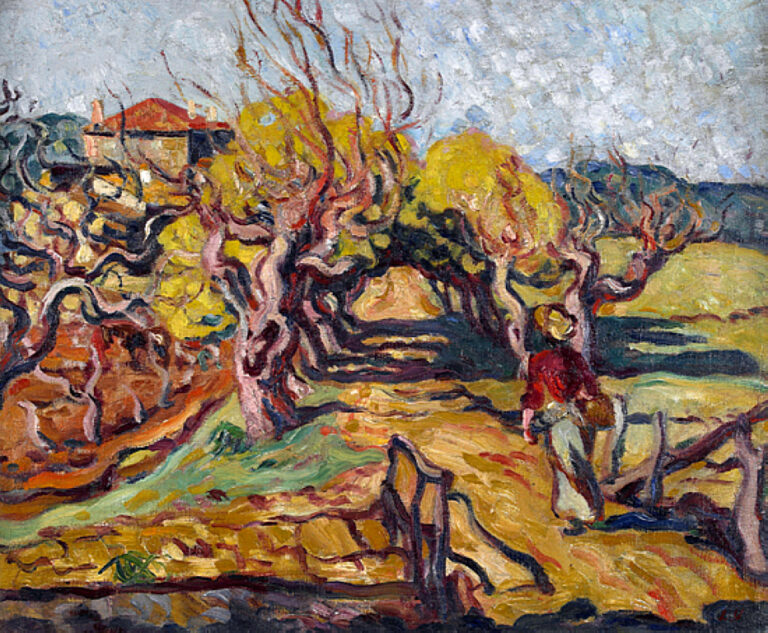
Fauvism is an early modern art movement known for its intense colors and expressive freedom. Developed in the early 20th century, it rejected realistic color in favor of bold, often unexpected hues. Artists used color to convey emotion and atmosphere rather than to describe reality.
Forms were simplified and outlines emphasized, giving compositions a raw and energetic appearance. Brushwork was direct and spontaneous, reinforcing a sense of immediacy. Common subjects included landscapes, portraits, and scenes of everyday life, transformed through vibrant palettes.
Fauvism prioritized personal expression over formal rules. Although the movement was brief, its influence on modern art was significant. It marked a decisive step toward abstraction and expressive use of color.