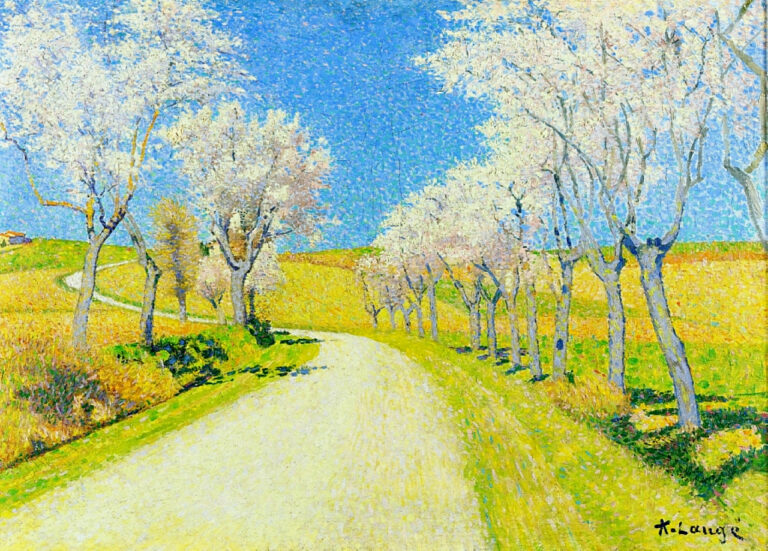
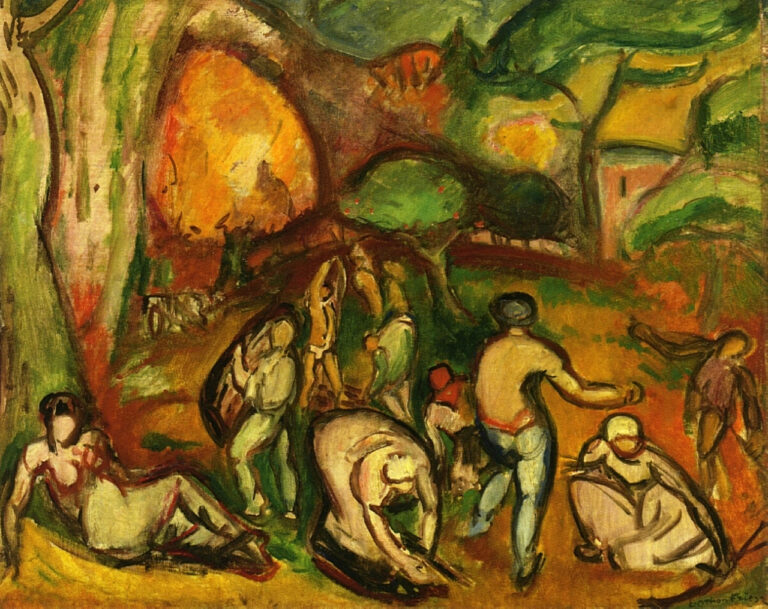
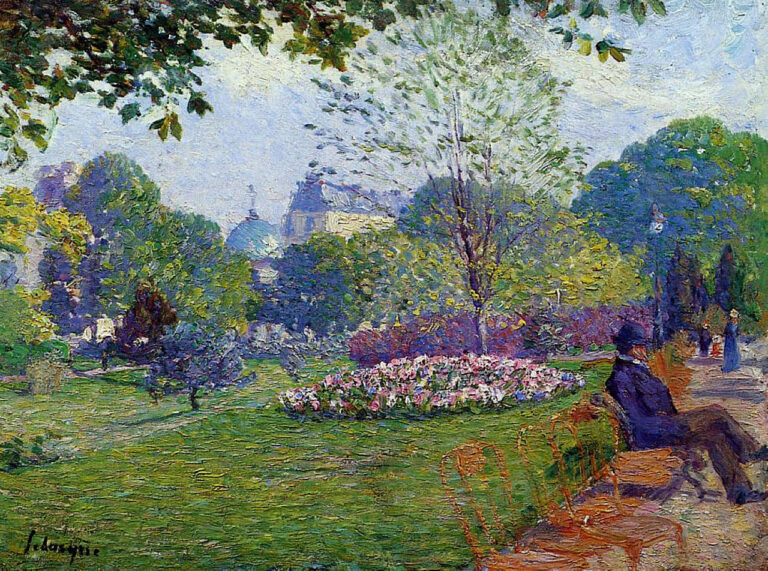
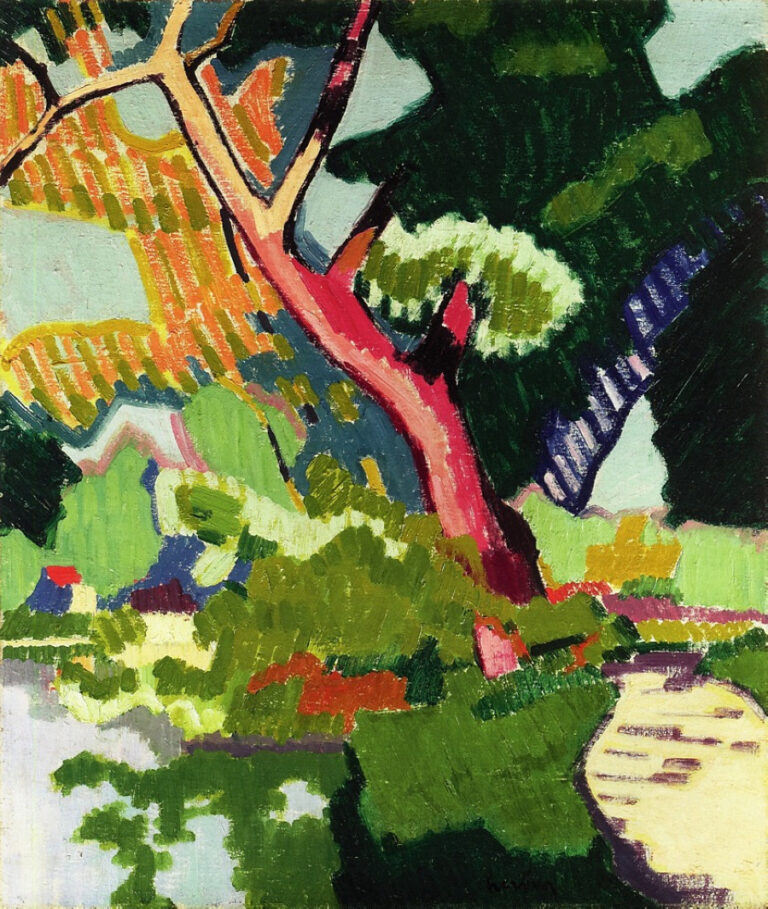
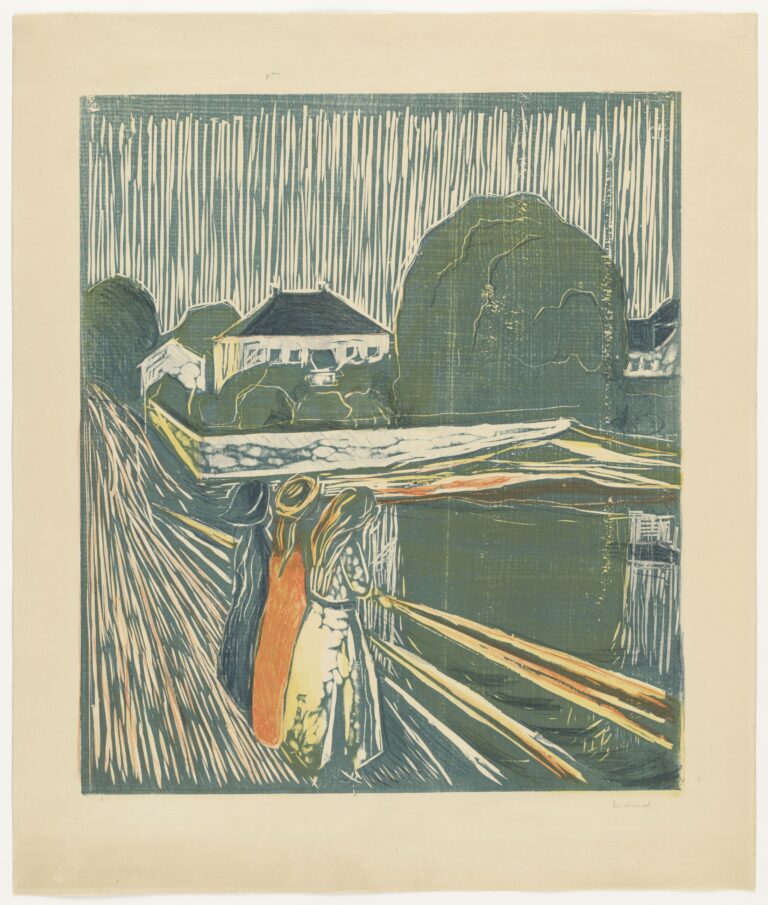
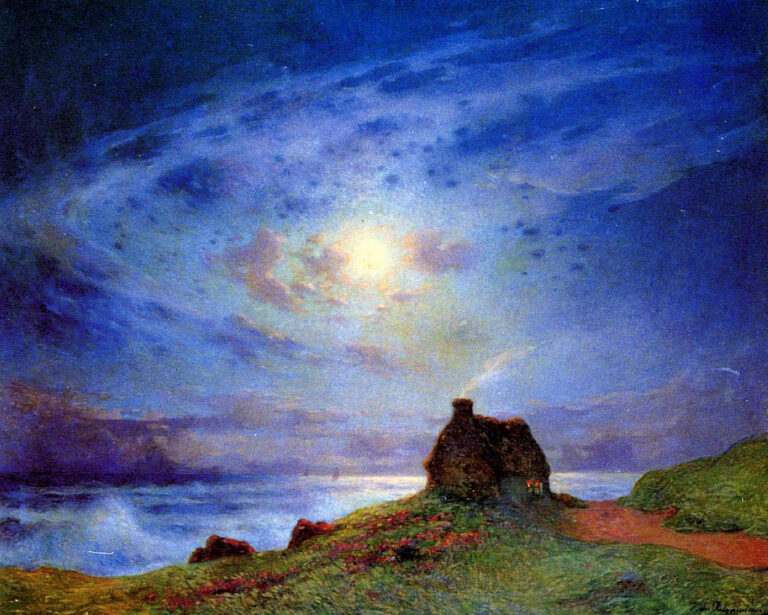
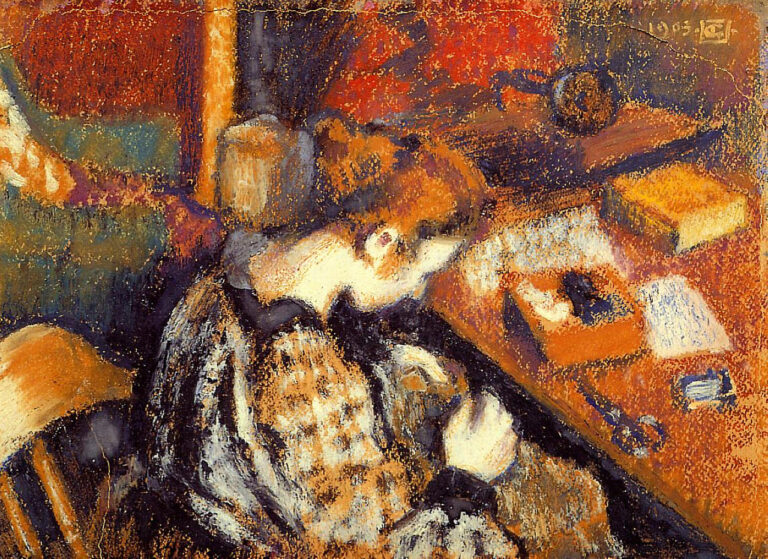
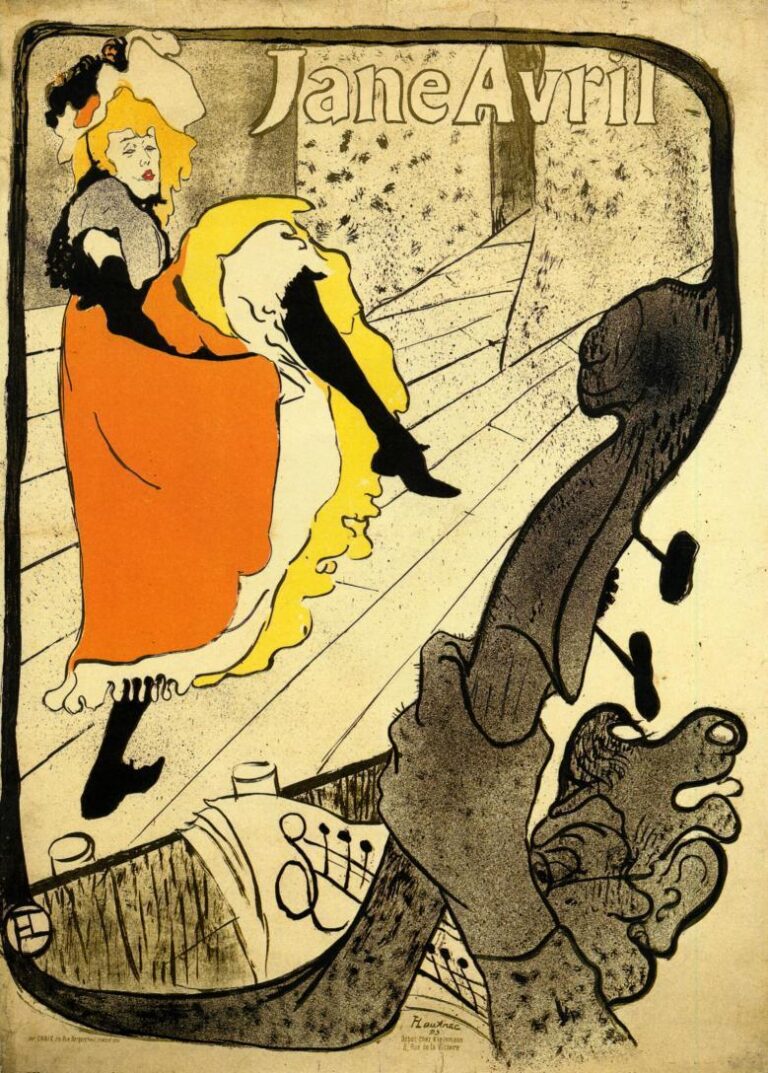
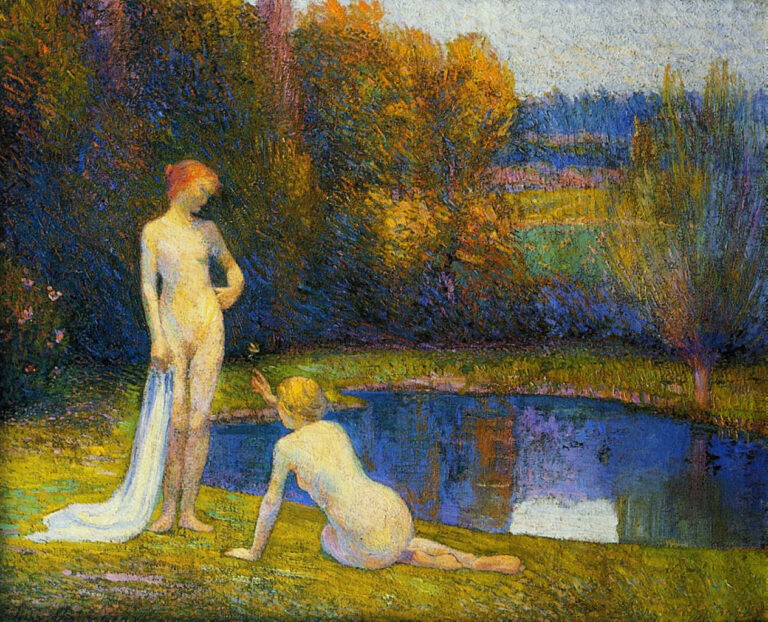
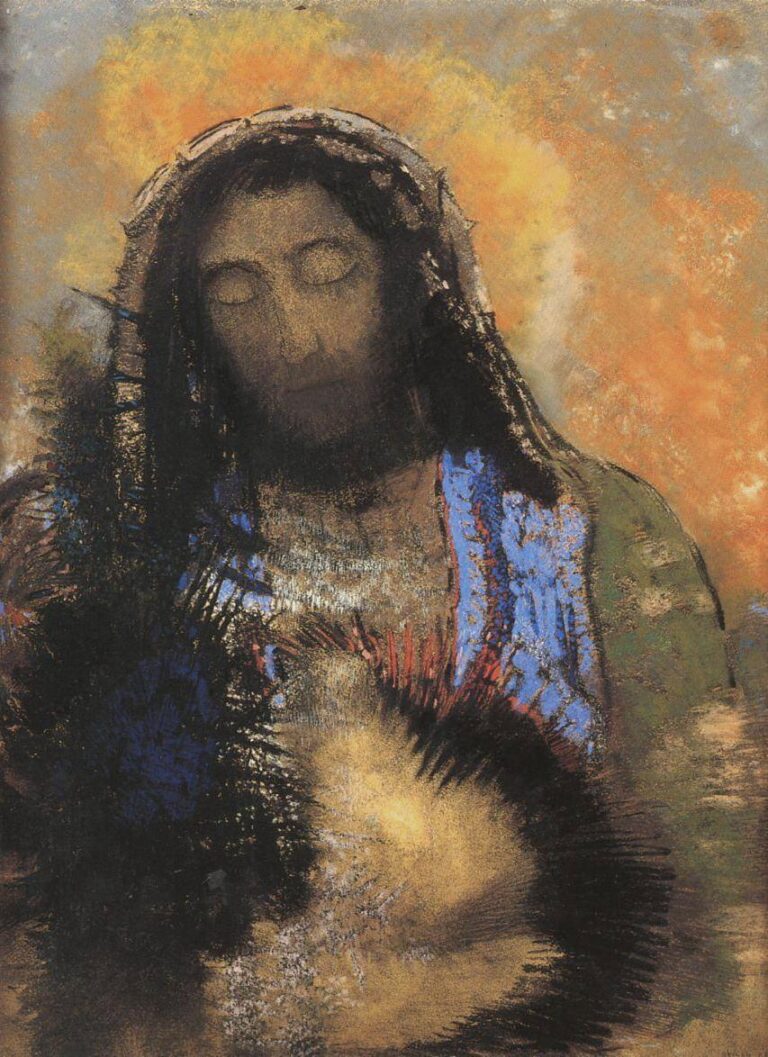
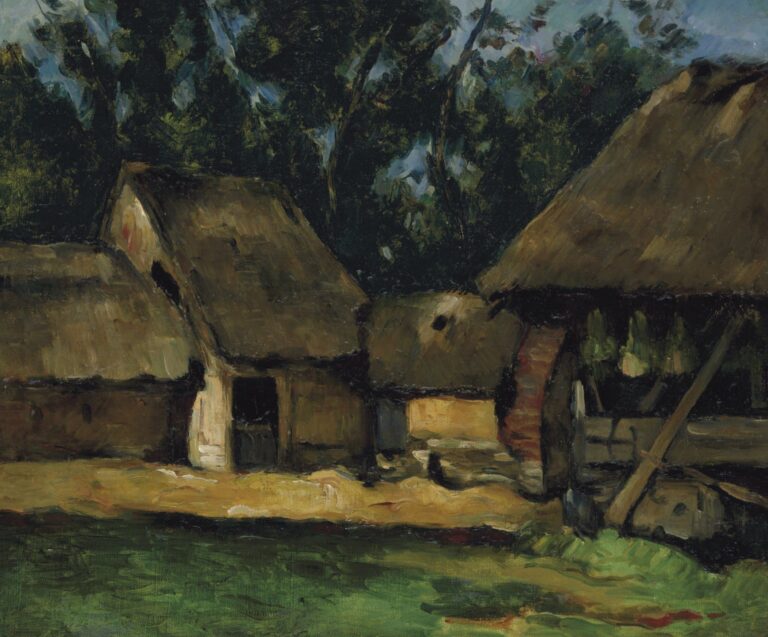
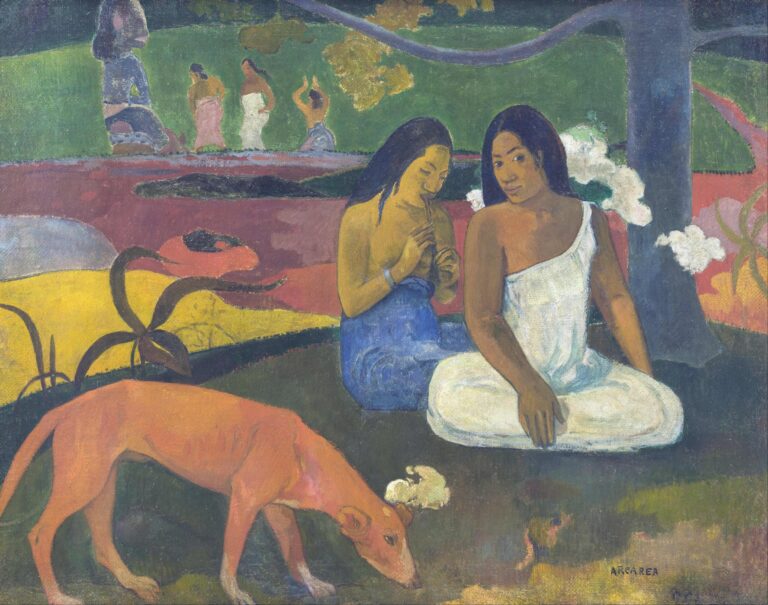
Post-Impressionism refers to a group of artists who built upon Impressionism while moving beyond its limitations. Emerging in the late 19th century, it emphasized personal expression, symbolic meaning, and structural form. Rather than focusing solely on light and atmosphere, Post-Impressionist artists sought deeper emotional or conceptual impact.
Color became more intense and expressive, often used to convey mood rather than natural appearance. Forms were simplified, outlined, or distorted to strengthen composition and meaning. Brushwork could be bold and rhythmic, reflecting the artist’s inner vision. Subjects ranged from landscapes and still lifes to portraits and symbolic scenes.
Post-Impressionism was not a single unified style, but a diverse movement of individual approaches. Its ideas directly influenced modern art and opened the path toward abstraction and expressive freedom.