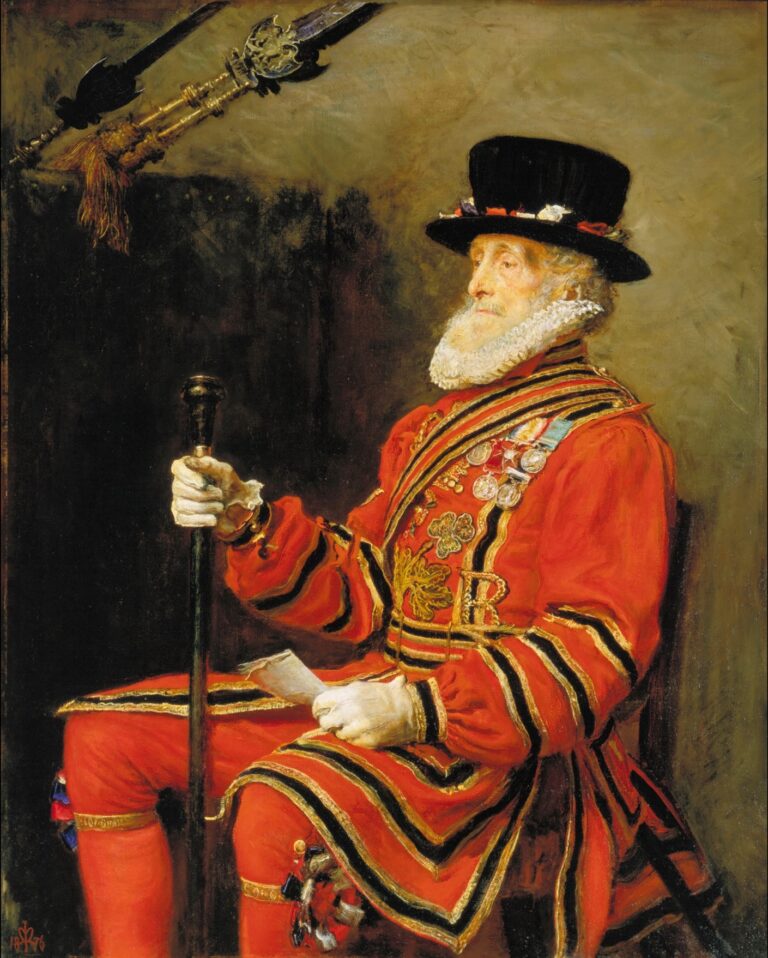
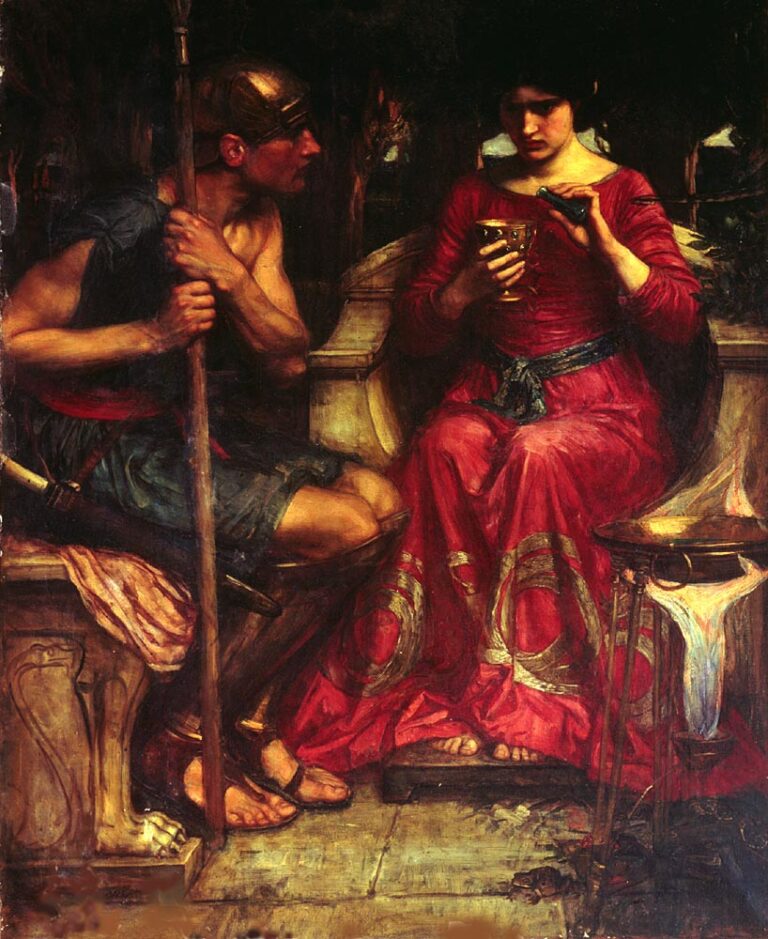
Pre-Raphaelite art emerged in the mid 19th century as a reaction against academic convention and idealized classicism. Founded in England, the movement sought inspiration from art before the time of Raphael, valuing sincerity, detail, and intense realism. Artists aimed to return to what they saw as the honesty and clarity of early Renaissance painting.
Works are characterized by vivid colors, sharp focus, and meticulous attention to detail. Nature was closely observed, and symbolic elements were often woven into compositions. Literary, medieval, and mythological themes were especially popular, reflecting a deep interest in poetry and storytelling. Figures often appear idealized yet emotionally introspective.
Pre-Raphaelite art emphasized moral seriousness and visual richness. Its distinctive style stands out for its clarity, symbolism, and romantic imagination. The movement left a lasting mark on British art and continues to captivate through its narrative depth and luminous beauty.