Achille Laugé
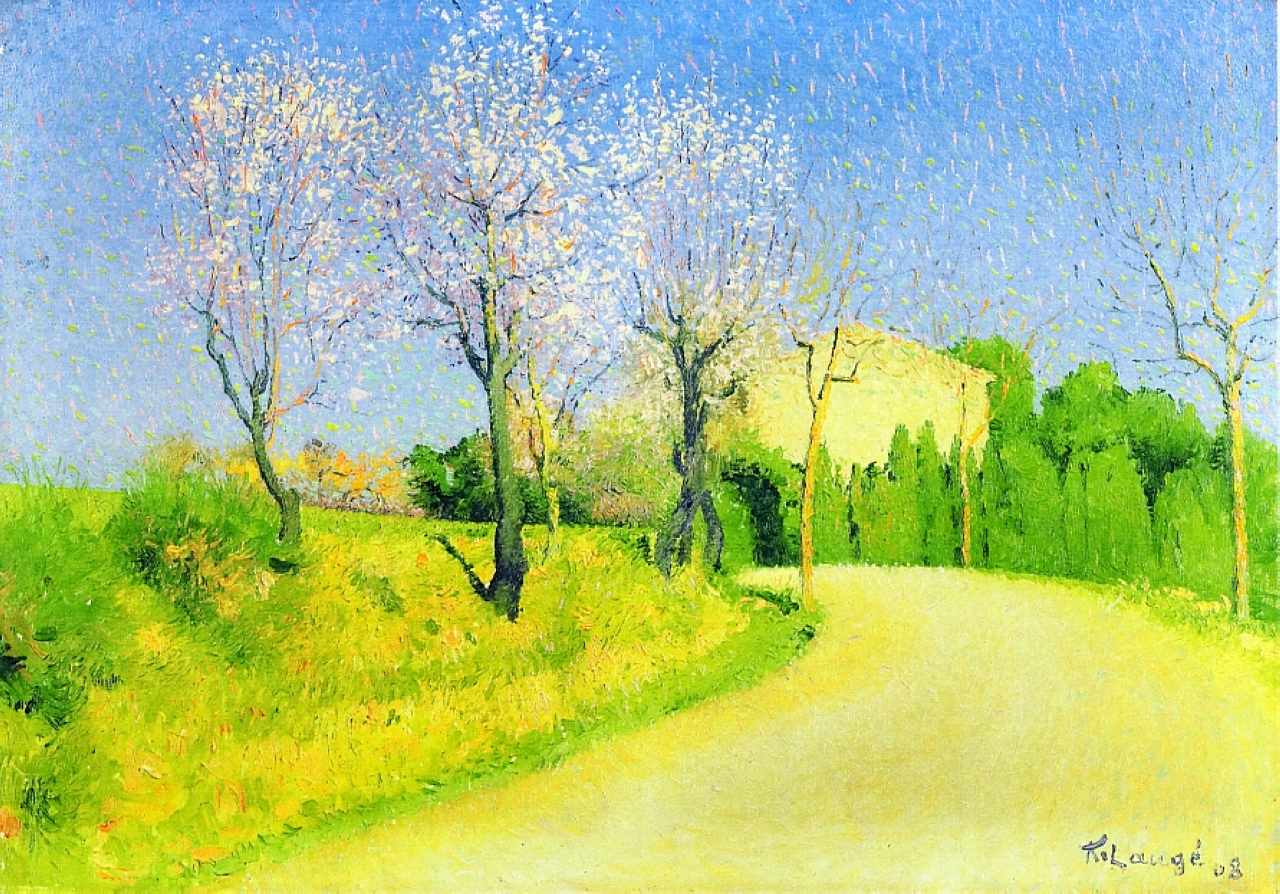
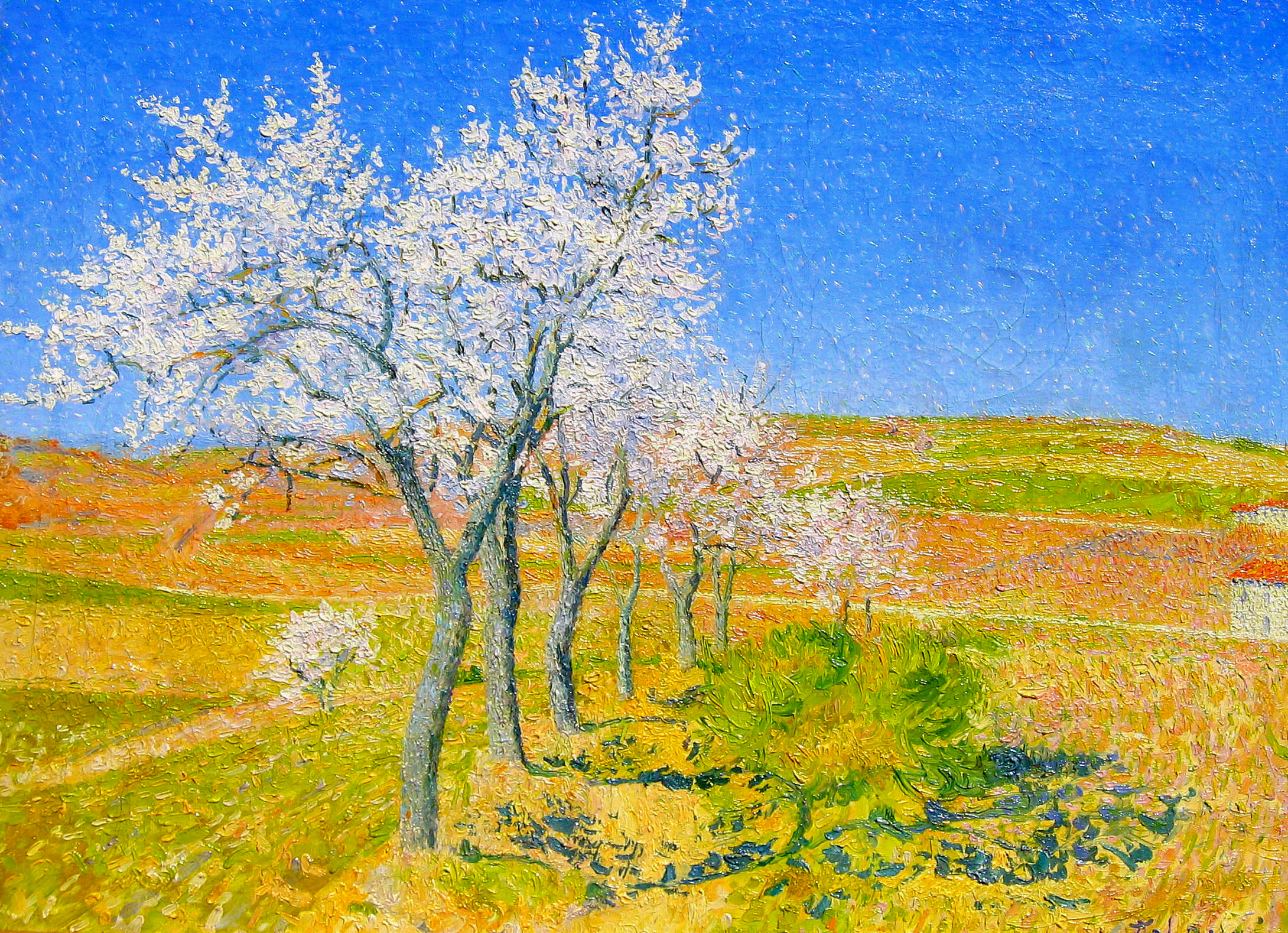
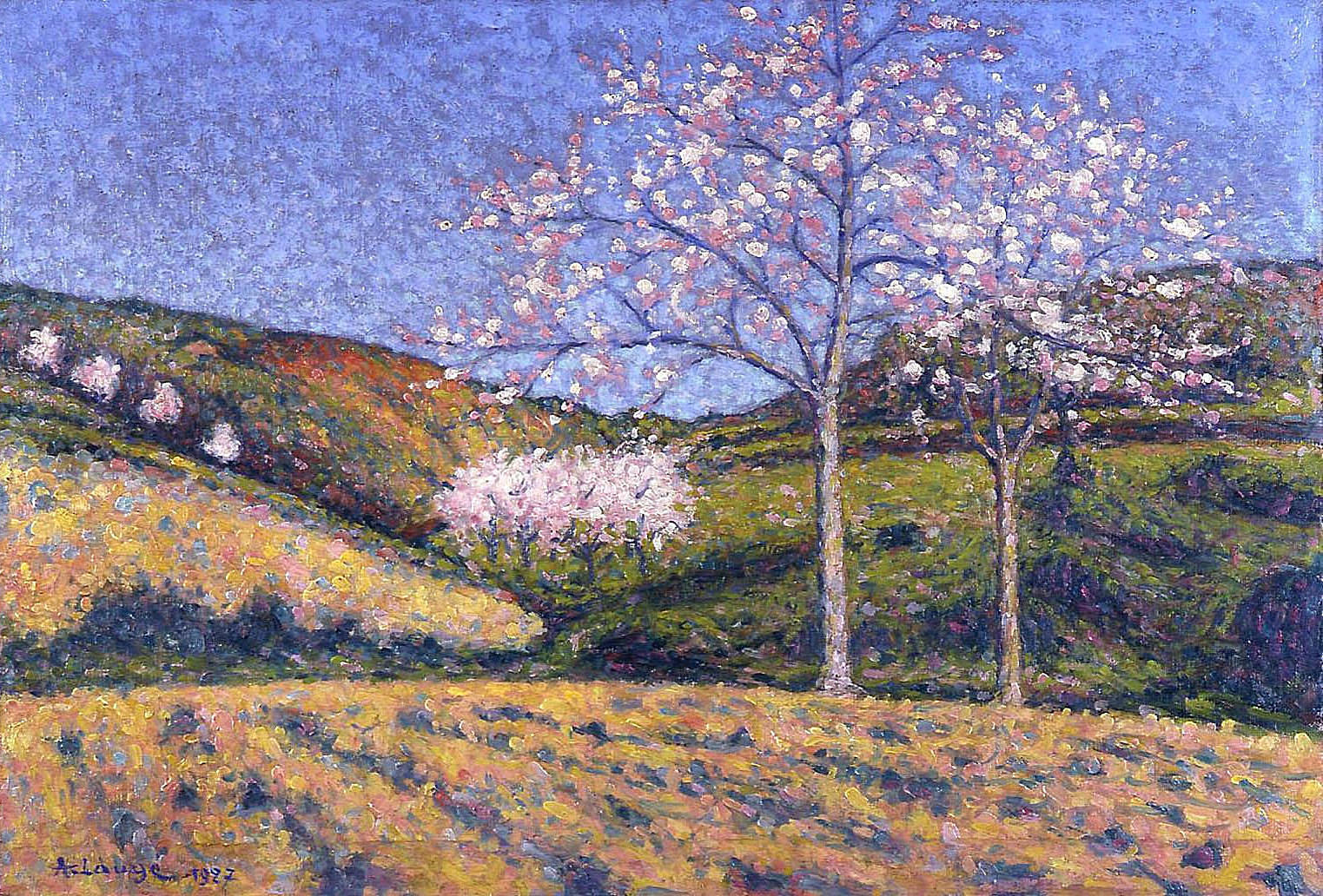
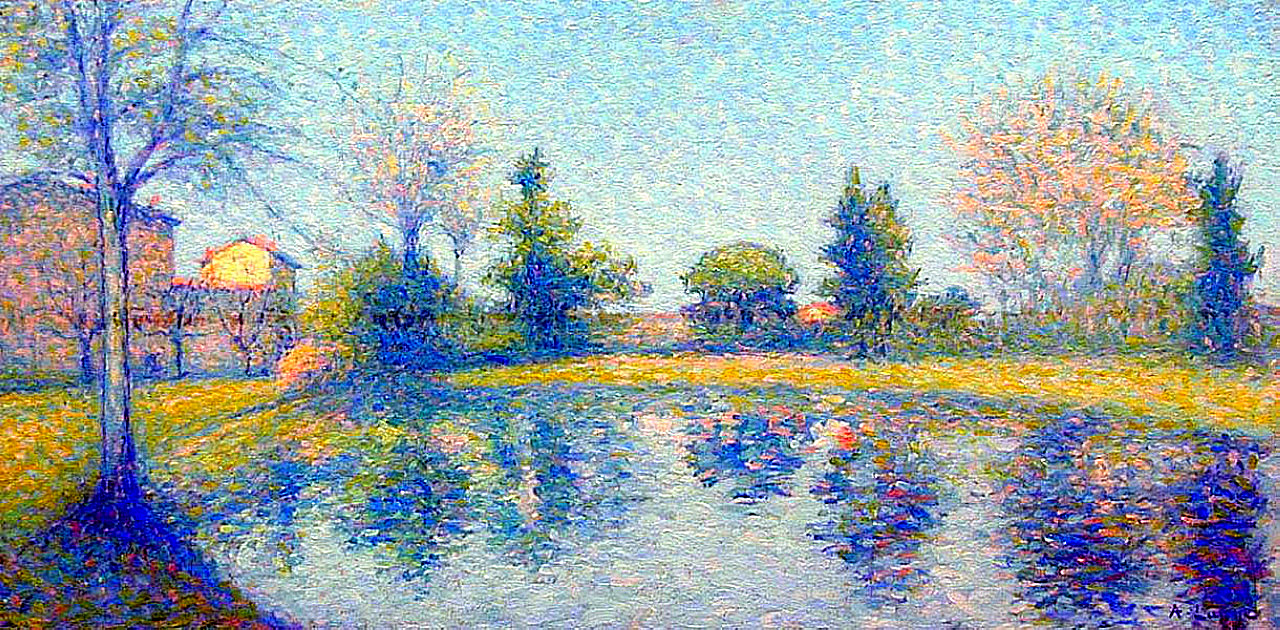
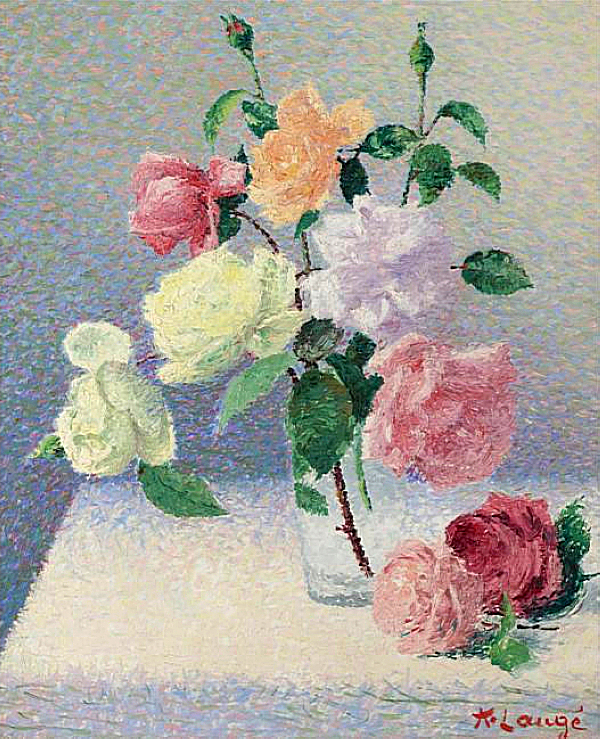
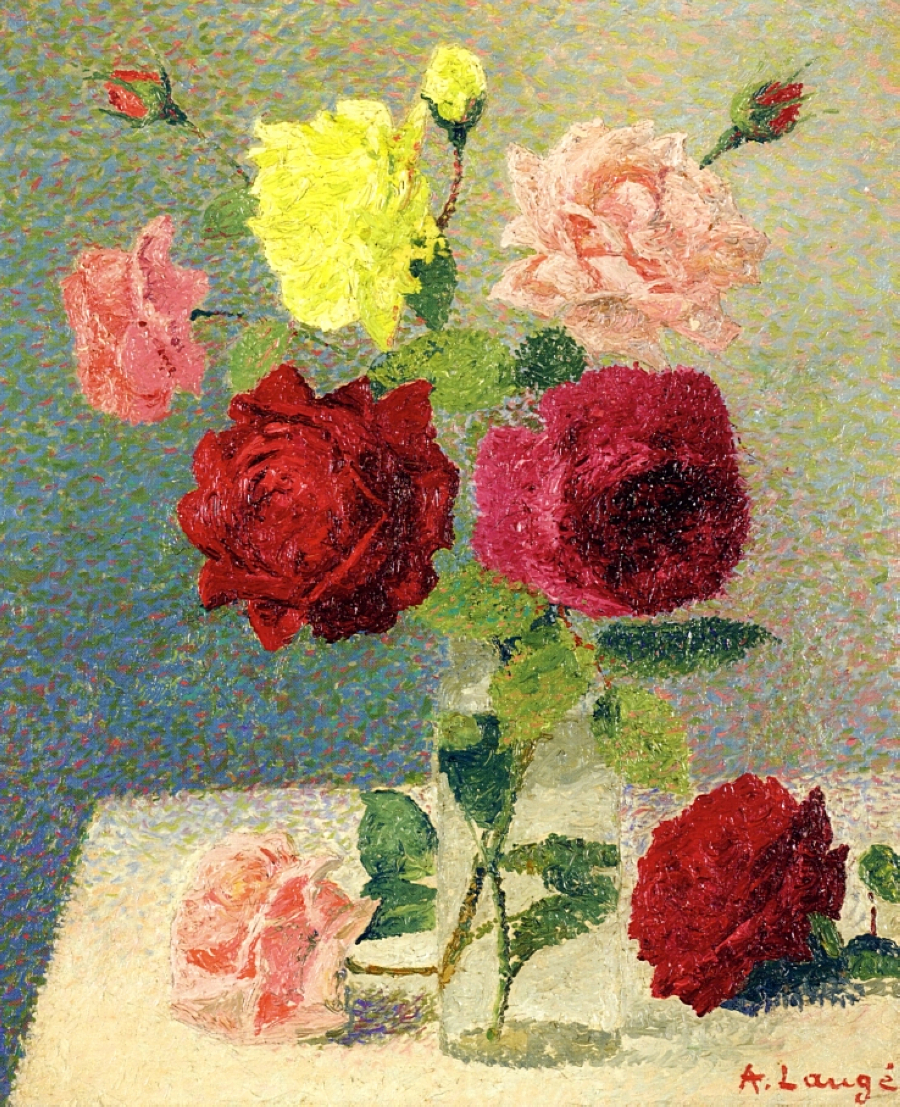
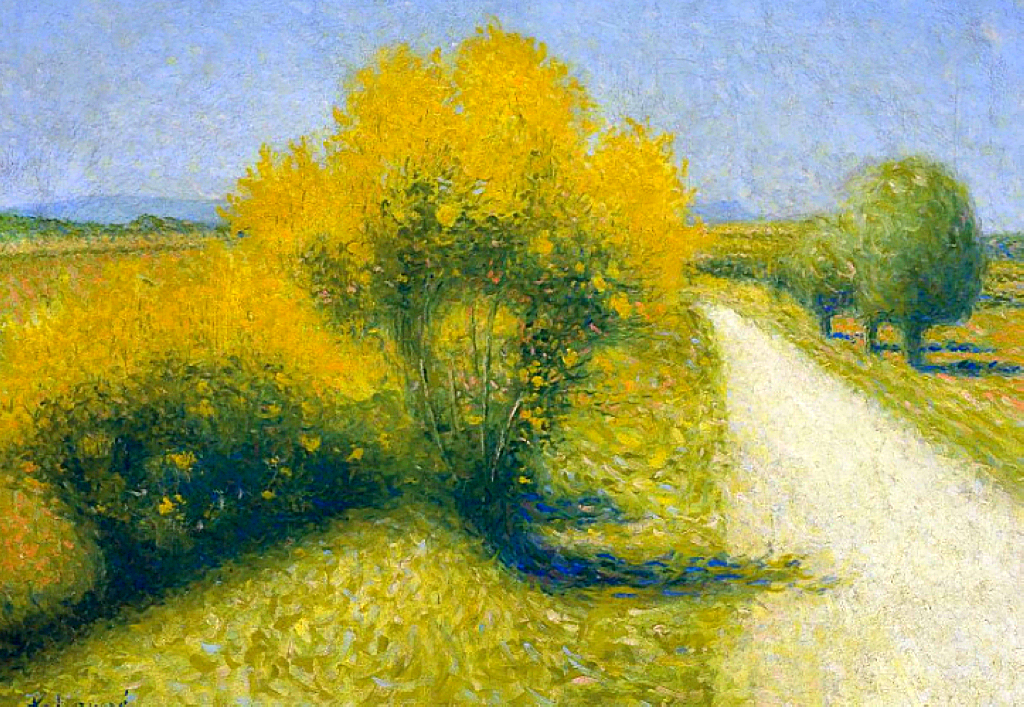
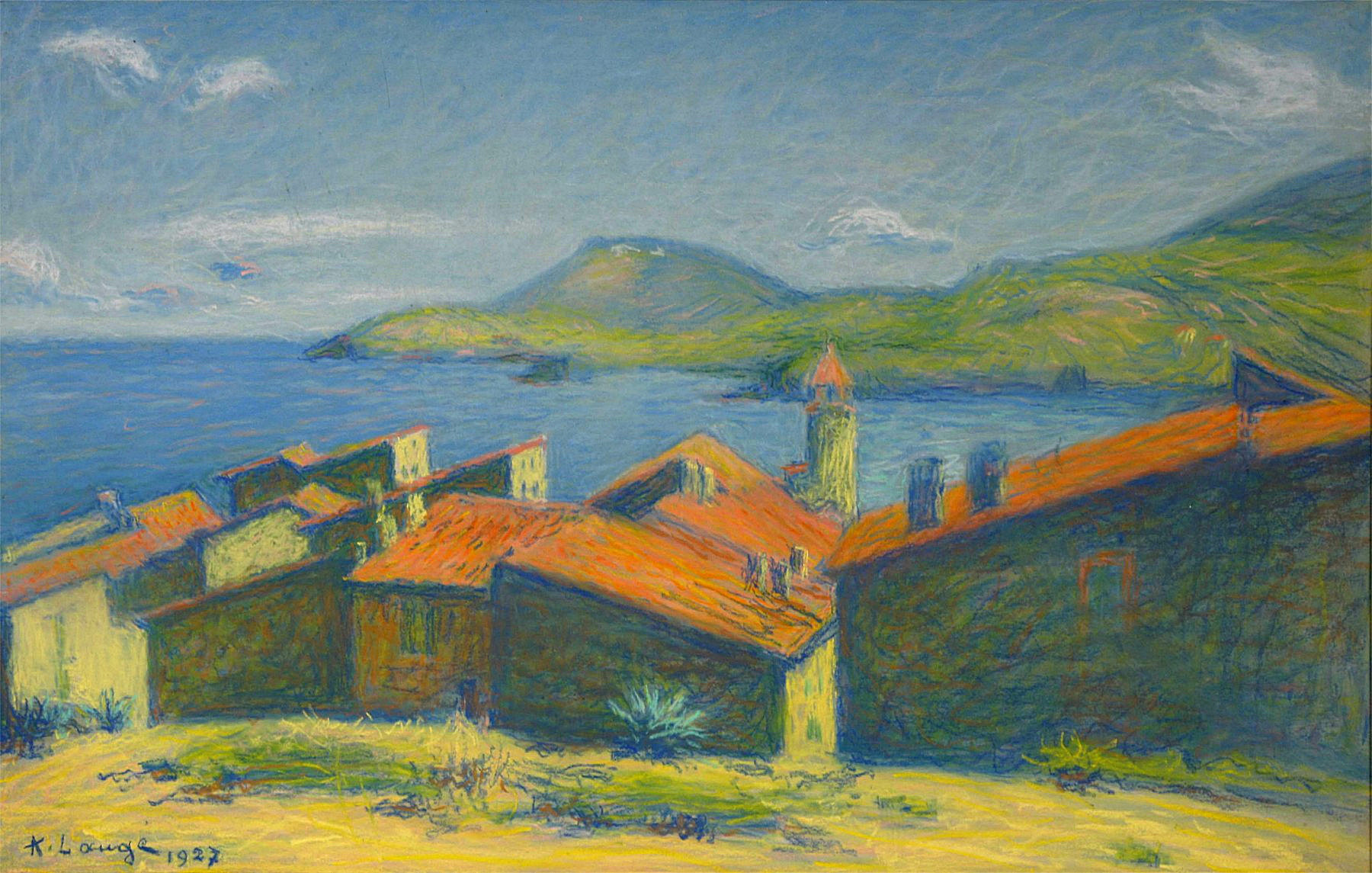
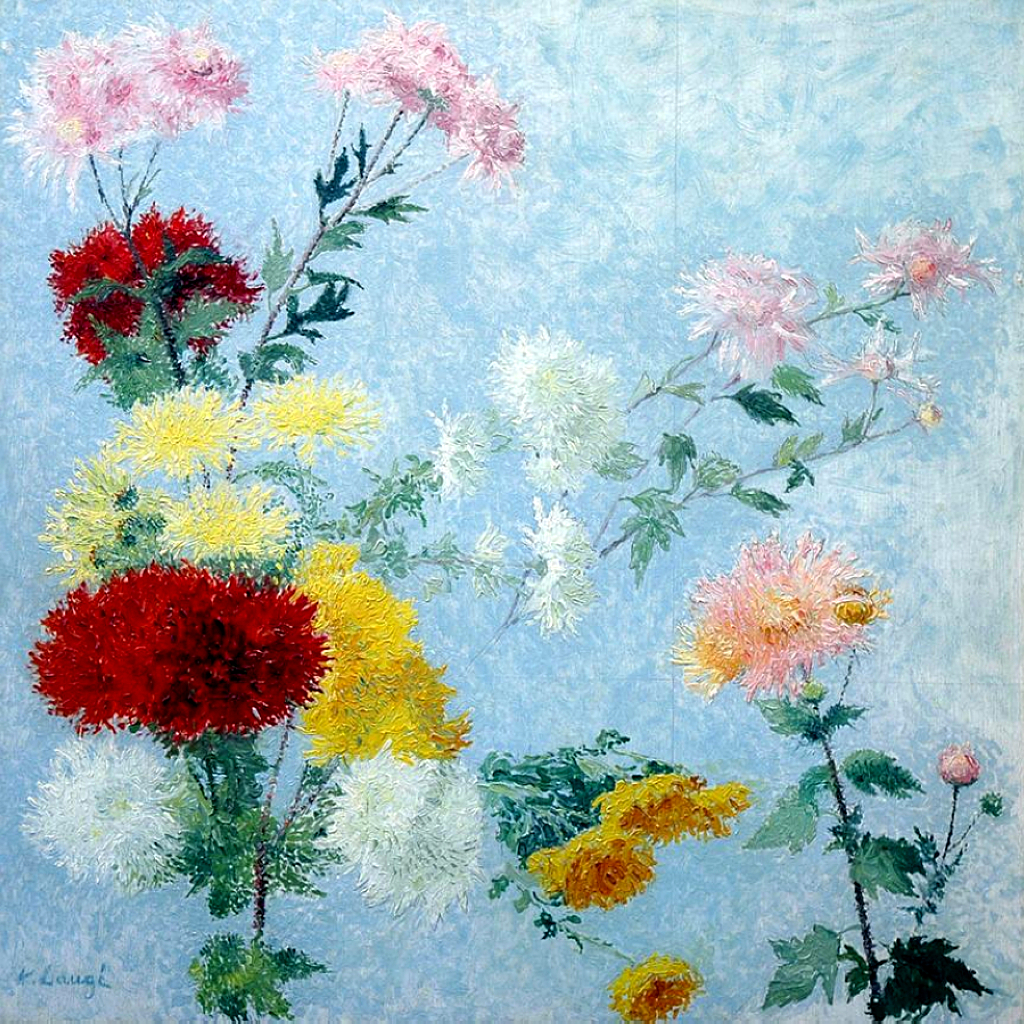
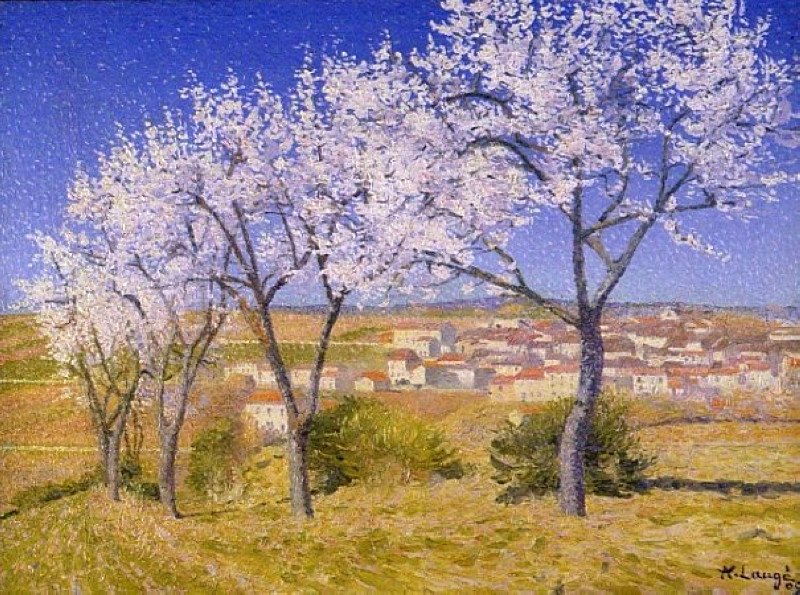
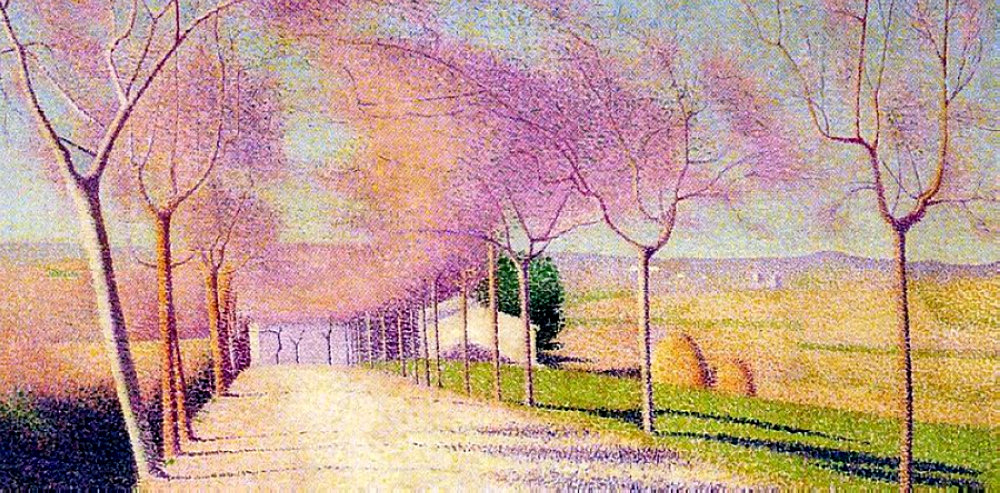
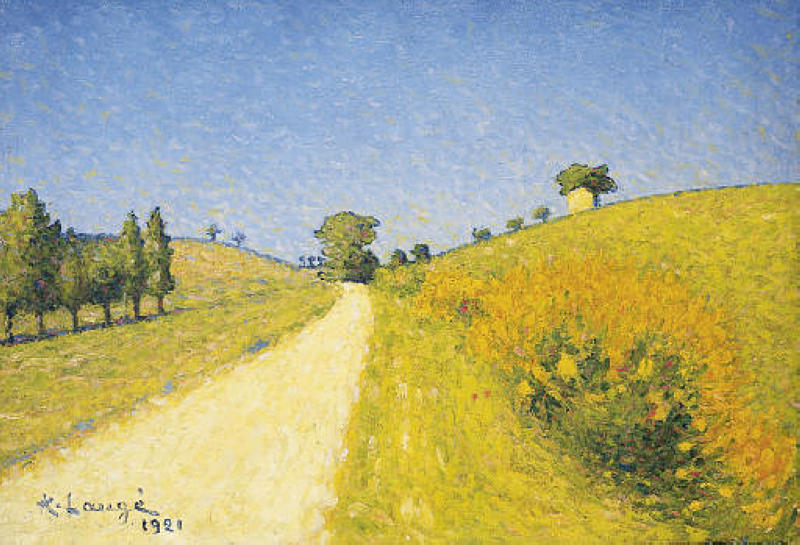
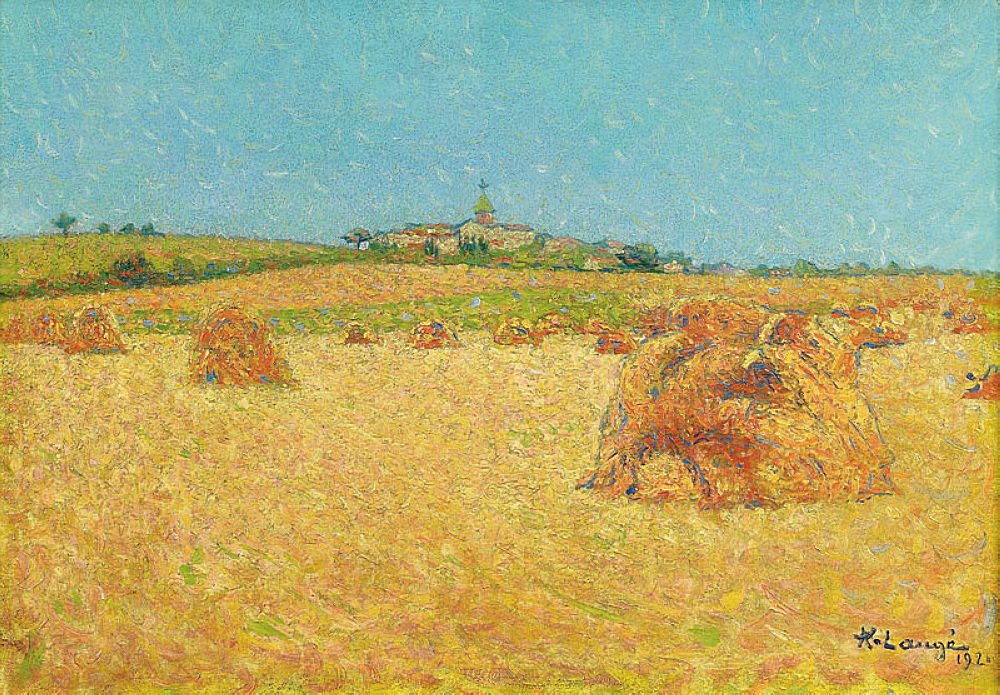
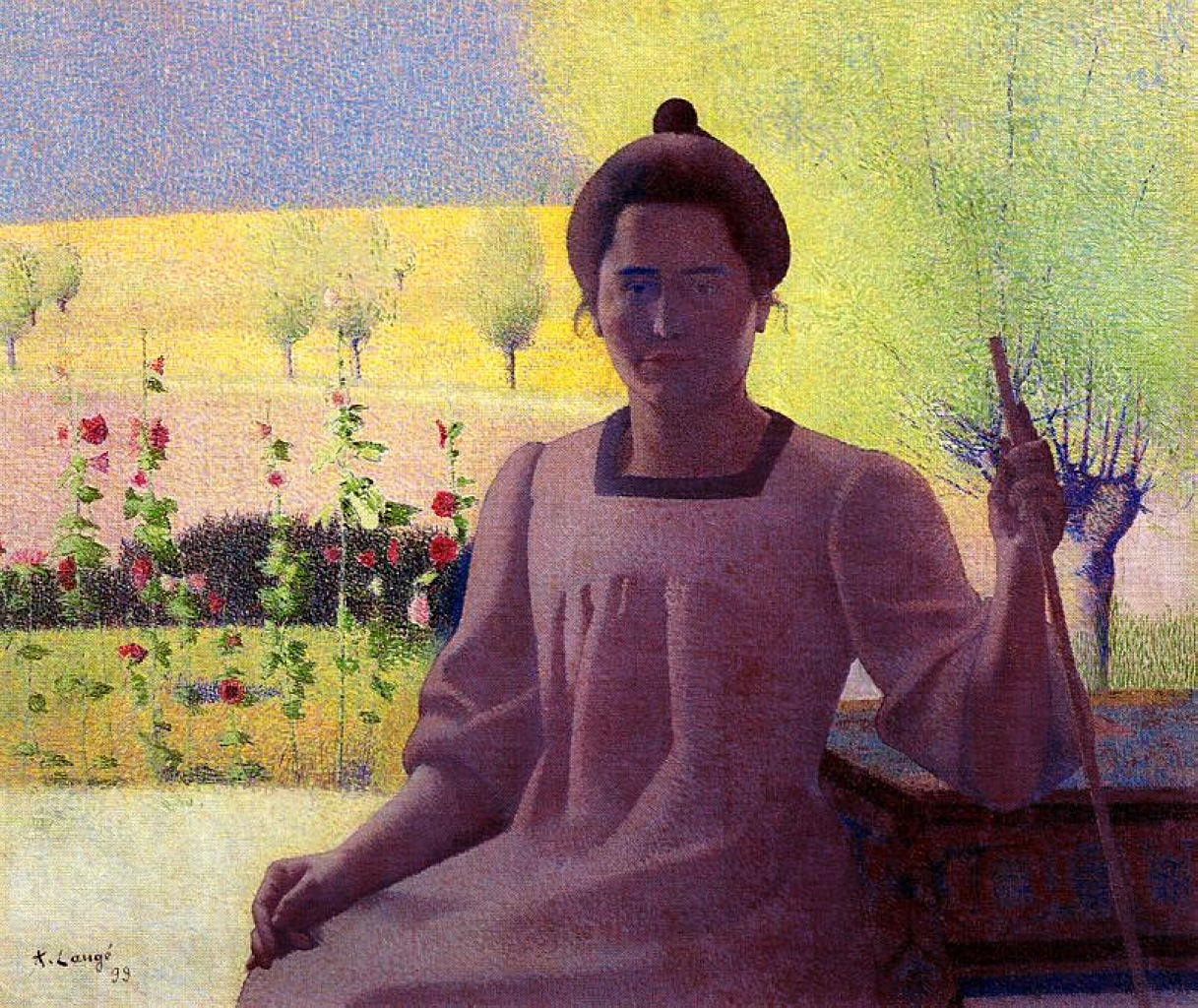
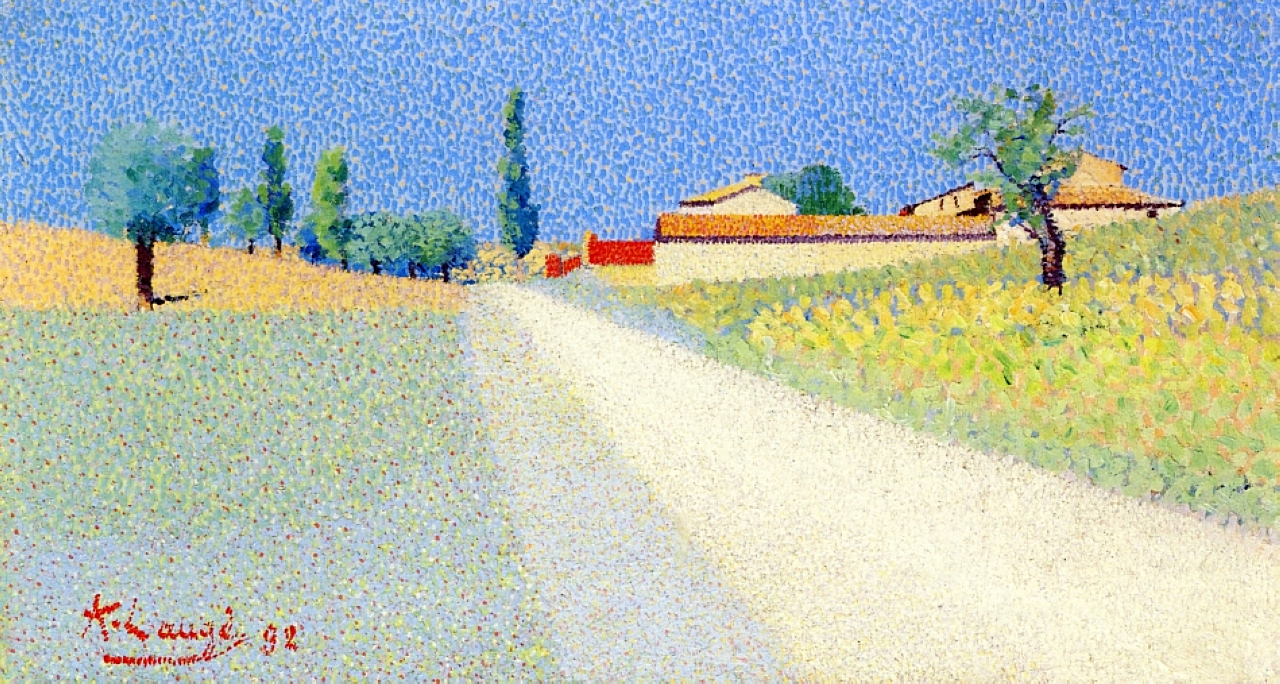
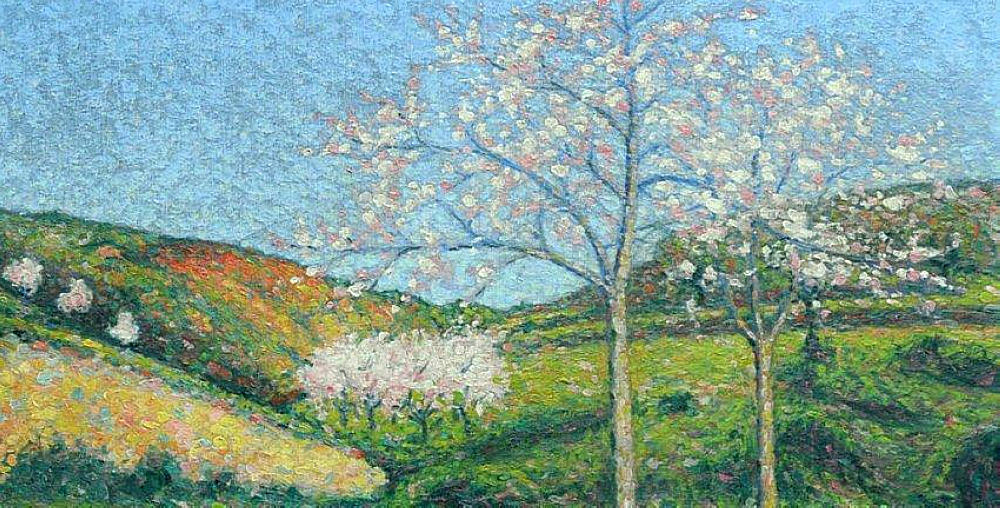
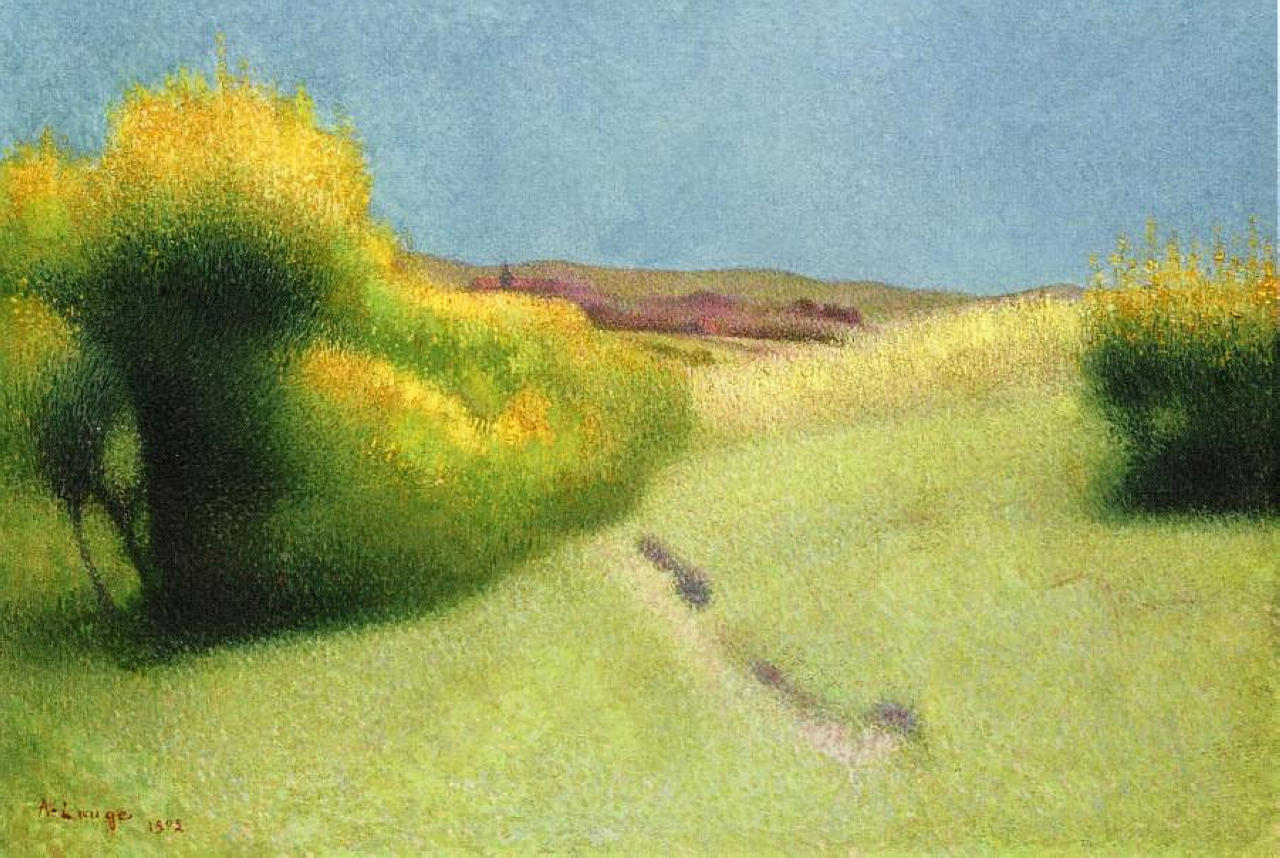
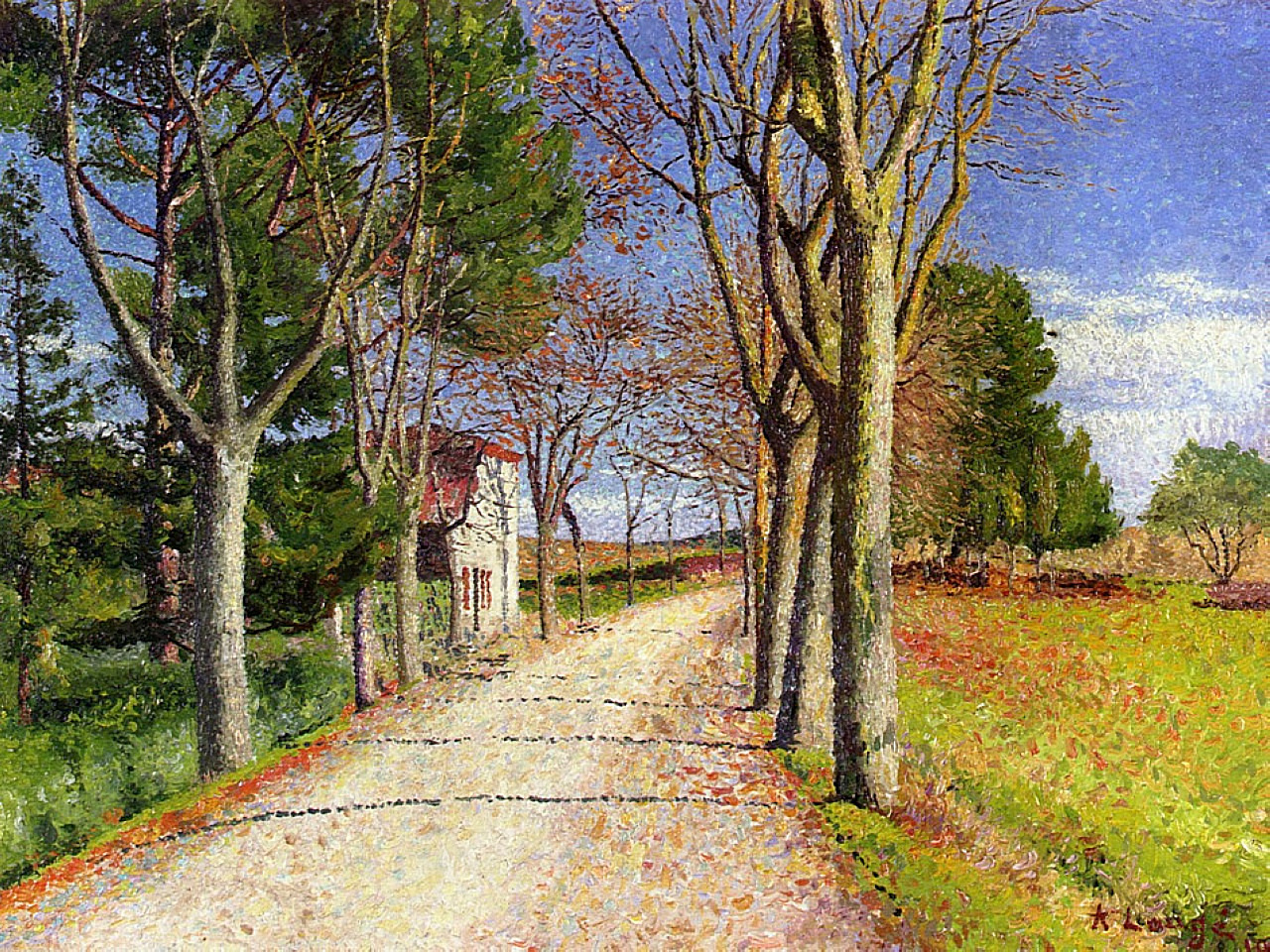
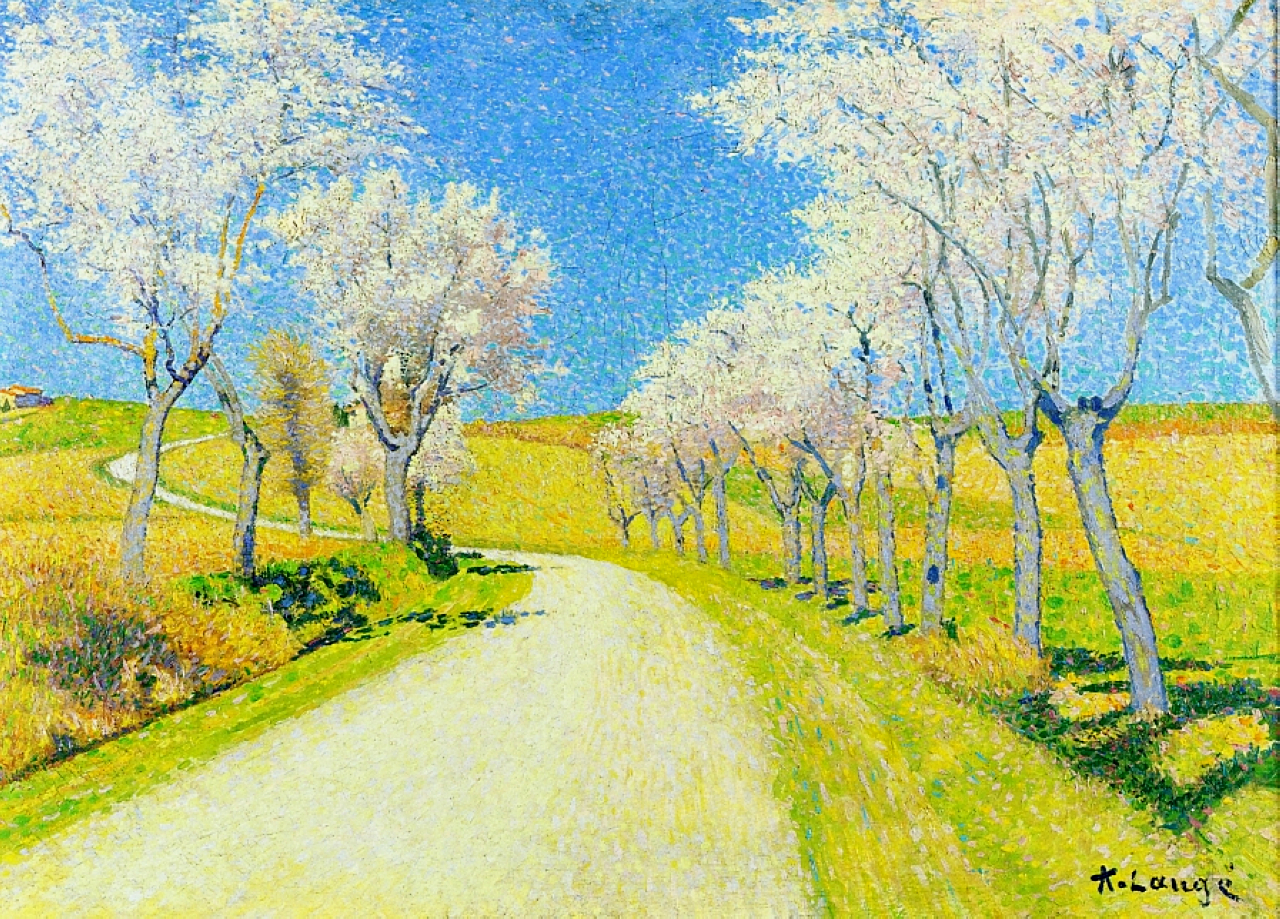
Achille Laugé was born in 1861 in Arzens, France, and became an important figure of Post-Impressionism. He studied in Paris at the École des Beaux-Arts, where he was exposed to Impressionist ideas before developing his own distinctive approach. Laugé is best known for his landscapes and portraits, often painted with a pointillist or divisionist technique. His work emphasizes structure, balance, and quiet harmony rather than fleeting effects.
Strongly influenced by Georges Seurat, Laugé applied small touches of color to build form and atmosphere with clarity and restraint. Much of his work was inspired by the rural landscapes of southern France, particularly around Carcassonne. Unlike many of his contemporaries, he avoided the Paris art scene and lived a largely secluded life. This isolation contributed to the calm and timeless quality of his paintings. Laugé worked steadily for decades with little public attention. He died in 1944. Today, his art is appreciated for its subtle color, disciplined technique, and contemplative mood.