Albert Gleizes
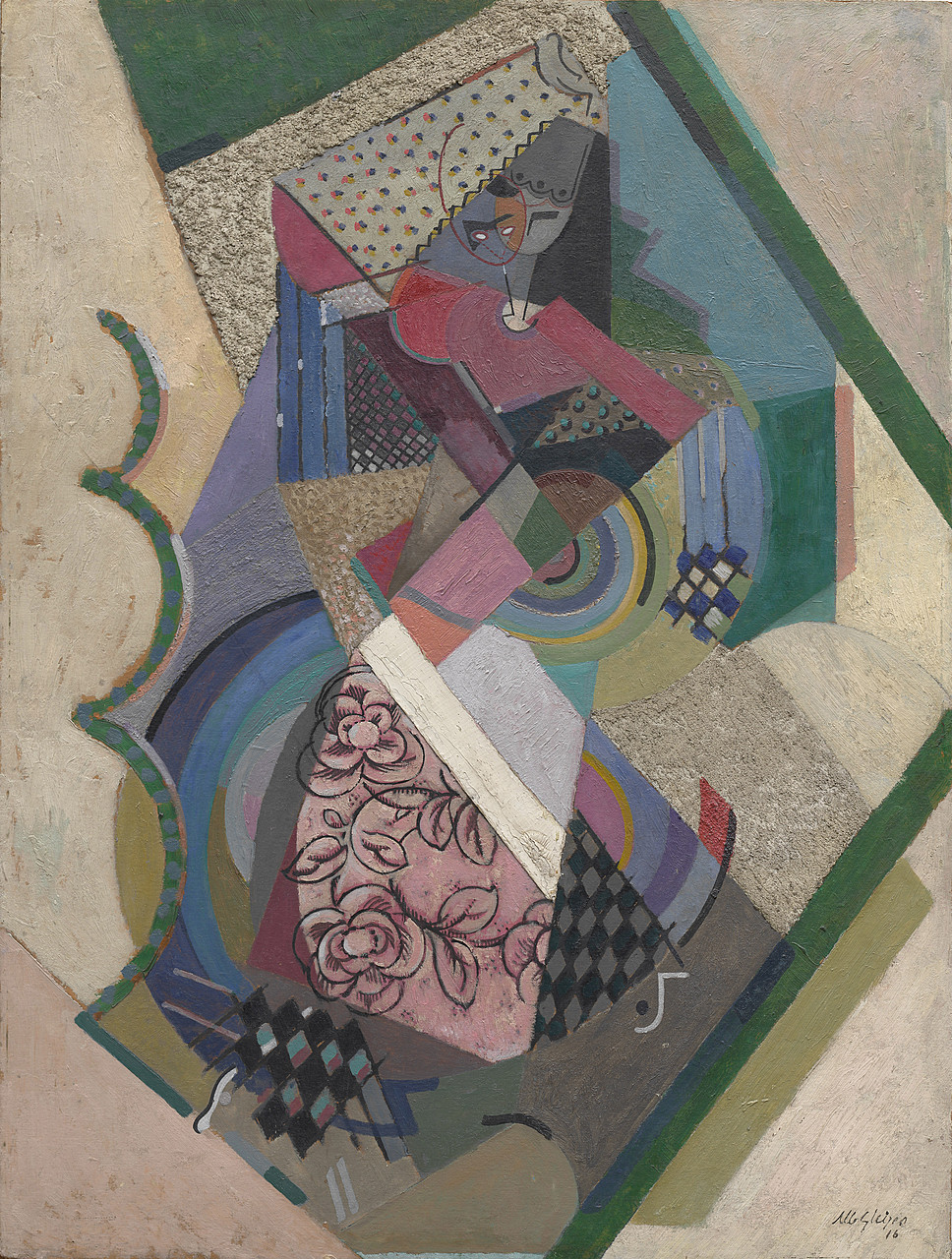
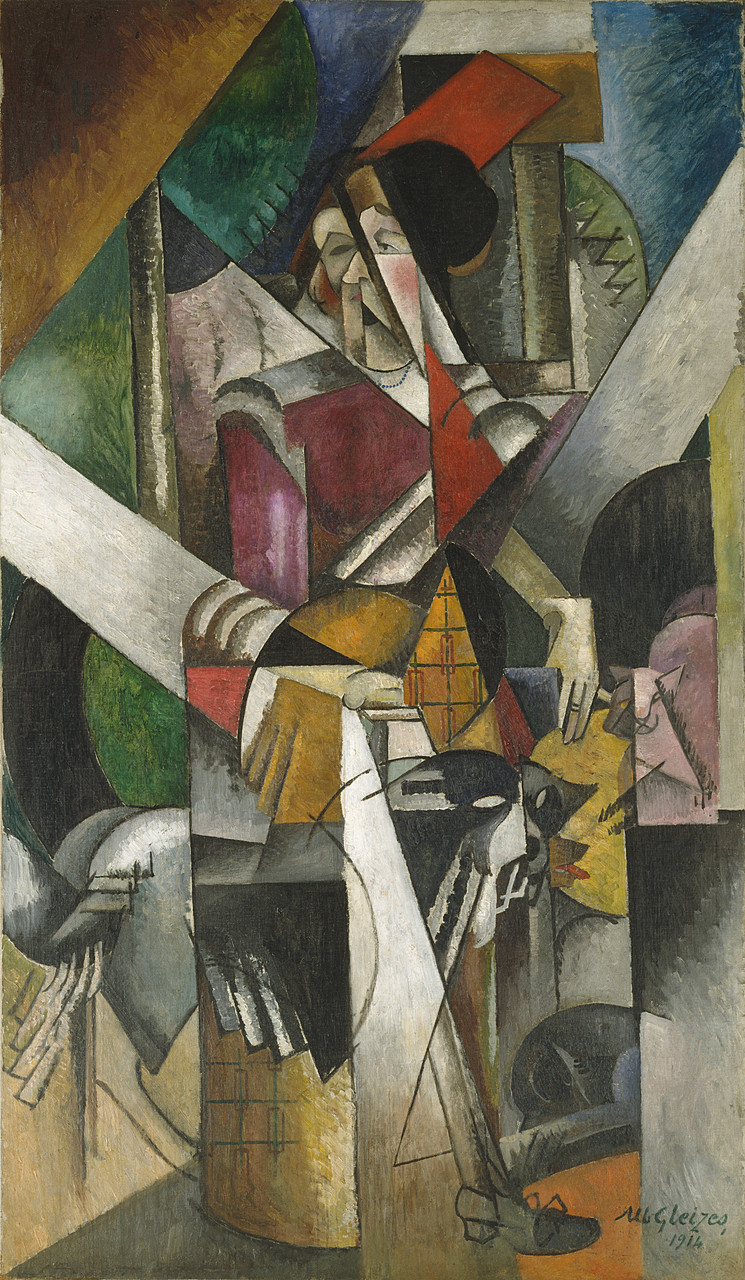
Albert Gleizes was born in Paris in 1881 and became a key figure in the development of Cubism. Largely self-taught, he moved away from traditional representation and embraced modern approaches to form and structure. Gleizes sought to express movement, rhythm, and the underlying order of reality rather than surface appearance. His work played an important role in shaping Cubism as a coherent artistic theory.
He was a co-author of Du “Cubisme” in 1912, one of the earliest theoretical texts explaining the movement. Gleizes exhibited widely across Europe and the United States, helping to introduce Cubist ideas to a broader audience. Throughout his career, he continued to evolve his style, blending abstraction with spiritual and philosophical themes. He also worked as a teacher and writer, deeply engaged in artistic education. Albert Gleizes died in 1953. His legacy lies in both his paintings and his lasting contribution to modern art theory.