Arshile Gorky
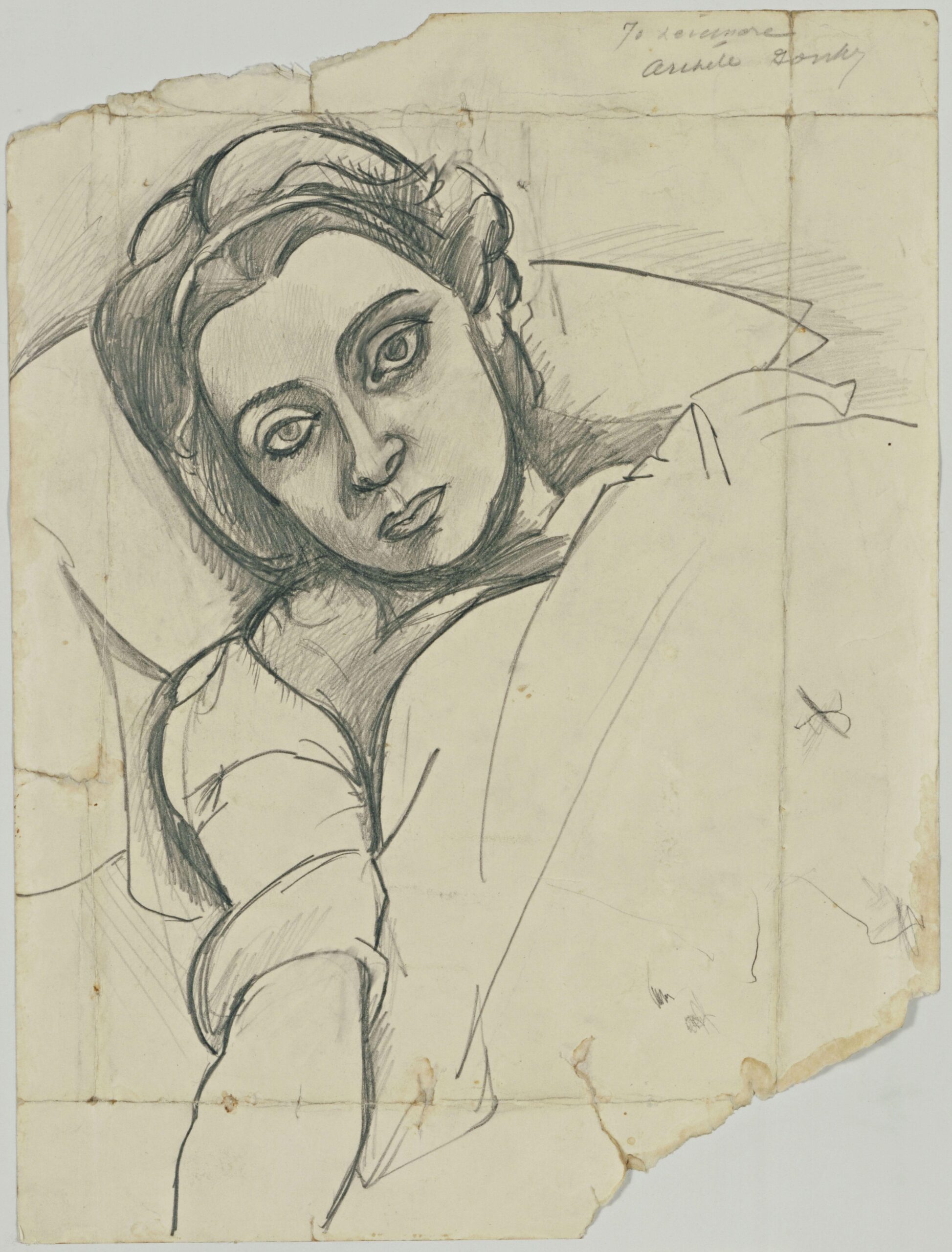
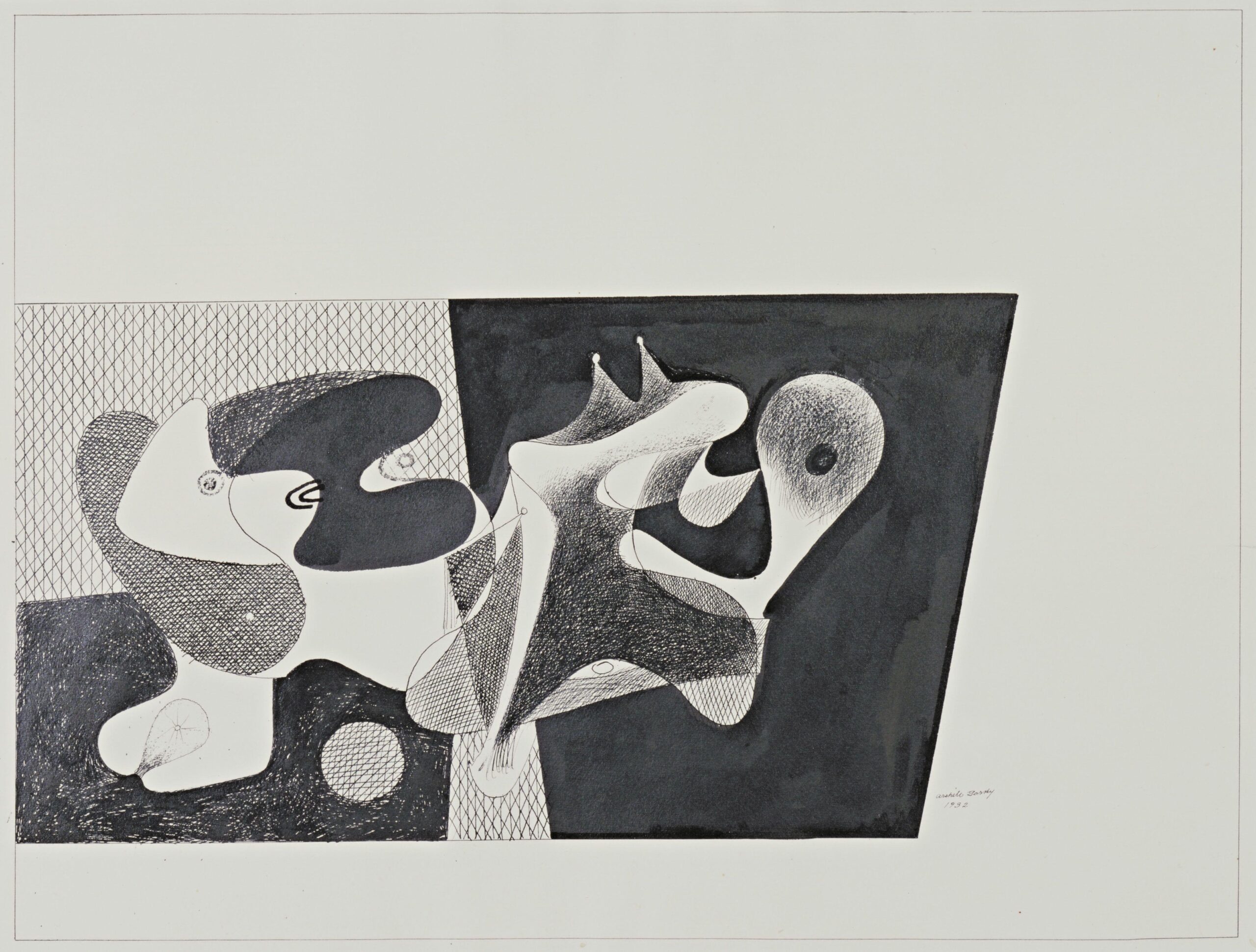
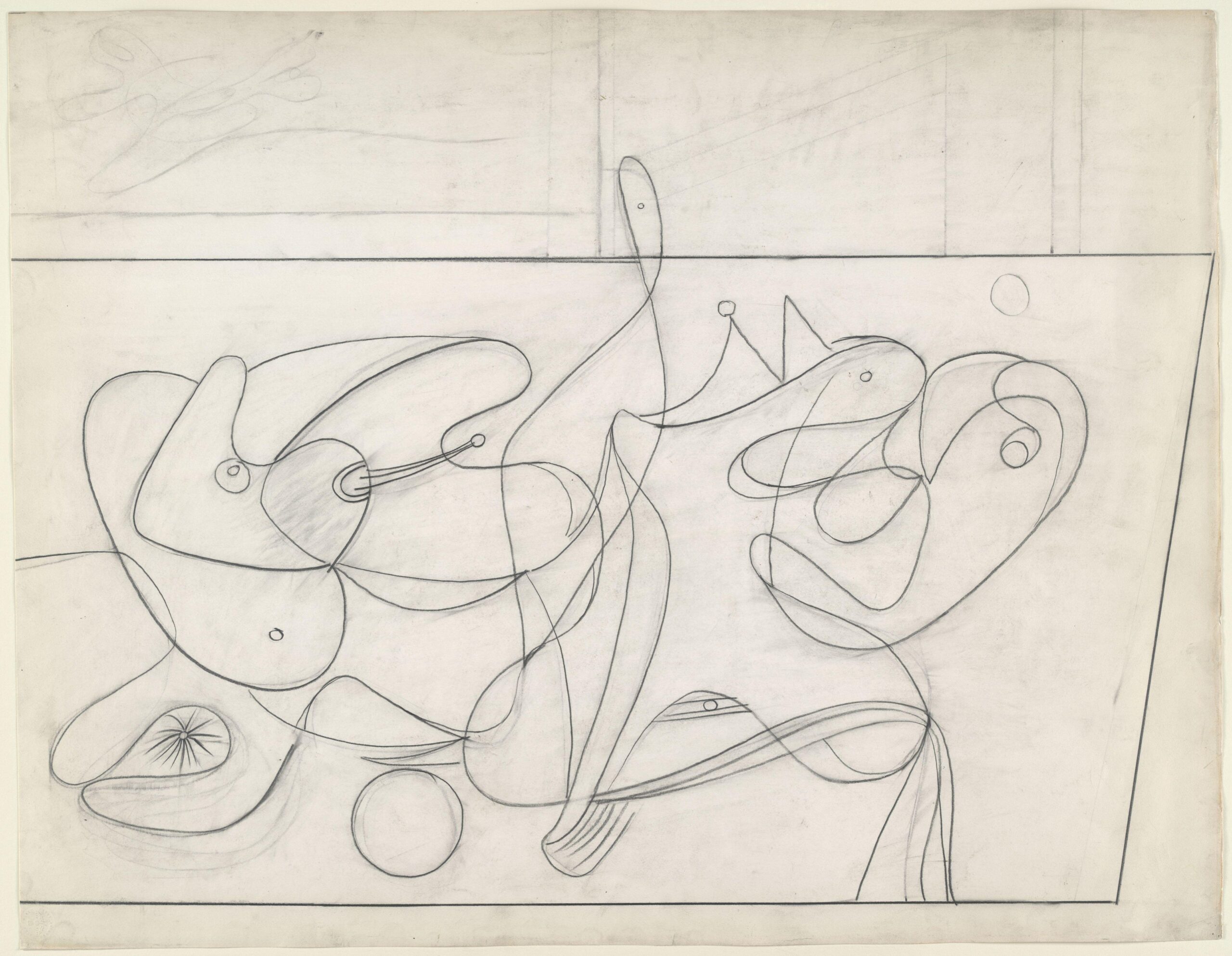
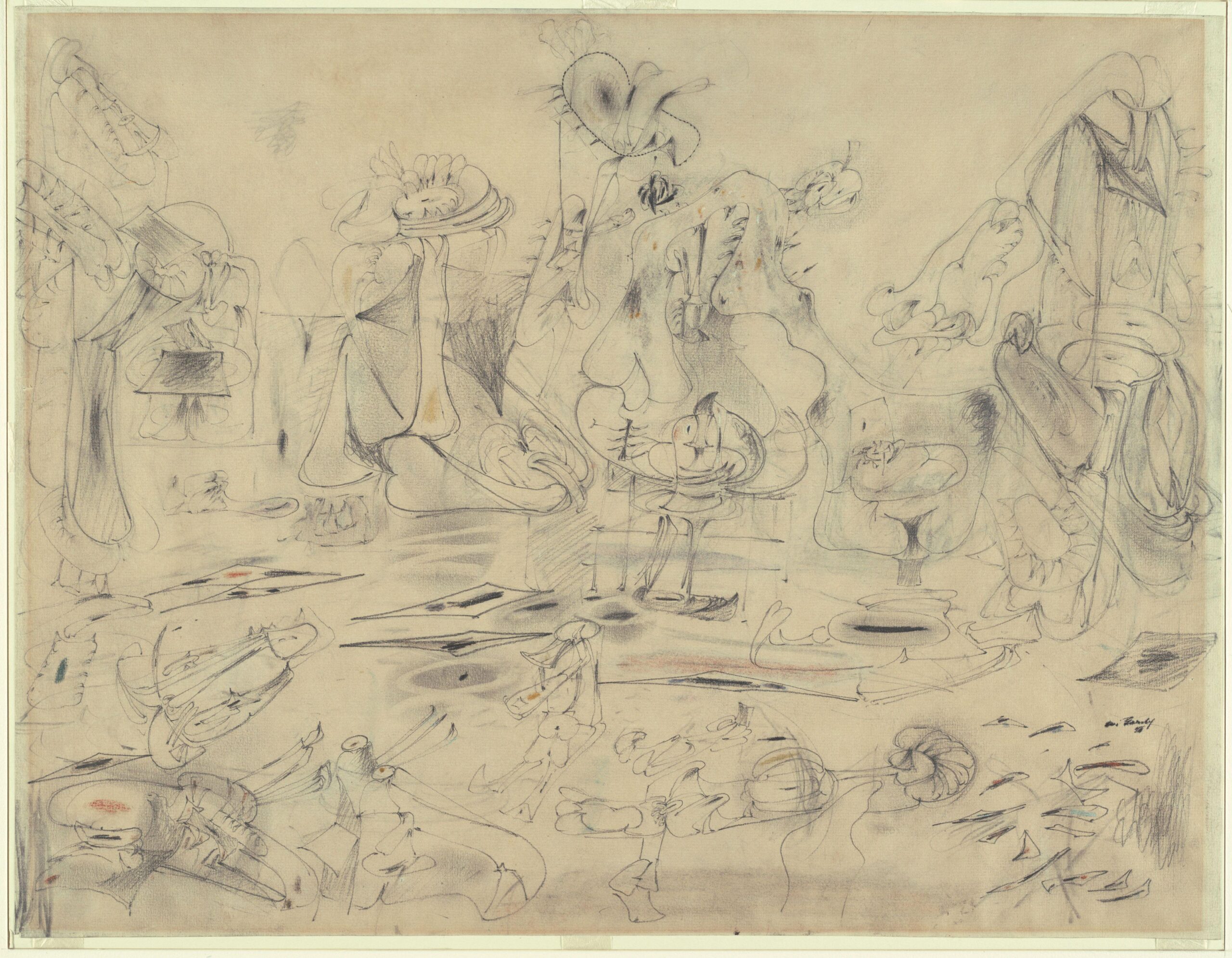
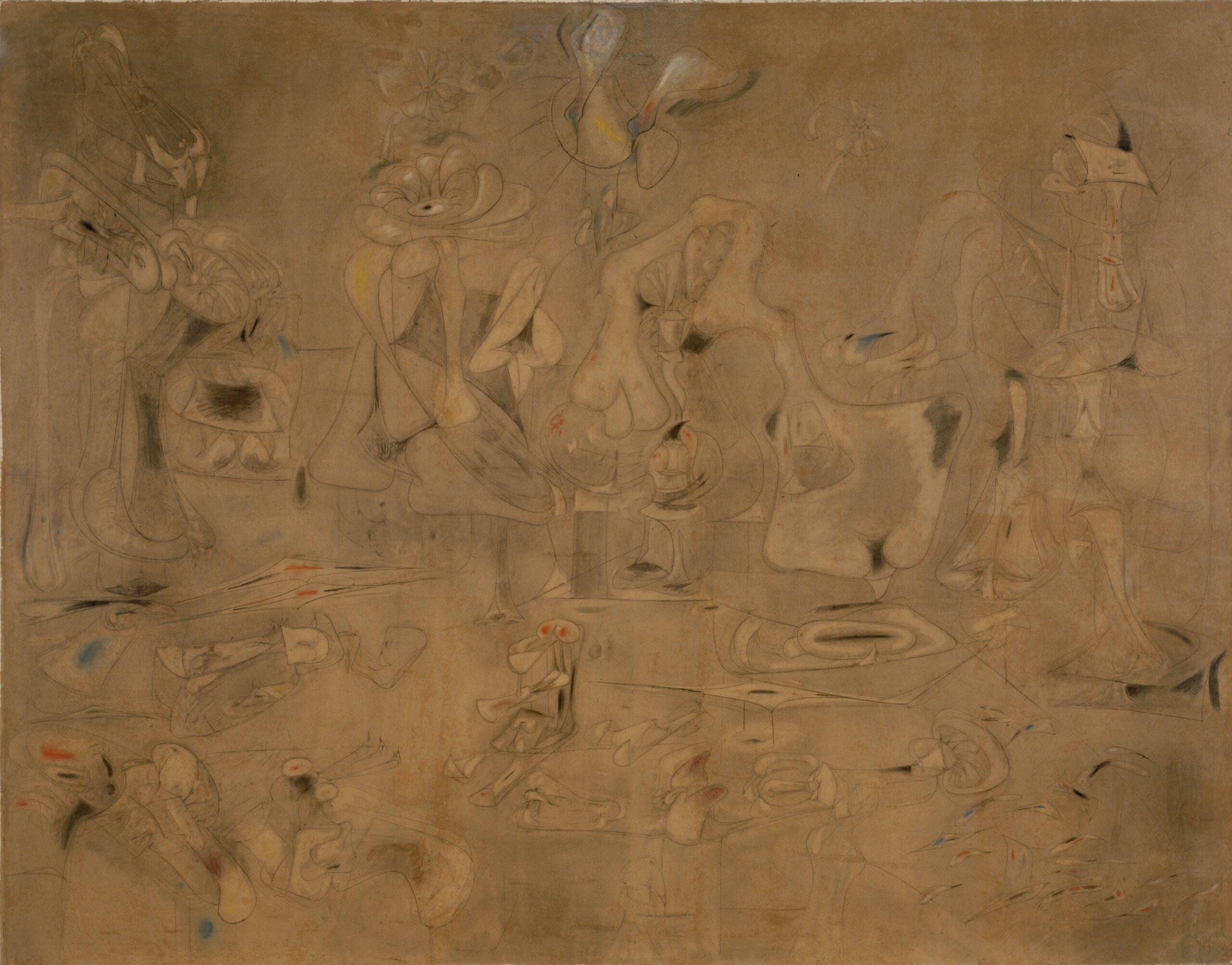
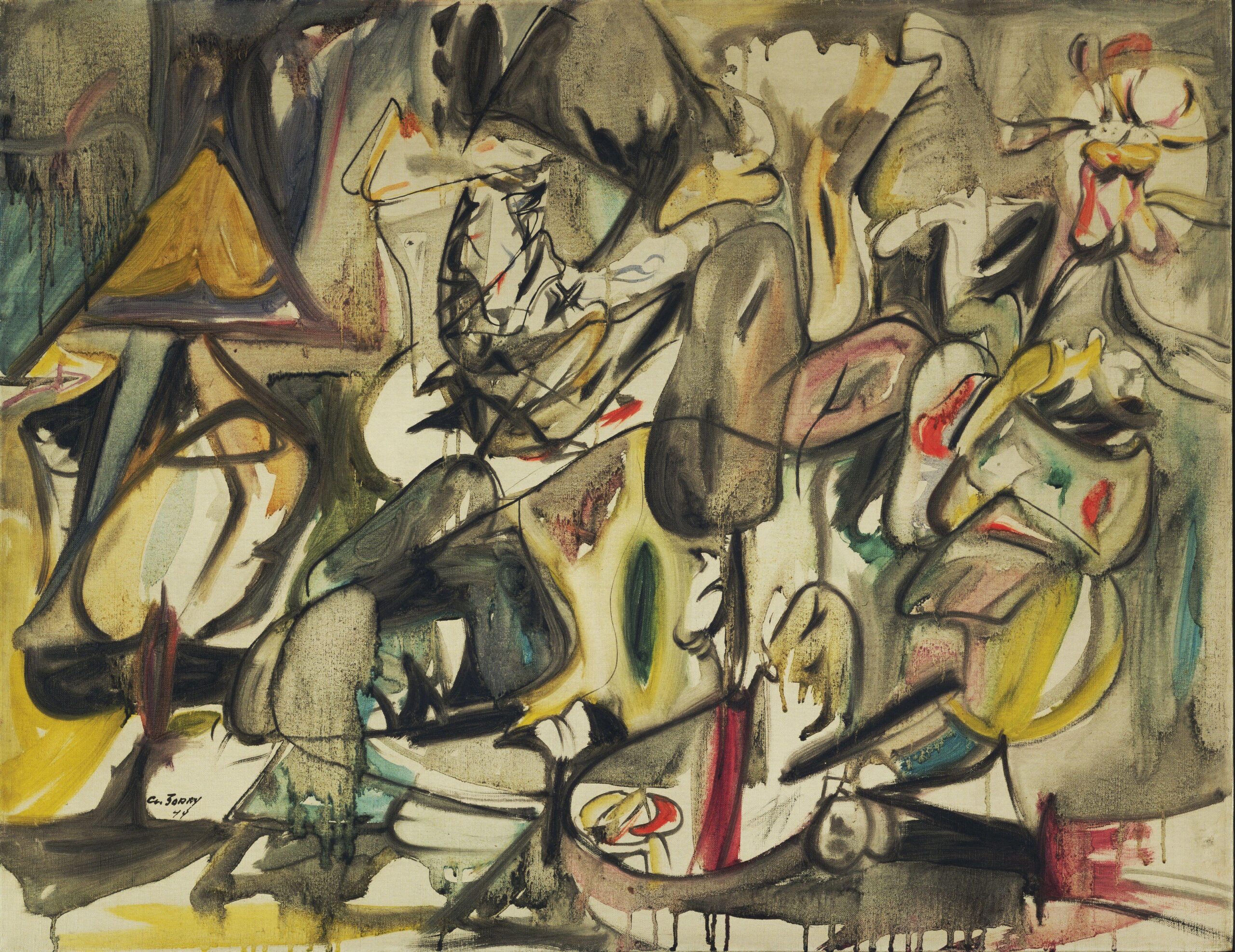
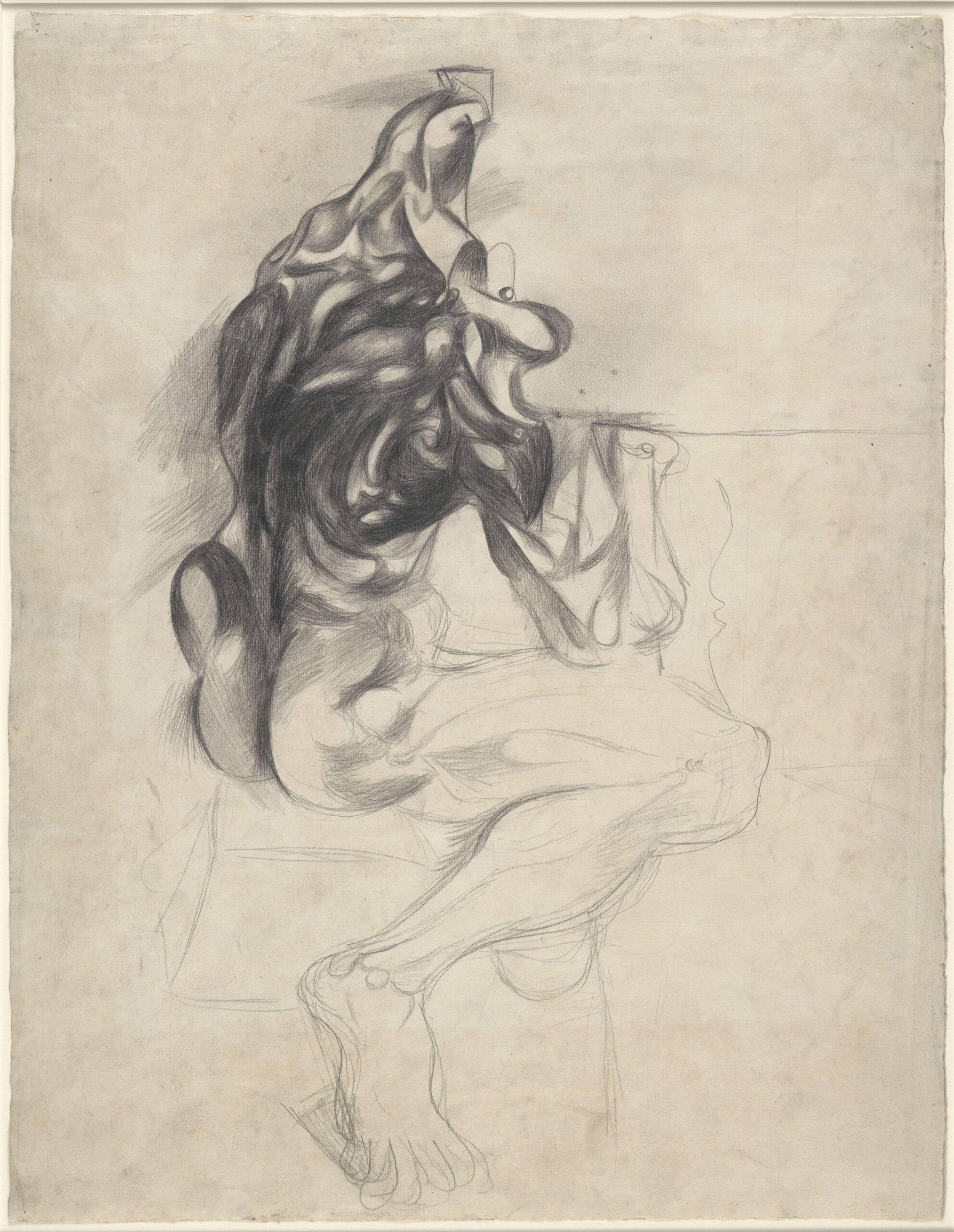
Arshile Gorky was born in 1904 in the Caucasus region of the Russian Empire, in what is now Armenia, and later became a central figure in American modern art. He emigrated to the United States as a young man after surviving war, displacement, and personal loss. These early experiences deeply shaped the emotional intensity of his work. Gorky developed a unique style that blended influences from European modernism with a highly personal, lyrical abstraction.
Often associated with Abstract Expressionism, Gorky served as a crucial bridge between Surrealism and the new American avant-garde. His paintings draw on memory, nature, and the subconscious, using fluid forms and delicate color. Despite growing artistic recognition, his life was marked by illness and personal tragedy. He remained intensely devoted to painting as a form of inner expression. Arshile Gorky died in 1948. His work is now regarded as foundational to the development of postwar American art.