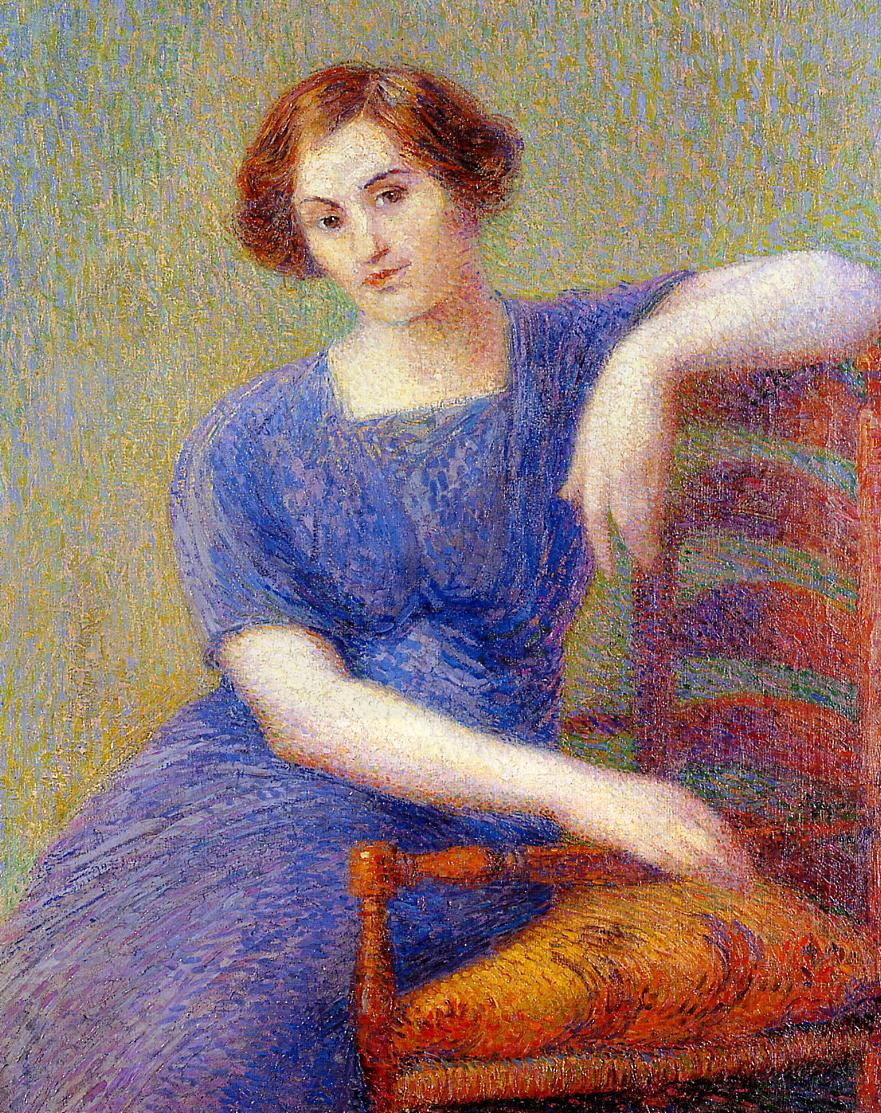
Hippolyte Petitjean
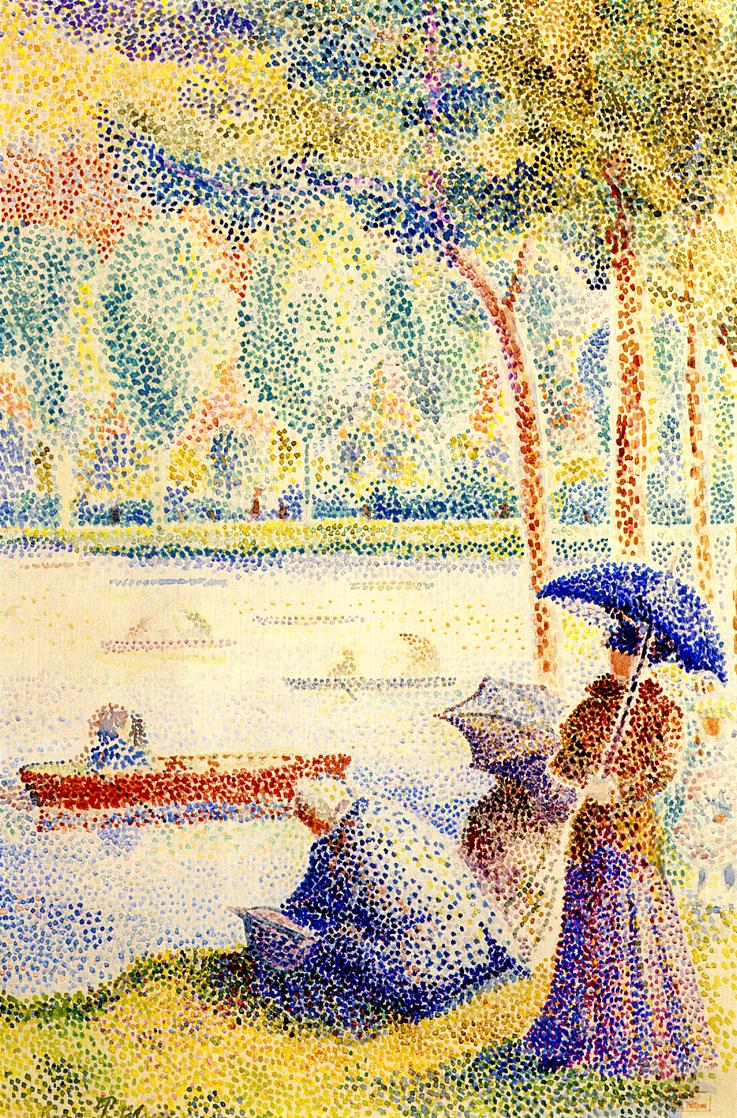
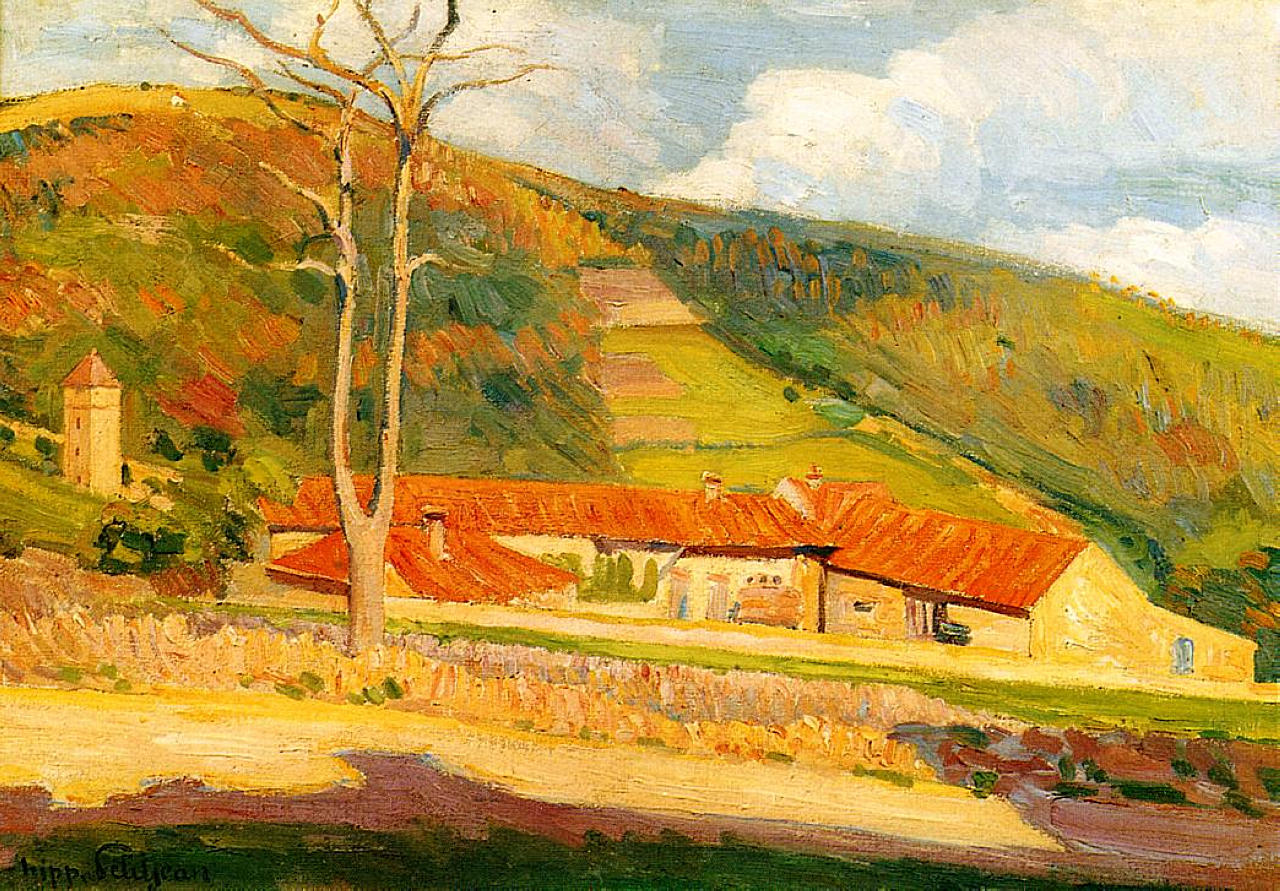
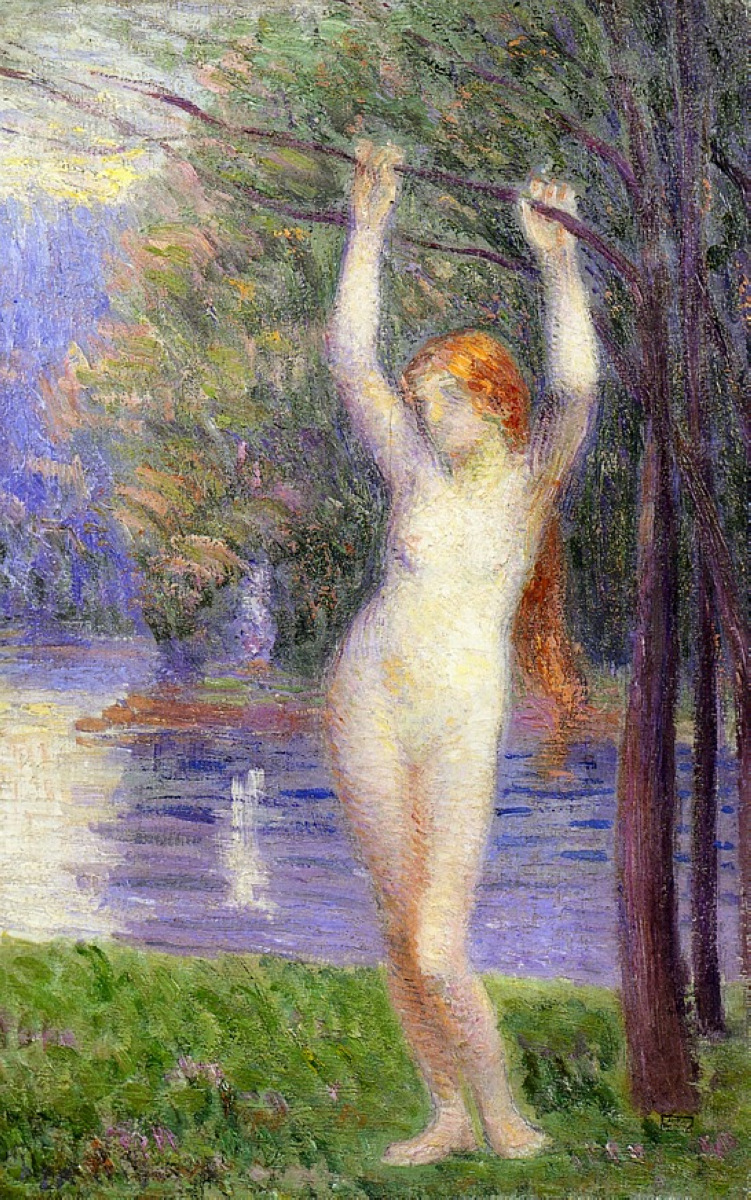
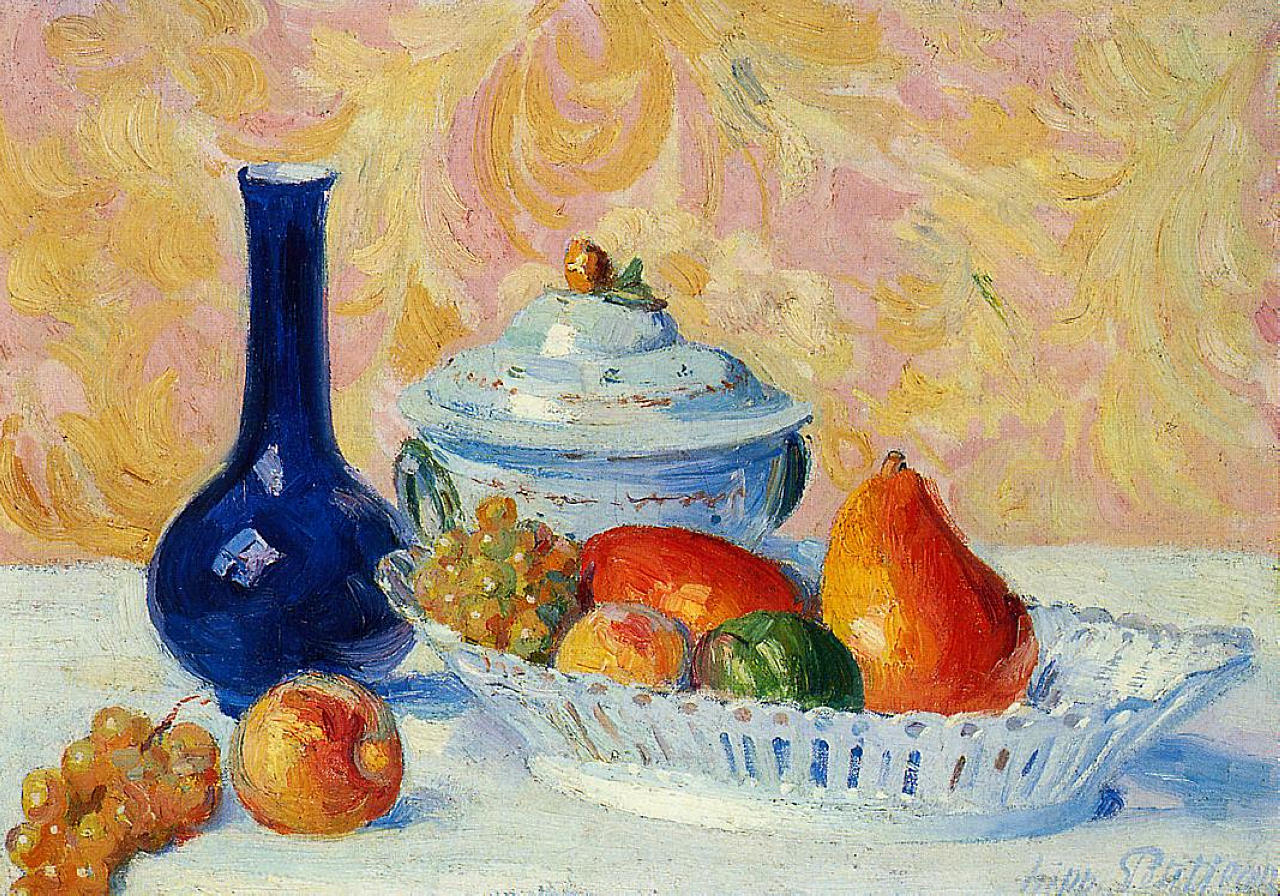
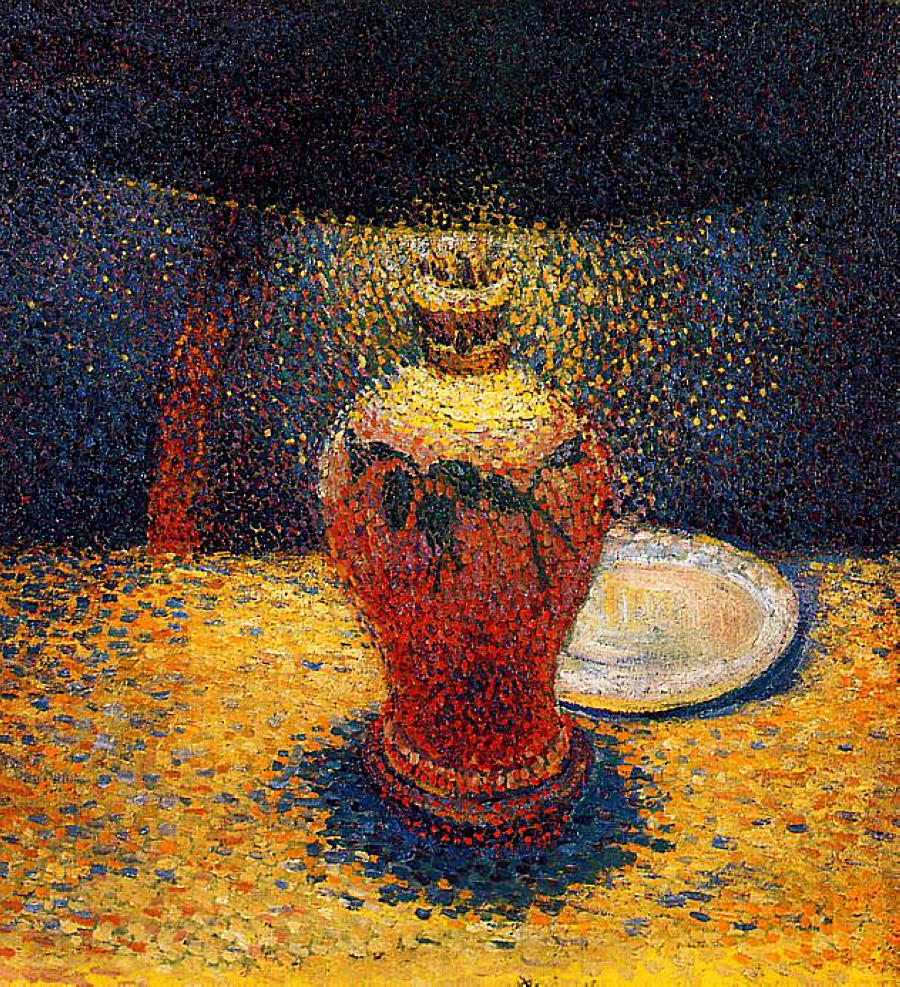
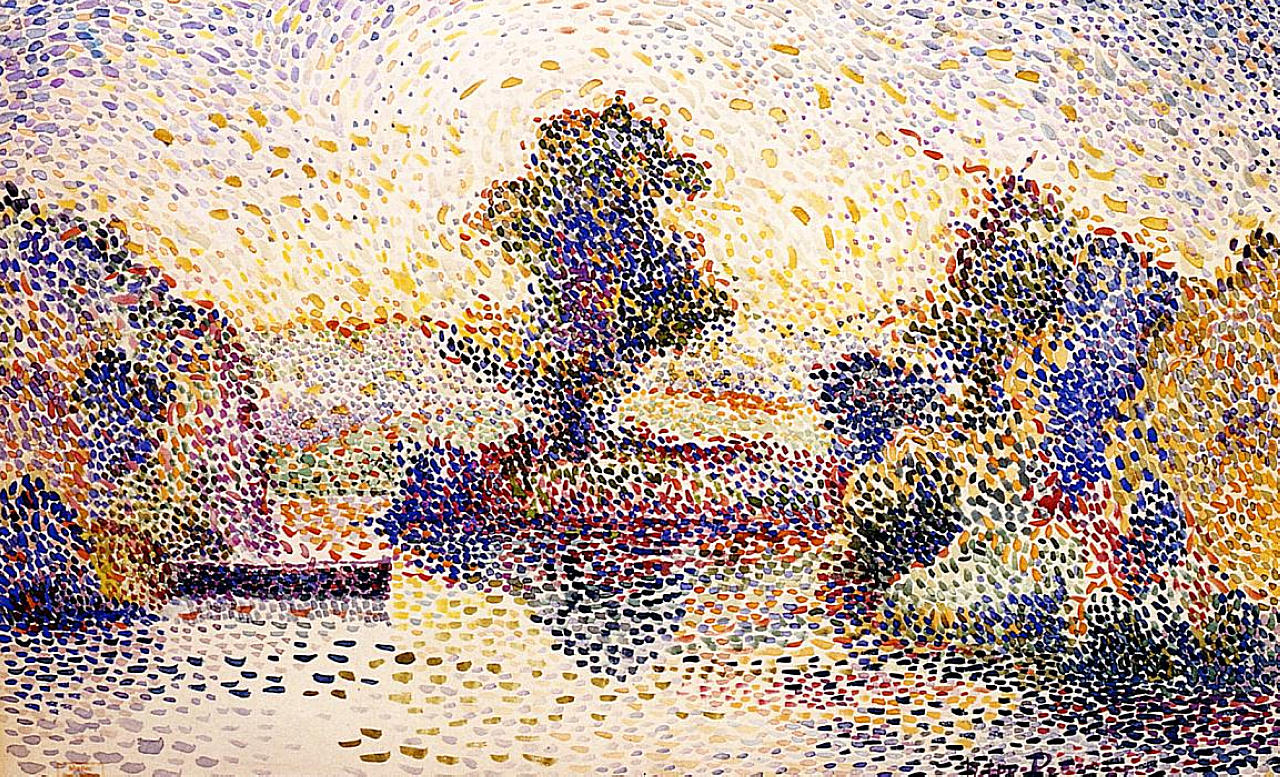
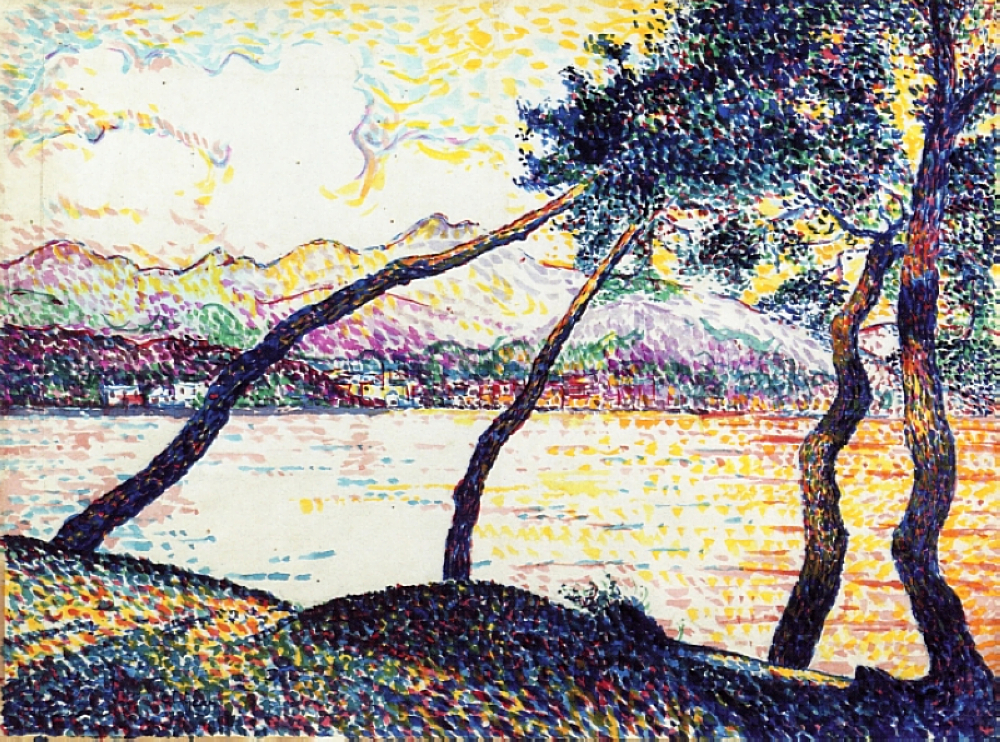
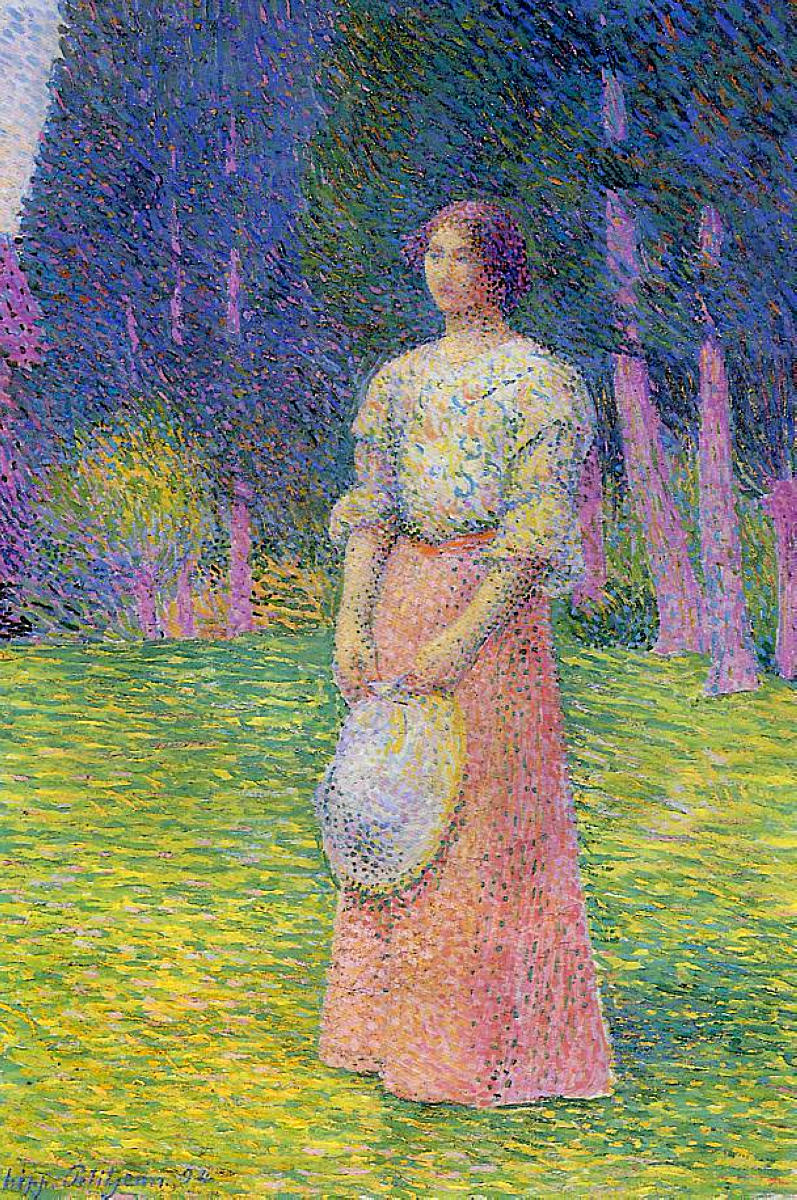
Hippolyte Petitjean was born in 1854 in Mâcon, France, and became a dedicated practitioner of Neo-Impressionism. He studied at the École des Beaux-Arts in Paris, where he was influenced by academic traditions before encountering the ideas of Georges Seurat. Inspired by Divisionism, Petitjean adopted a pointillist technique built on small touches of pure color. His work emphasizes harmony, clarity, and luminous atmosphere.
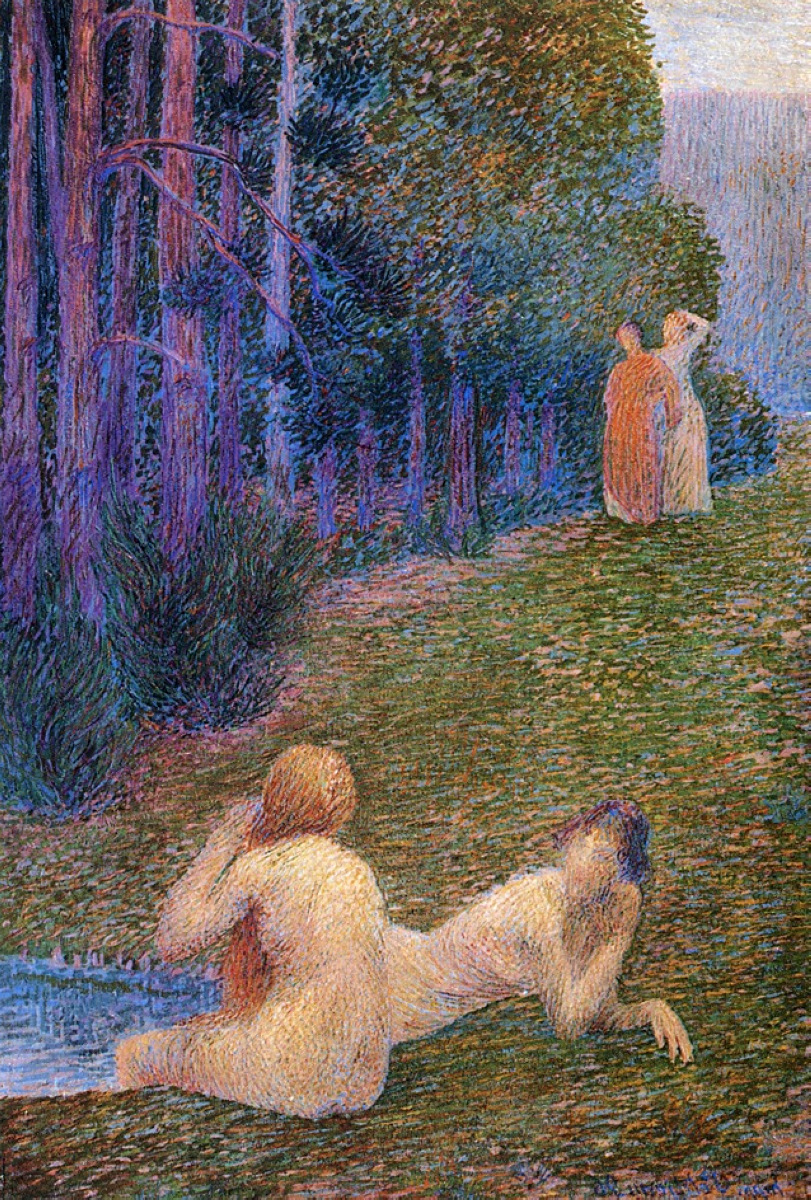
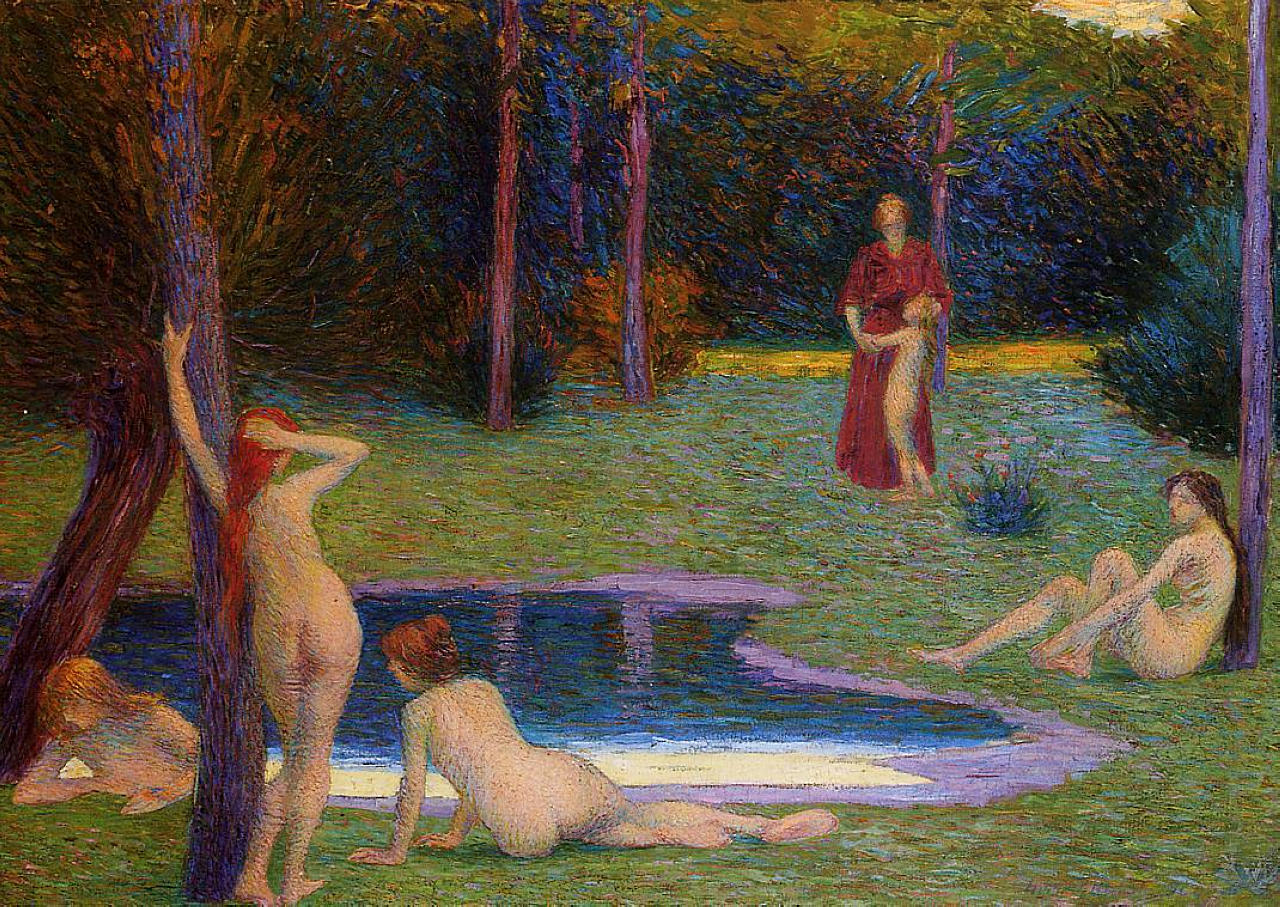
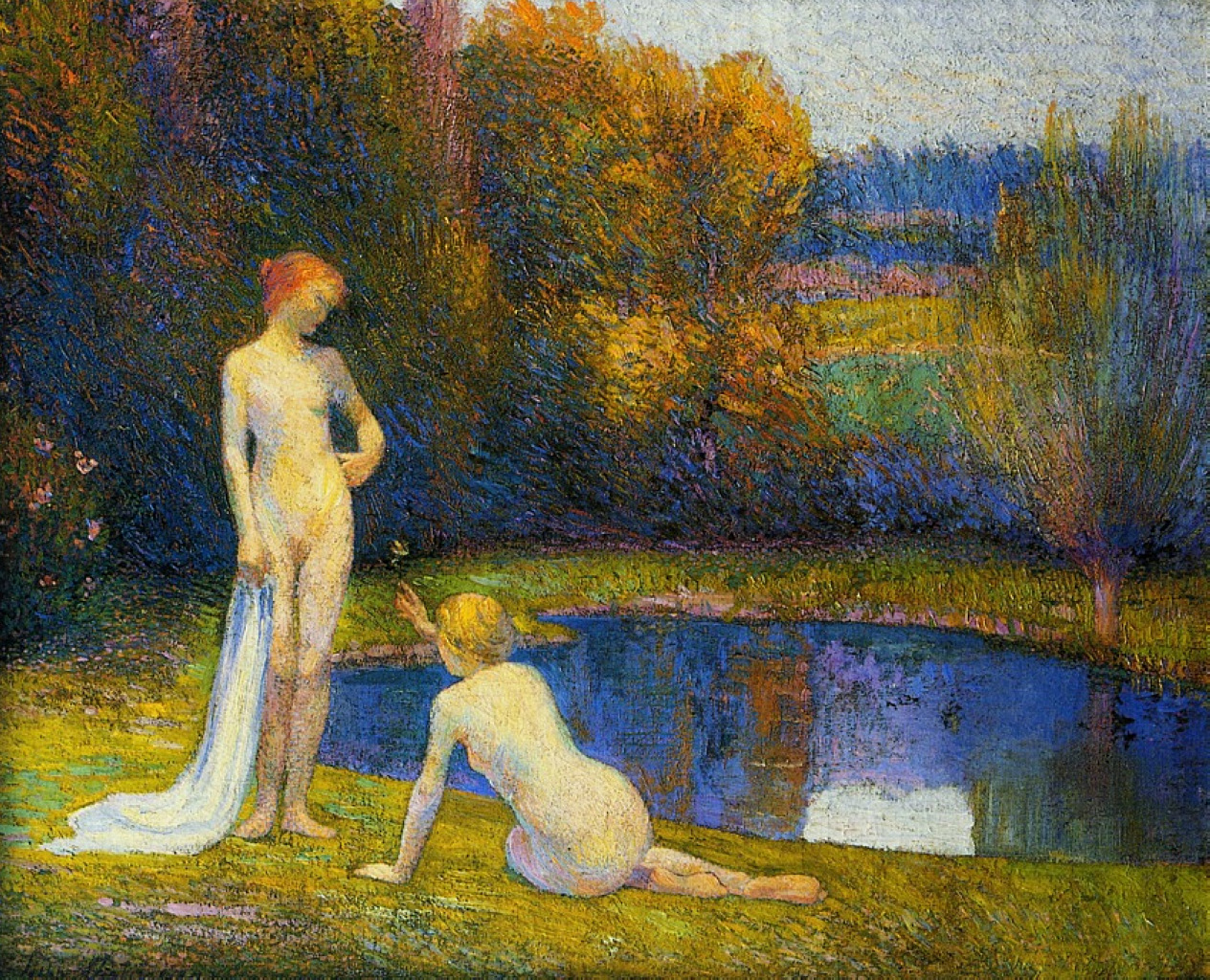
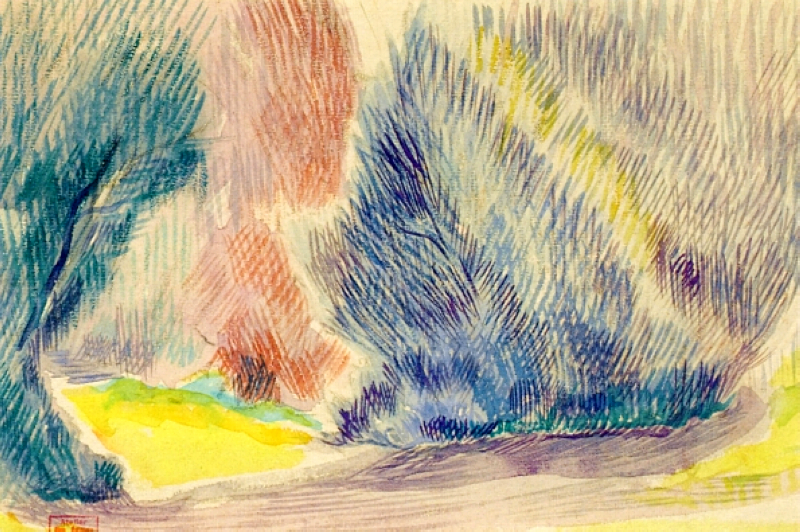
Petitjean painted landscapes, allegorical scenes, and portraits with a calm and balanced composition. Unlike some of his contemporaries, he maintained a consistent commitment to Neo-Impressionist principles throughout much of his career. Over time, his brushwork became slightly freer while retaining structured color relationships. Though not as widely known as Seurat or Signac, he remained active and respected within artistic circles. Petitjean died in 1929. Today, his paintings are appreciated for their disciplined technique and quiet poetic quality.