Kurt Schwitters
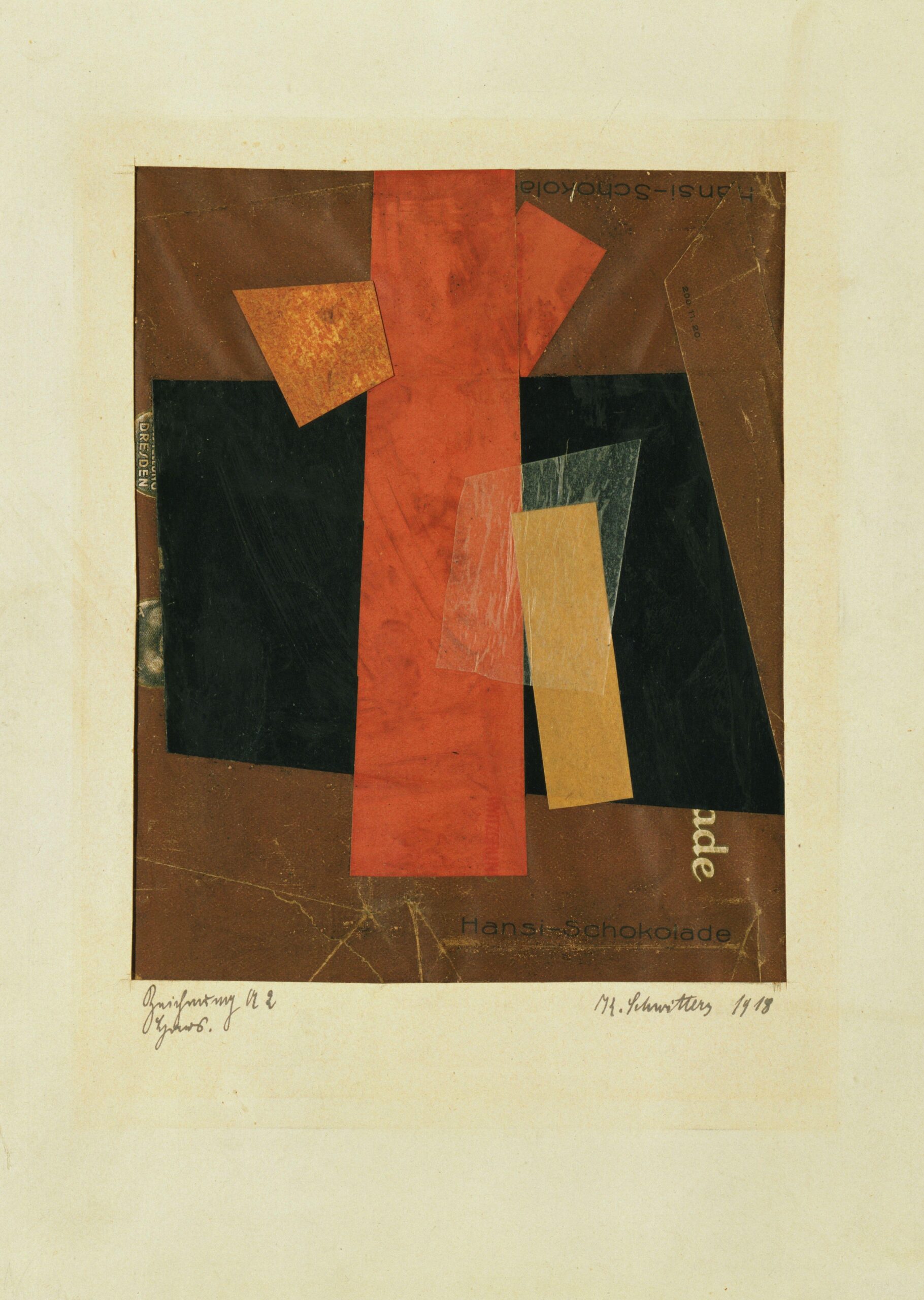
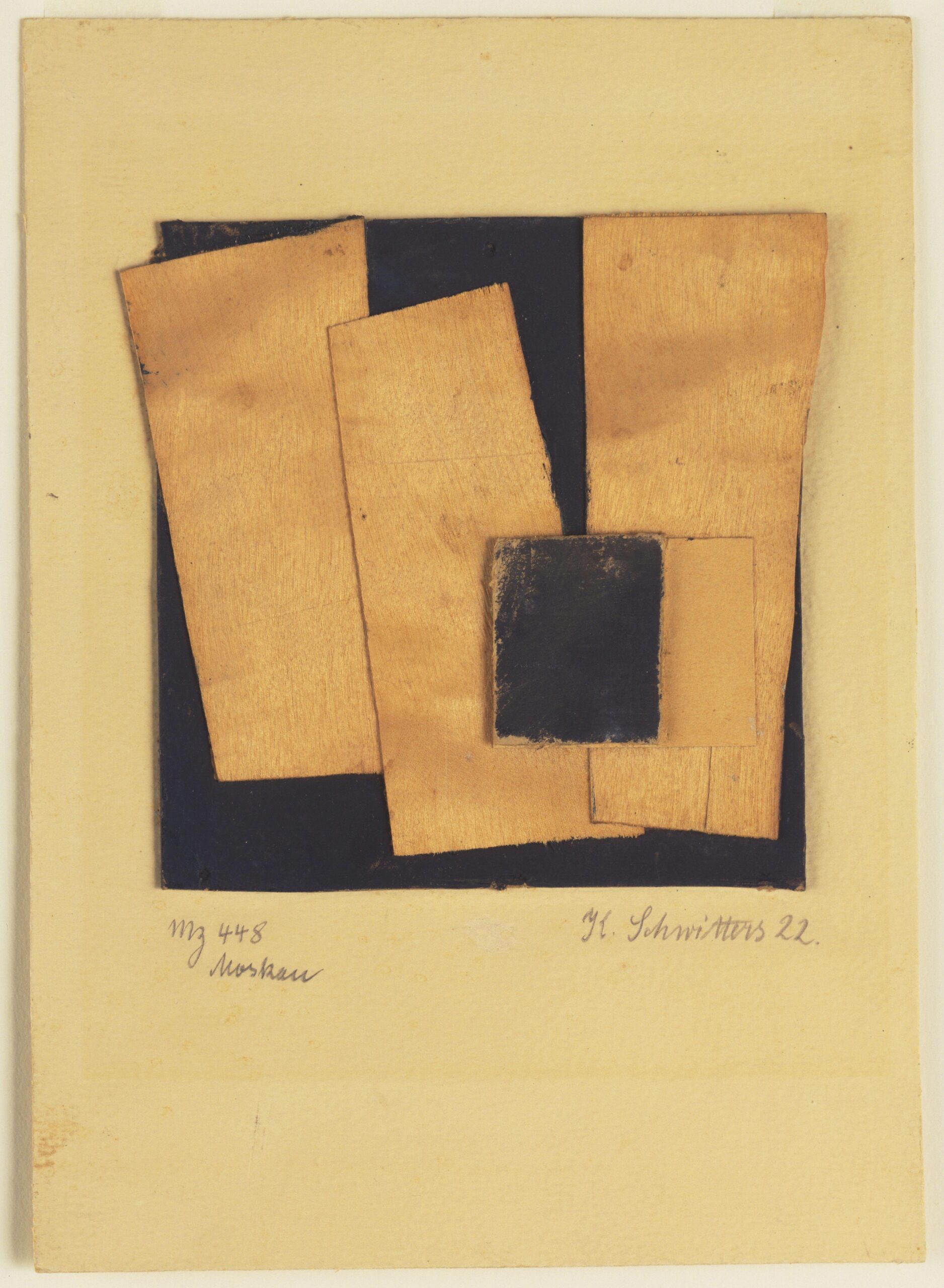
Kurt Schwitters was born in Hanover, Germany, in 1887 and became a pioneering figure of modern art and experimental practice. He is best known for developing Merz, a personal artistic approach that transformed everyday discarded materials into art. Although often associated with Dada, Schwitters worked independently and followed his own creative vision. His collages and assemblages blur the boundaries between painting, sculpture, poetry, and design.
Schwitters believed that art could emerge from any material, no matter how ordinary. His work reflects humor, abstraction, and a deep interest in structure and rhythm. One of his most ambitious projects was the Merzbau, an evolving architectural installation built inside his home. After fleeing Nazi Germany, he lived in Norway and later in England, continuing to create under difficult conditions. Schwitters remained inventive and productive despite exile and hardship. He died in 1948. Today, he is recognized as a key innovator whose ideas helped shape modern collage and conceptual art.