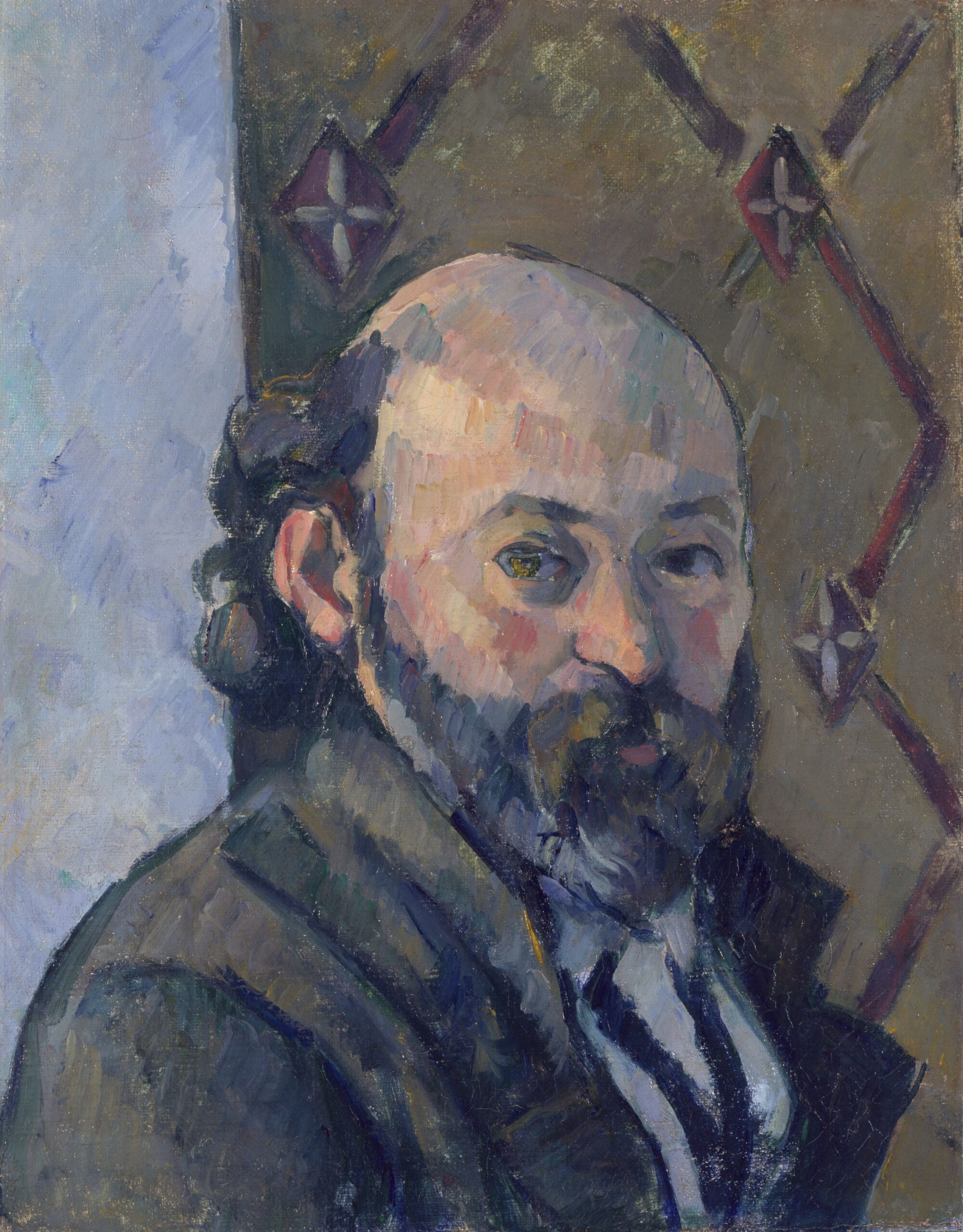
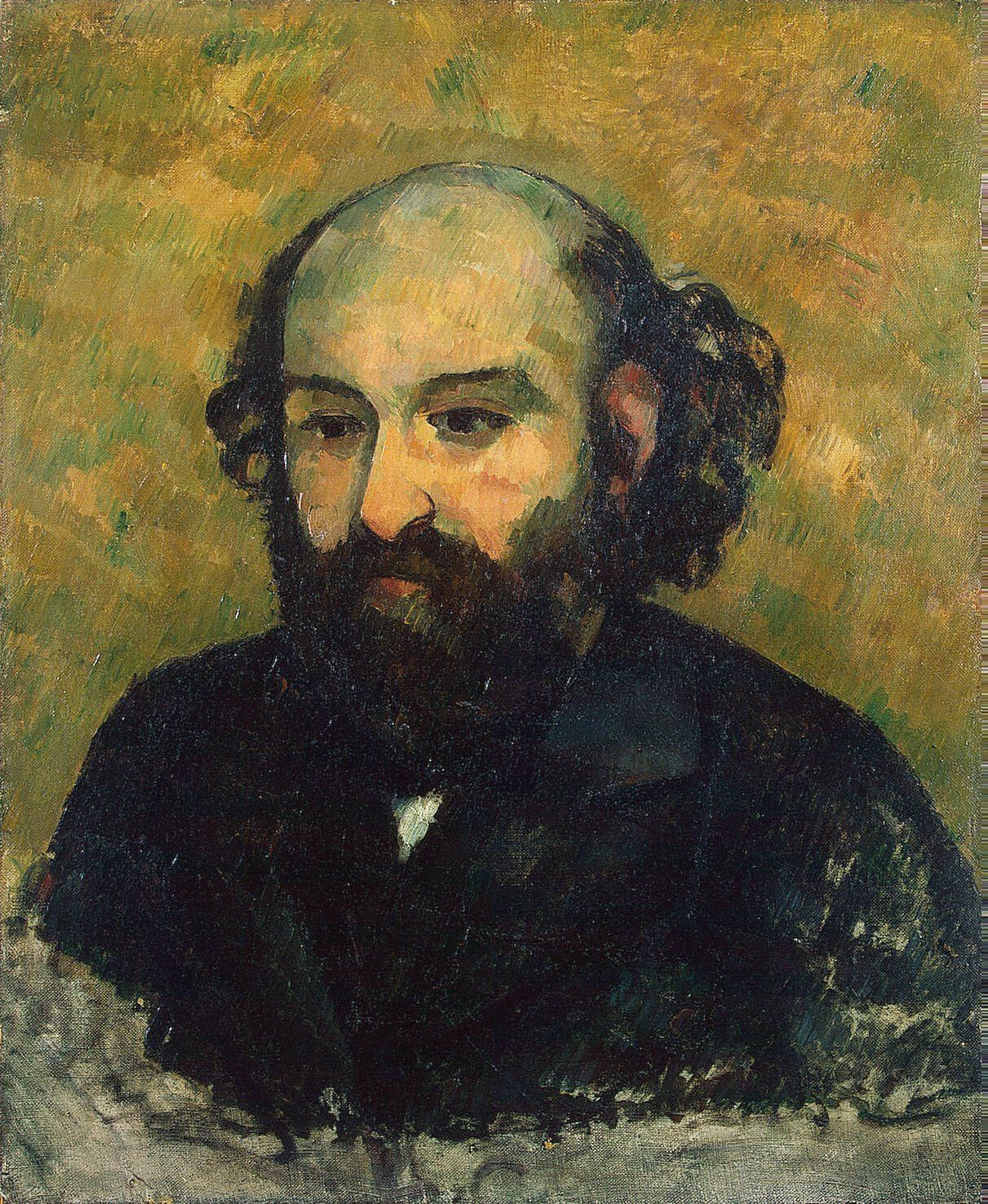
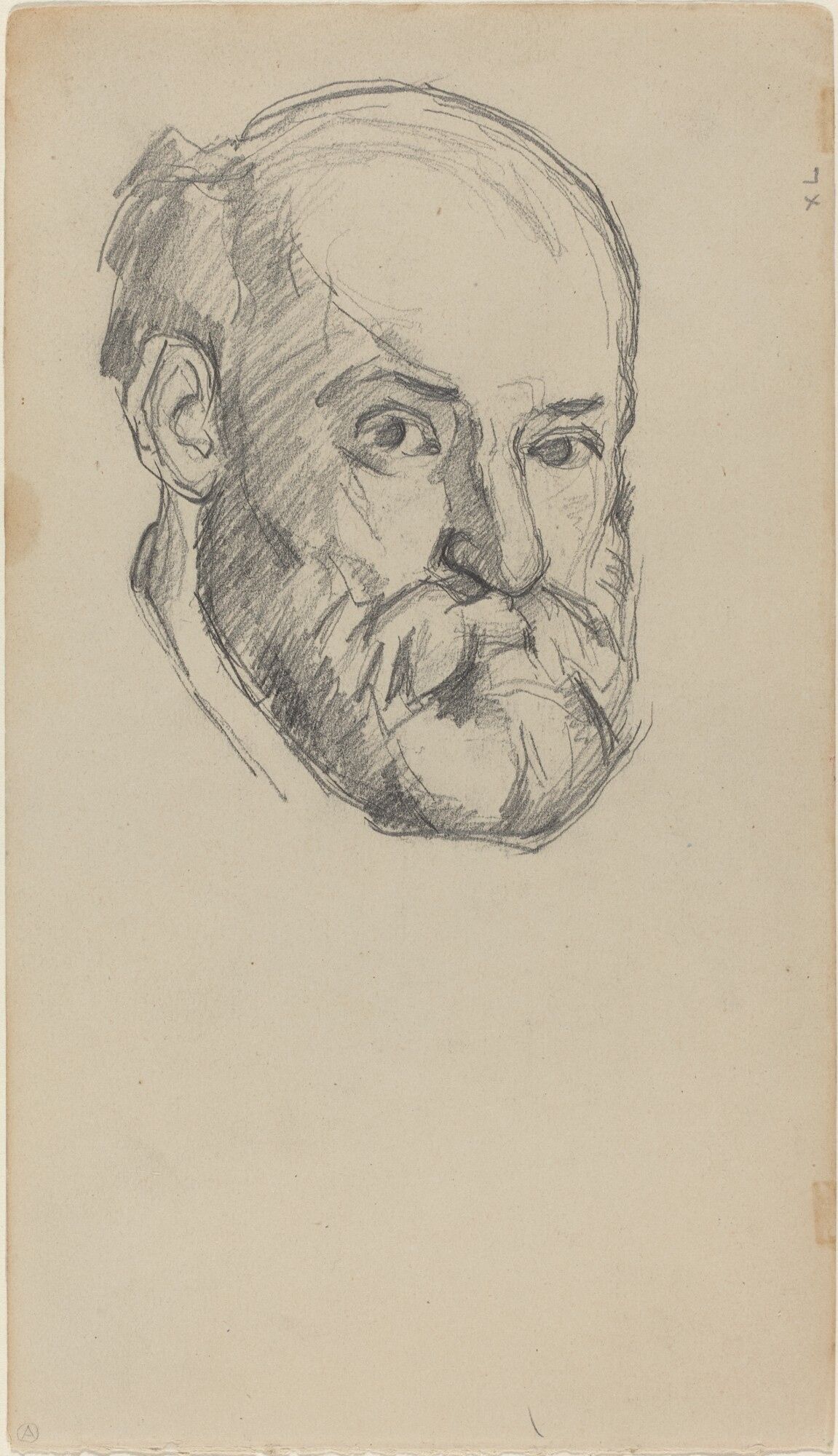
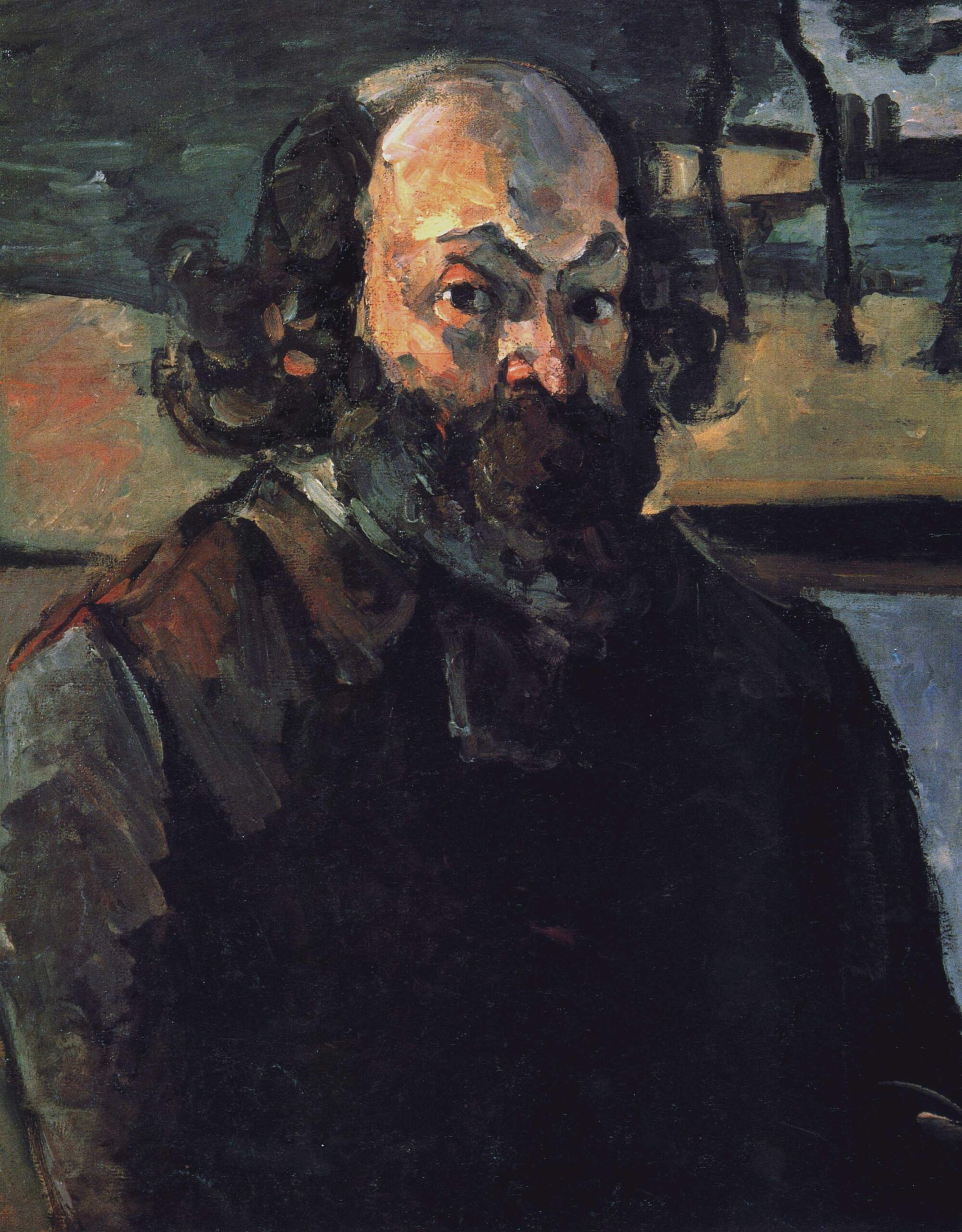
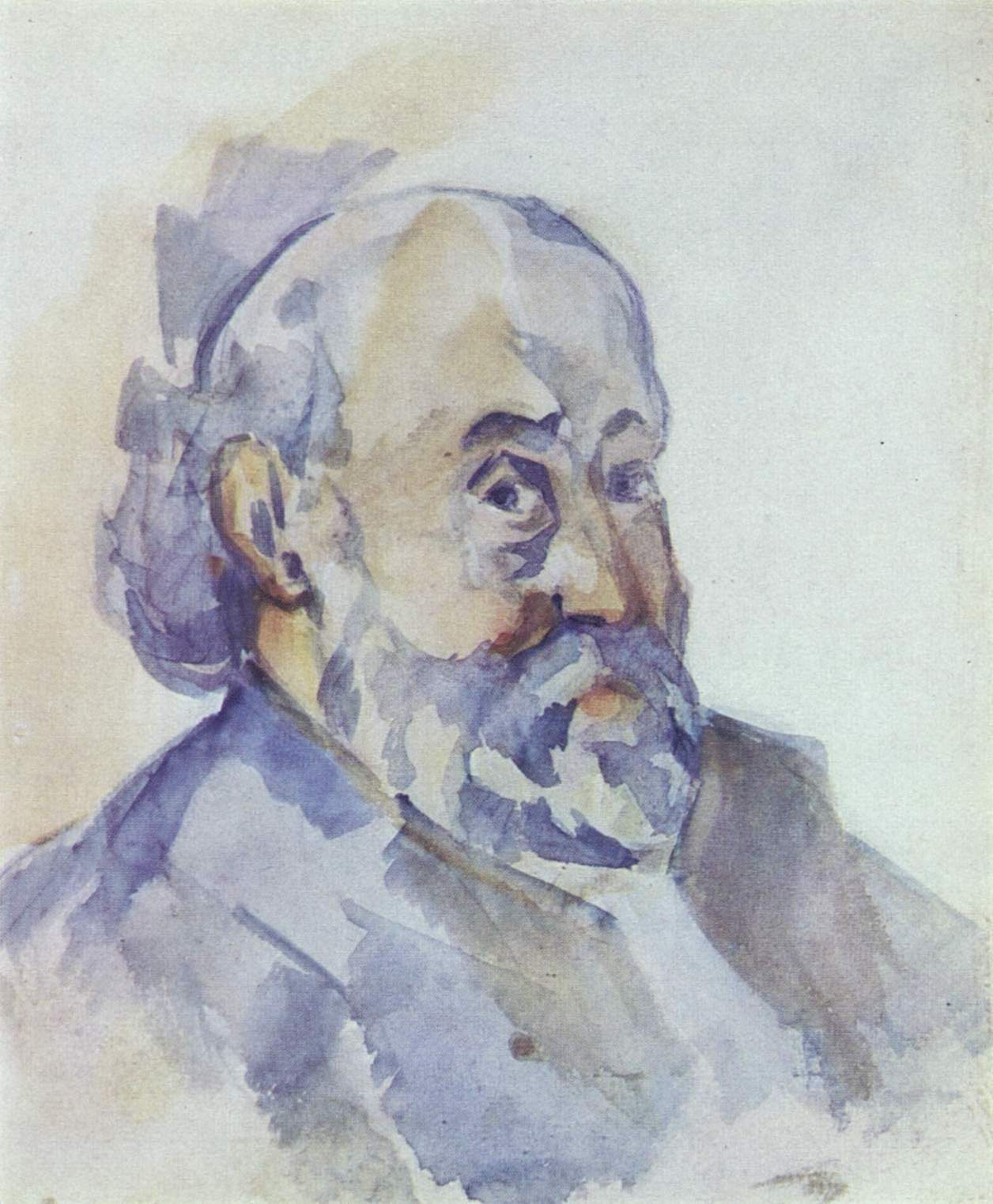
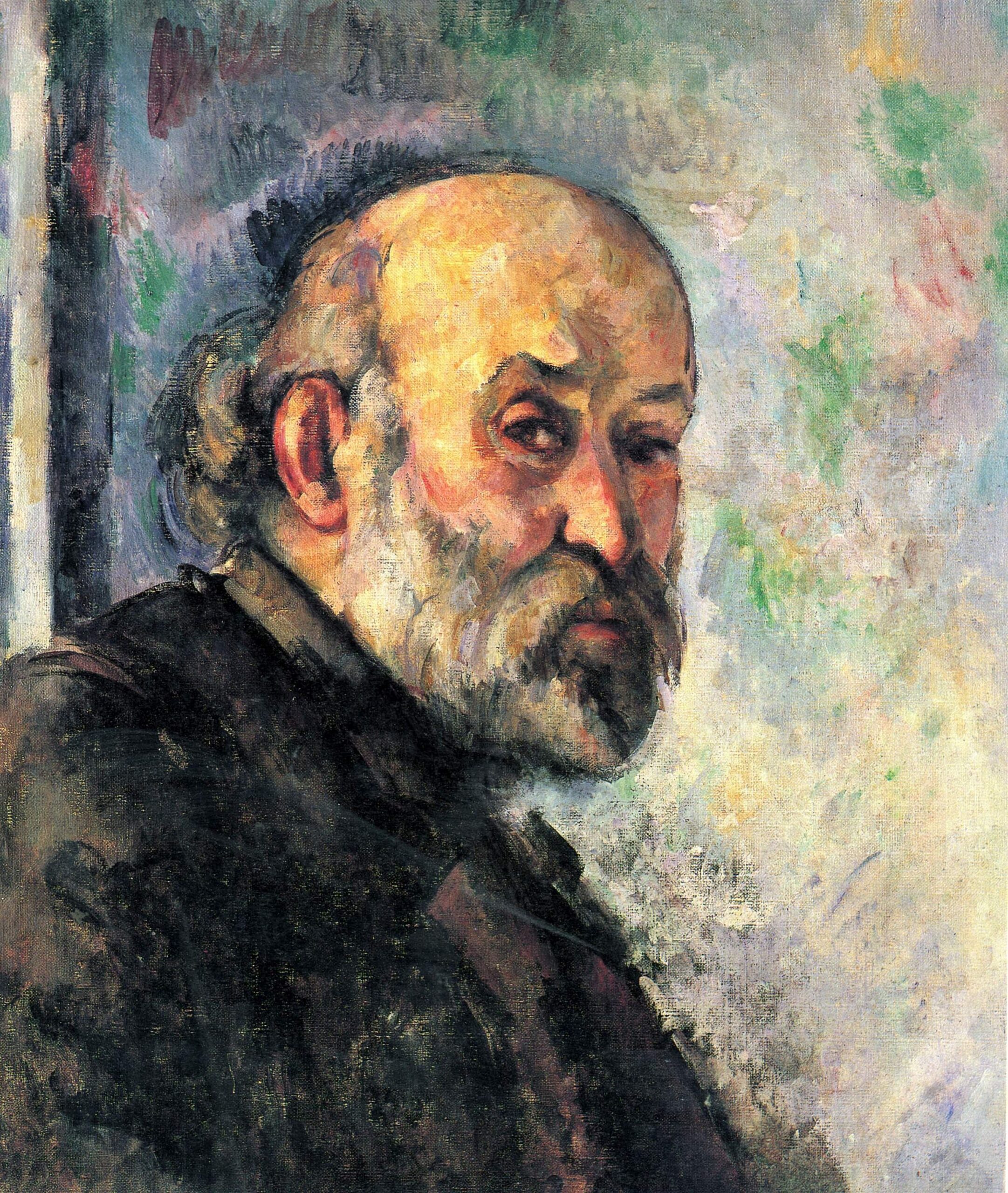
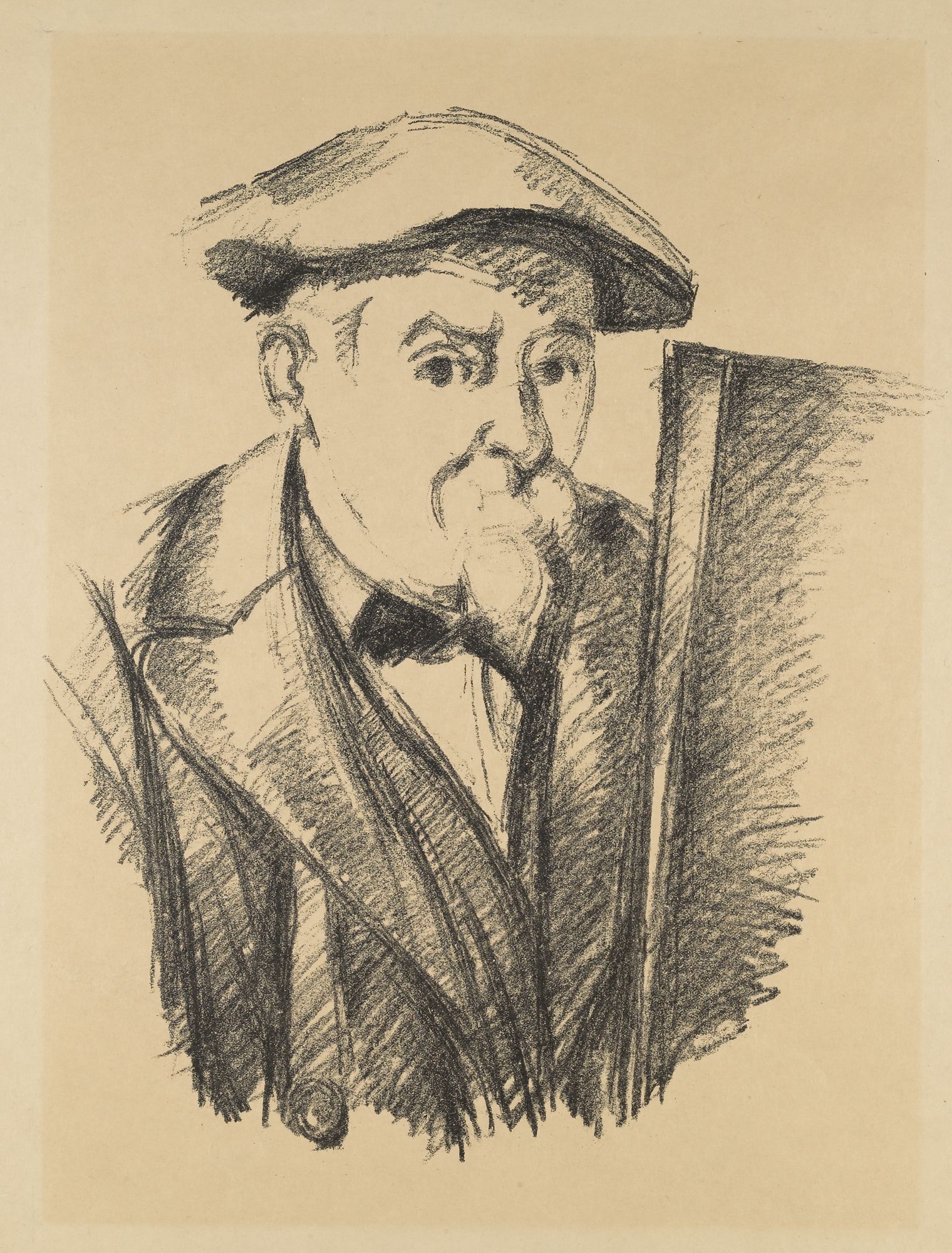
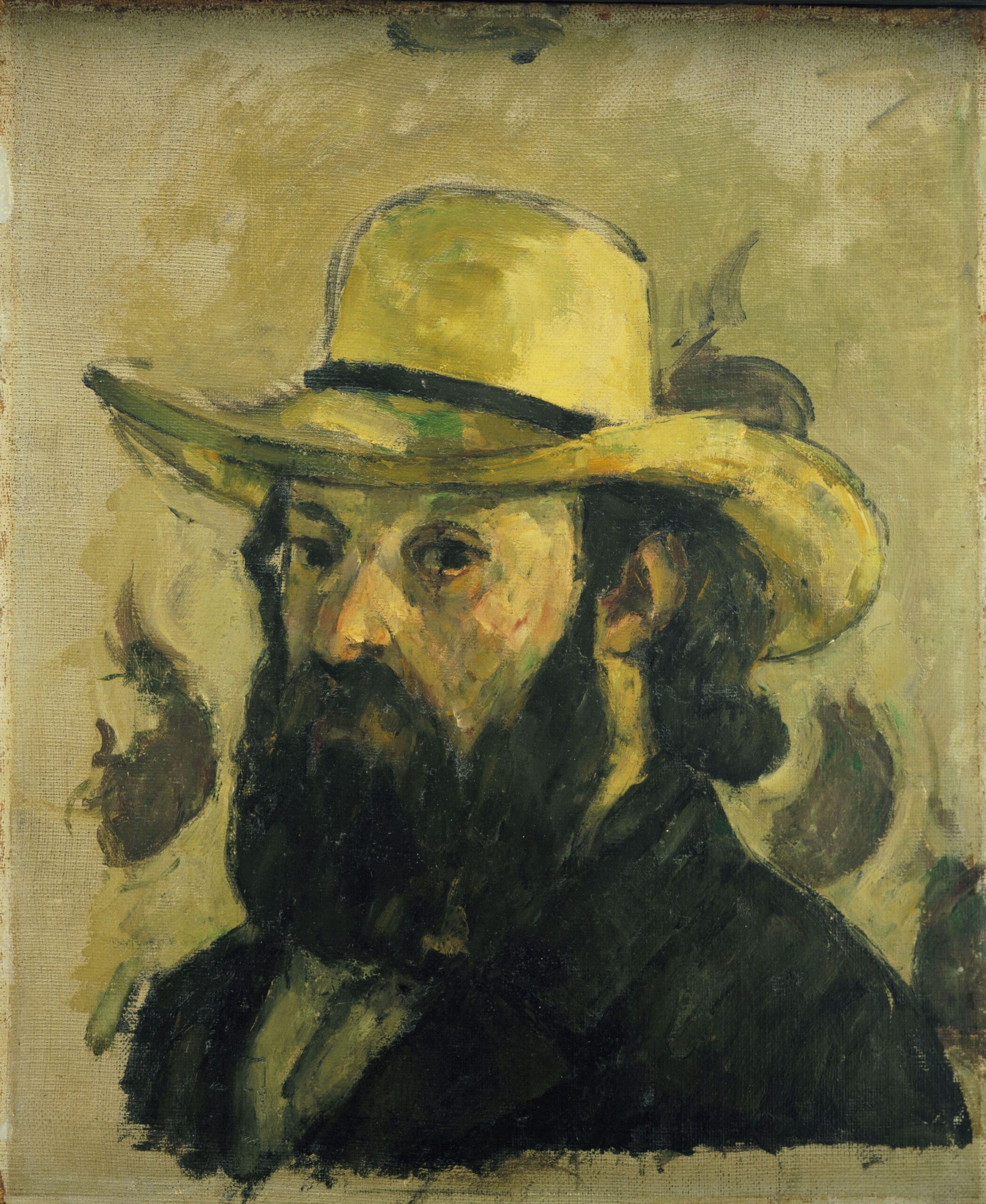
Paul Cézanne
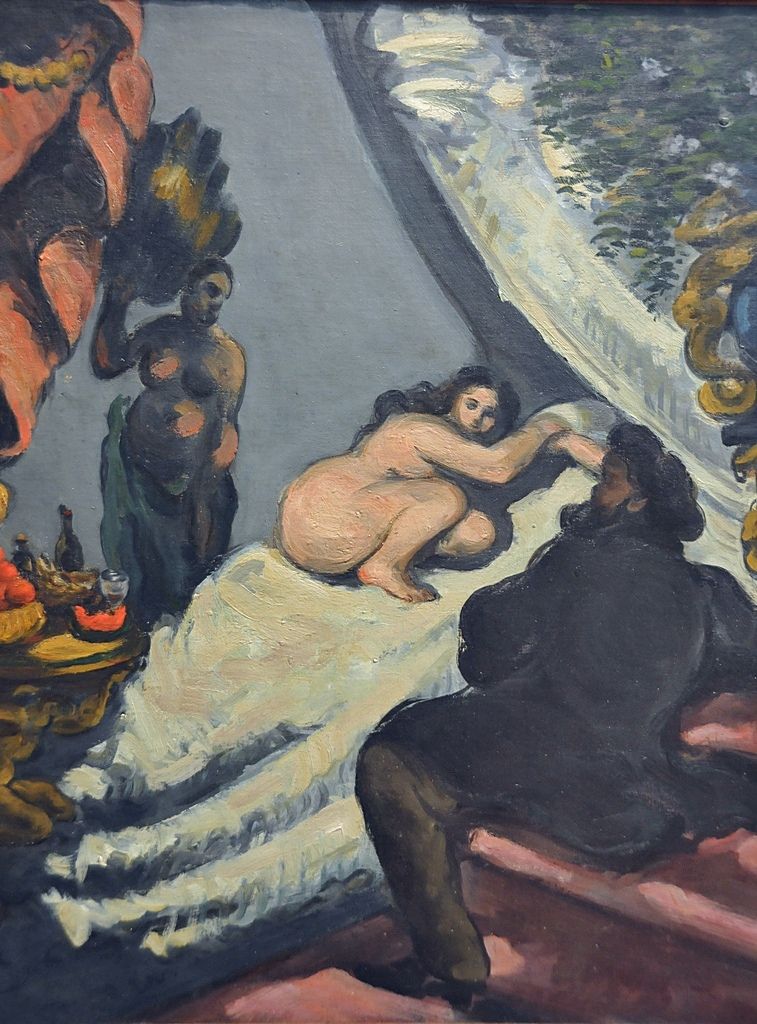
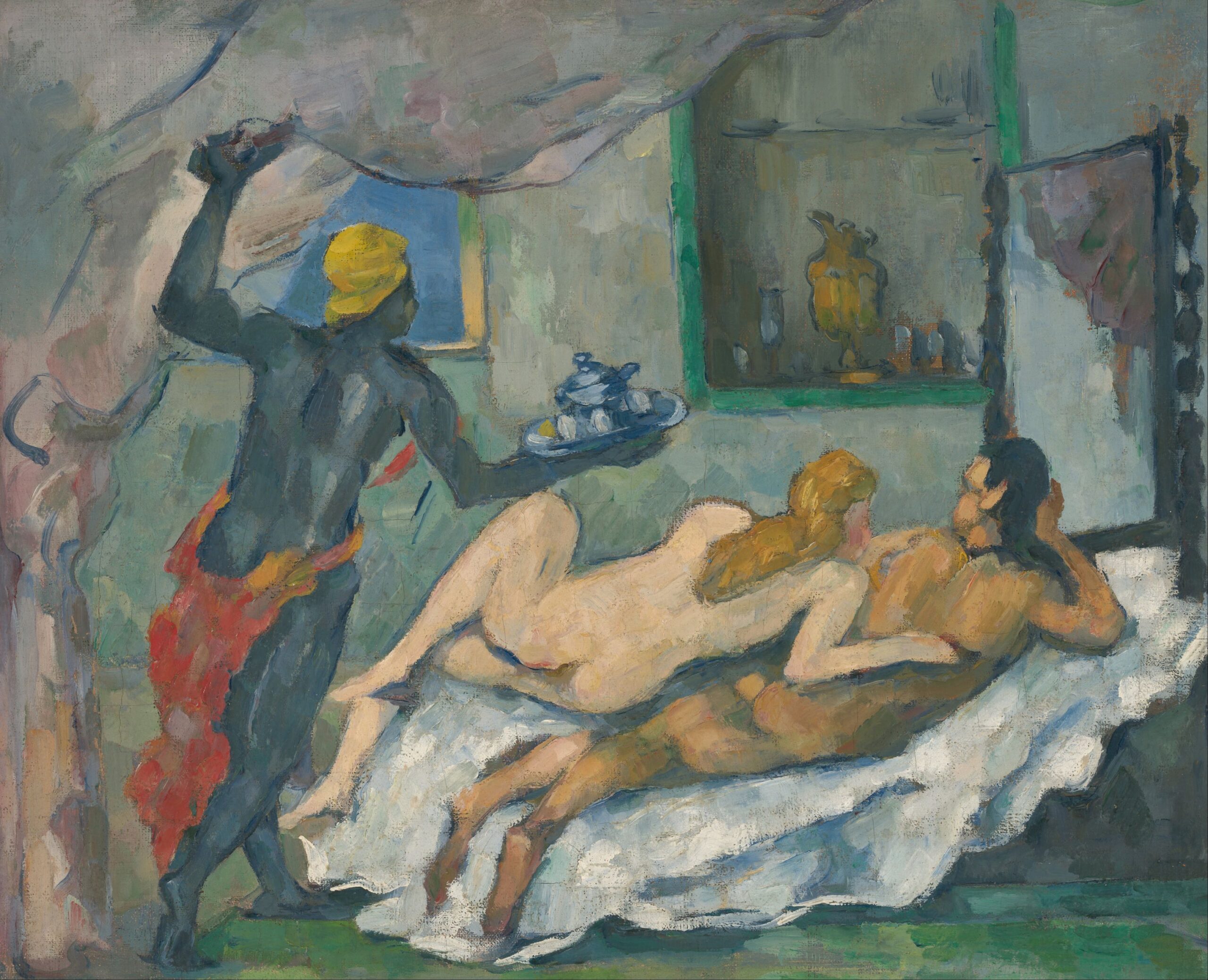
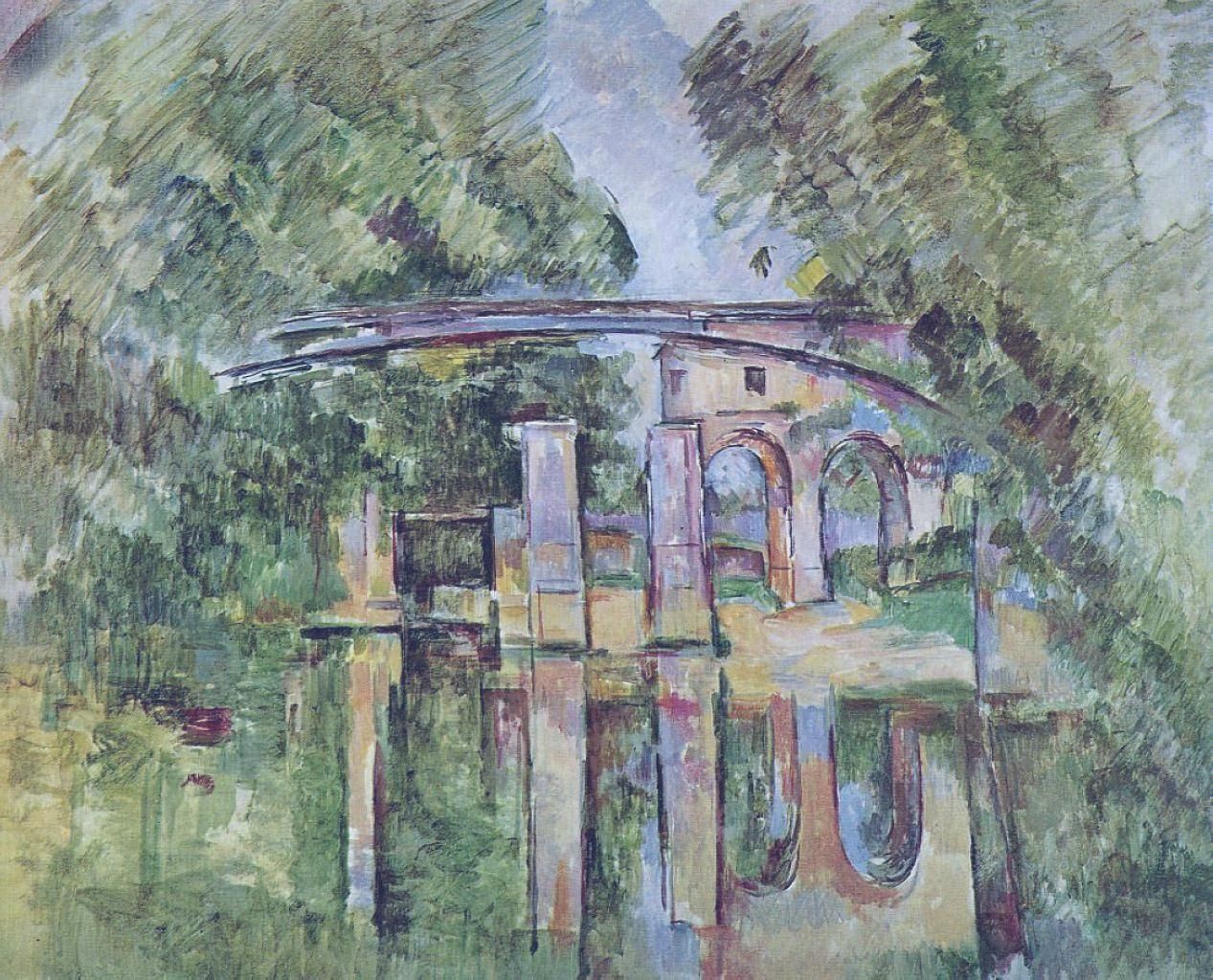
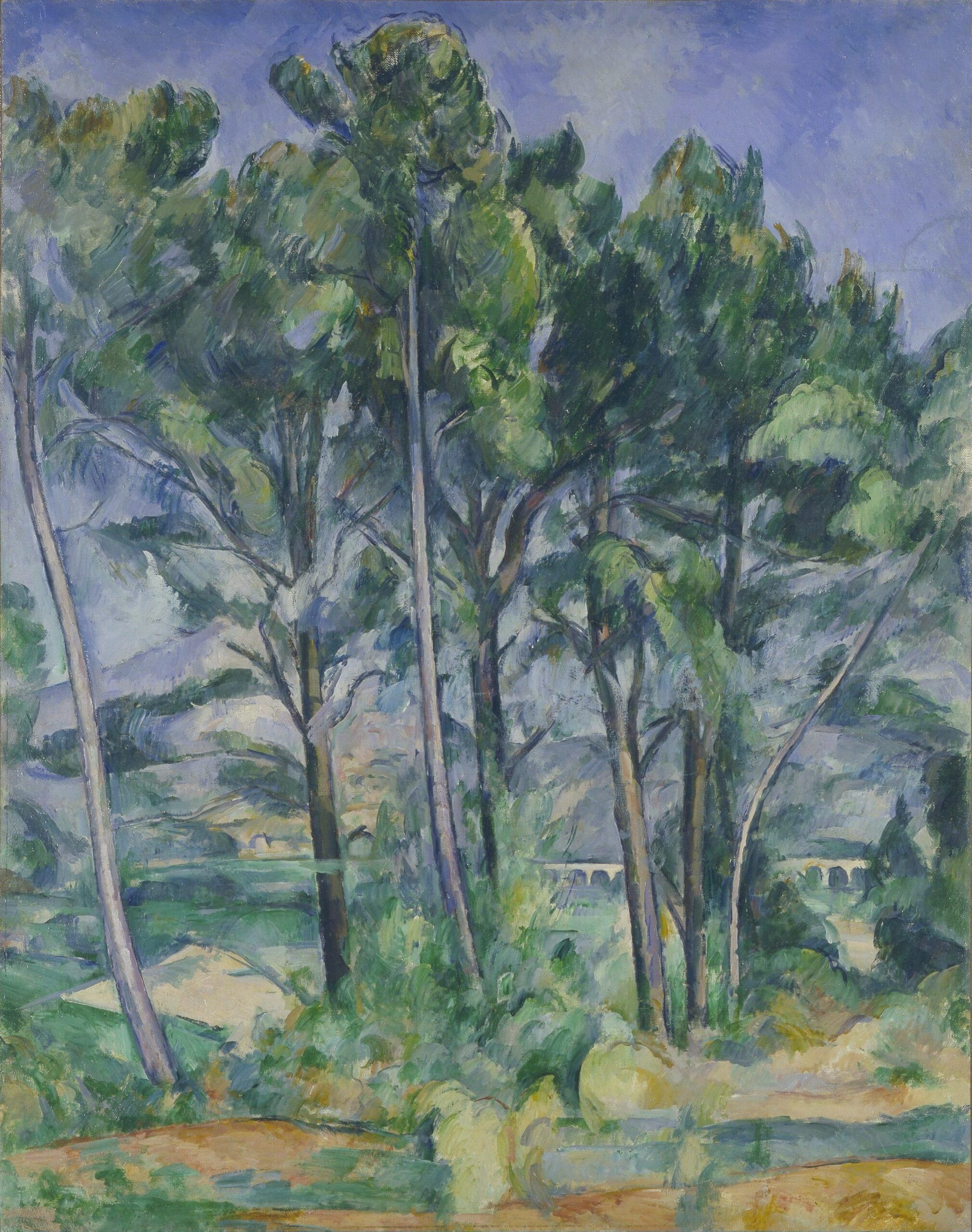
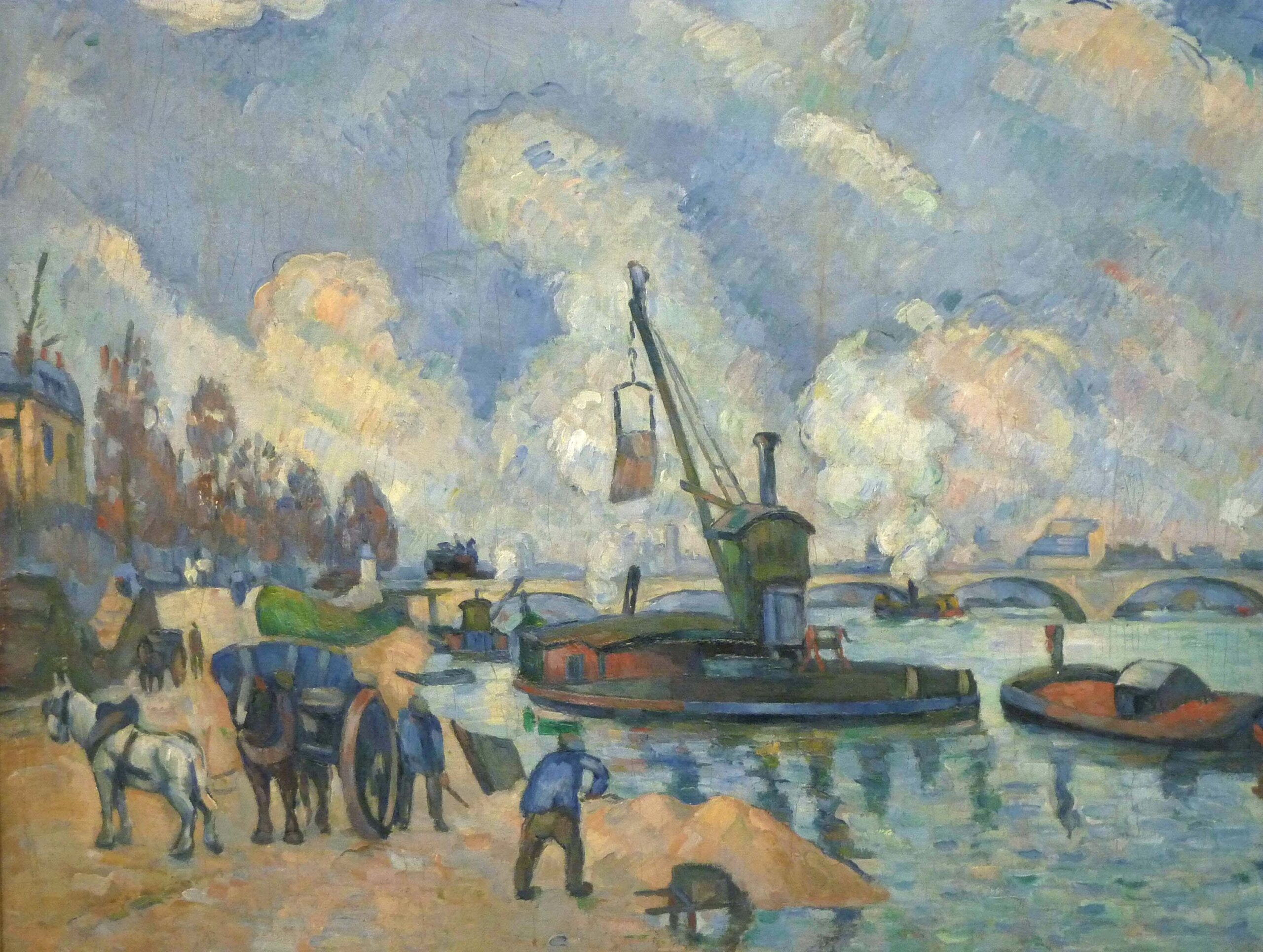
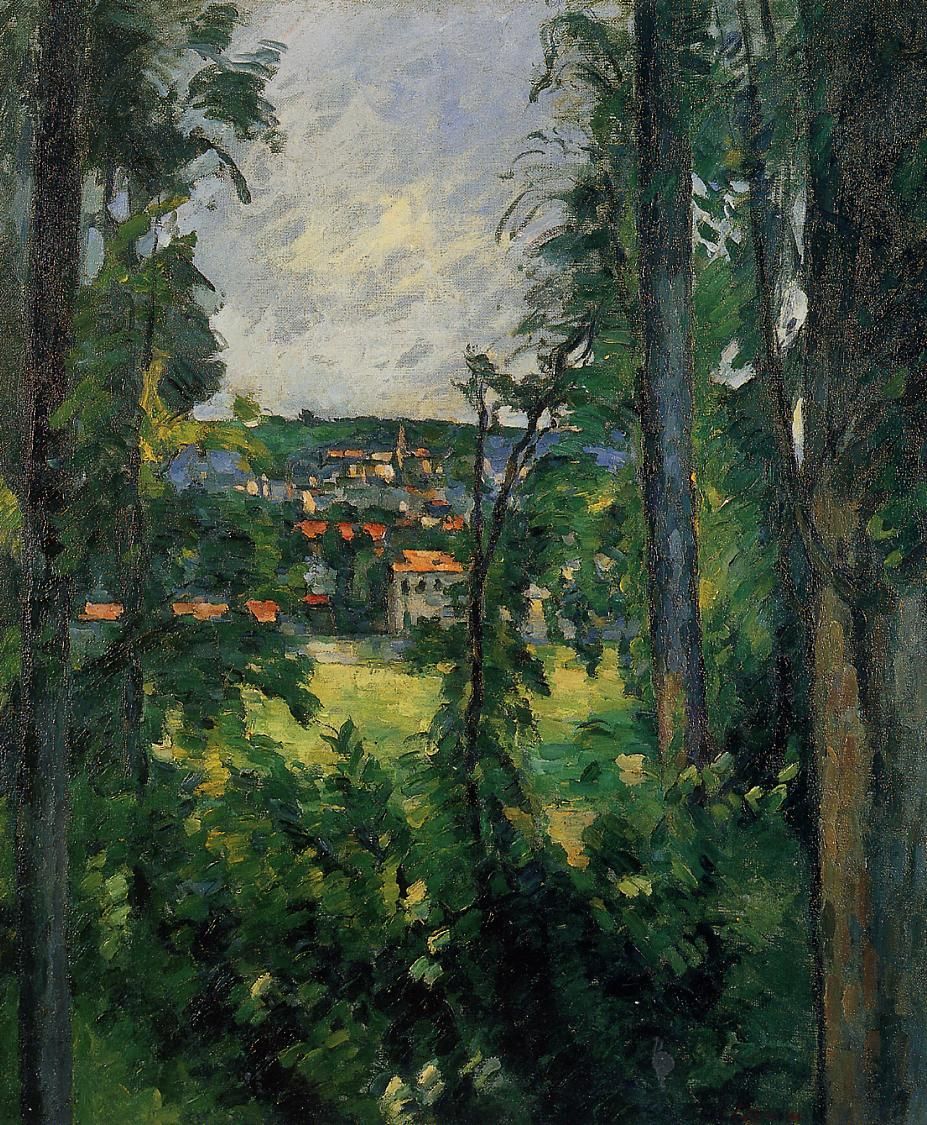
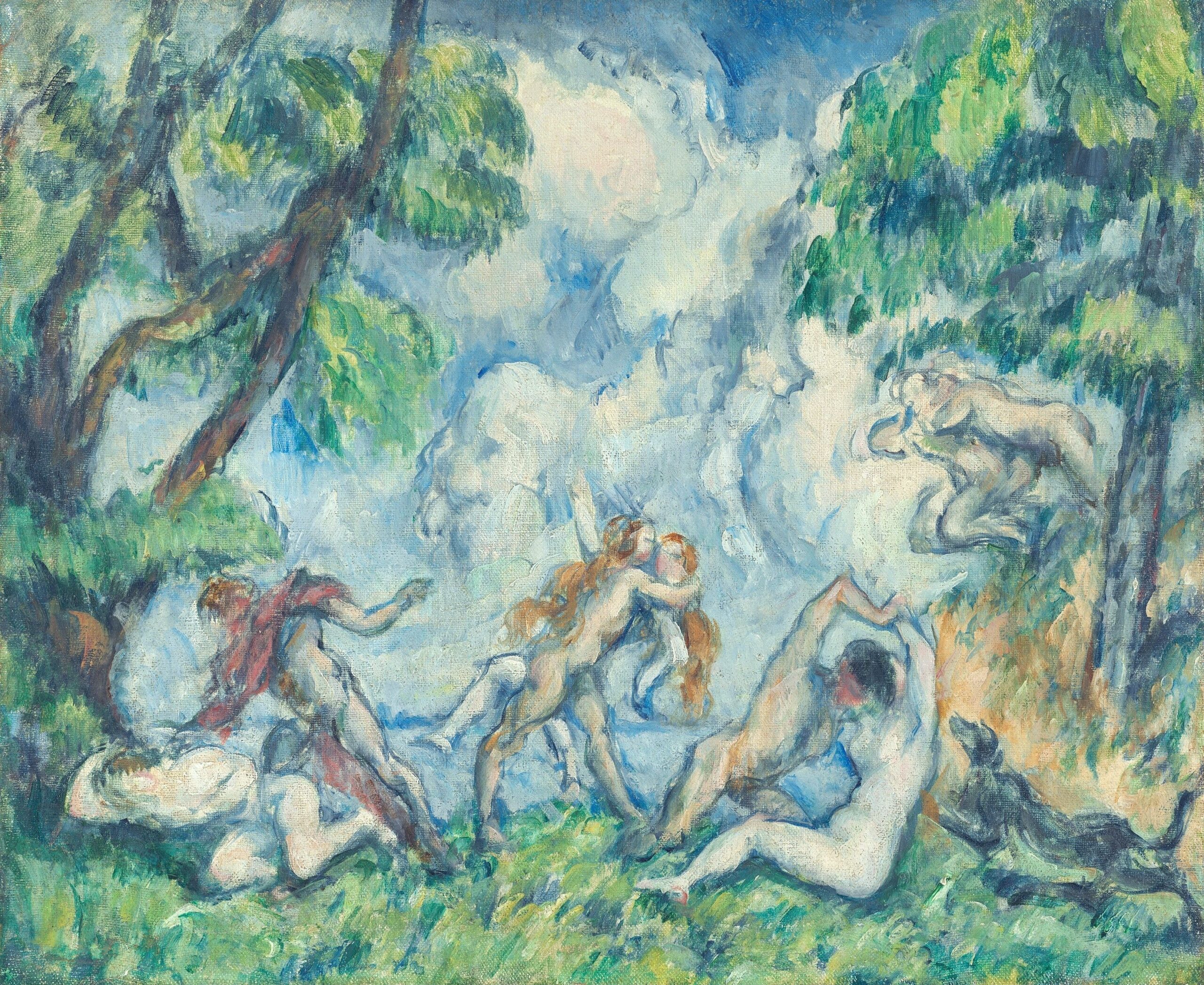
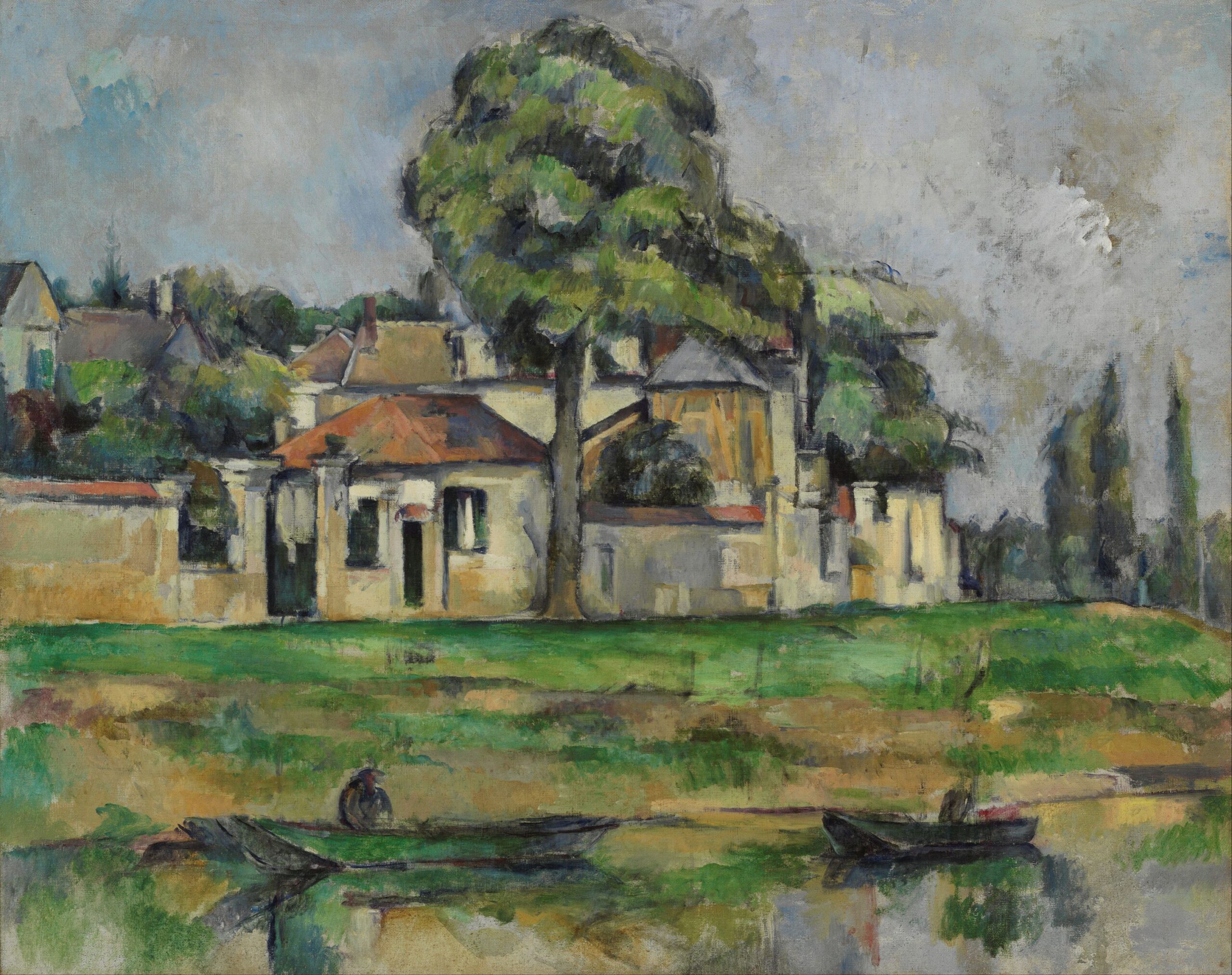
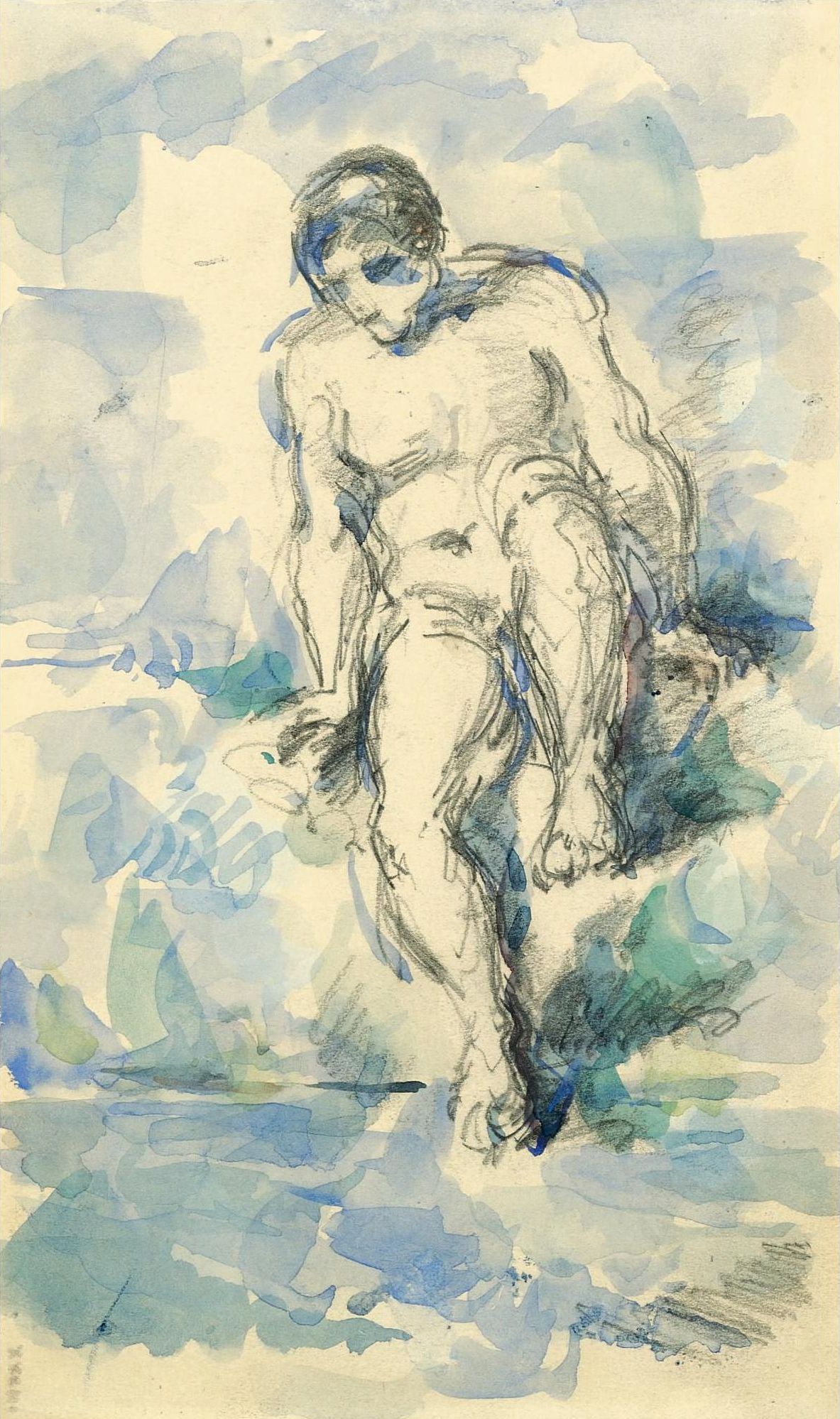
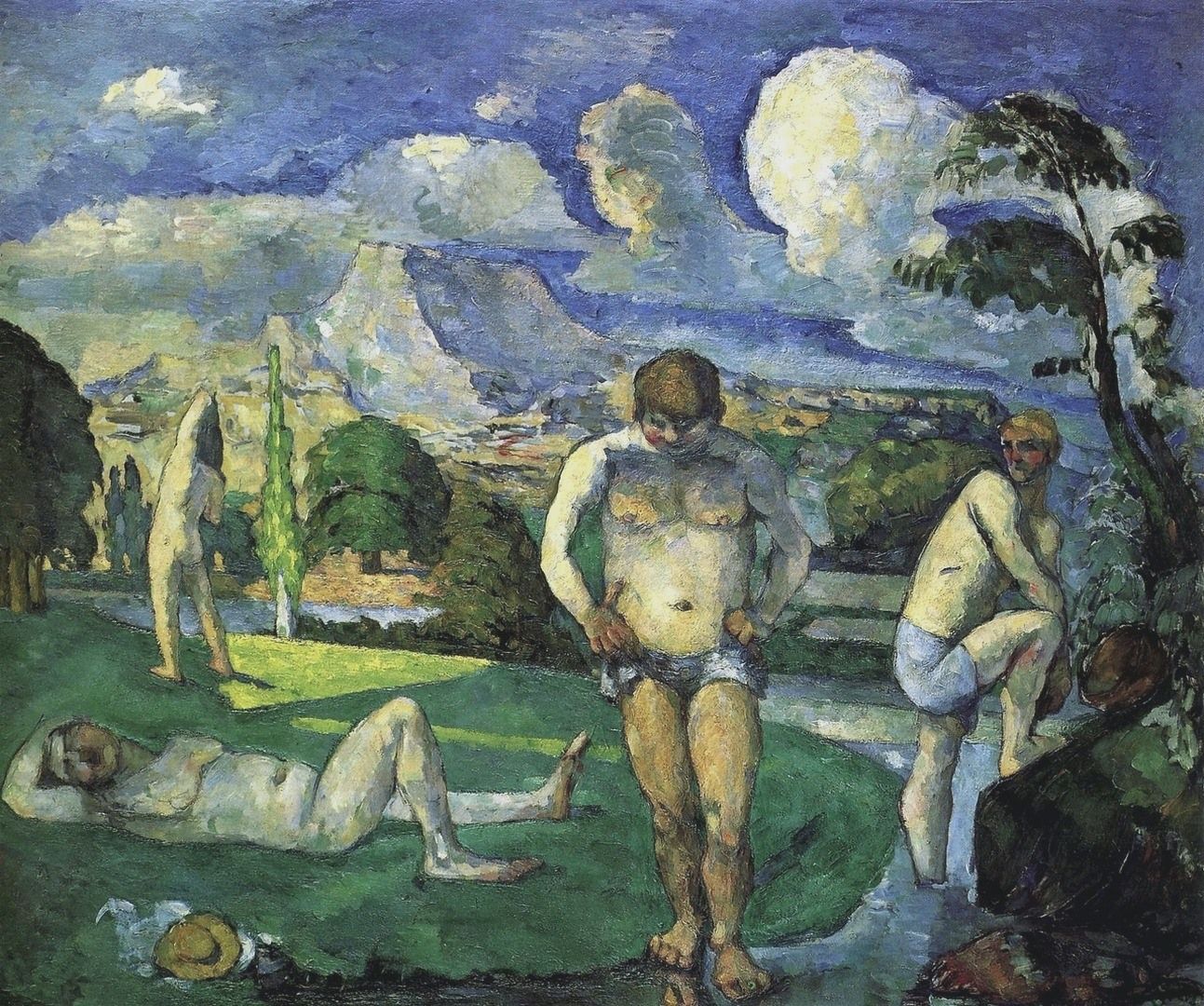
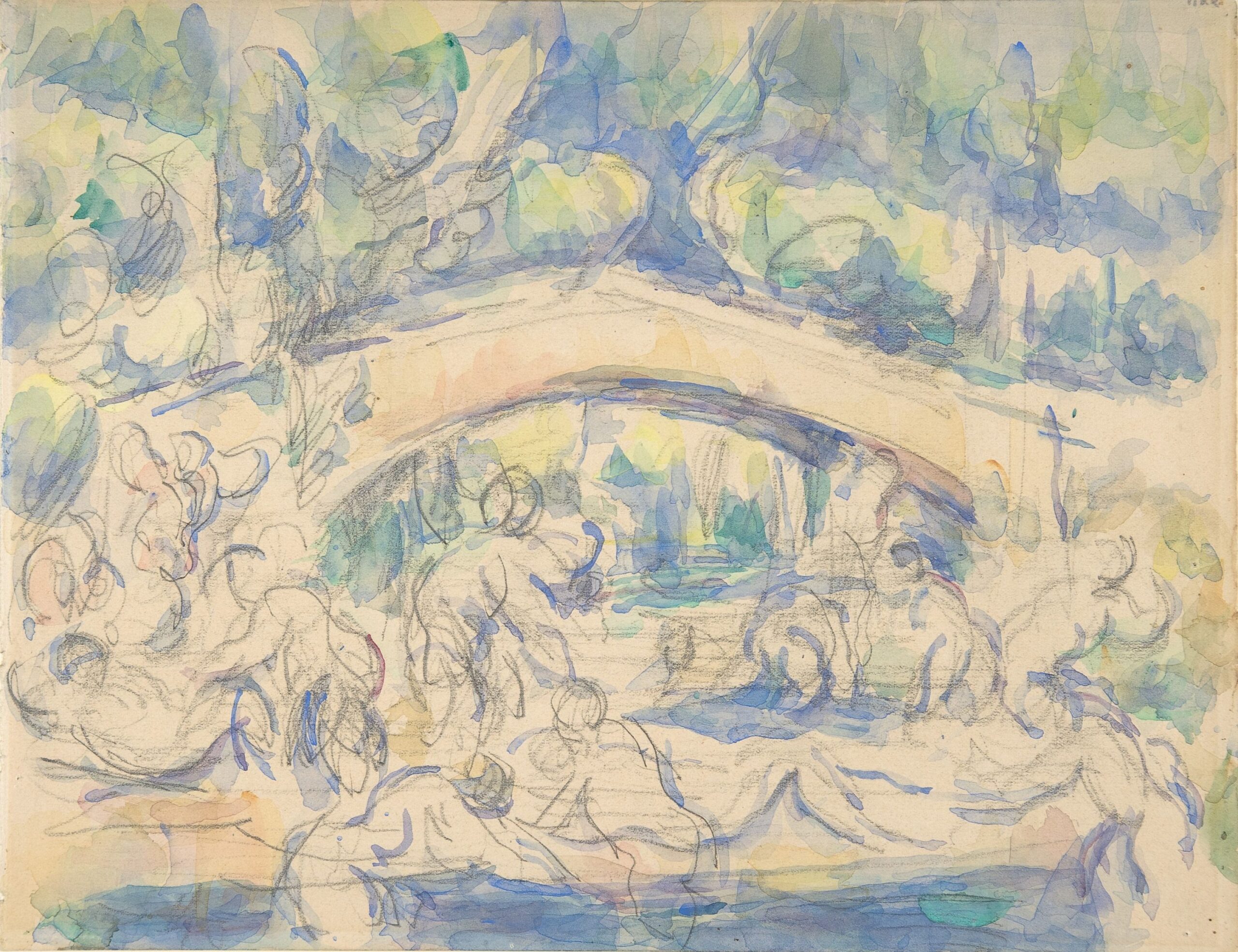
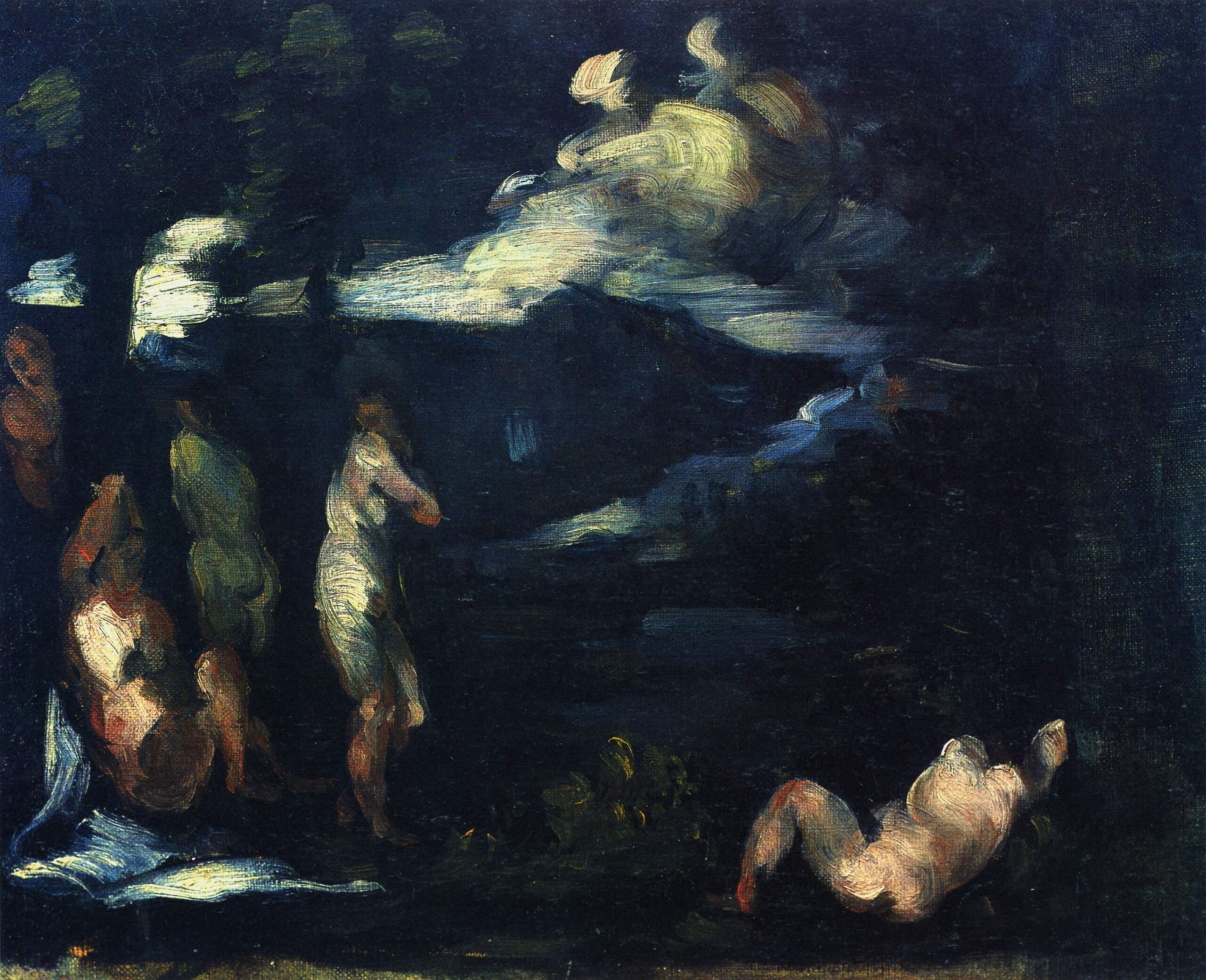
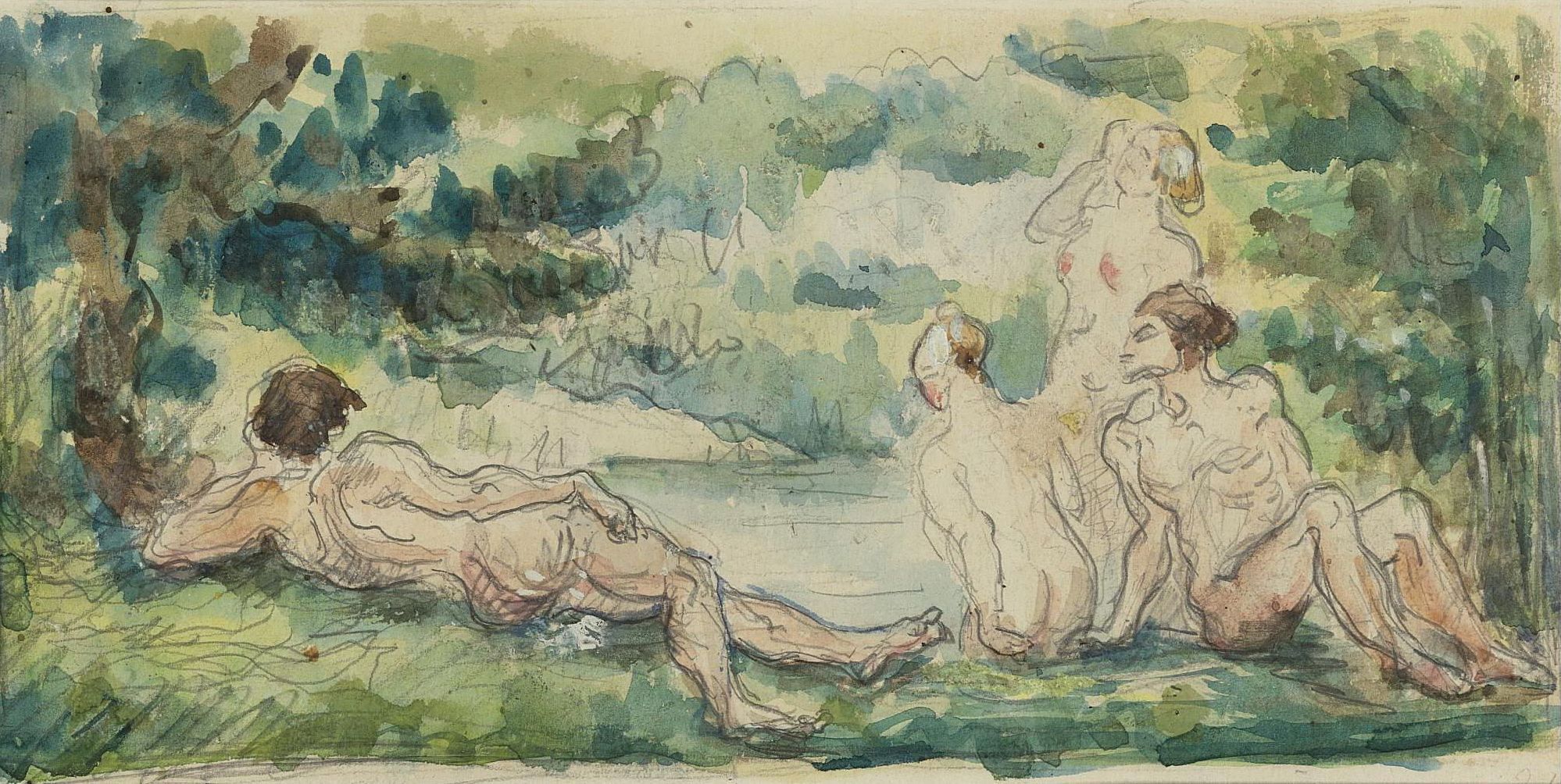
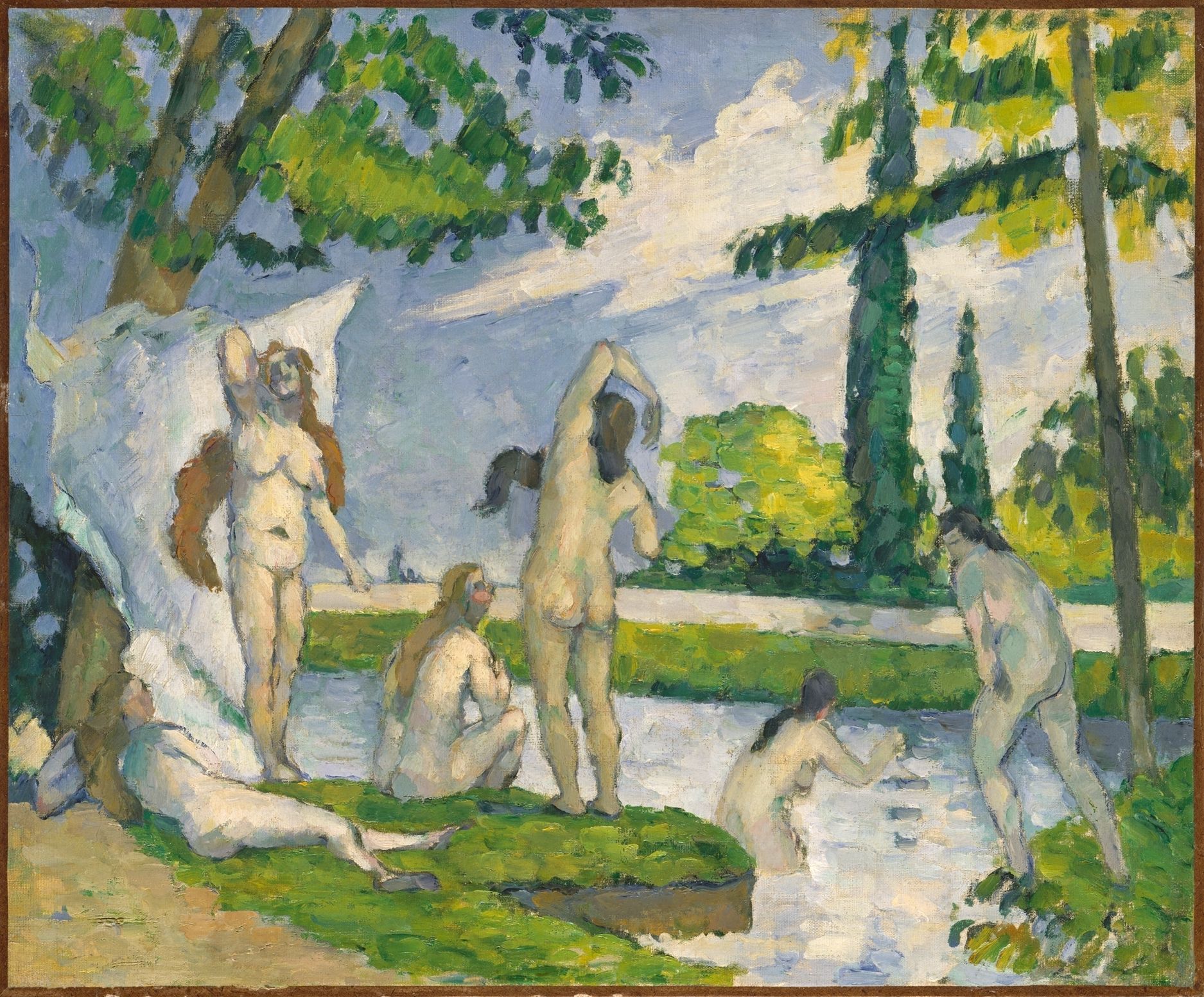
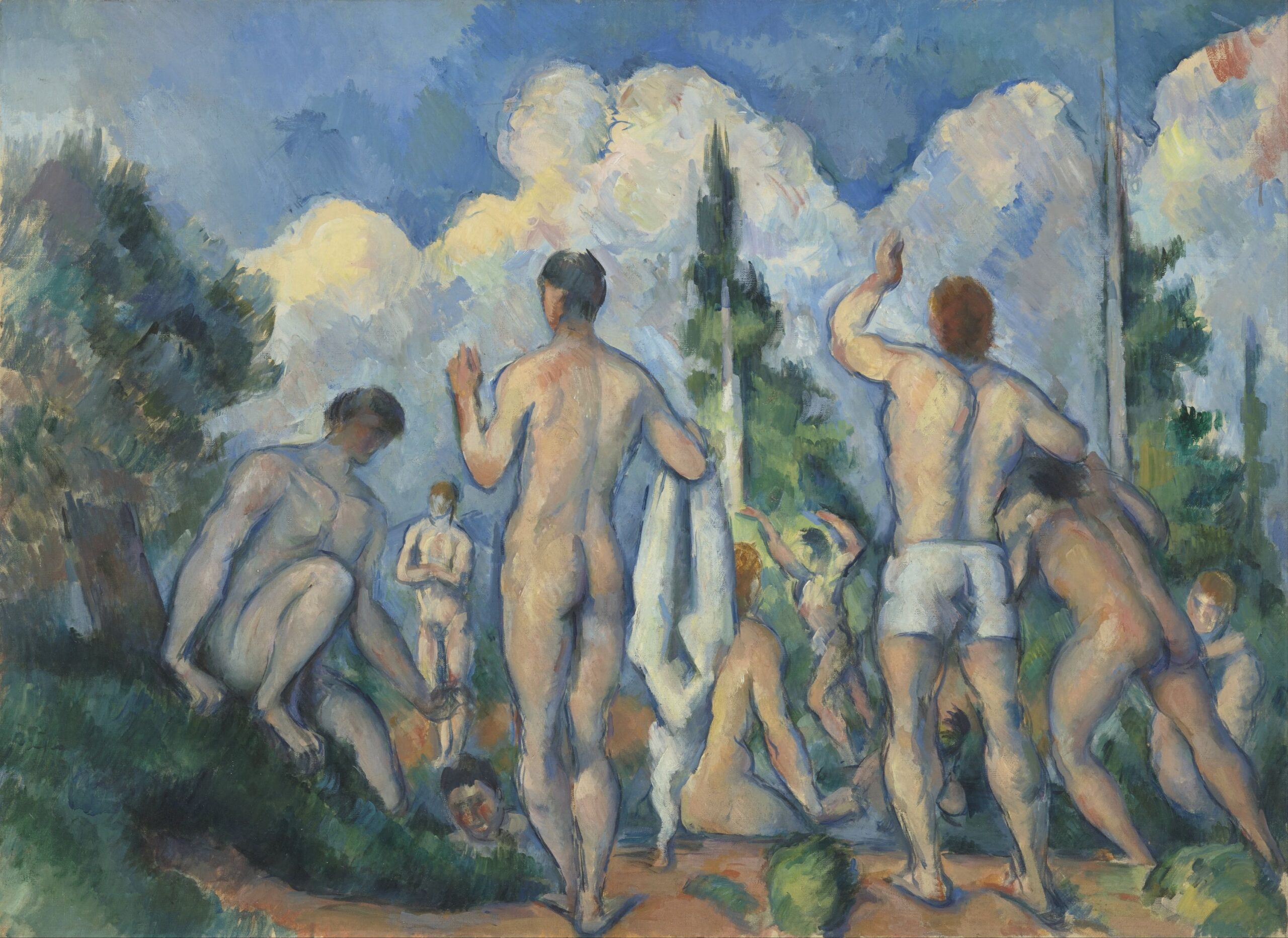
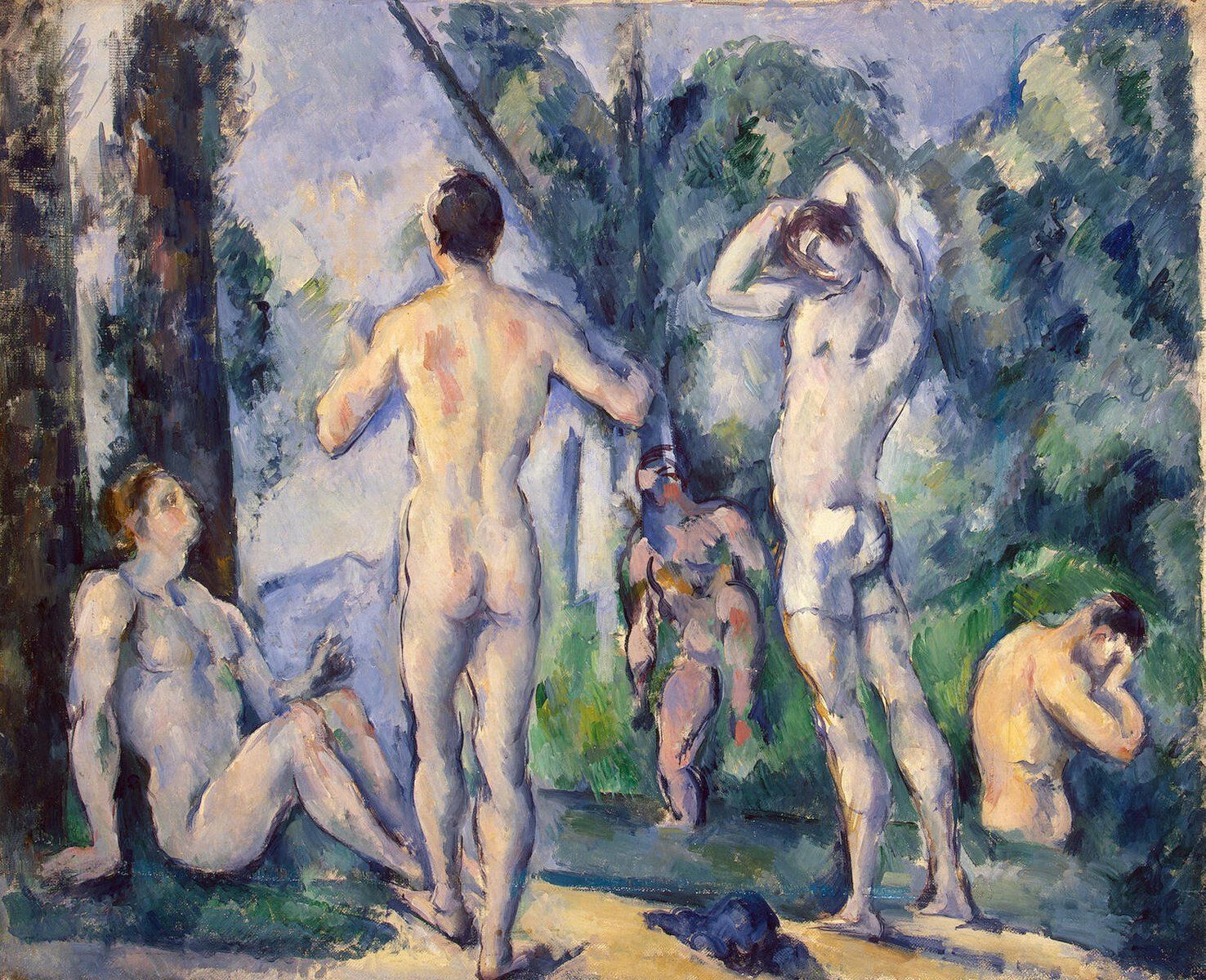
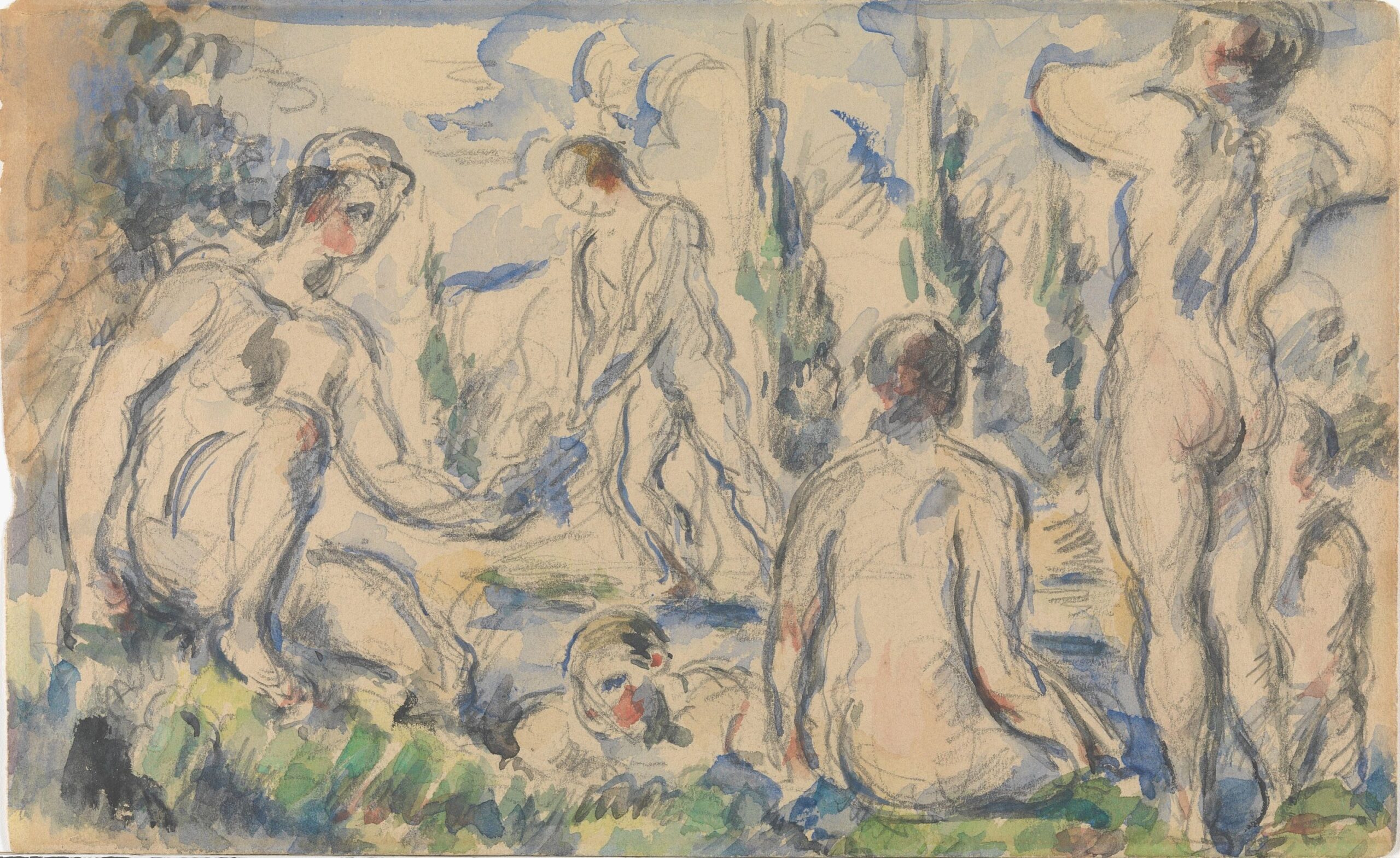
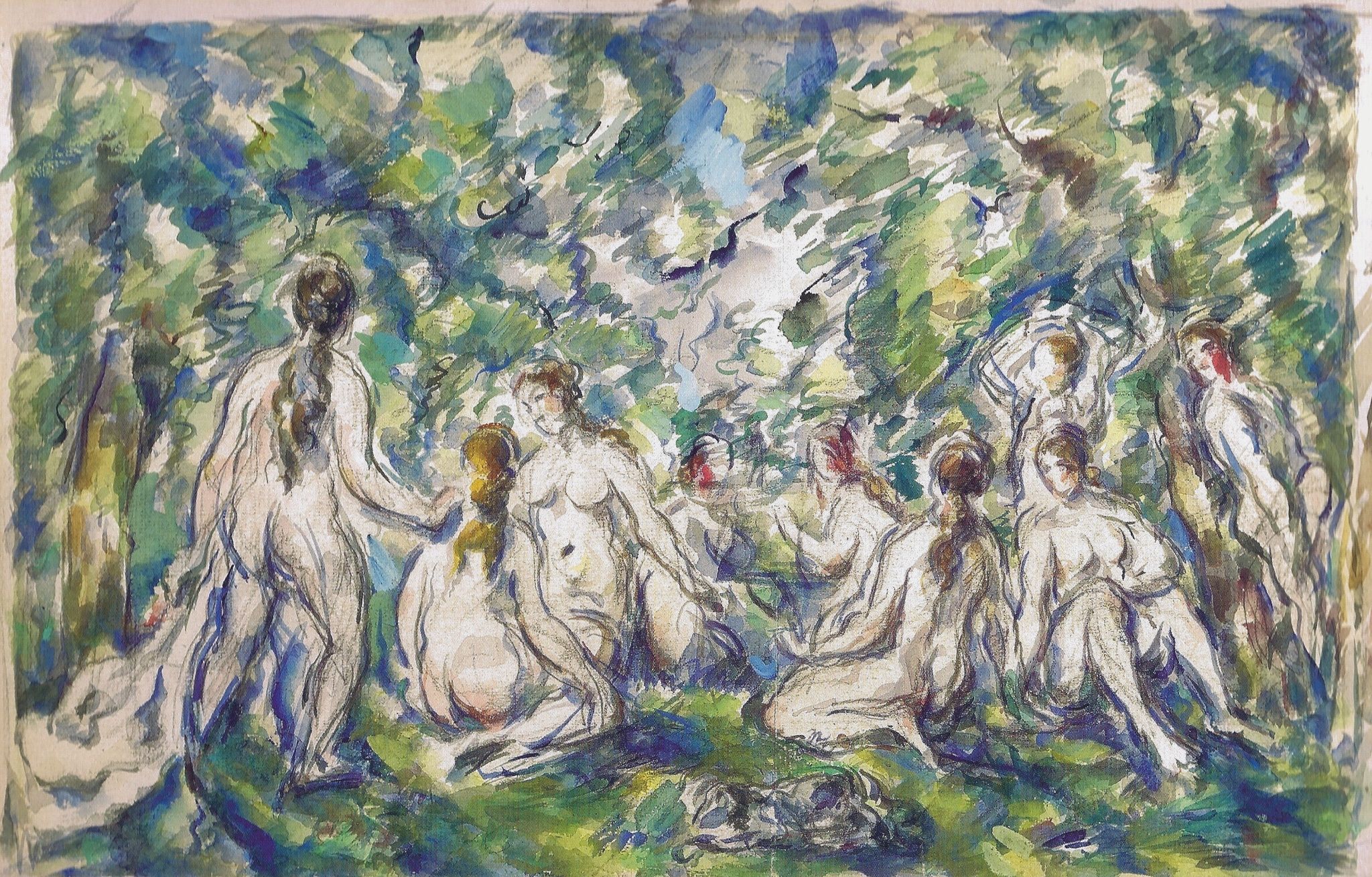
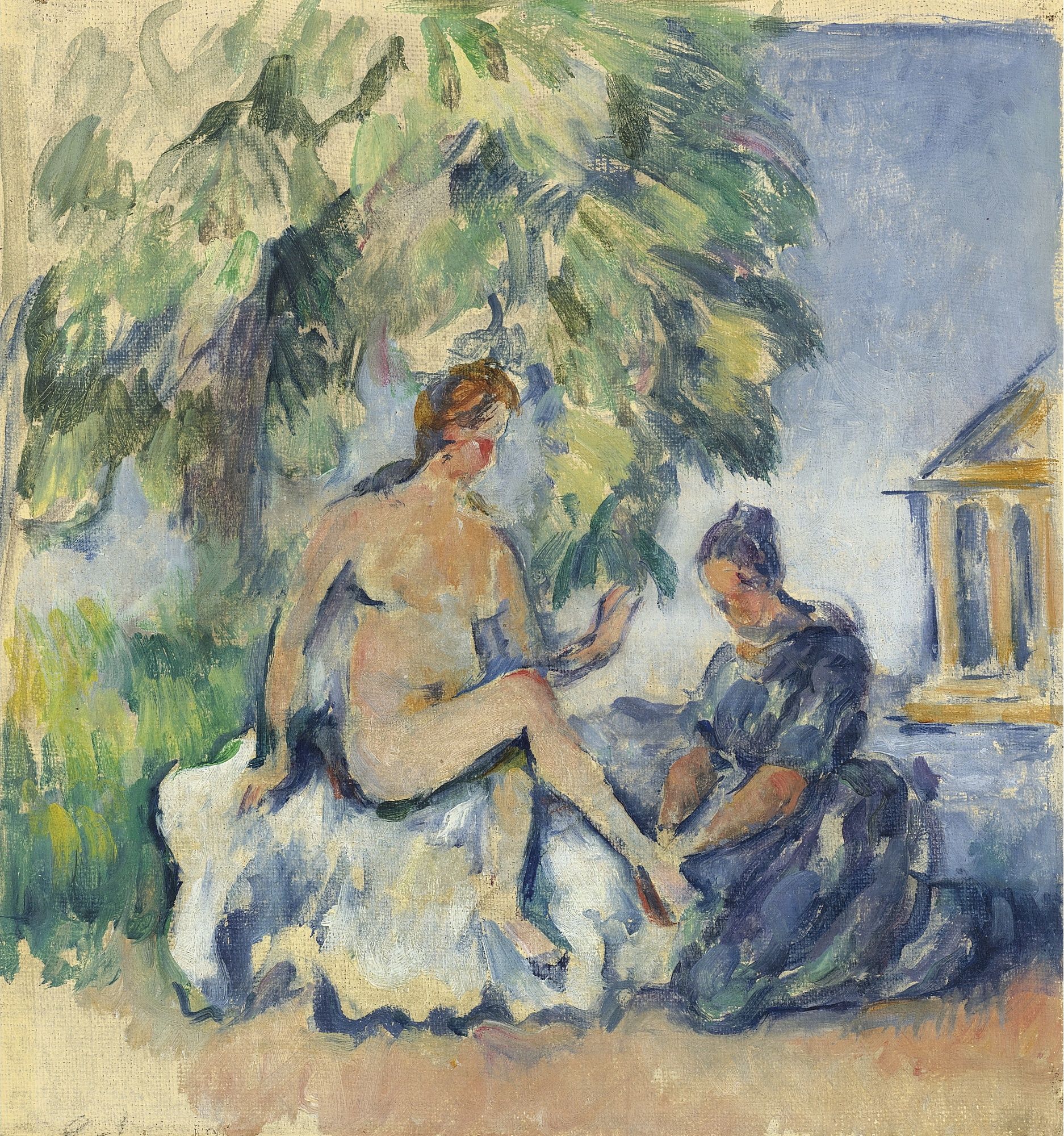
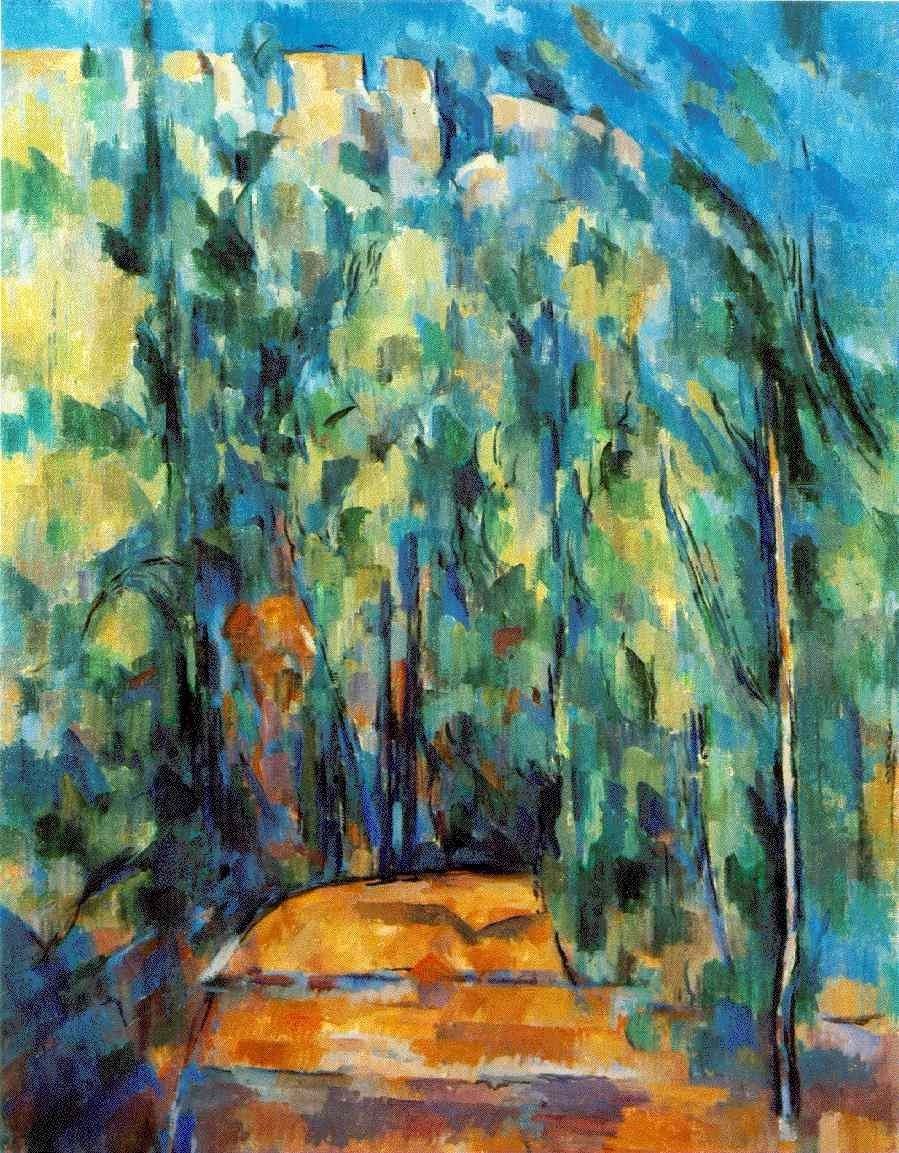
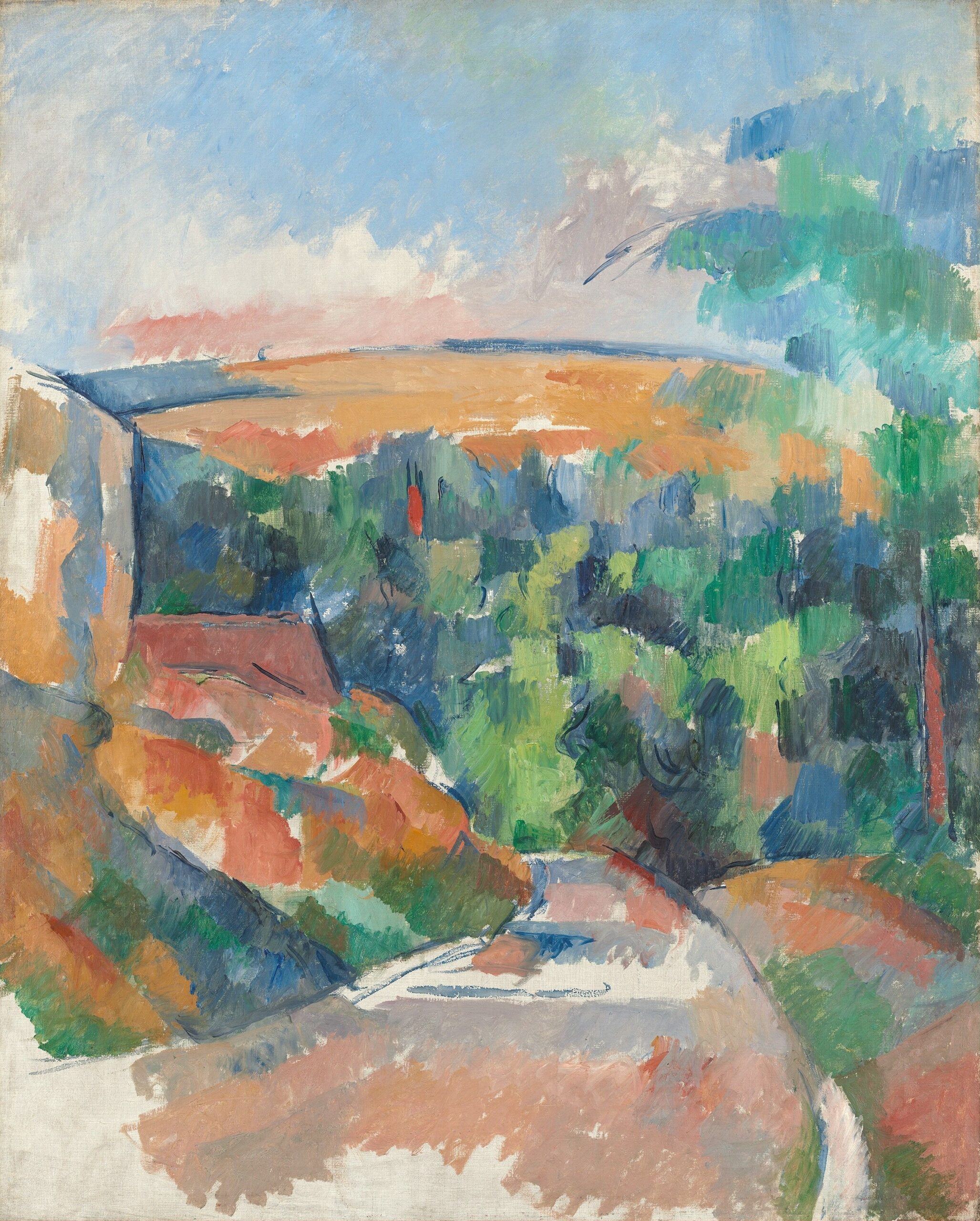
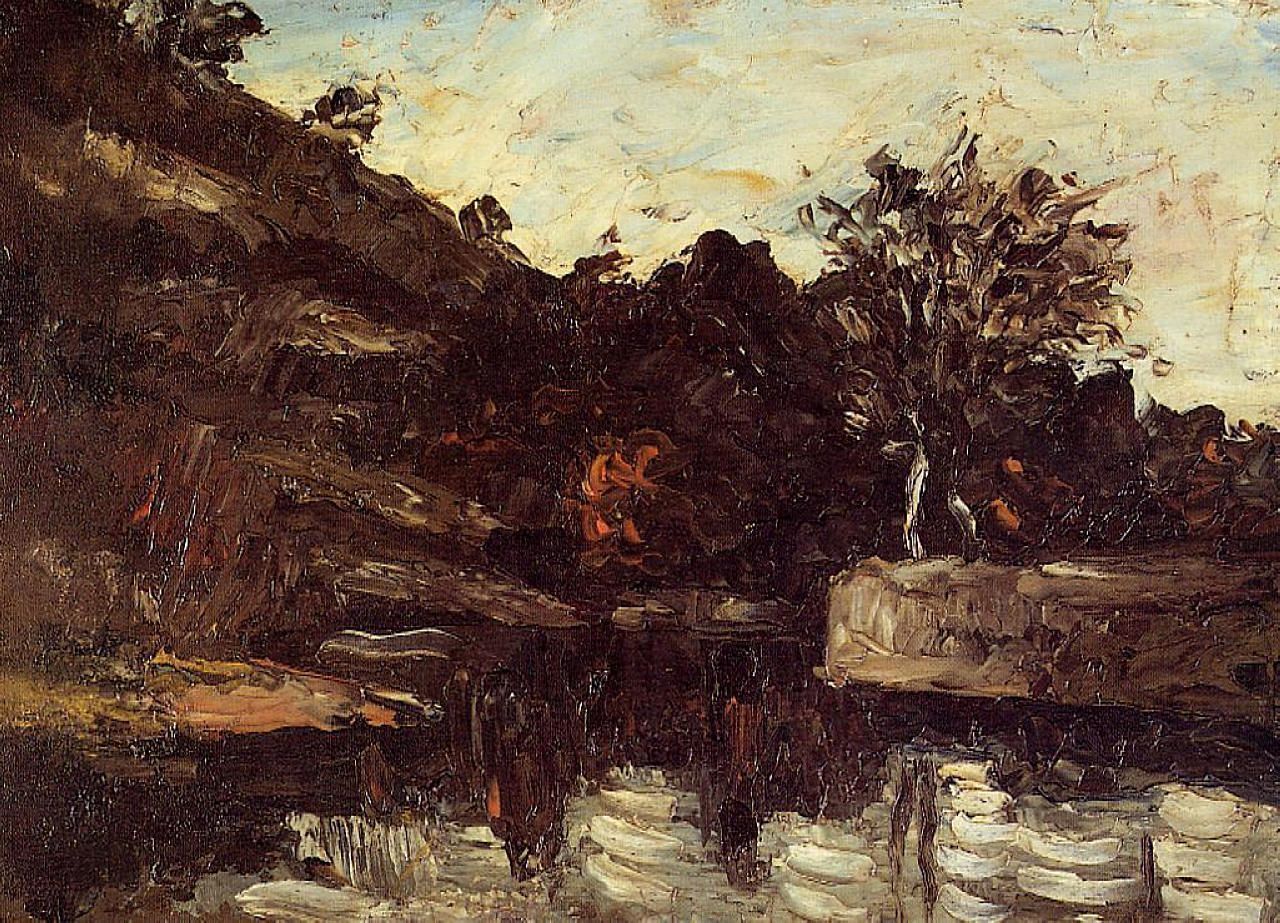
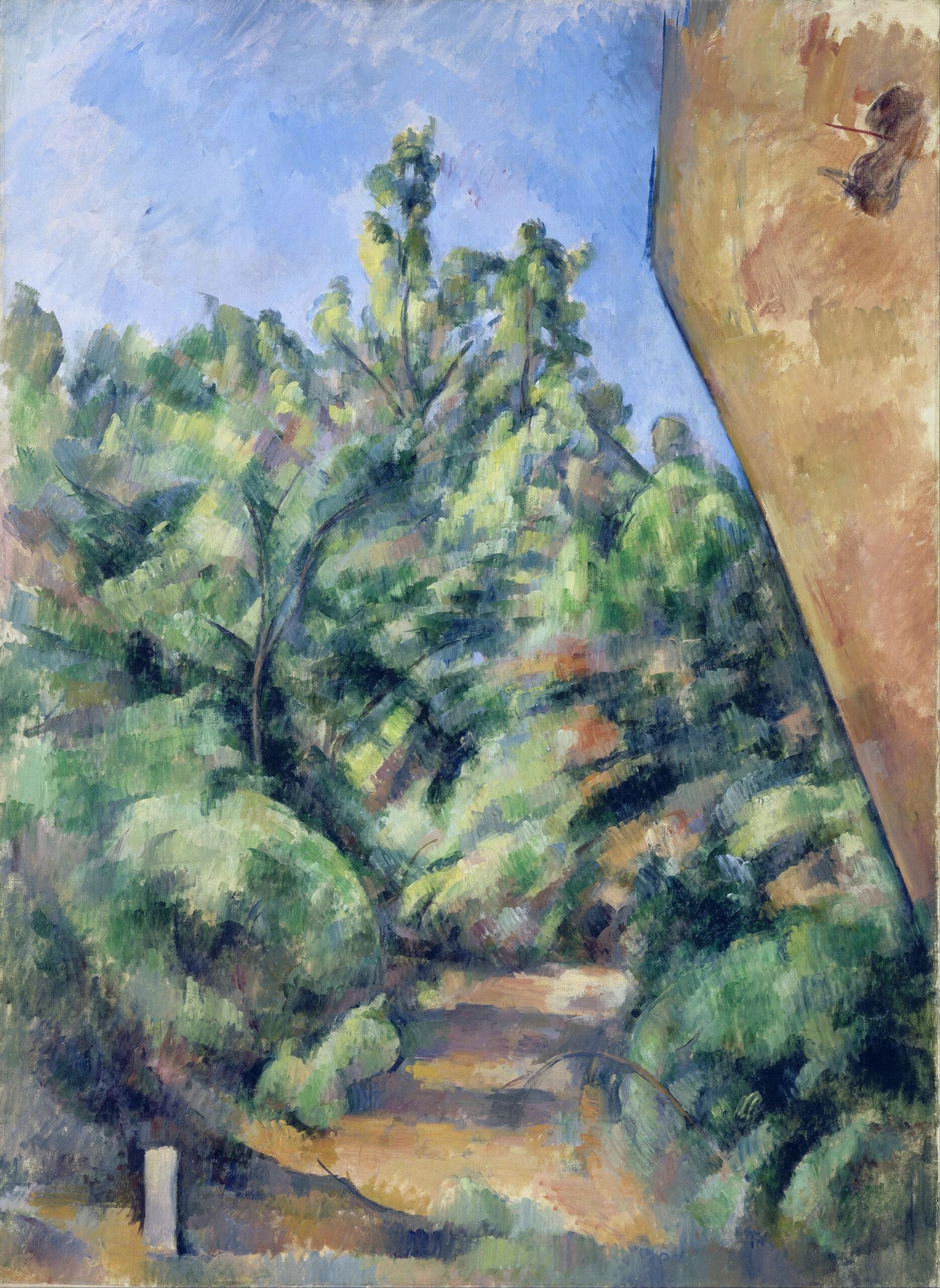
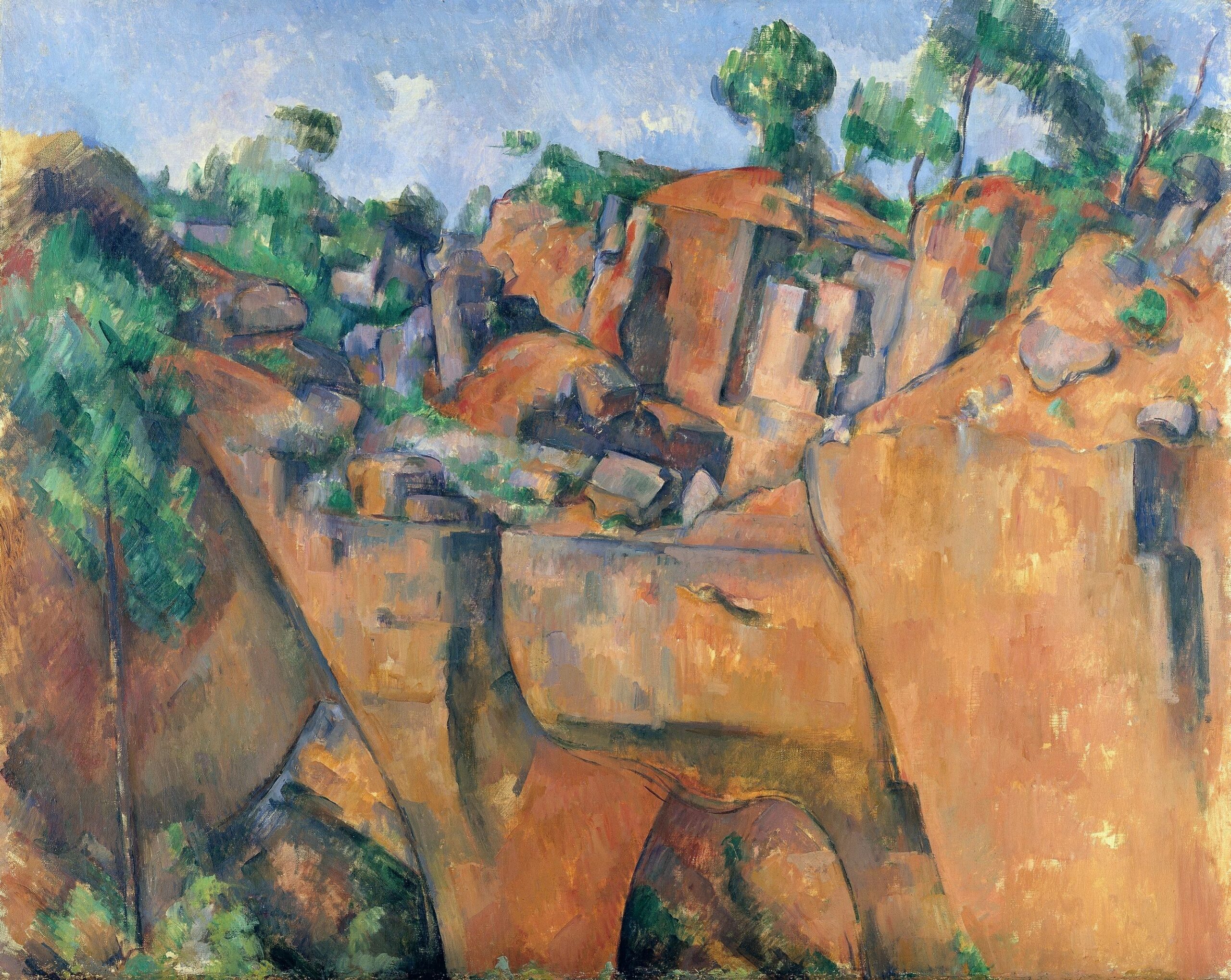
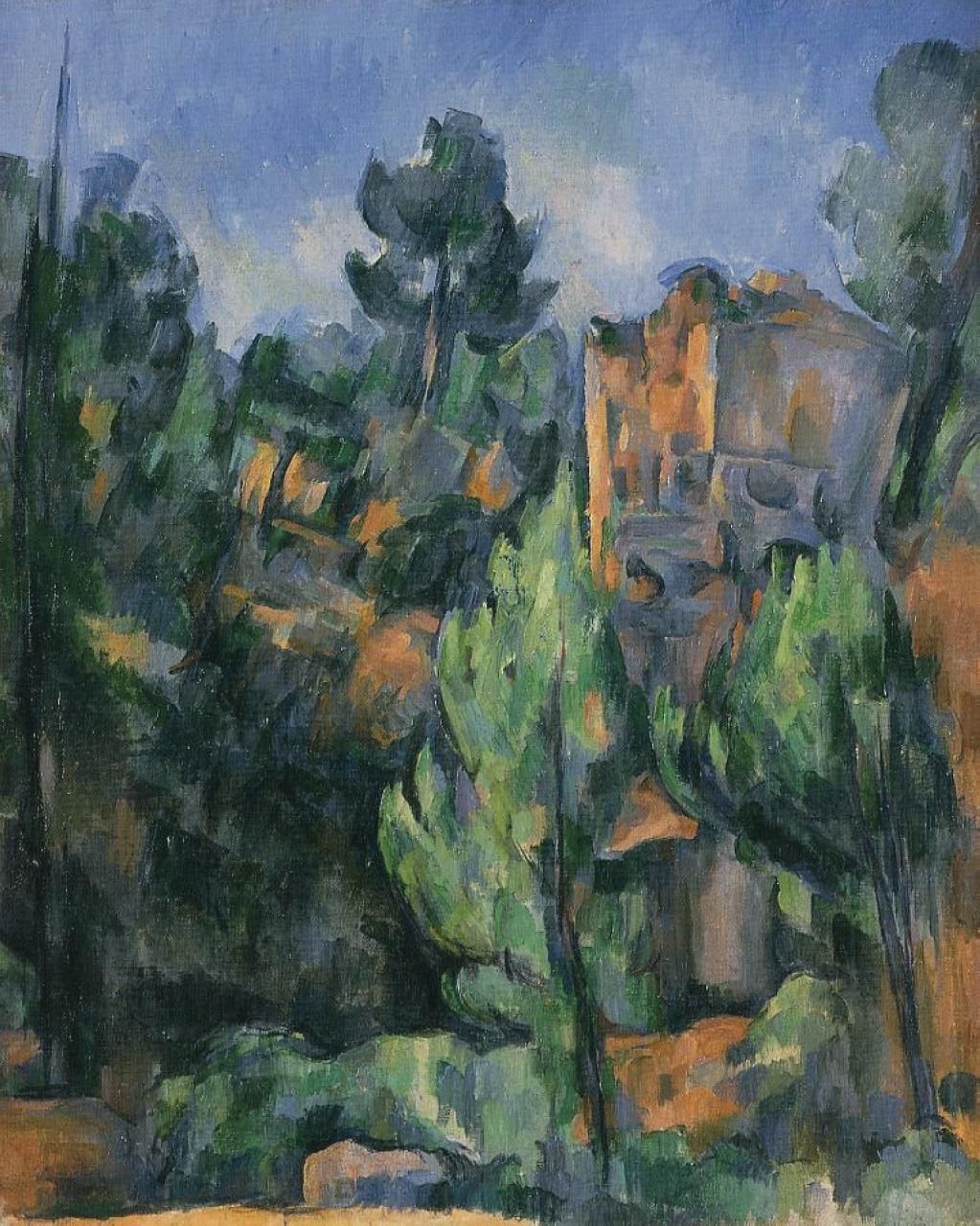
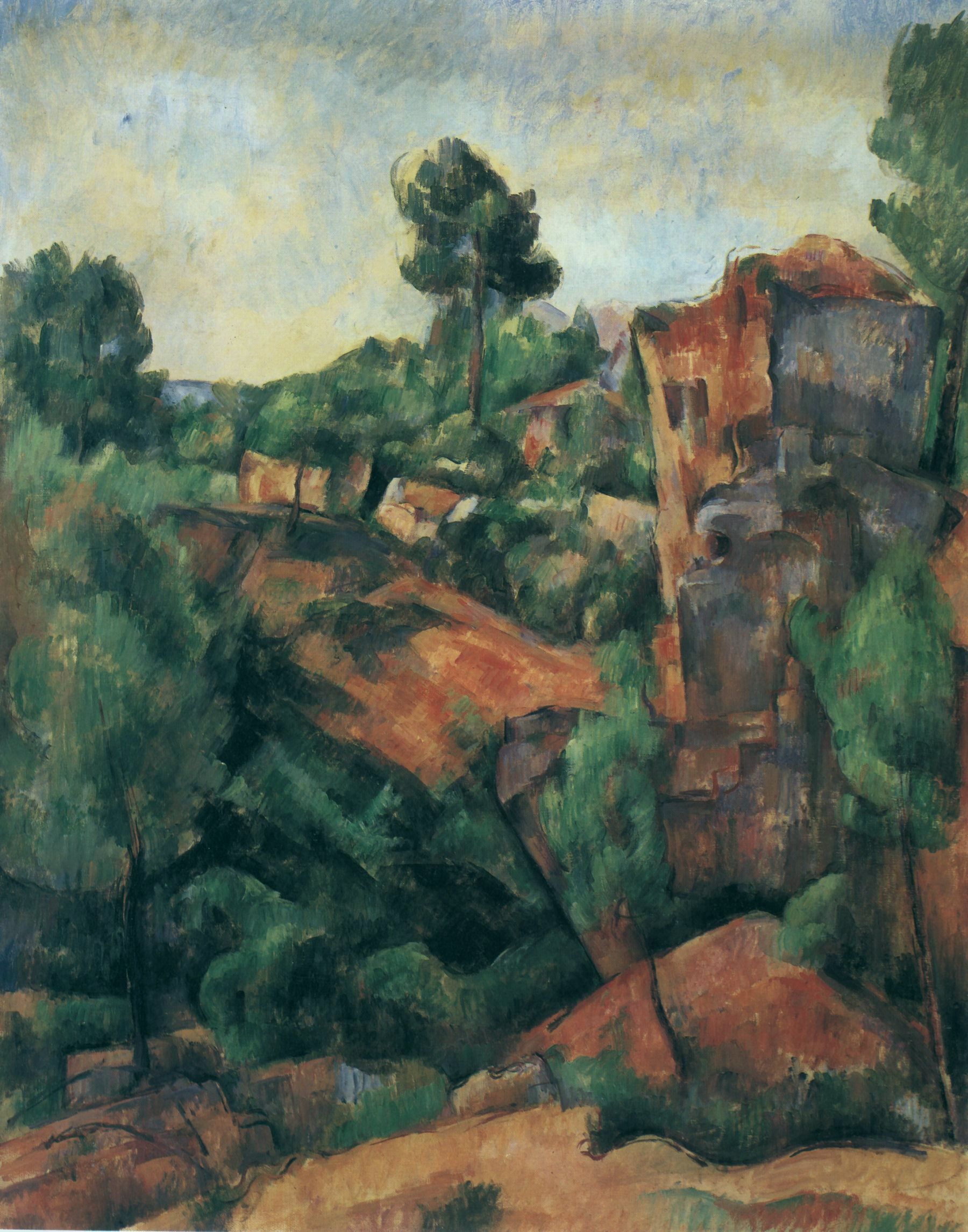
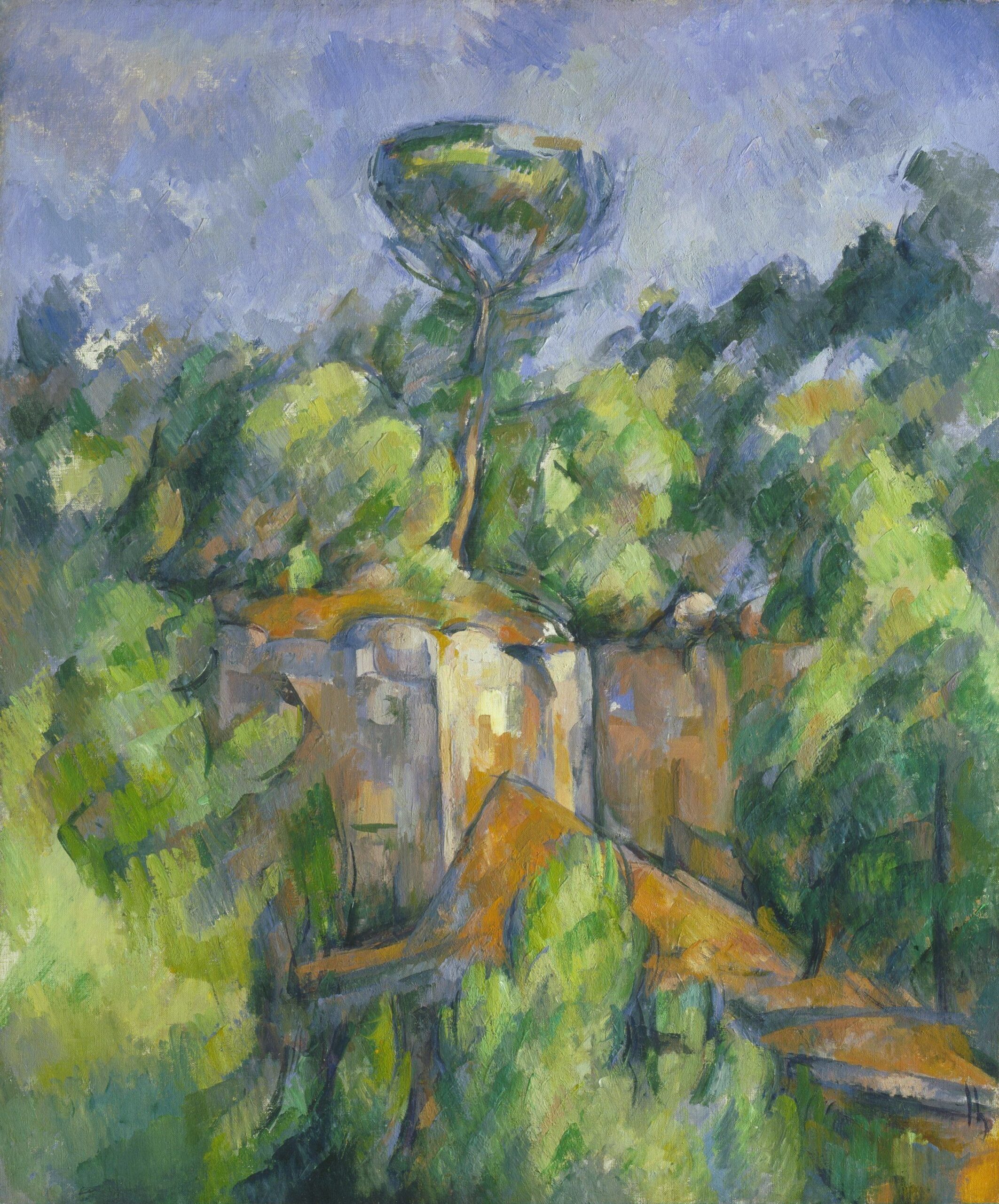
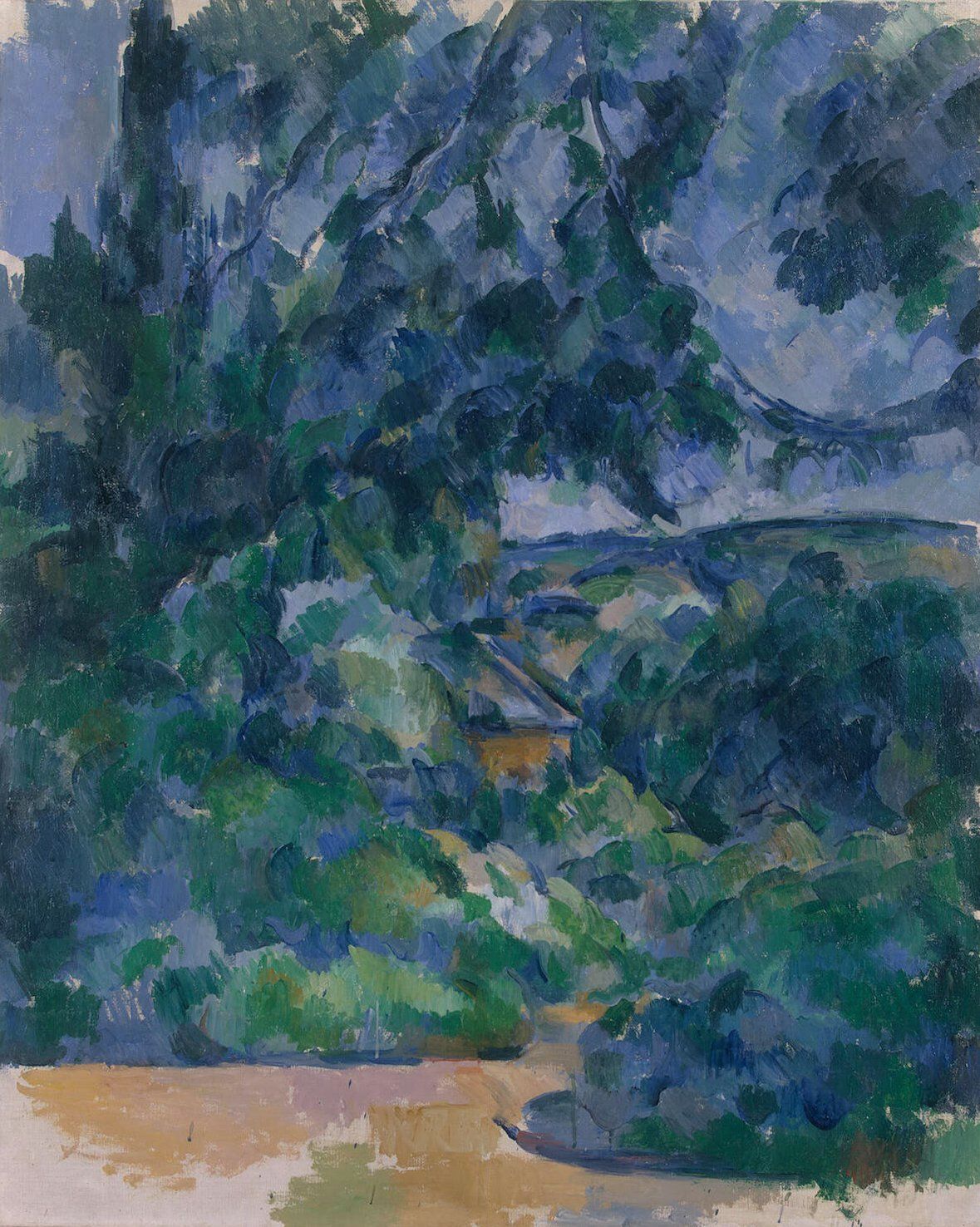
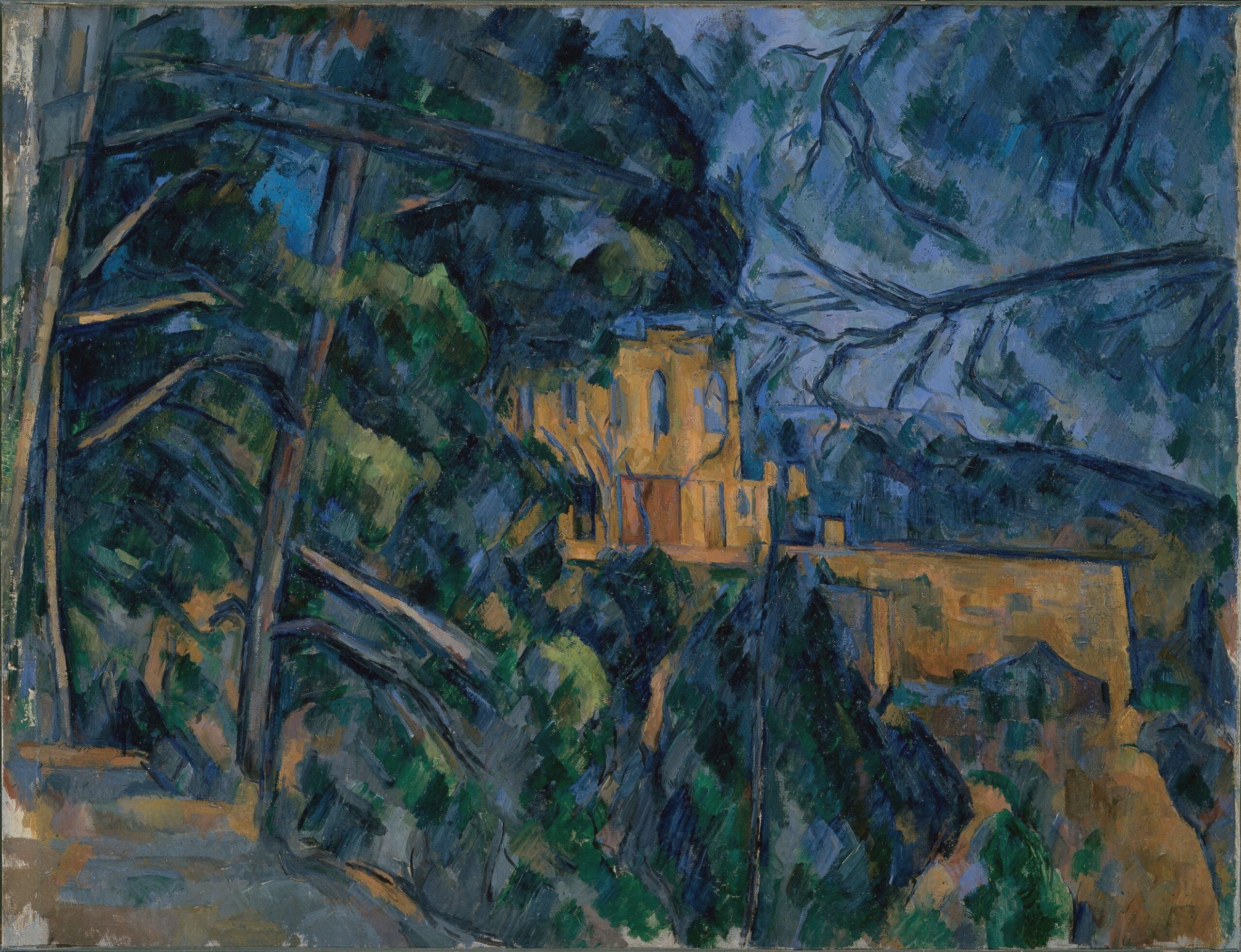
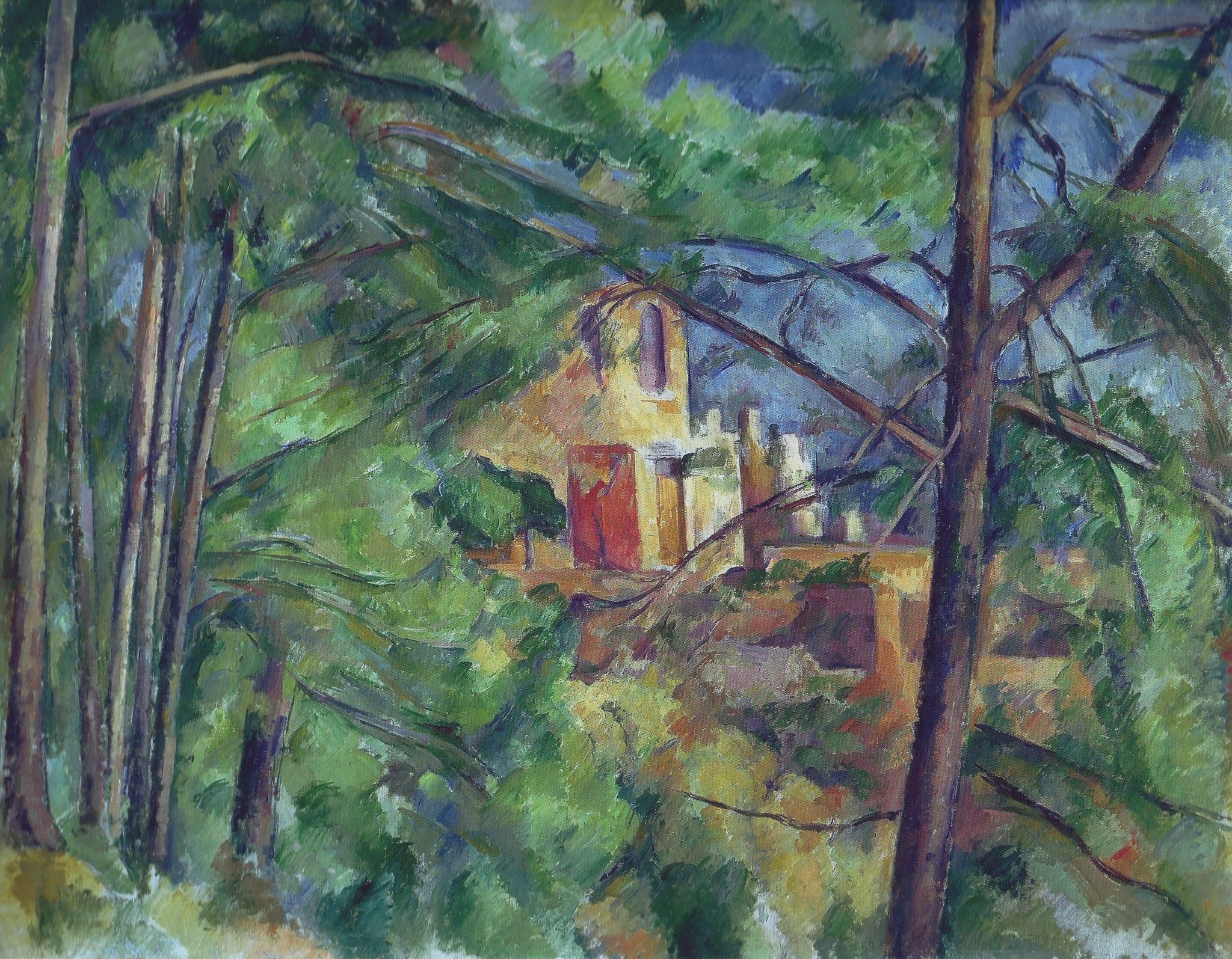
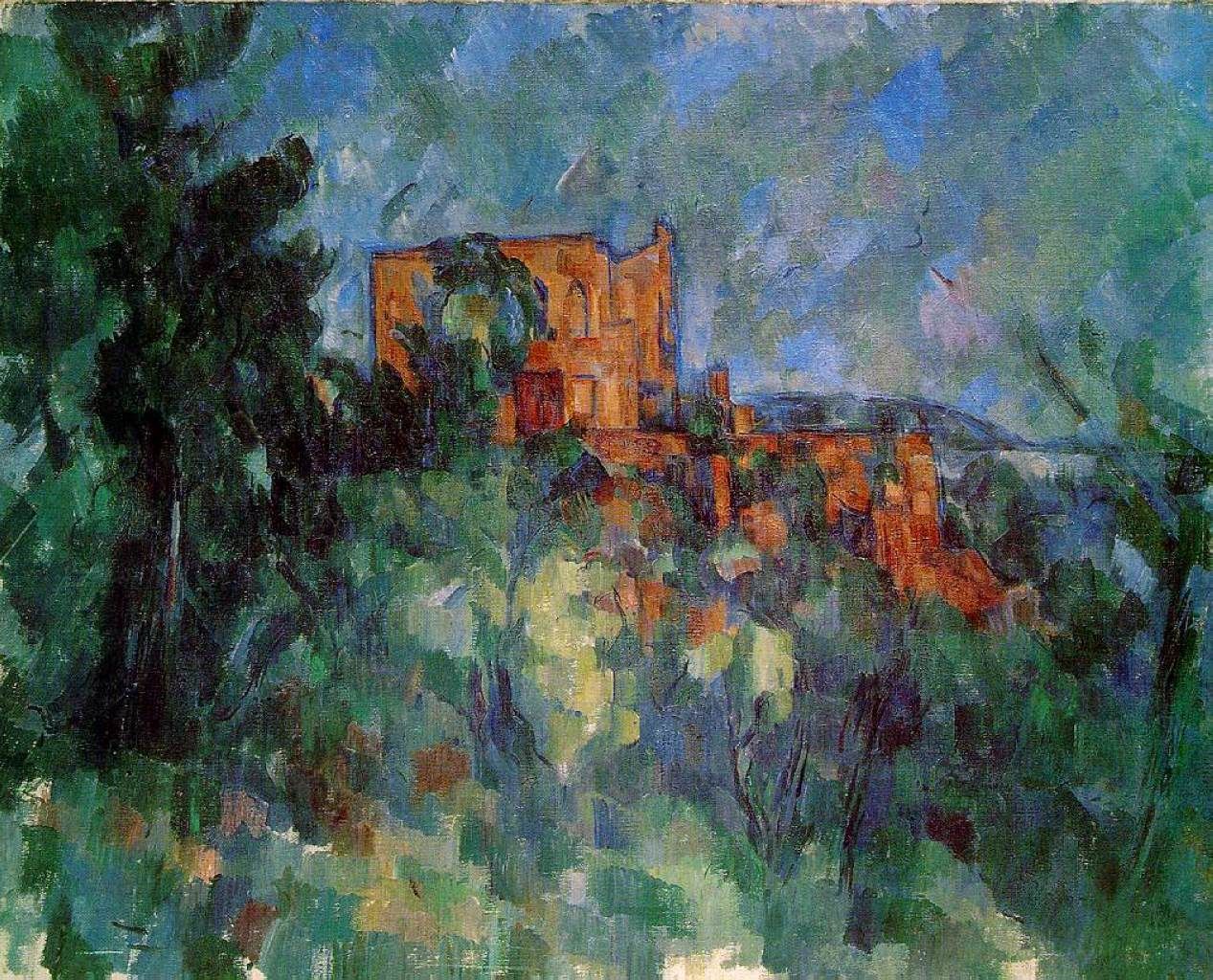
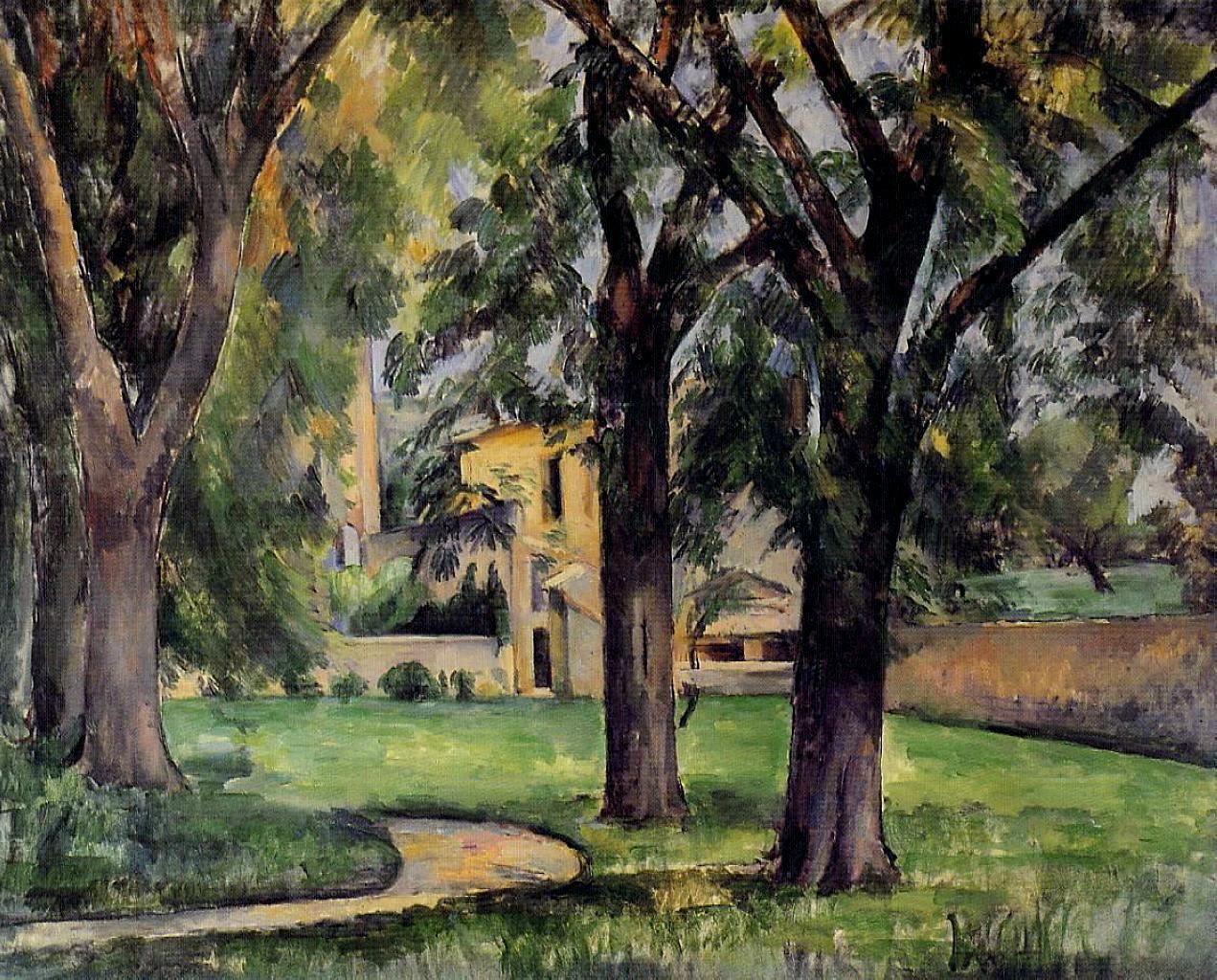
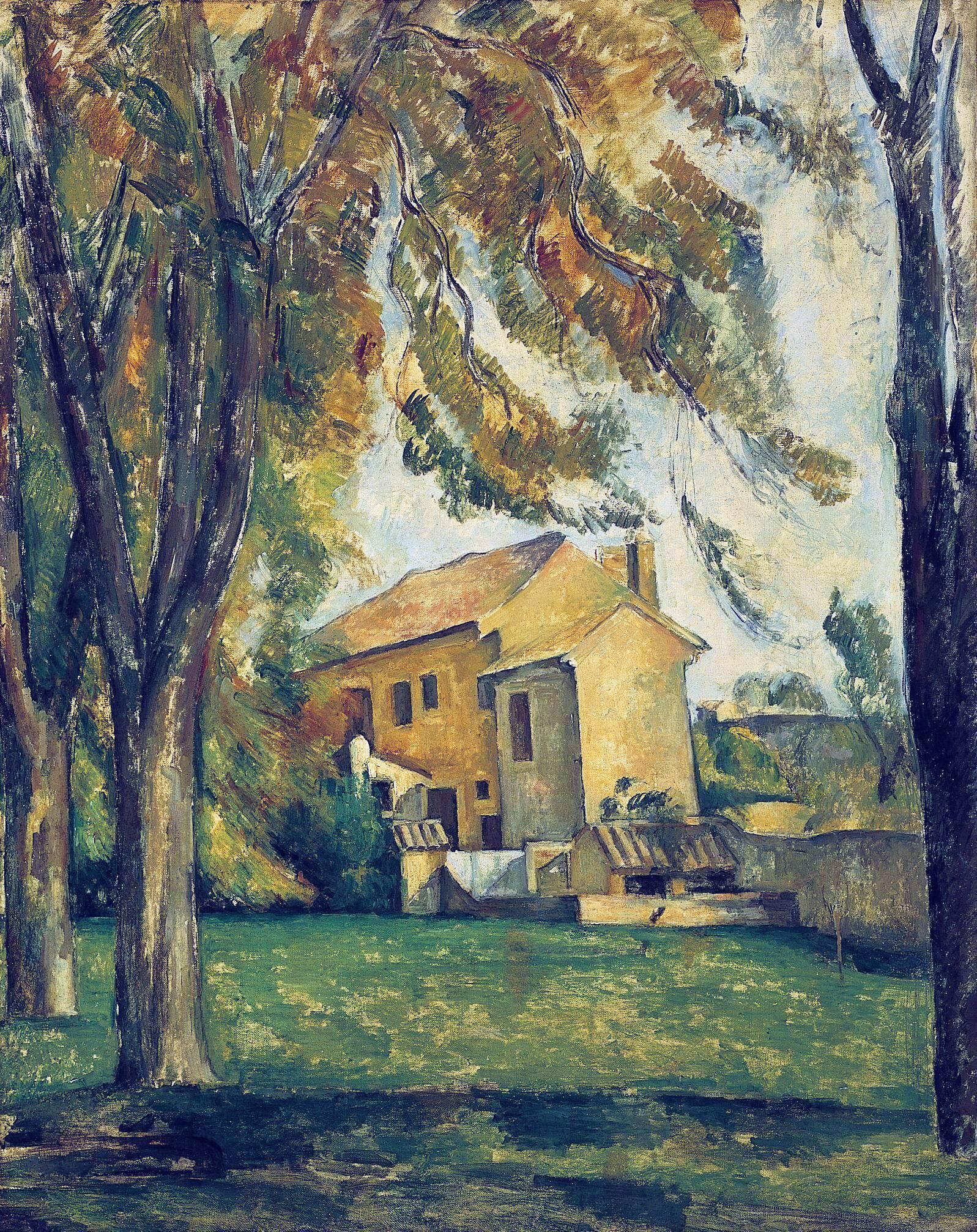
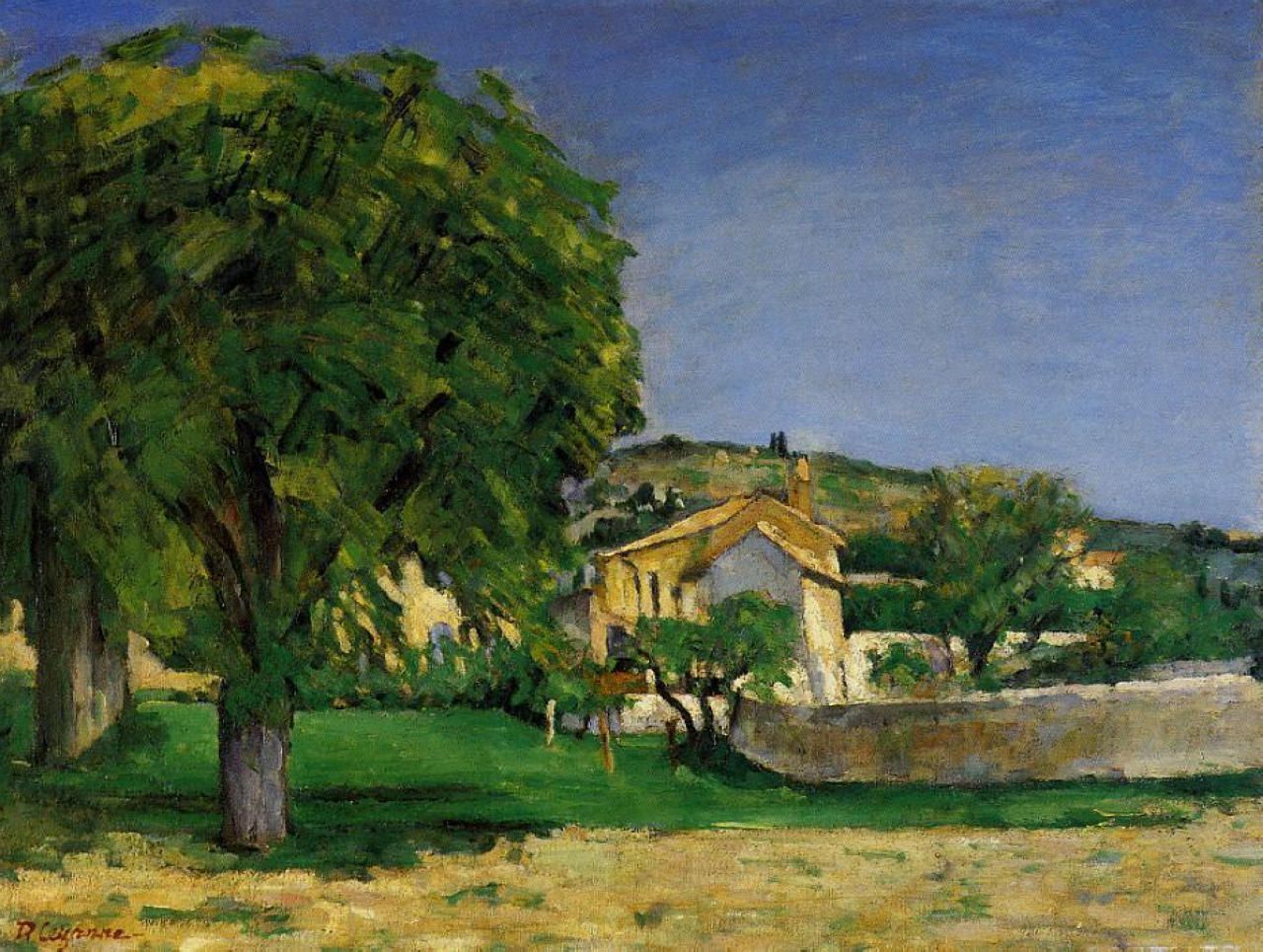
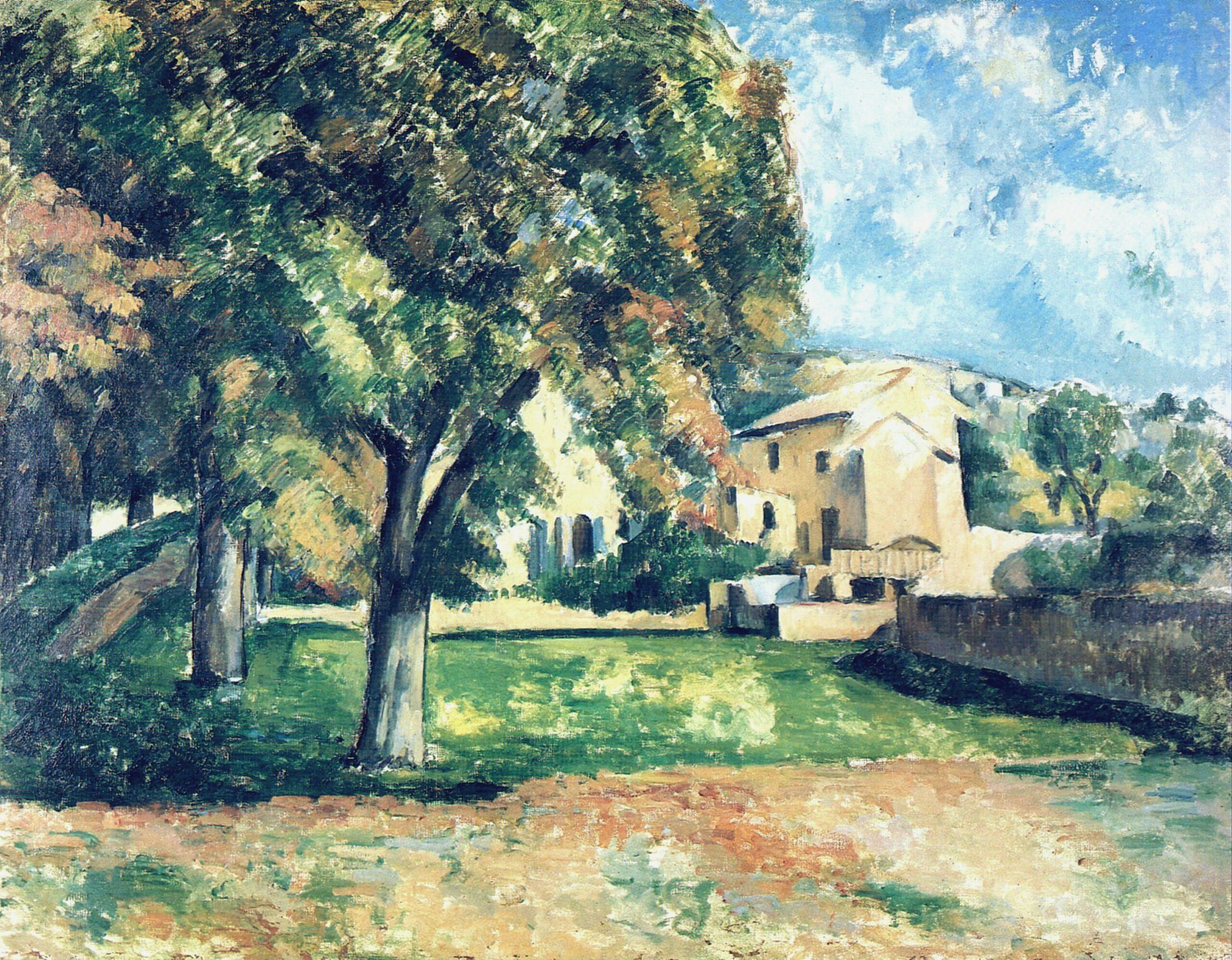
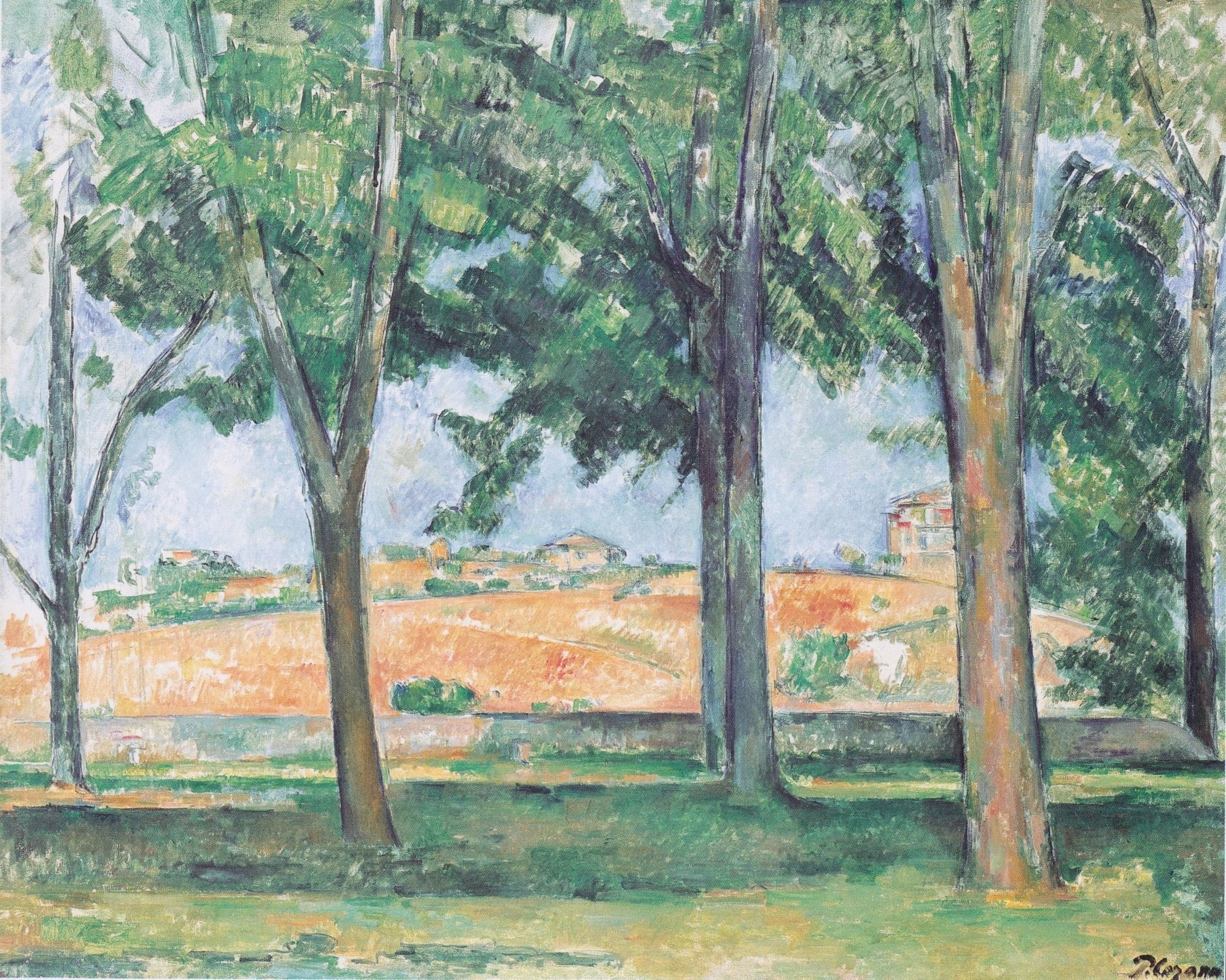
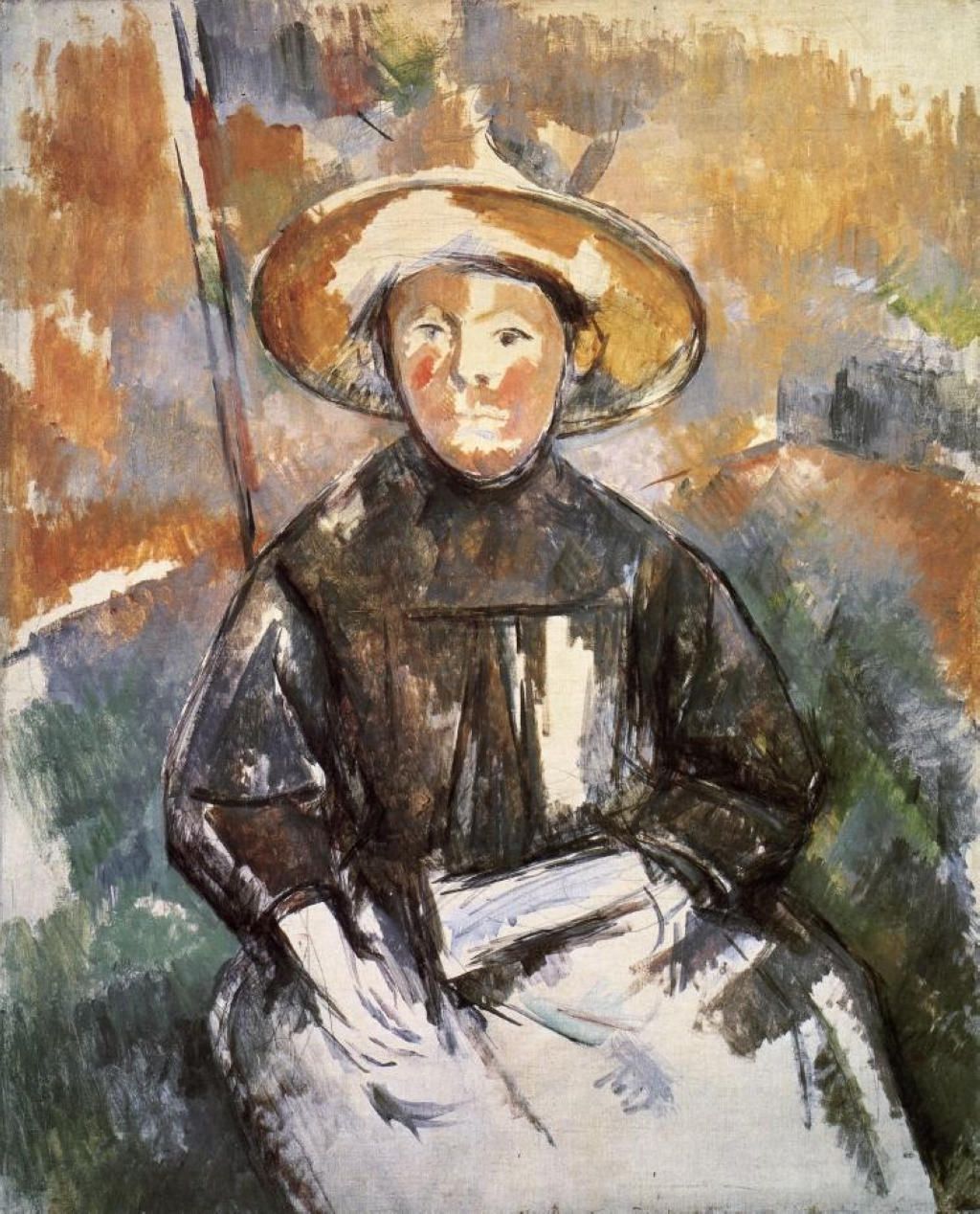
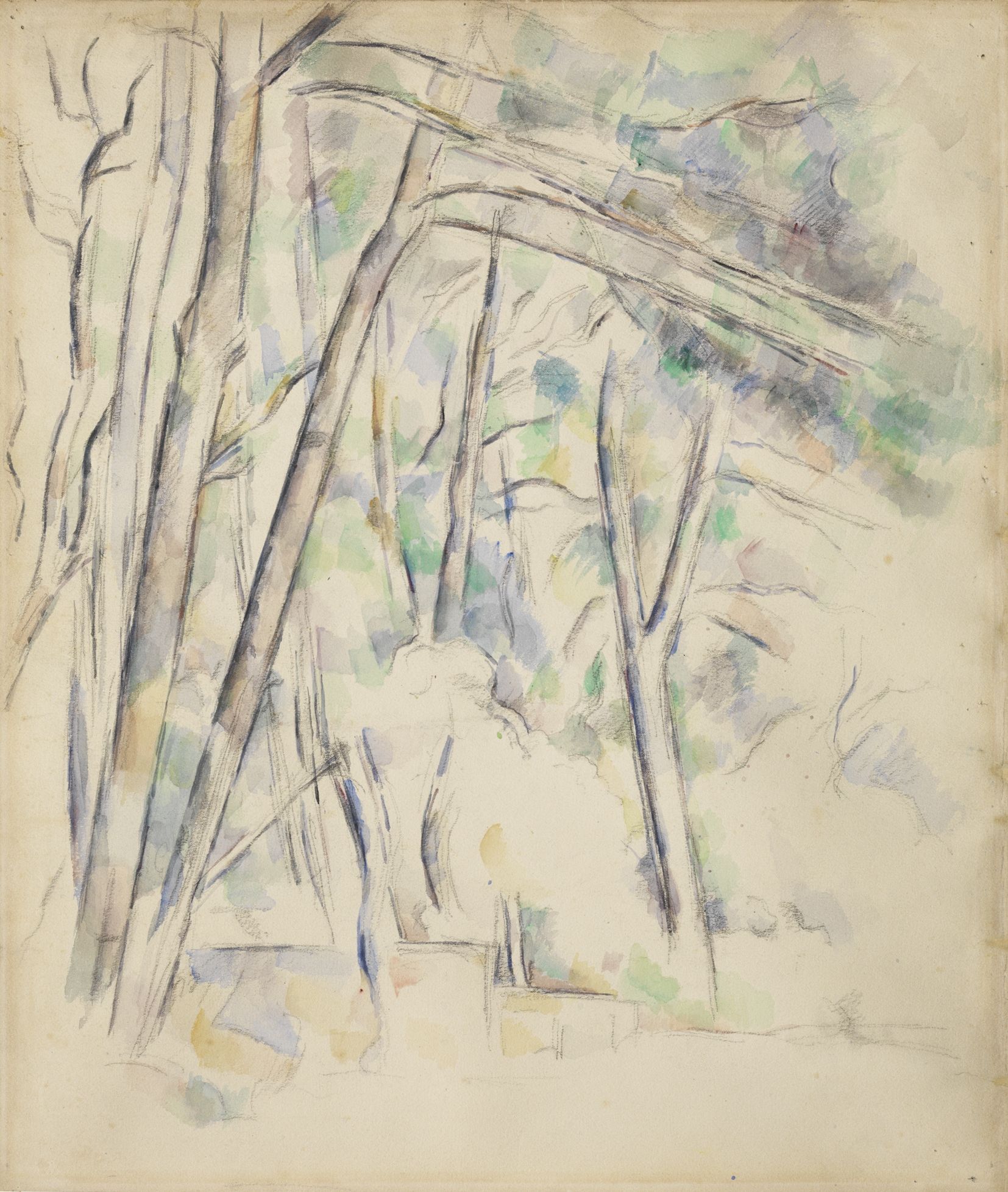
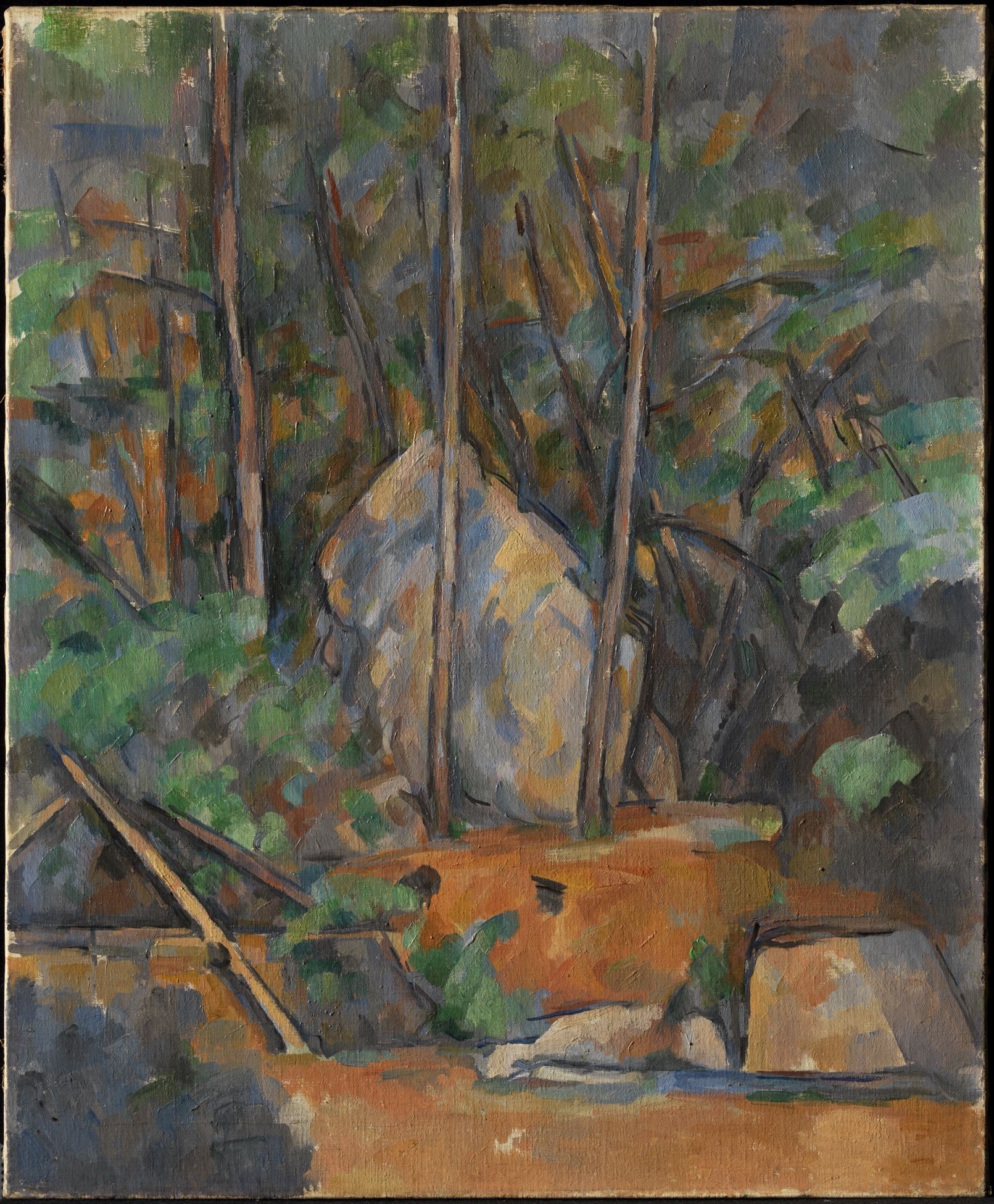
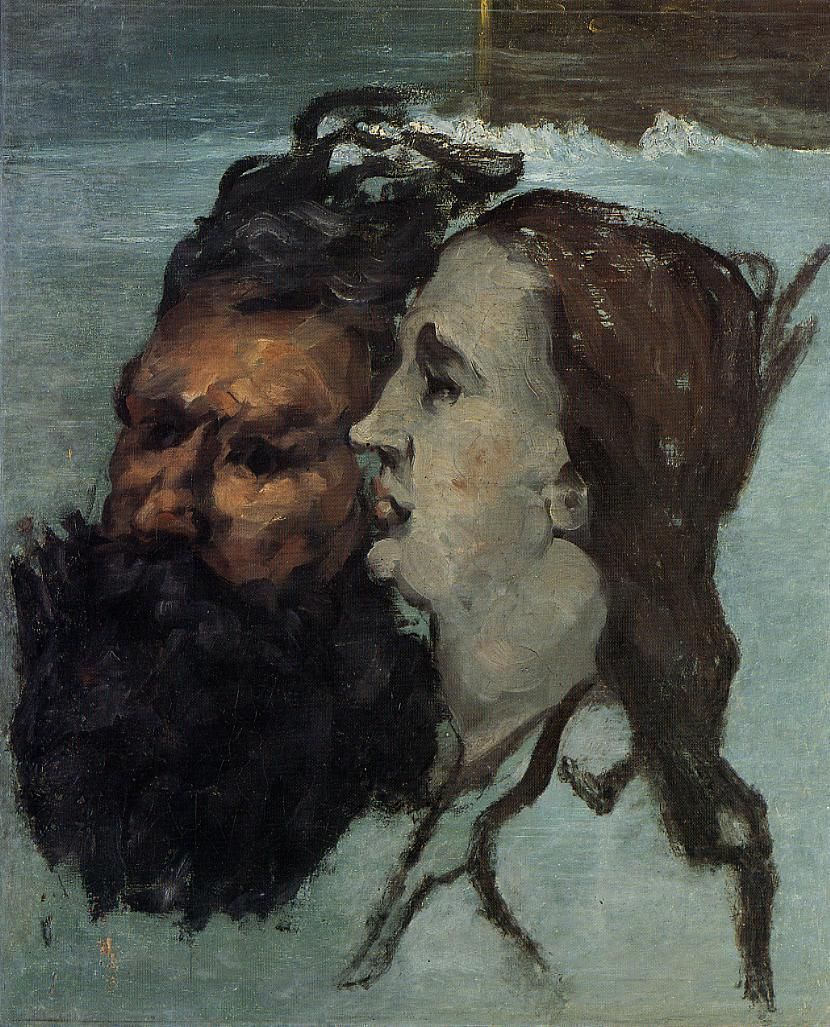
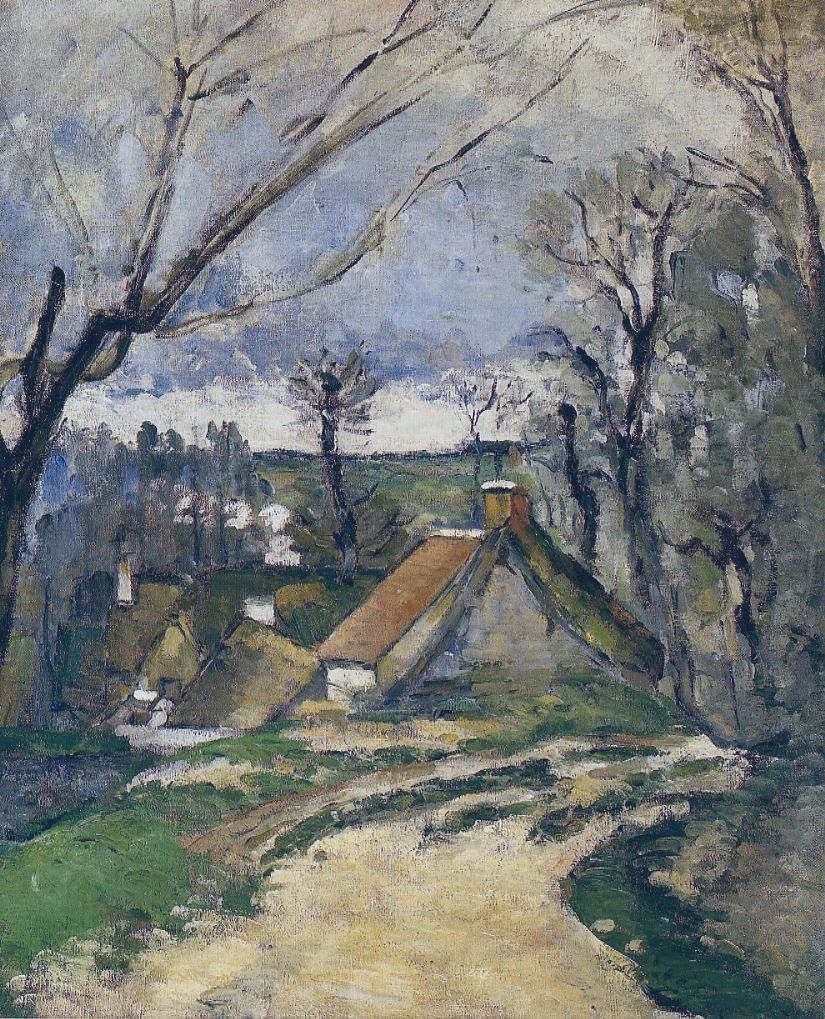
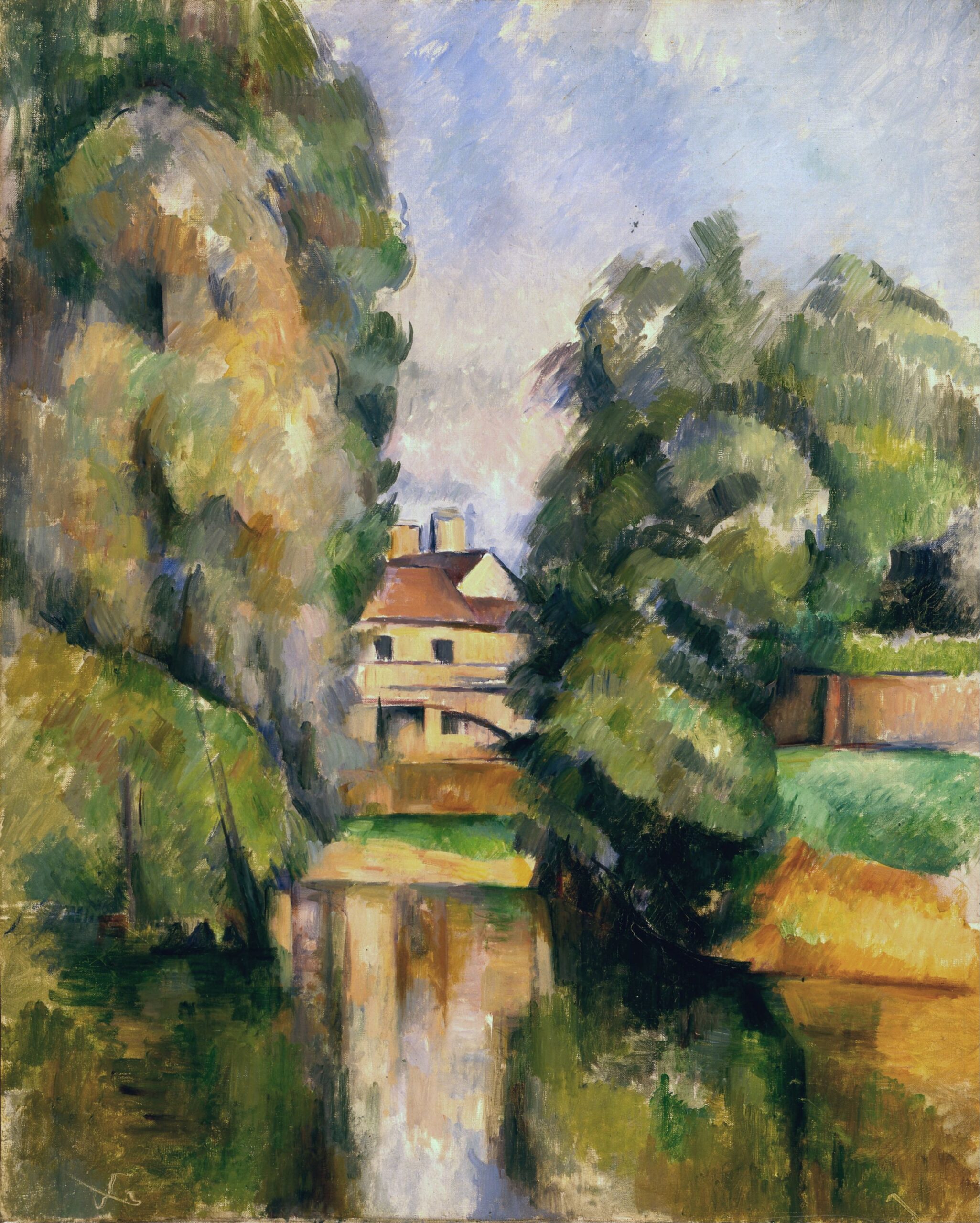
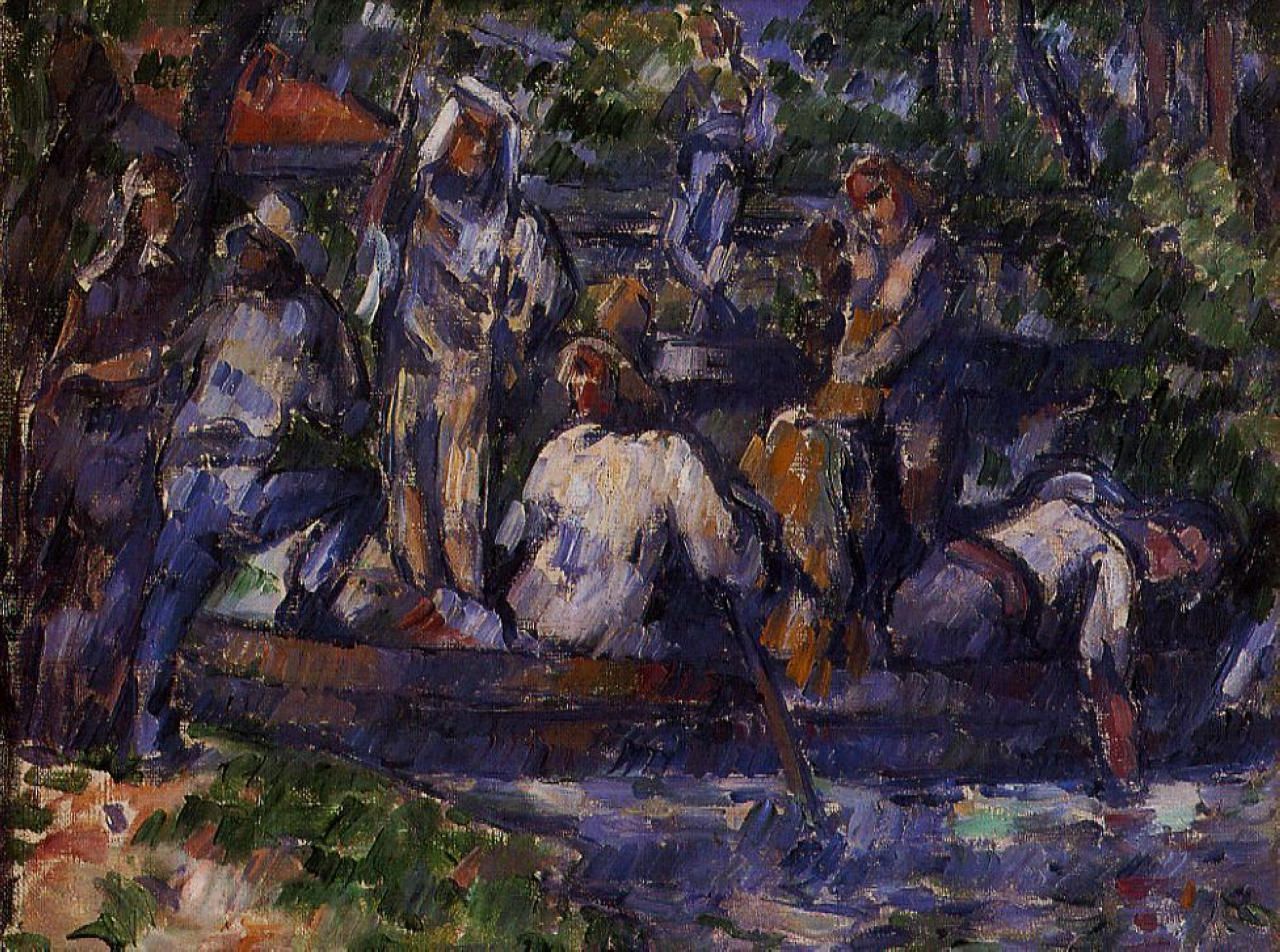
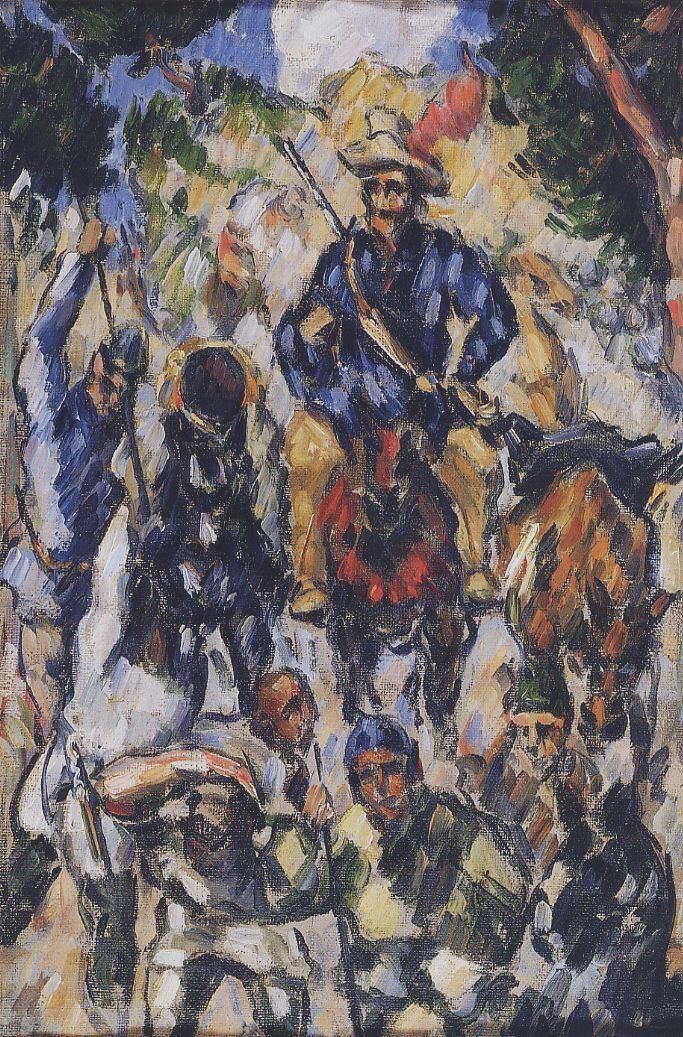
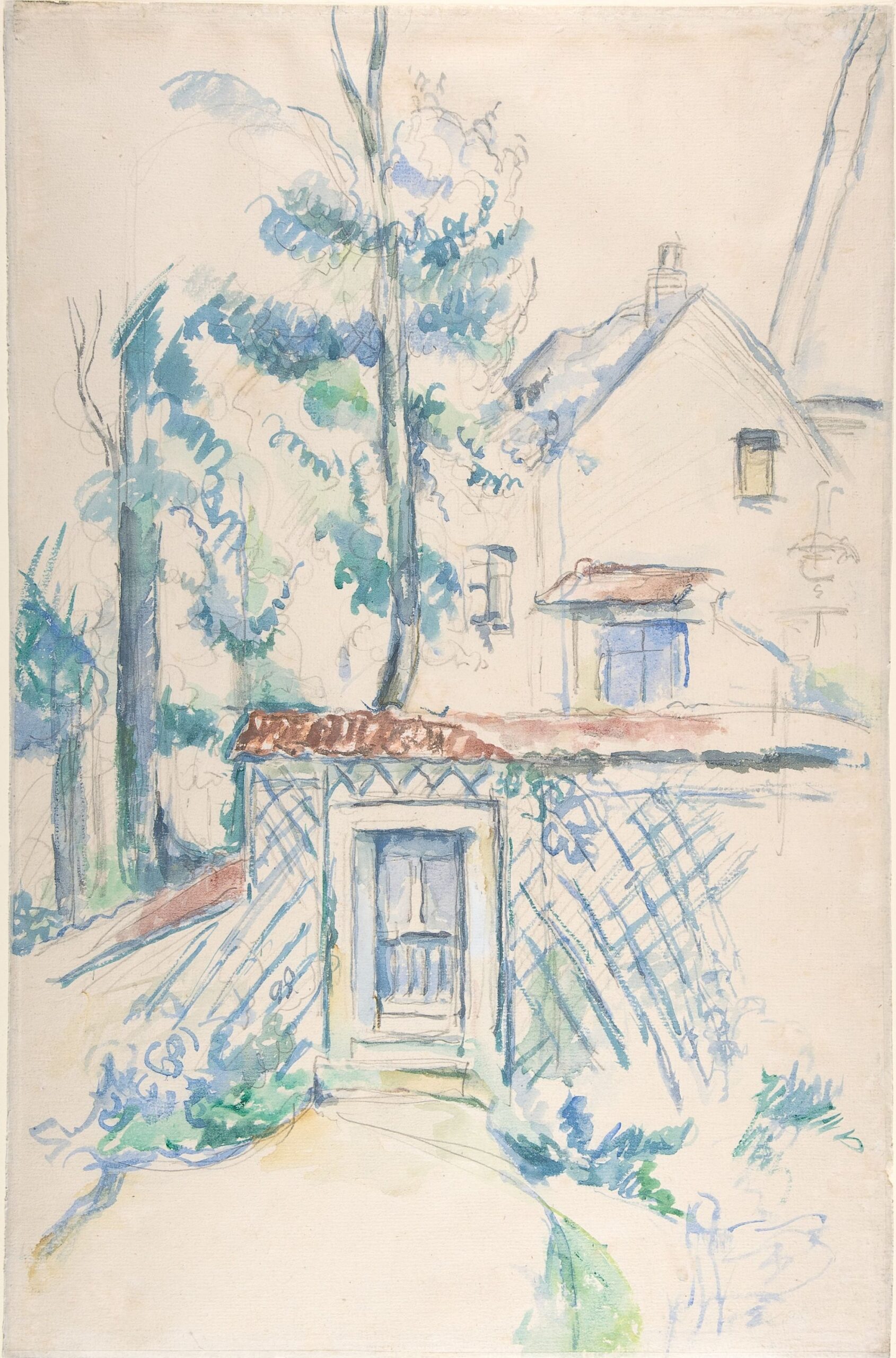
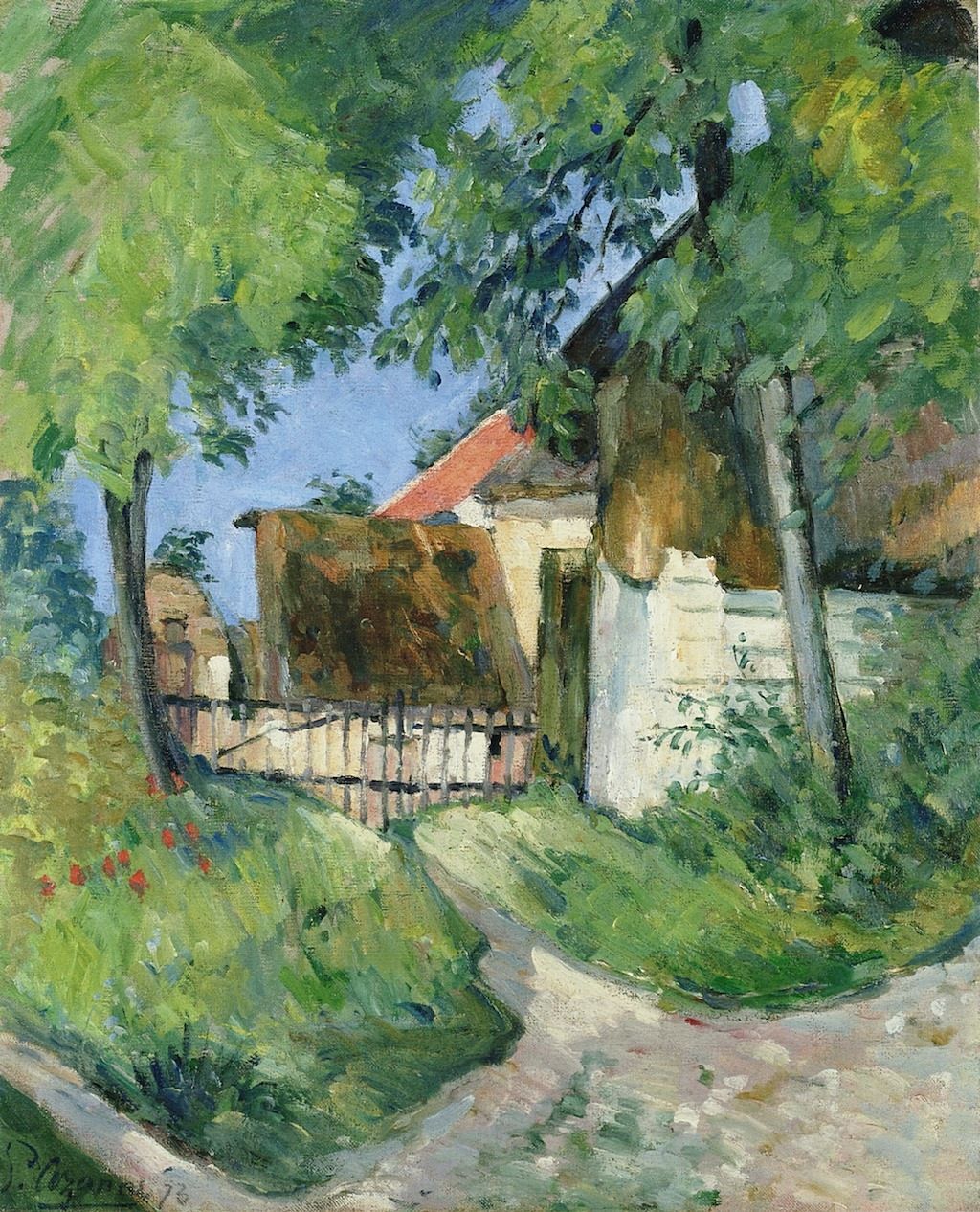
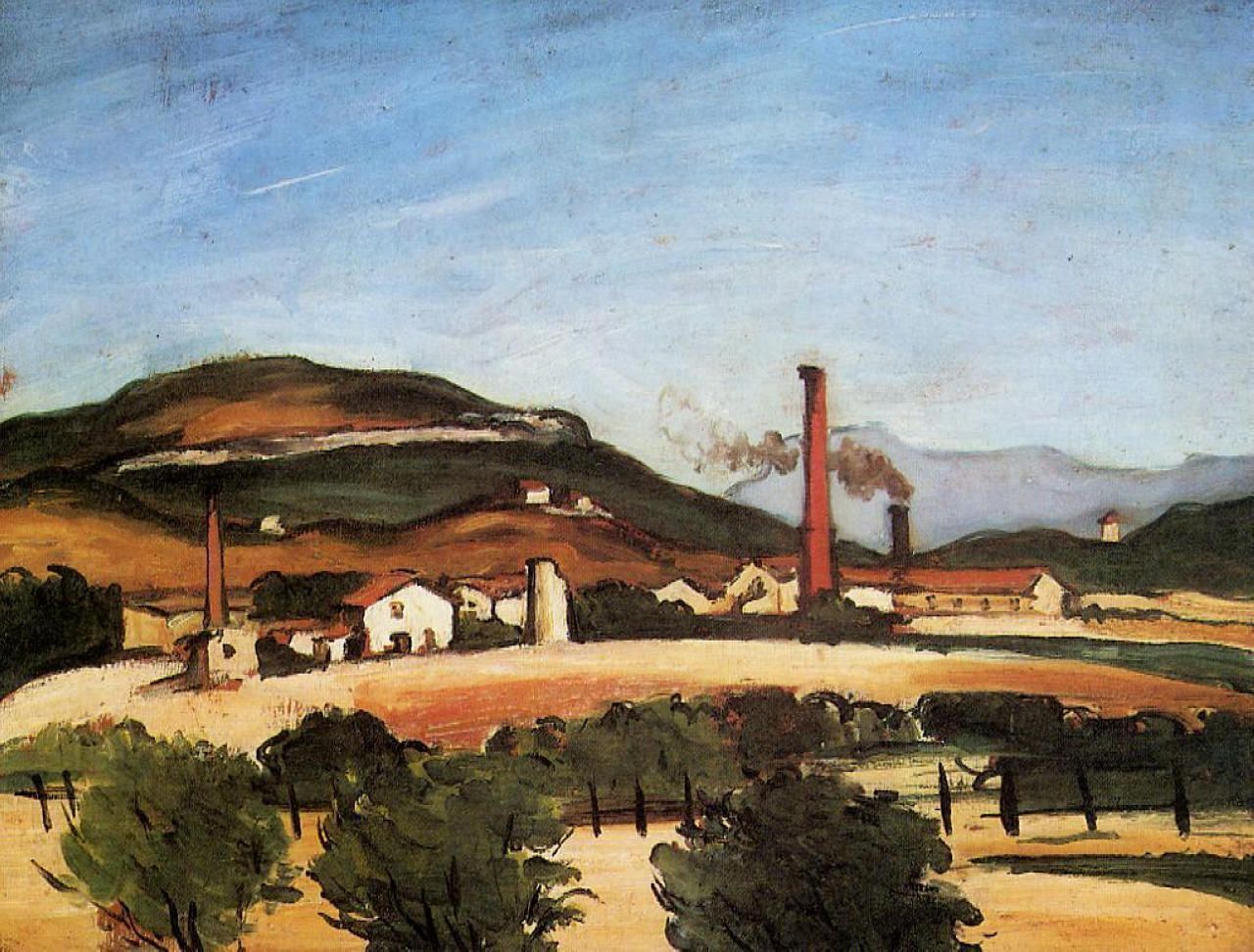
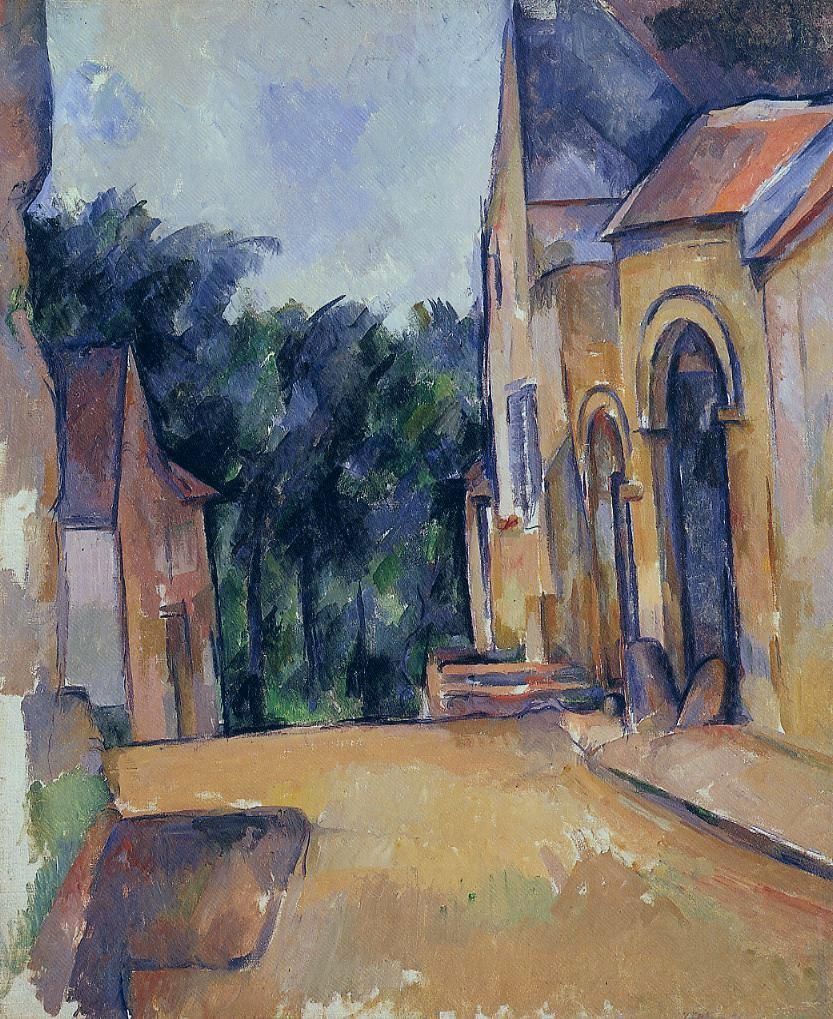
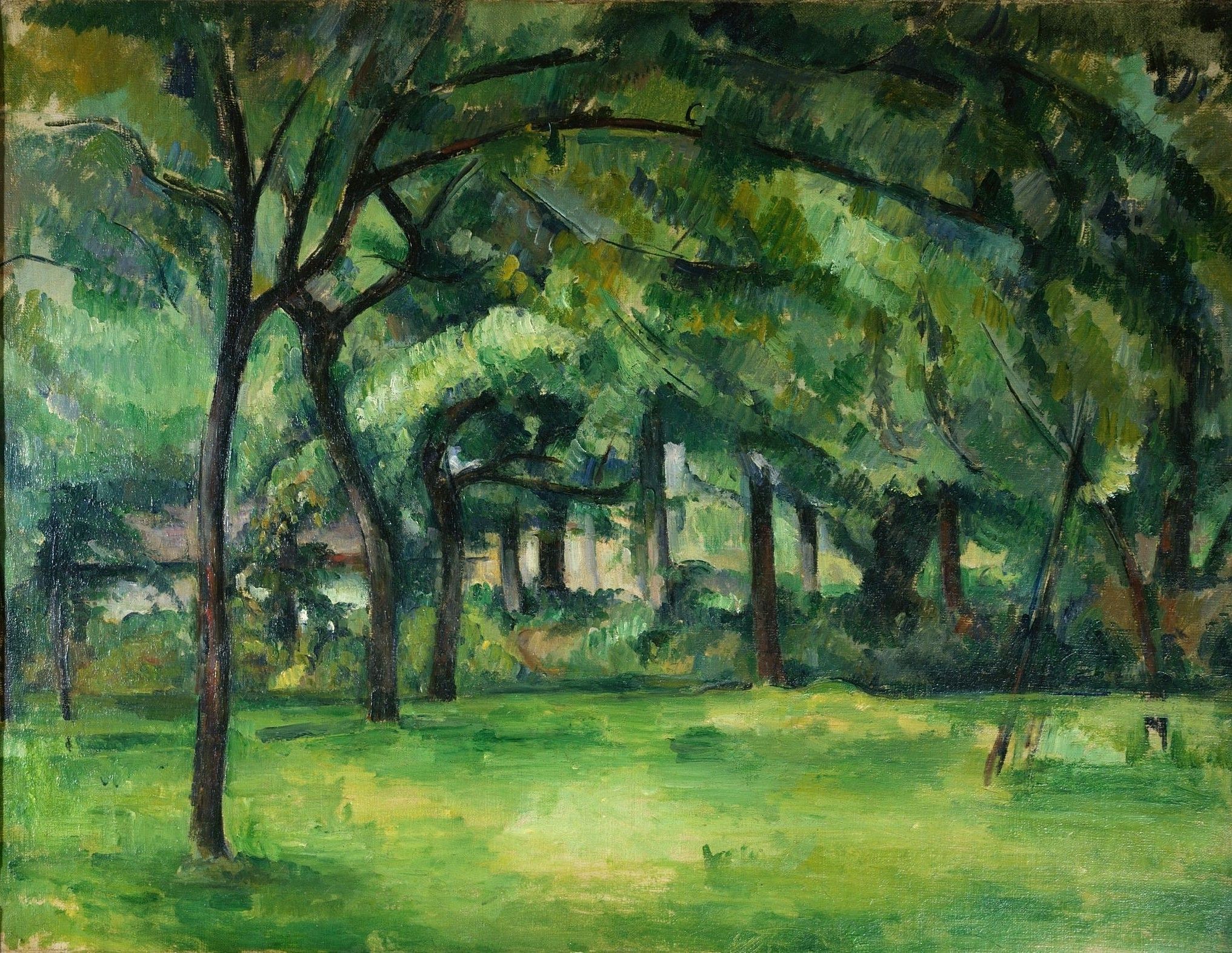
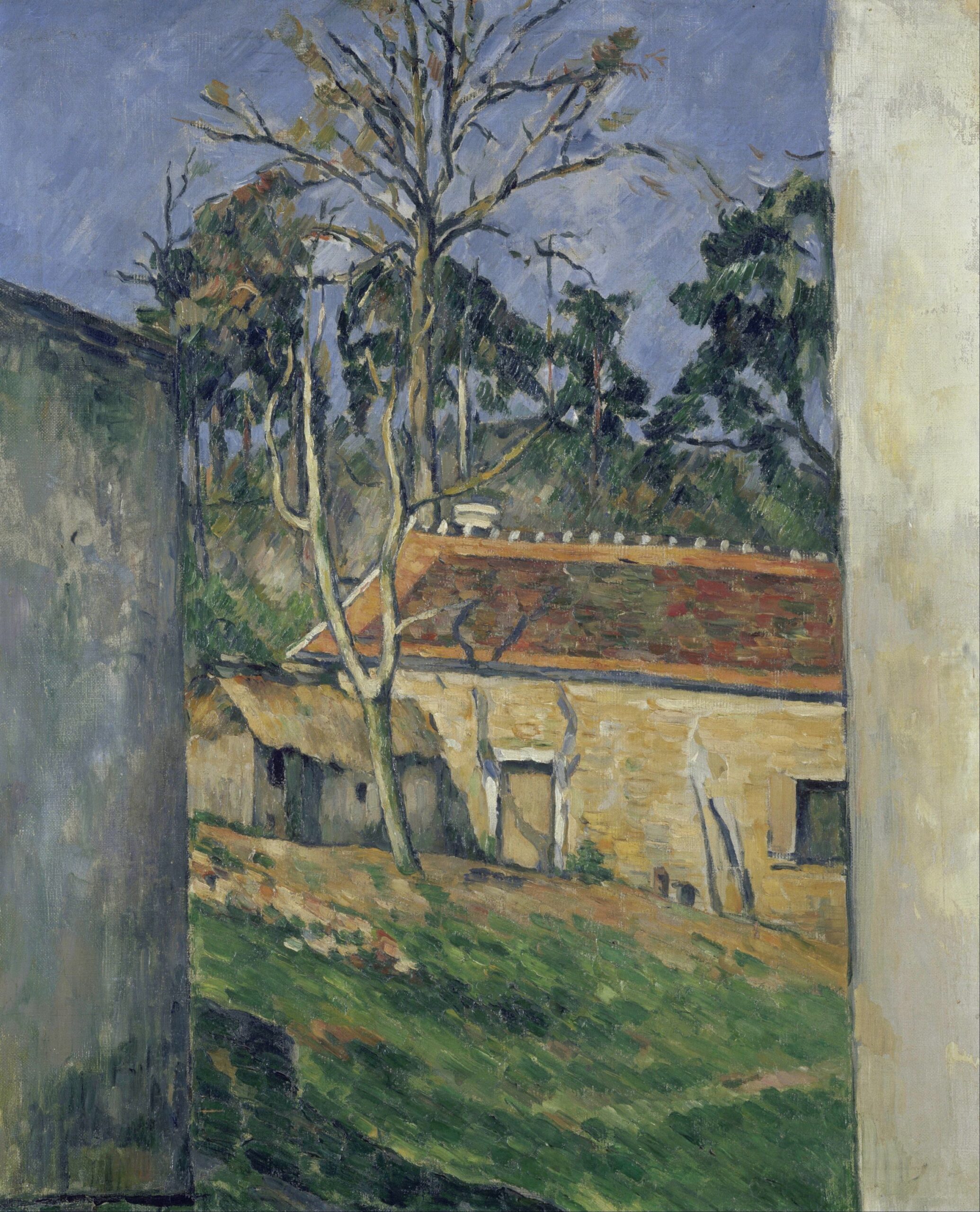
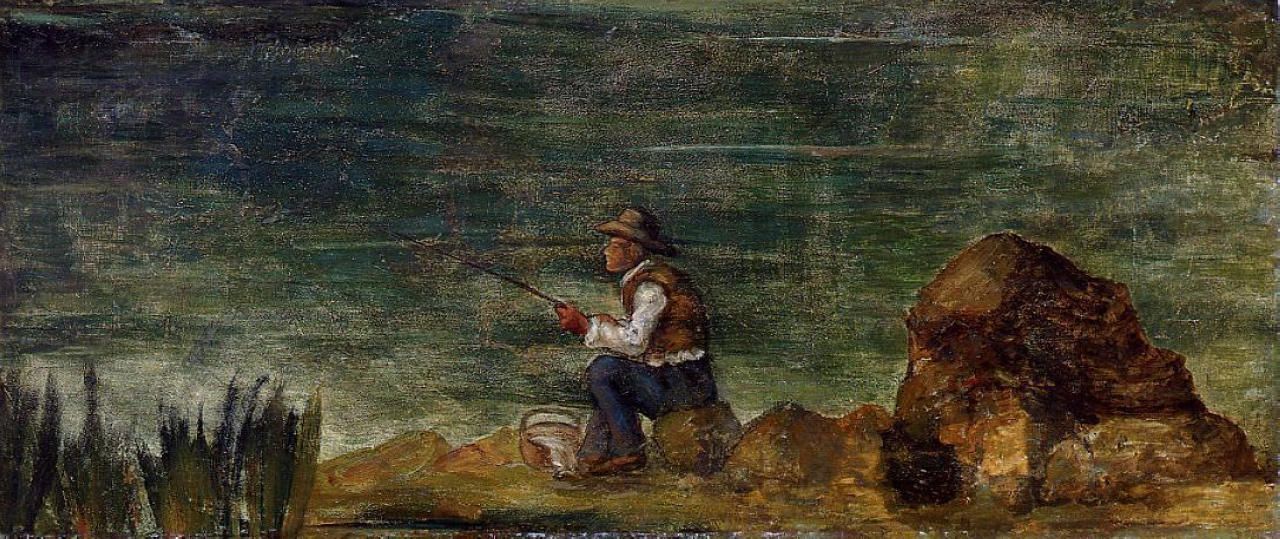
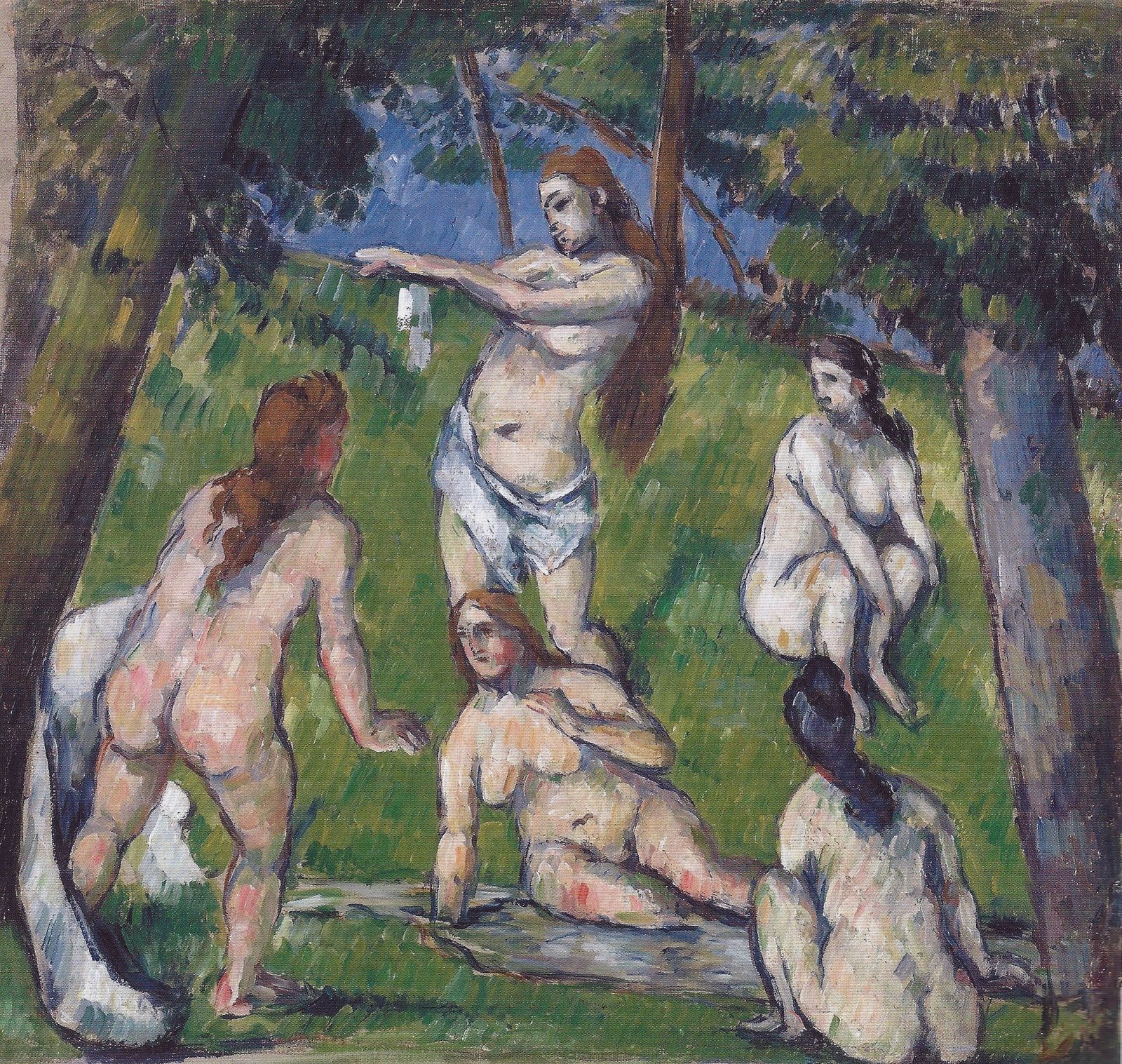
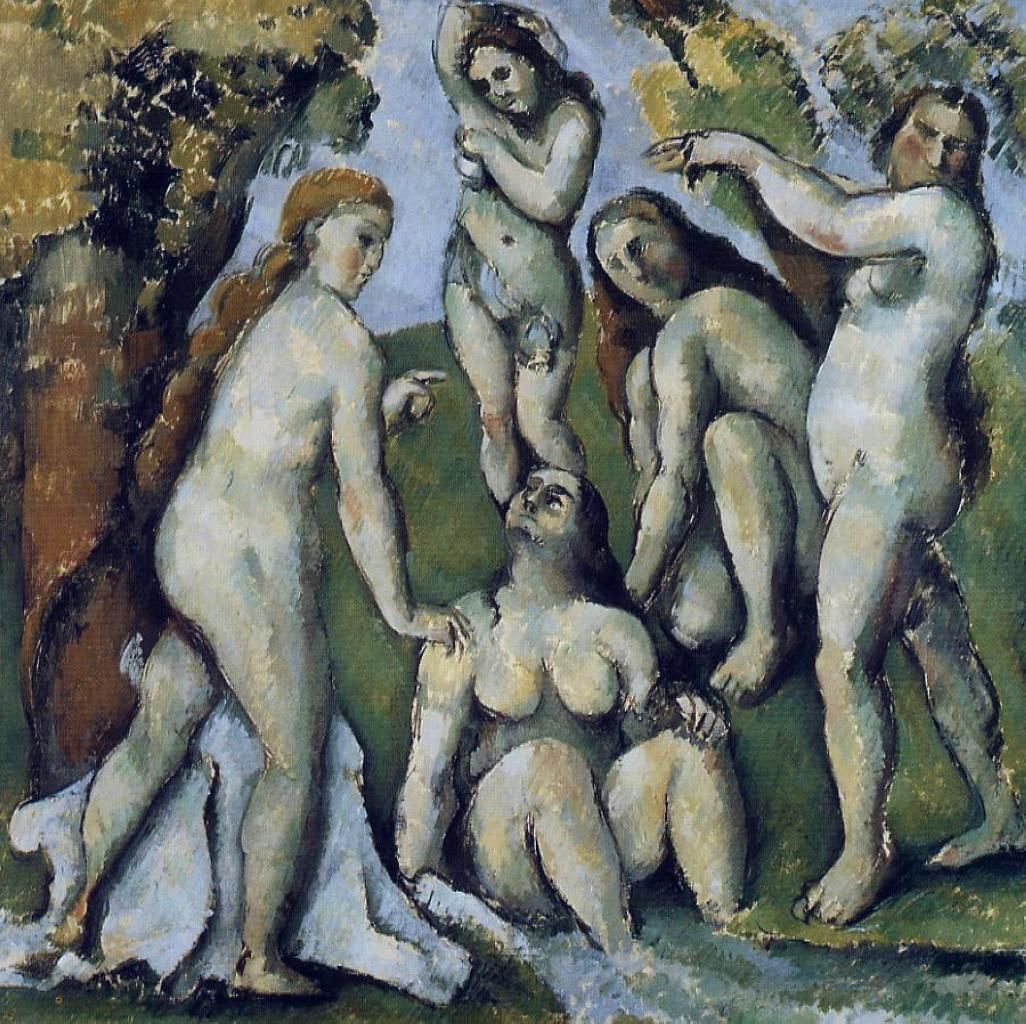
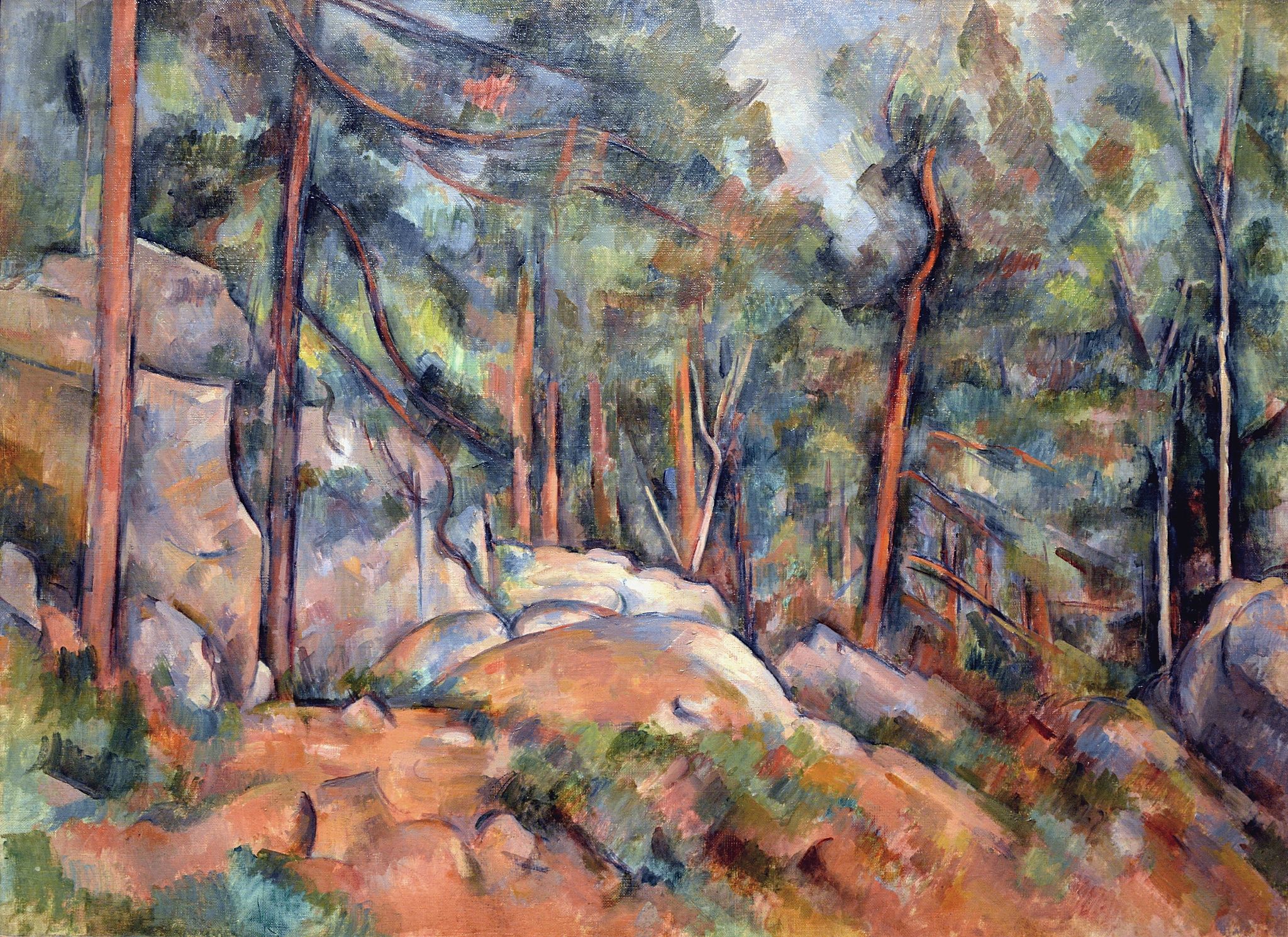
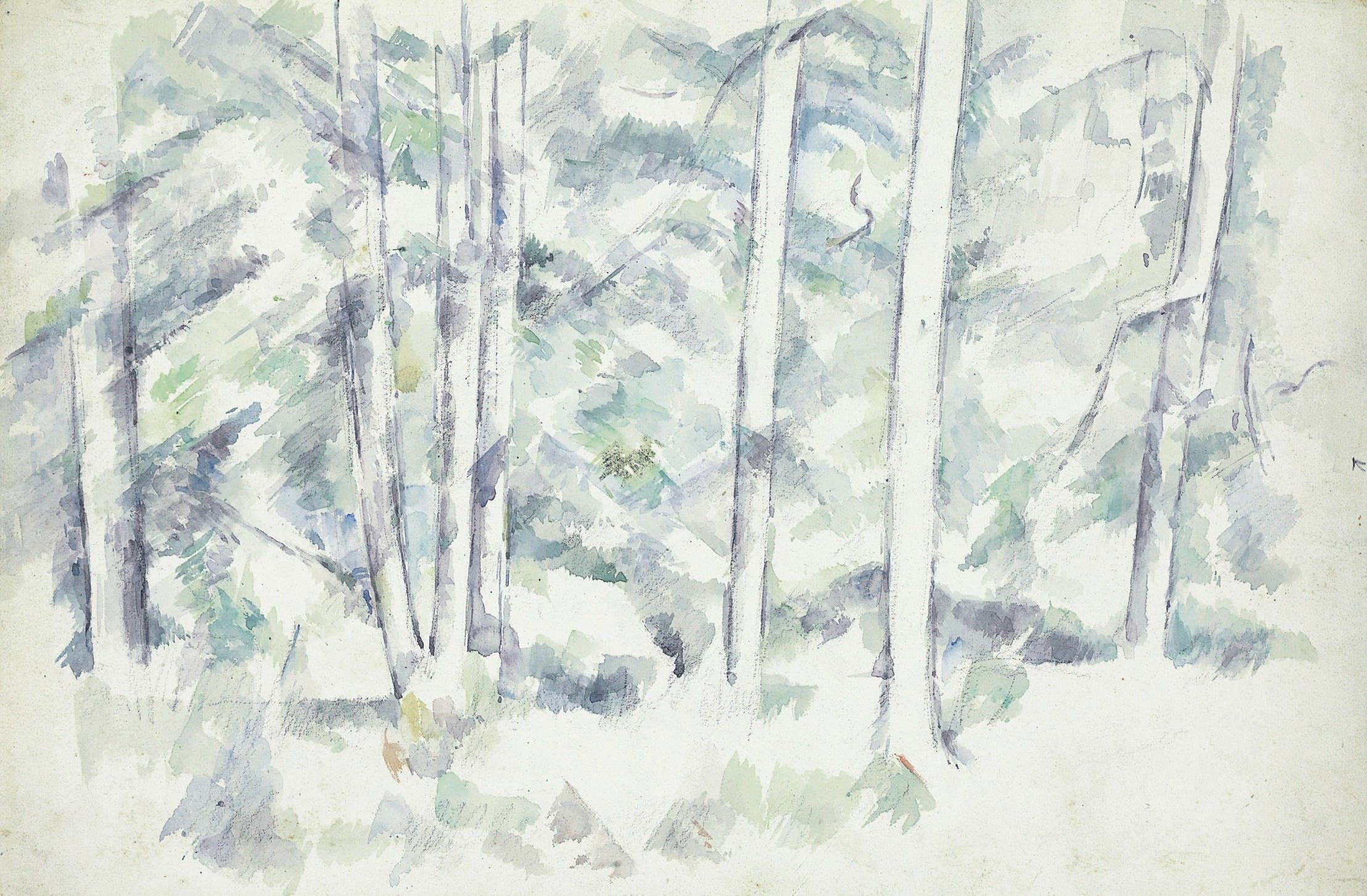
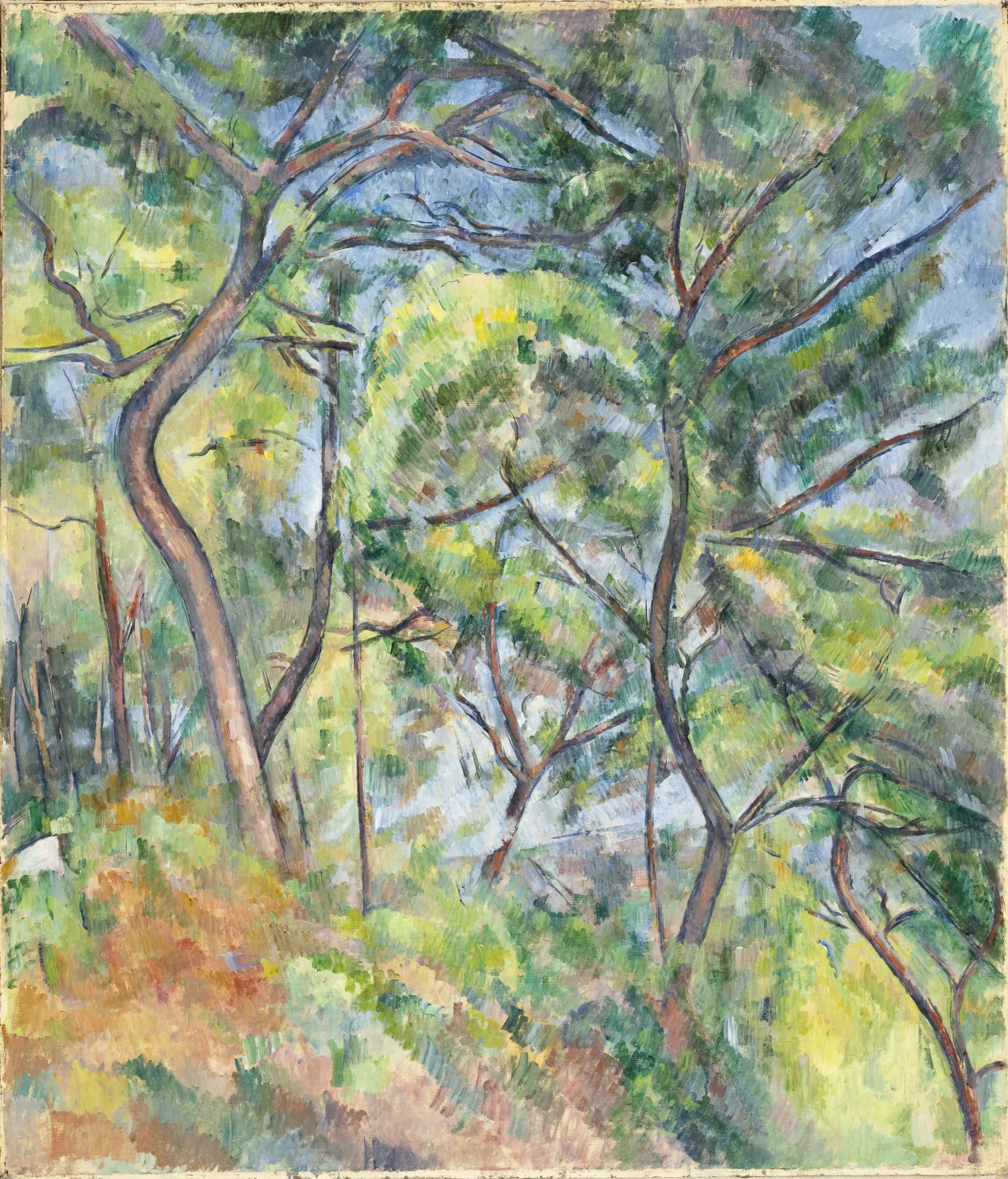
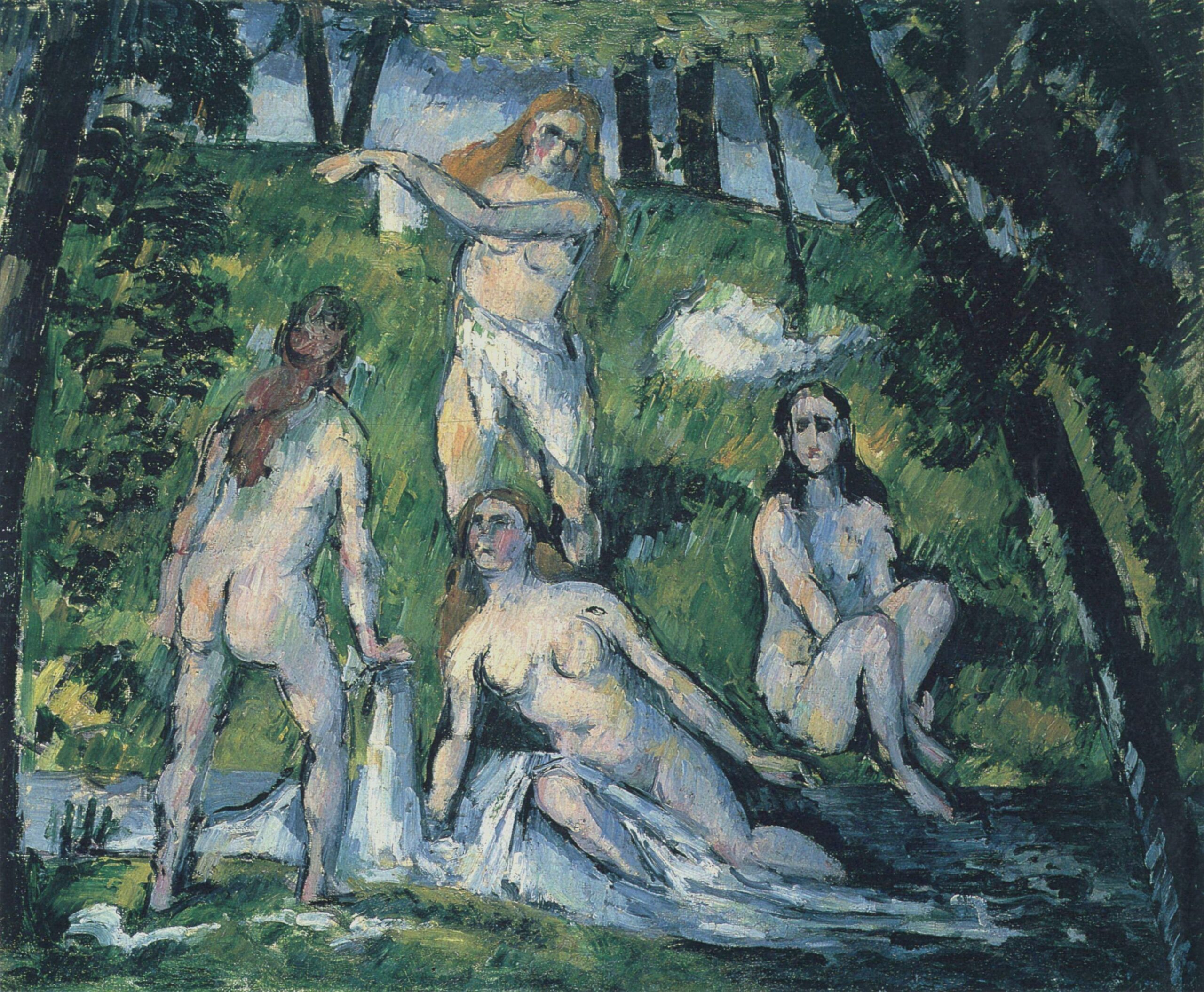
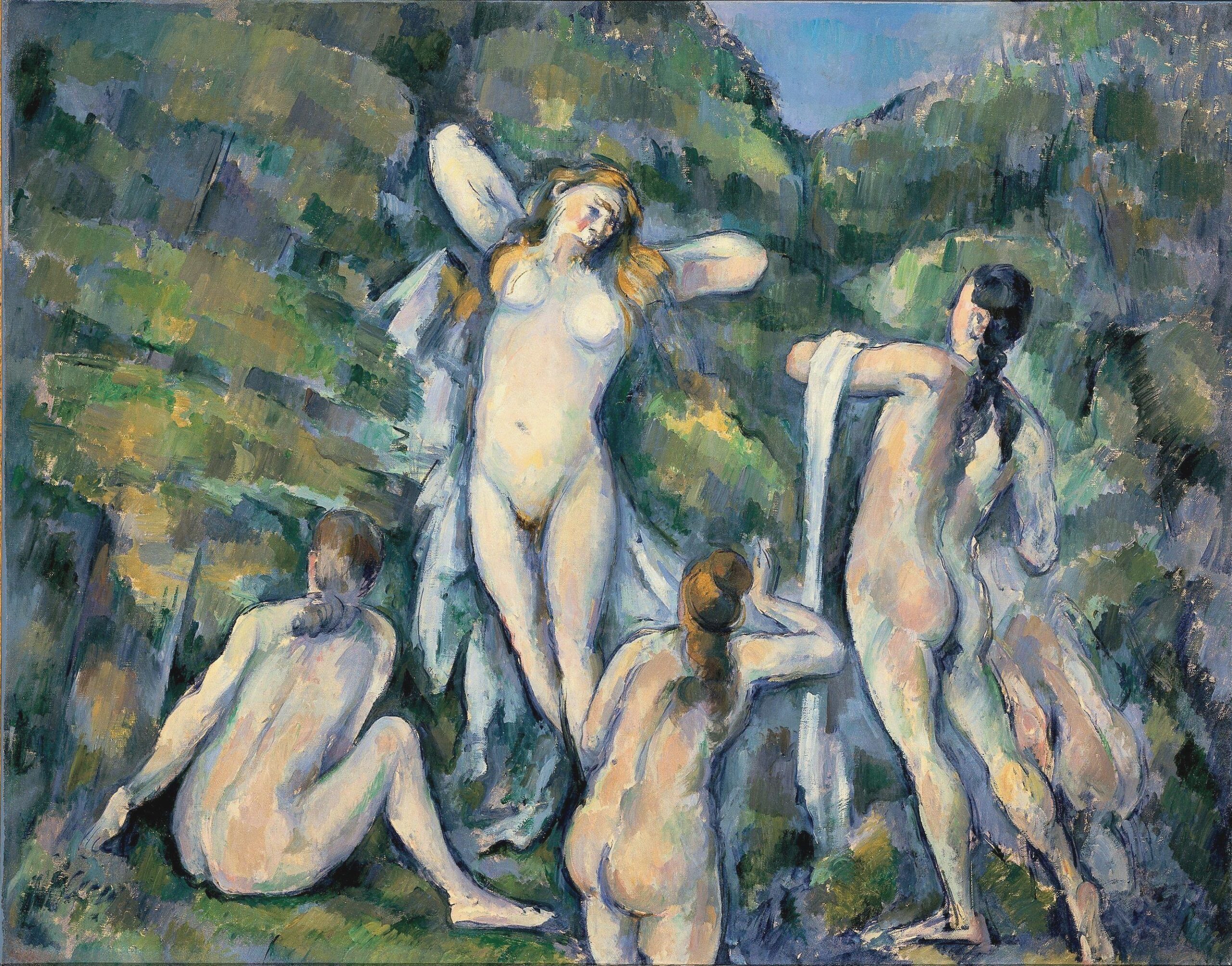
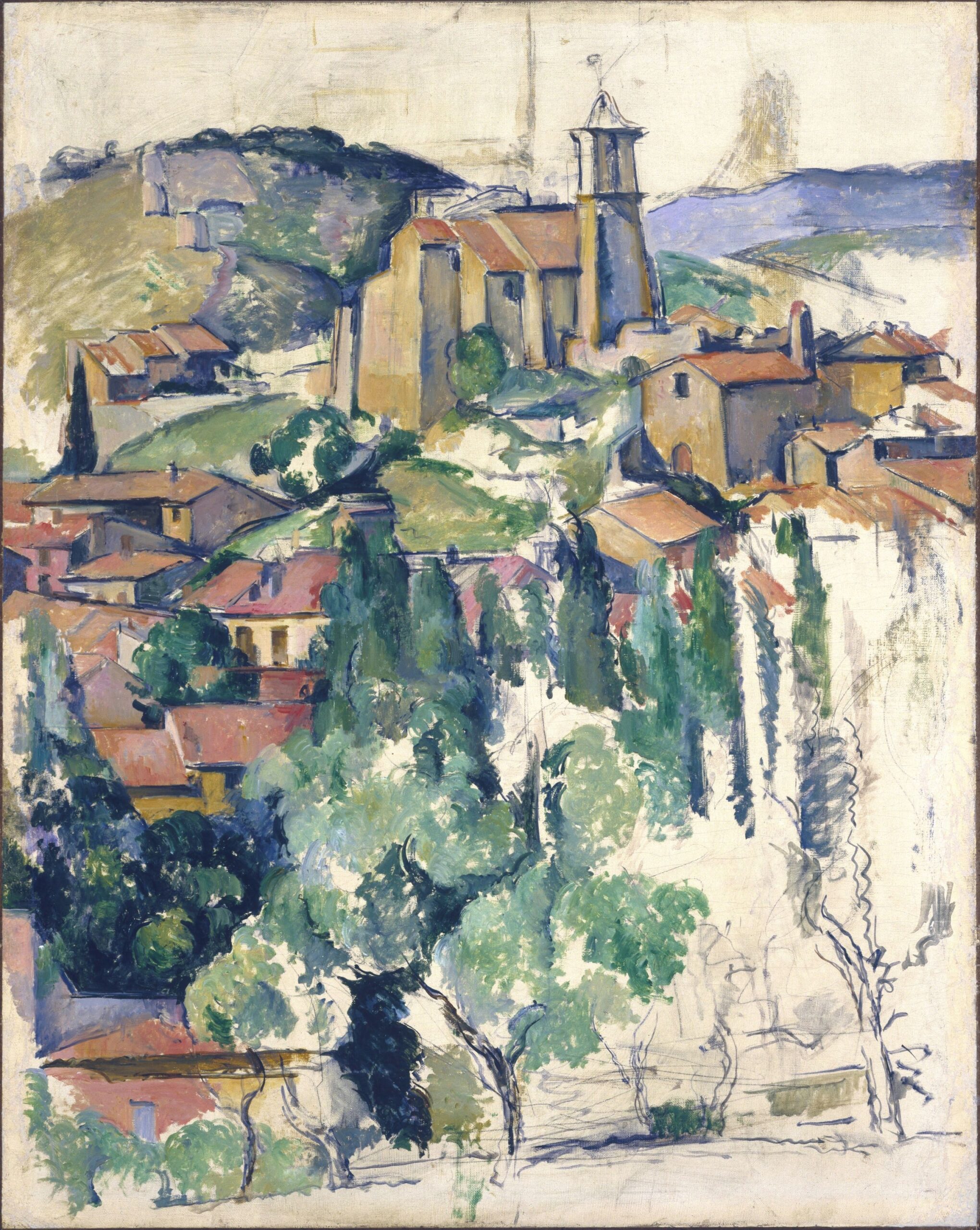
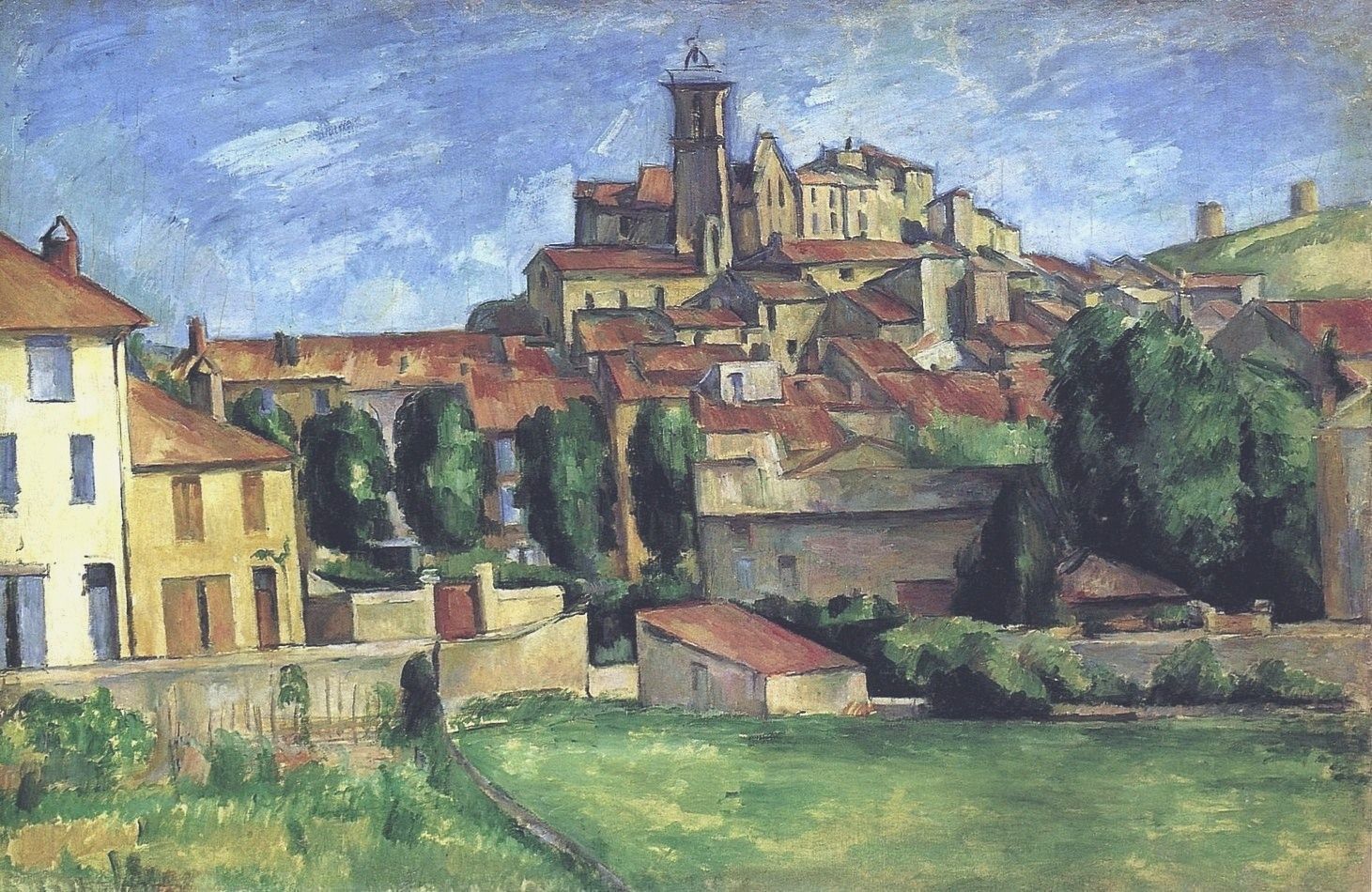
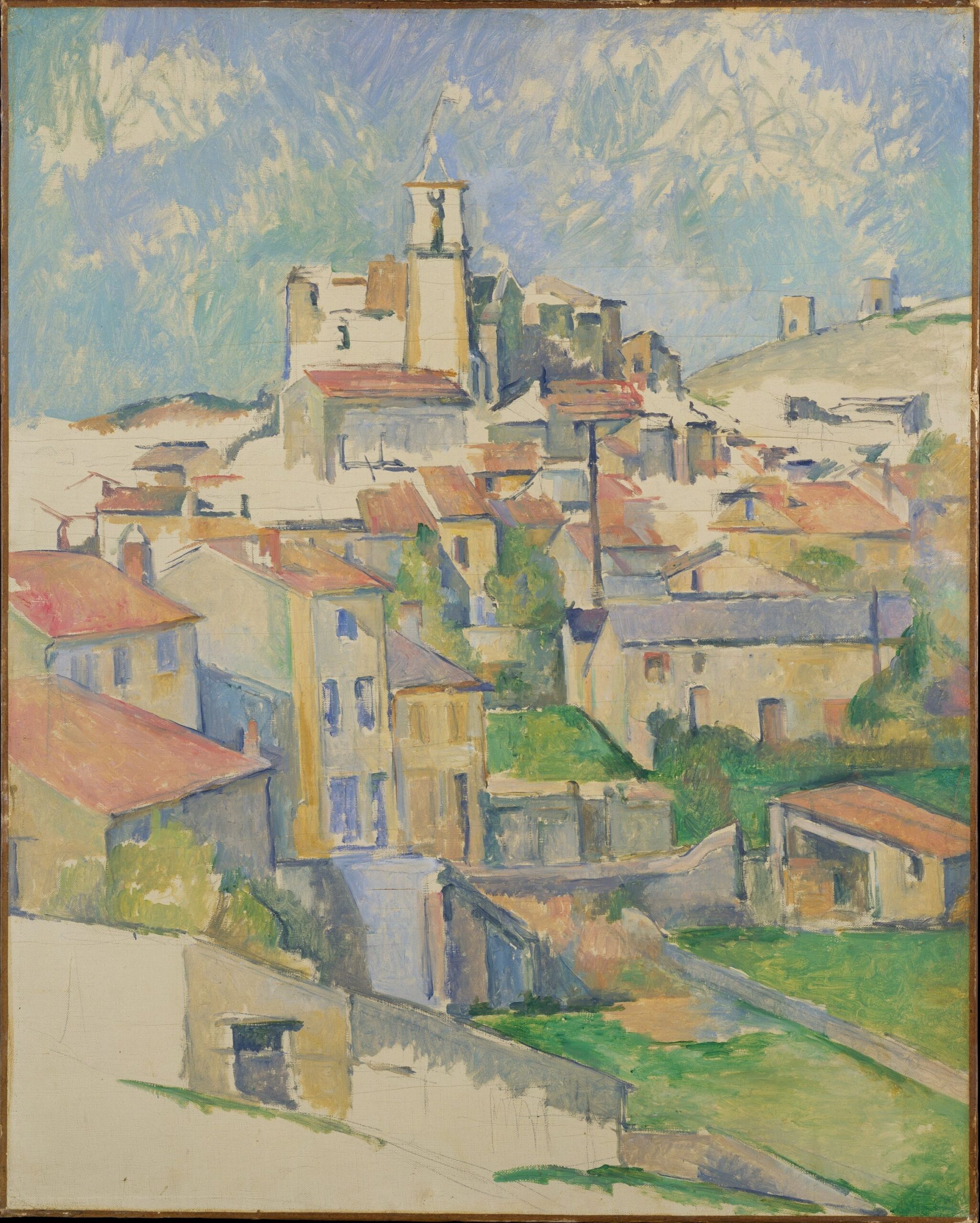
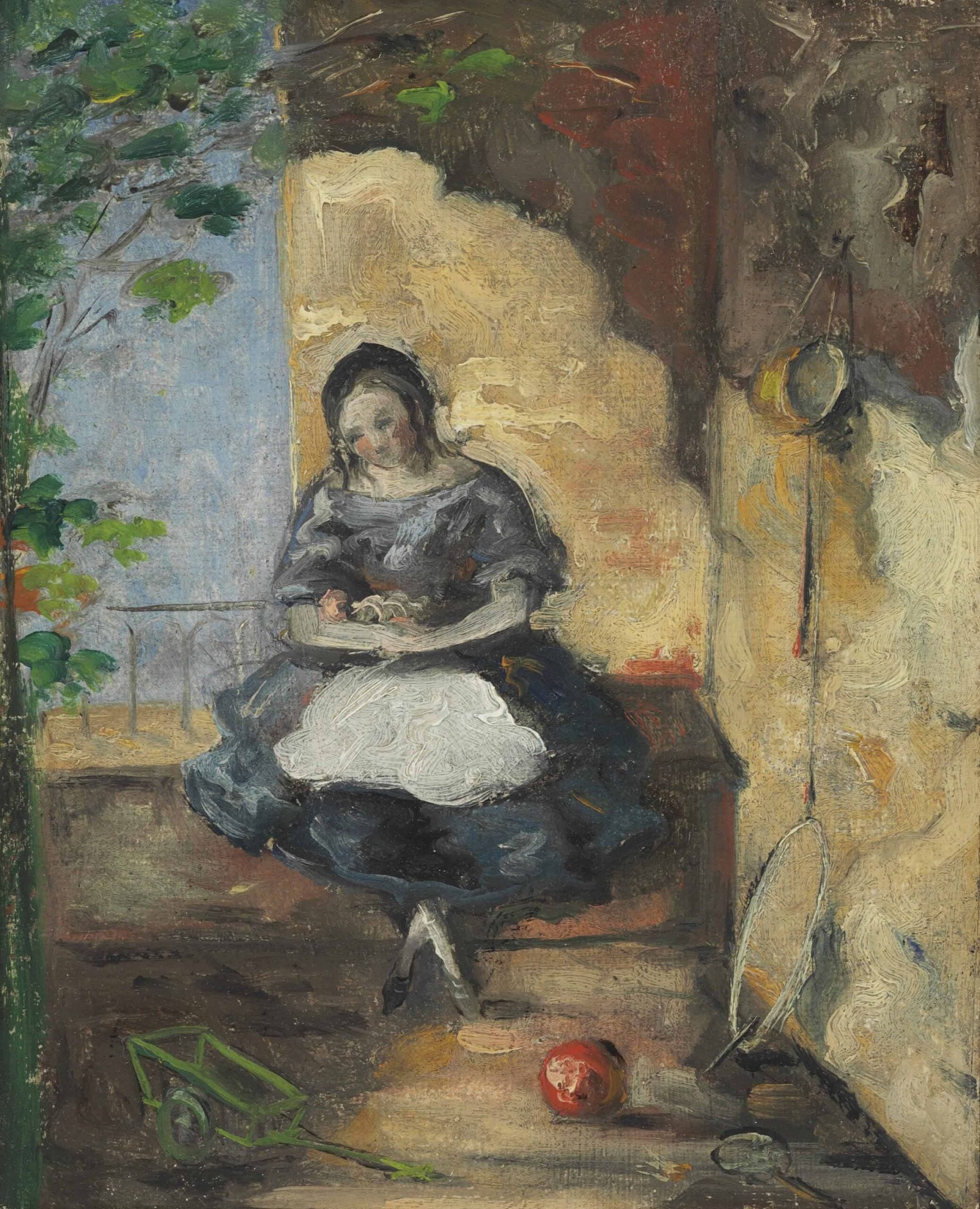
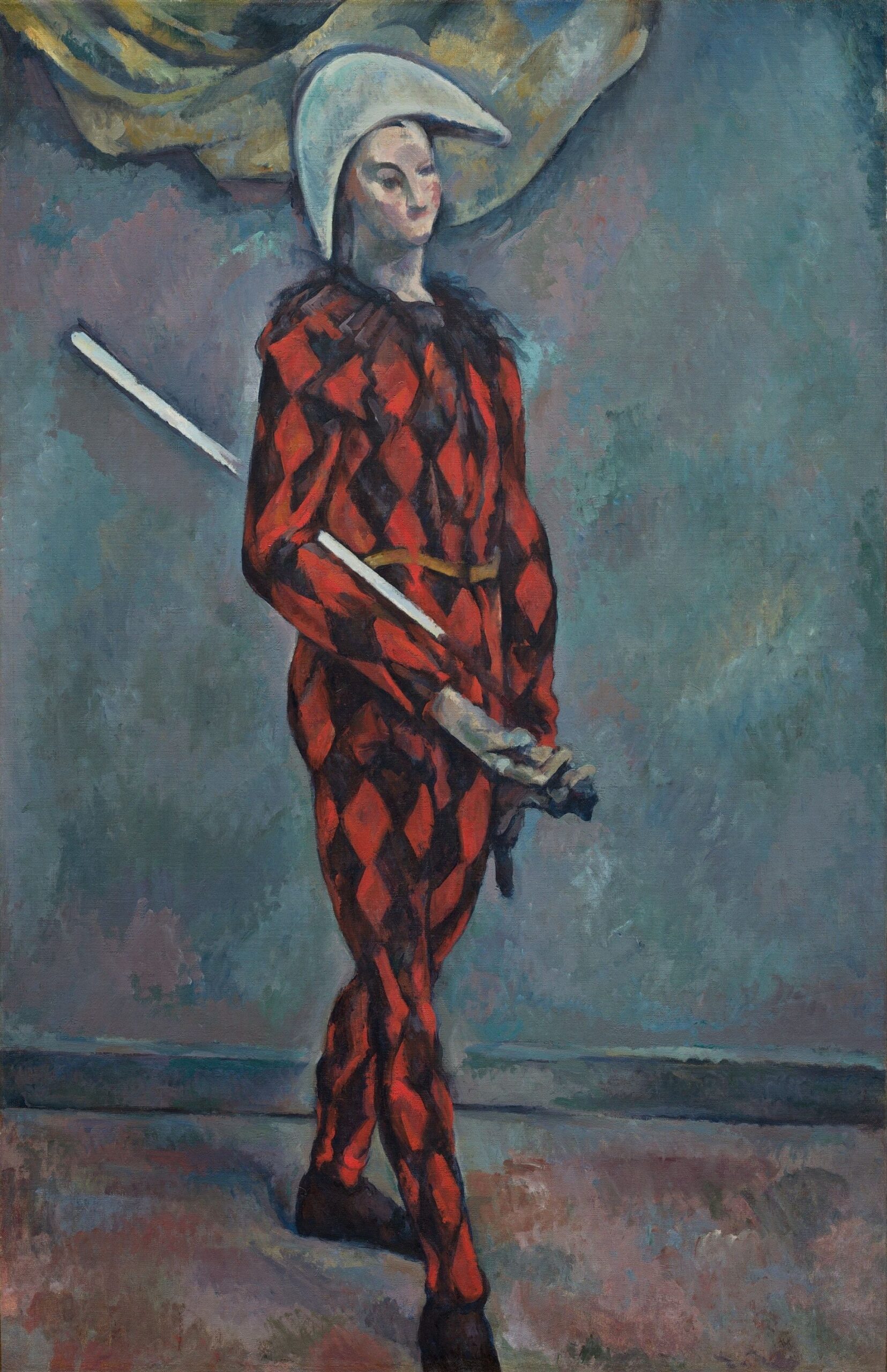
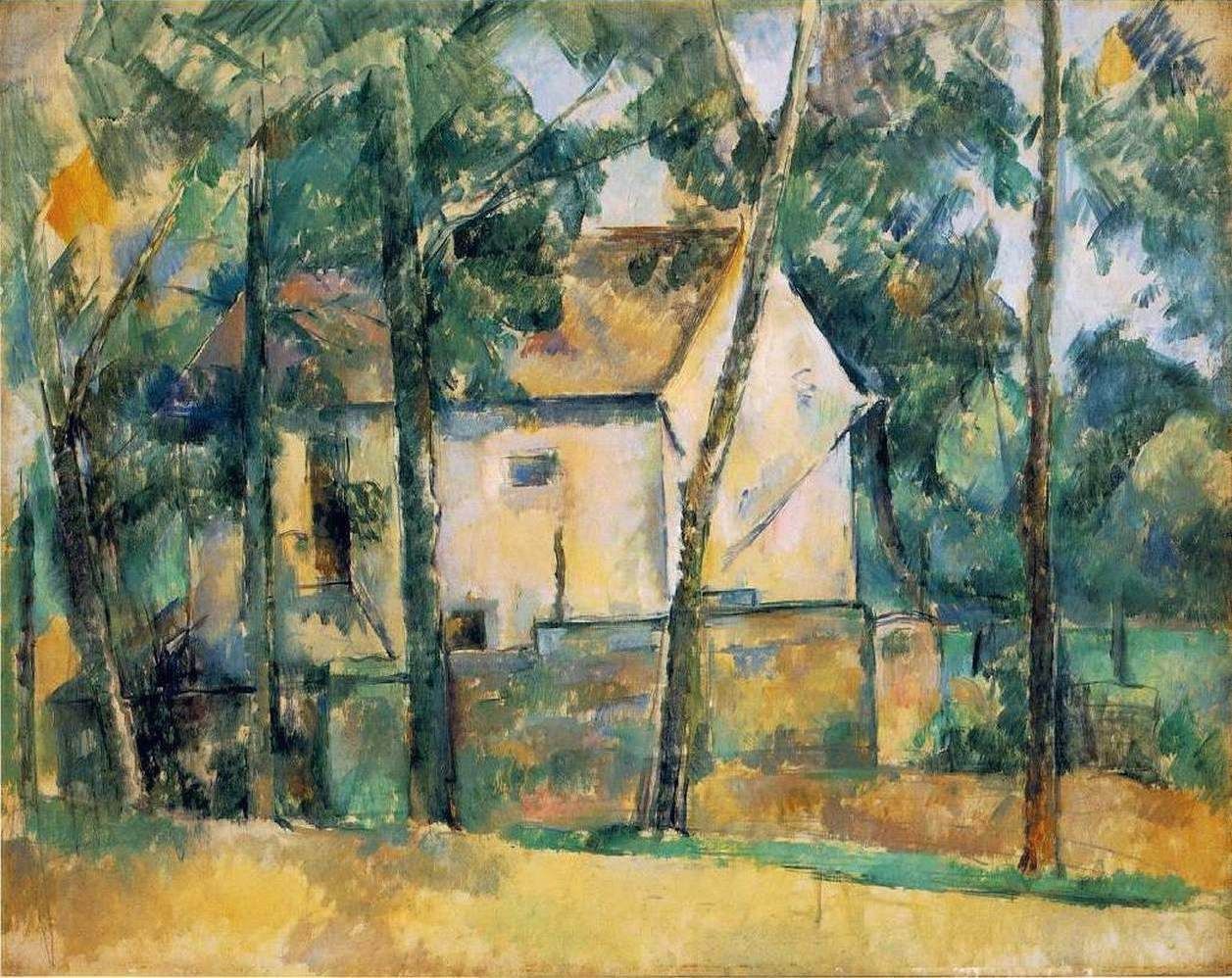
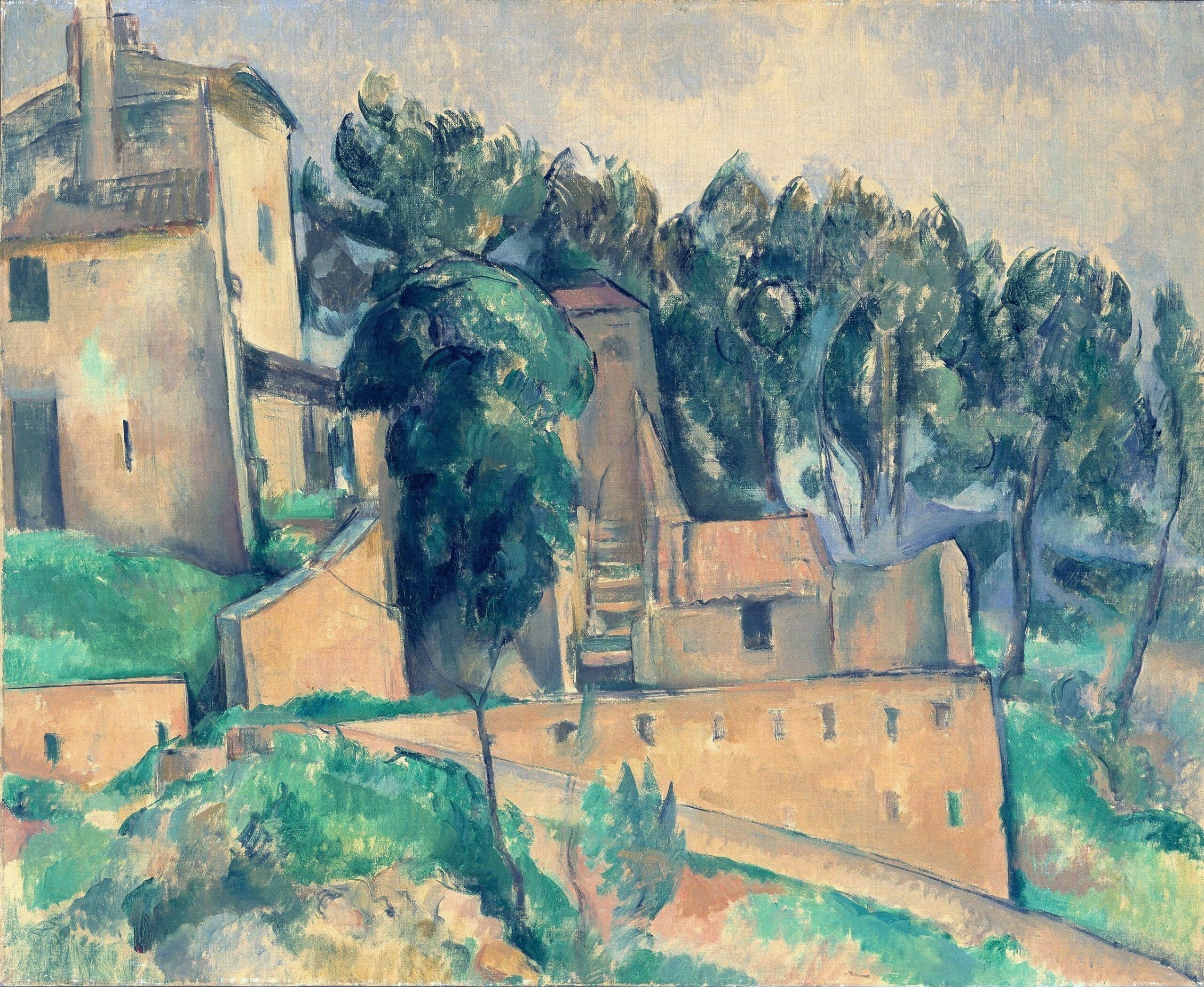
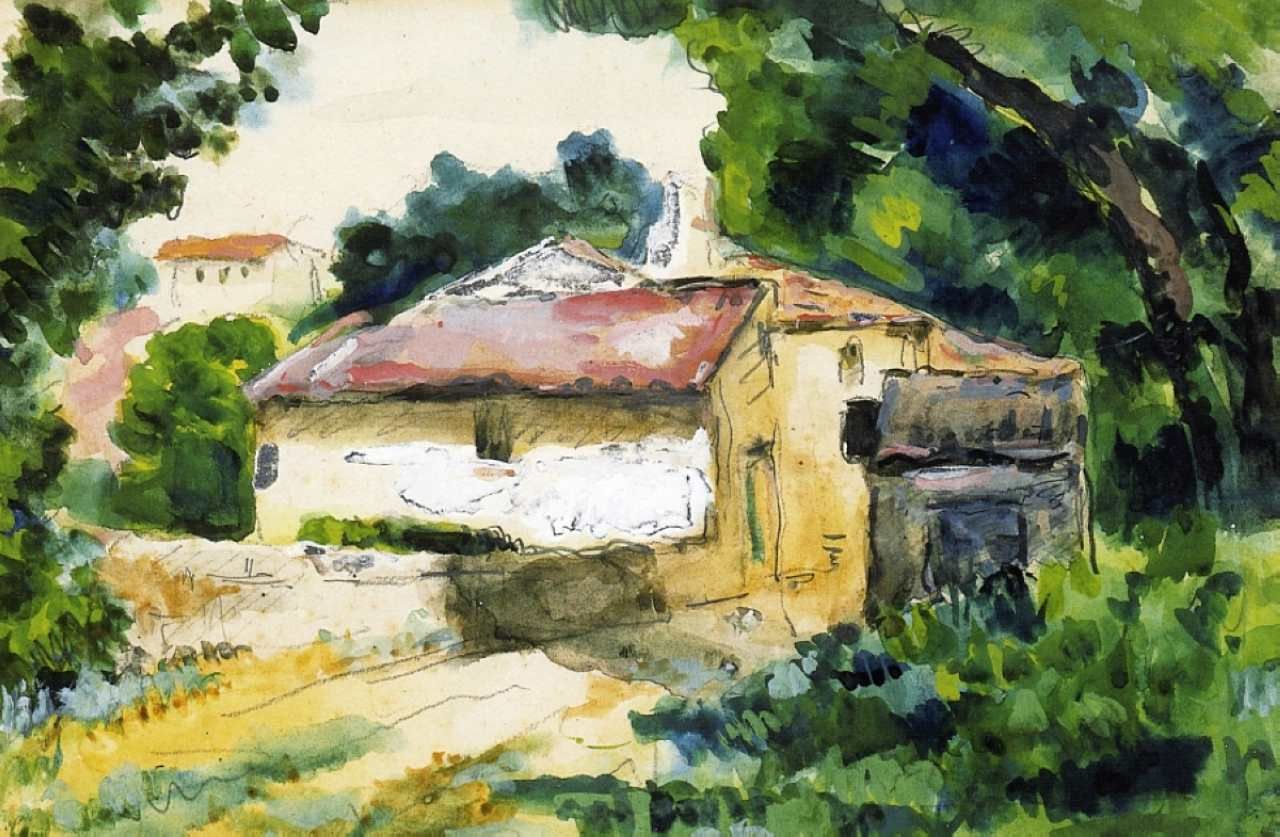
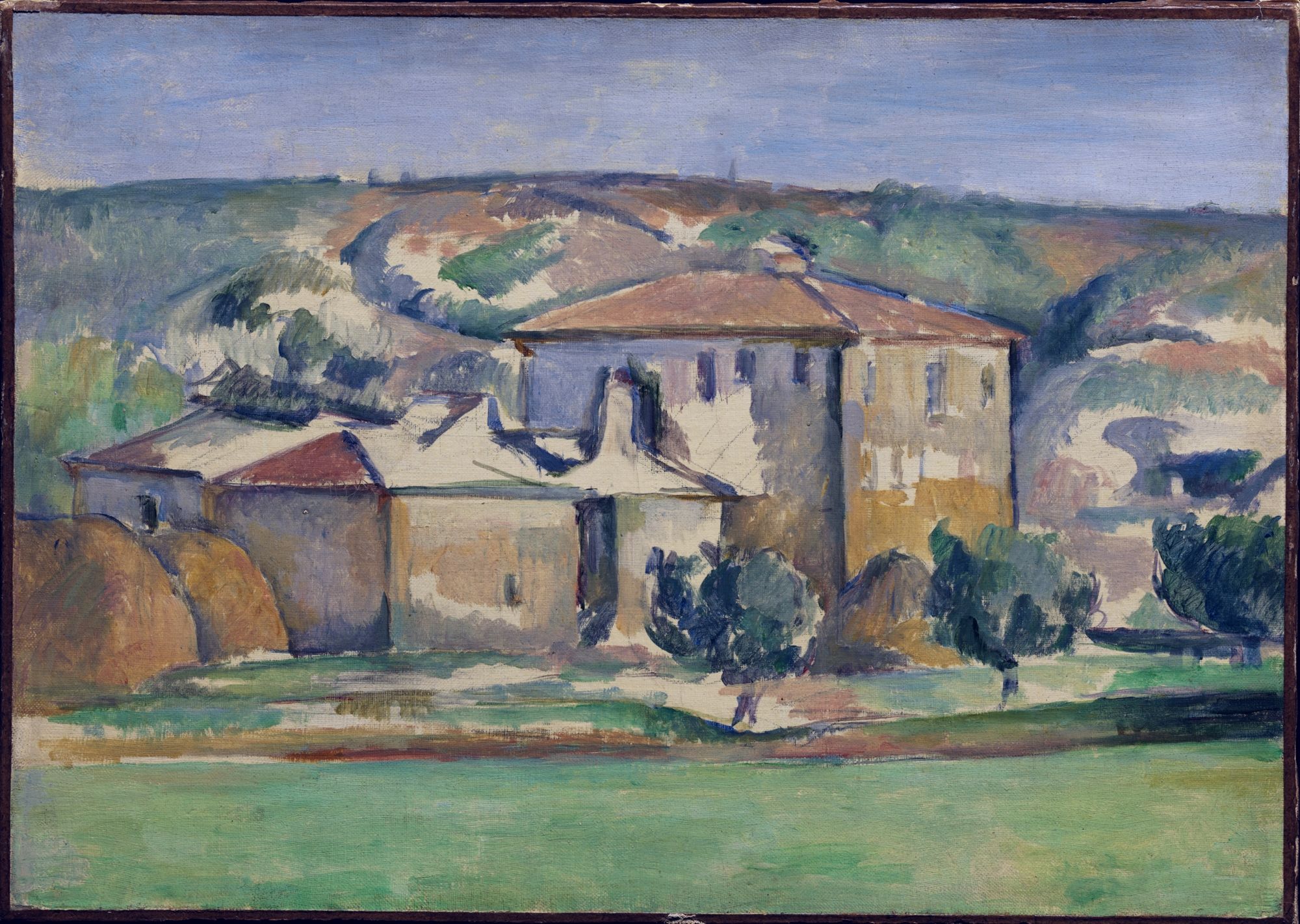
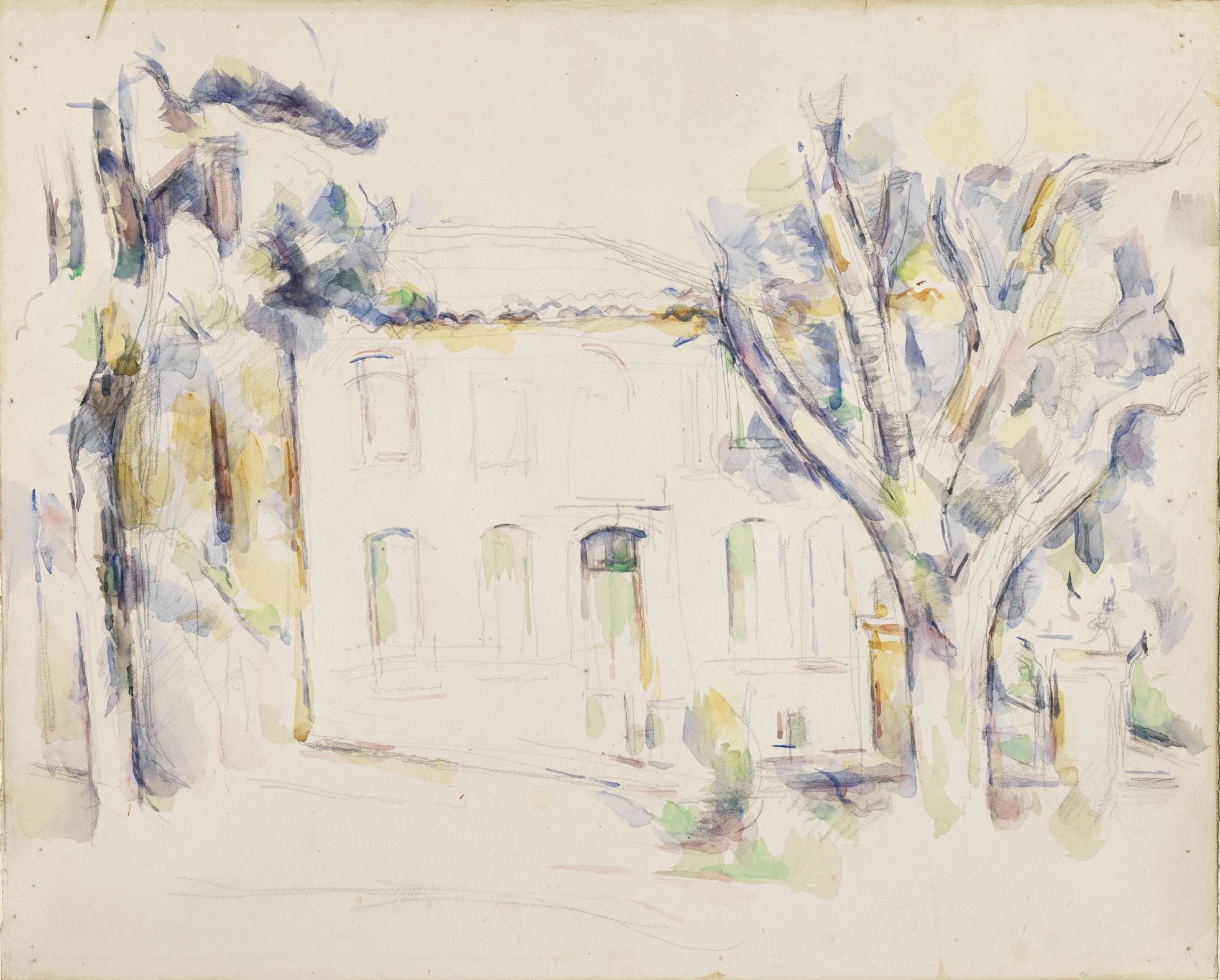
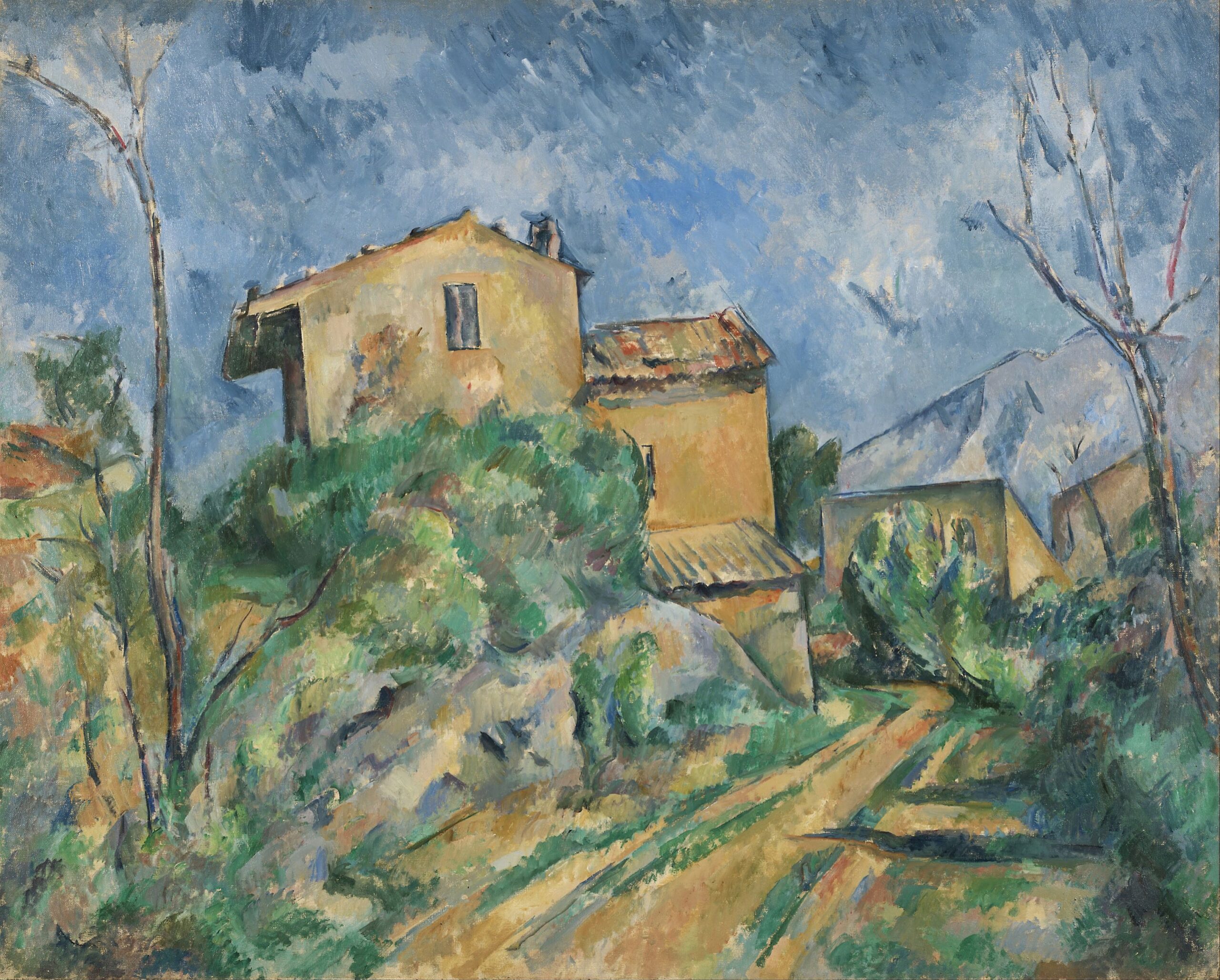
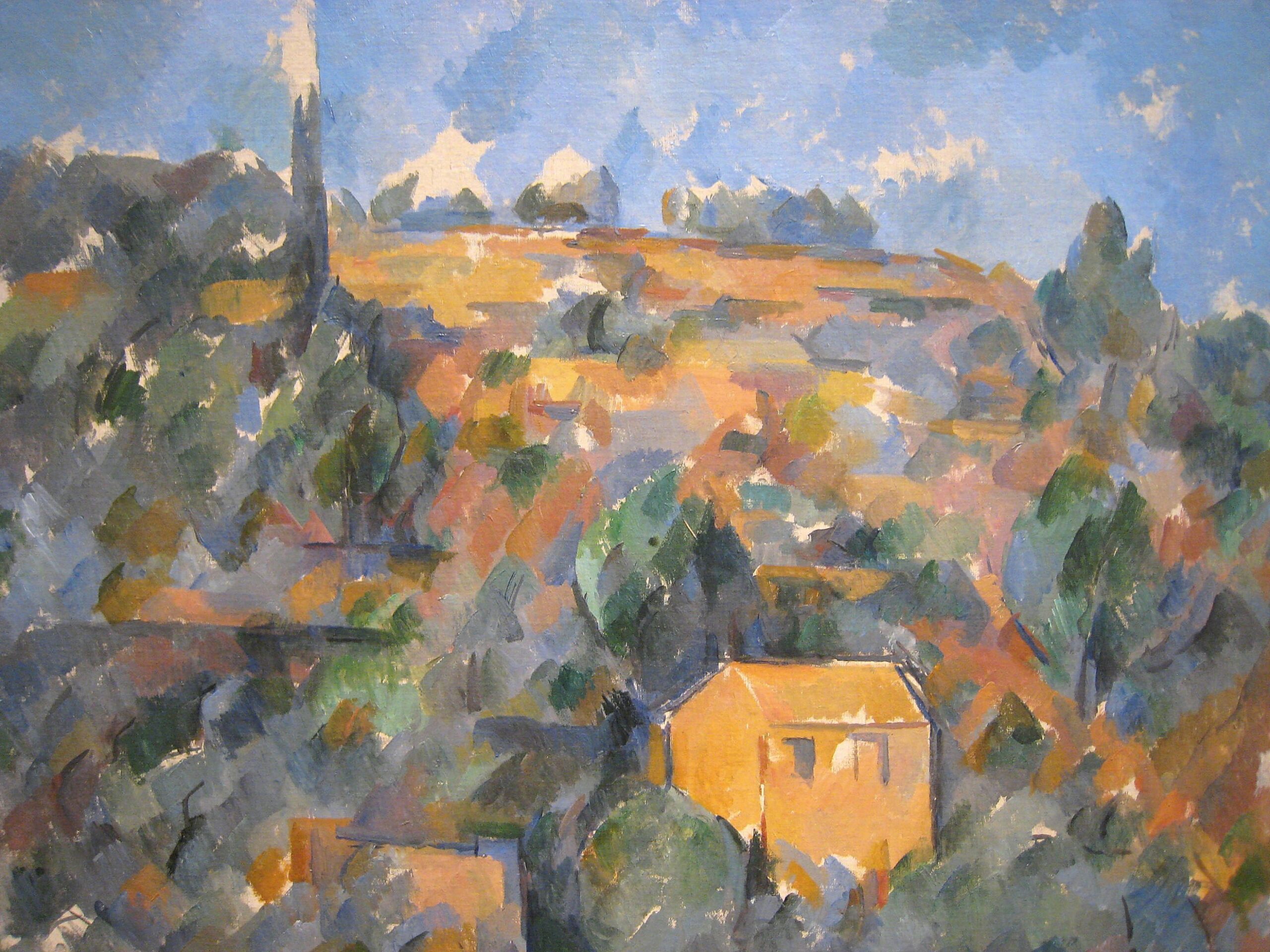
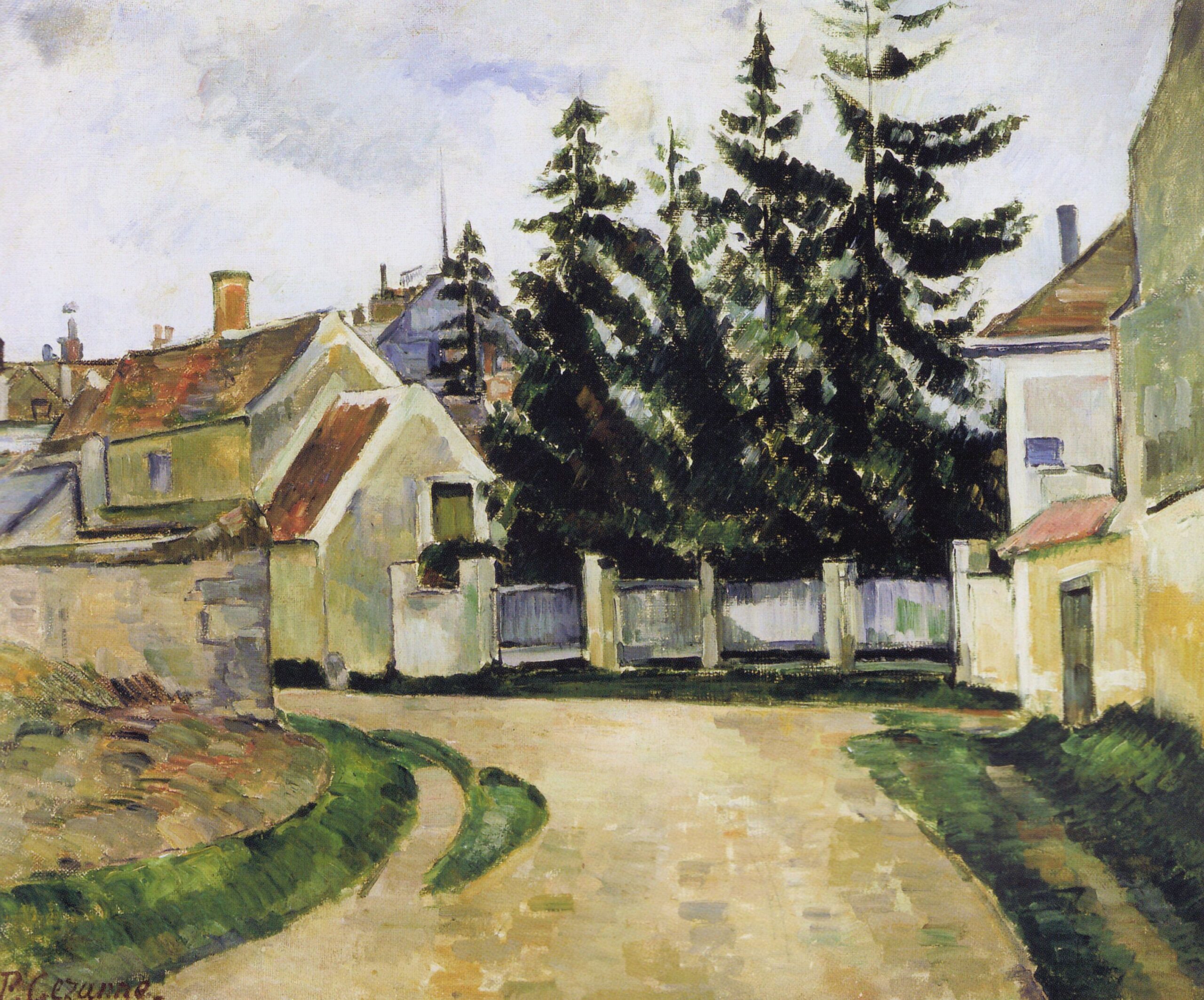
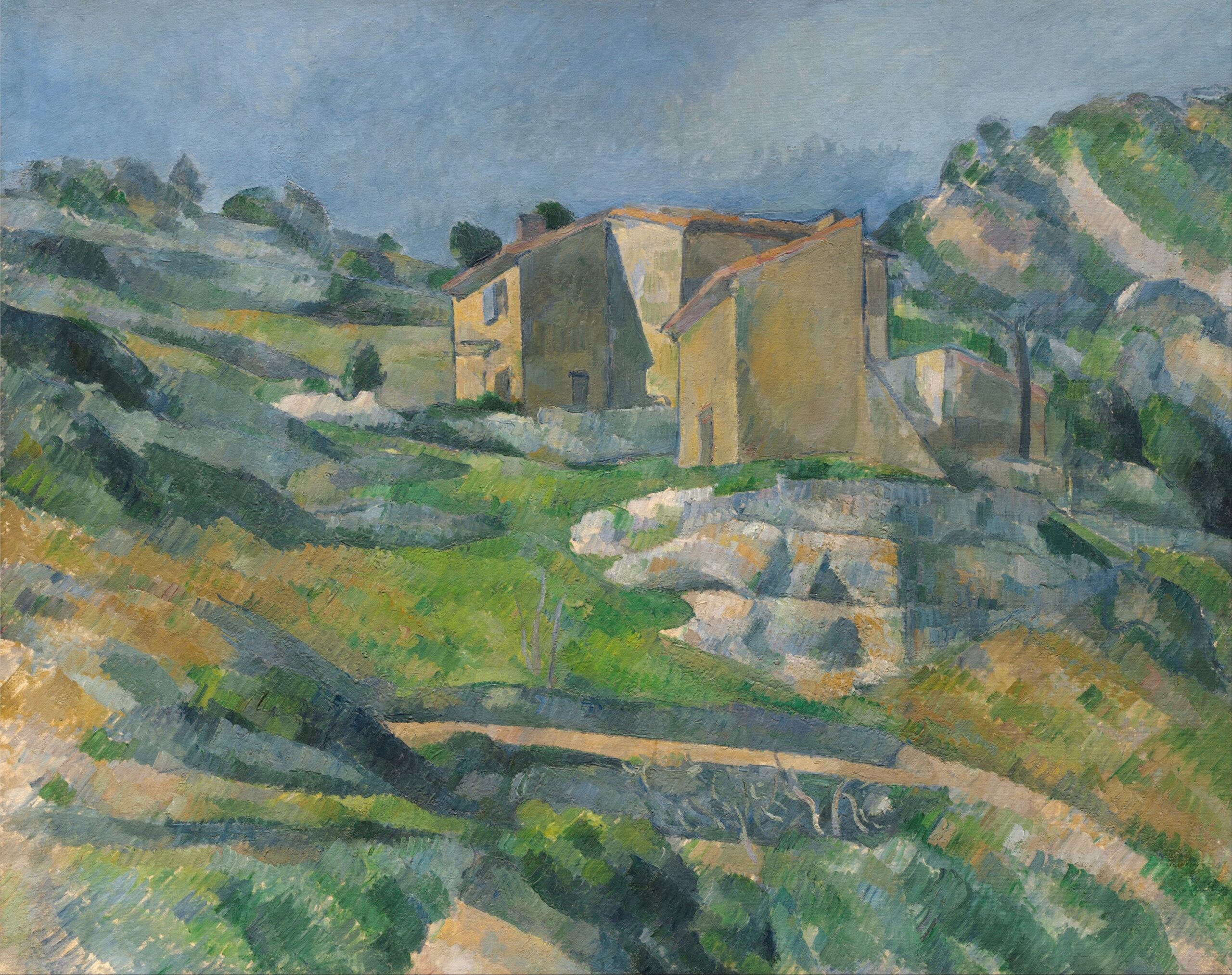
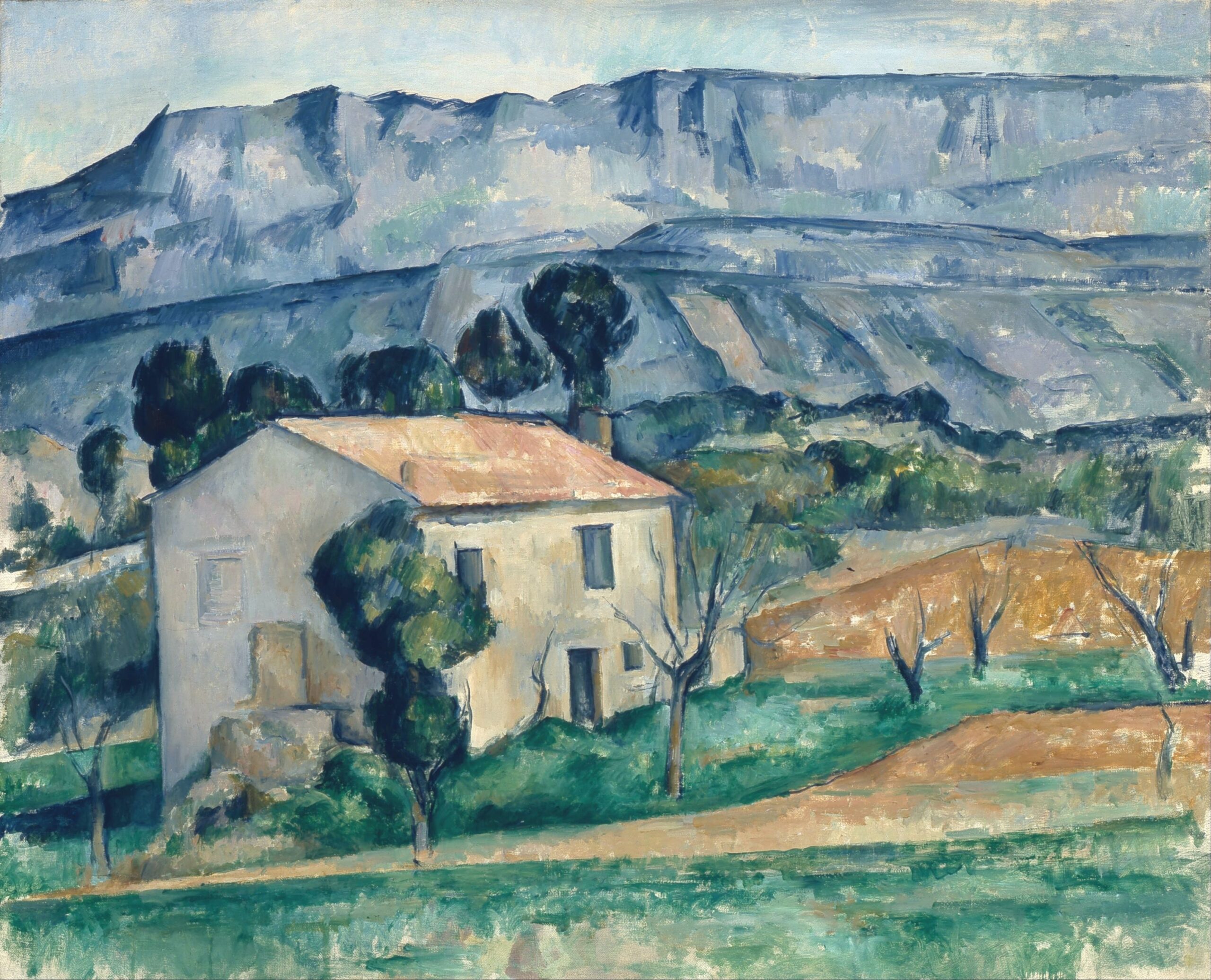
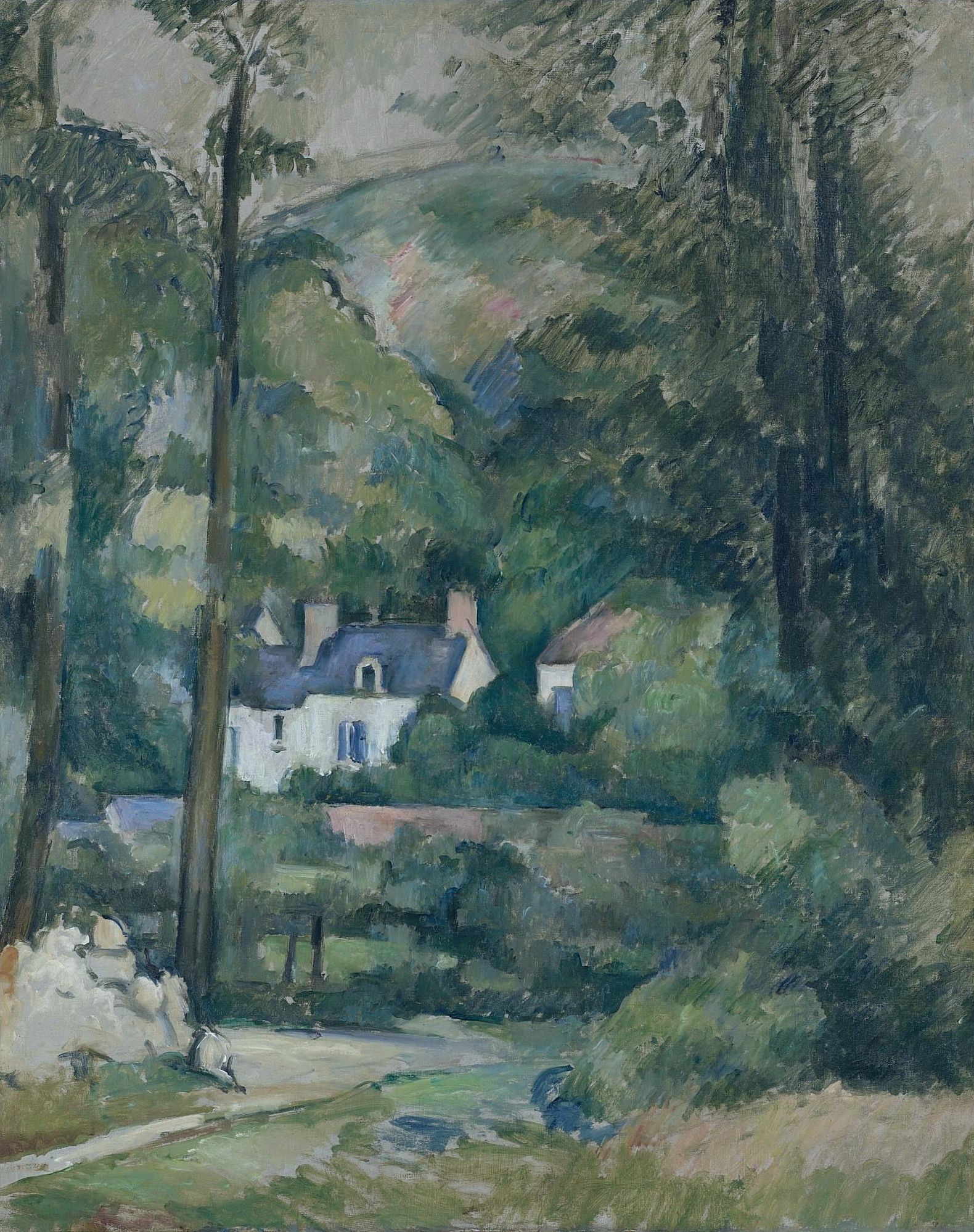
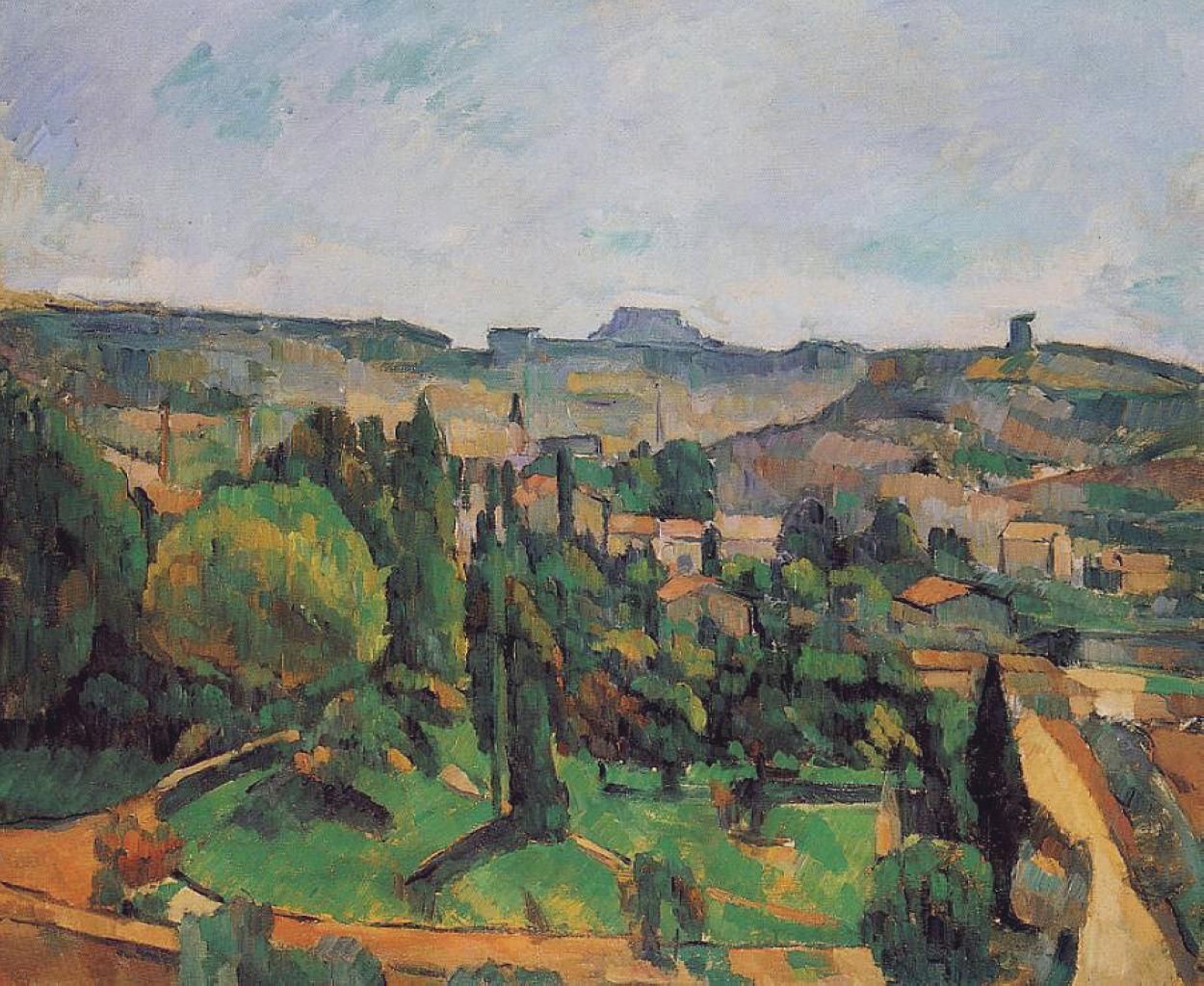
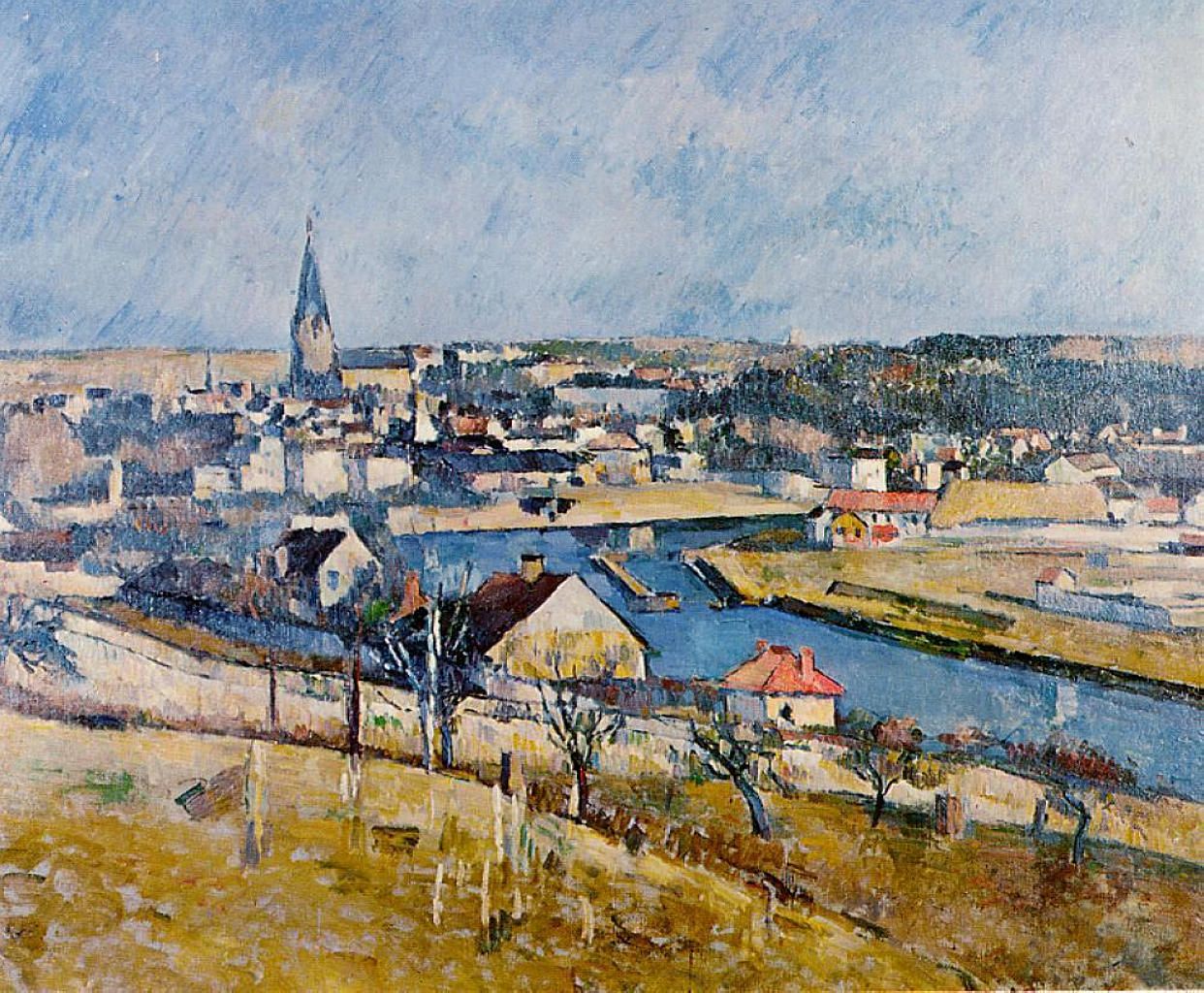
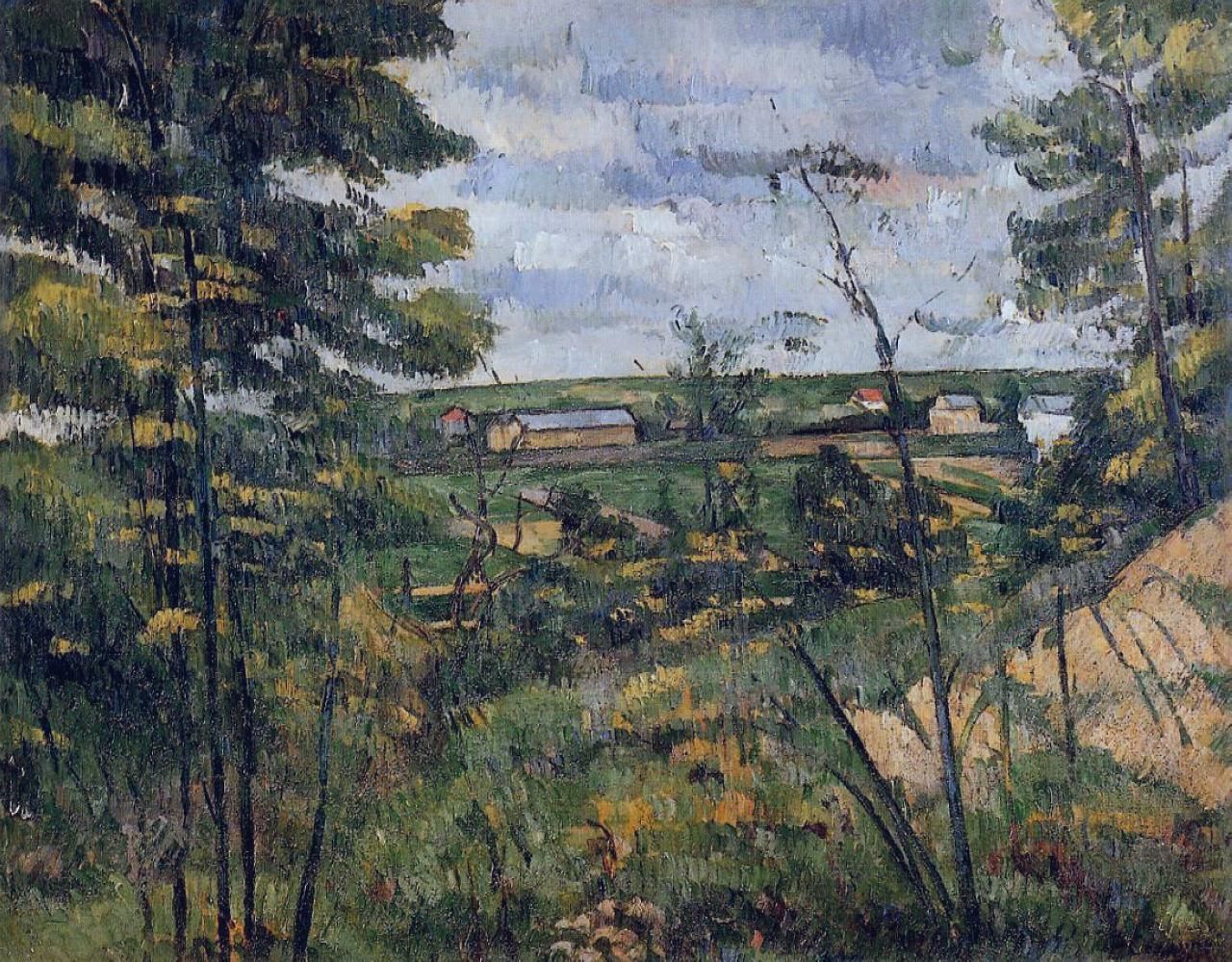
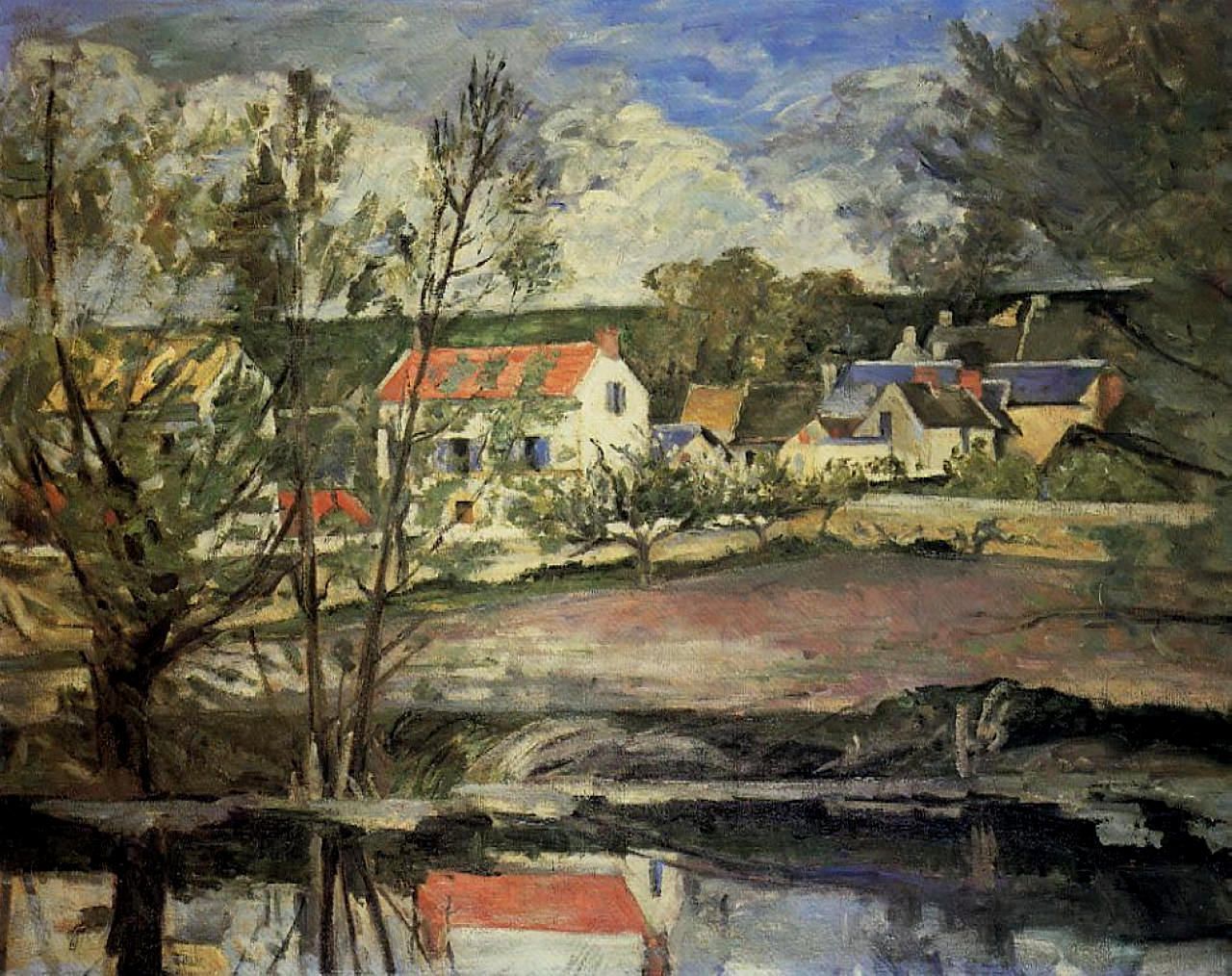
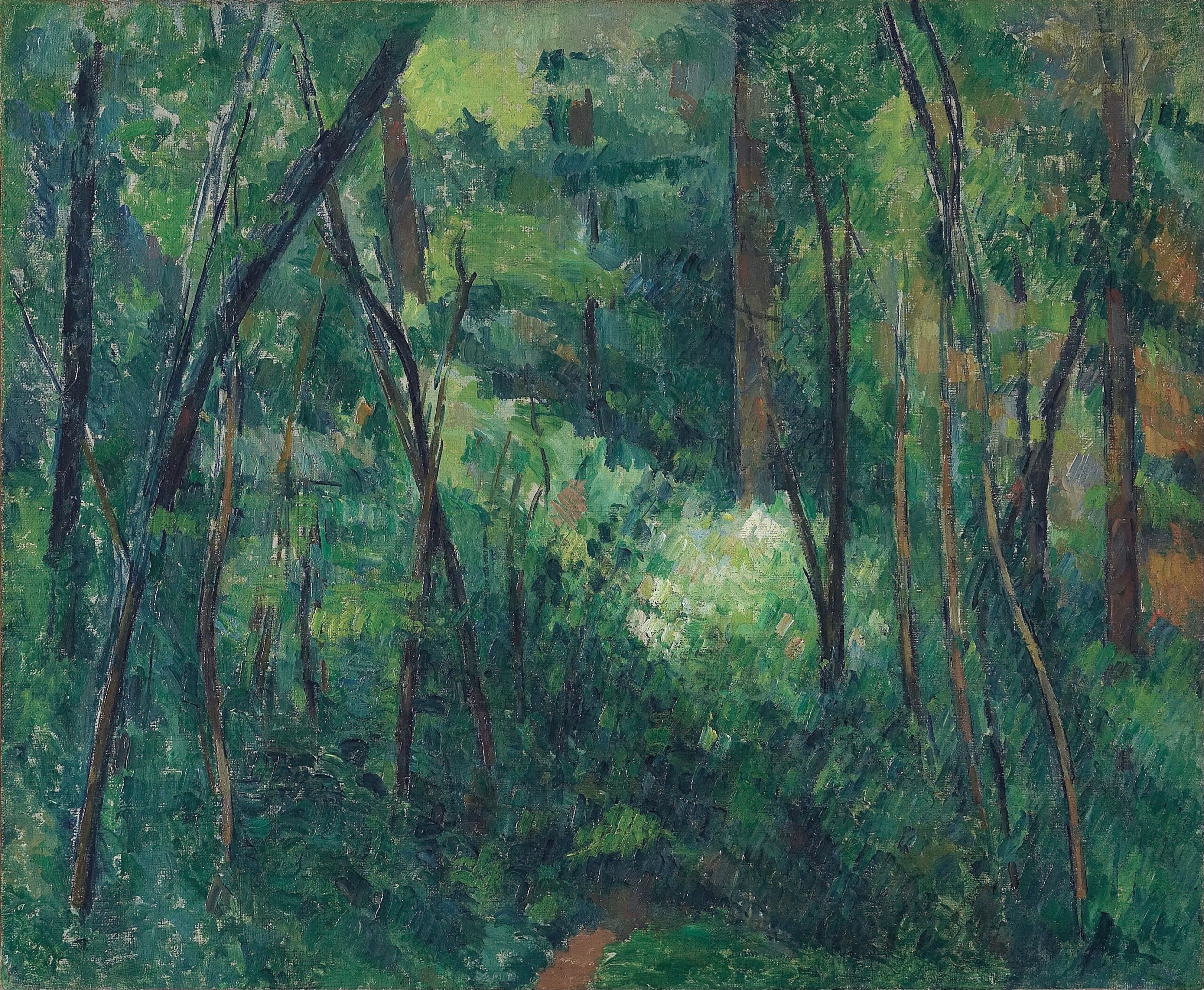
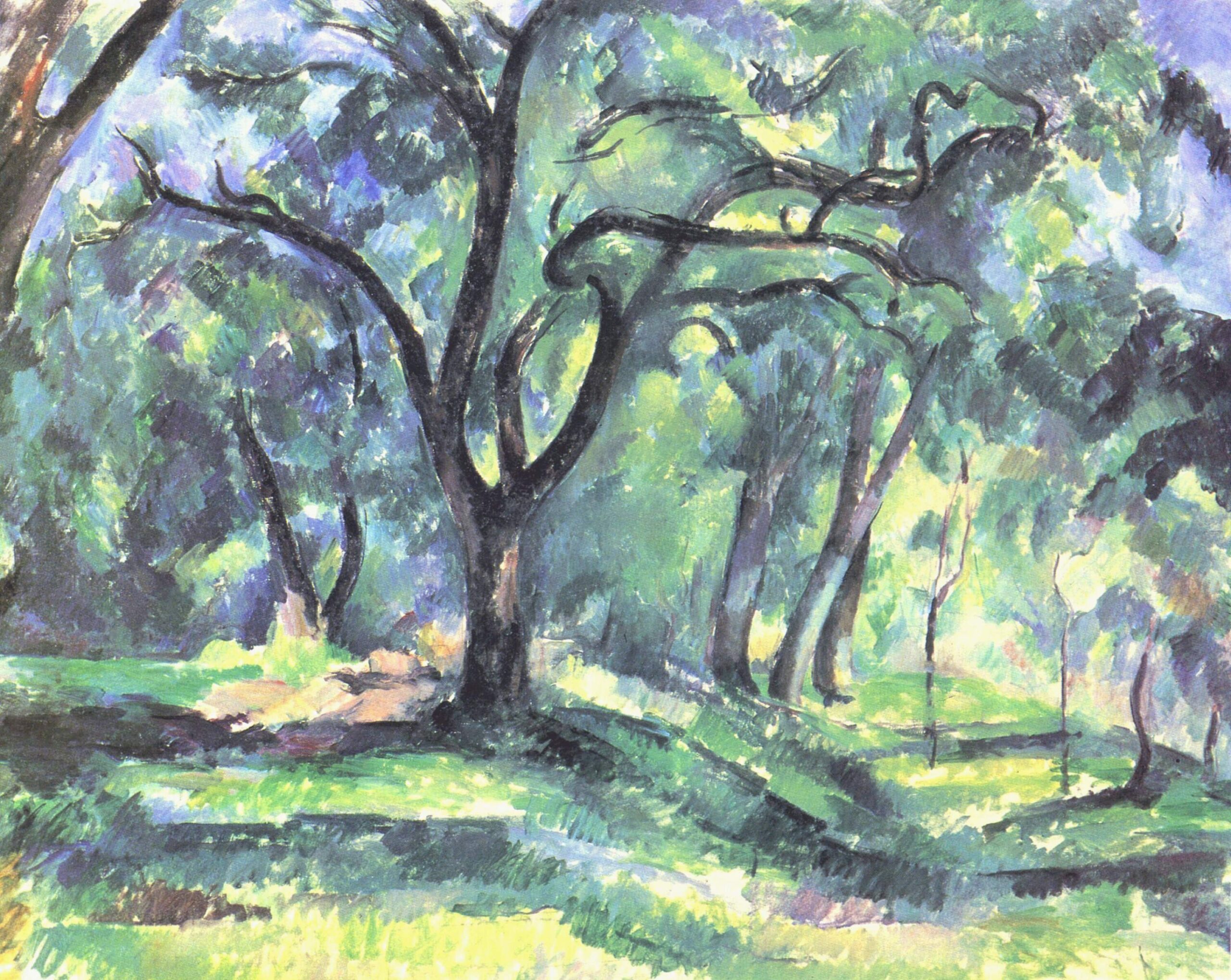
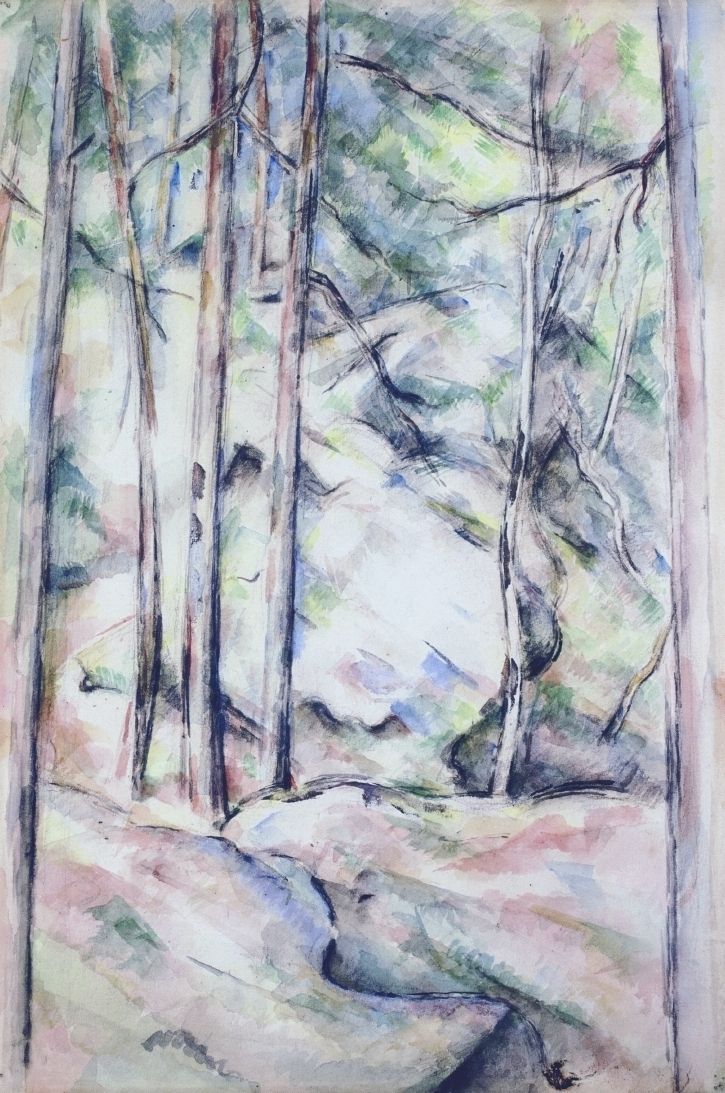
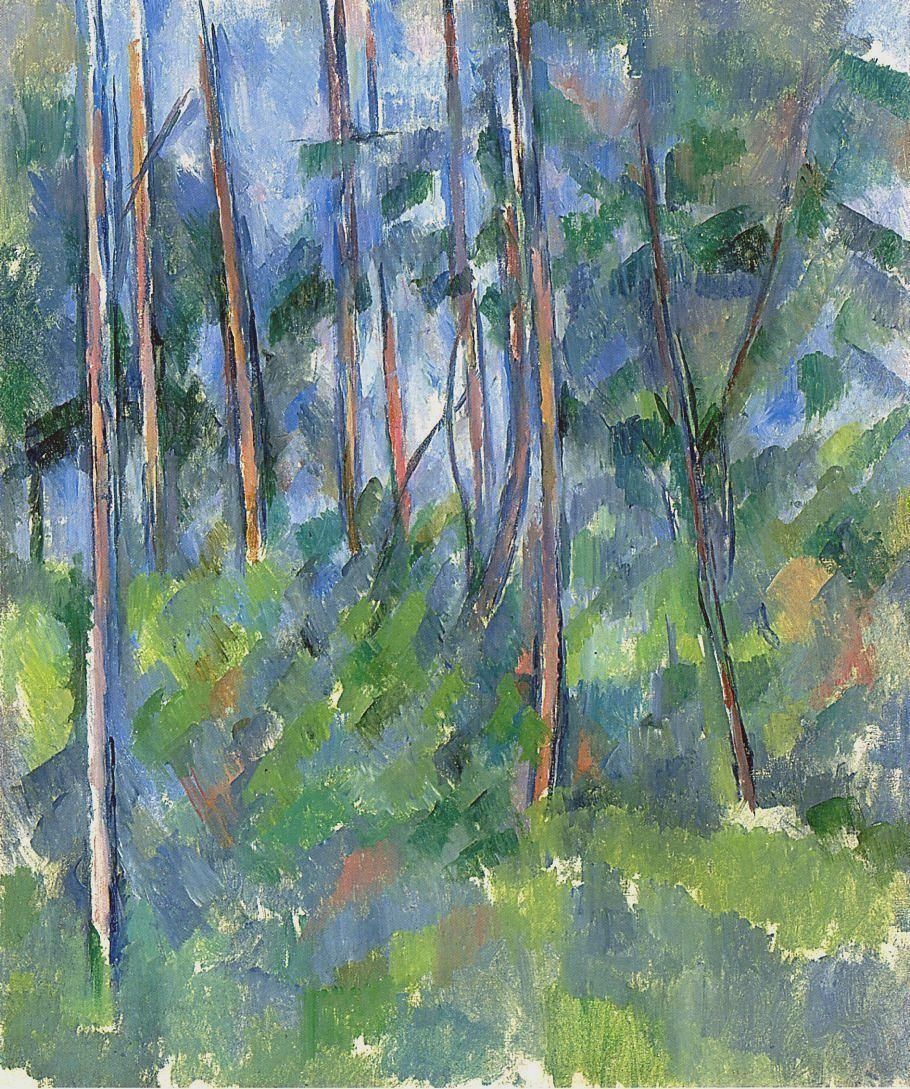
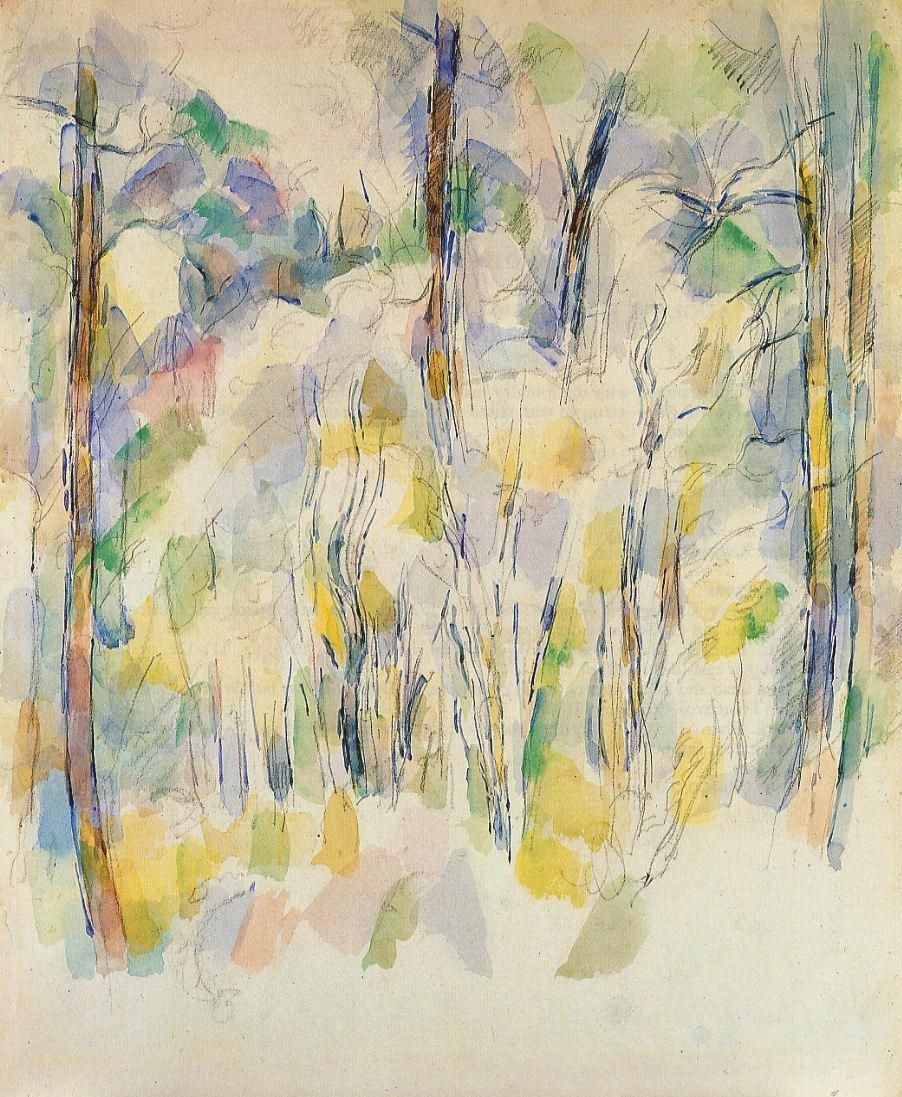
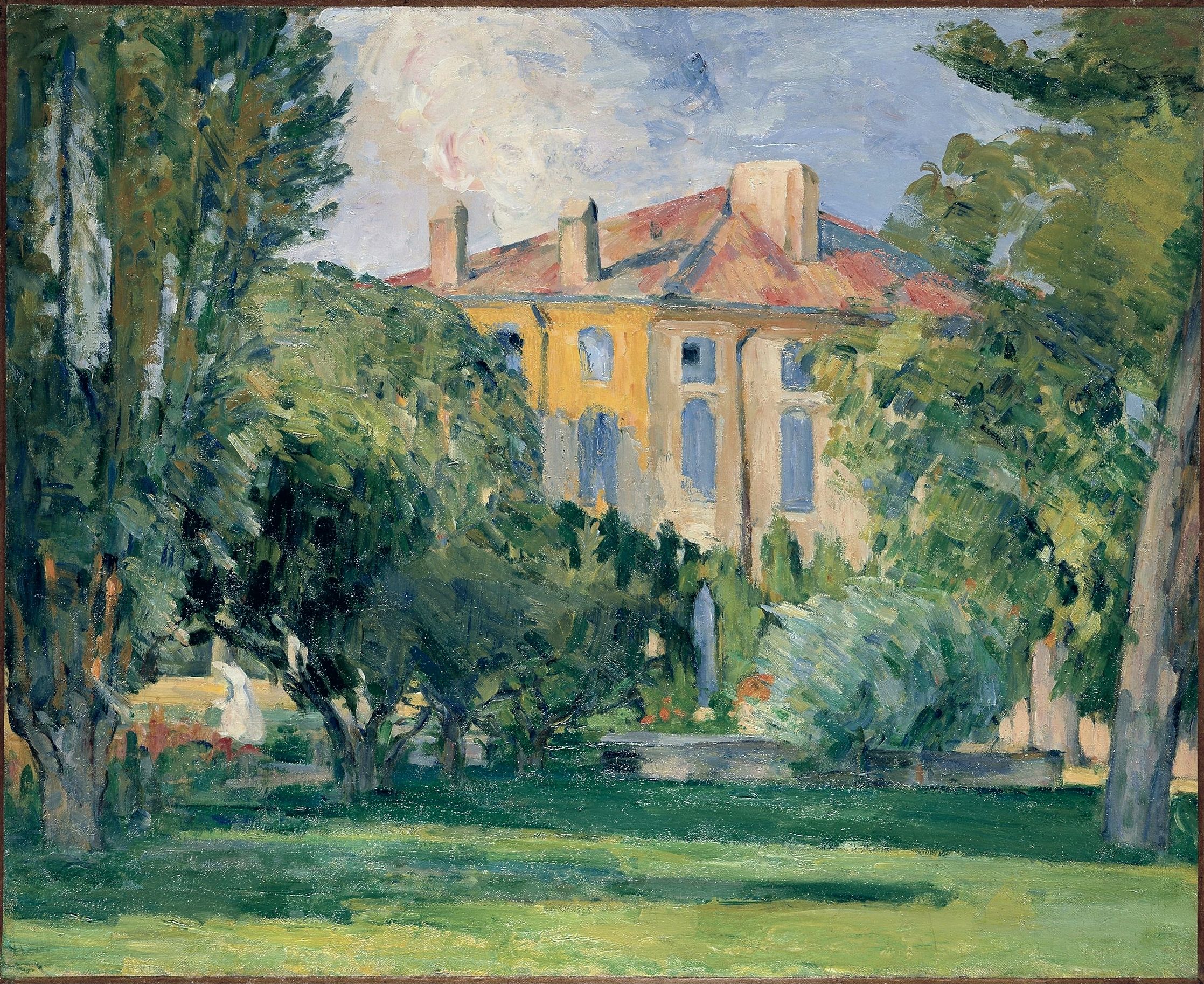
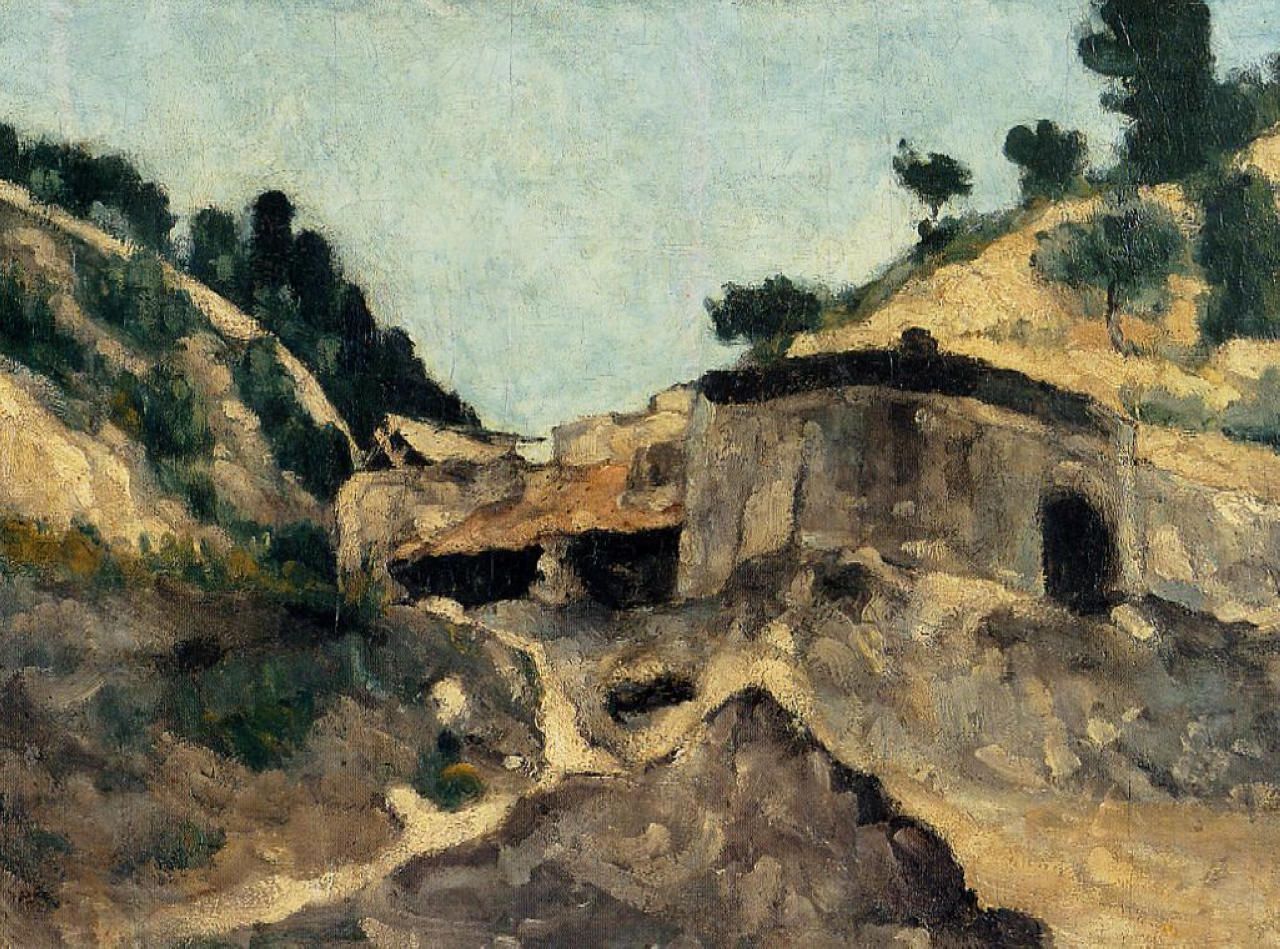
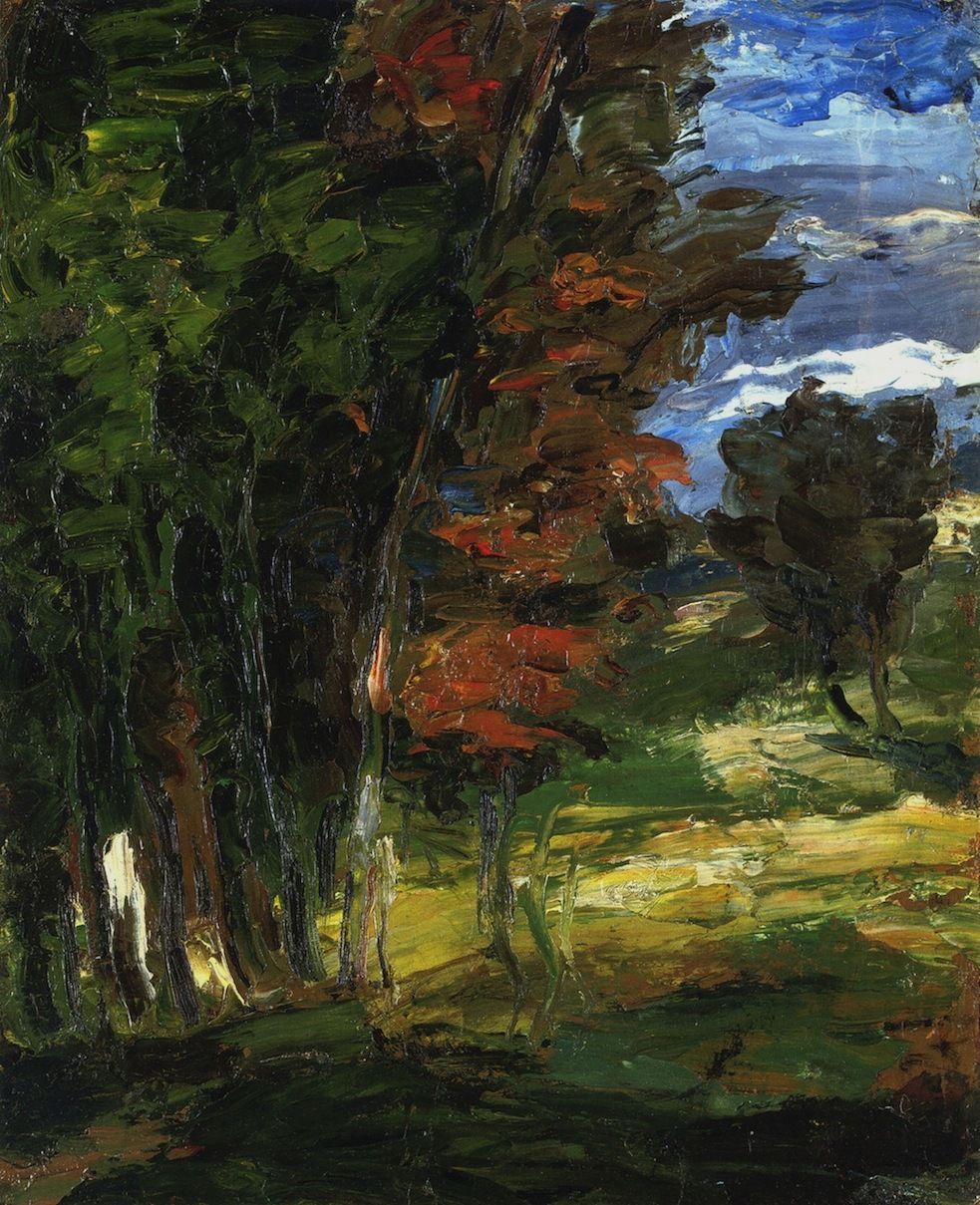
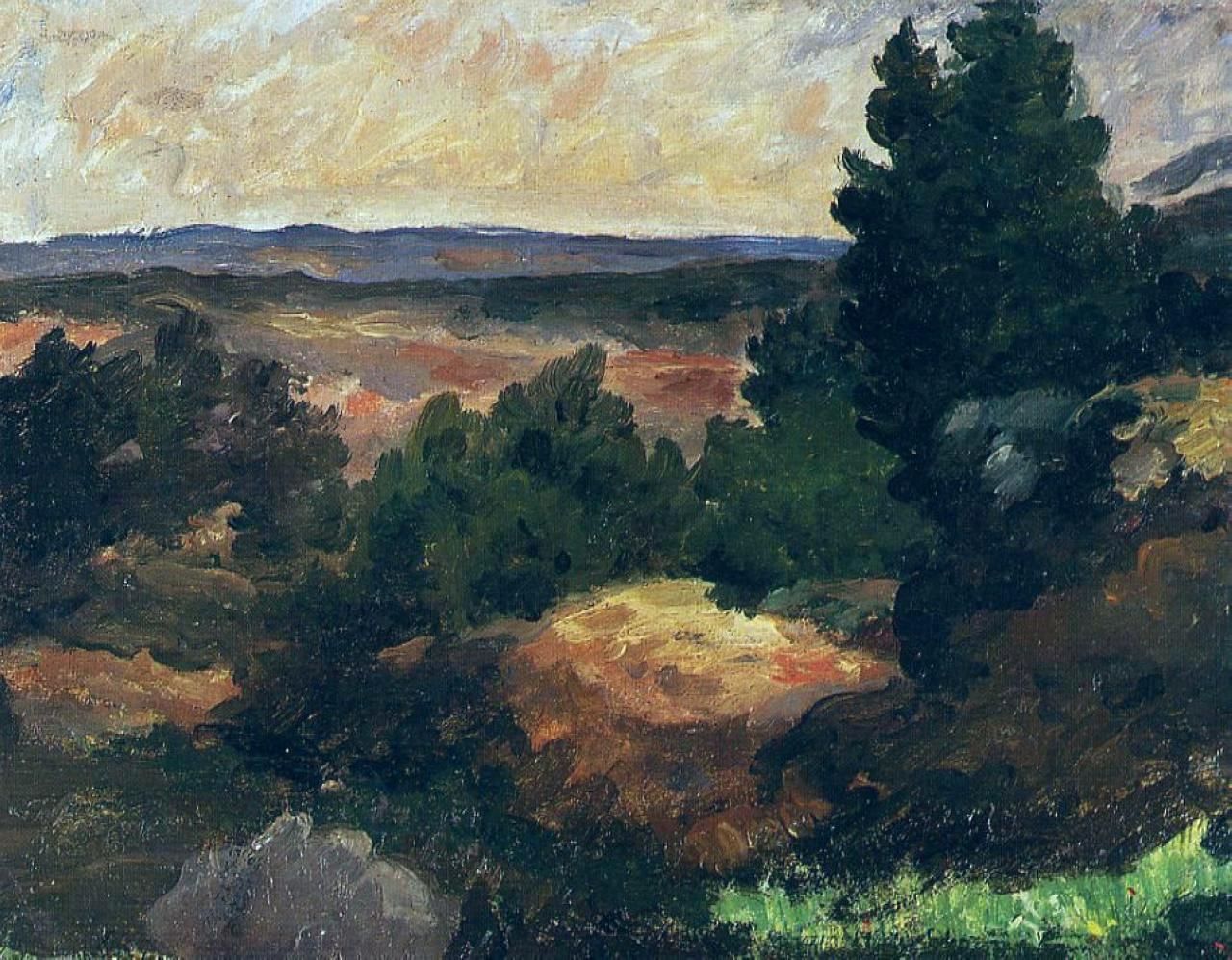
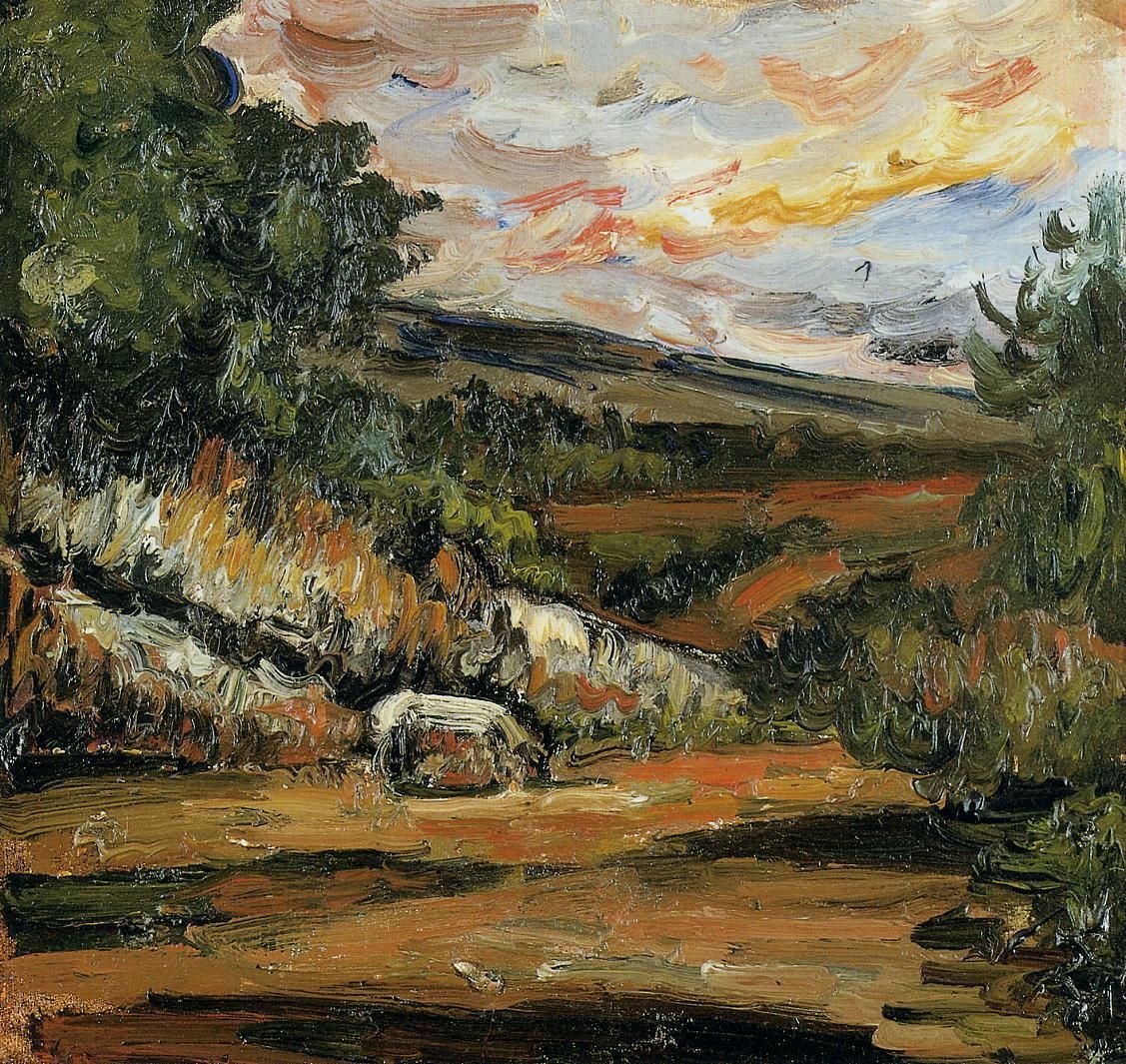
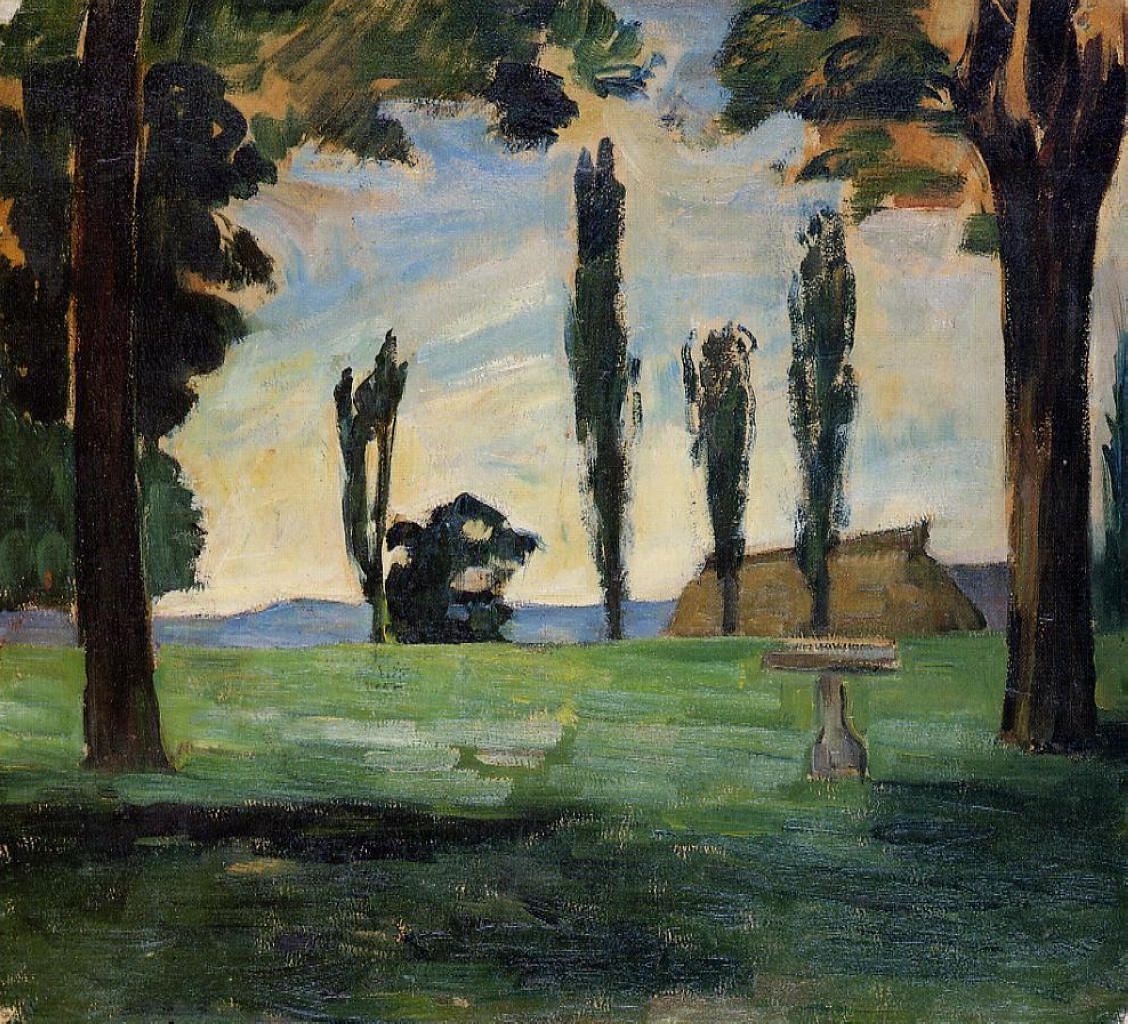
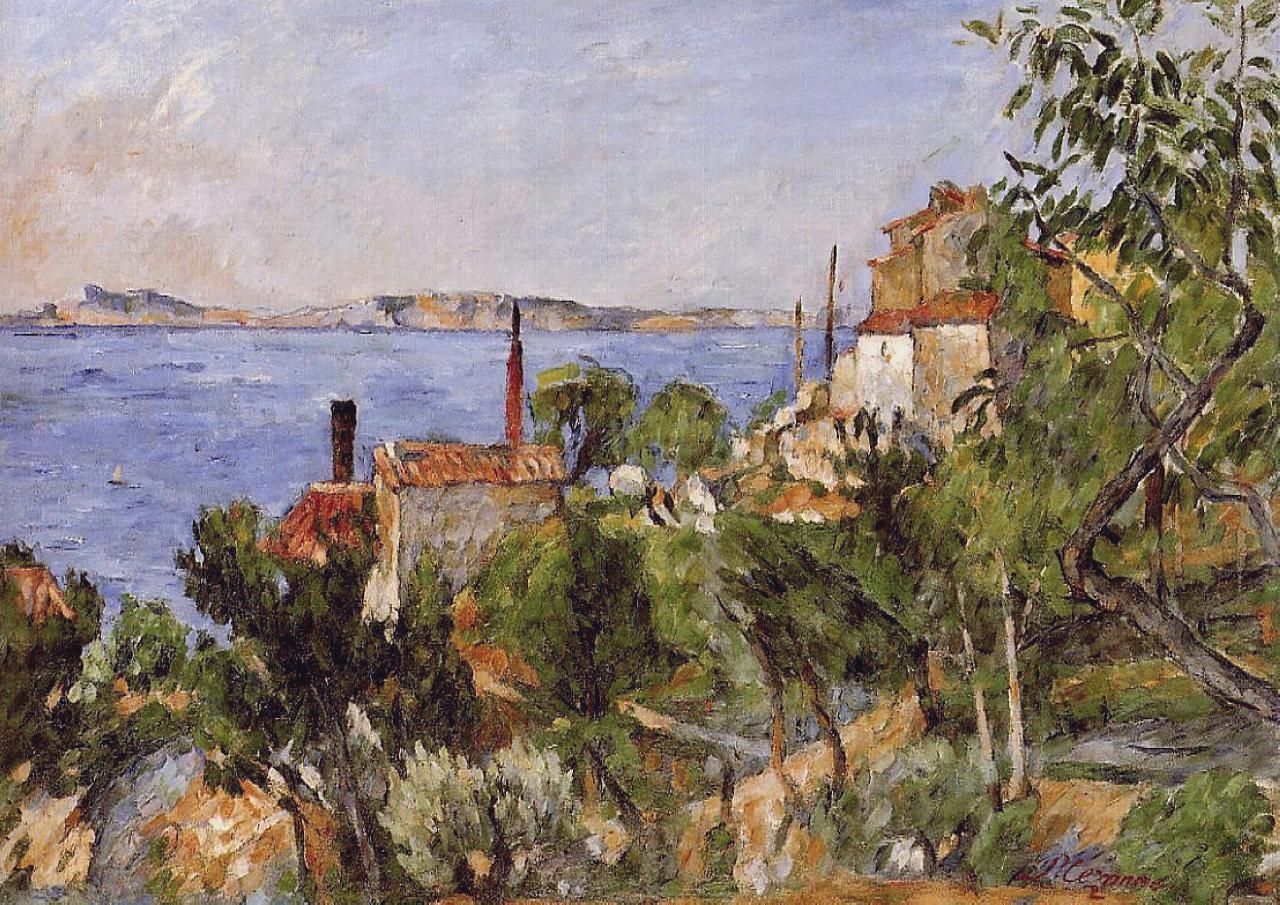
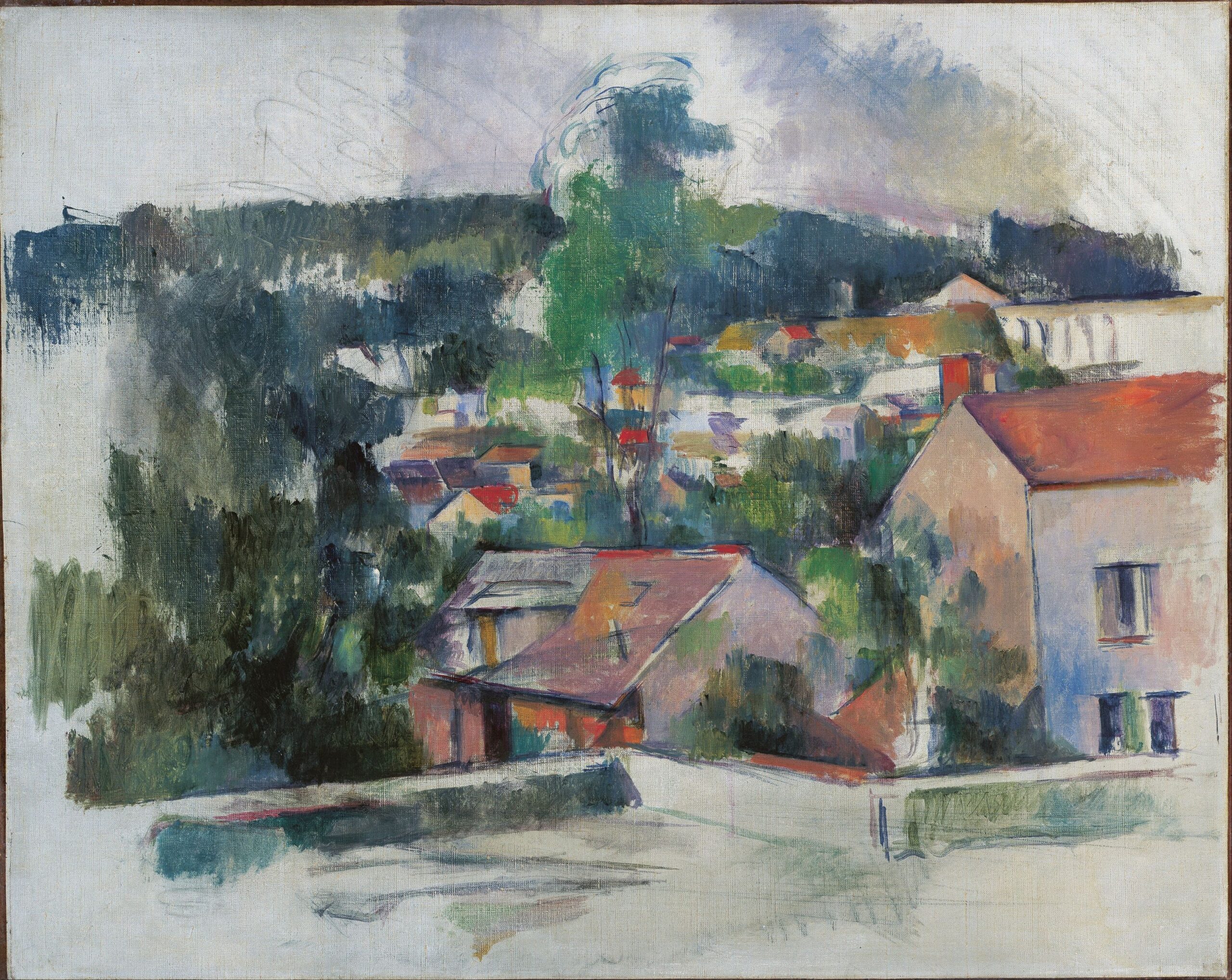
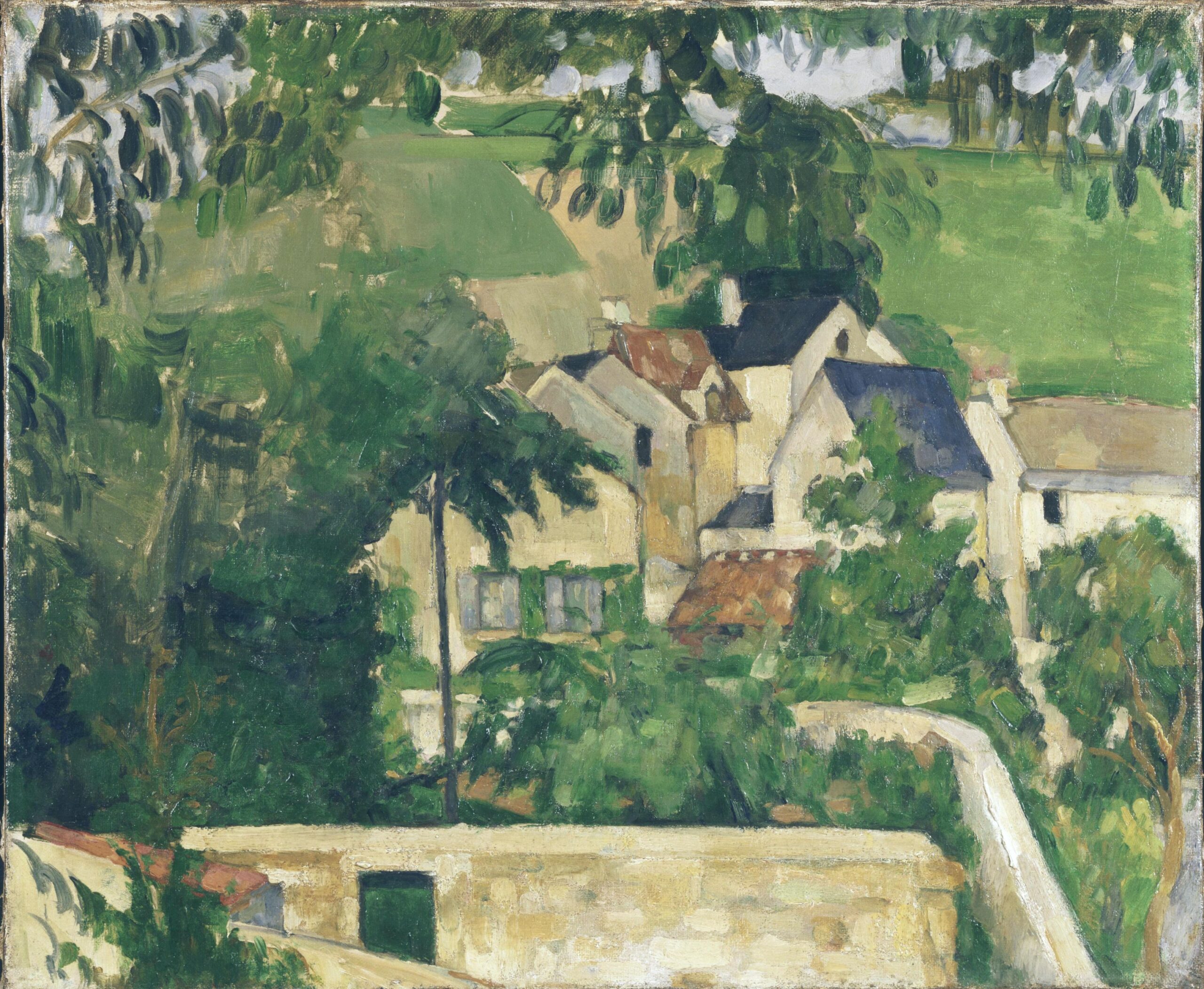
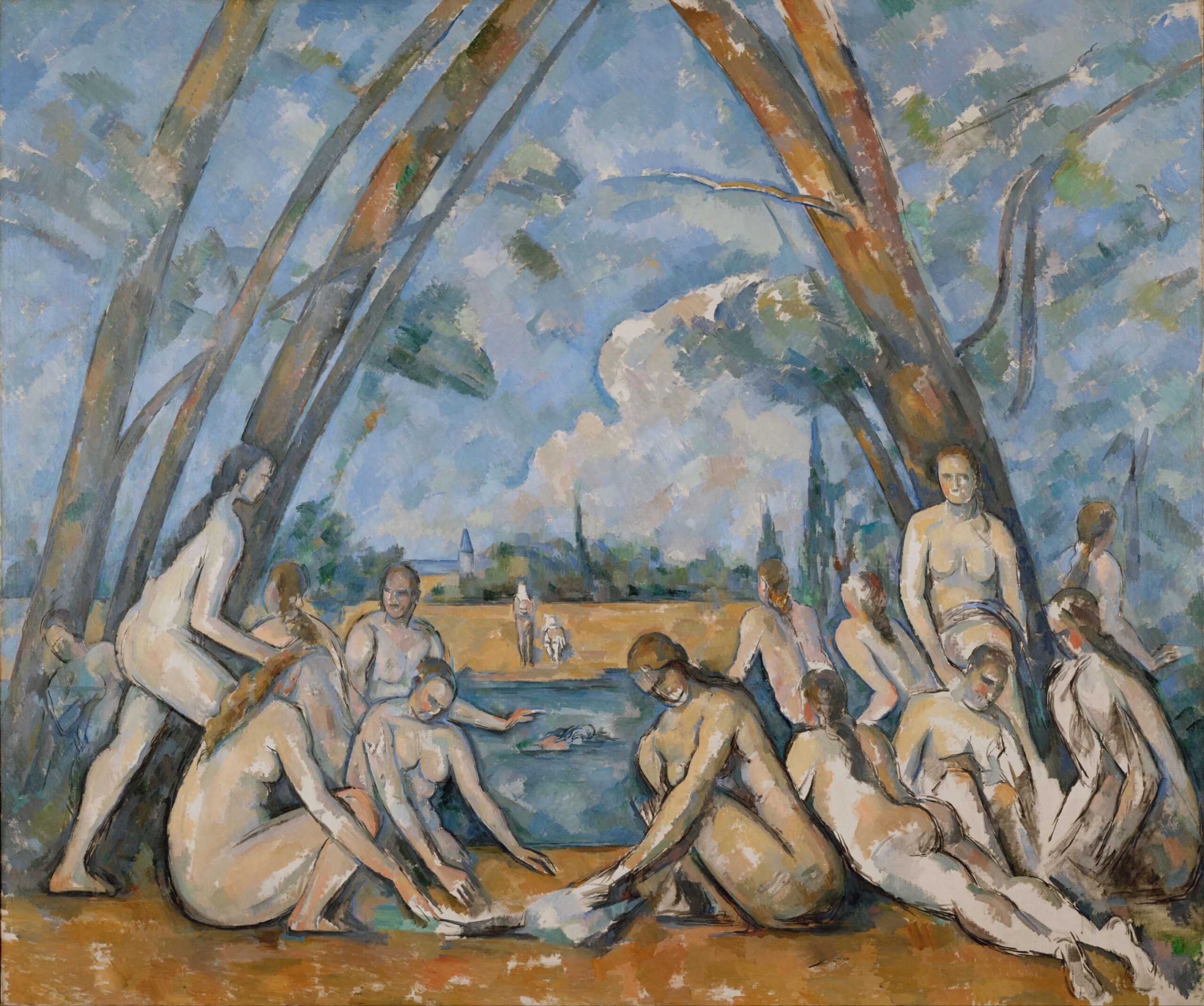
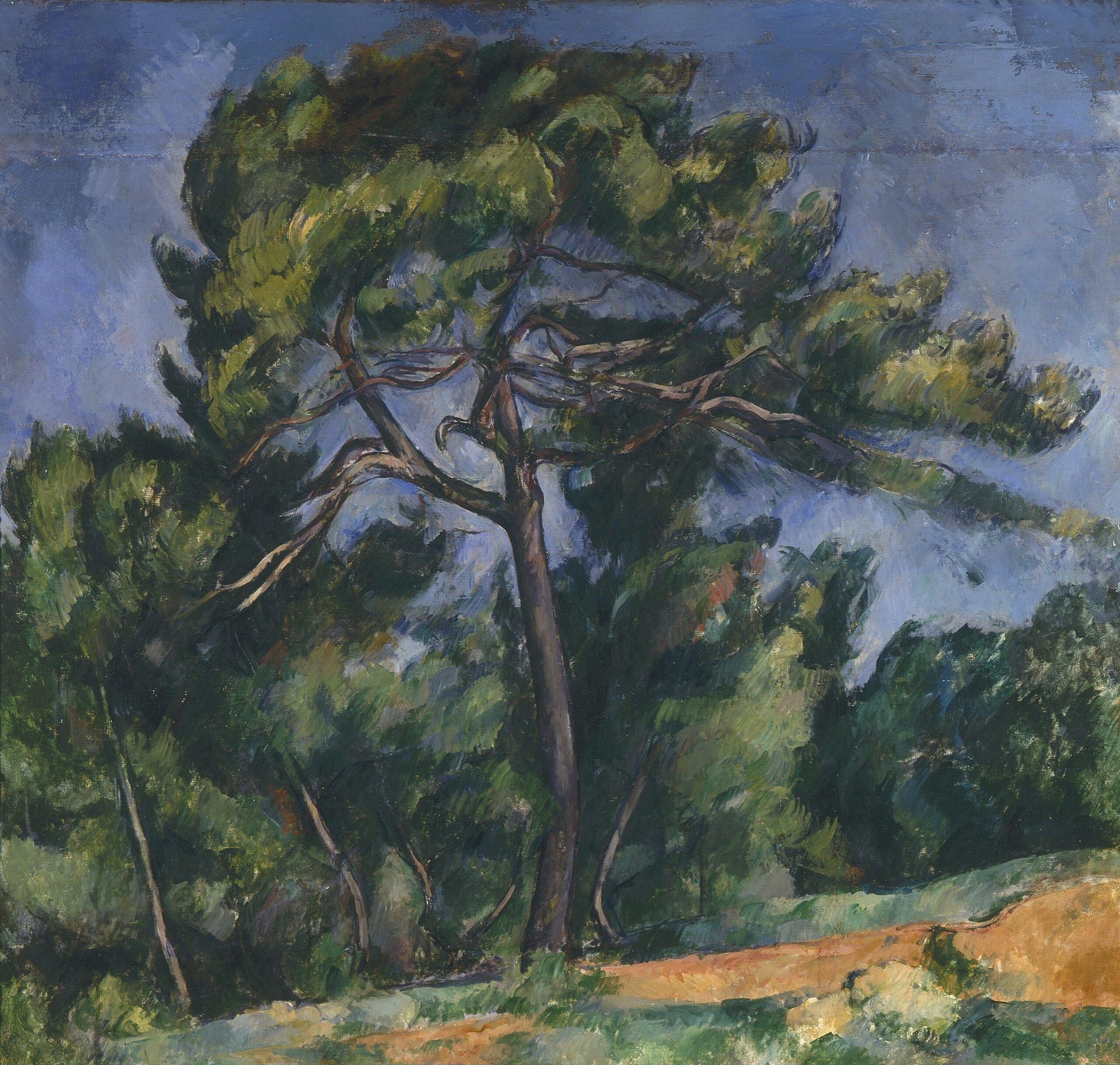
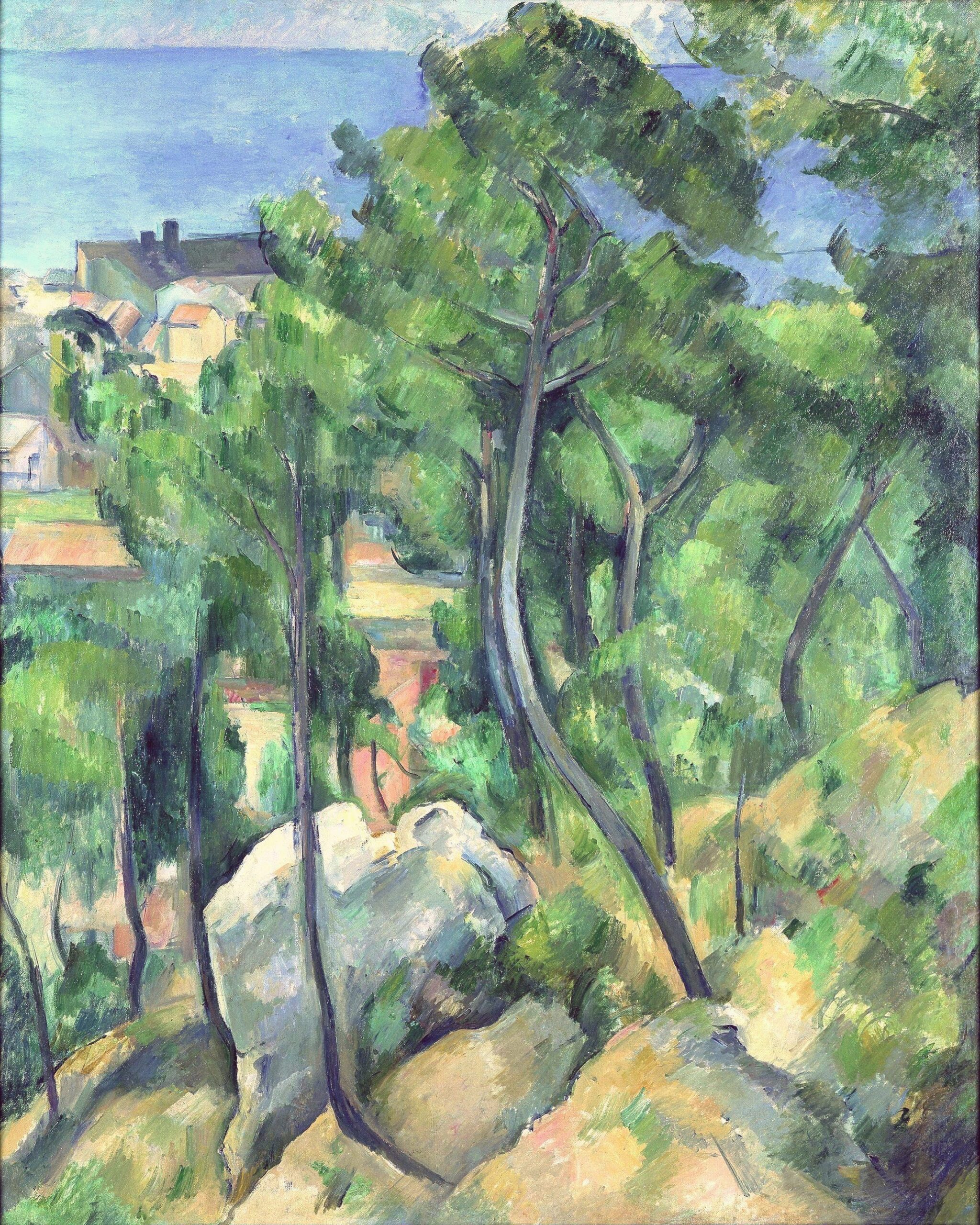
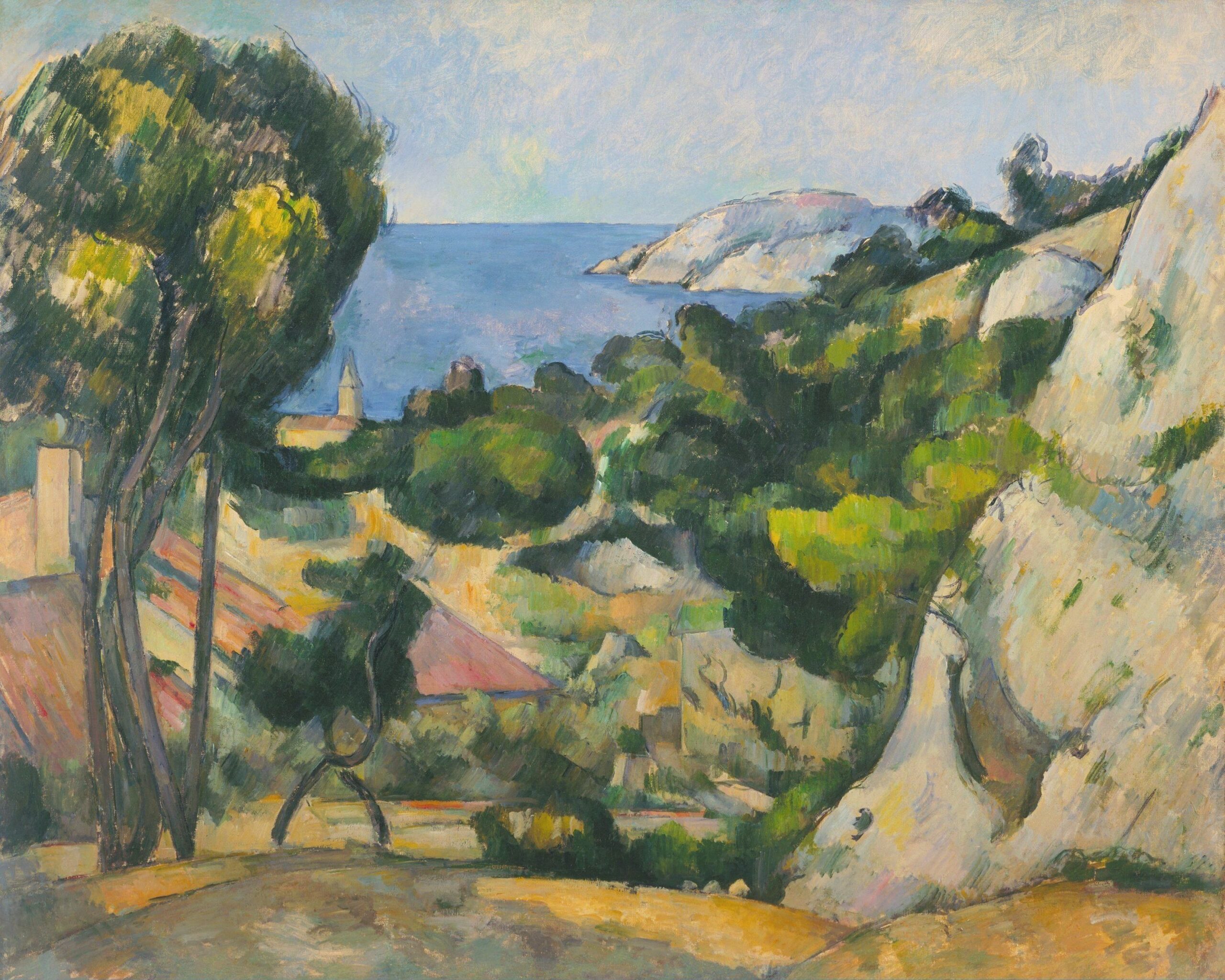
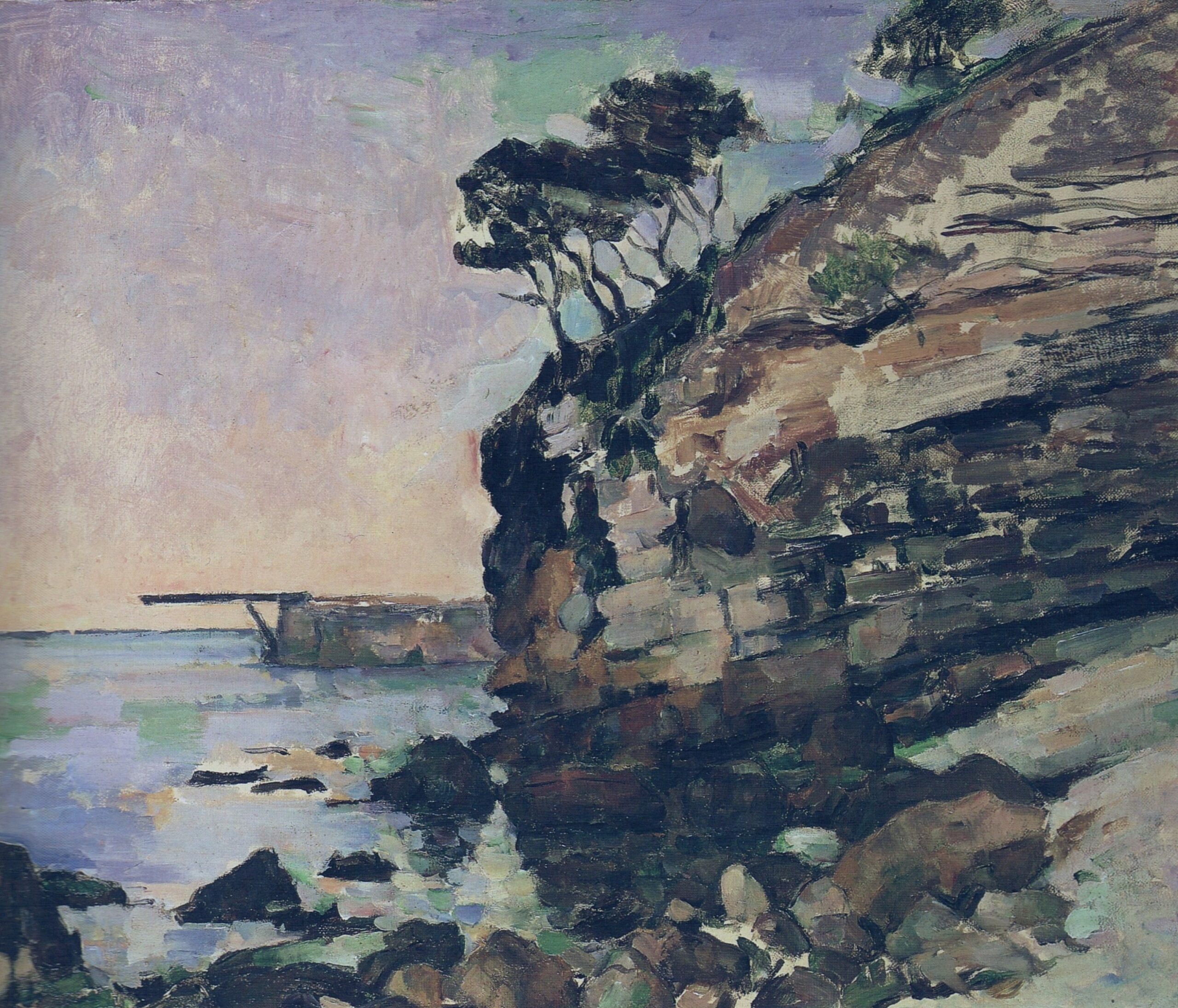
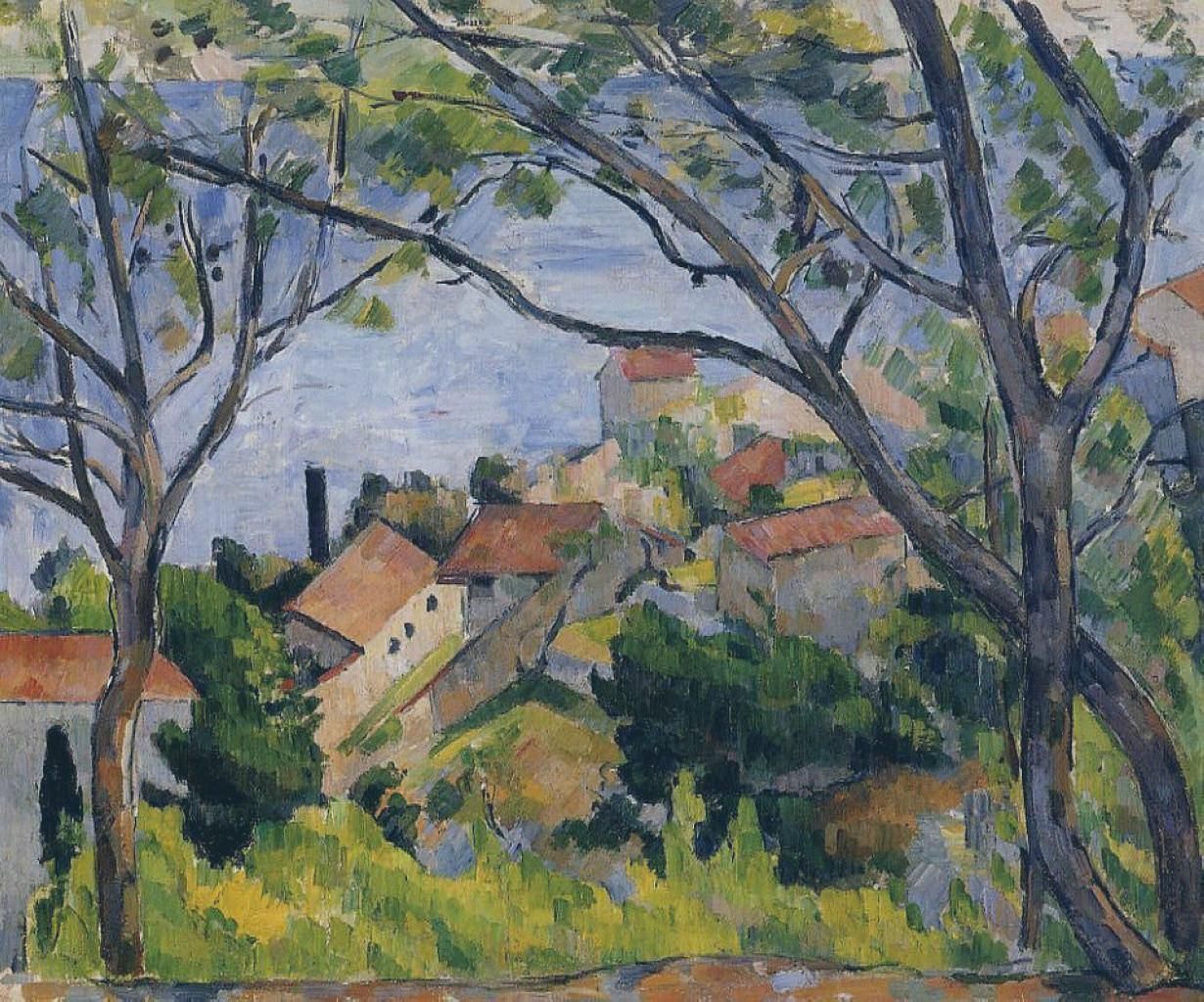
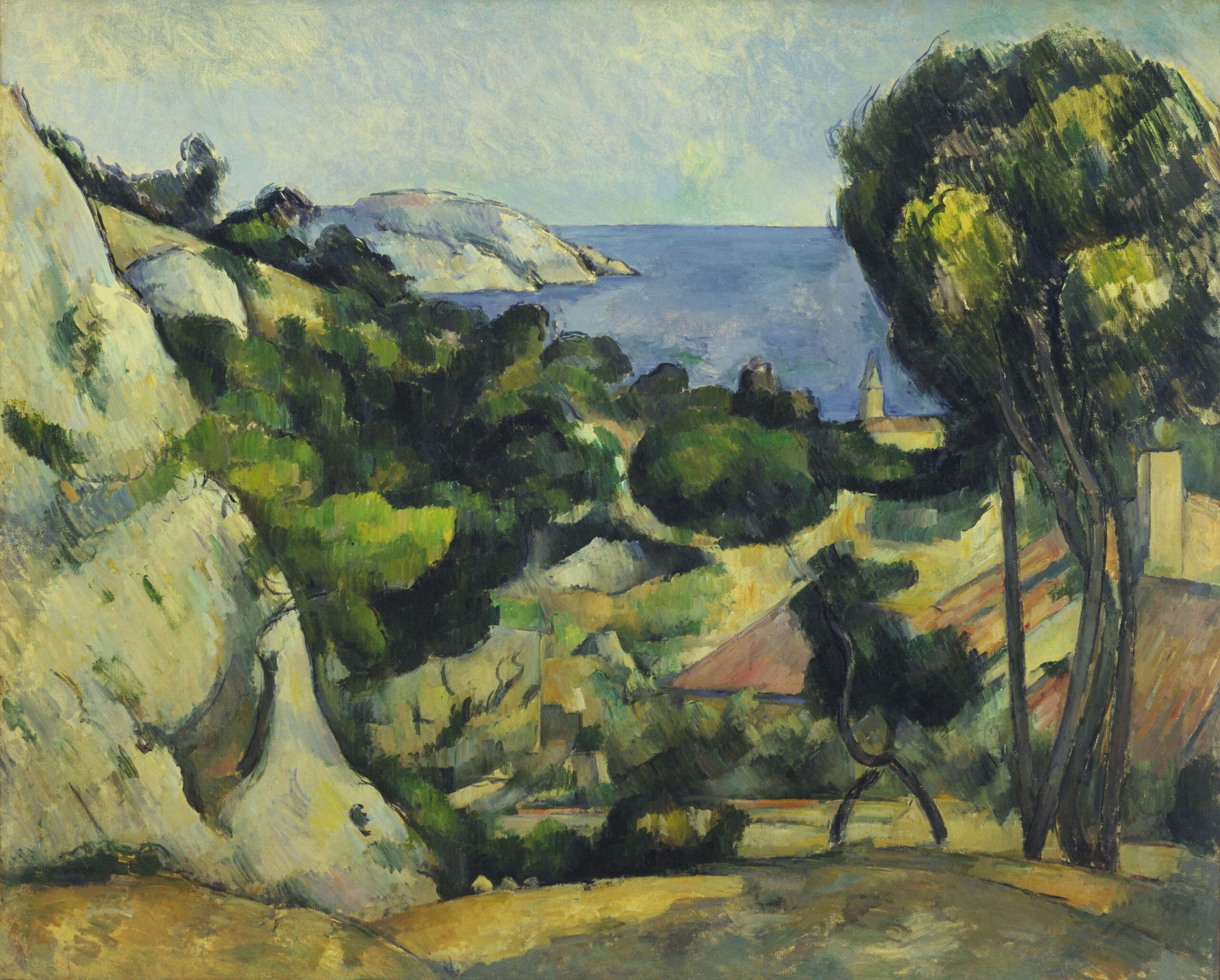
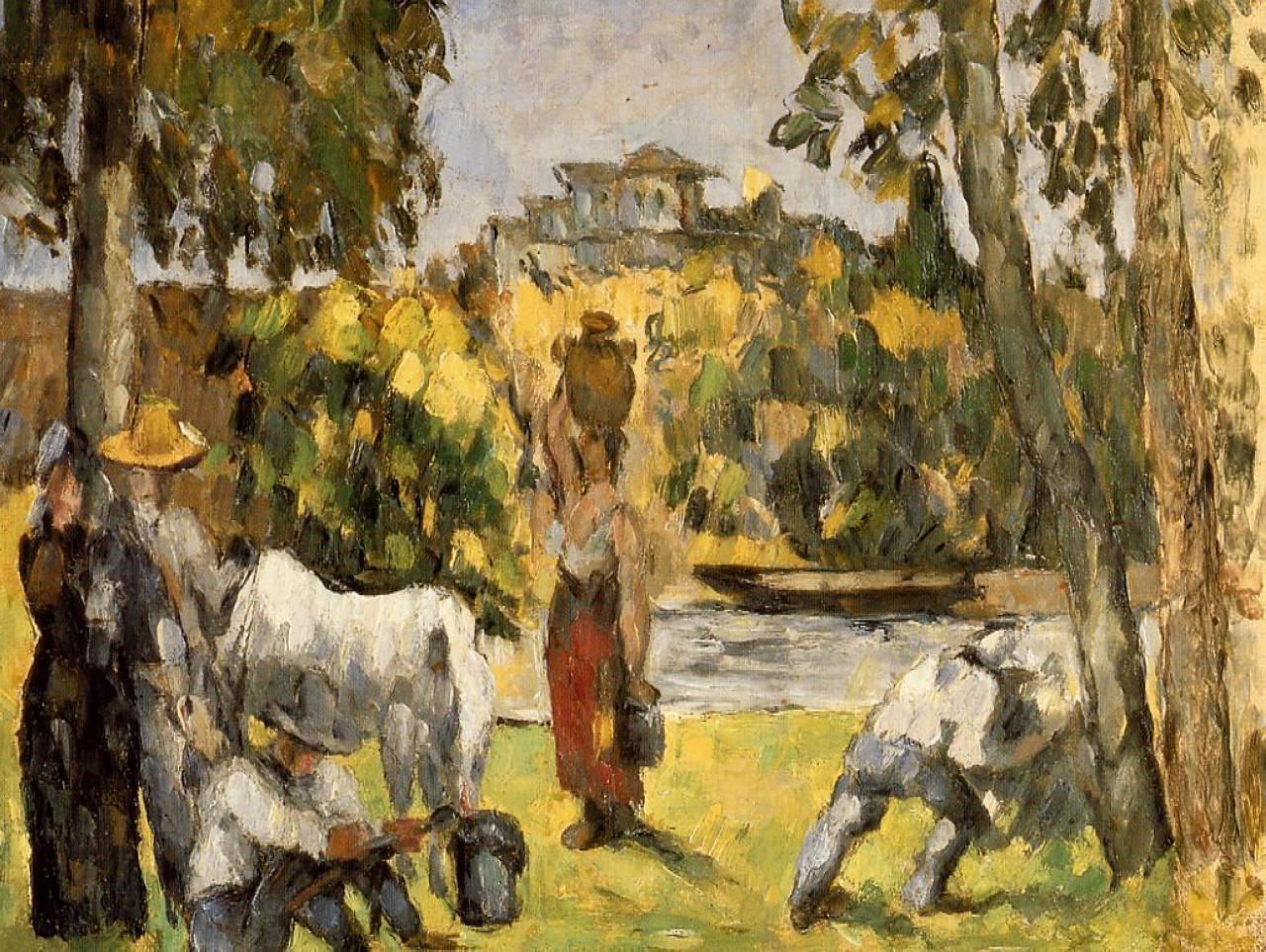
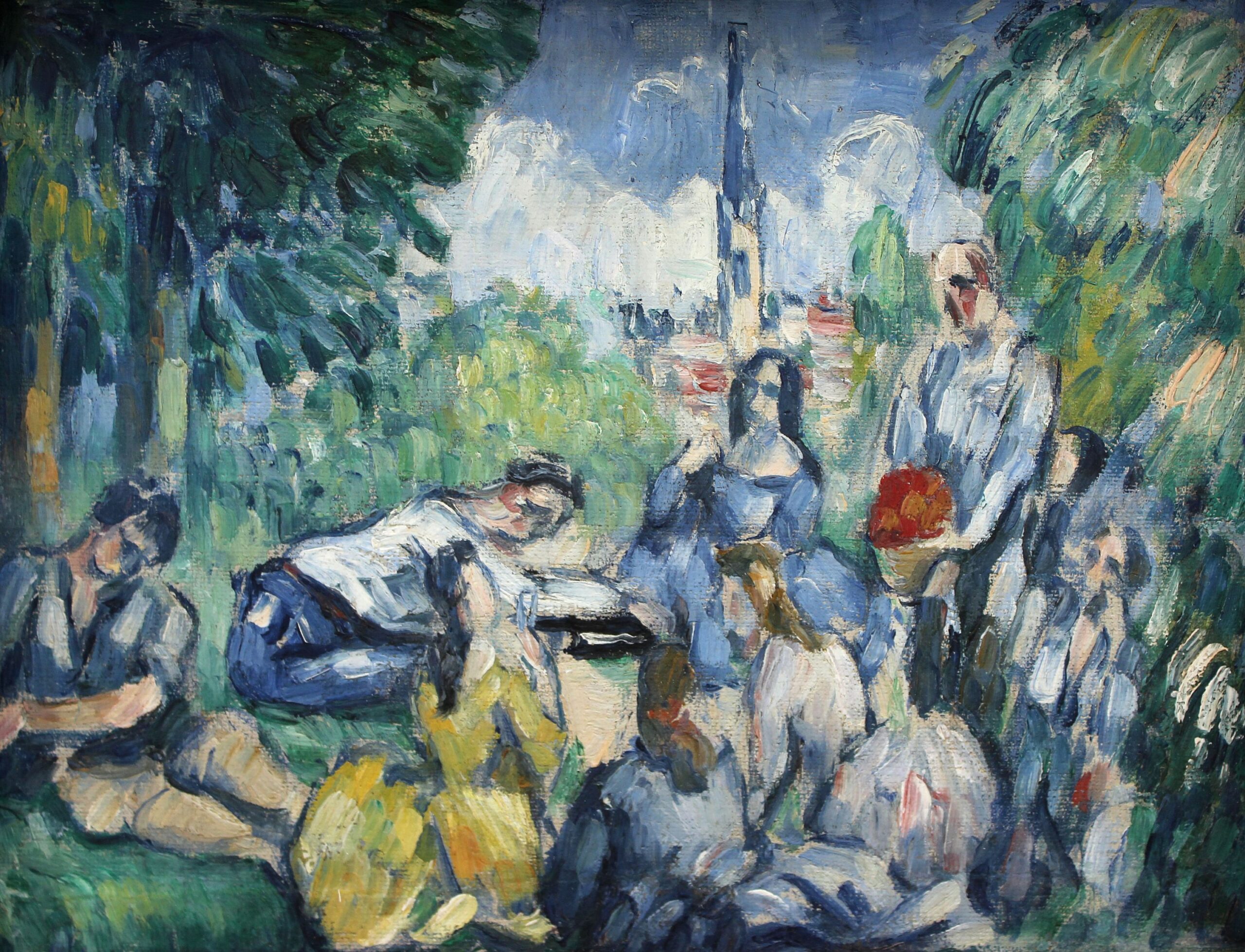
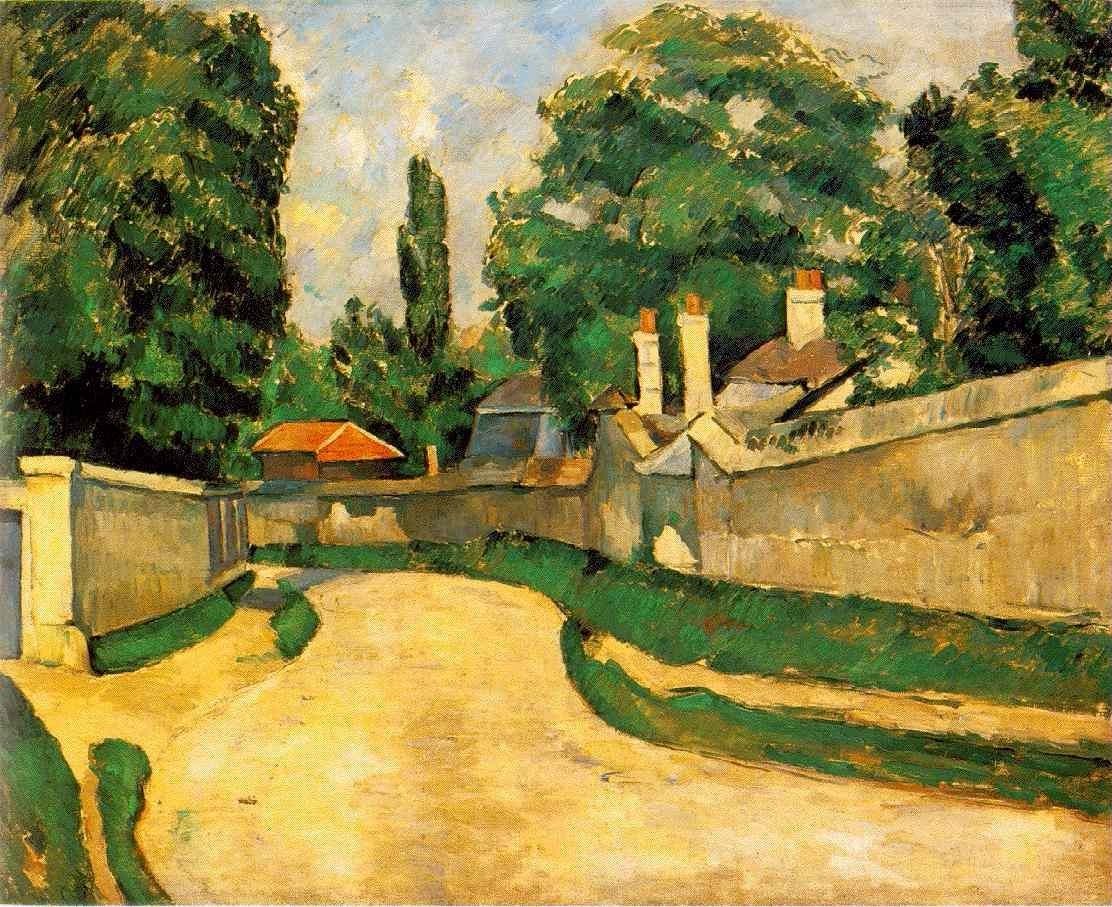
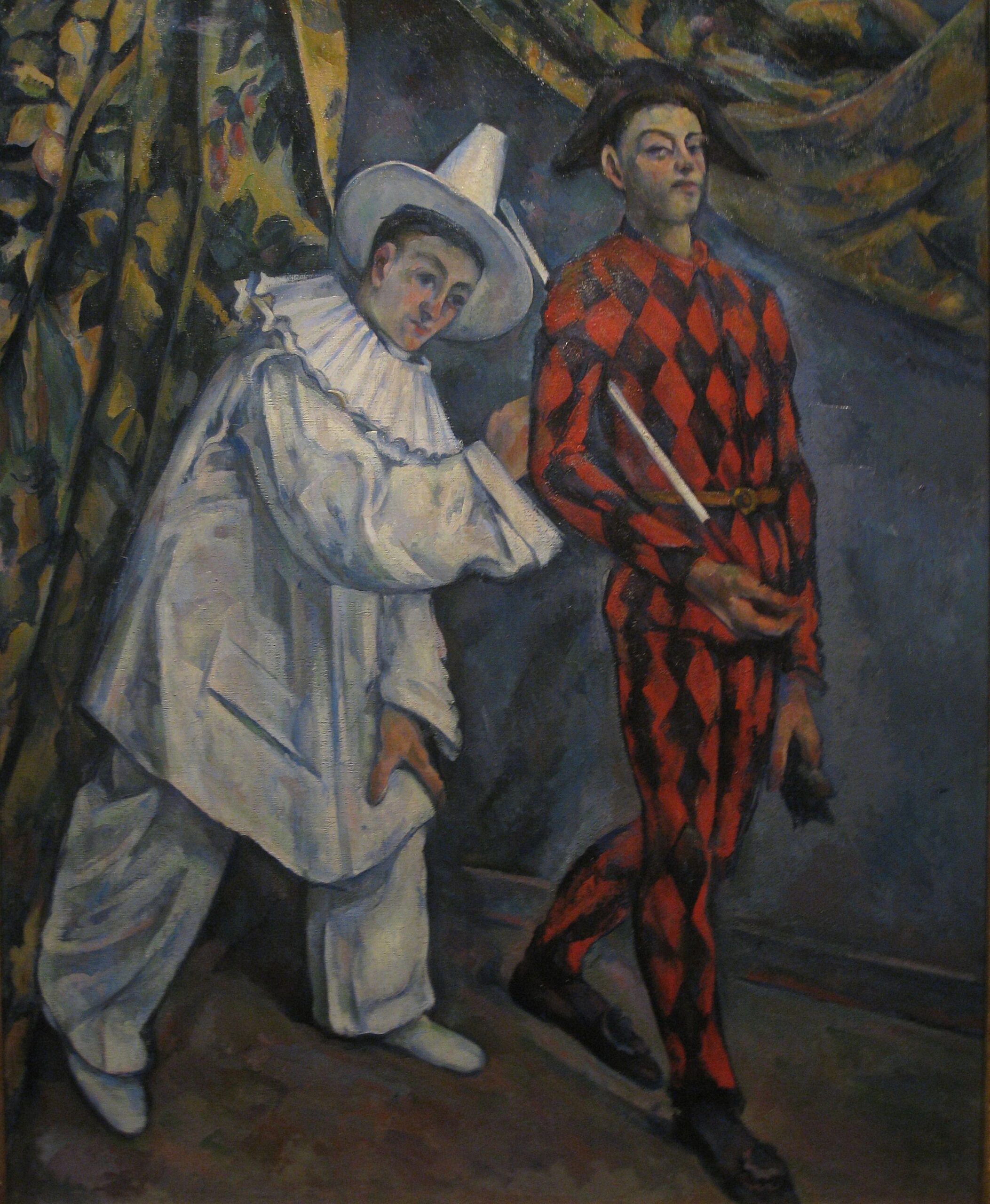
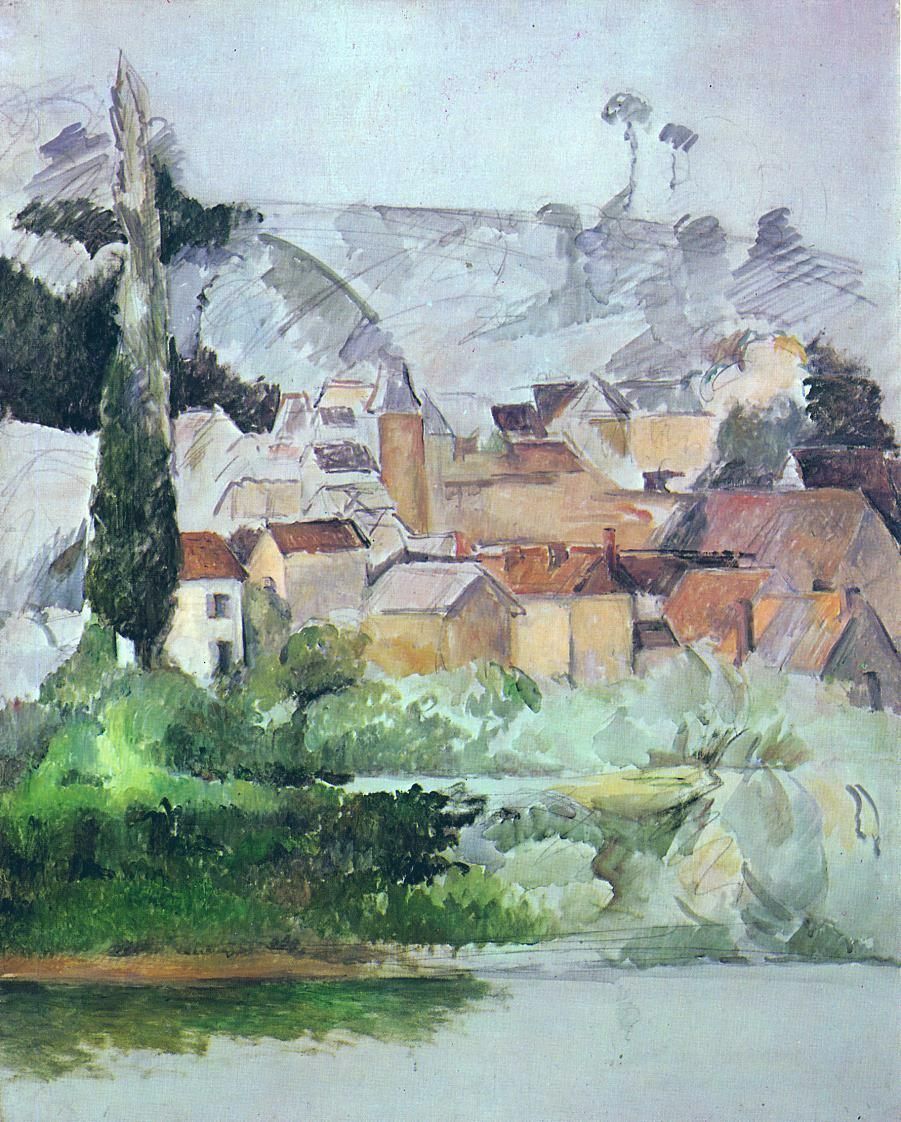
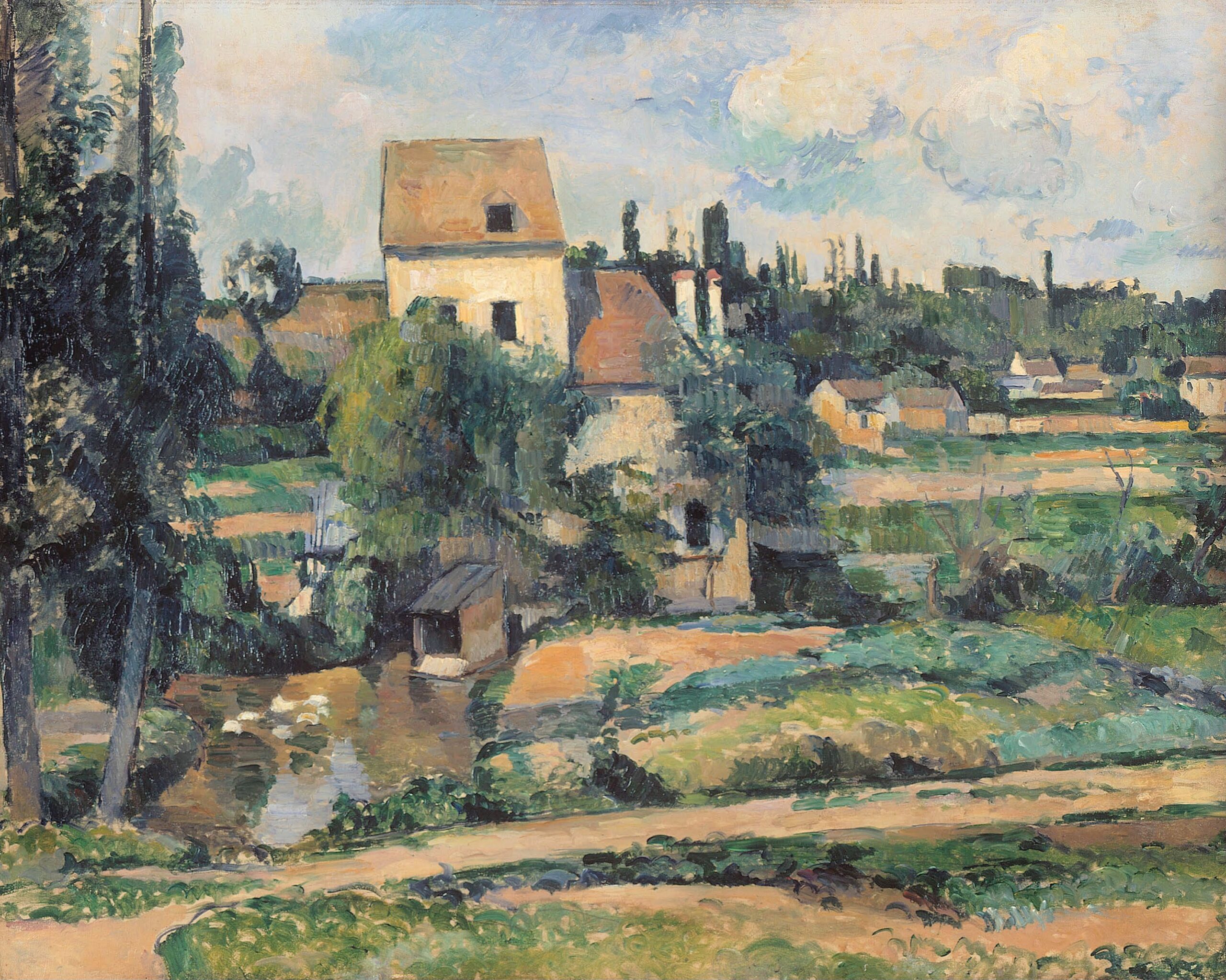
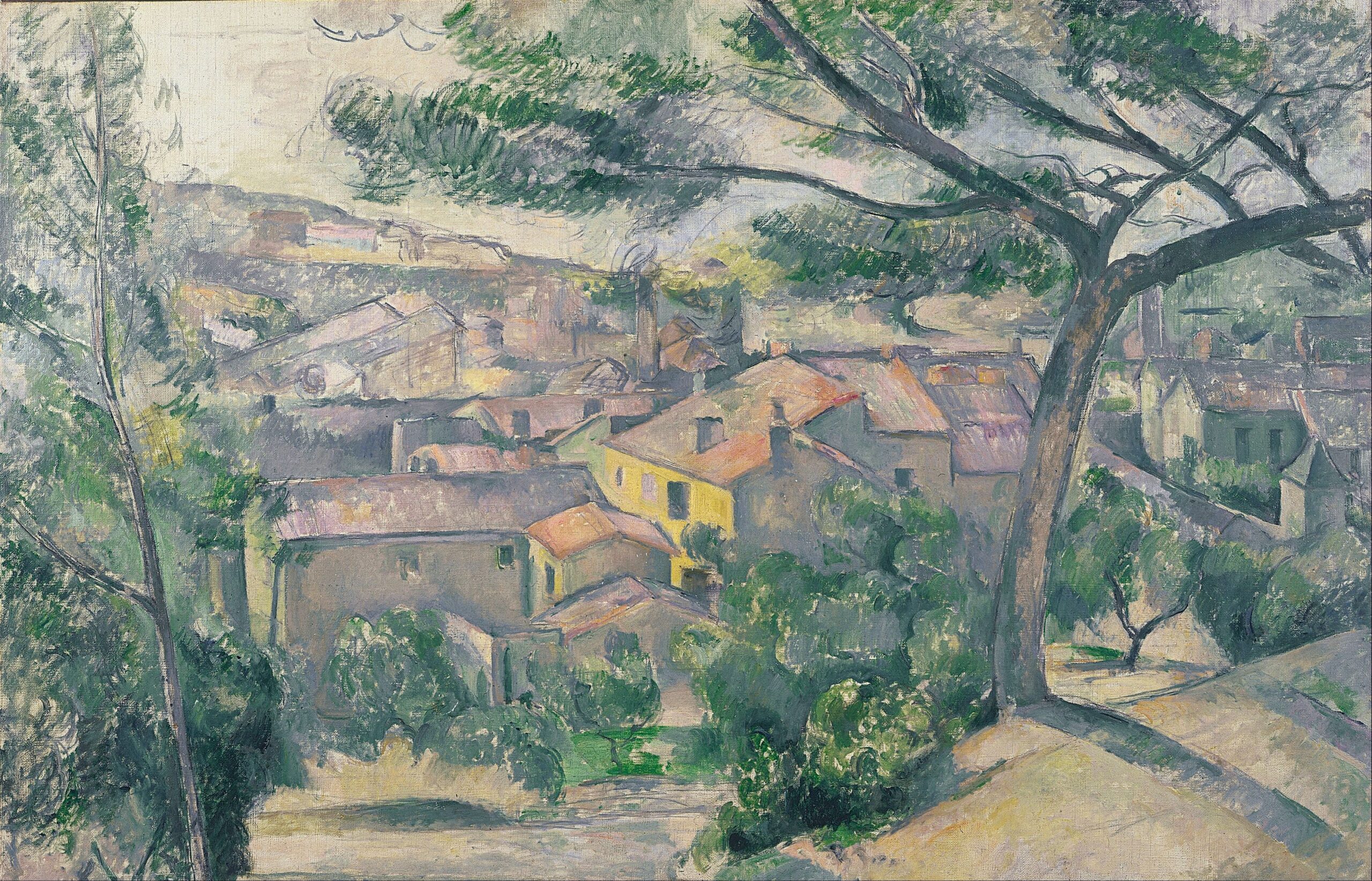
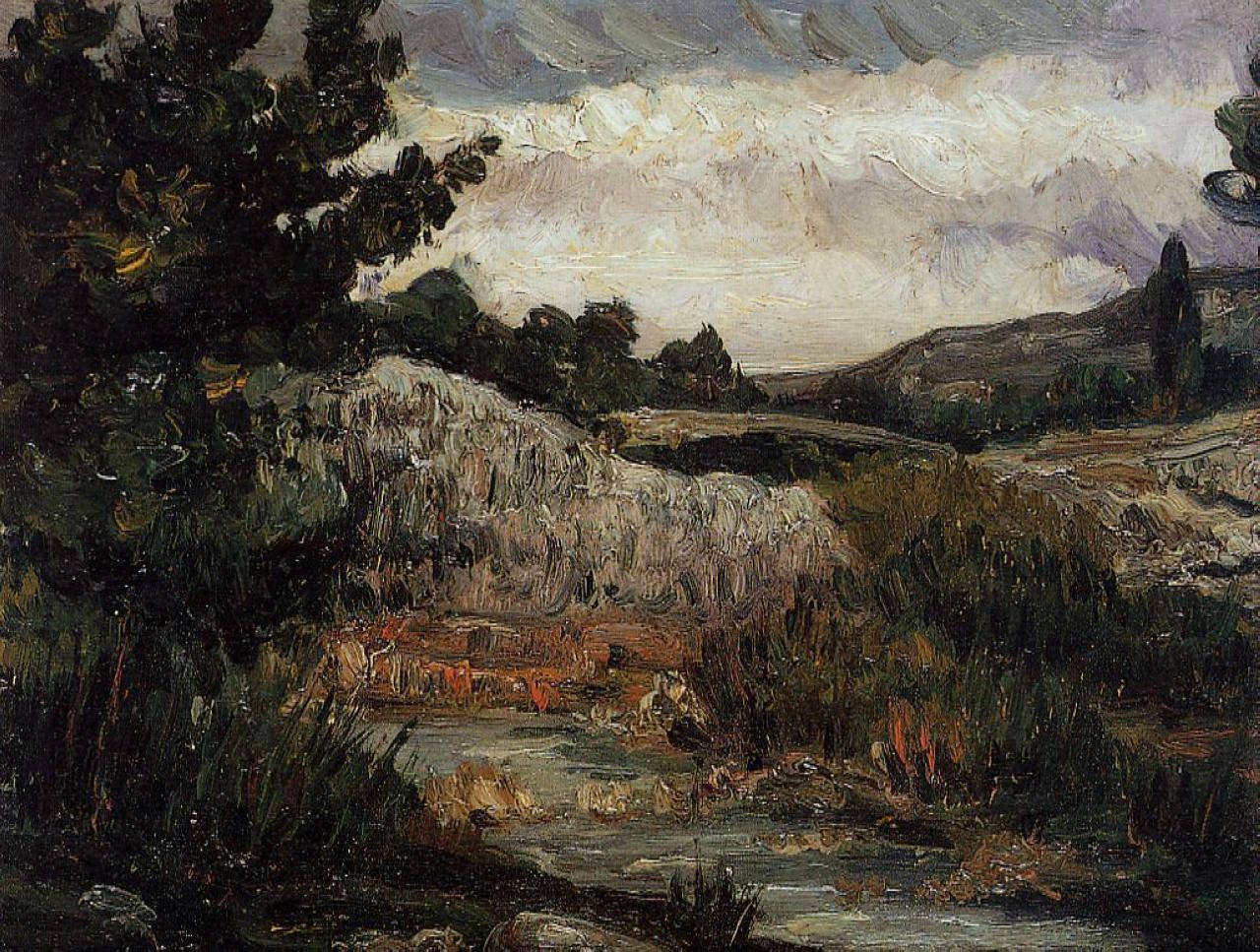
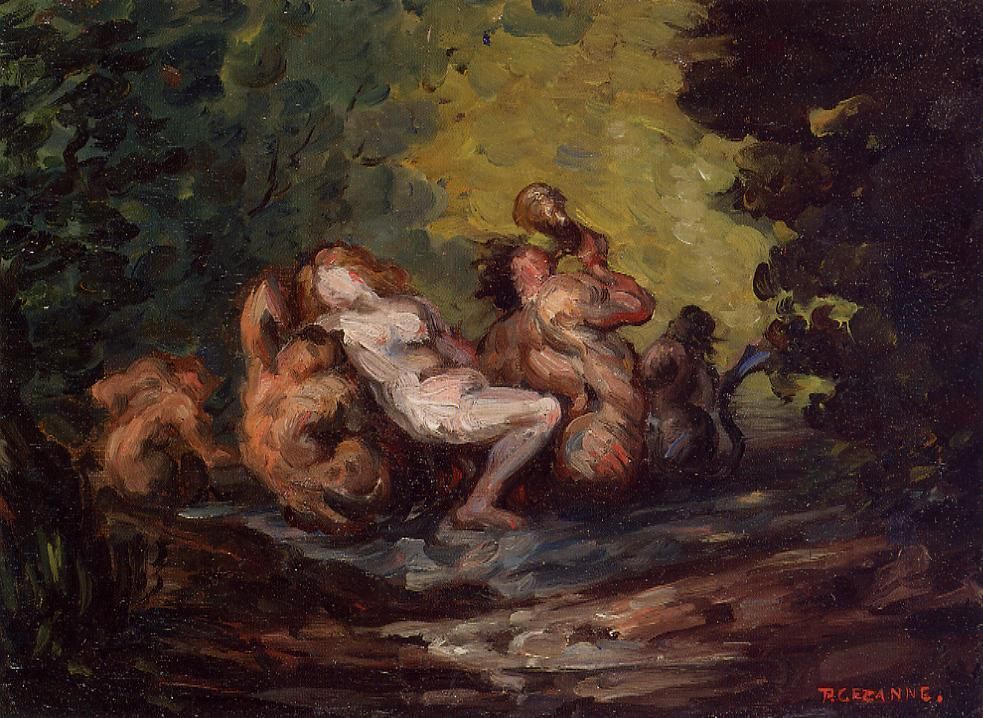
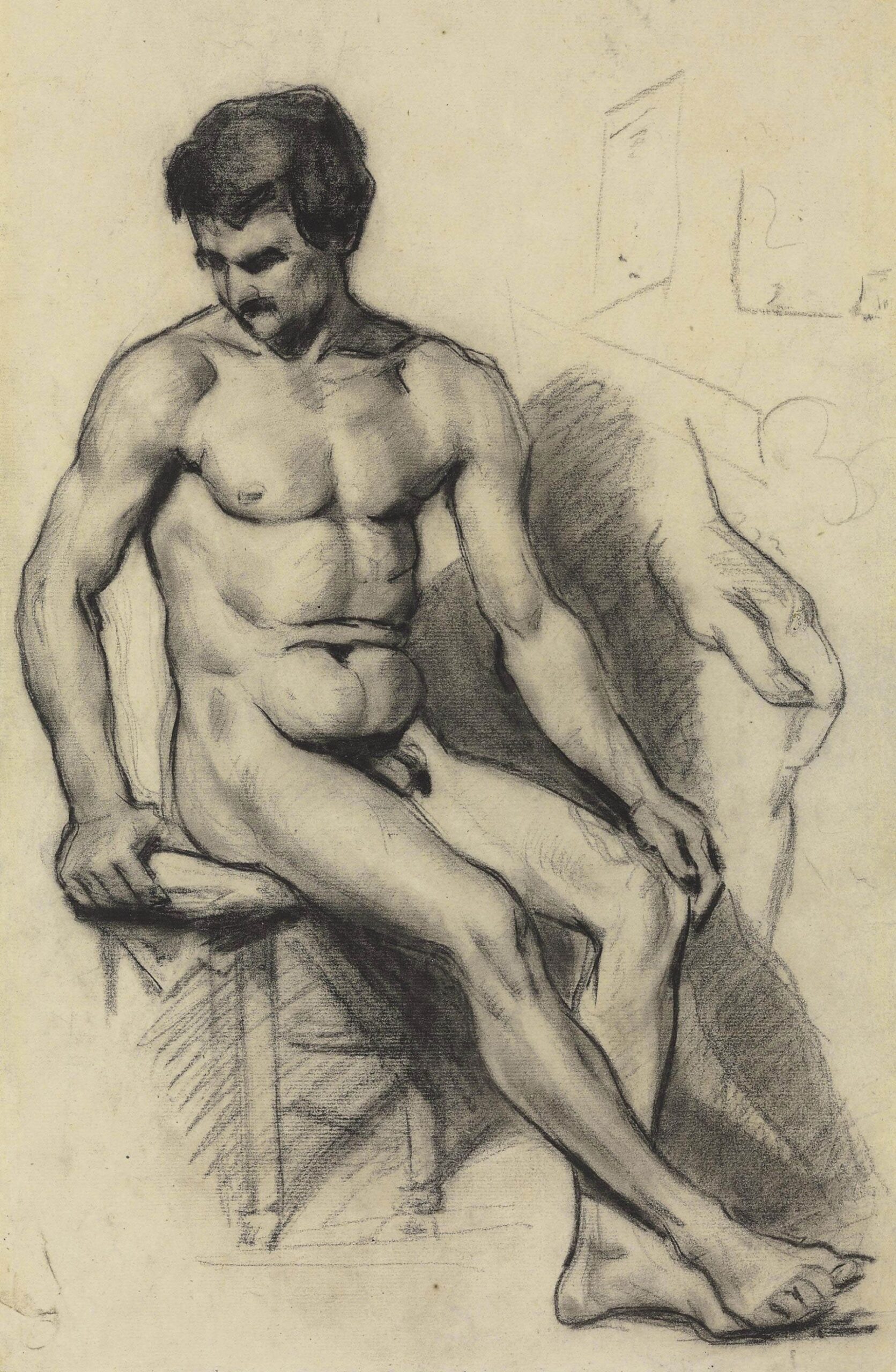
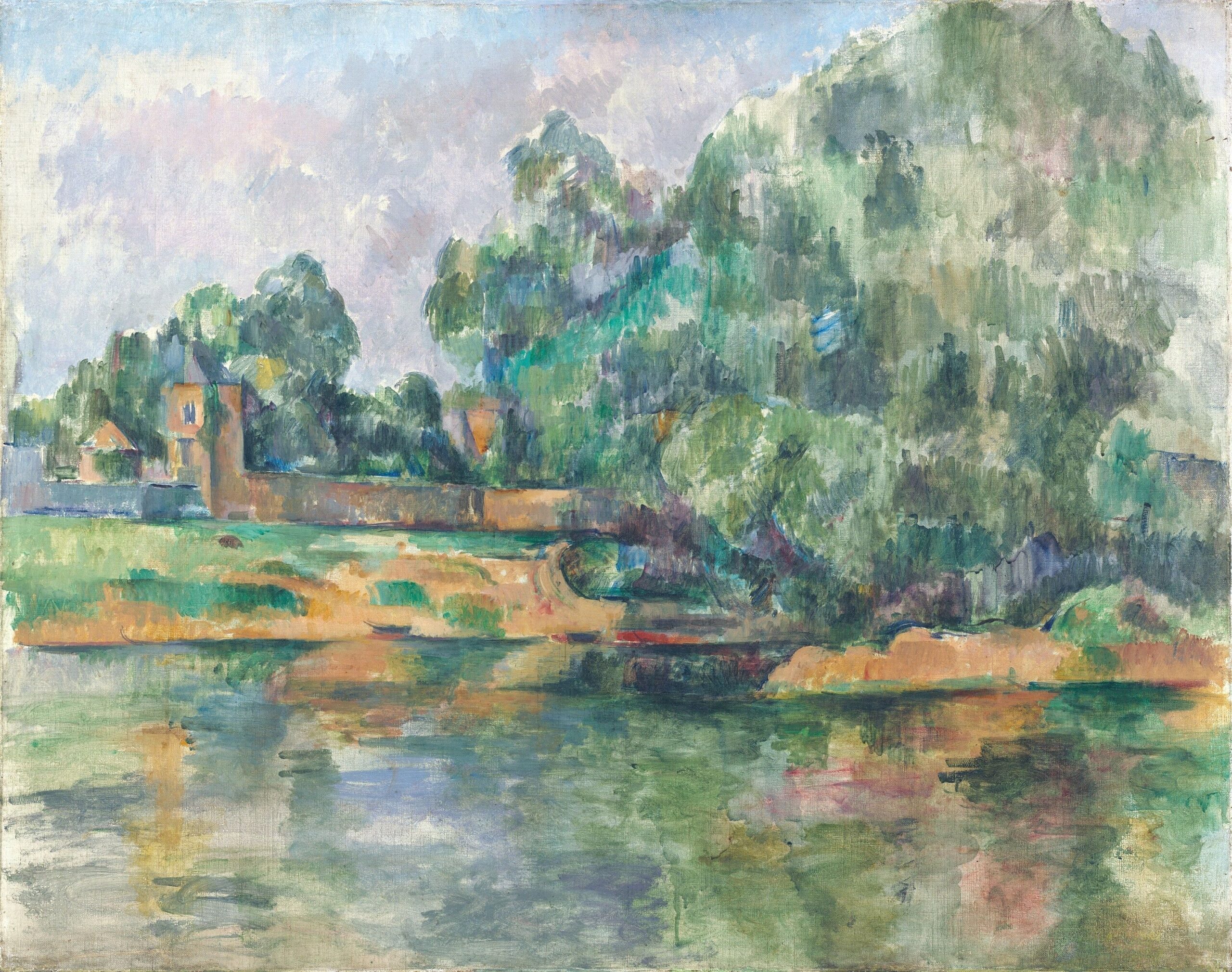
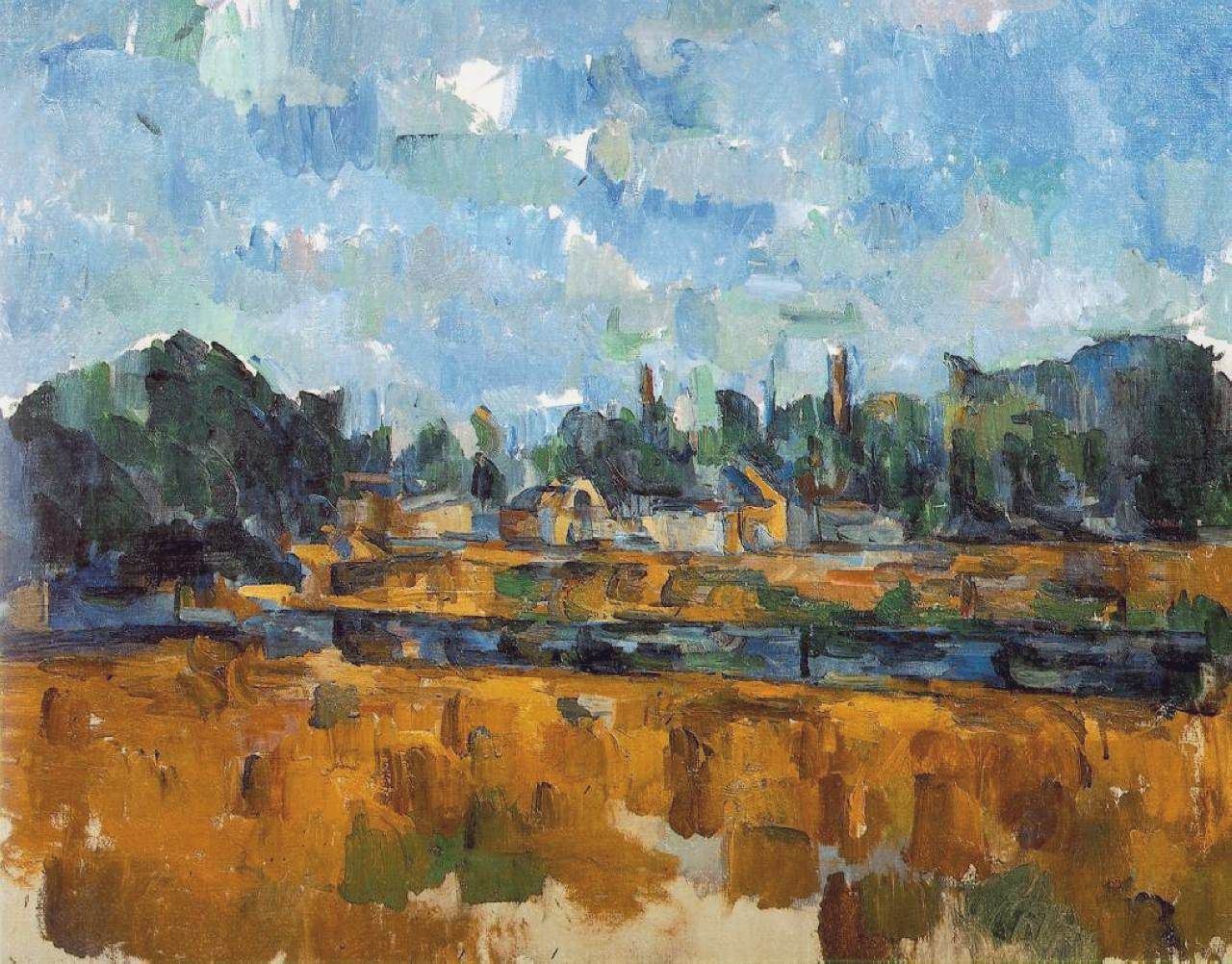
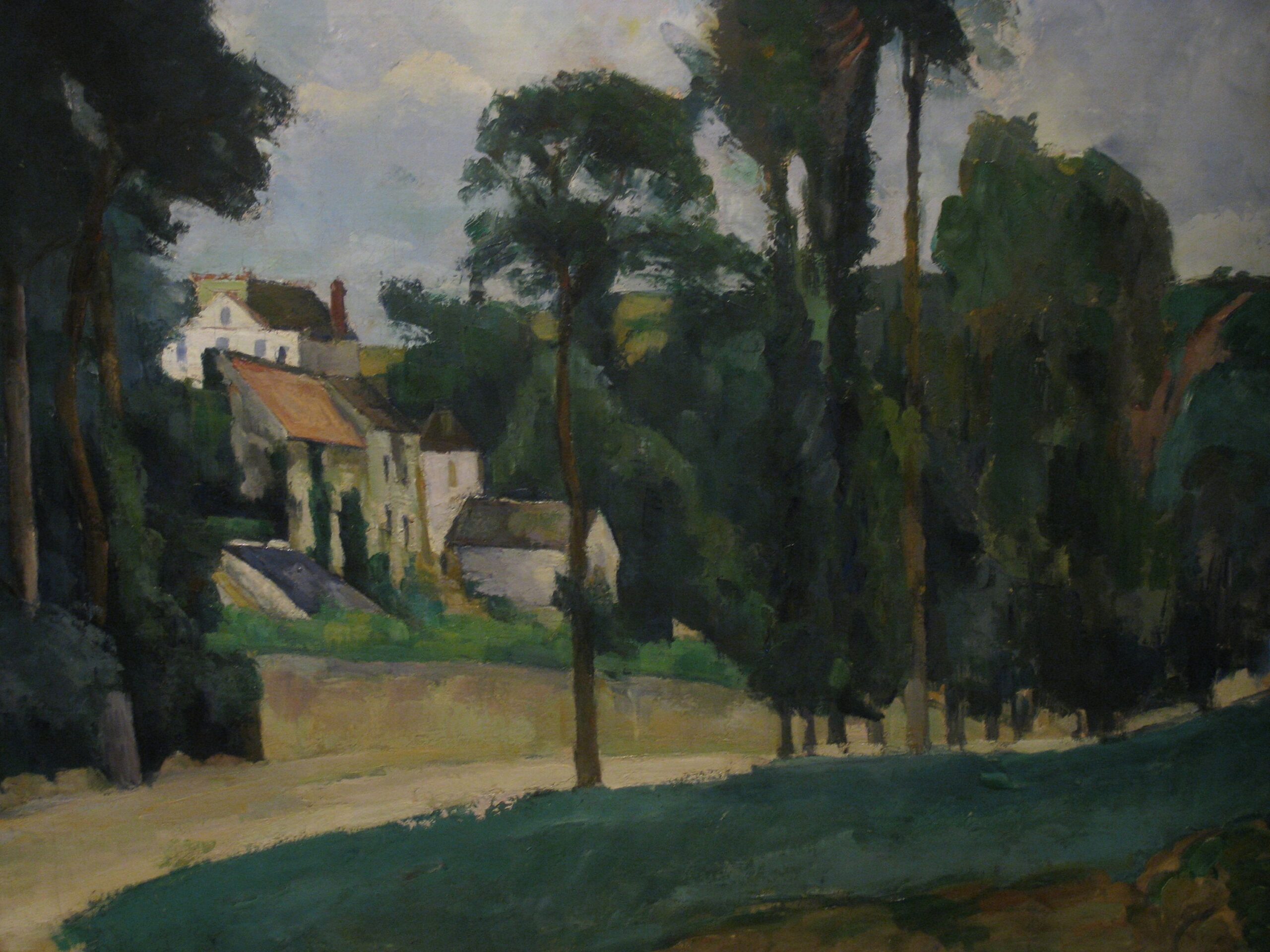
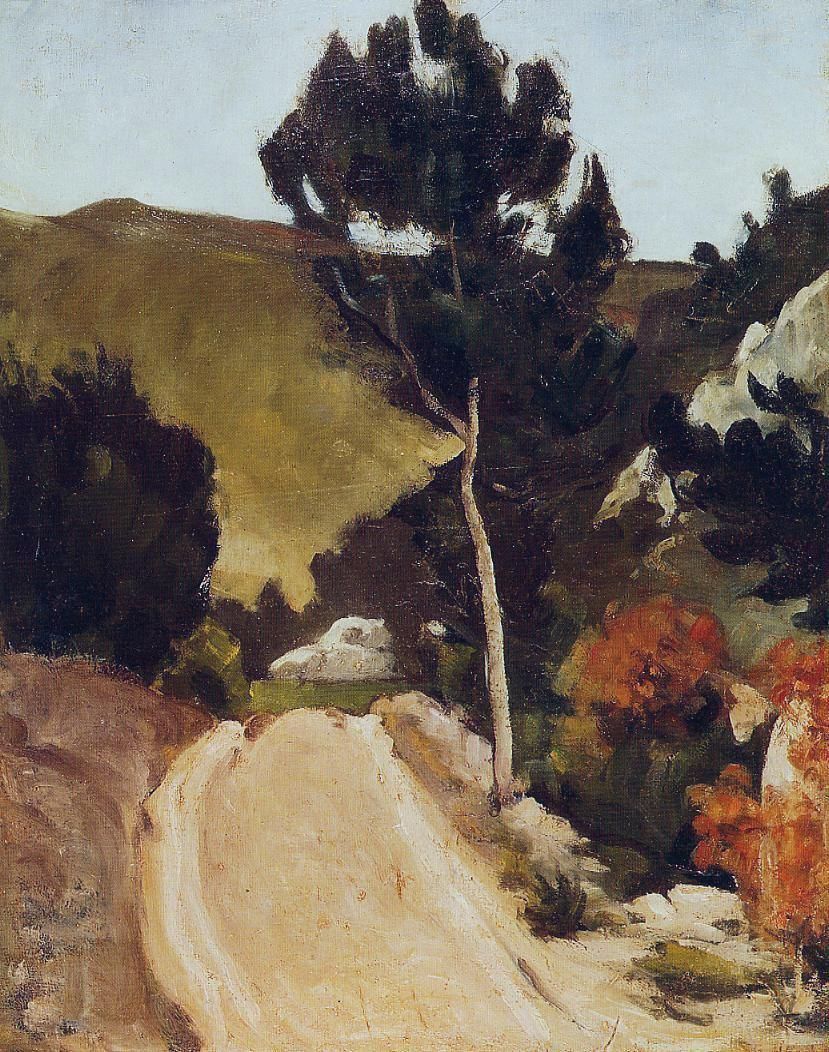
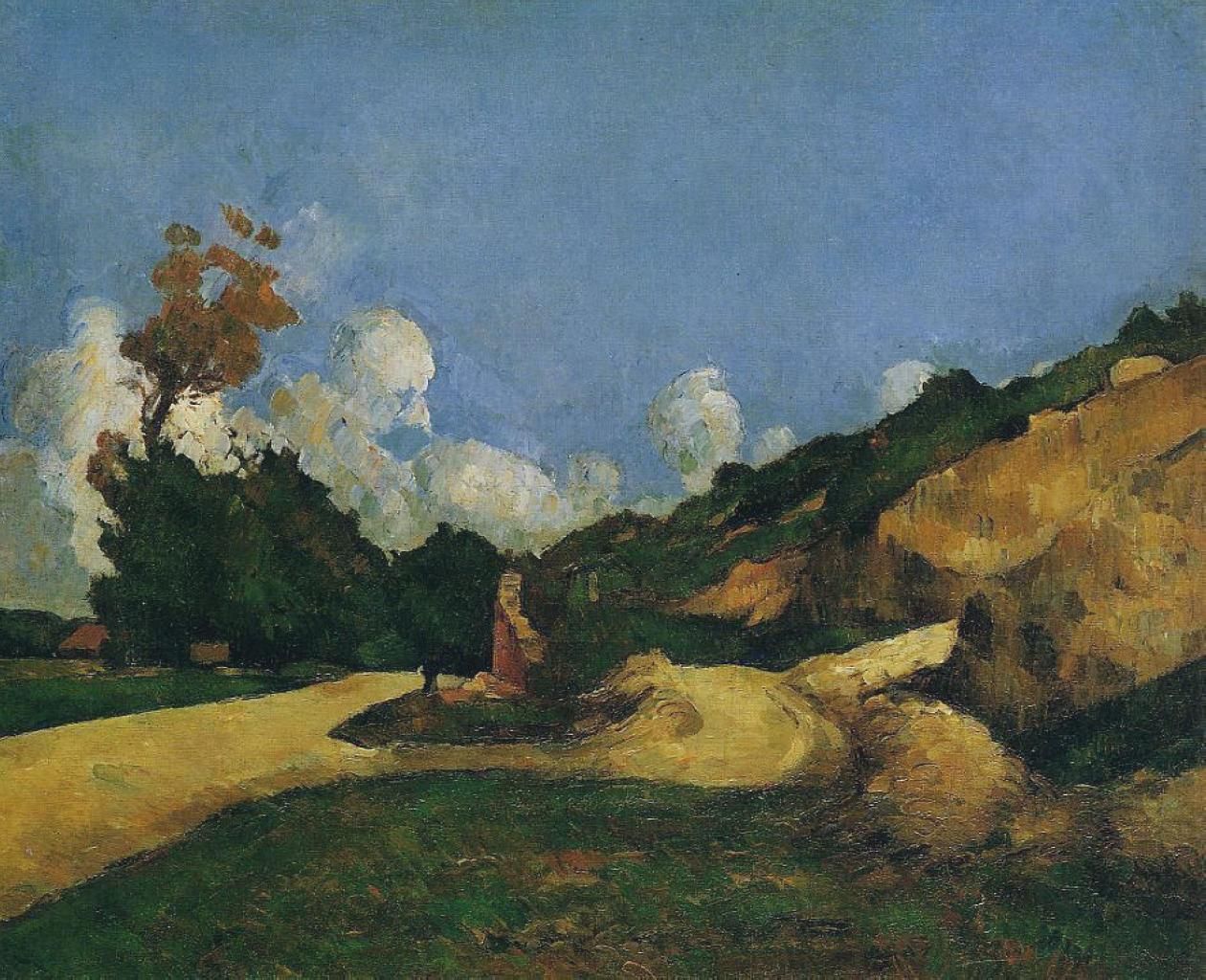
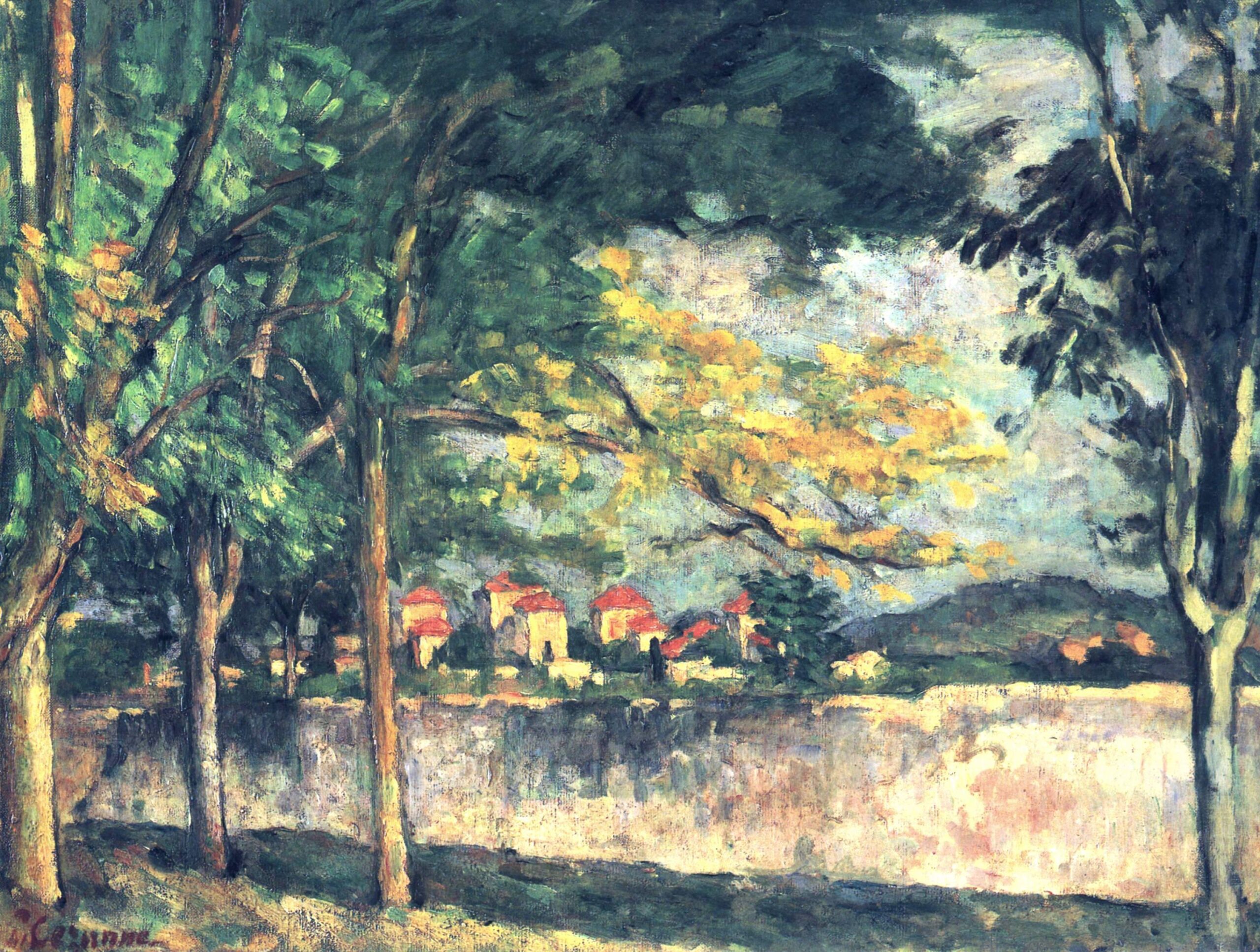
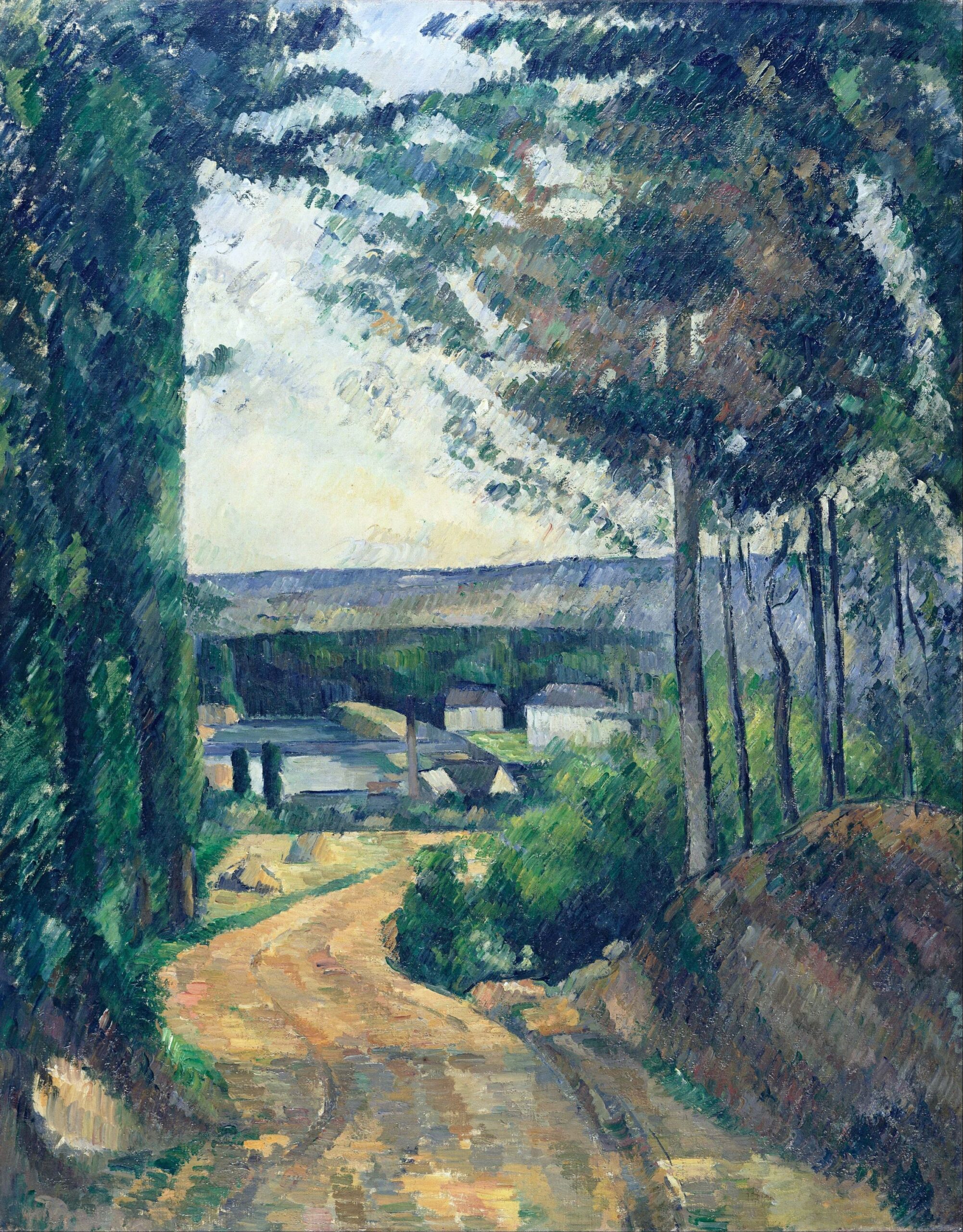
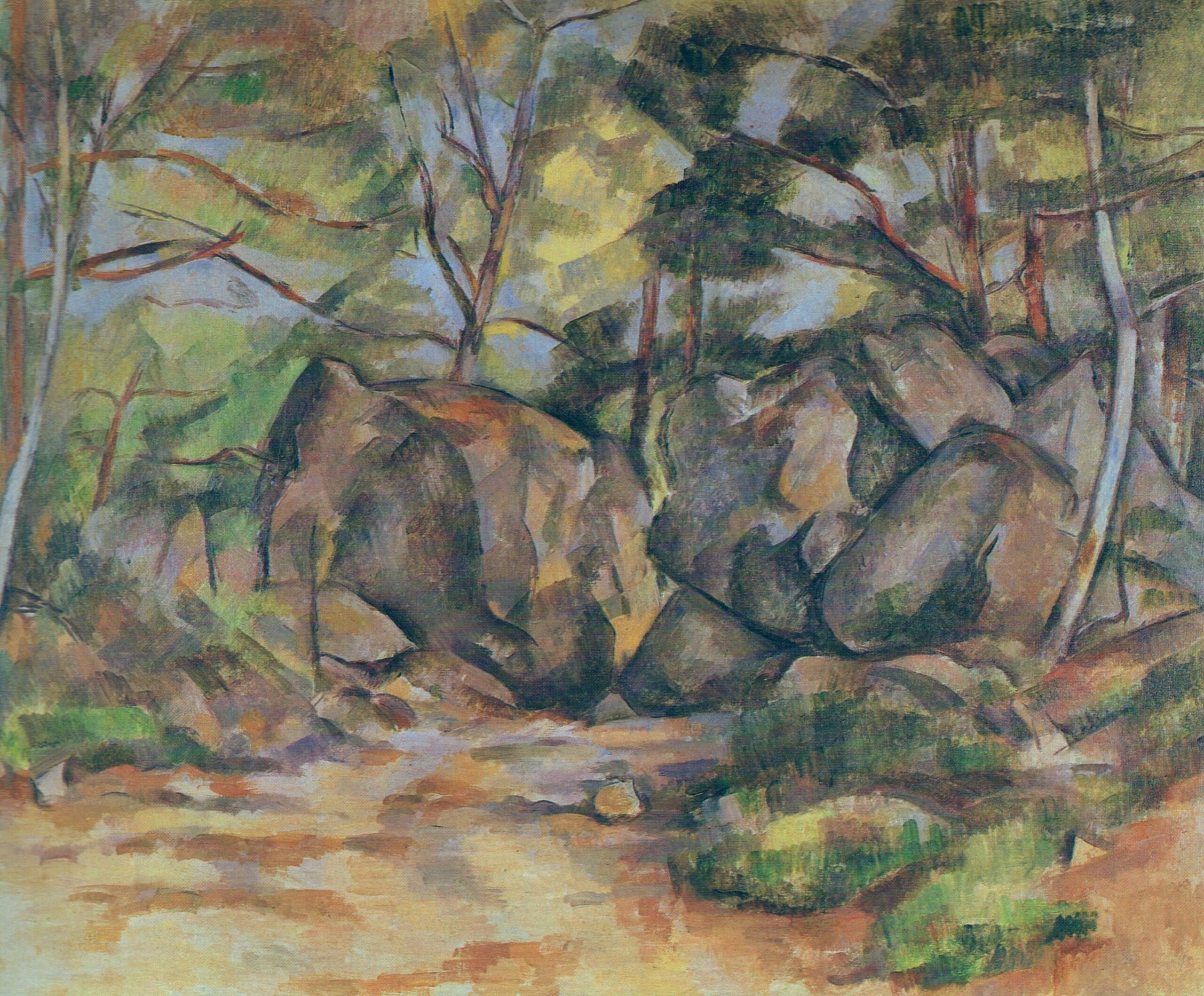
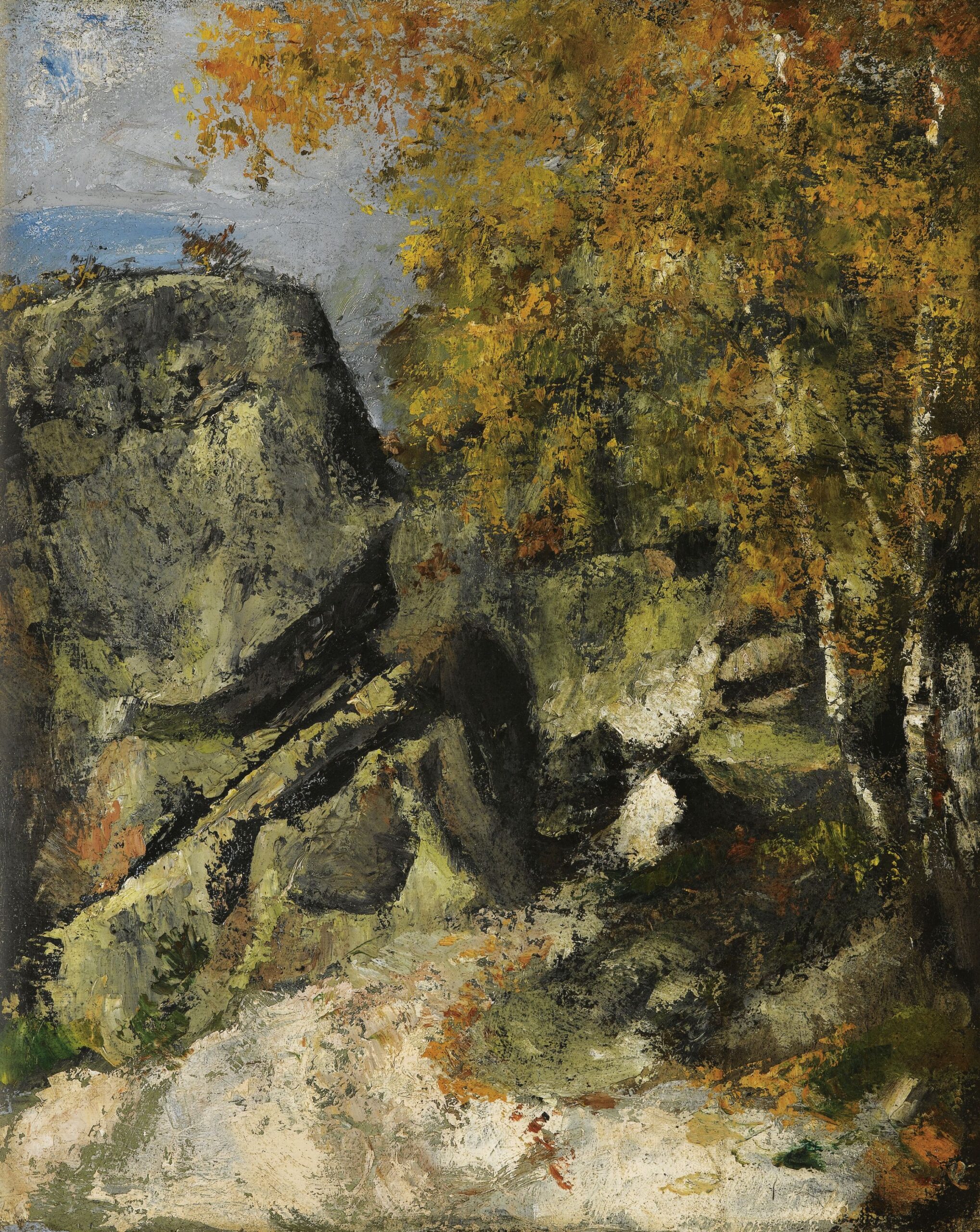
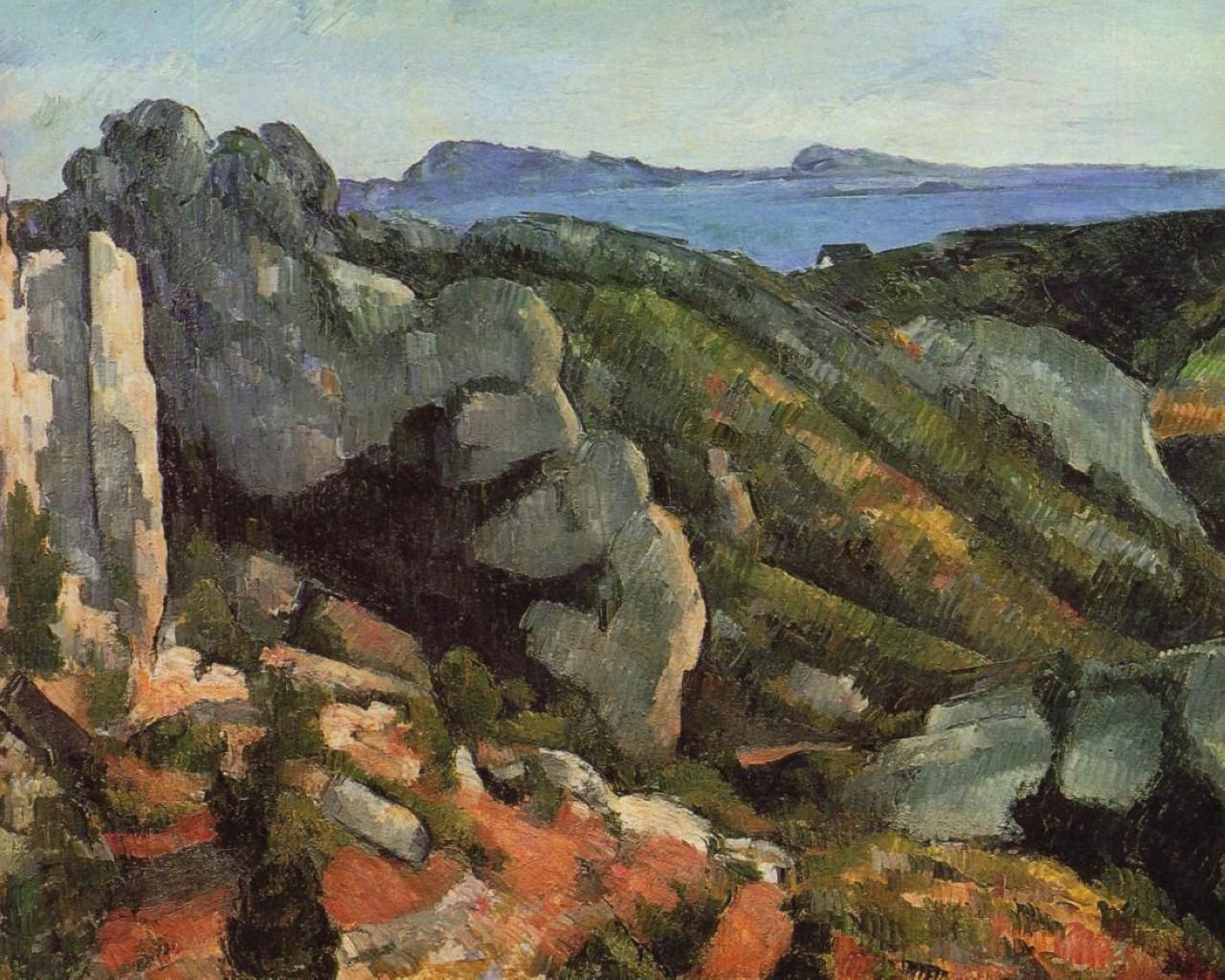
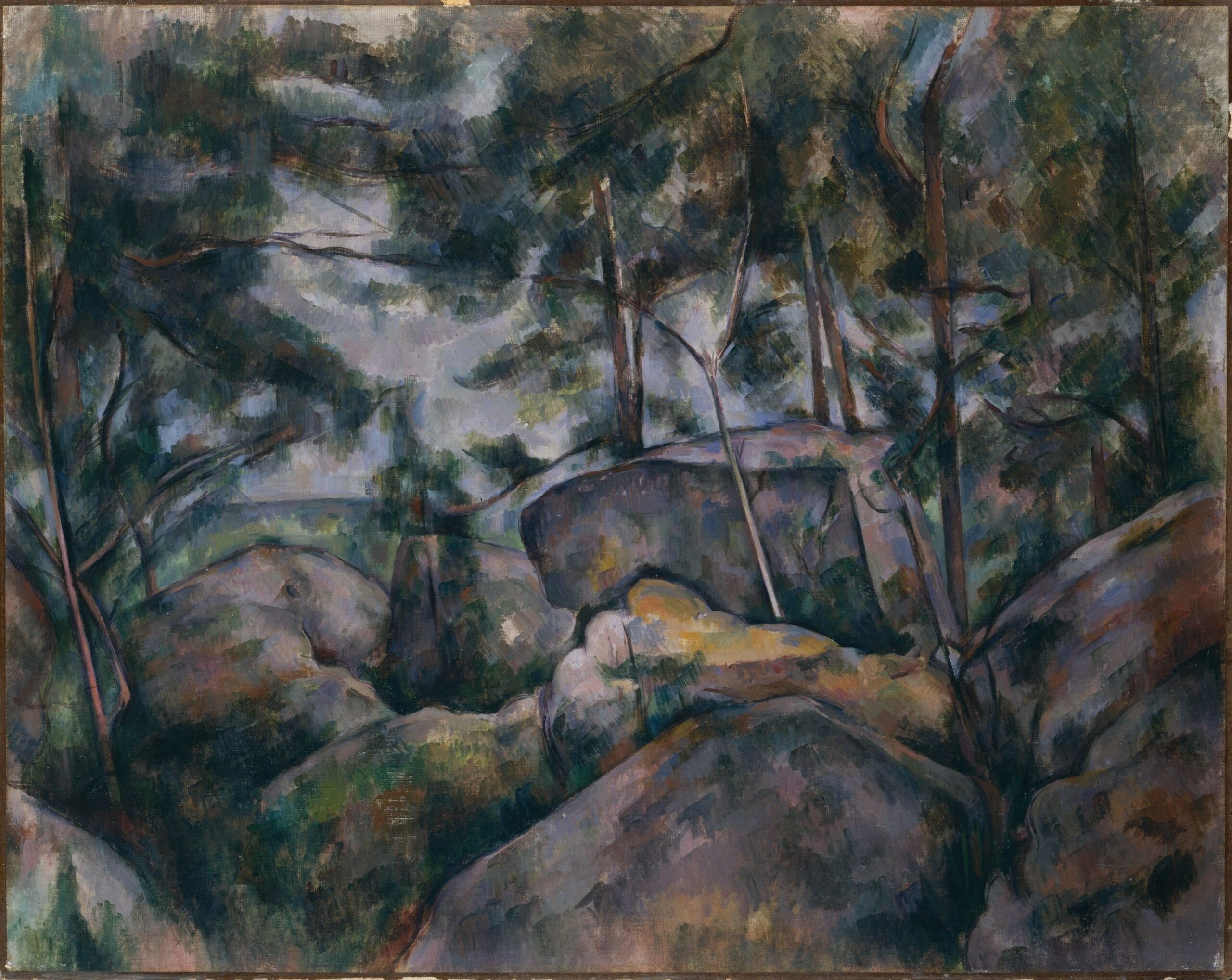
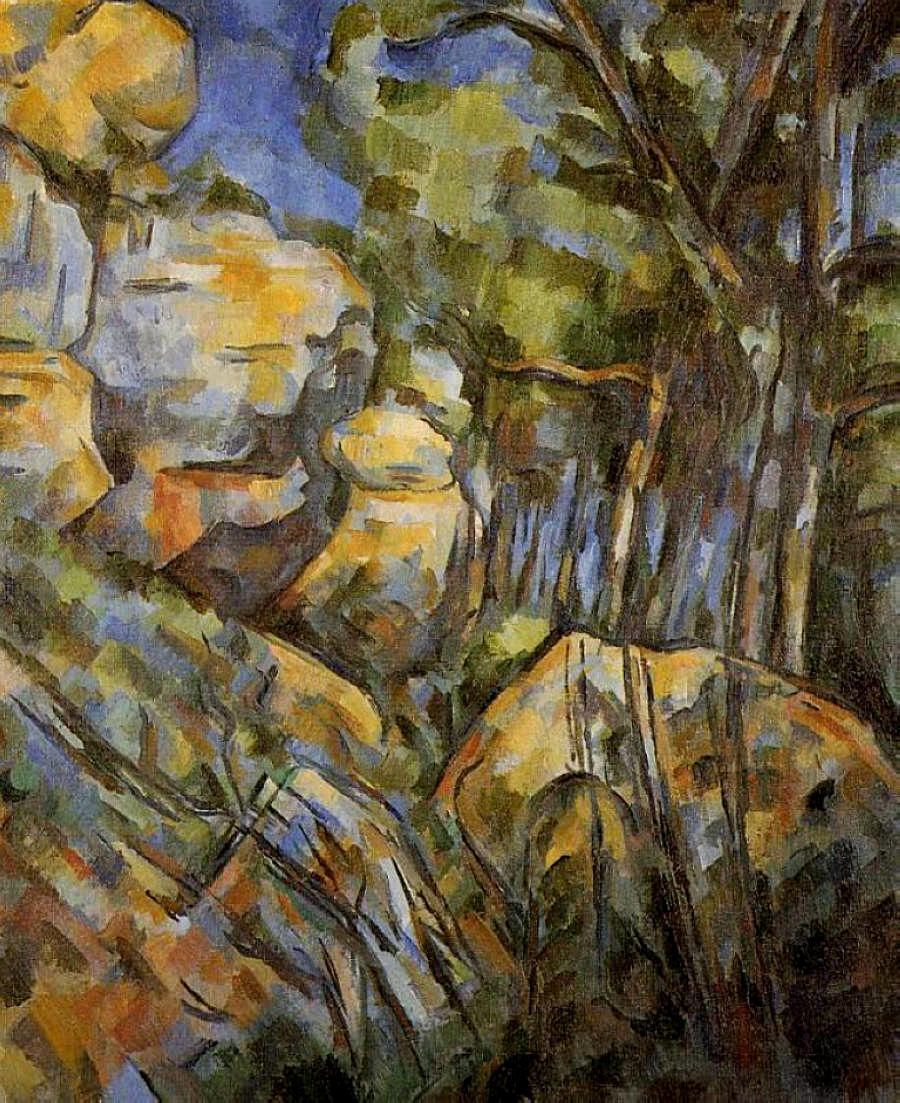
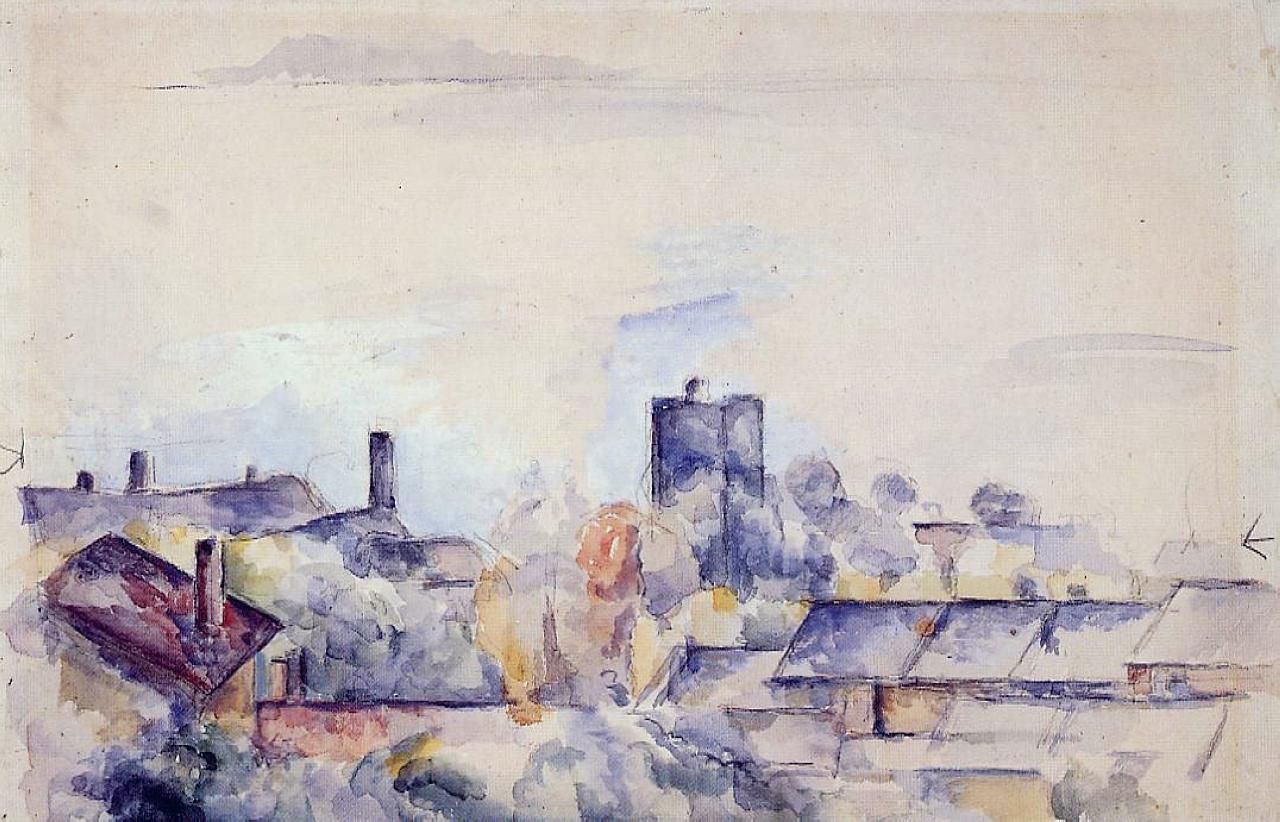
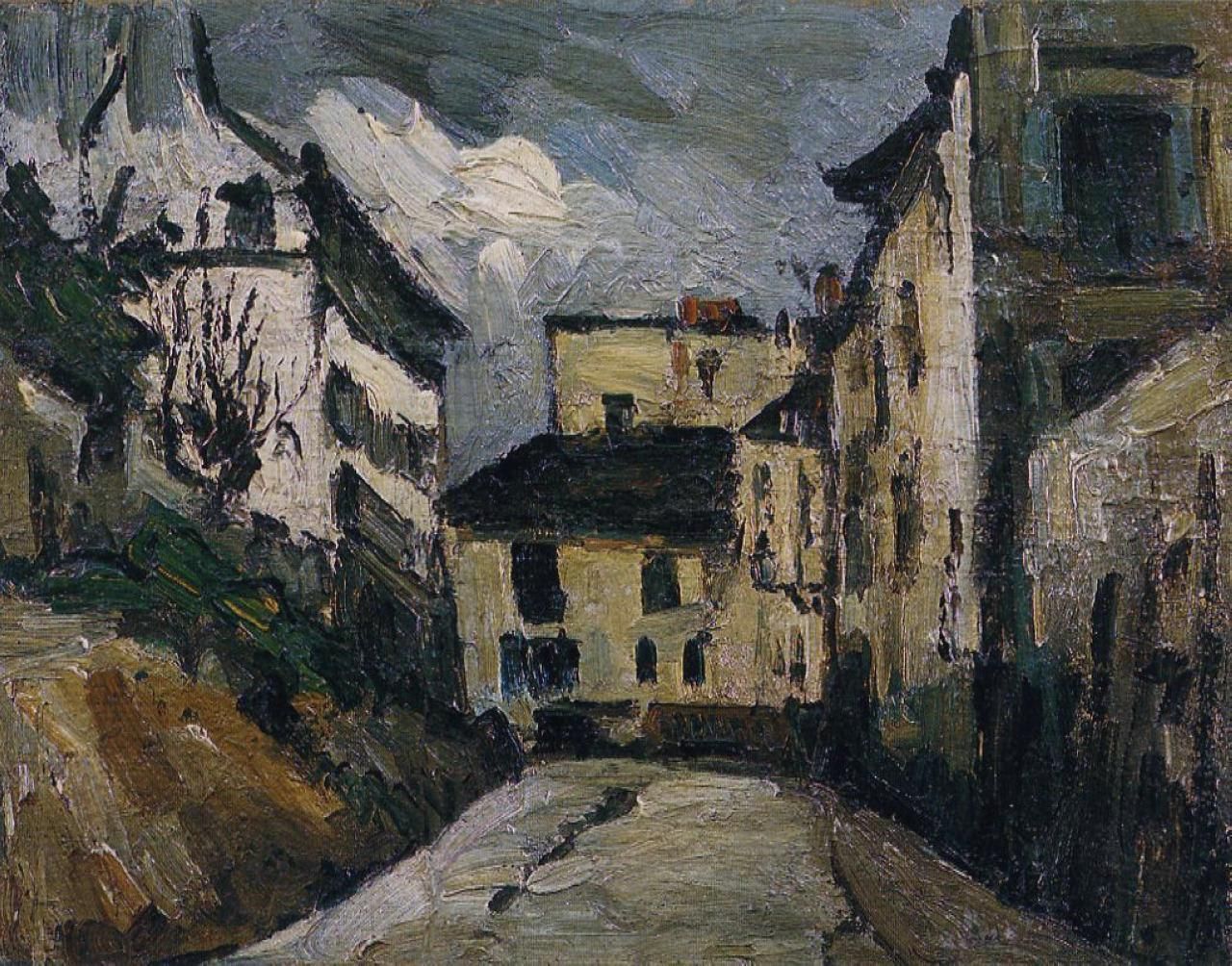
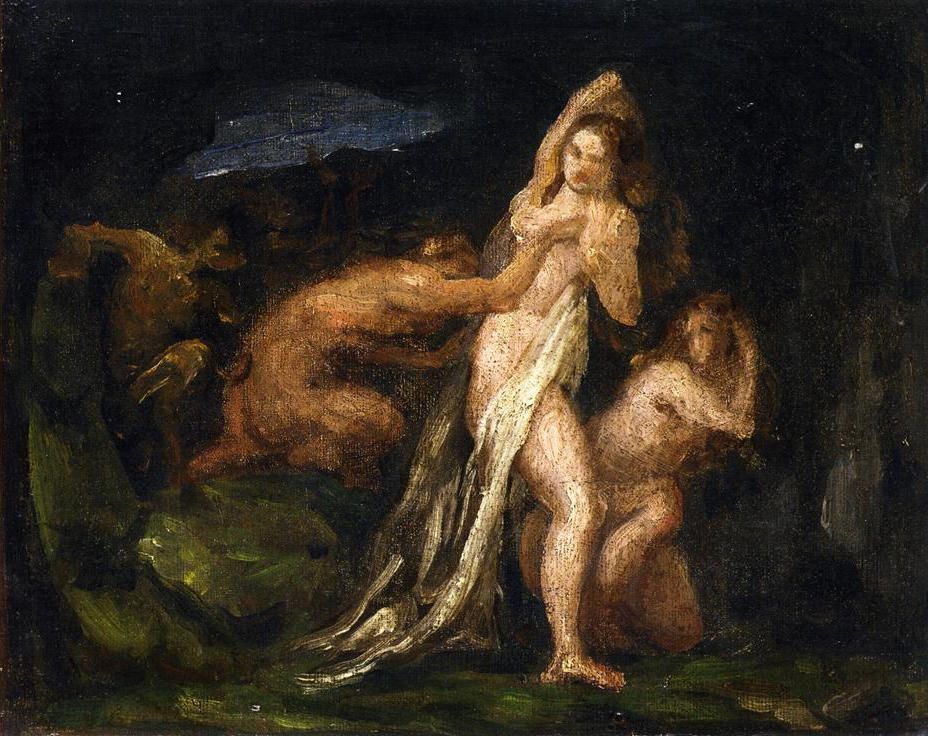
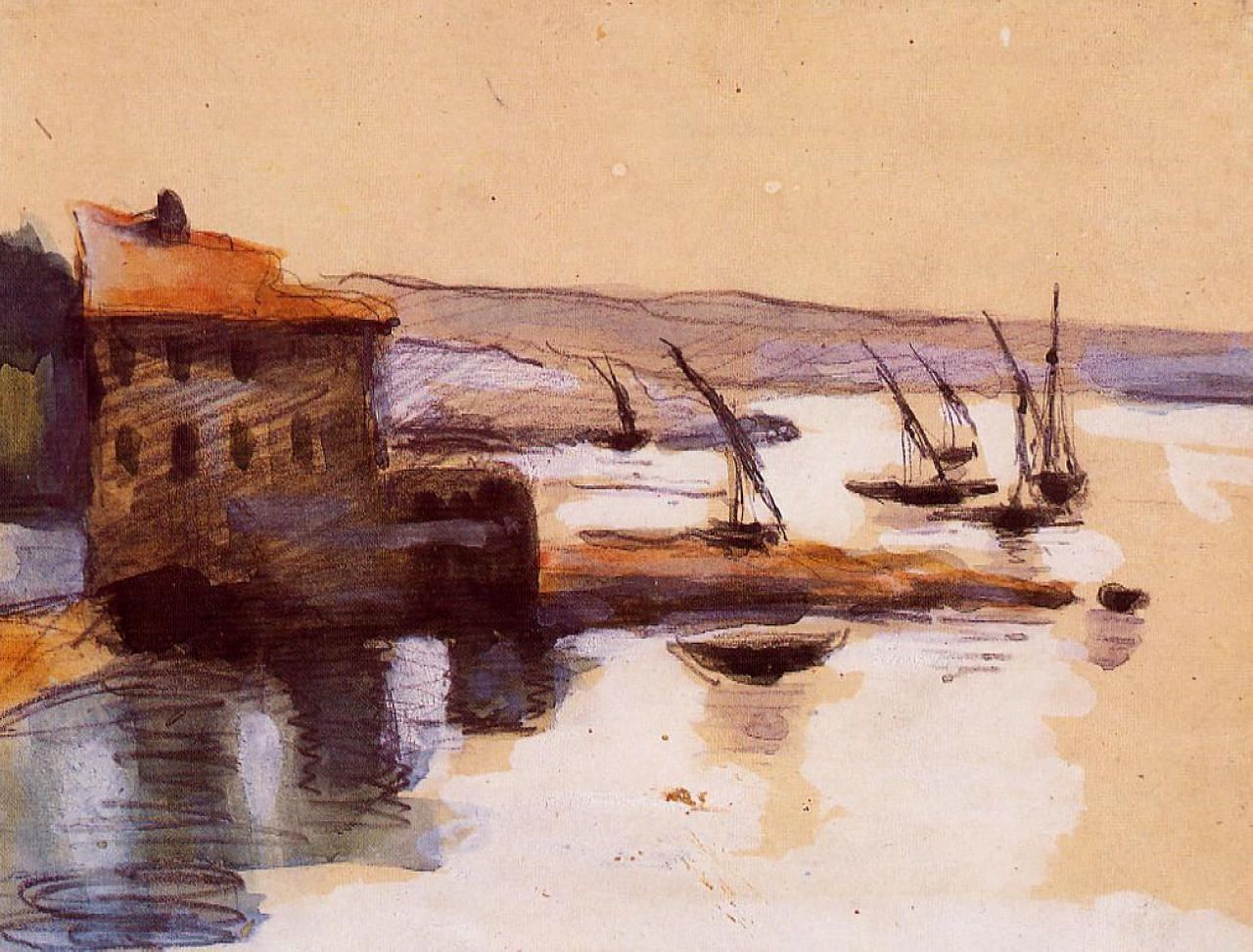
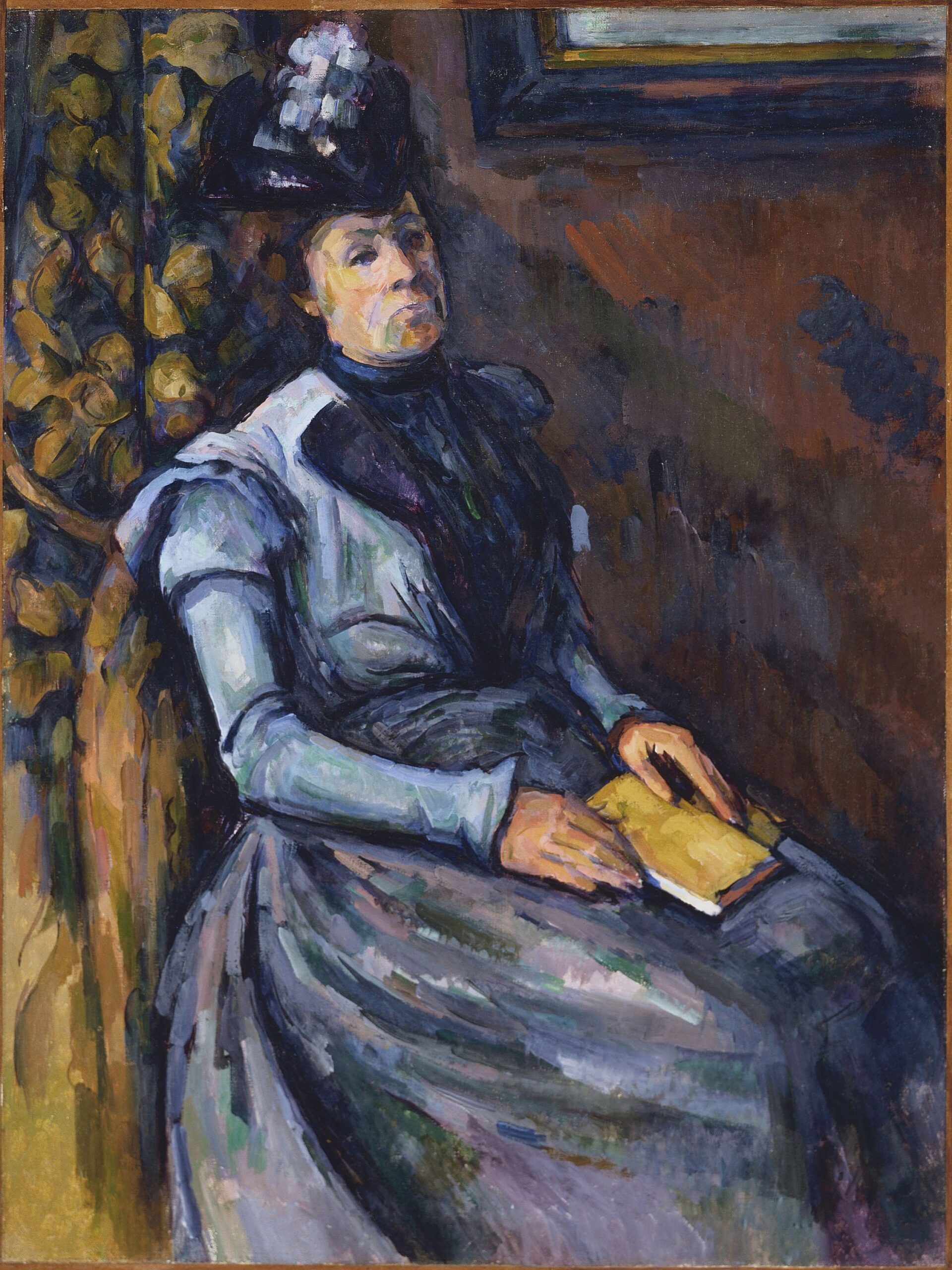
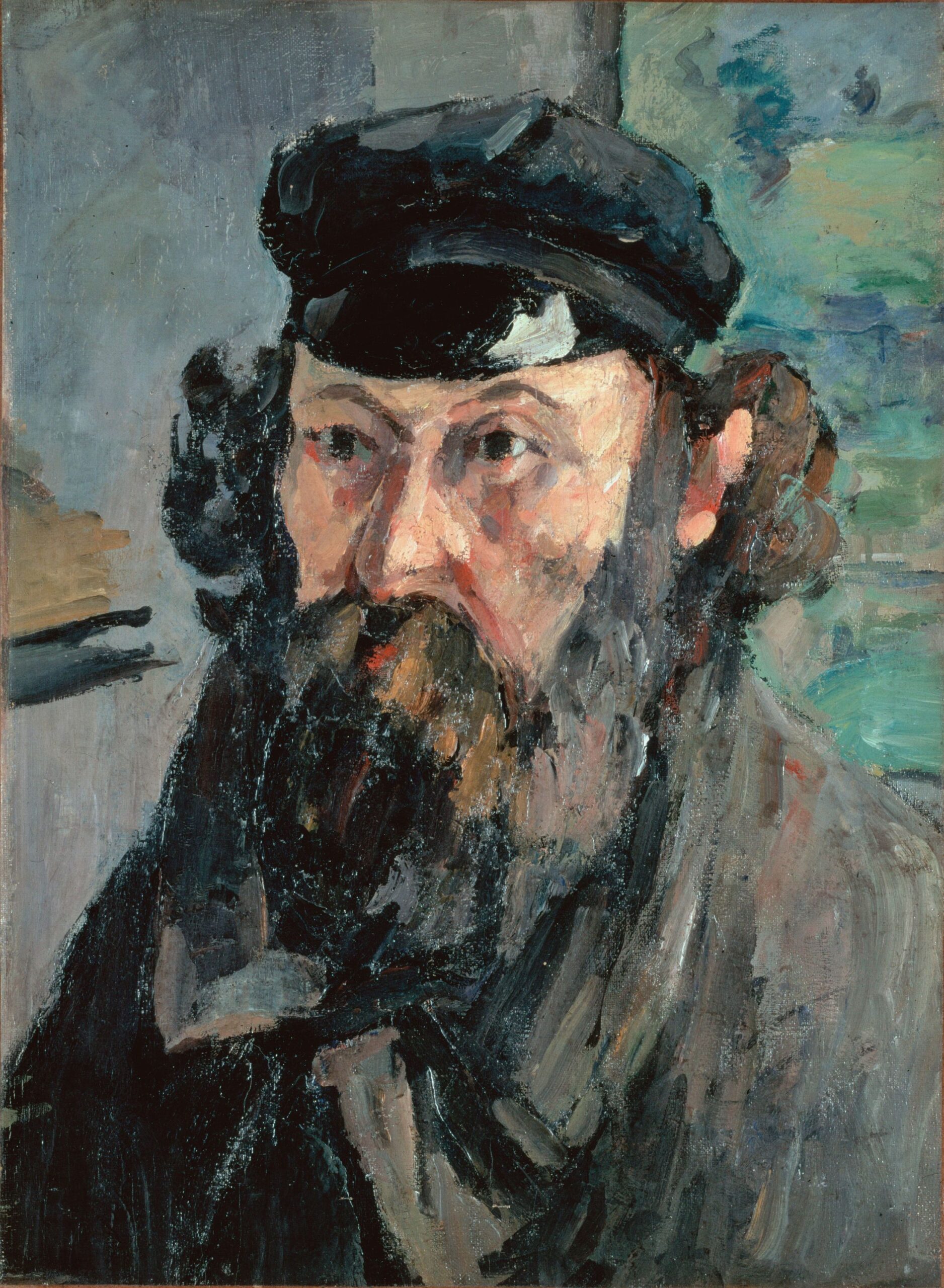
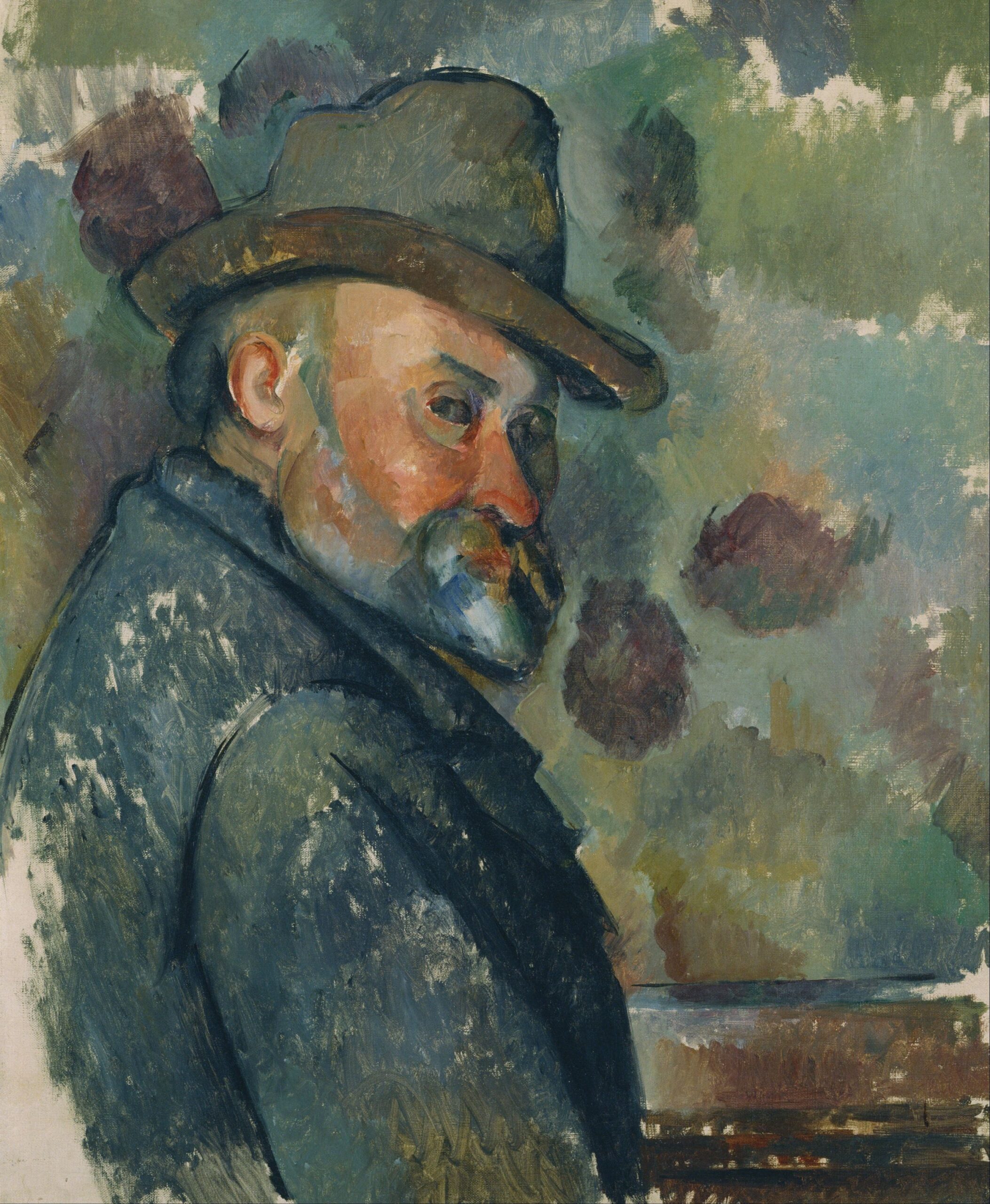
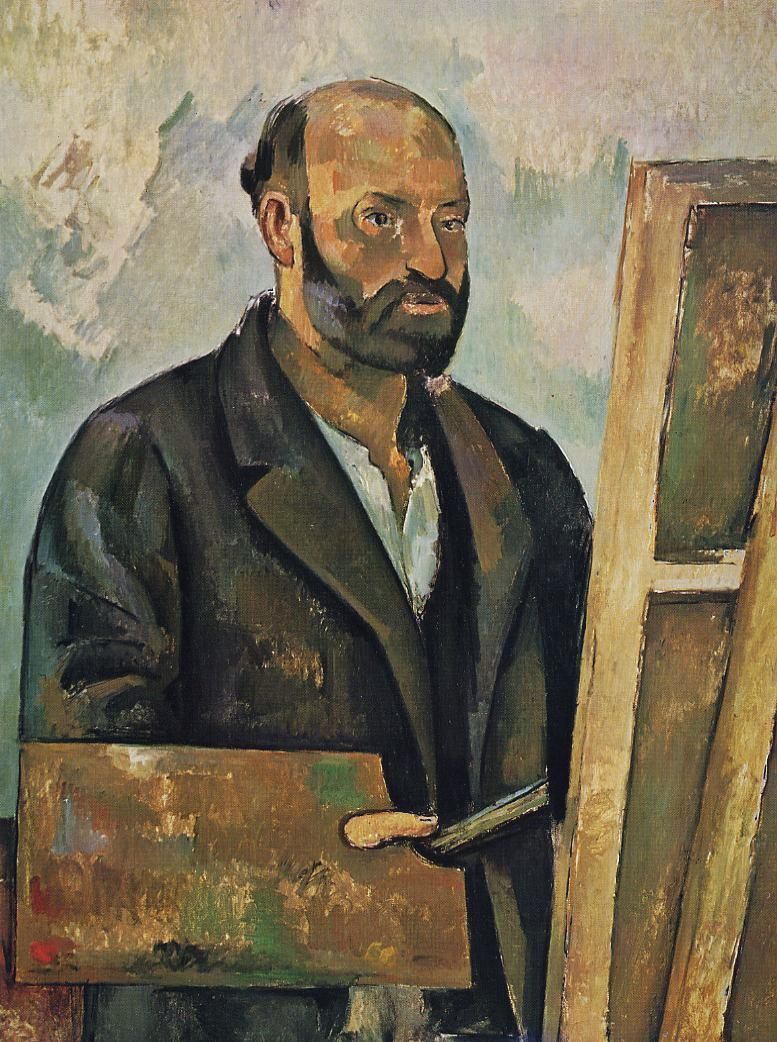
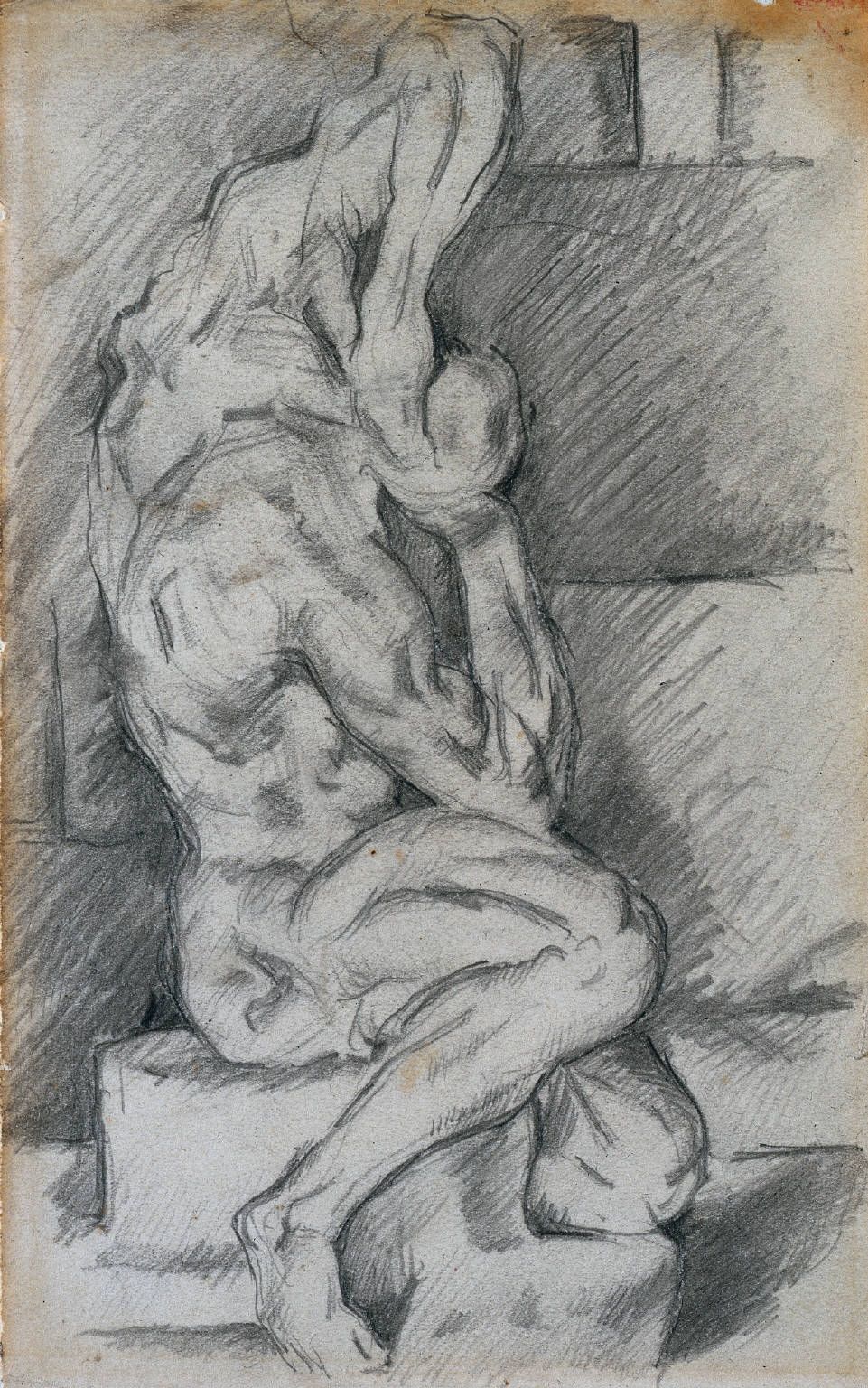
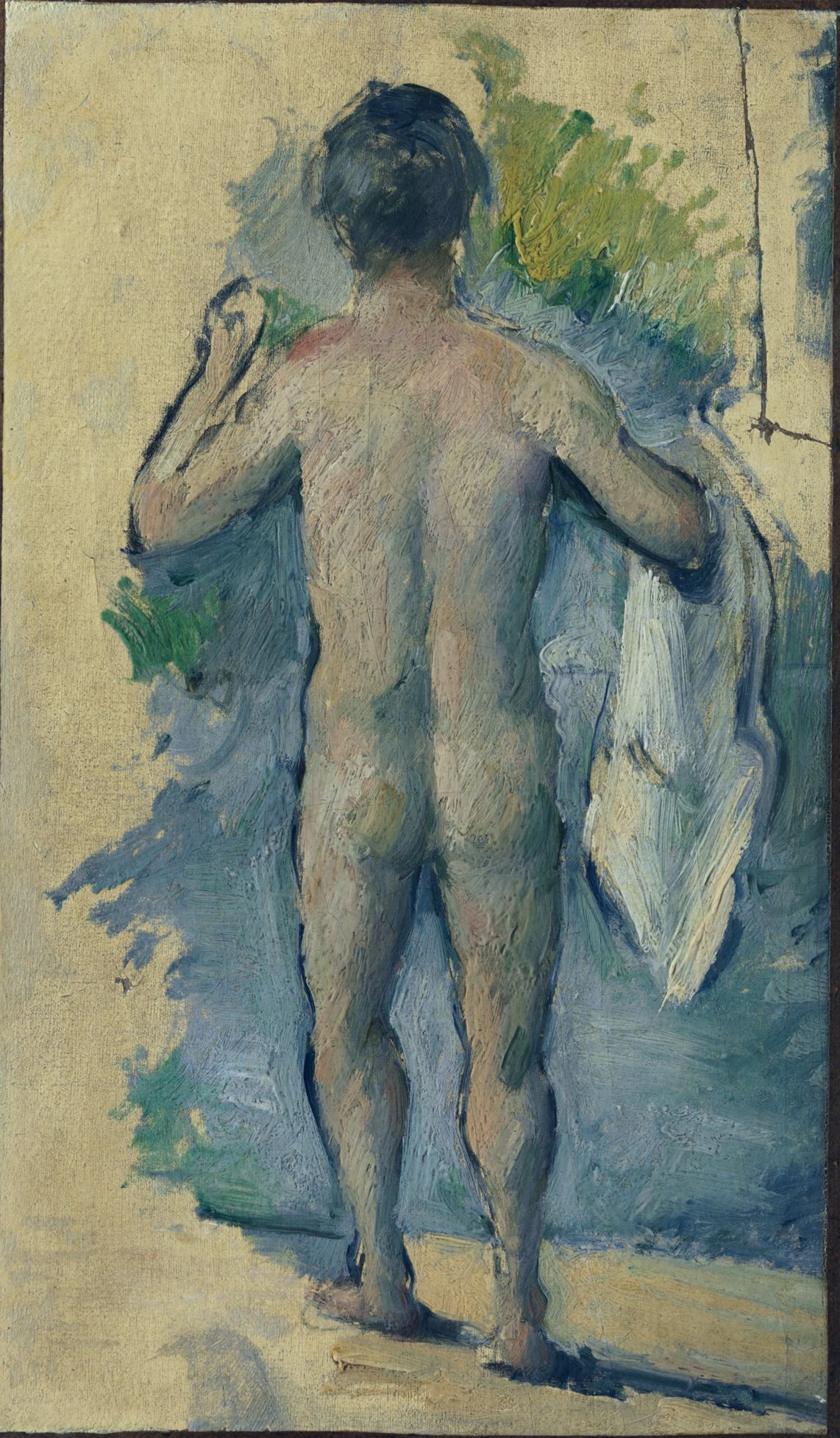
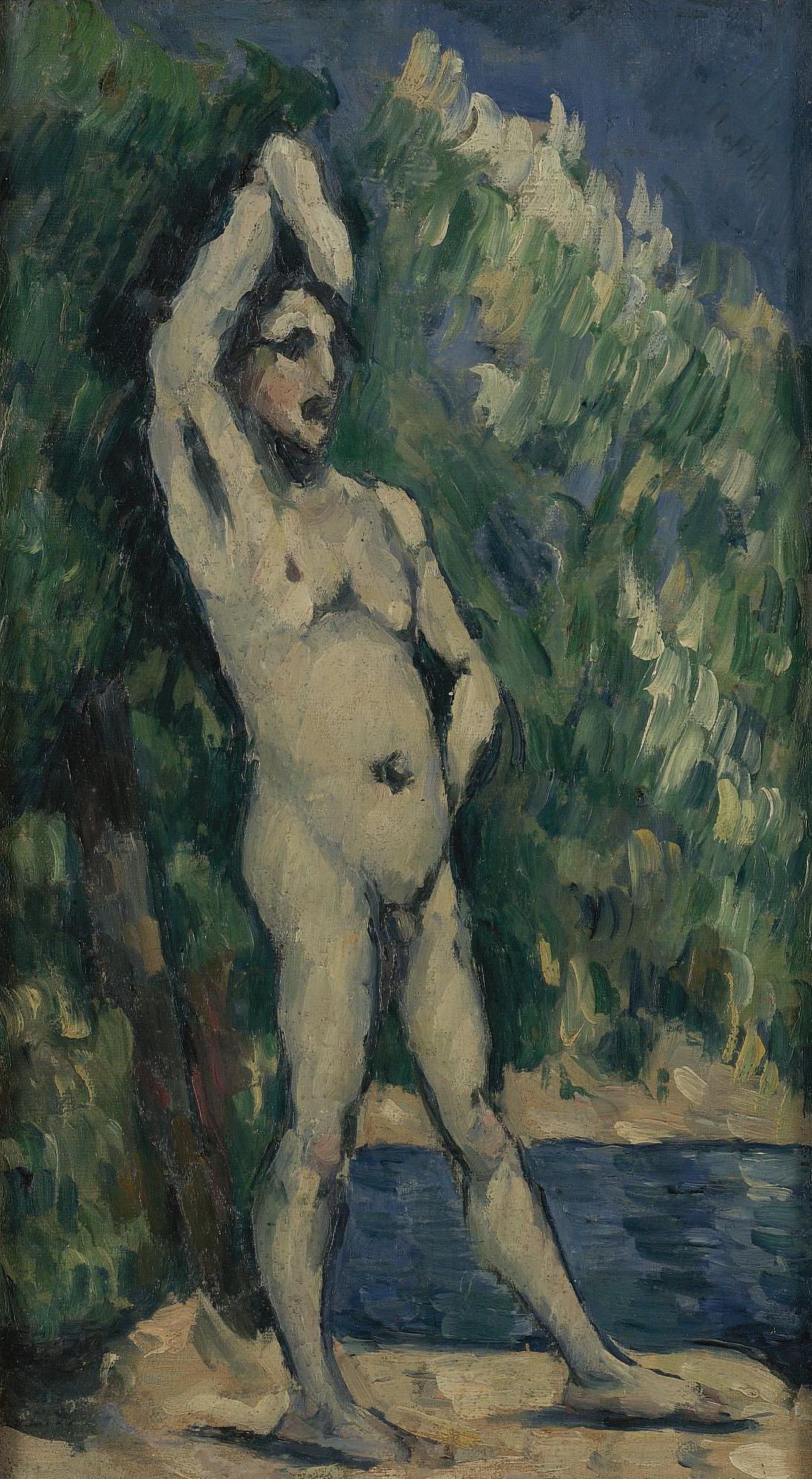
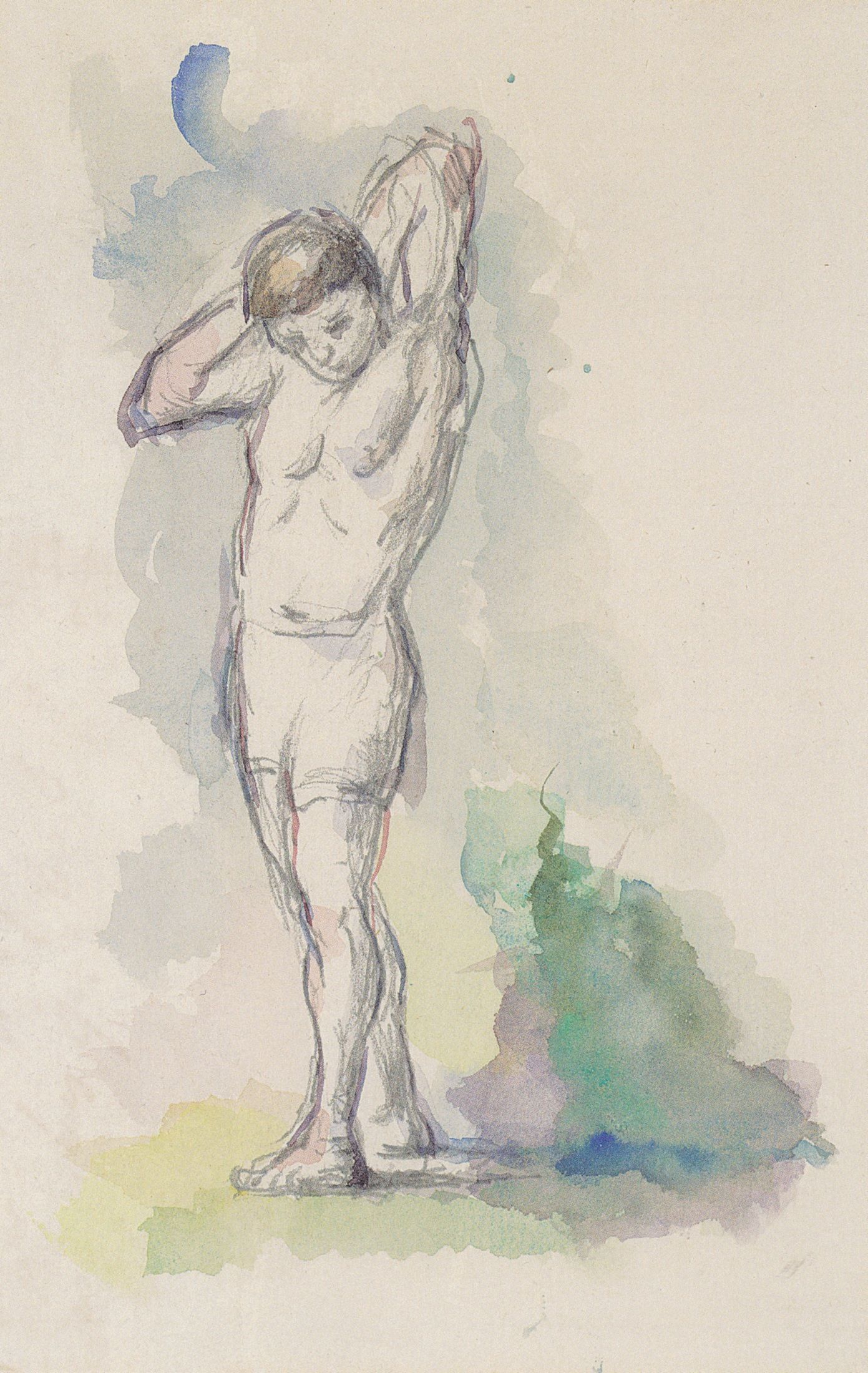
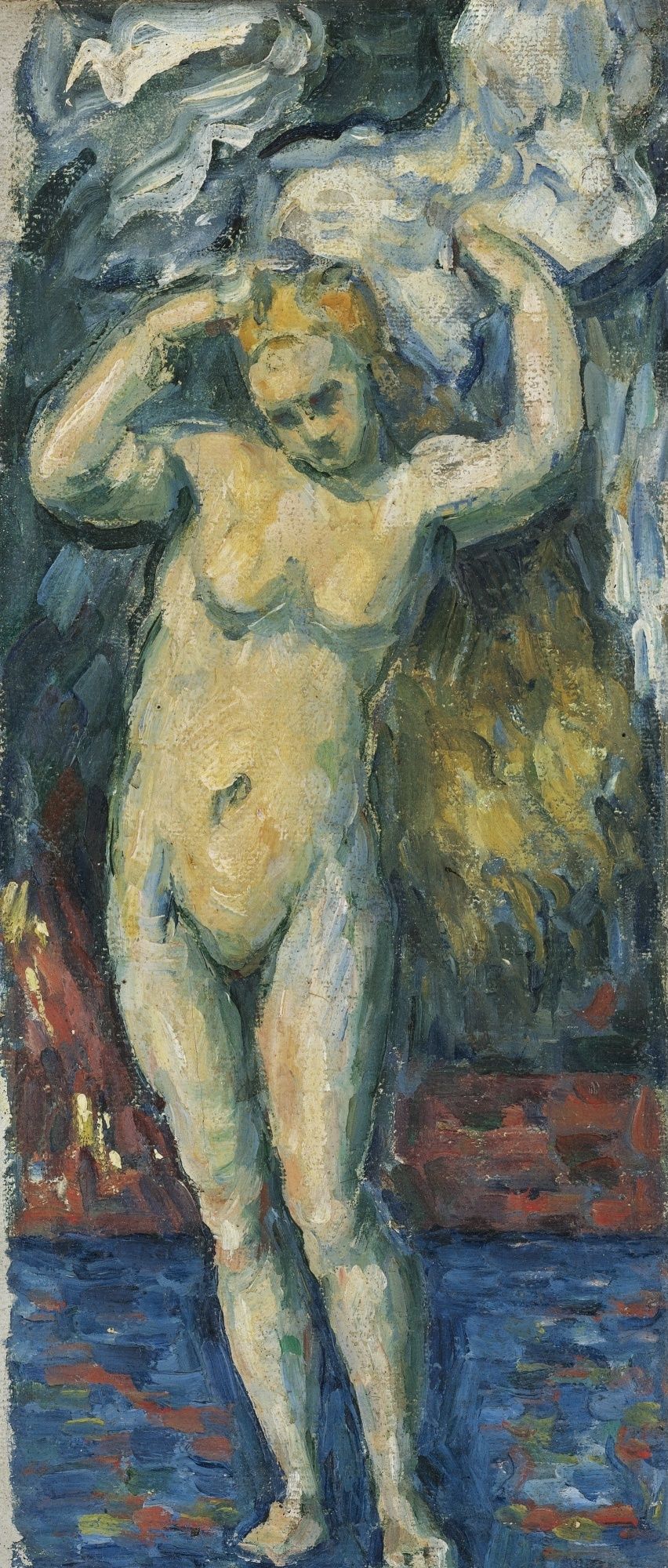
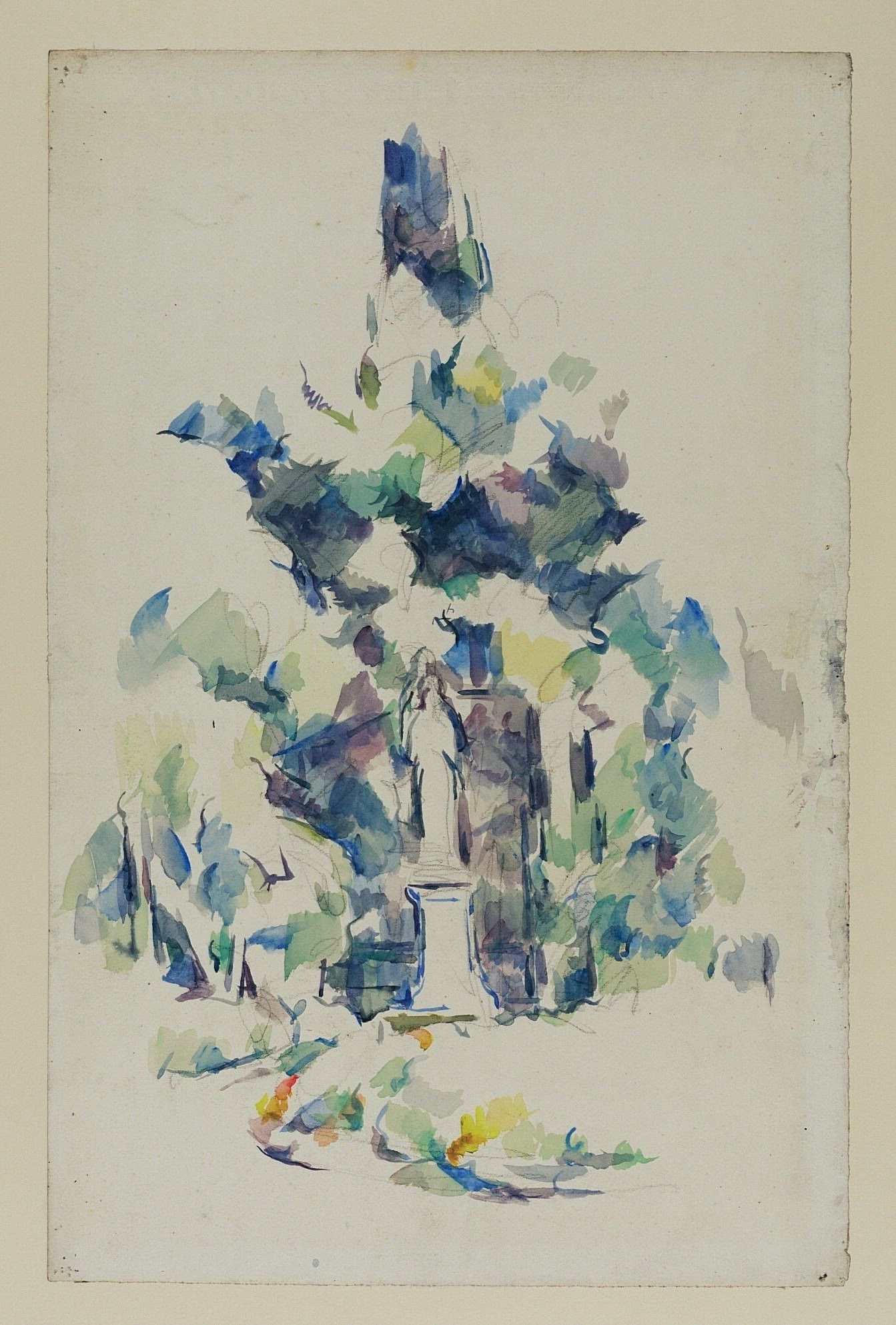
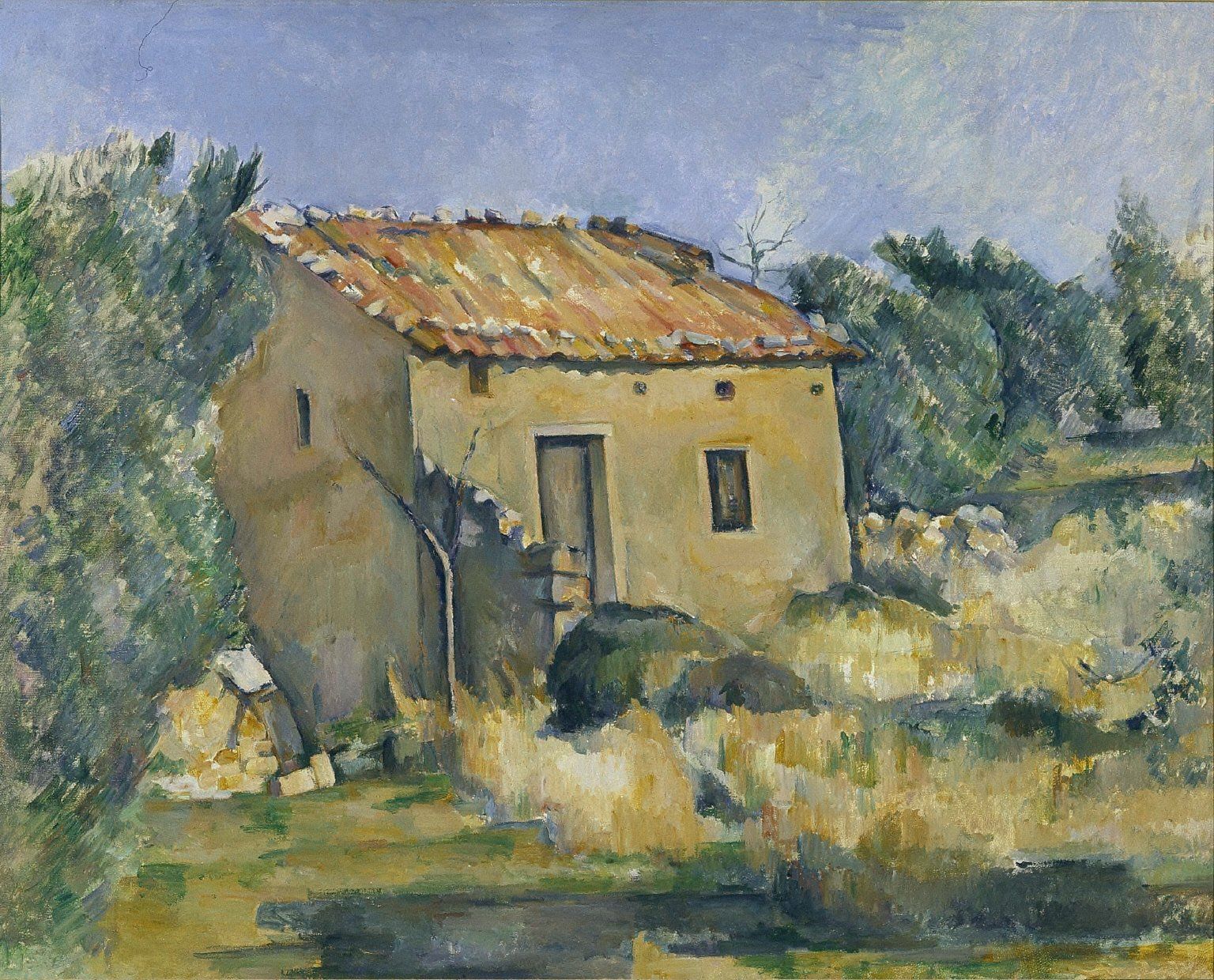
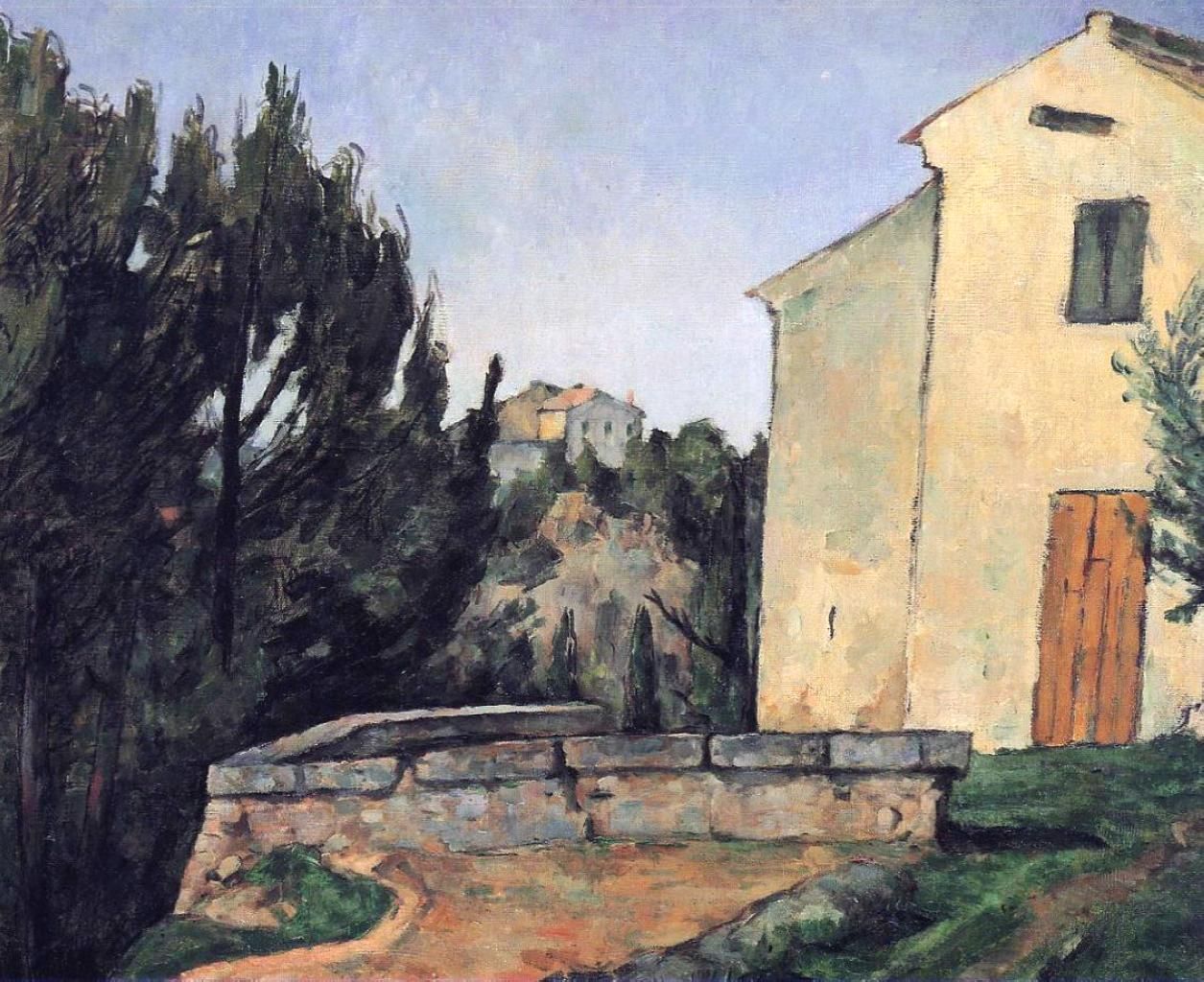
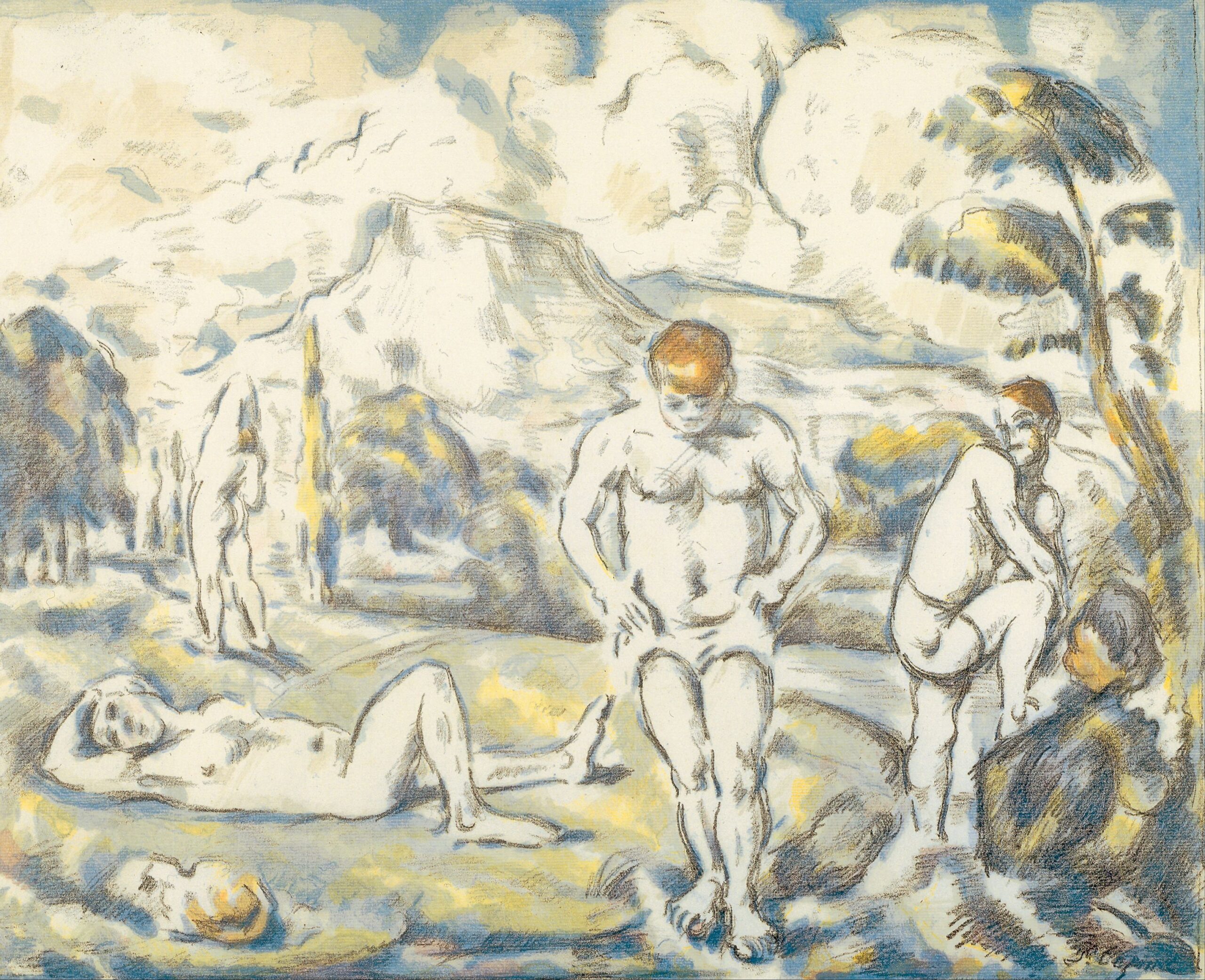
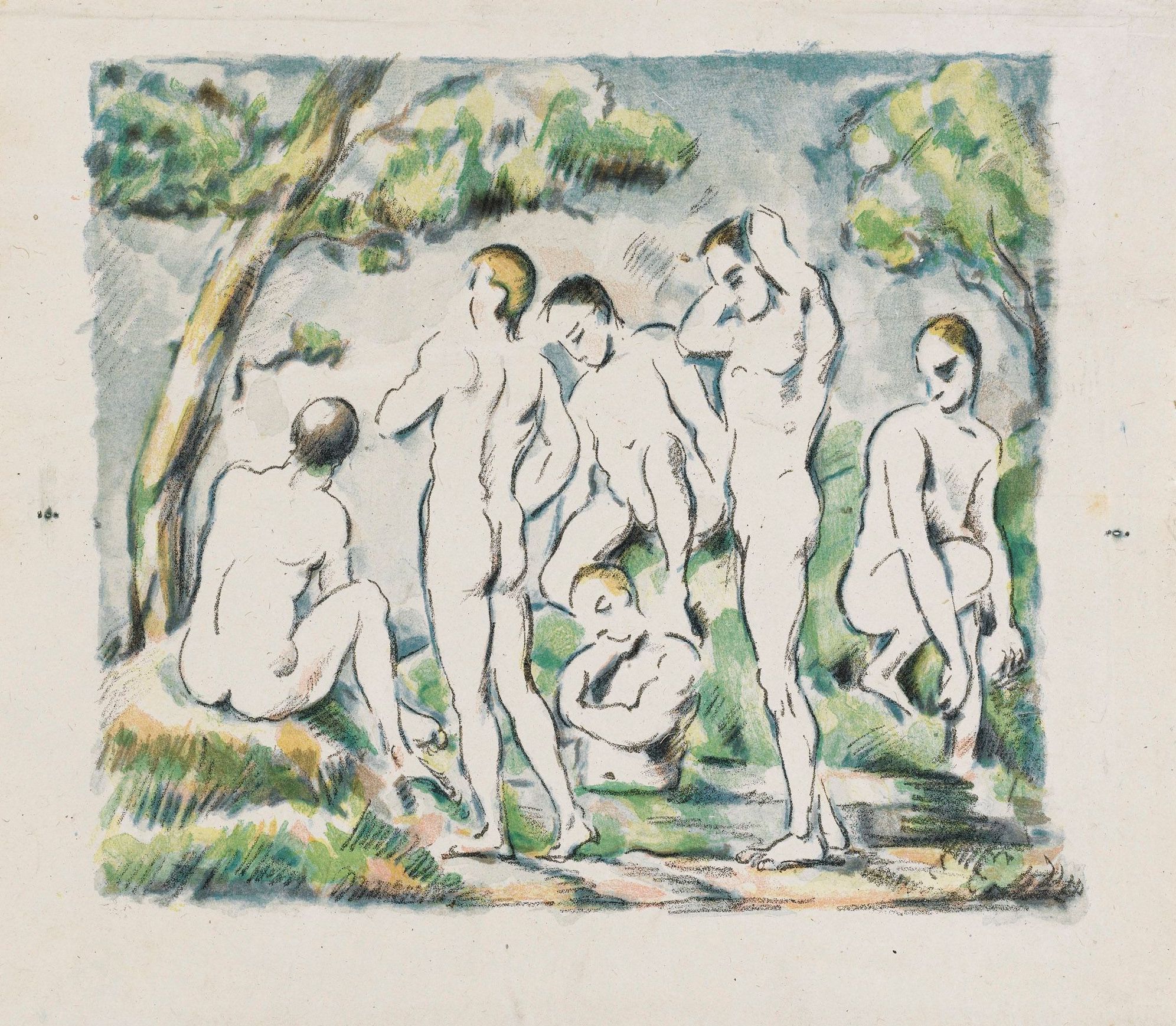
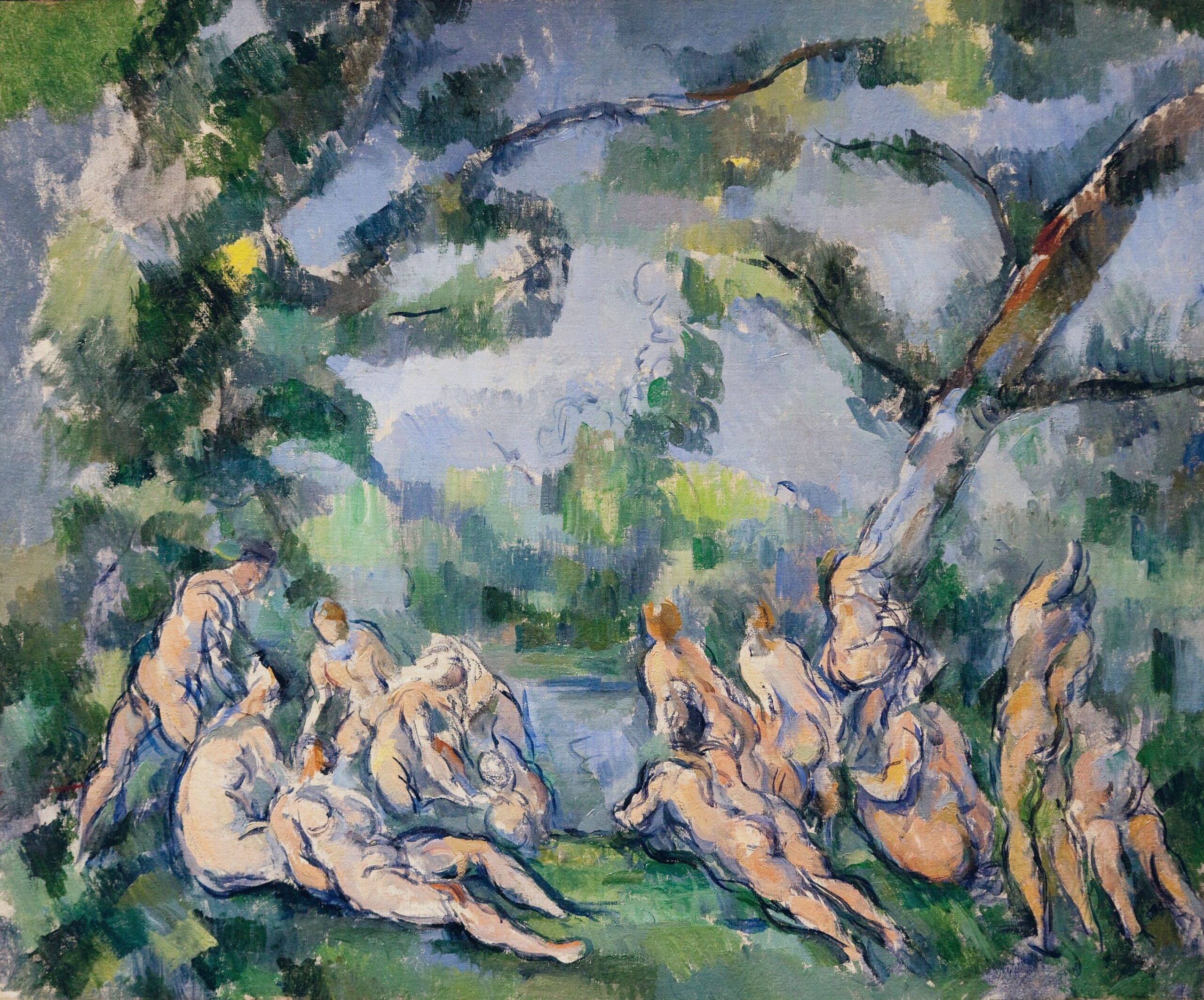
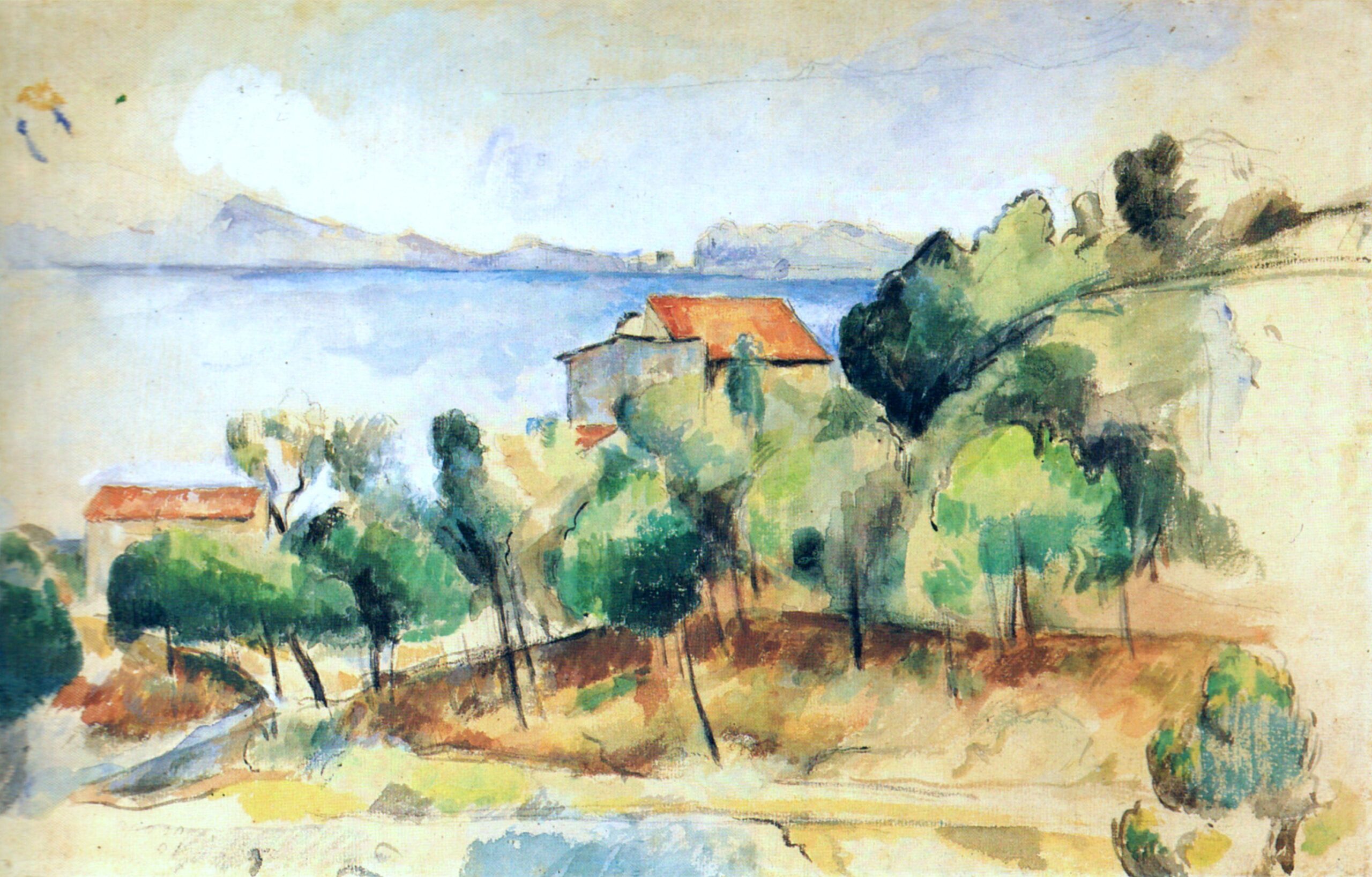
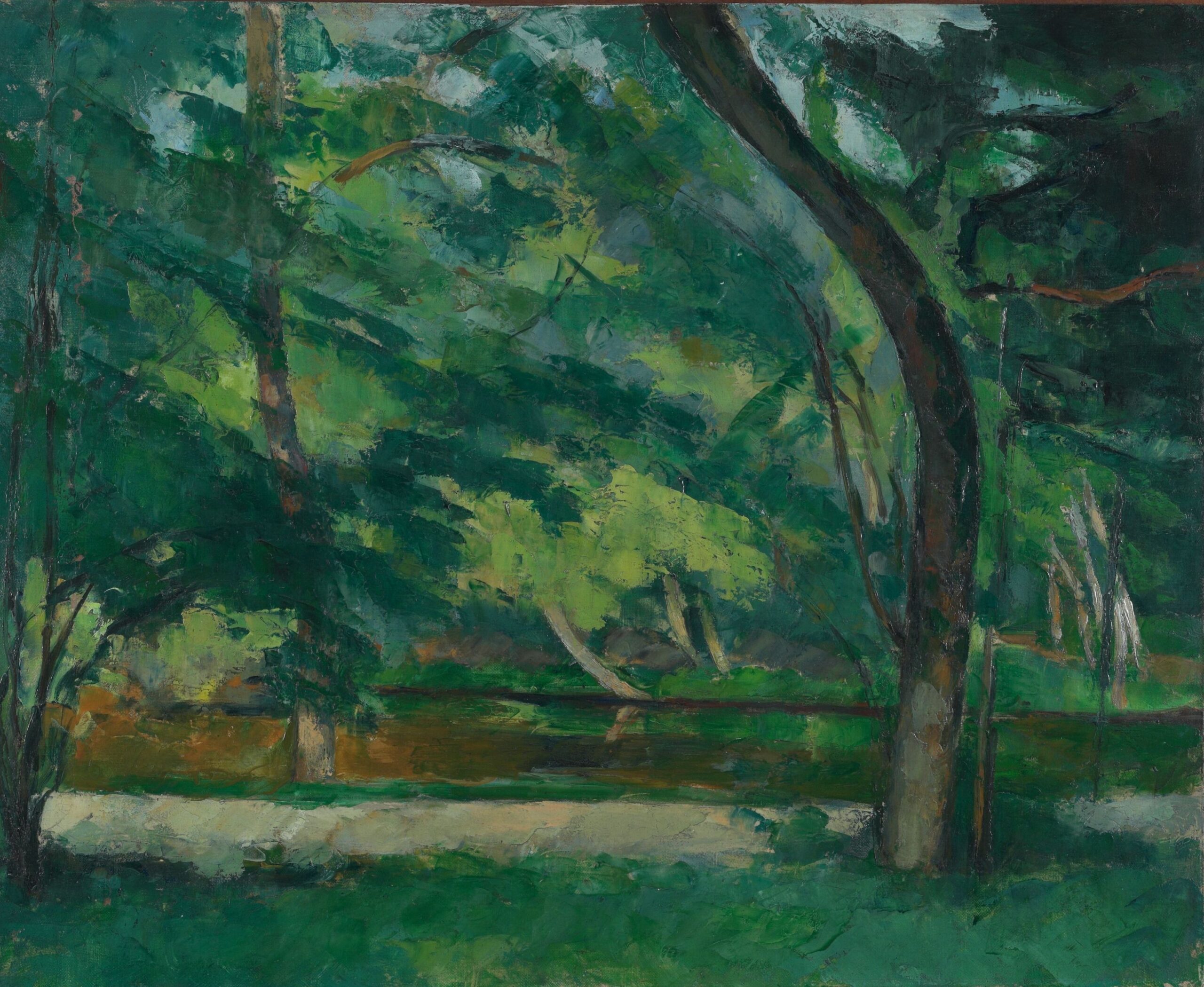
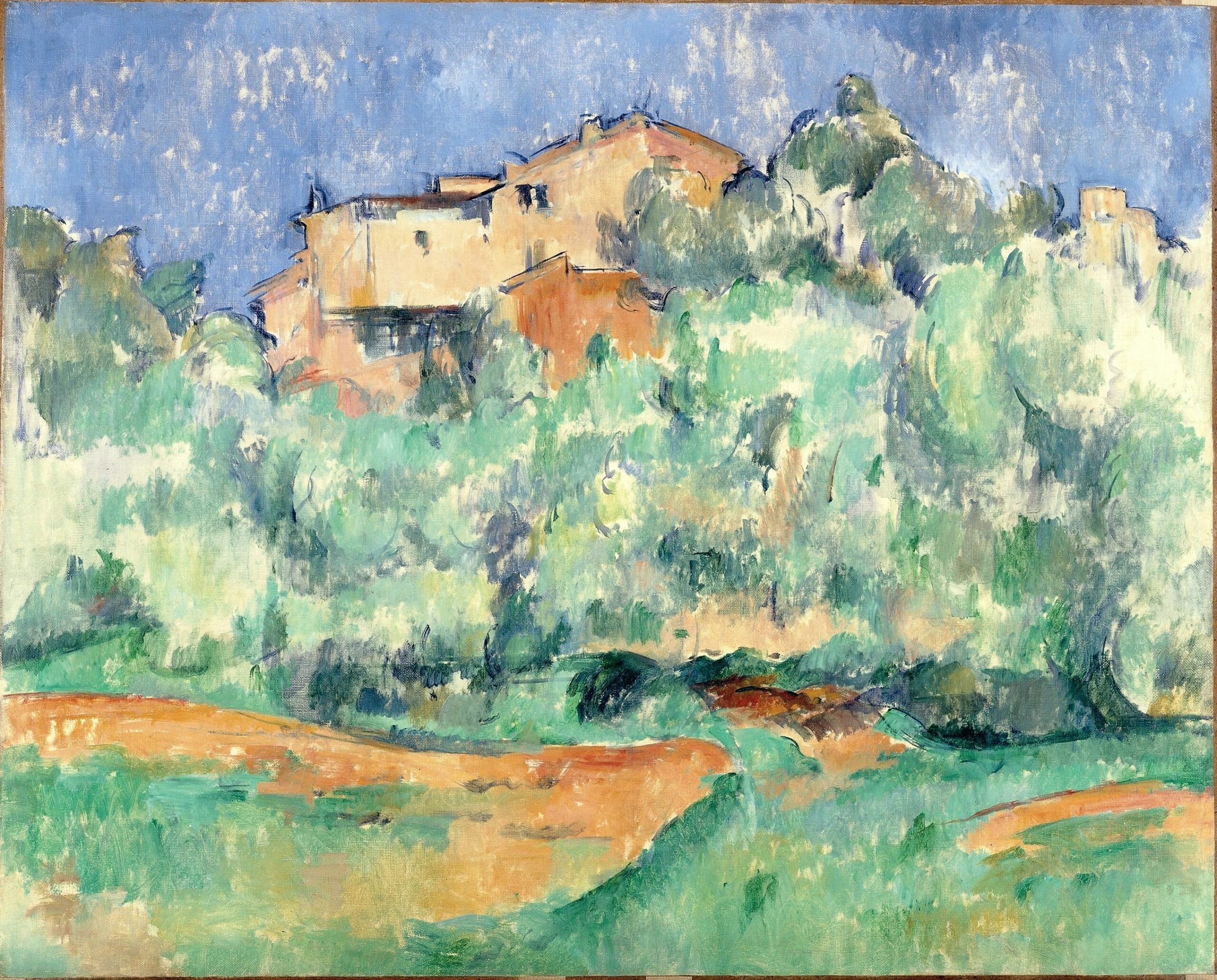
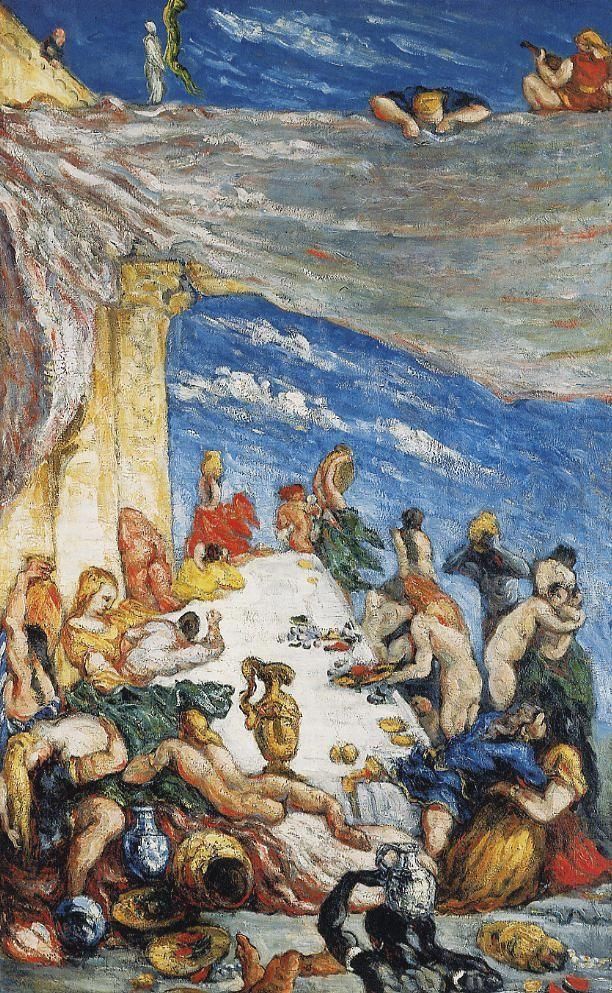
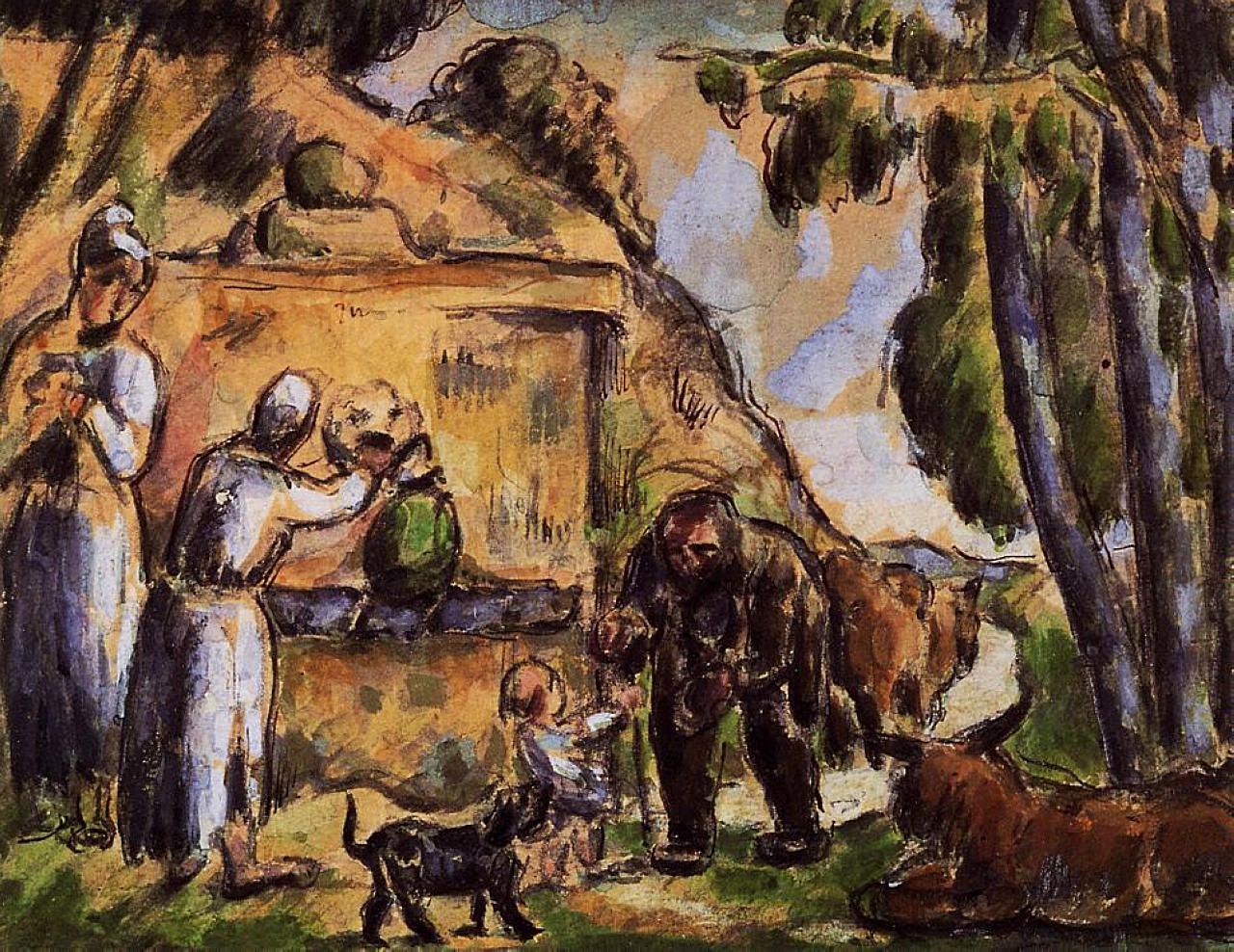
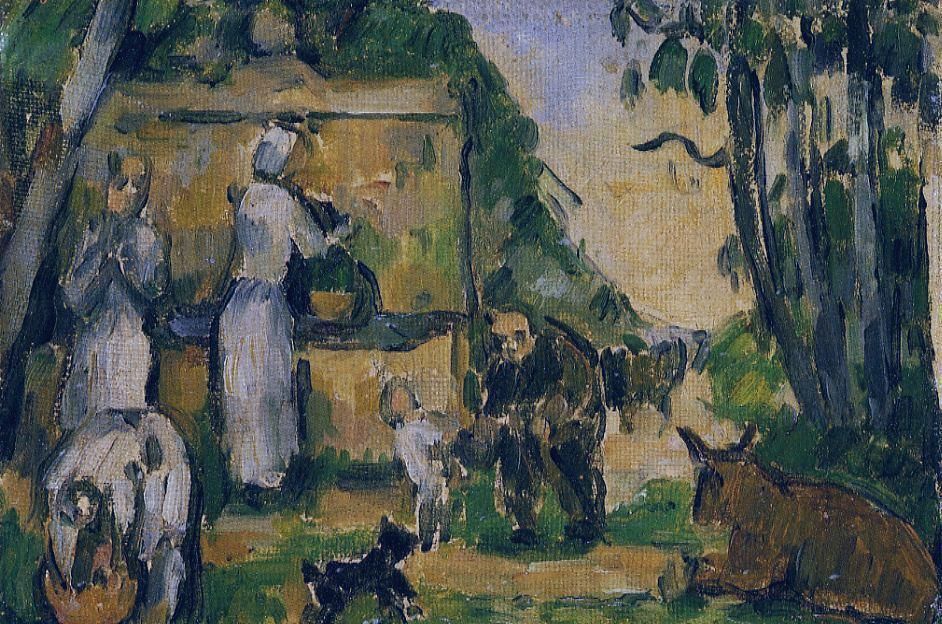
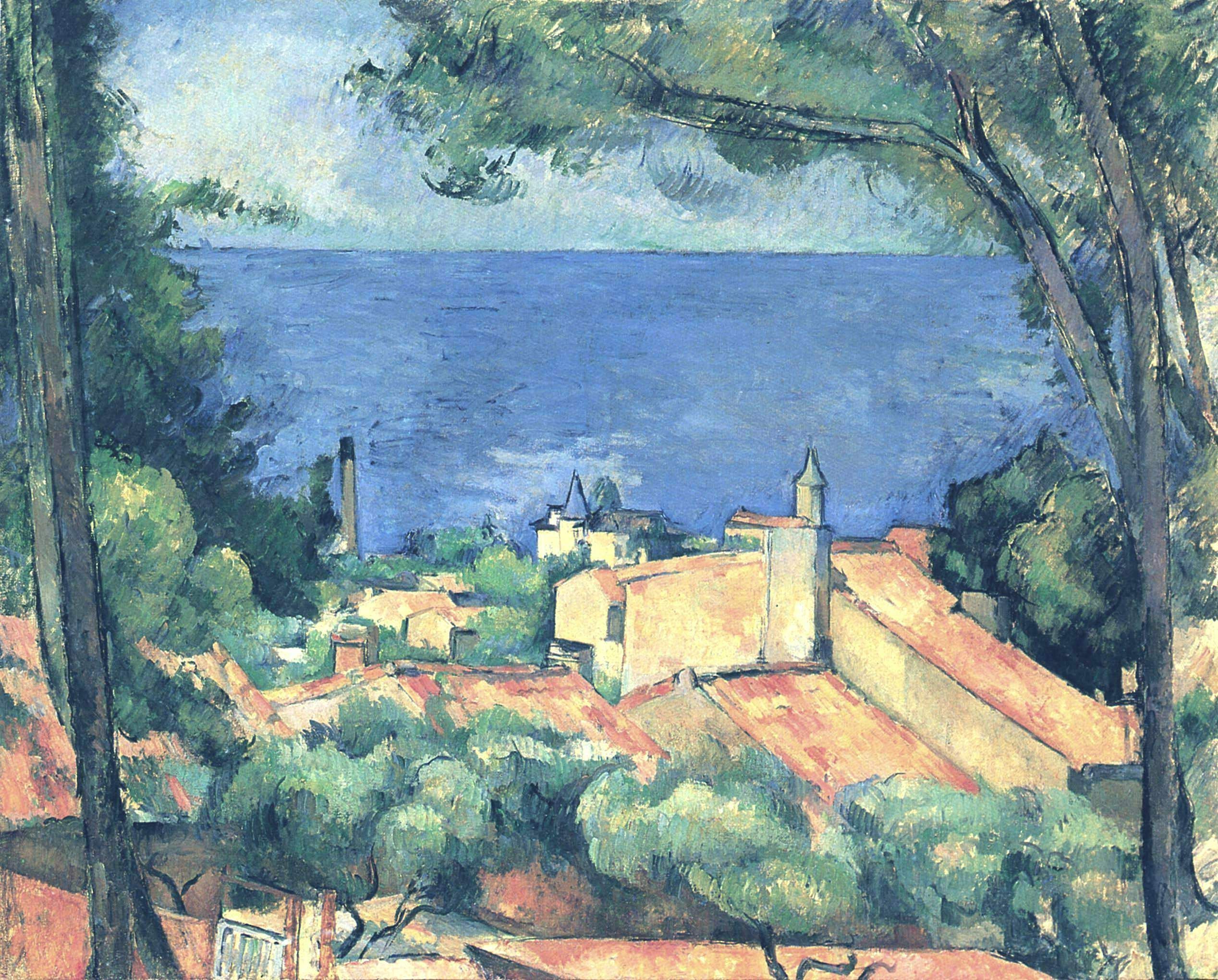
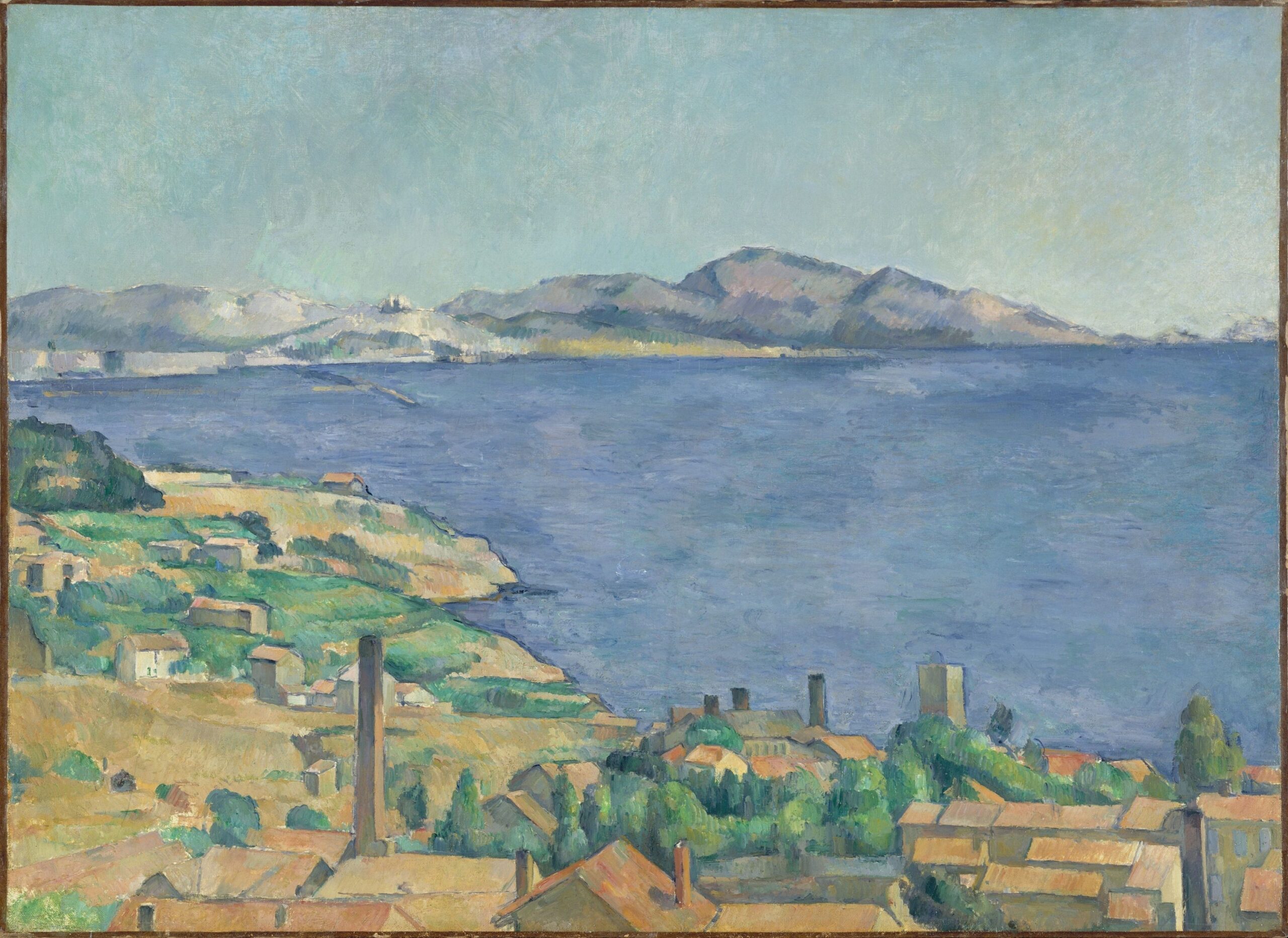
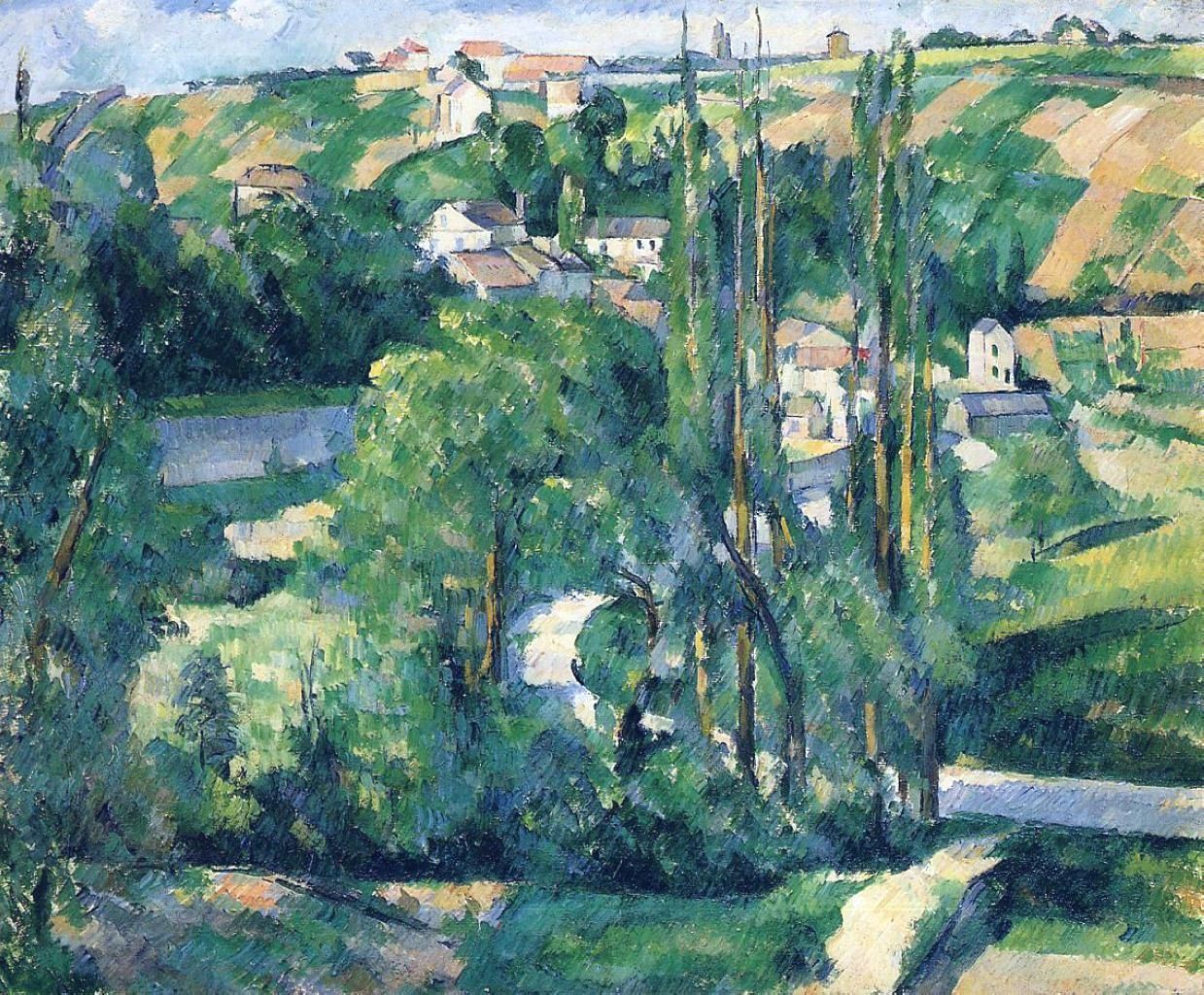
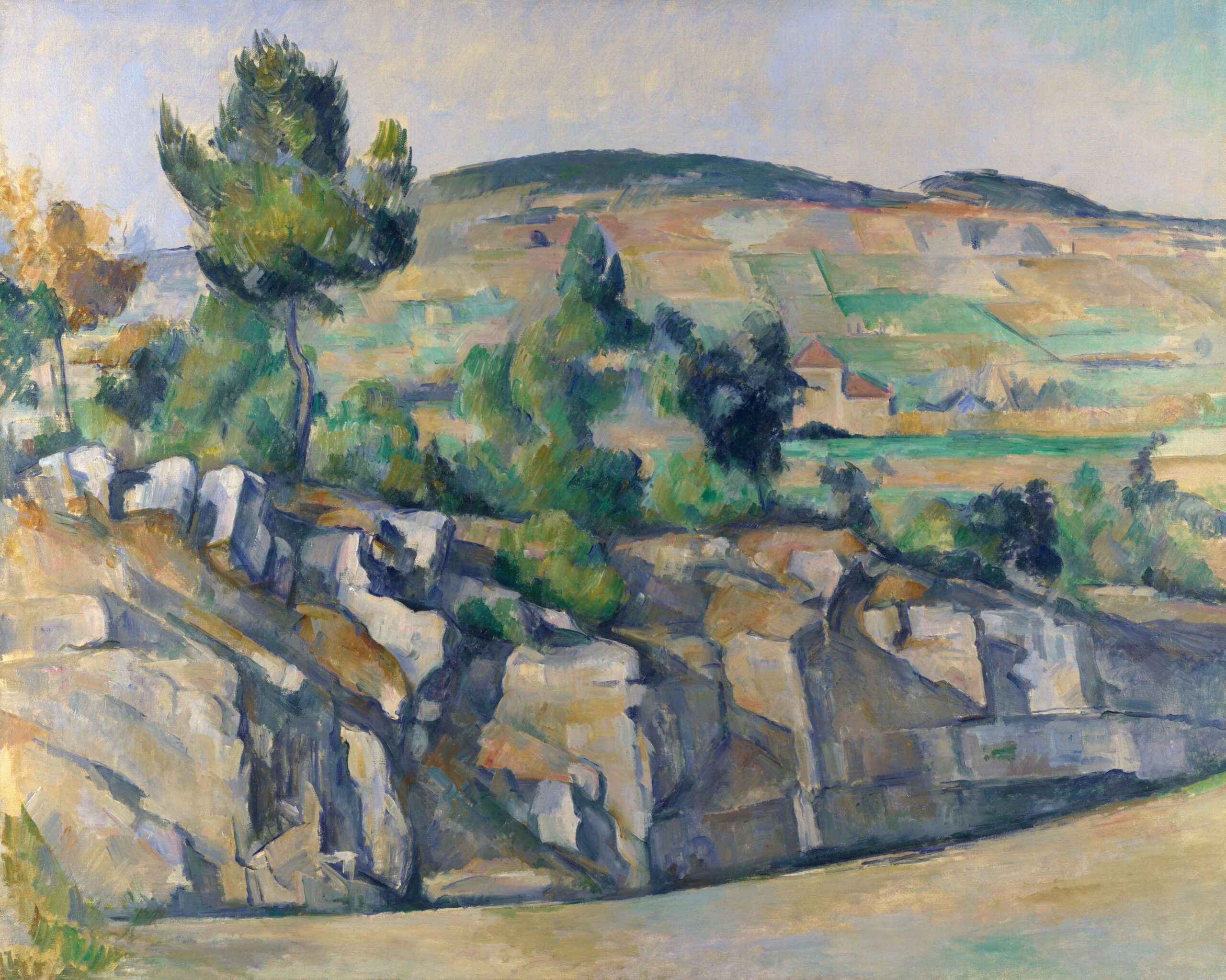
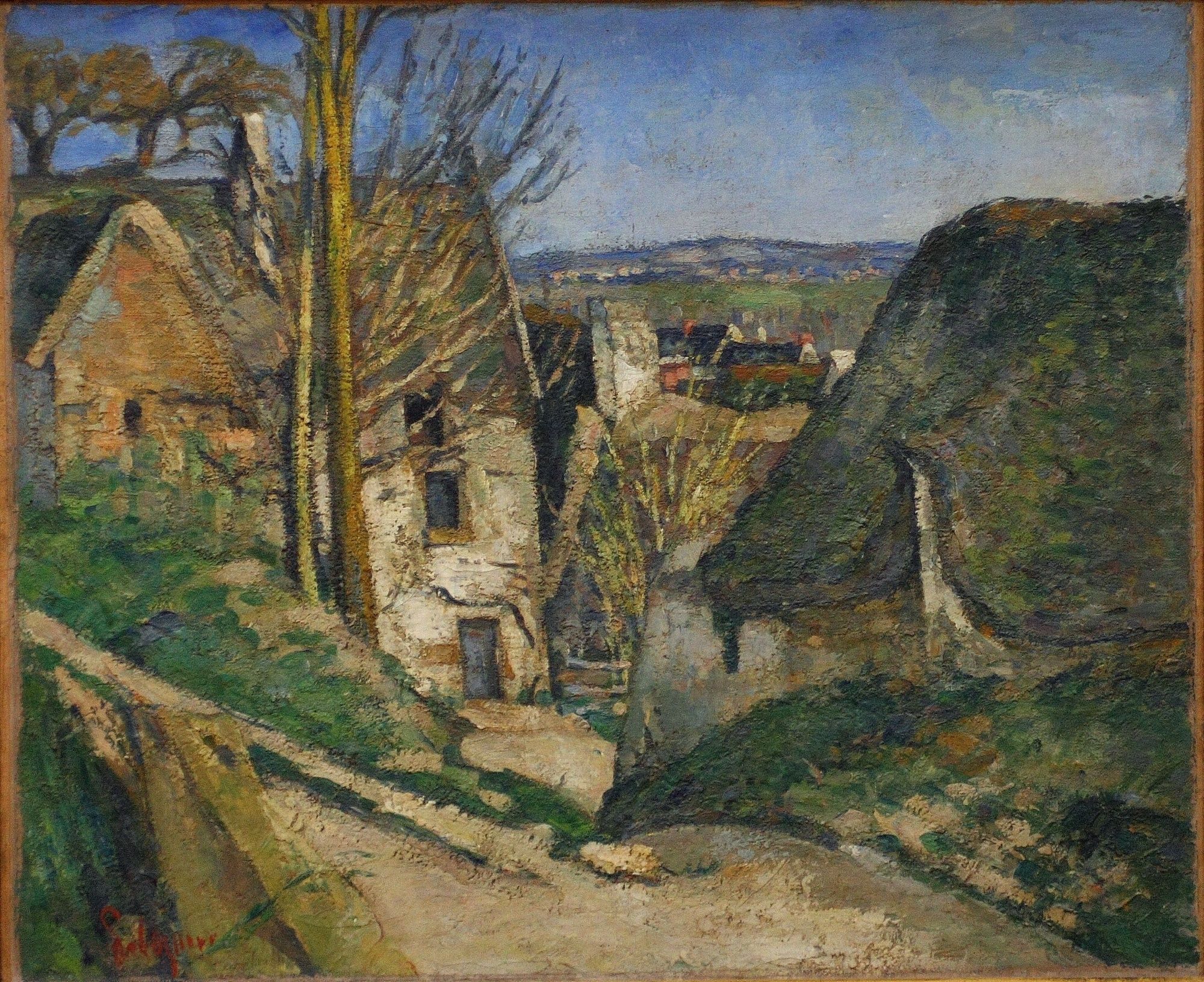
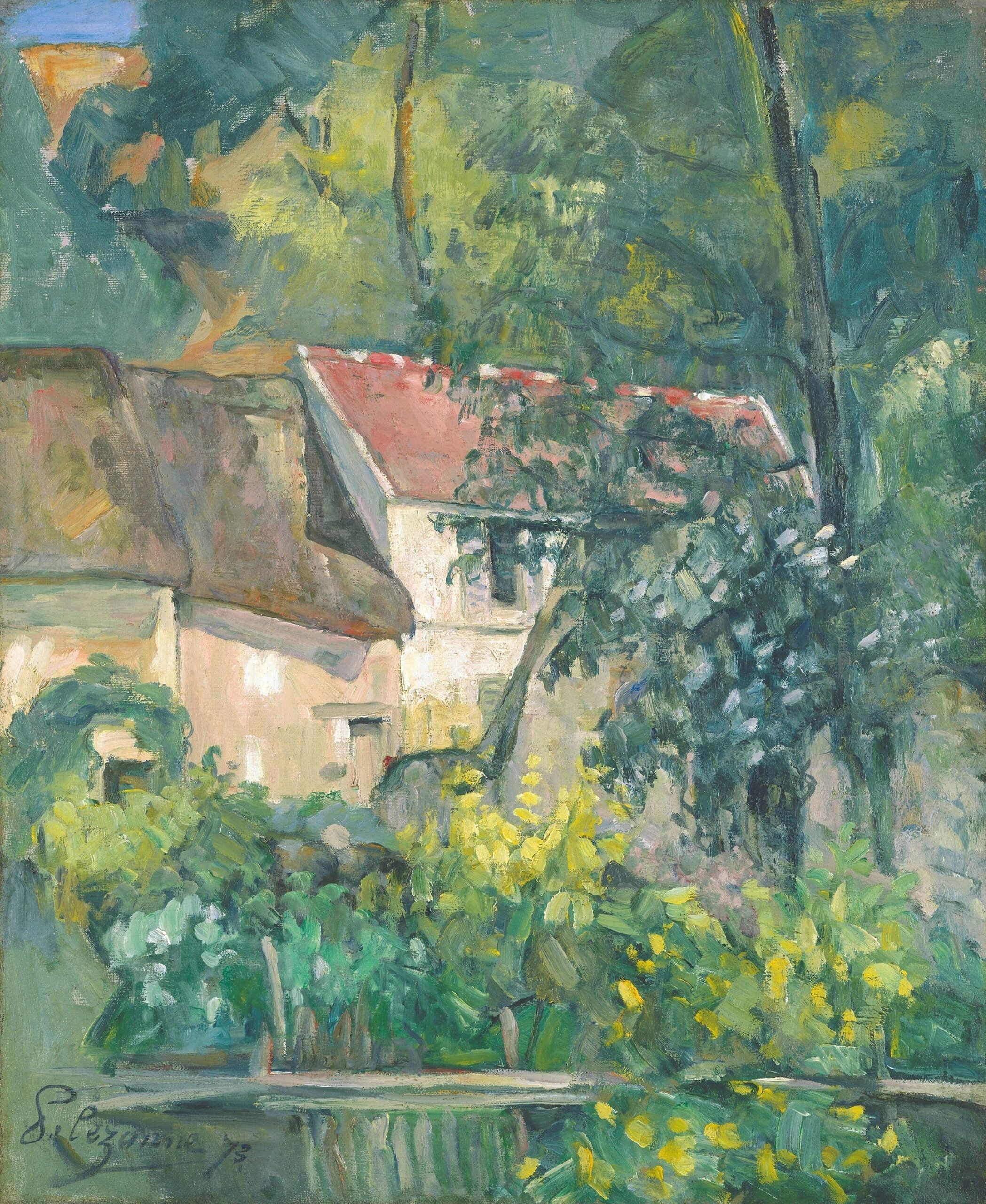
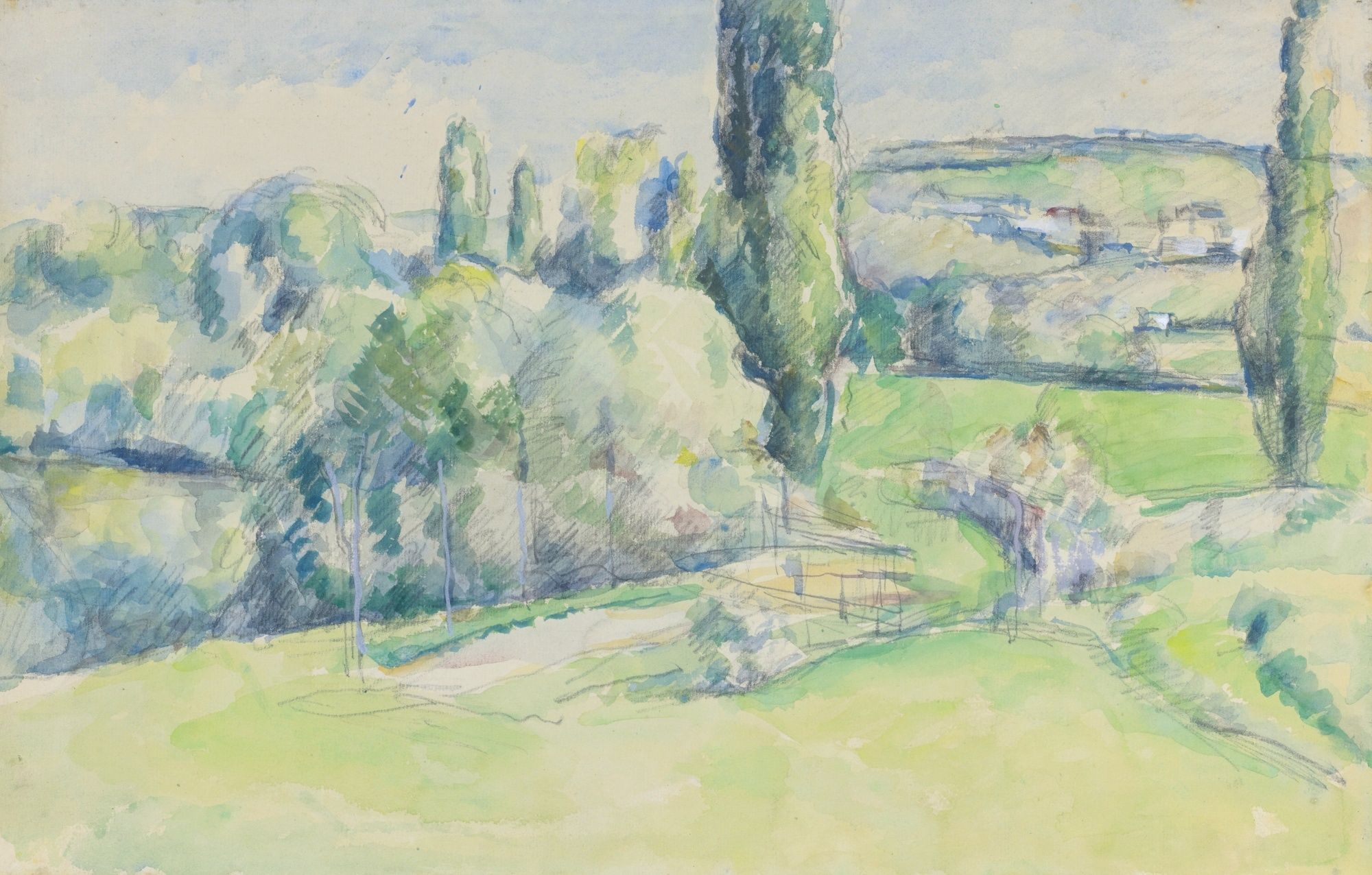
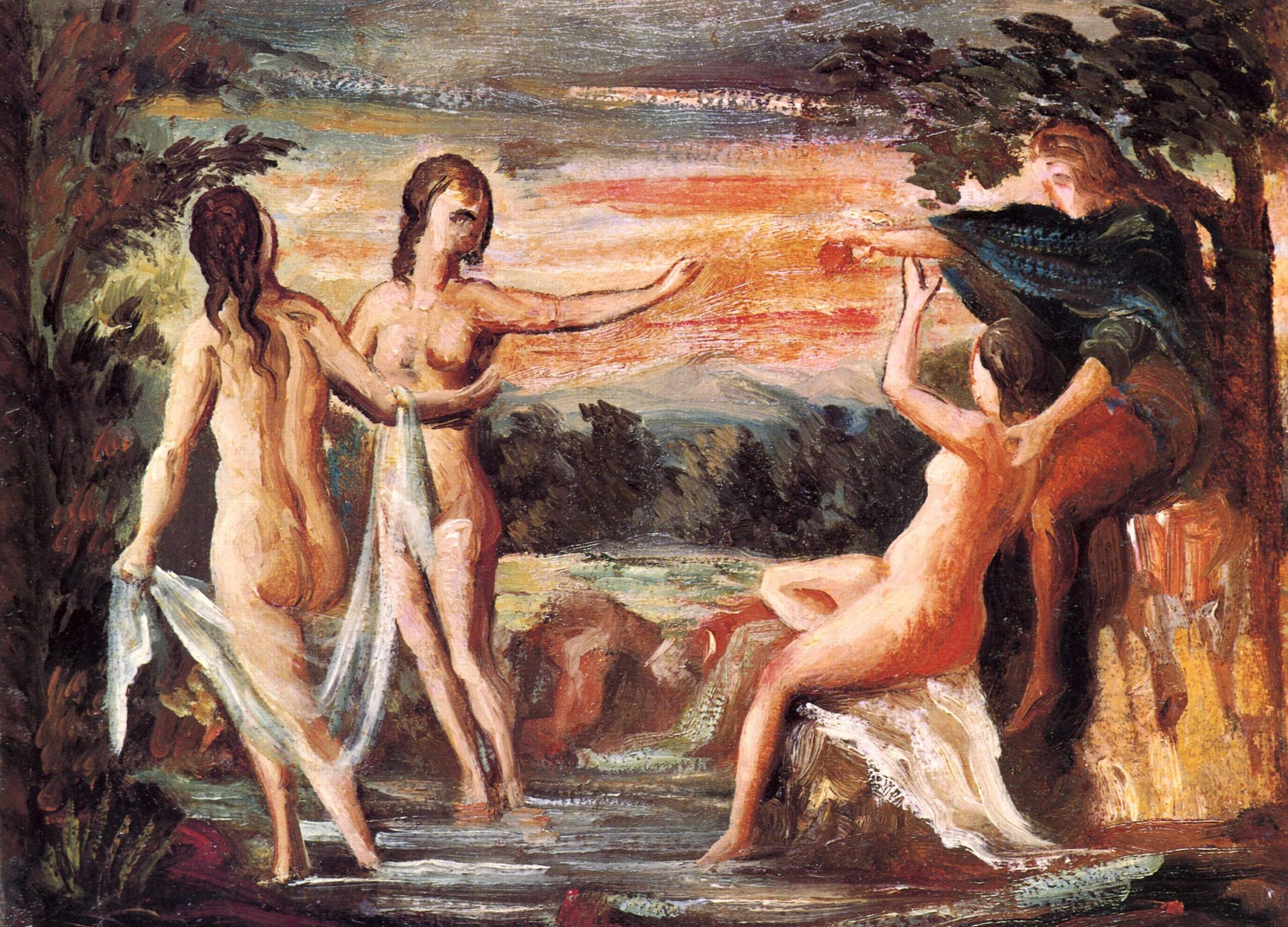
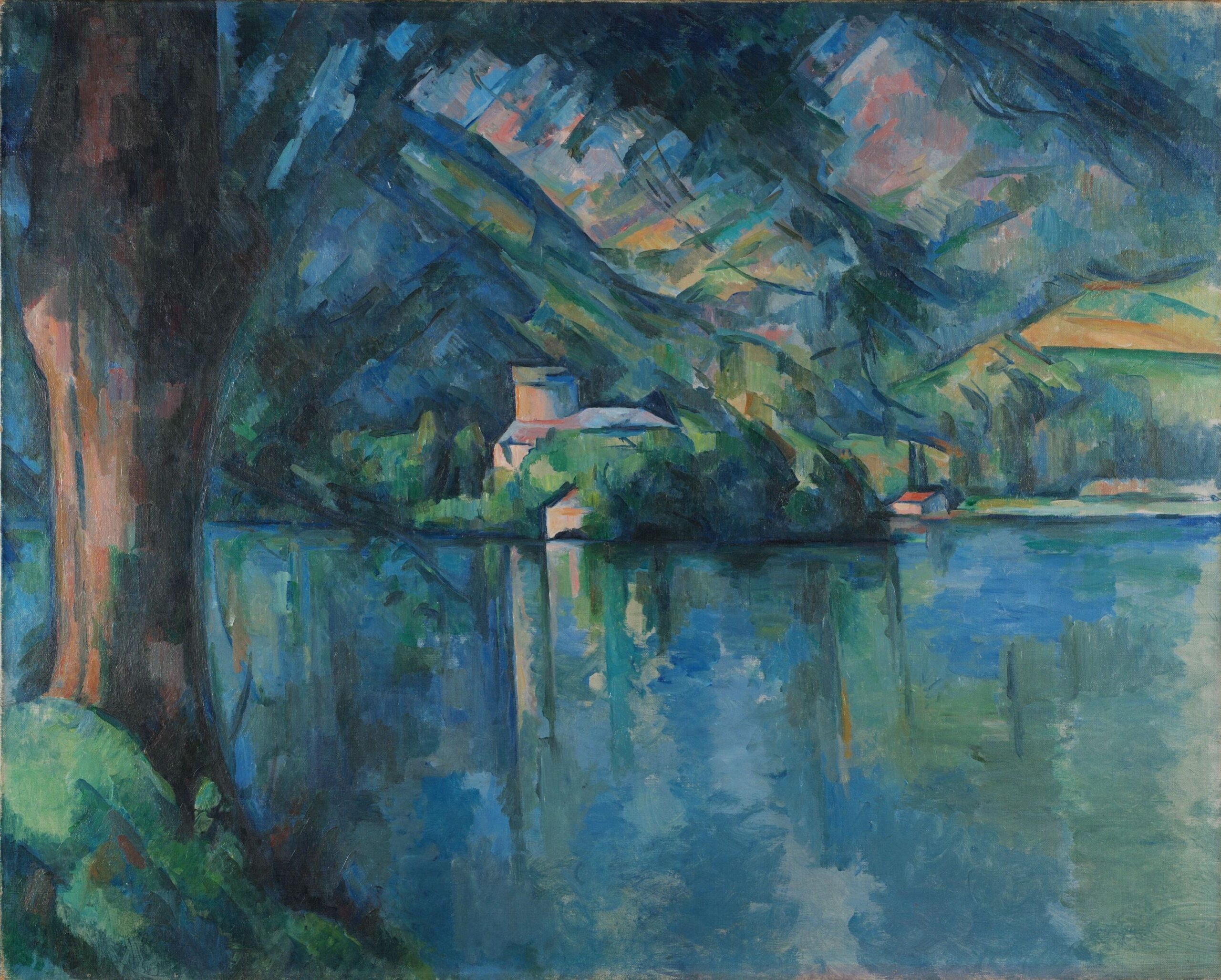
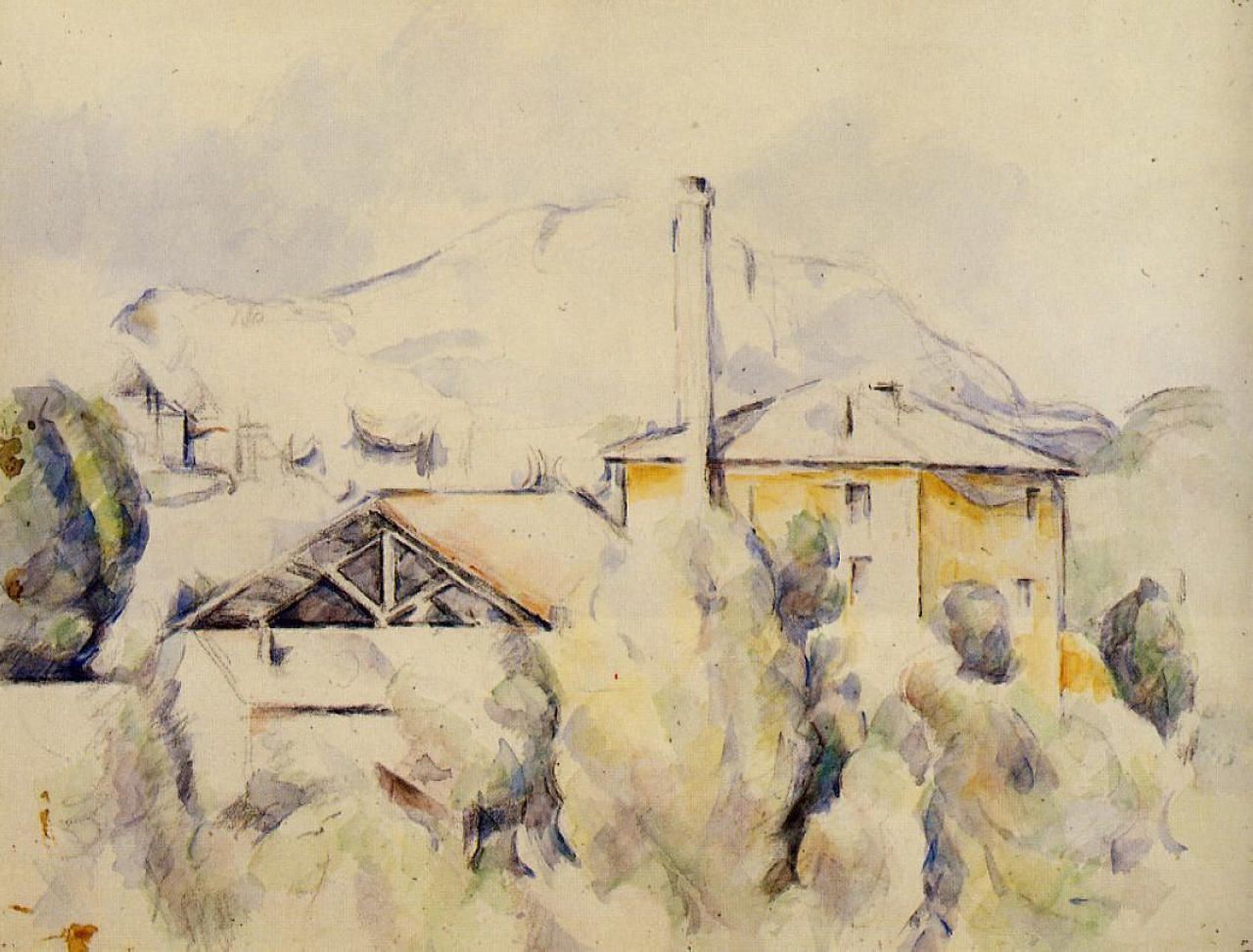
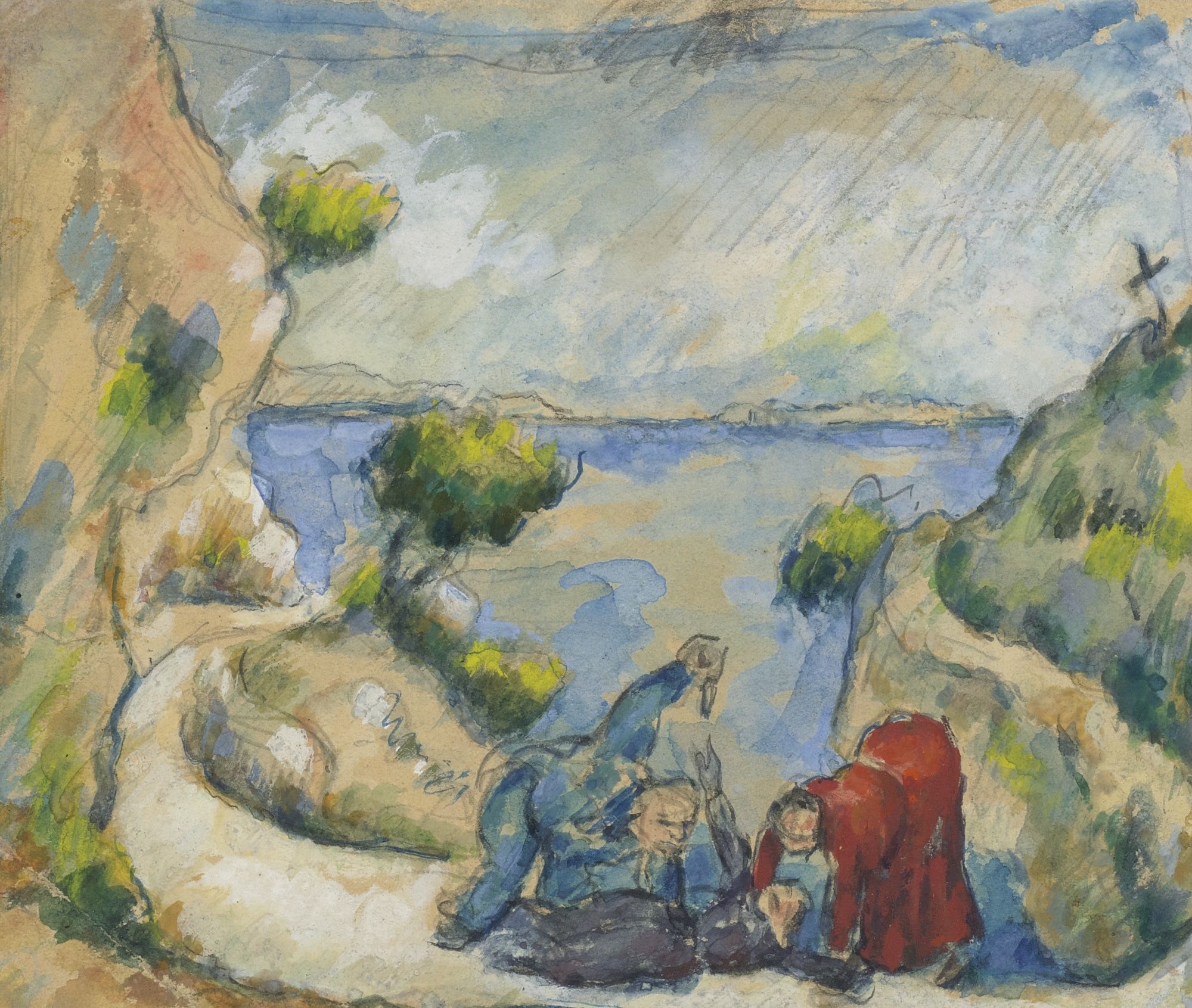
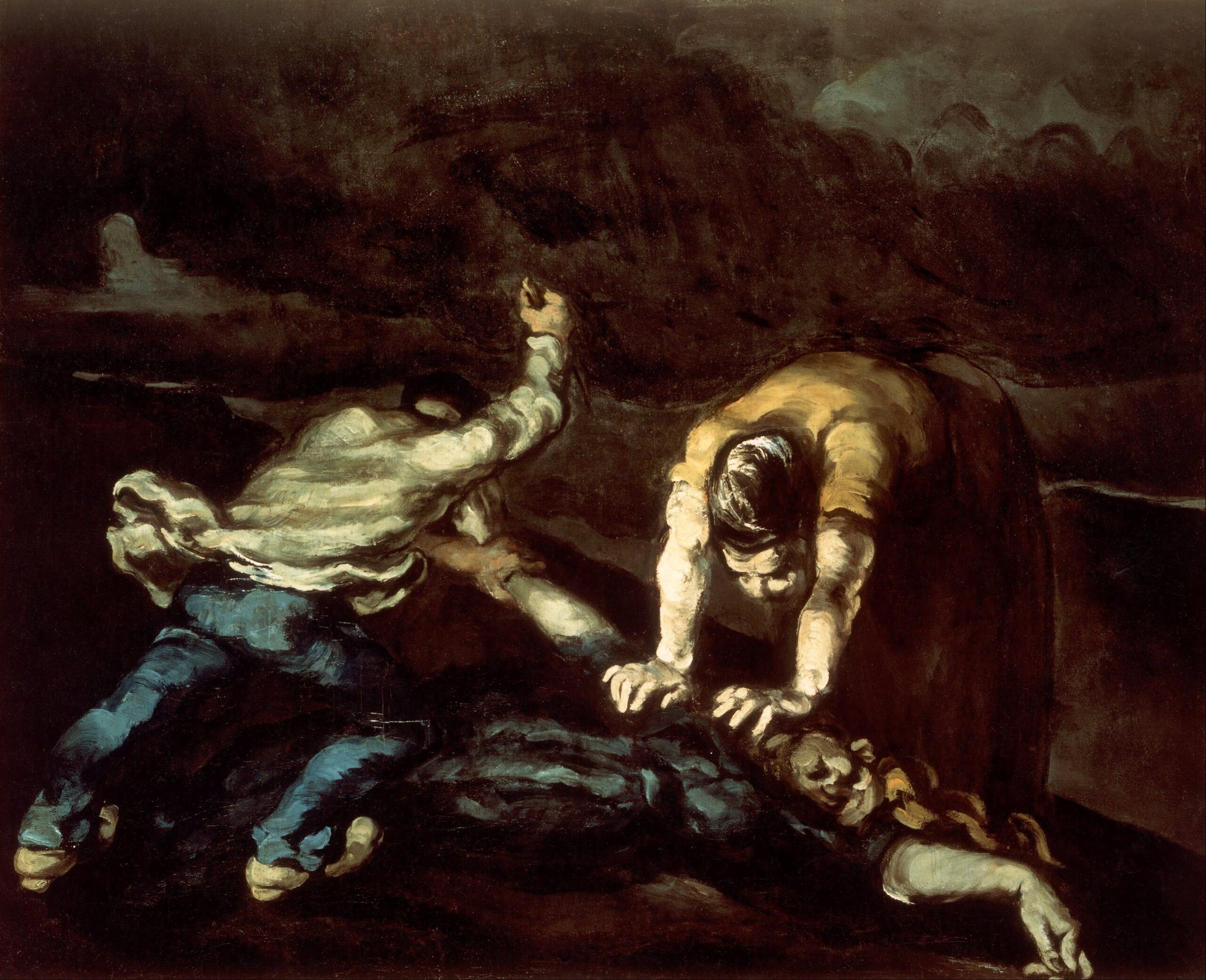
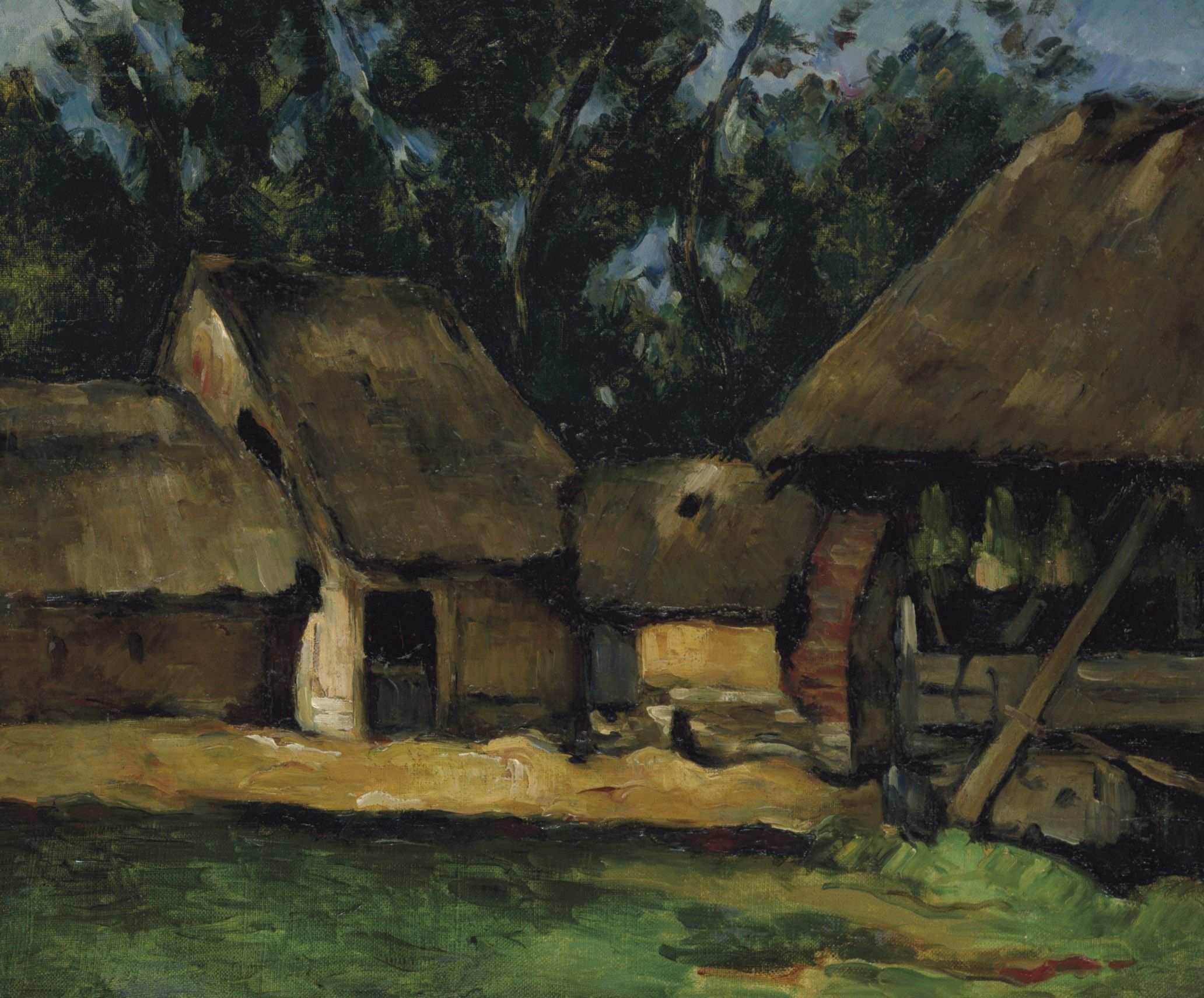
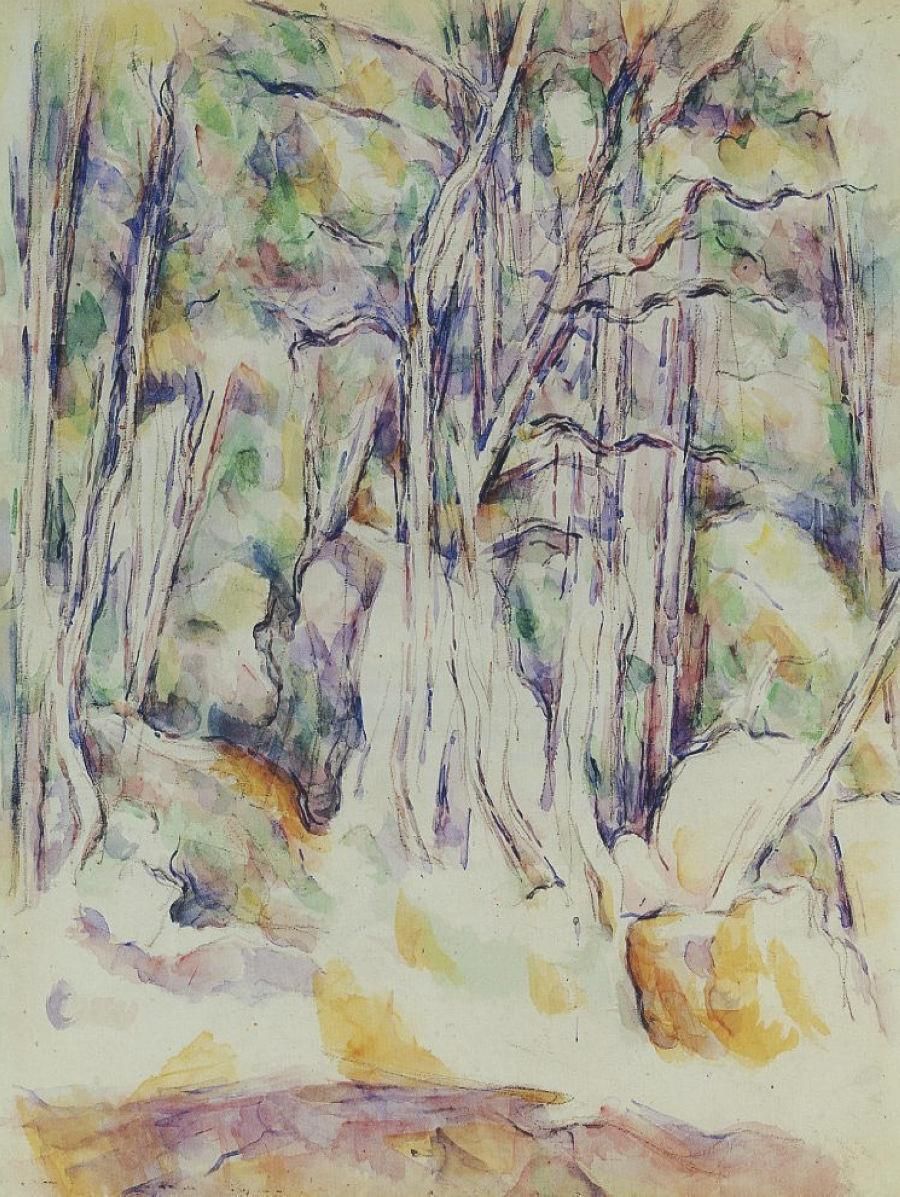
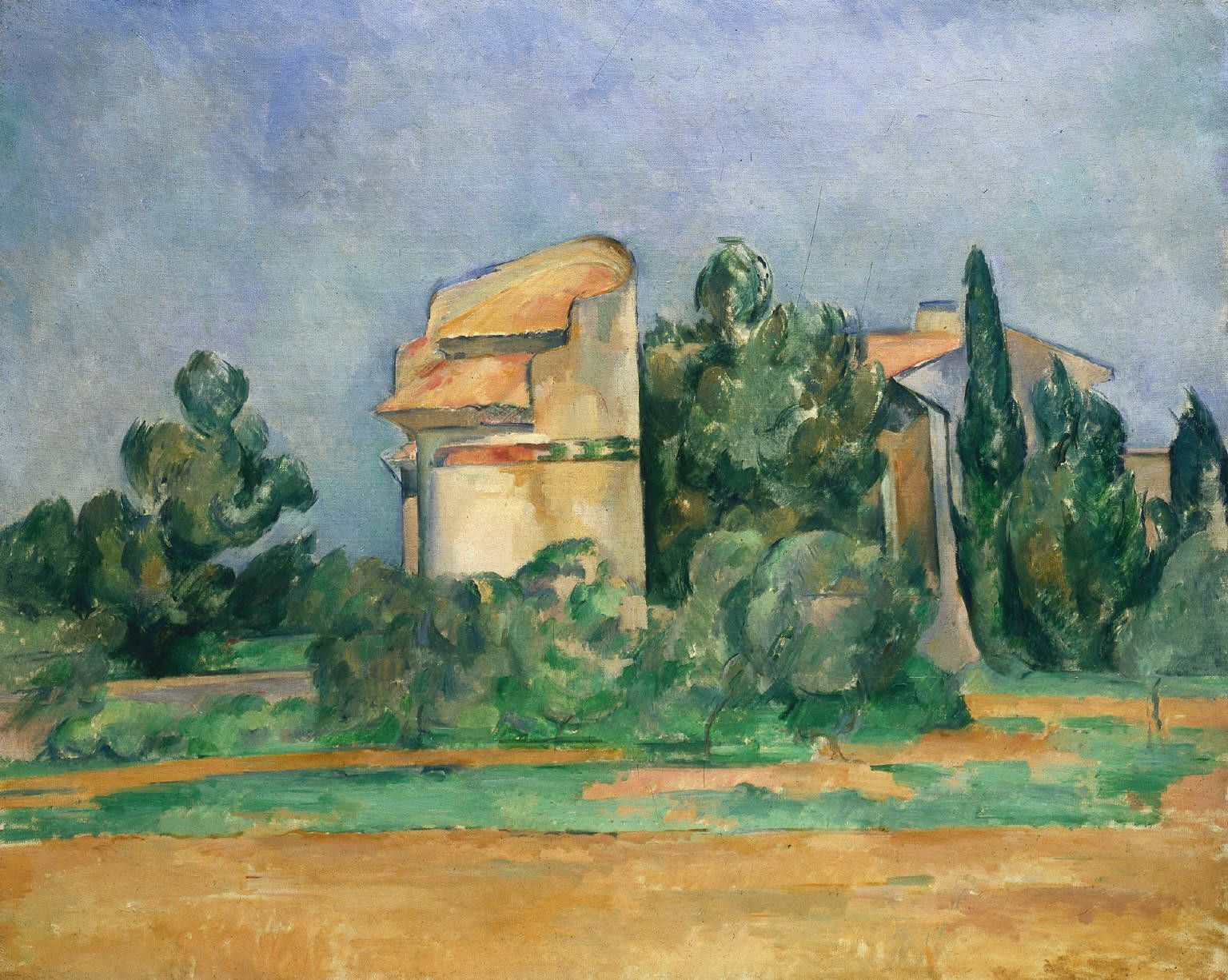
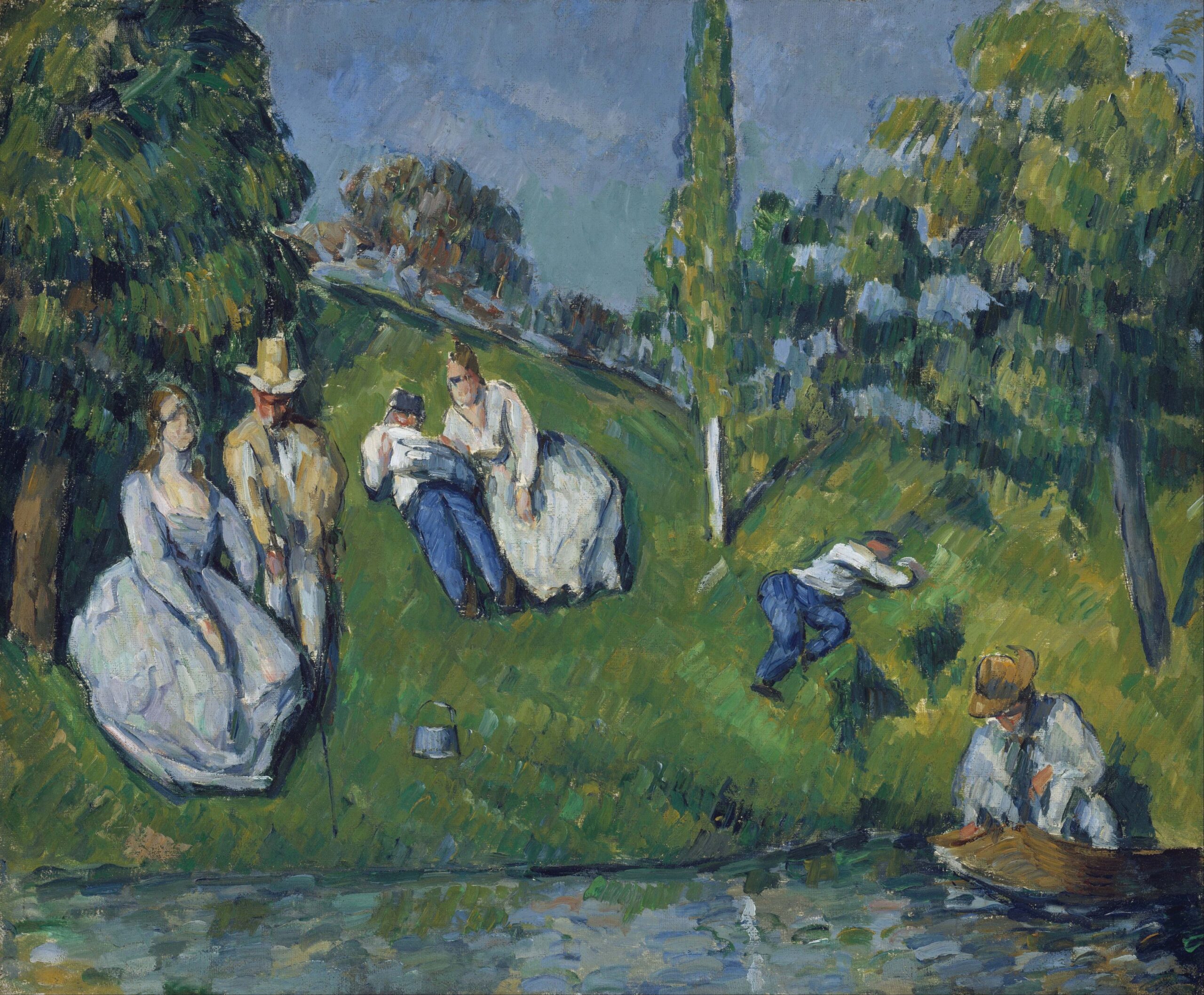
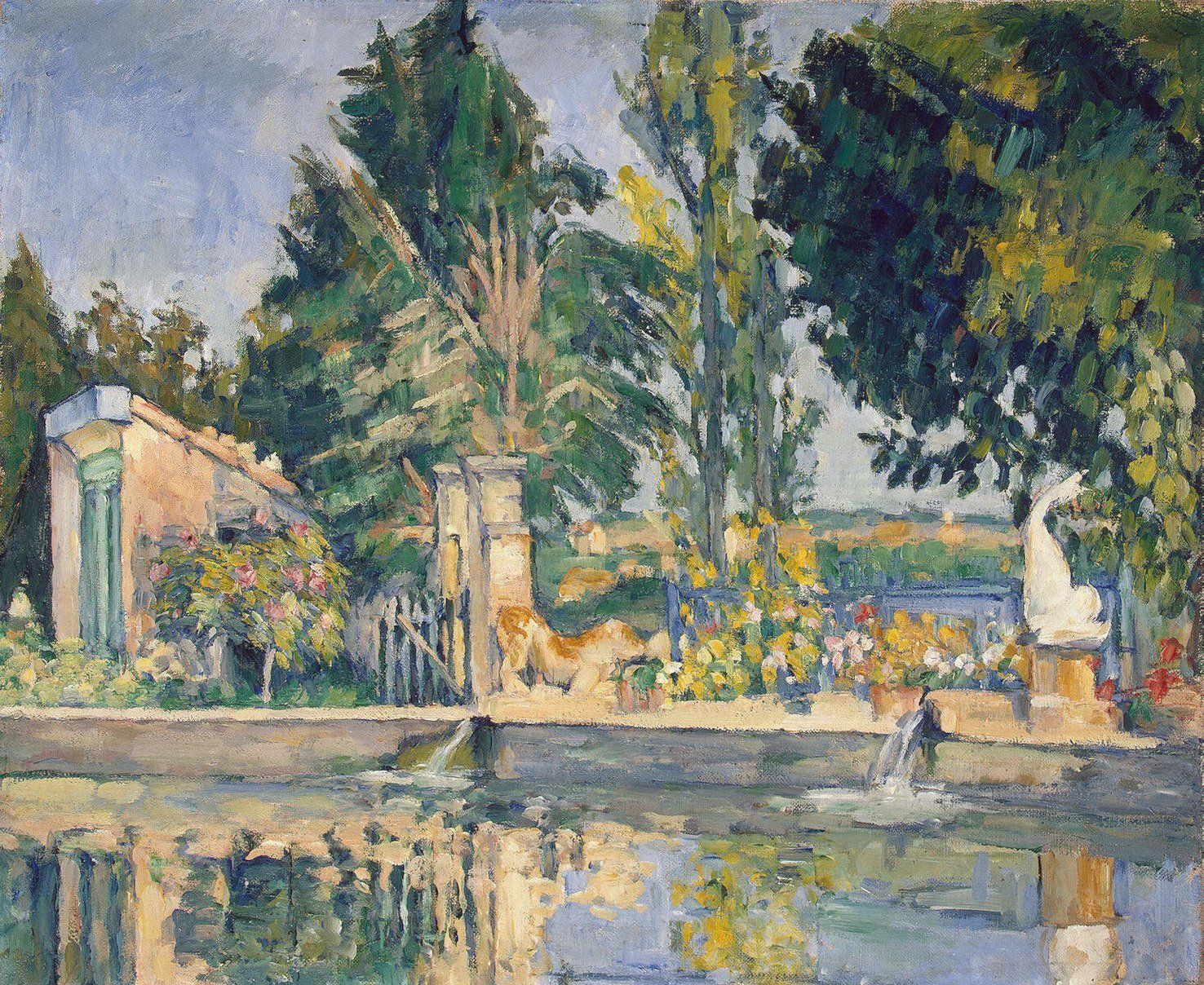
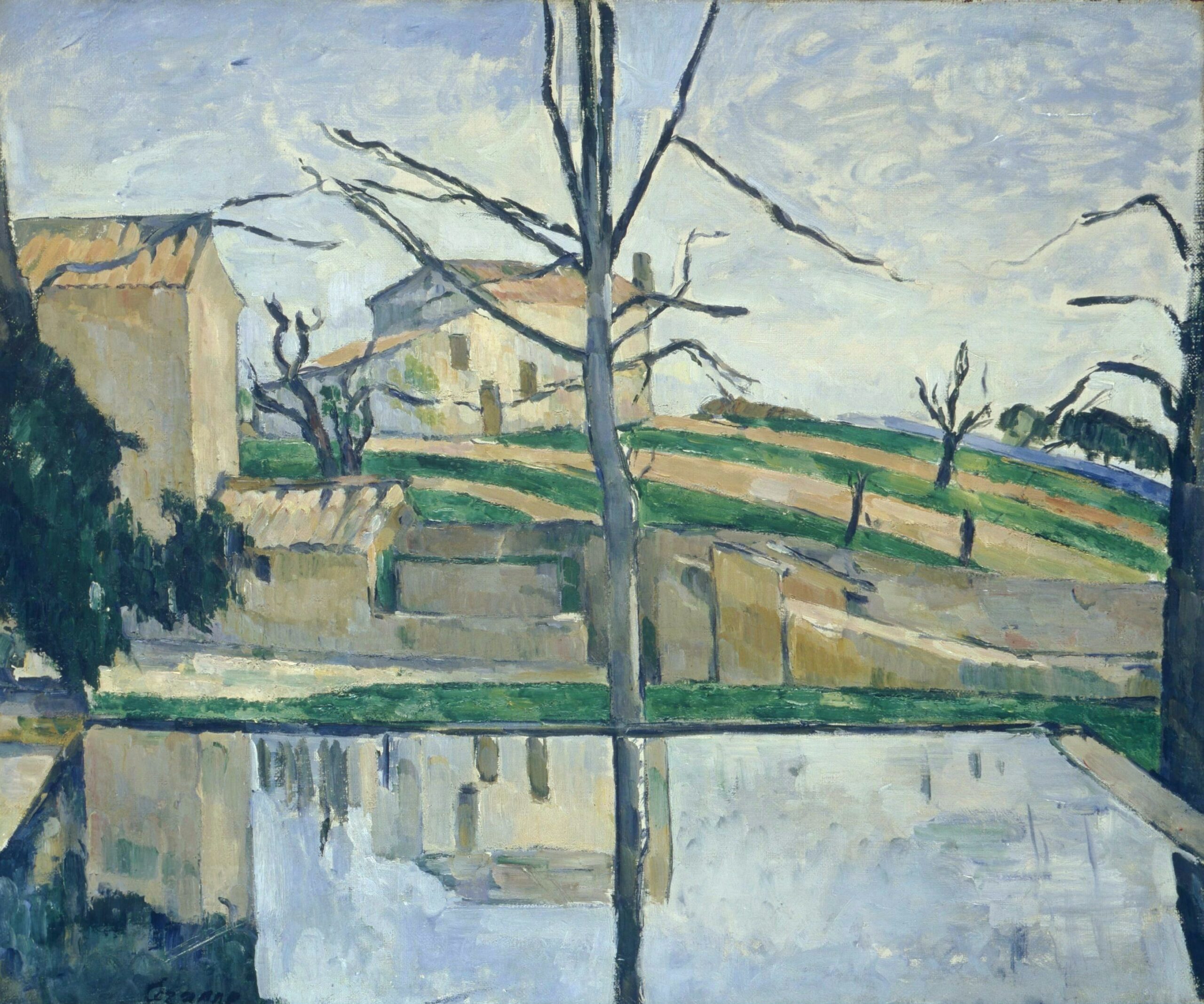
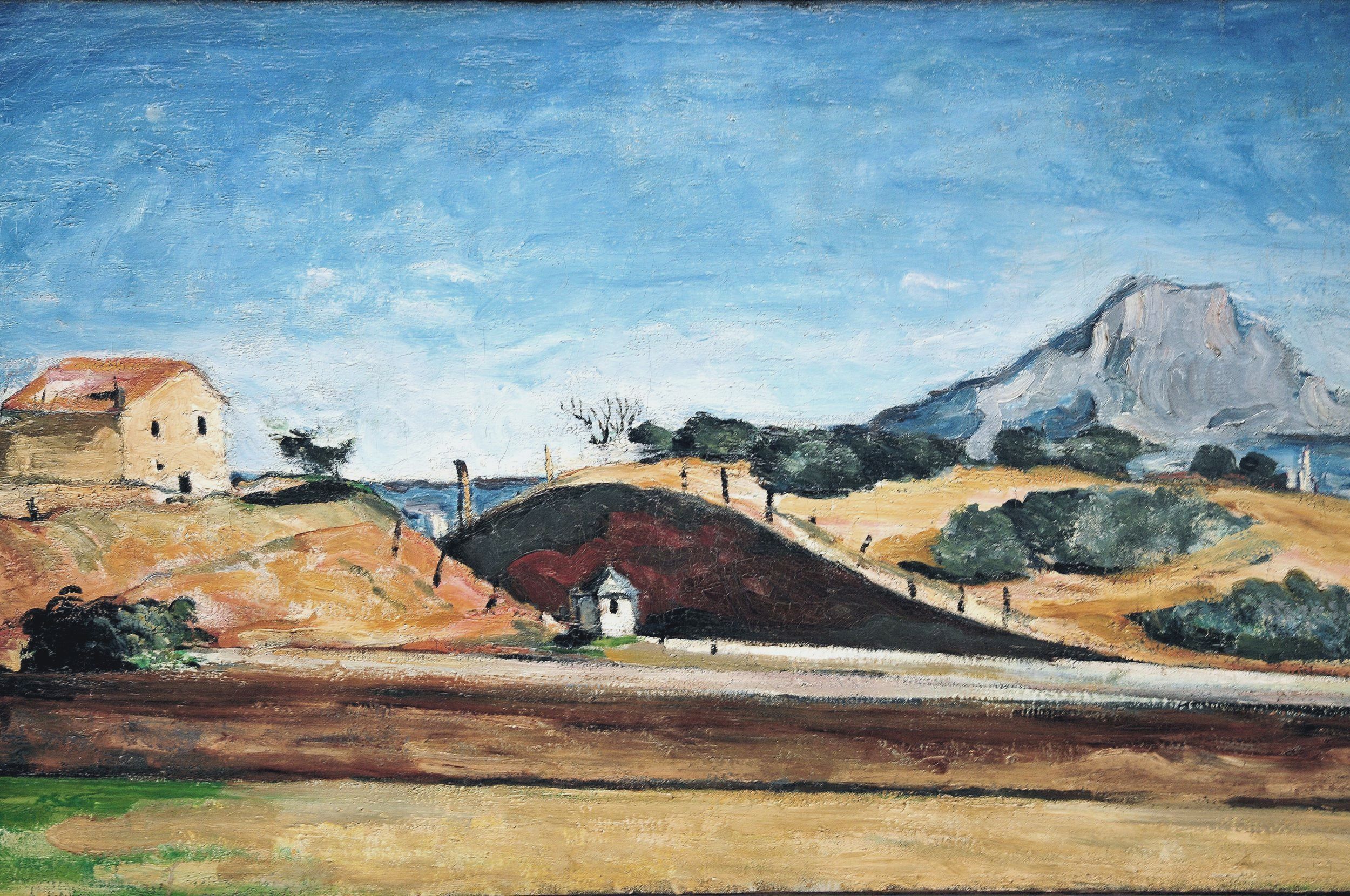
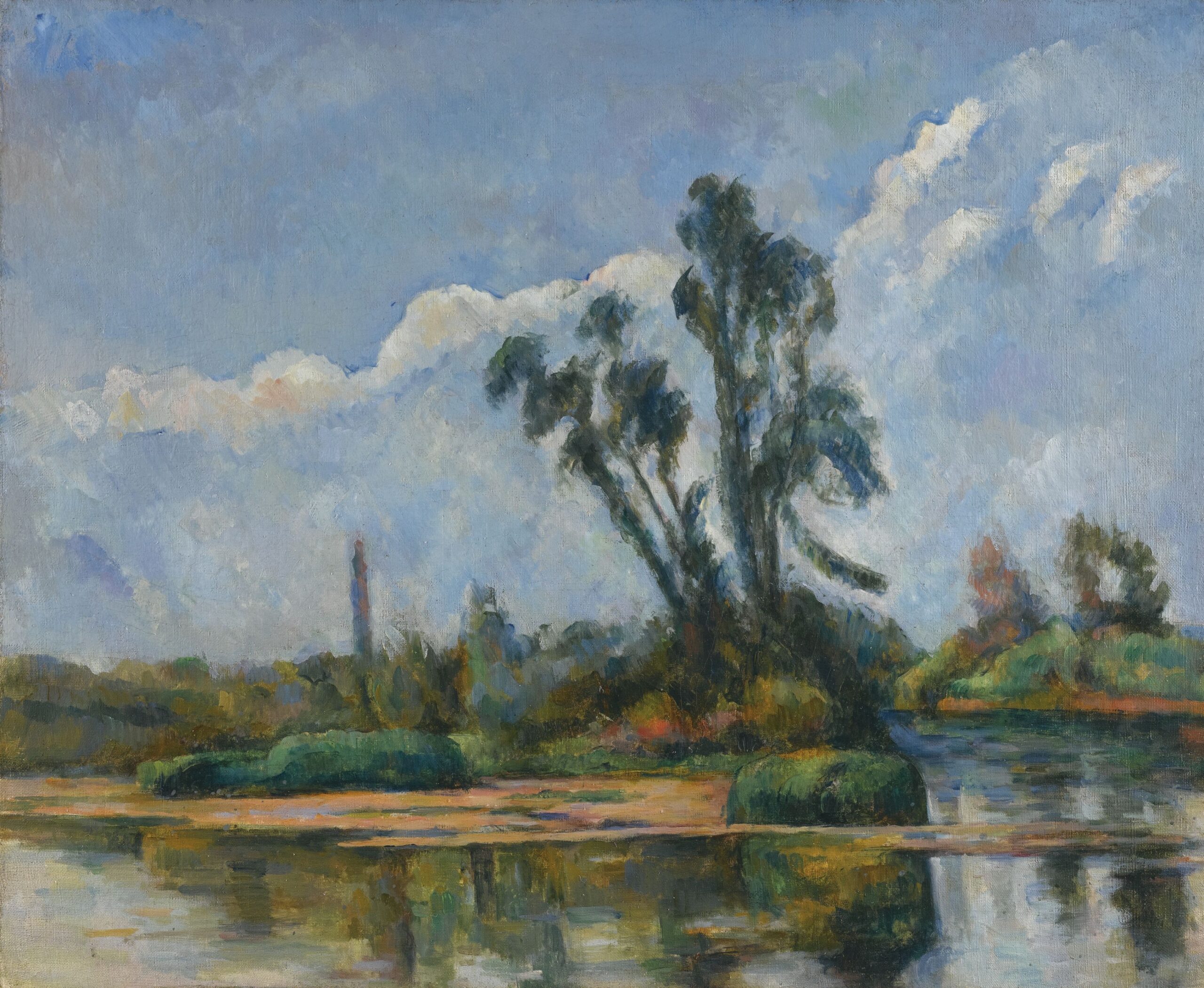
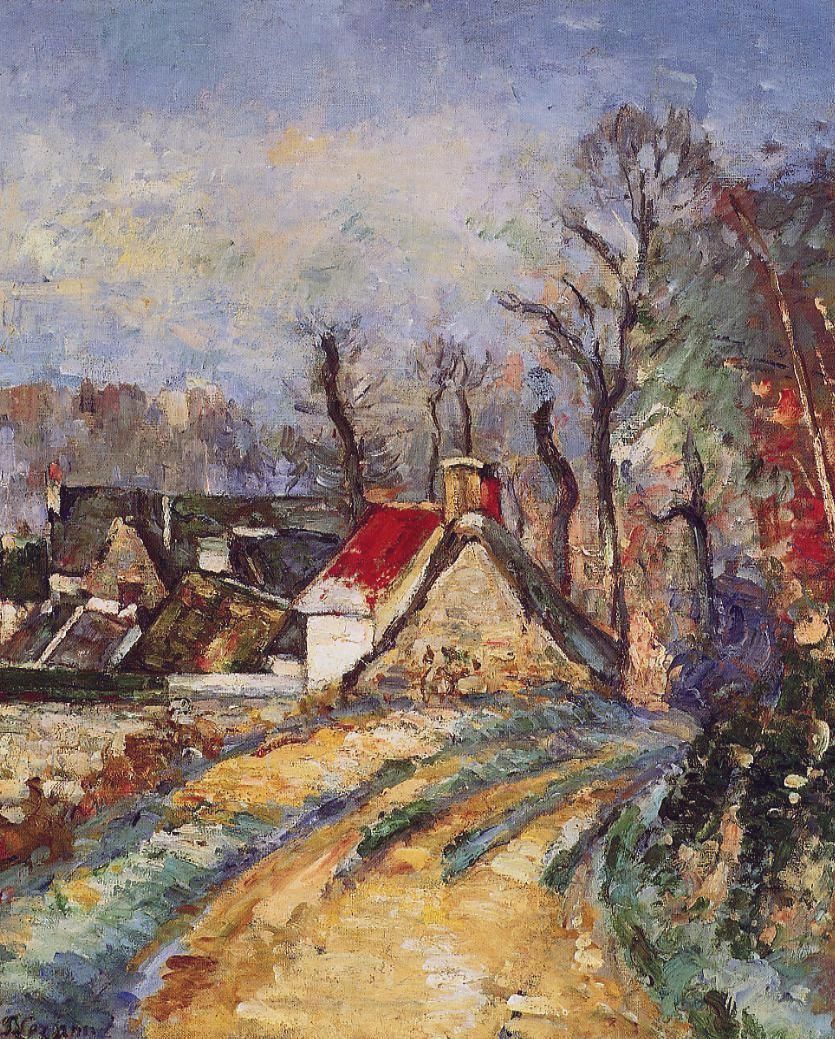
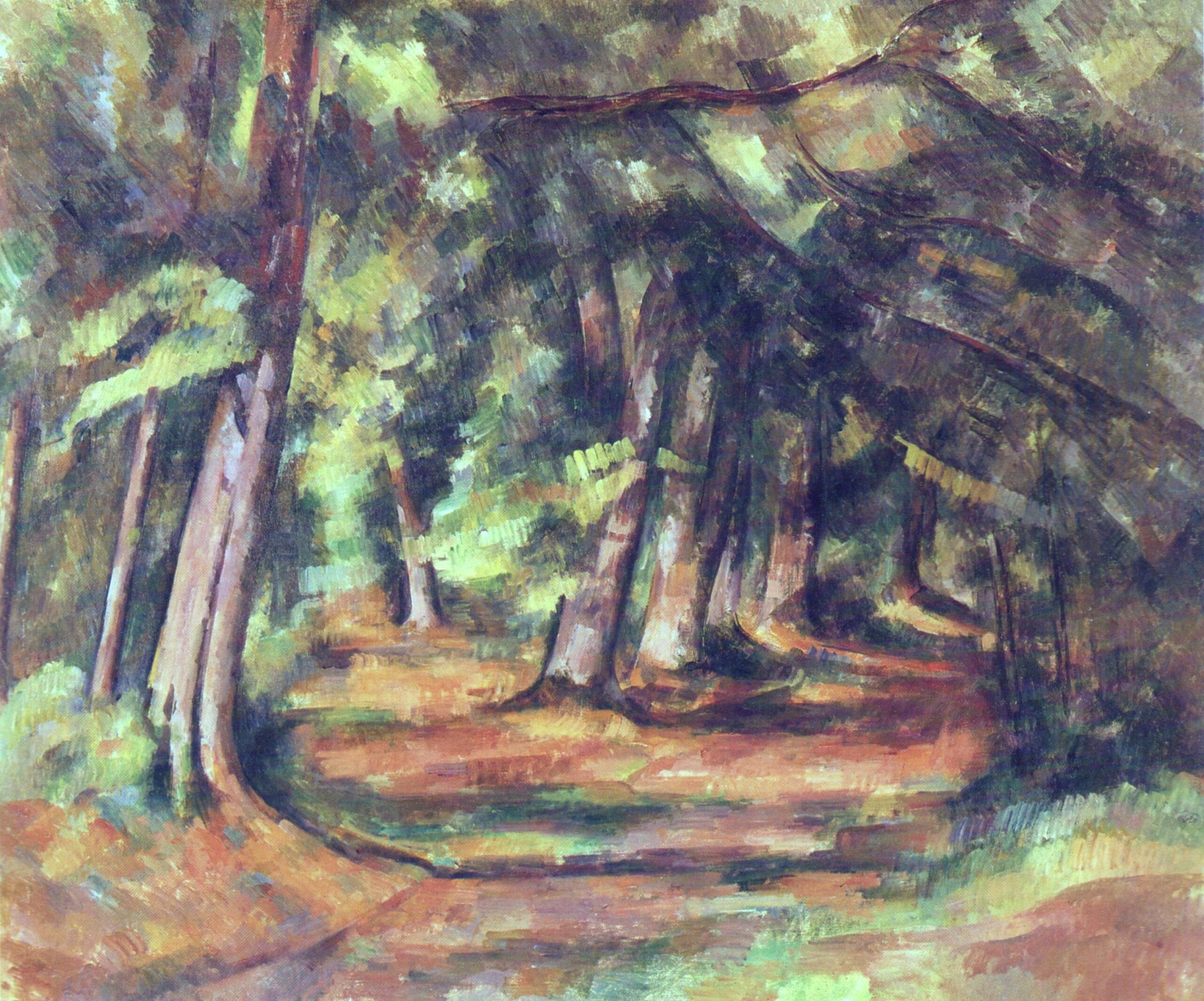
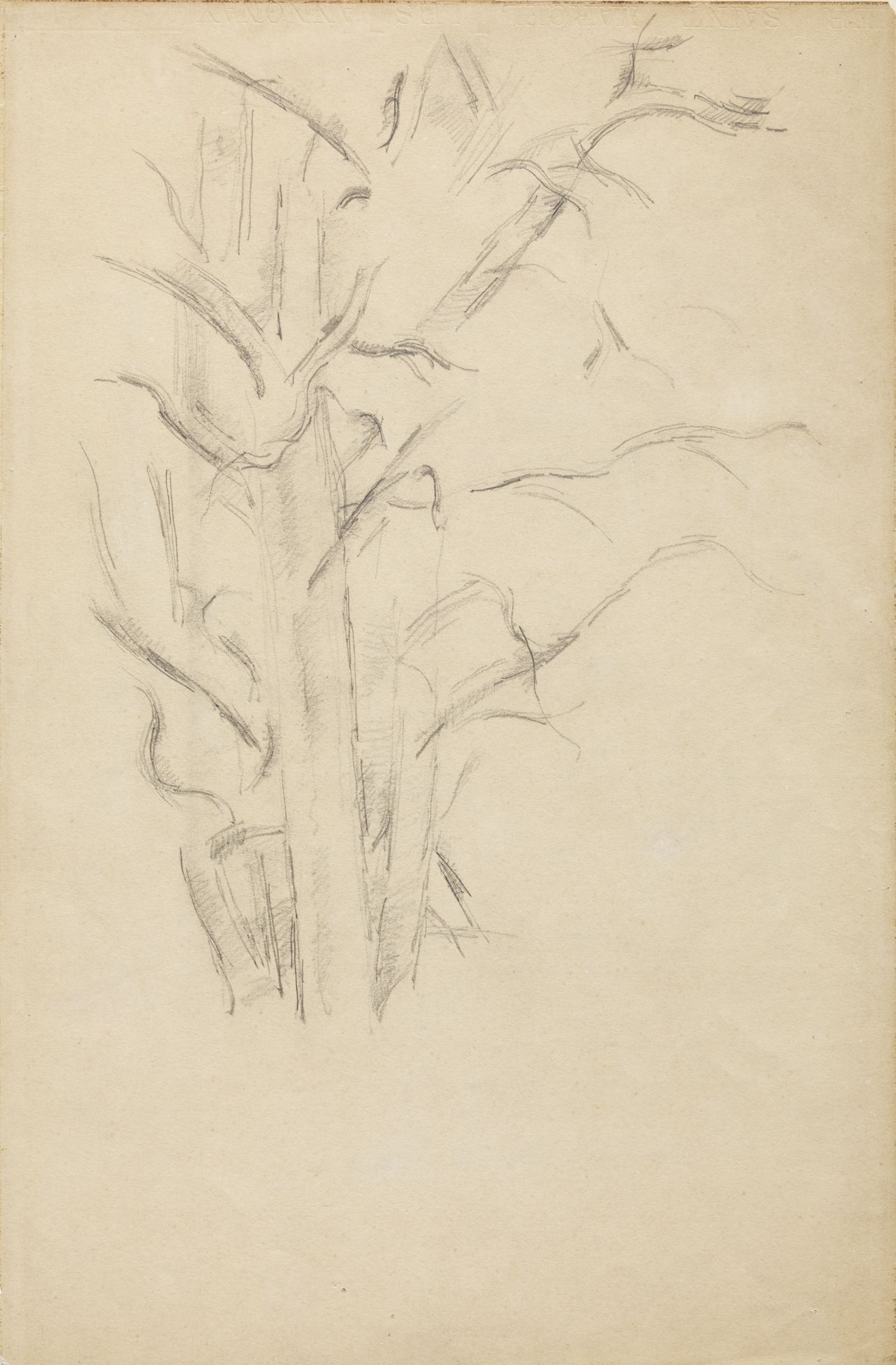
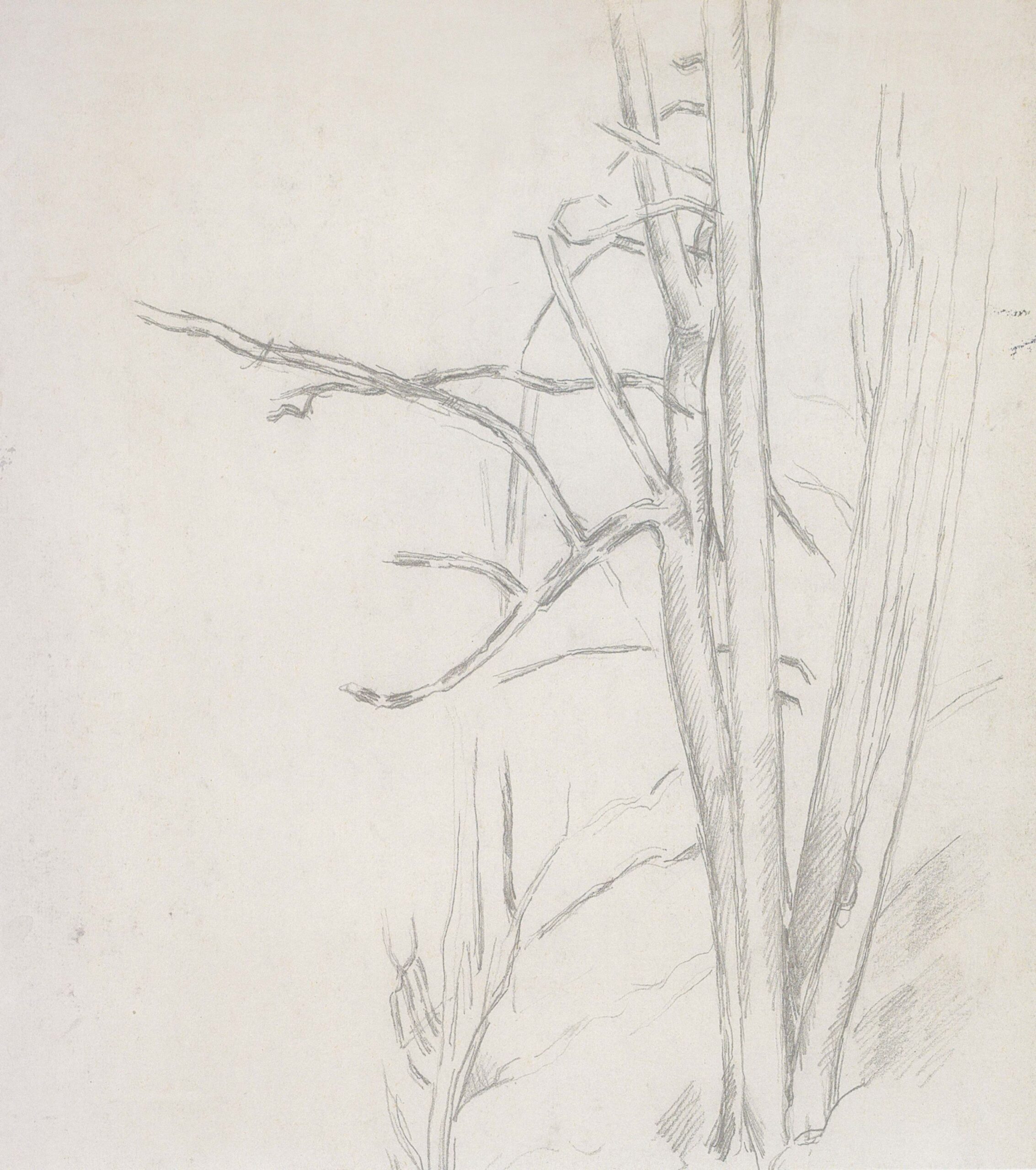
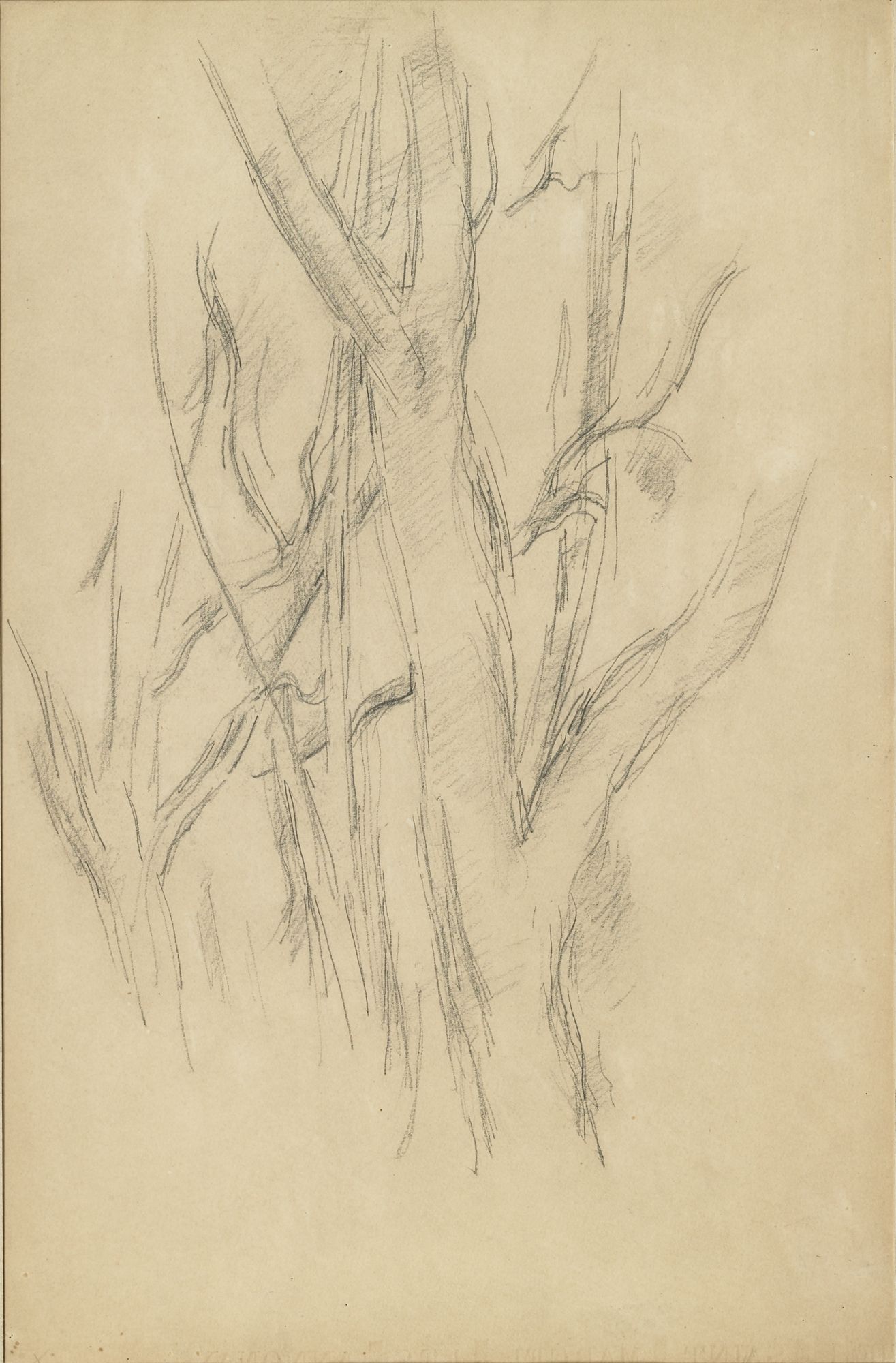
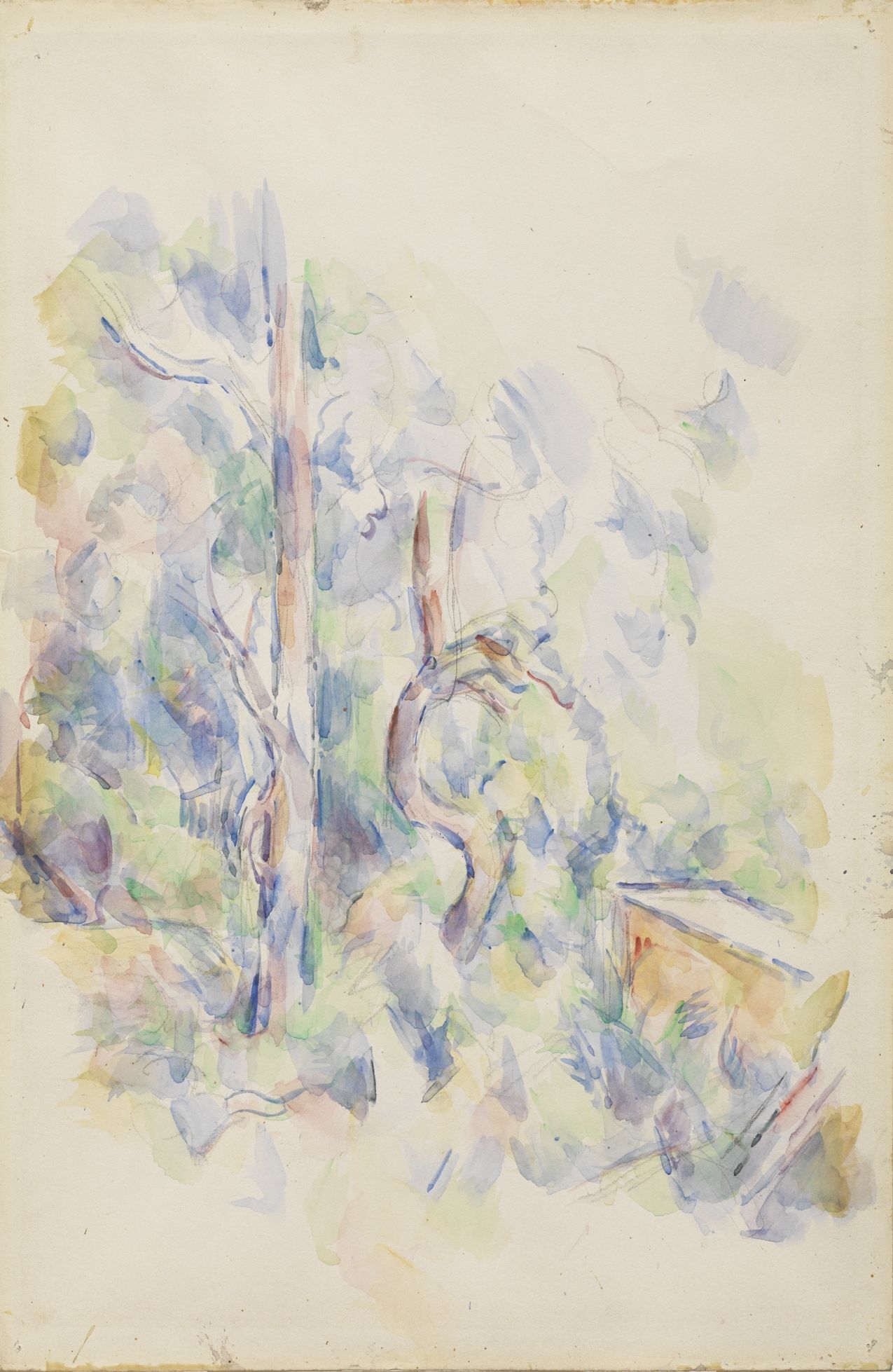
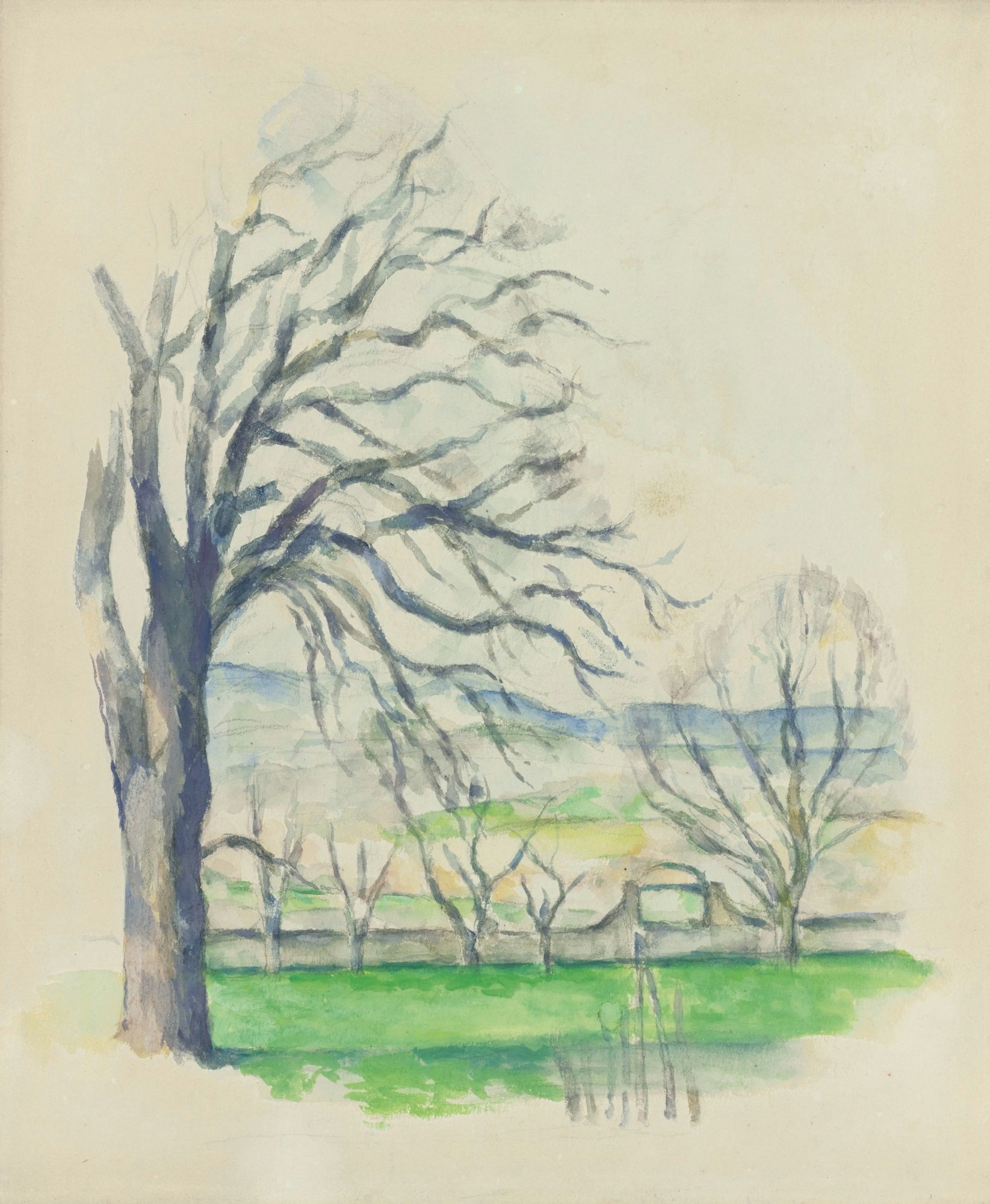
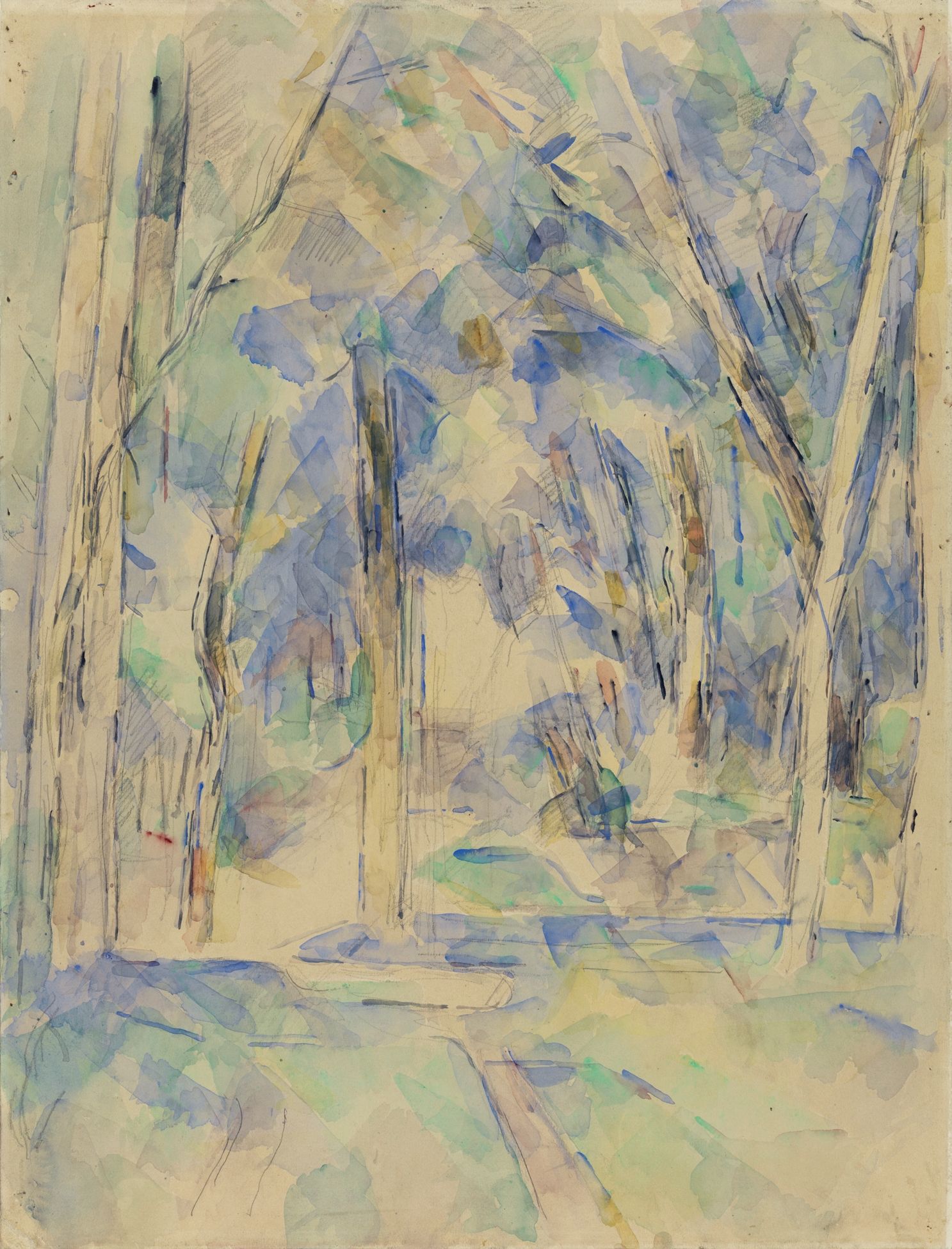
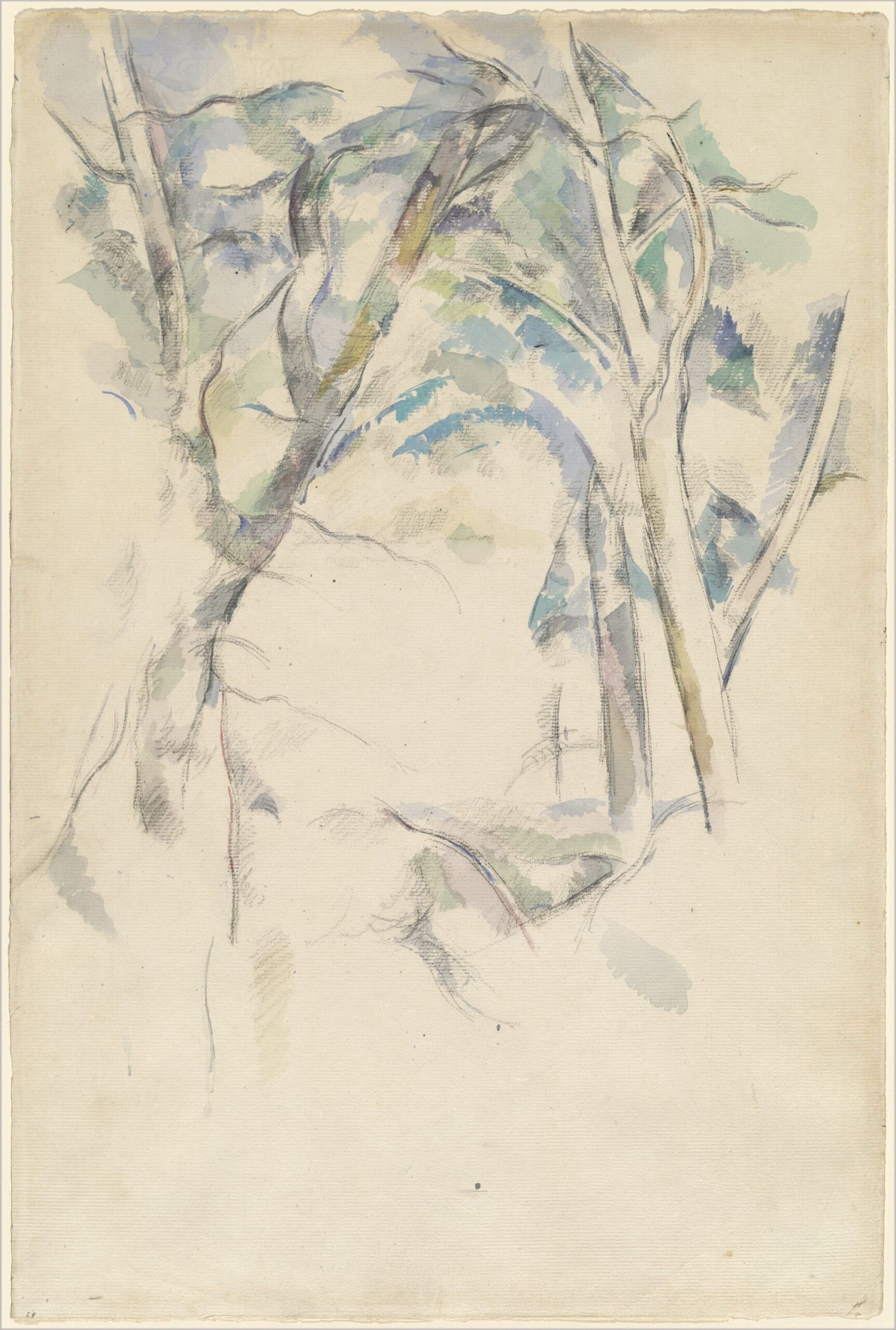
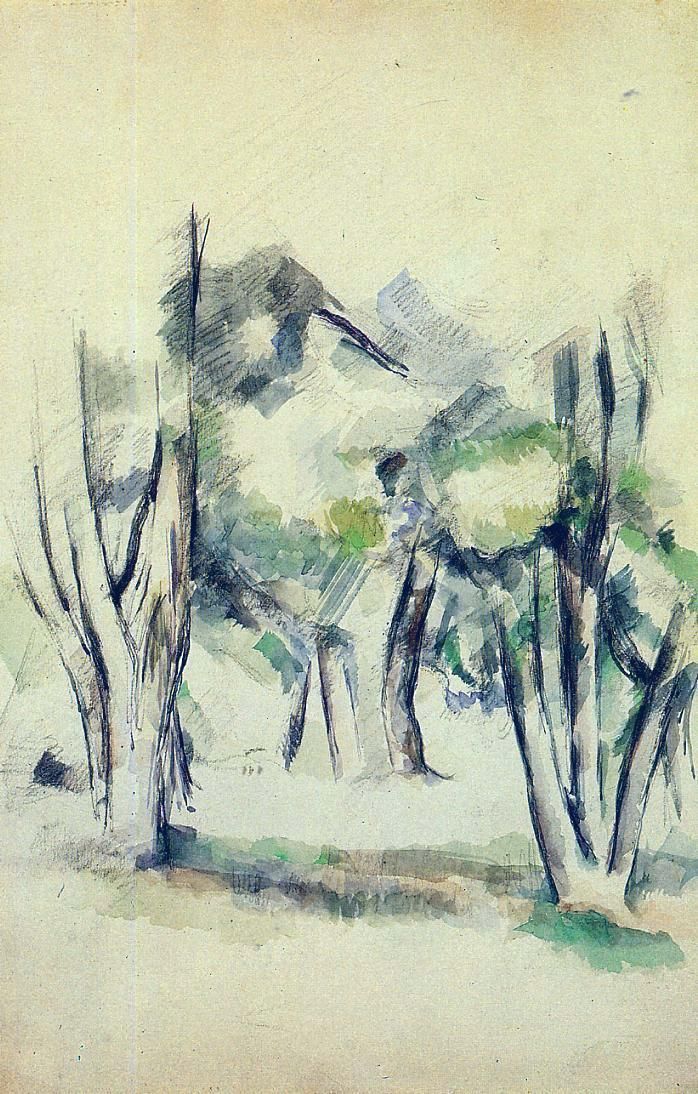
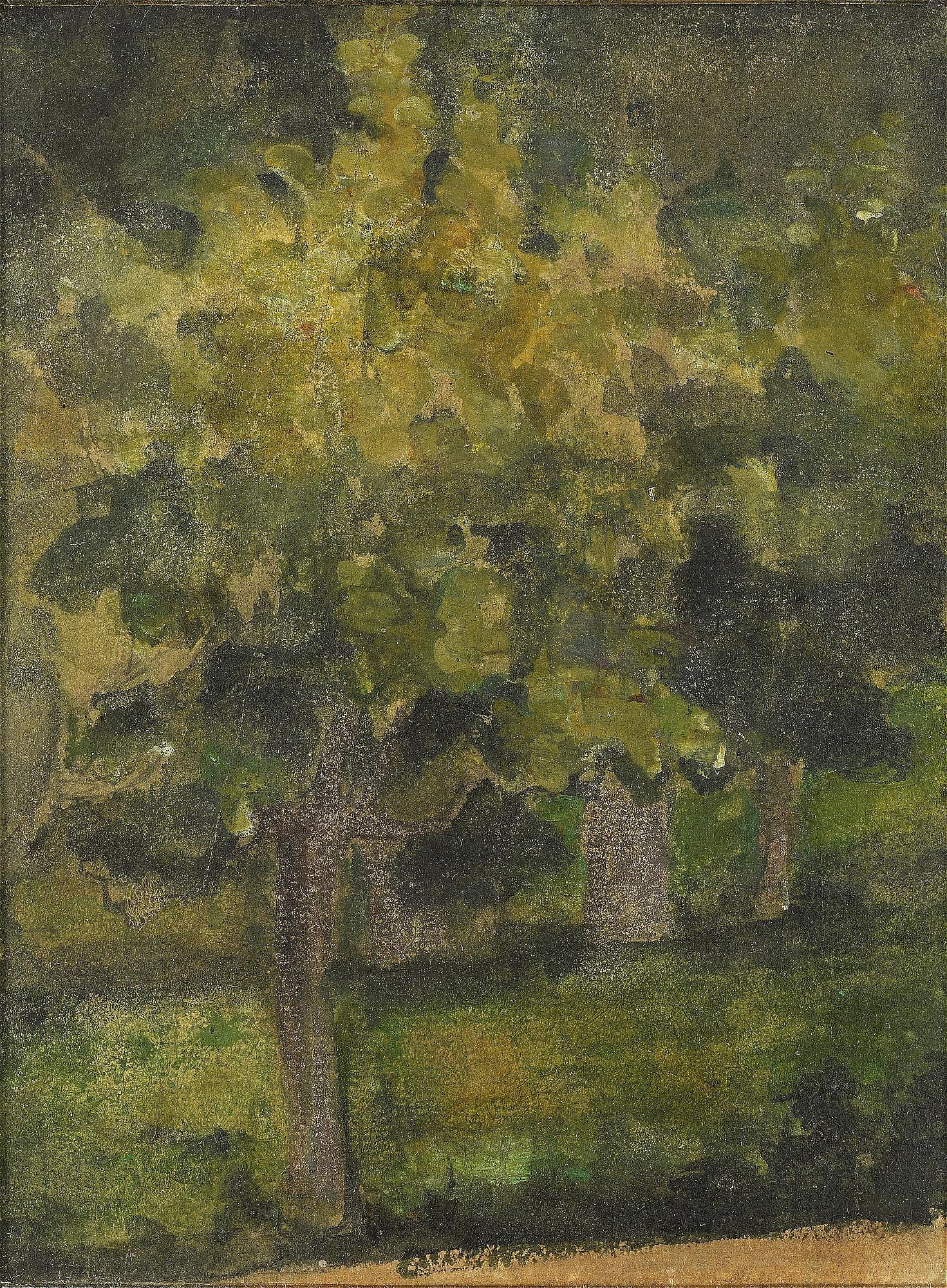
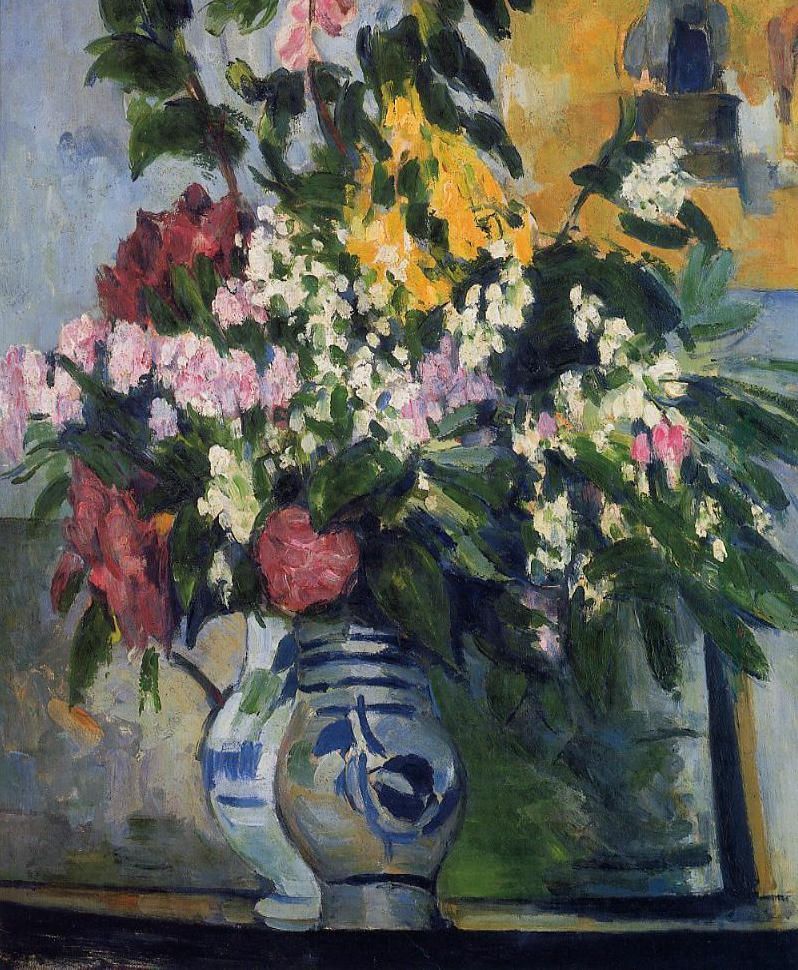
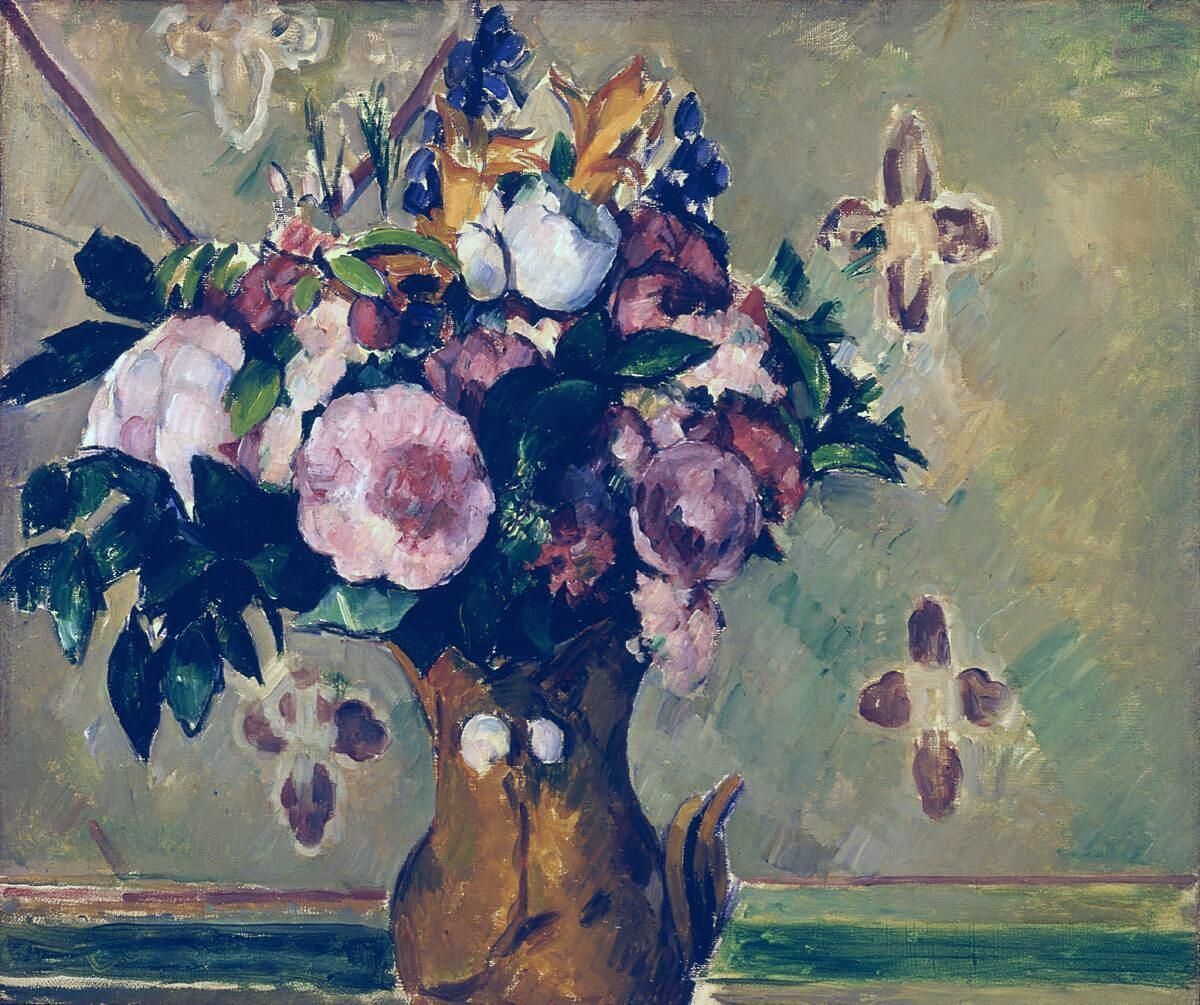
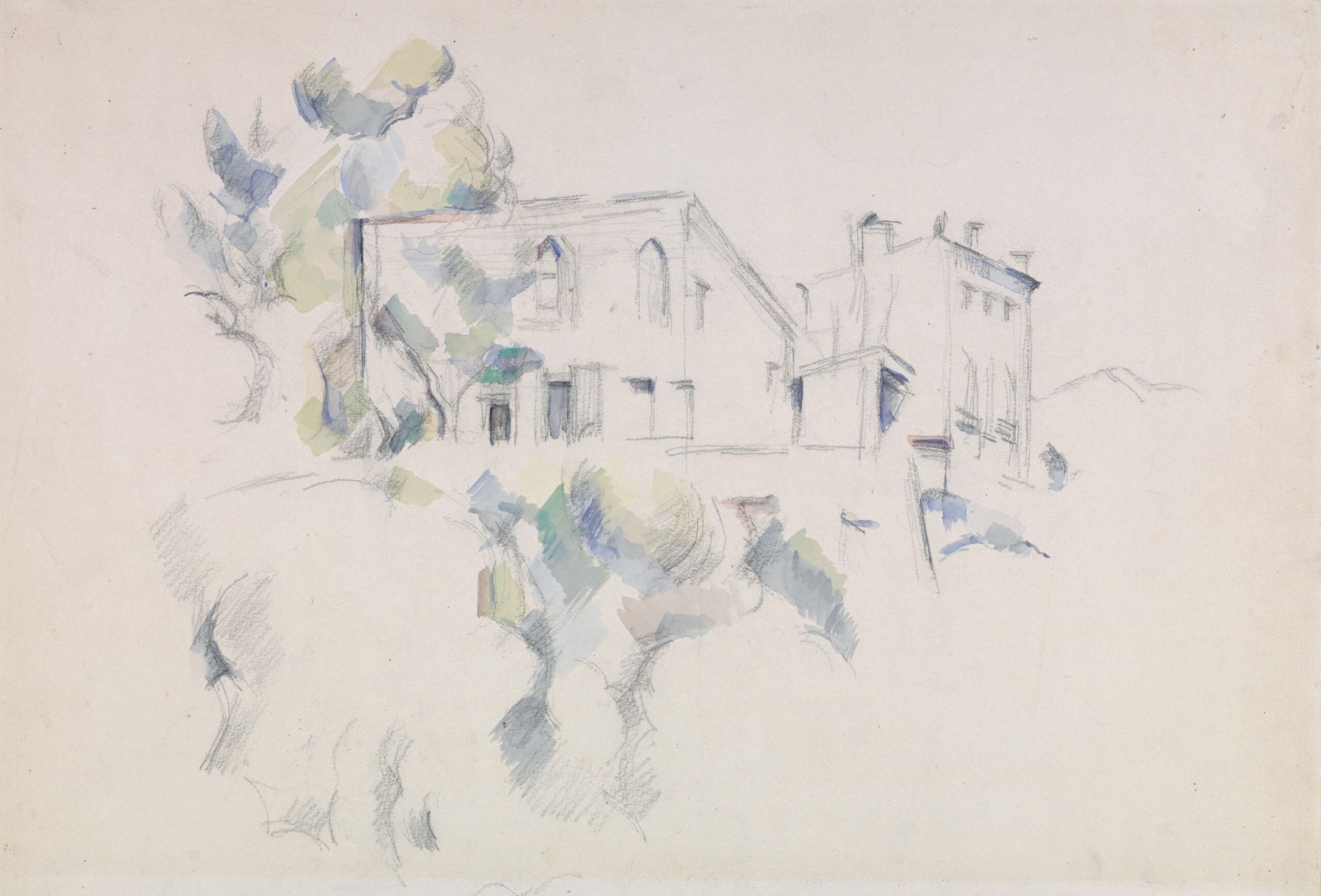
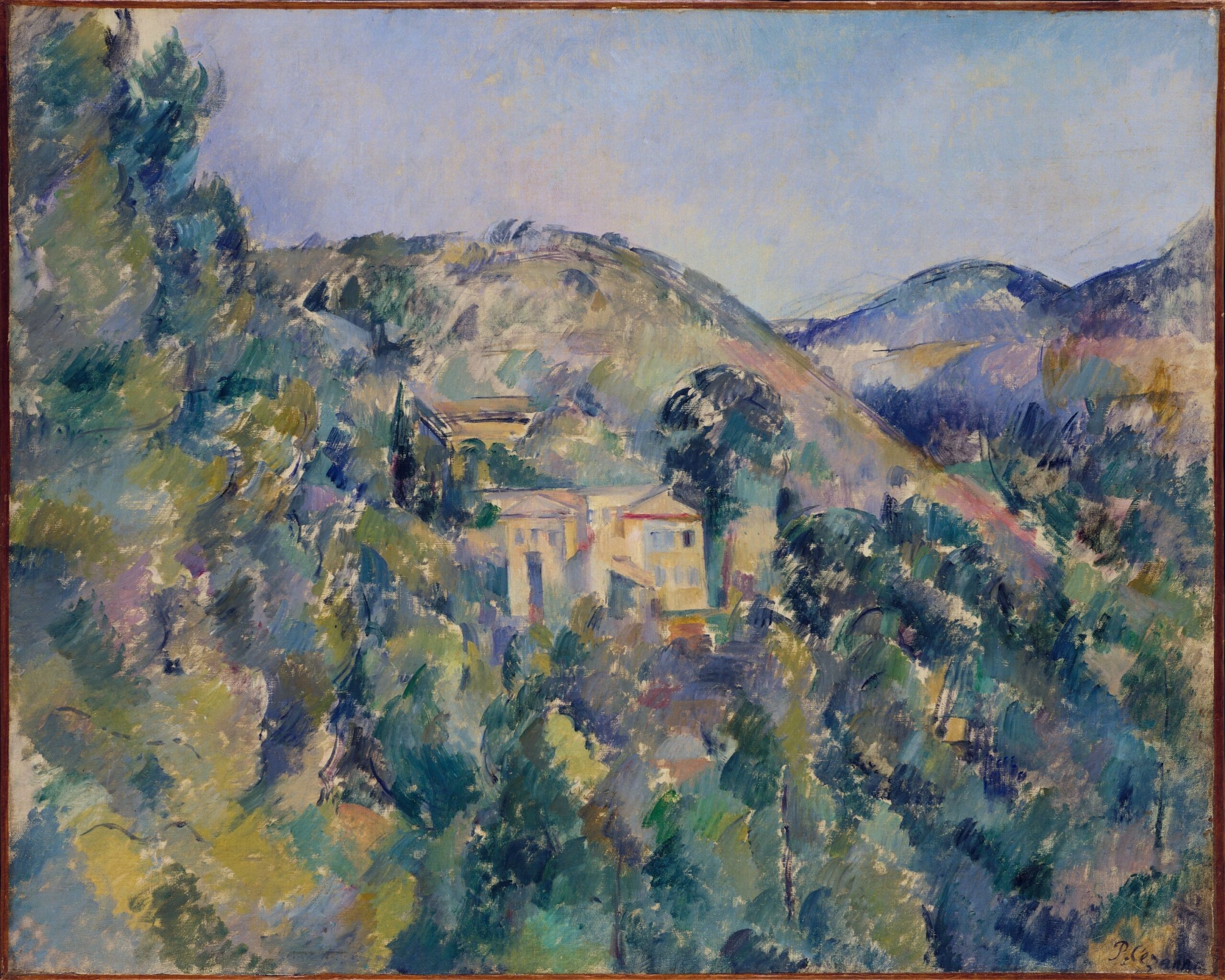
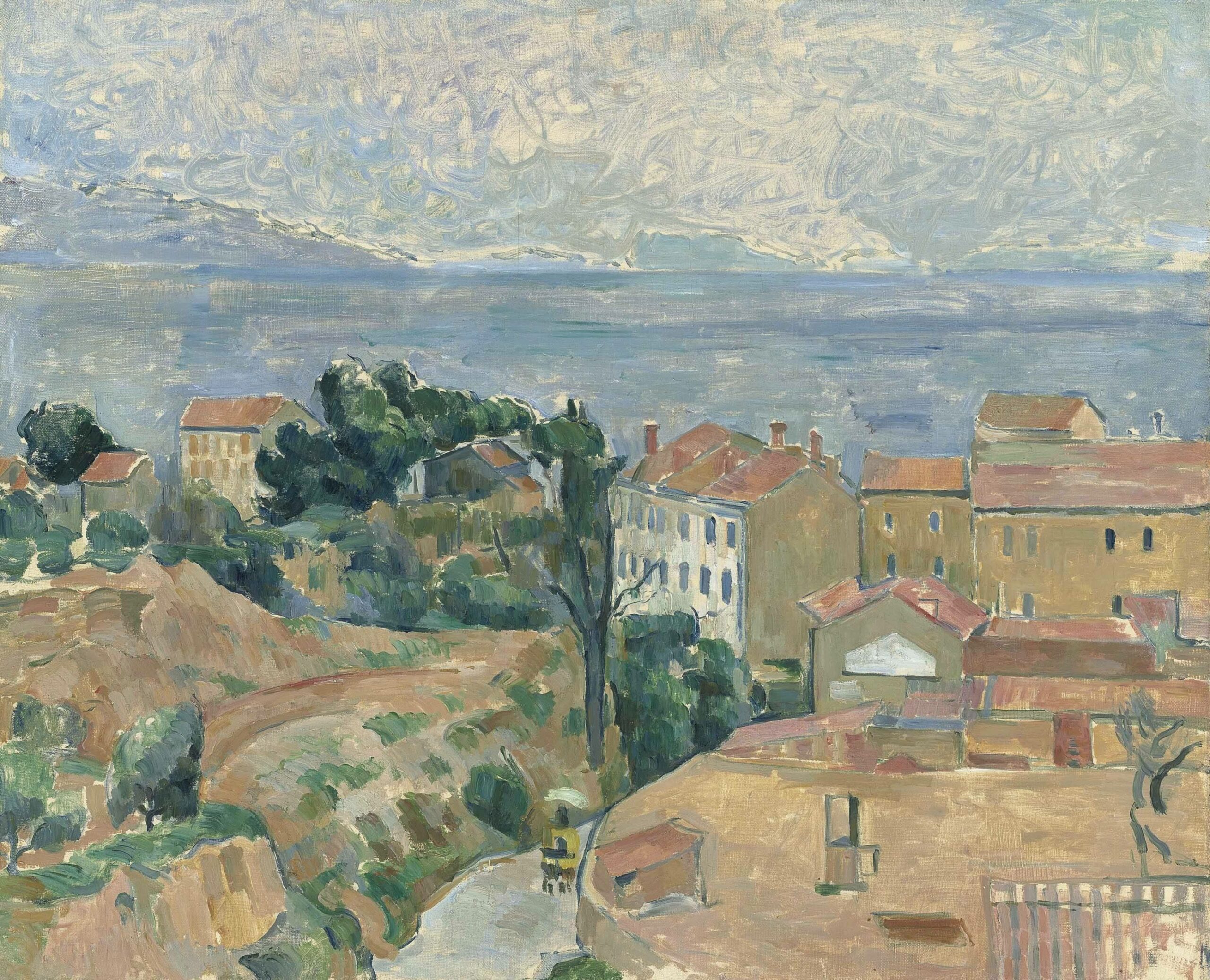
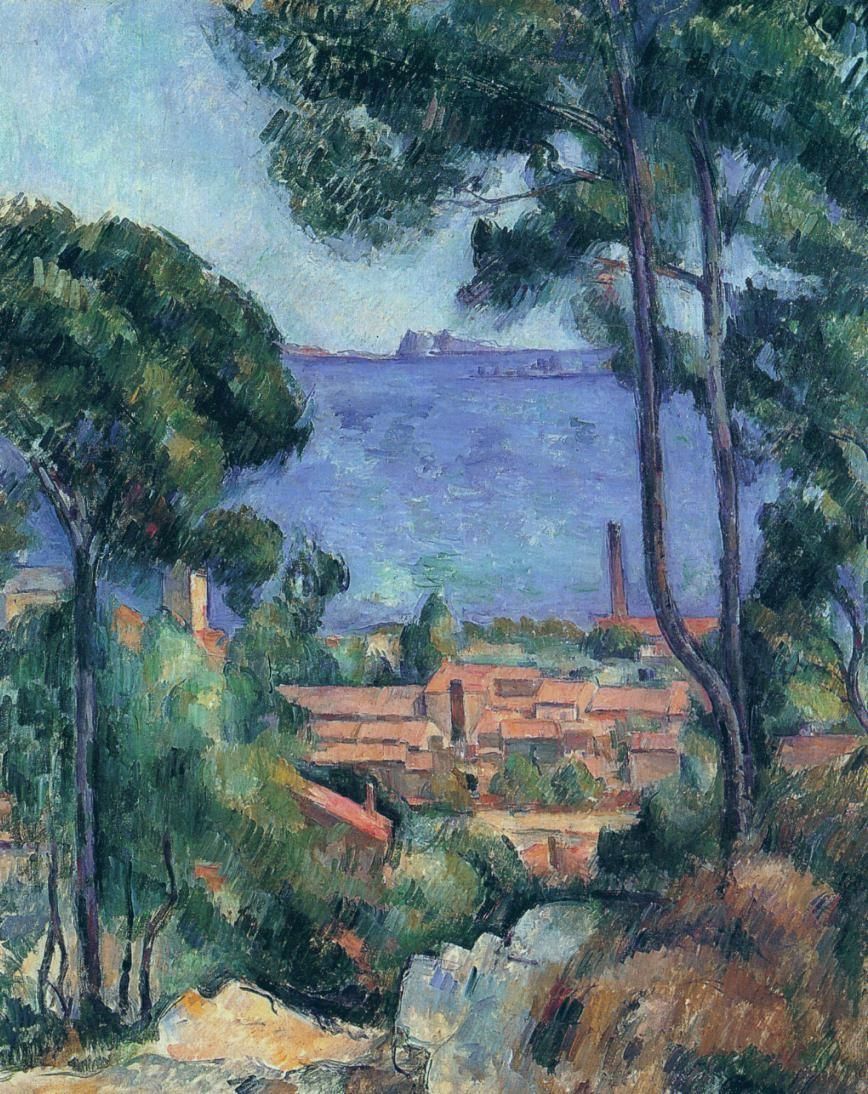
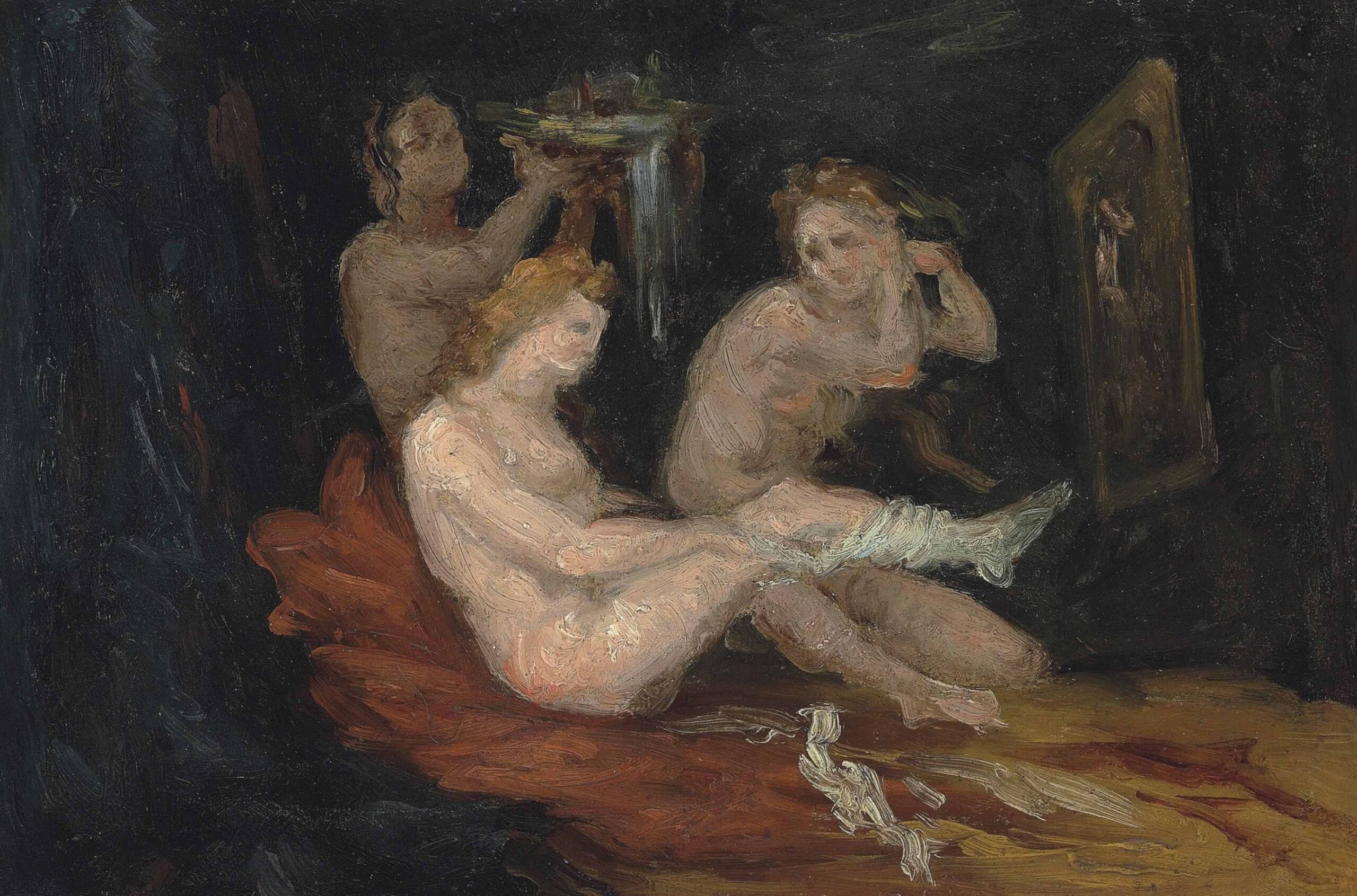
Paul Cézanne was born in 1839 in Aix-en-Provence, France, and became one of the most influential figures in modern art. Initially associated with Impressionism, he gradually developed a more structured and analytical approach to painting. Cézanne sought to bring lasting order and solidity to scenes of nature, still life, and portraiture. His work bridges the gap between 19th-century Impressionism and 20th-century abstraction.
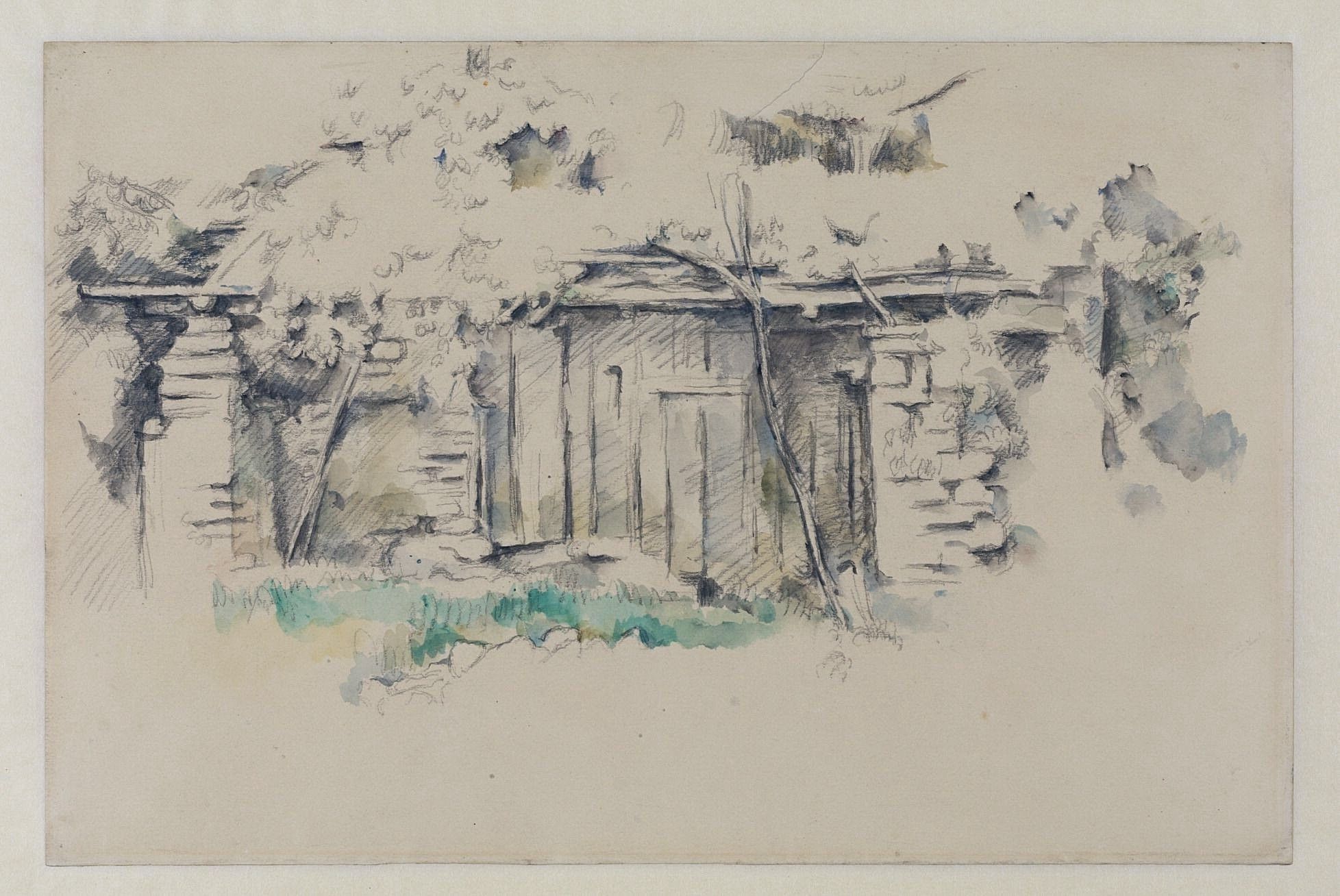
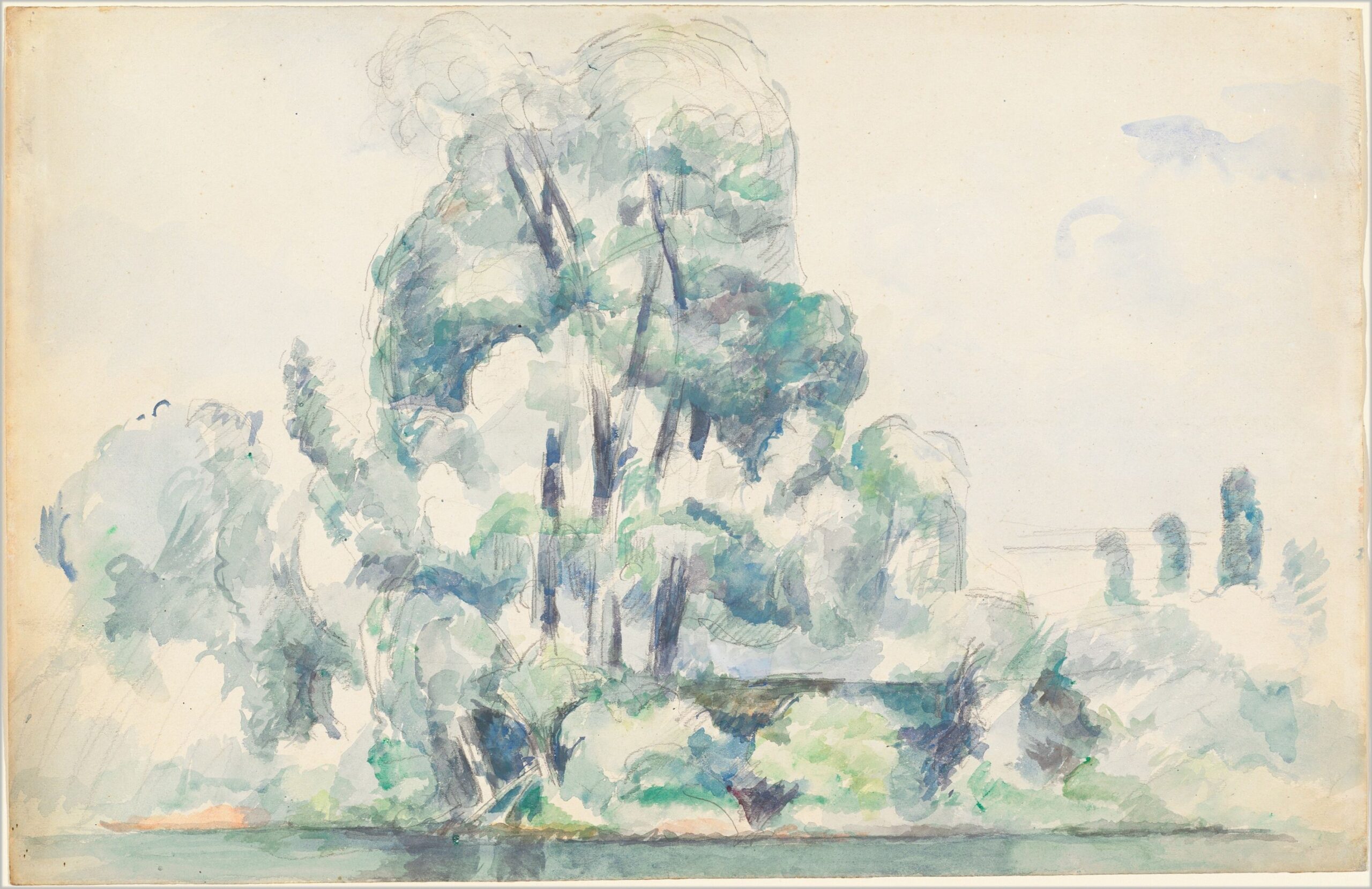
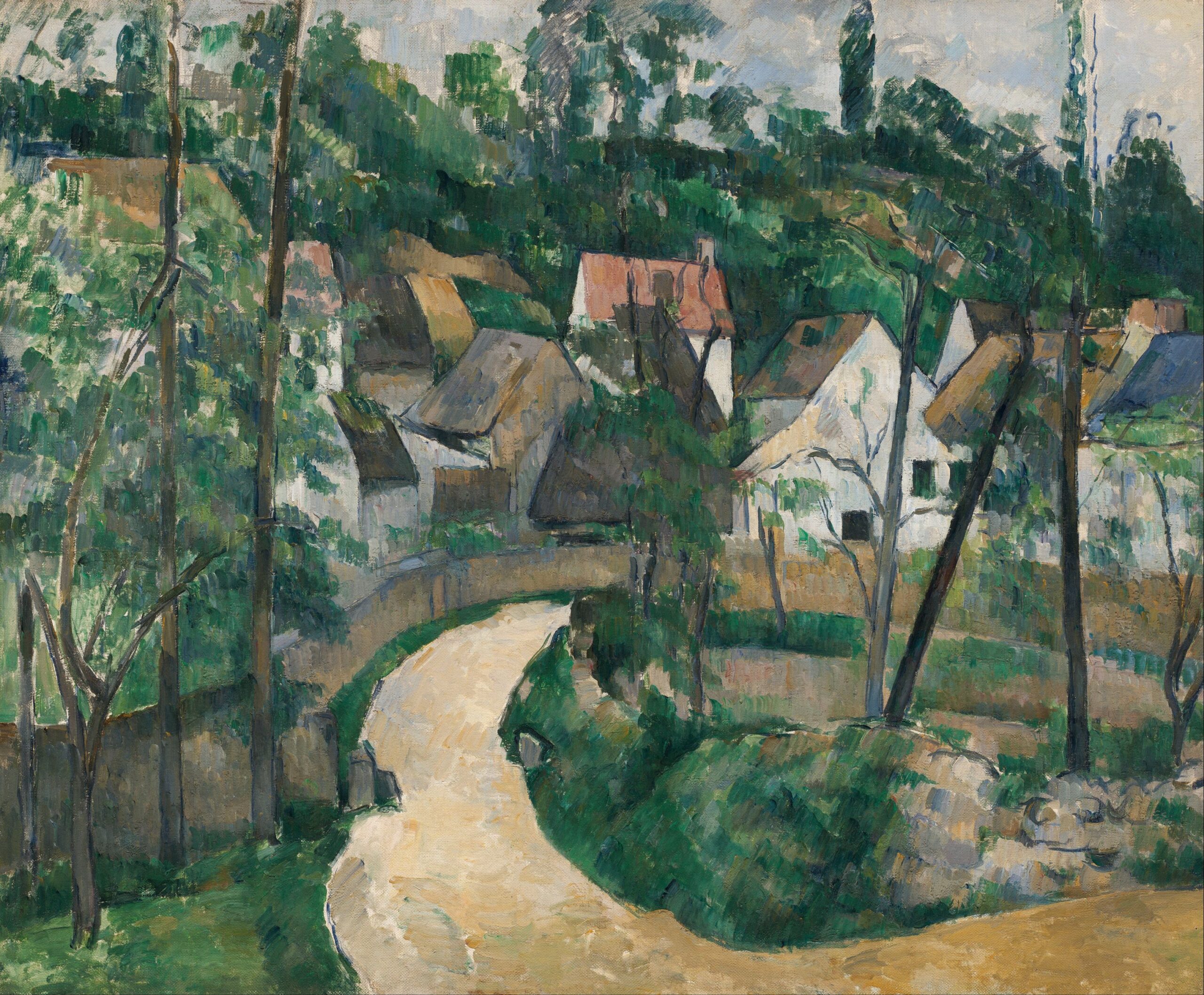
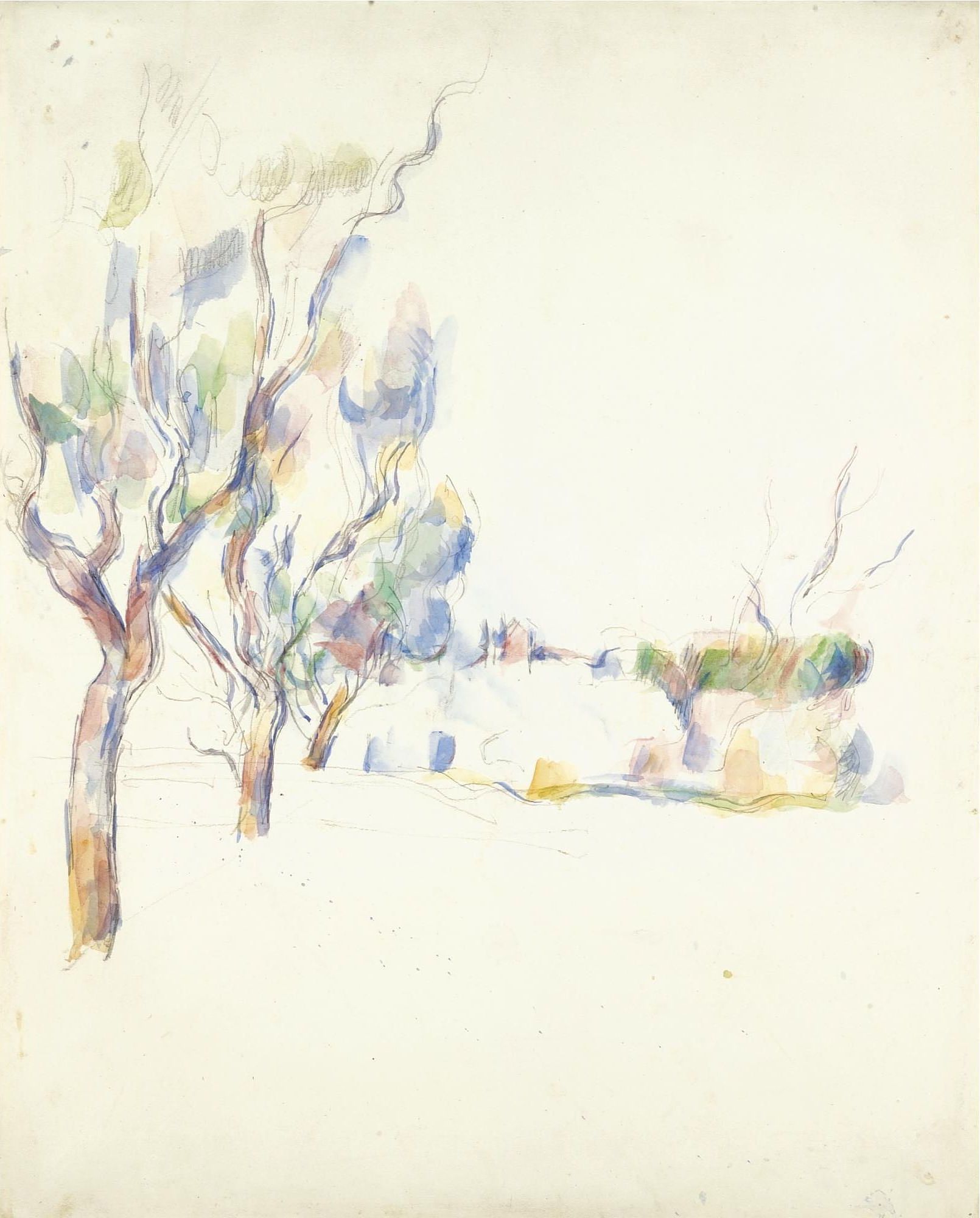
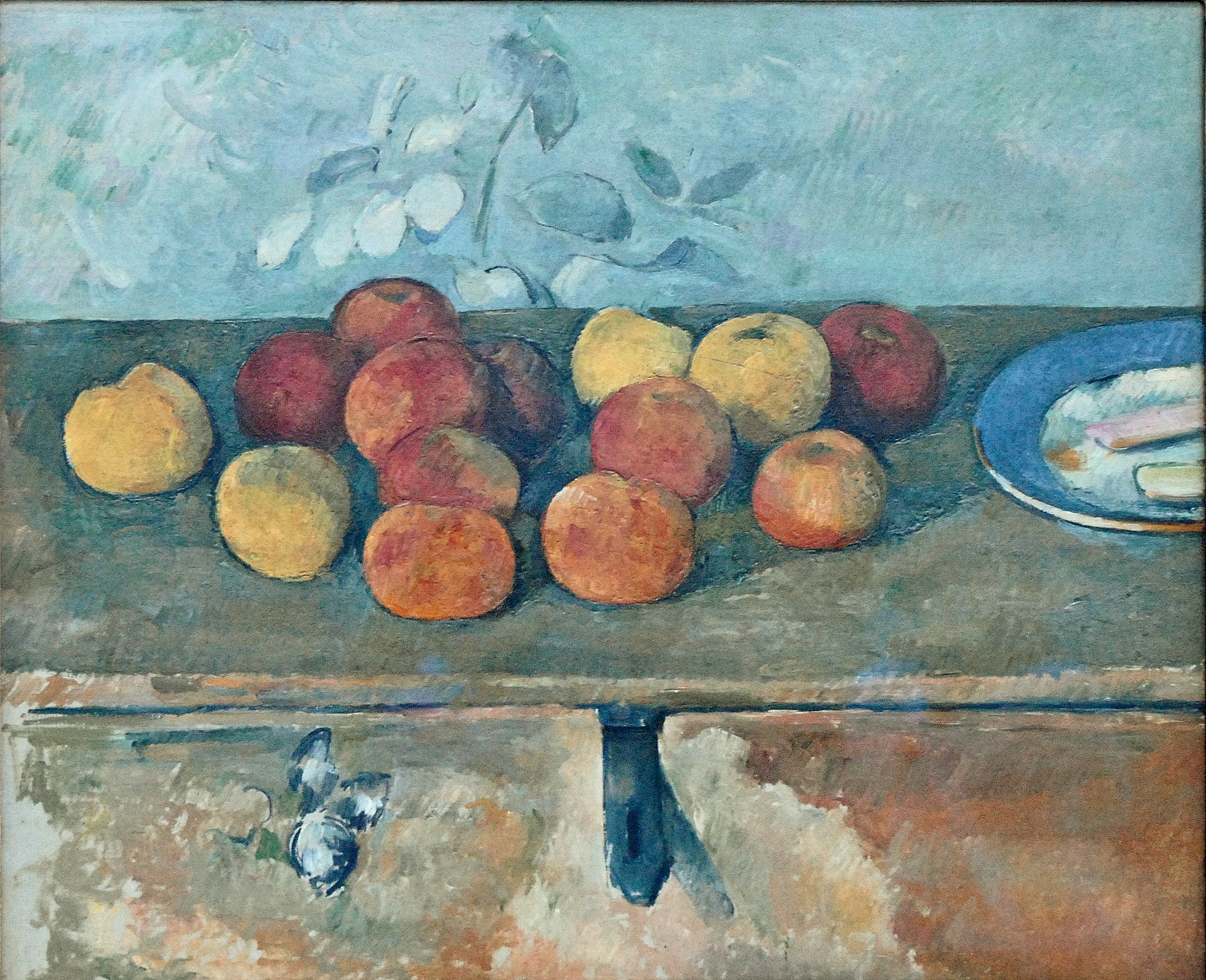
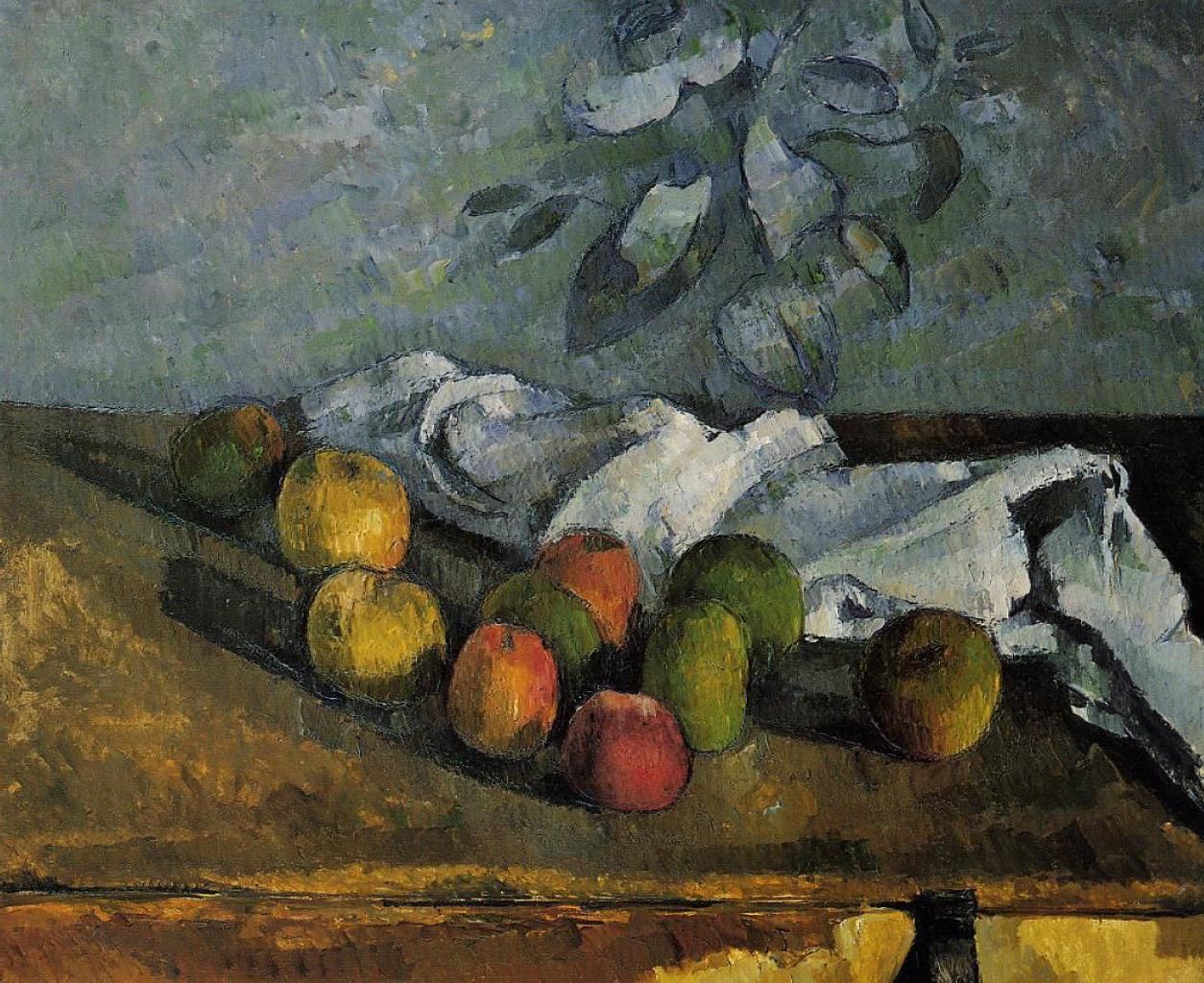
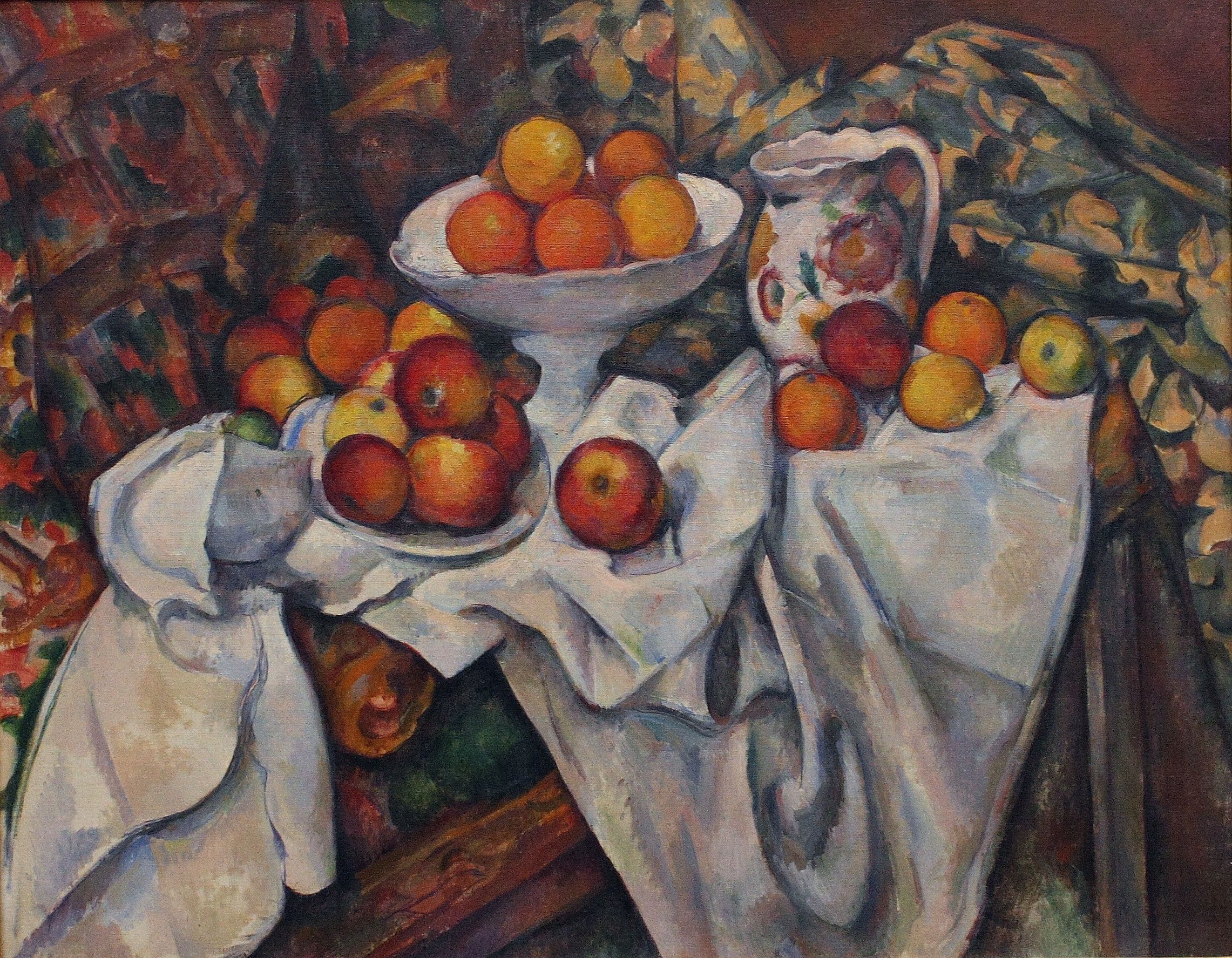
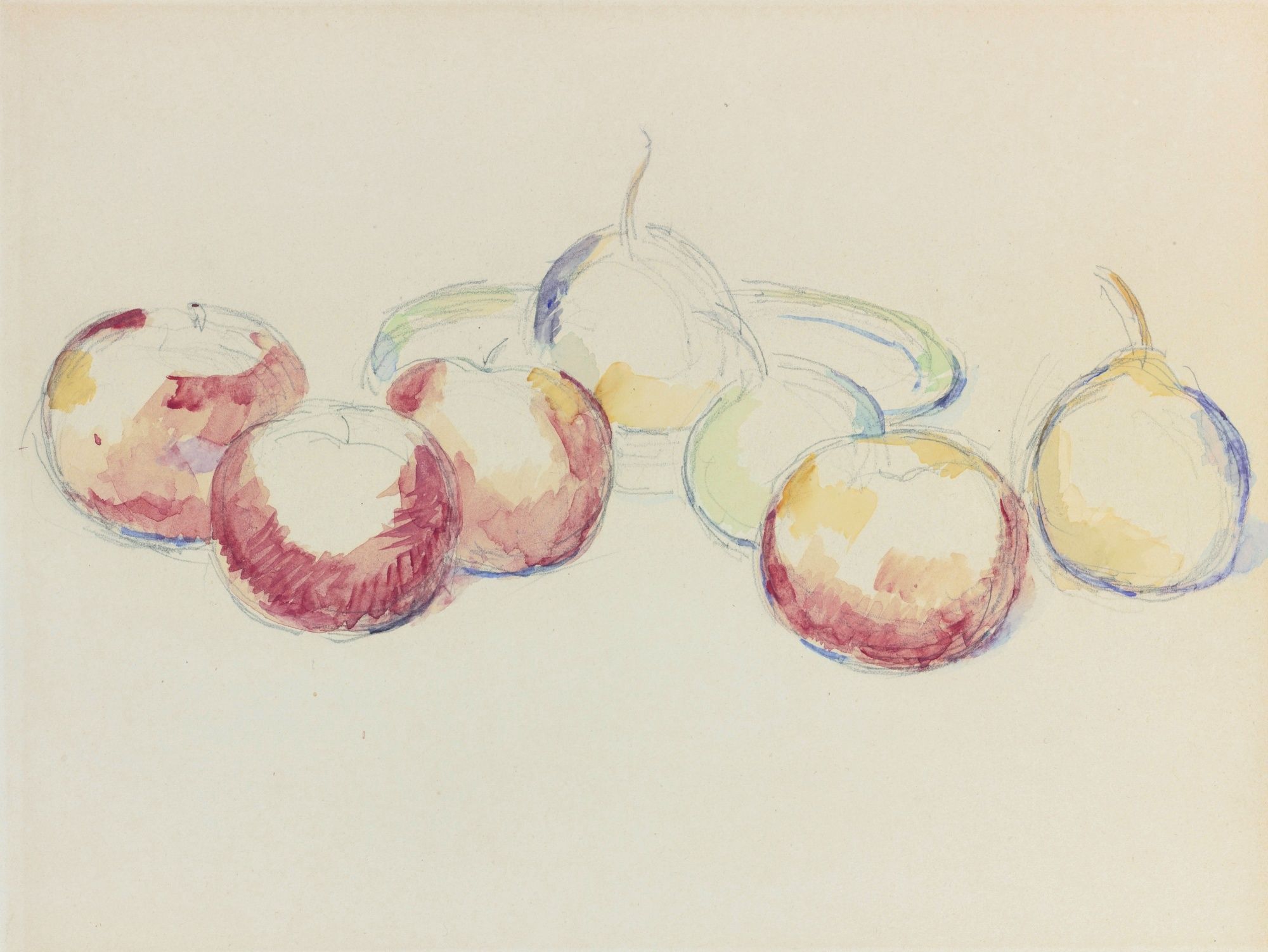
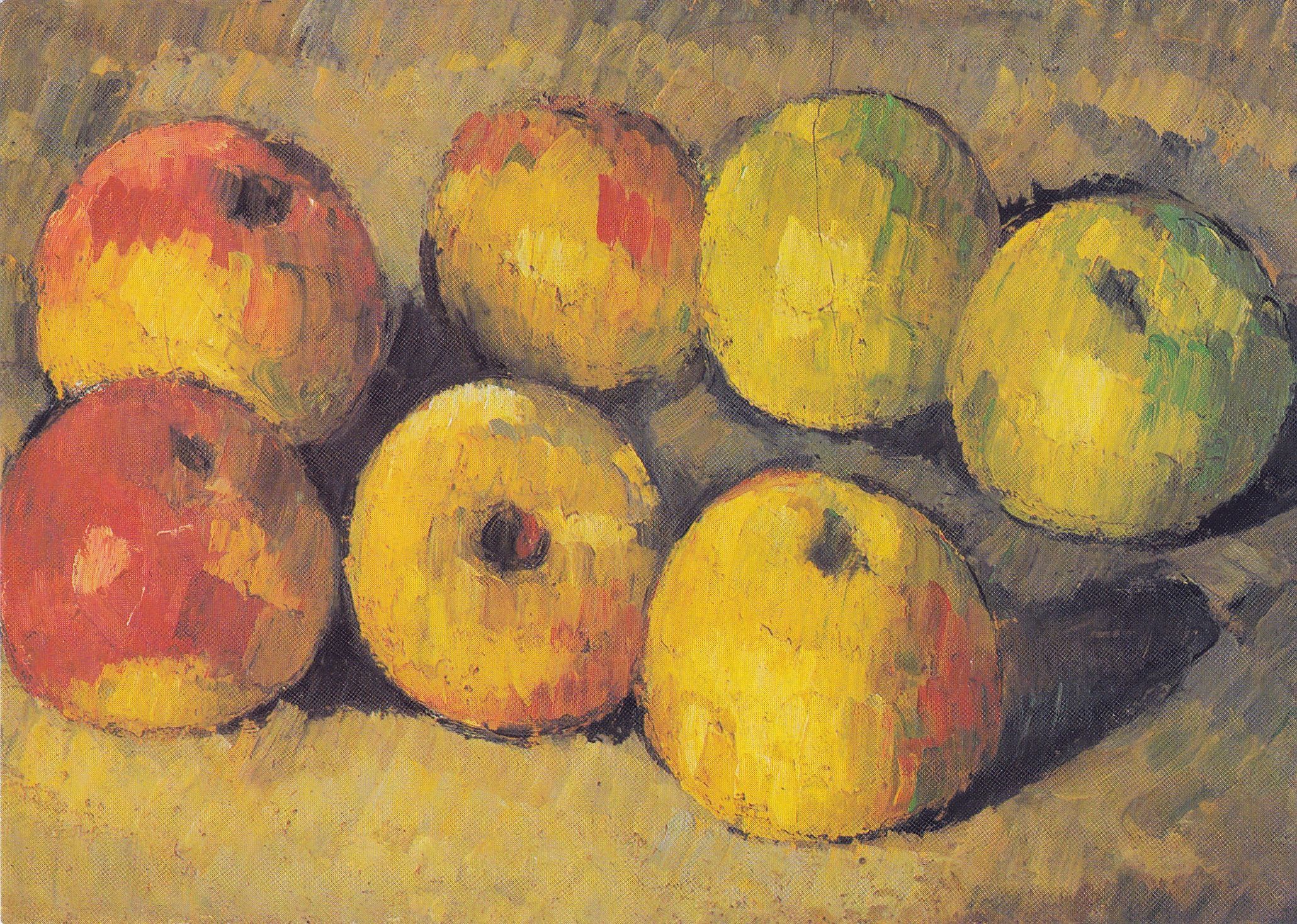
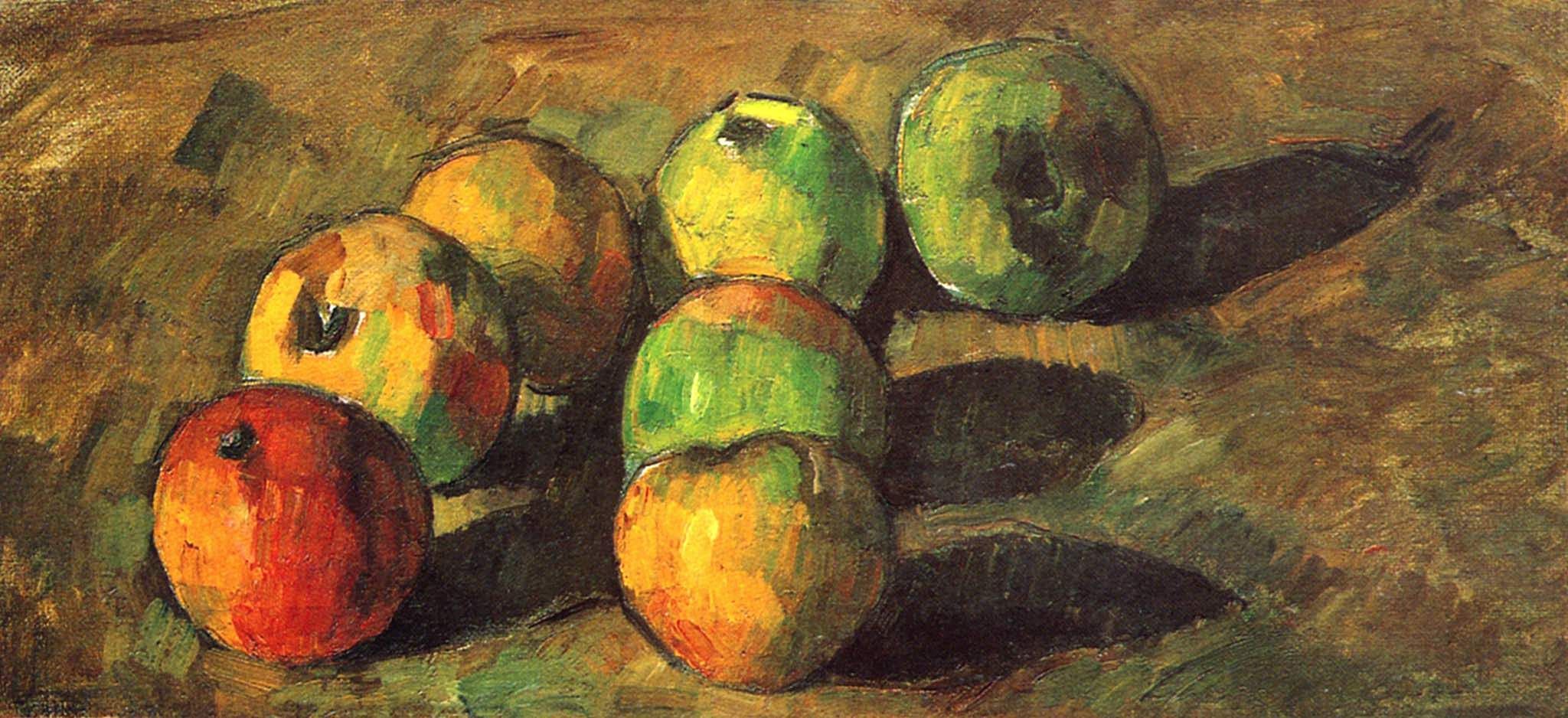
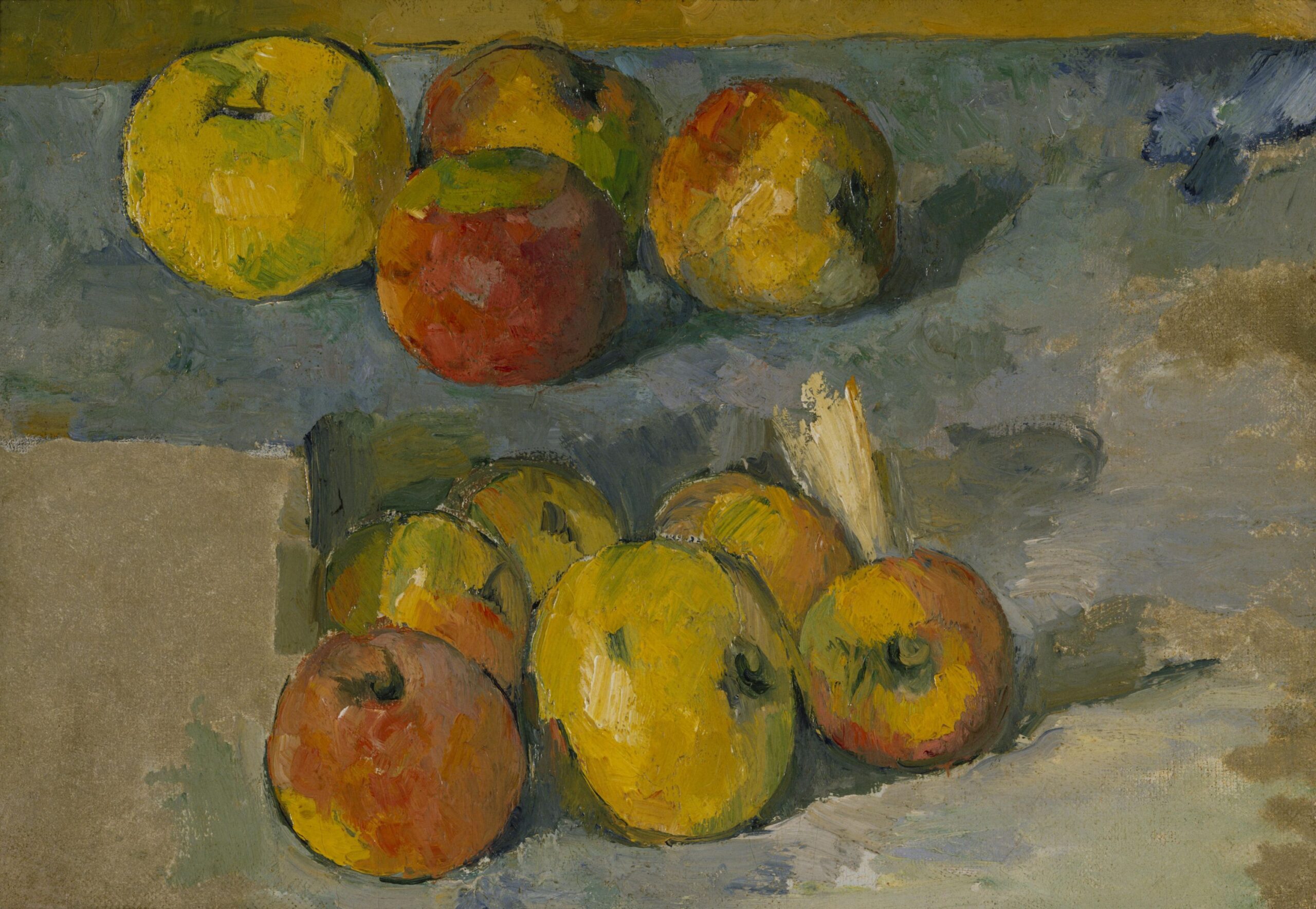
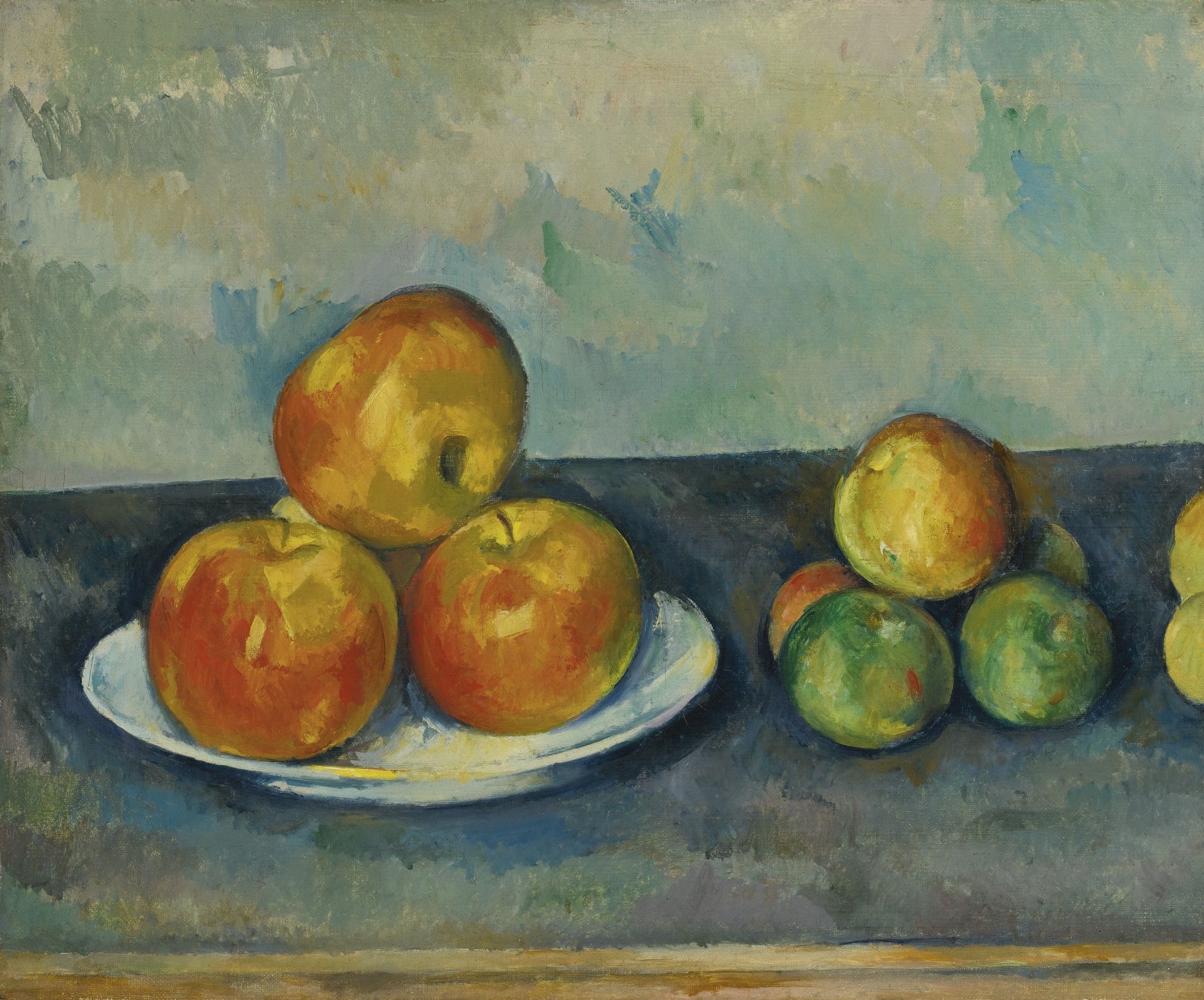
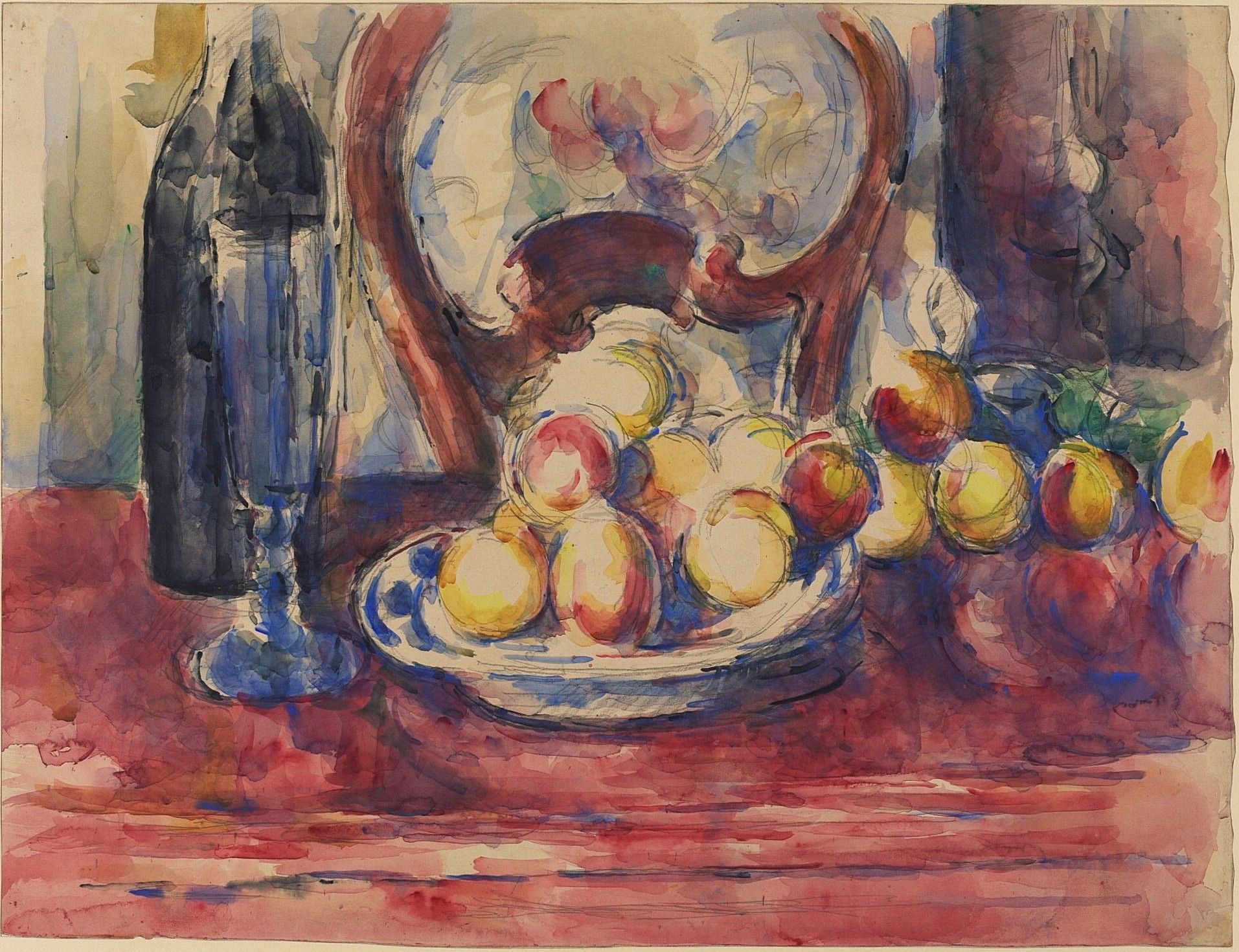
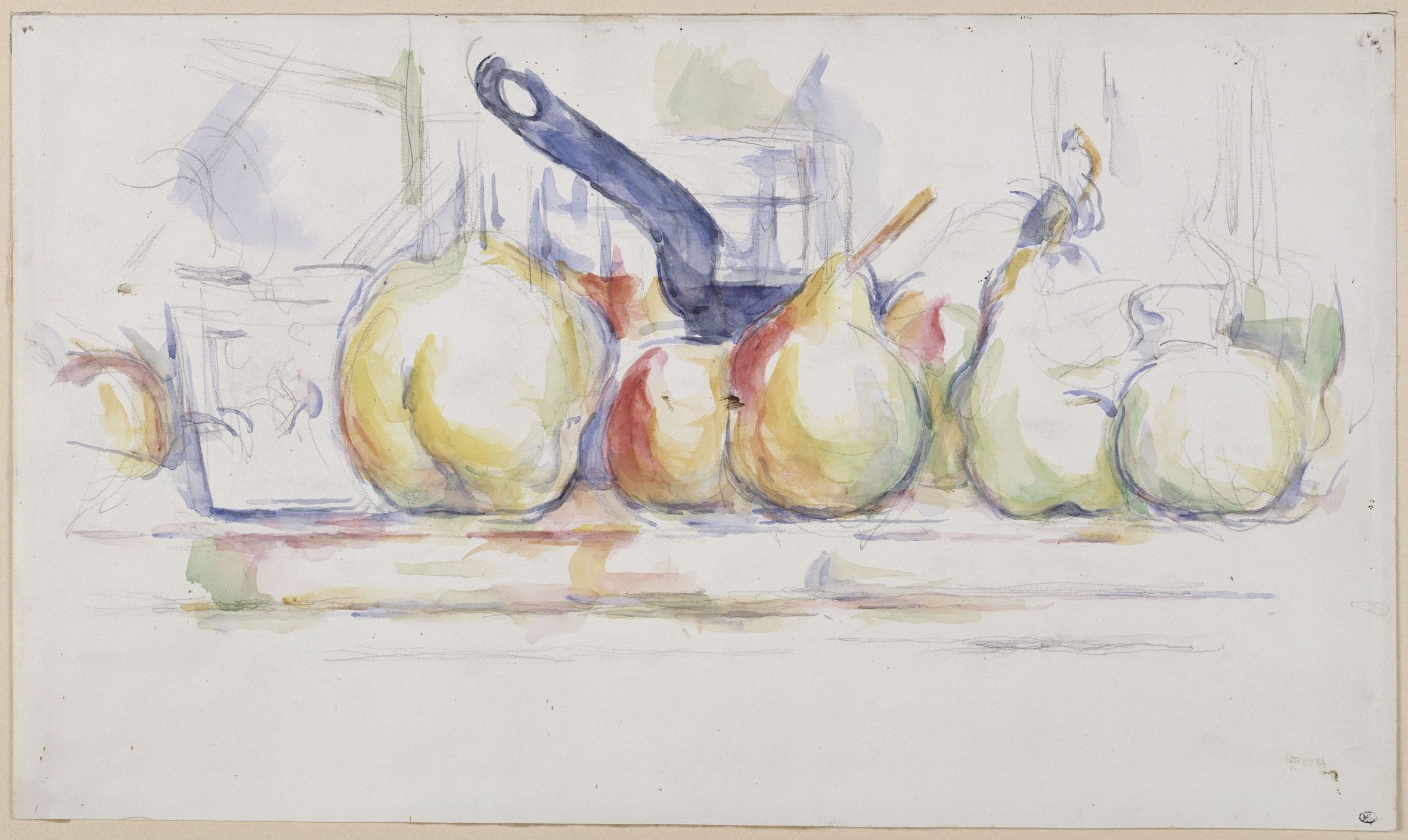
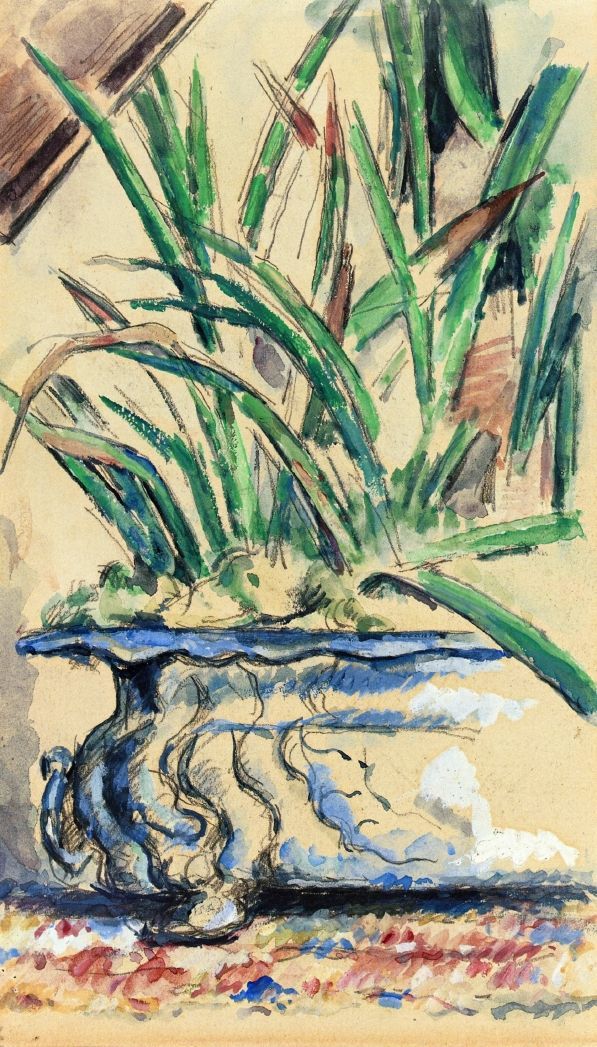
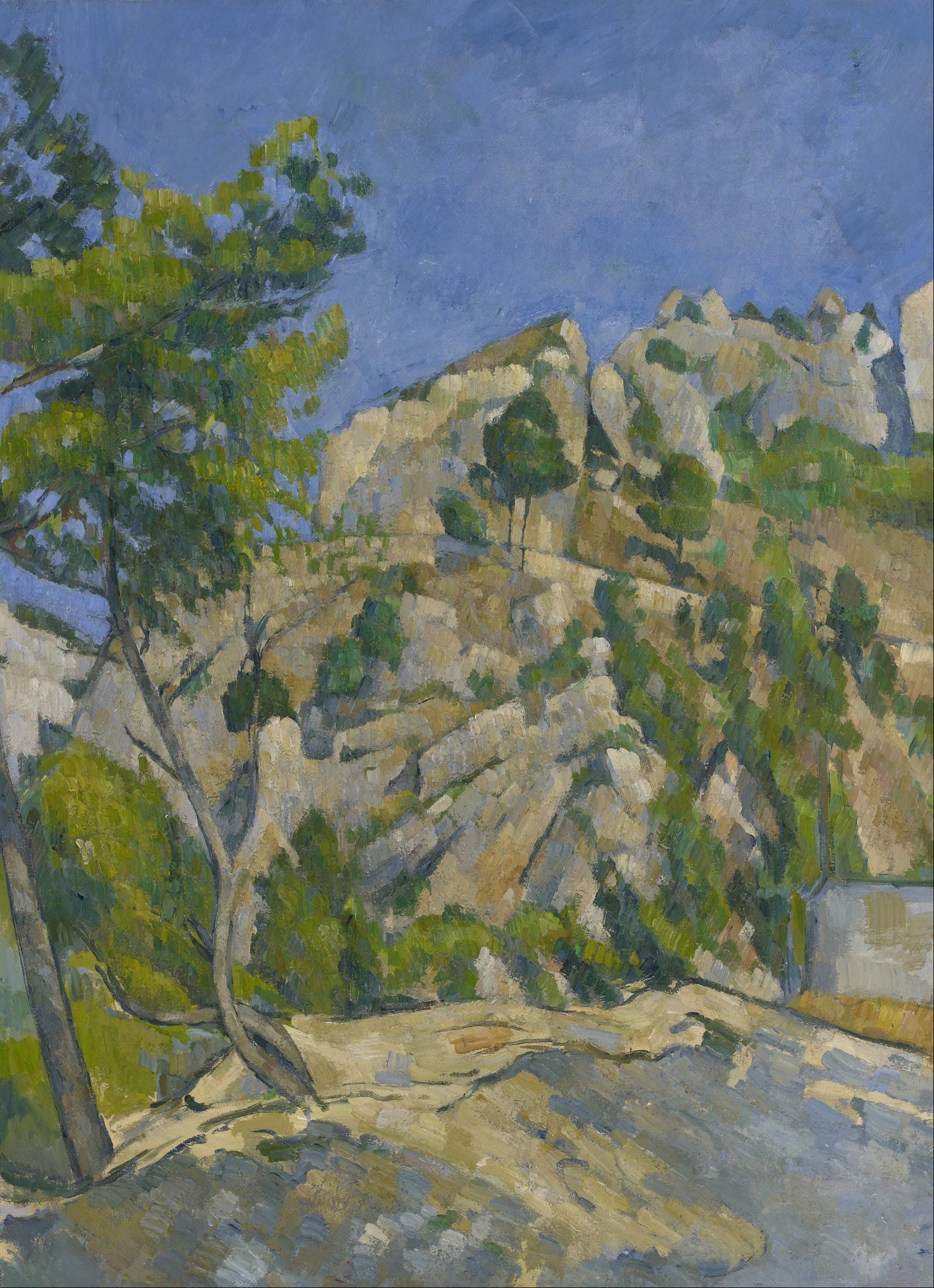
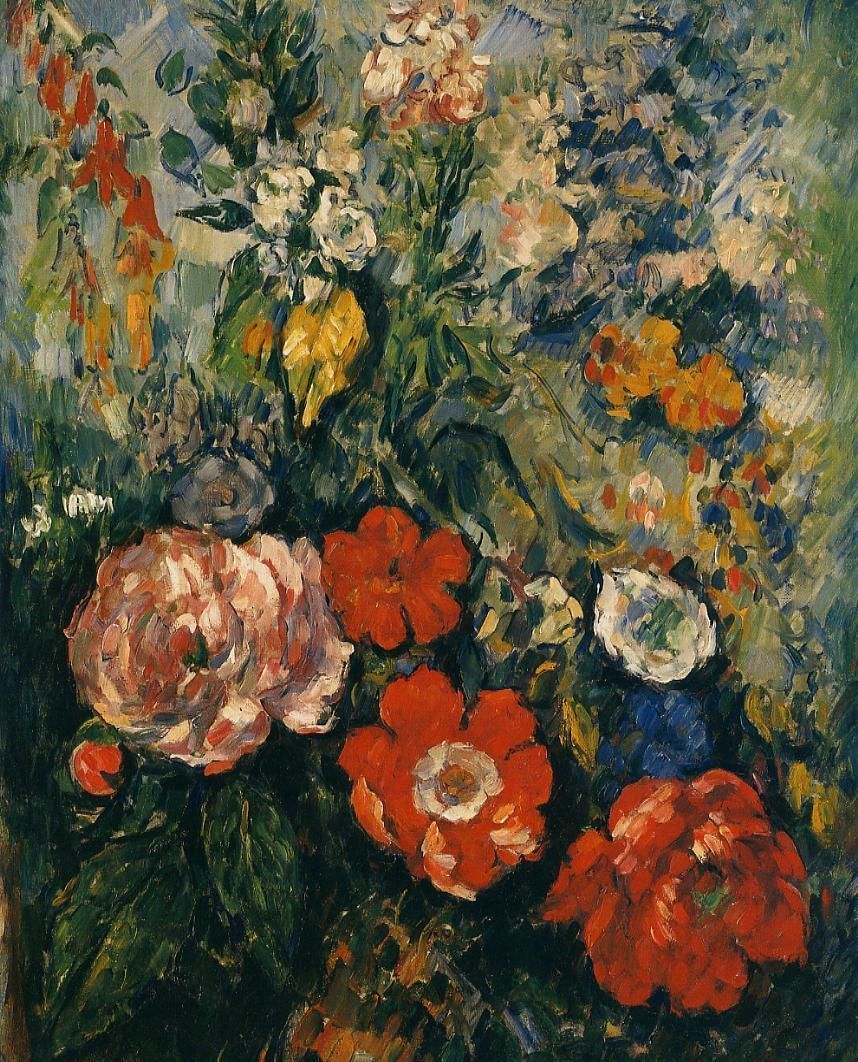
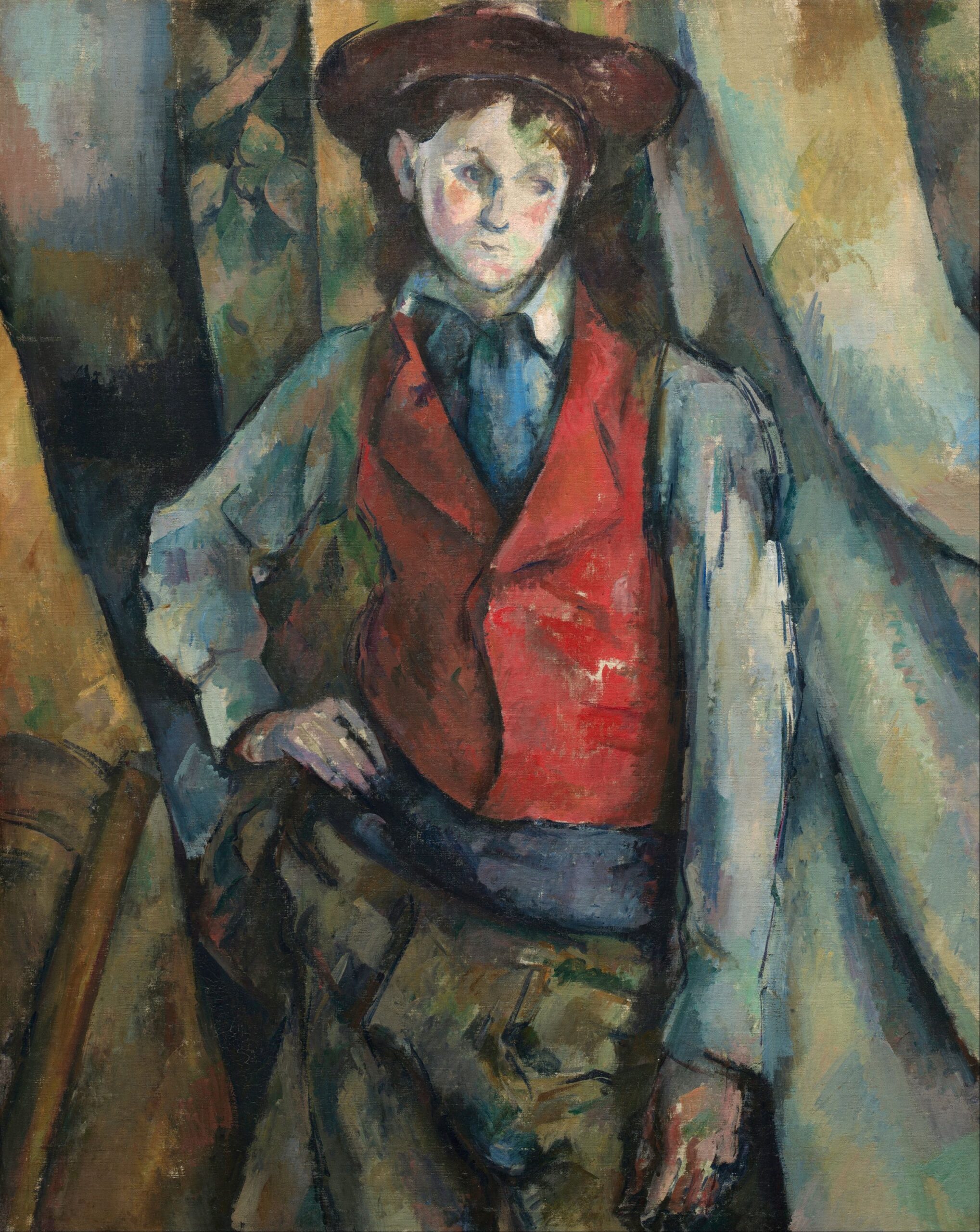
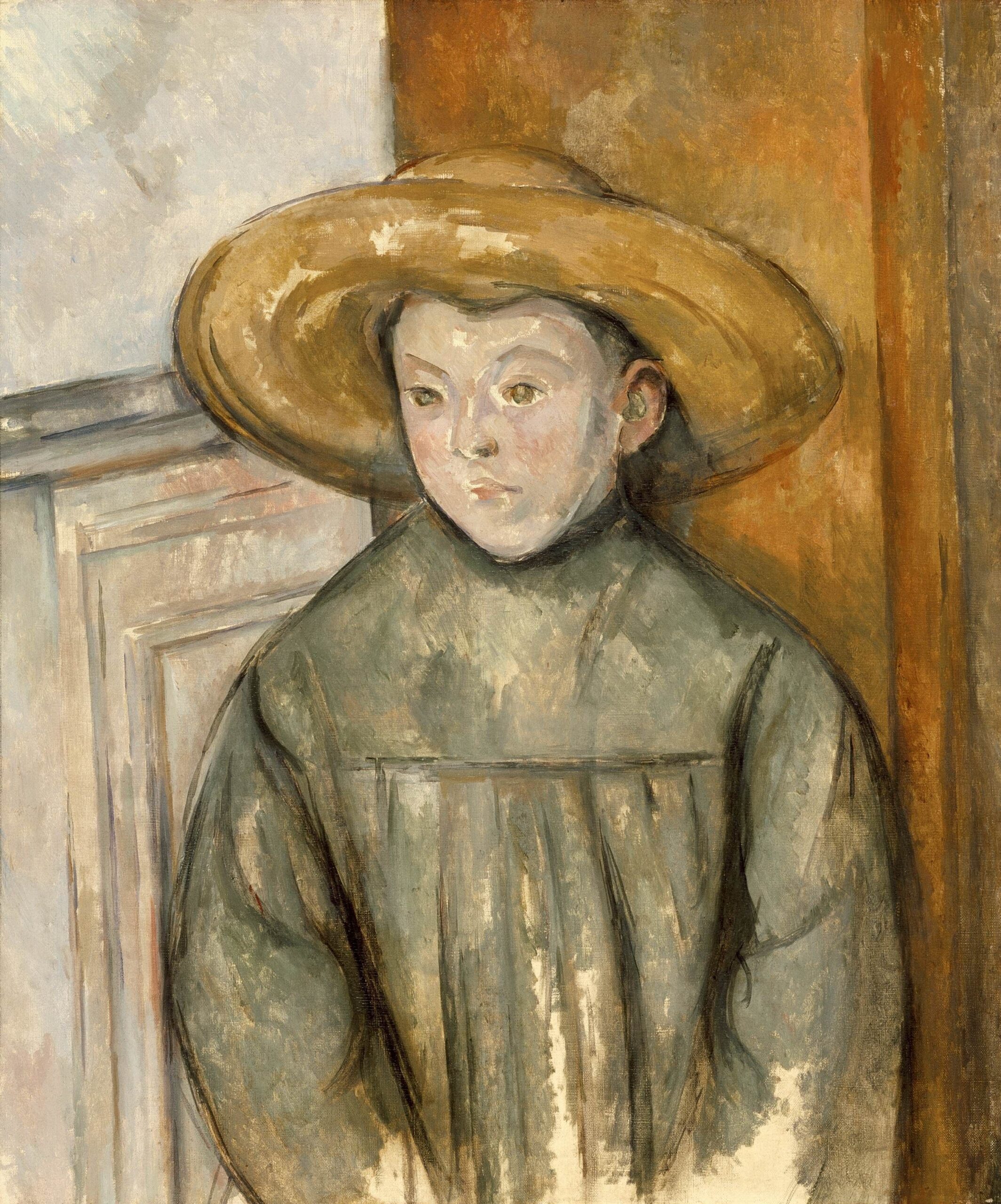
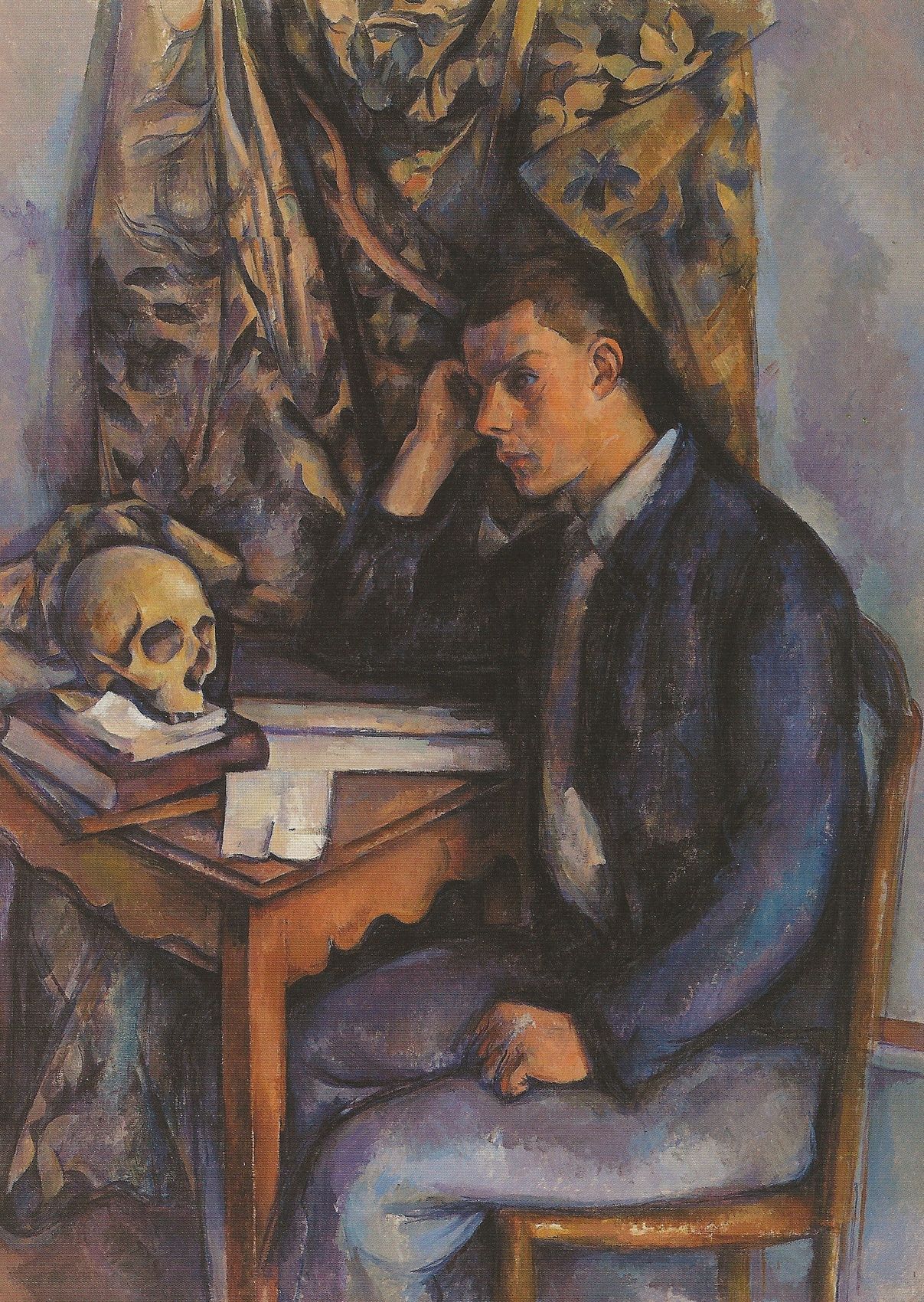
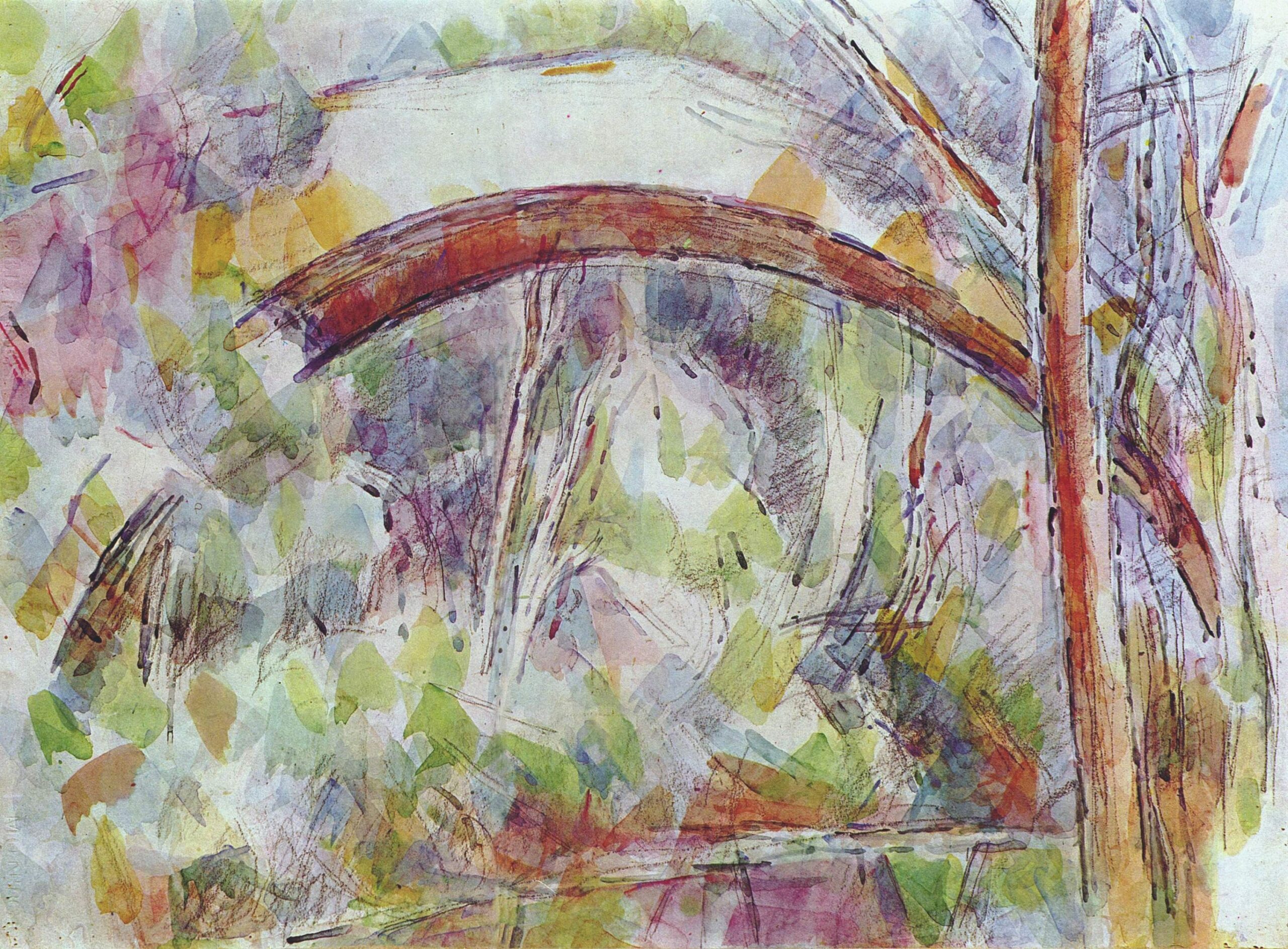
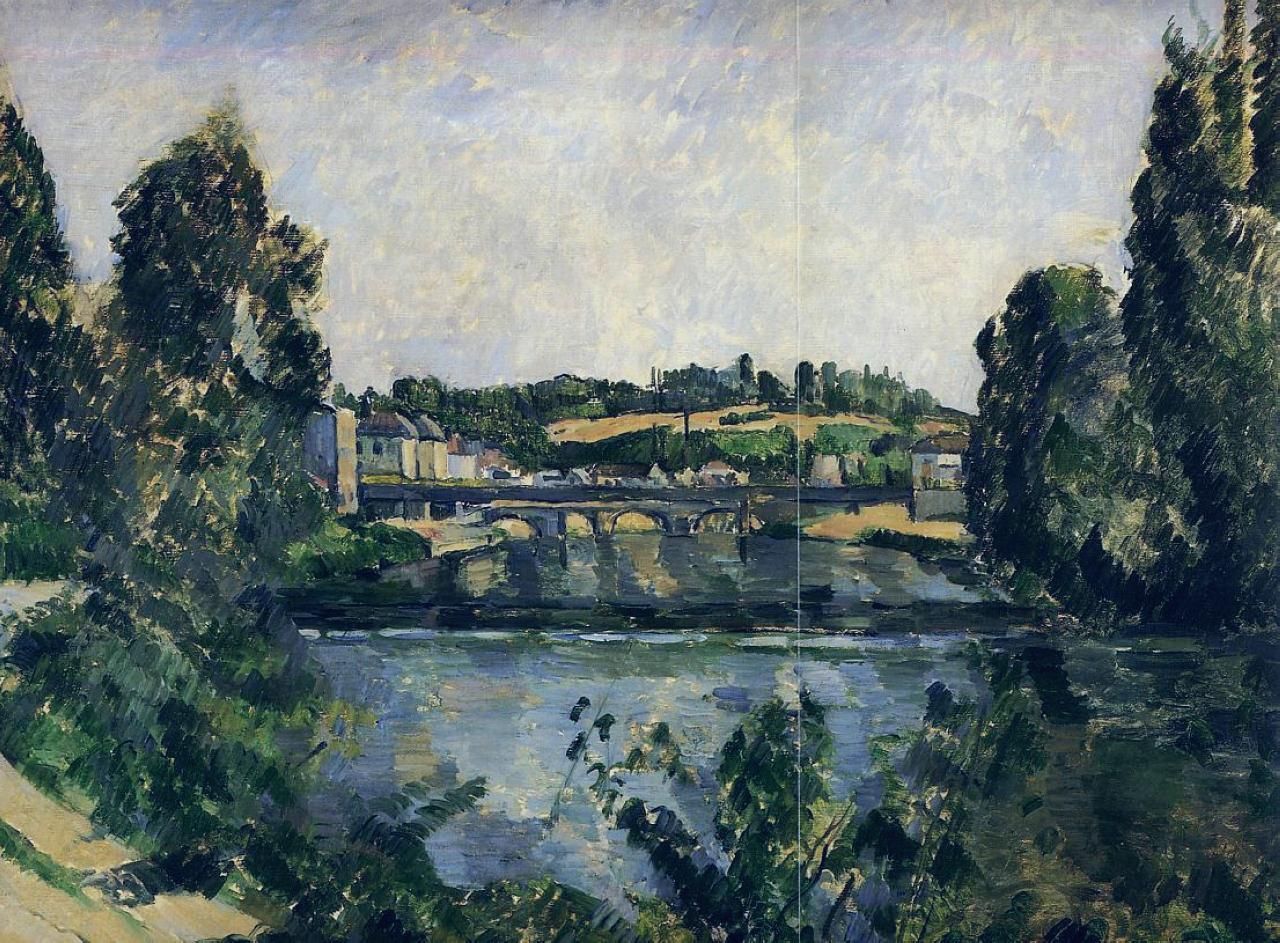
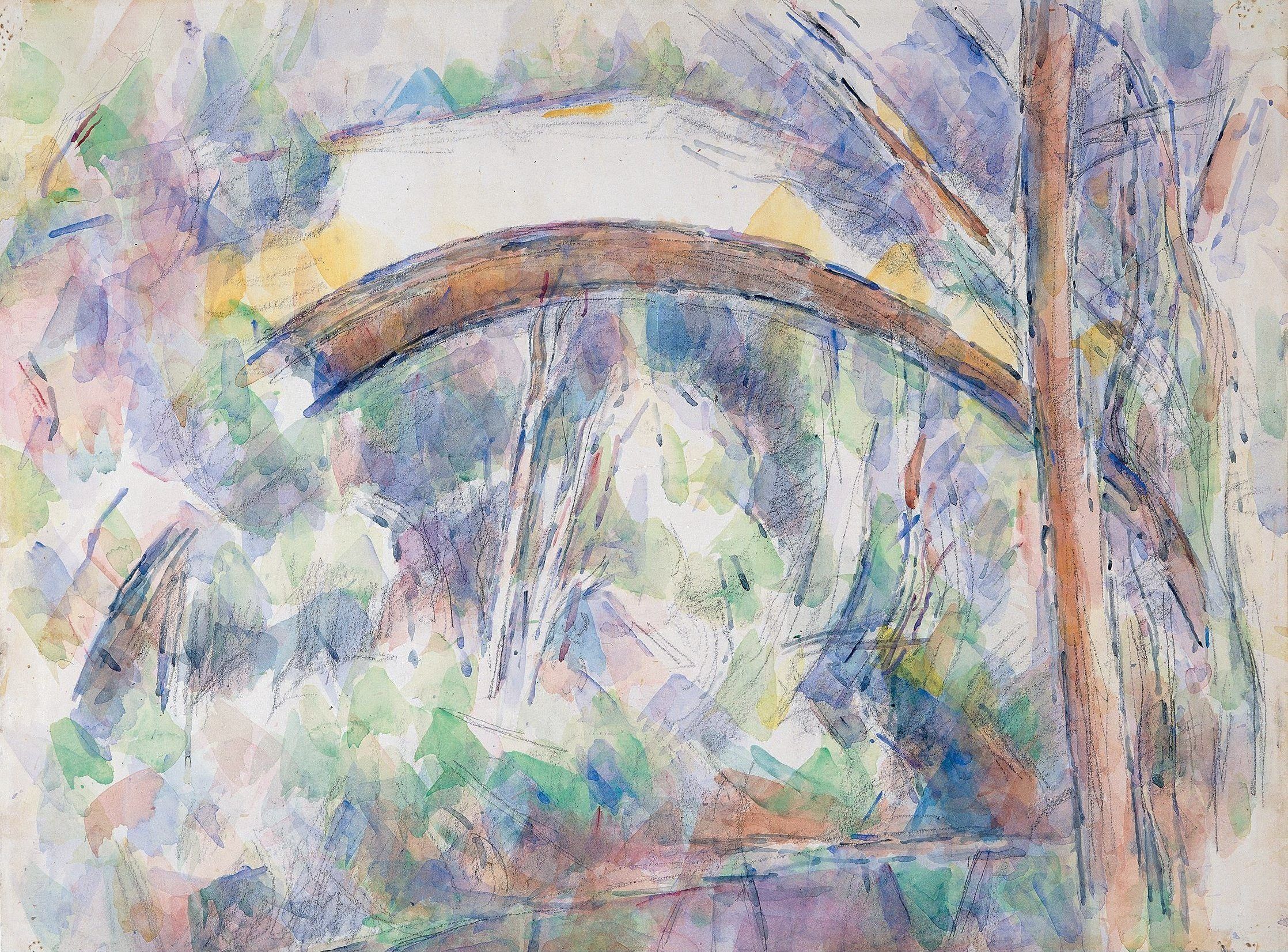
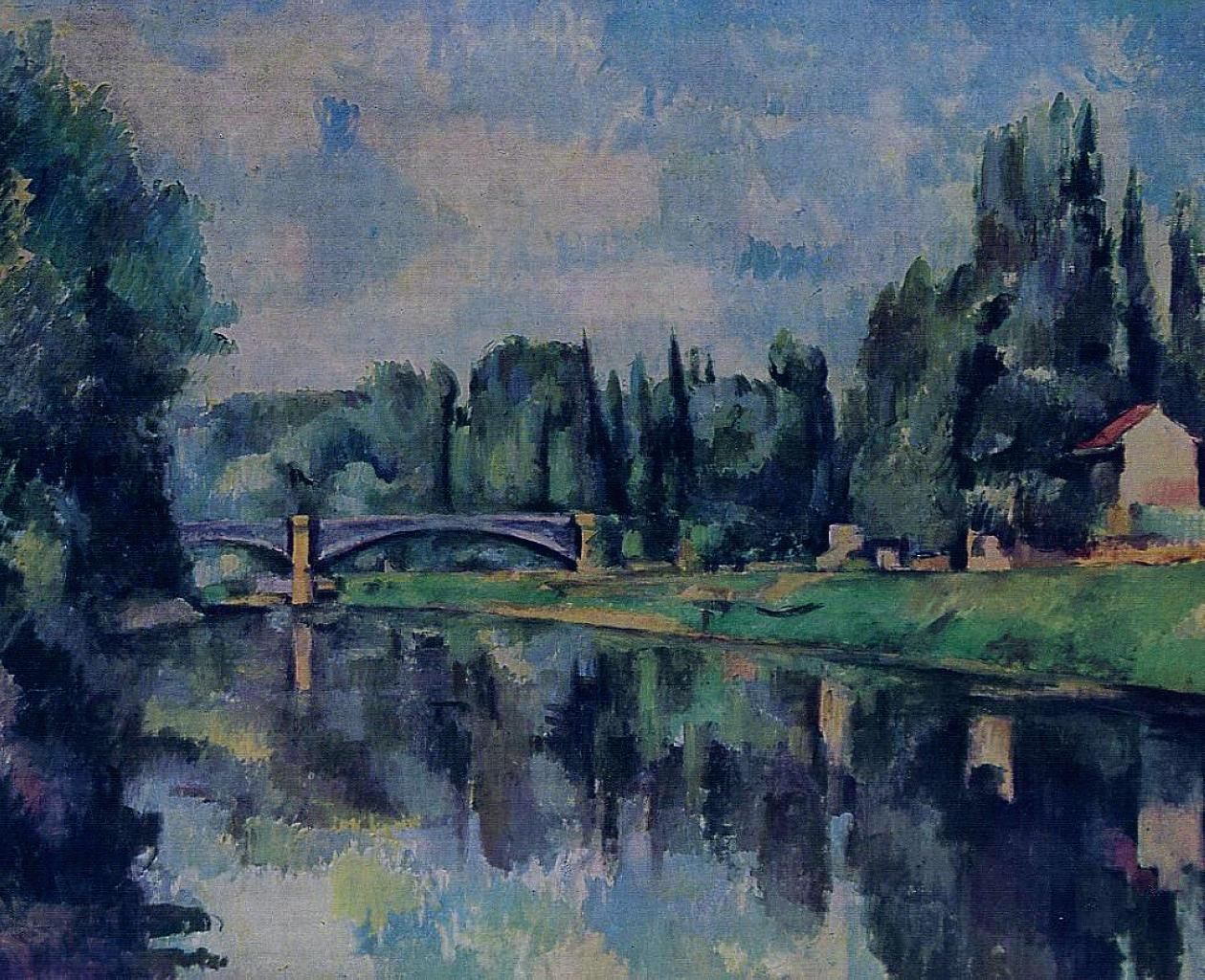
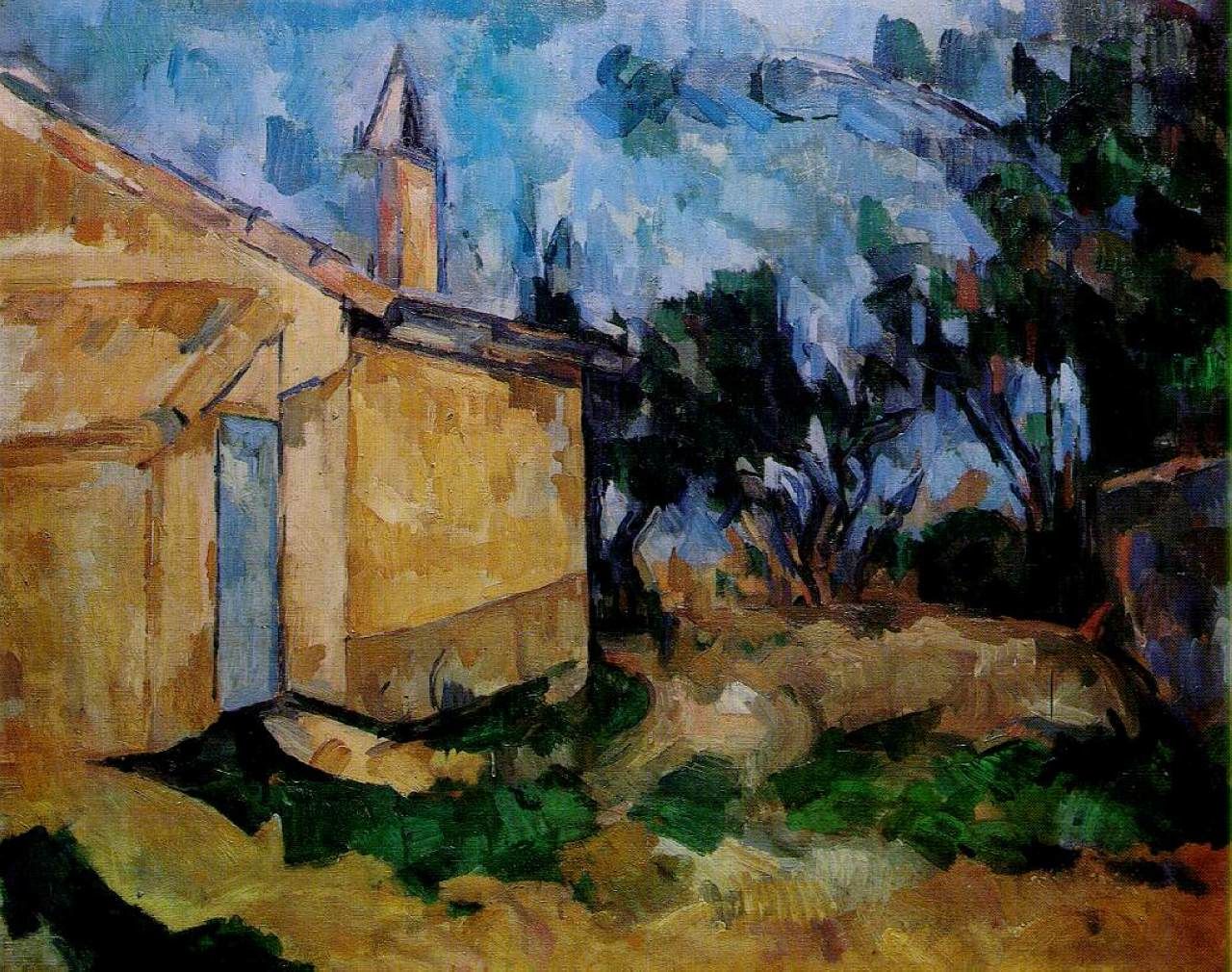
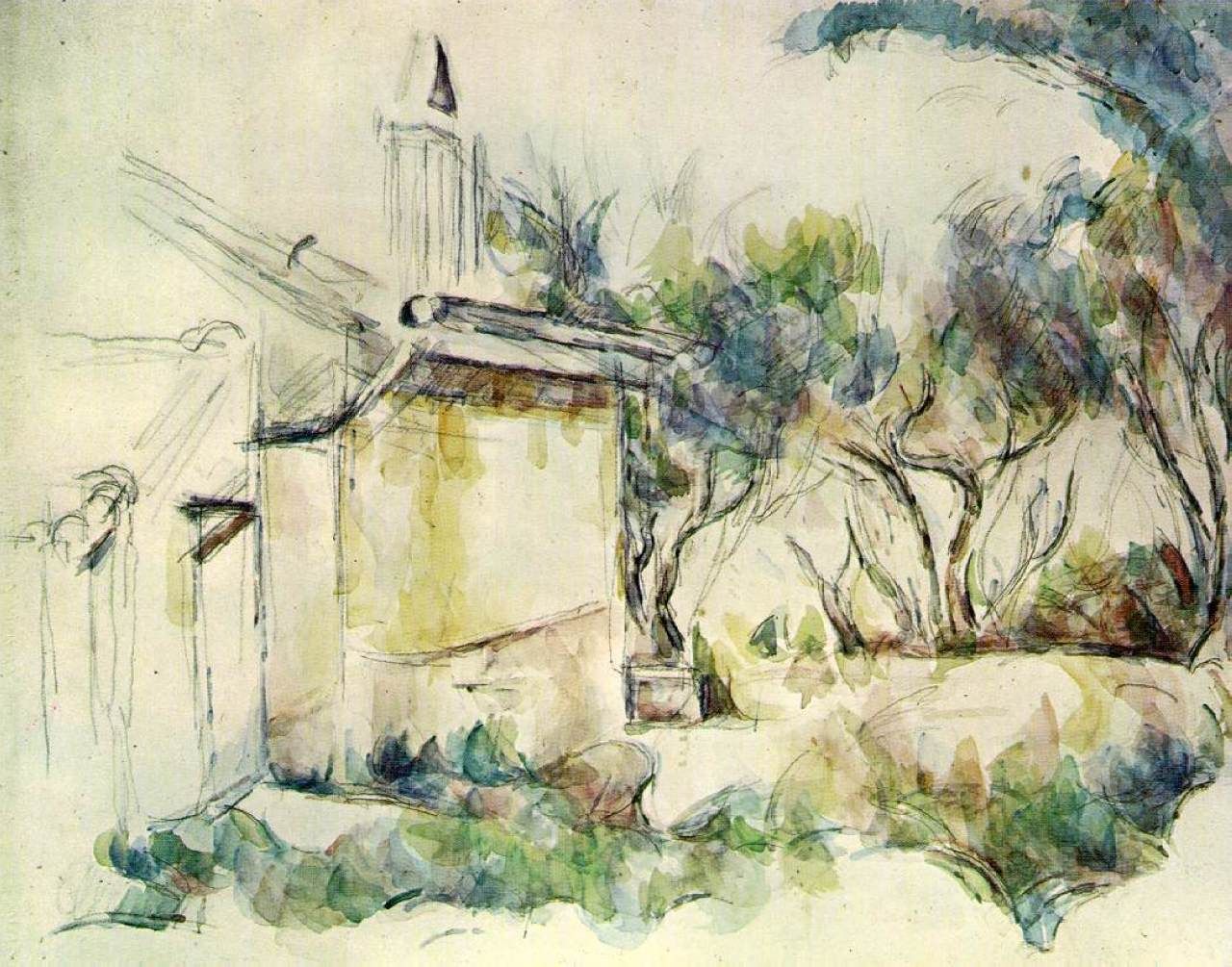
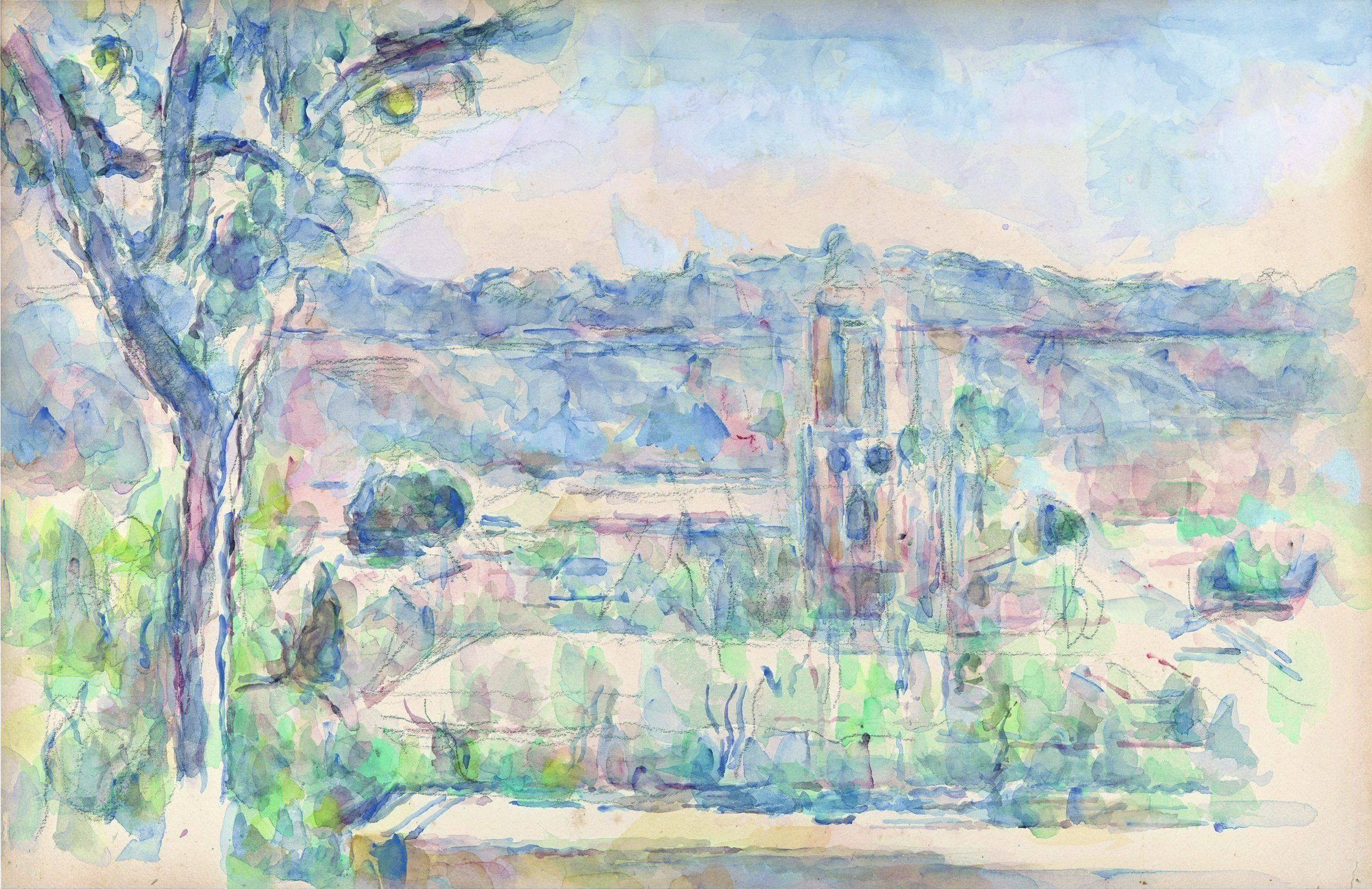
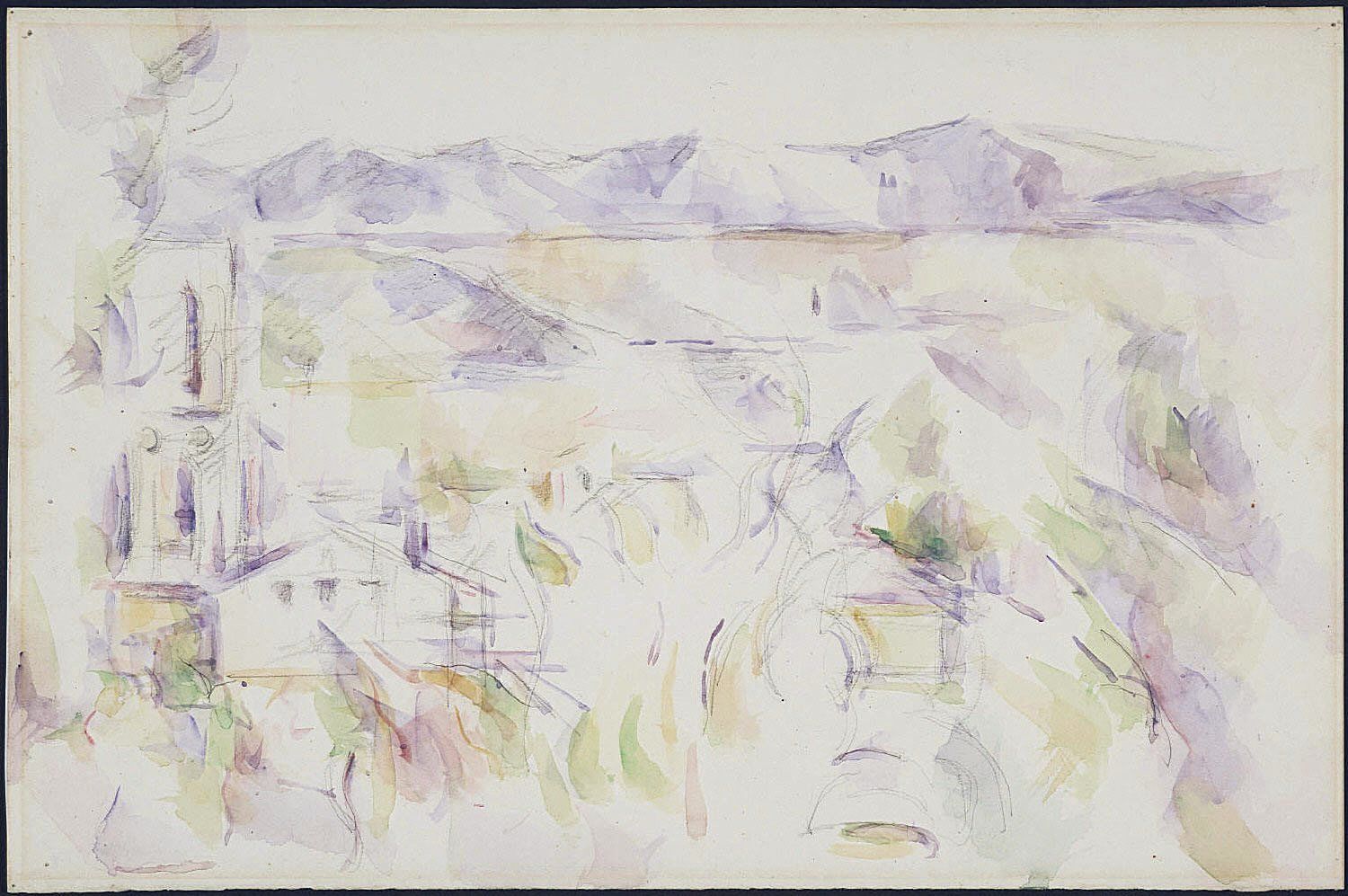
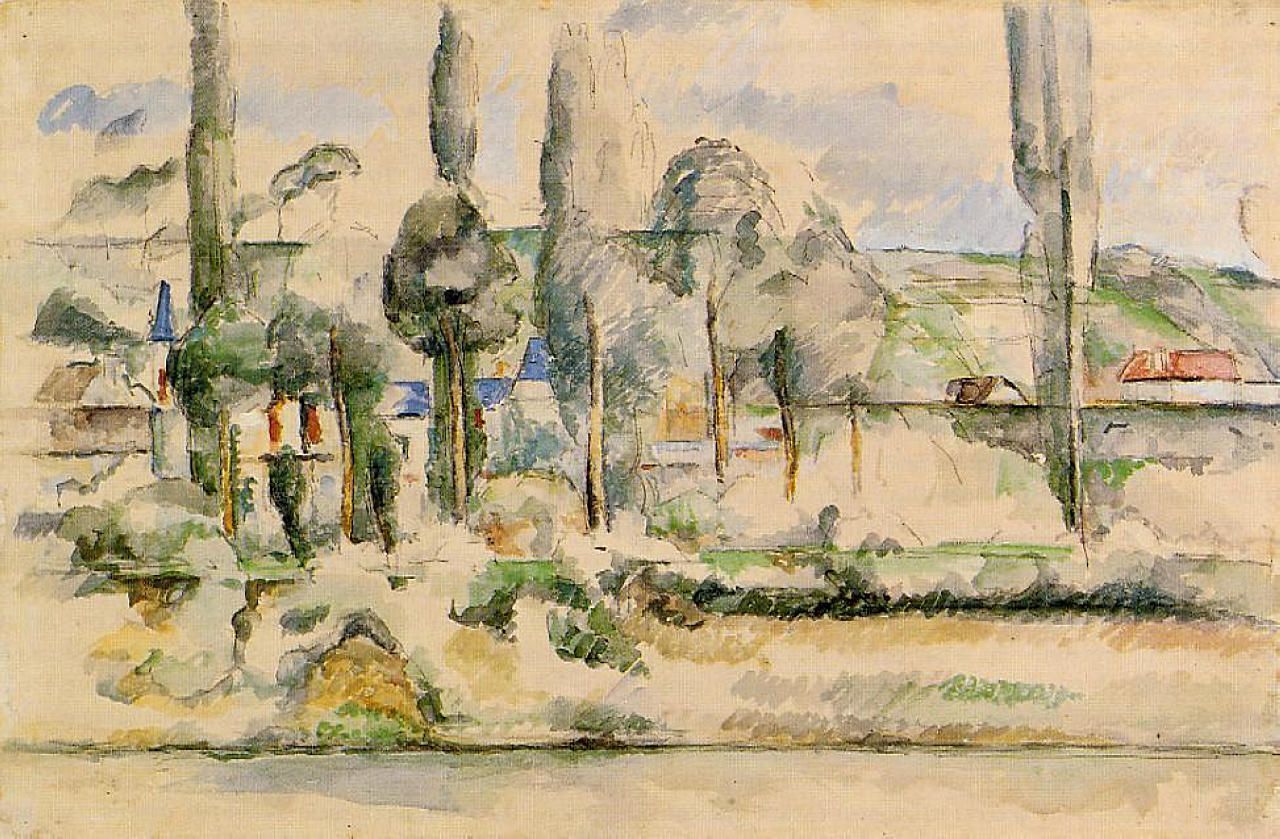
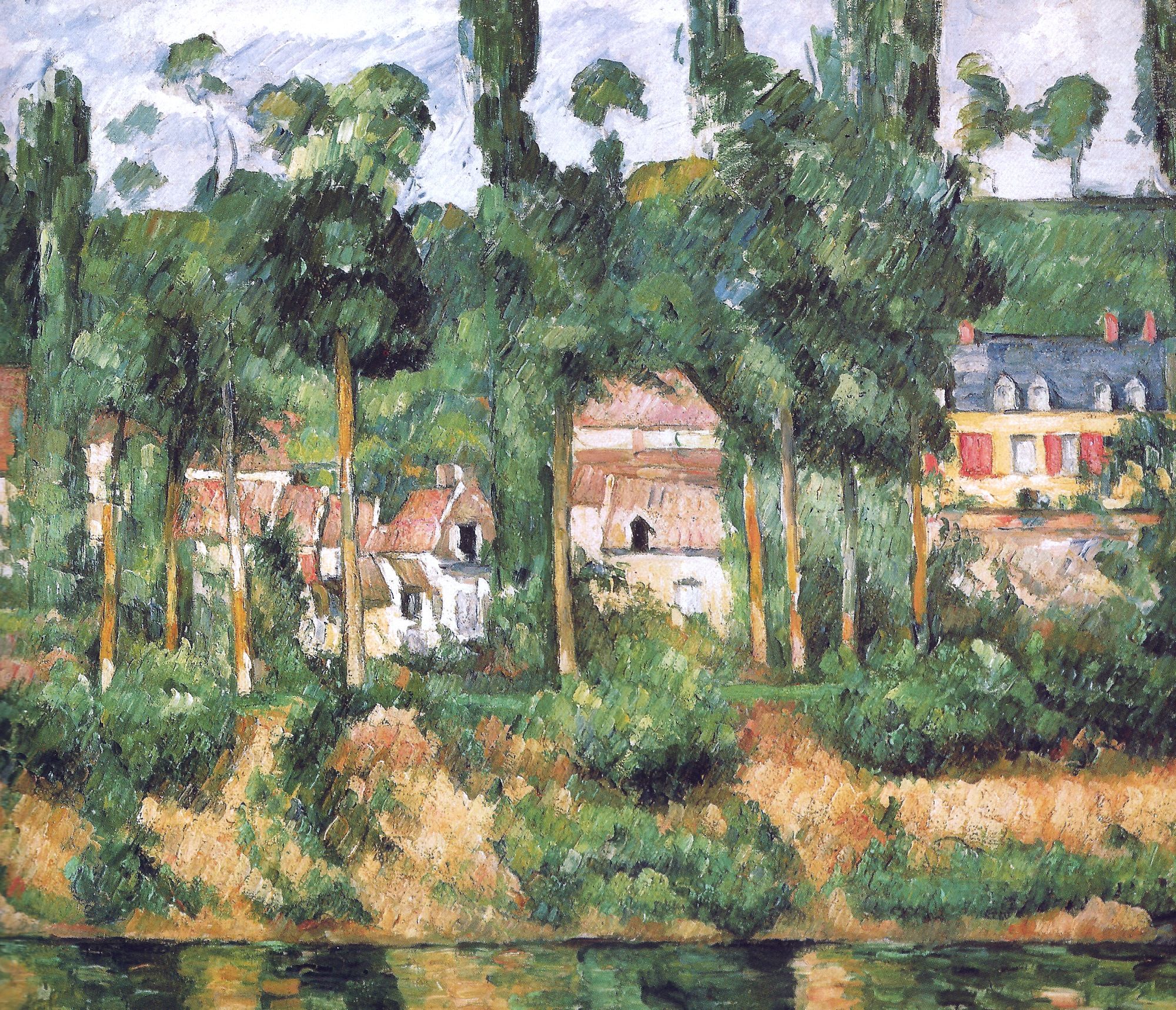
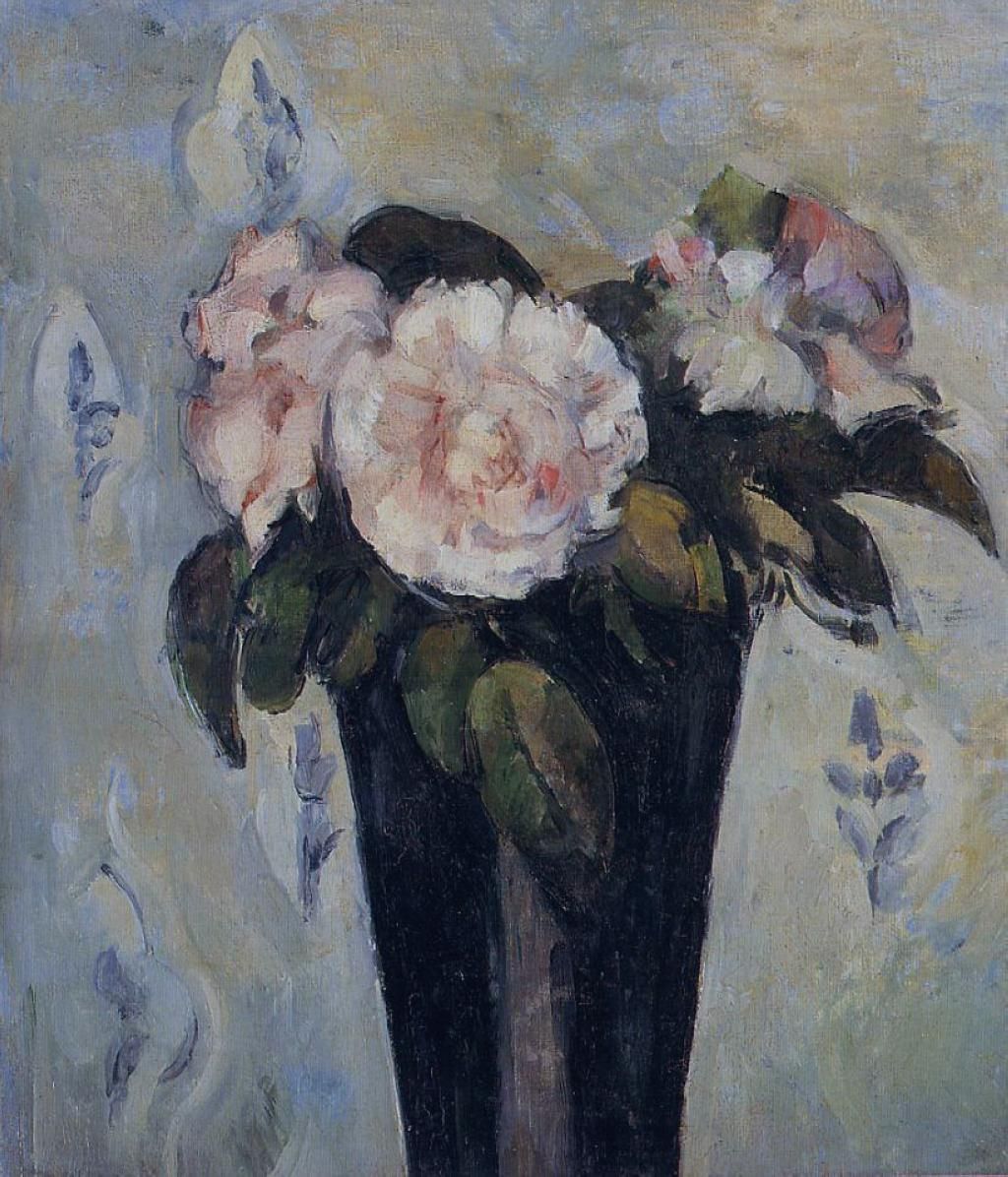
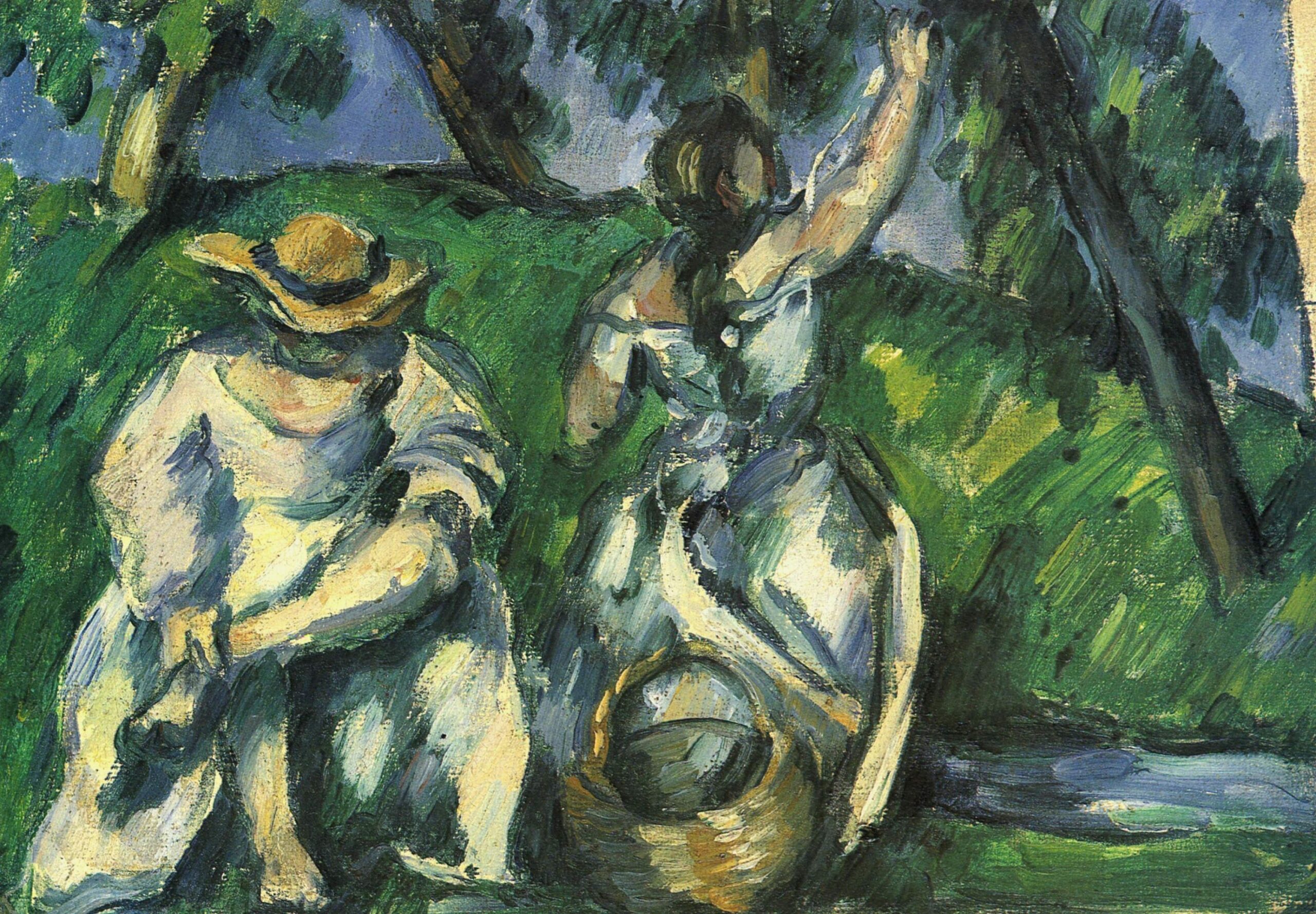
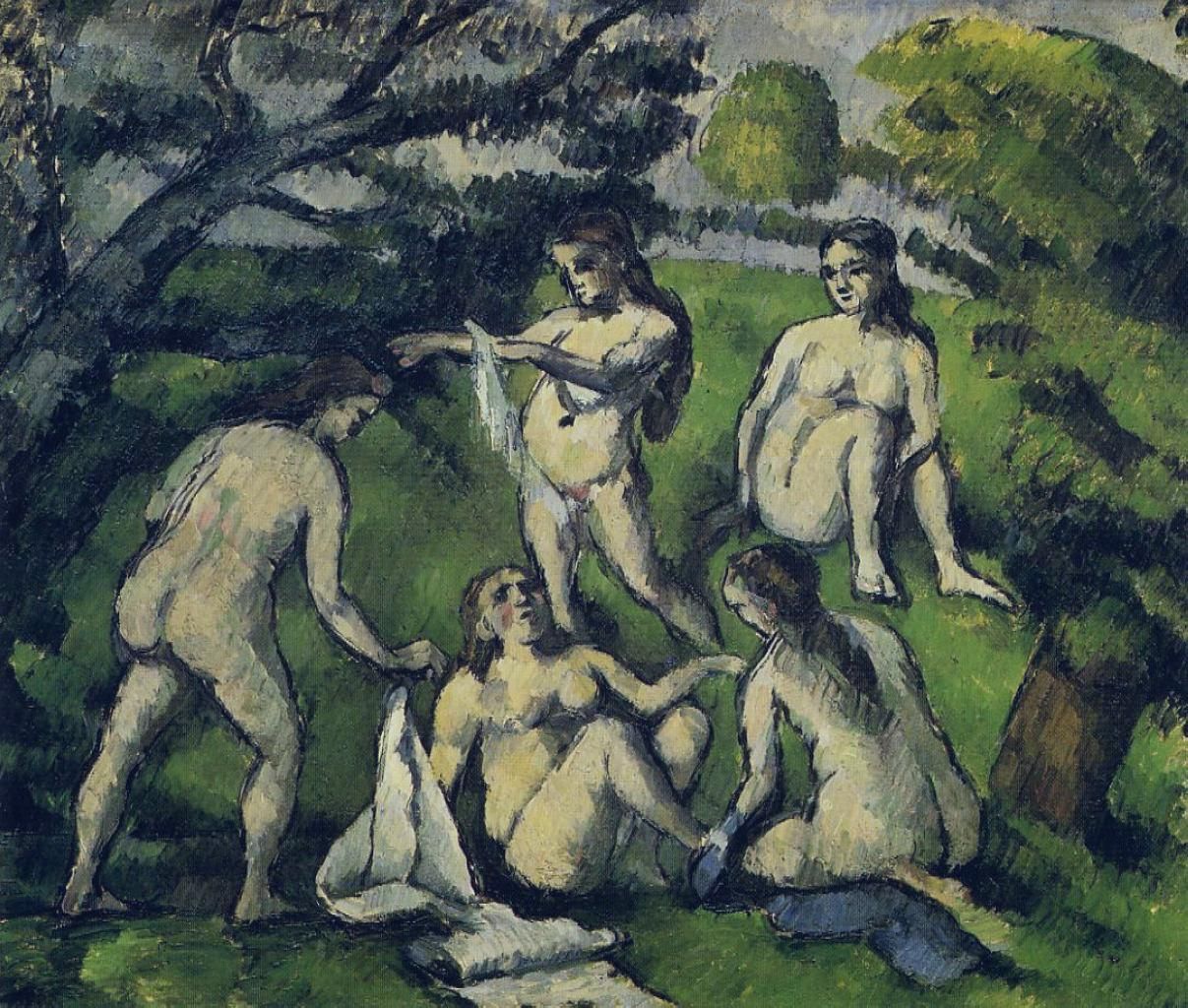
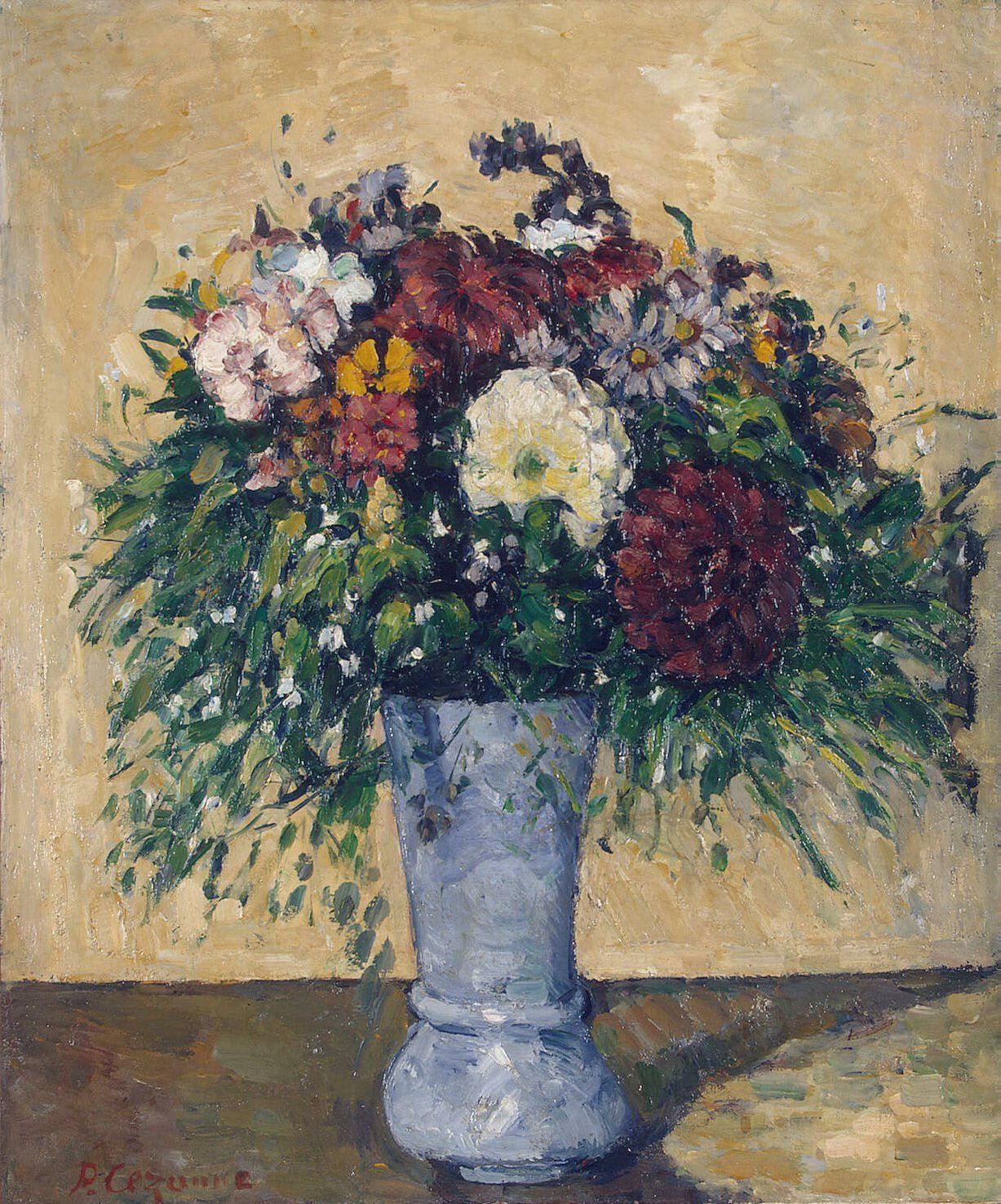
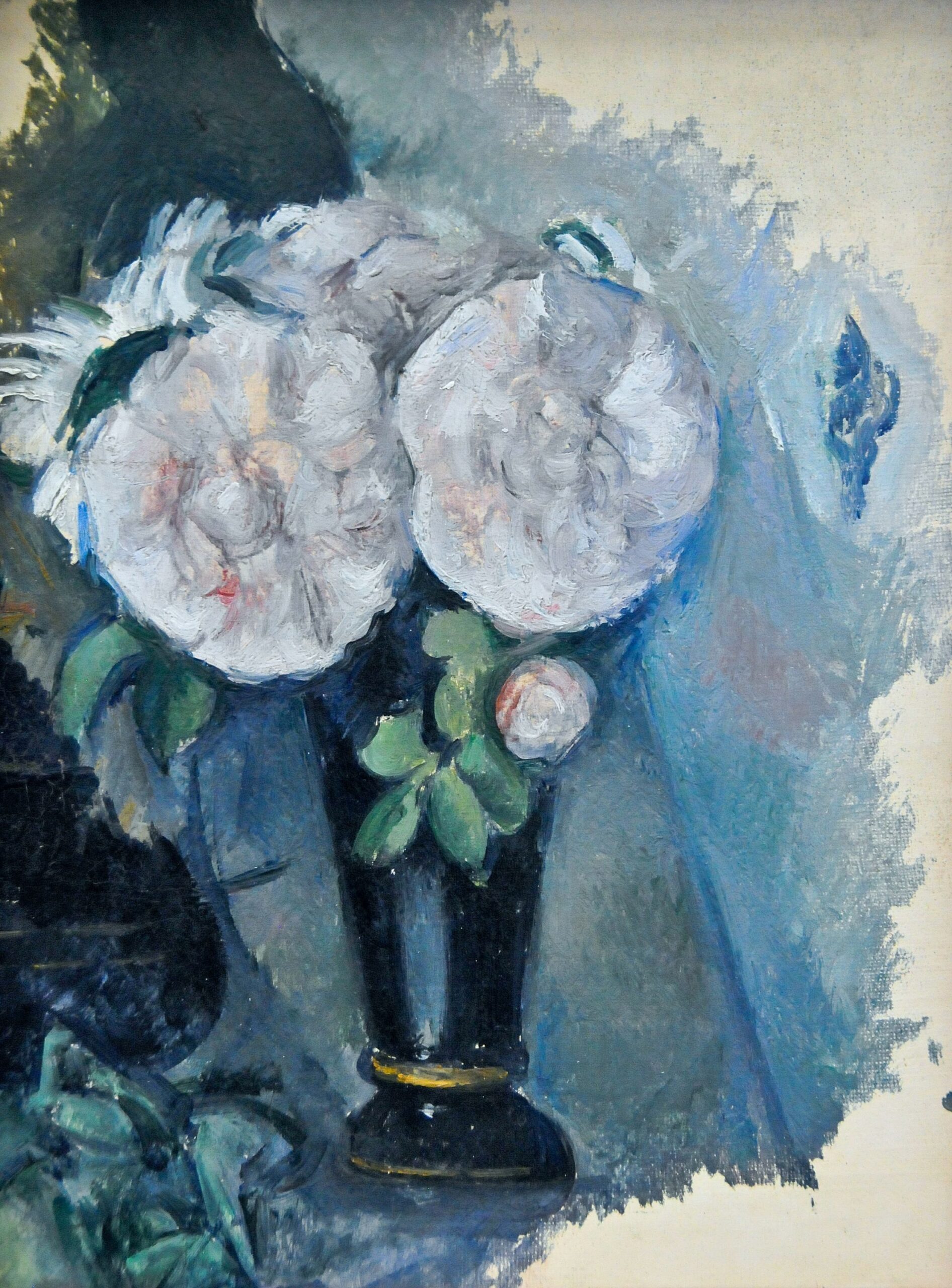
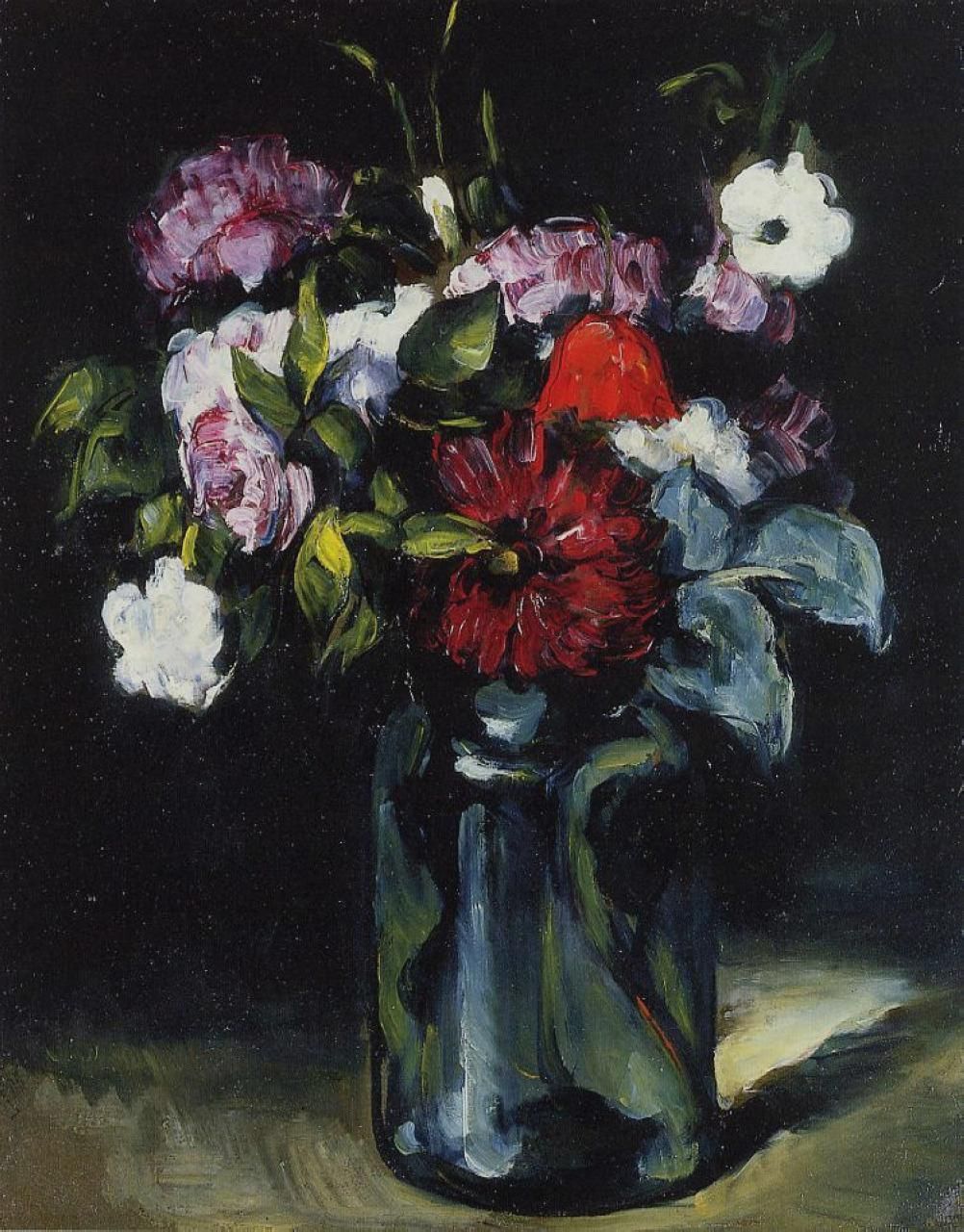
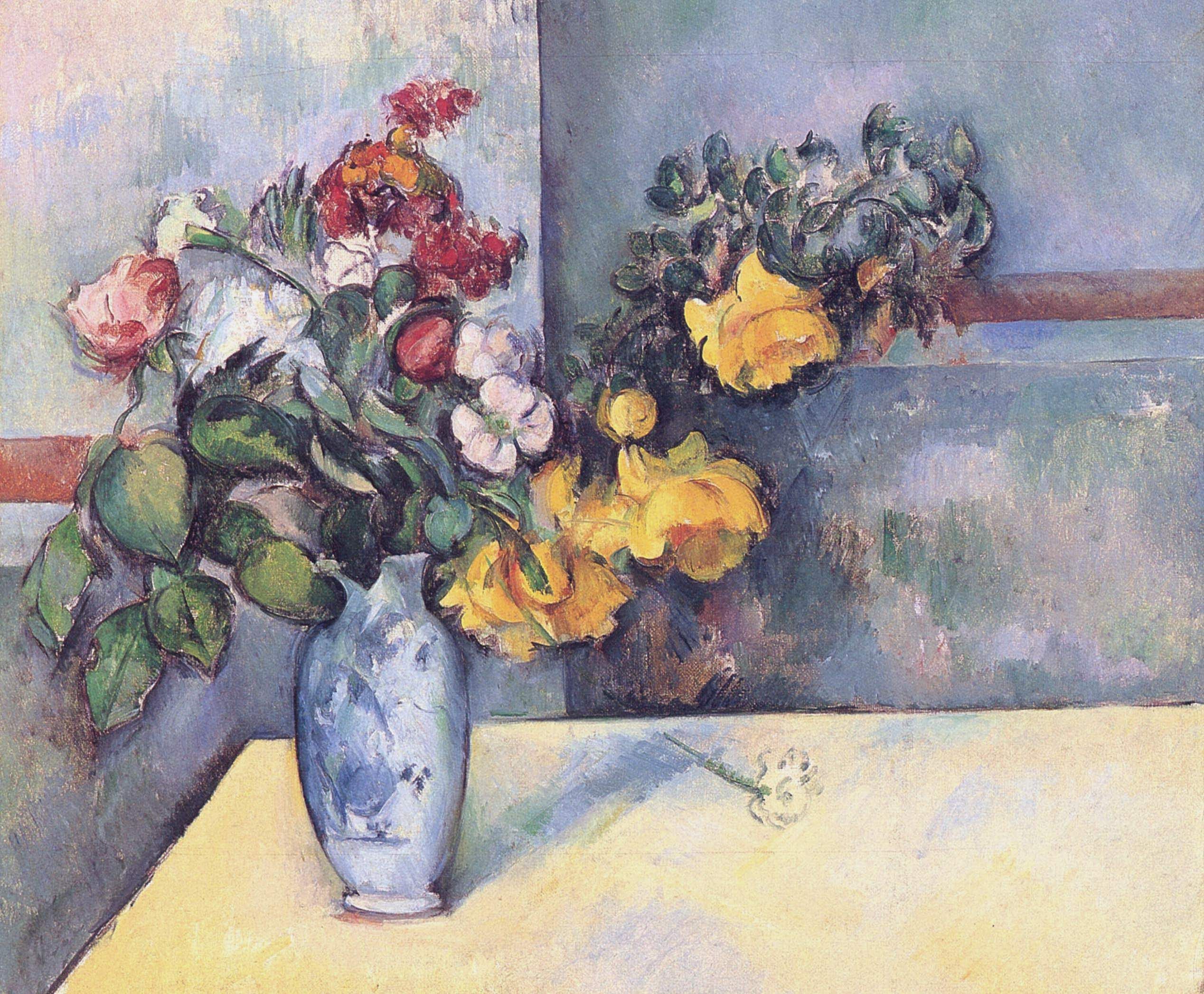
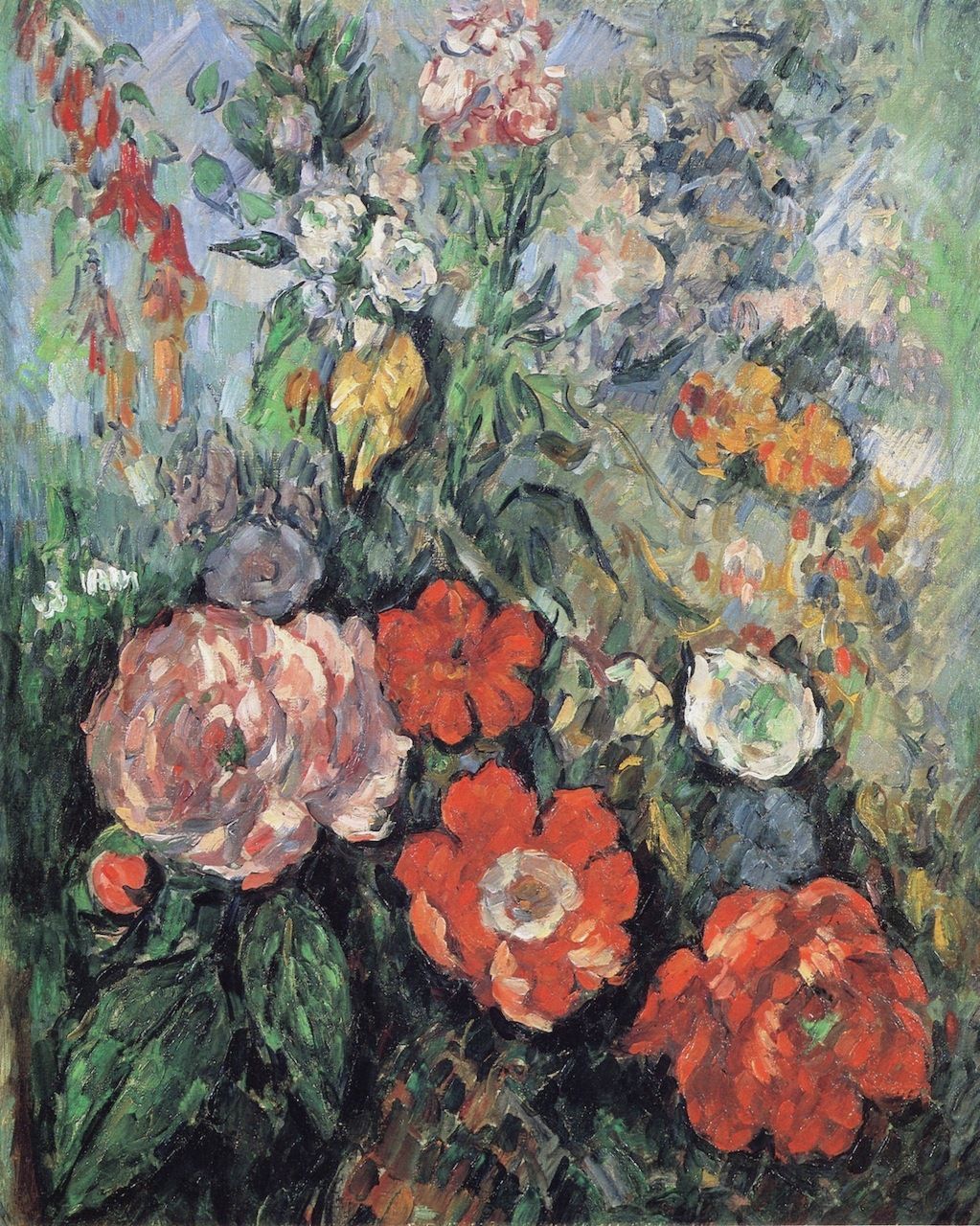
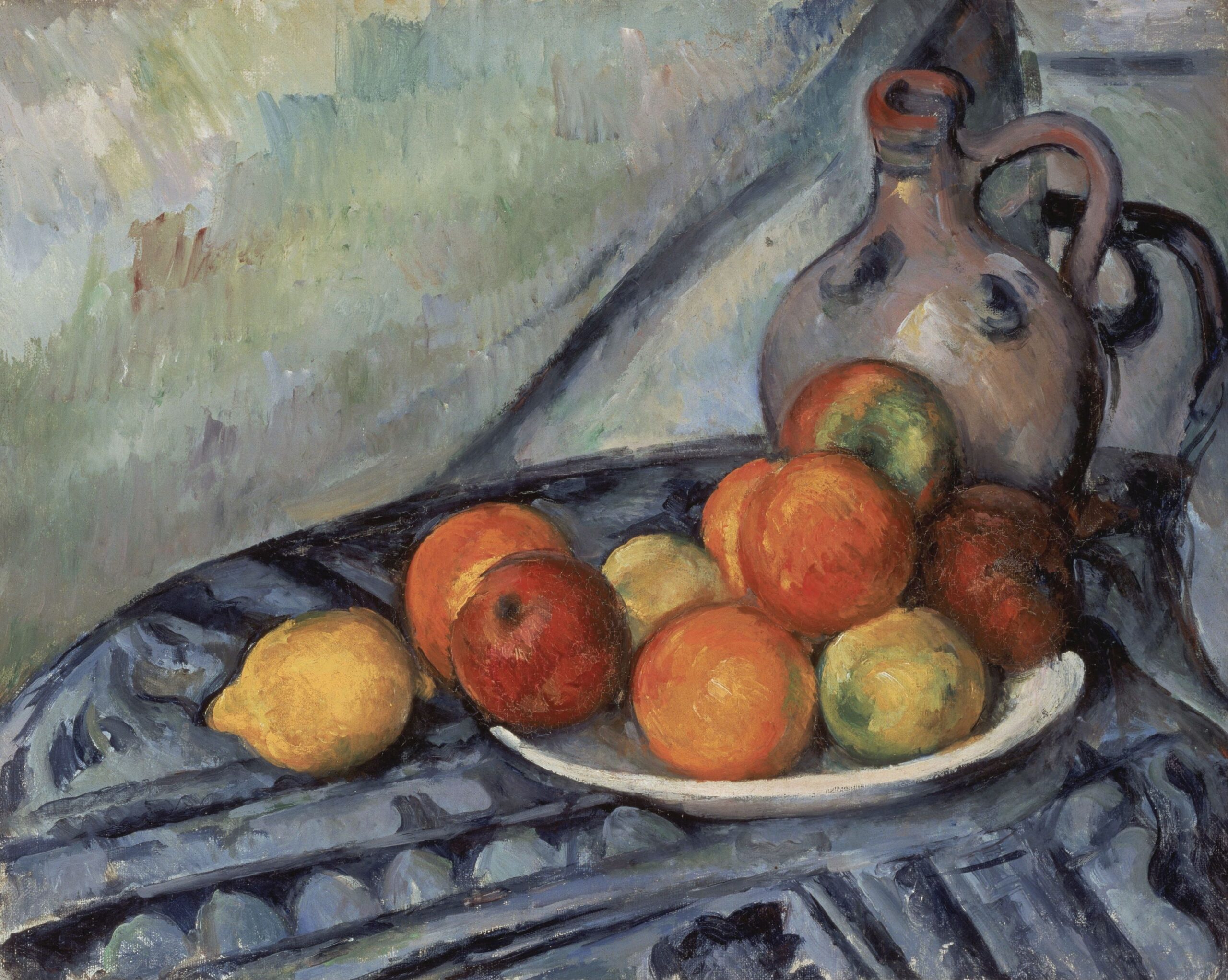
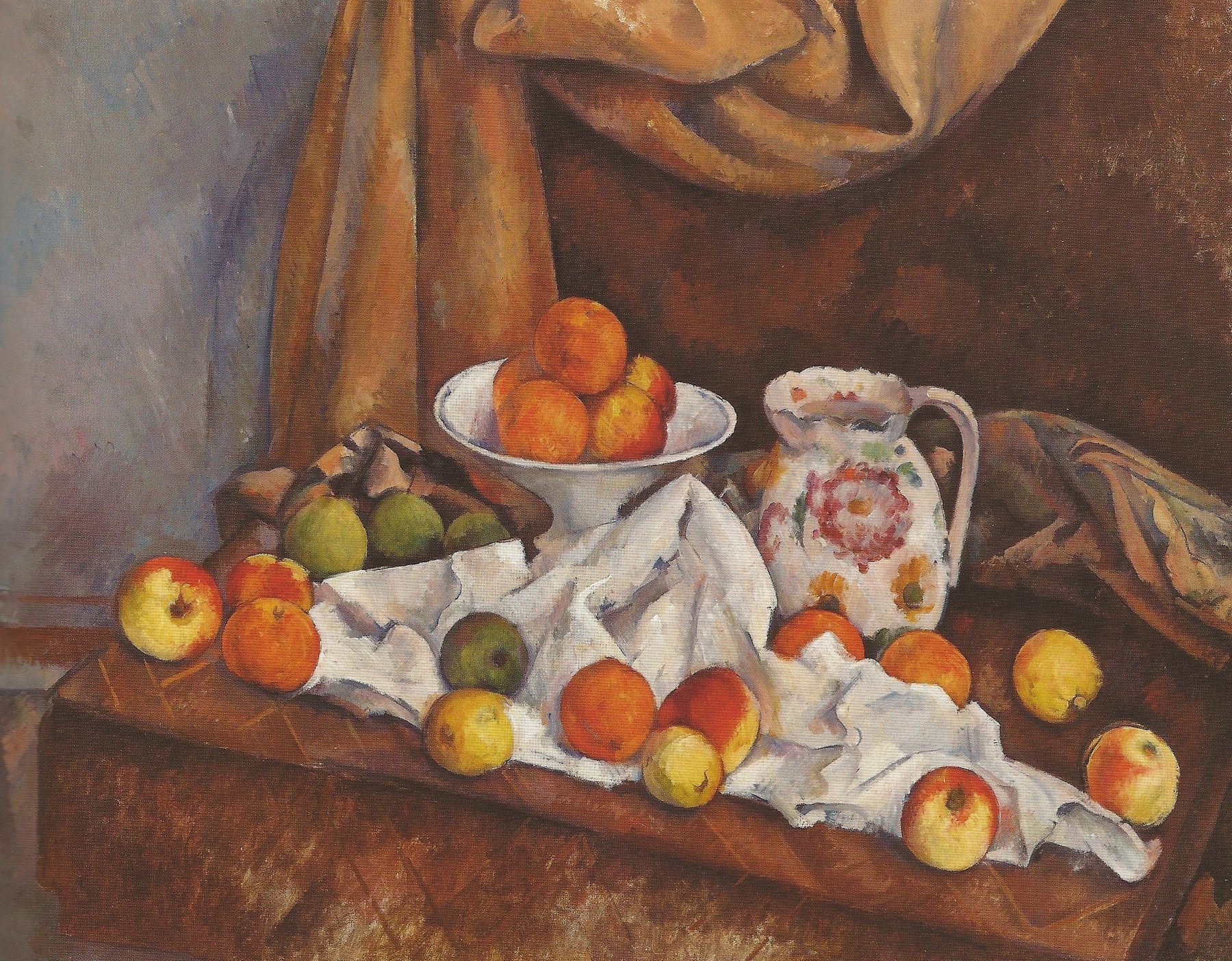
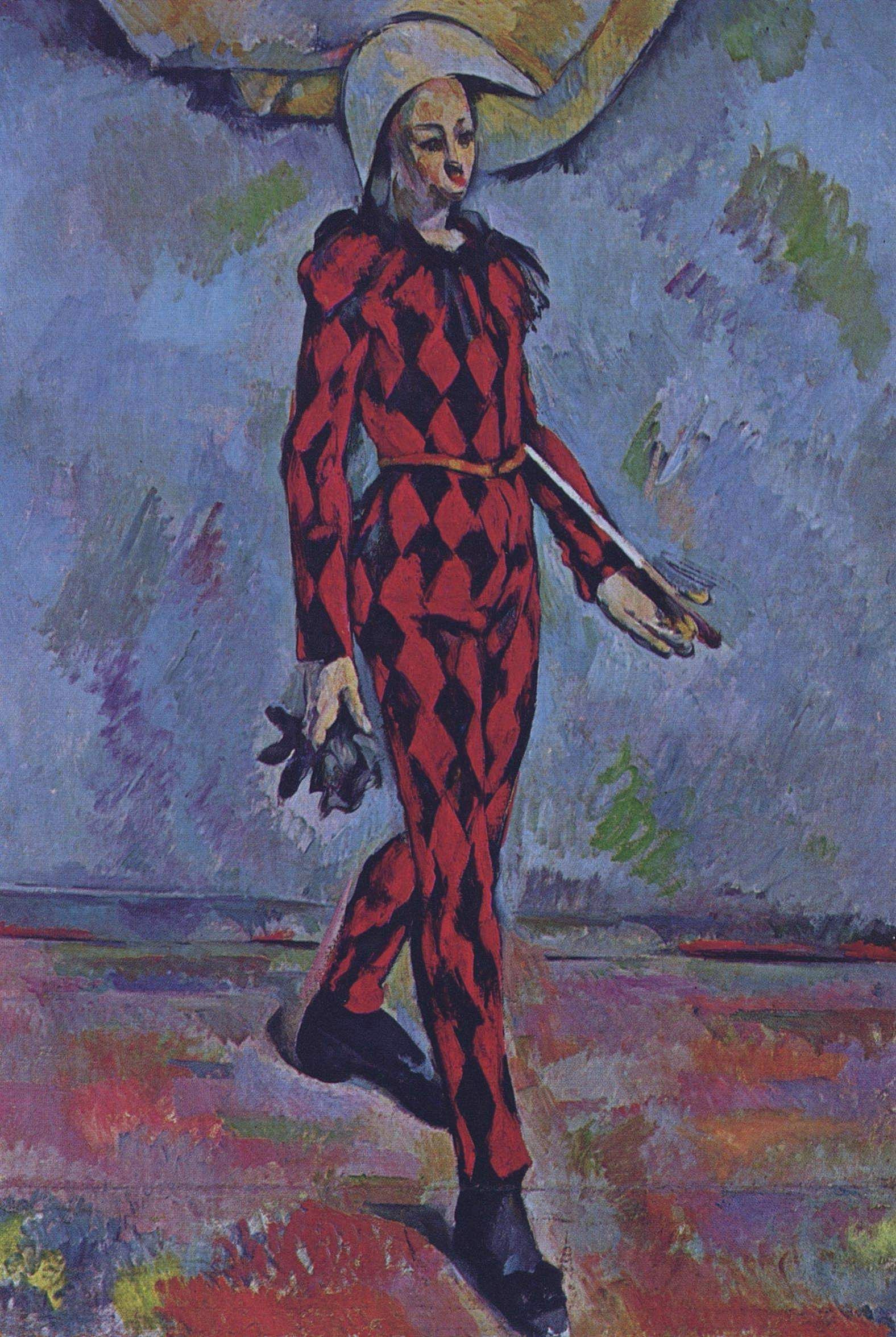
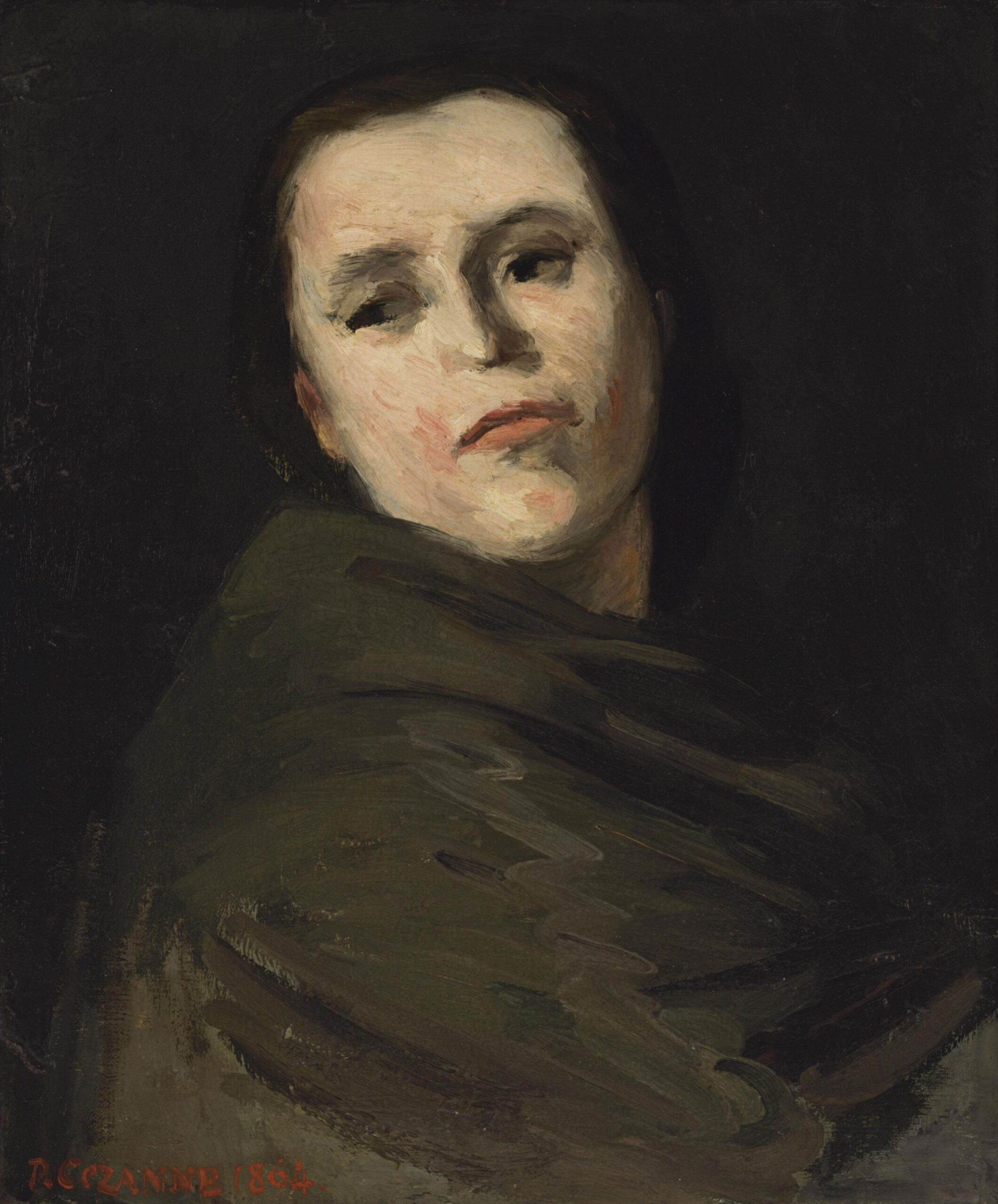
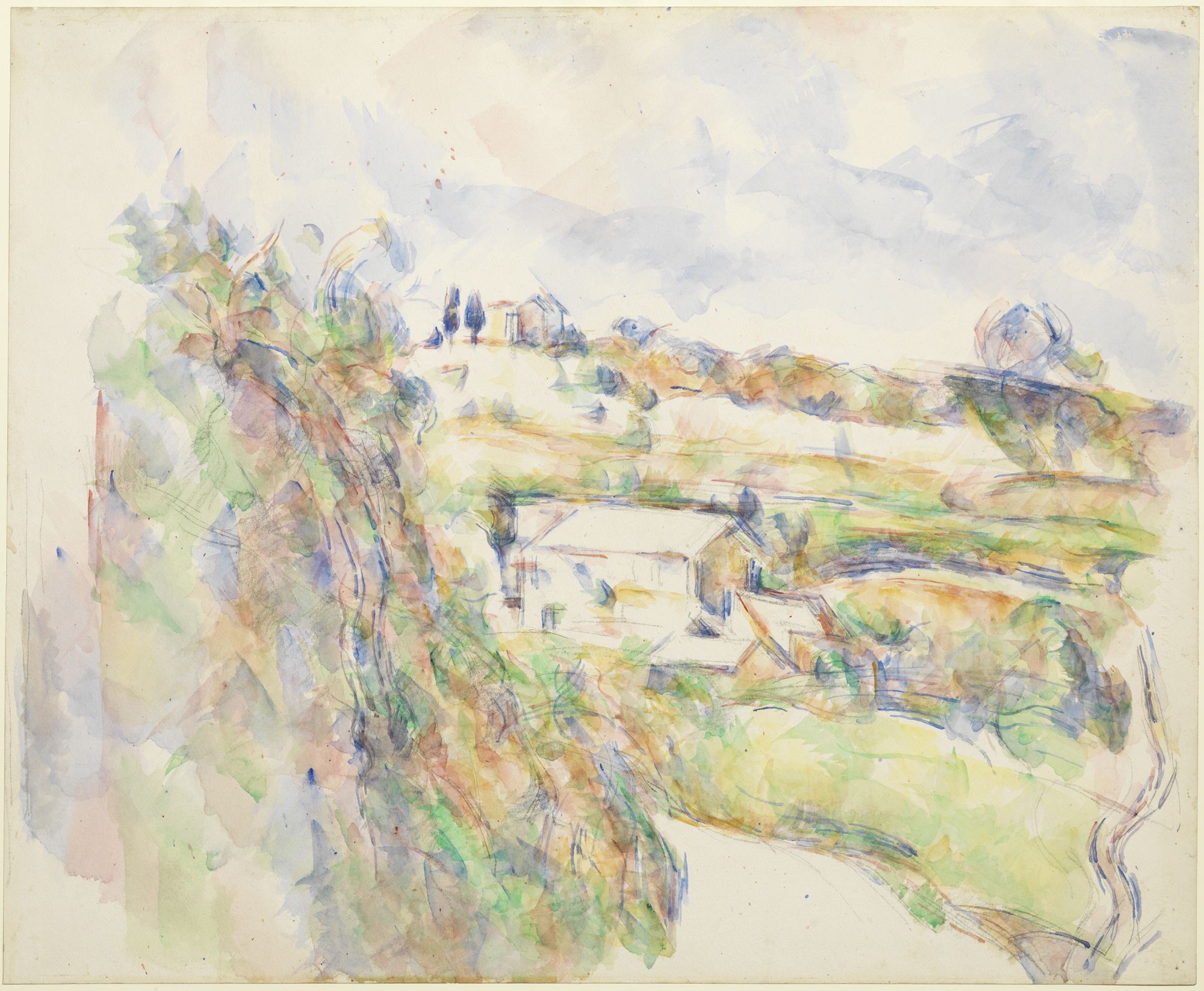
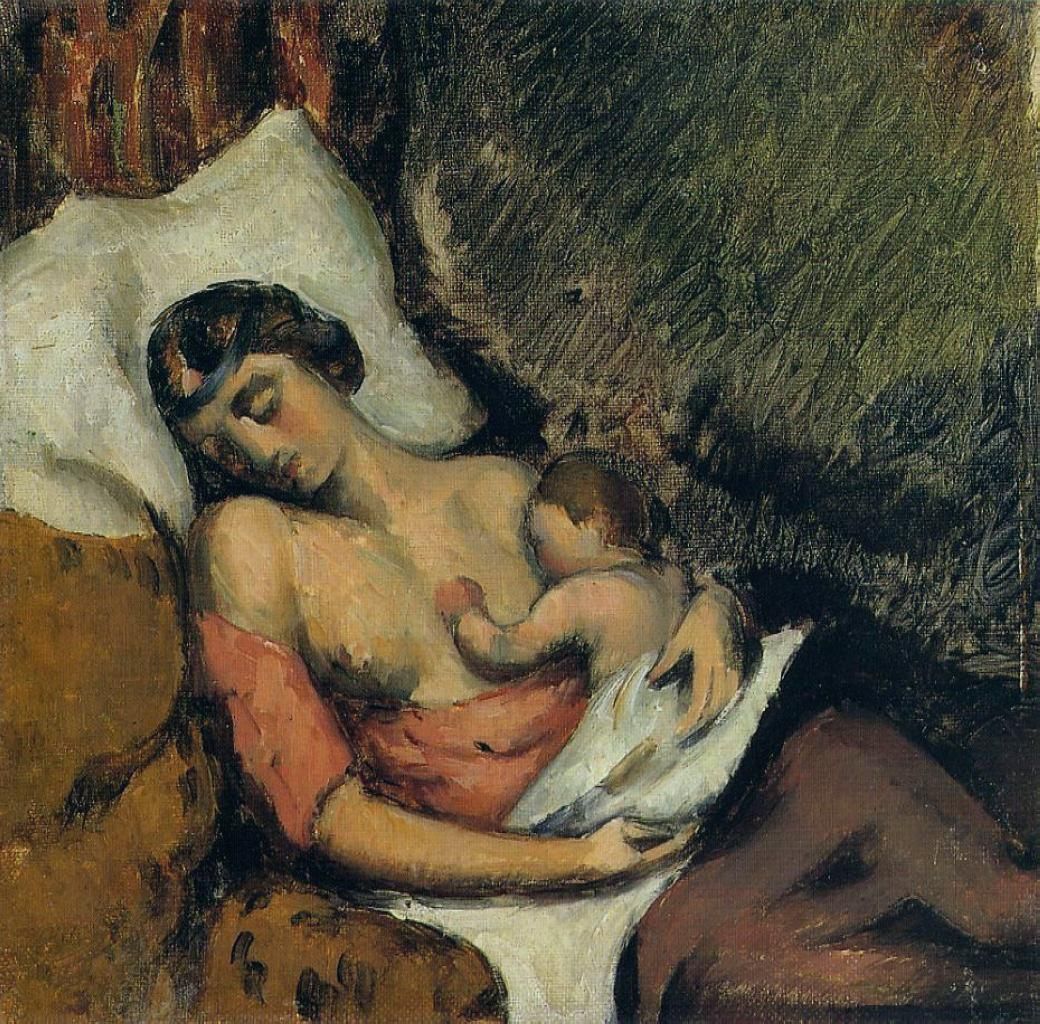
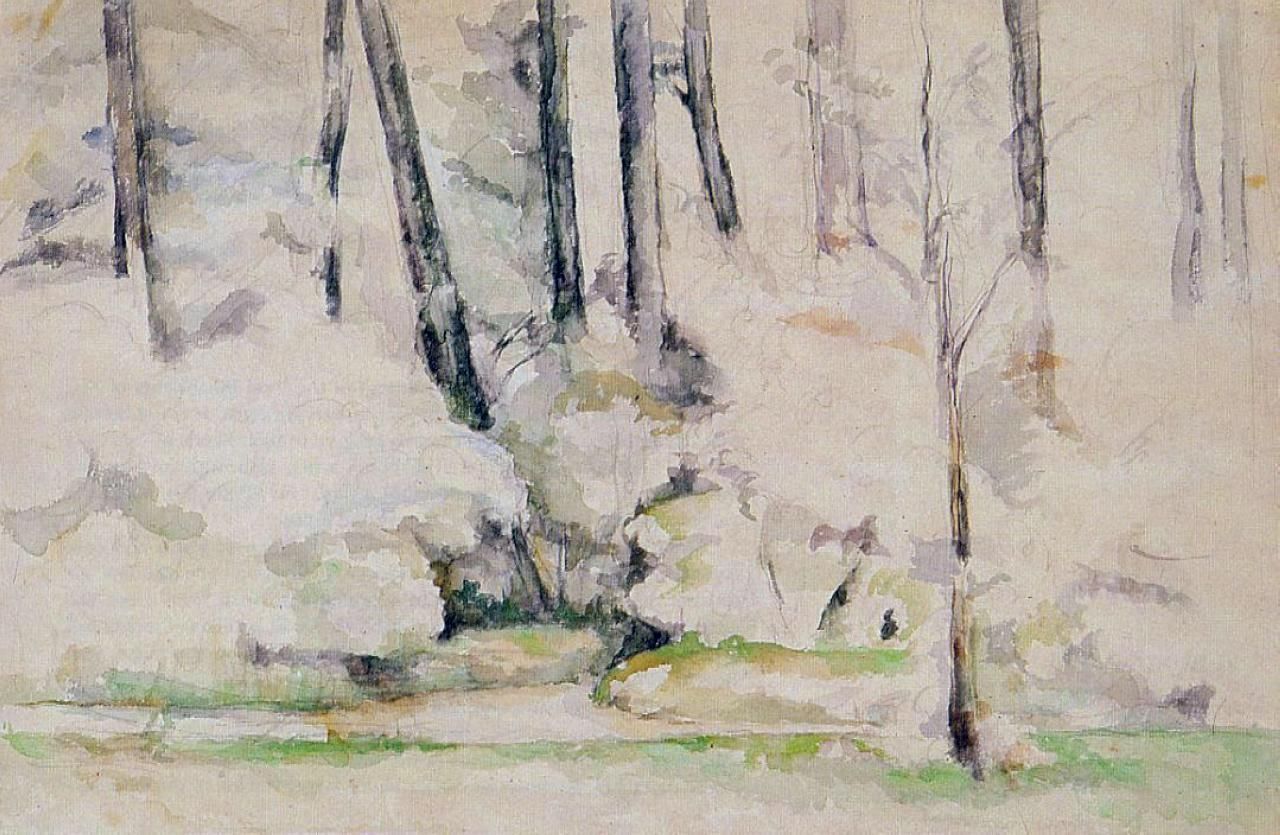
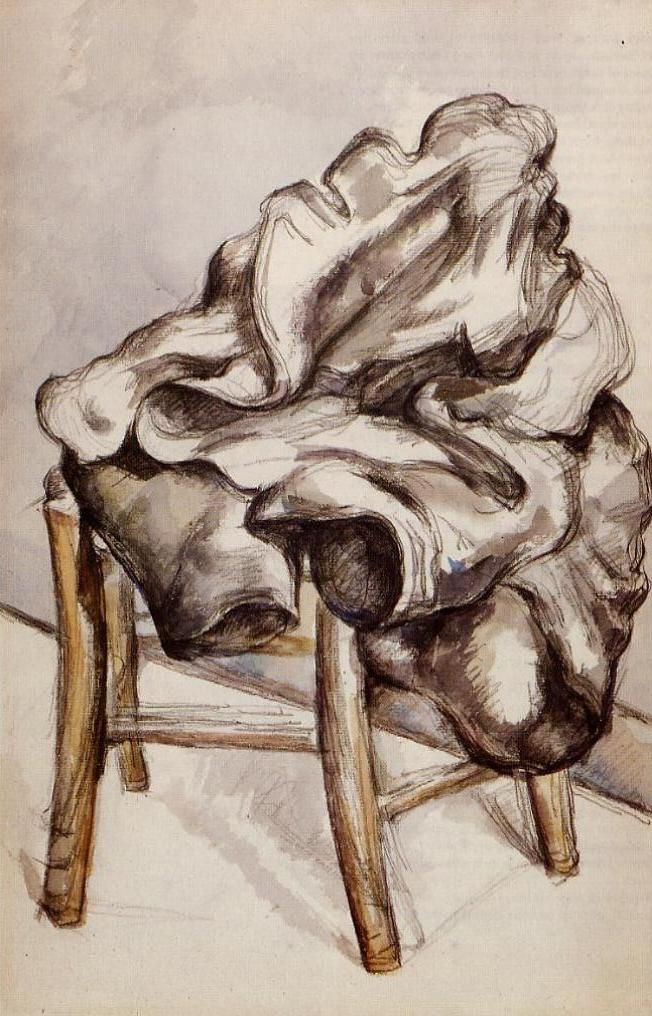
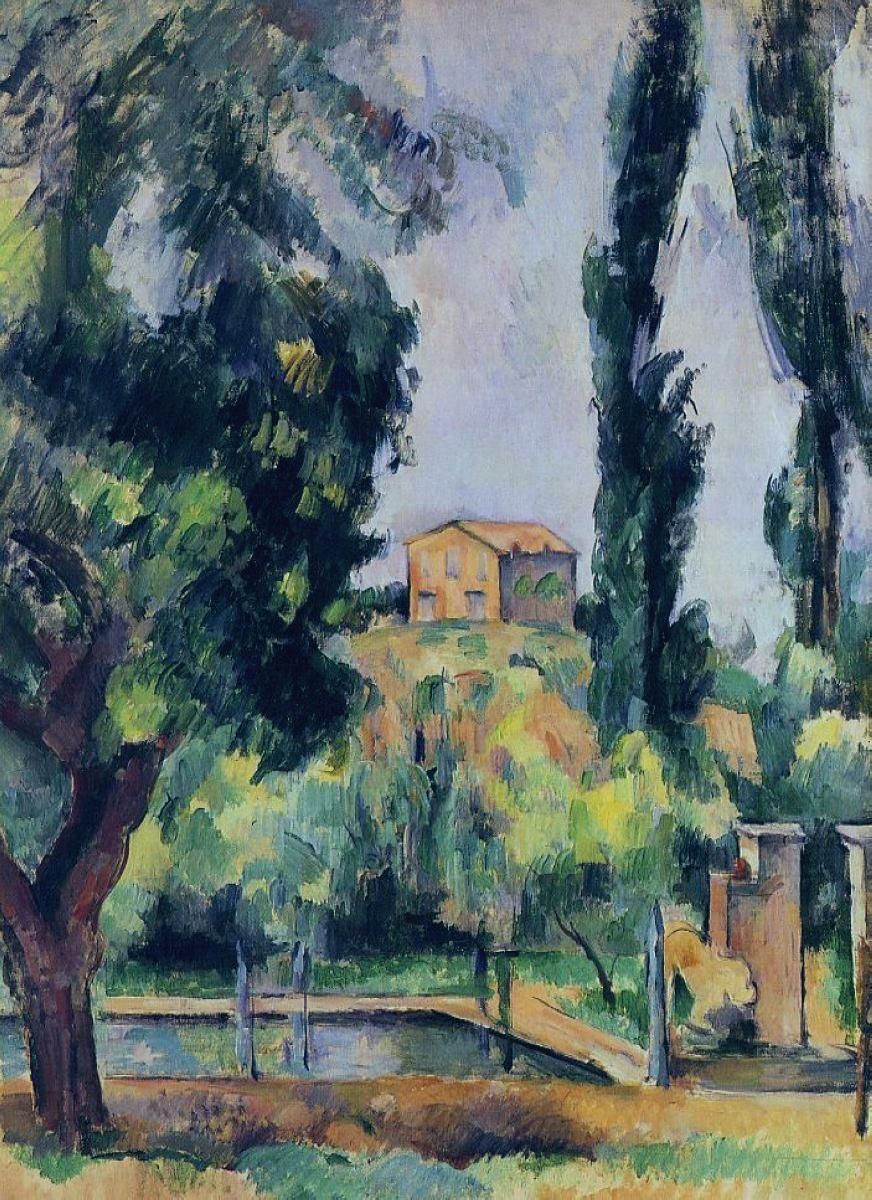
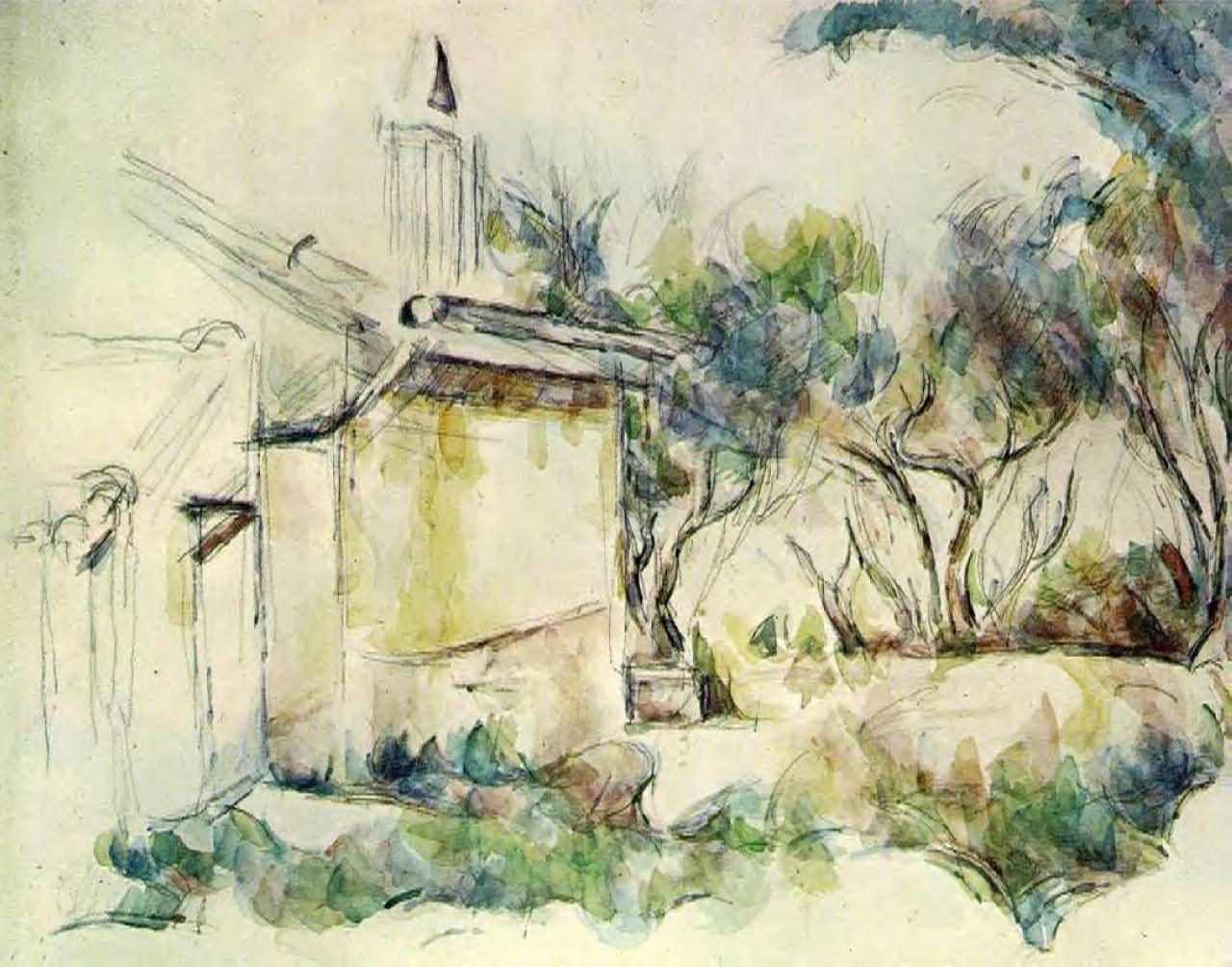
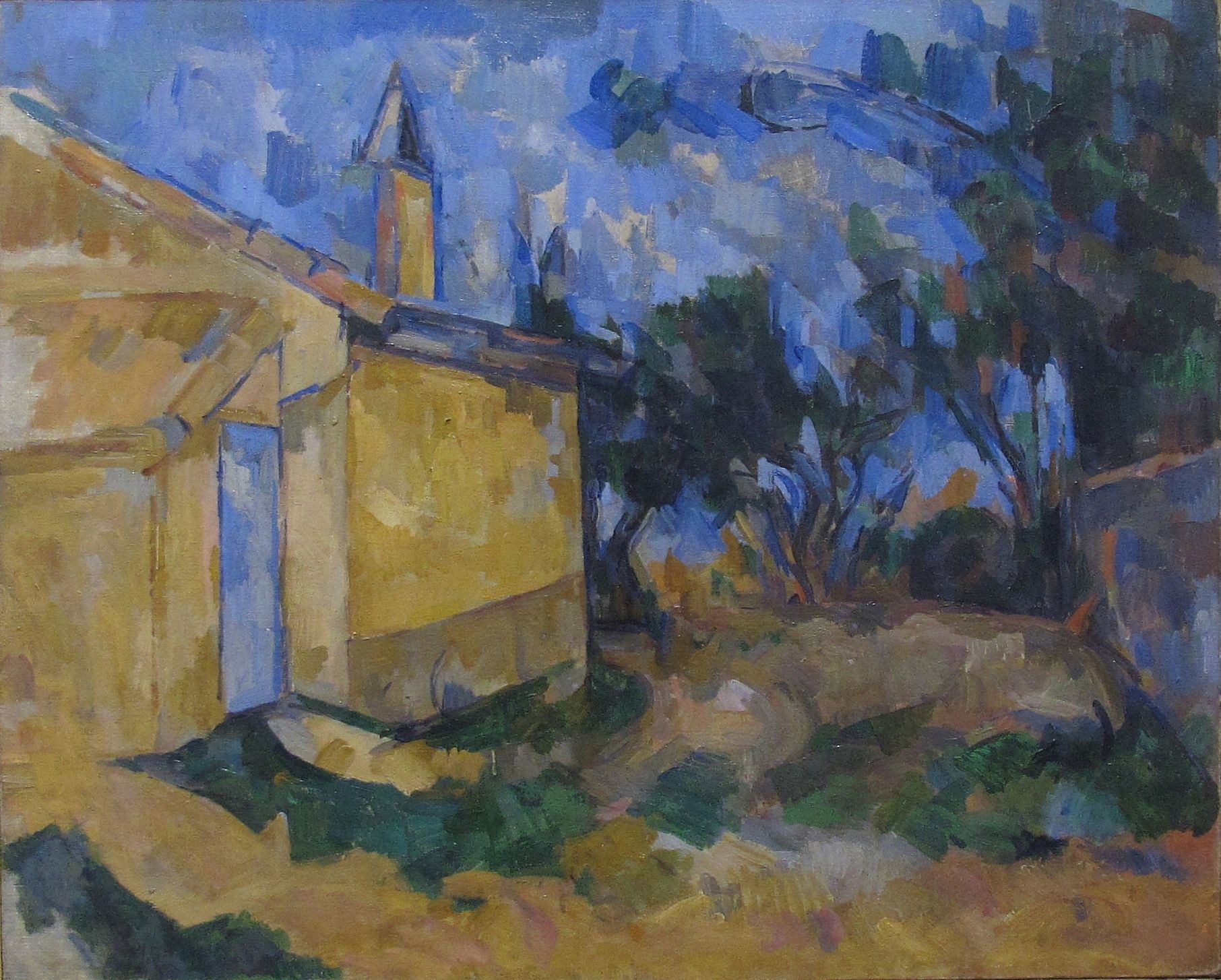
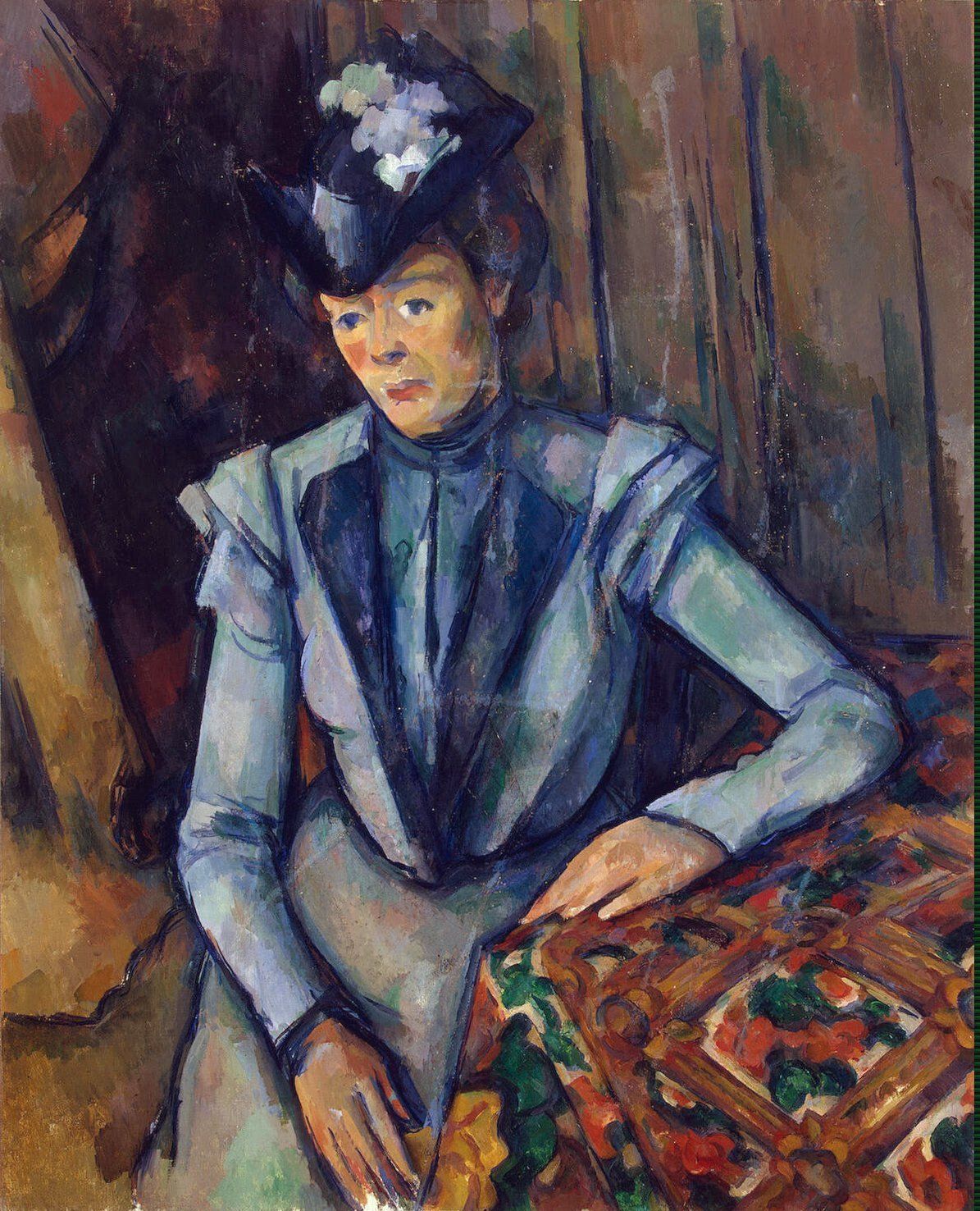
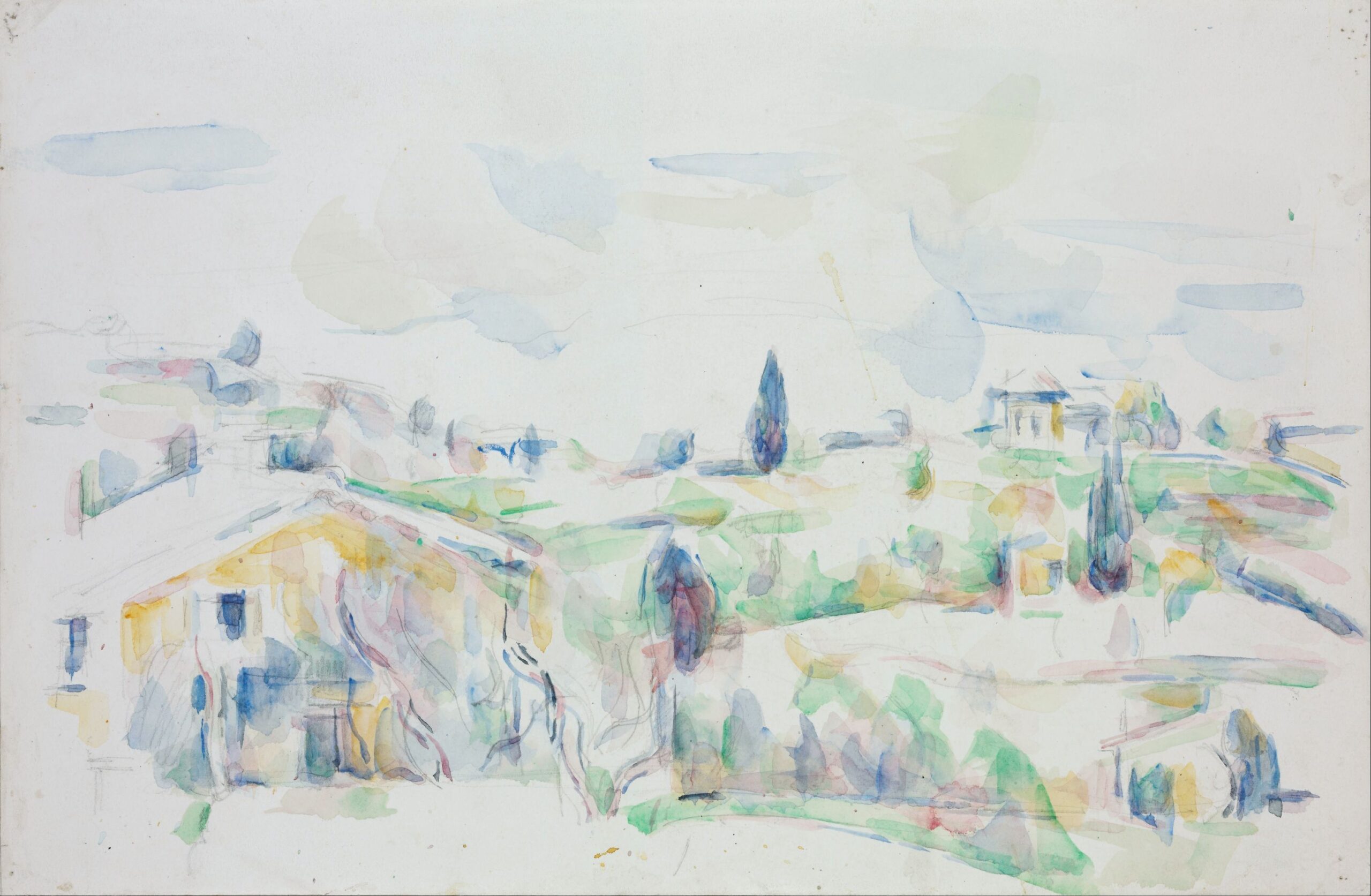
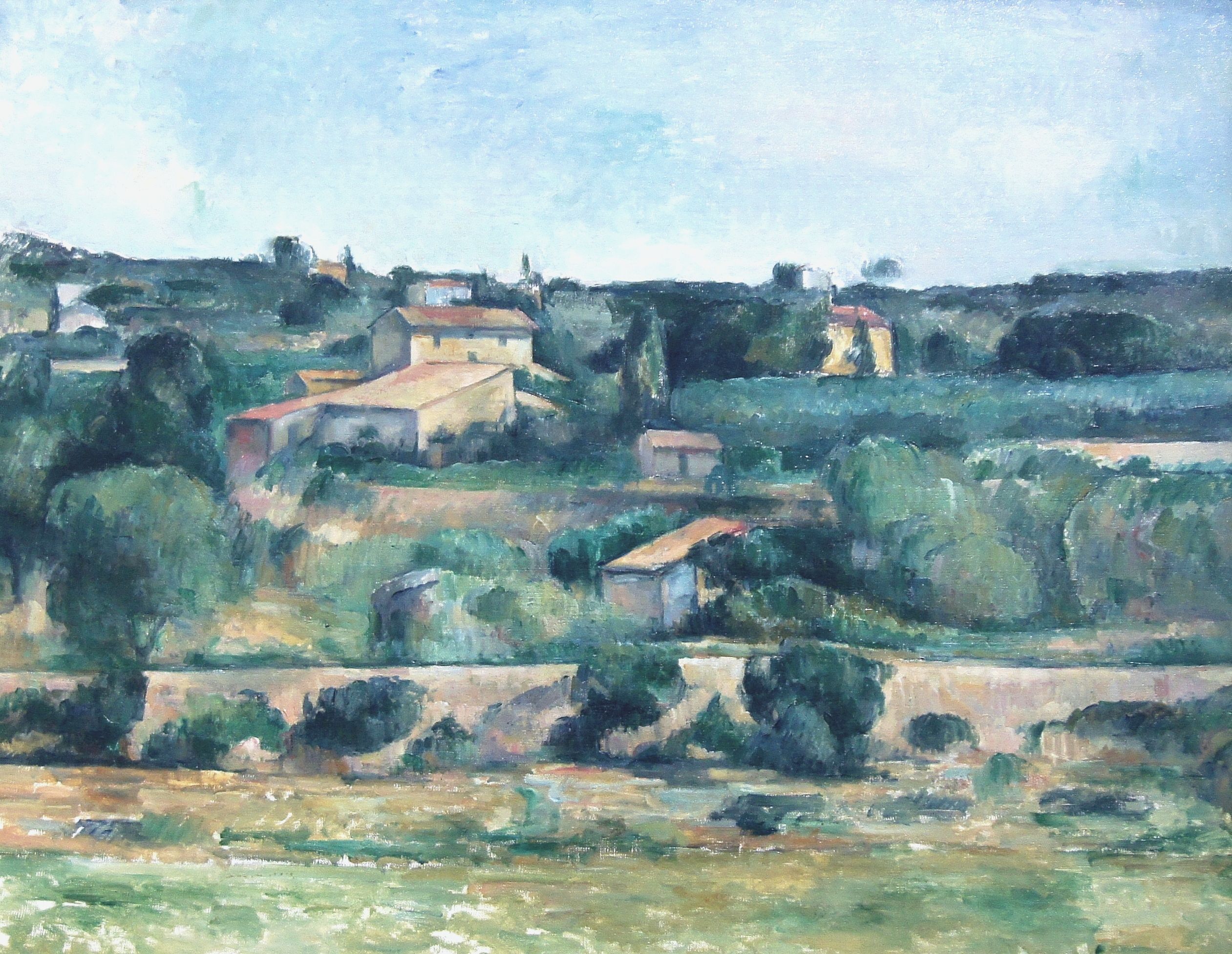
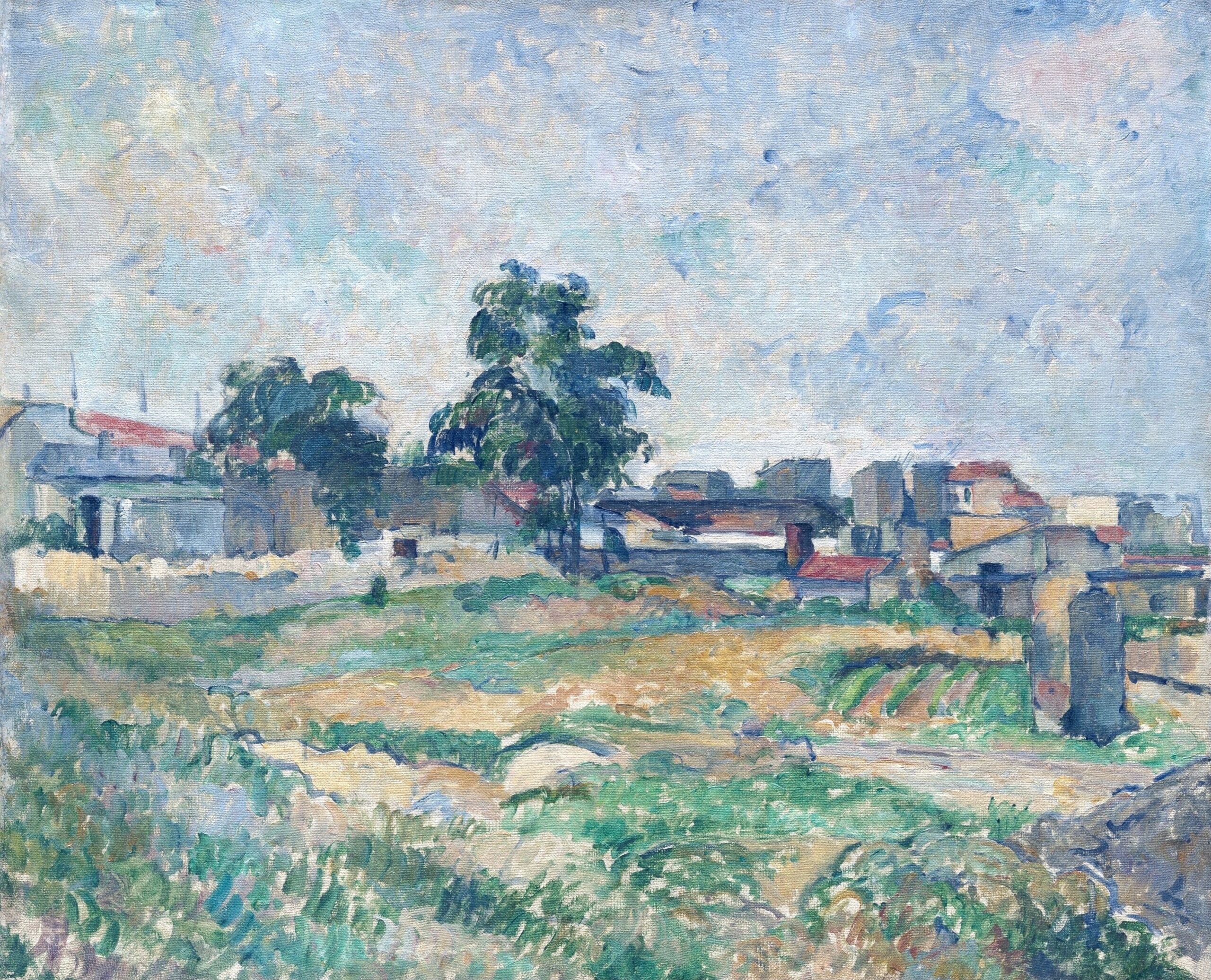
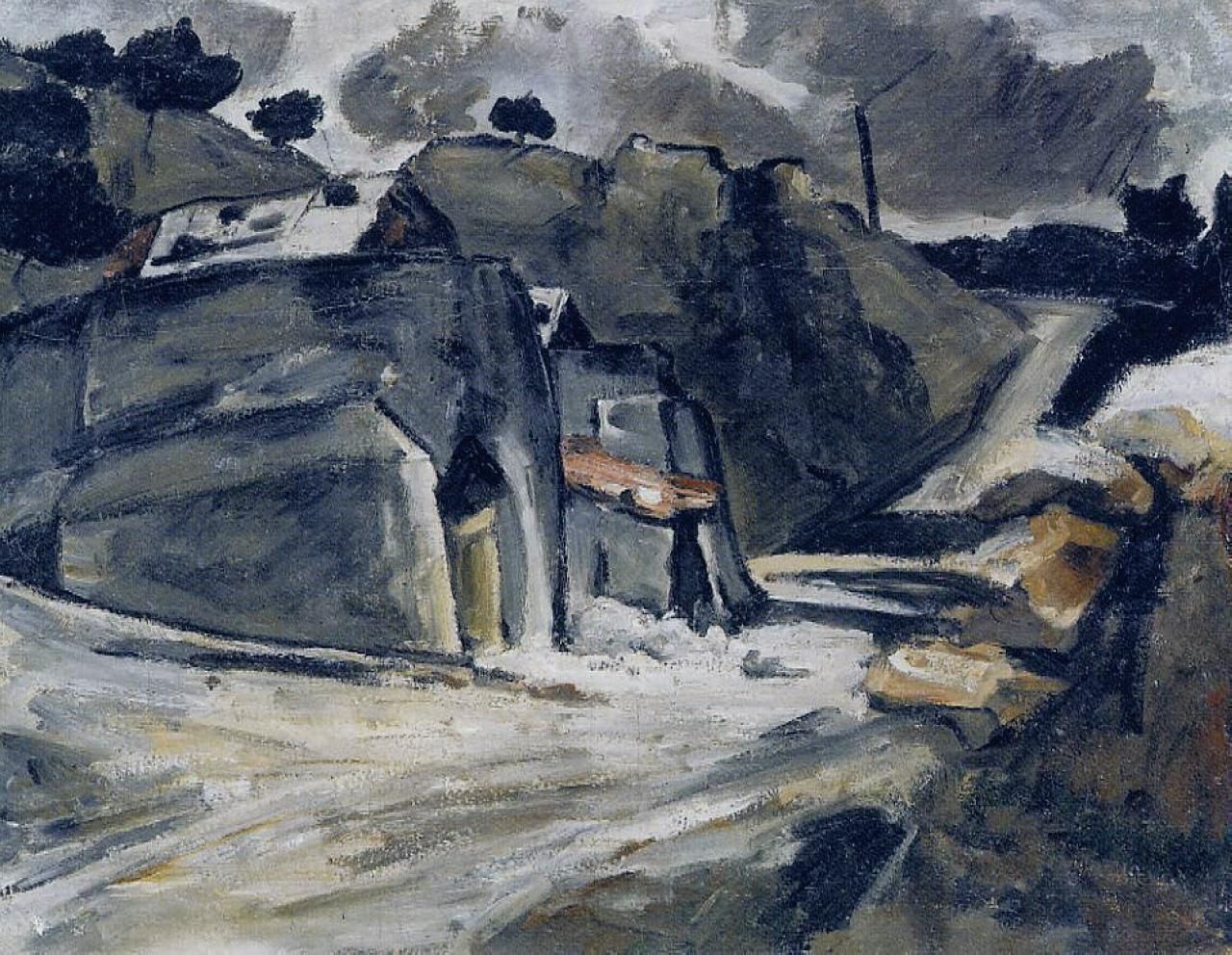
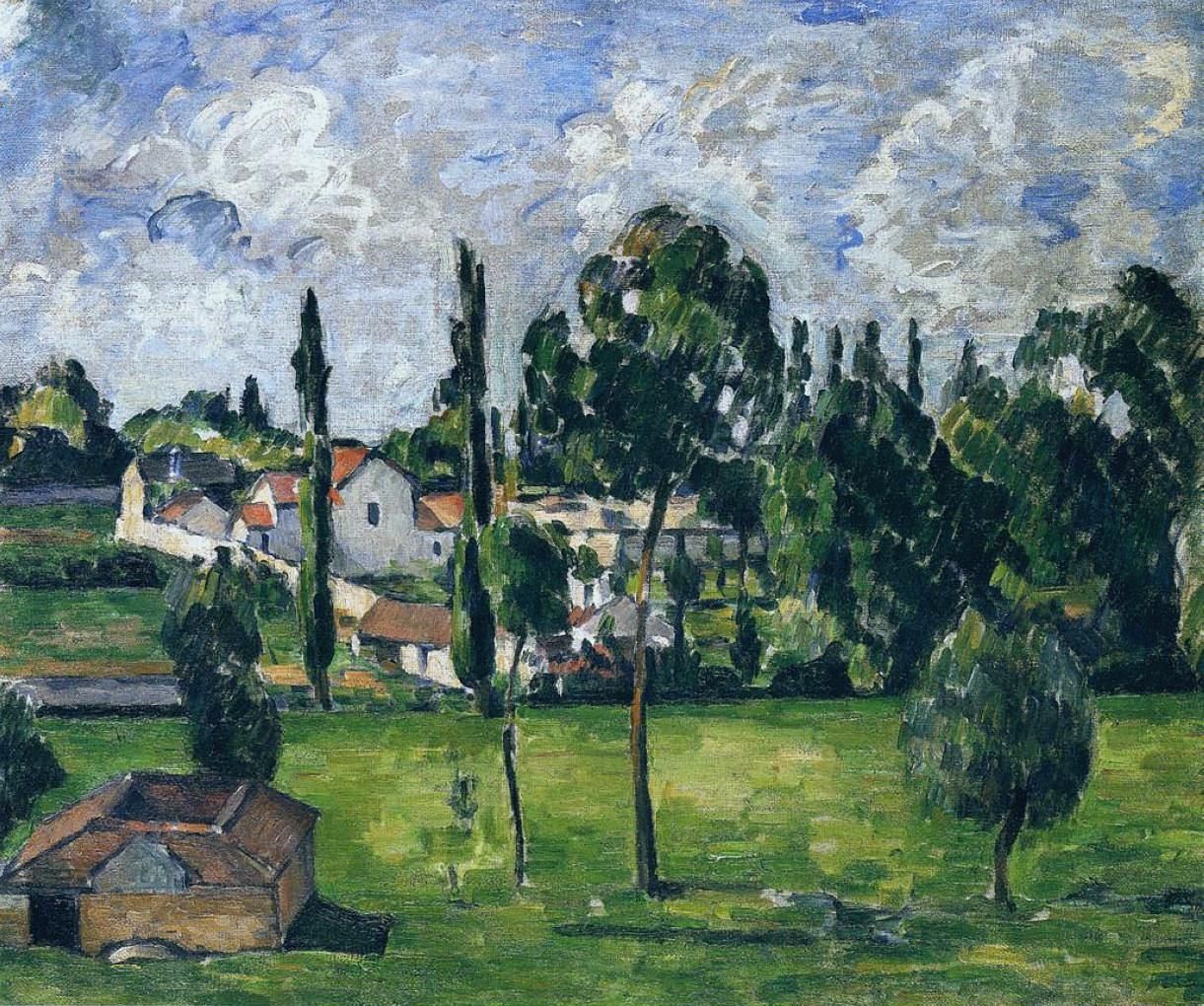
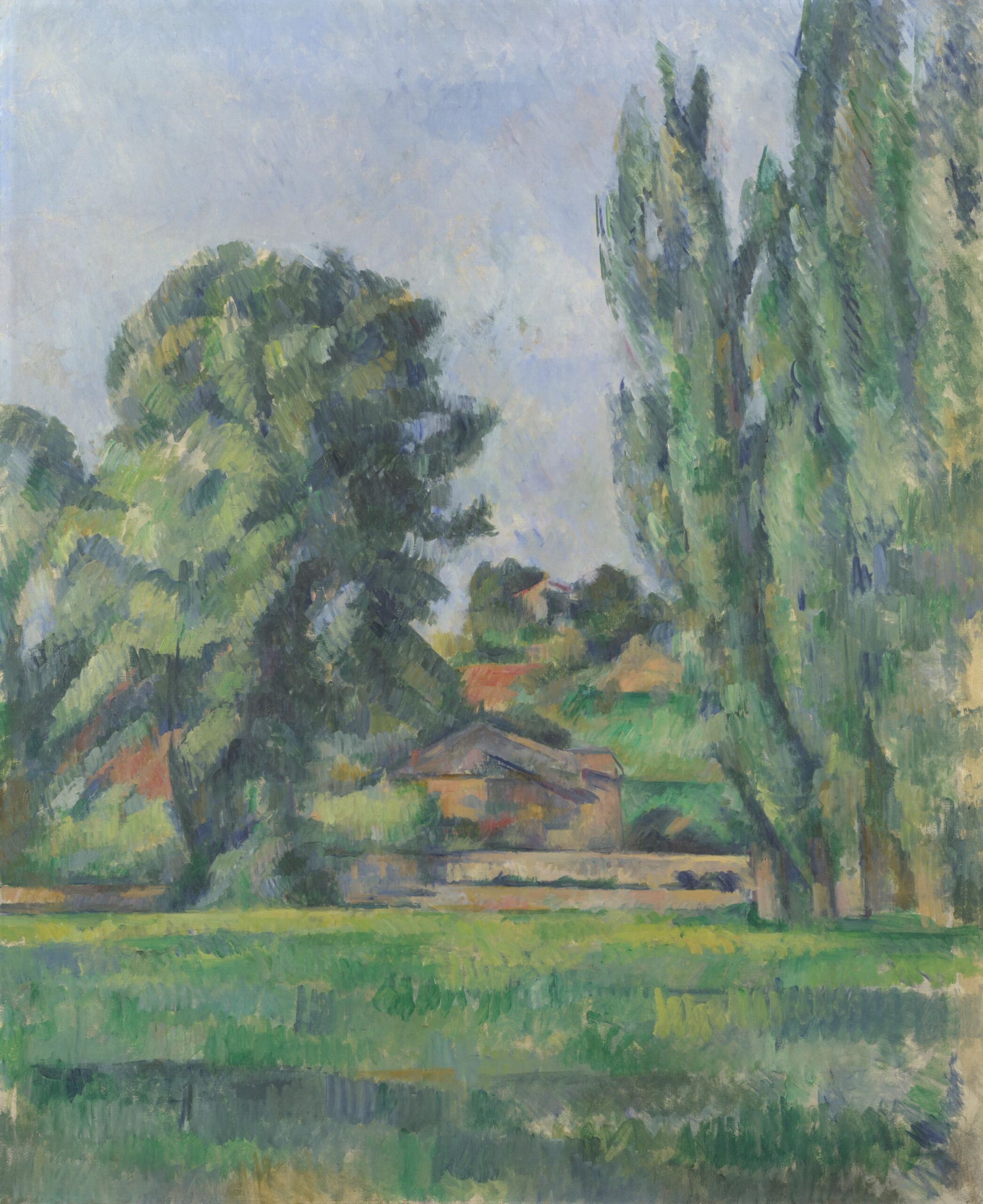
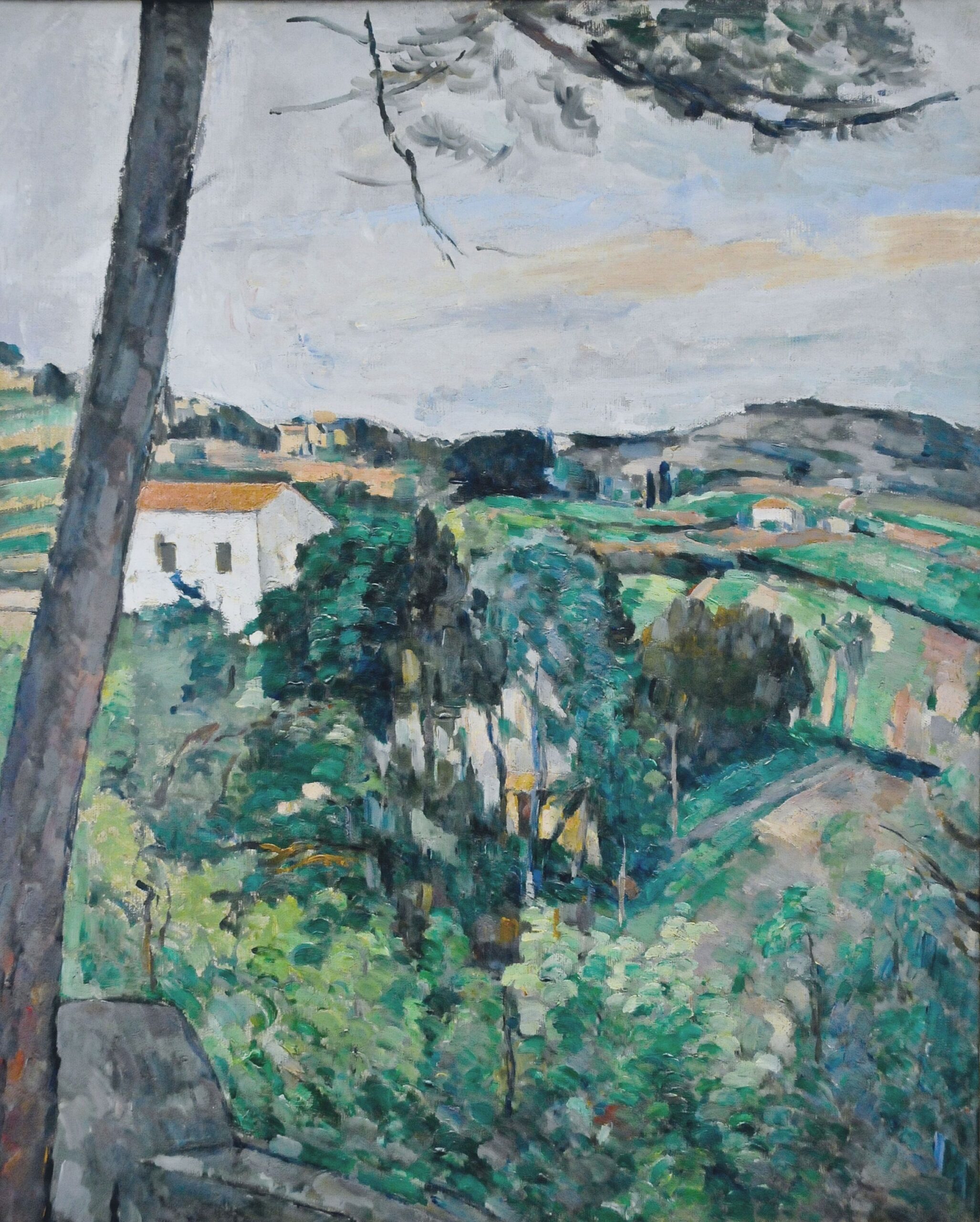
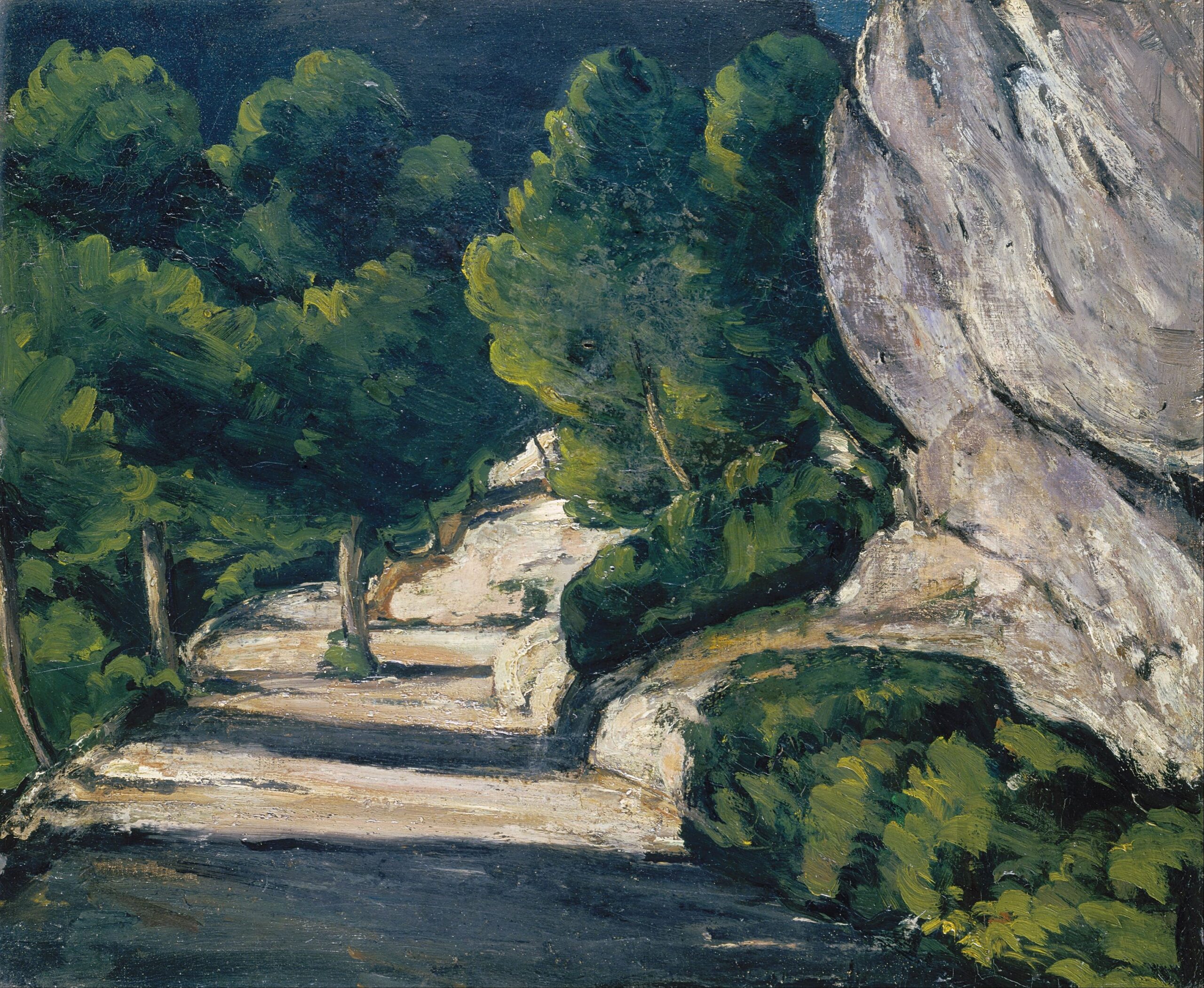
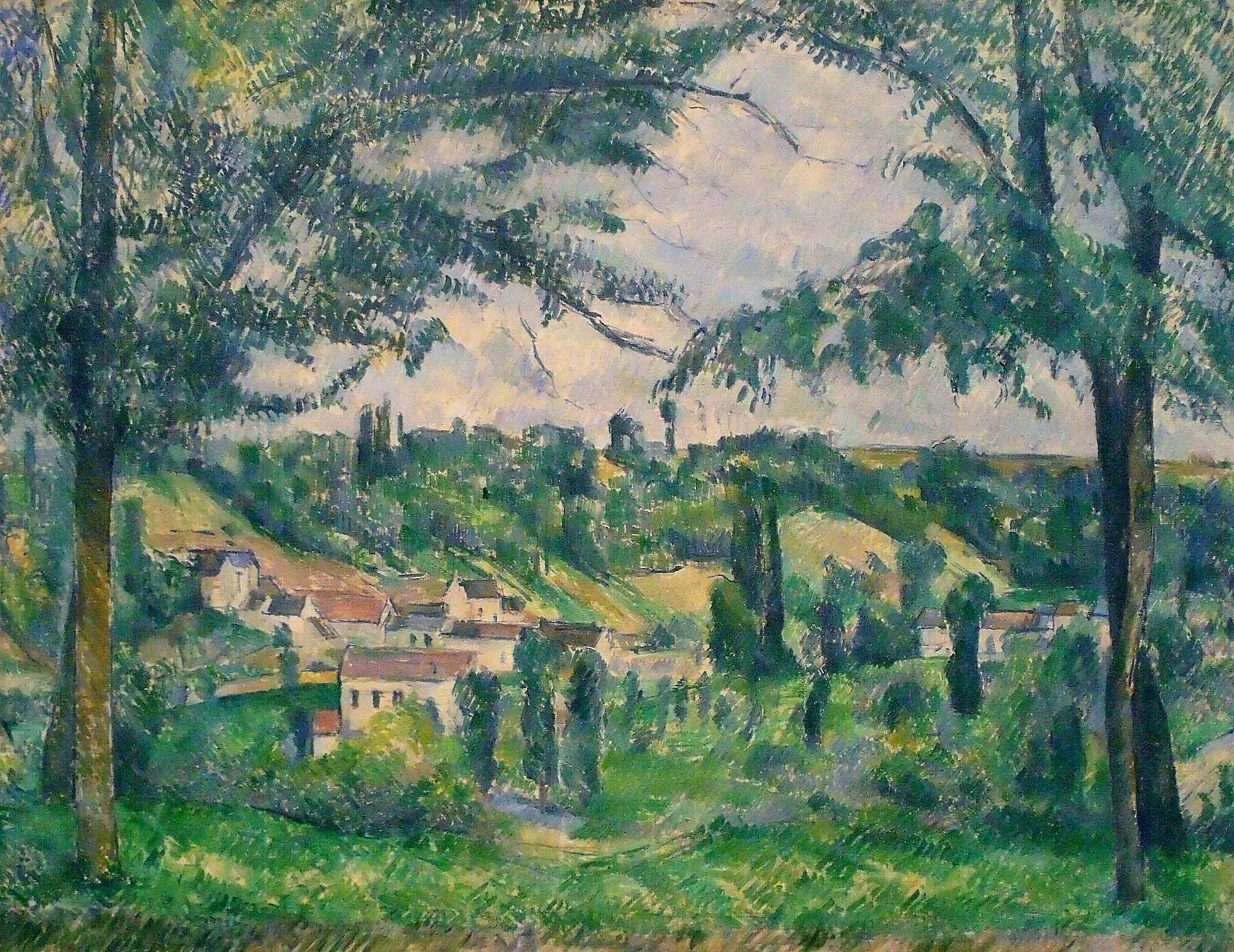
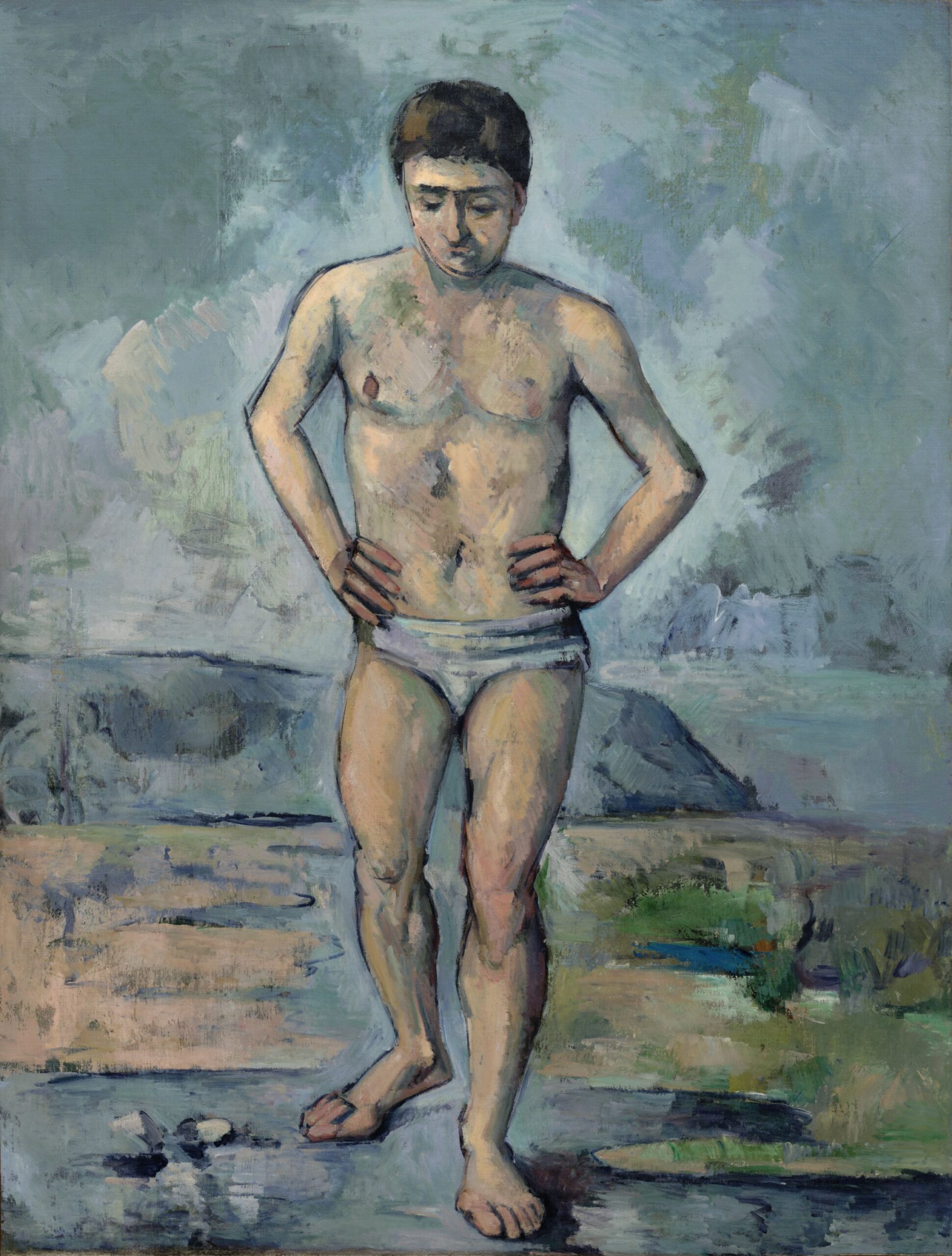
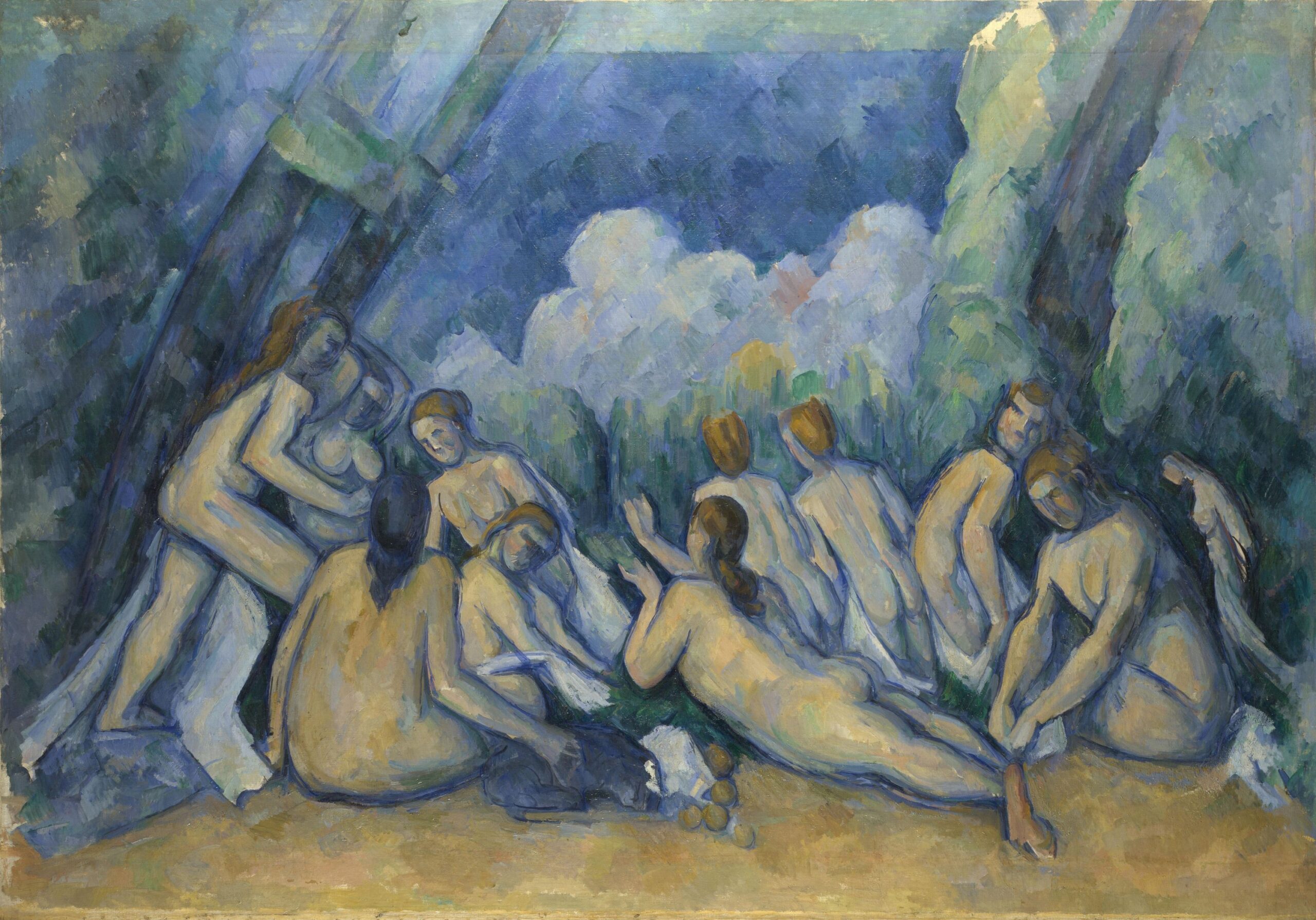
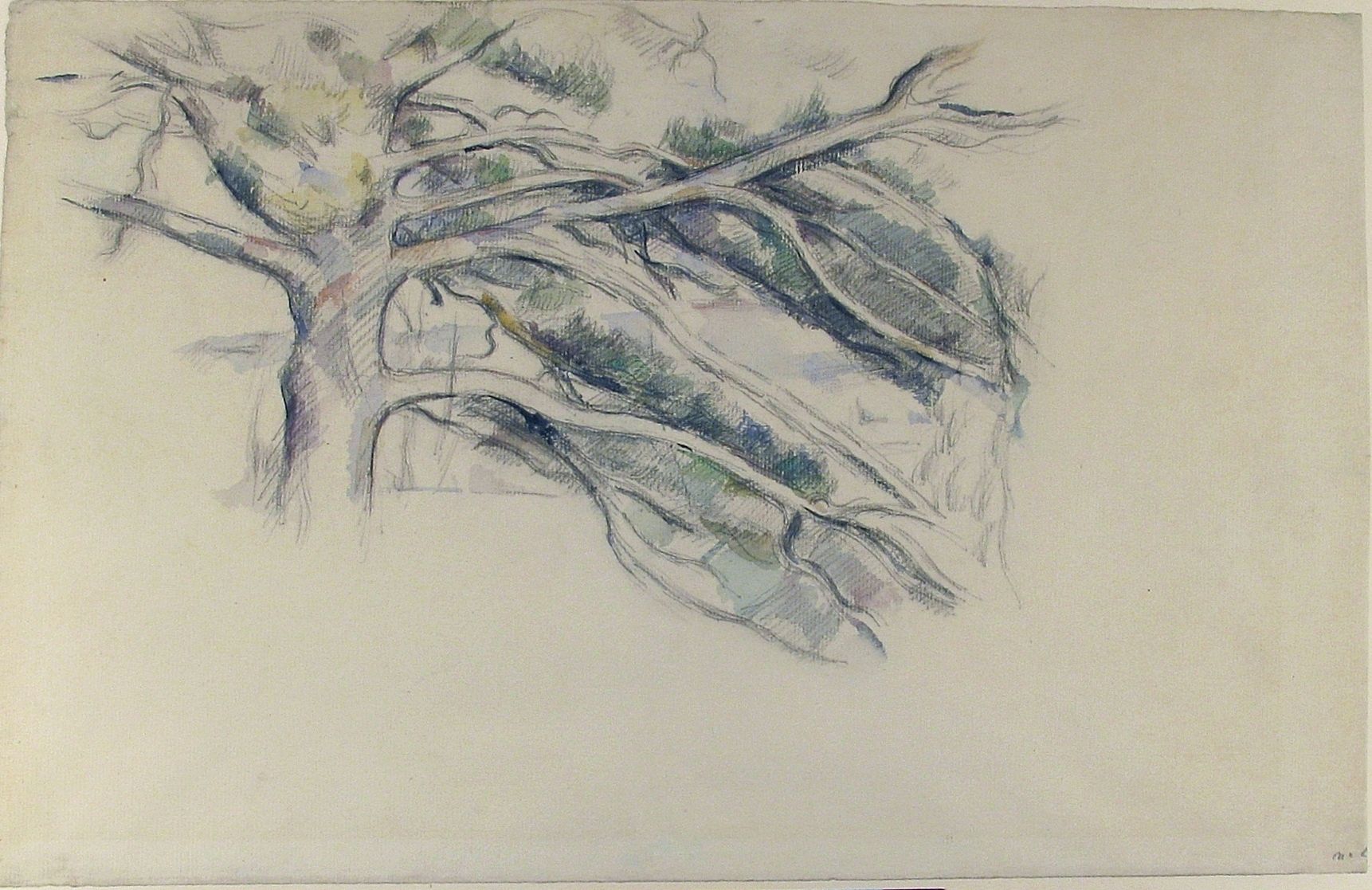
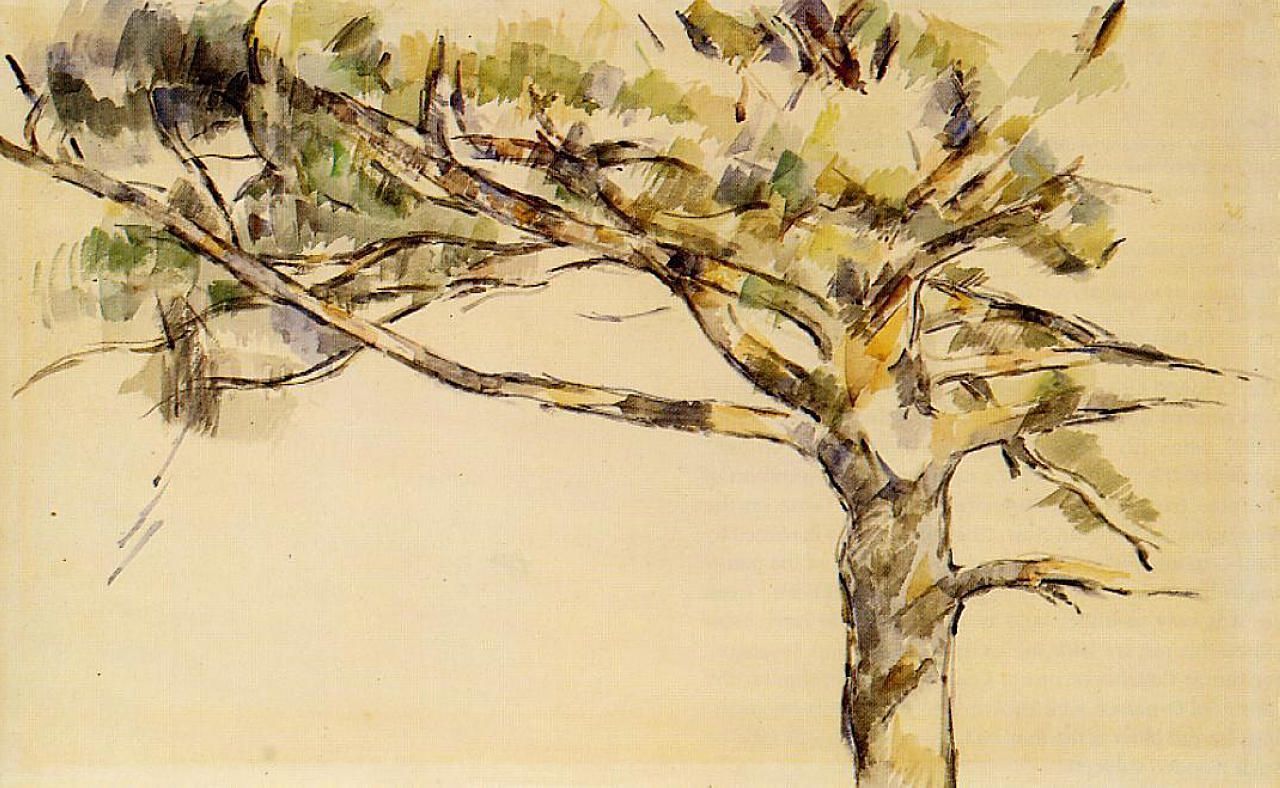
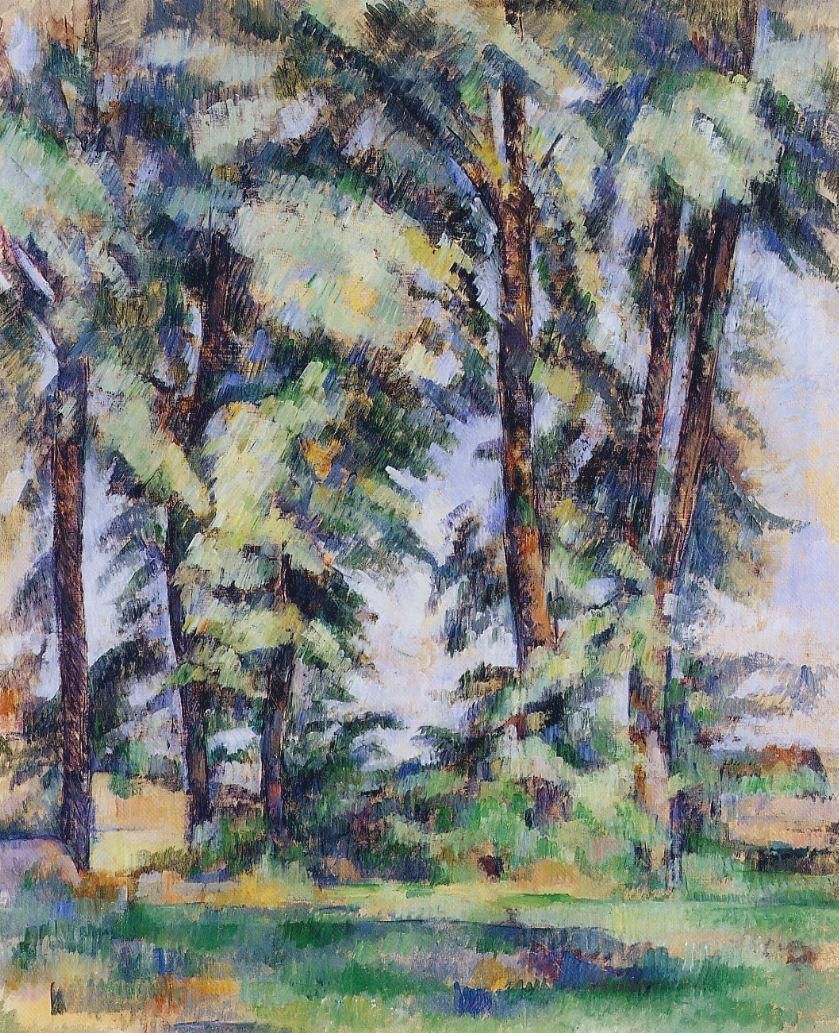
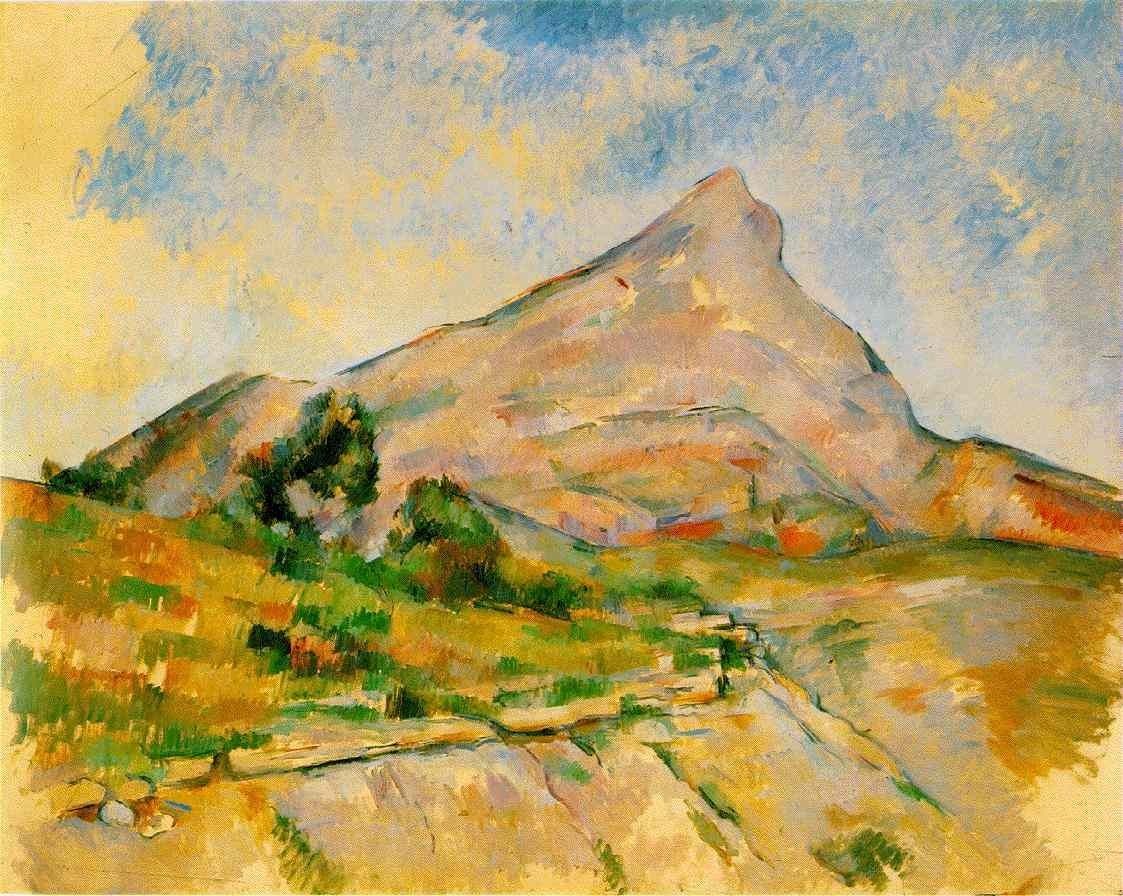
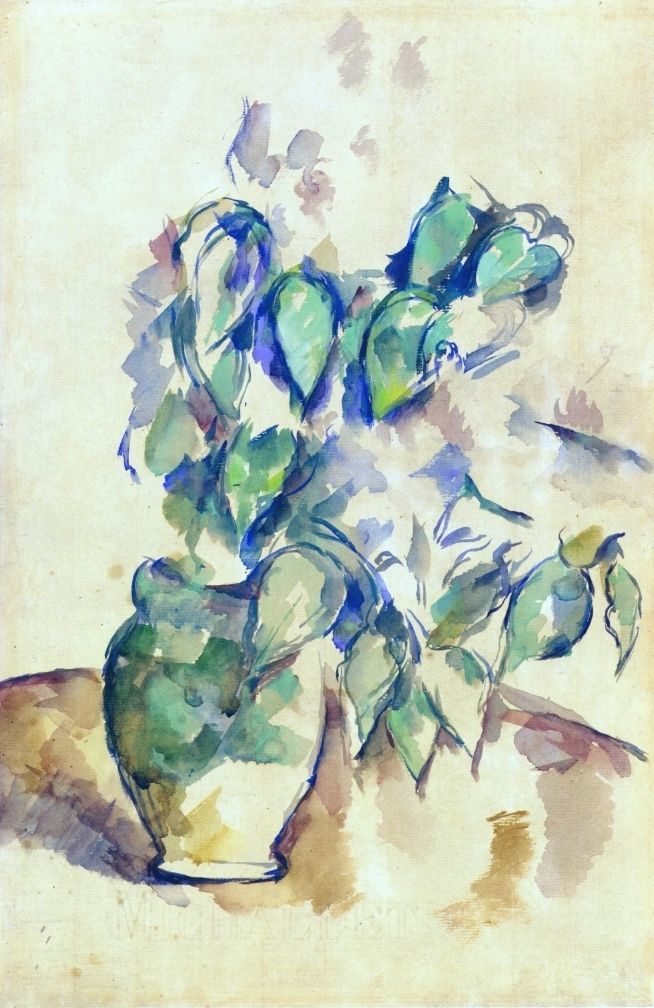
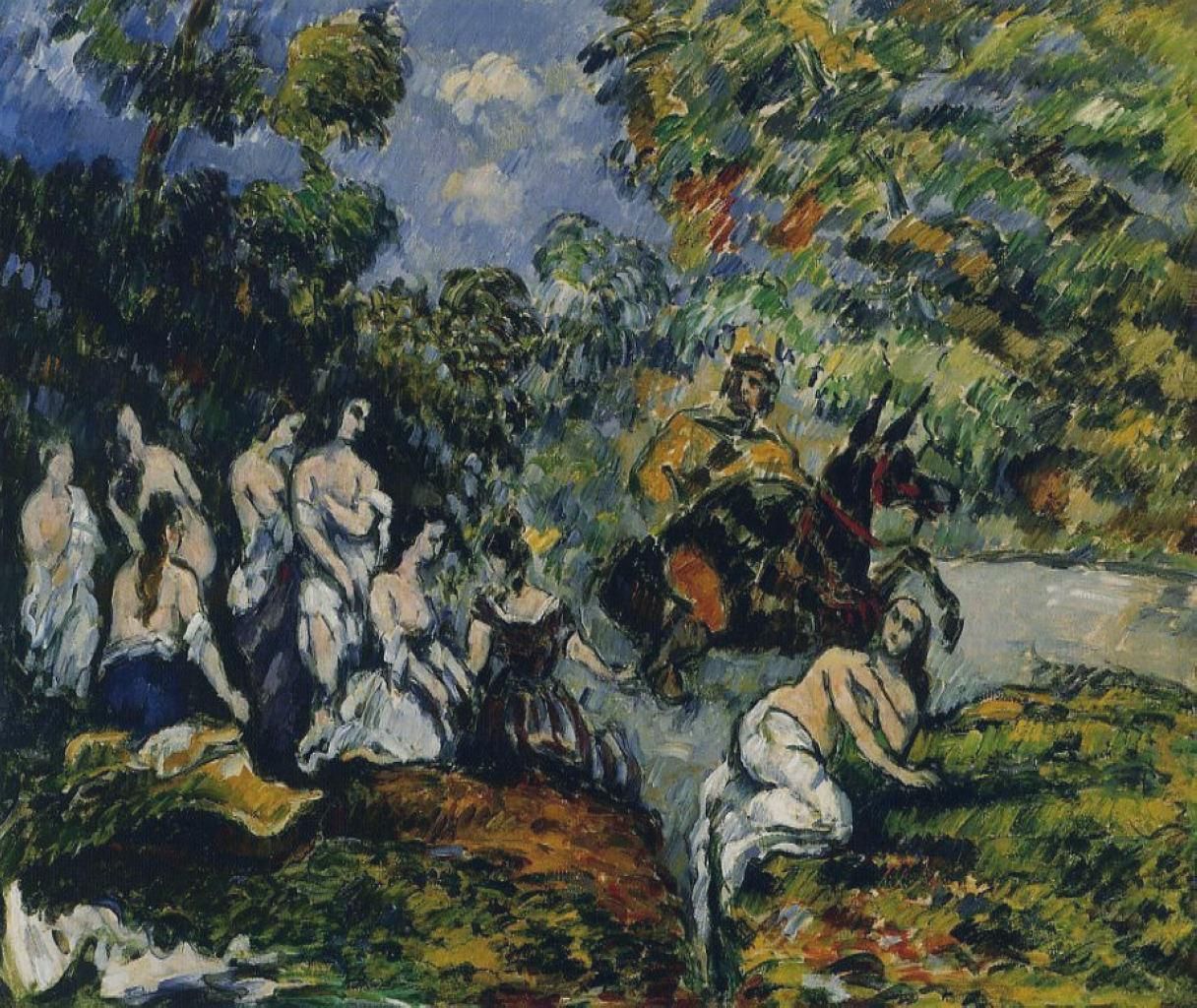
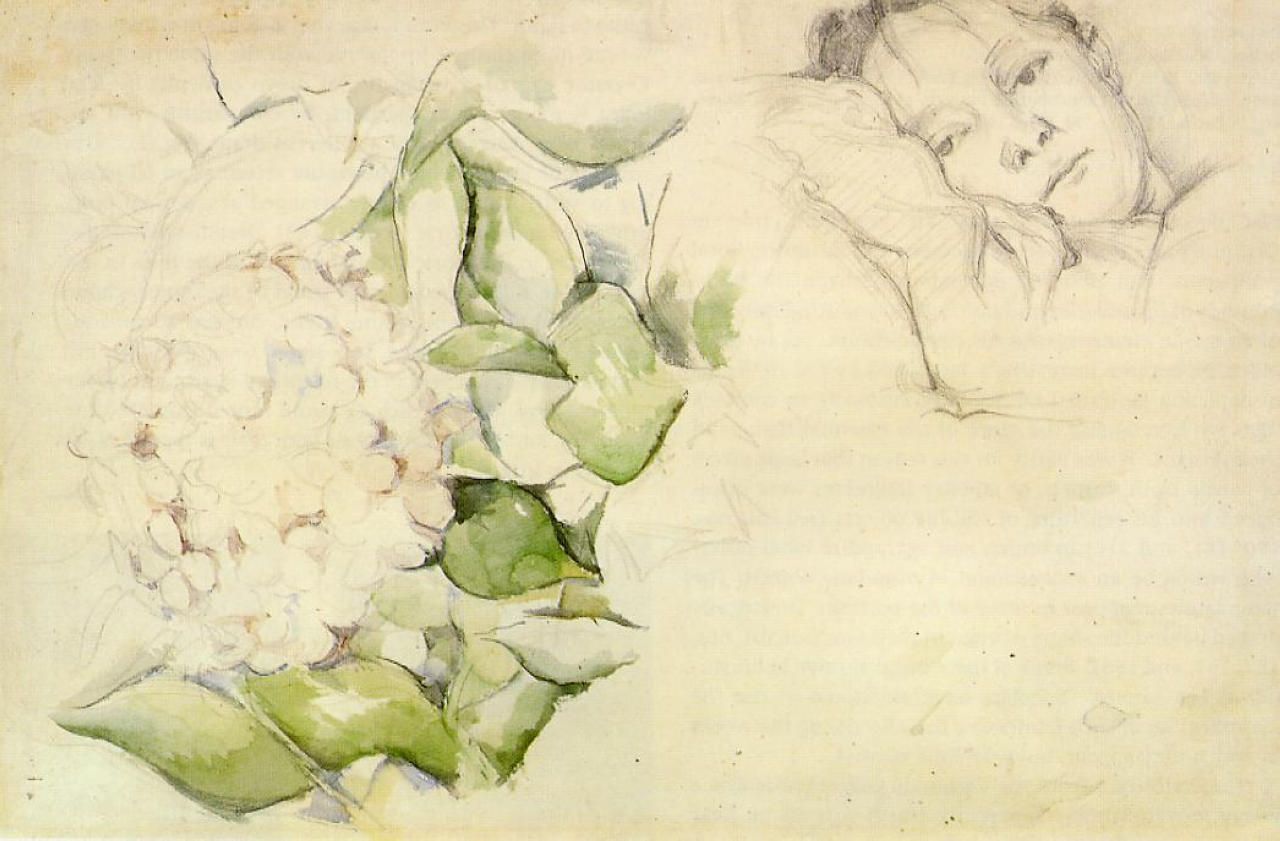
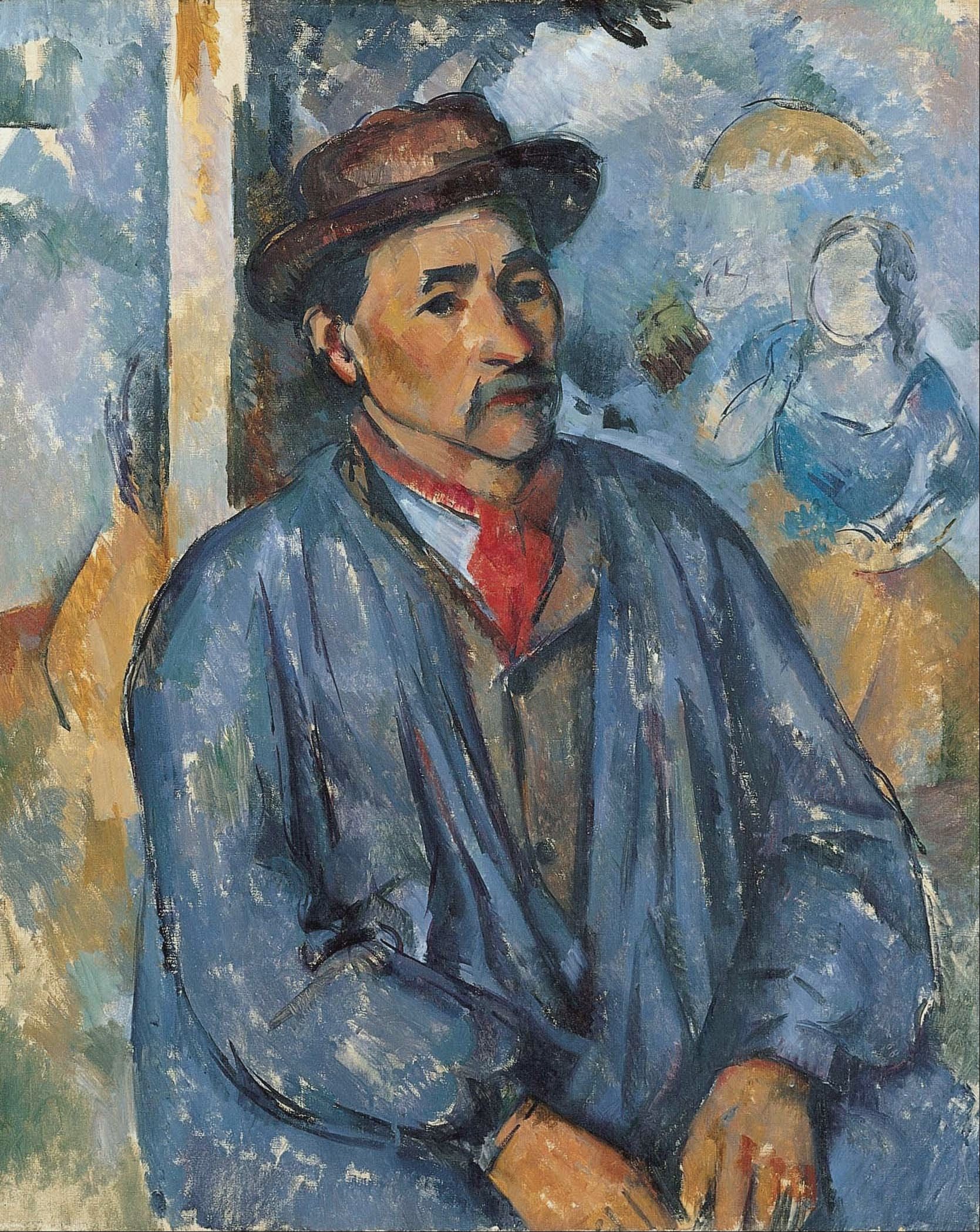
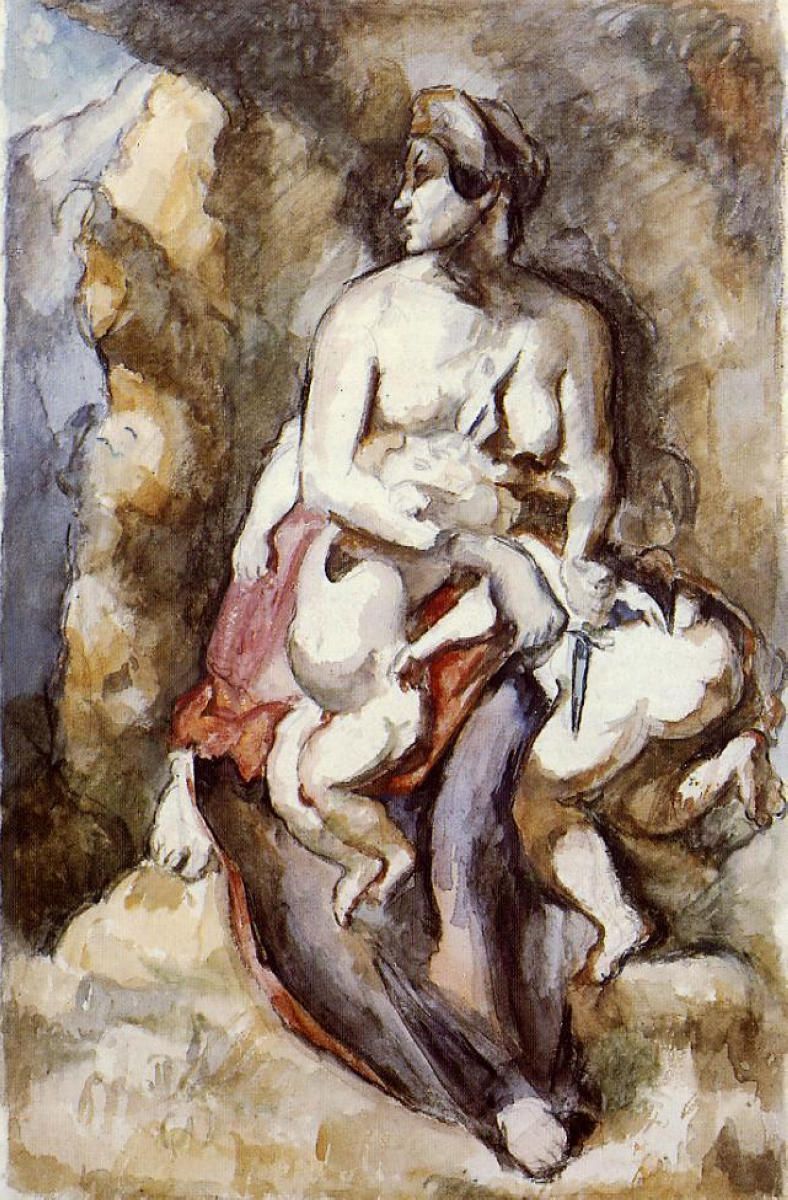
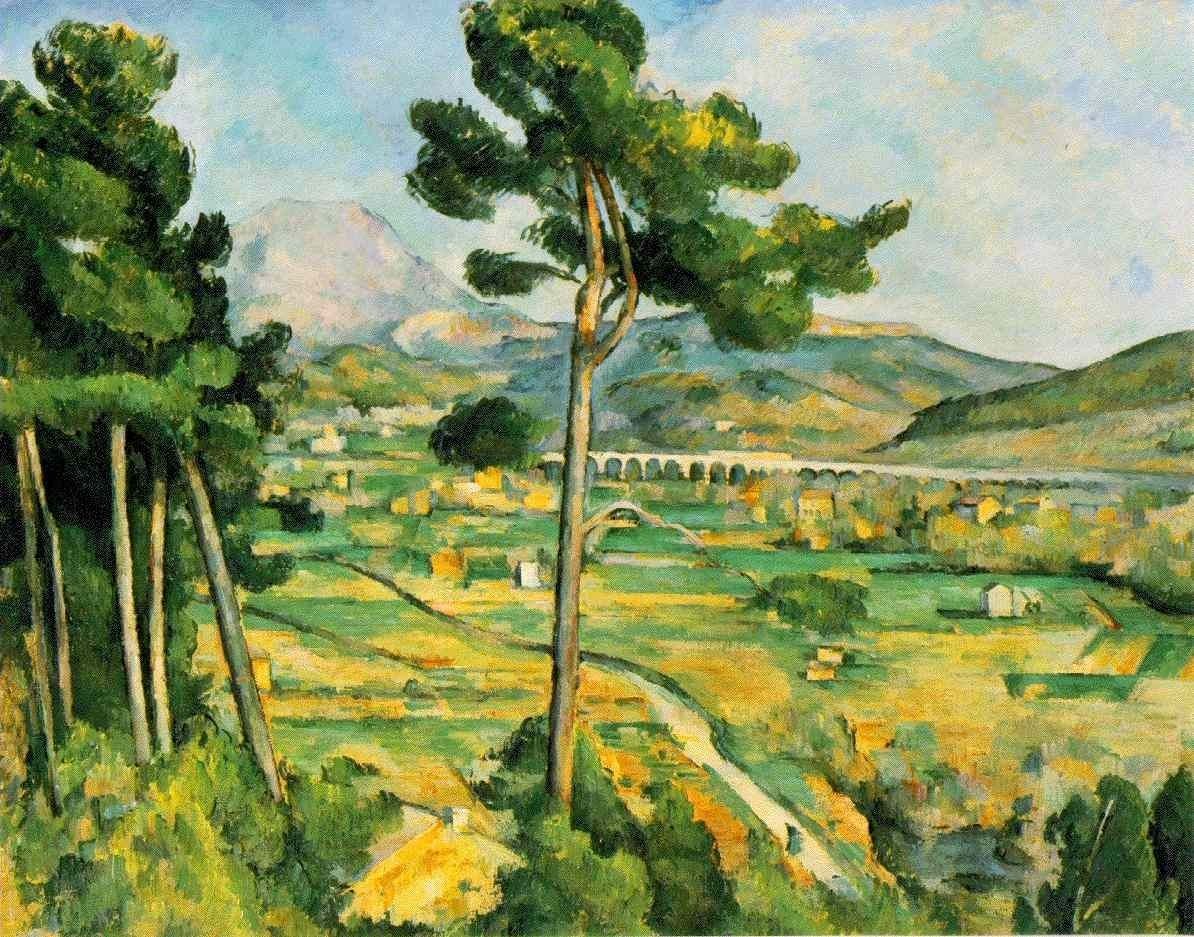
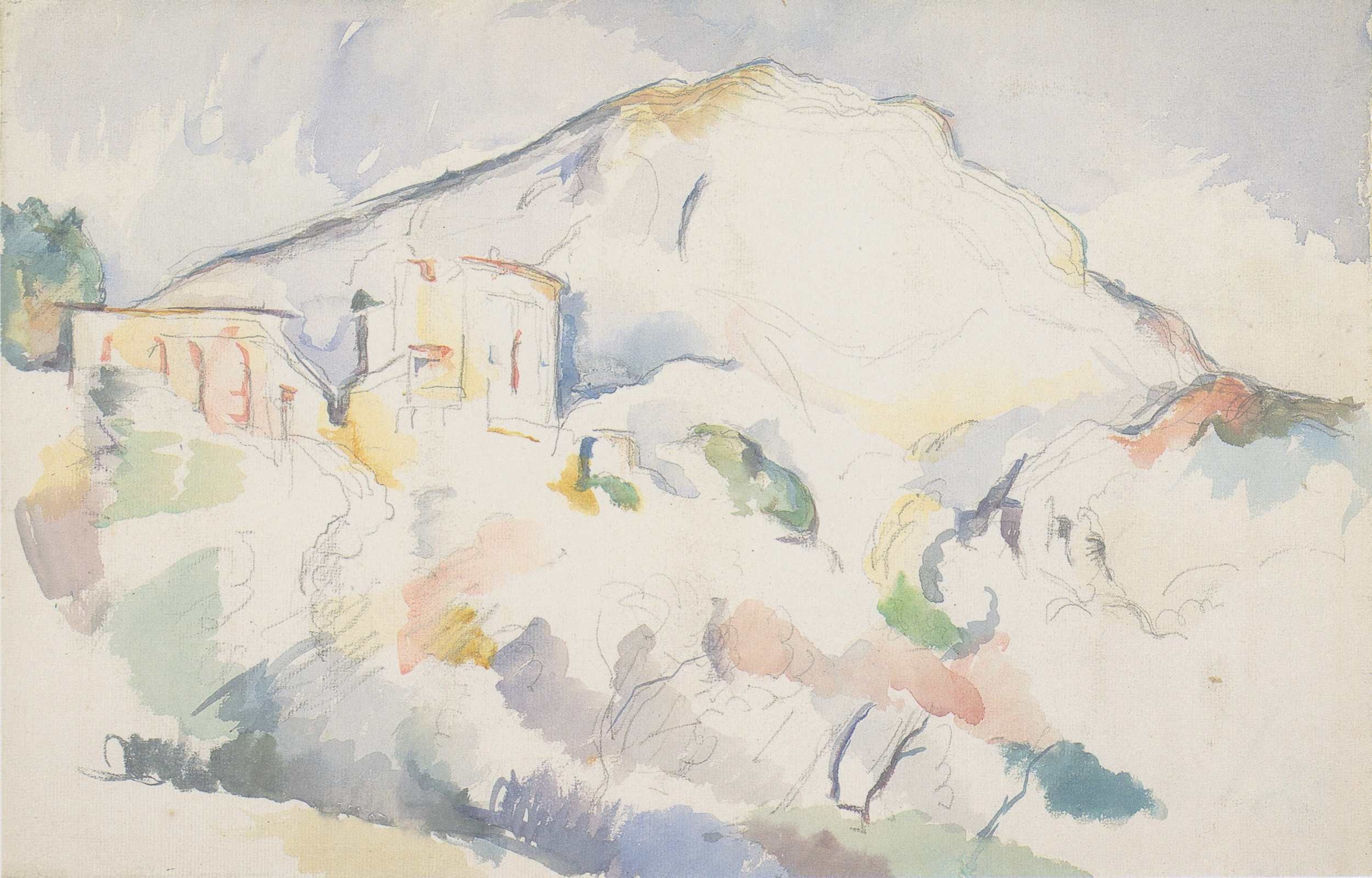
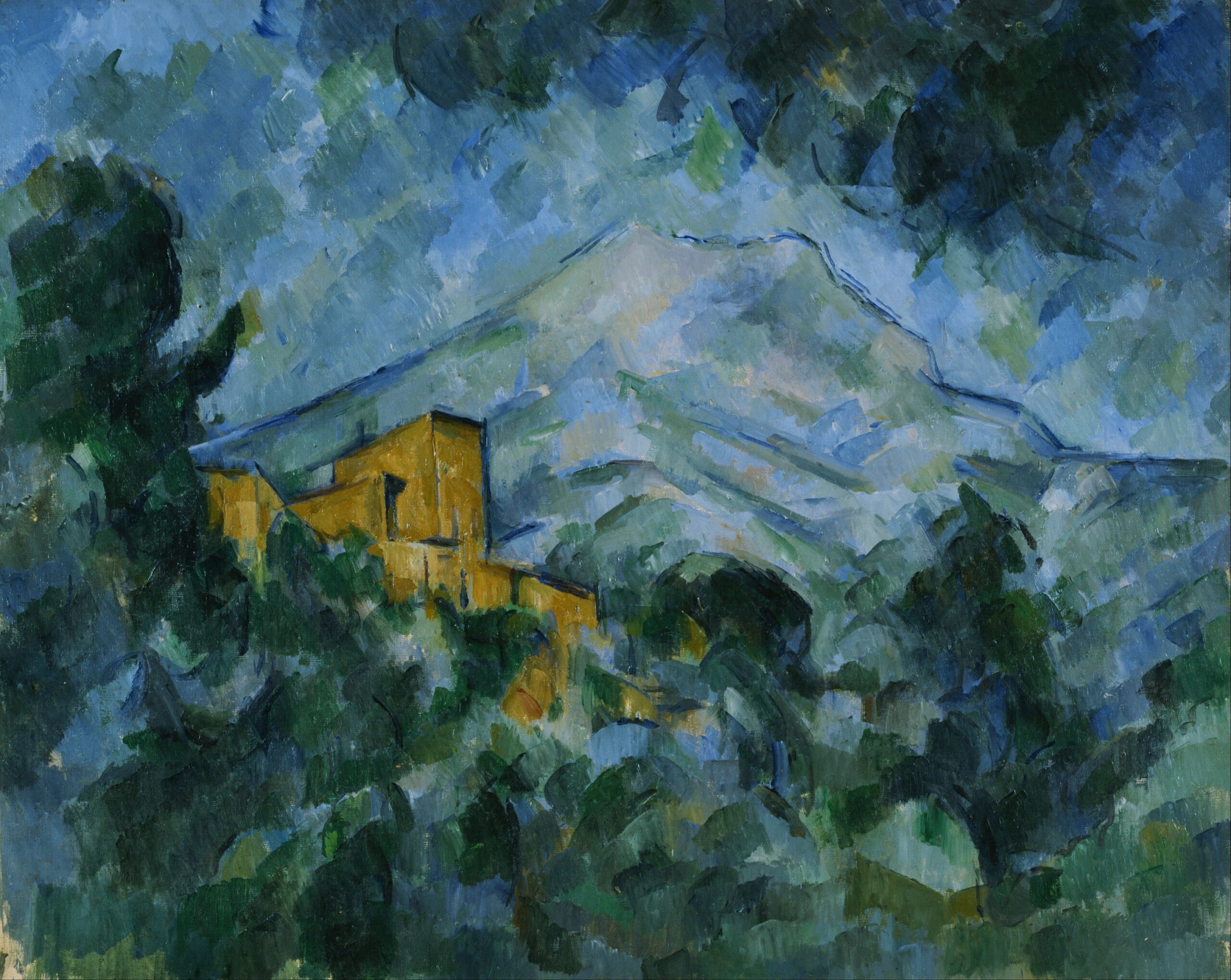
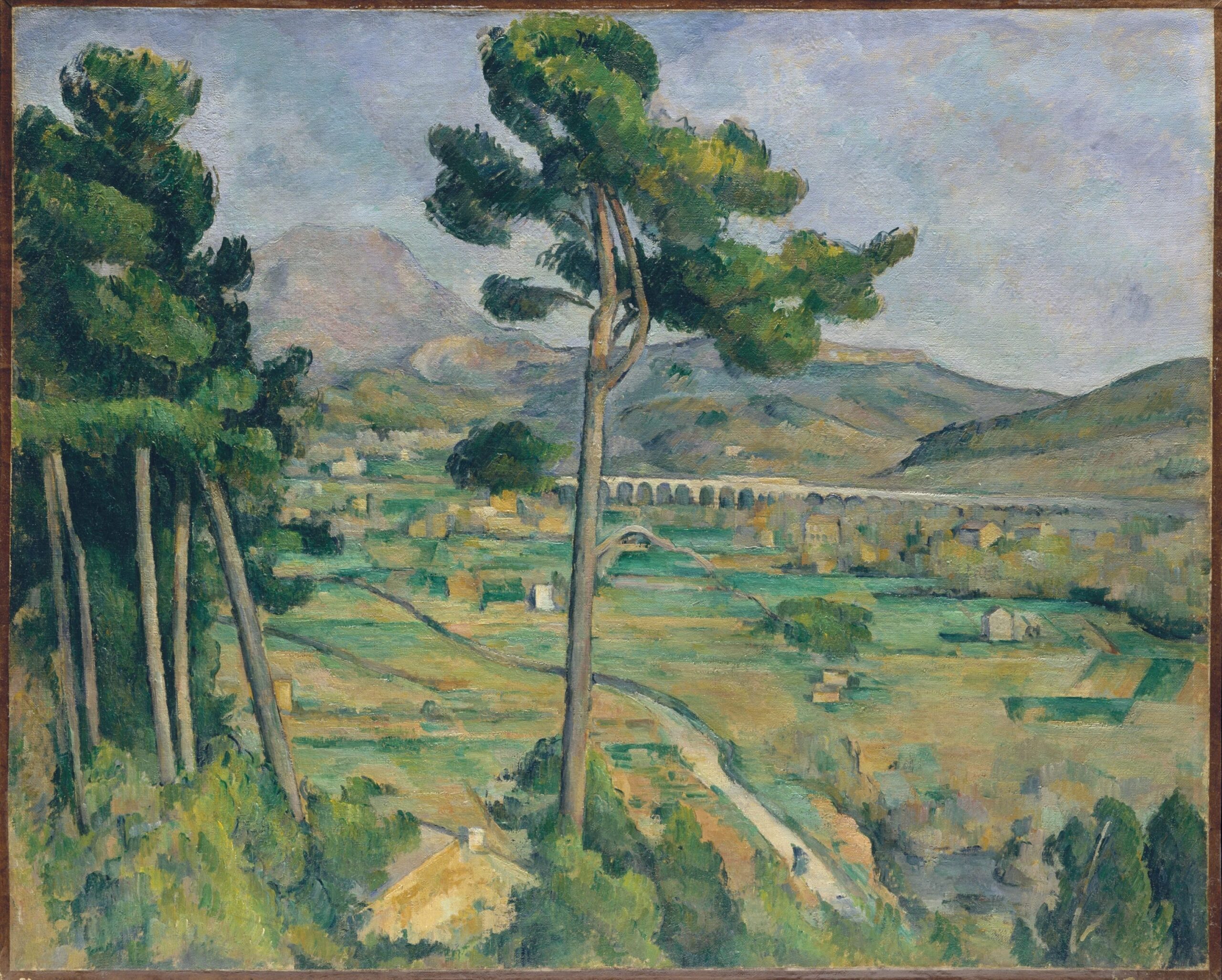
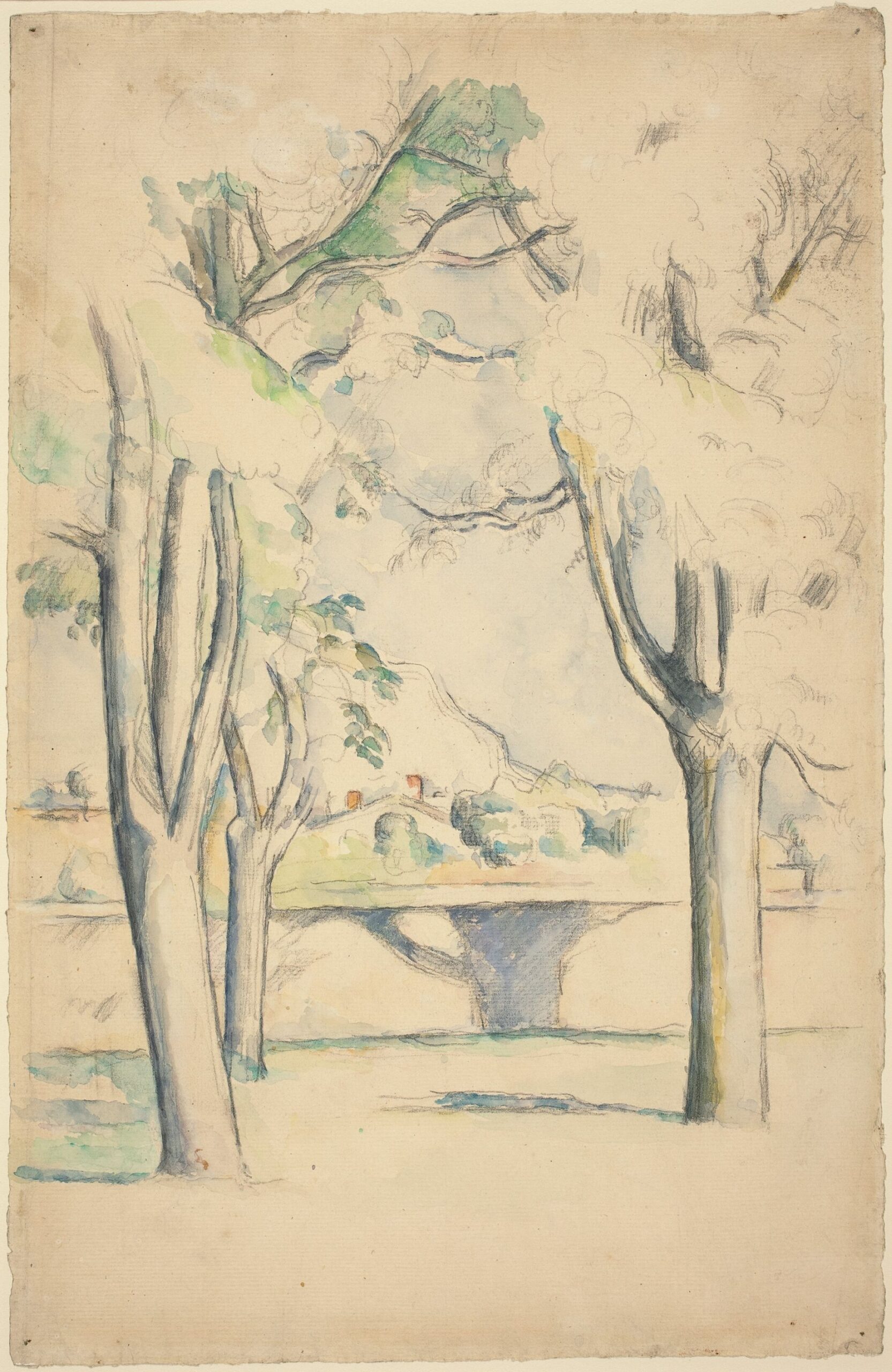
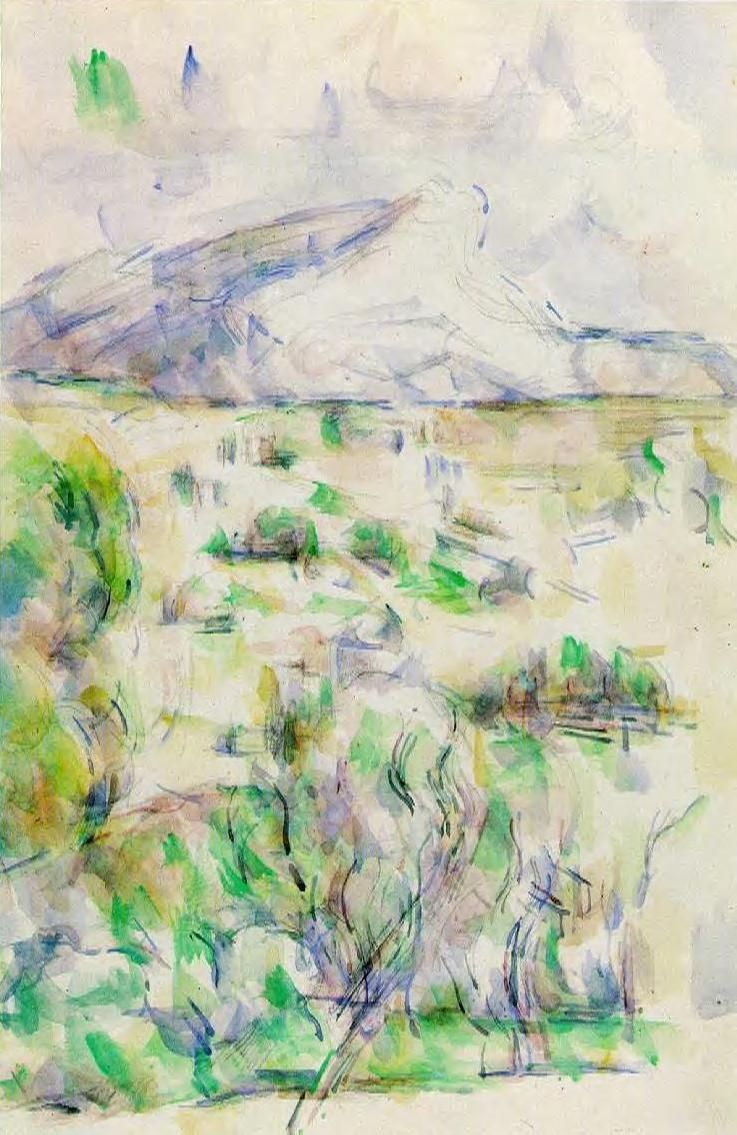
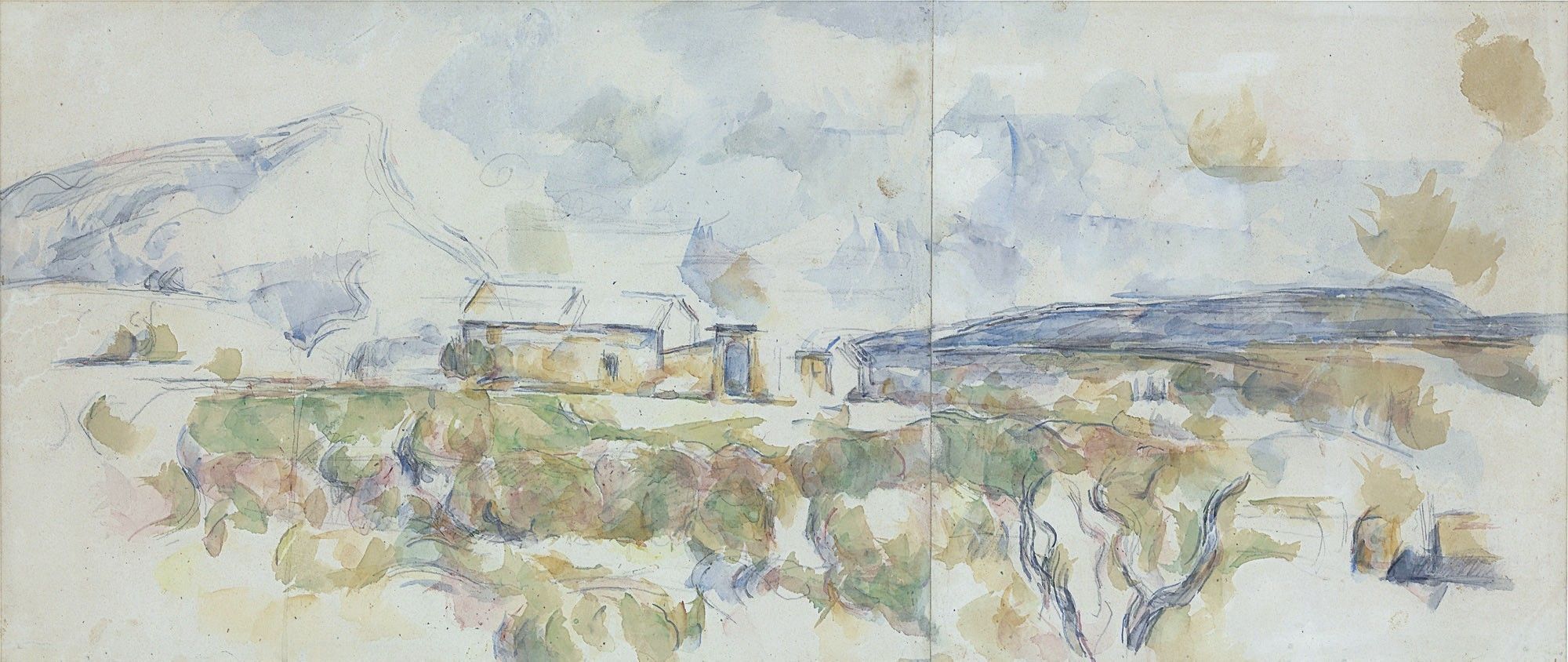
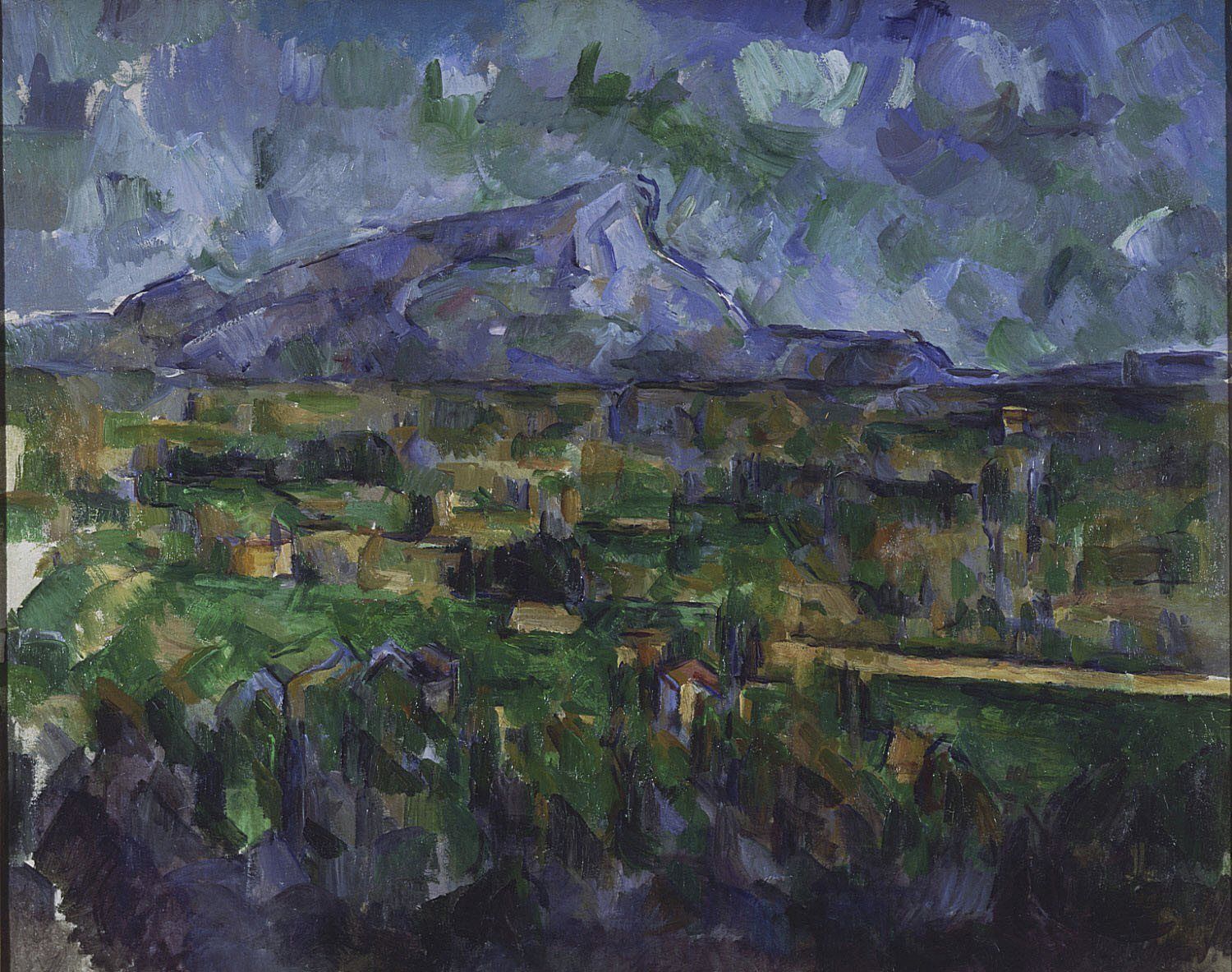
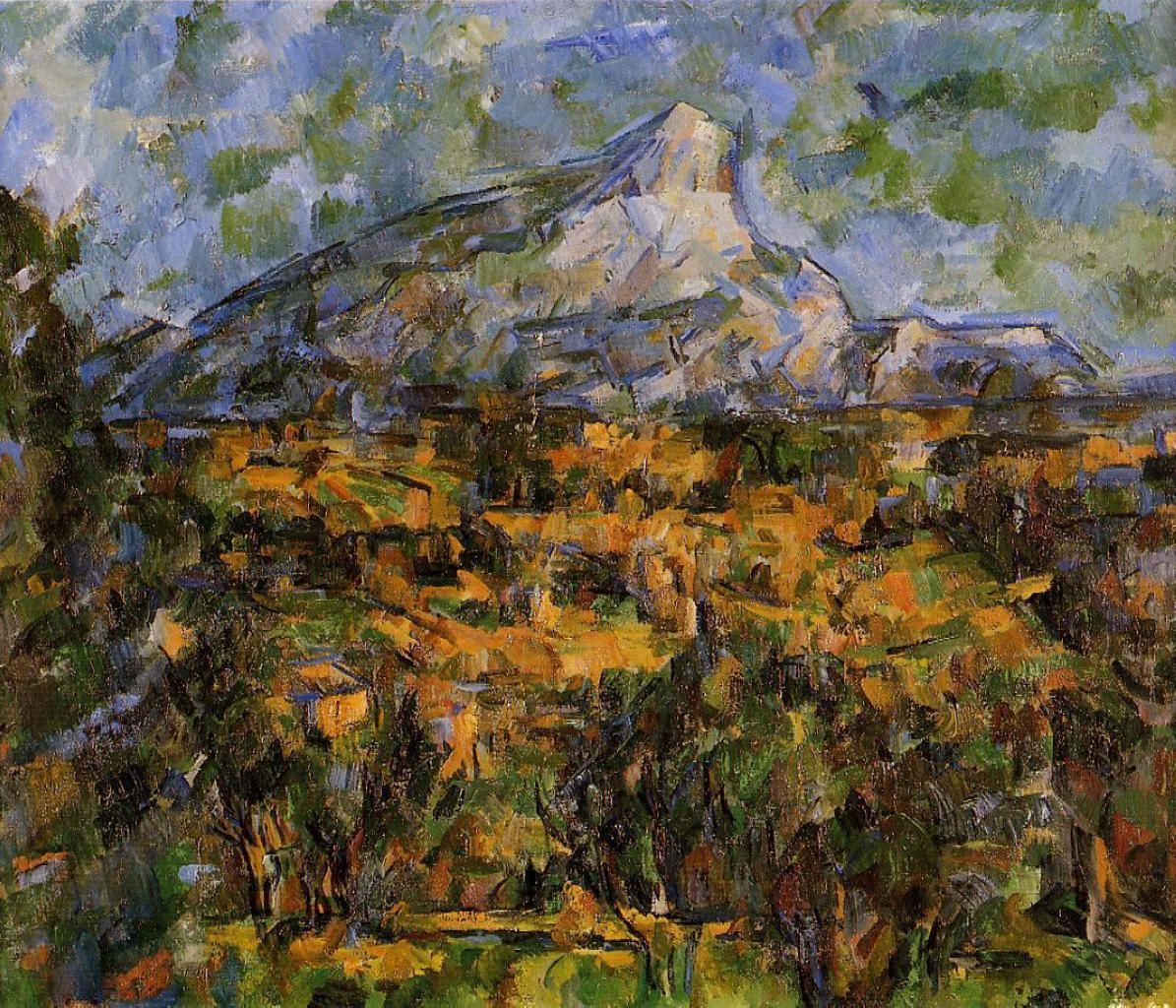
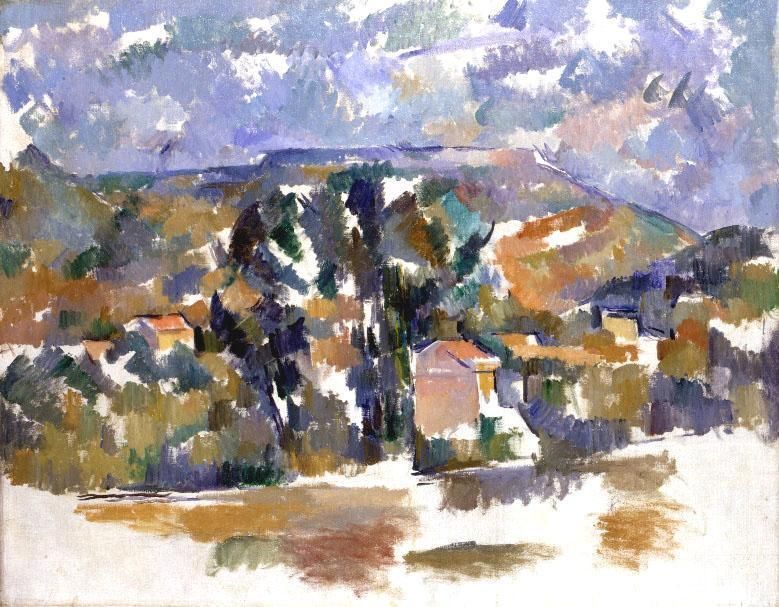
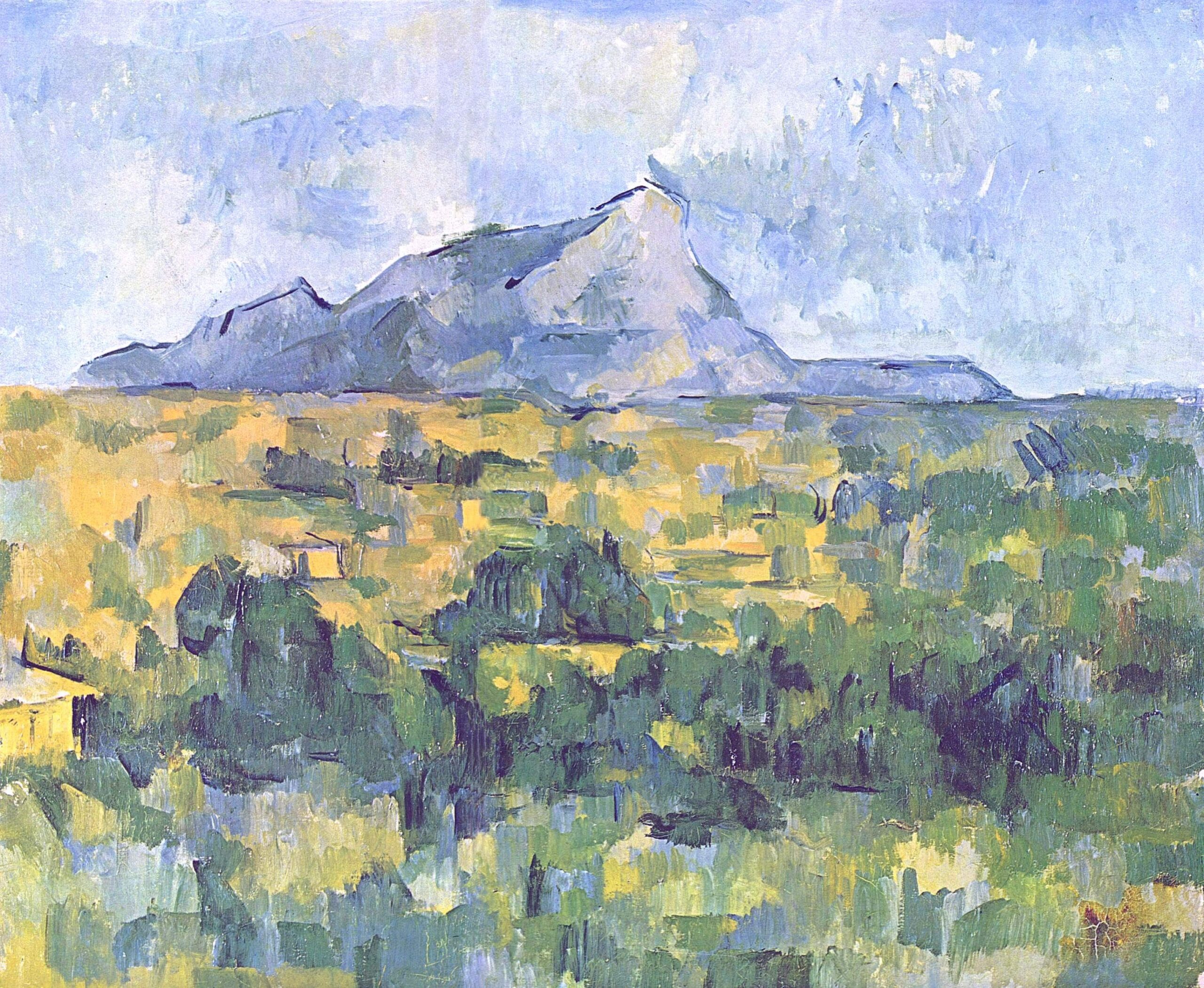
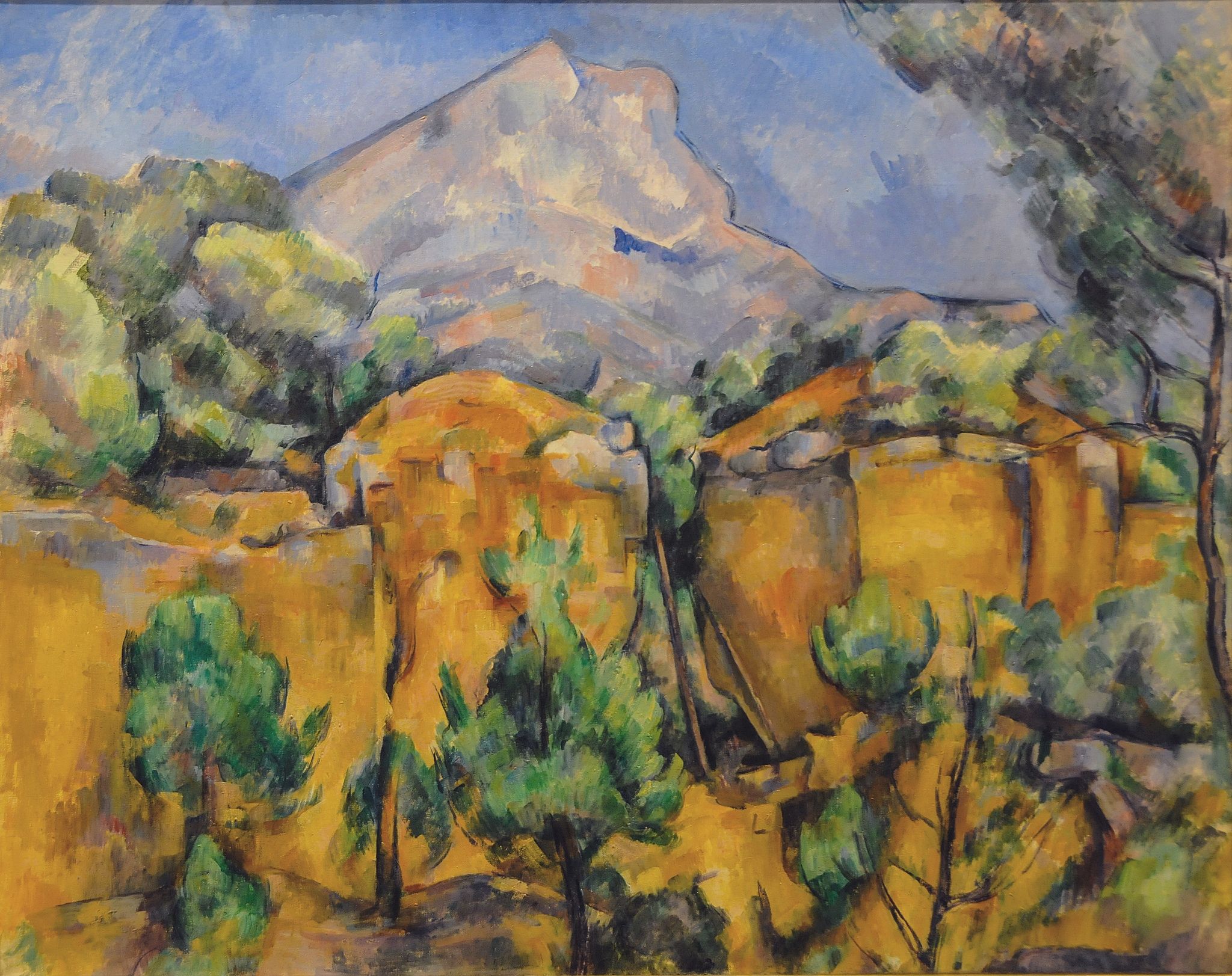
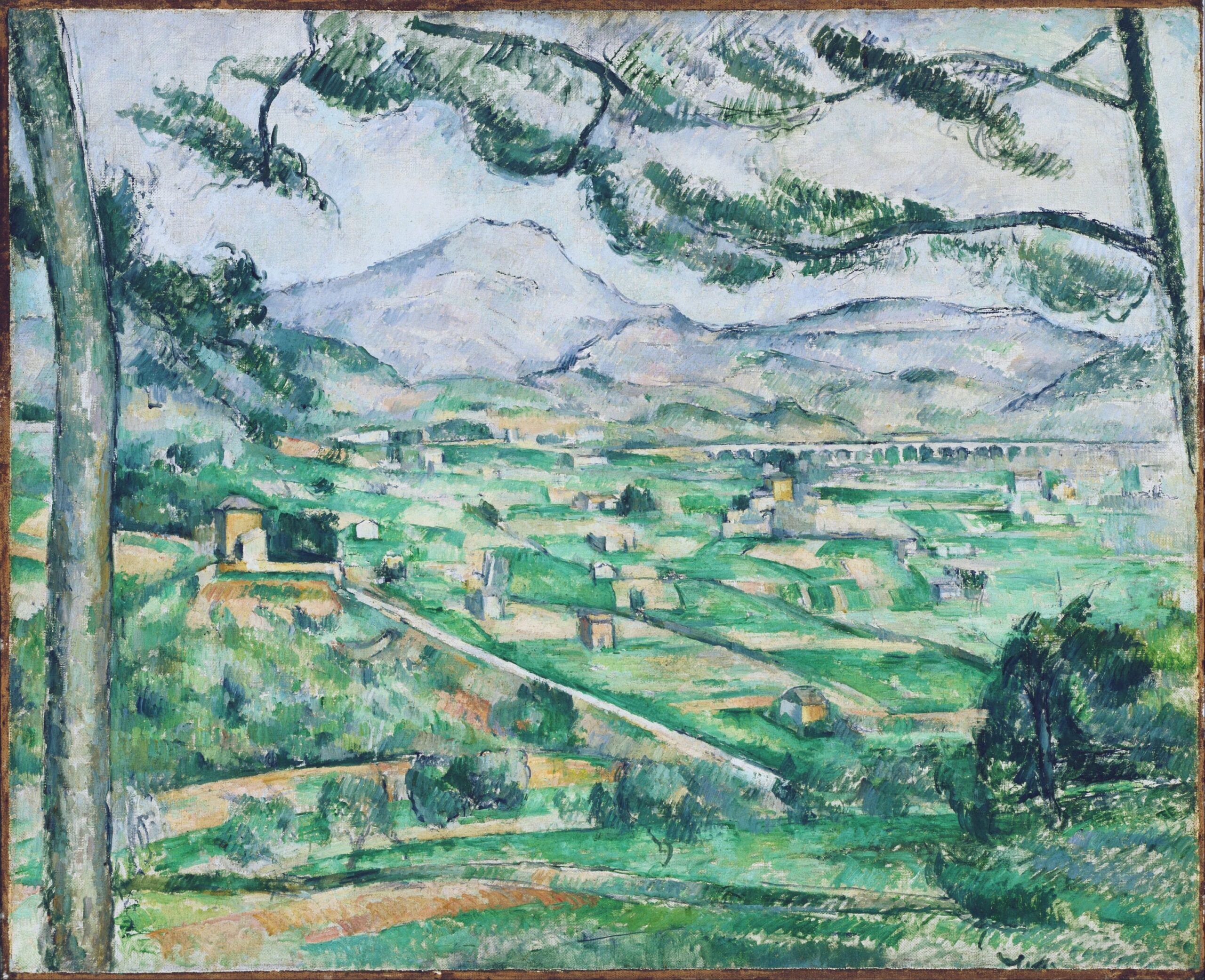
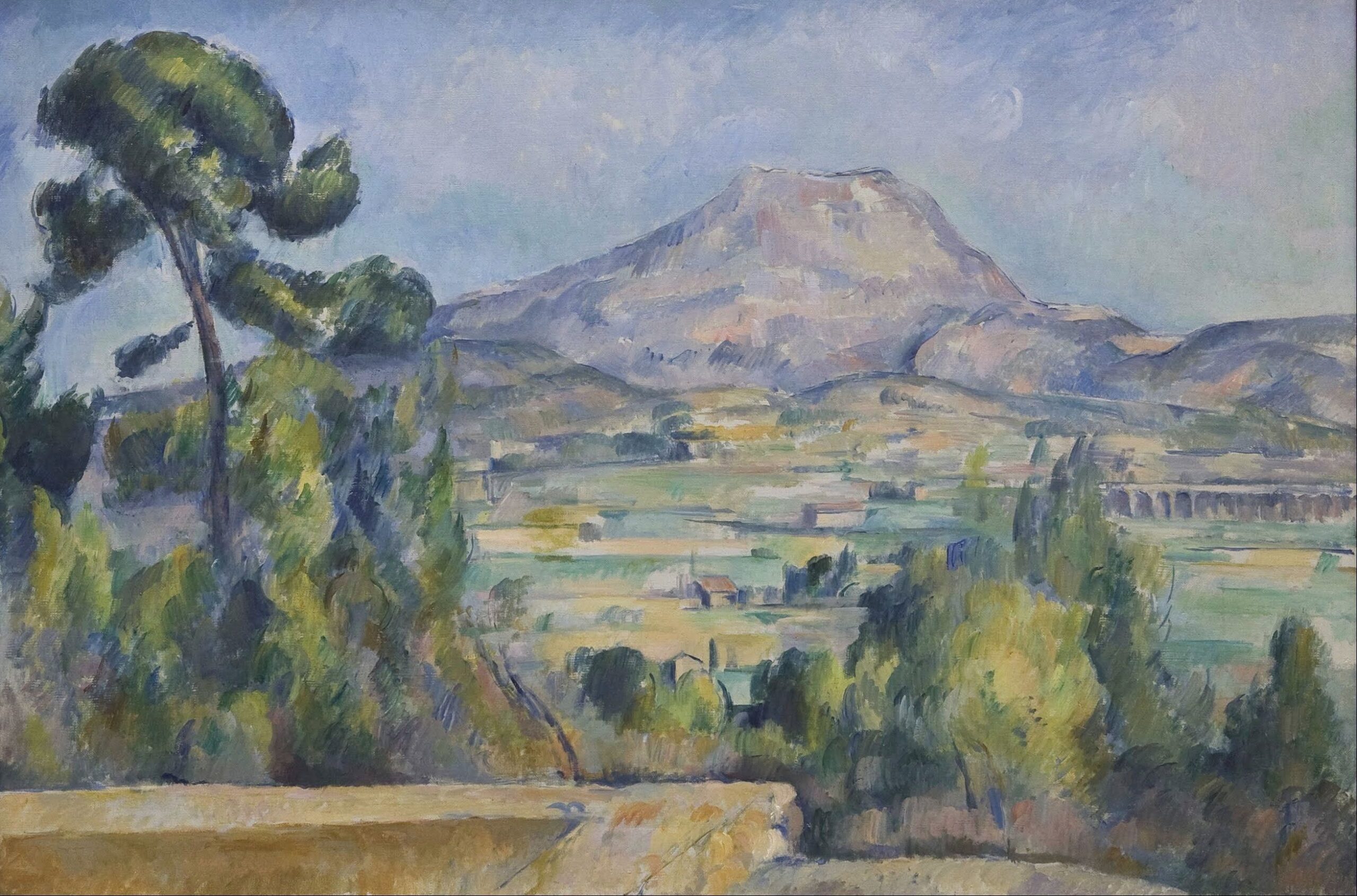
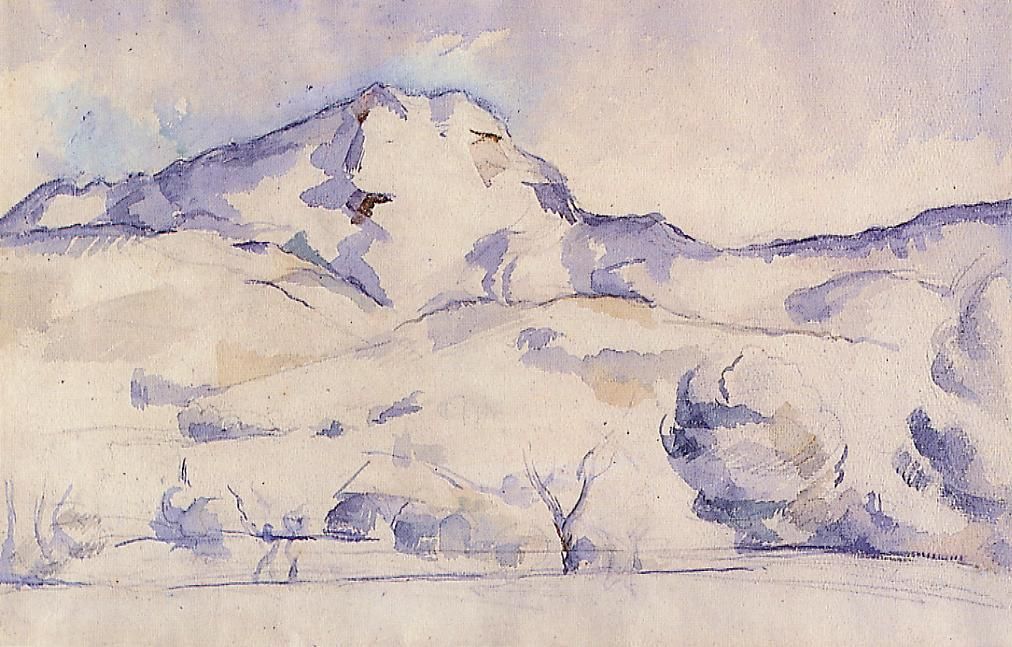
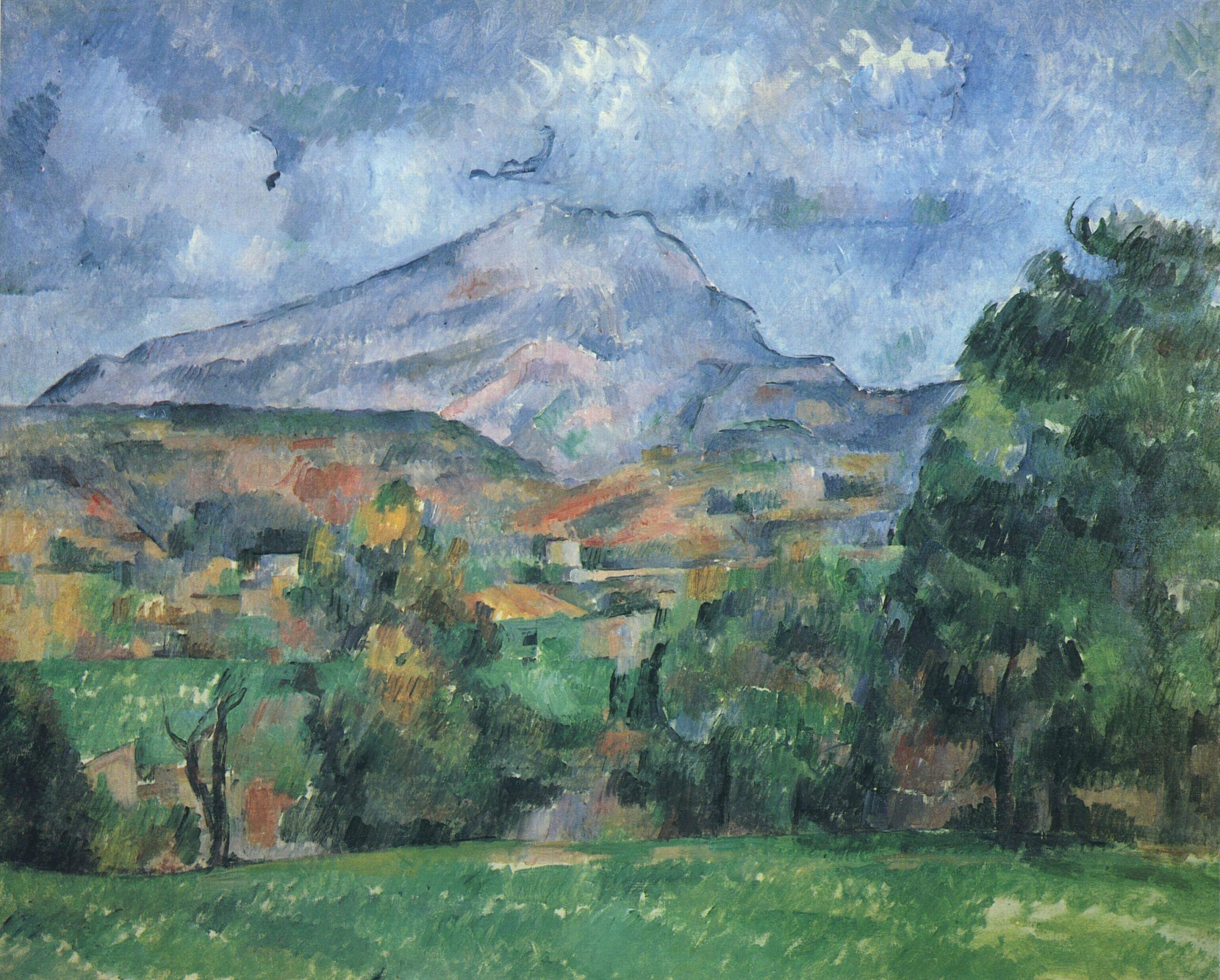
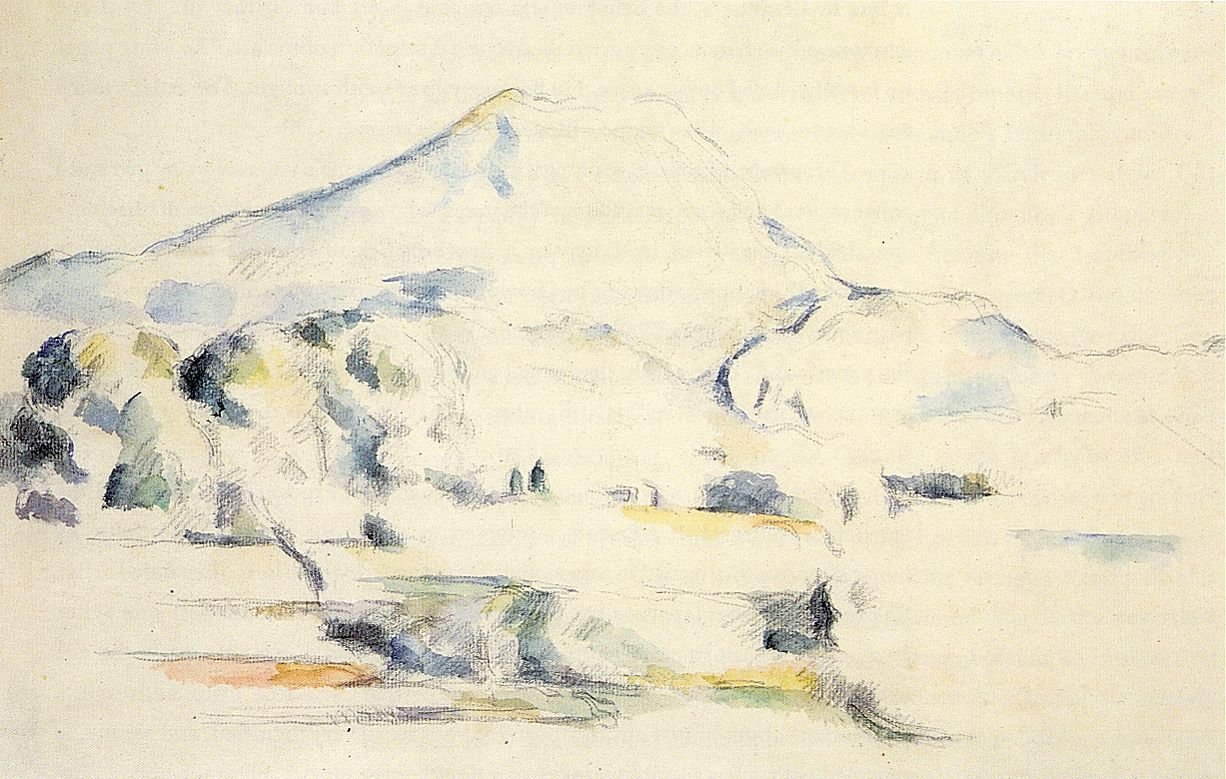
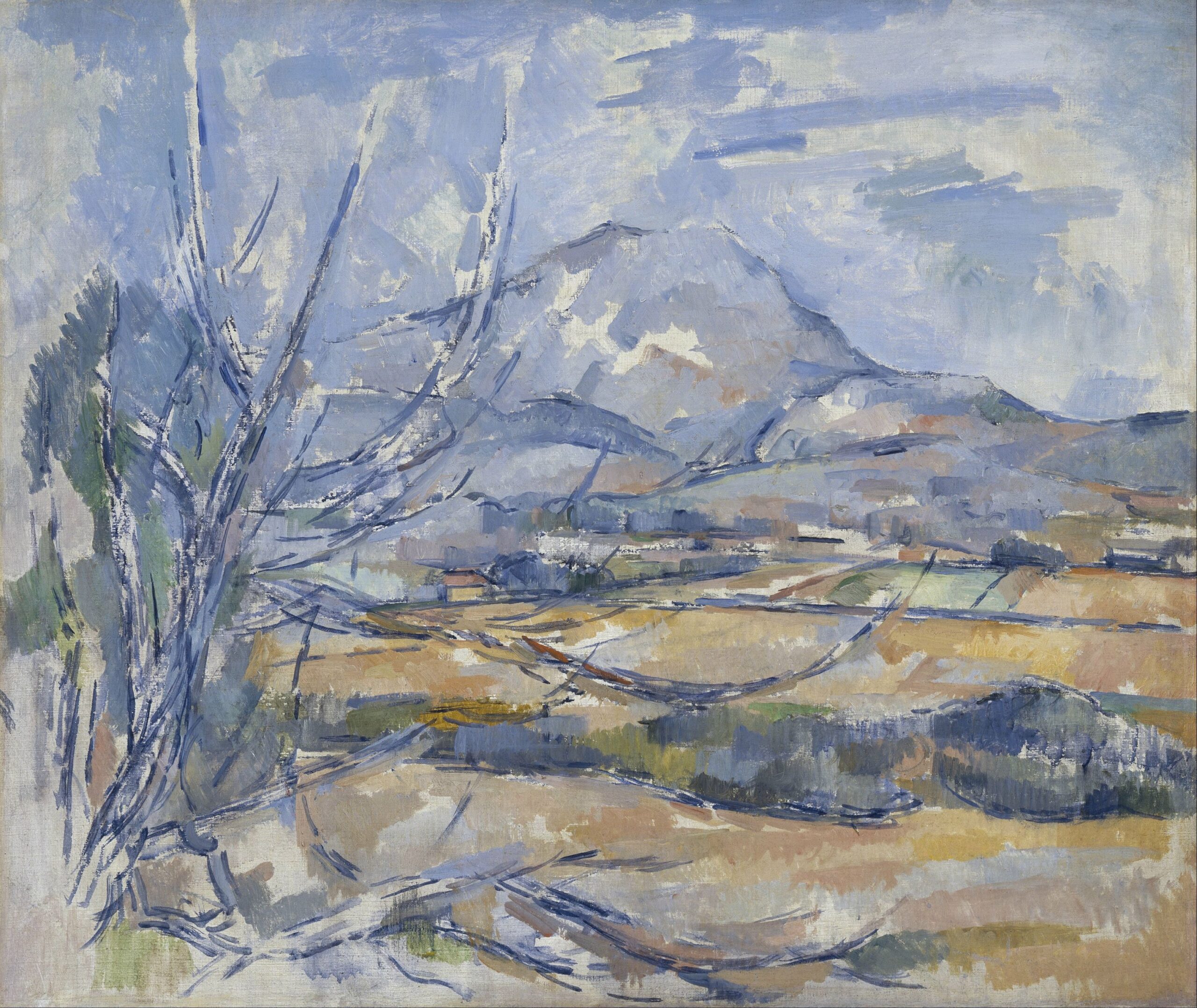
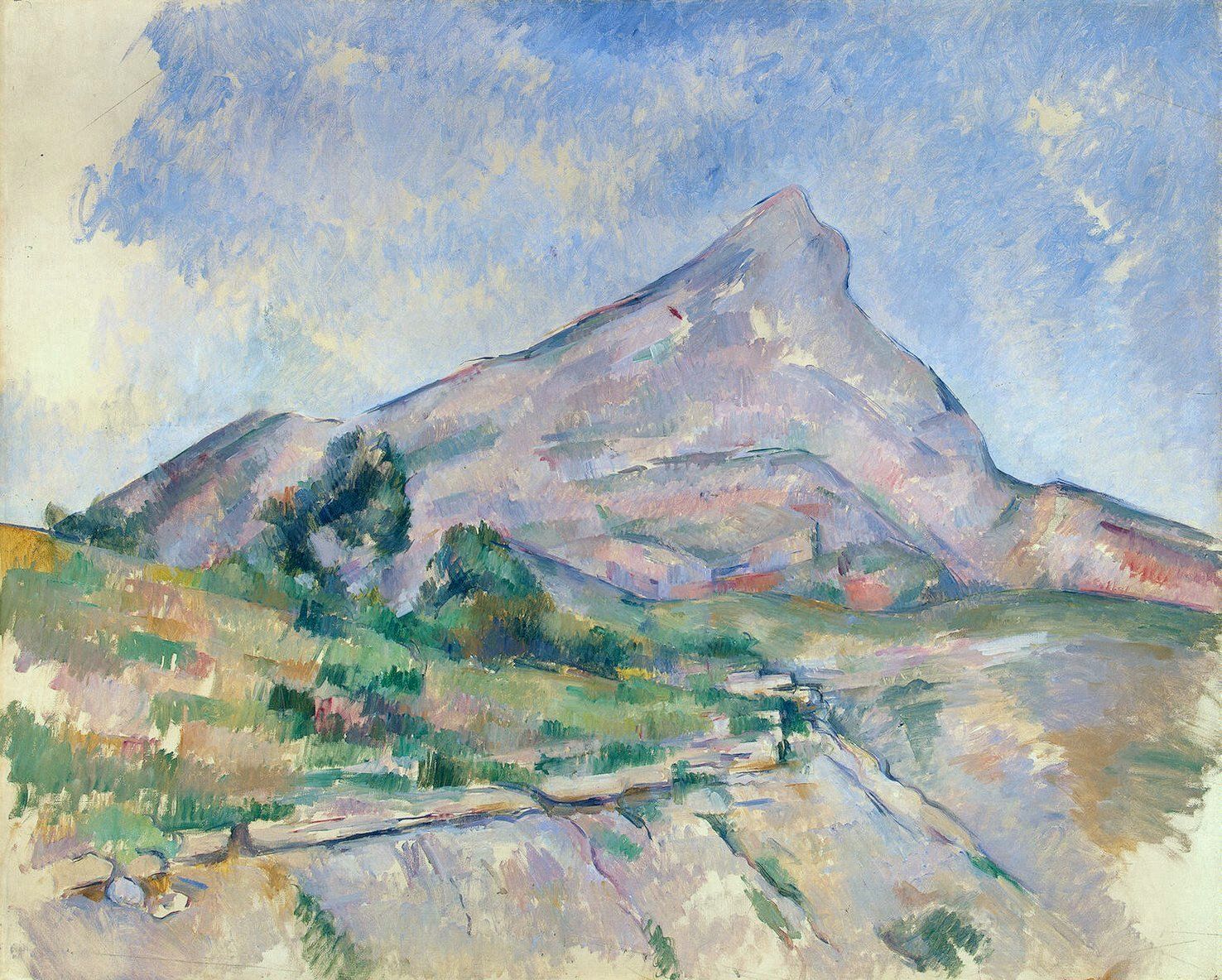
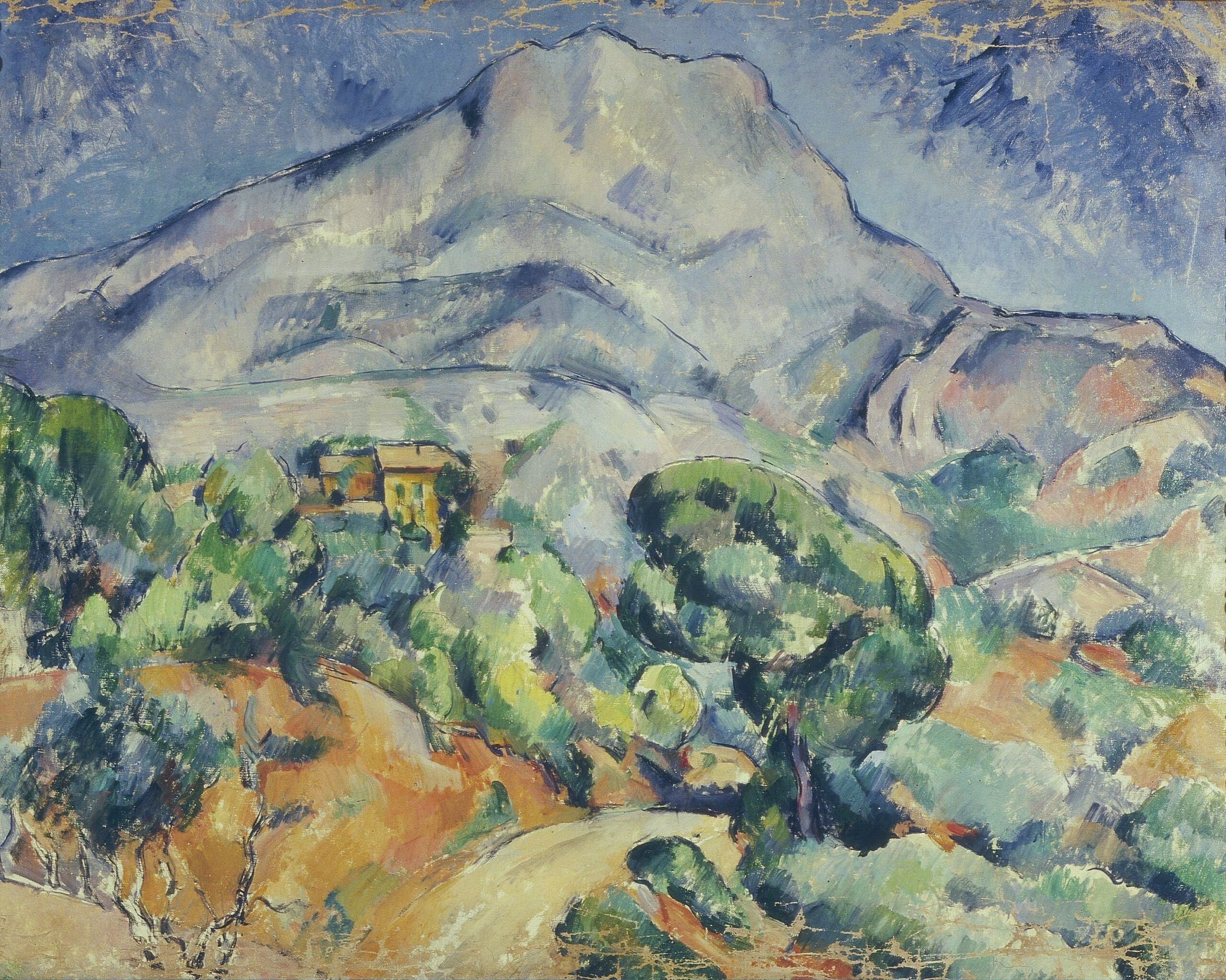
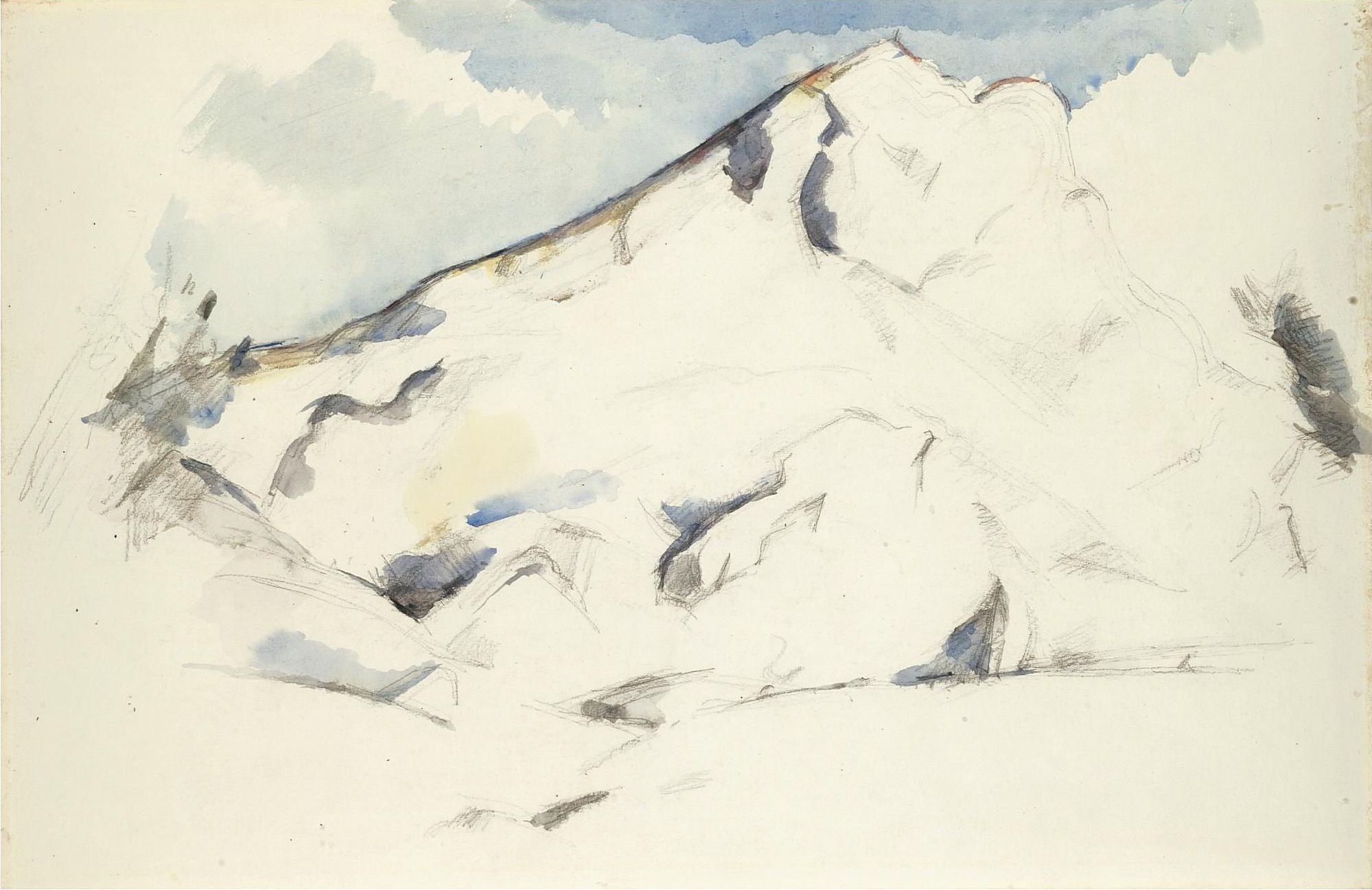
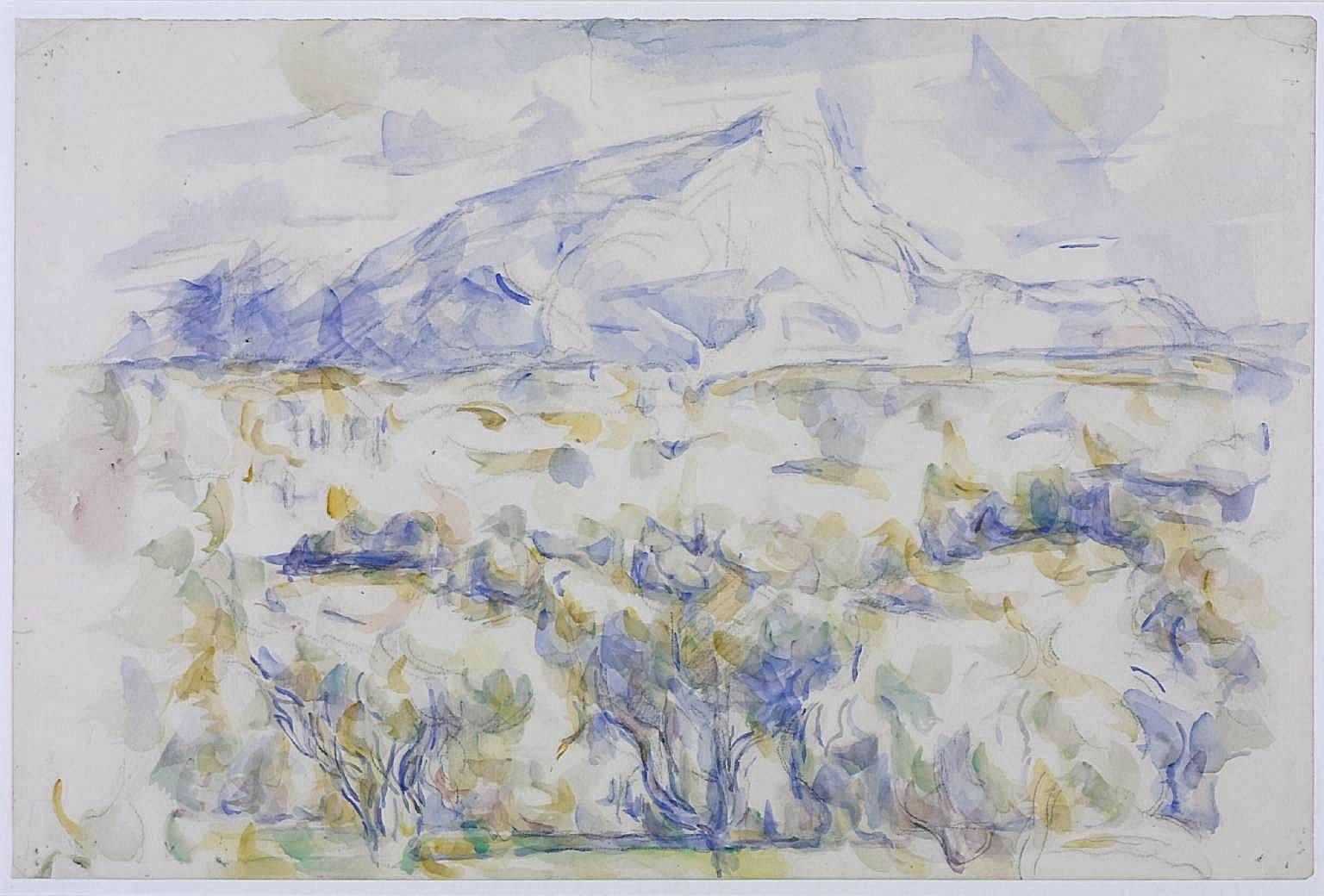
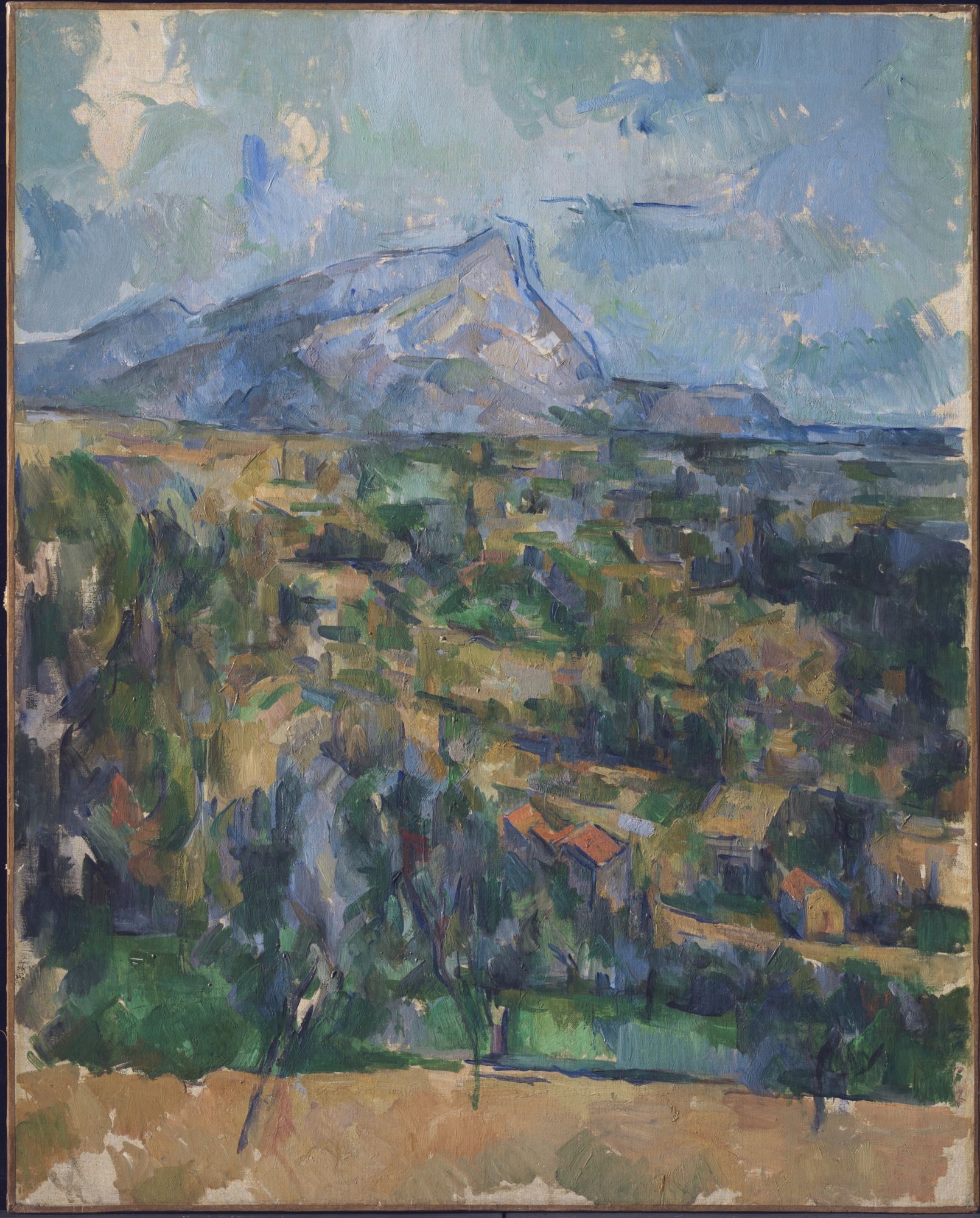
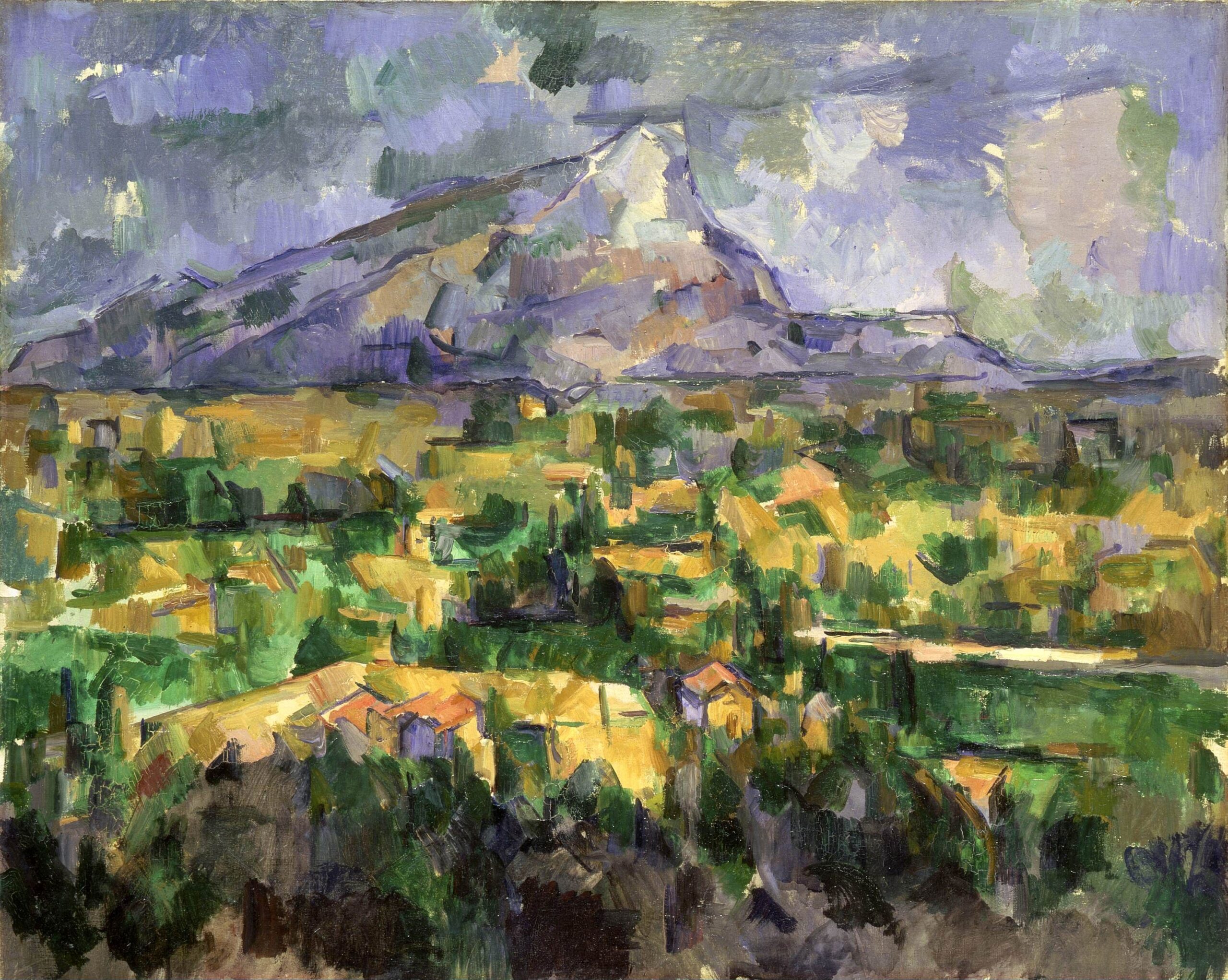
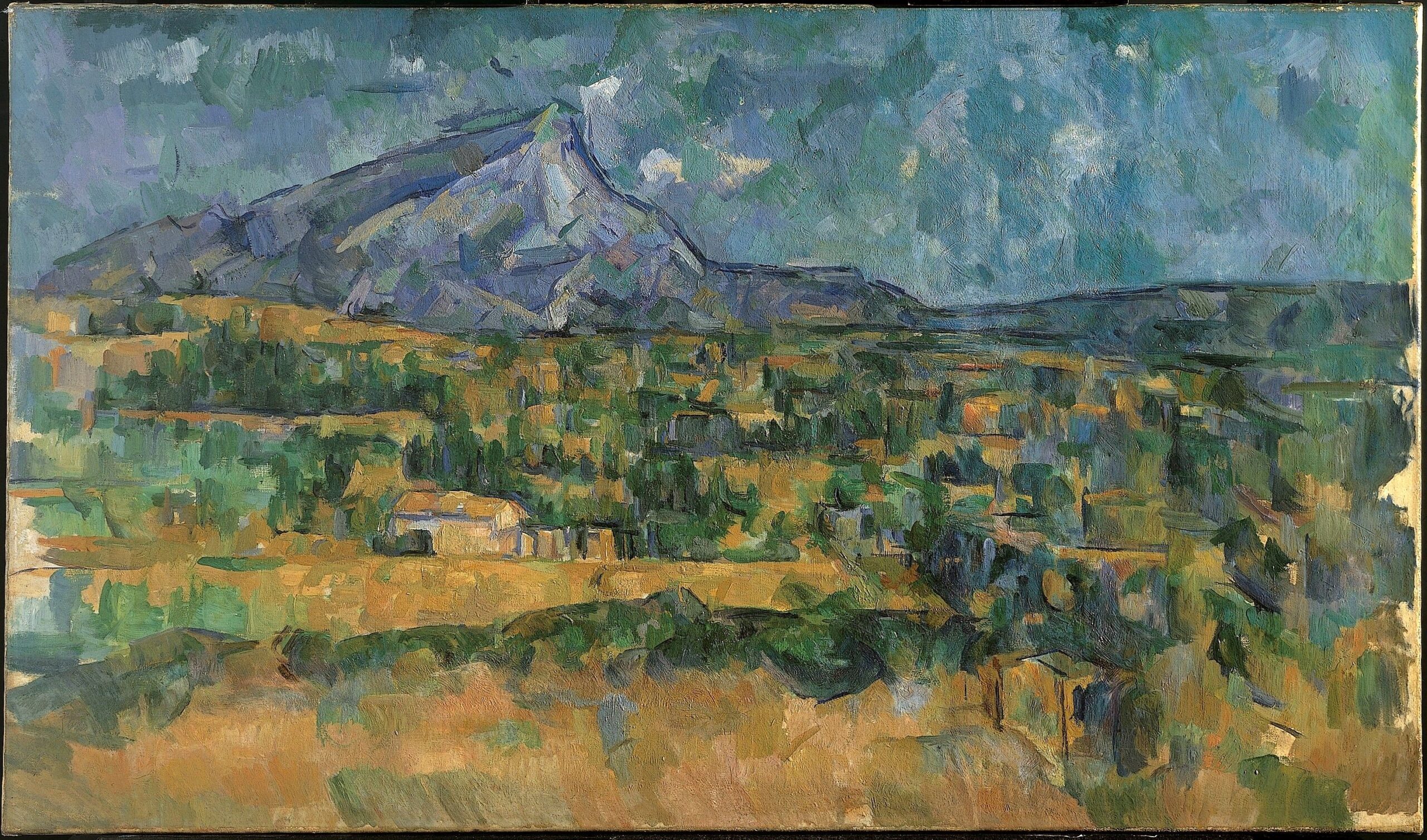
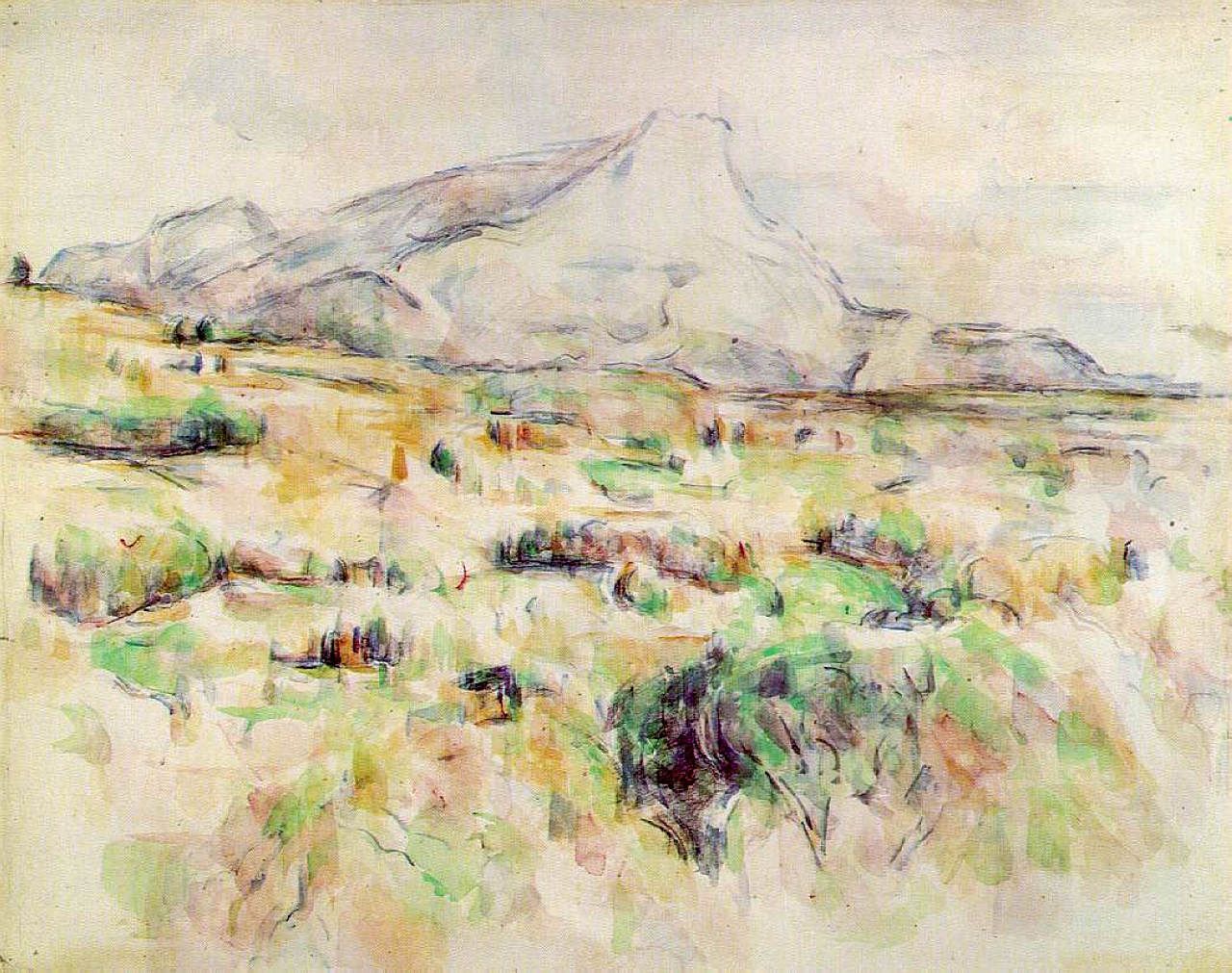
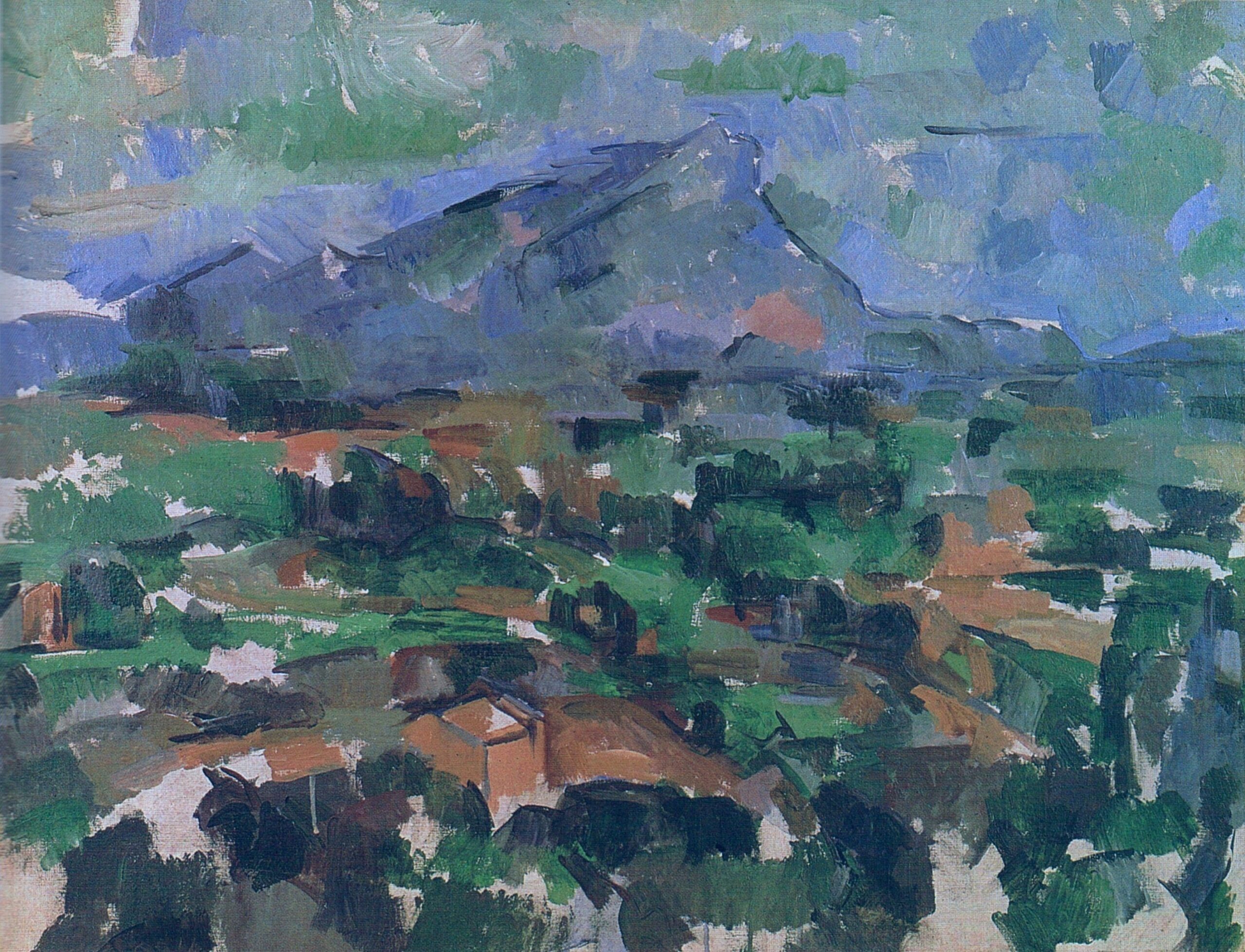
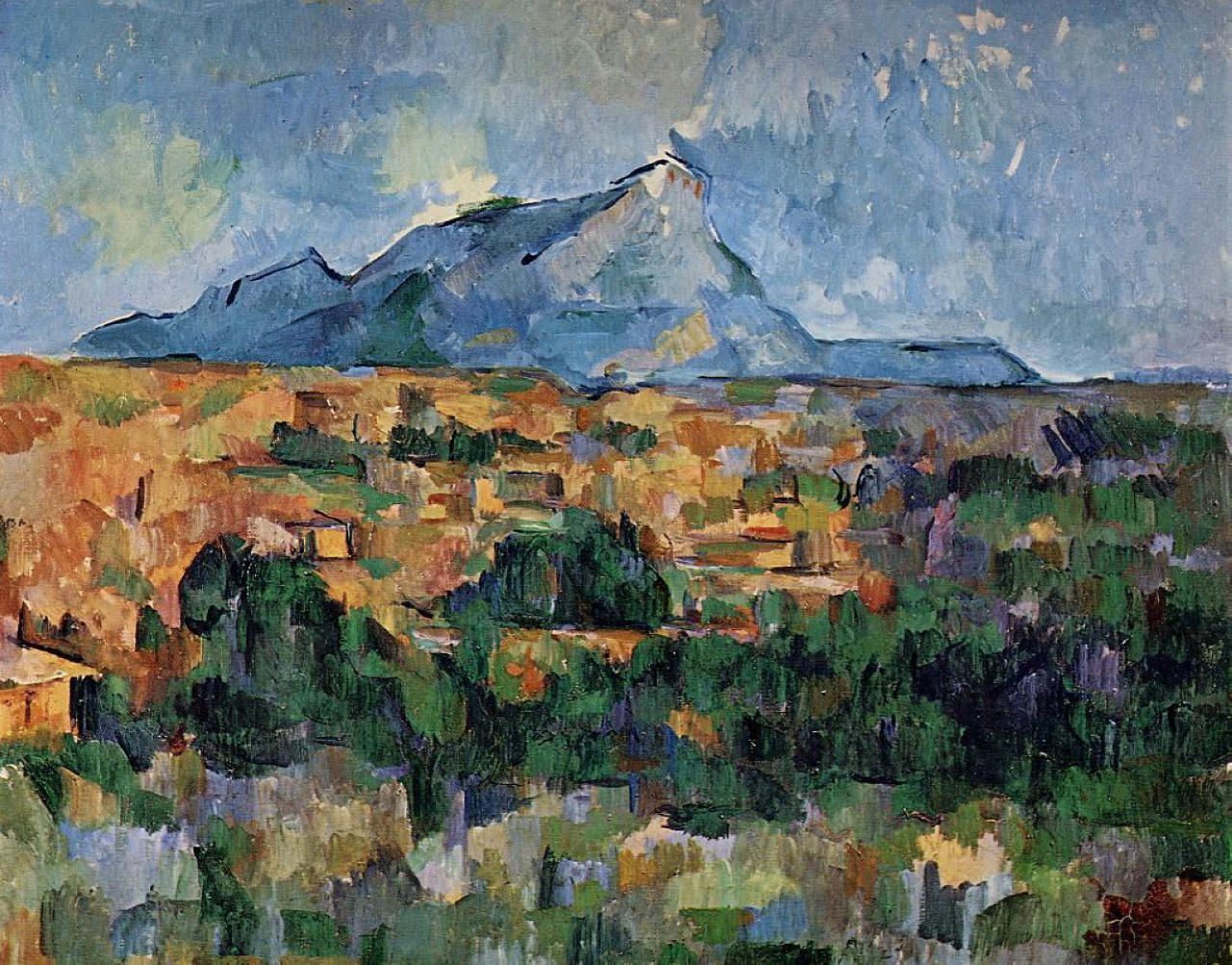
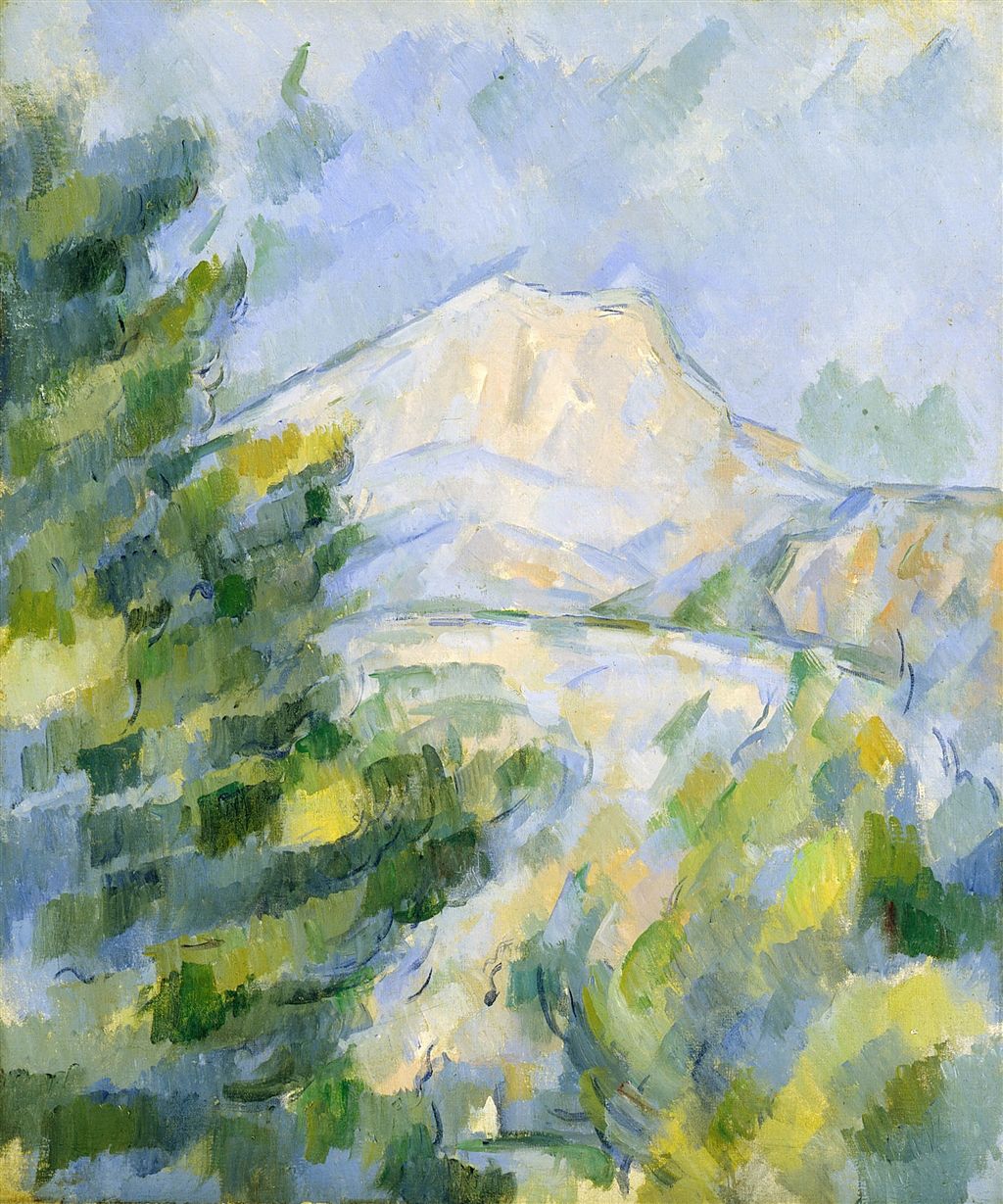
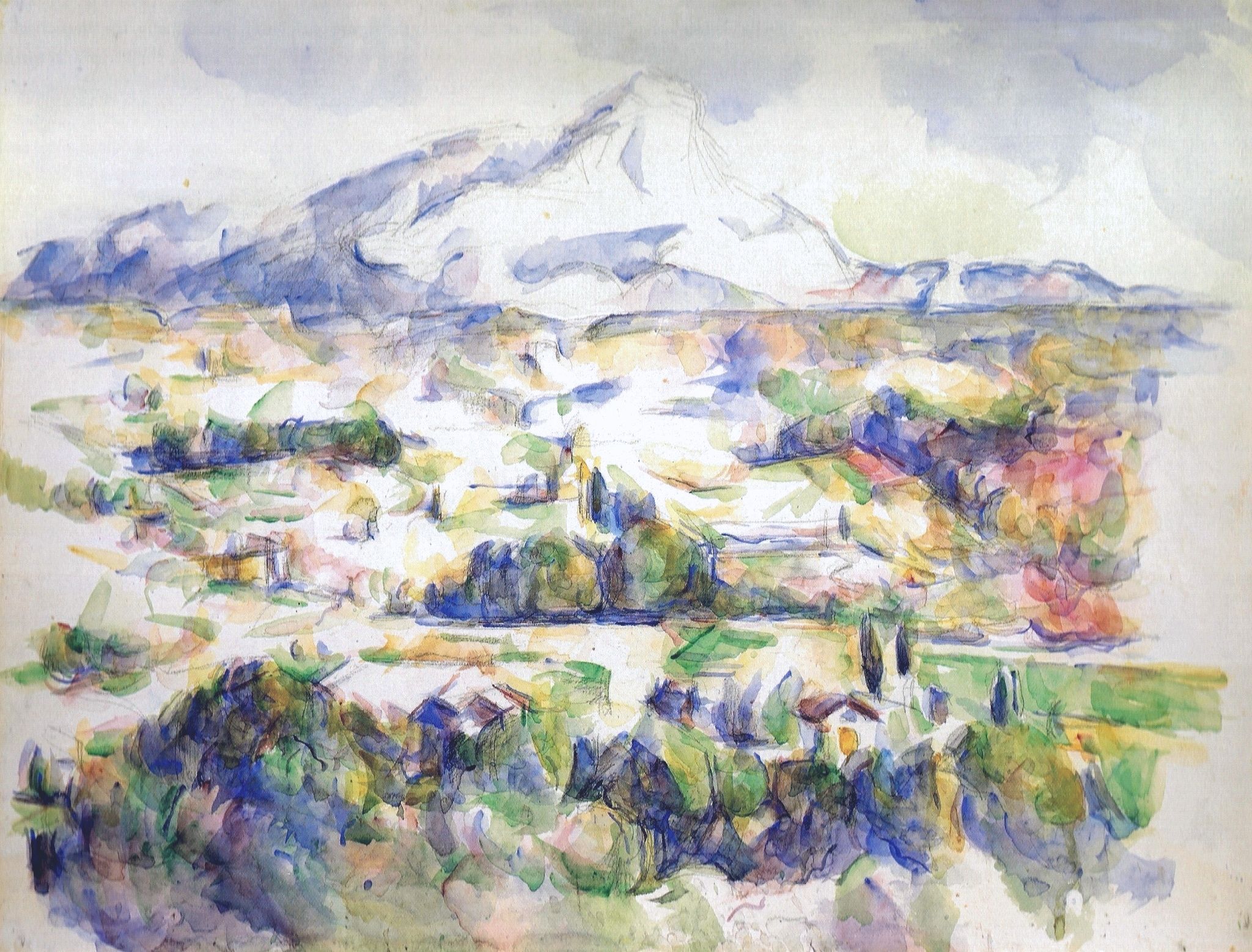
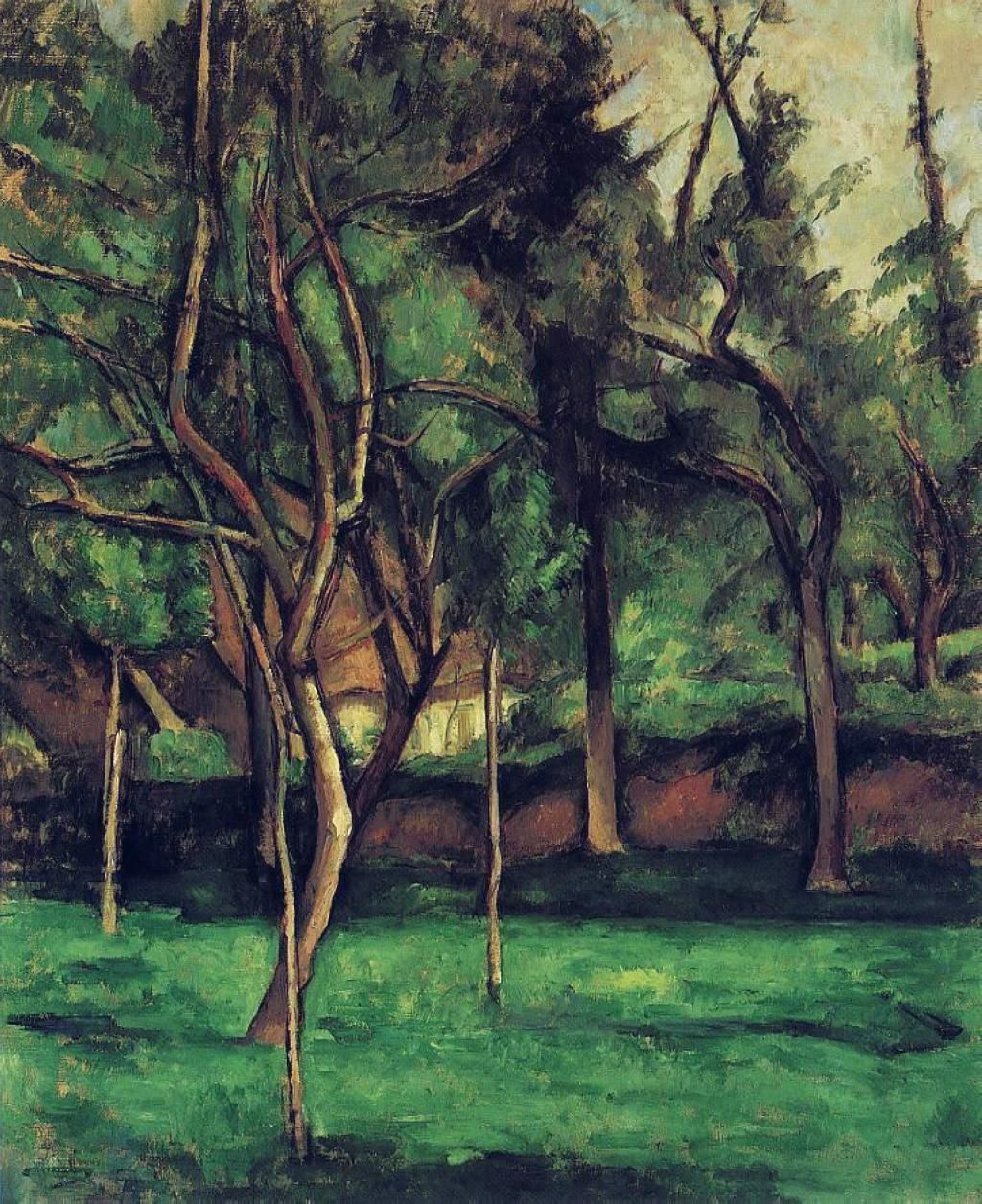
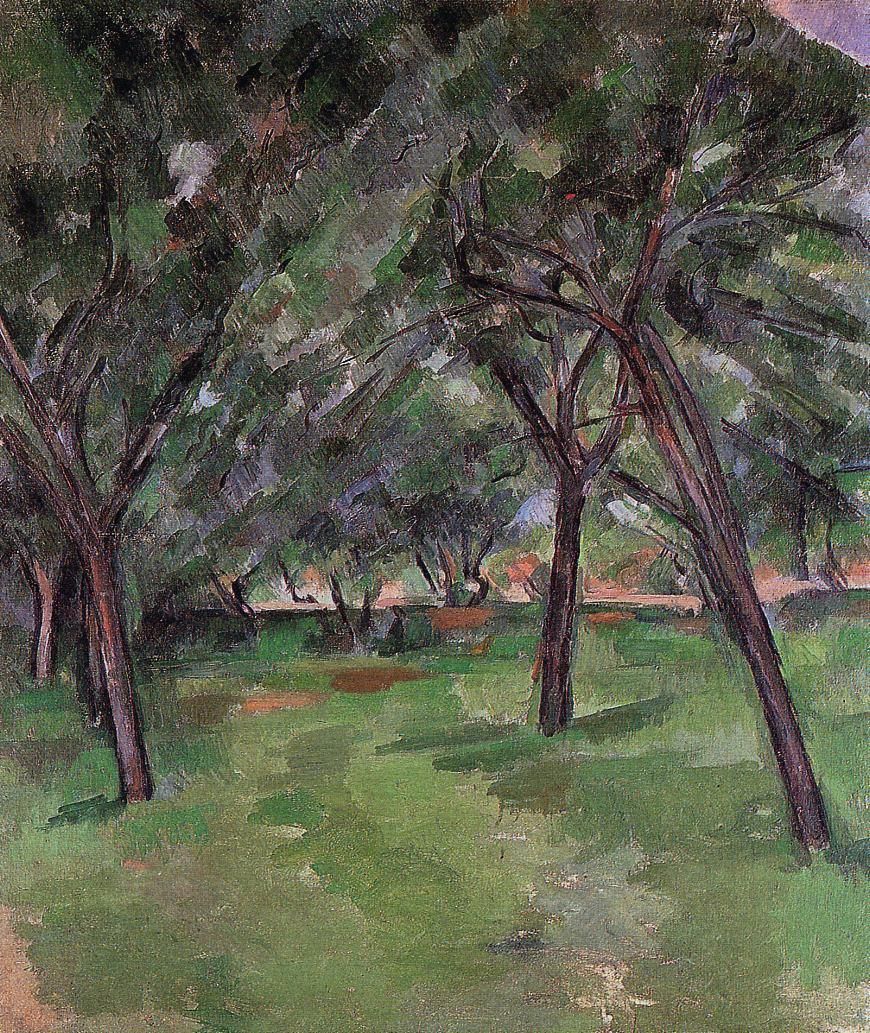
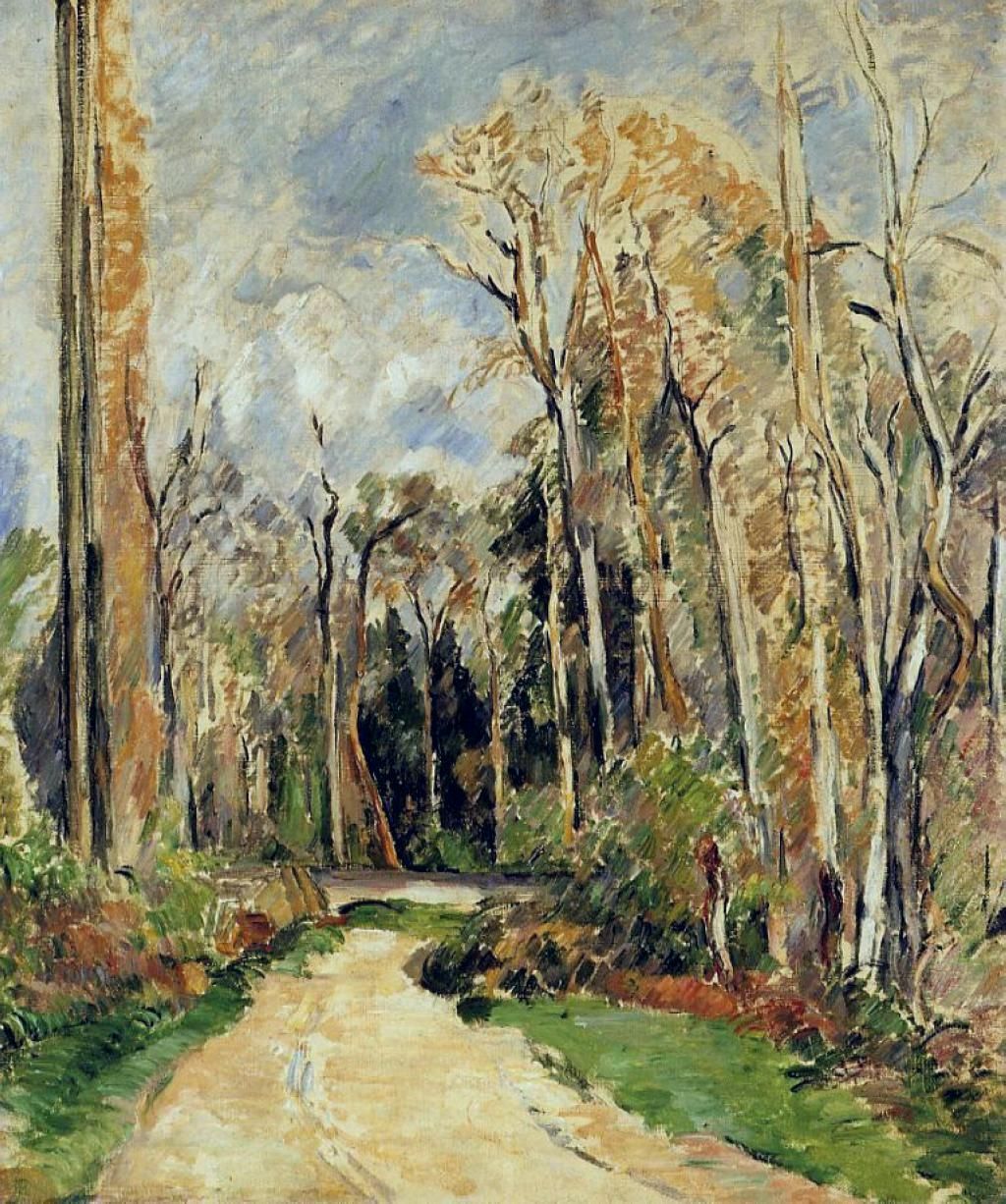
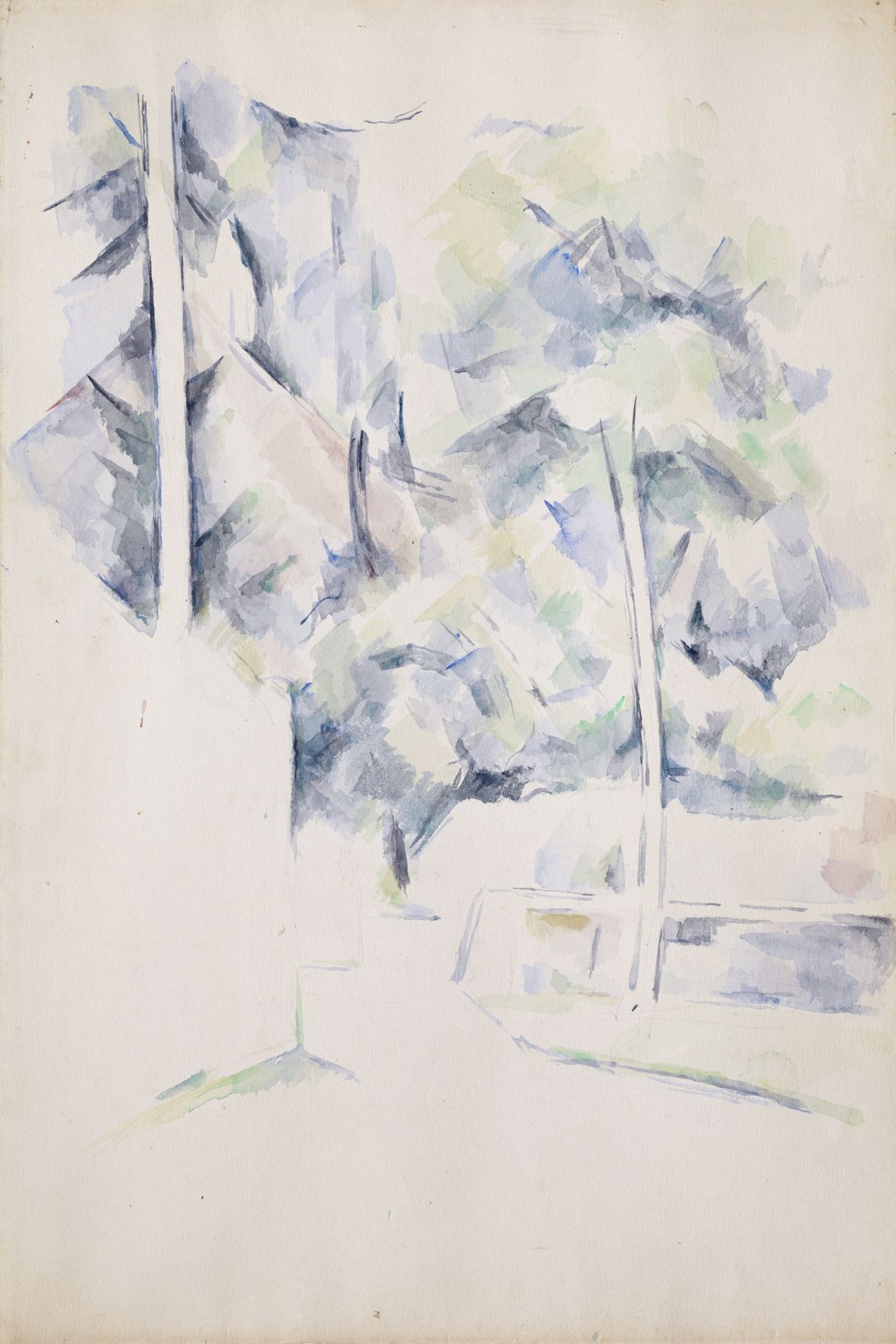
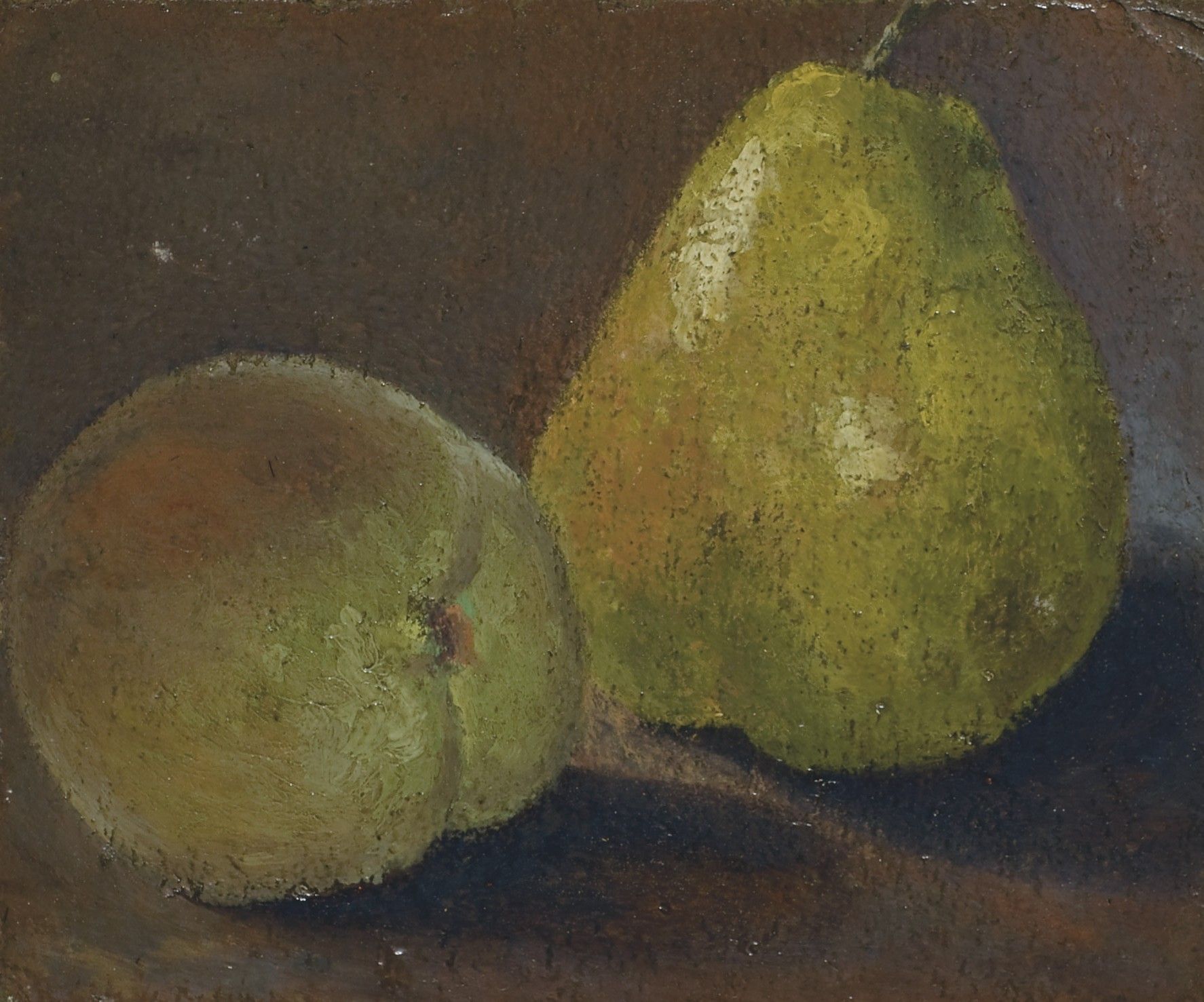
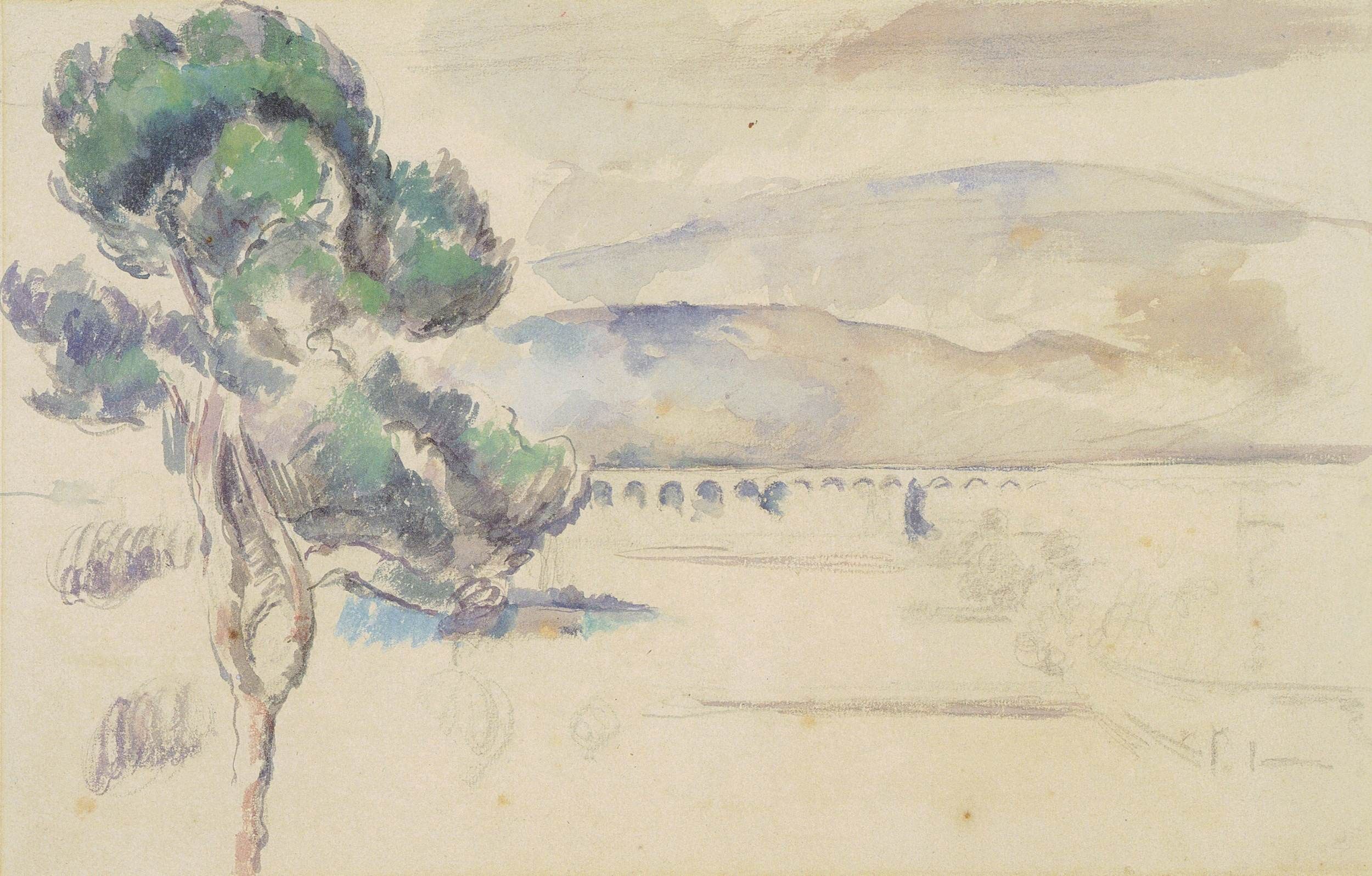
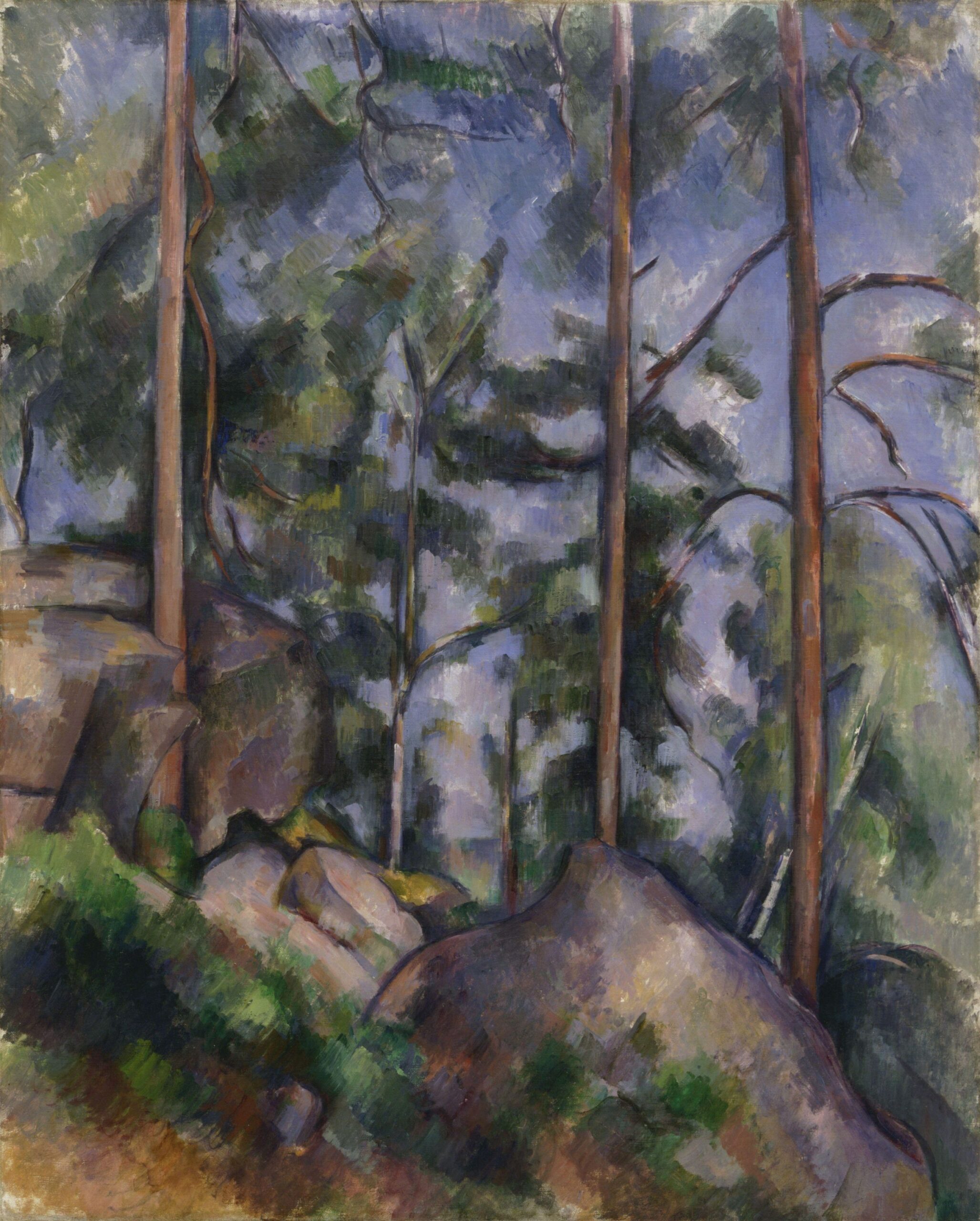
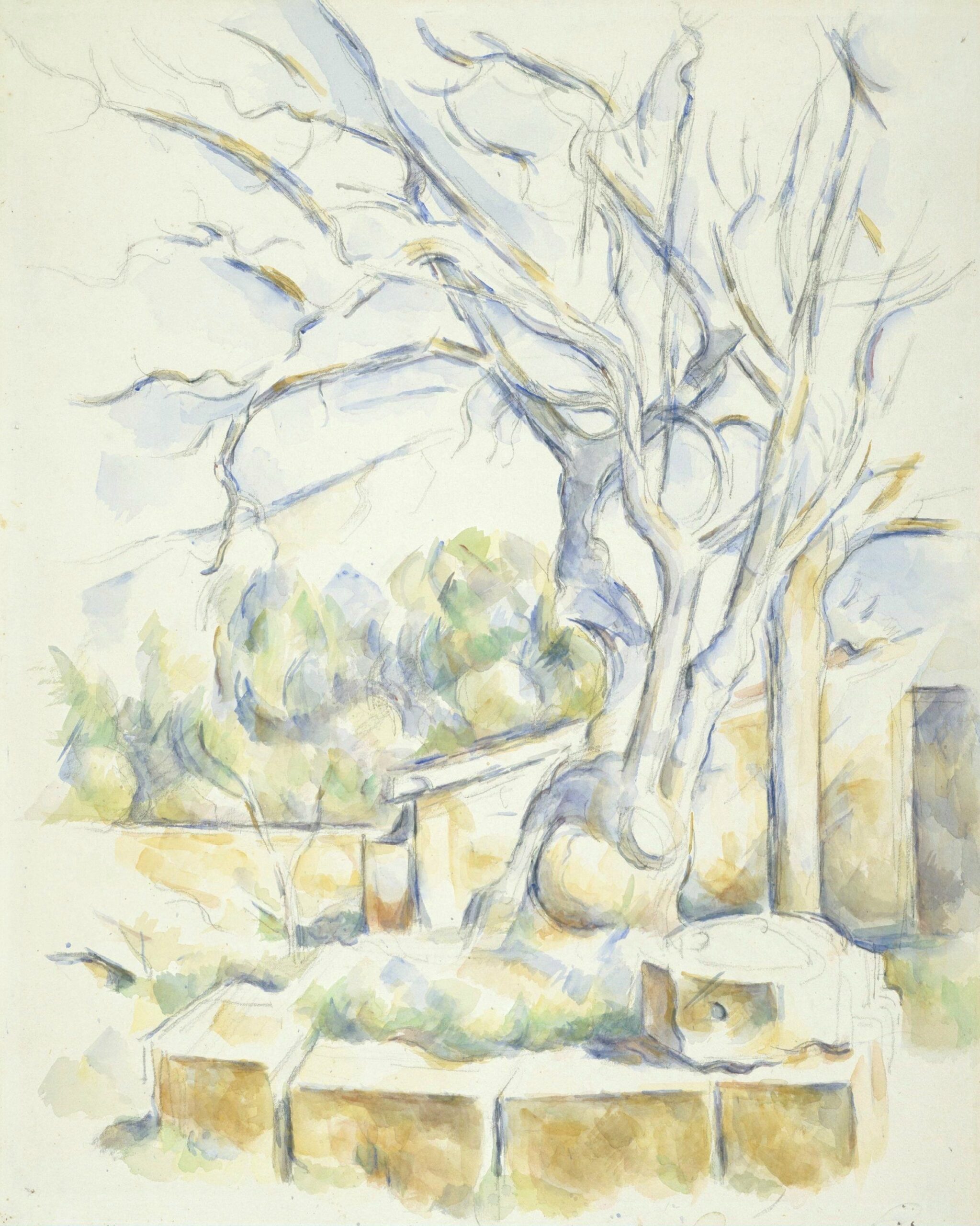
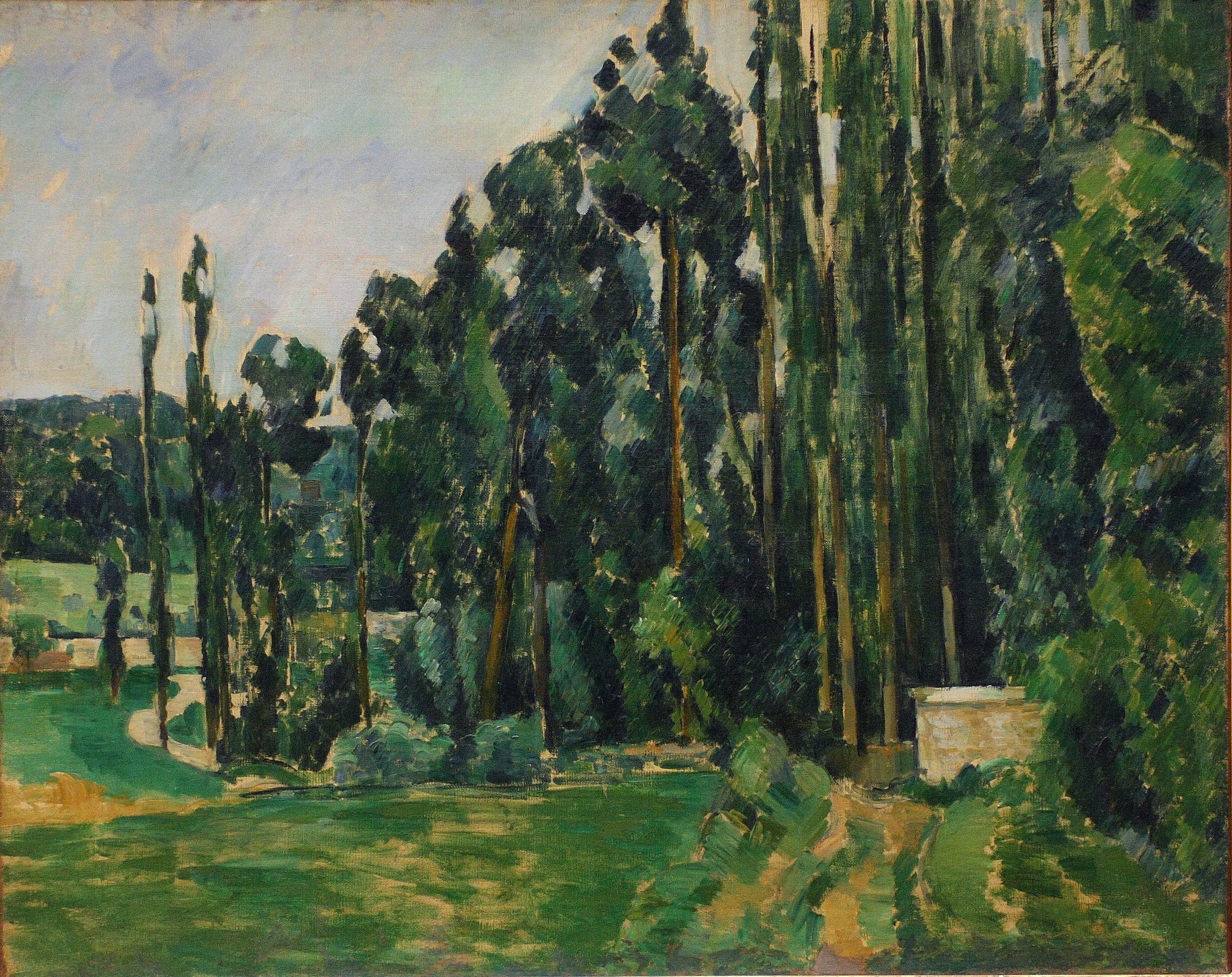
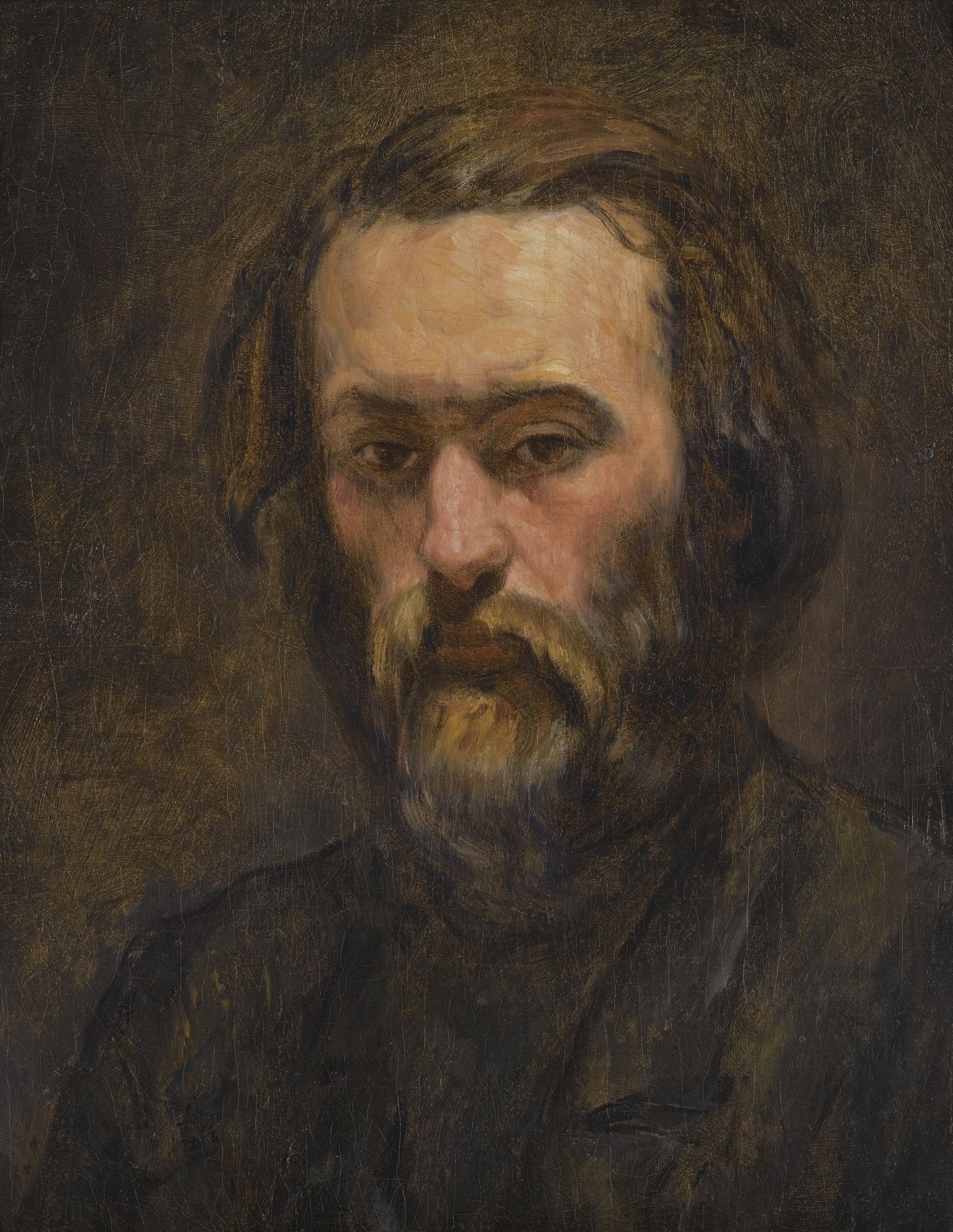
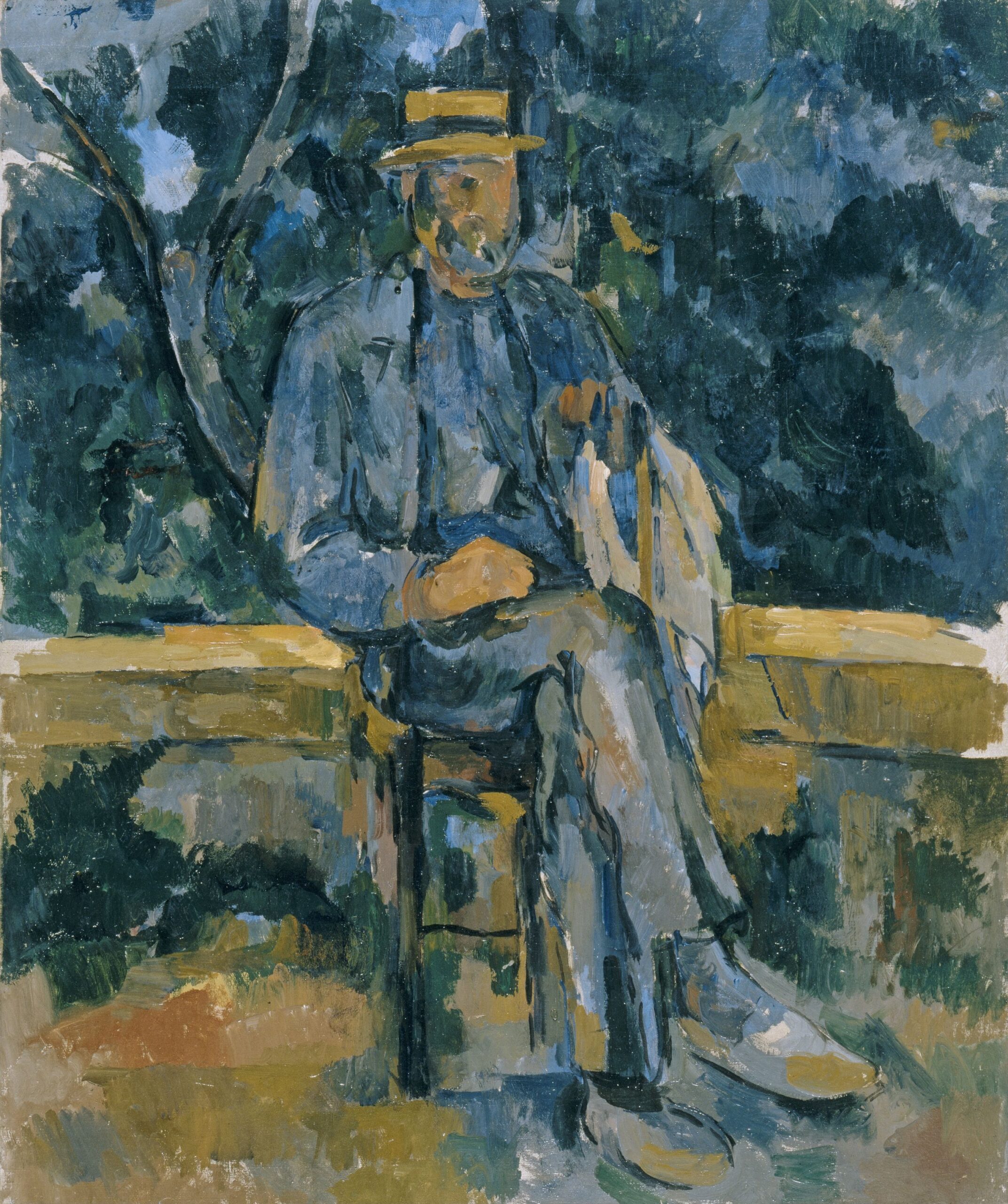
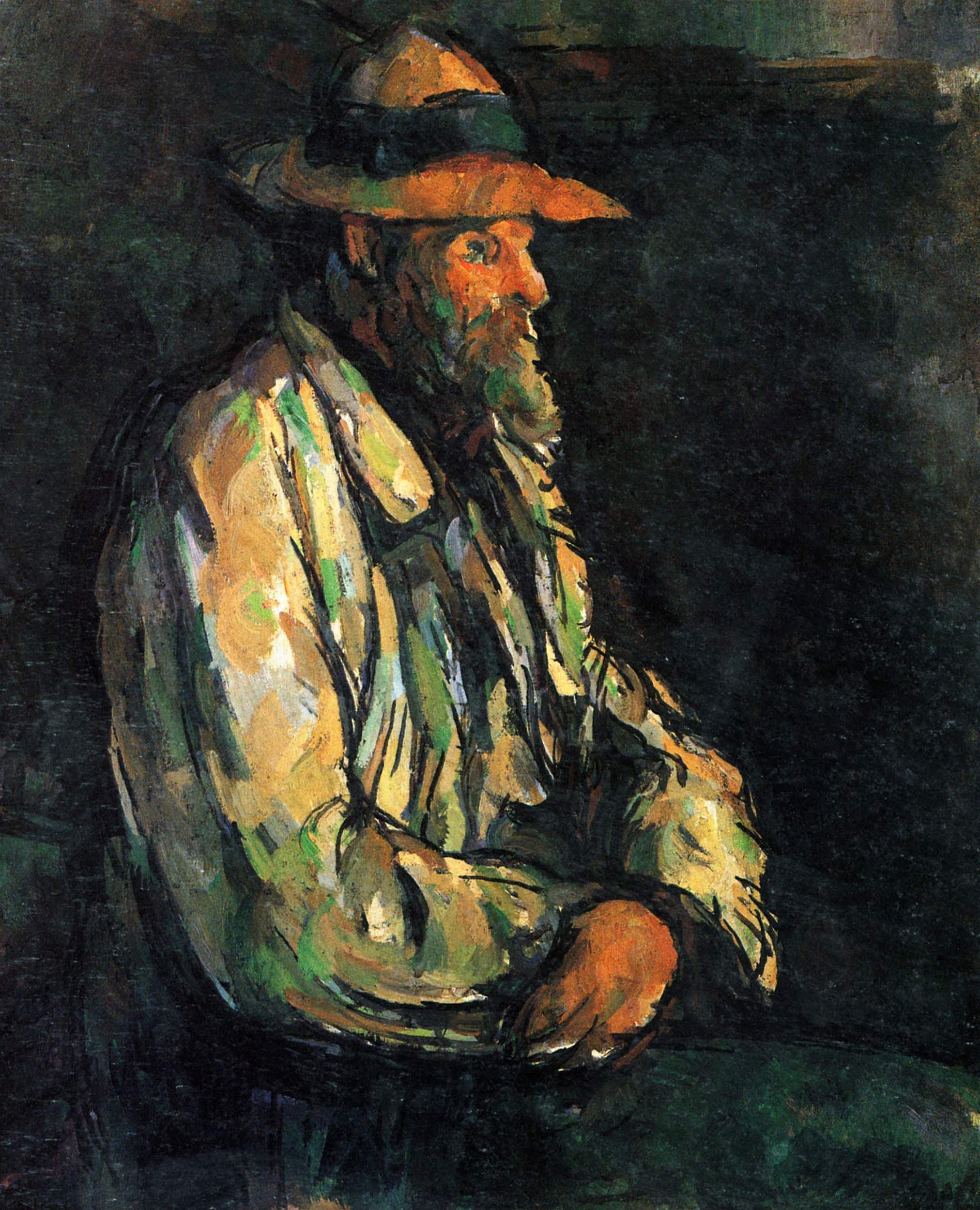
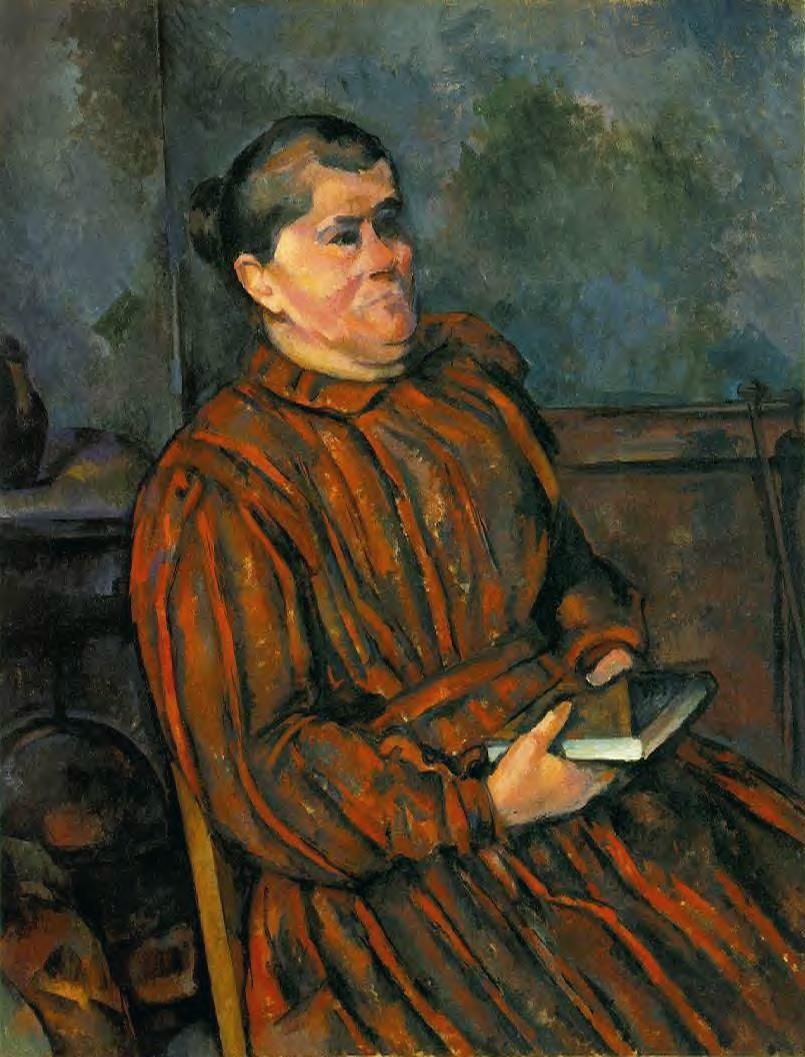
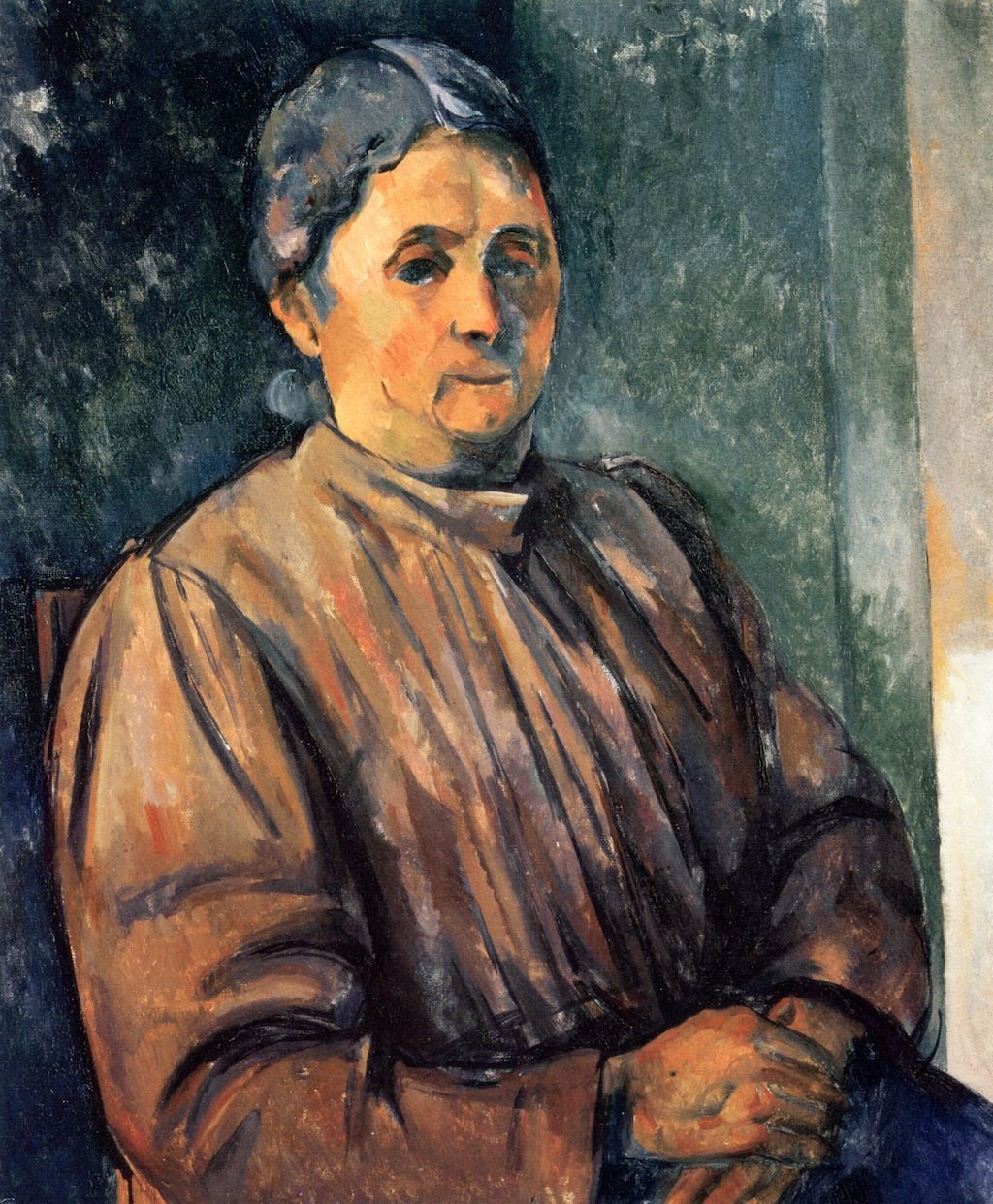
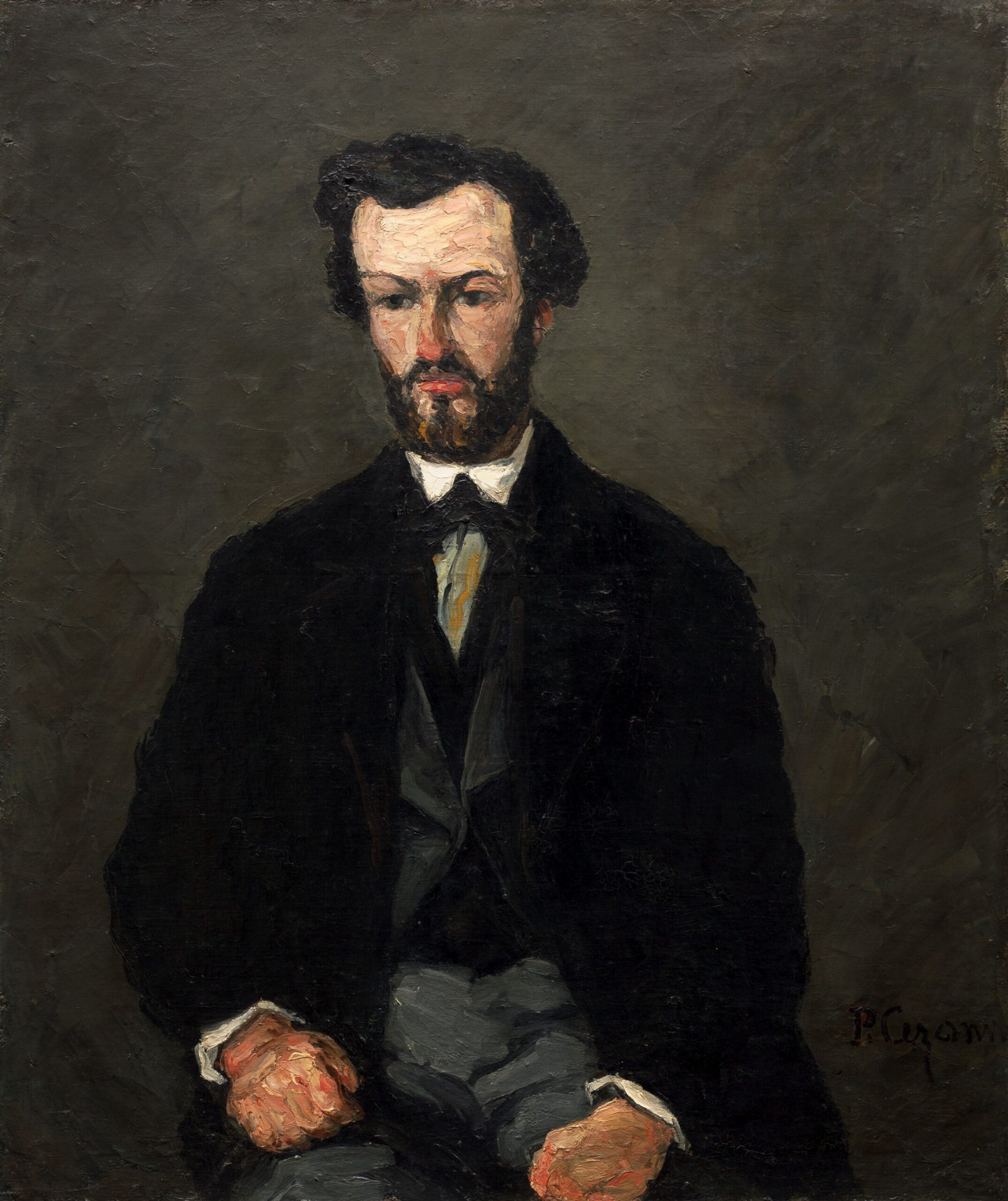
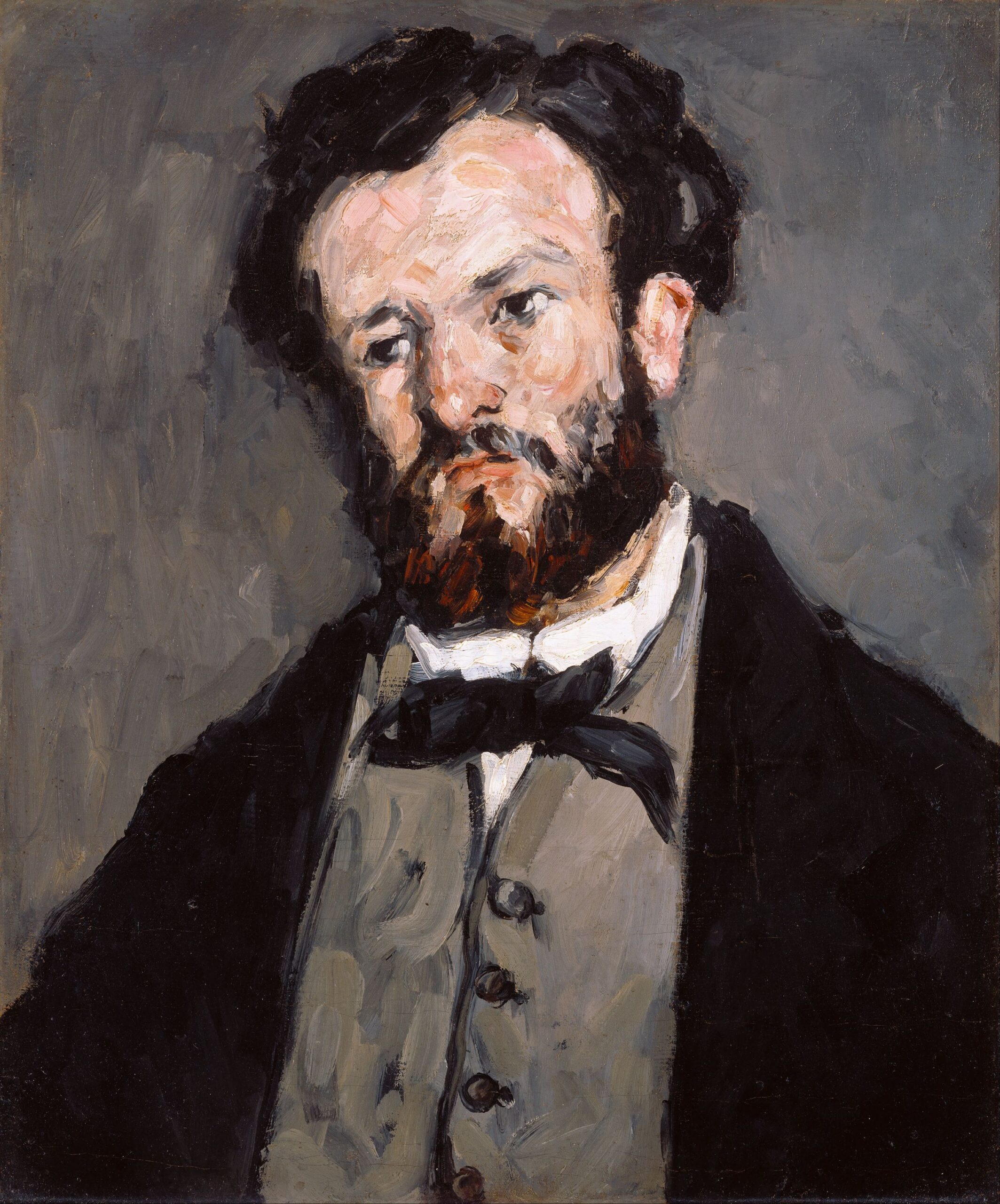
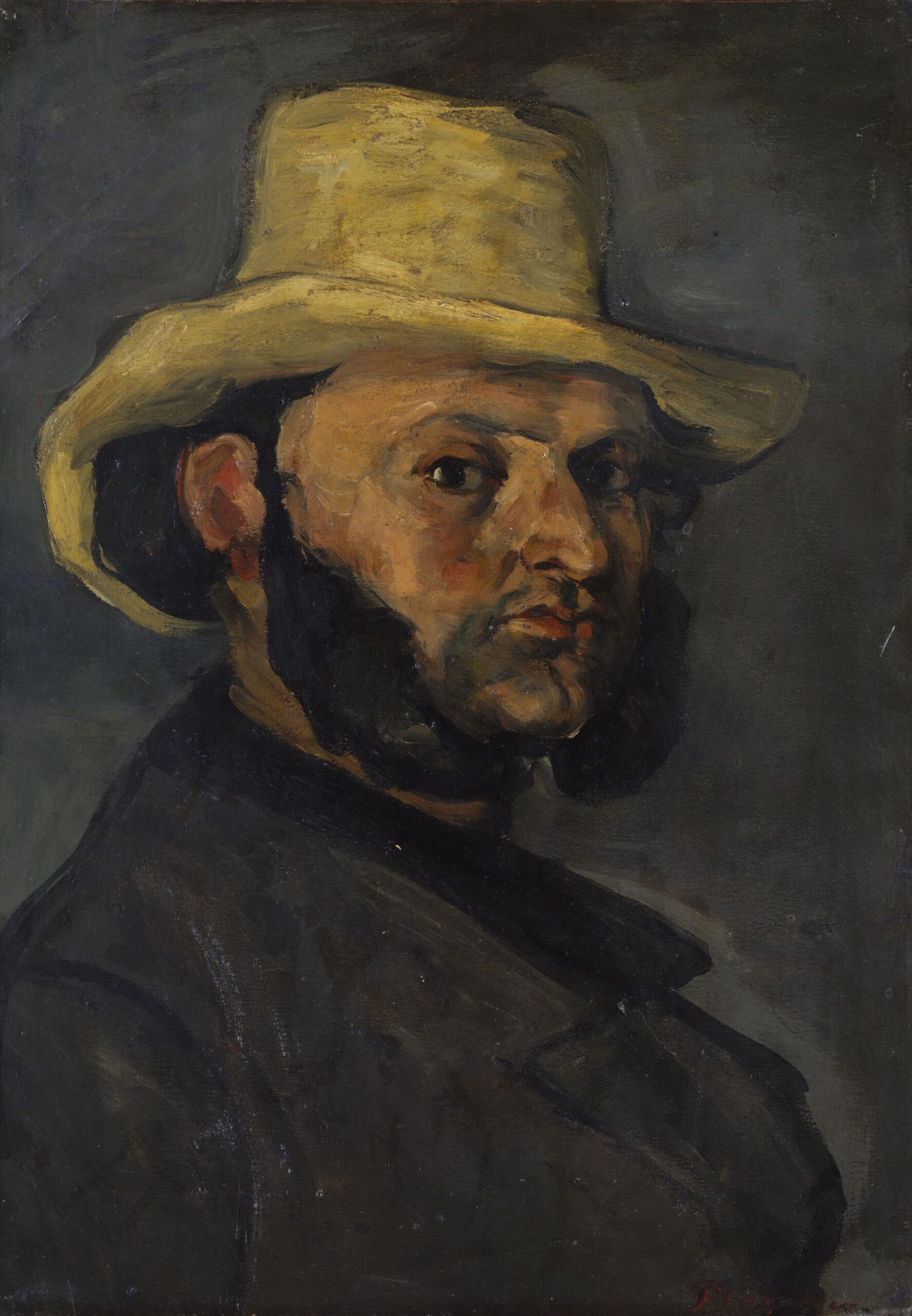
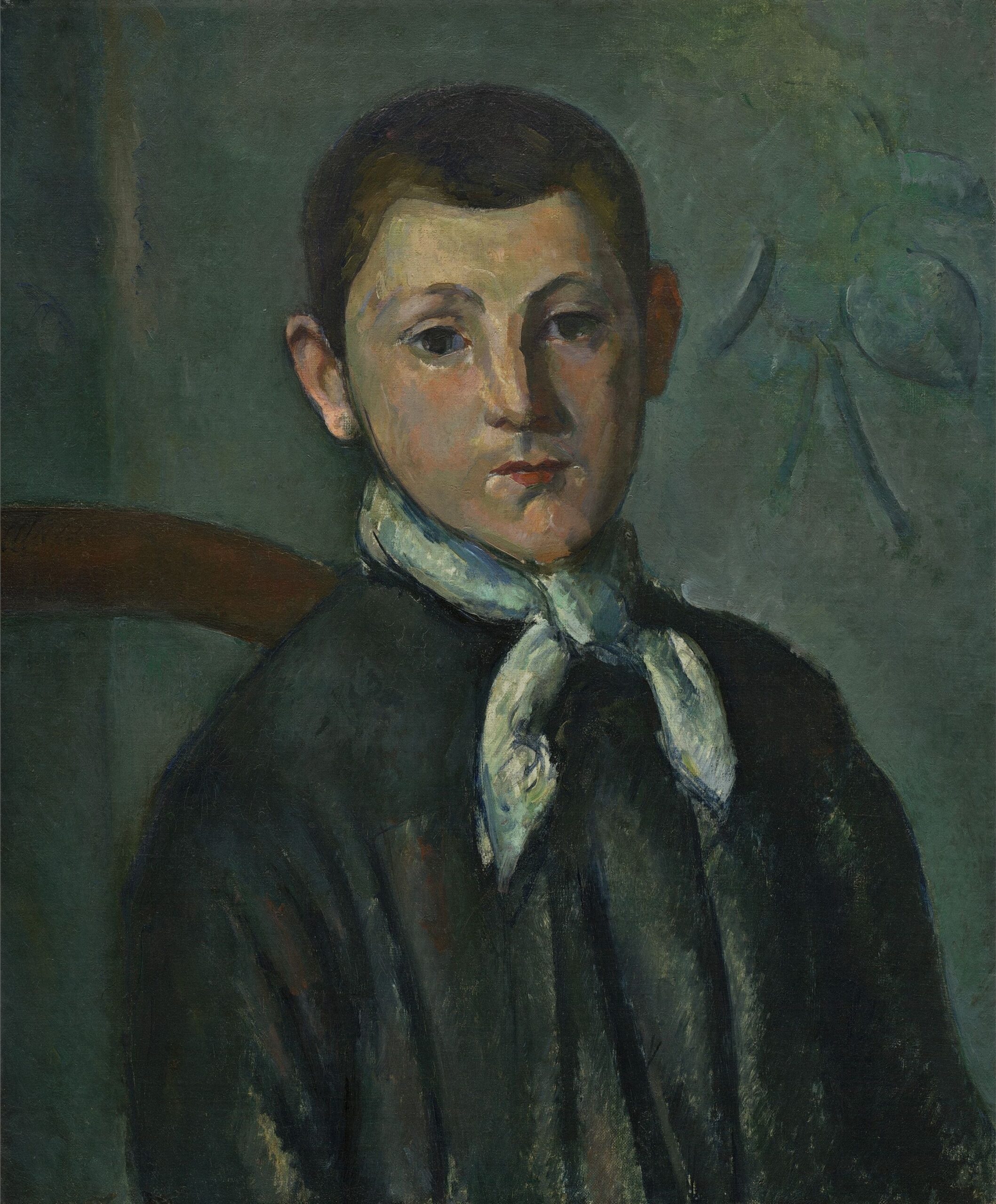
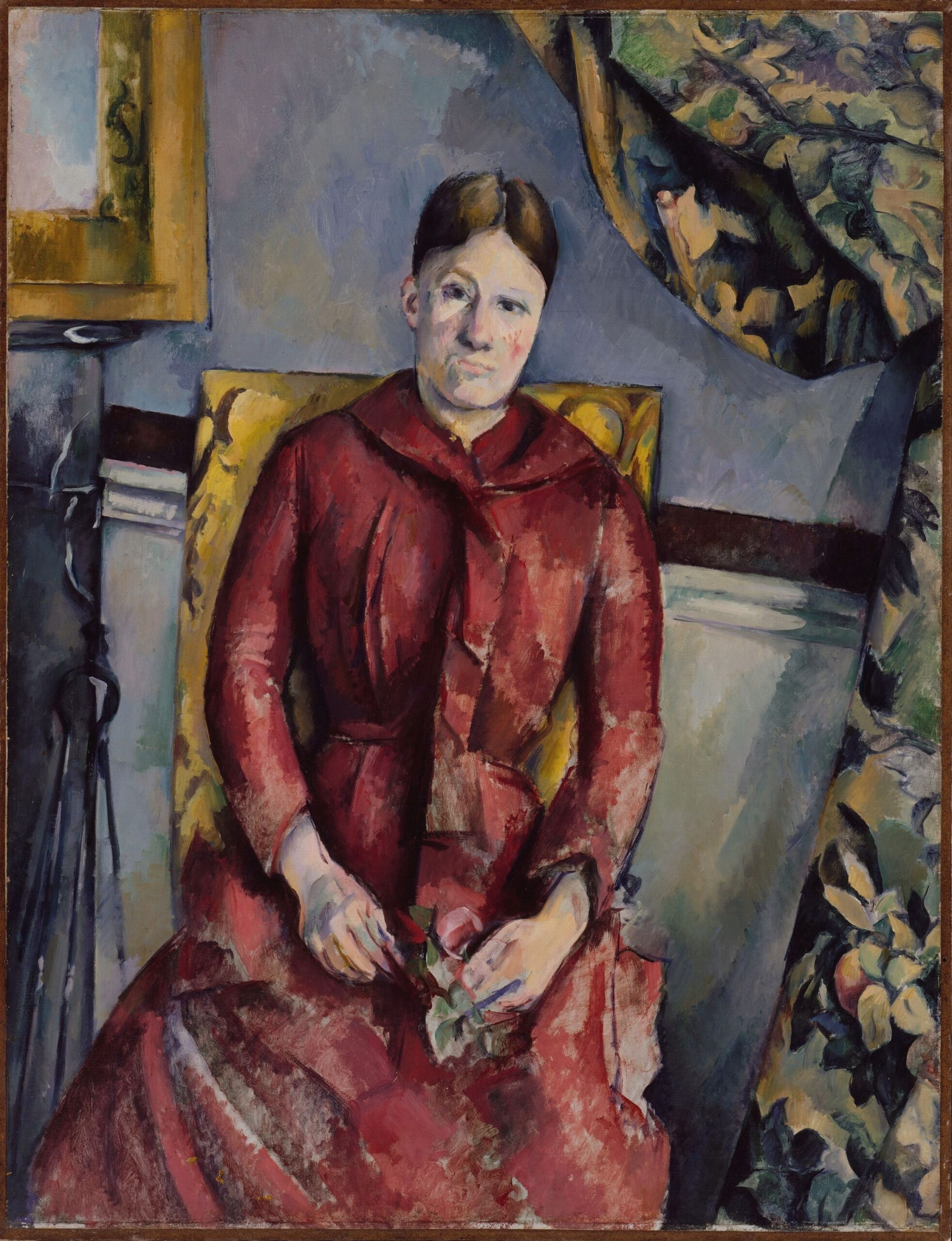
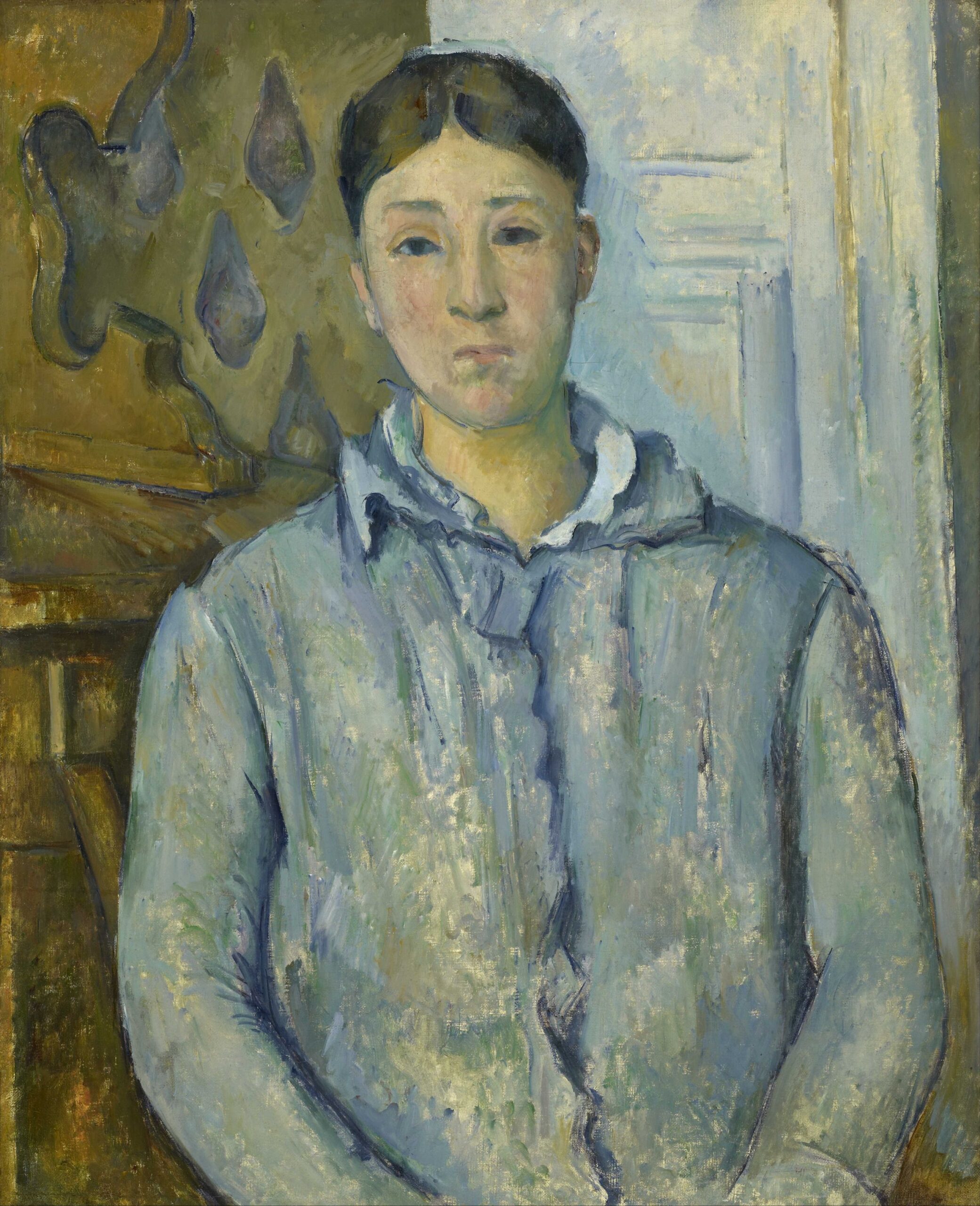
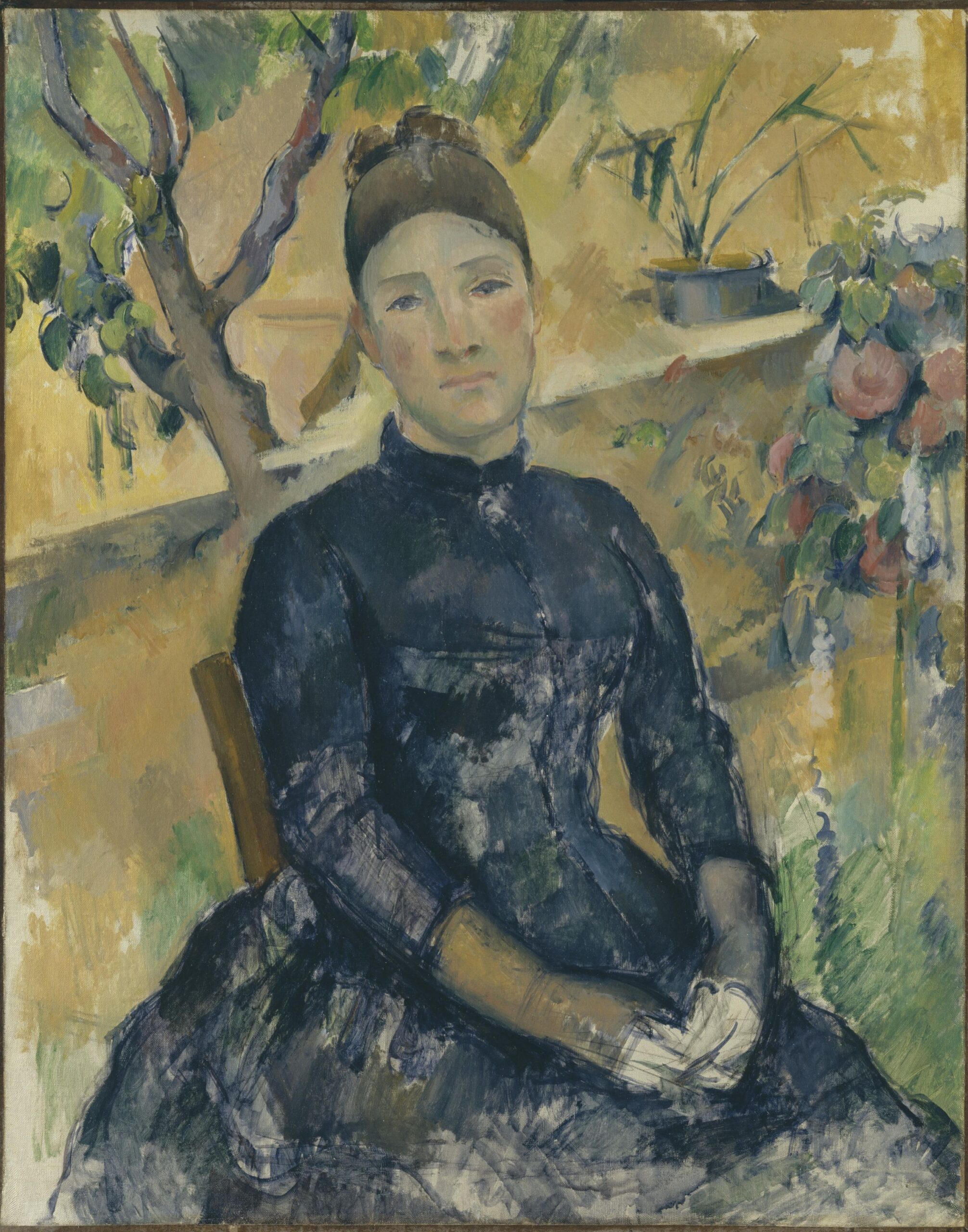
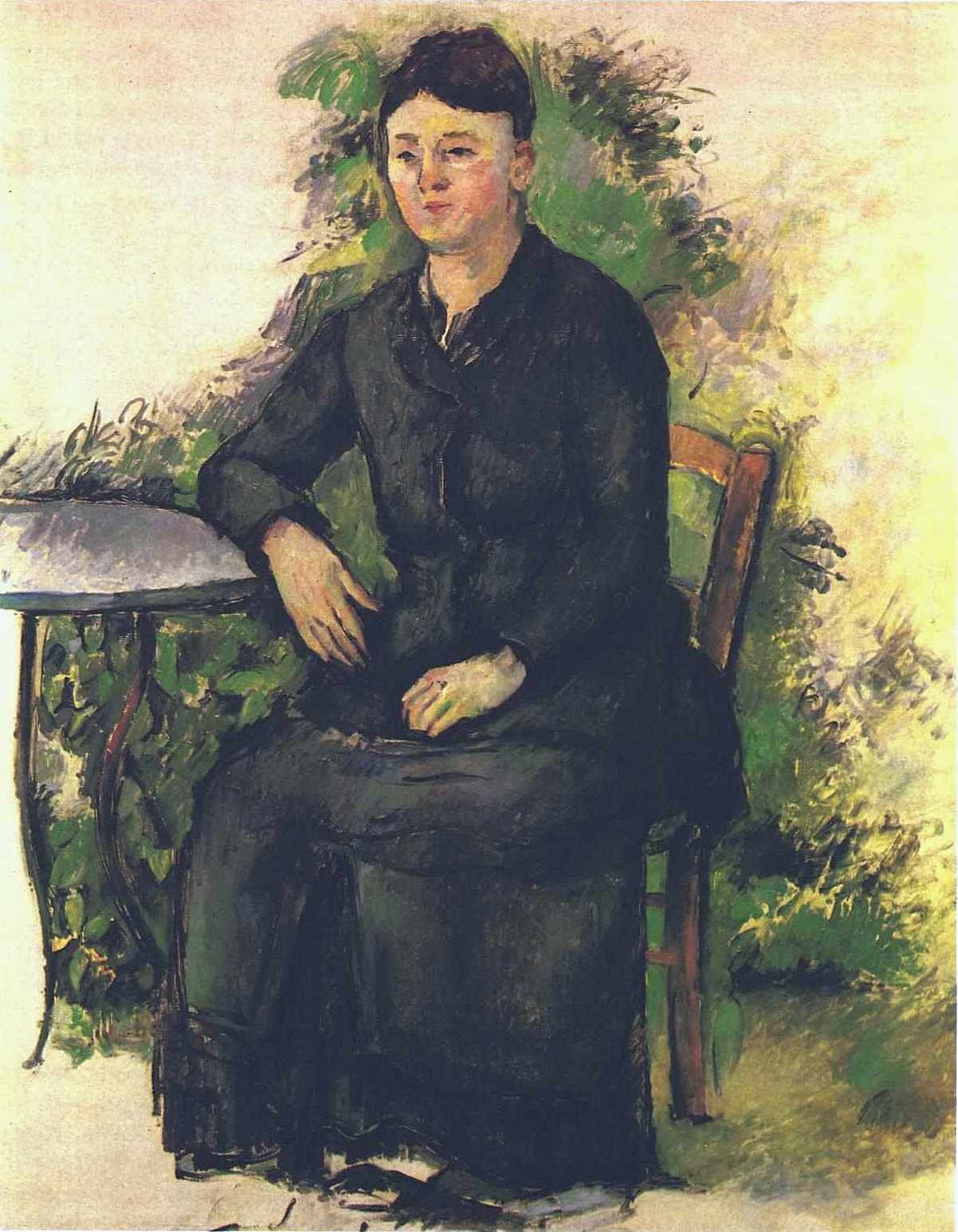
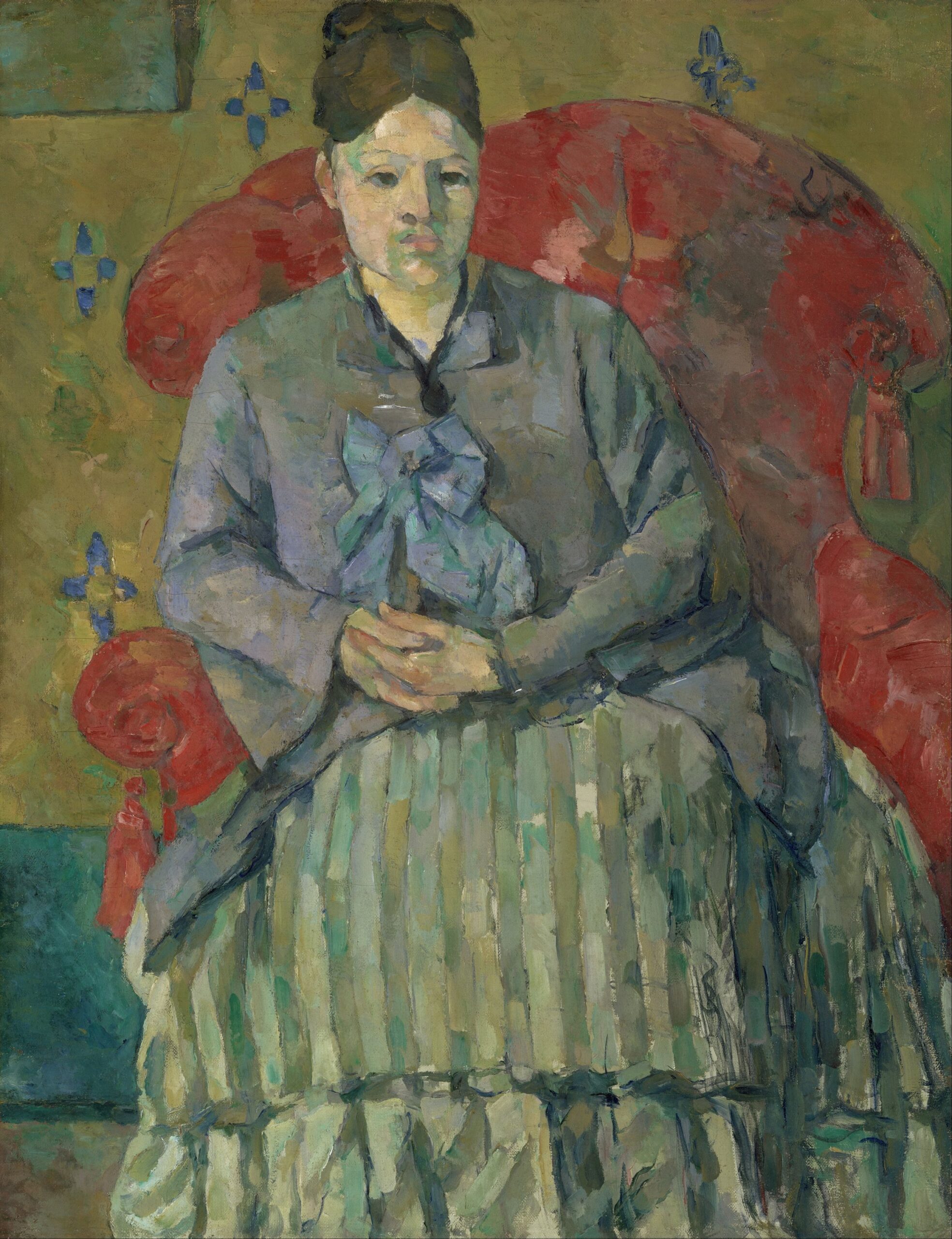
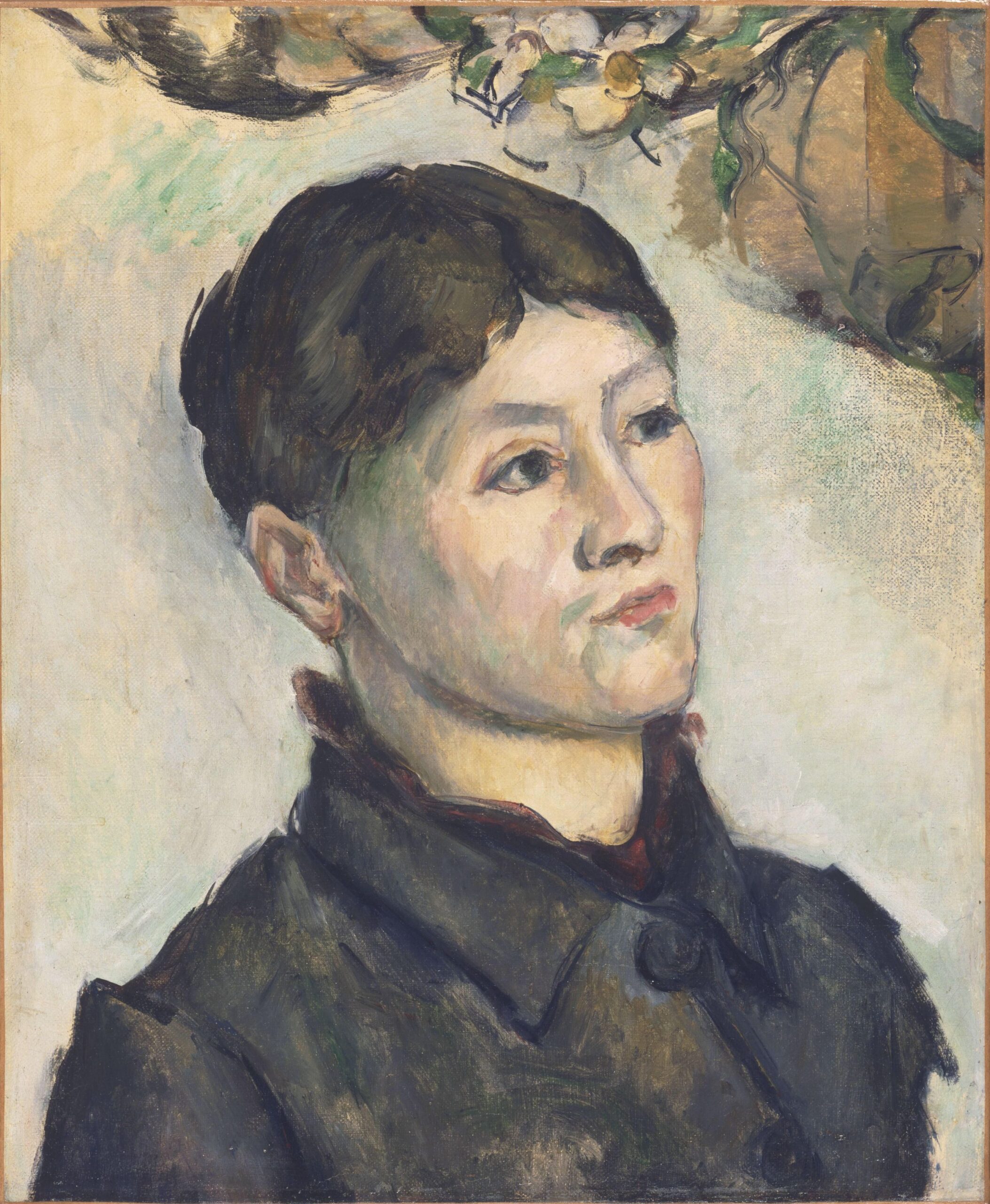
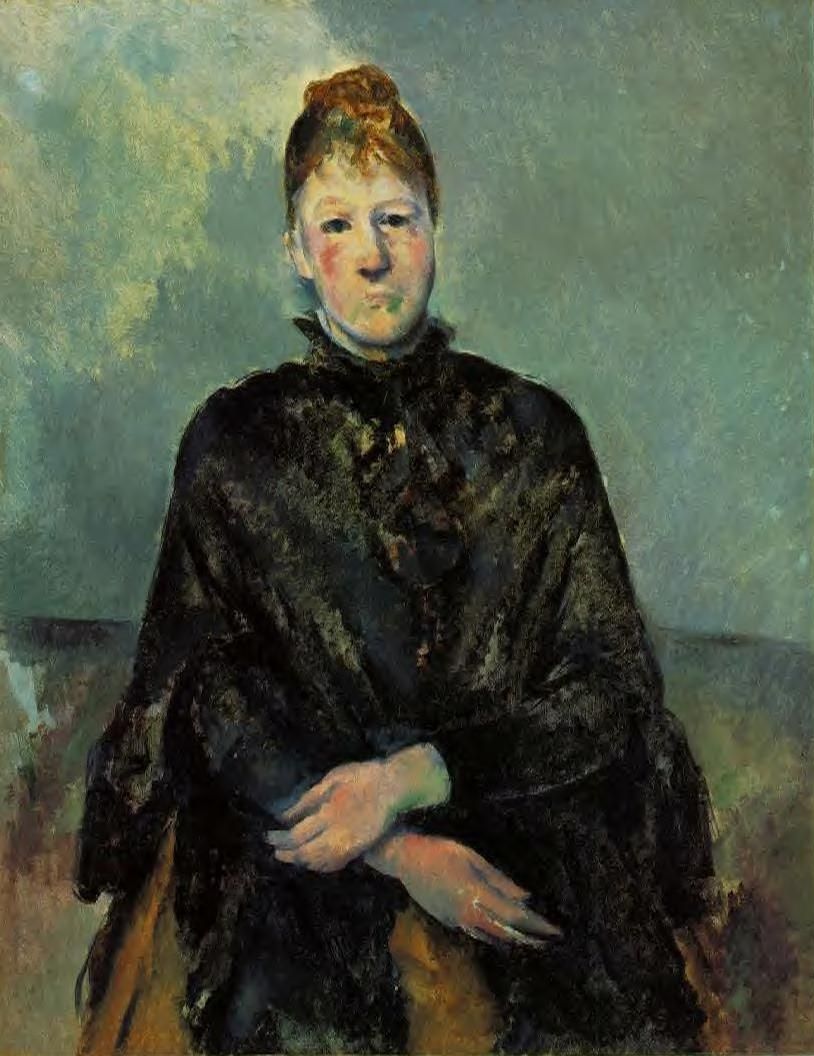
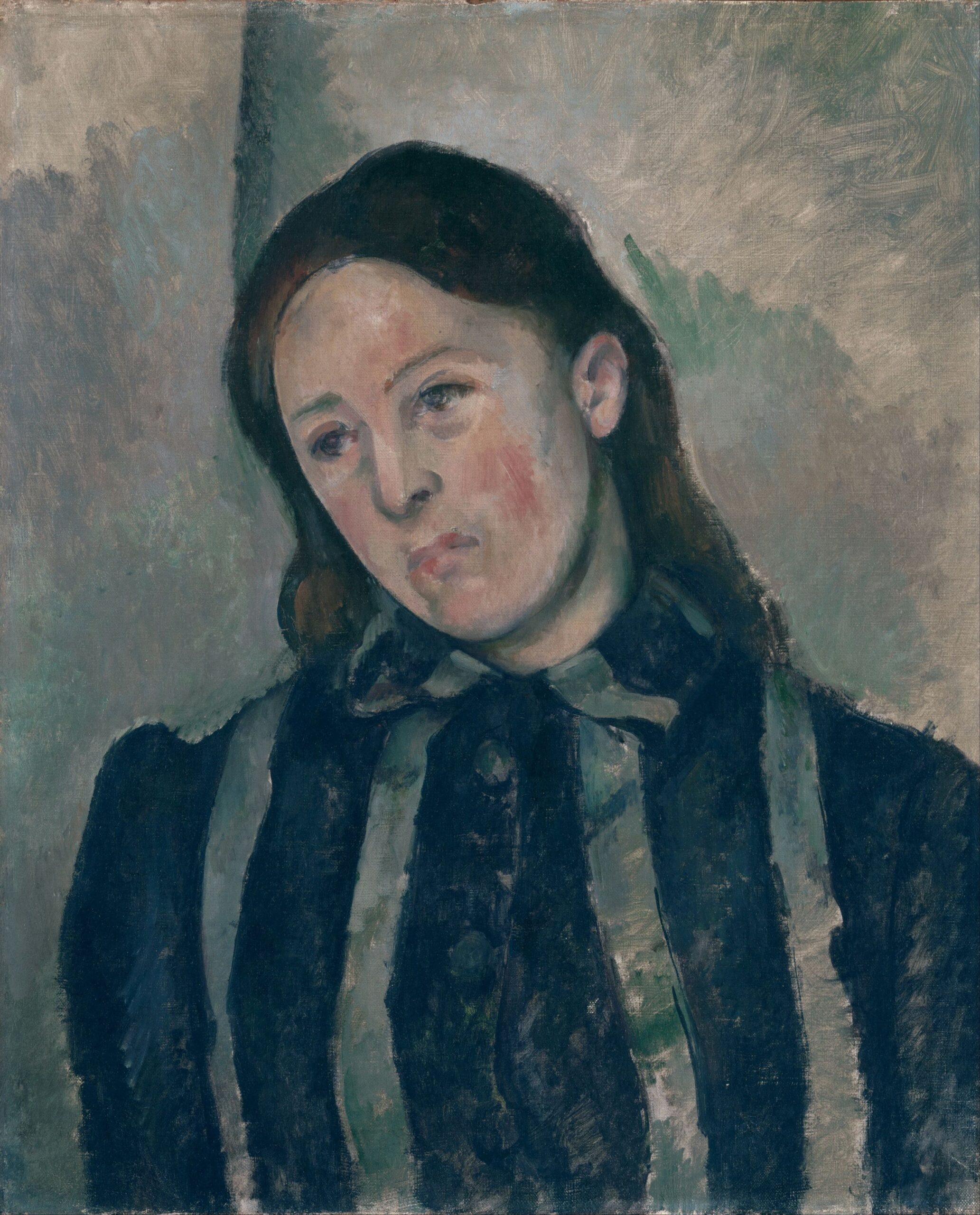
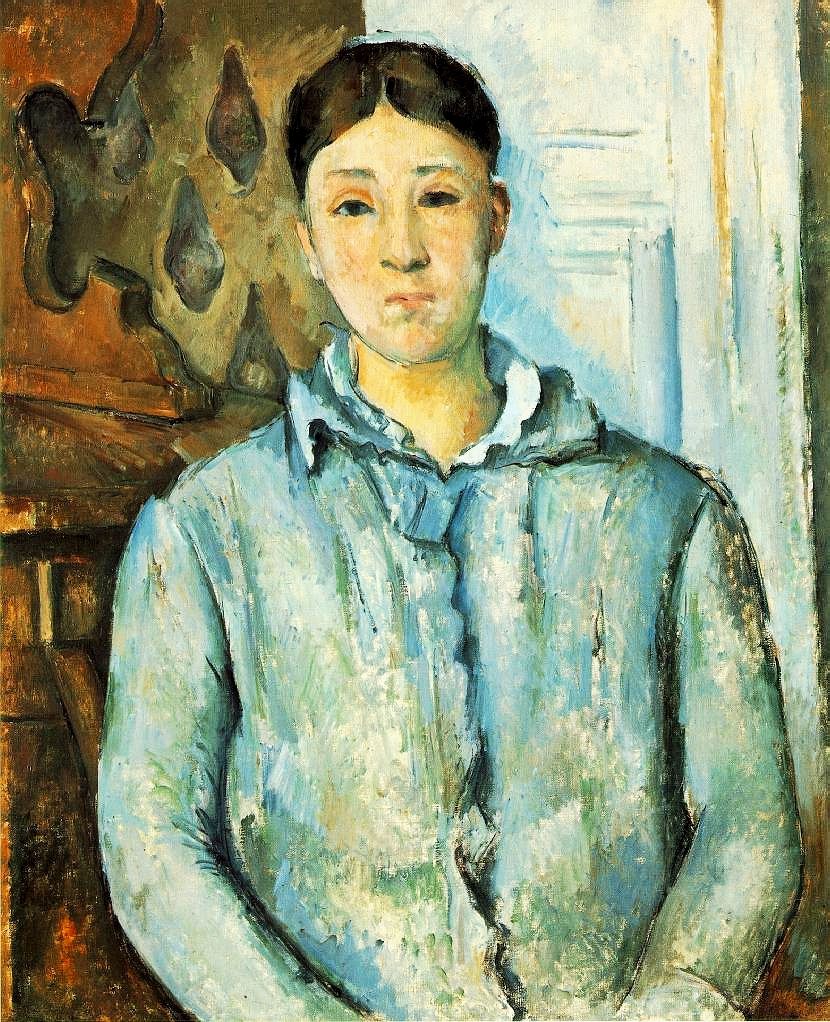
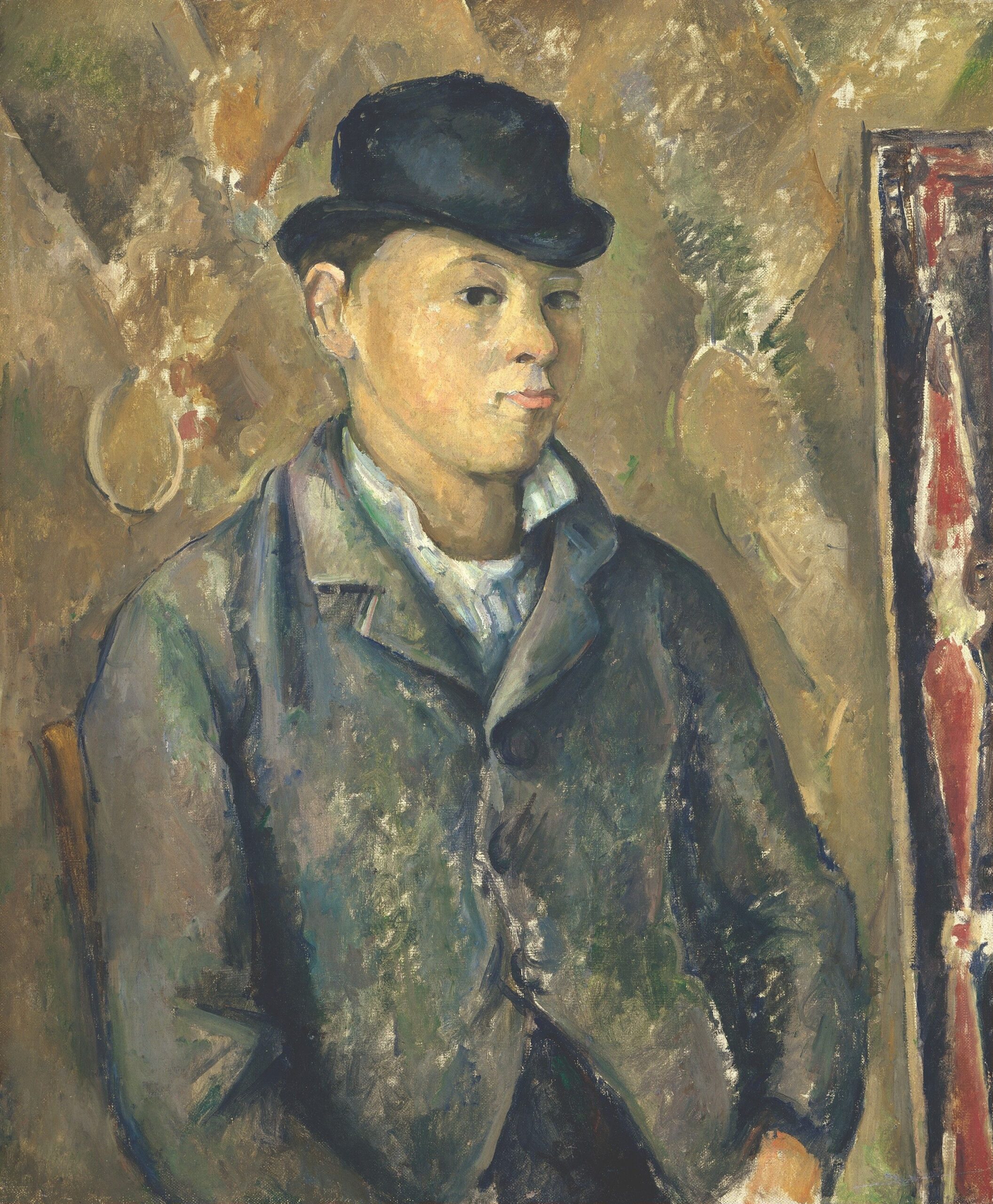
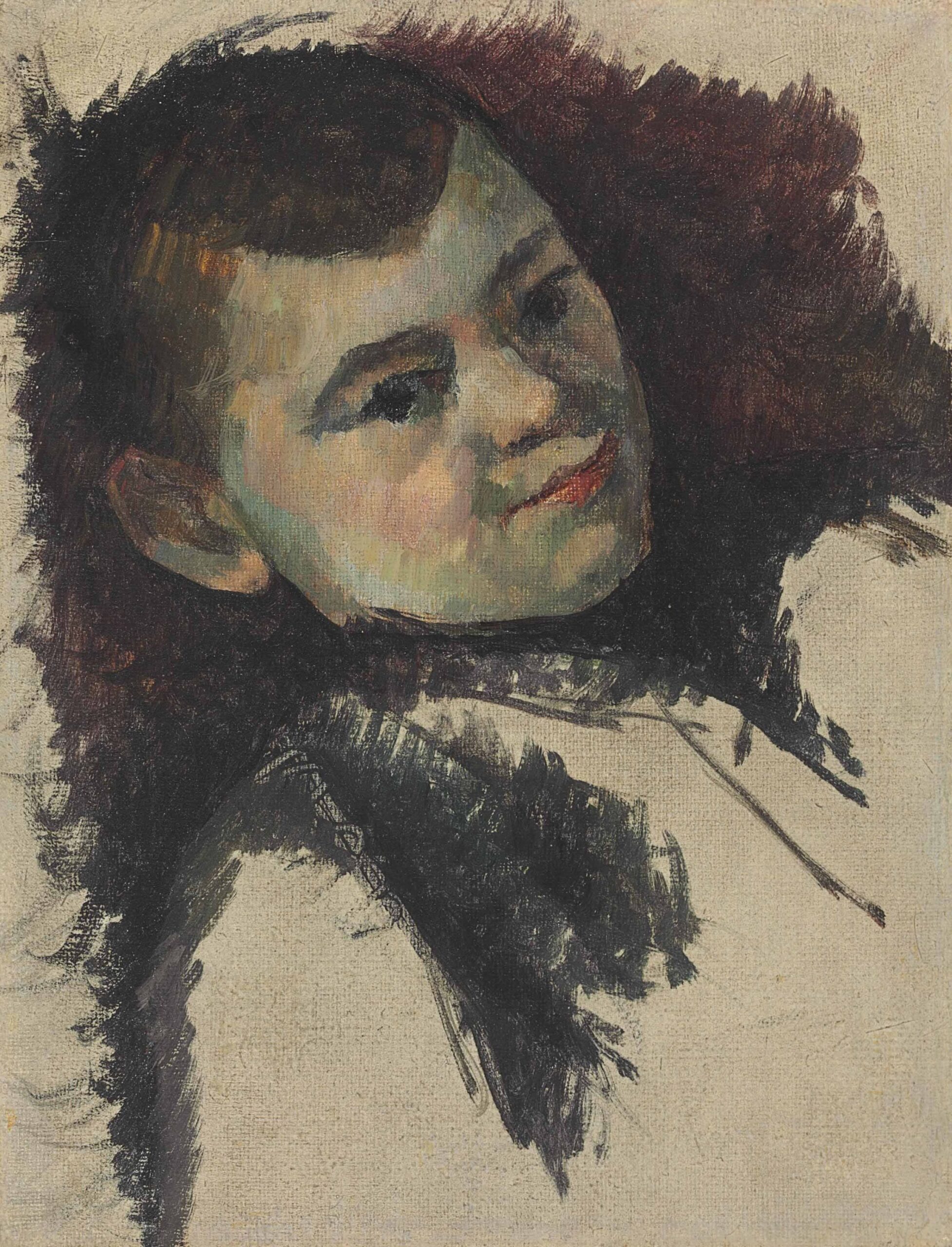
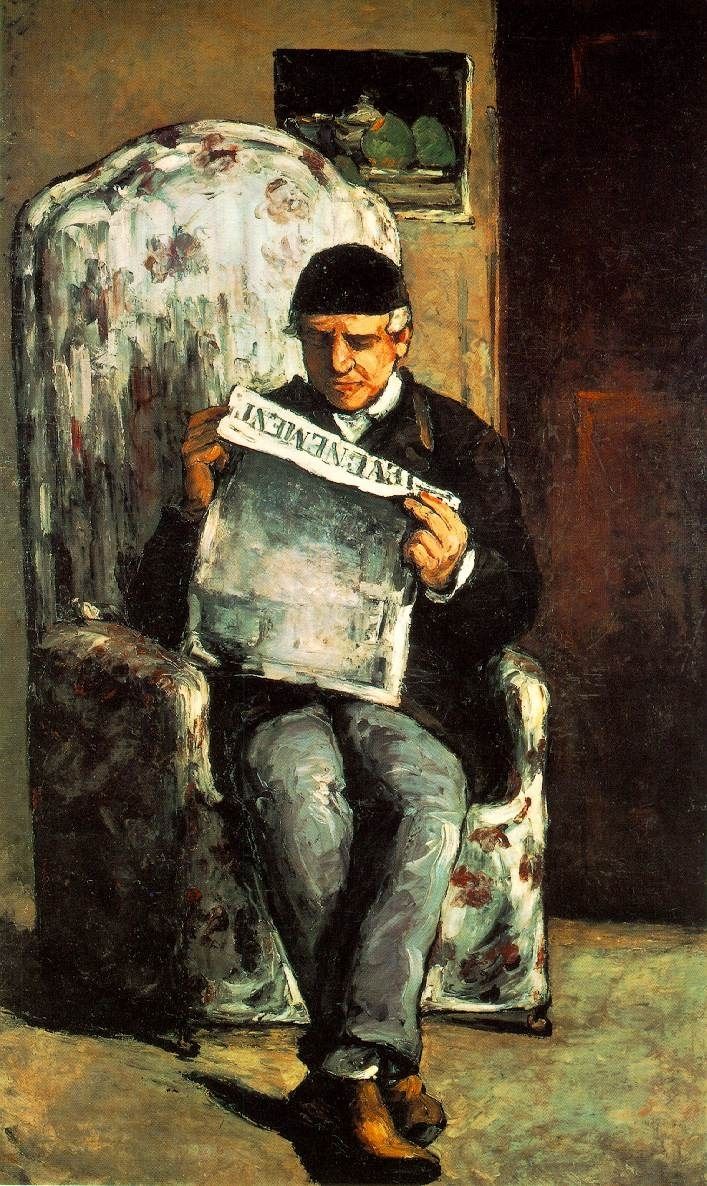
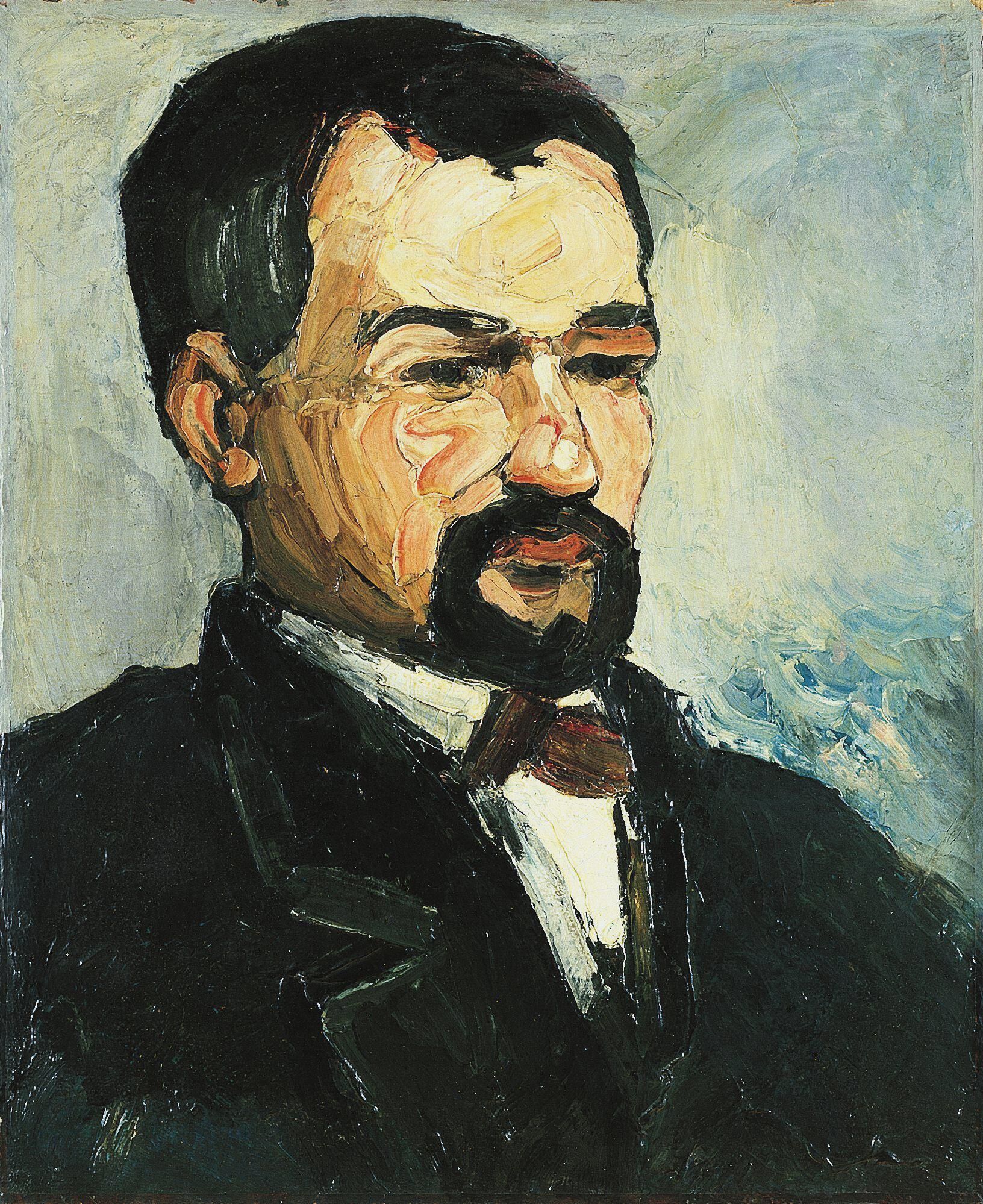
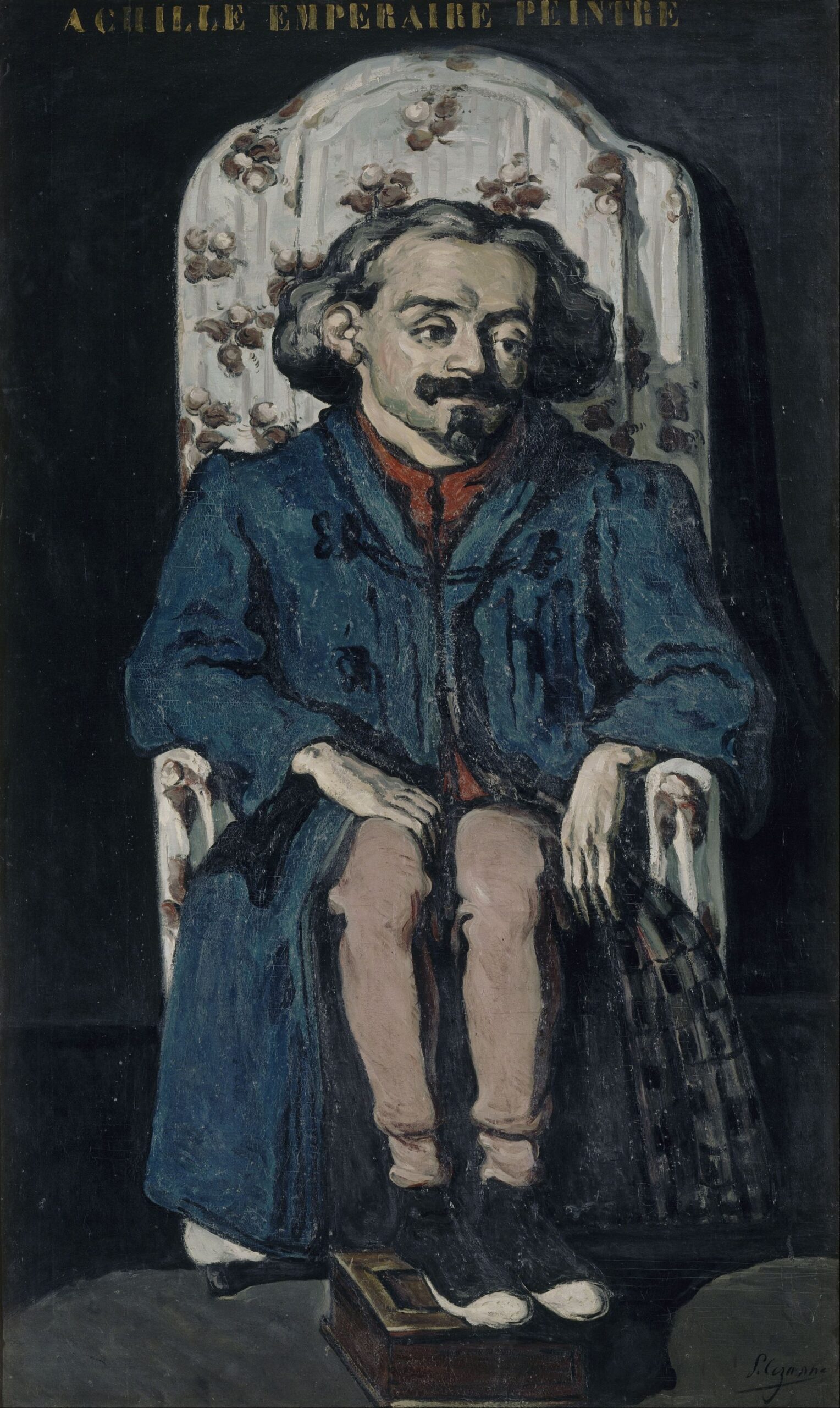
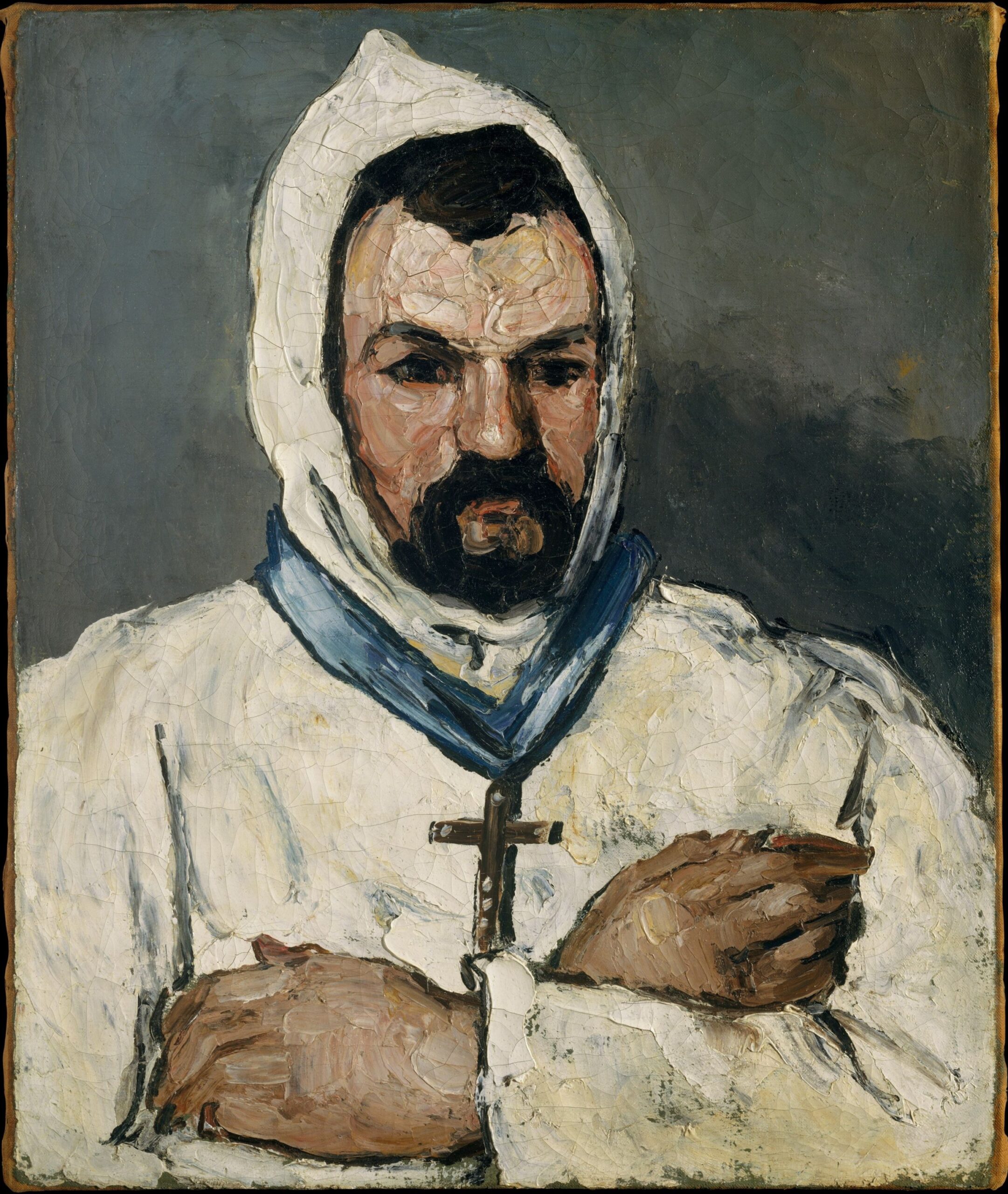
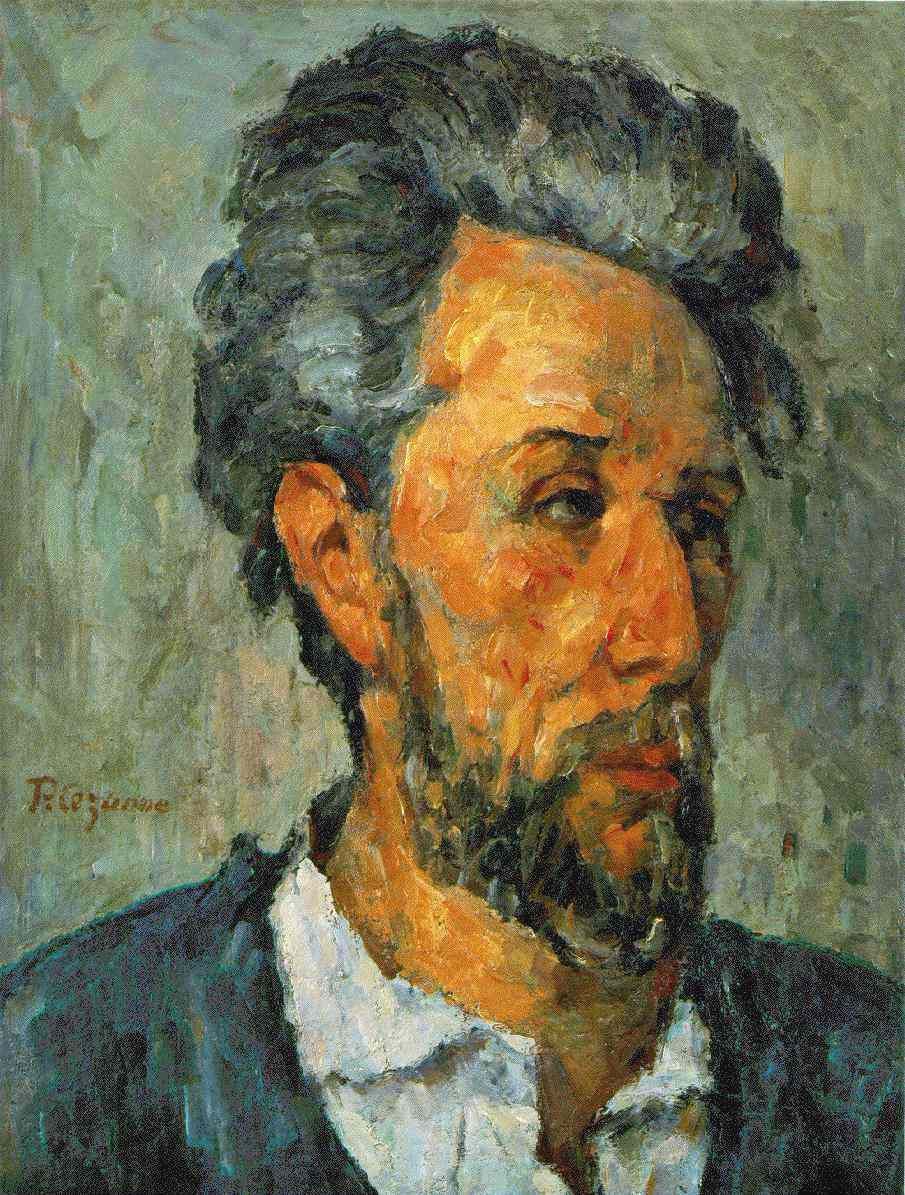
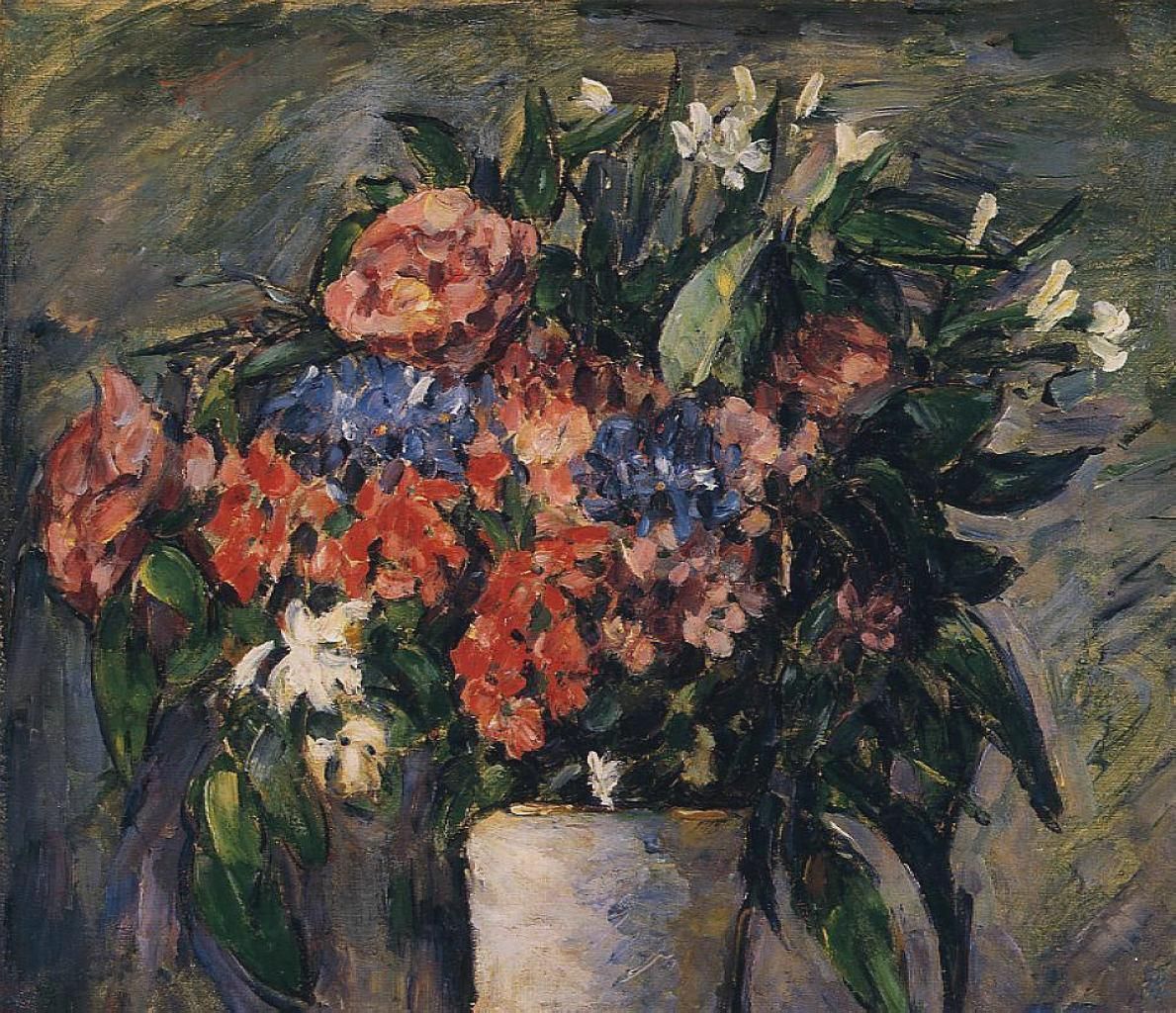
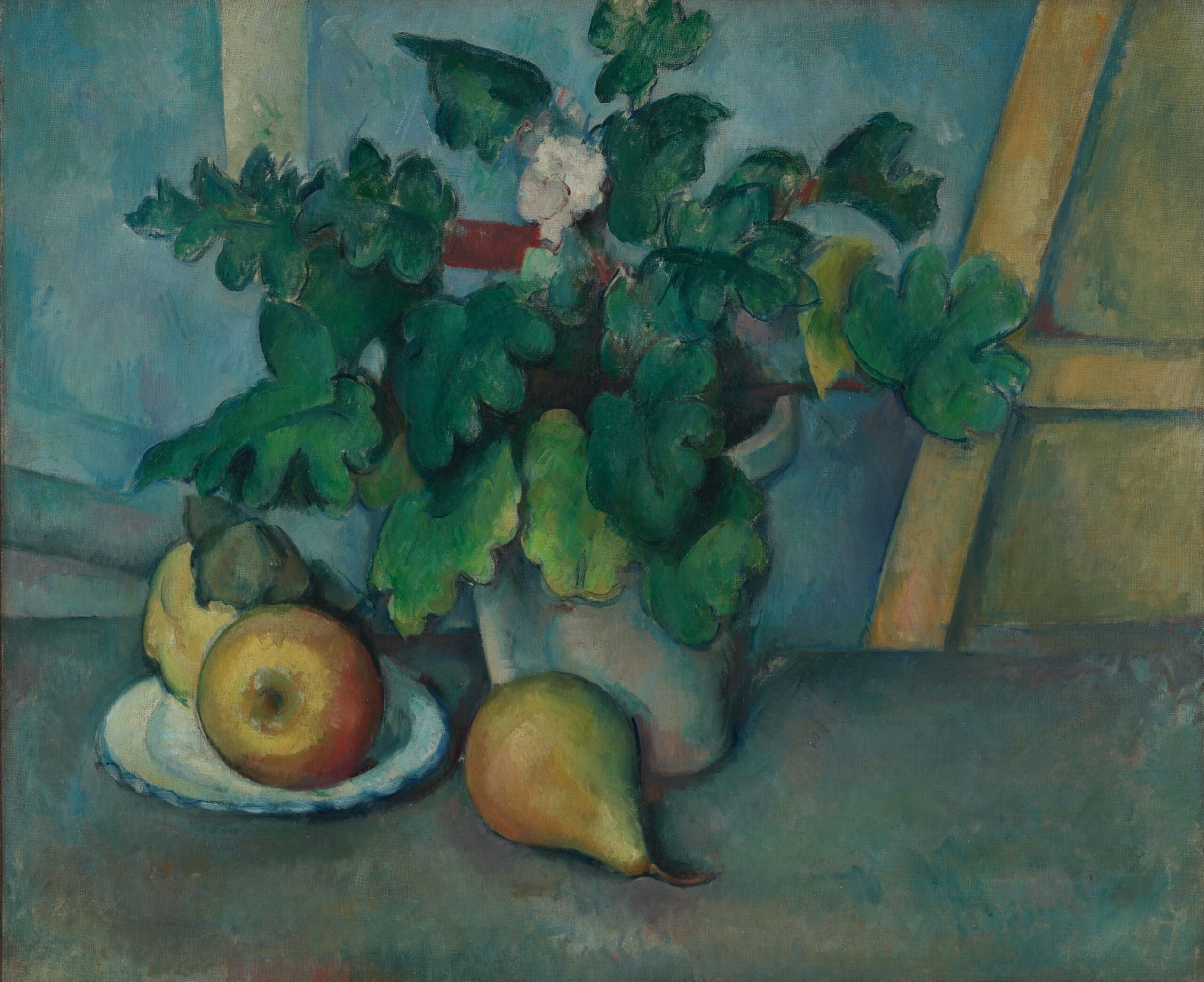
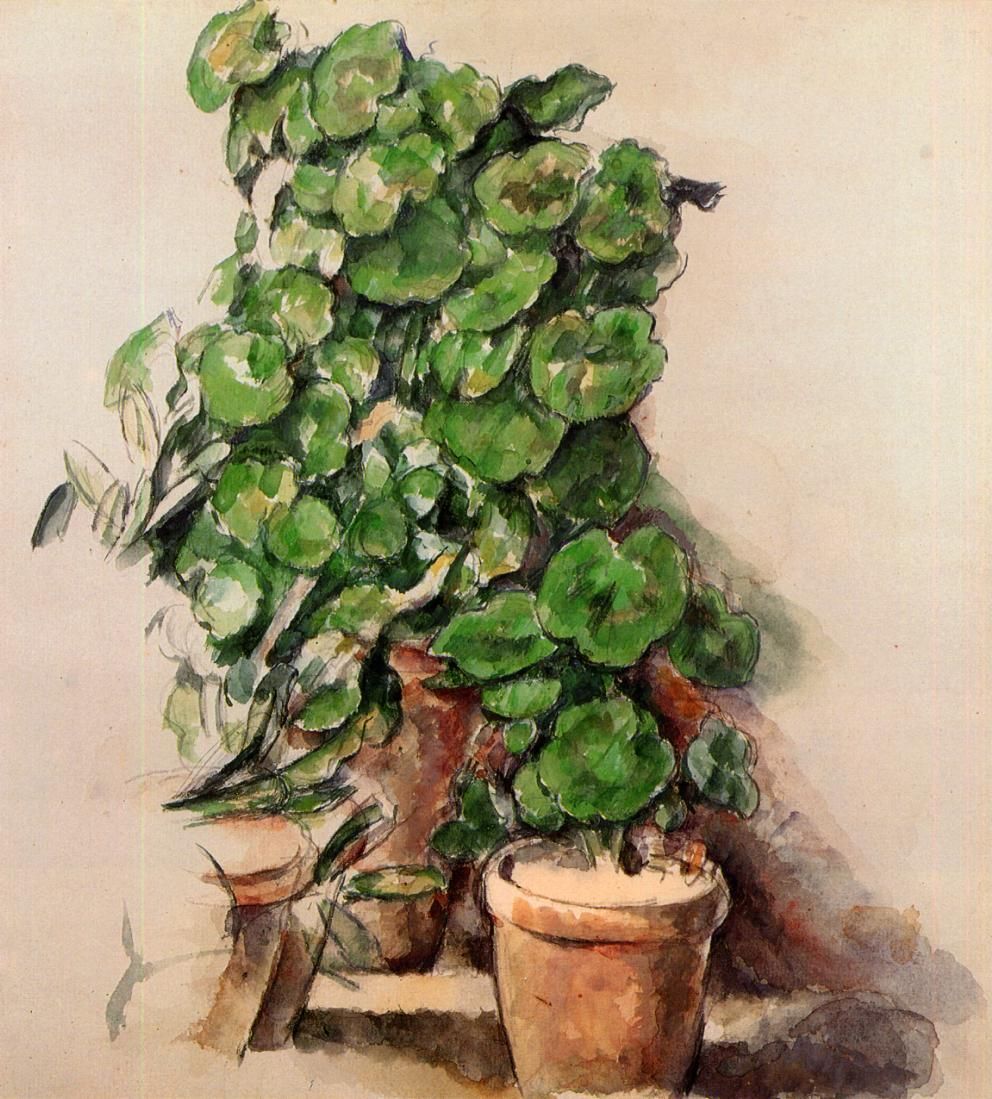
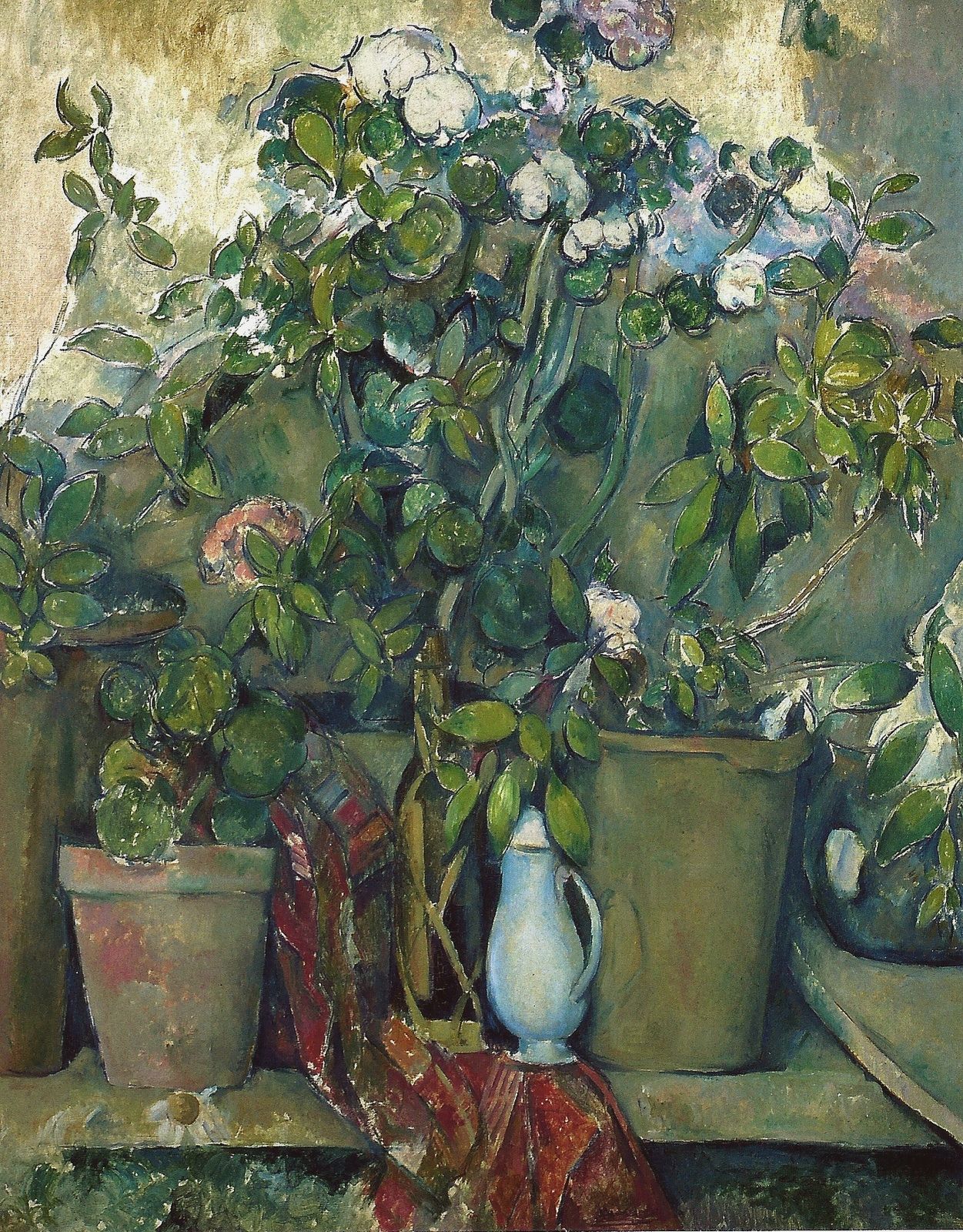
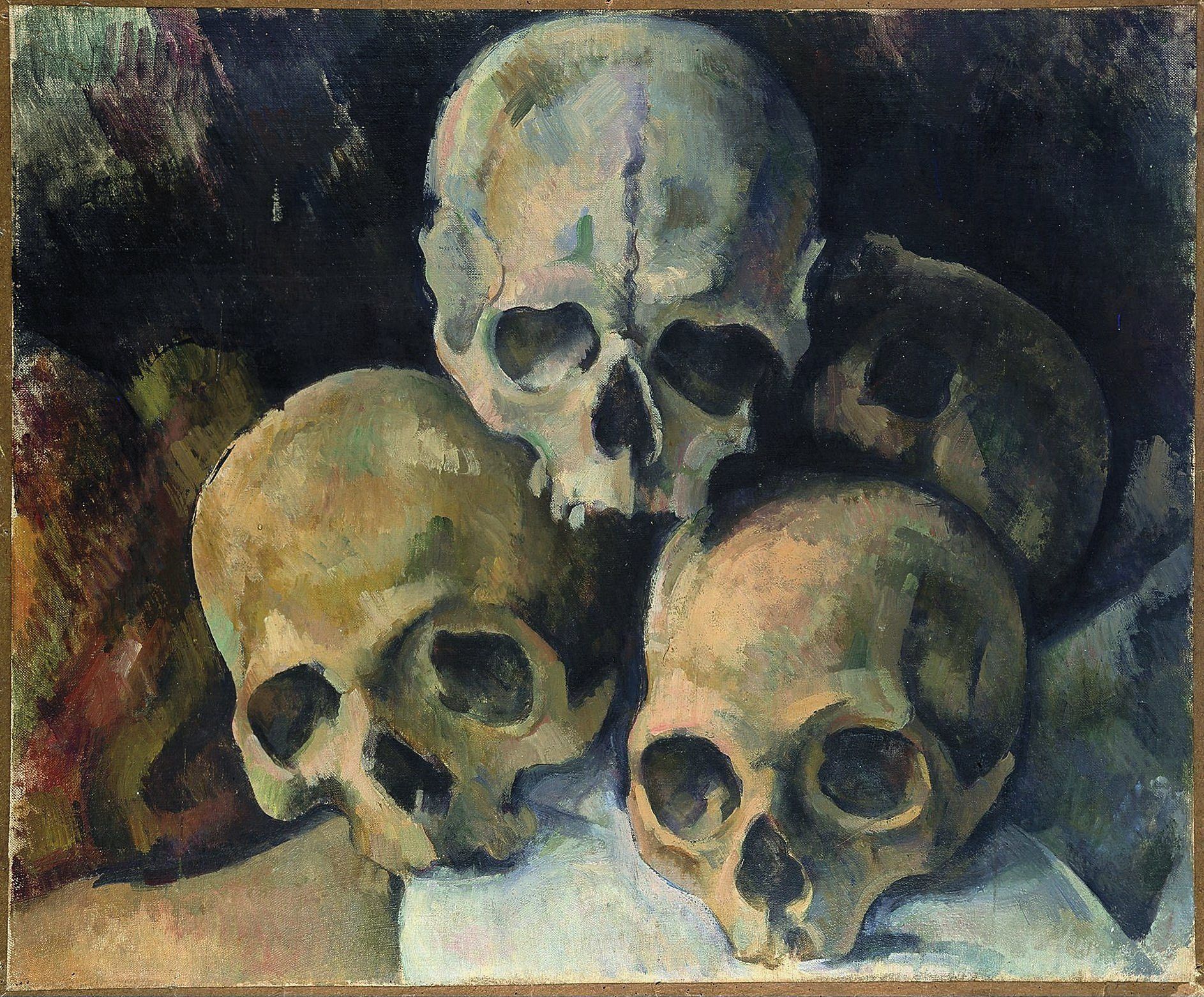
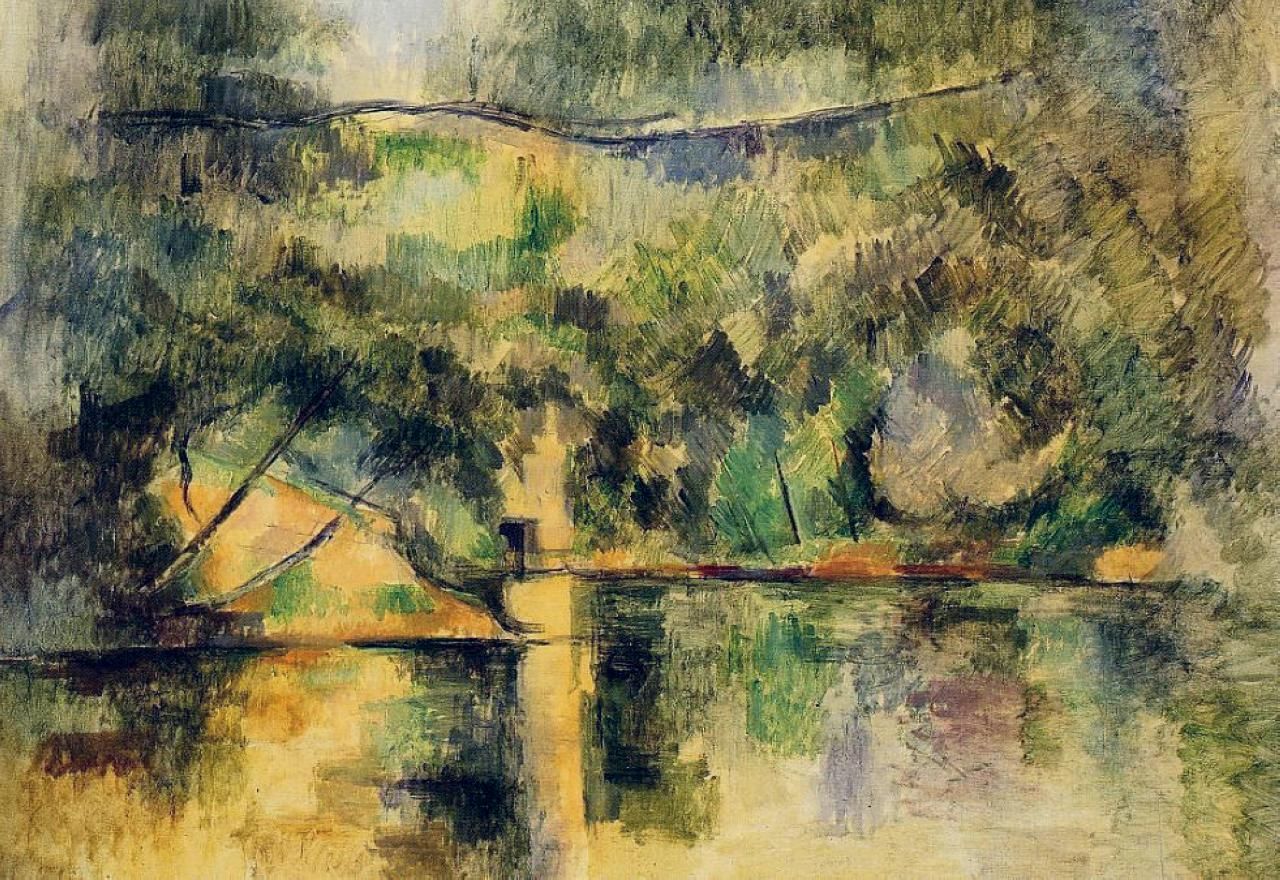
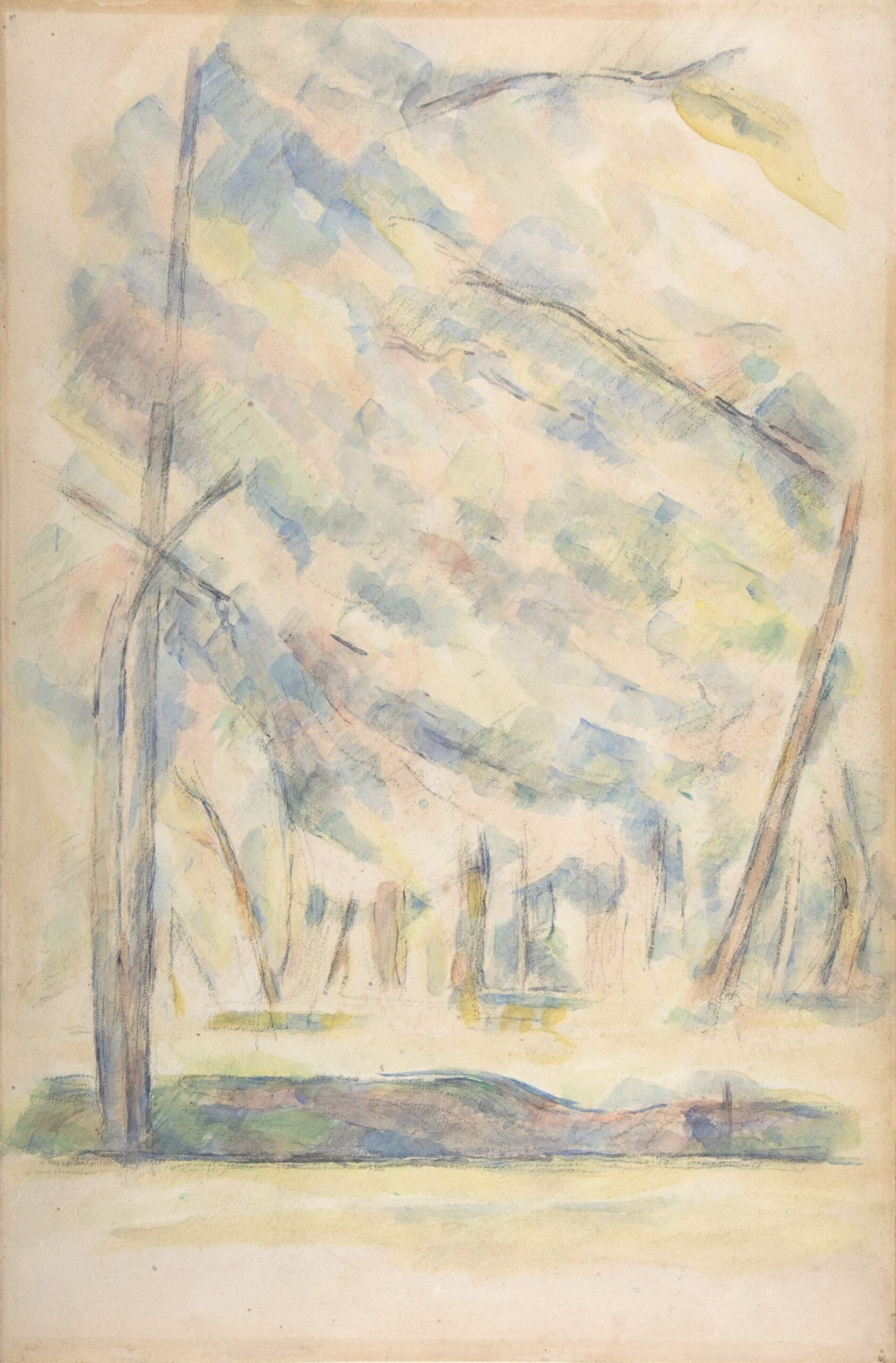
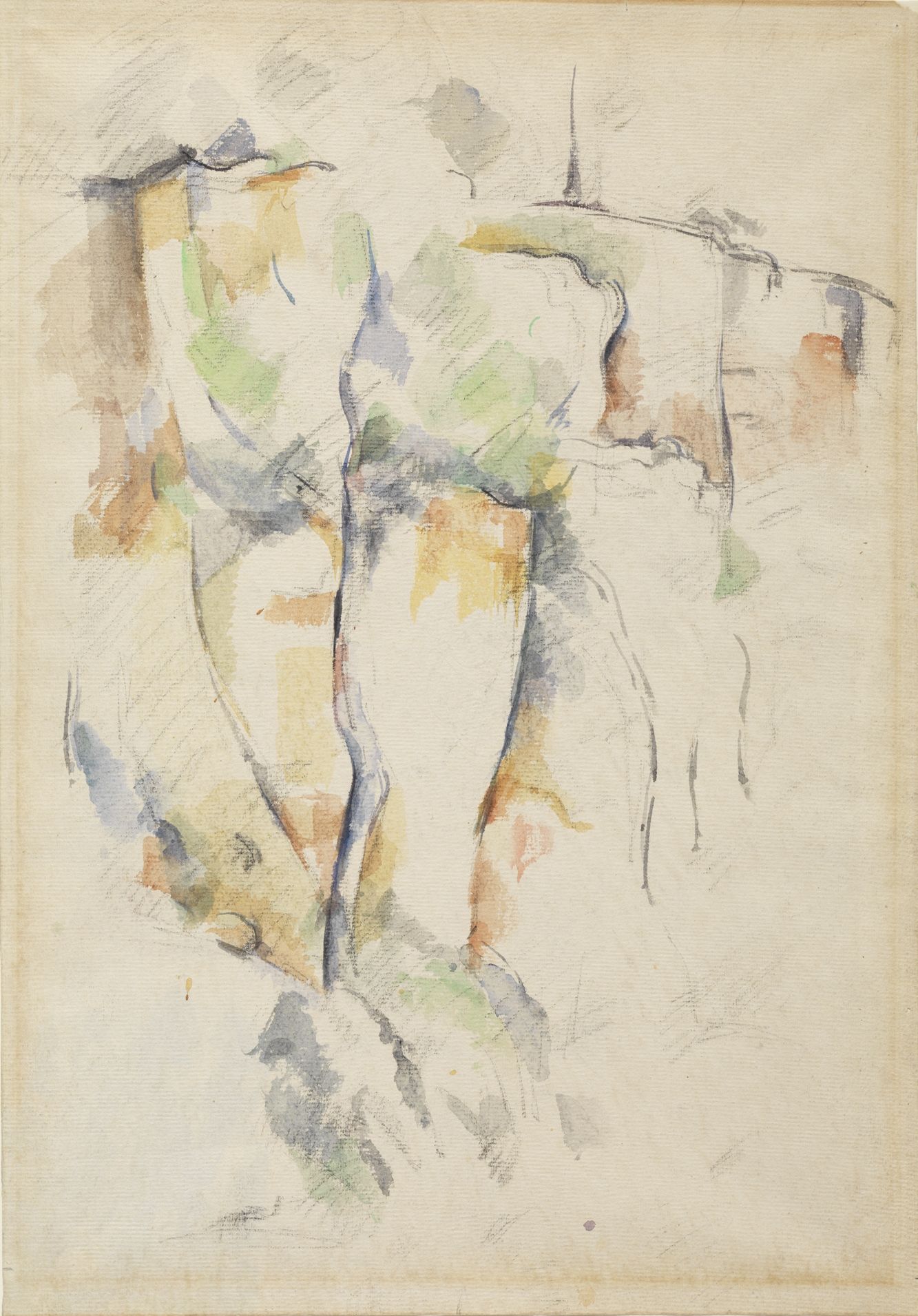
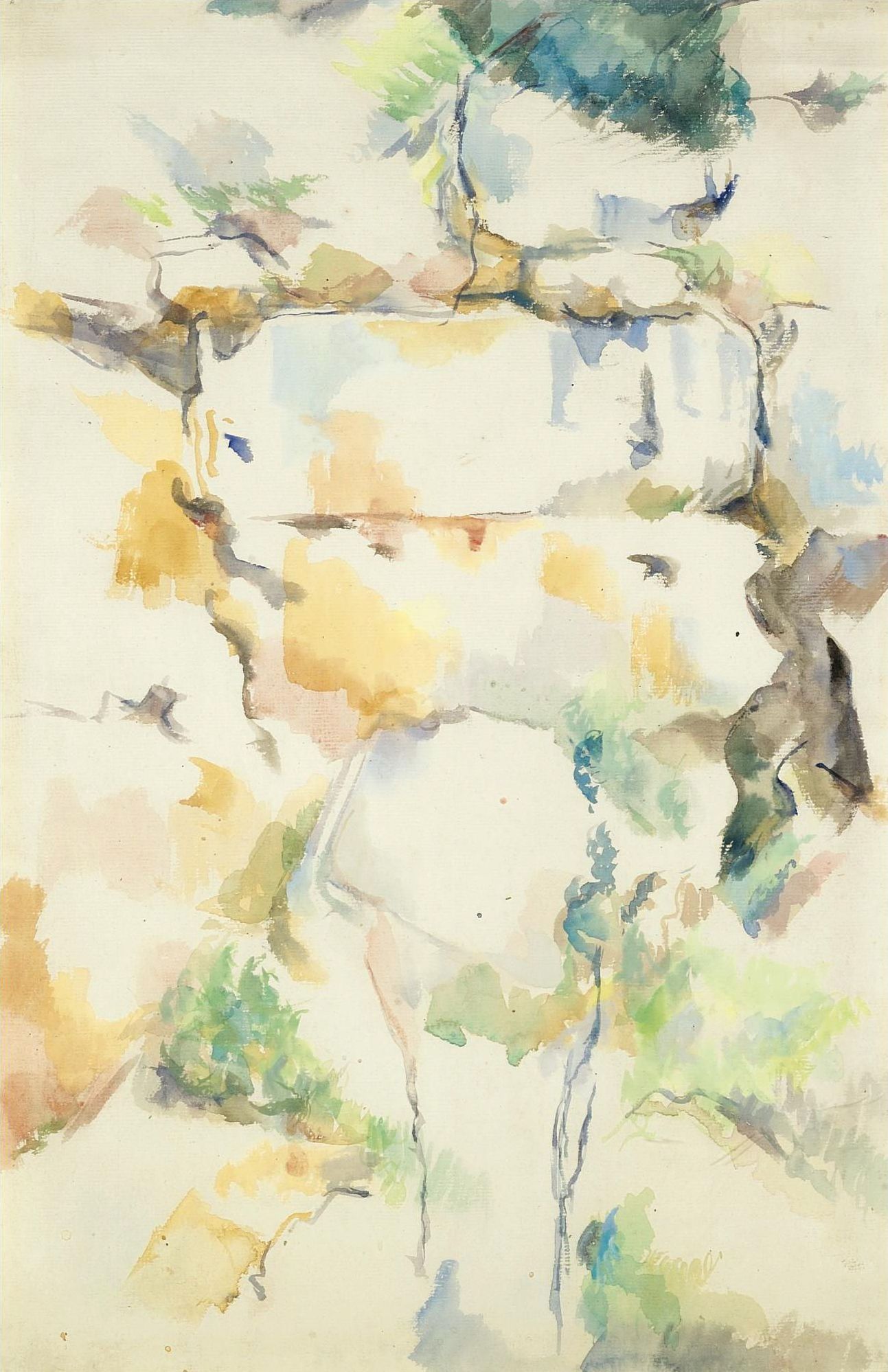
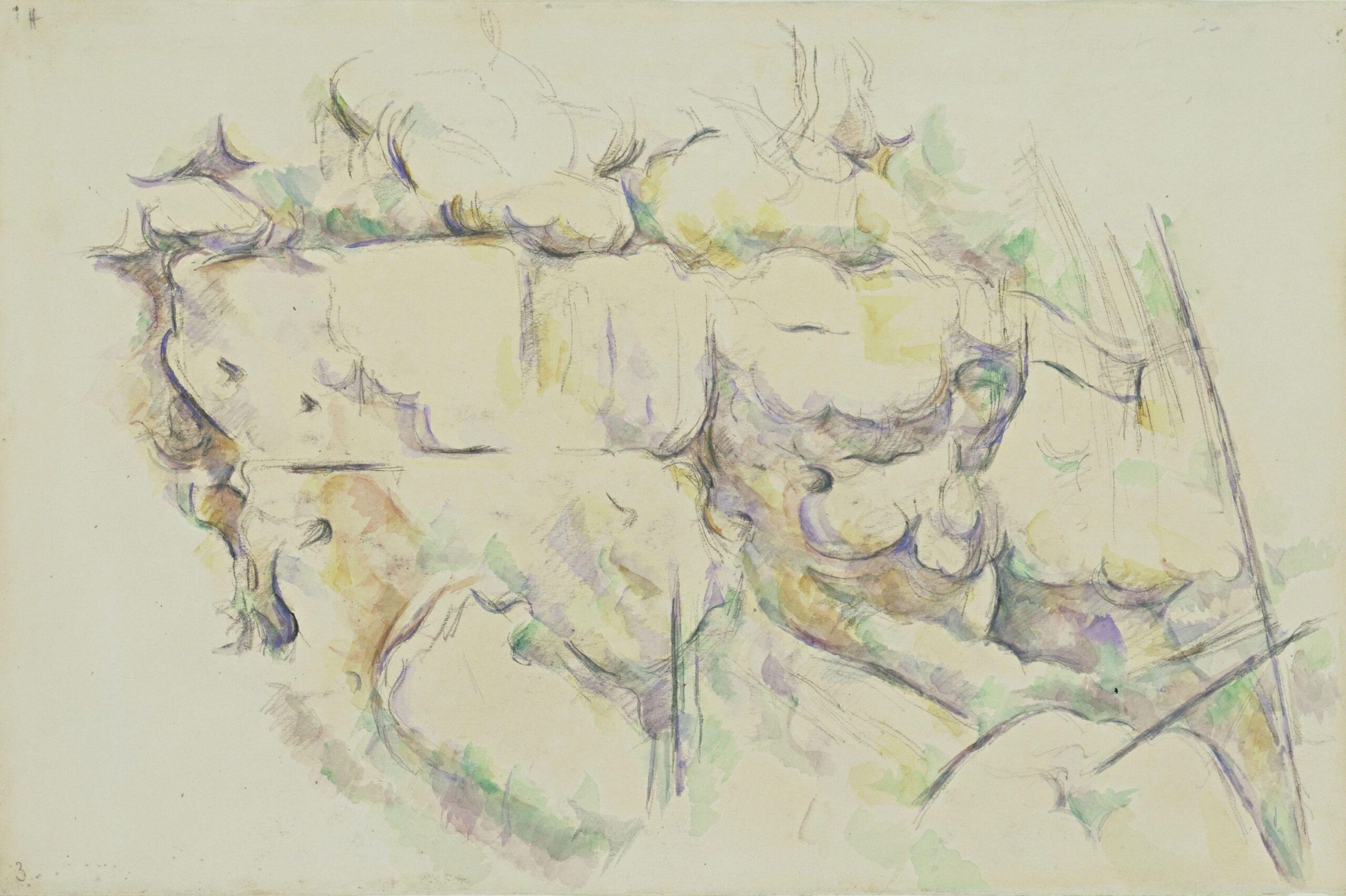
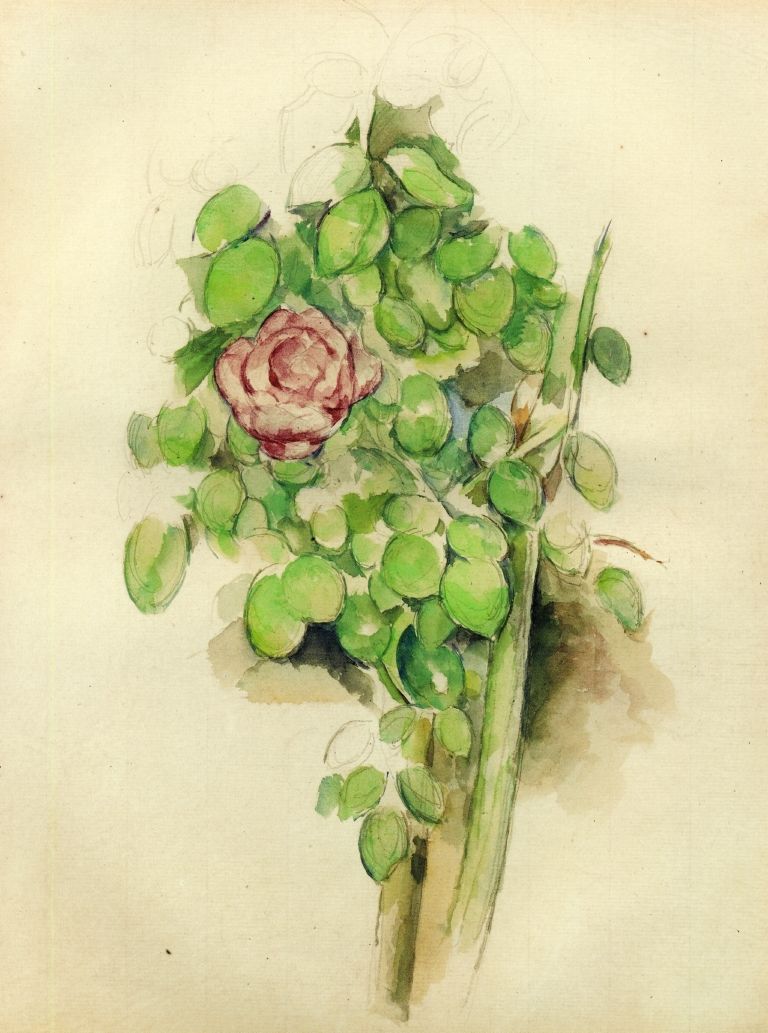
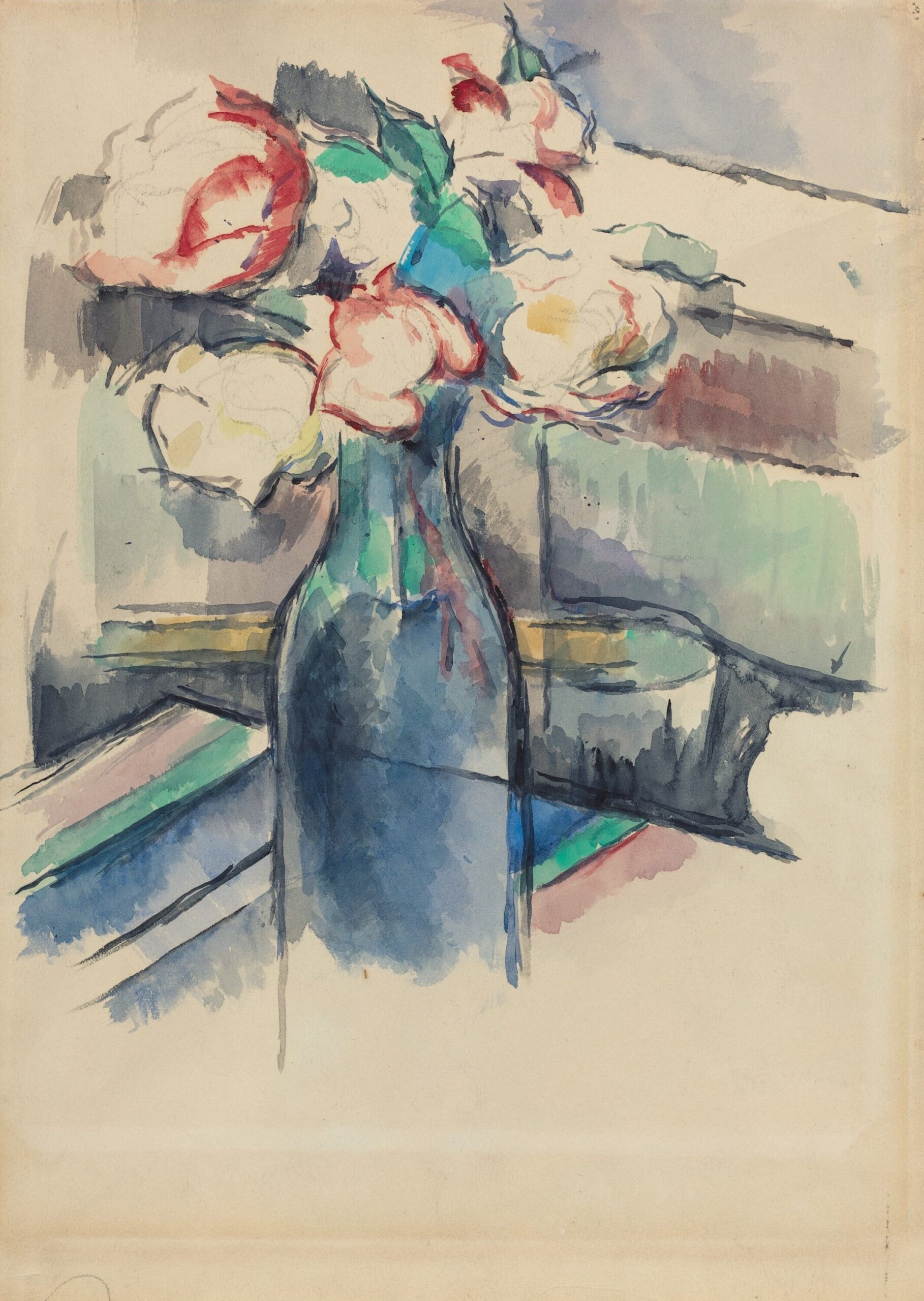
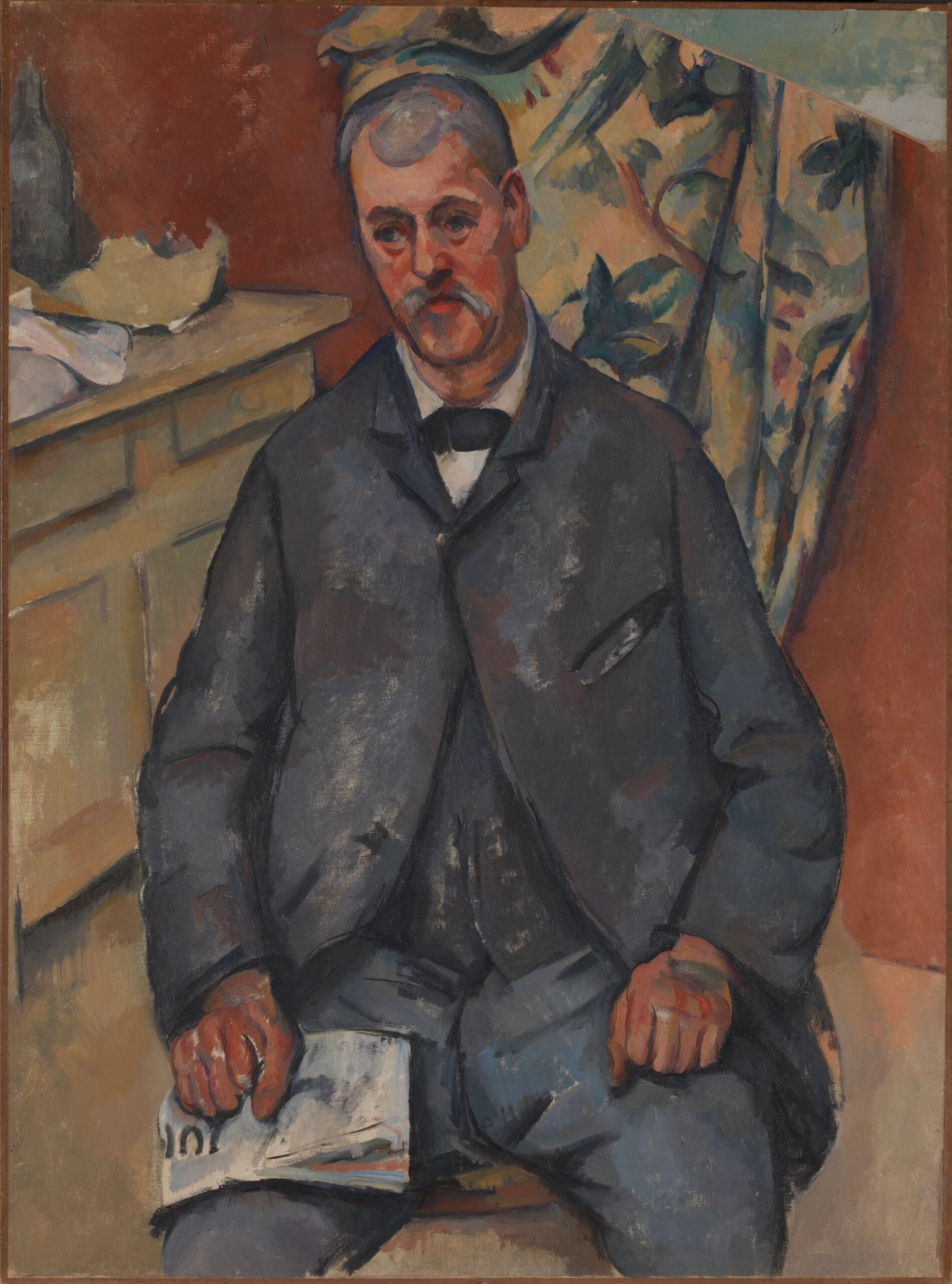
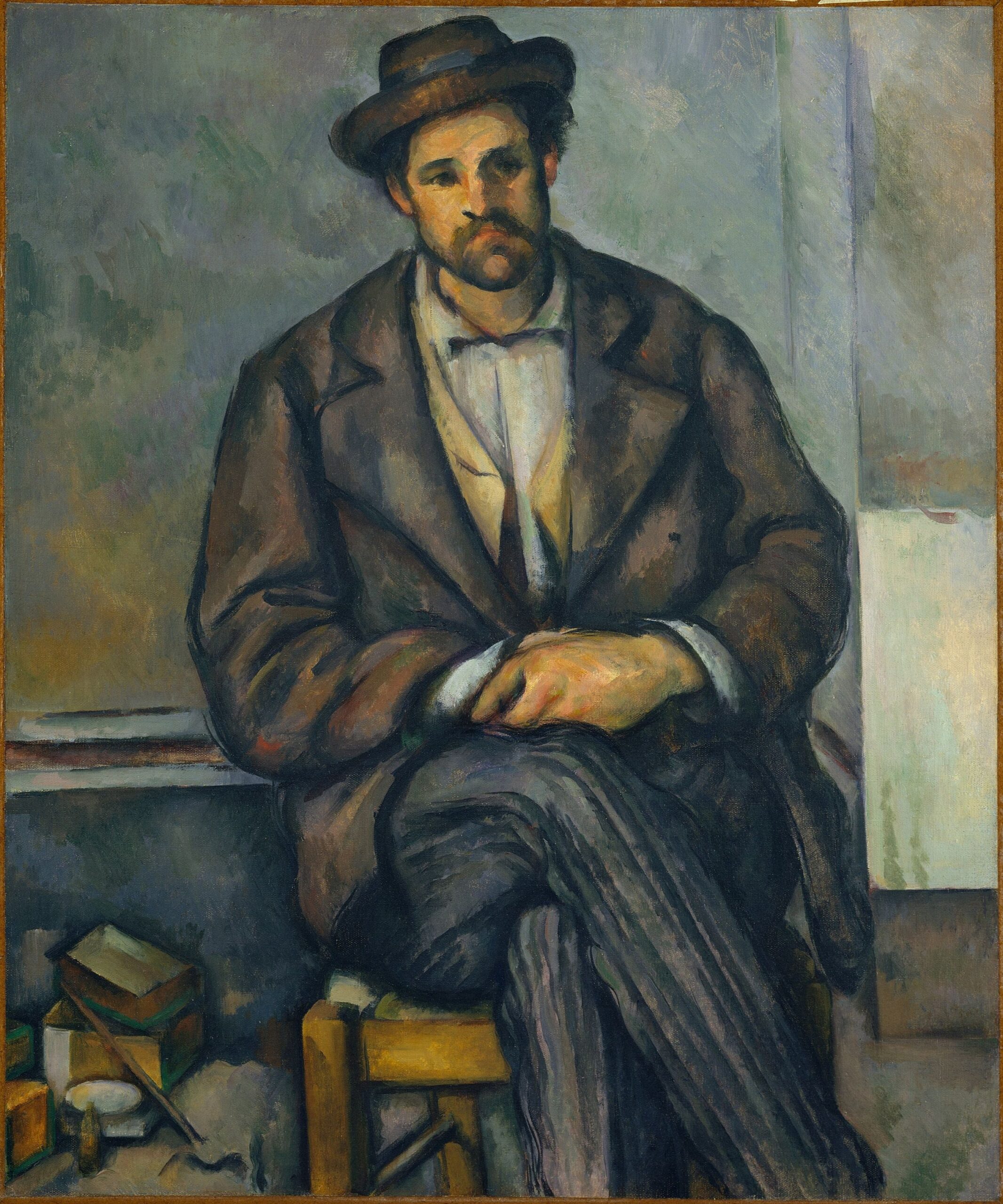
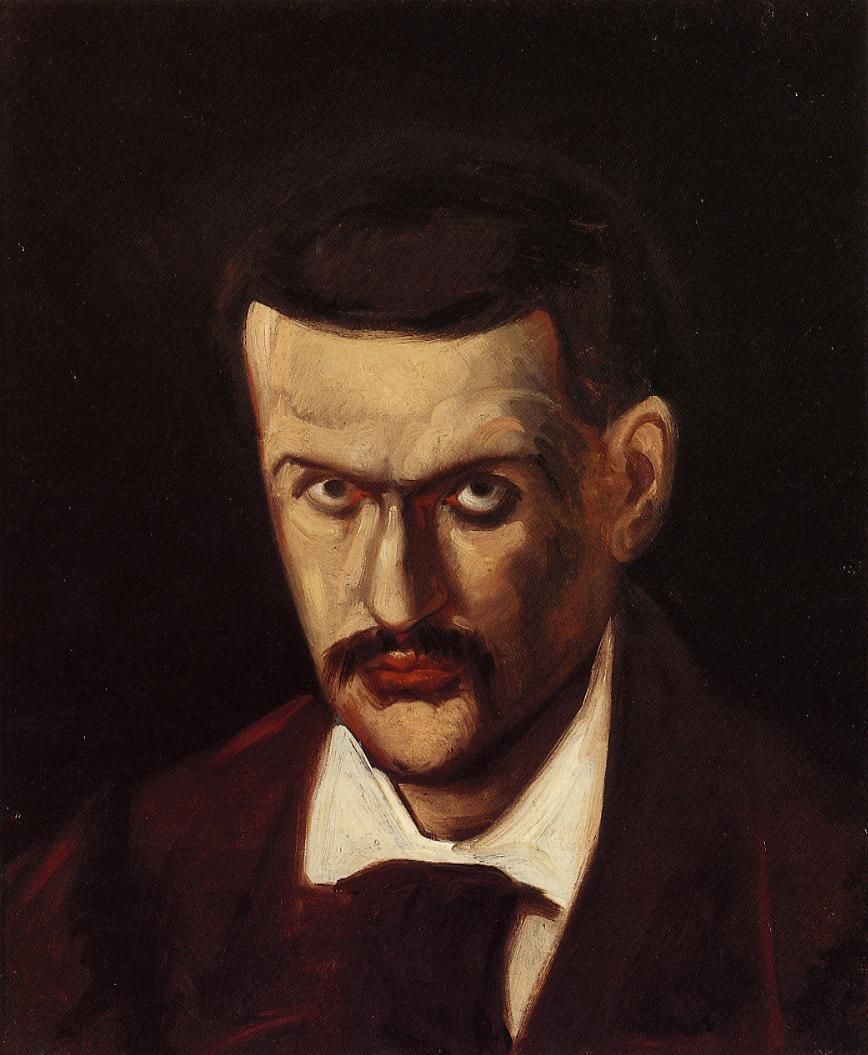
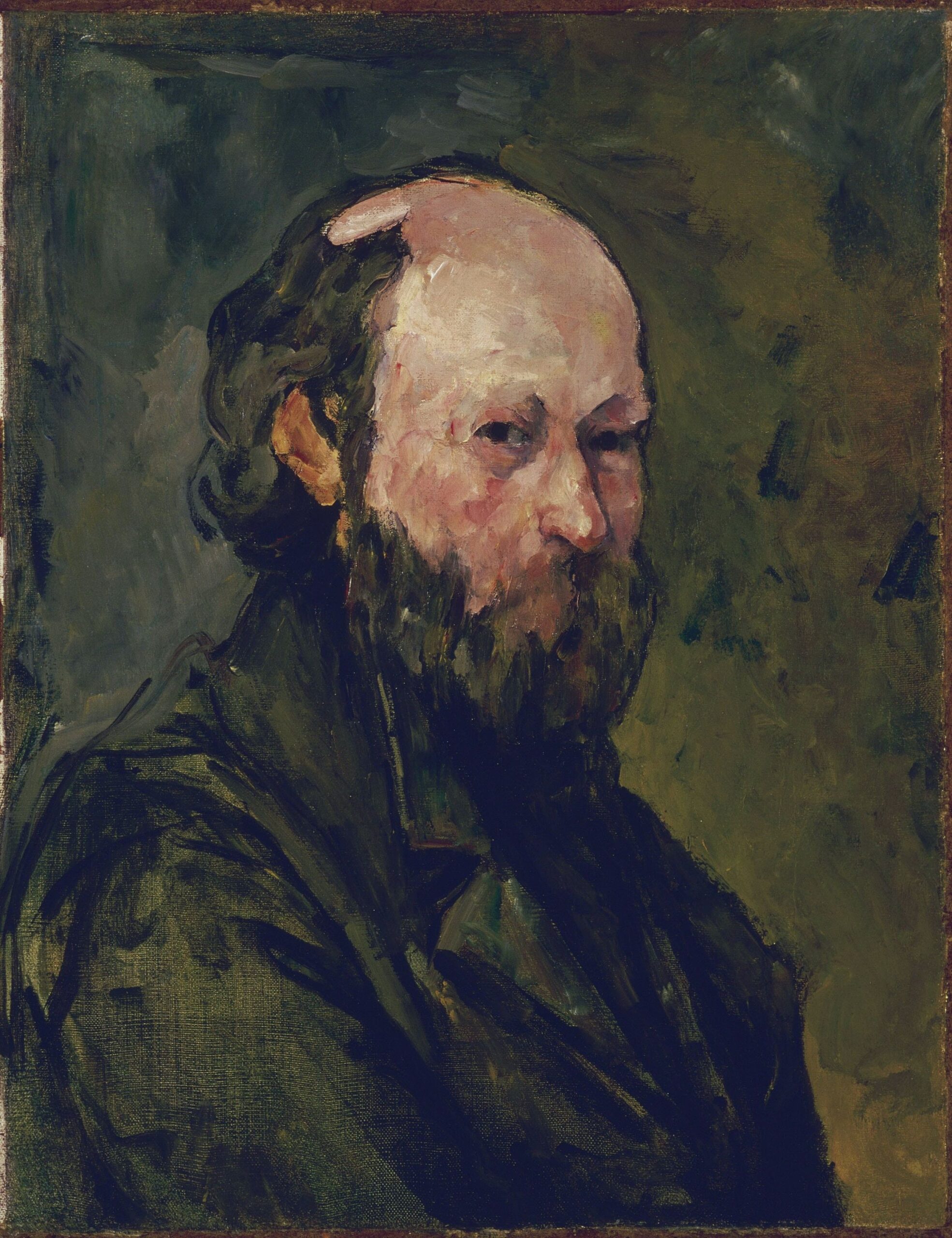
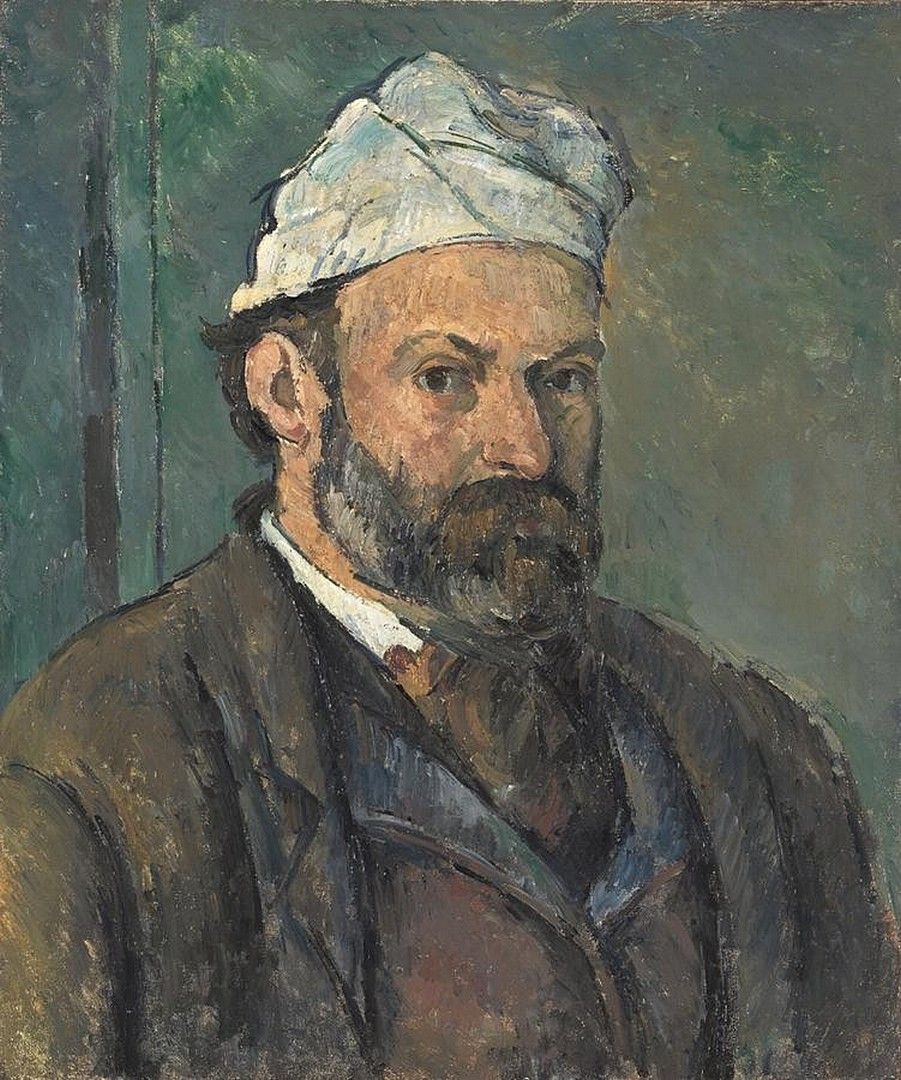
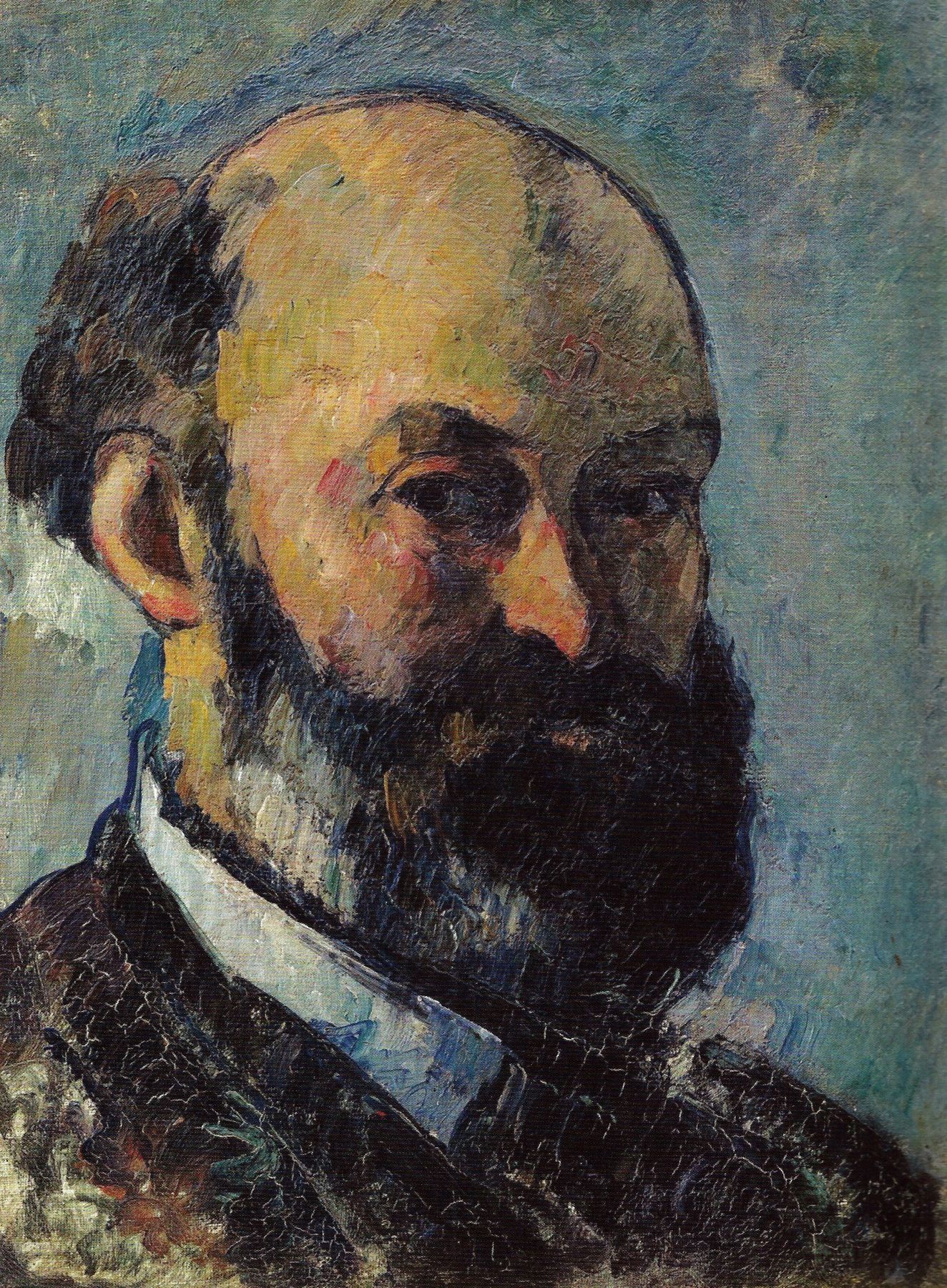
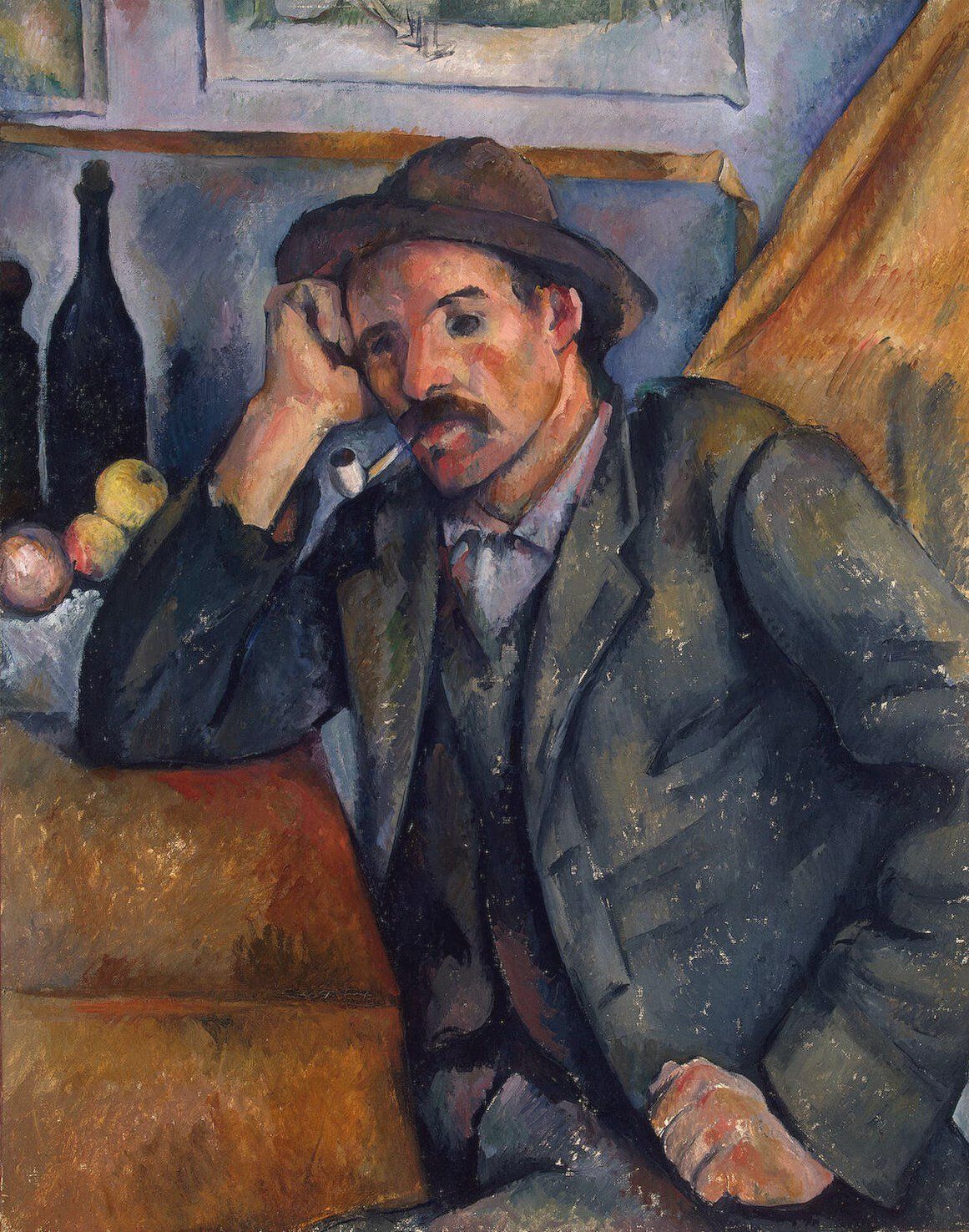
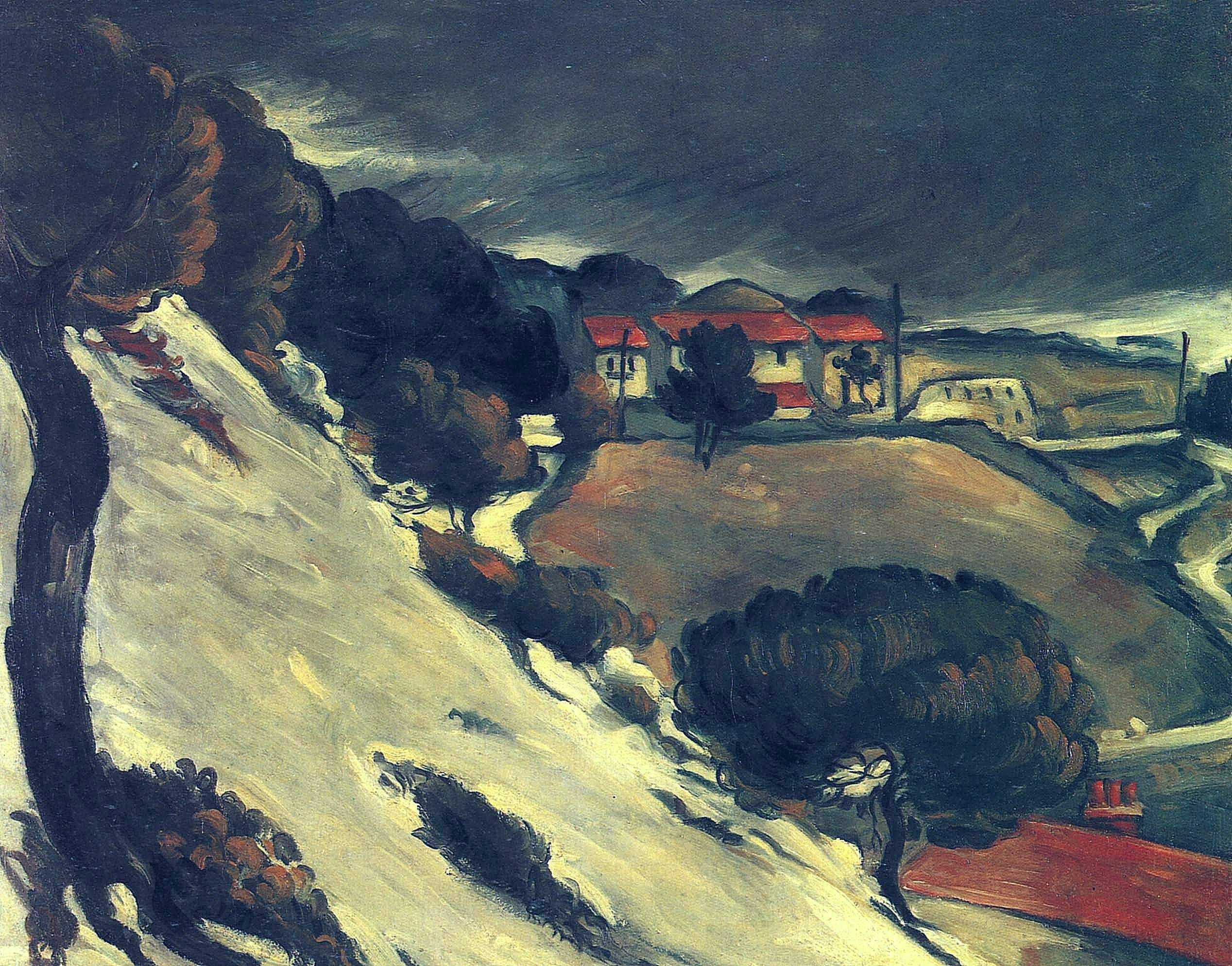
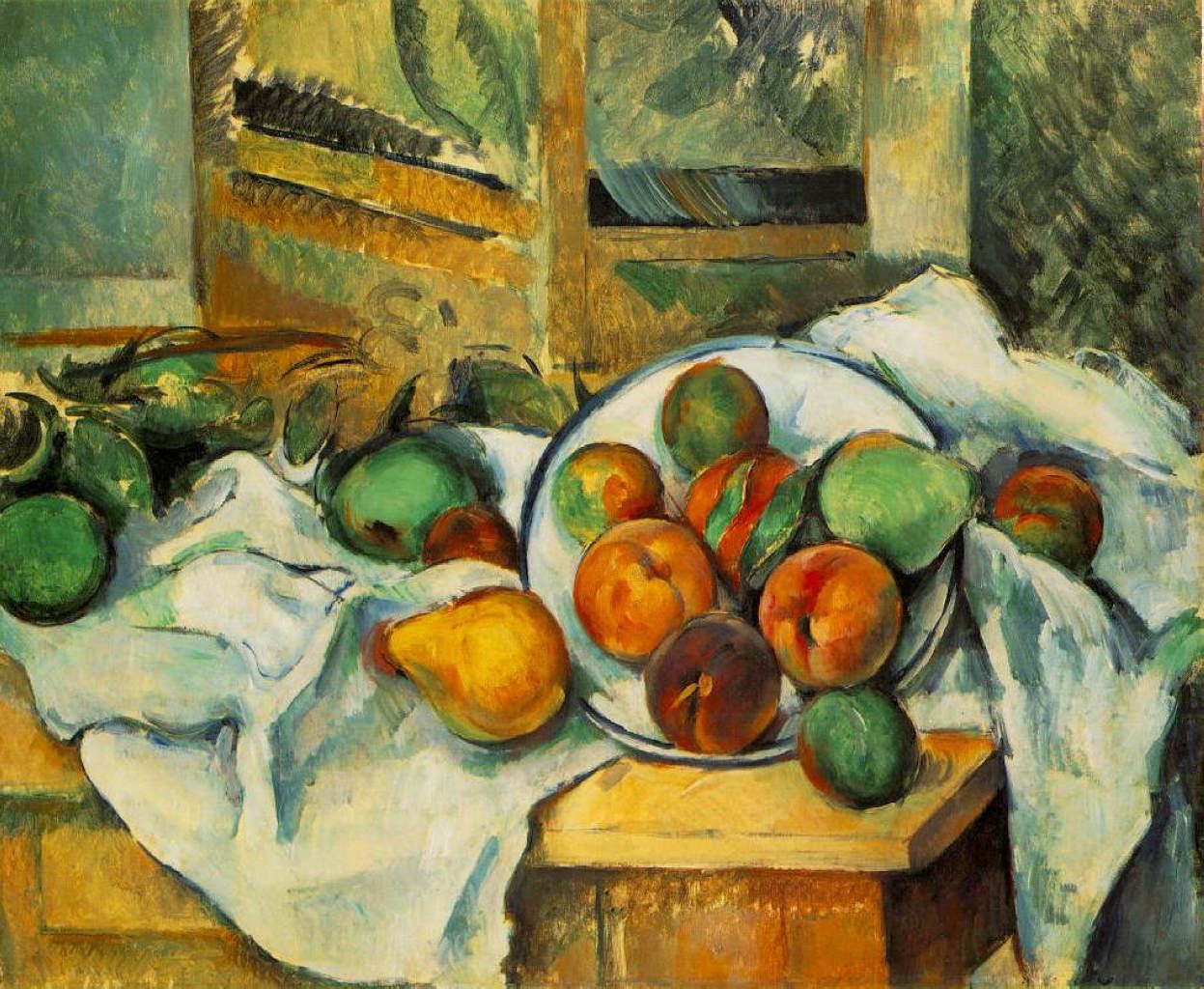
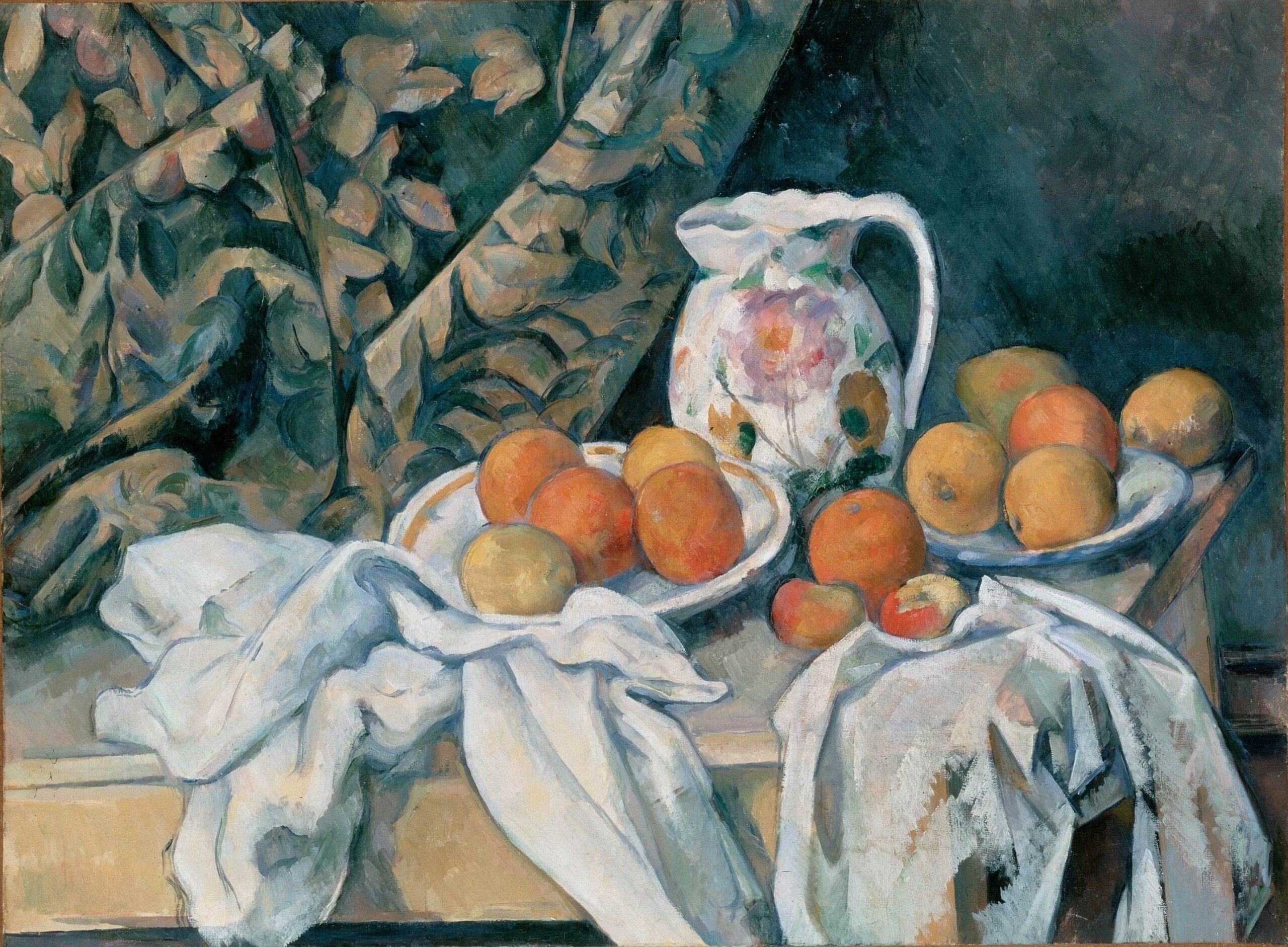
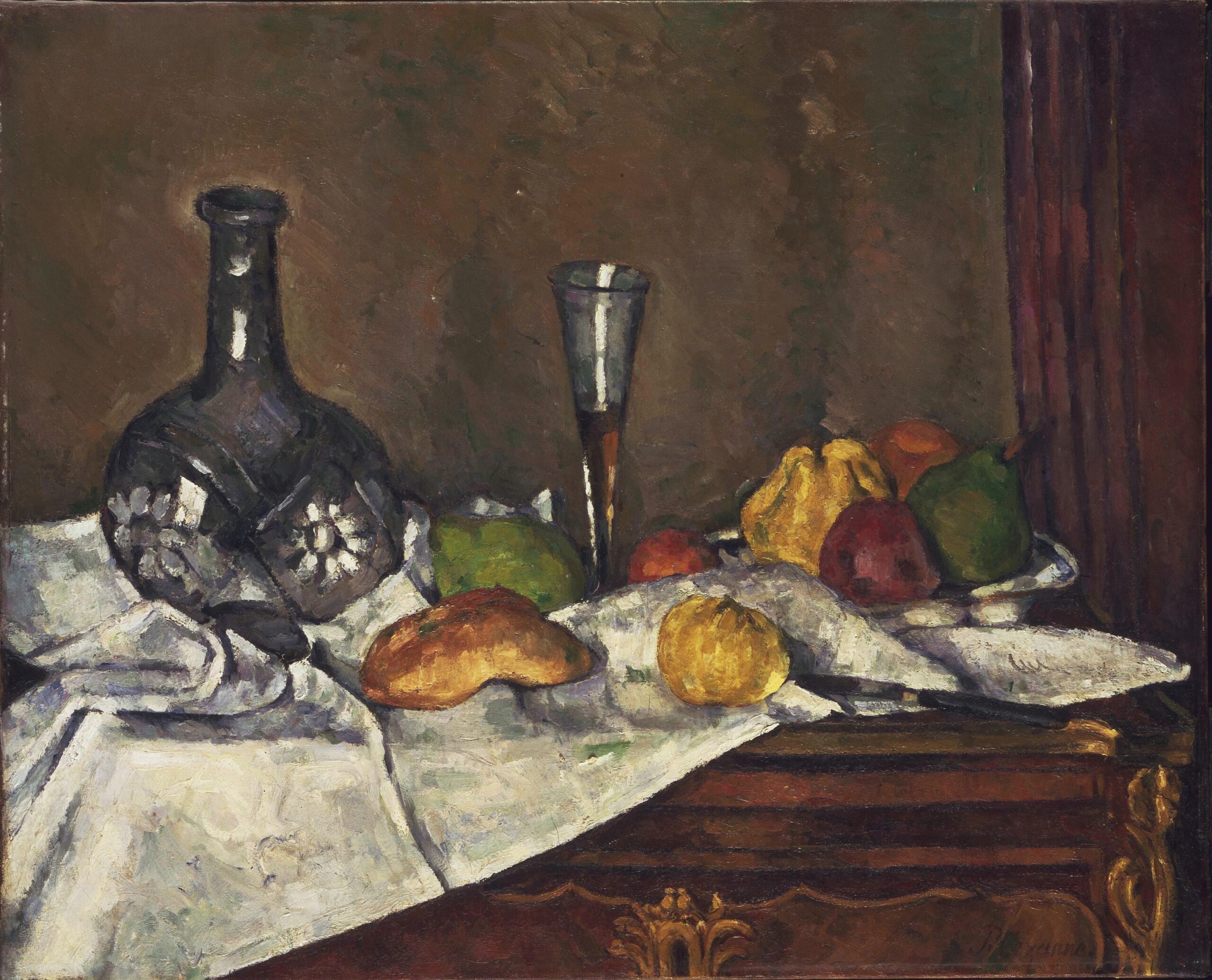
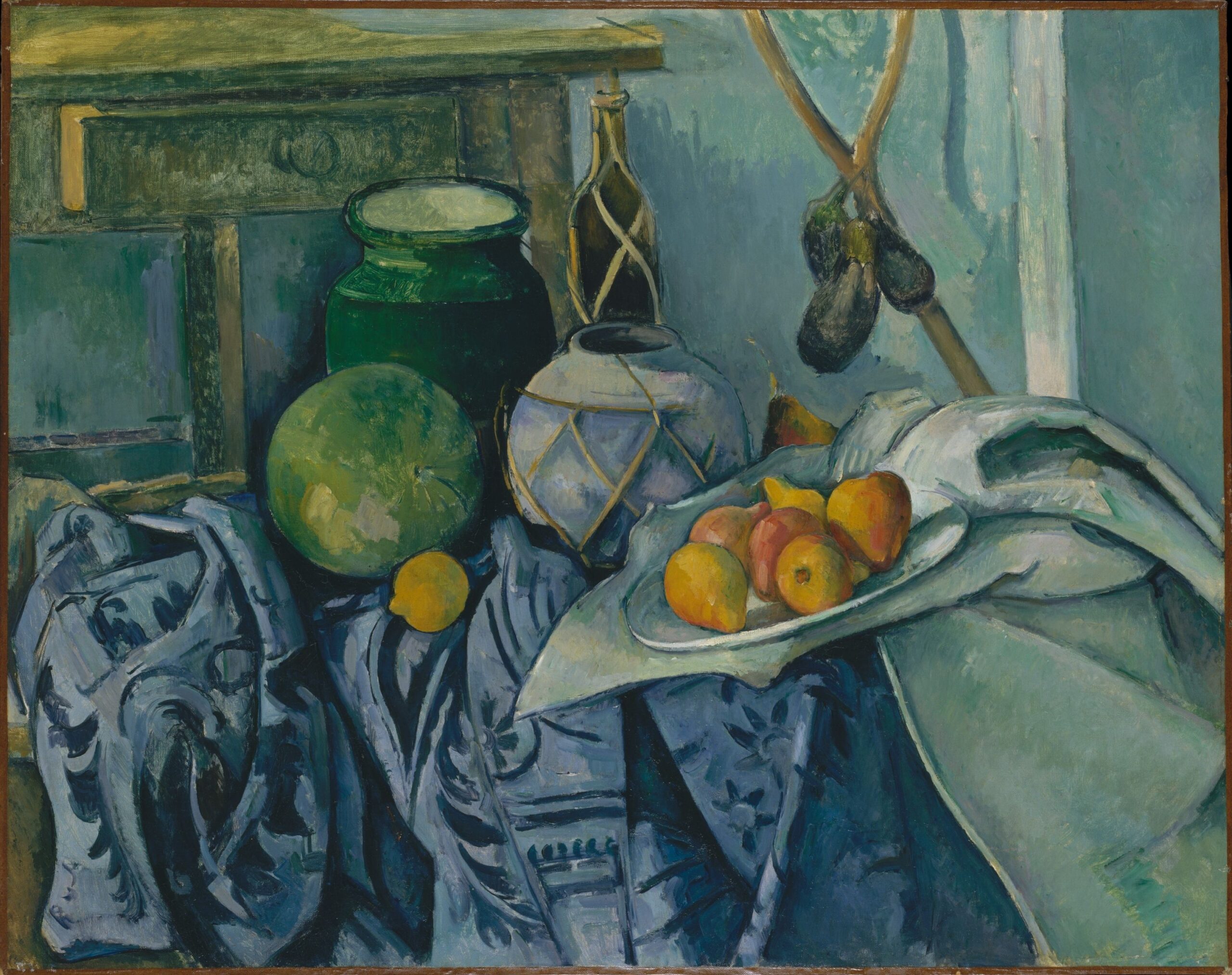
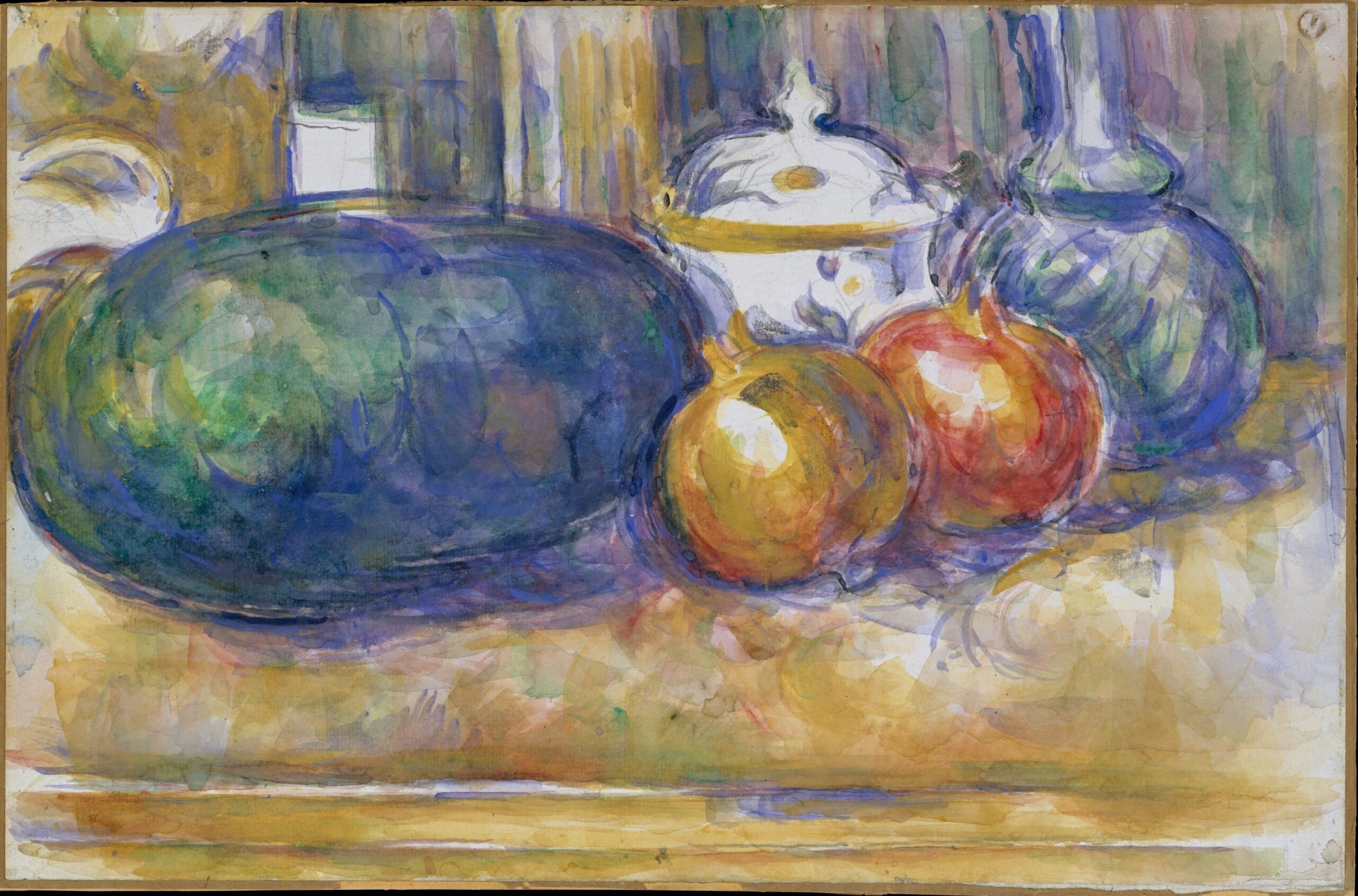
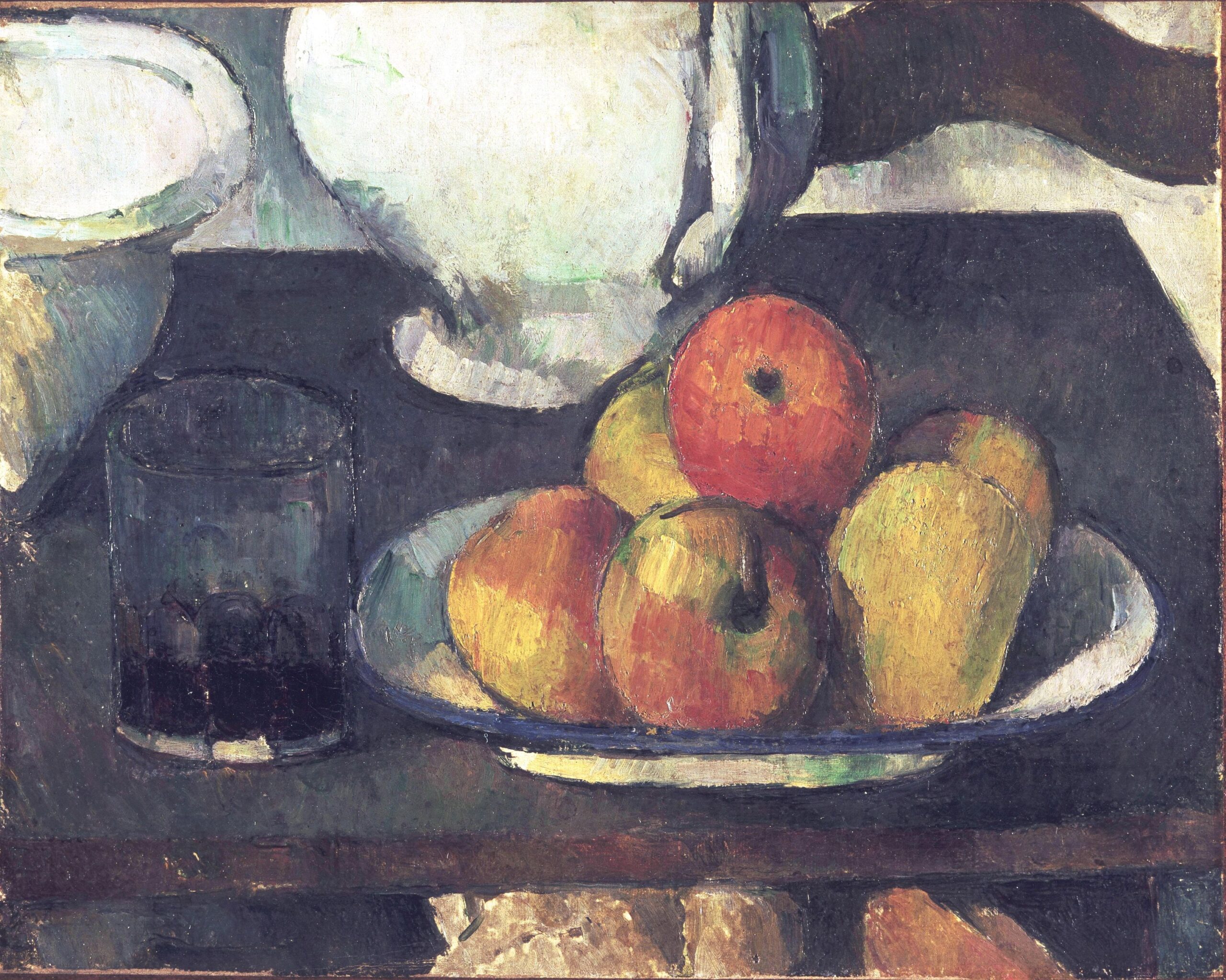
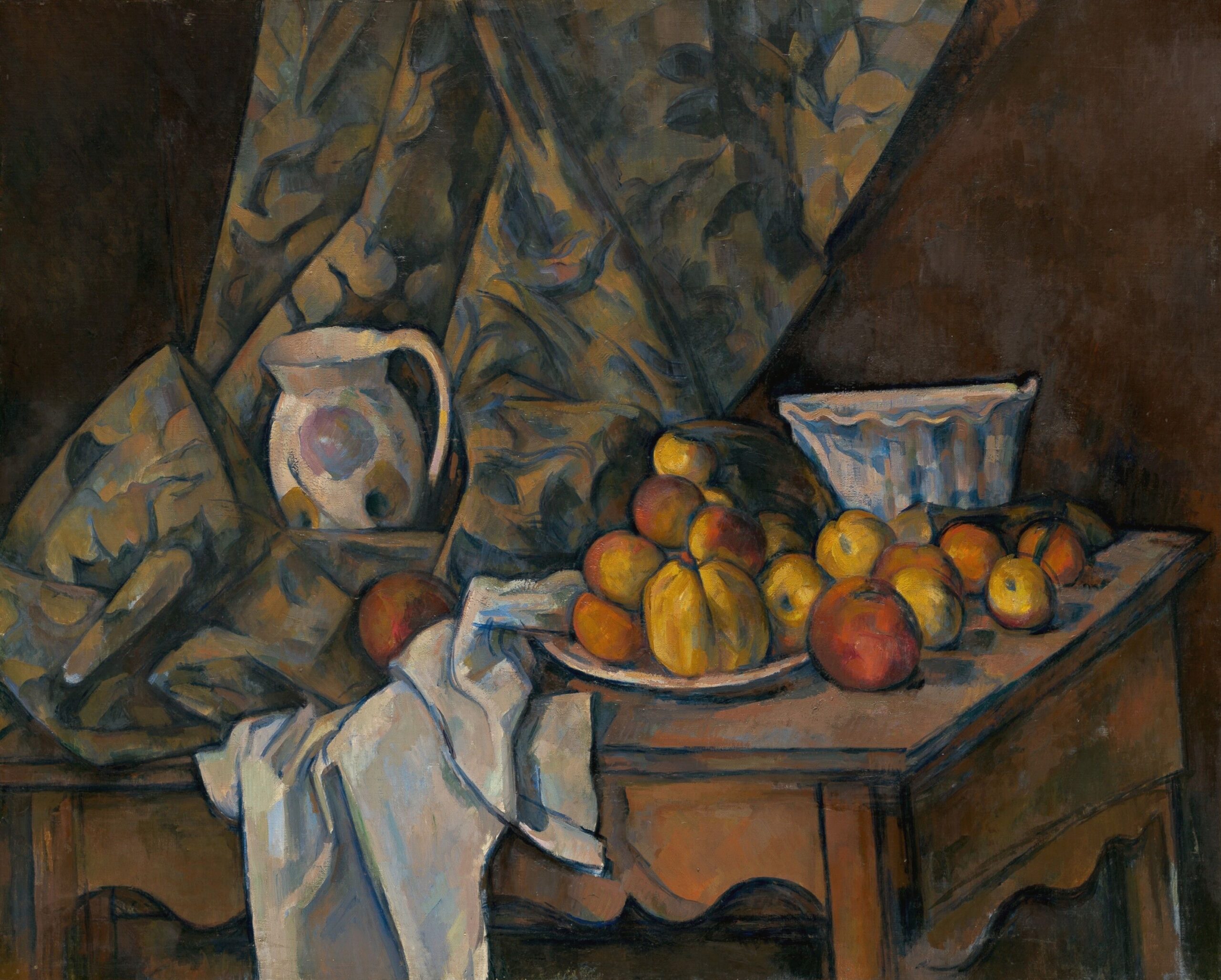
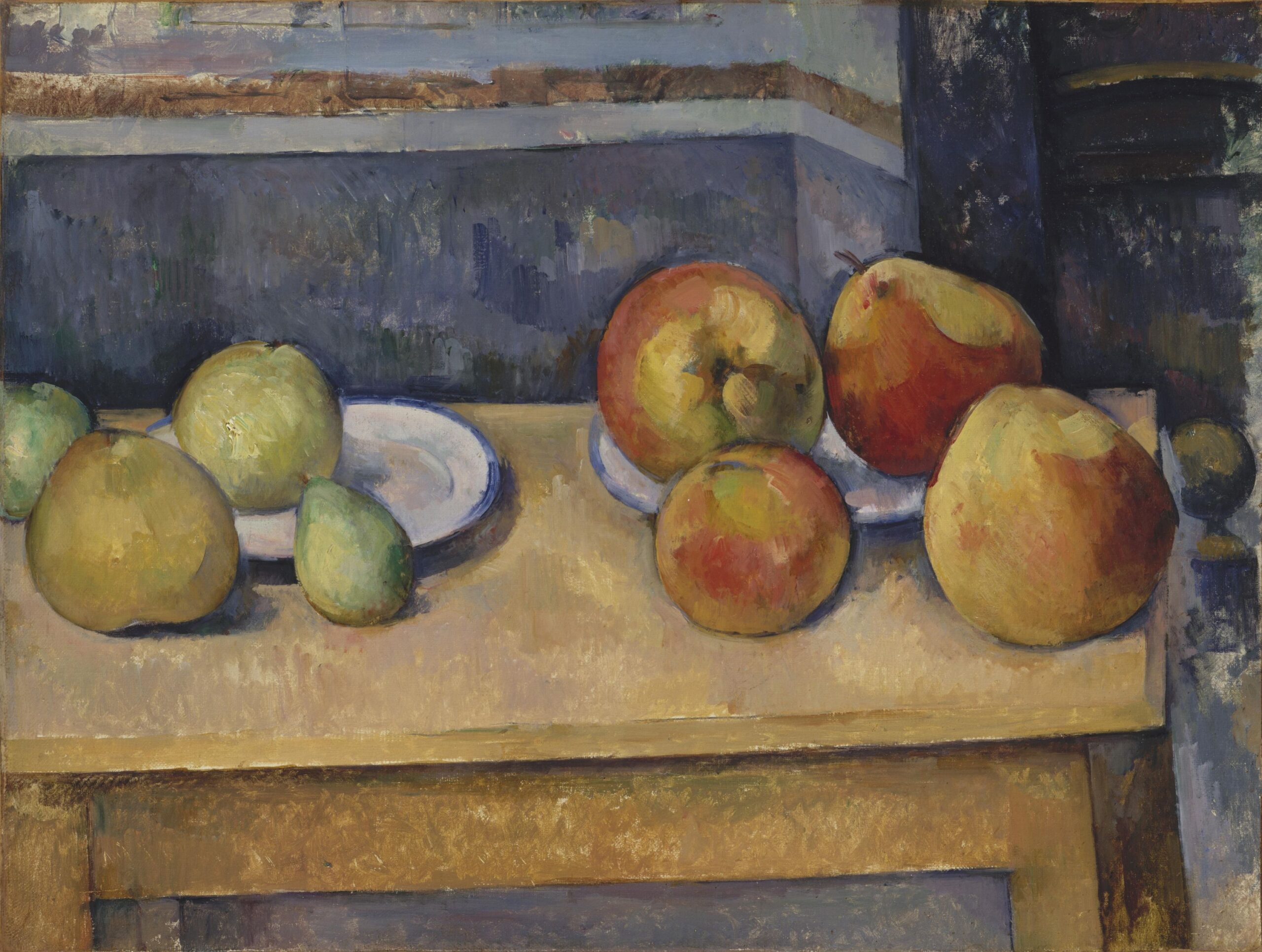
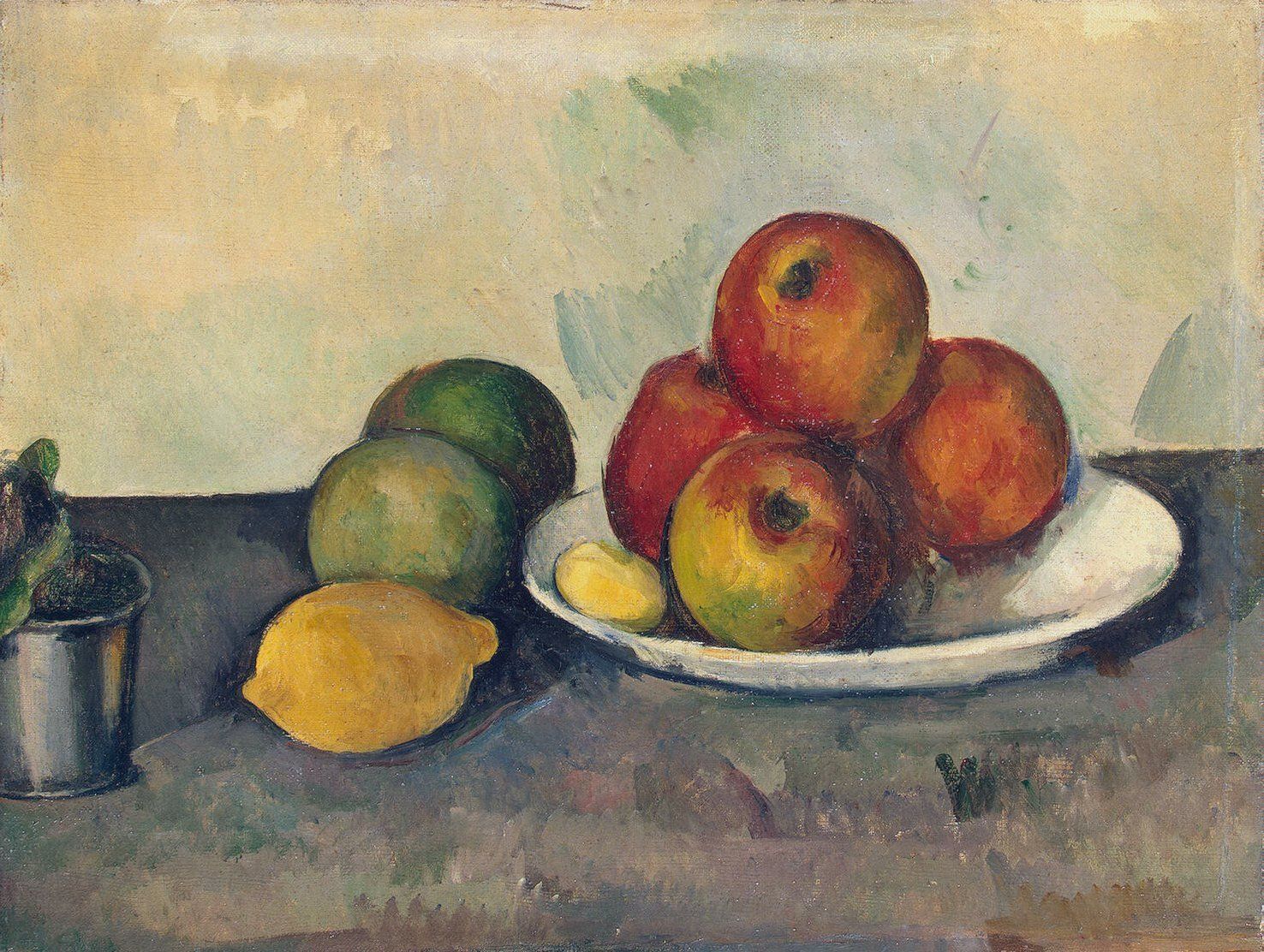
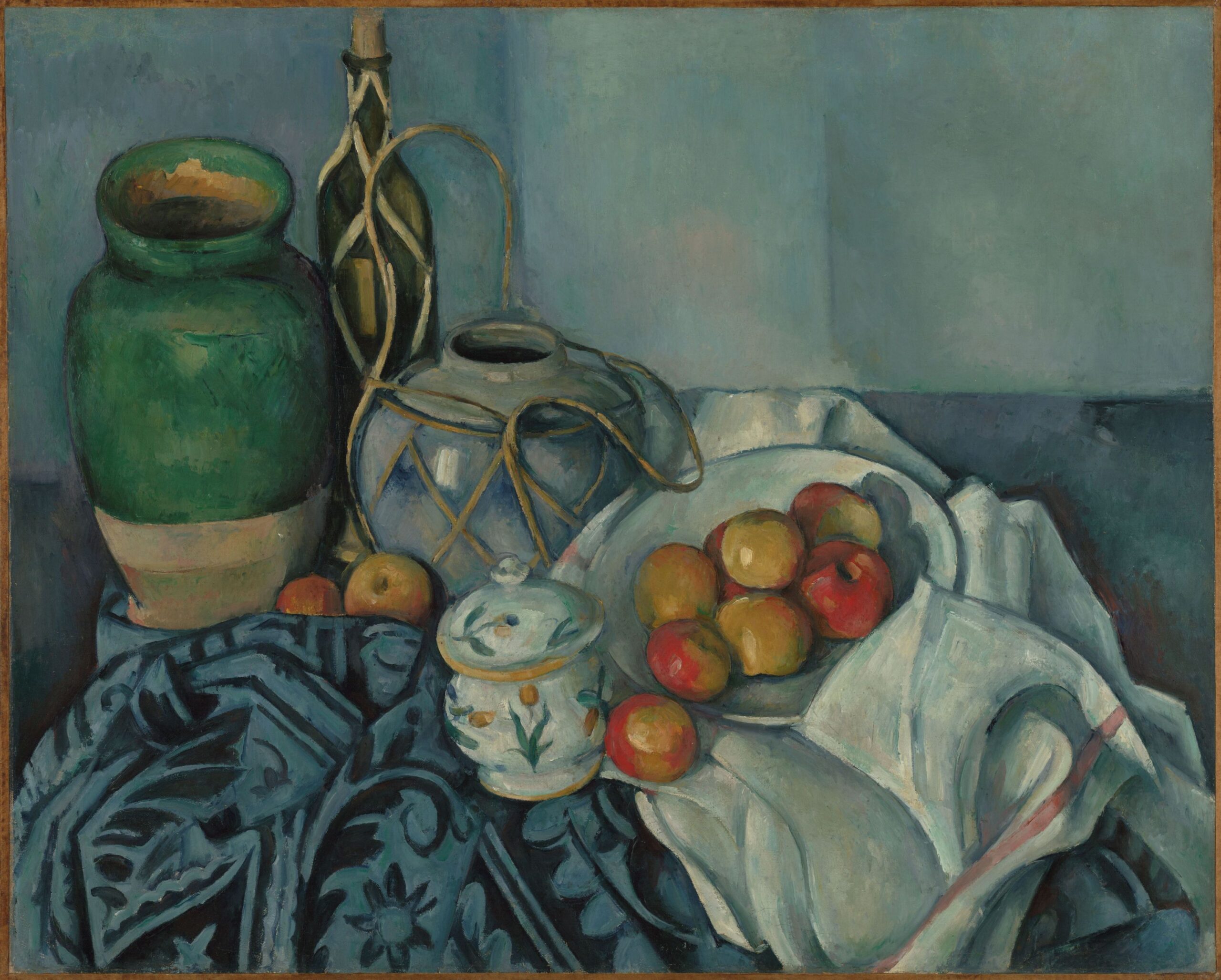
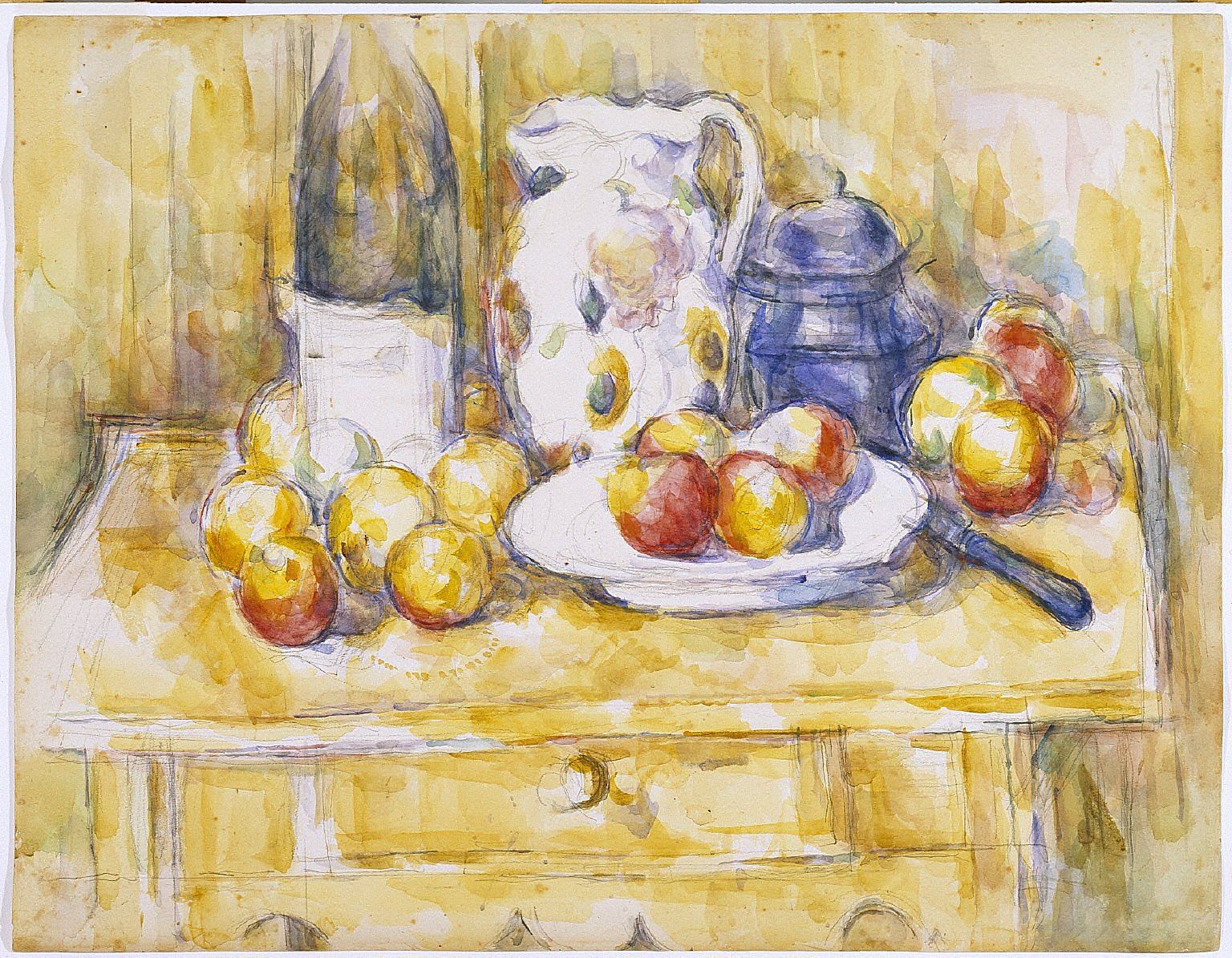
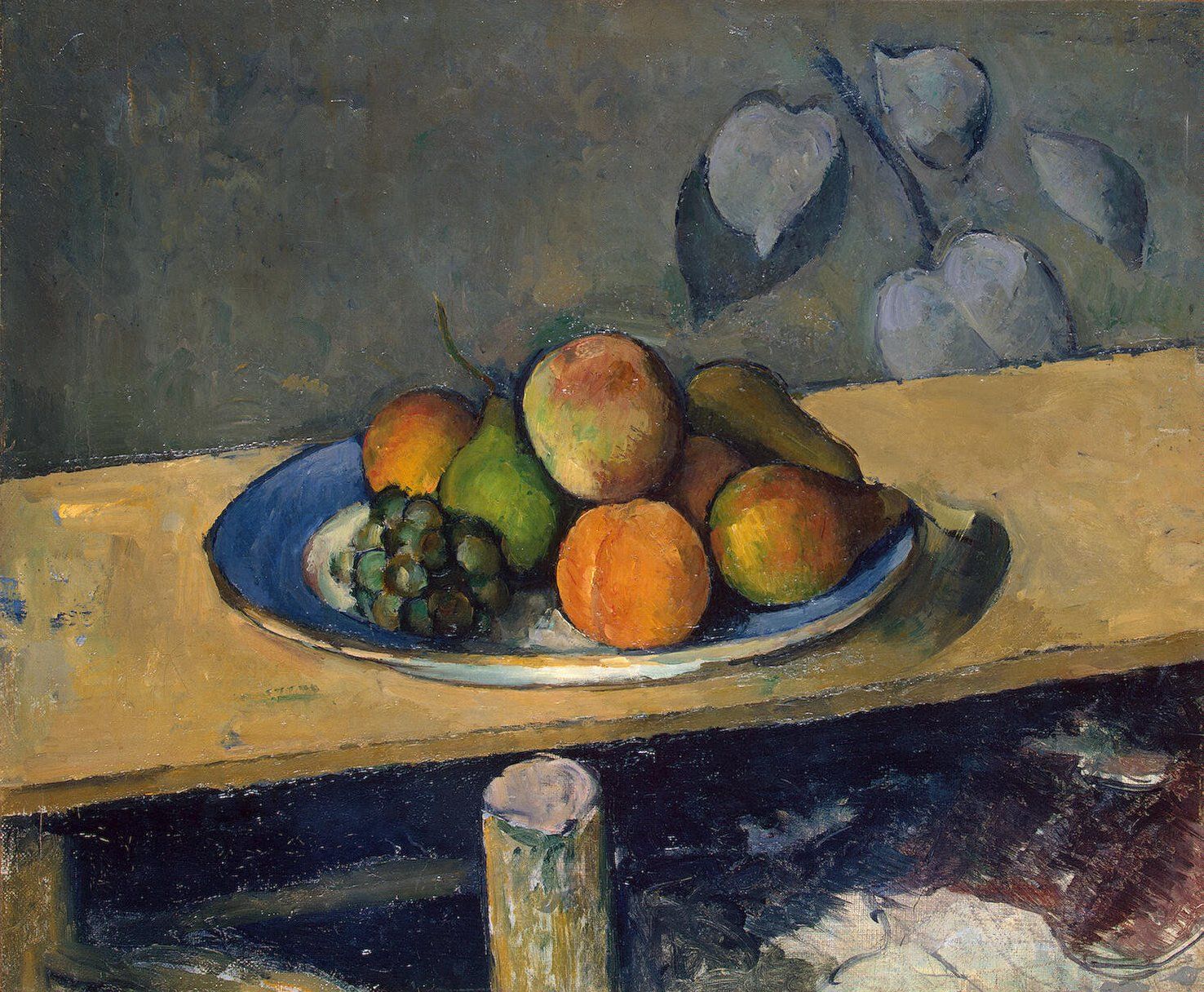
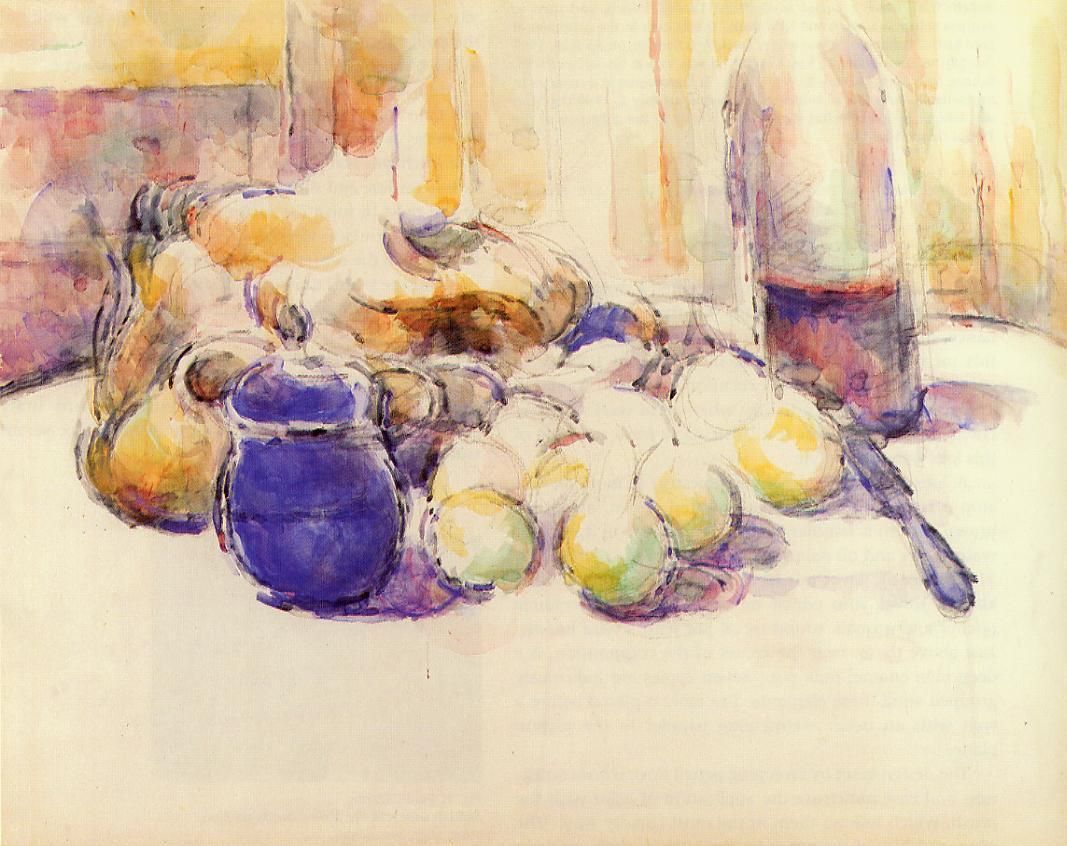
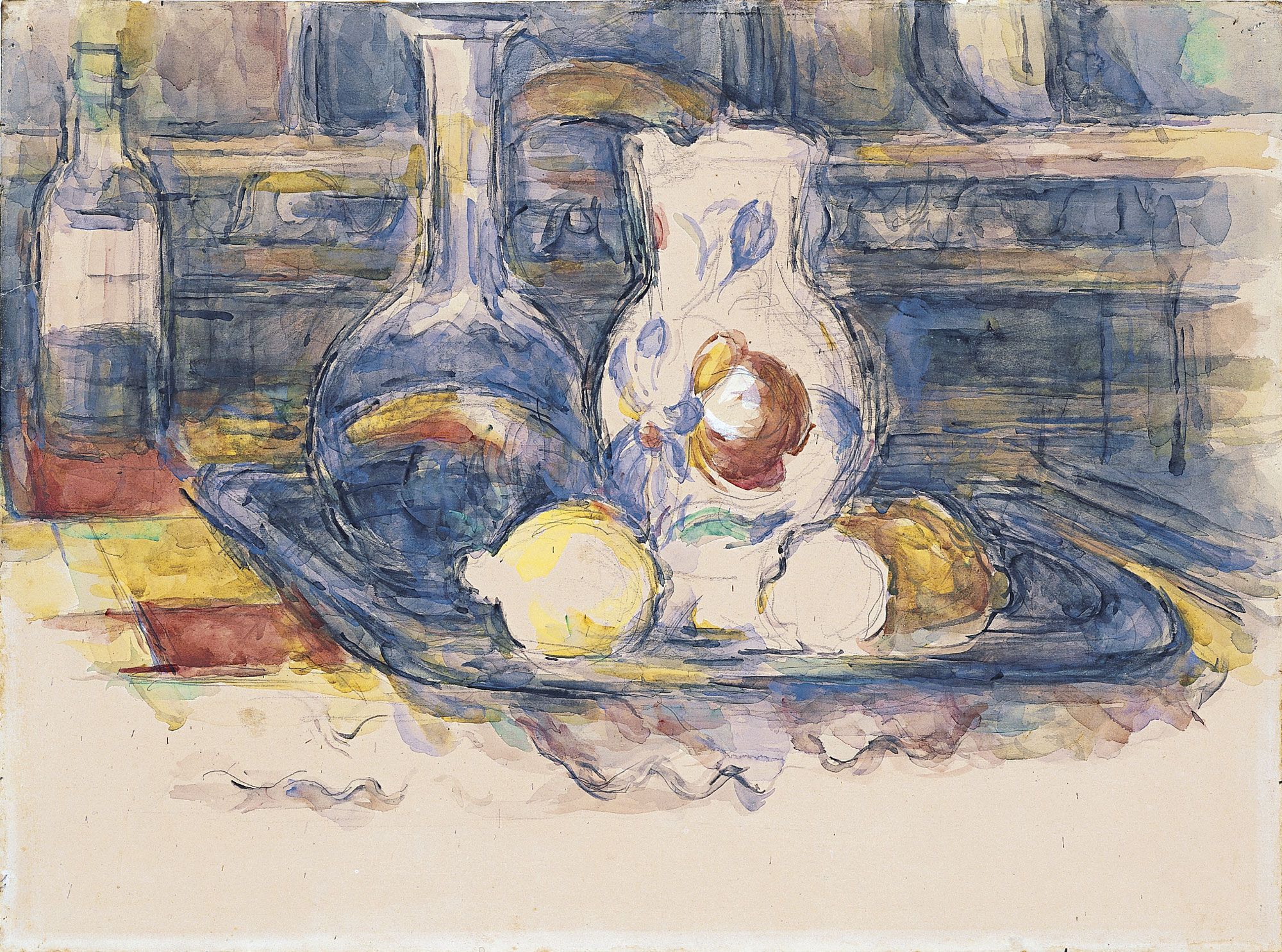
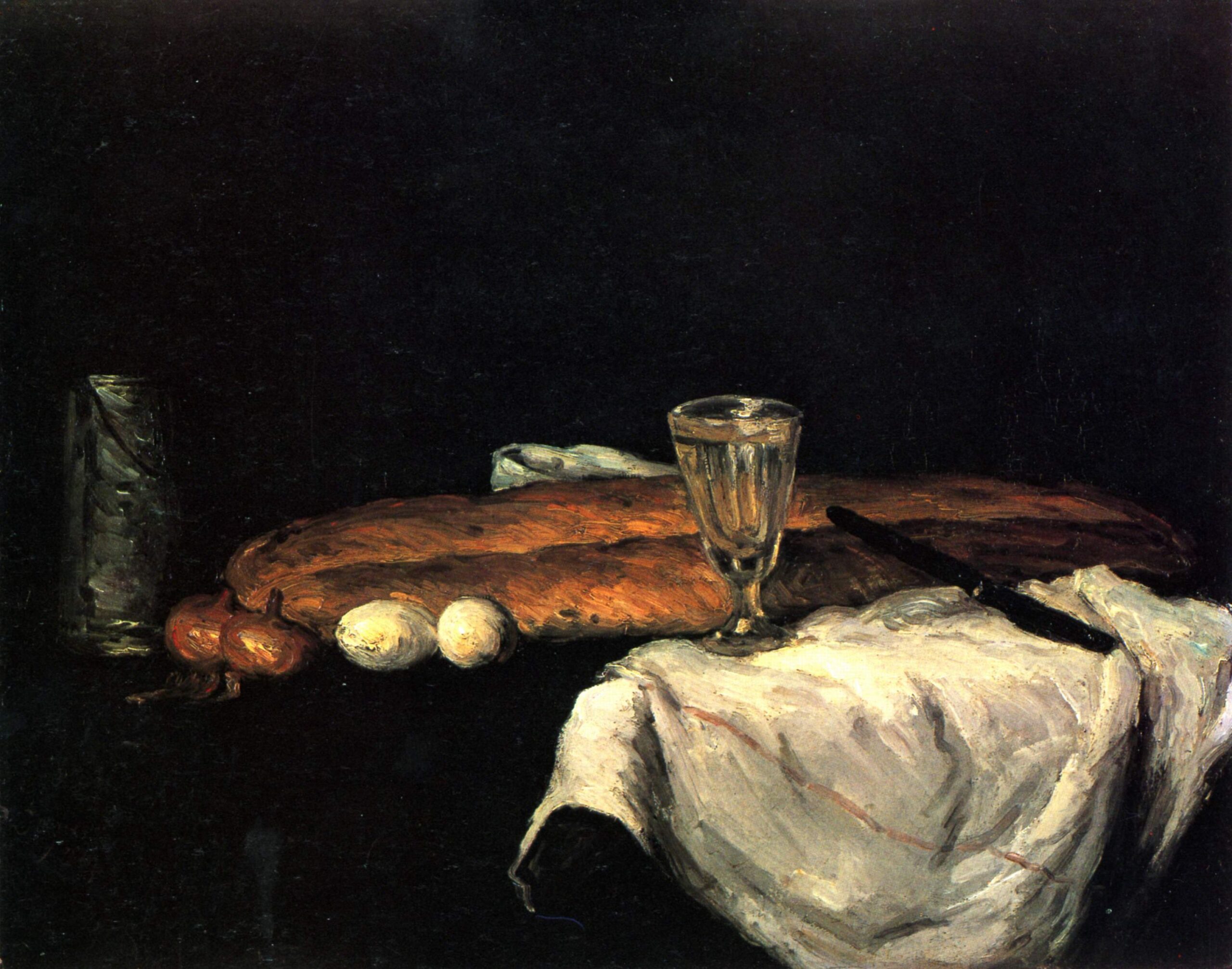
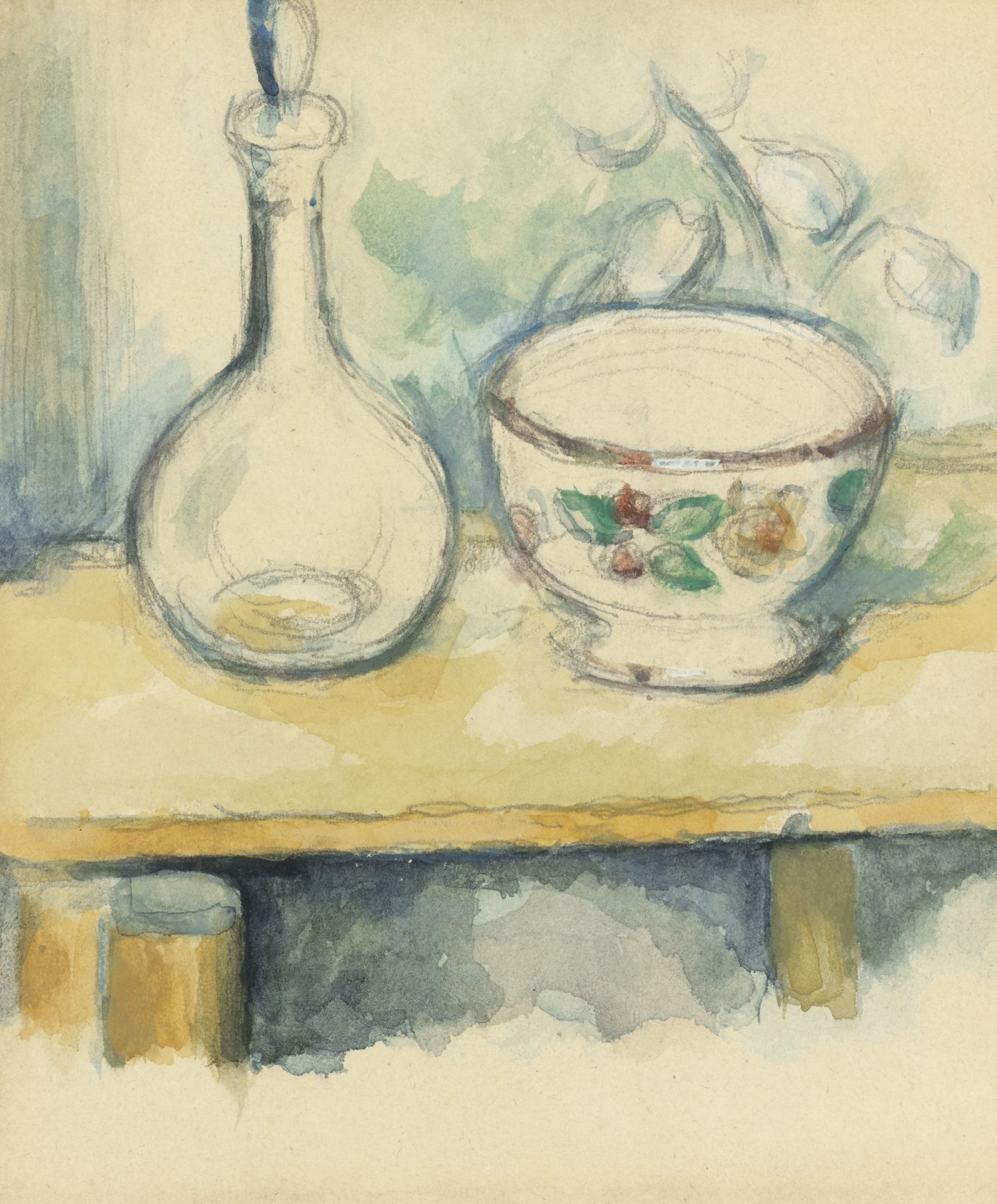
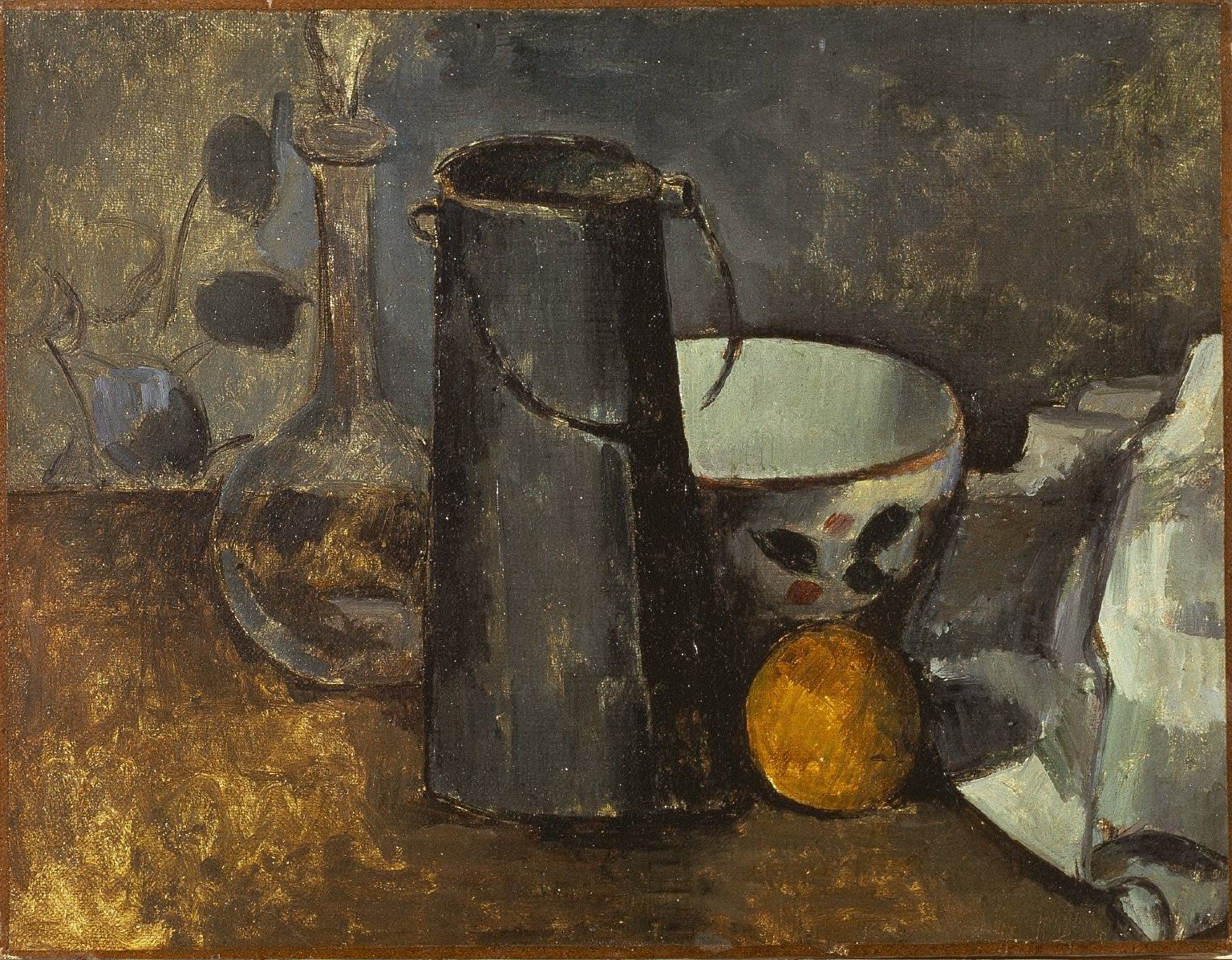
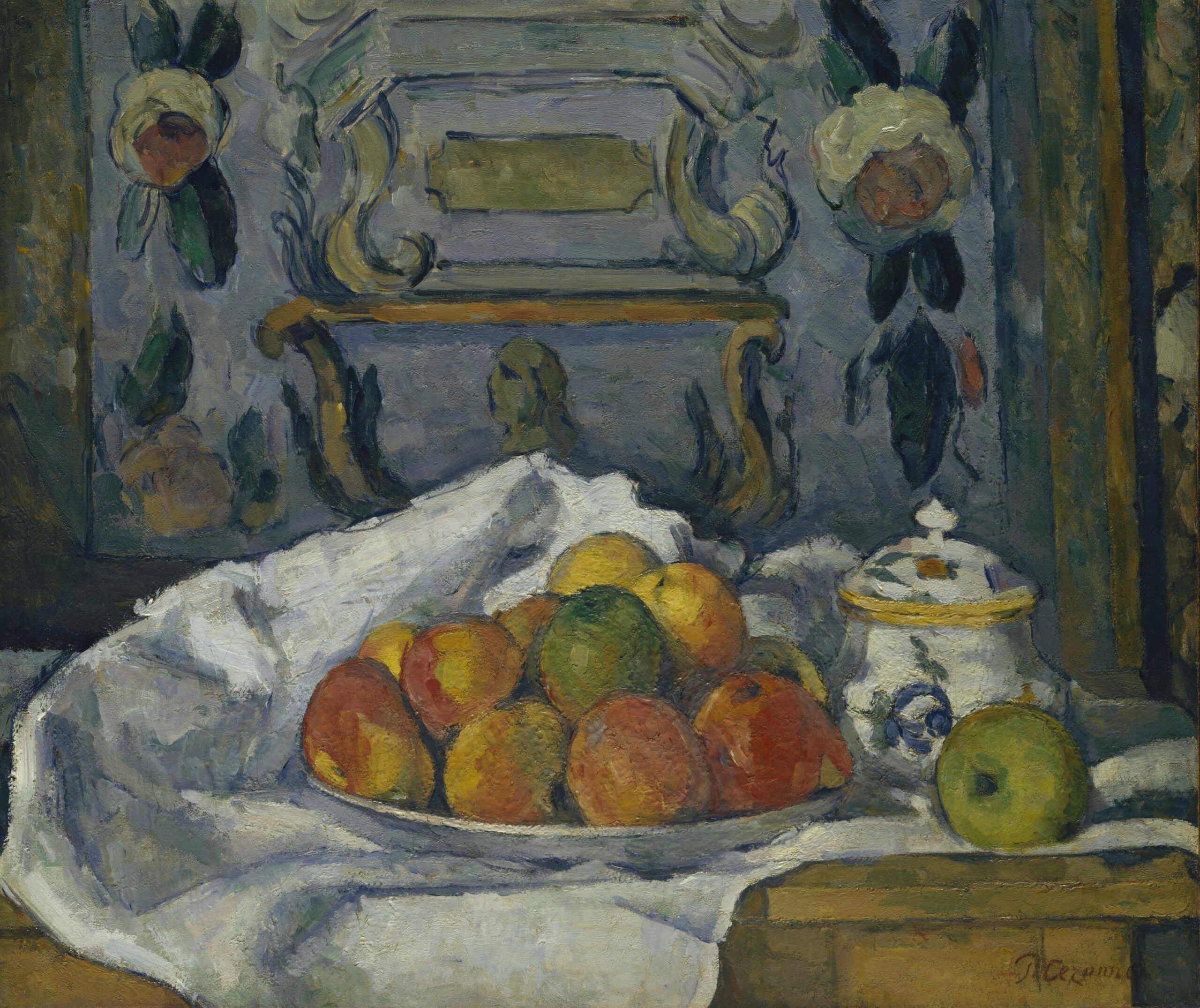
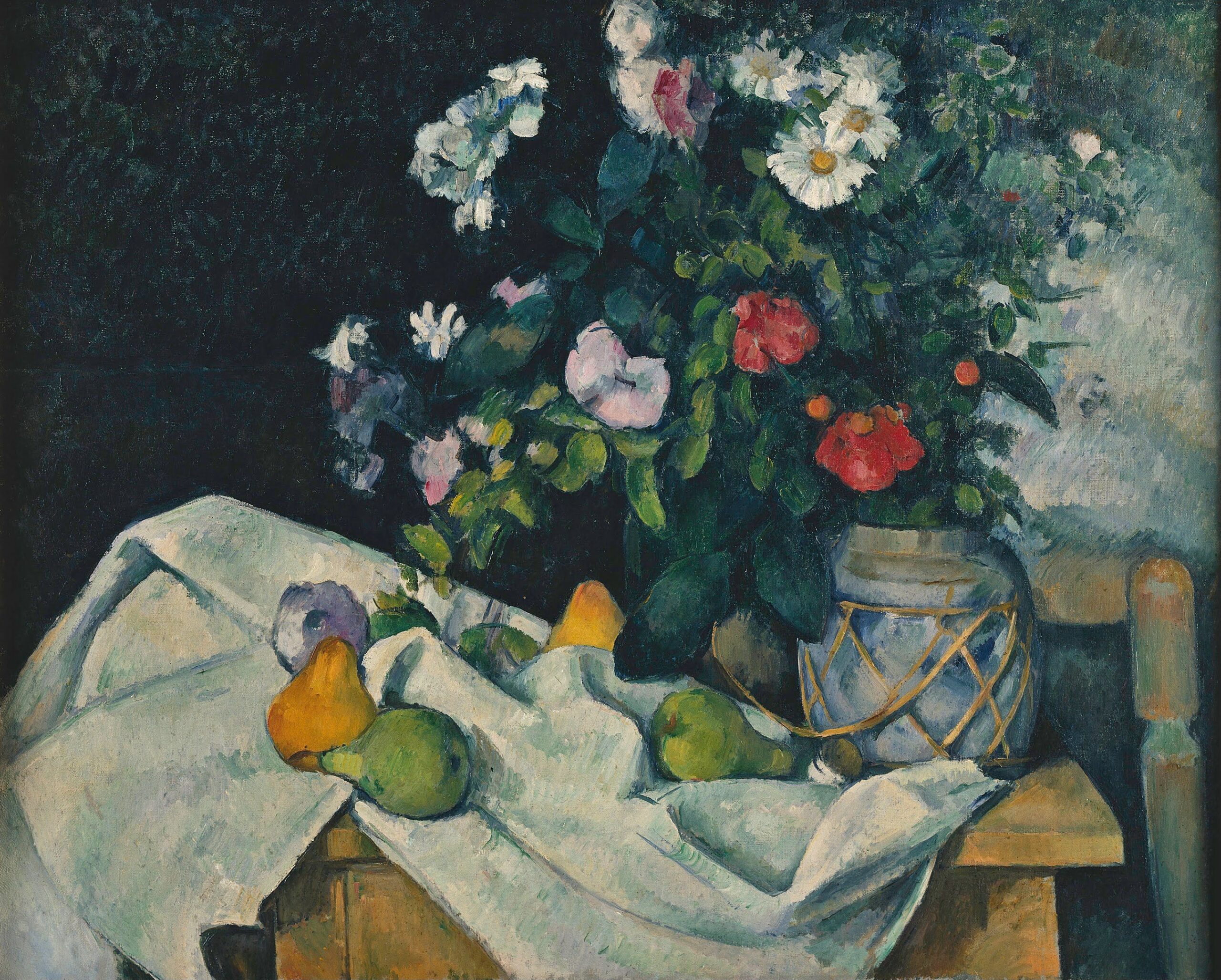
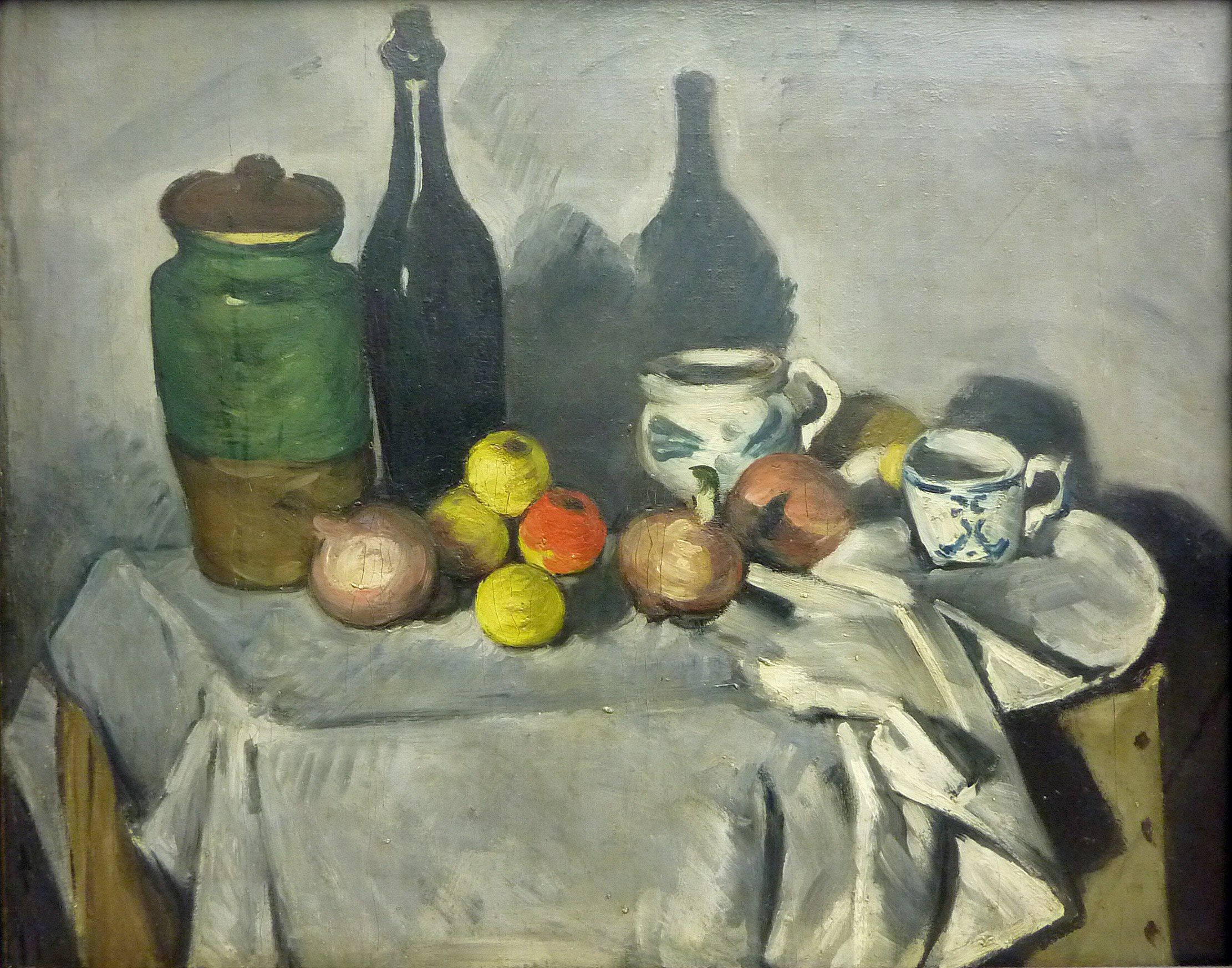
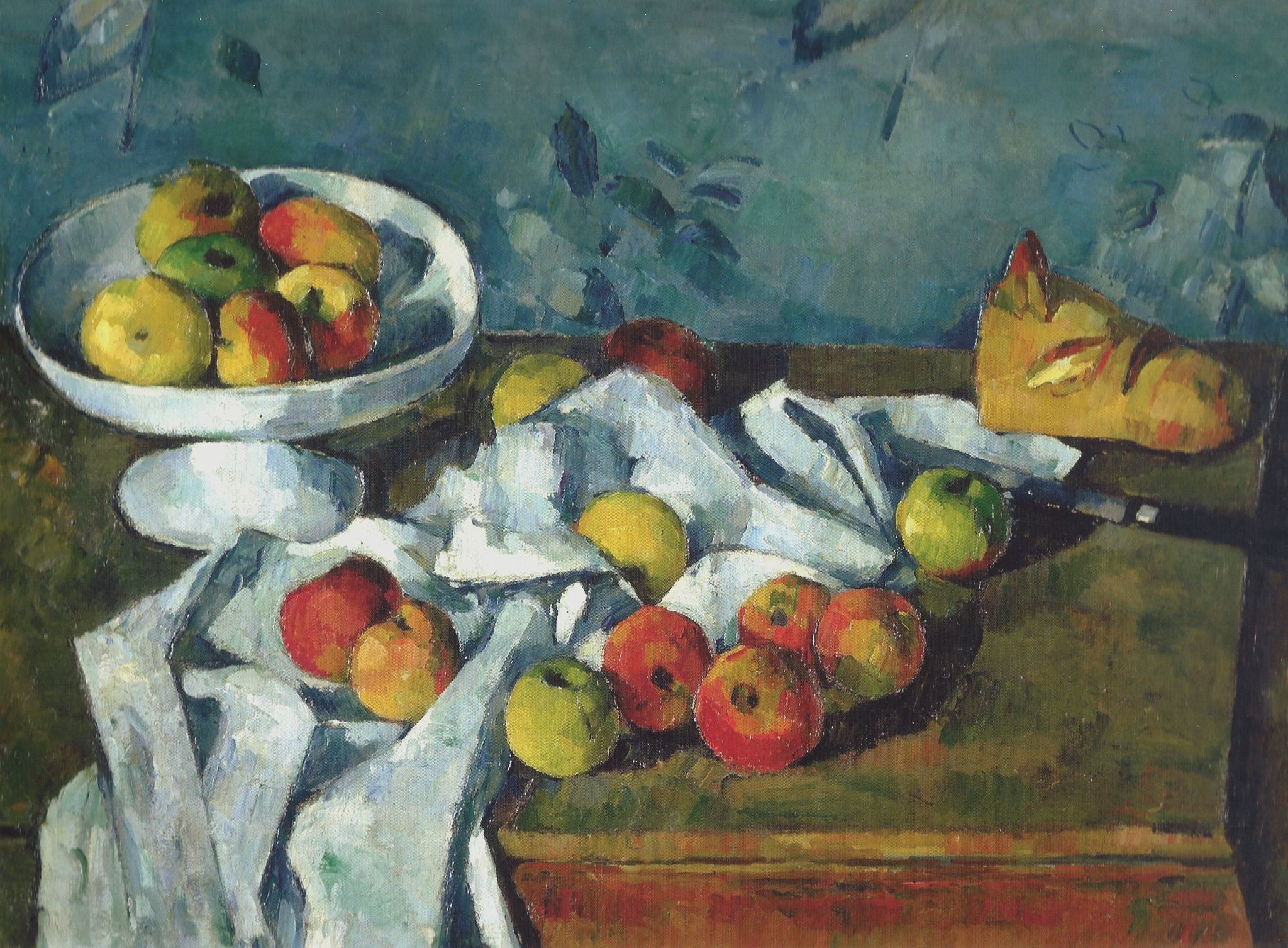
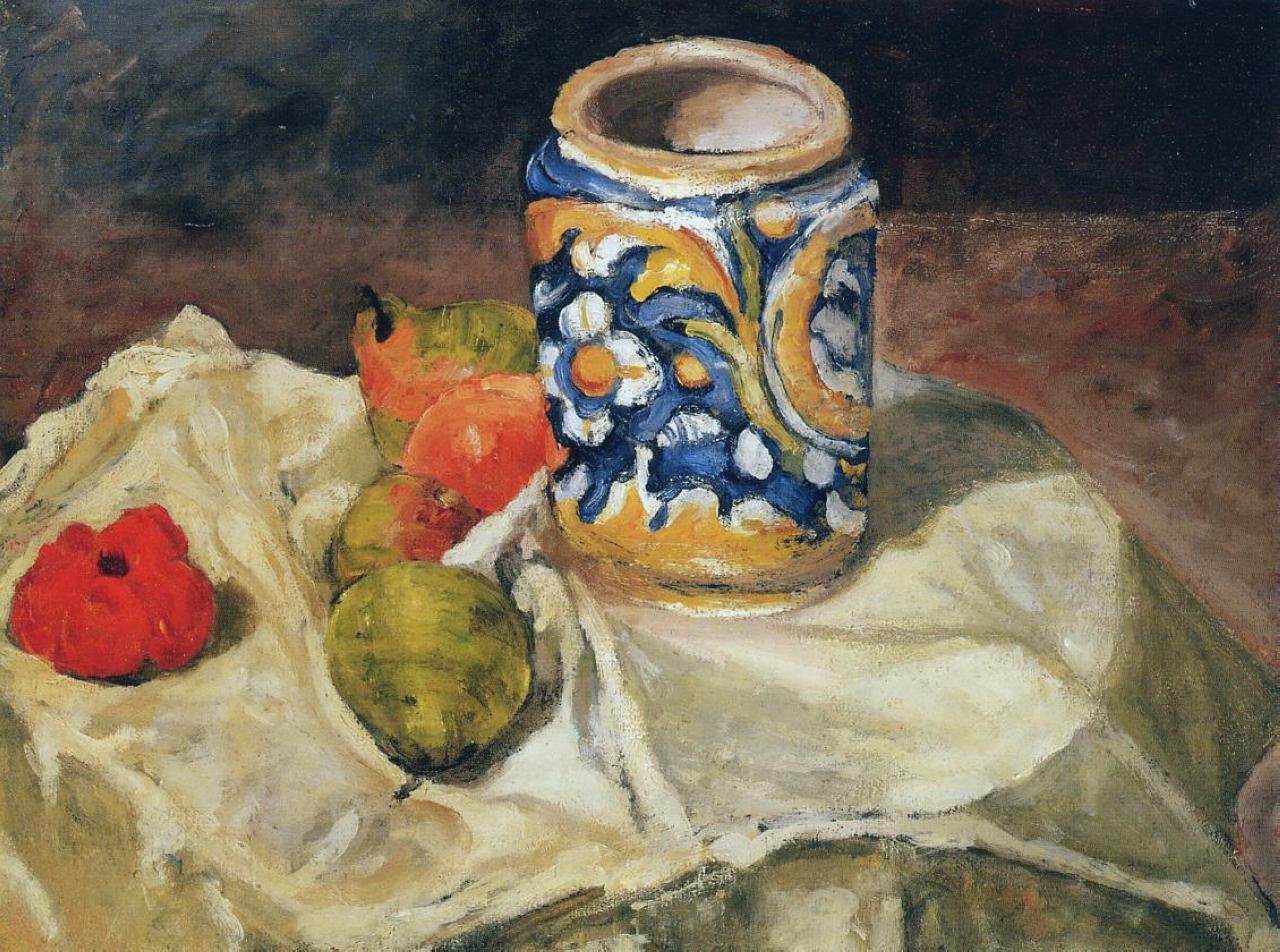
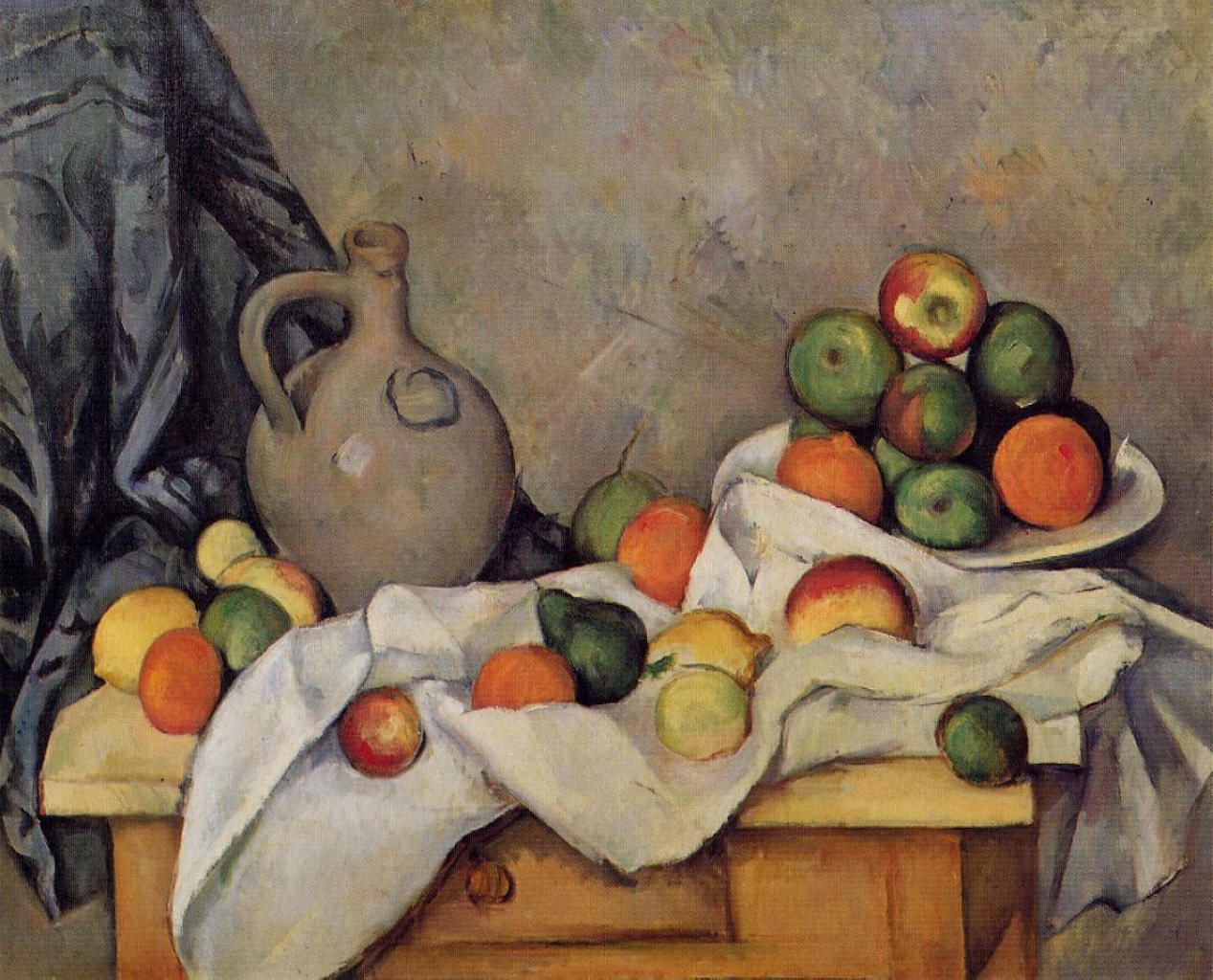
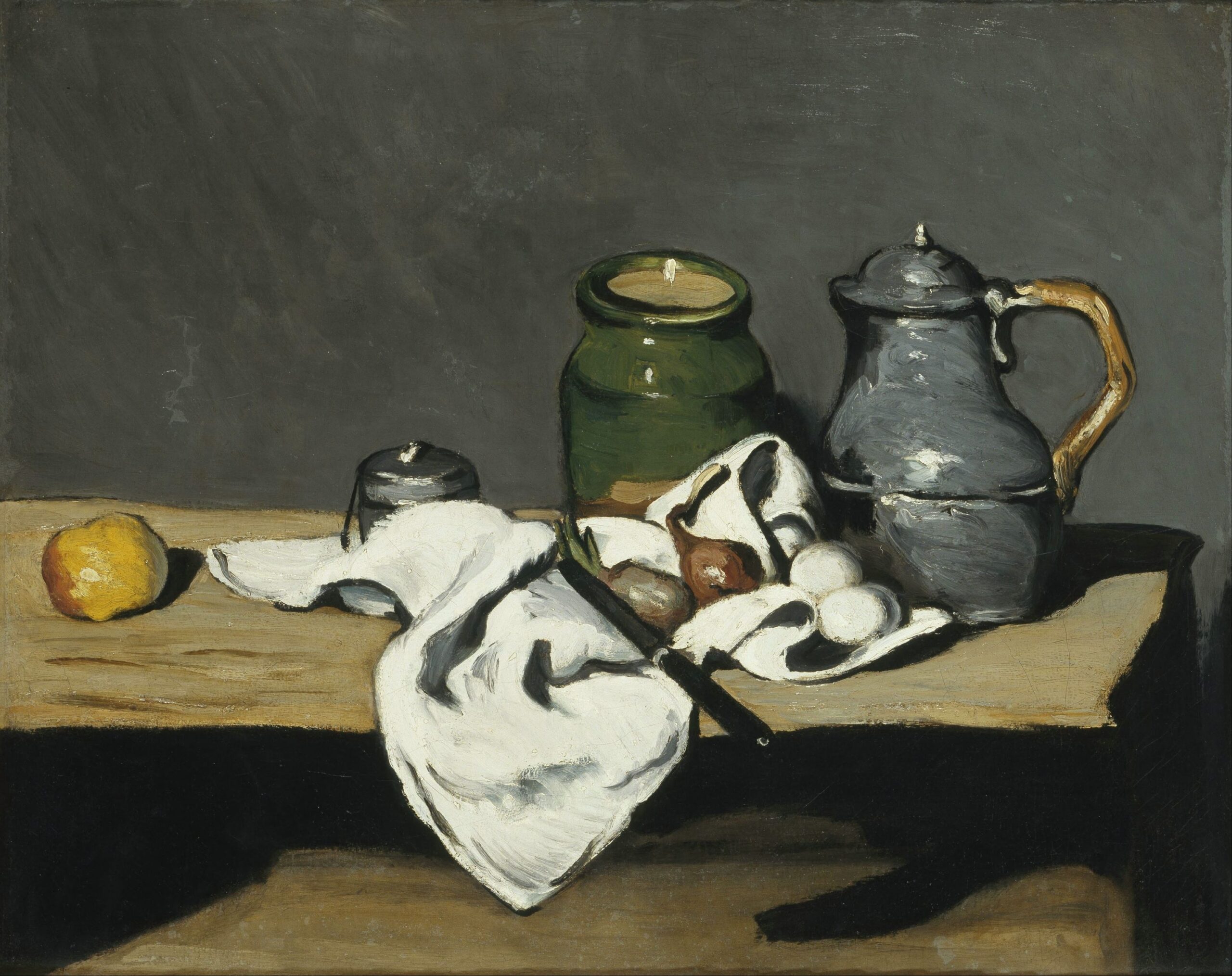
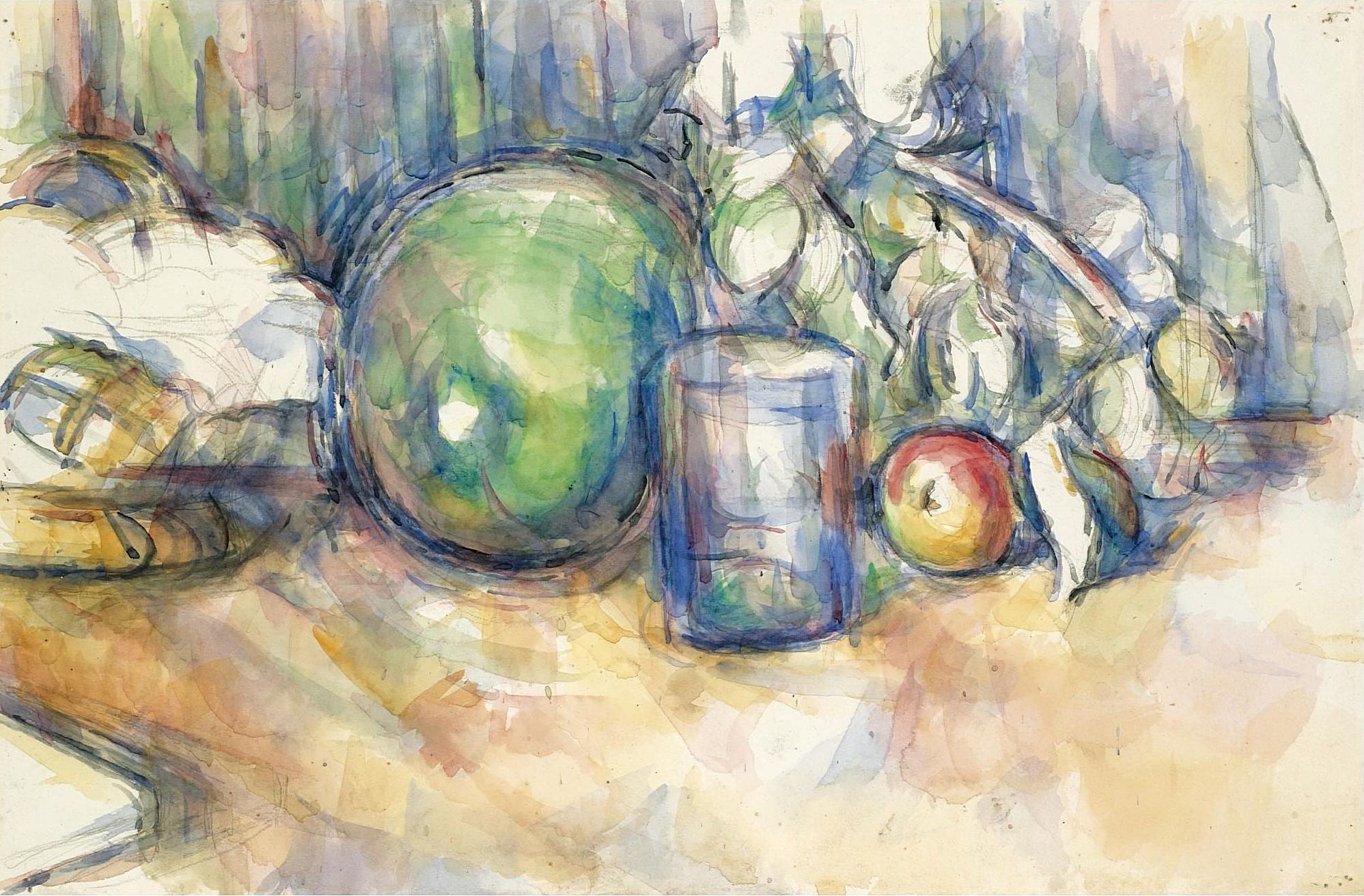
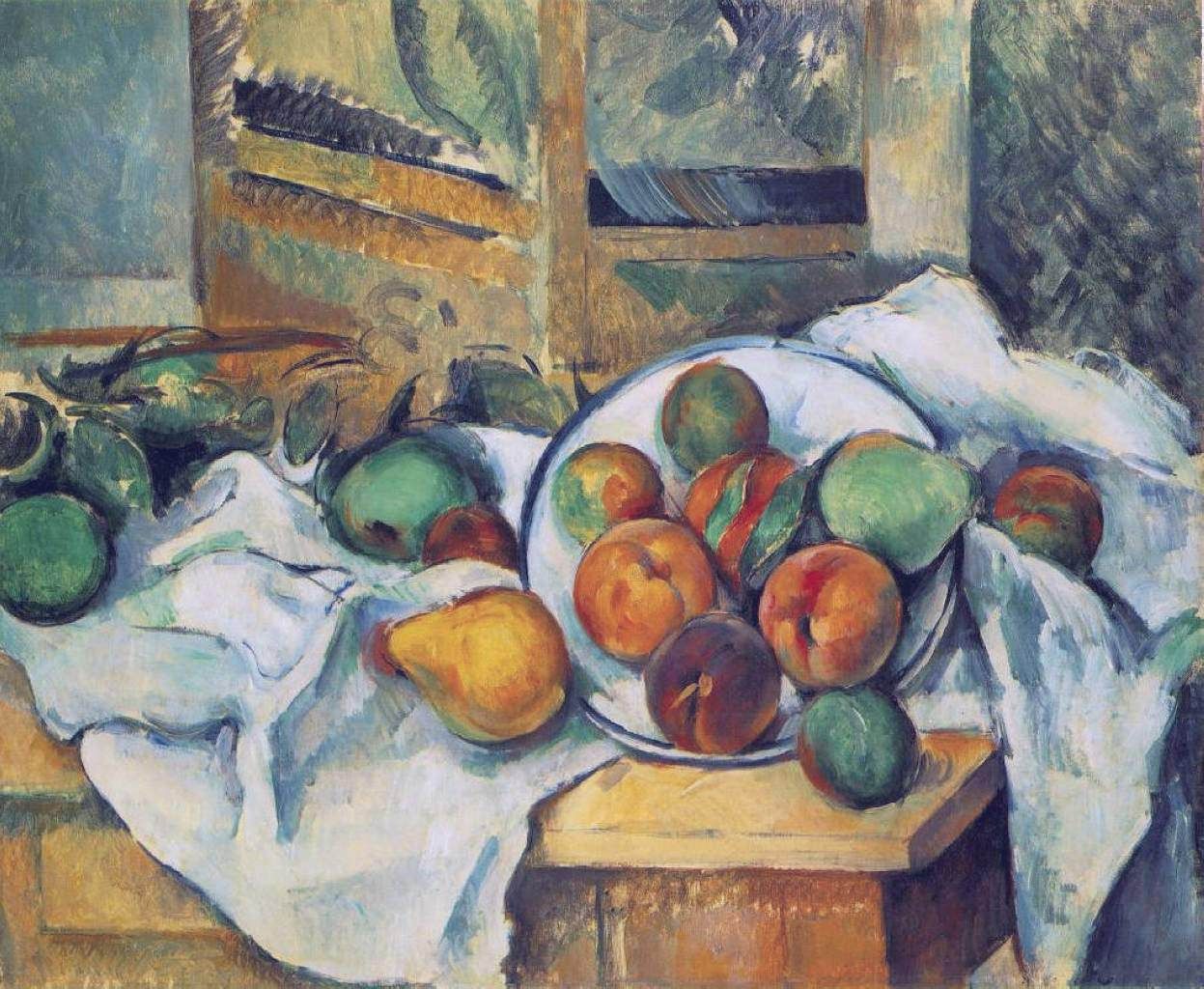
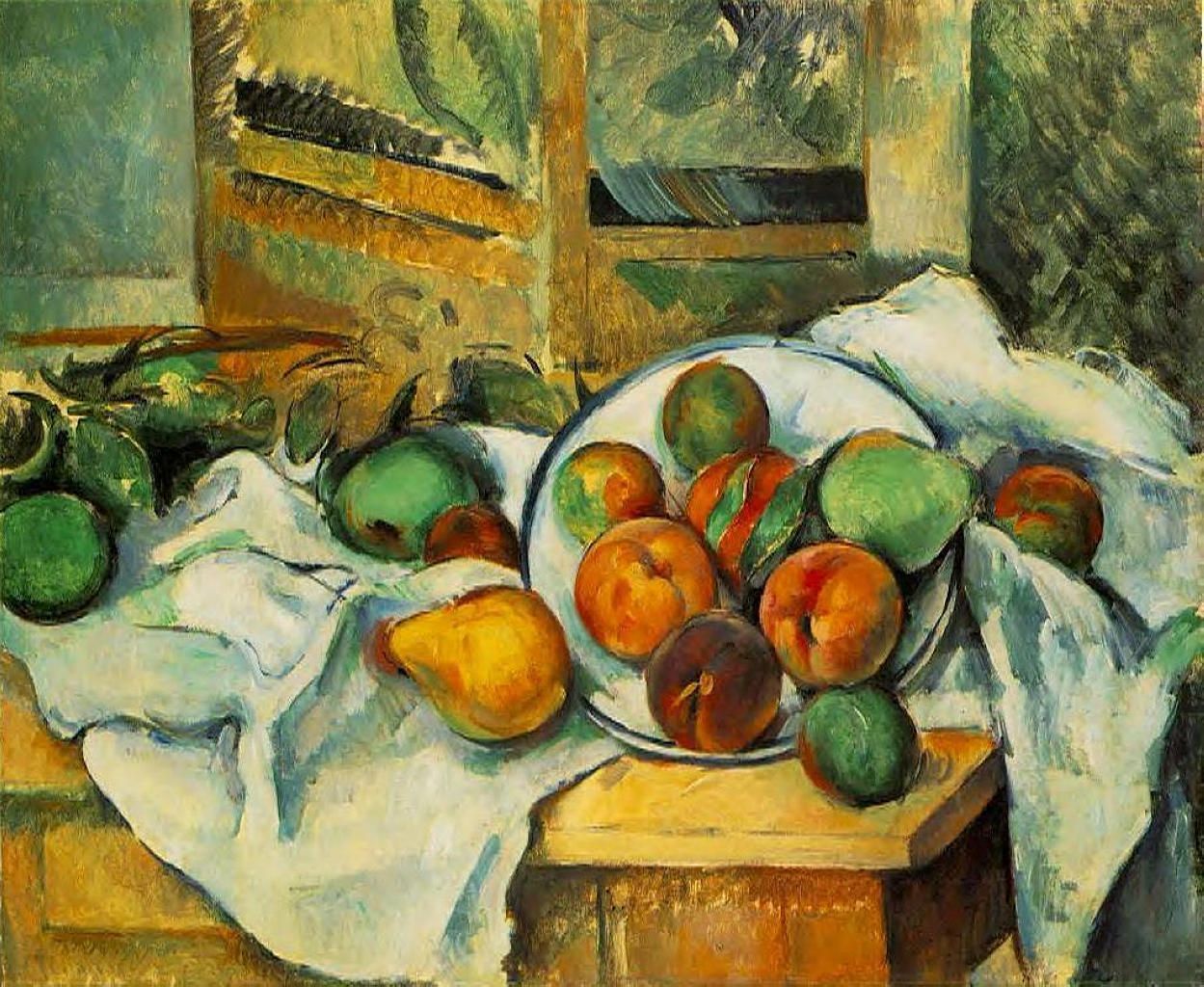
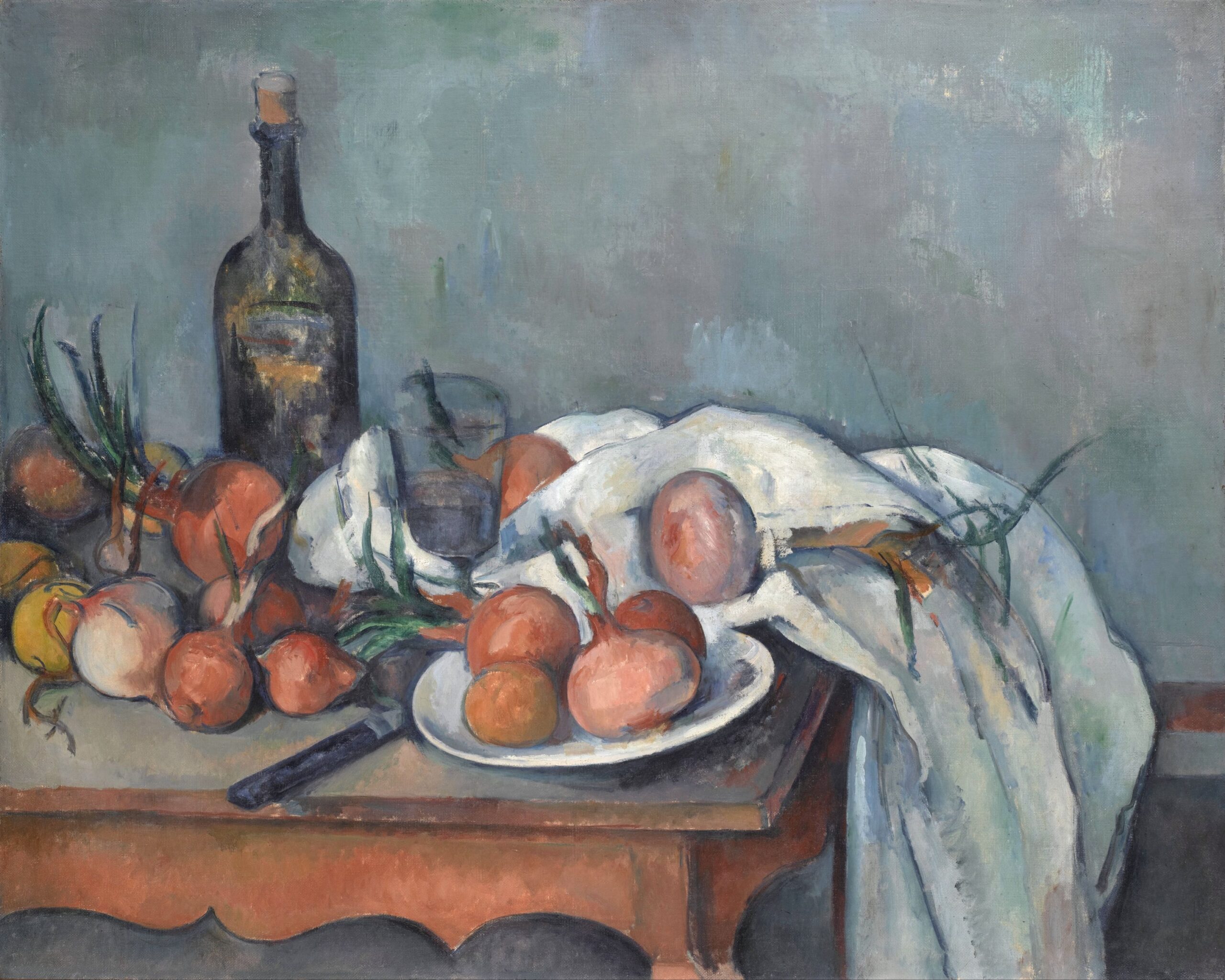
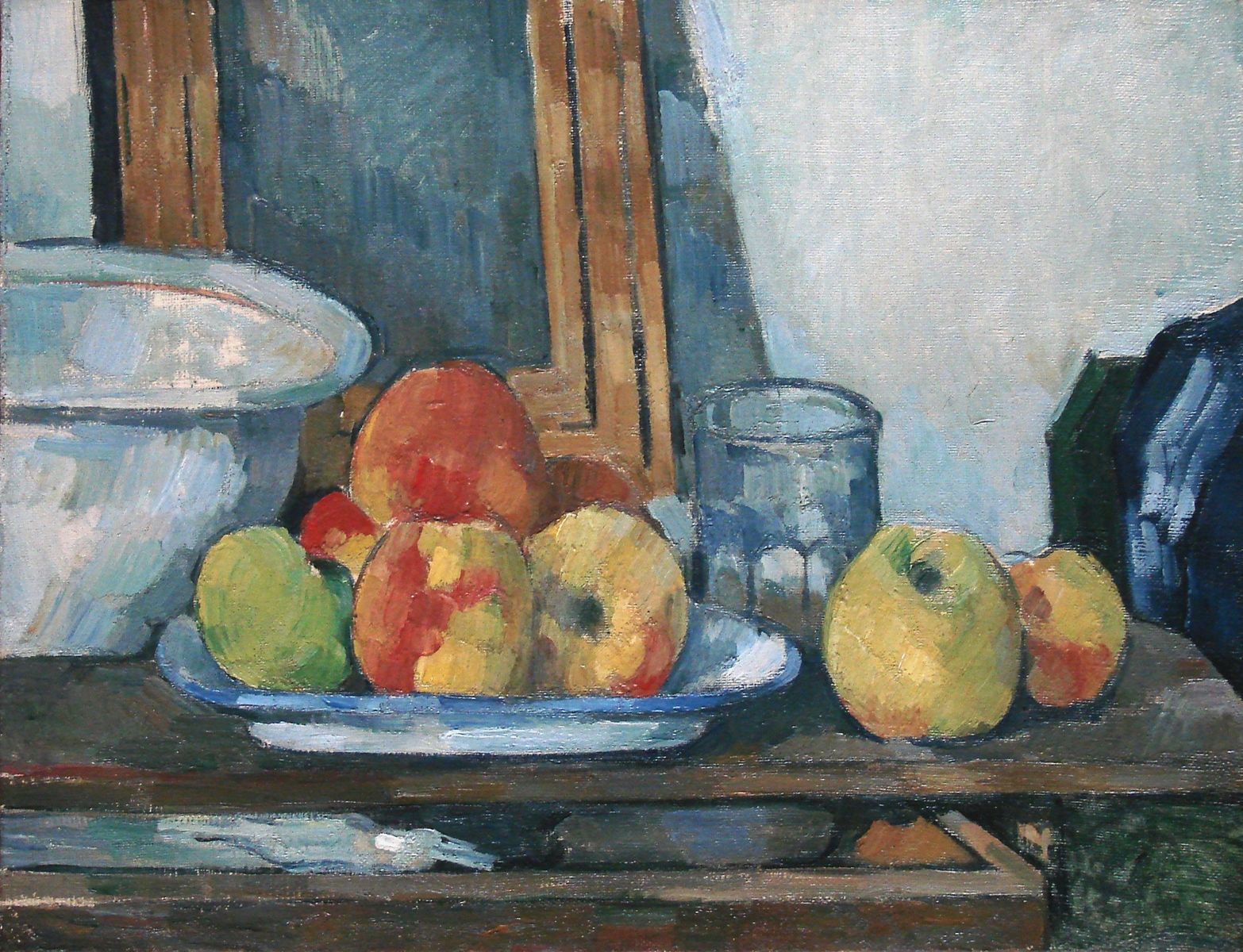
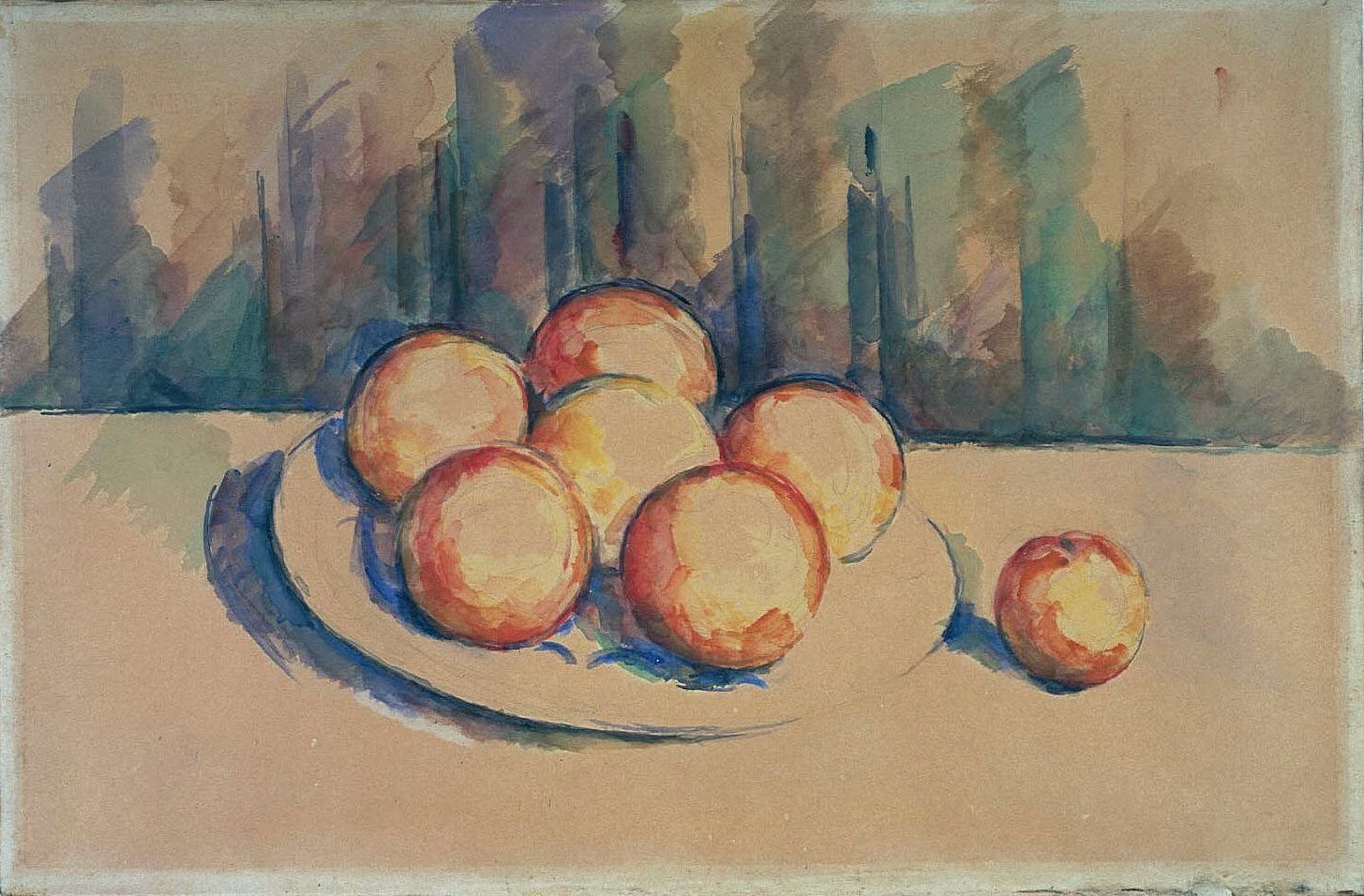
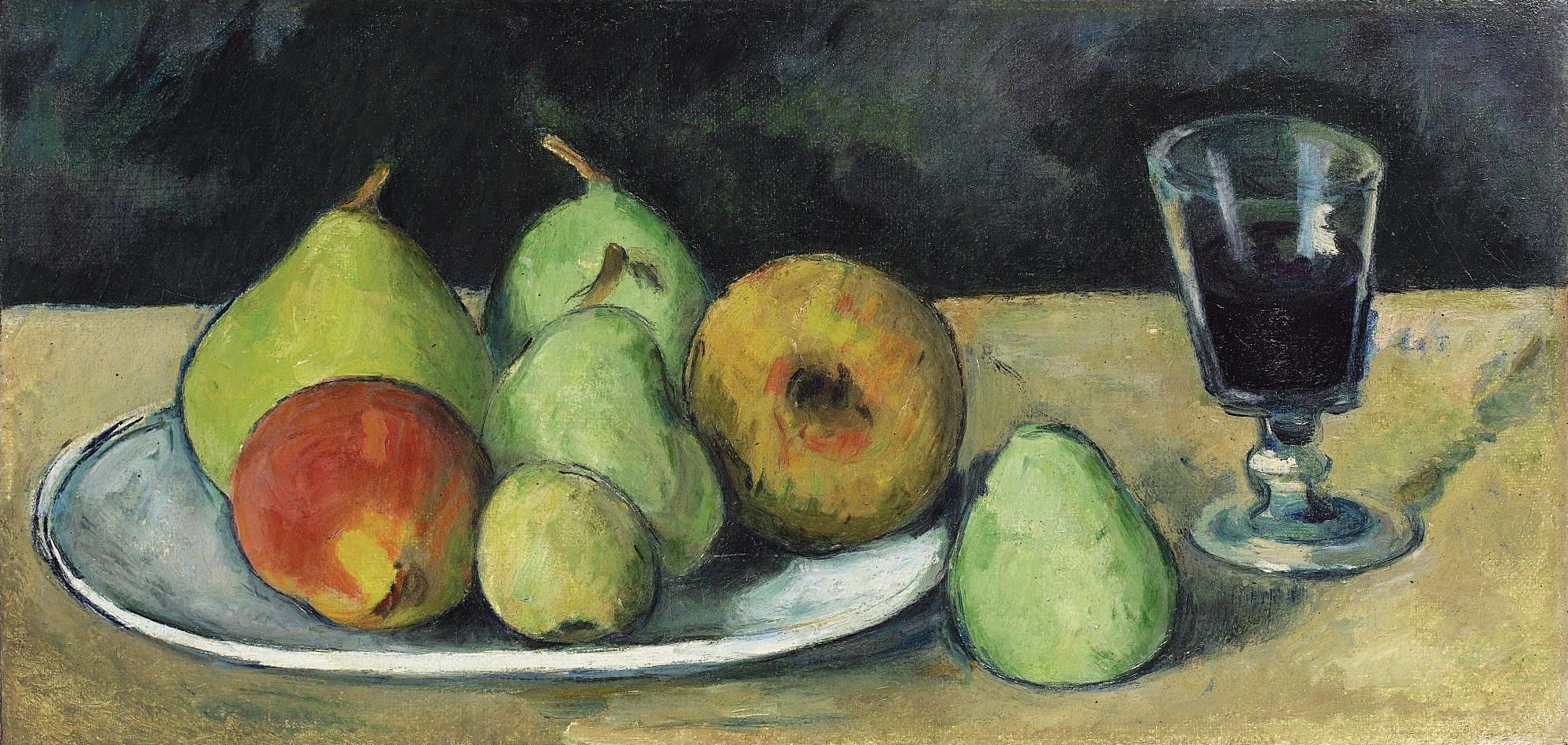
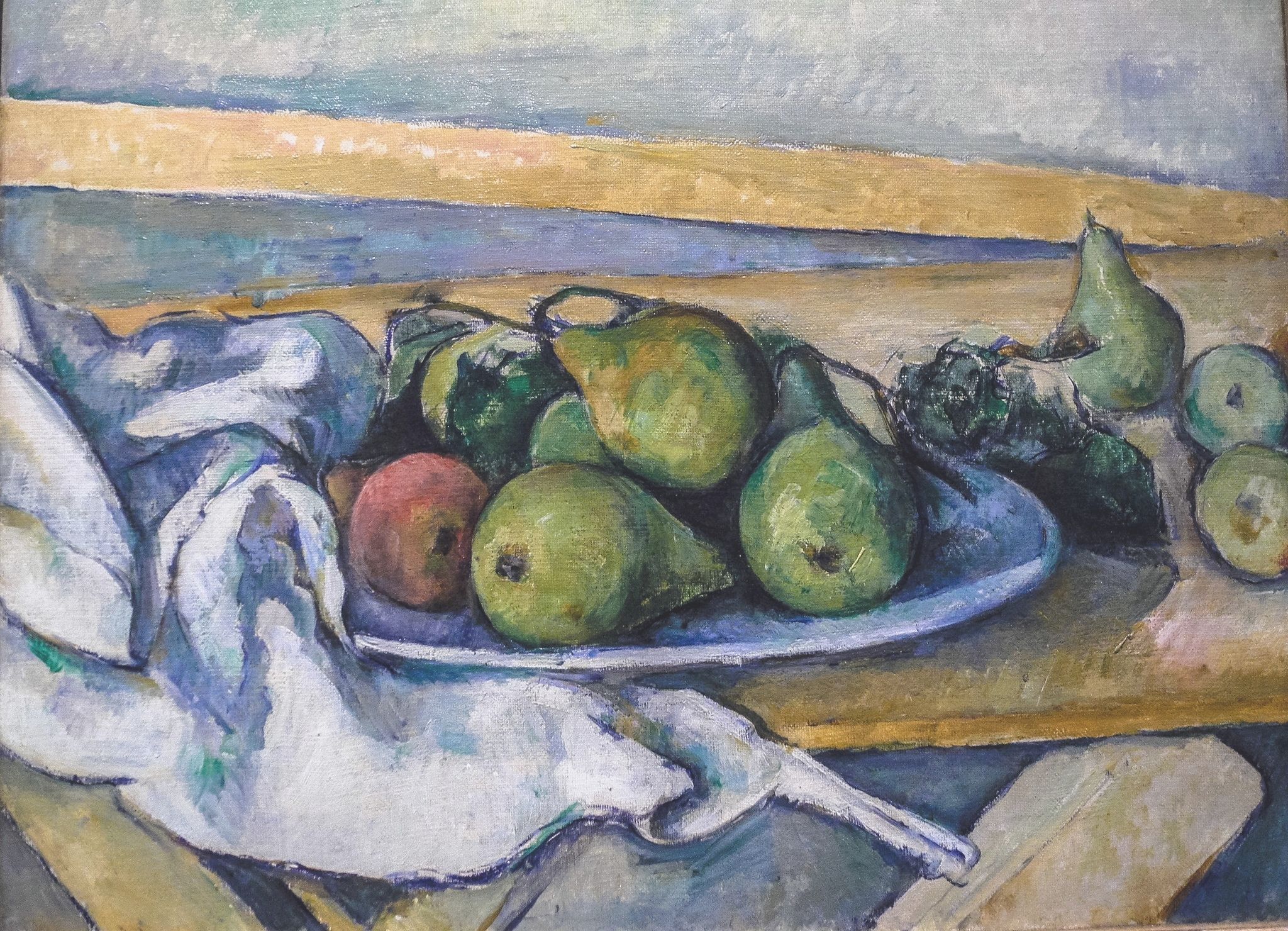
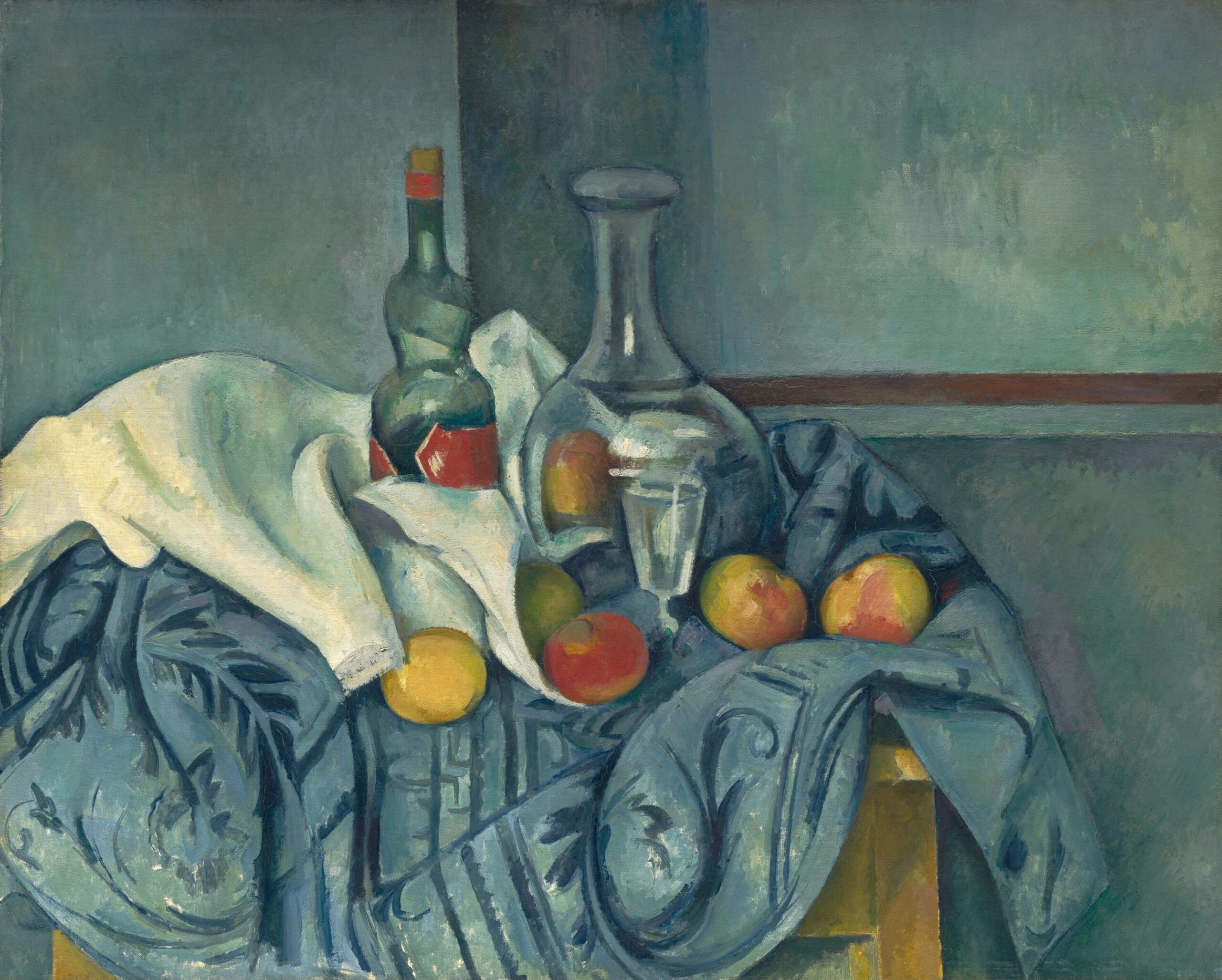
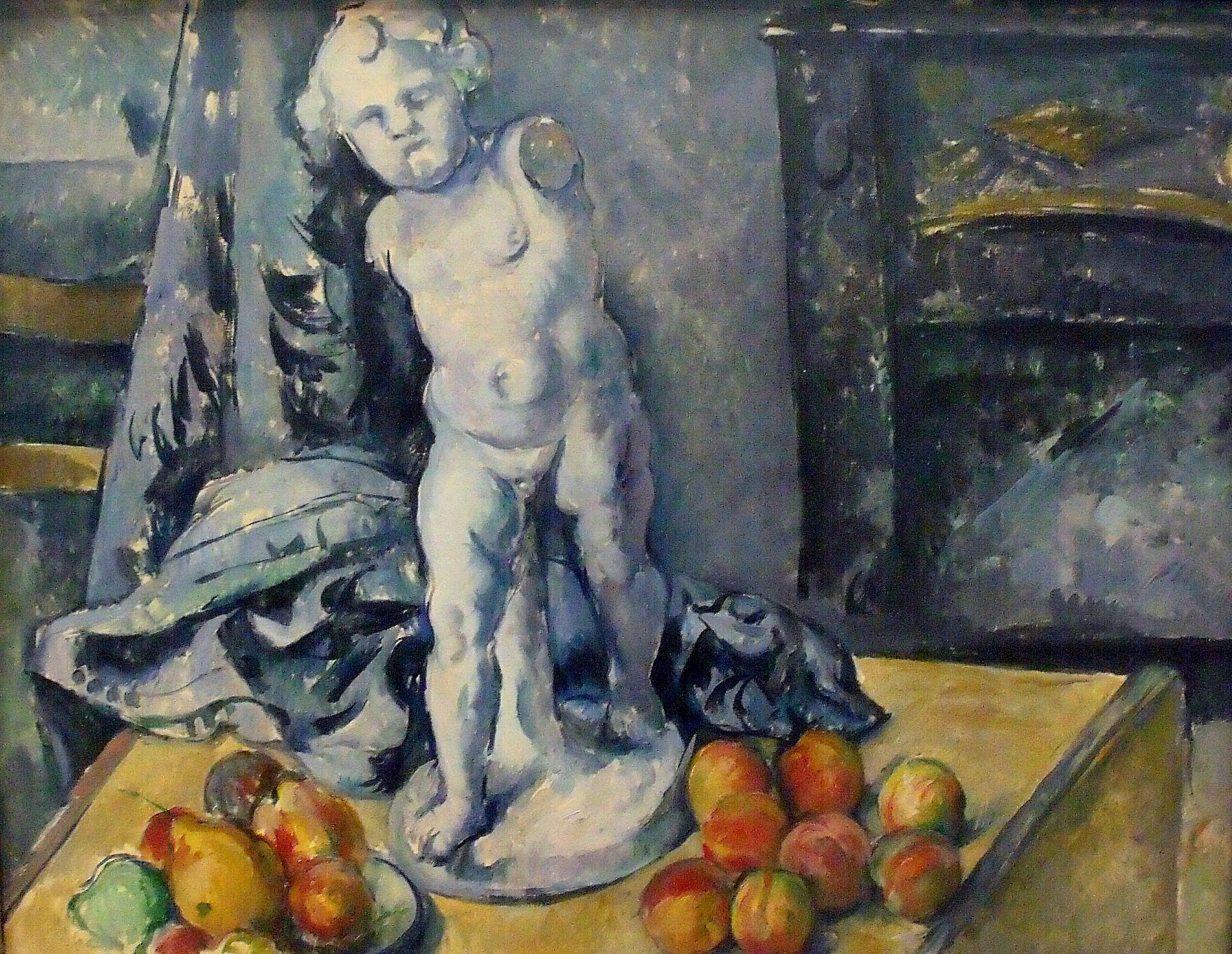
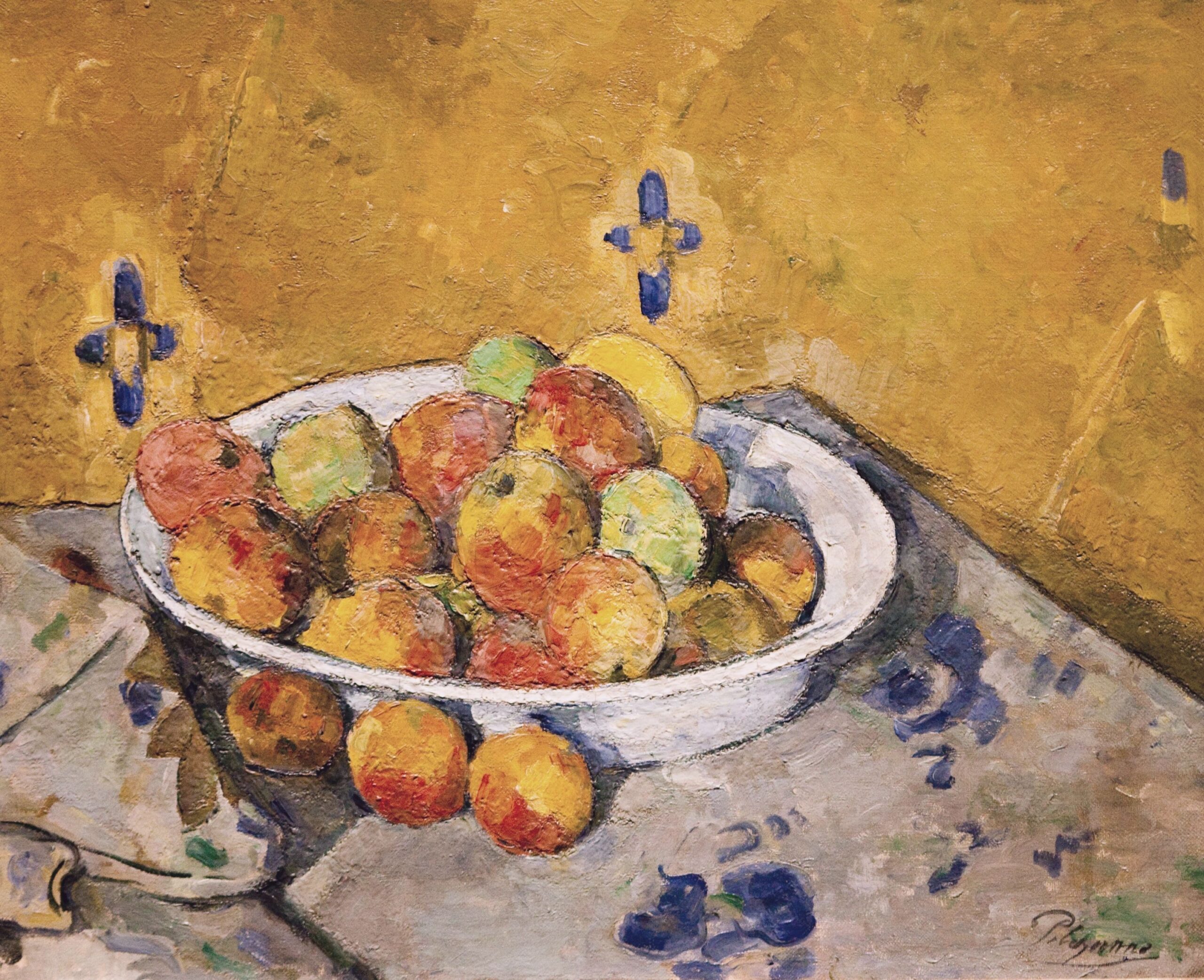
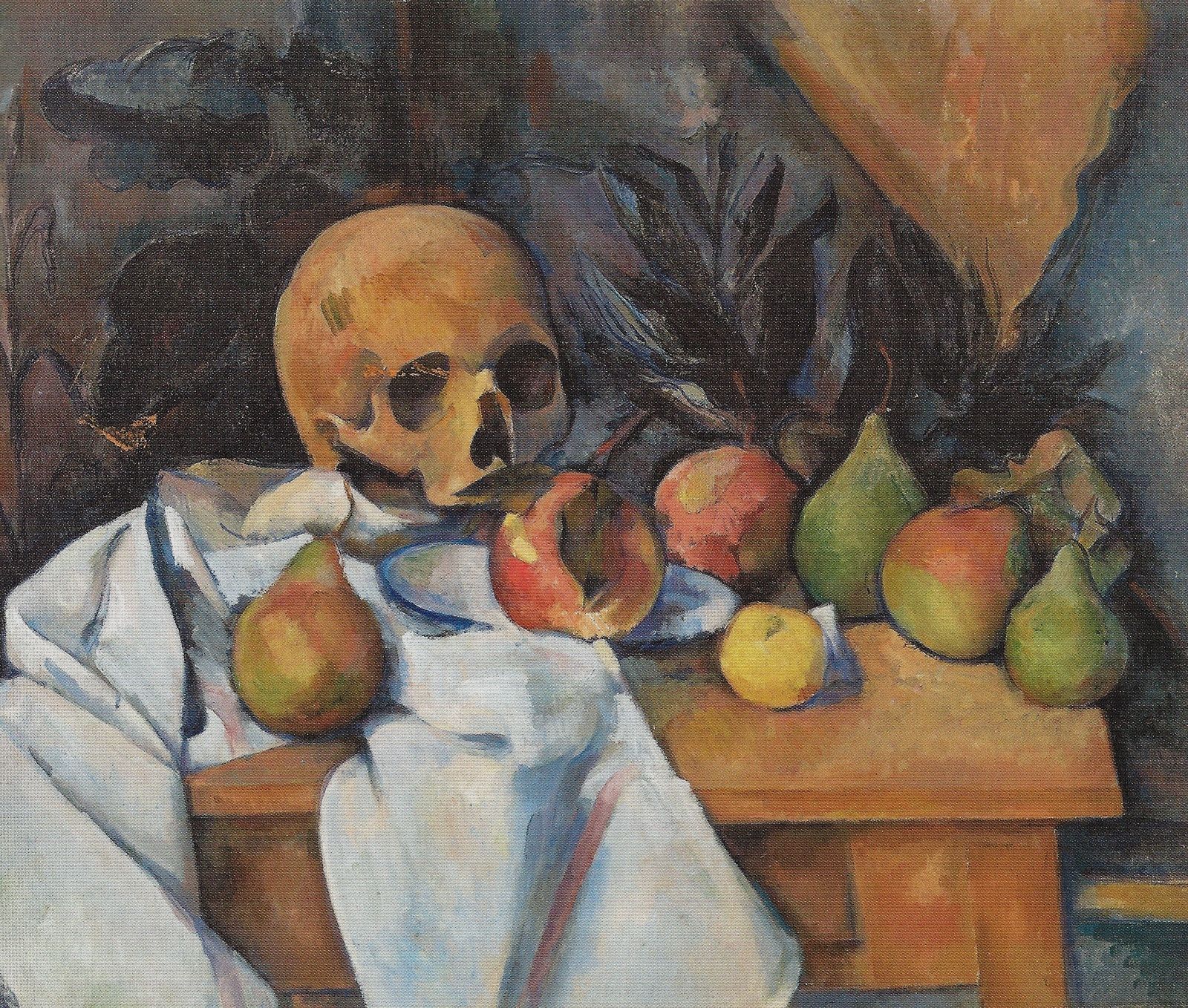
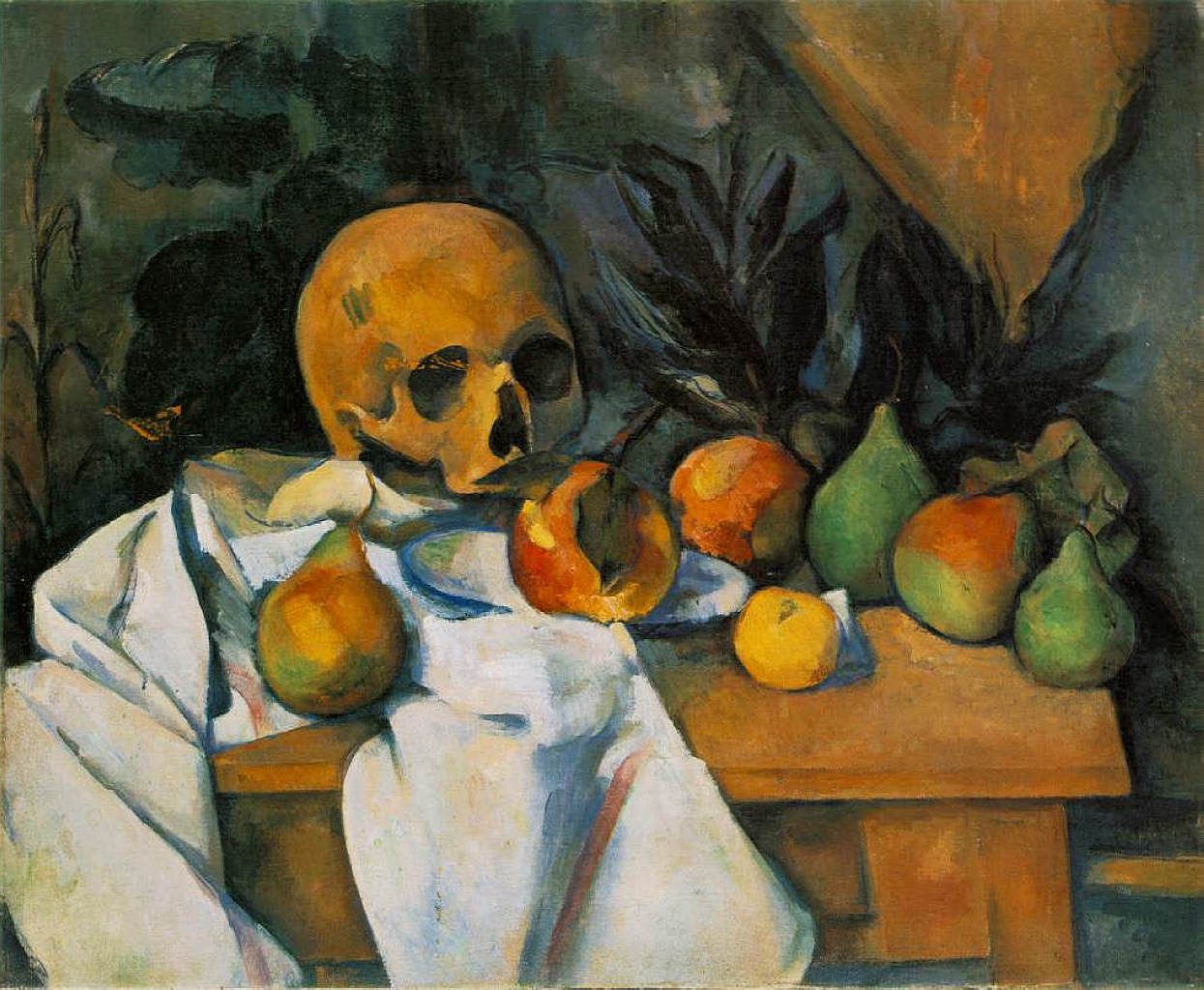
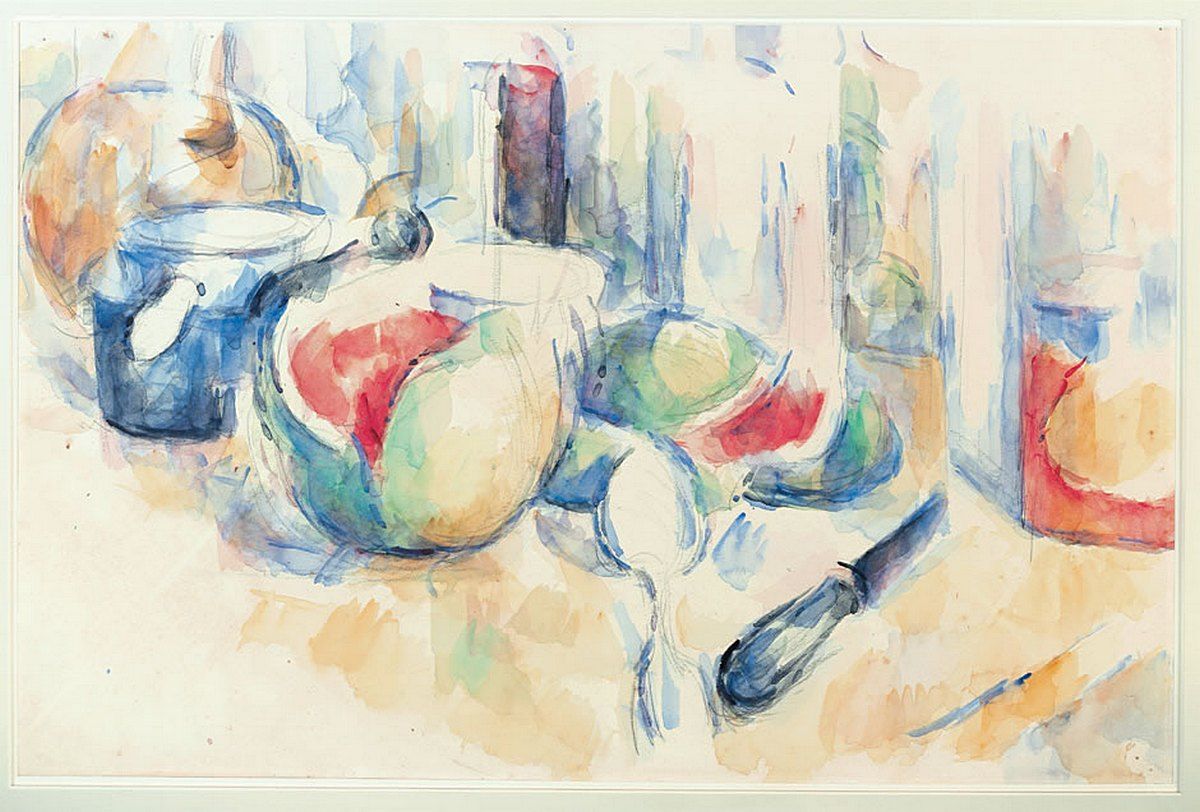
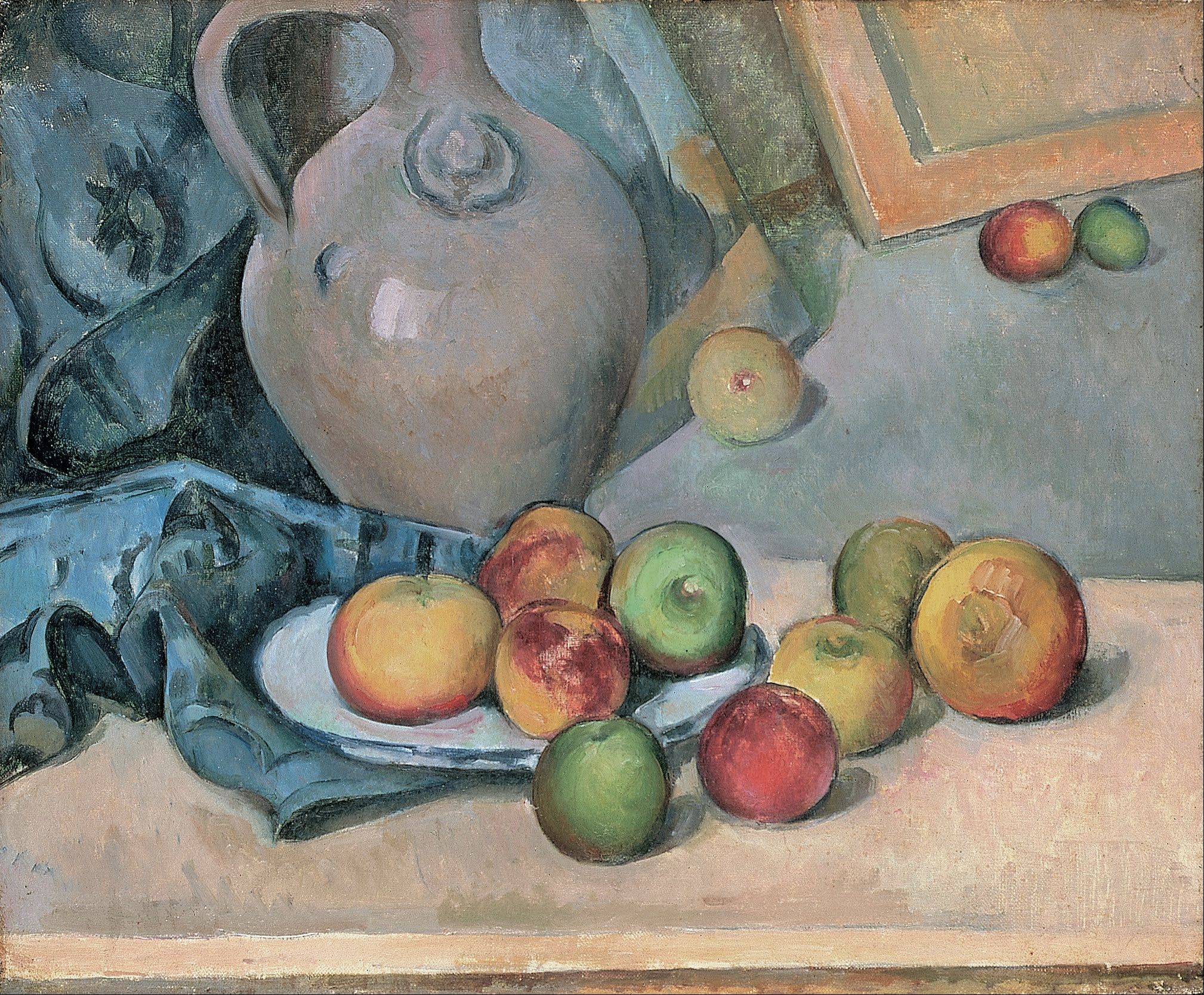
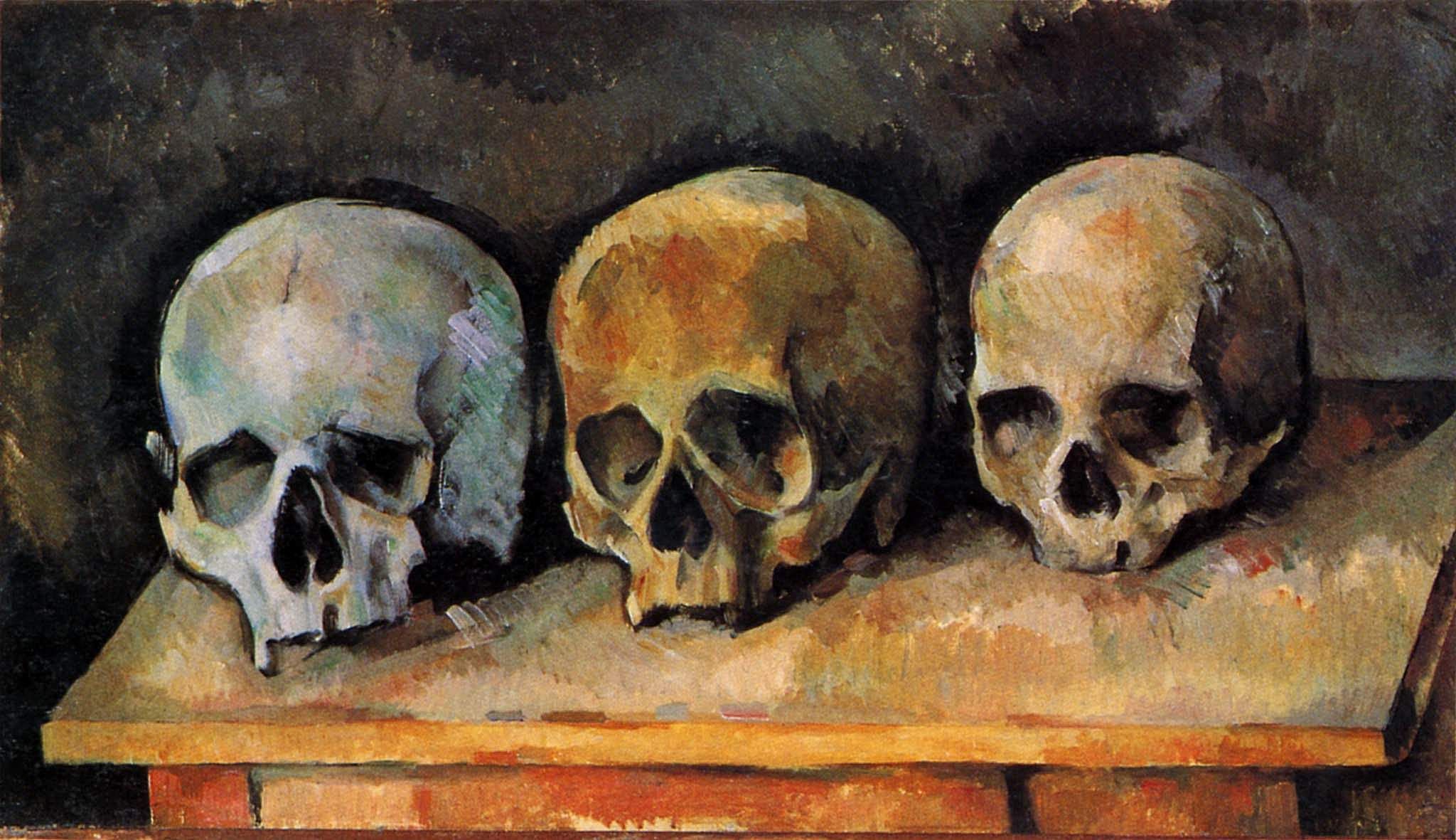
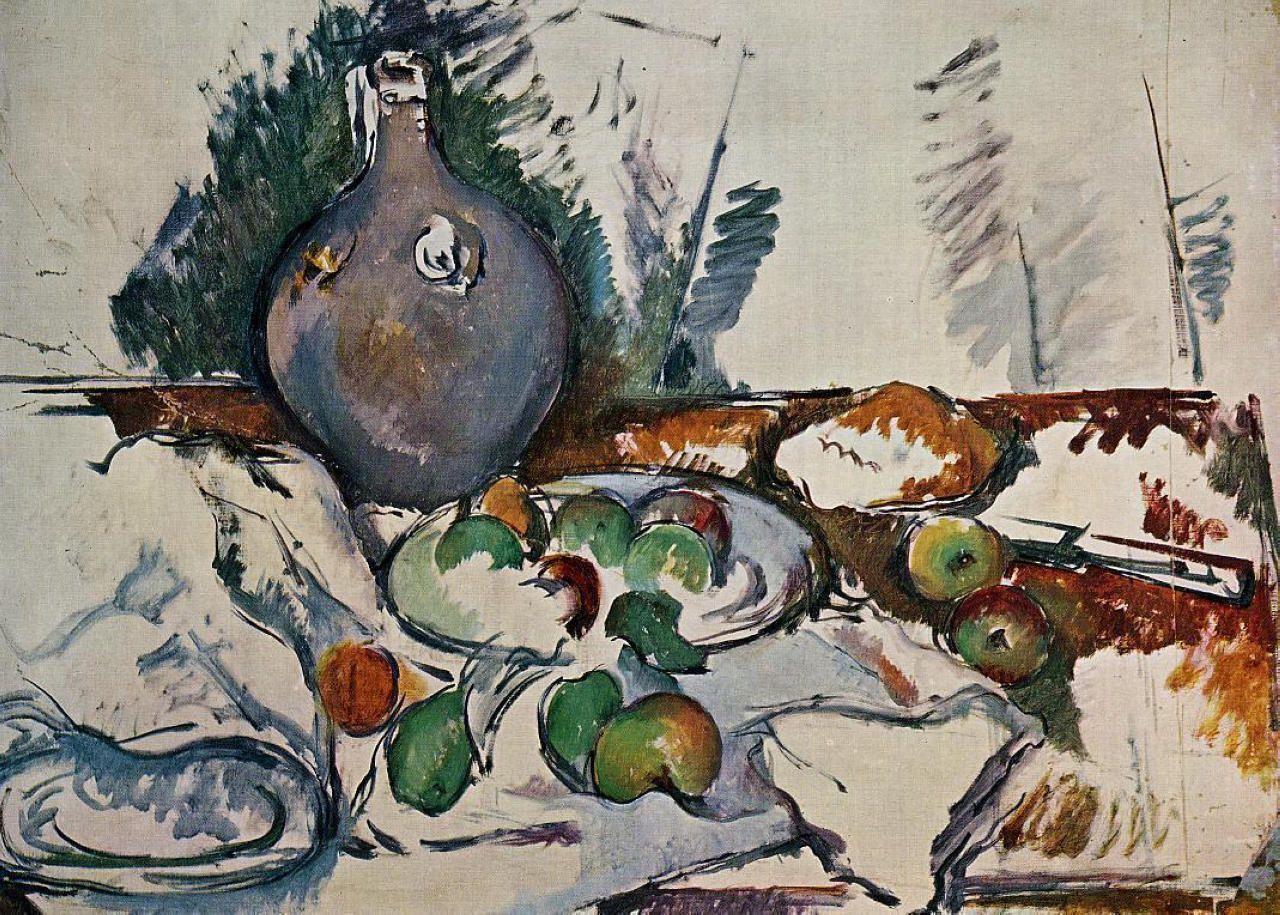
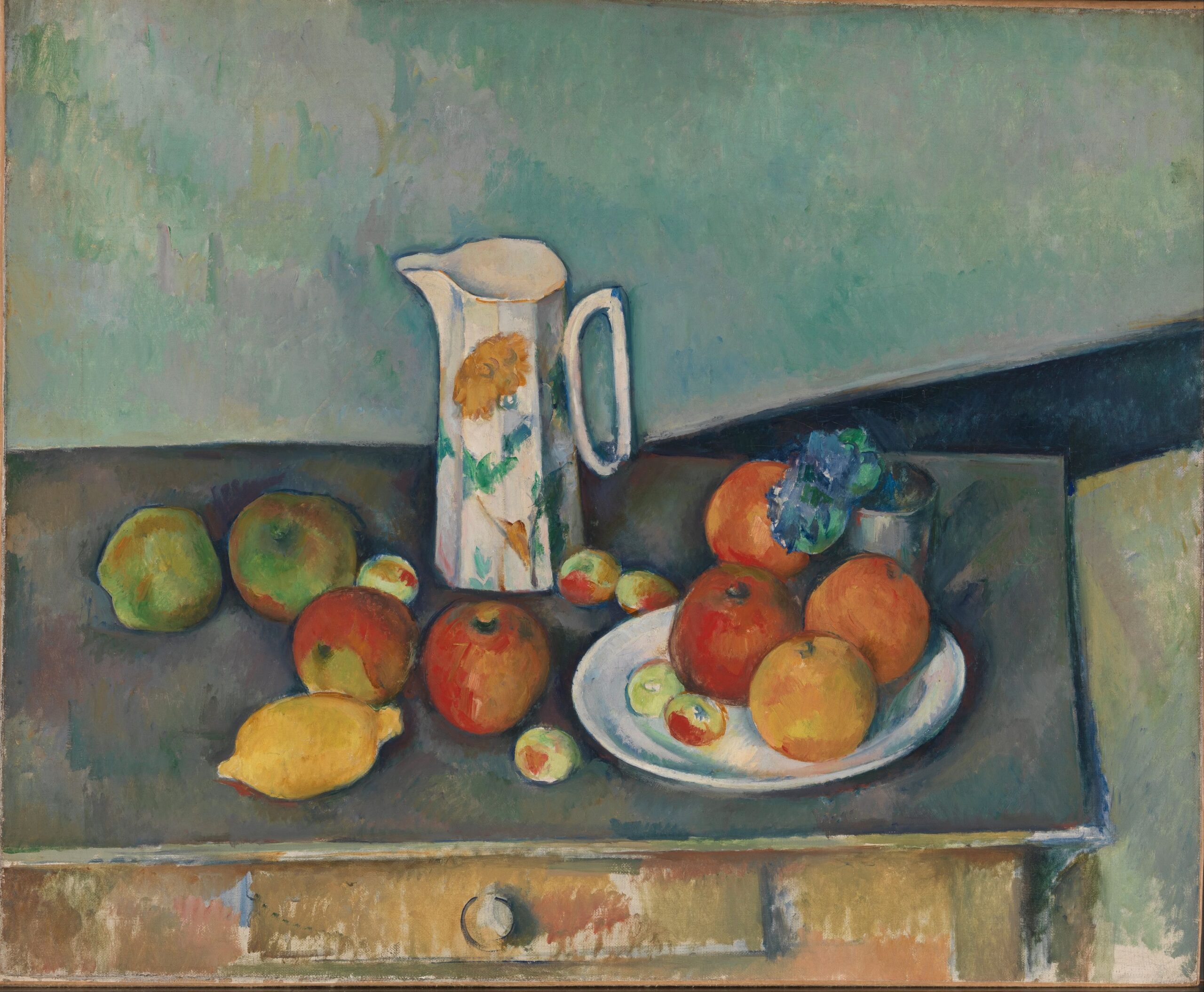
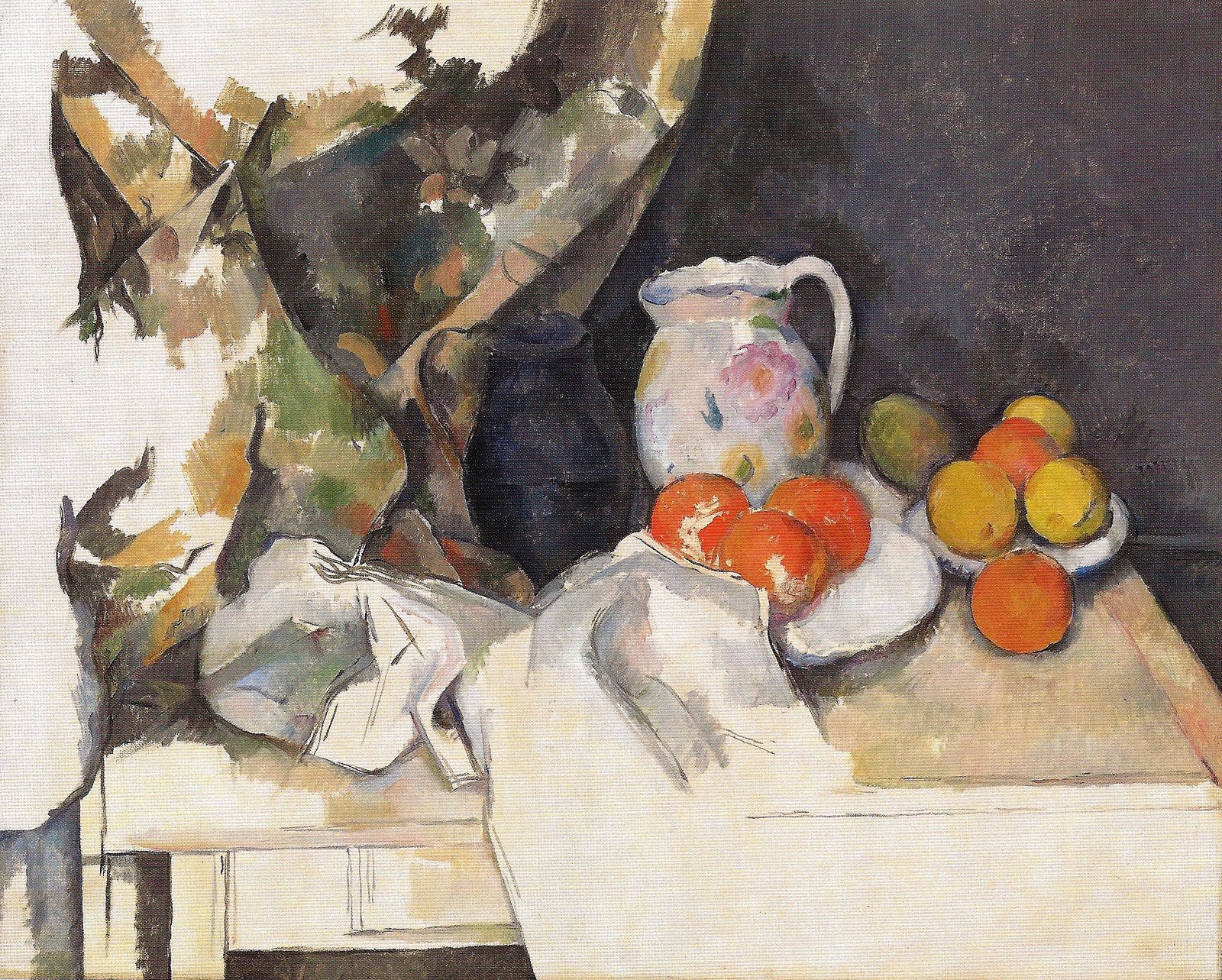
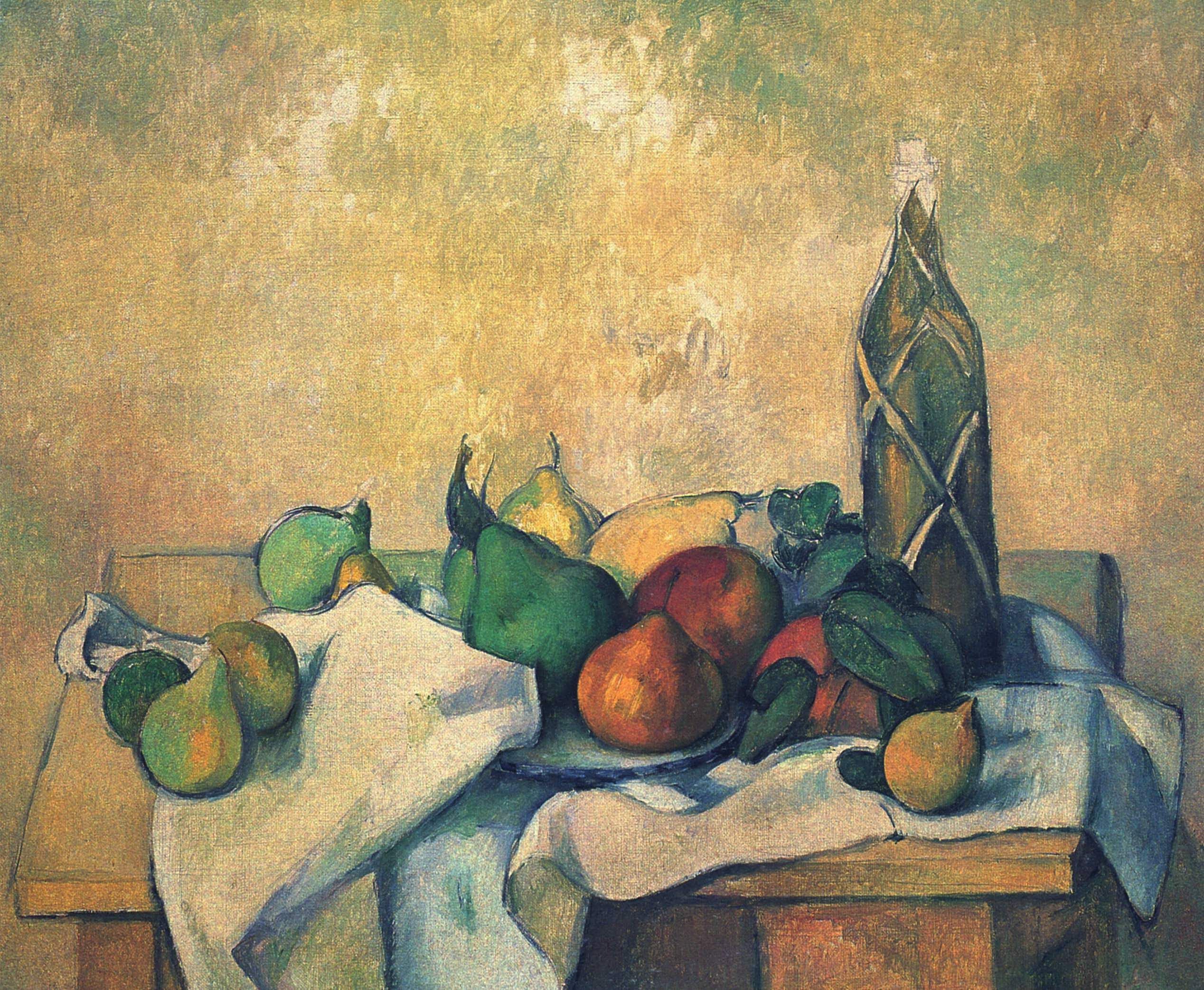
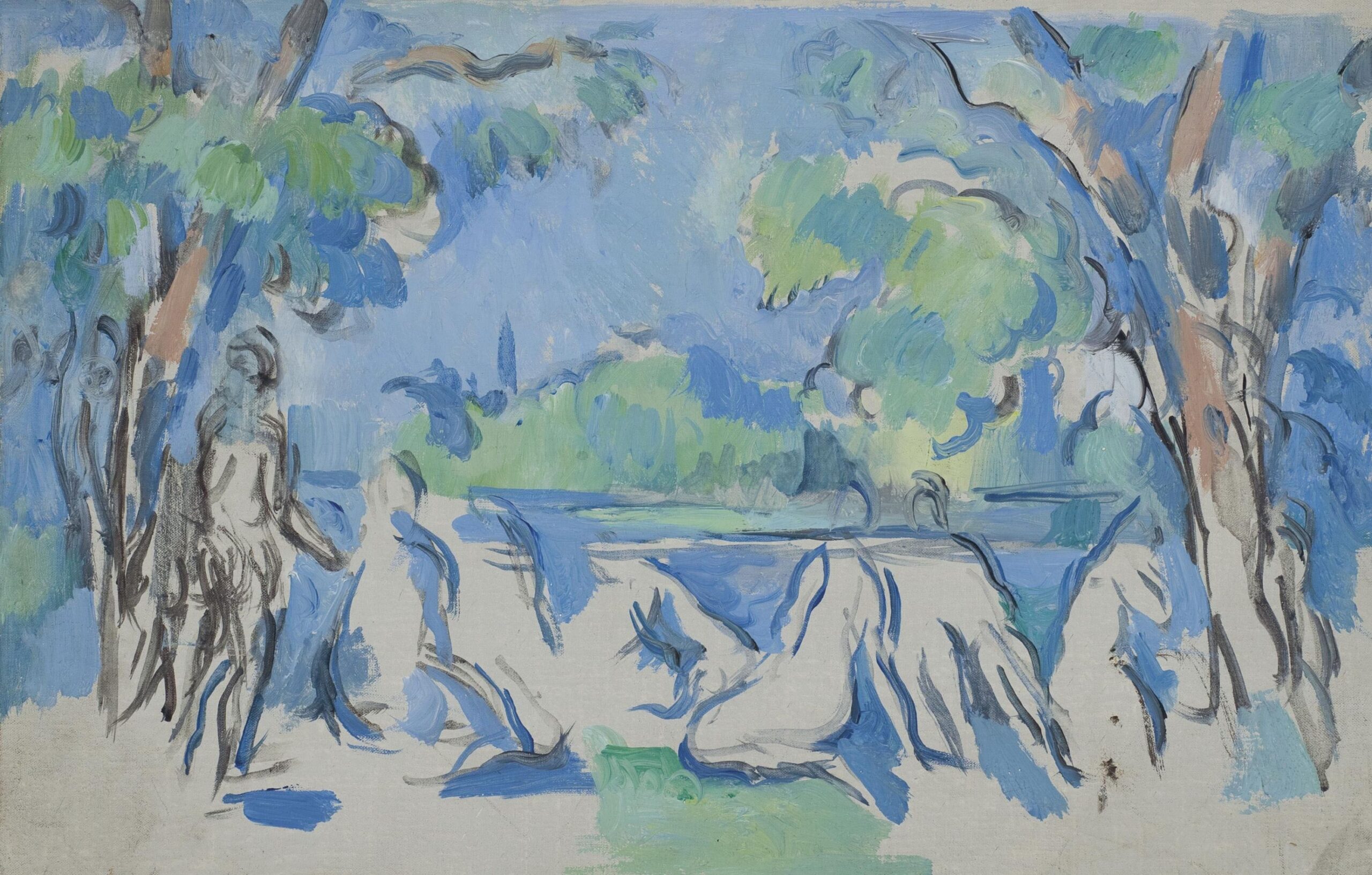
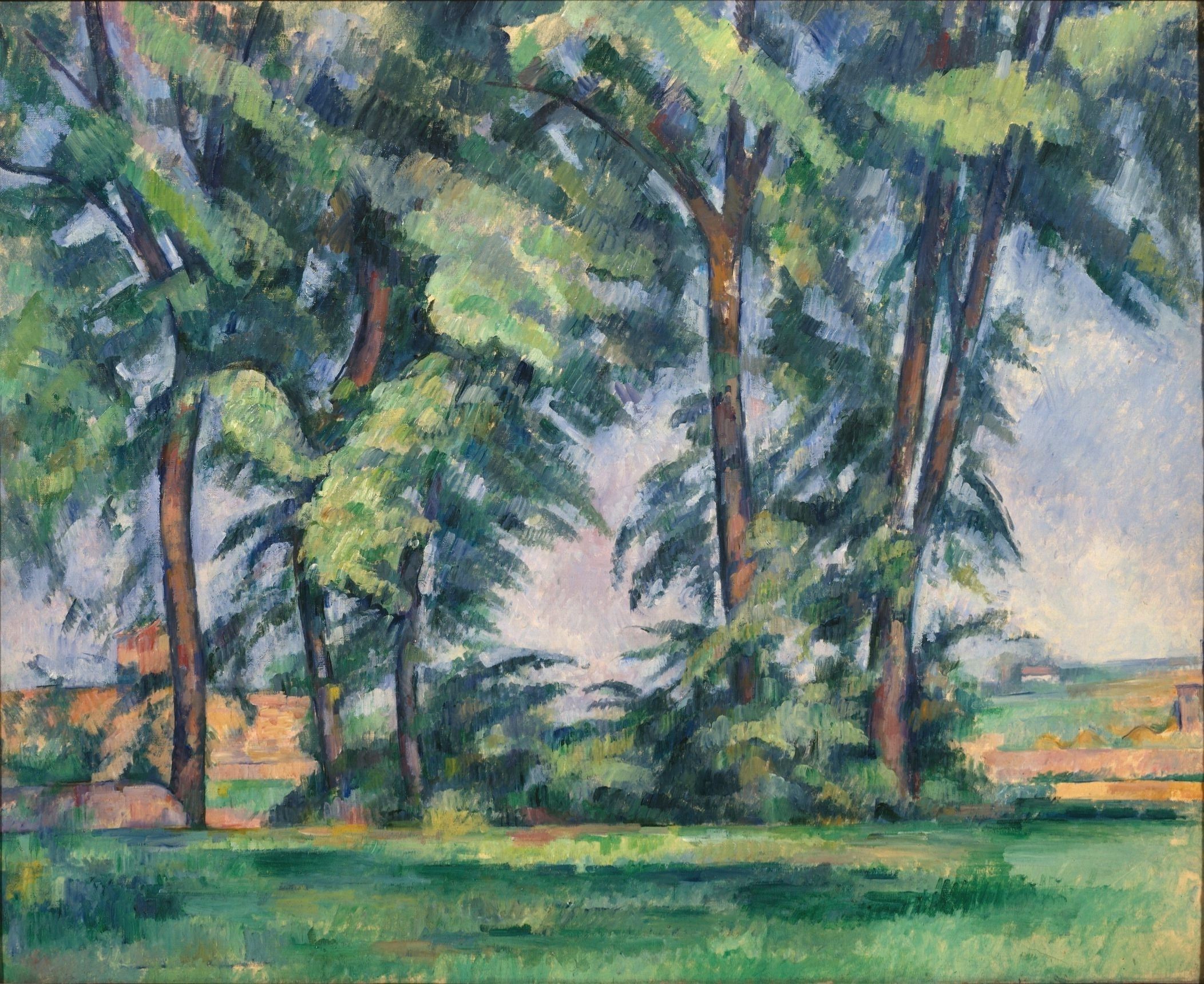
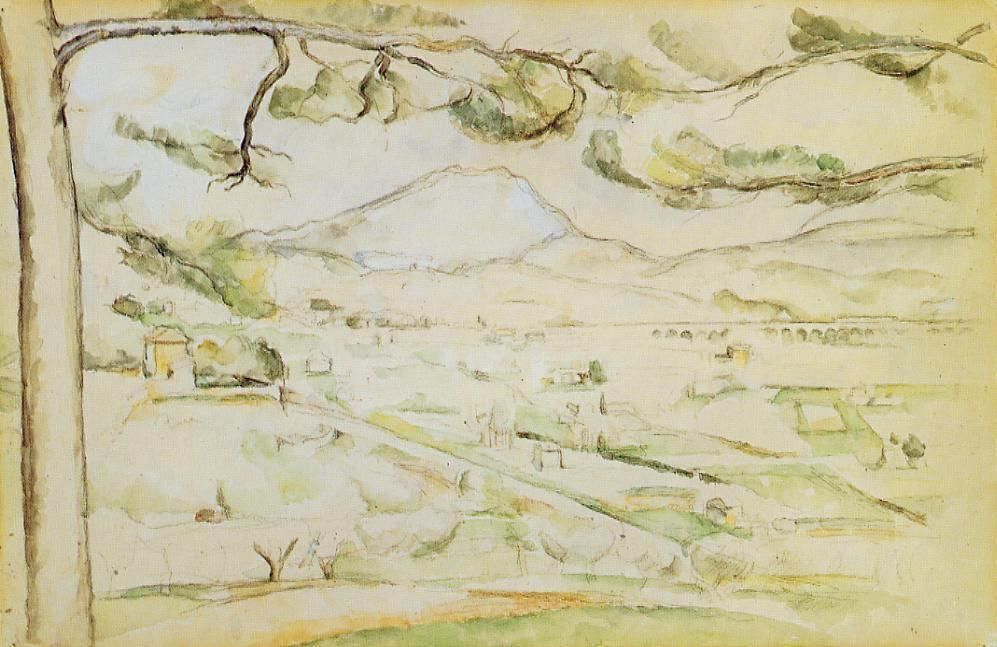
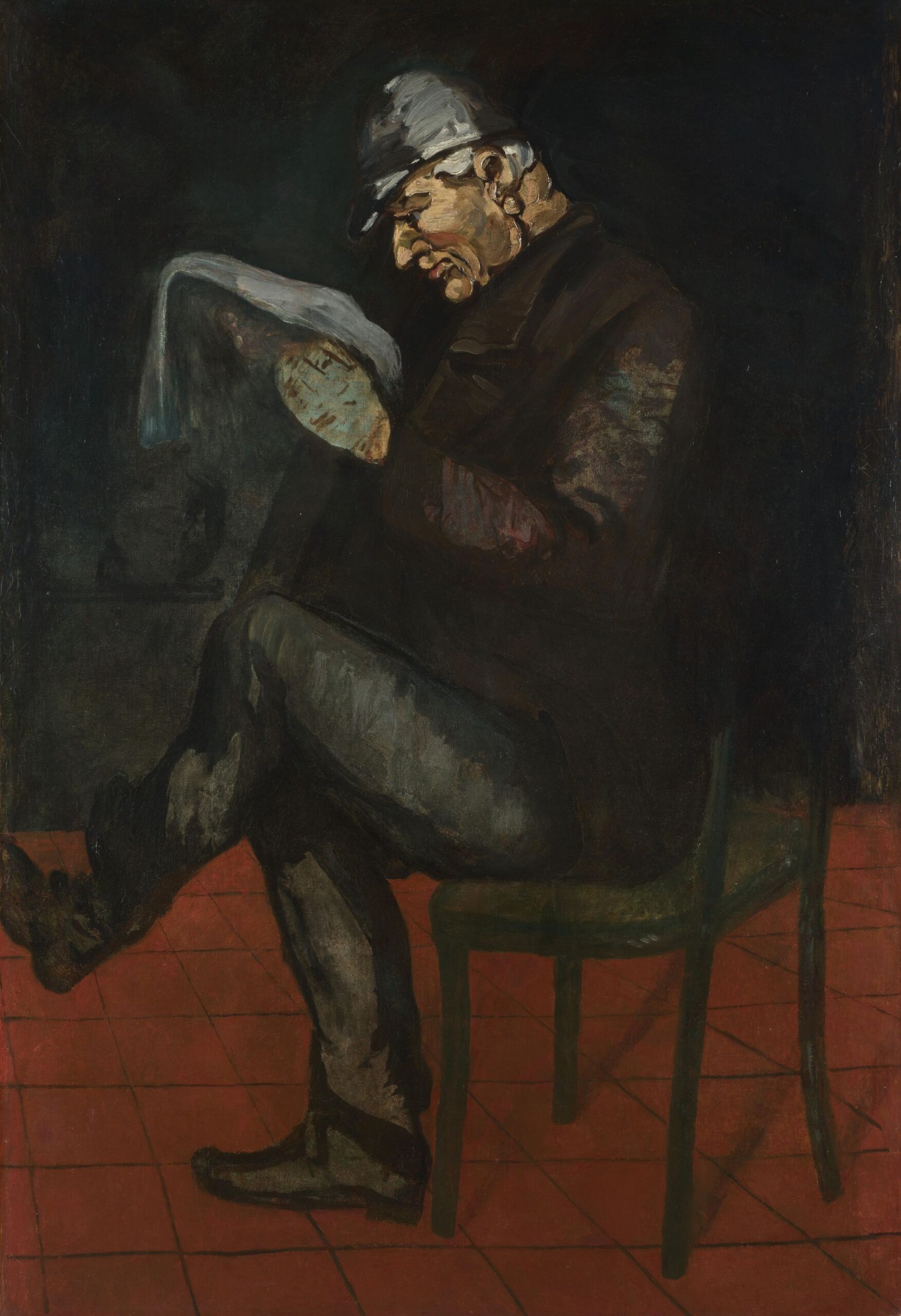
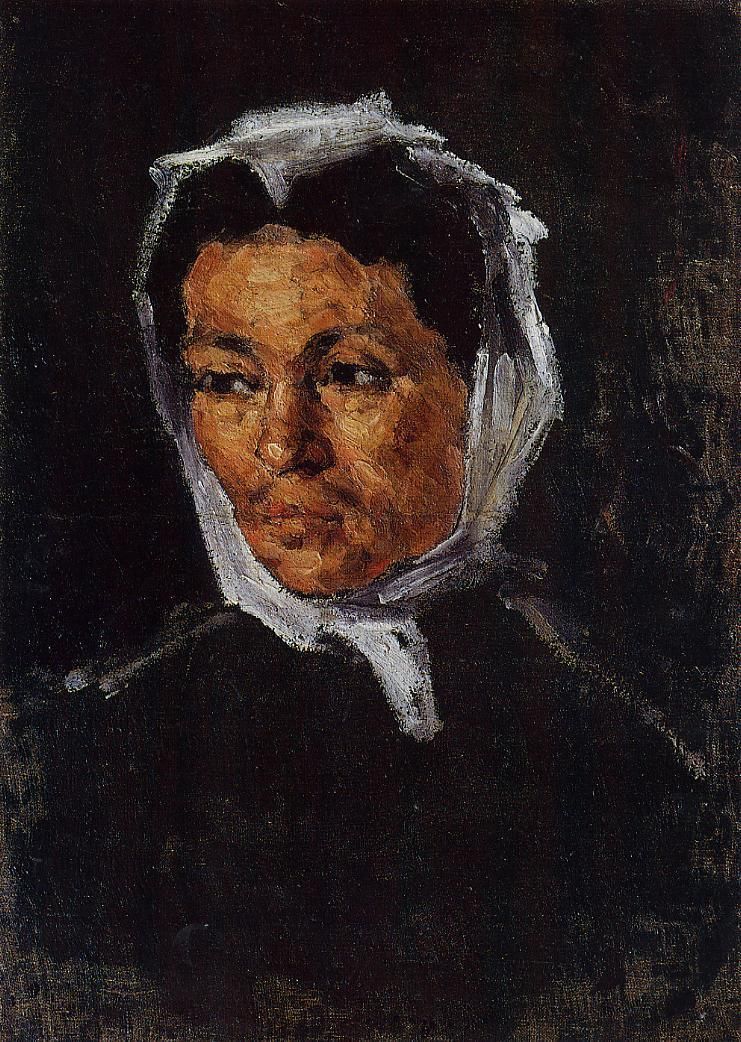
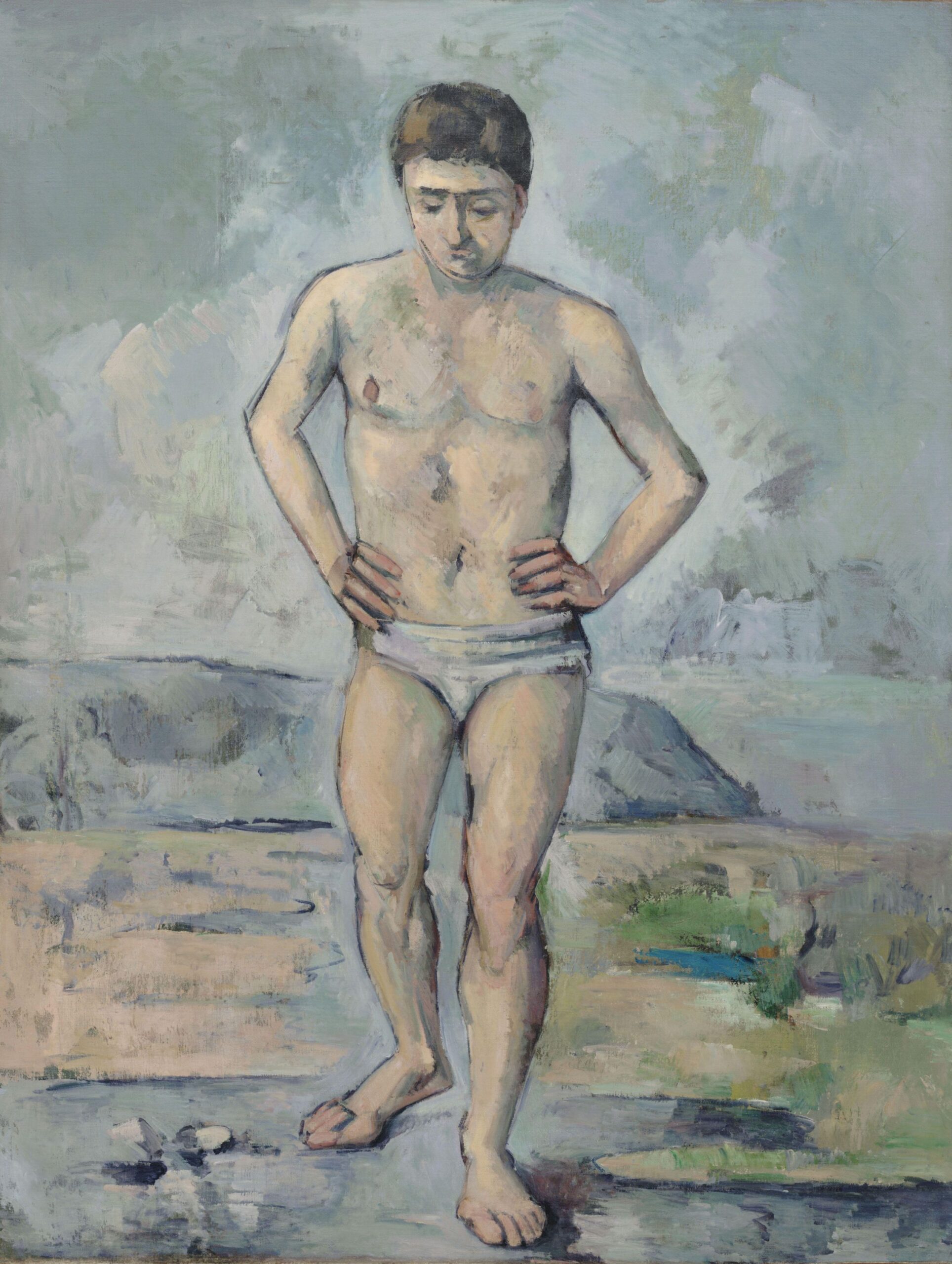
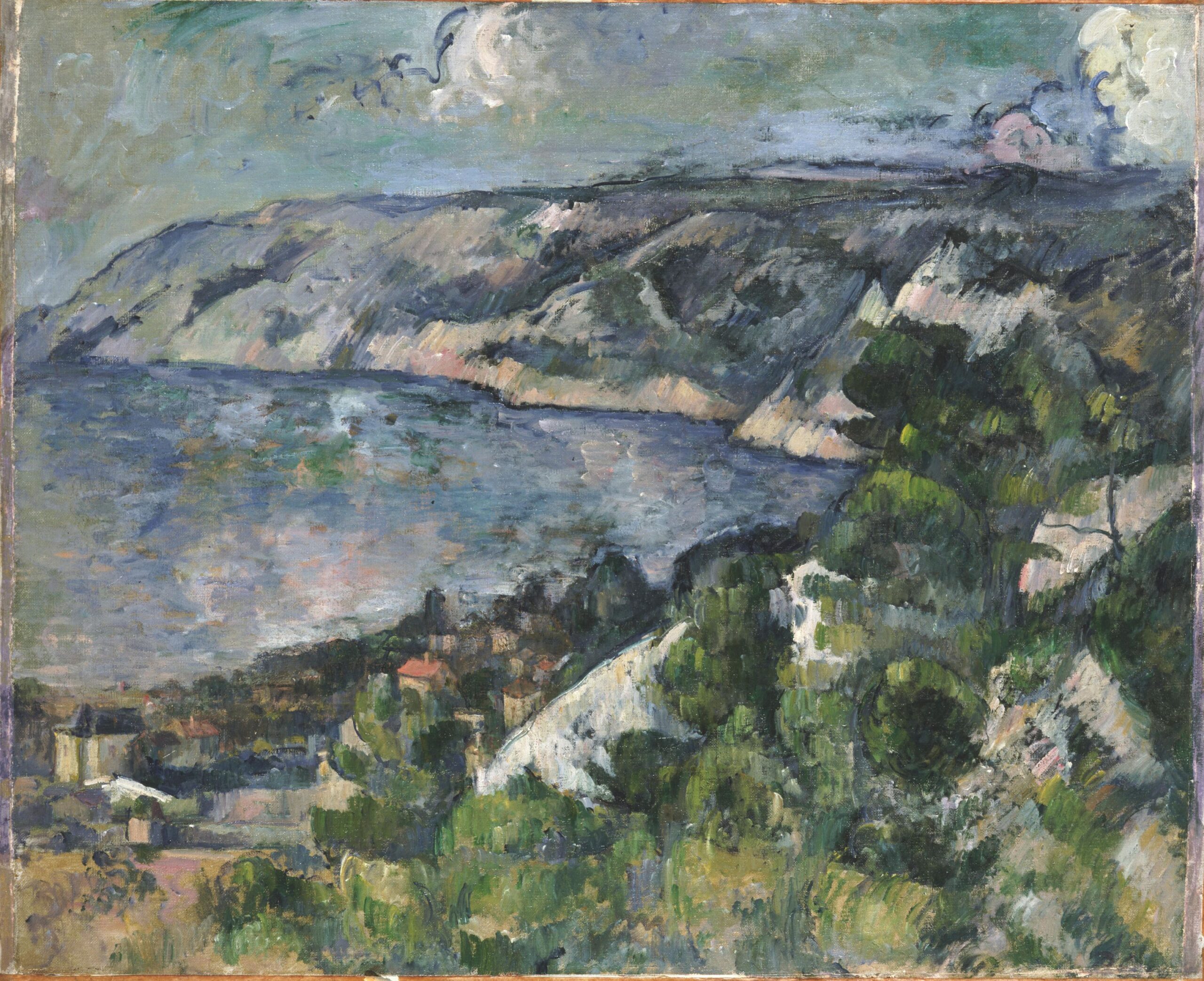
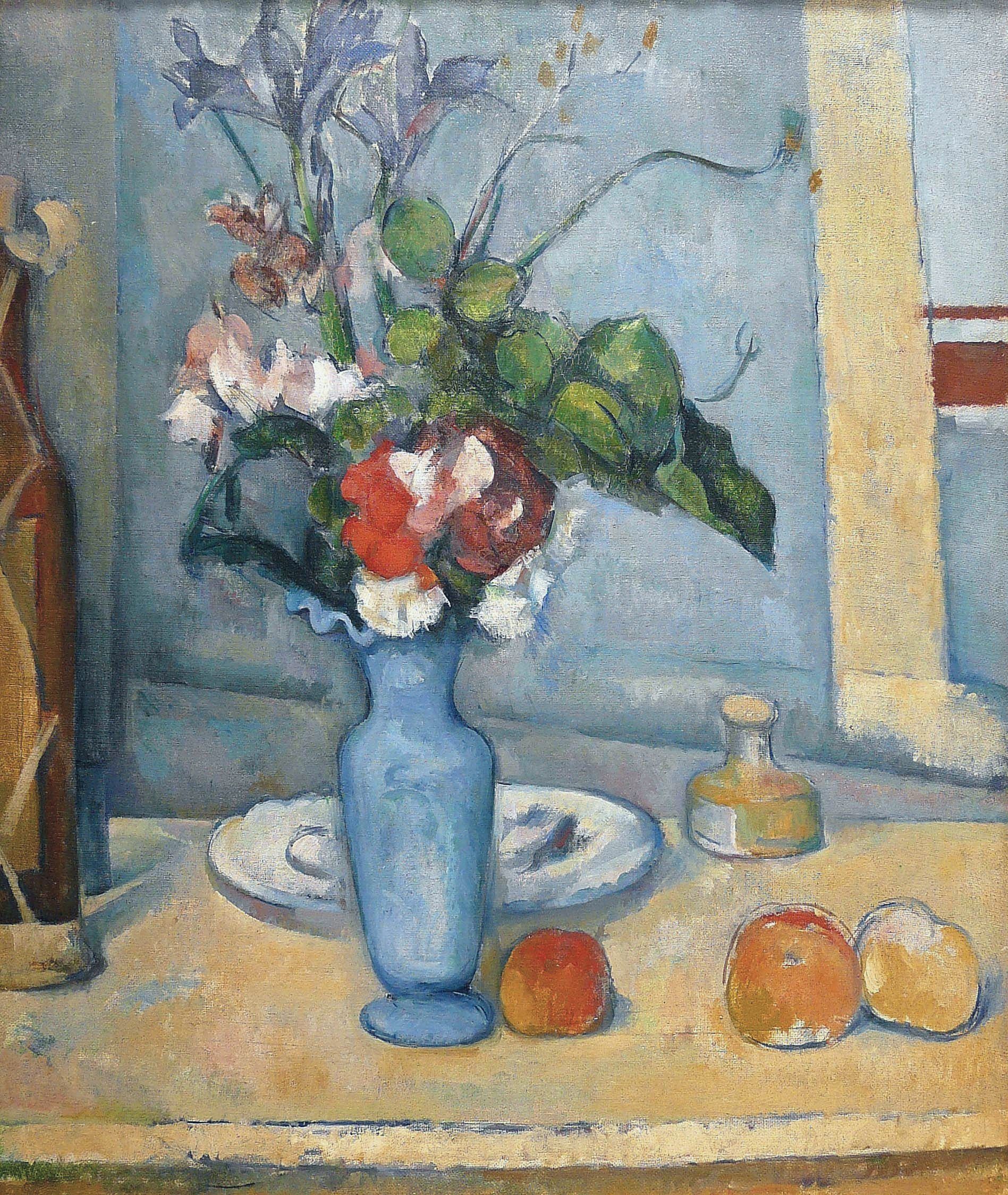
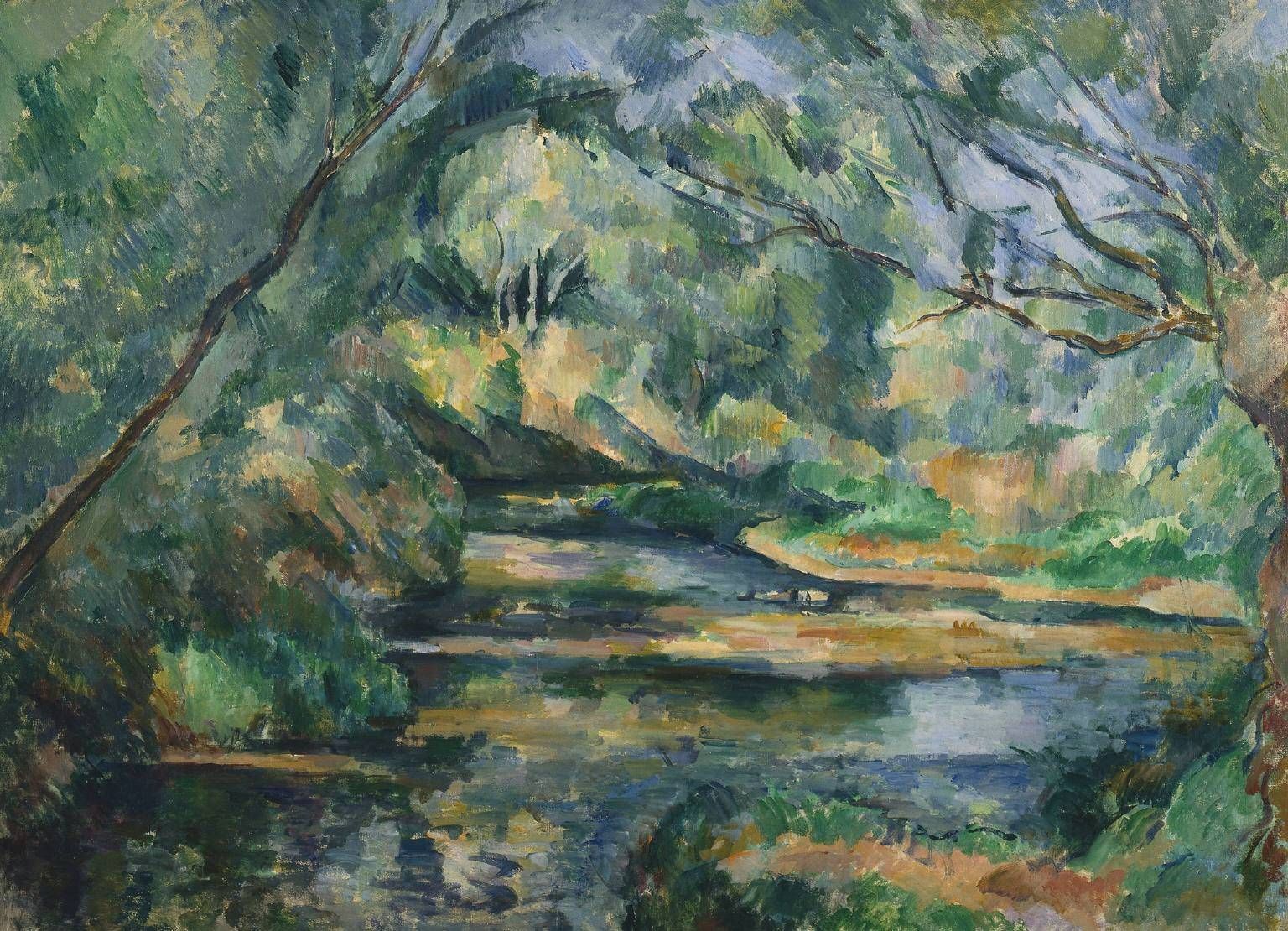
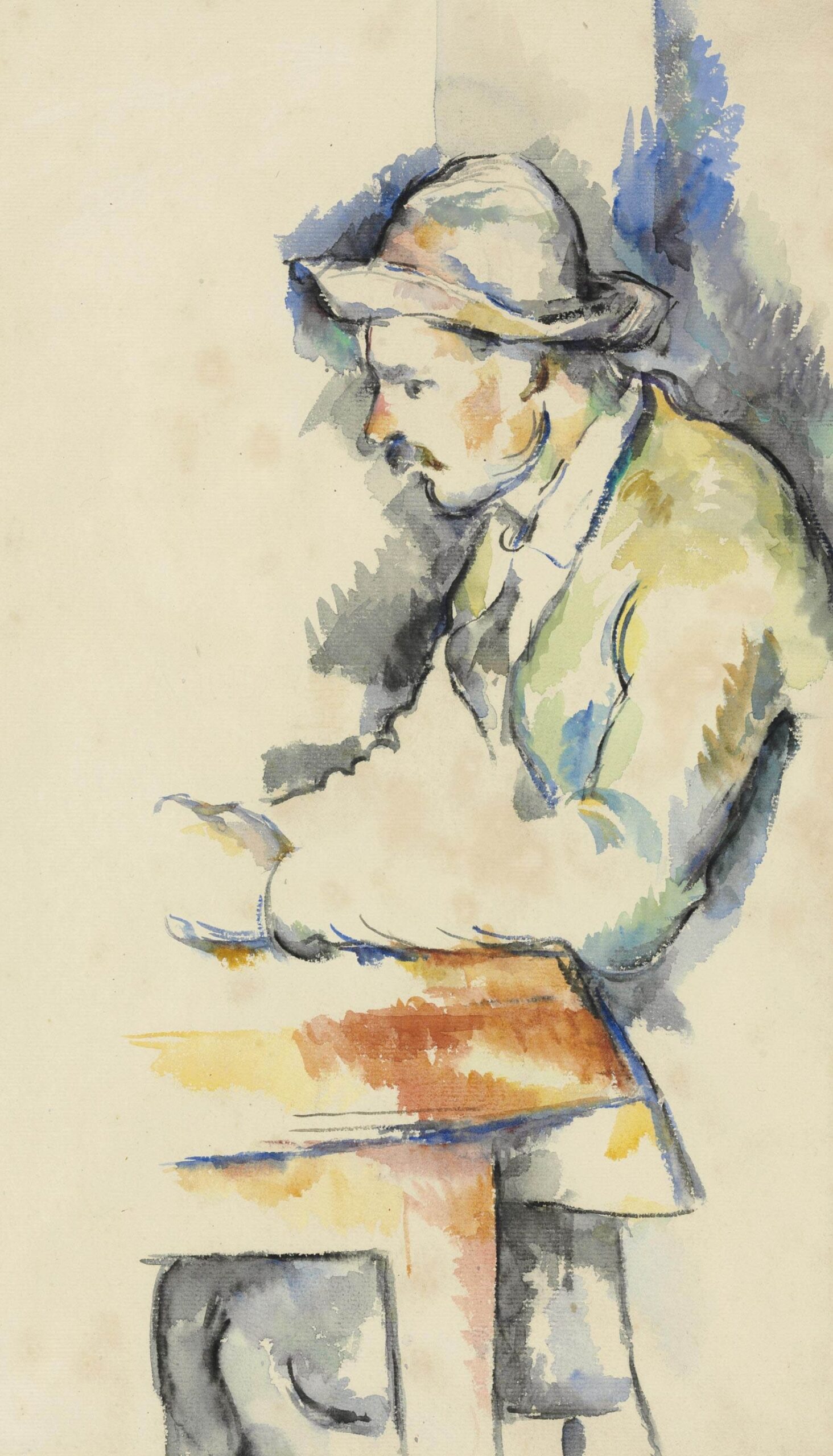
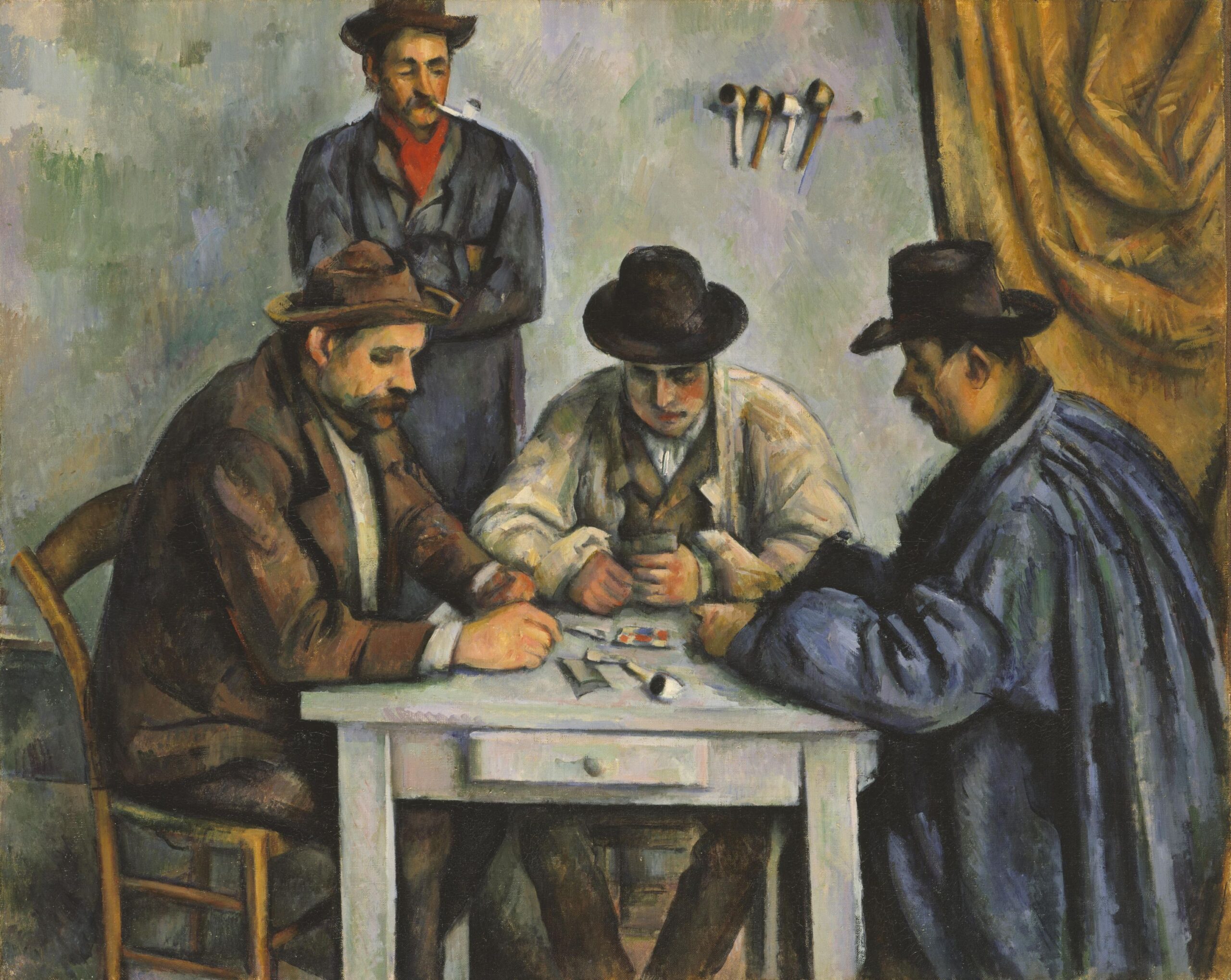
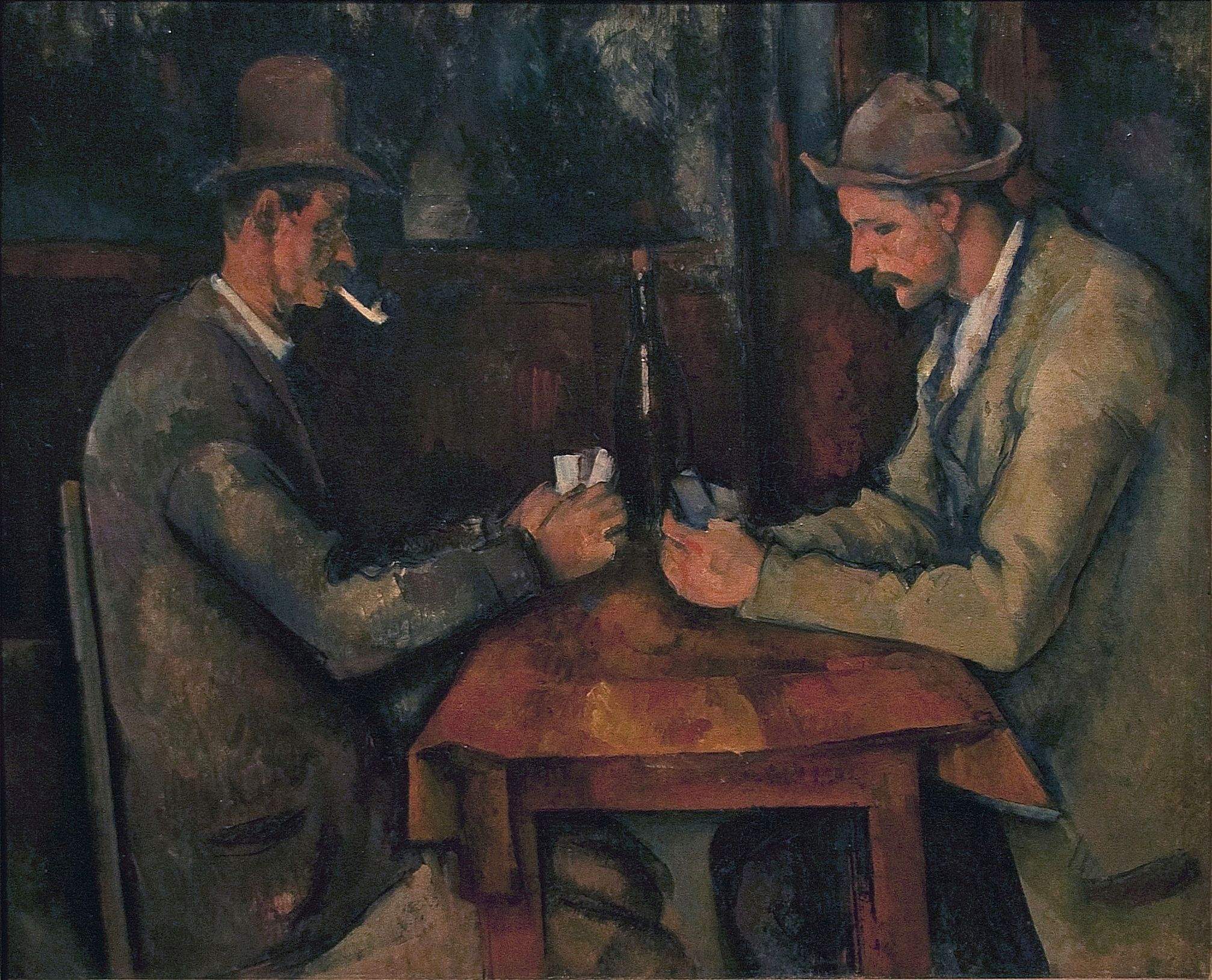
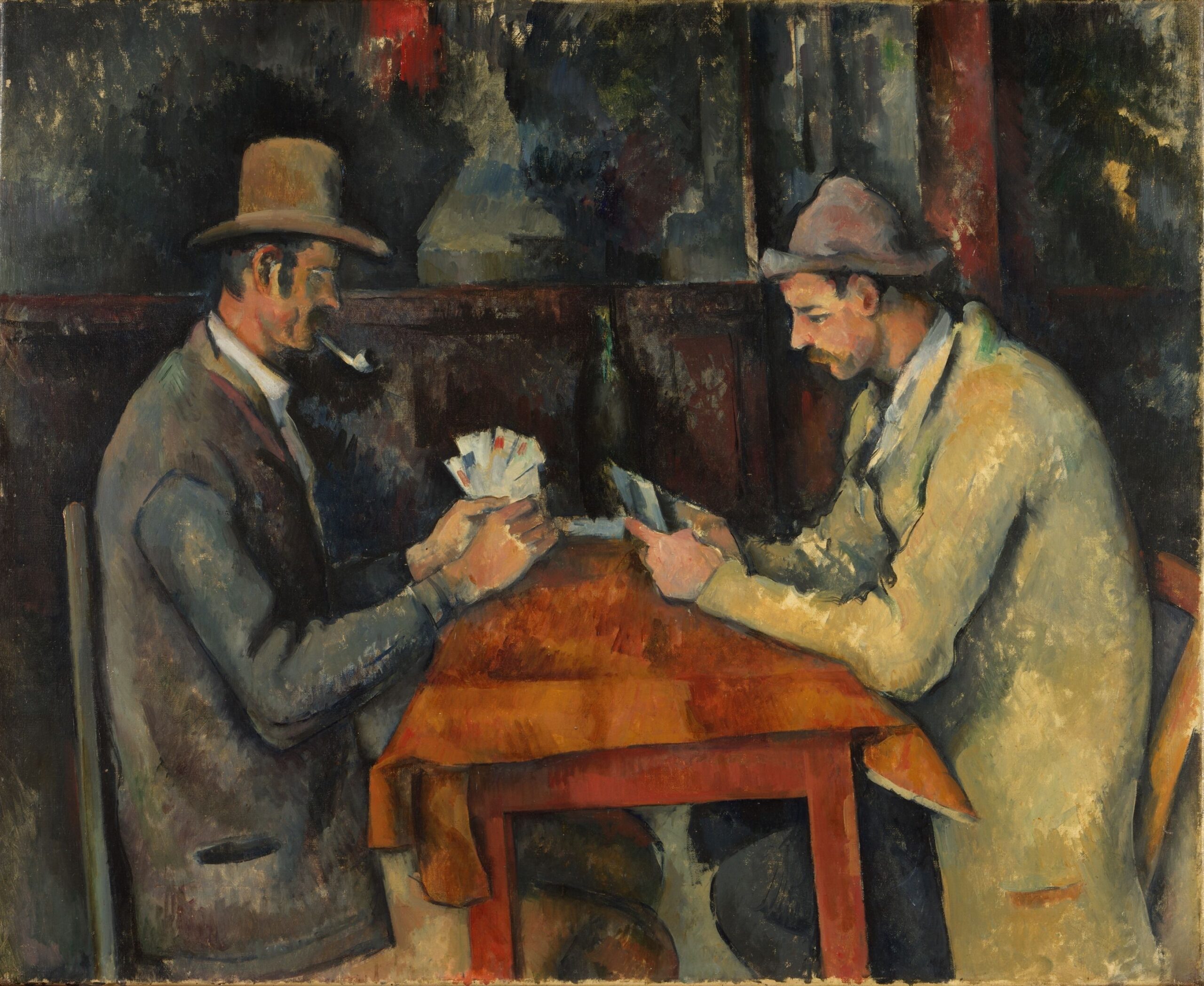
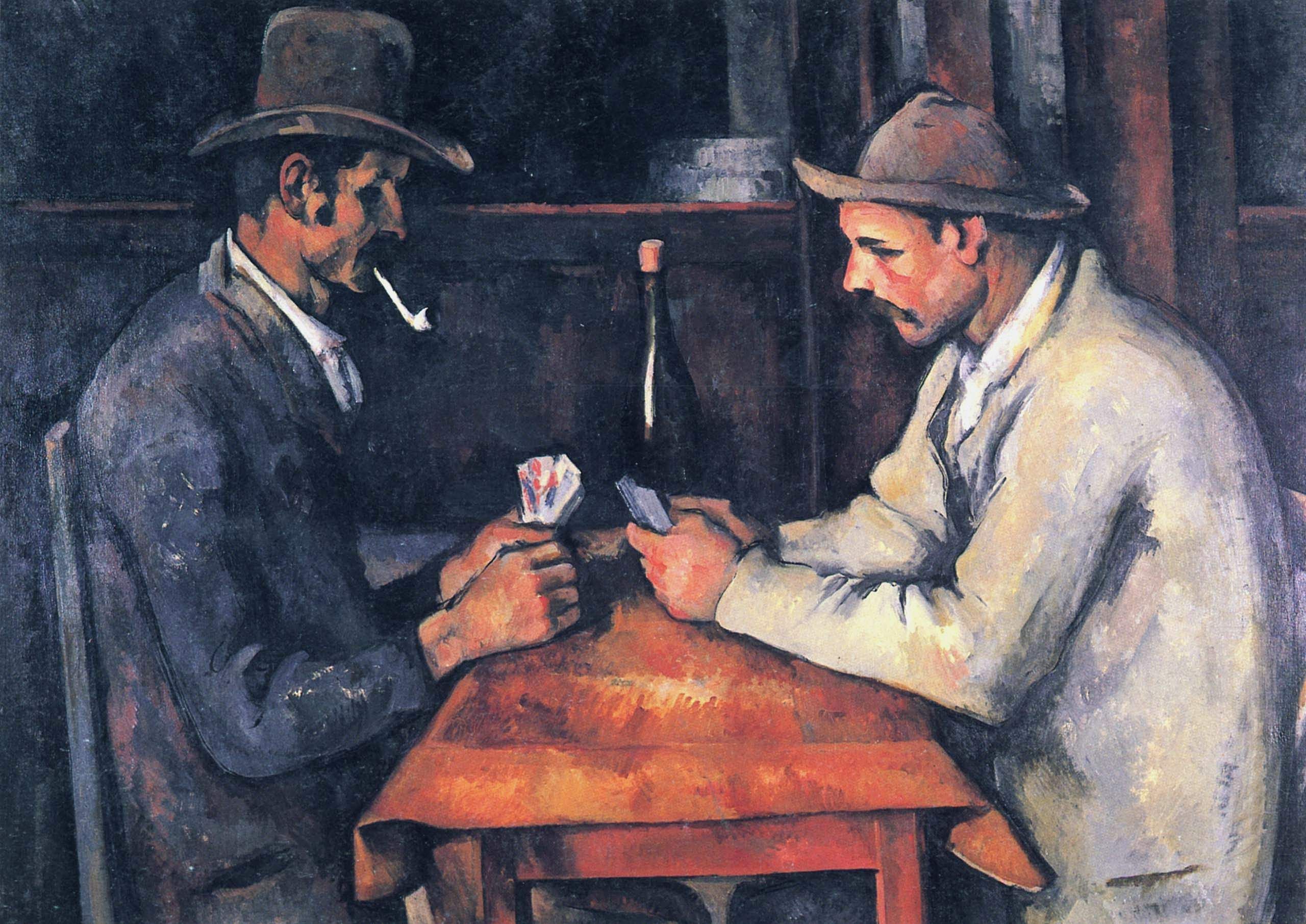
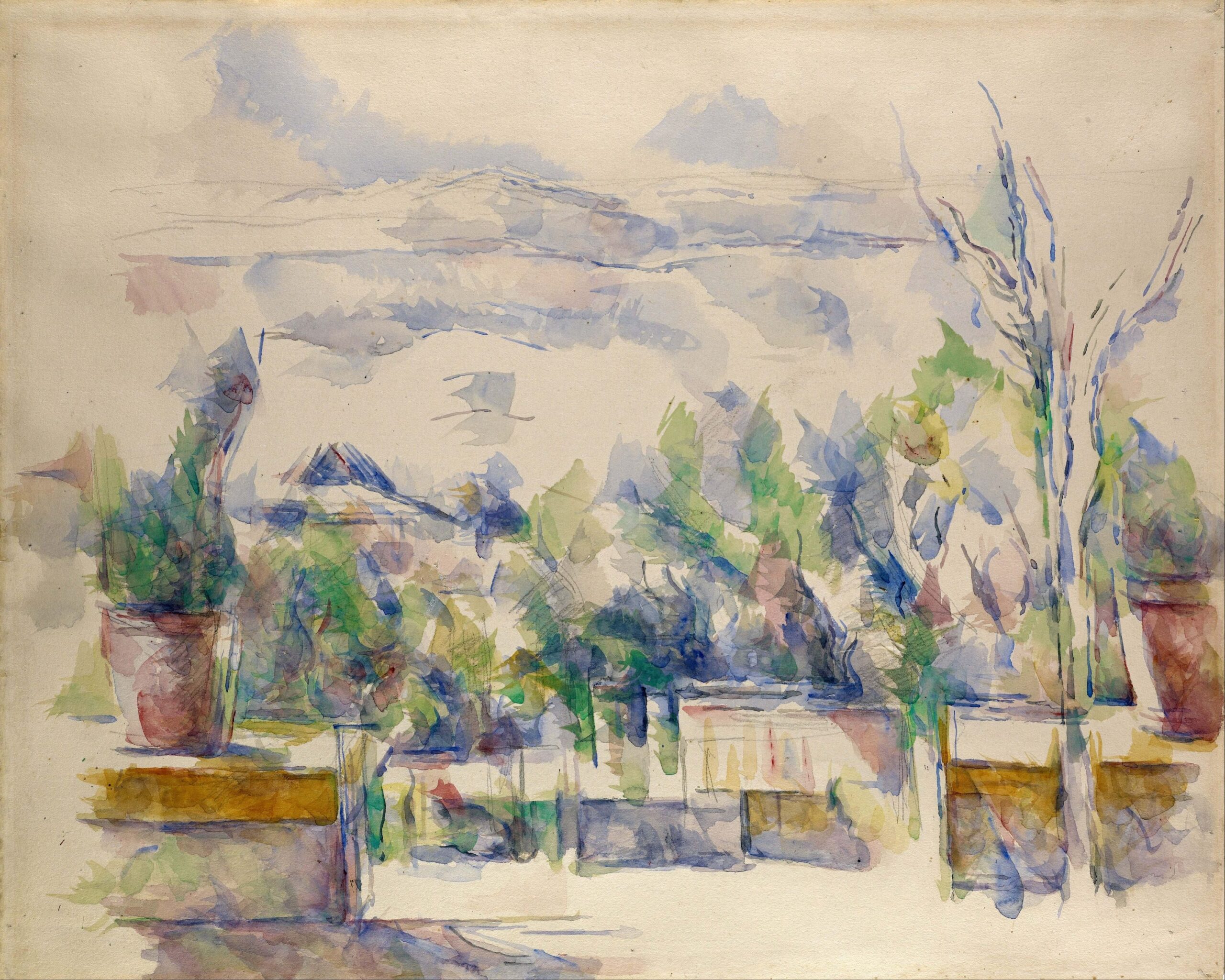
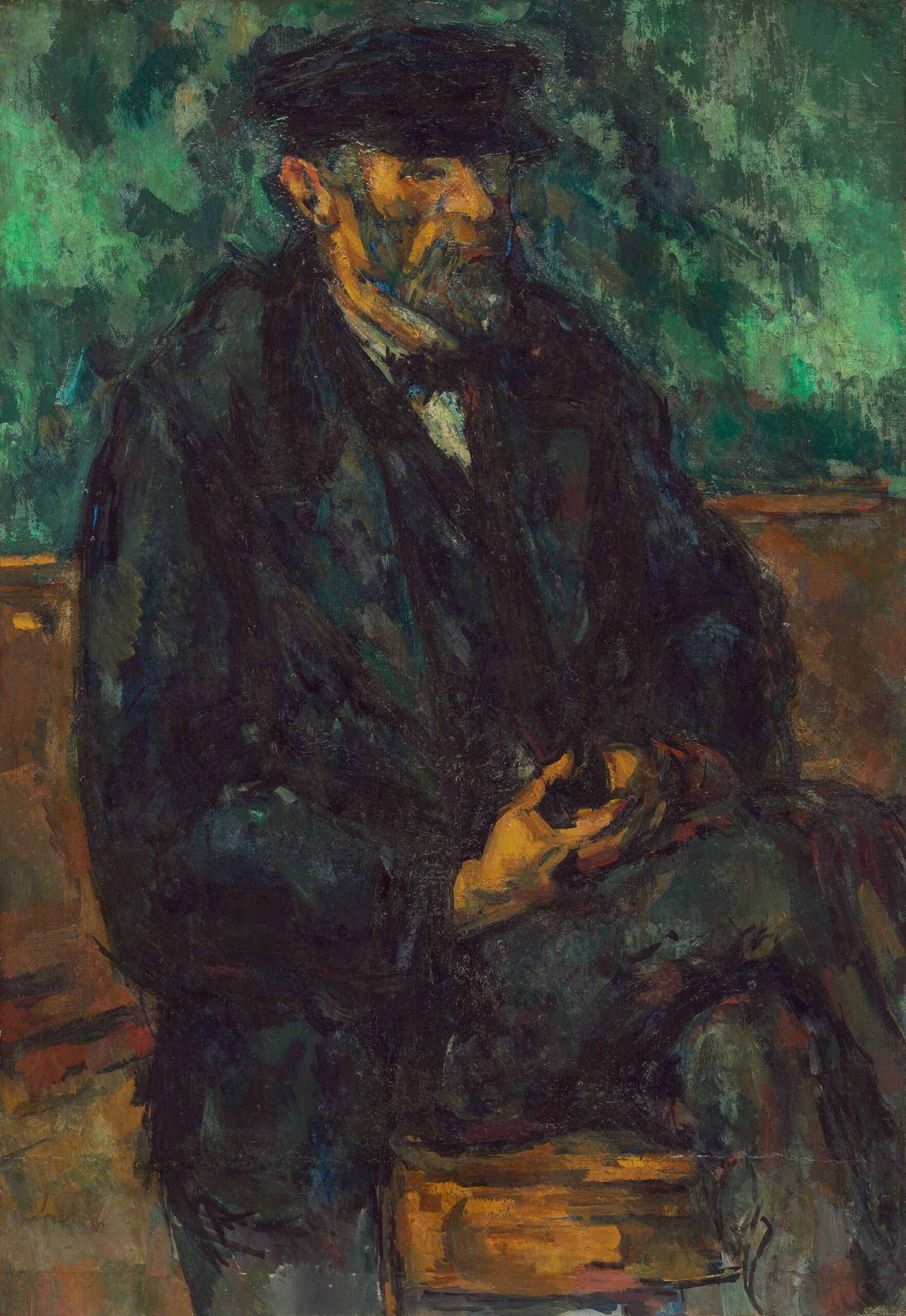
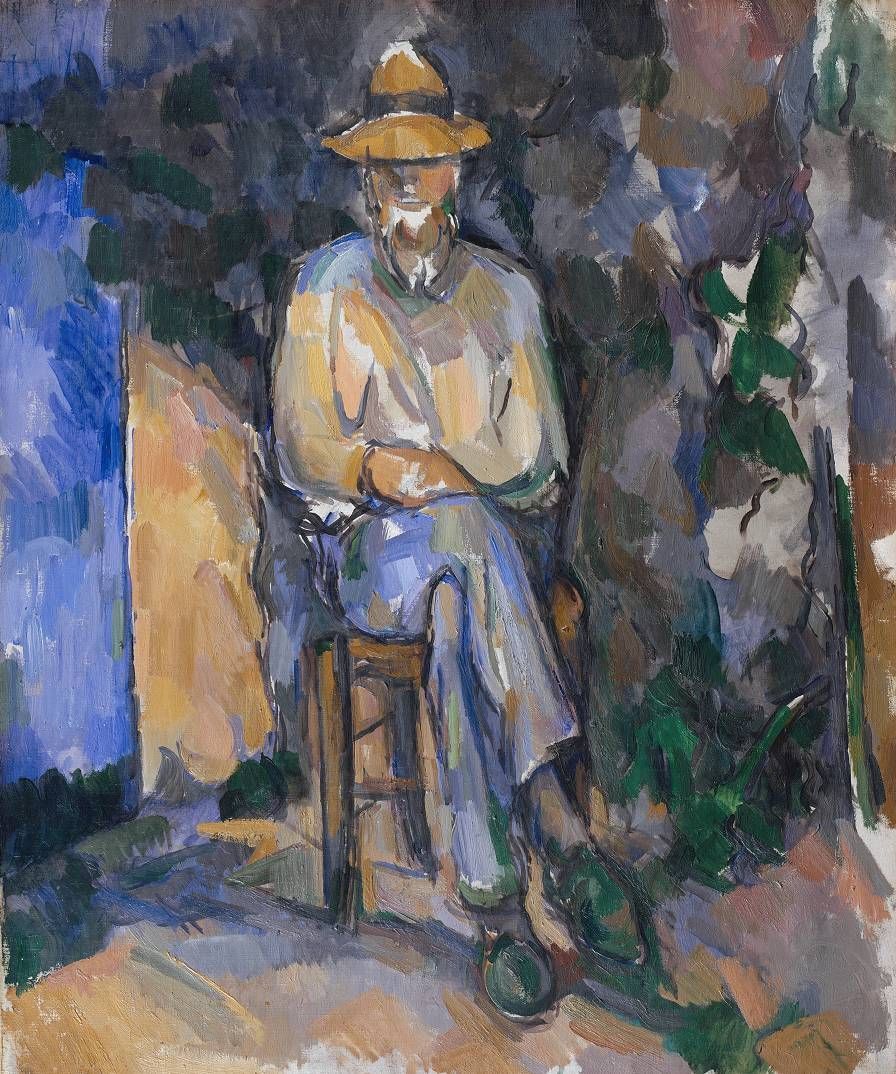
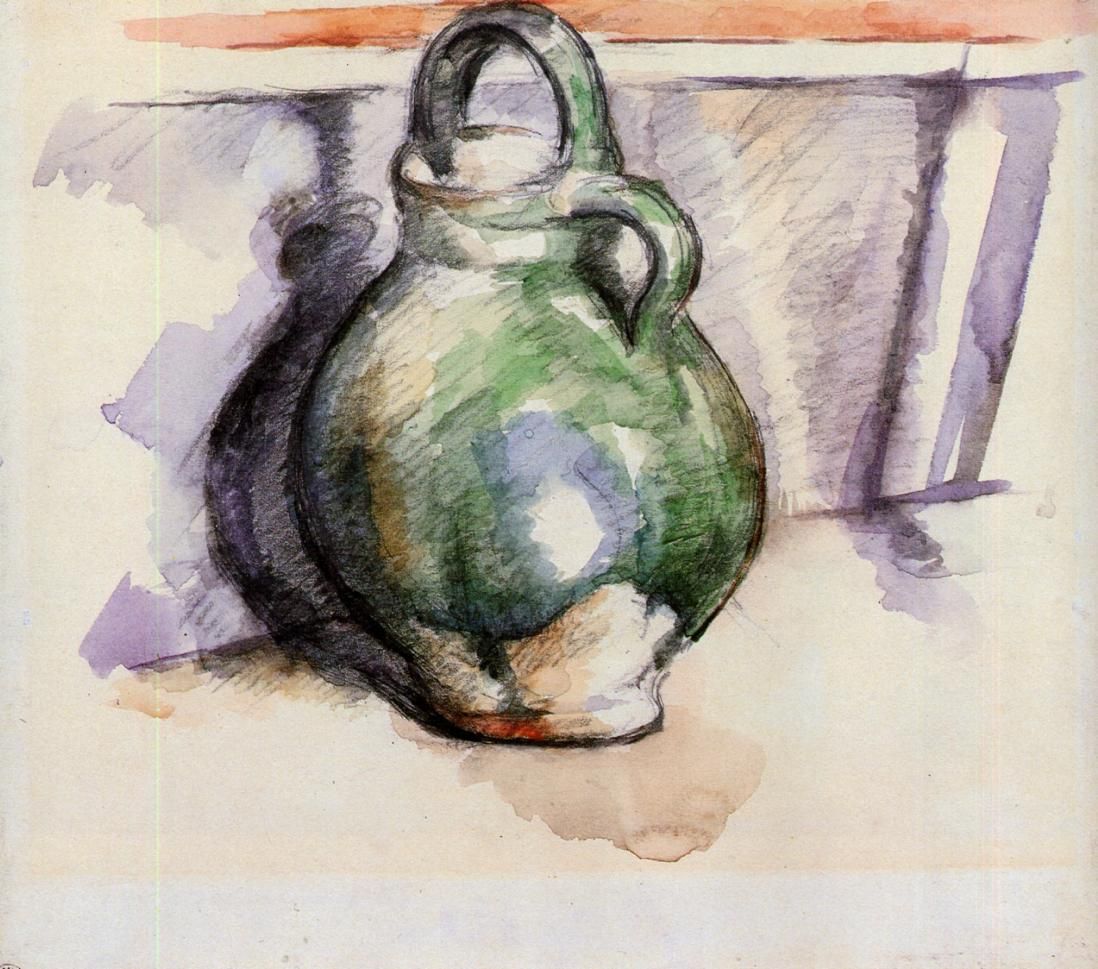
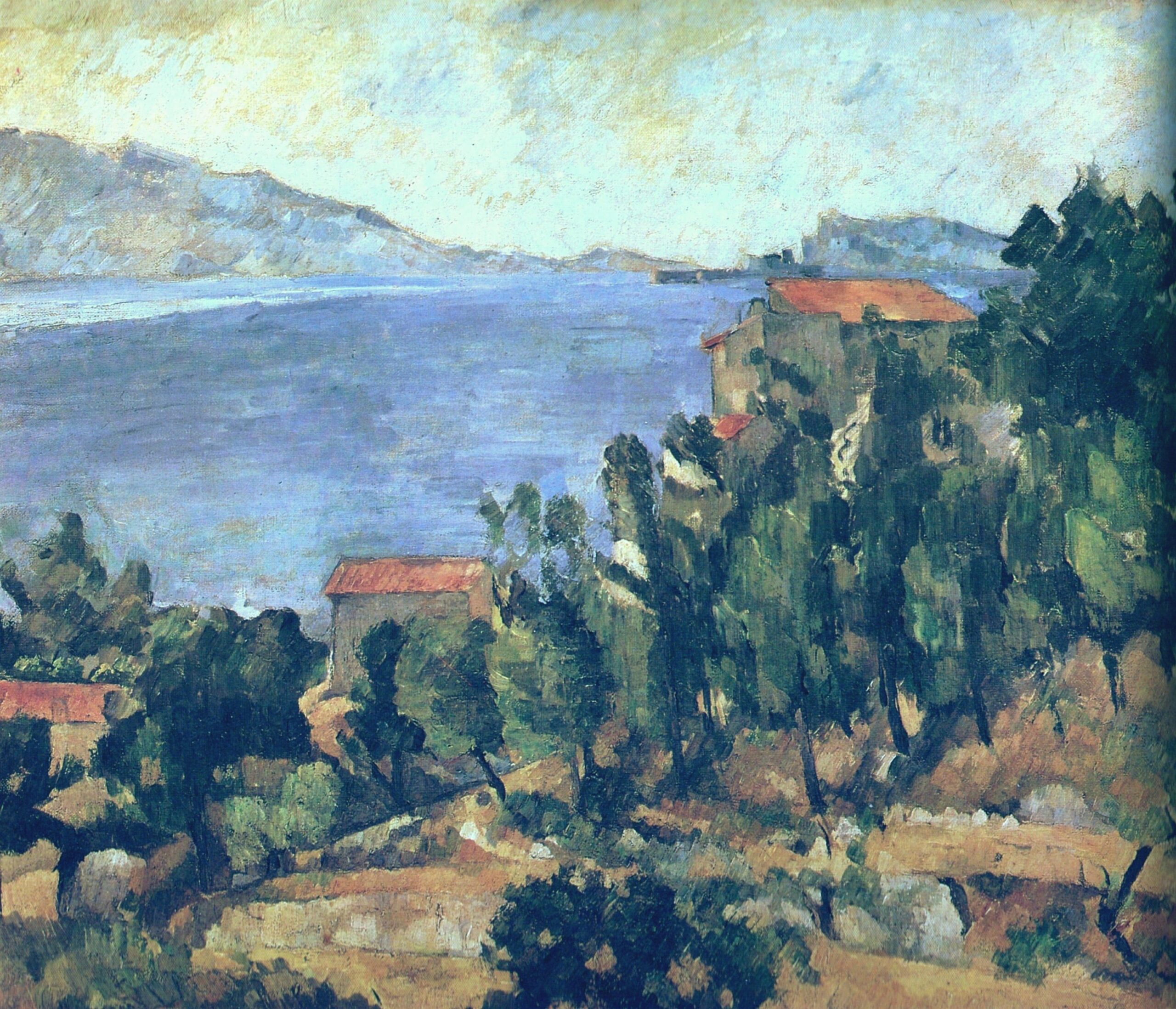
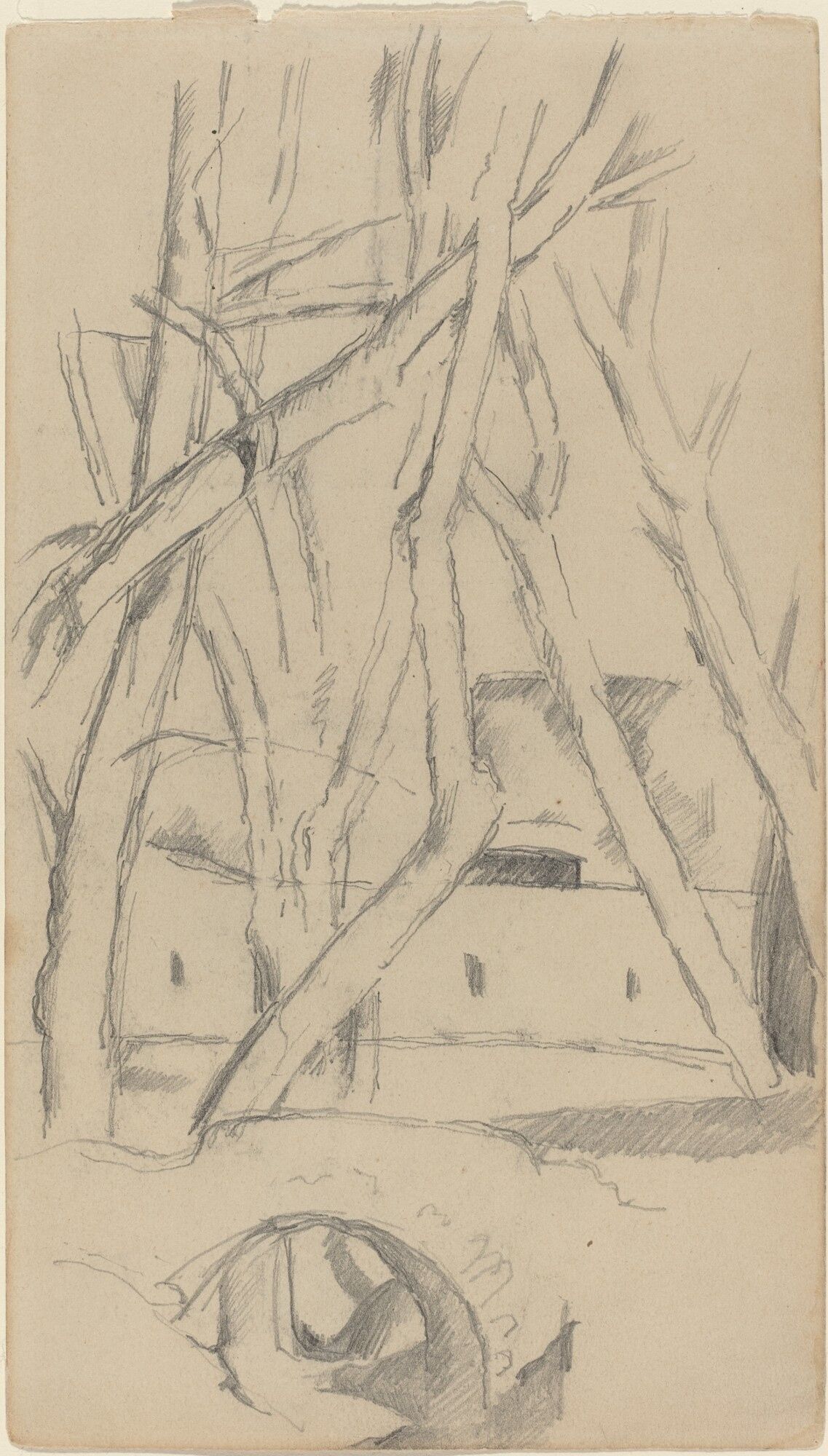
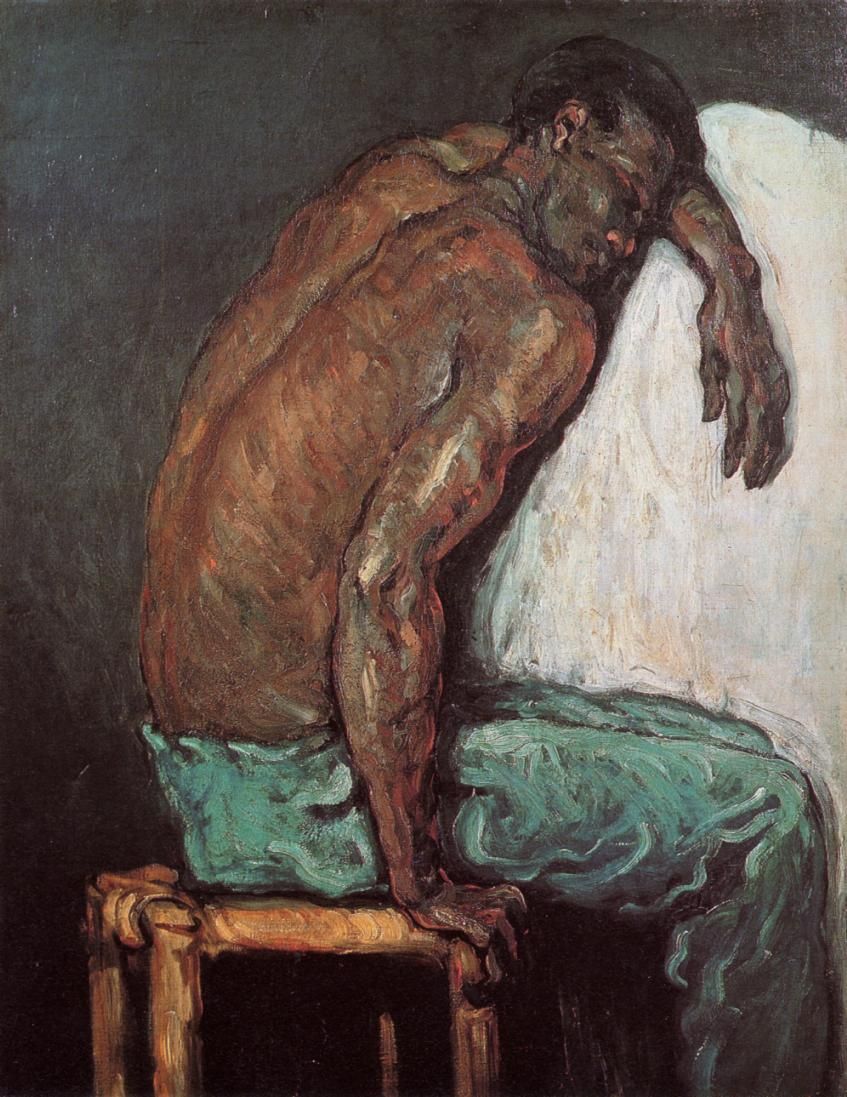
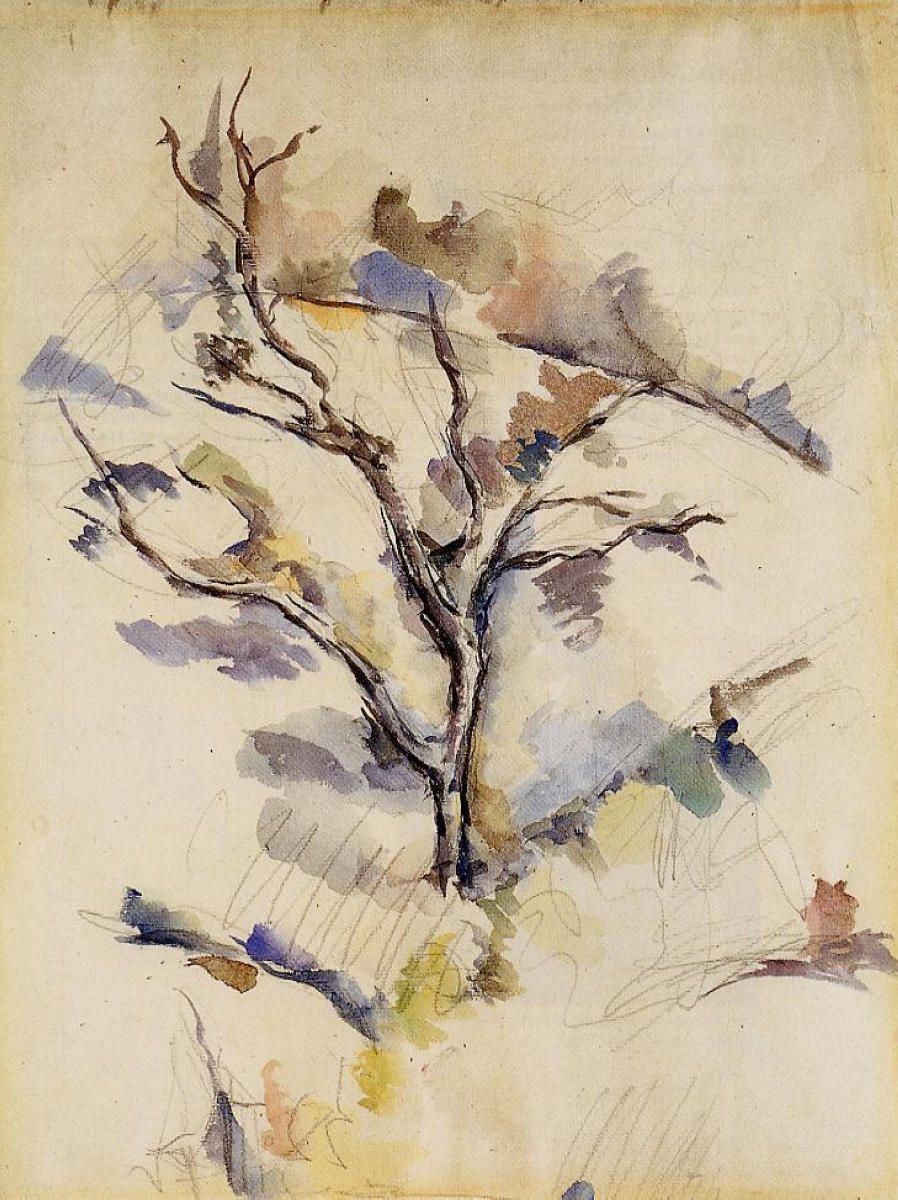
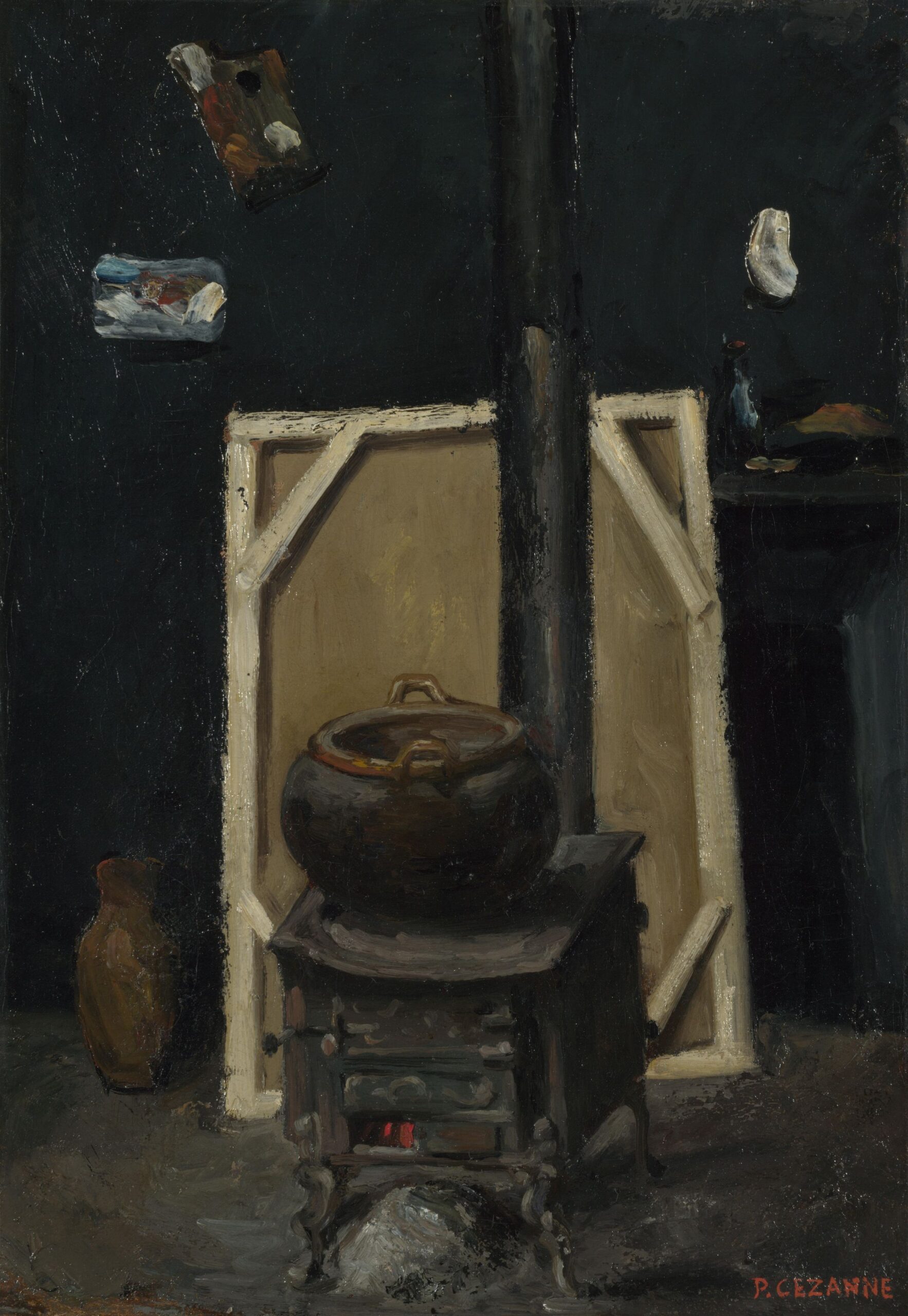
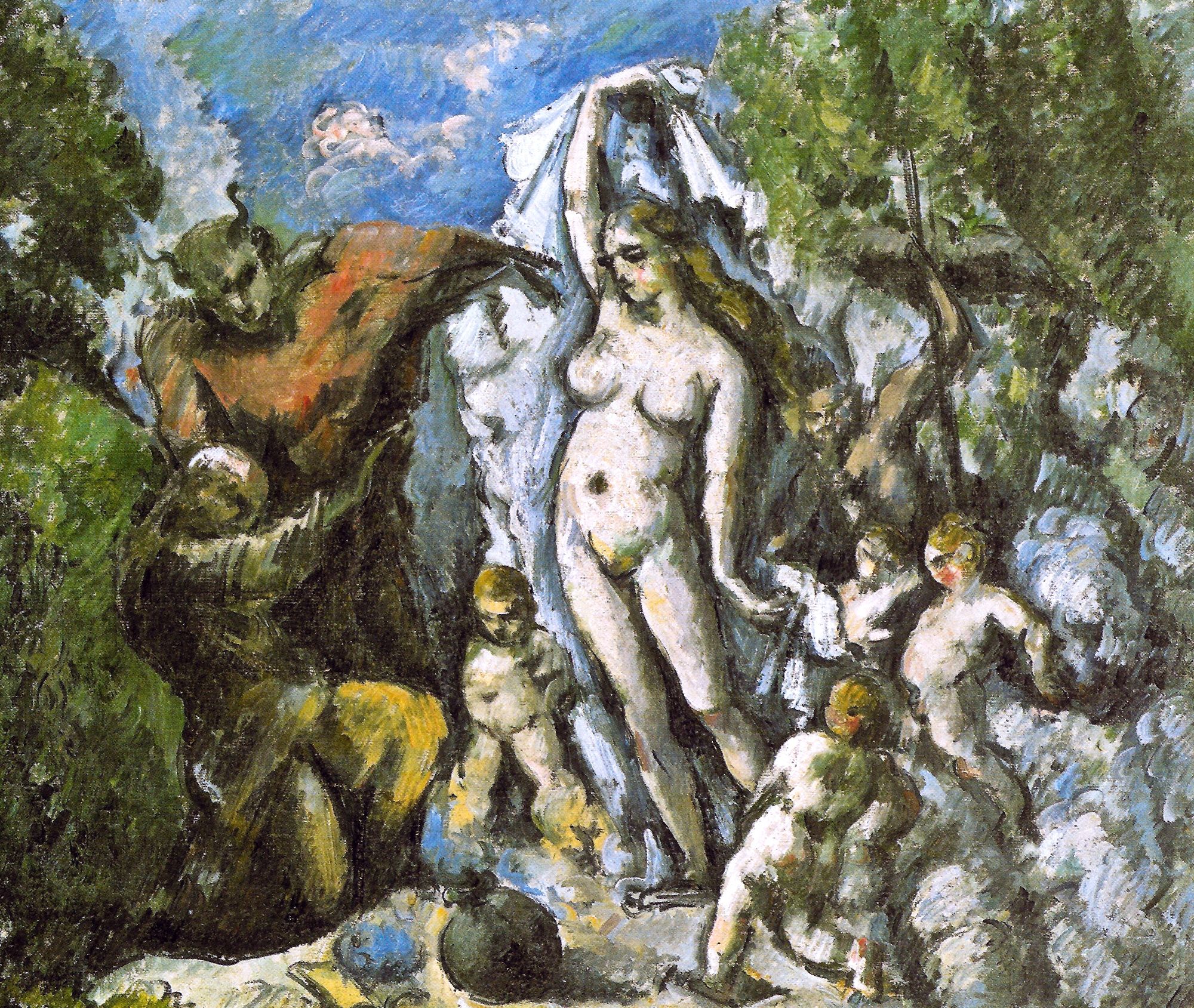
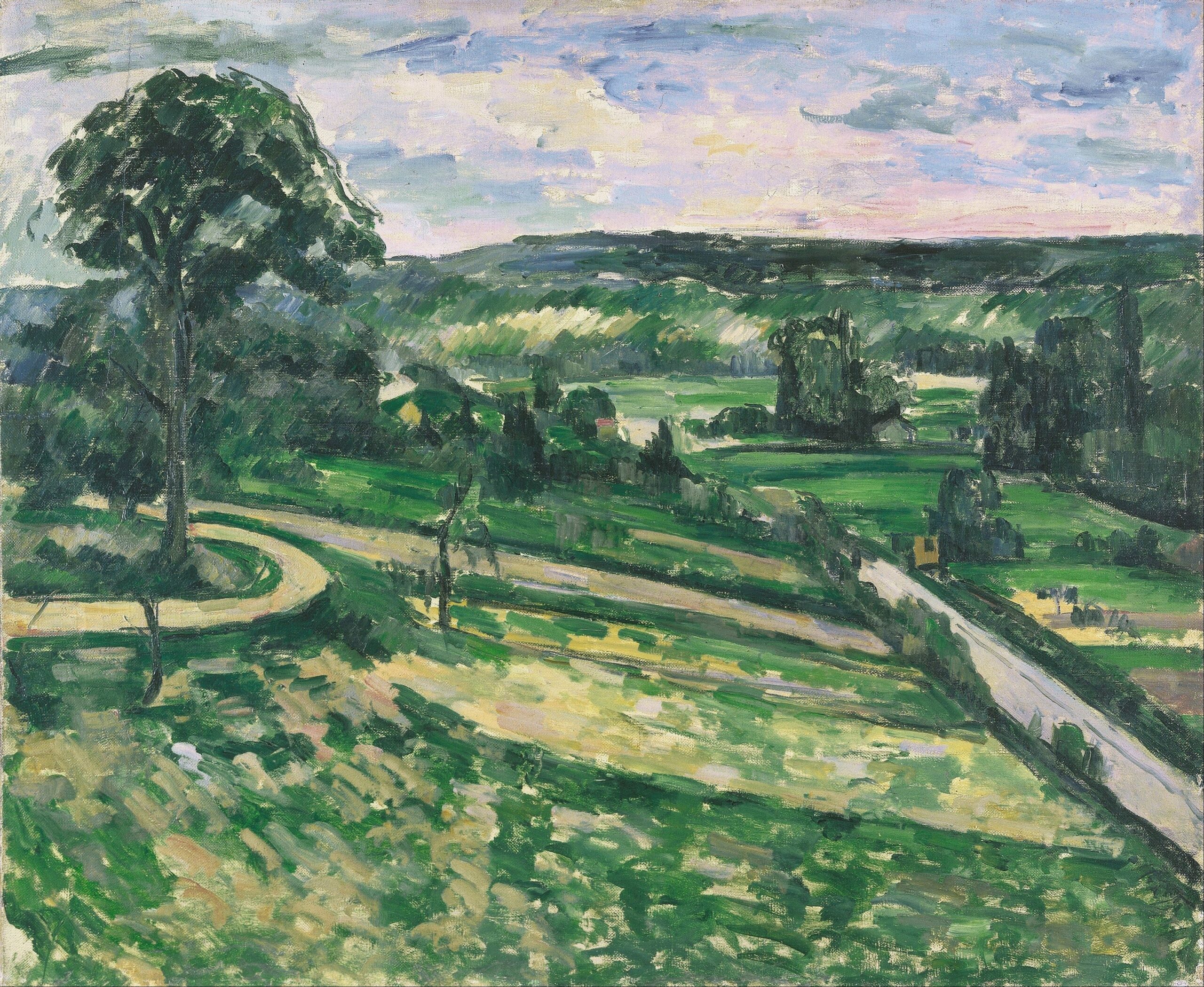
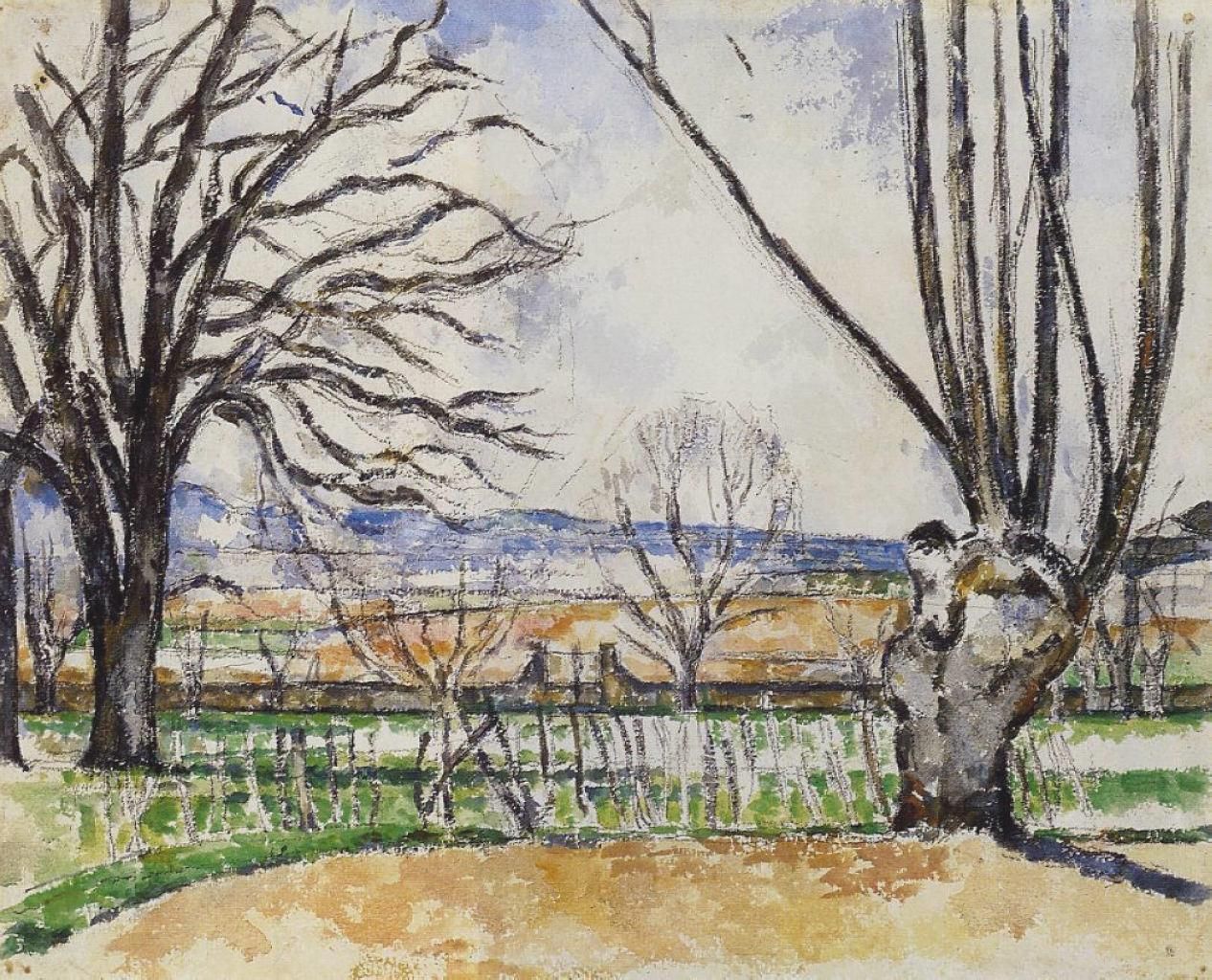
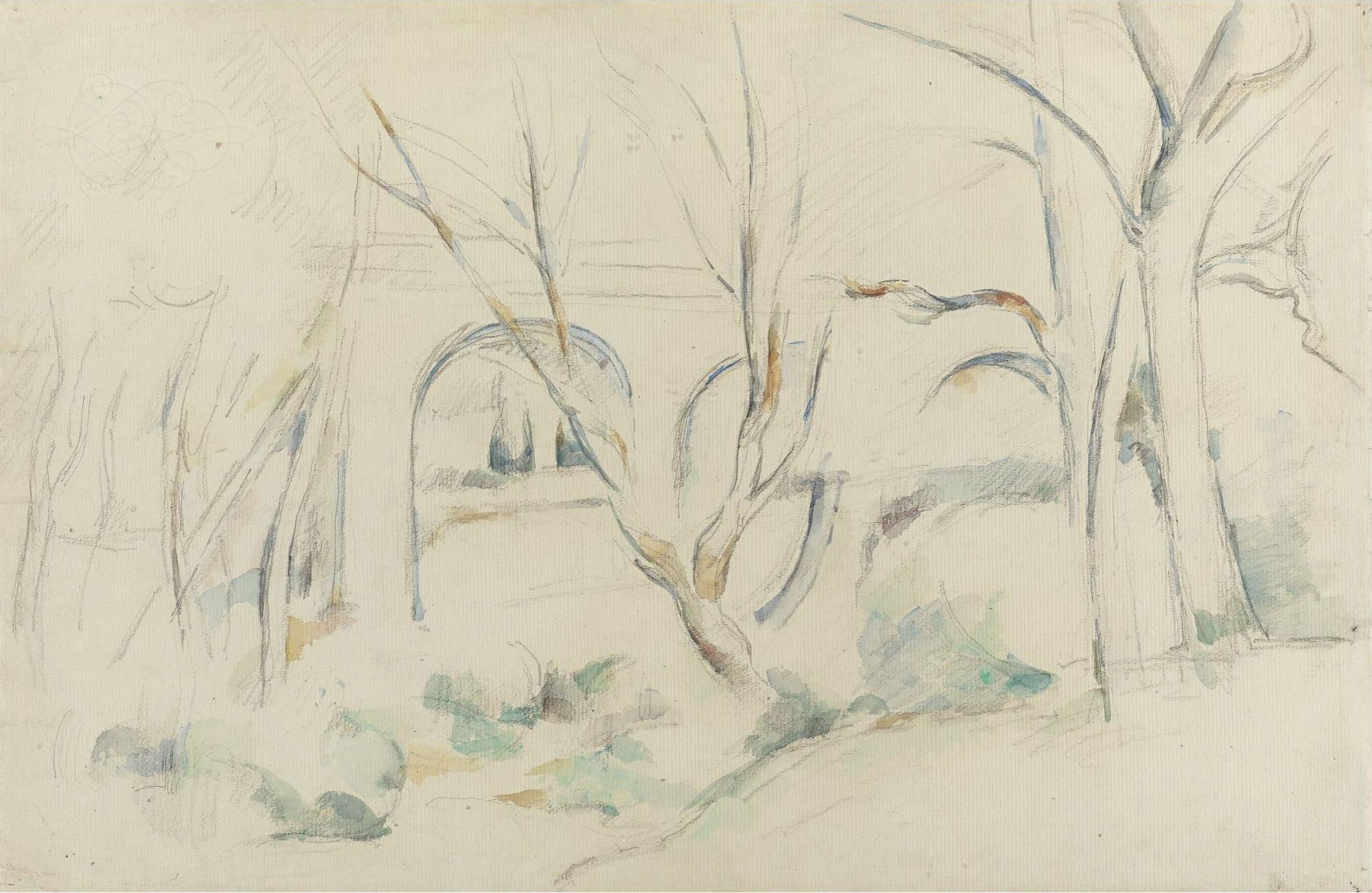
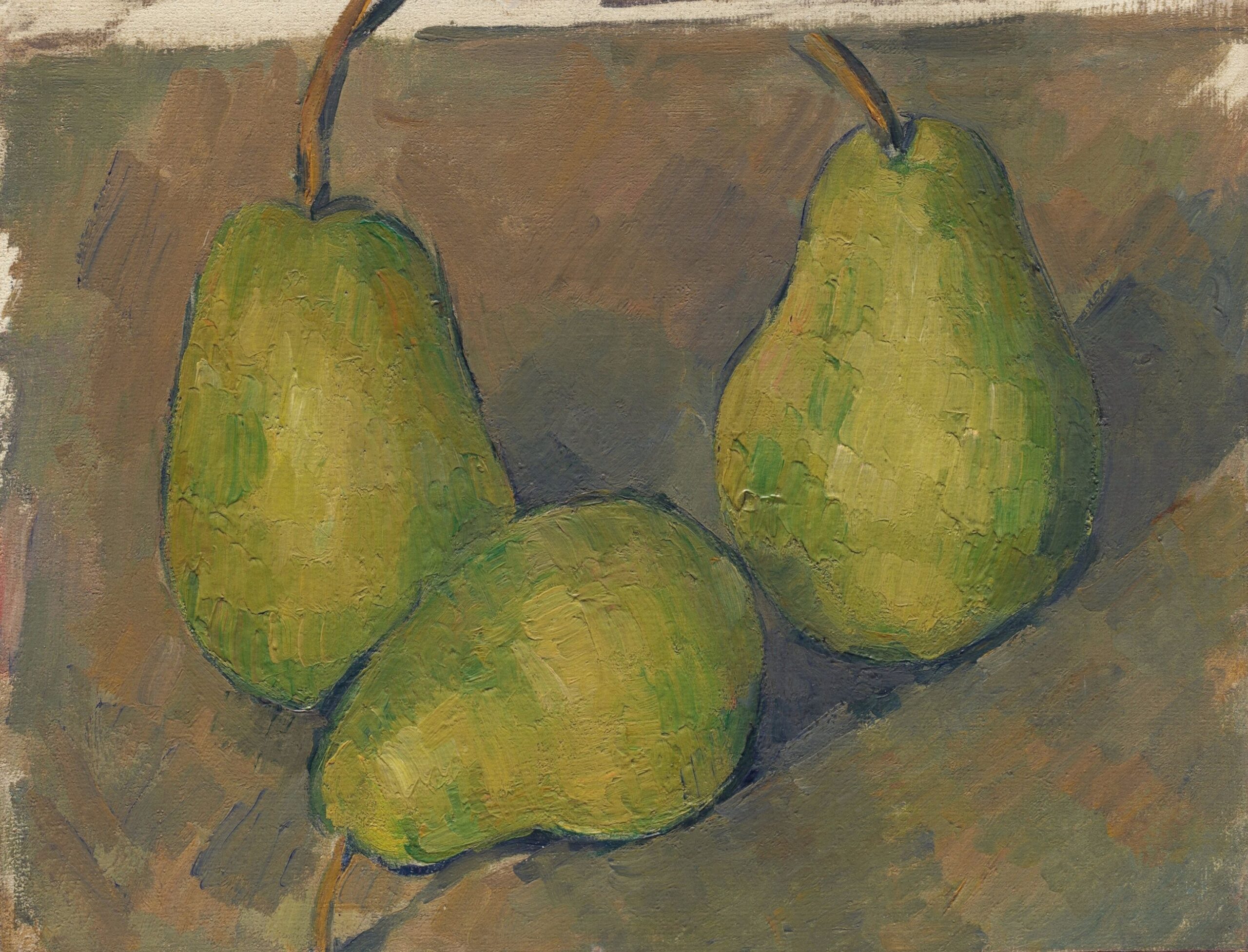
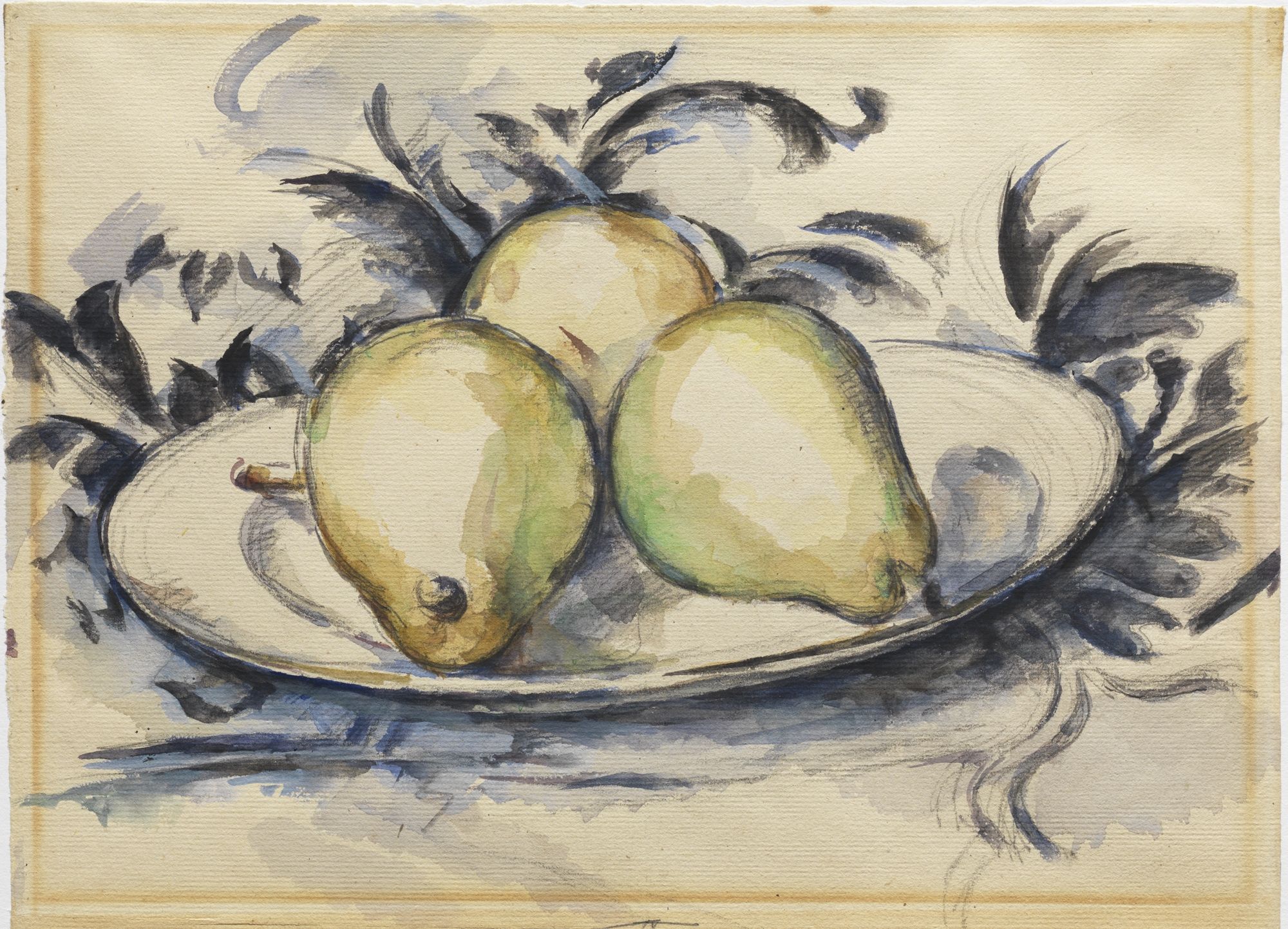
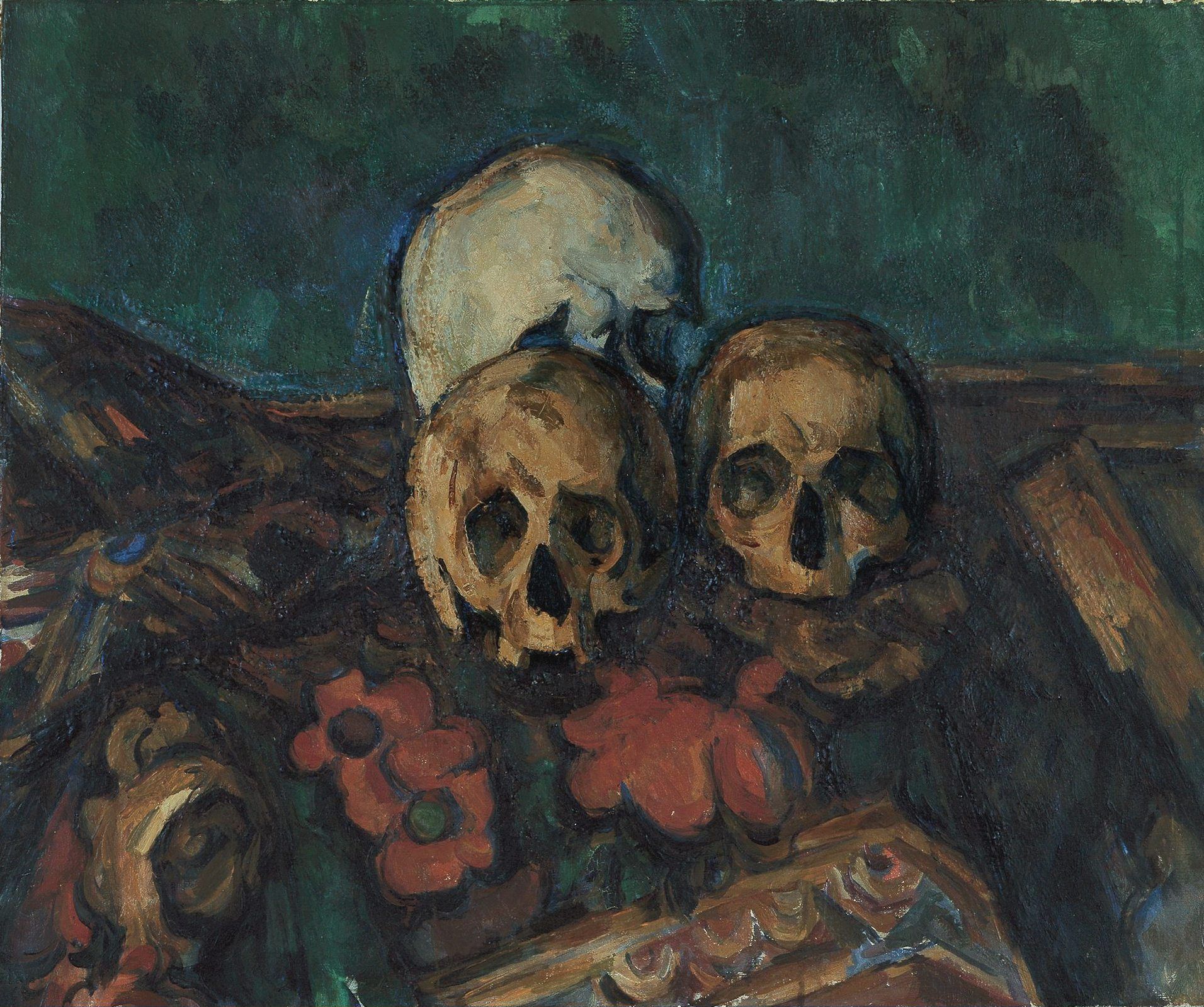
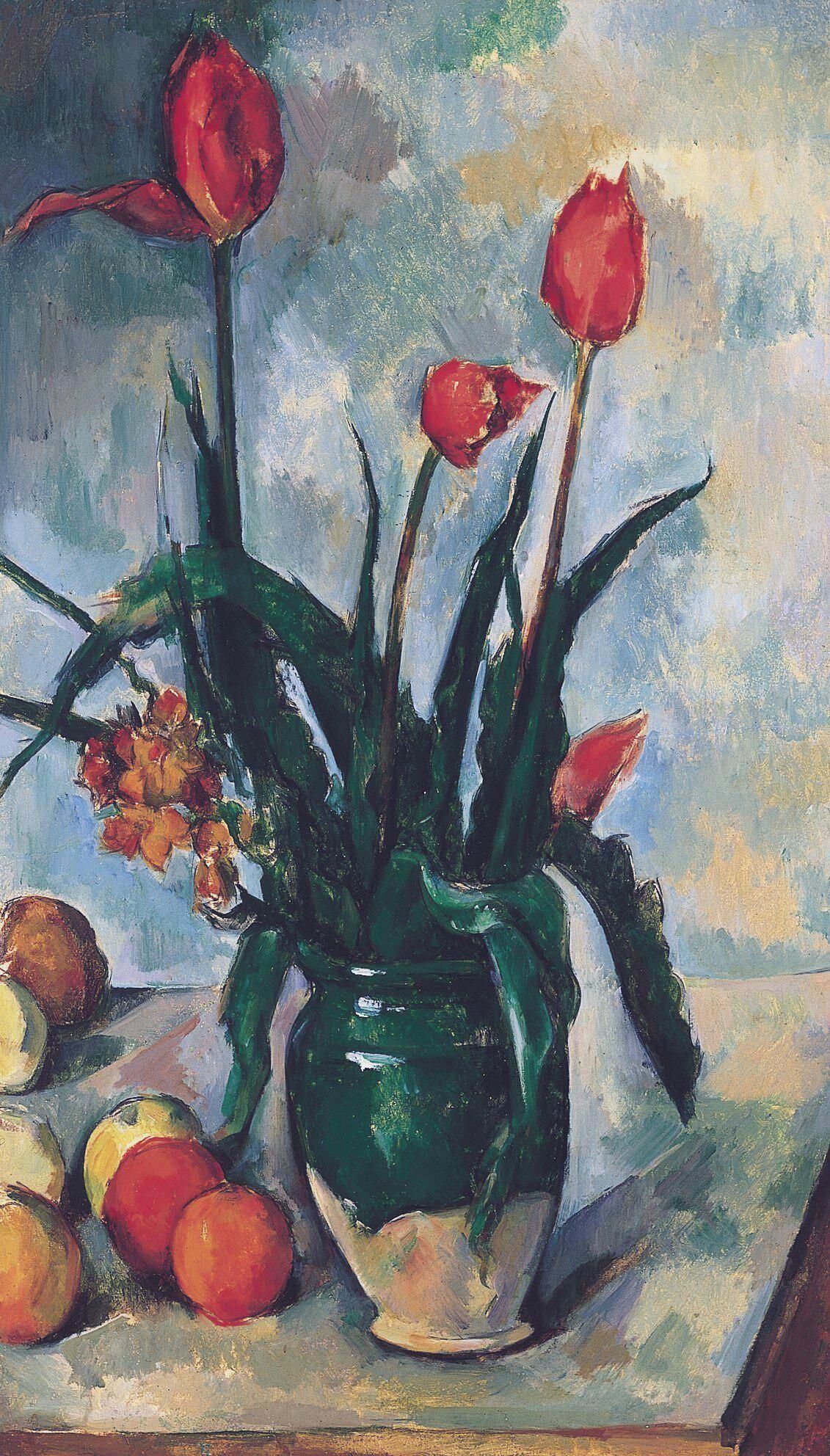
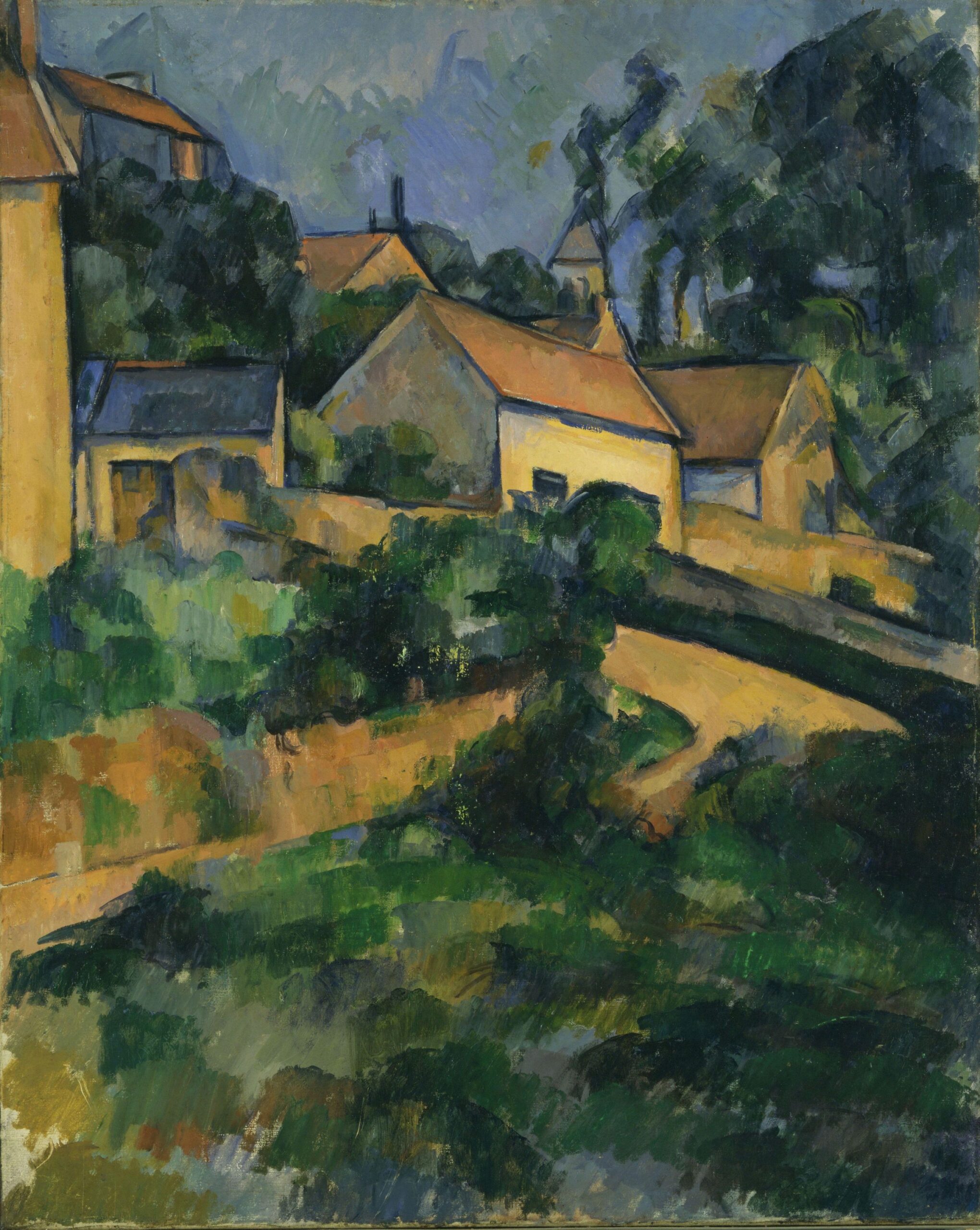
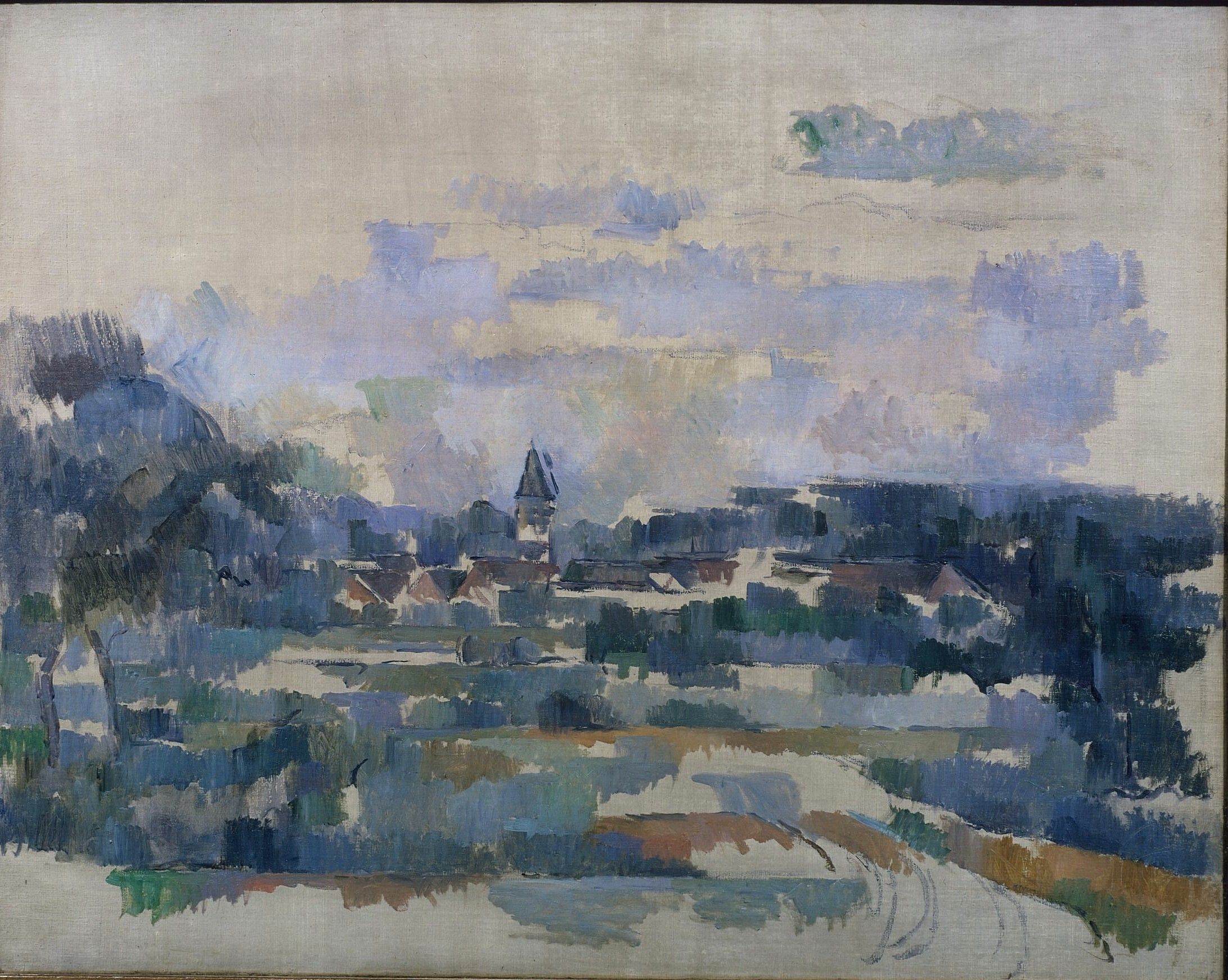
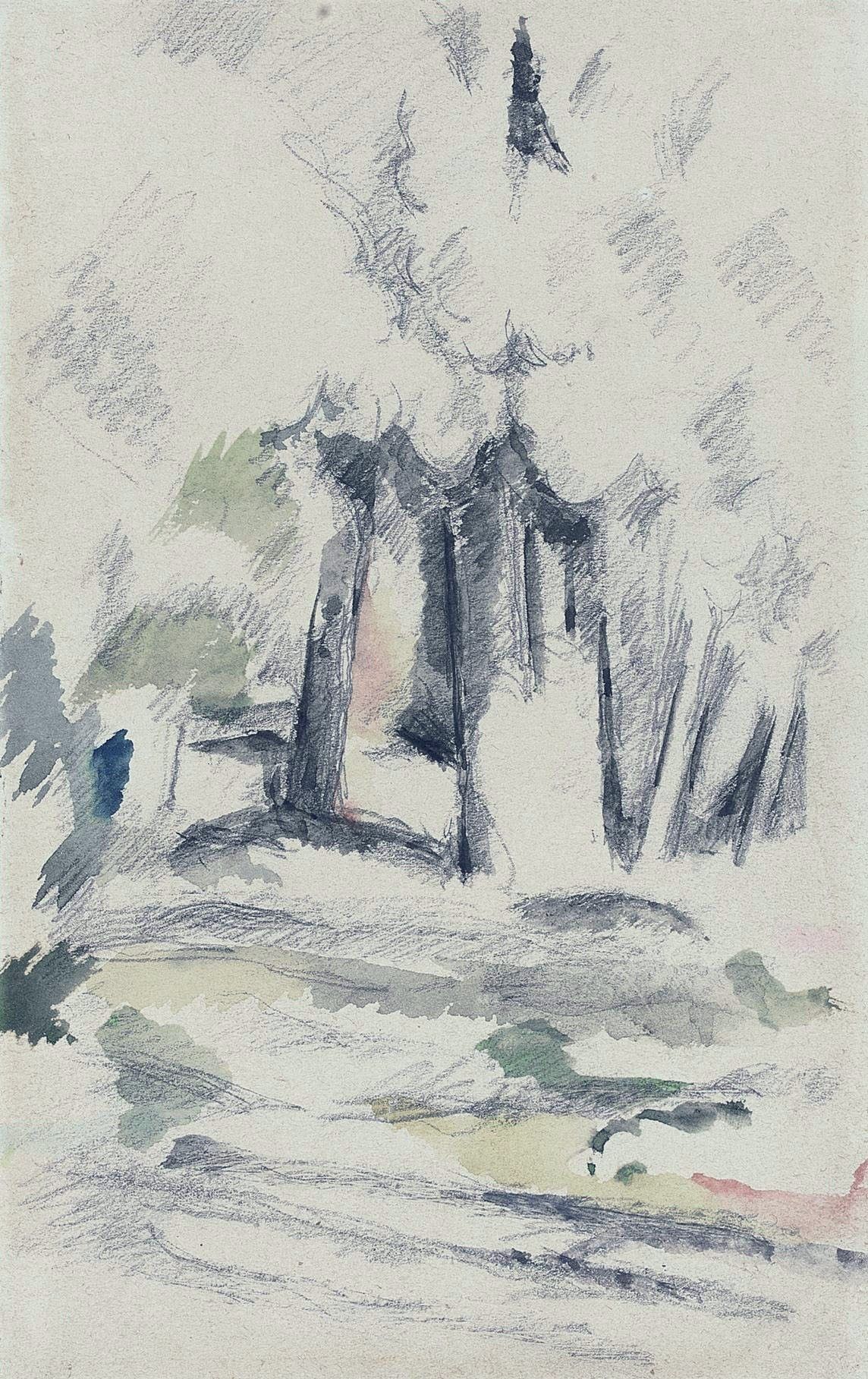
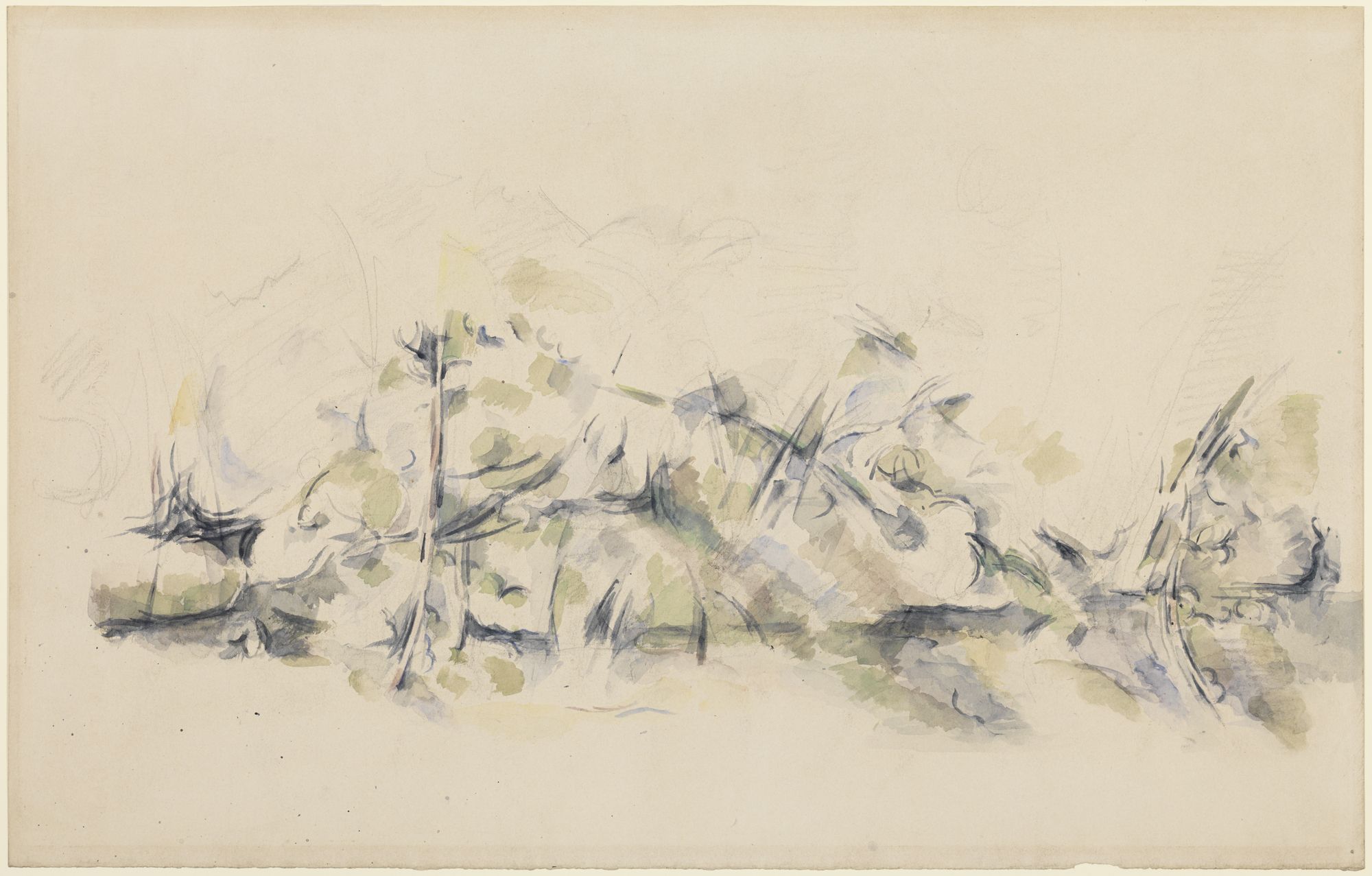
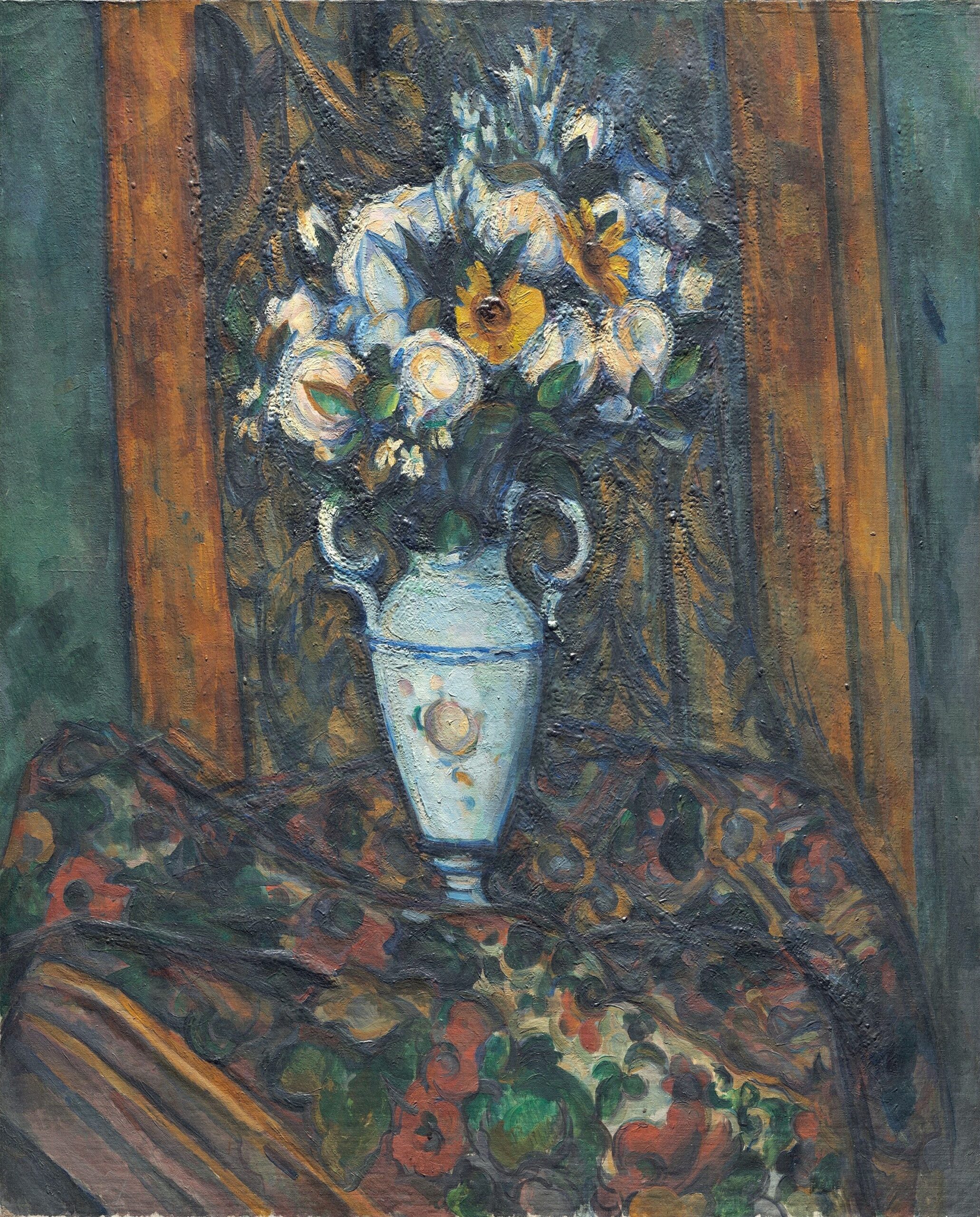
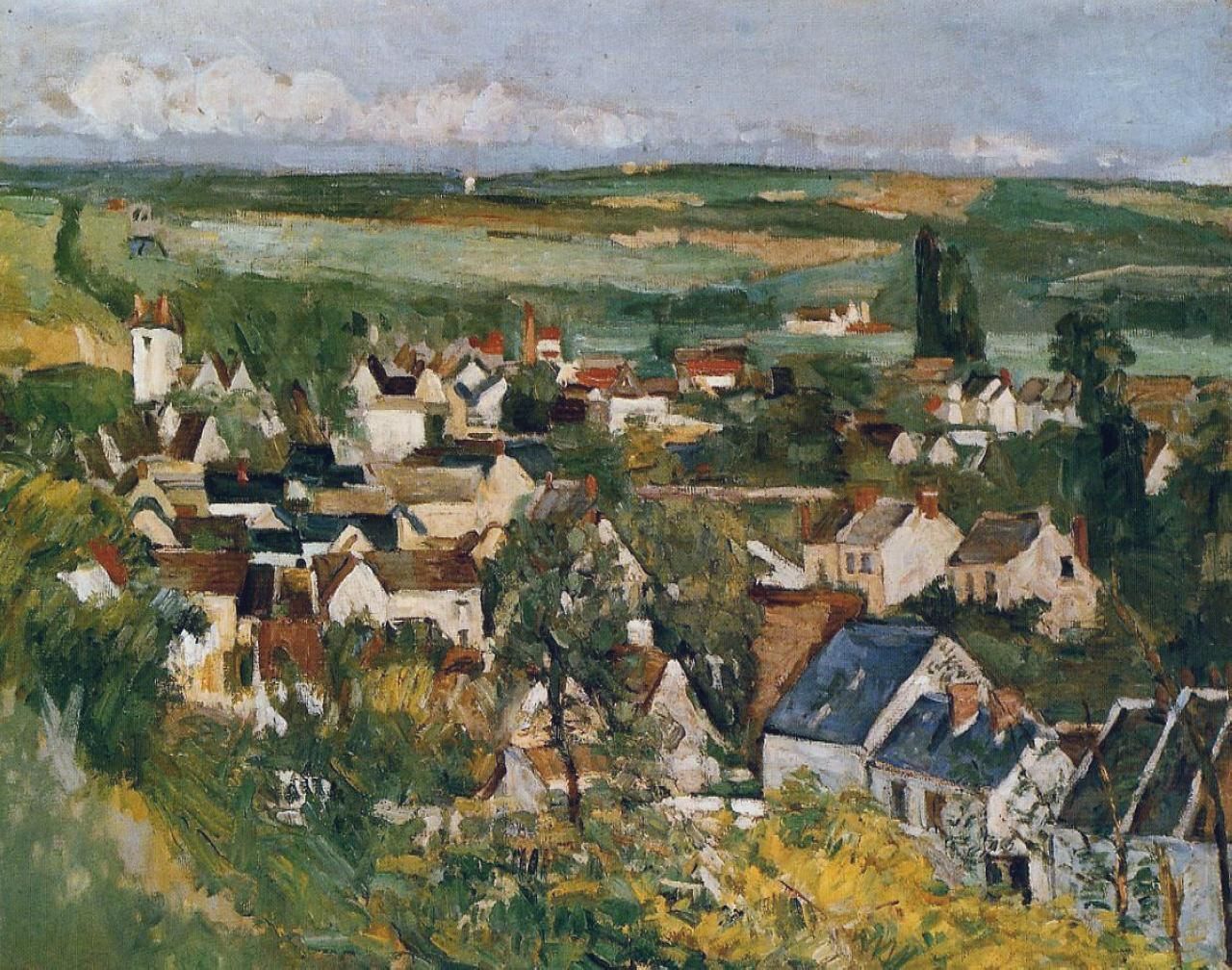
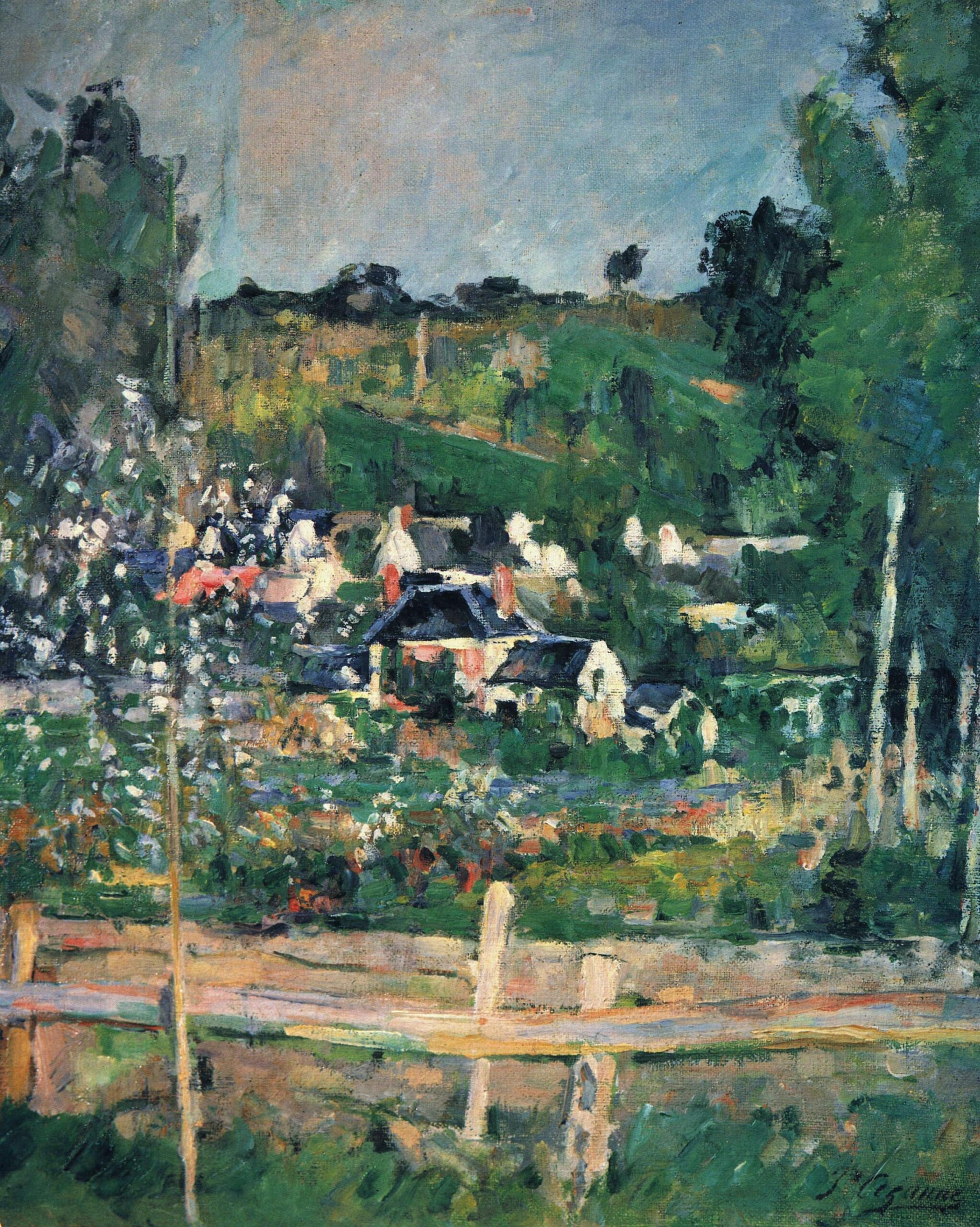
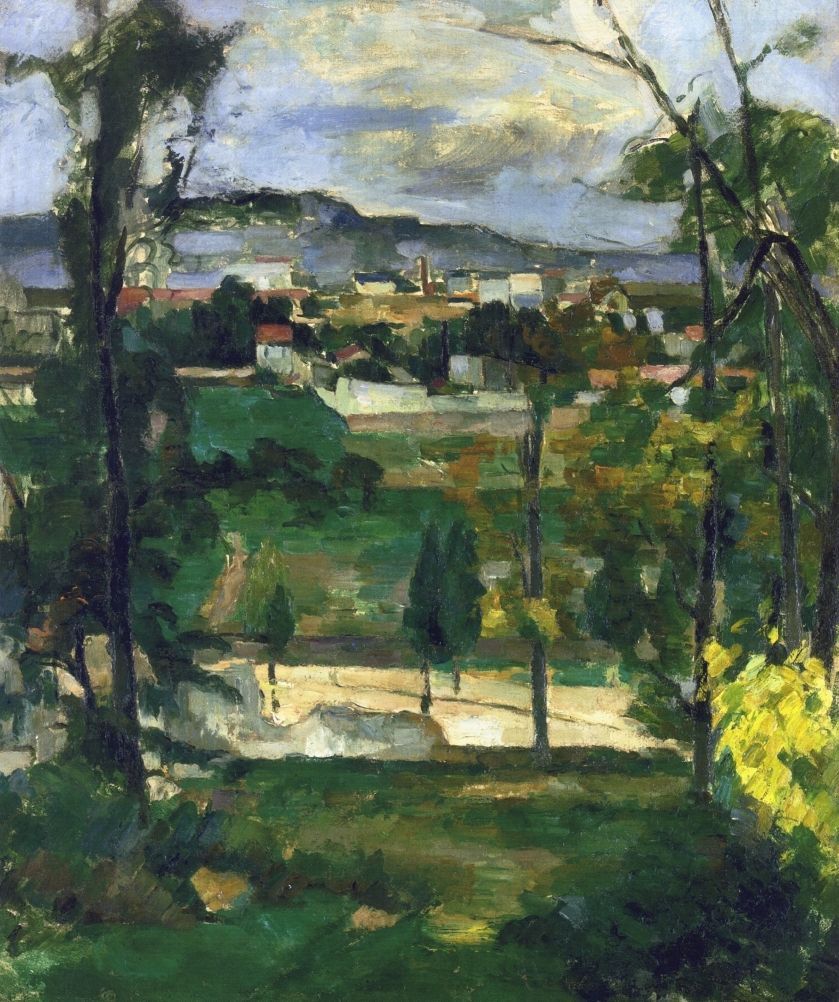
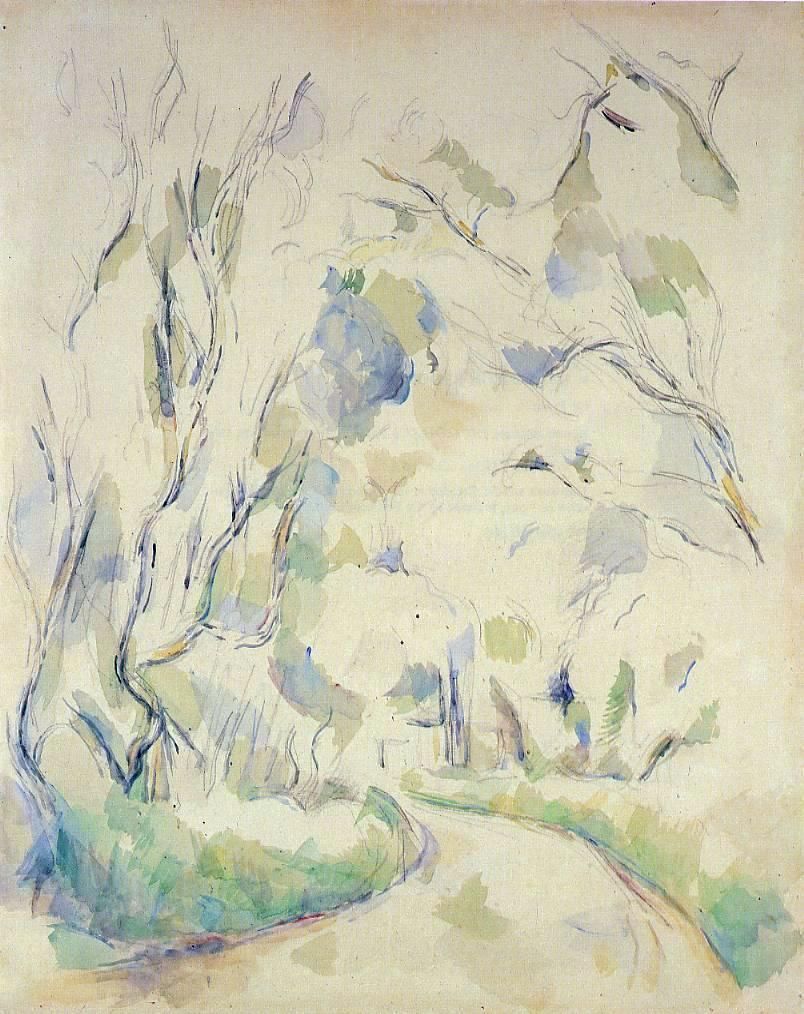
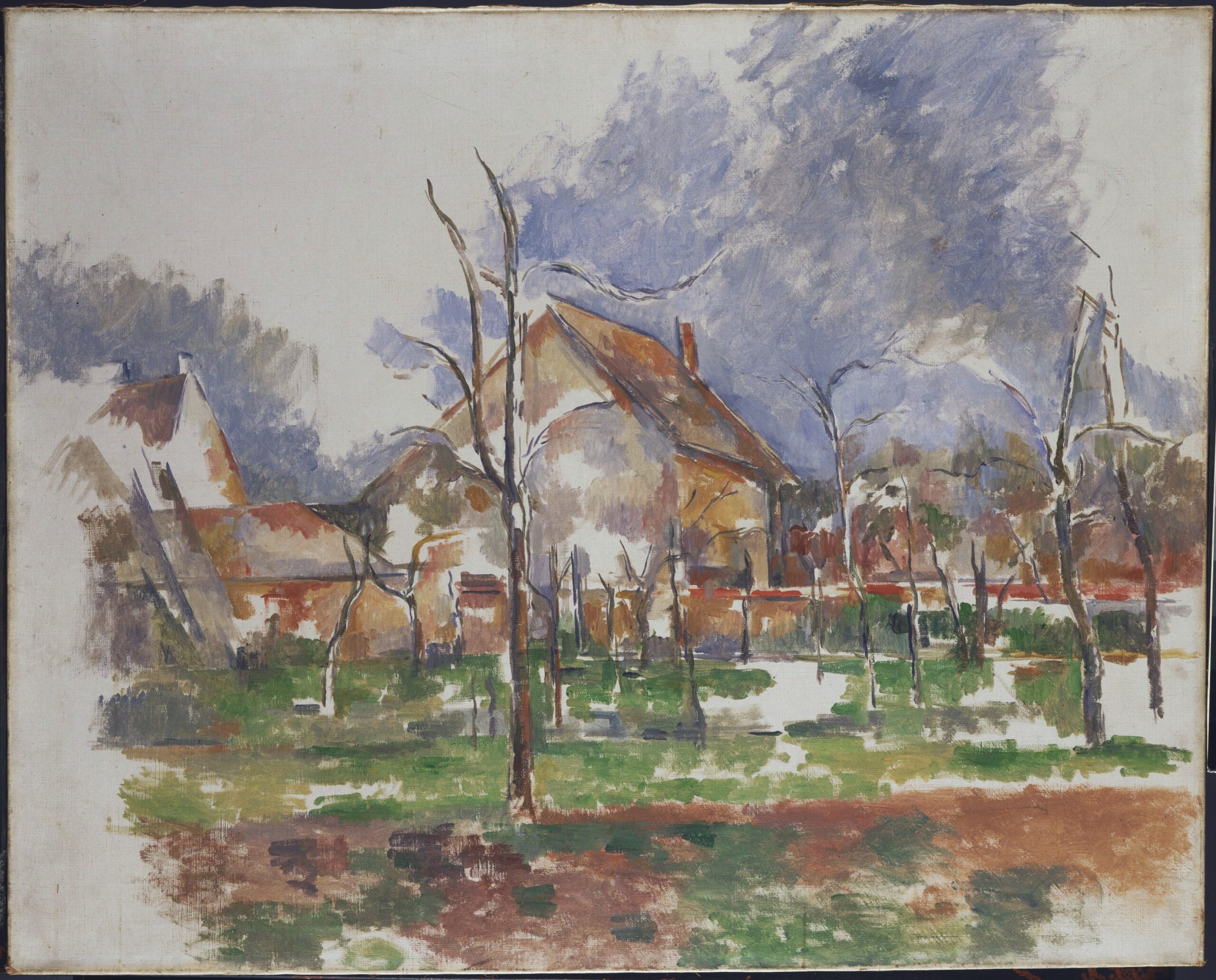
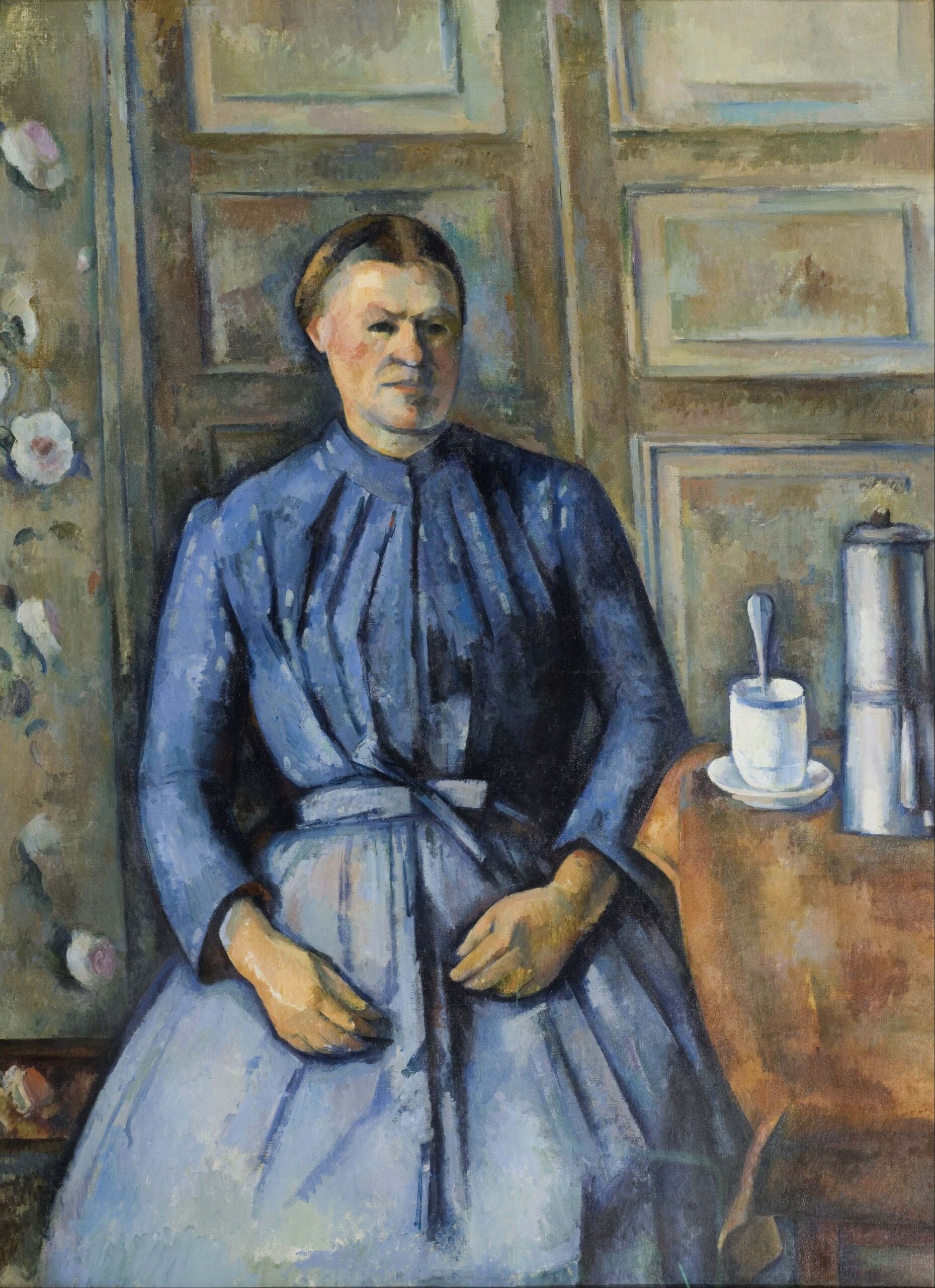
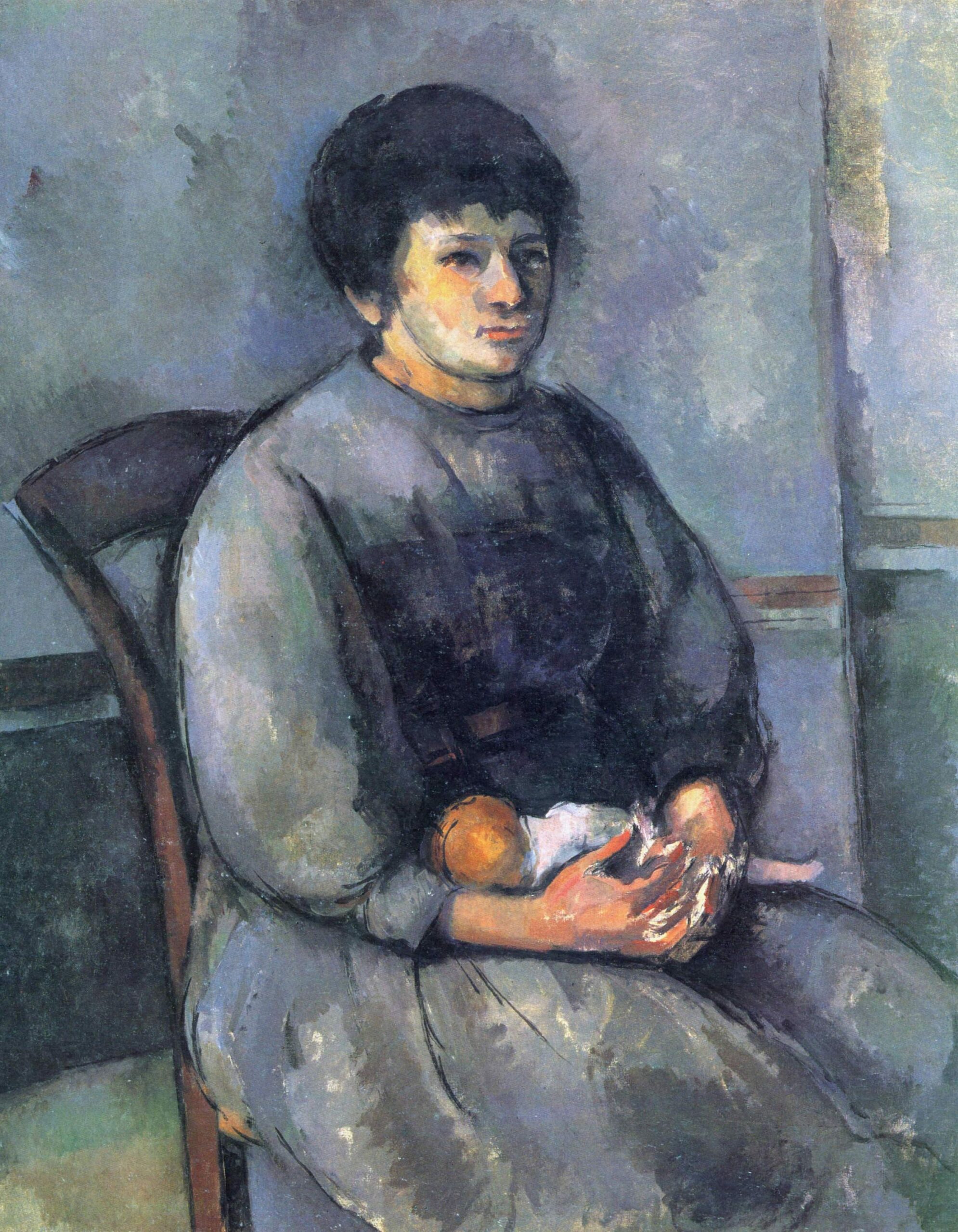
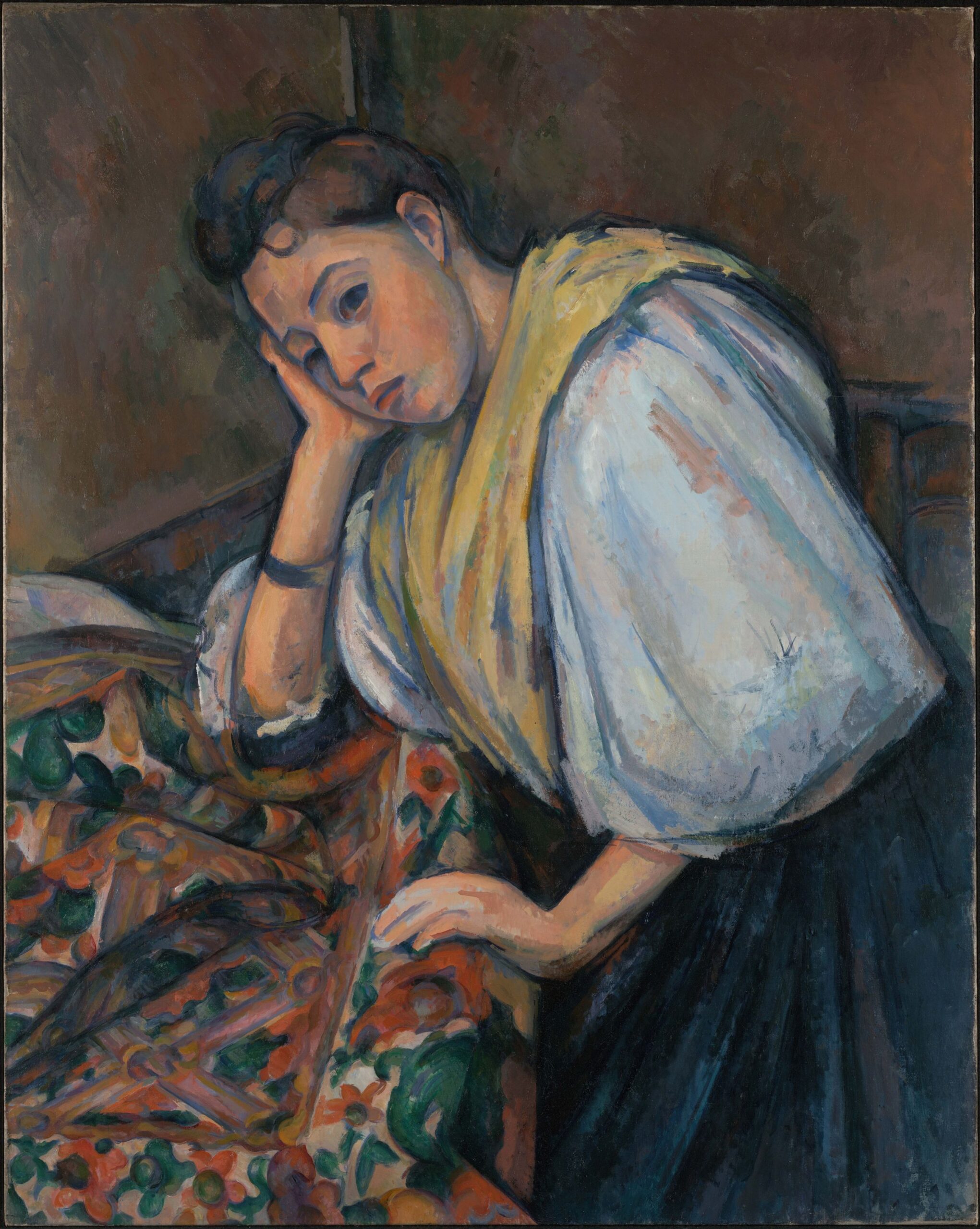
Cézanne is best known for his landscapes of Mont Sainte-Victoire, carefully constructed still lifes, and intense portraits. He used color and brushstroke to build form rather than relying on traditional perspective. His method emphasized geometry and underlying structure. Though often misunderstood during his lifetime, his influence grew steadily among younger artists. Cézanne died in 1906. Today, he is regarded as a foundational figure whose ideas shaped Cubism and the development of modern art.