Paul Gauguin
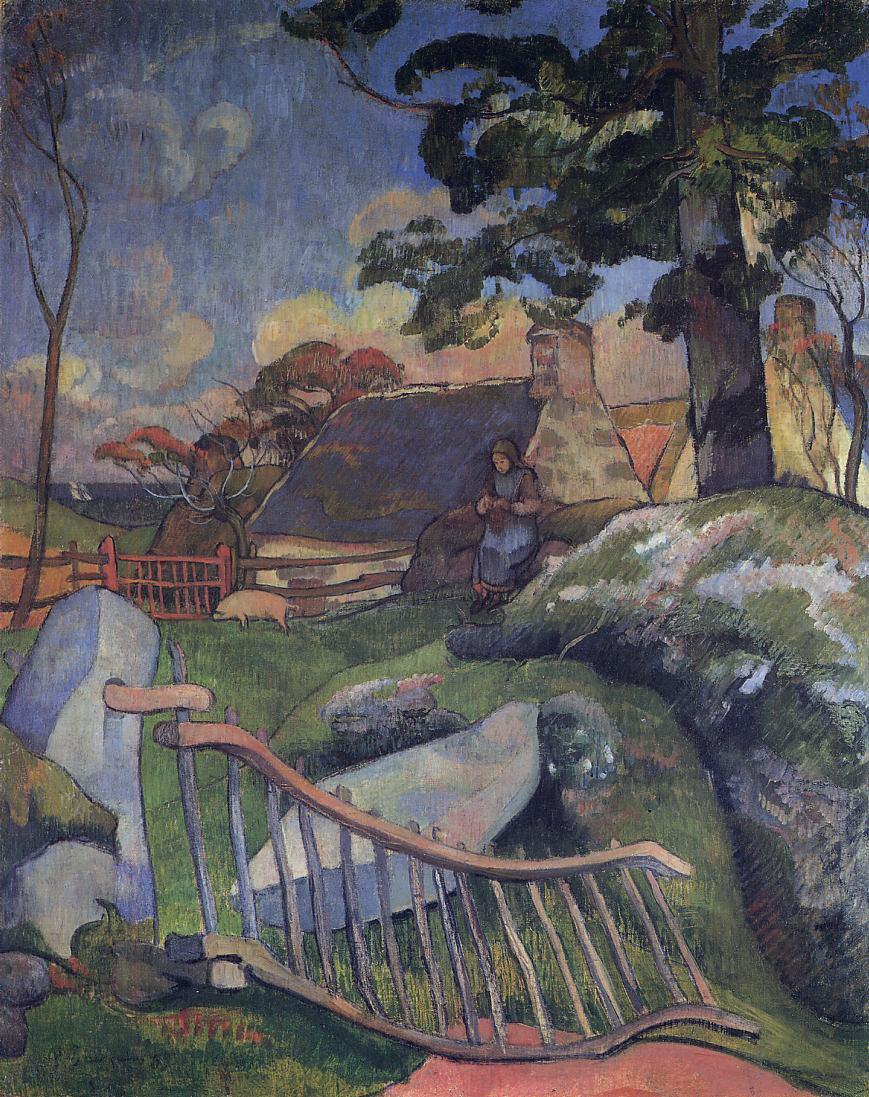
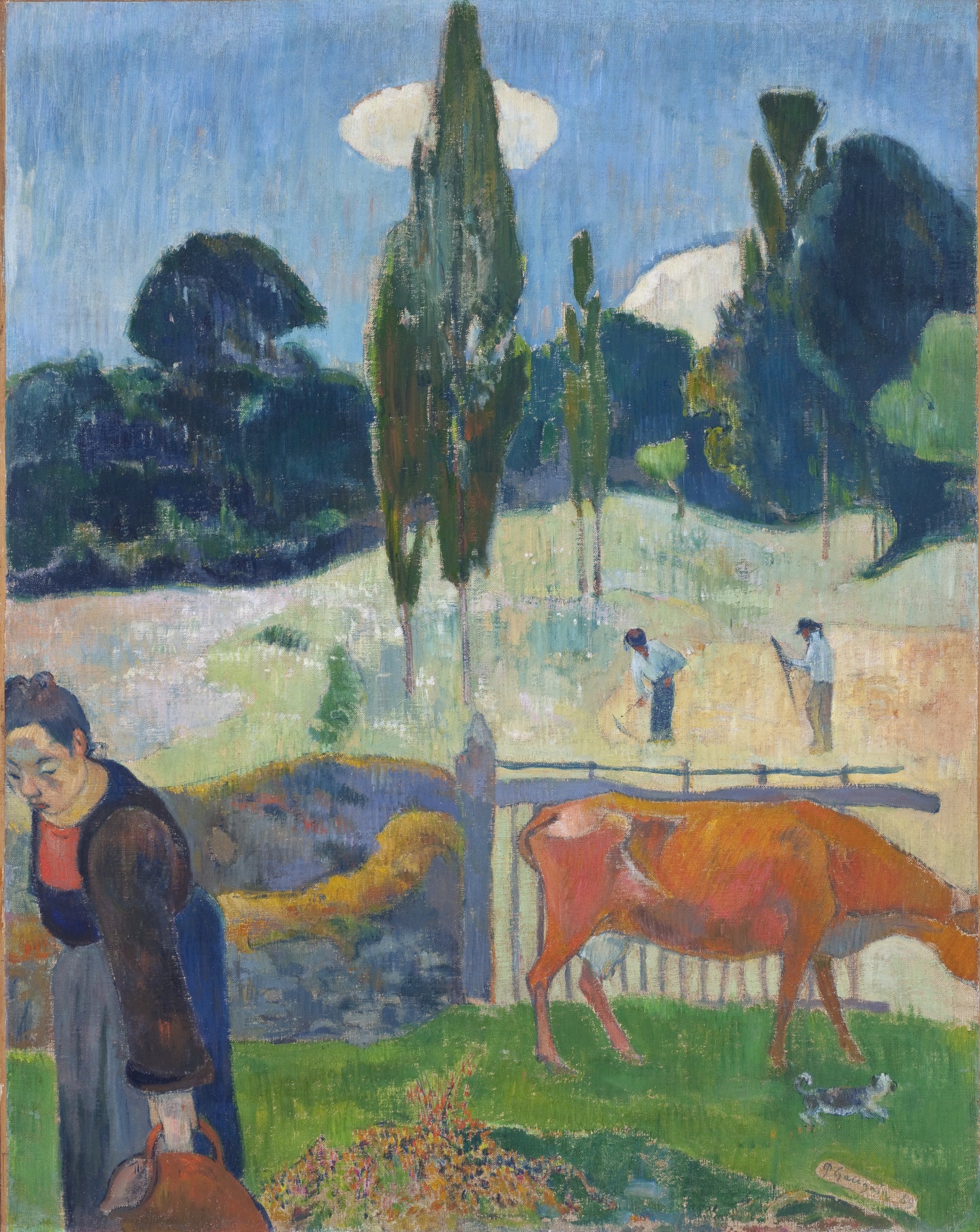
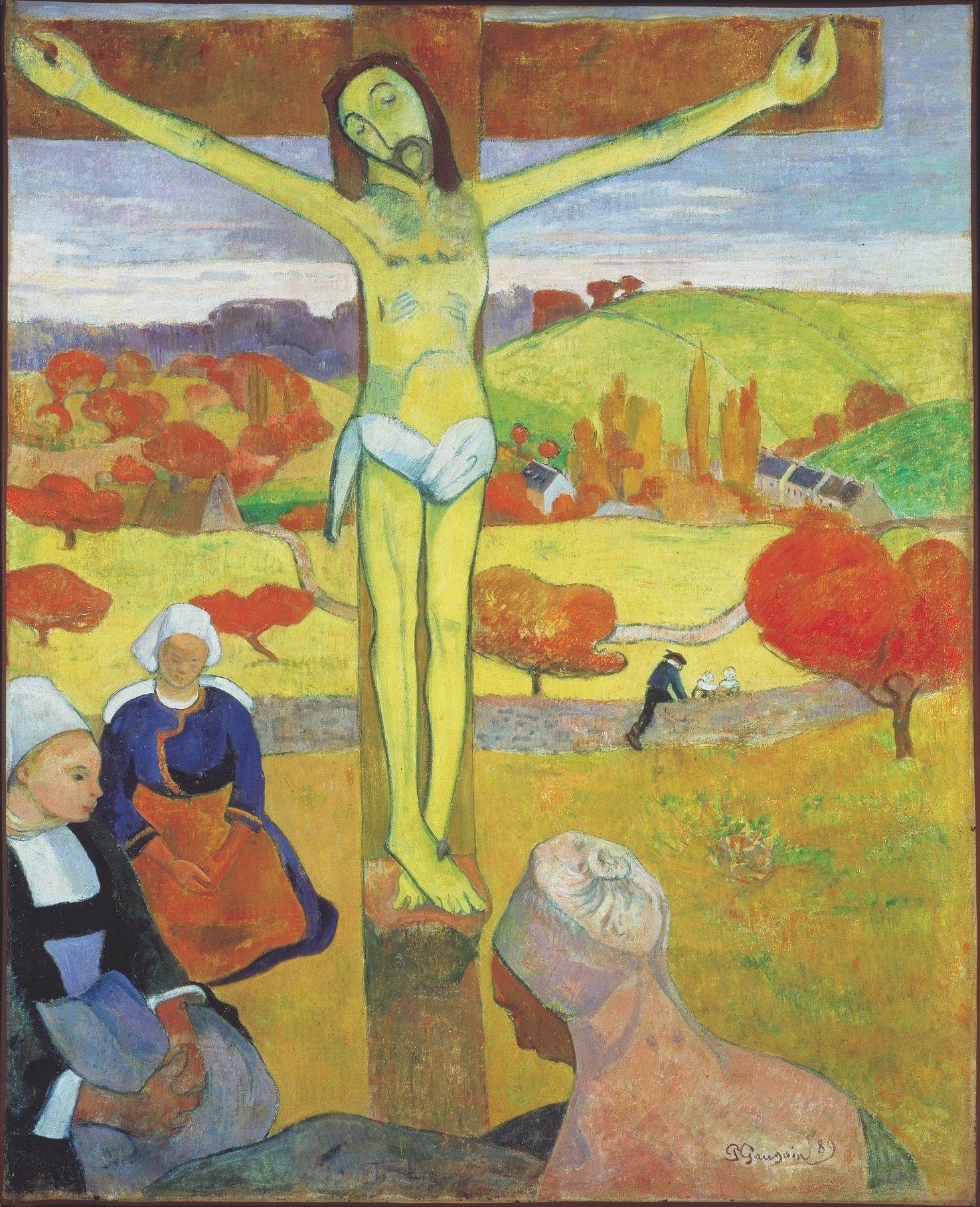
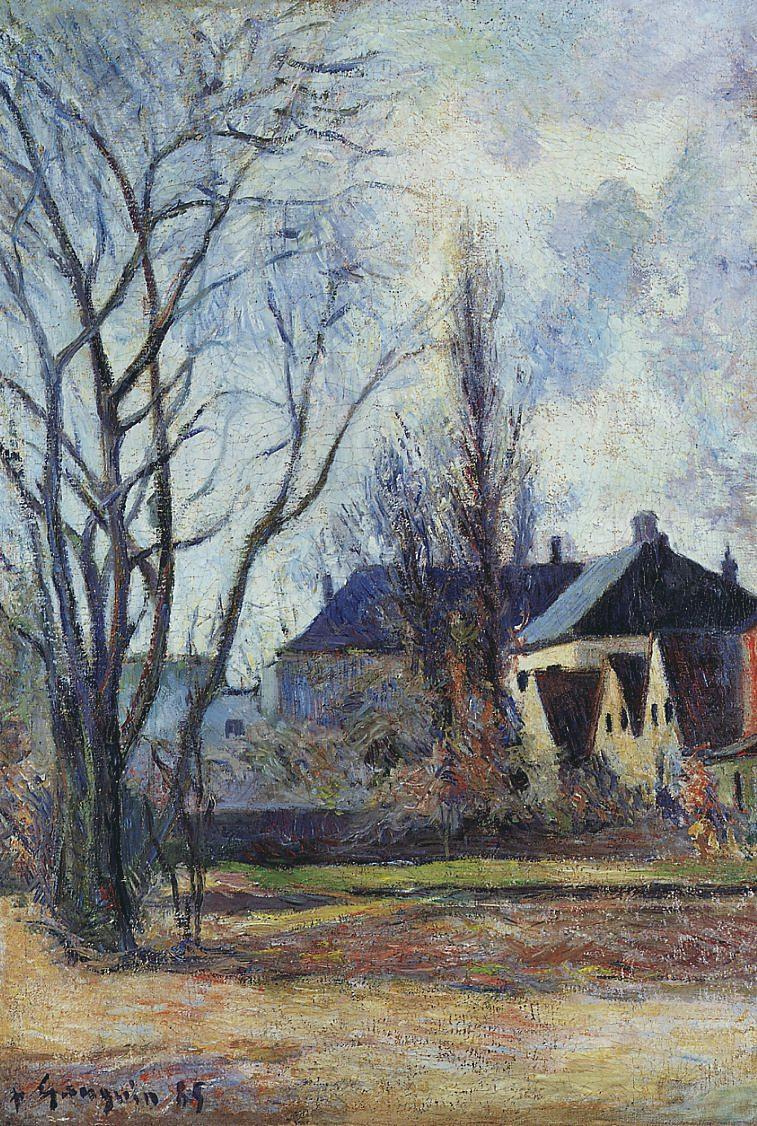
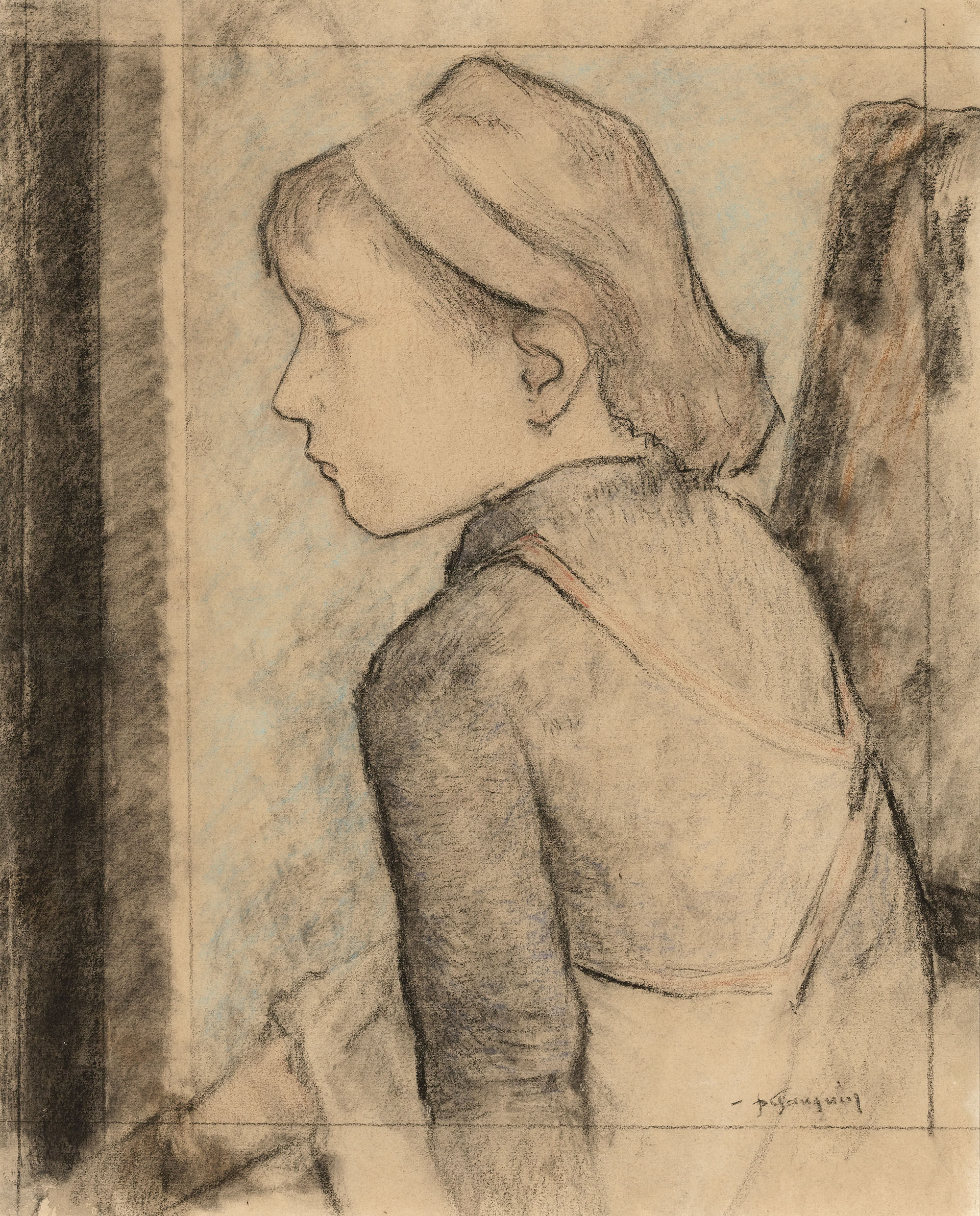
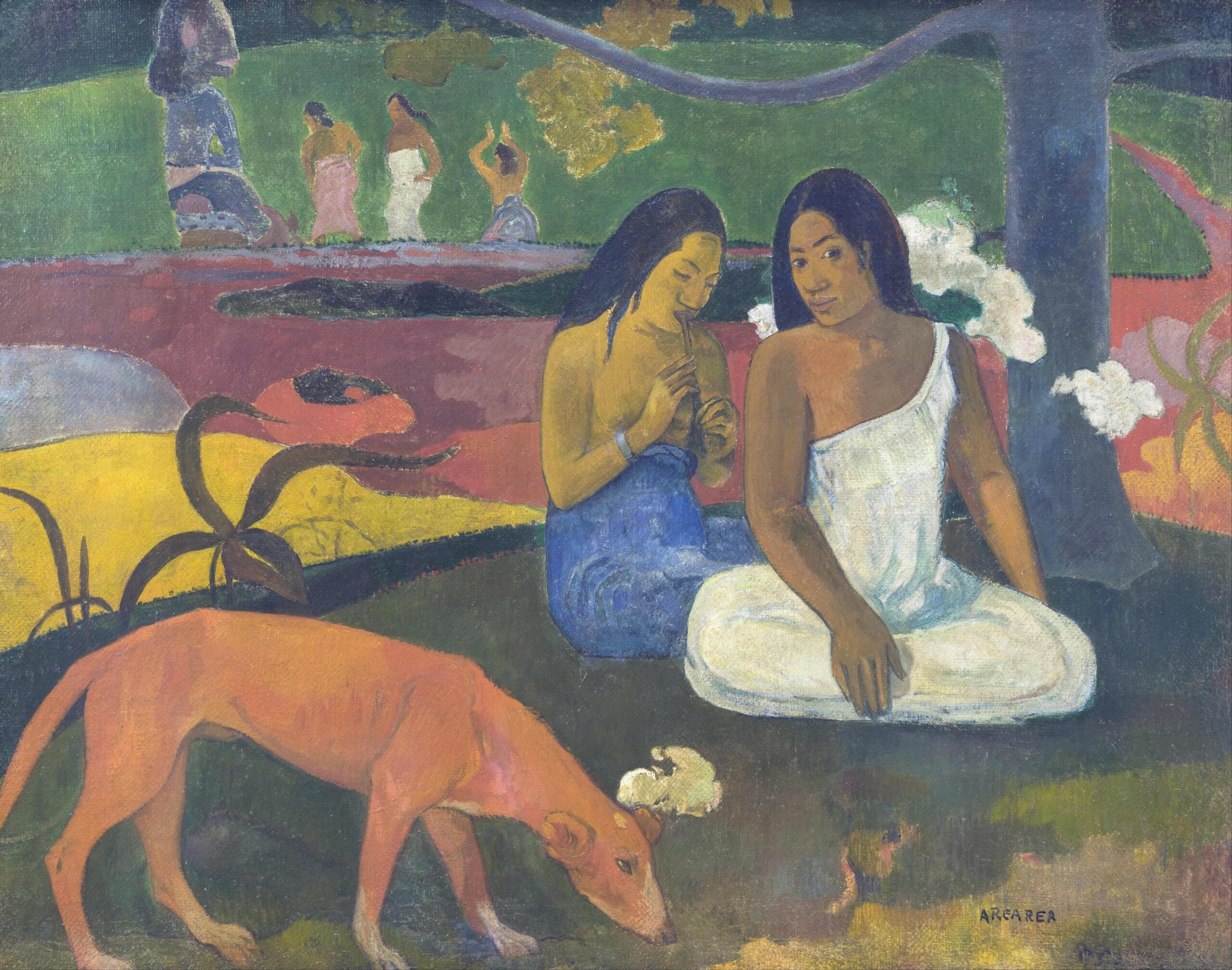
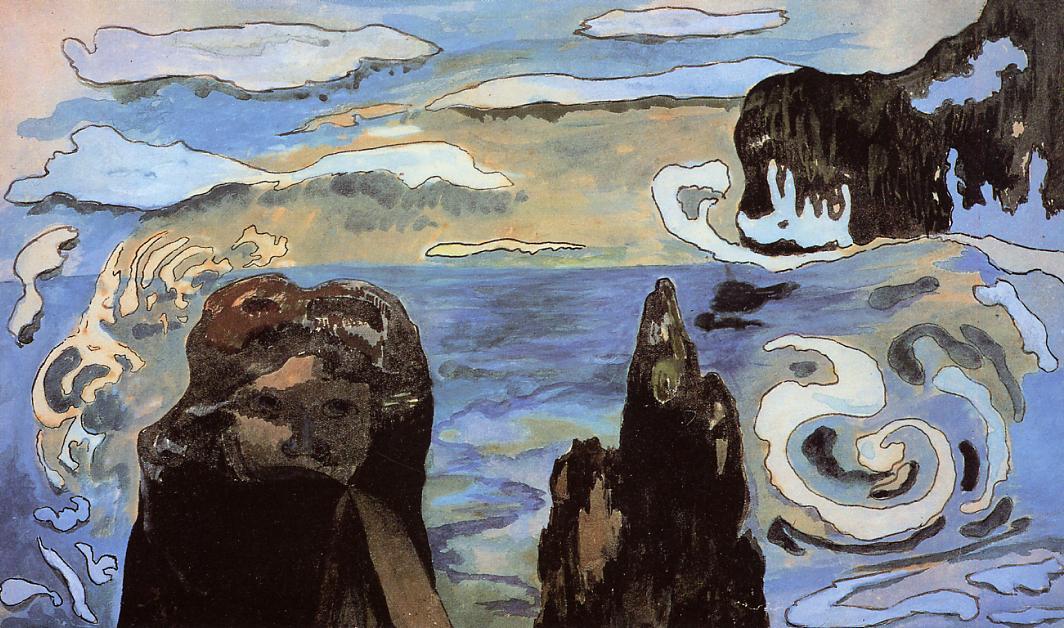
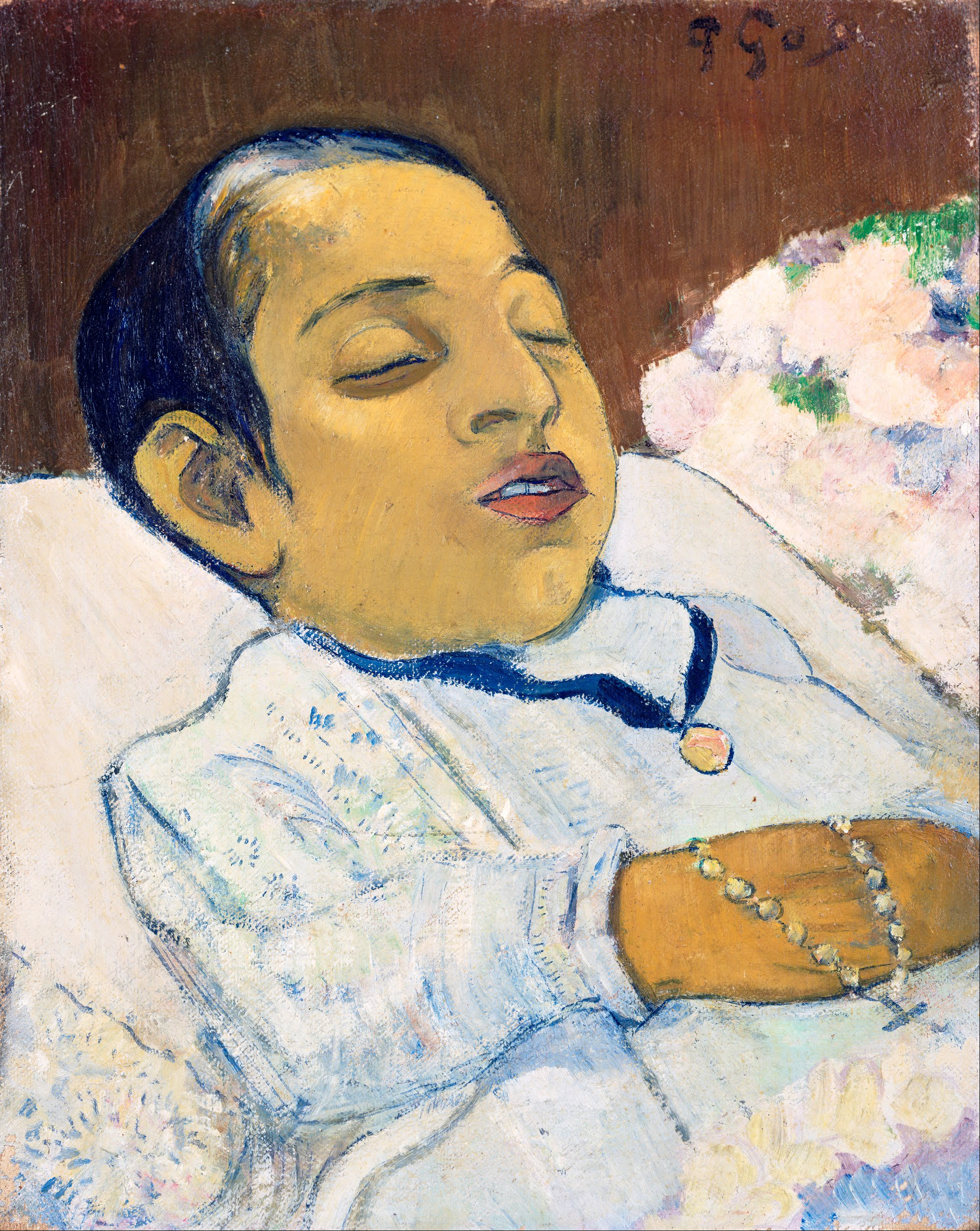
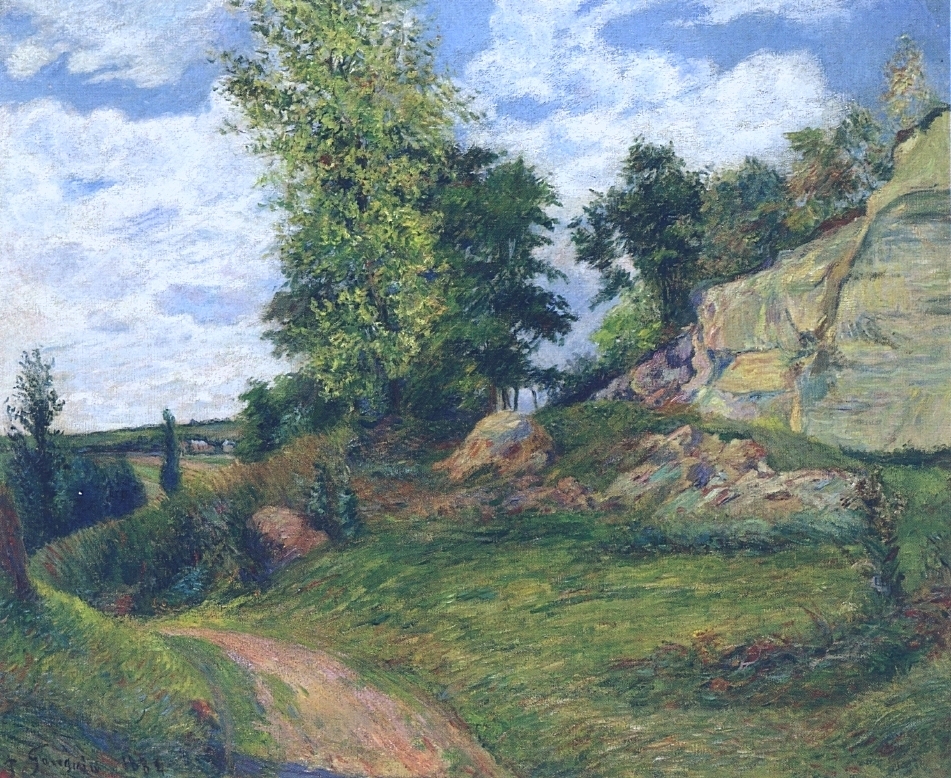
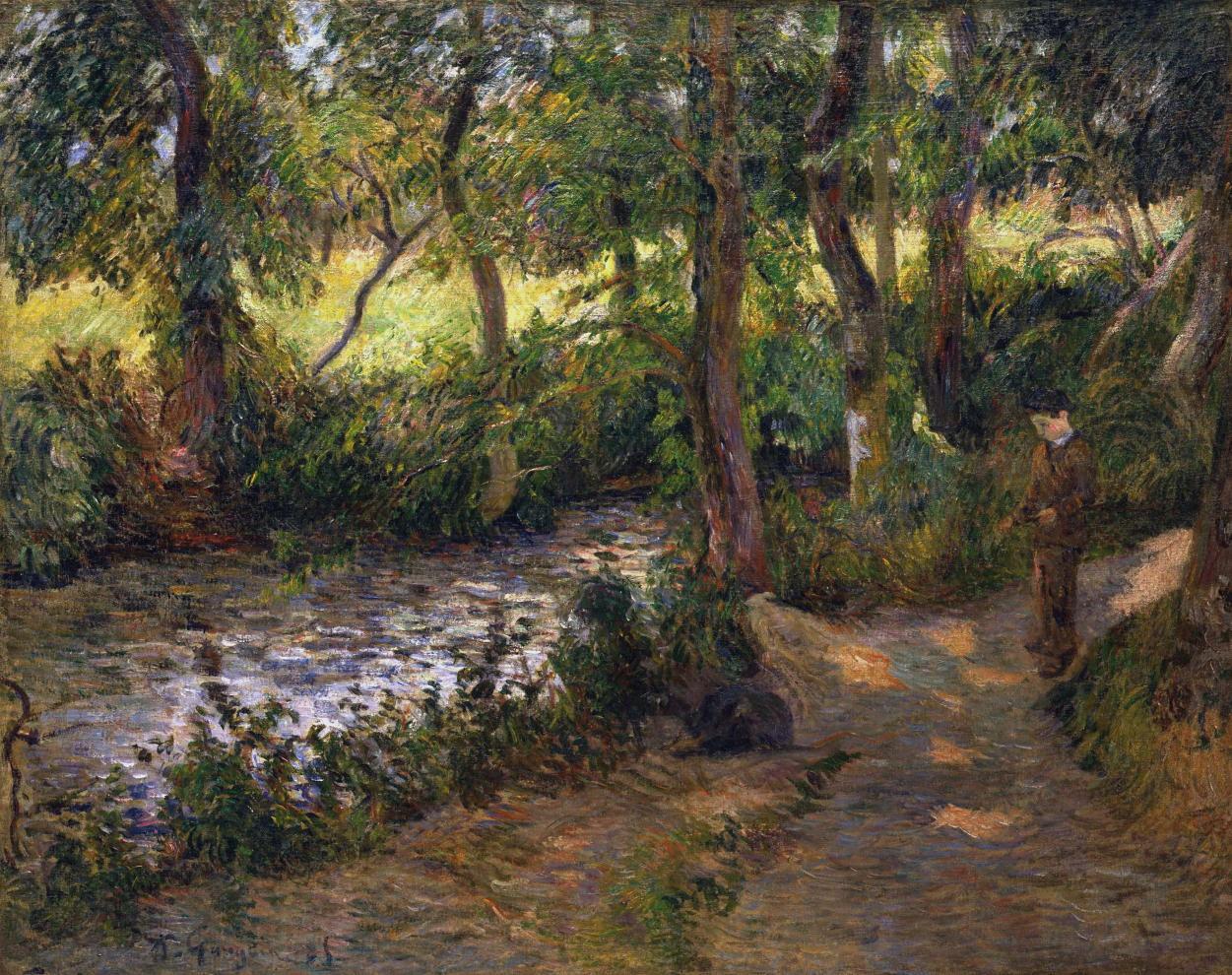
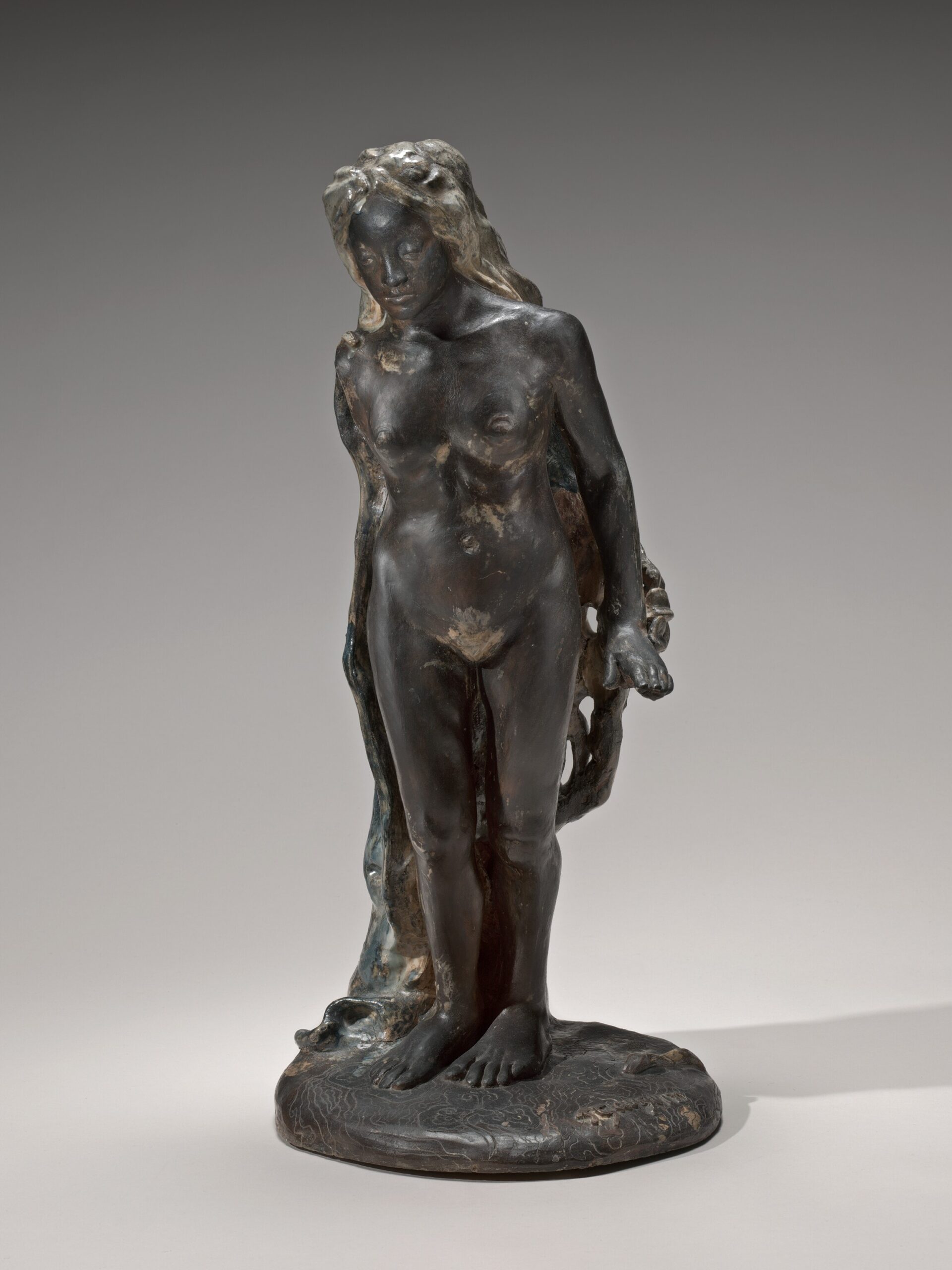
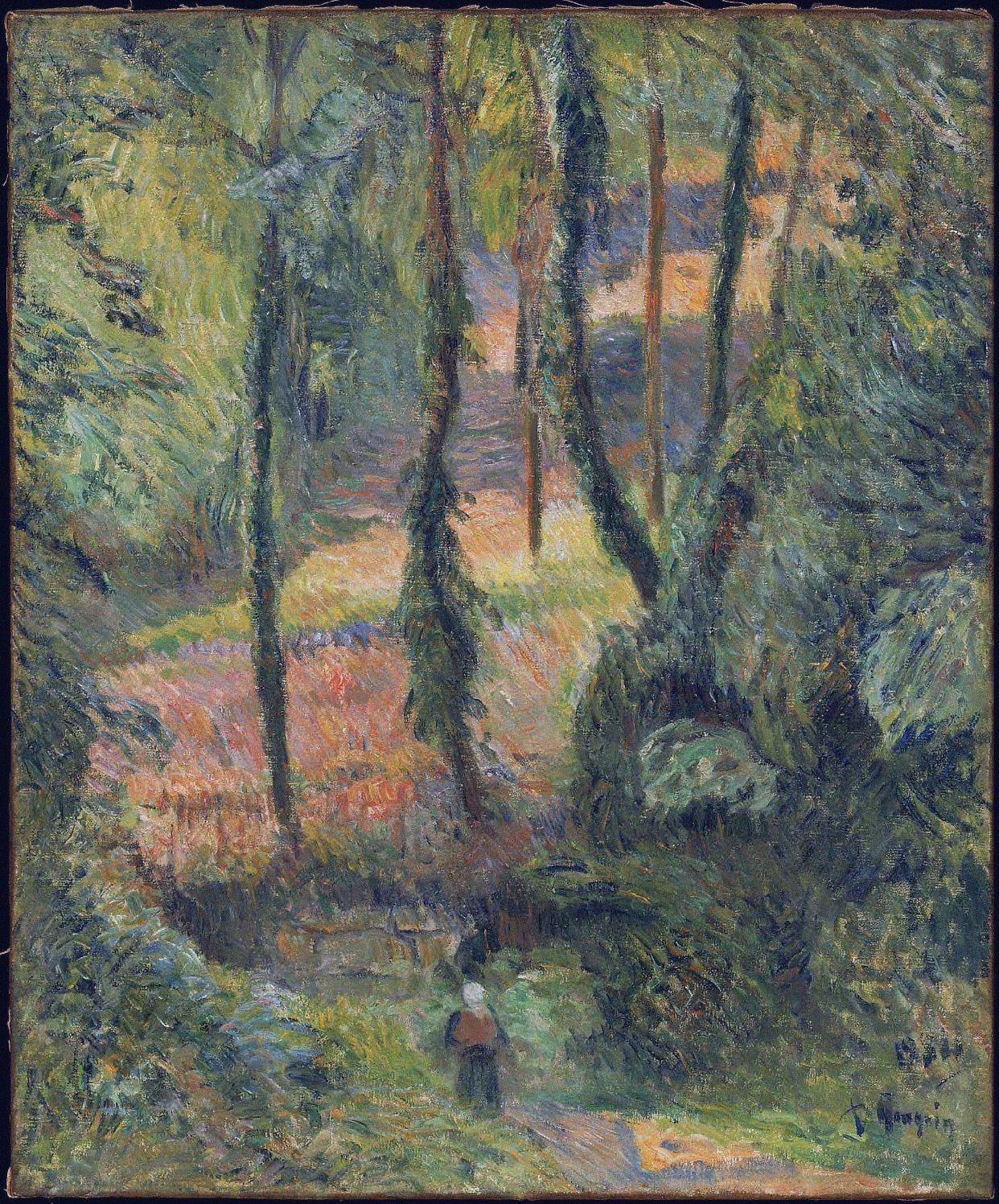
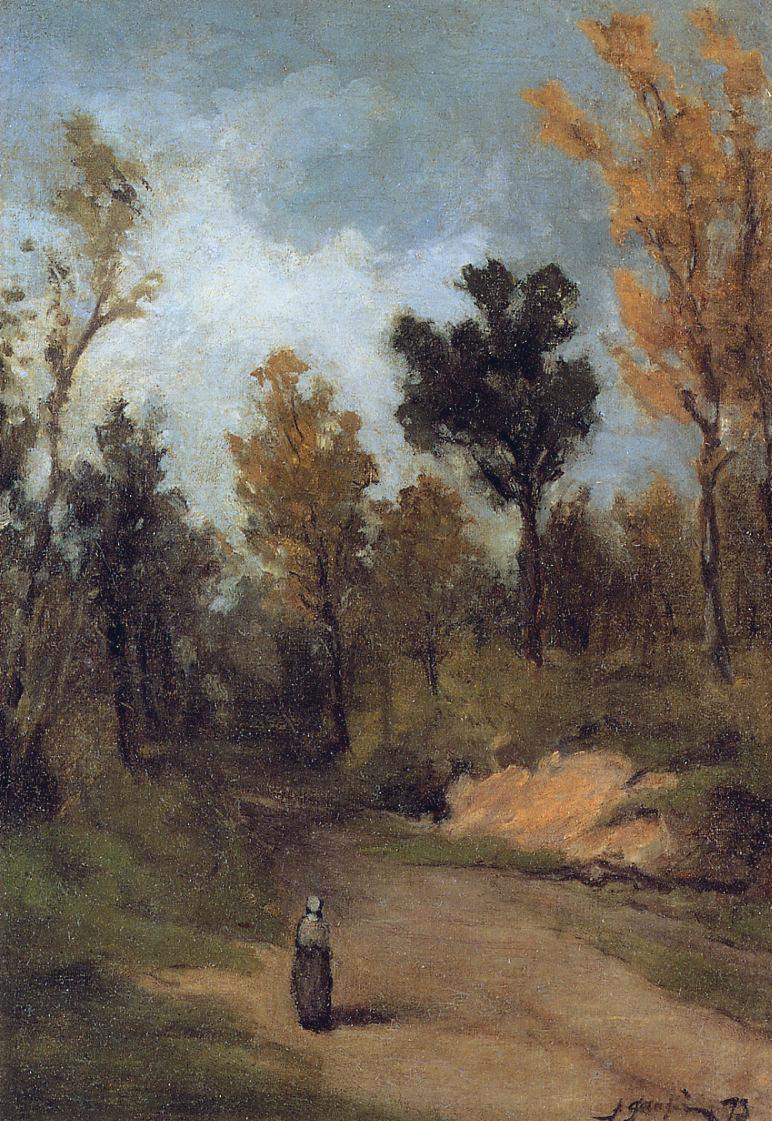
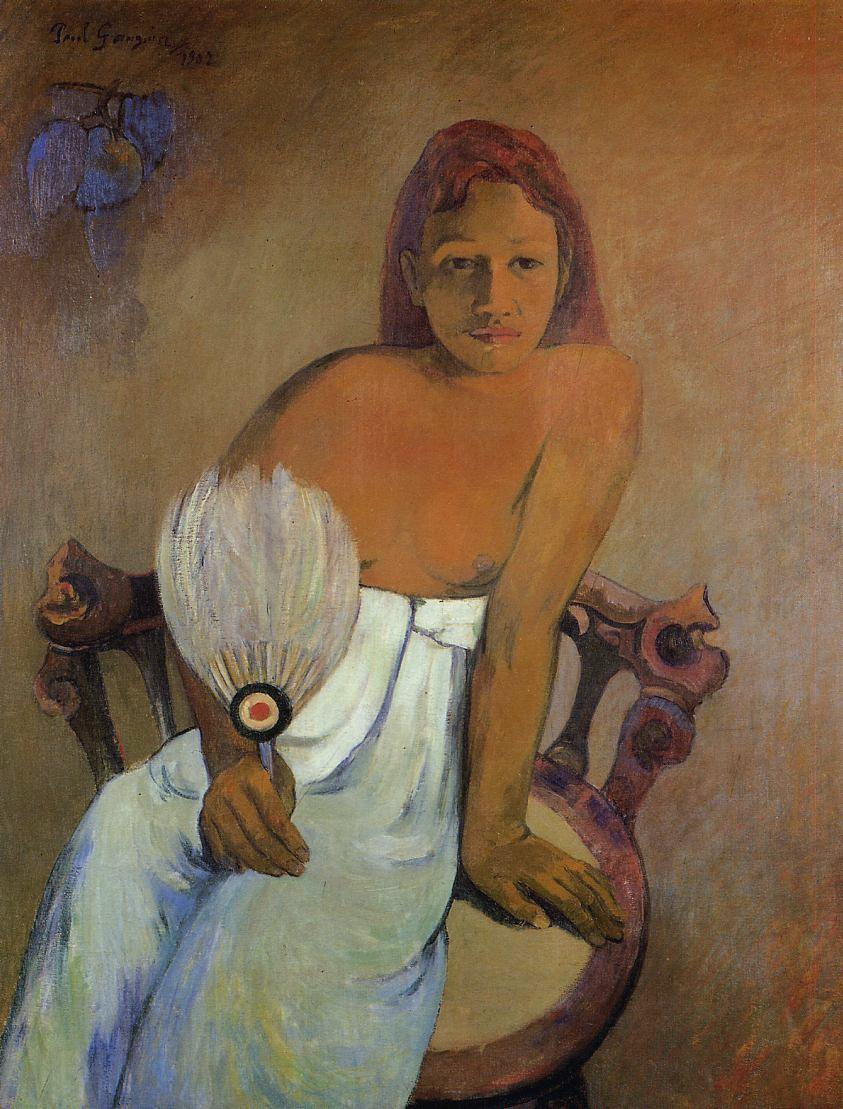
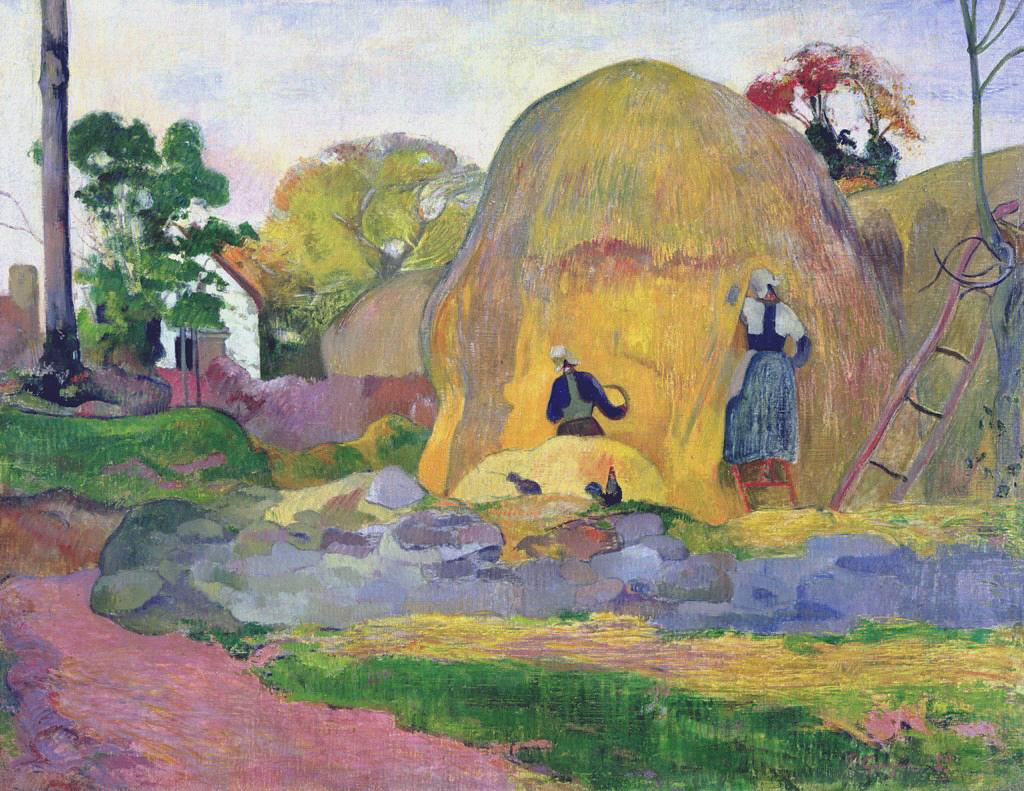
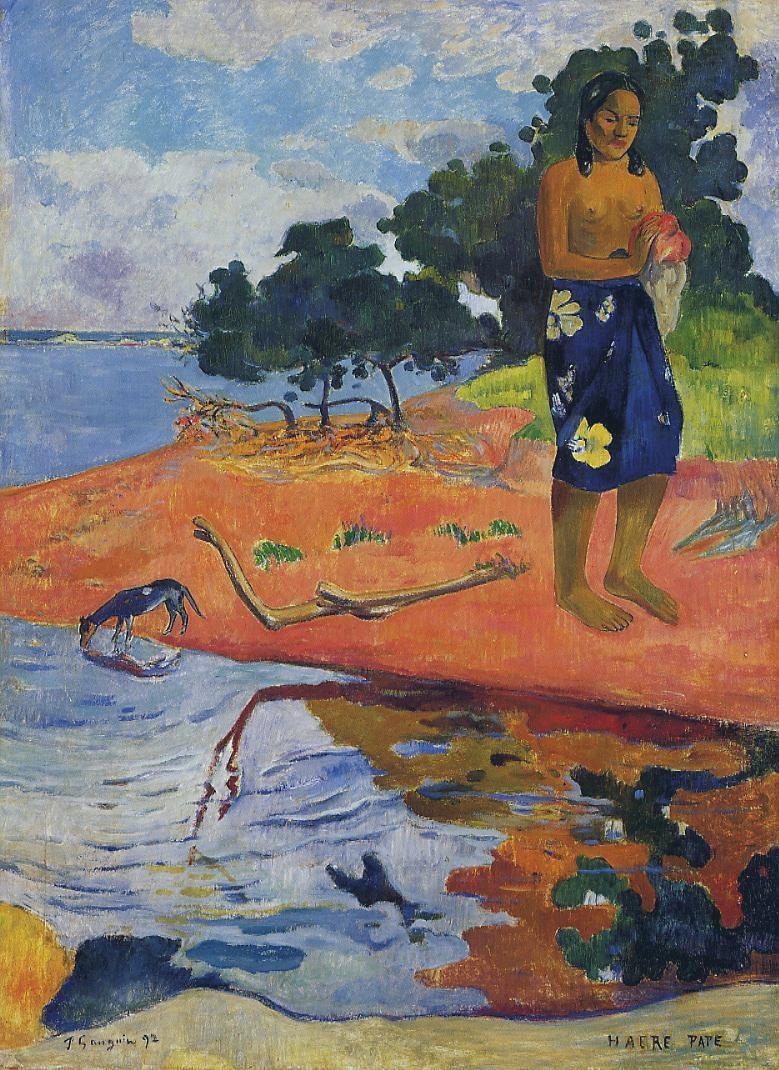
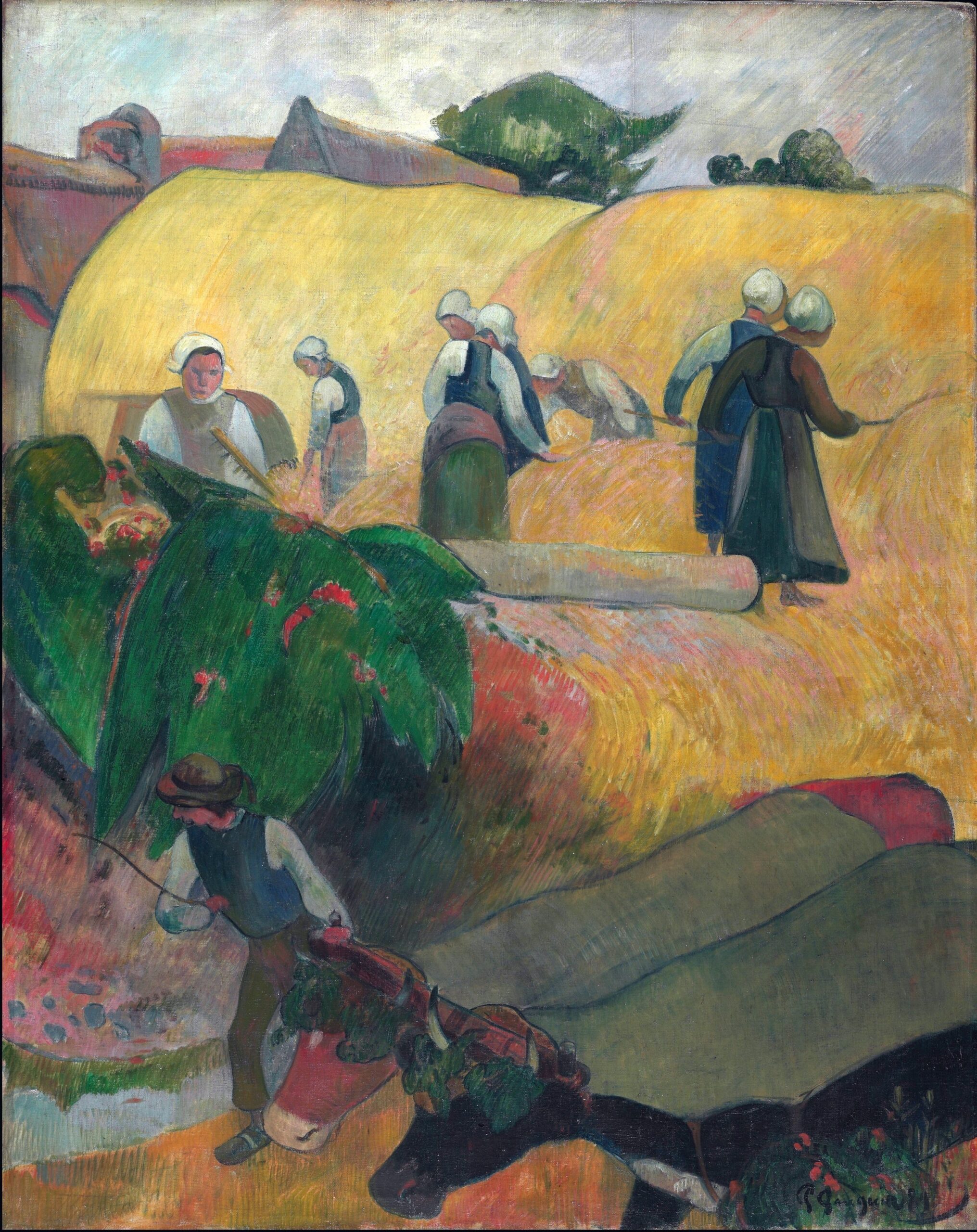
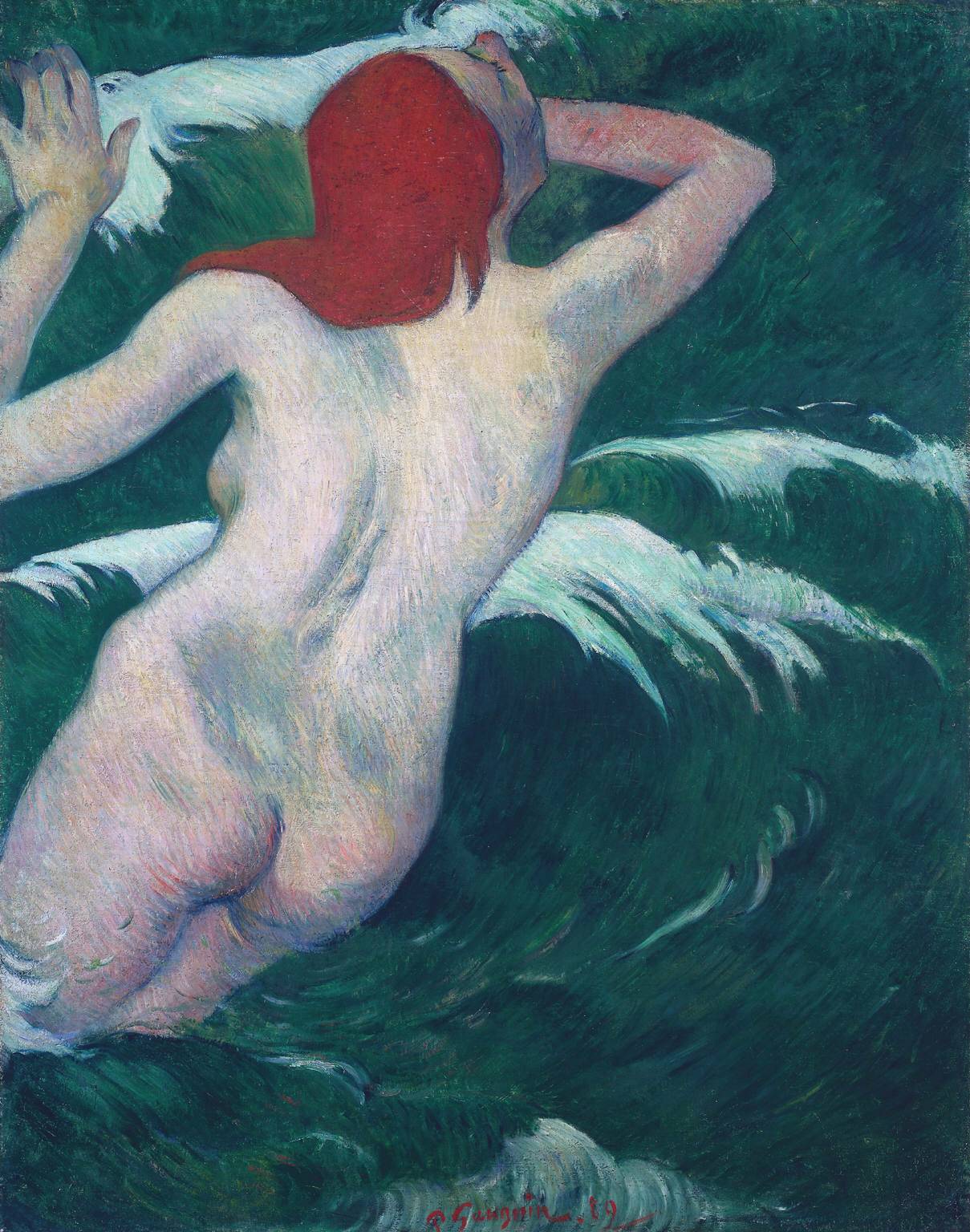
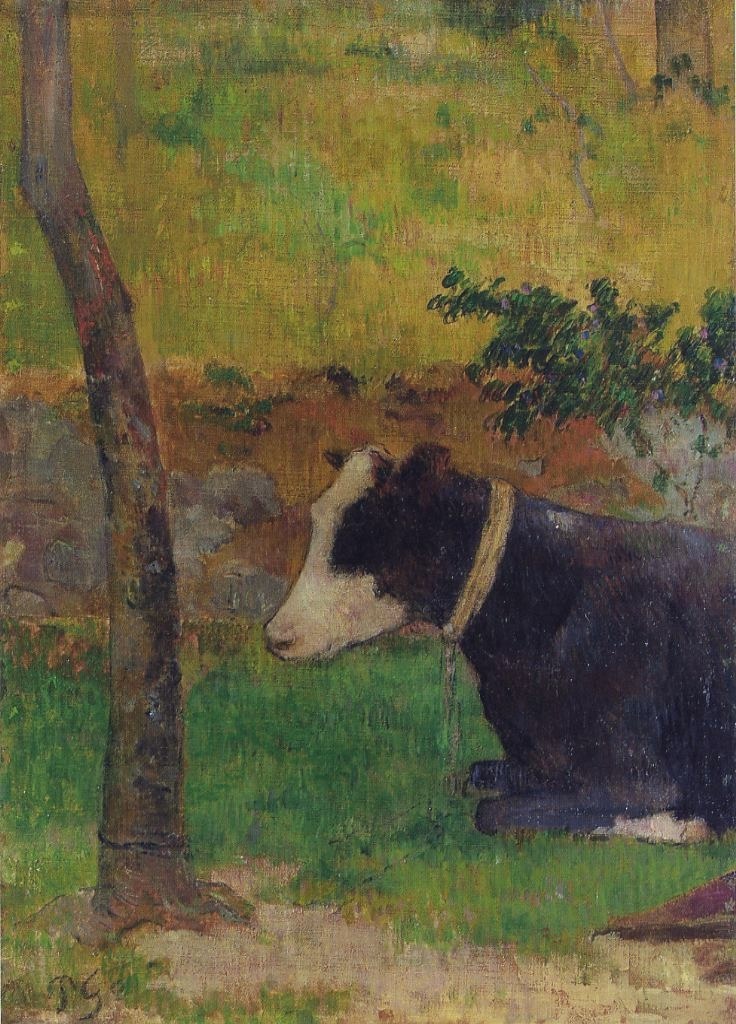
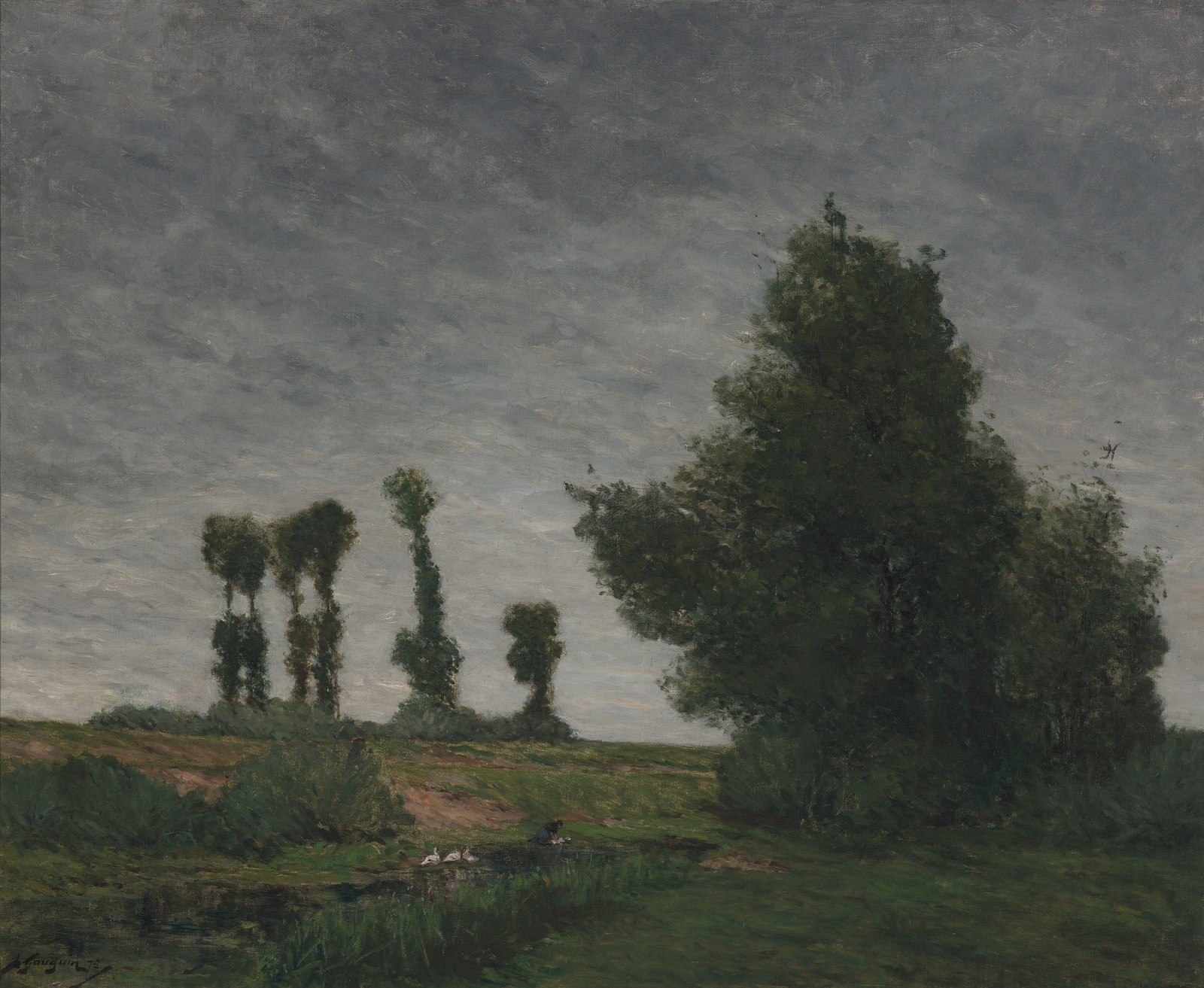
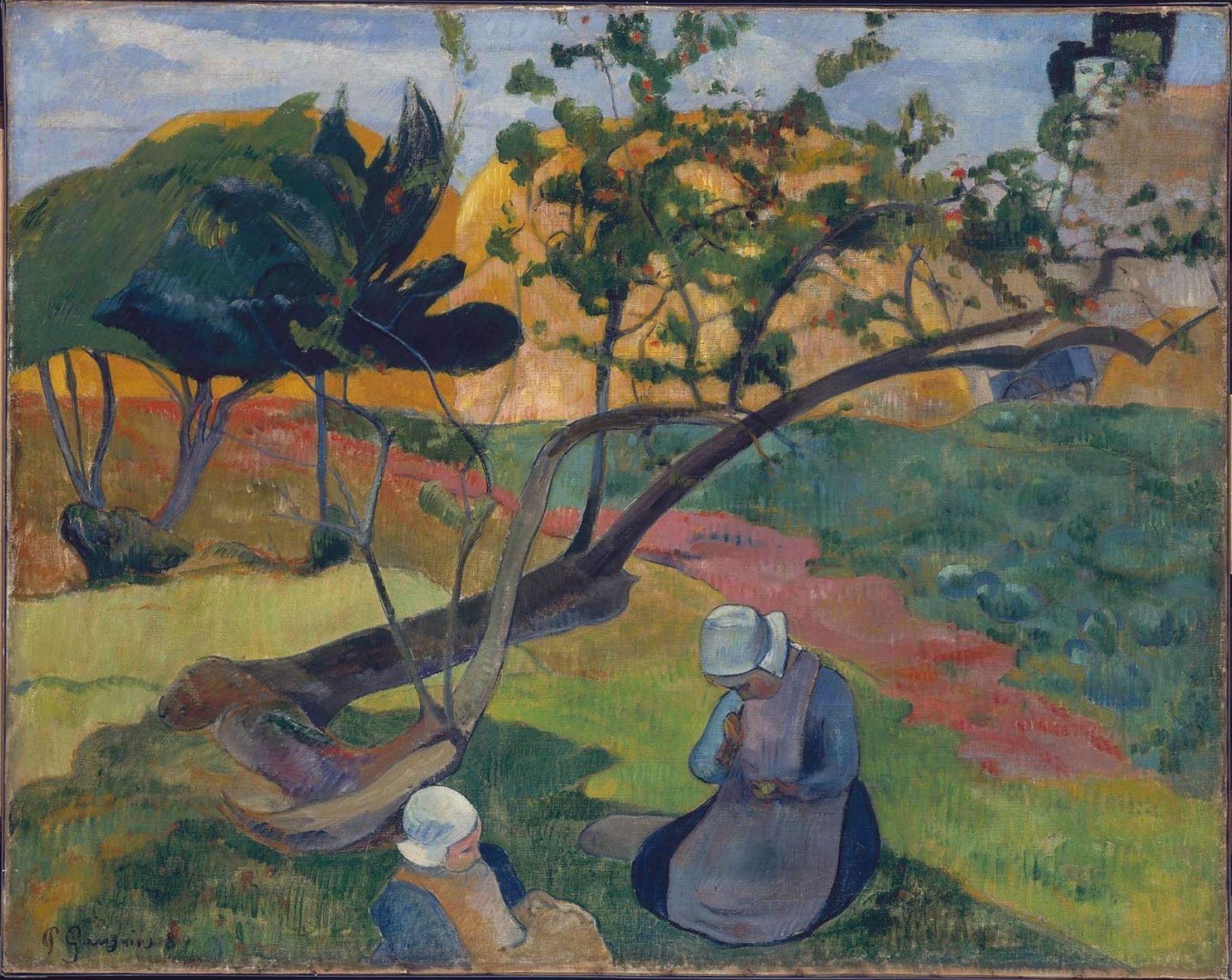
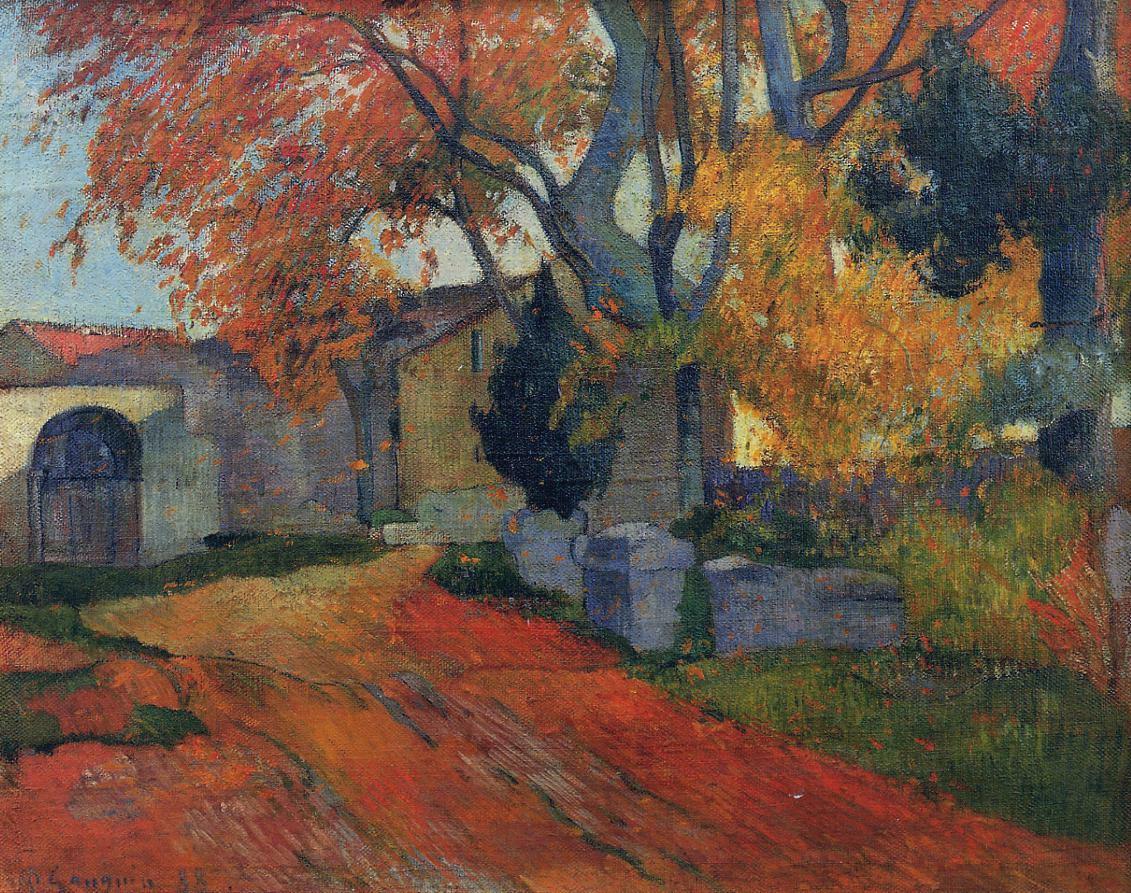
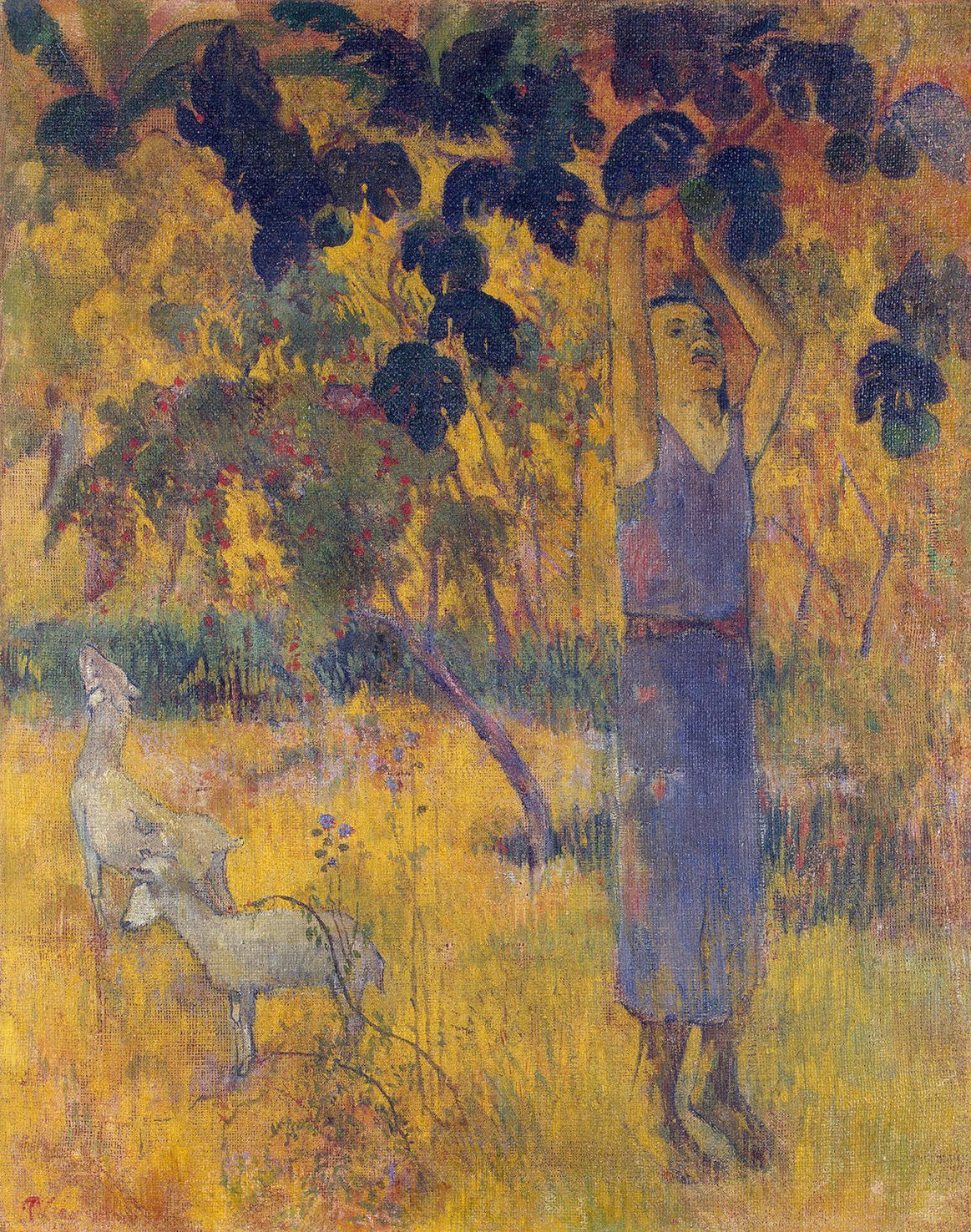
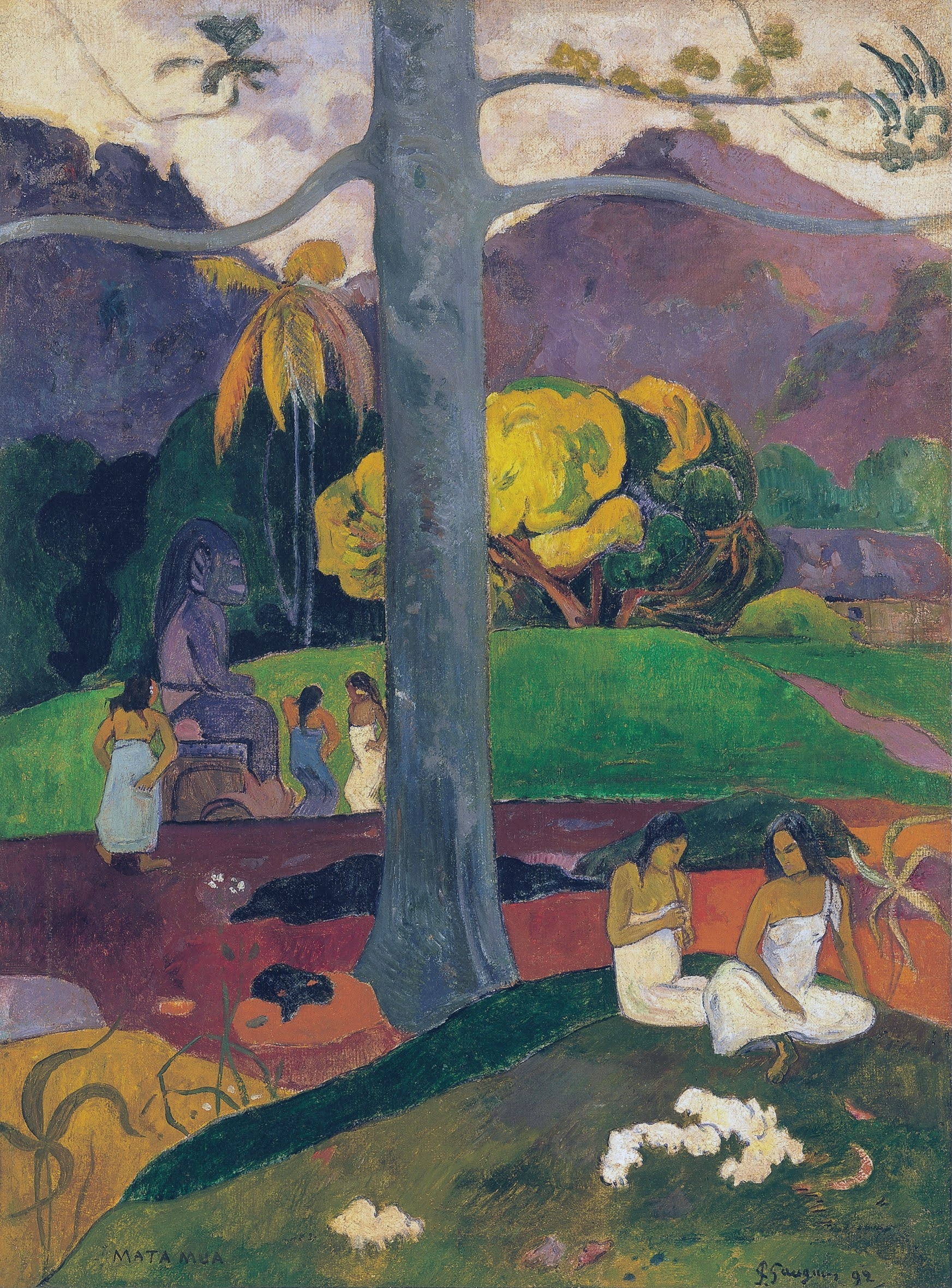
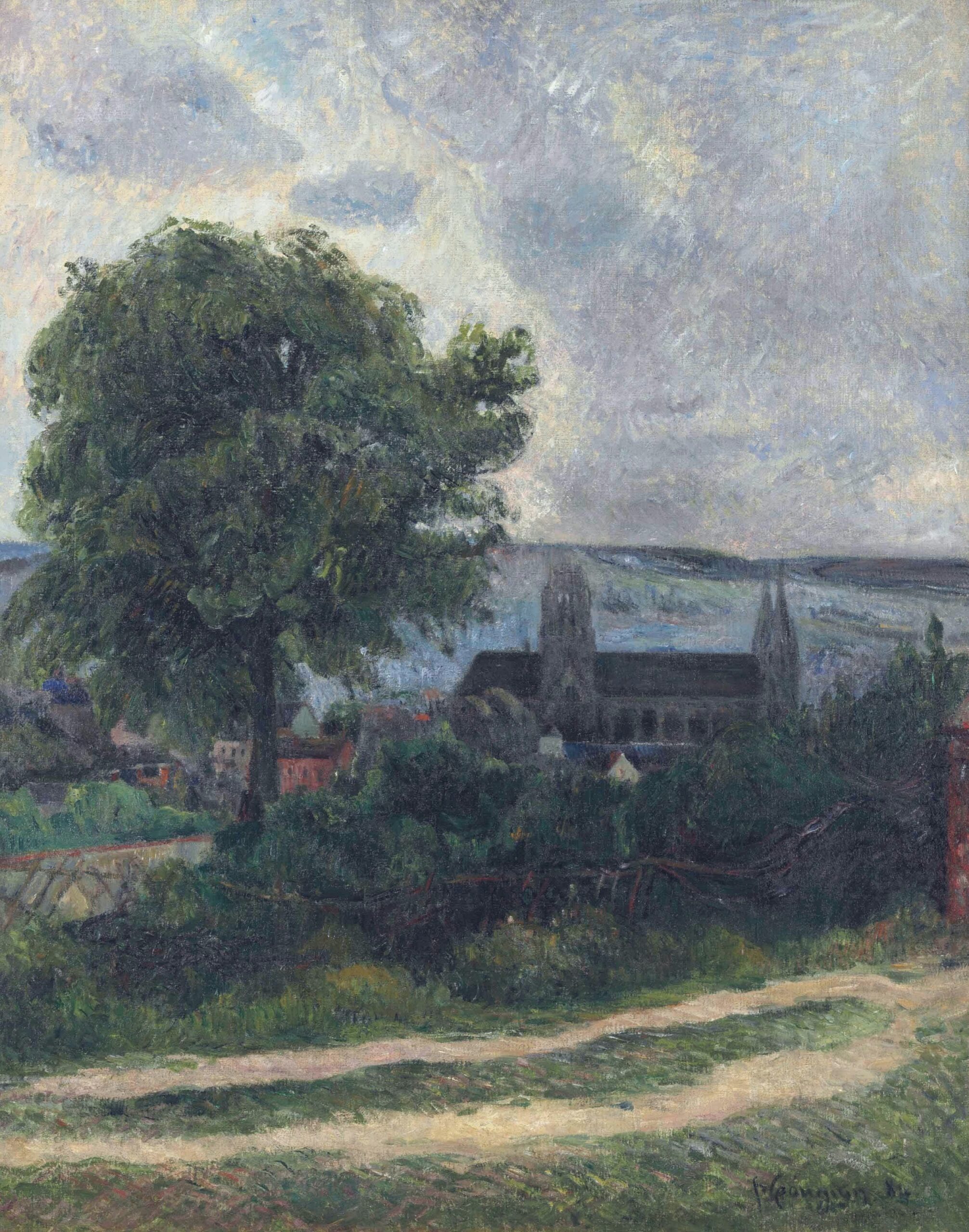
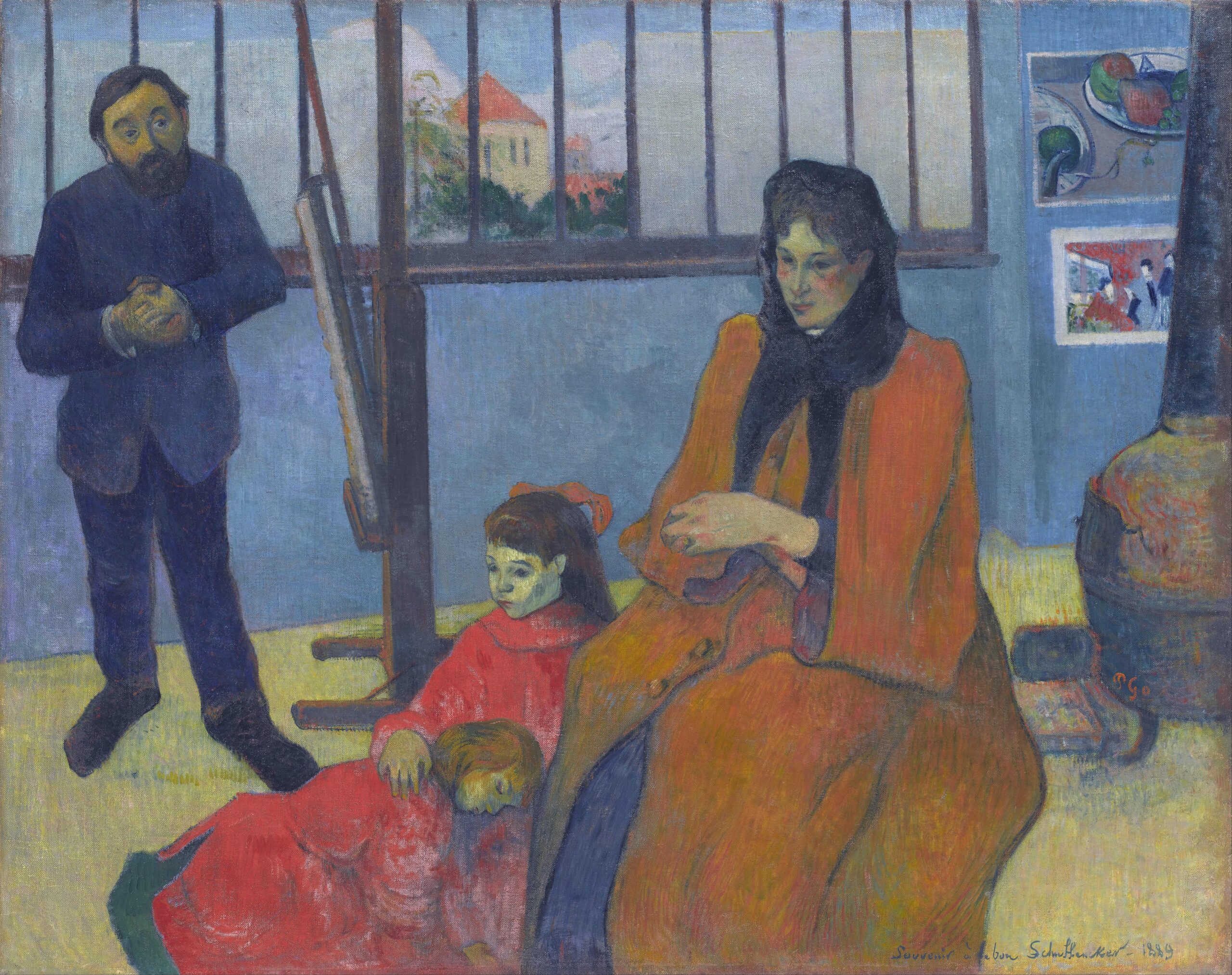
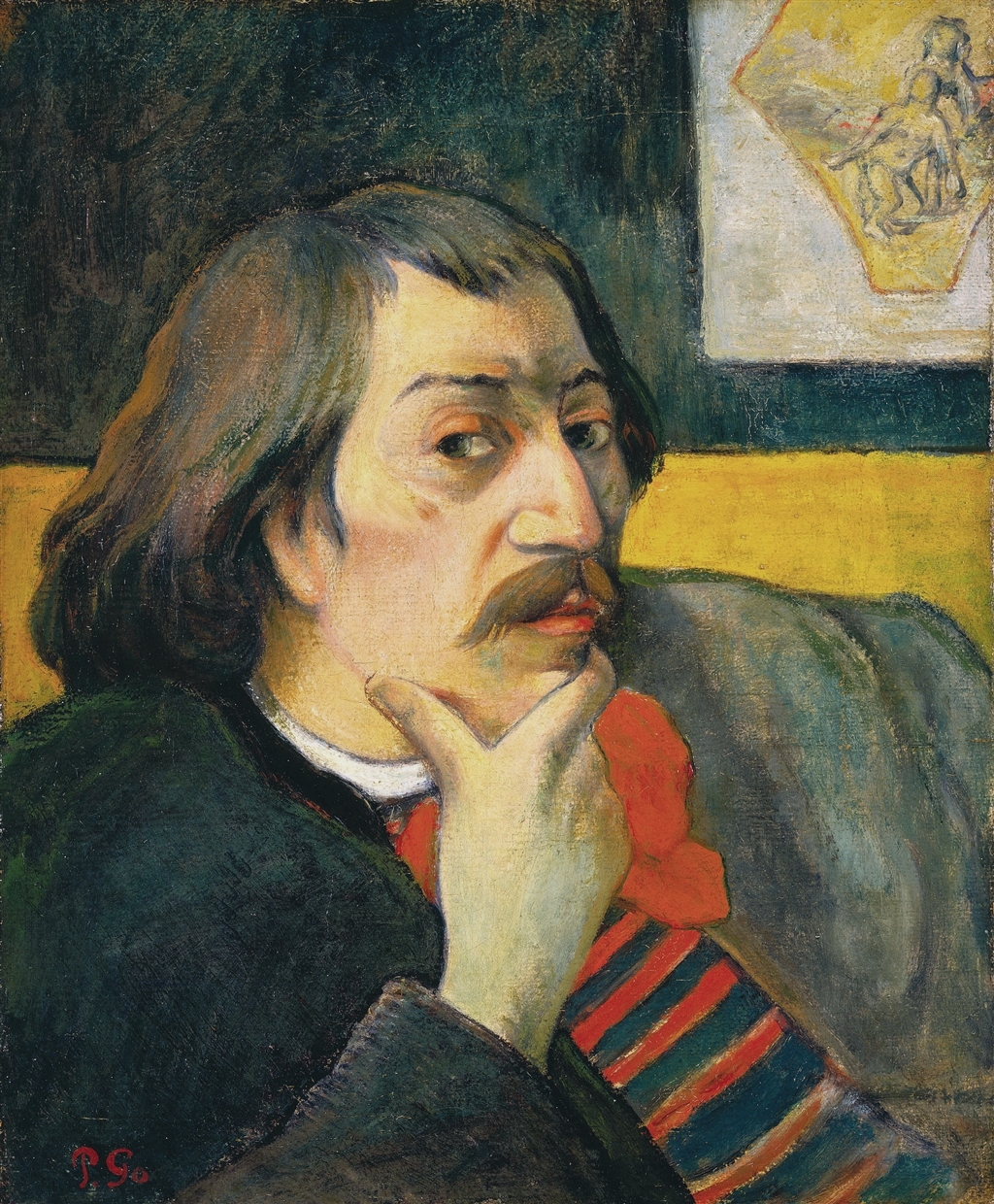
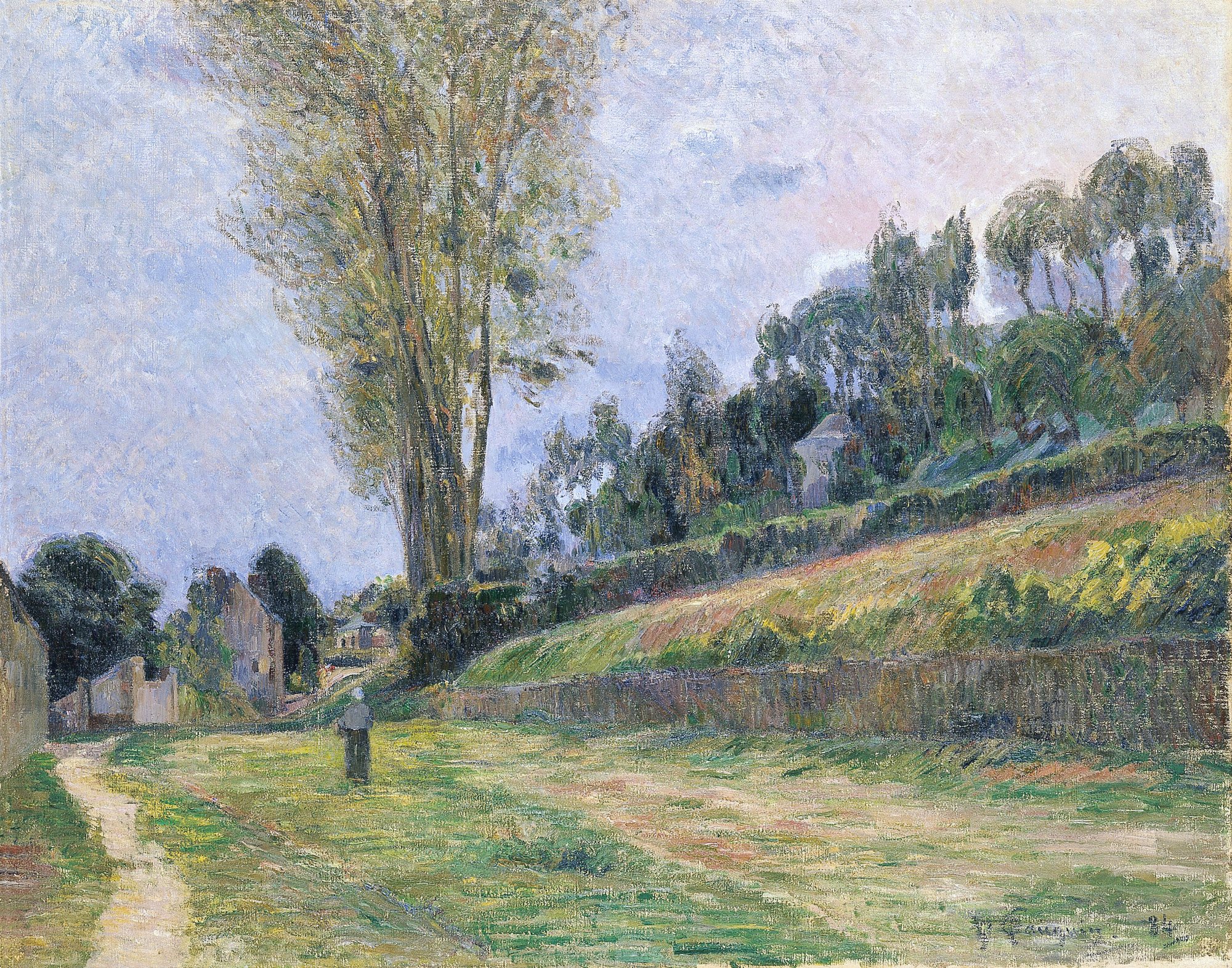
Paul Gauguin was born in Paris in 1848 and became one of the most influential figures of Post-Impressionism. After an early career as a stockbroker, he turned fully to art in his thirties, seeking a more expressive and symbolic approach to painting. Gauguin rejected naturalistic color in favor of bold, flattened forms and intense hues. His work often explores myth, spirituality, and the idea of a lost paradise.
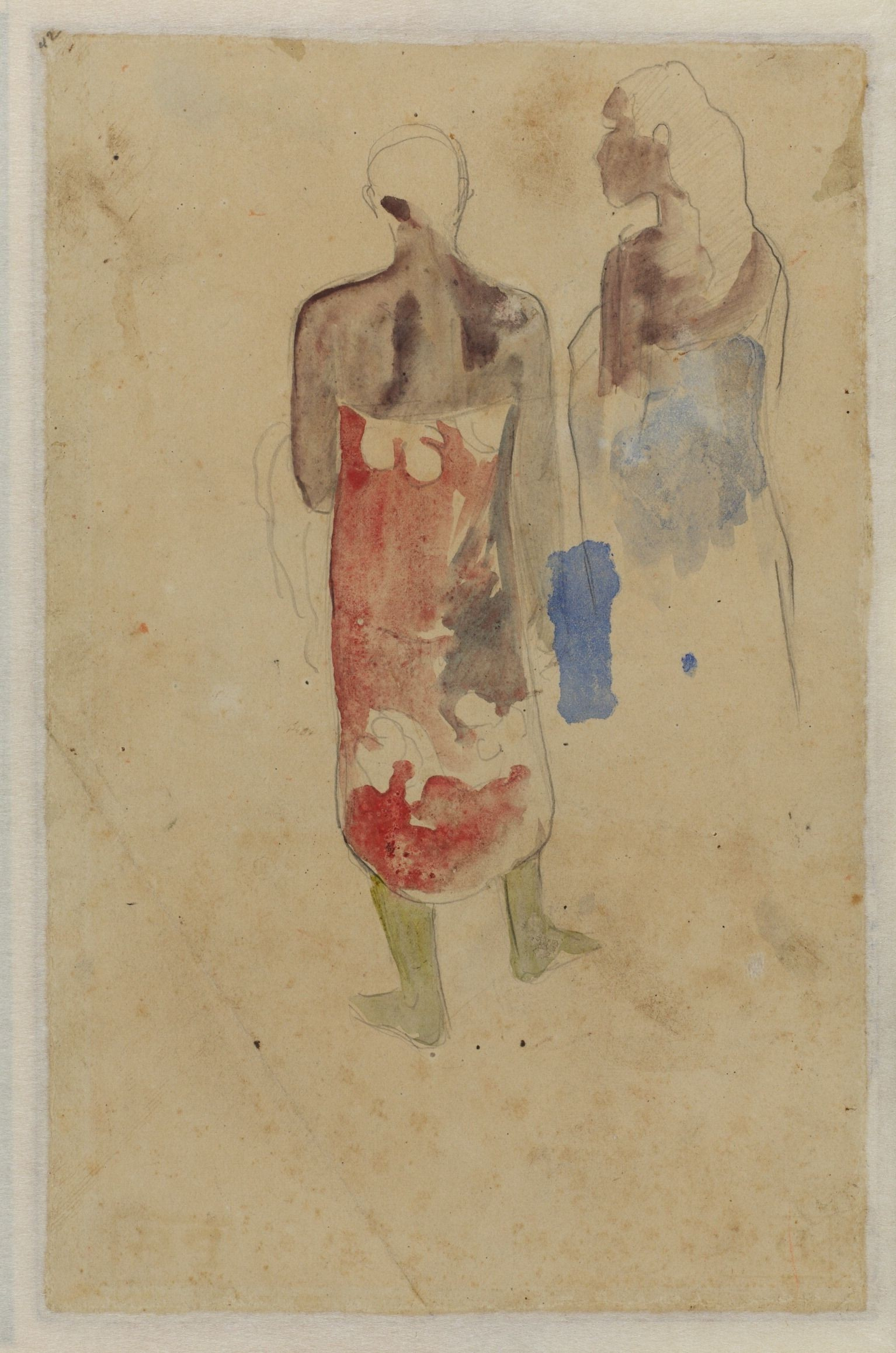
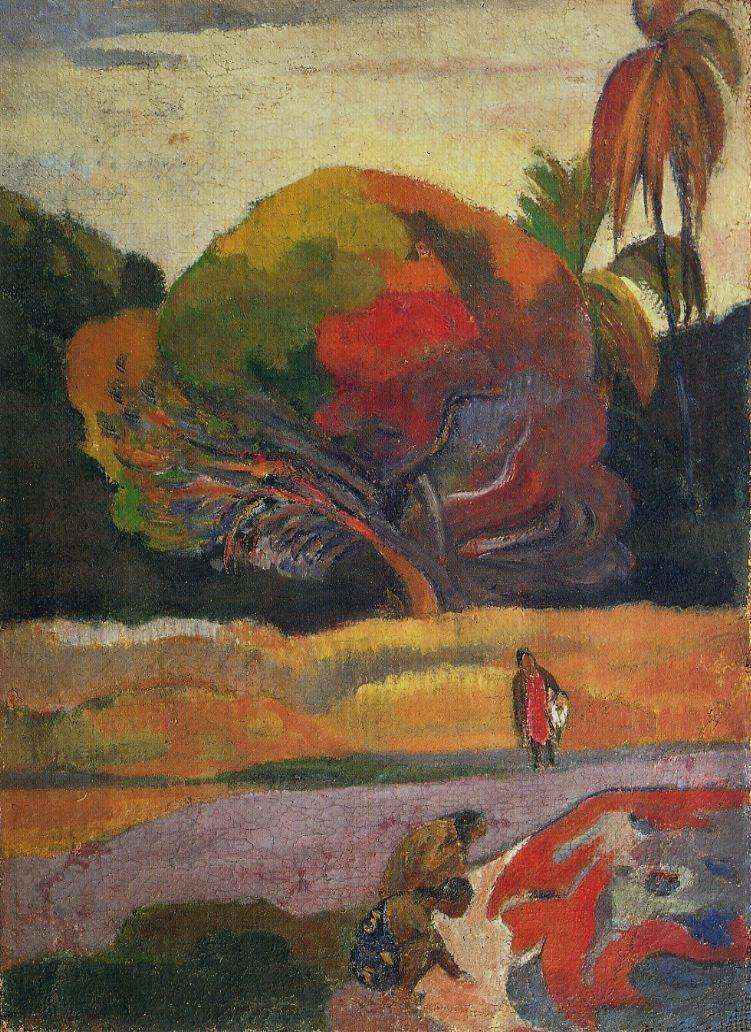
Disillusioned with European society, Gauguin traveled to Brittany and later to Tahiti and the Marquesas Islands. These journeys profoundly shaped his subject matter and visual language. His paintings from this period reflect both fascination and personal idealization of non-European cultures. During his lifetime, he struggled financially and received little recognition. Gauguin died in 1903. His radical vision strongly influenced modern movements such as Symbolism, Fauvism, and Expressionism.

































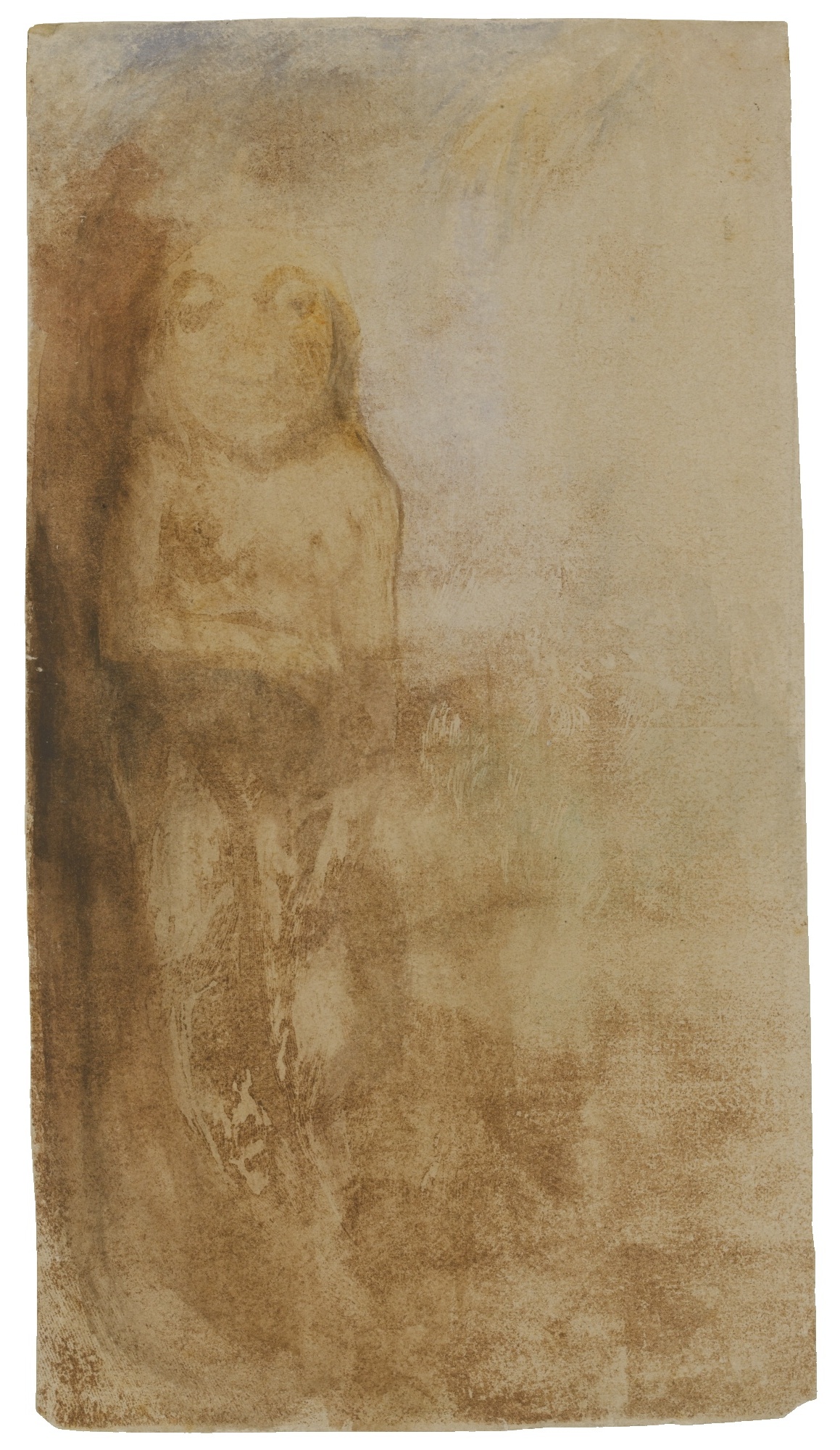


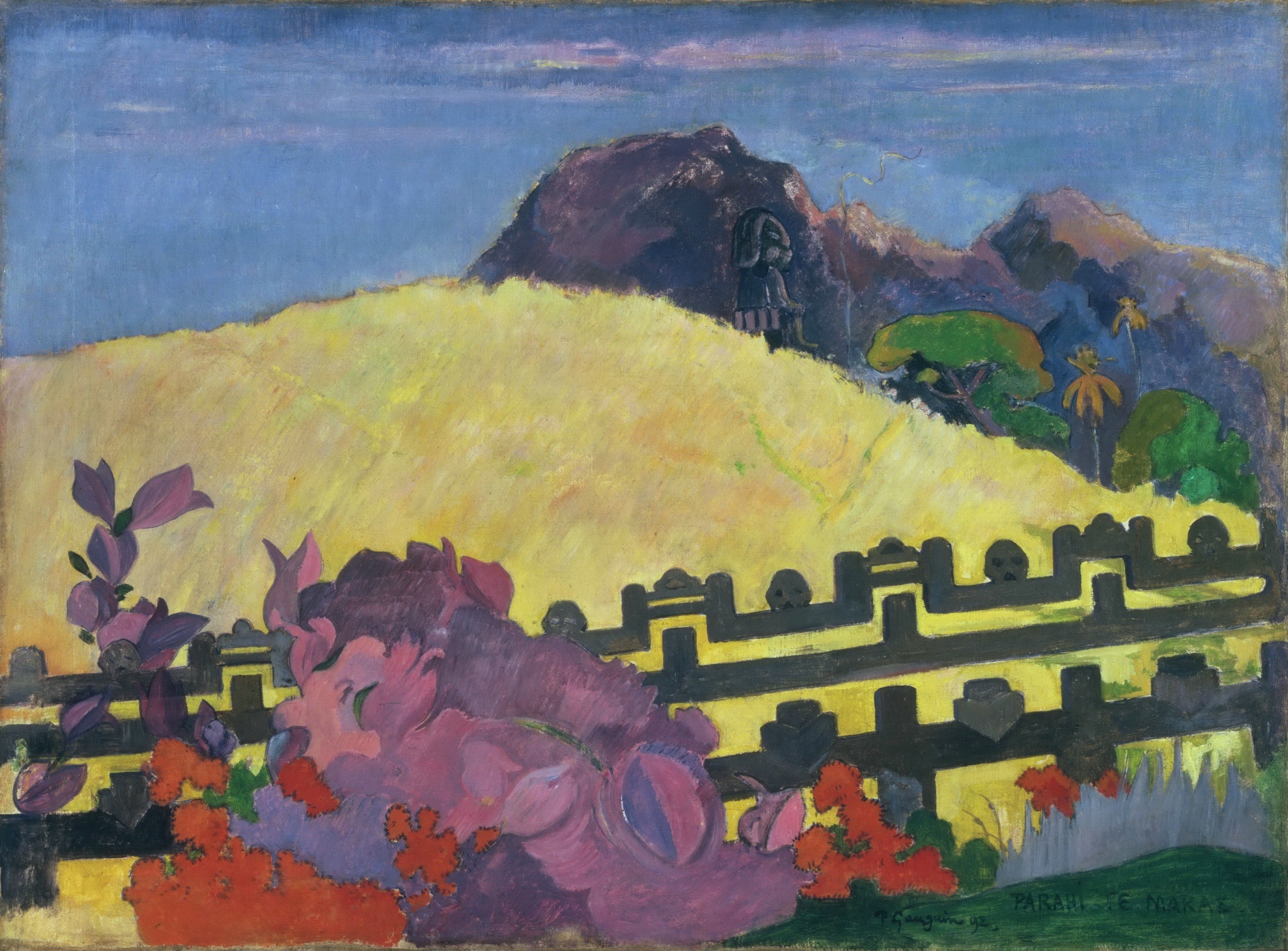


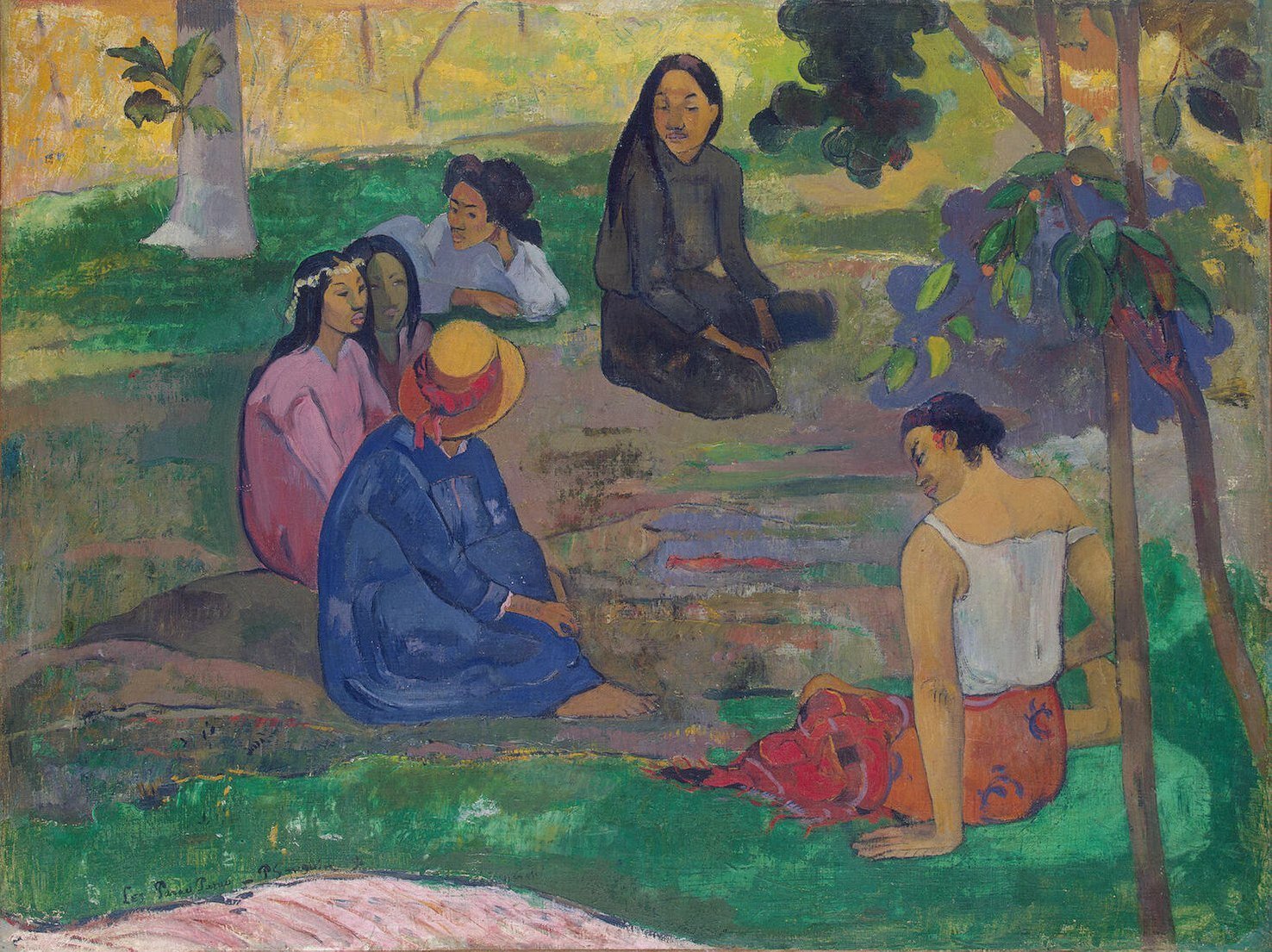


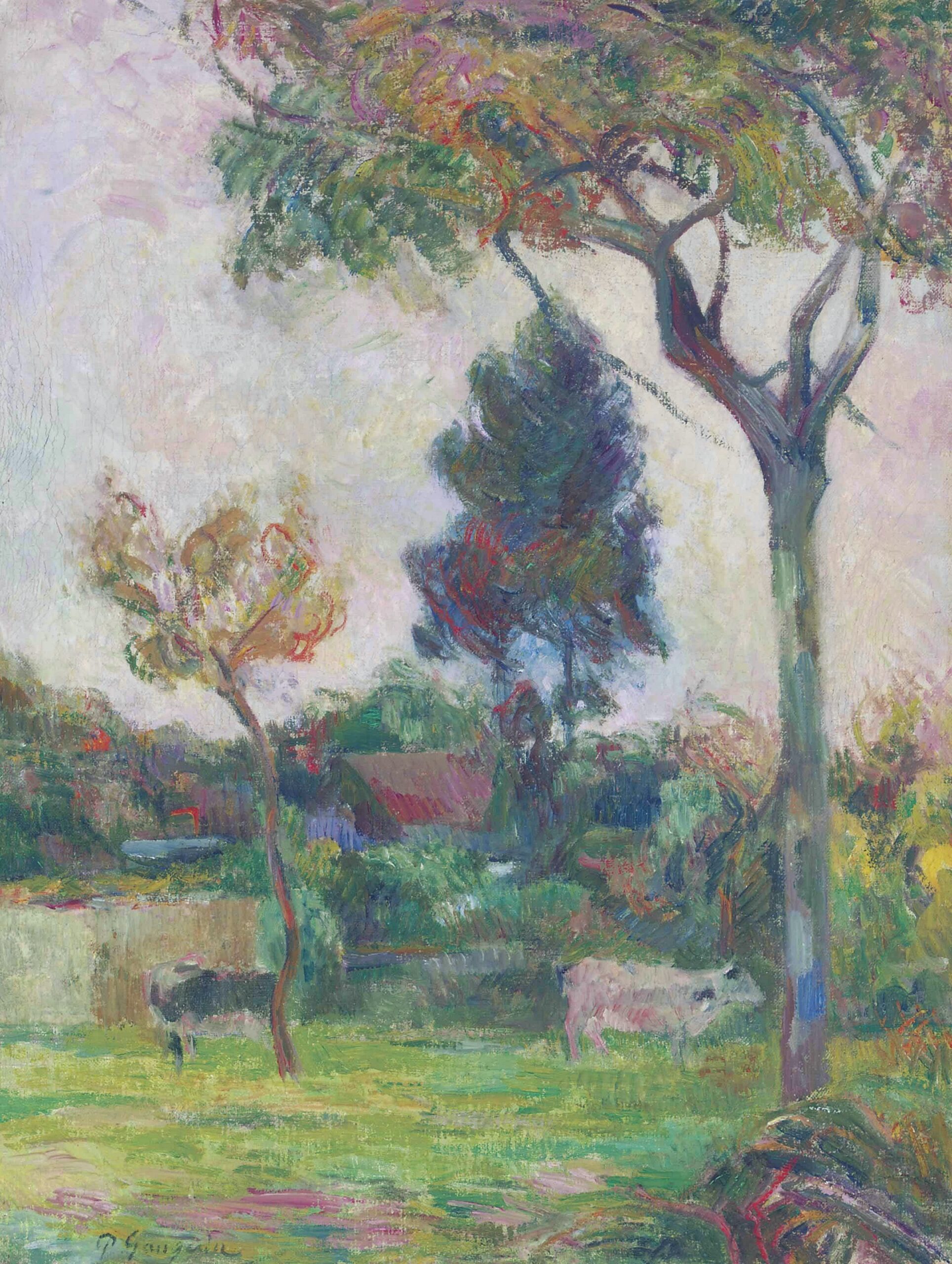










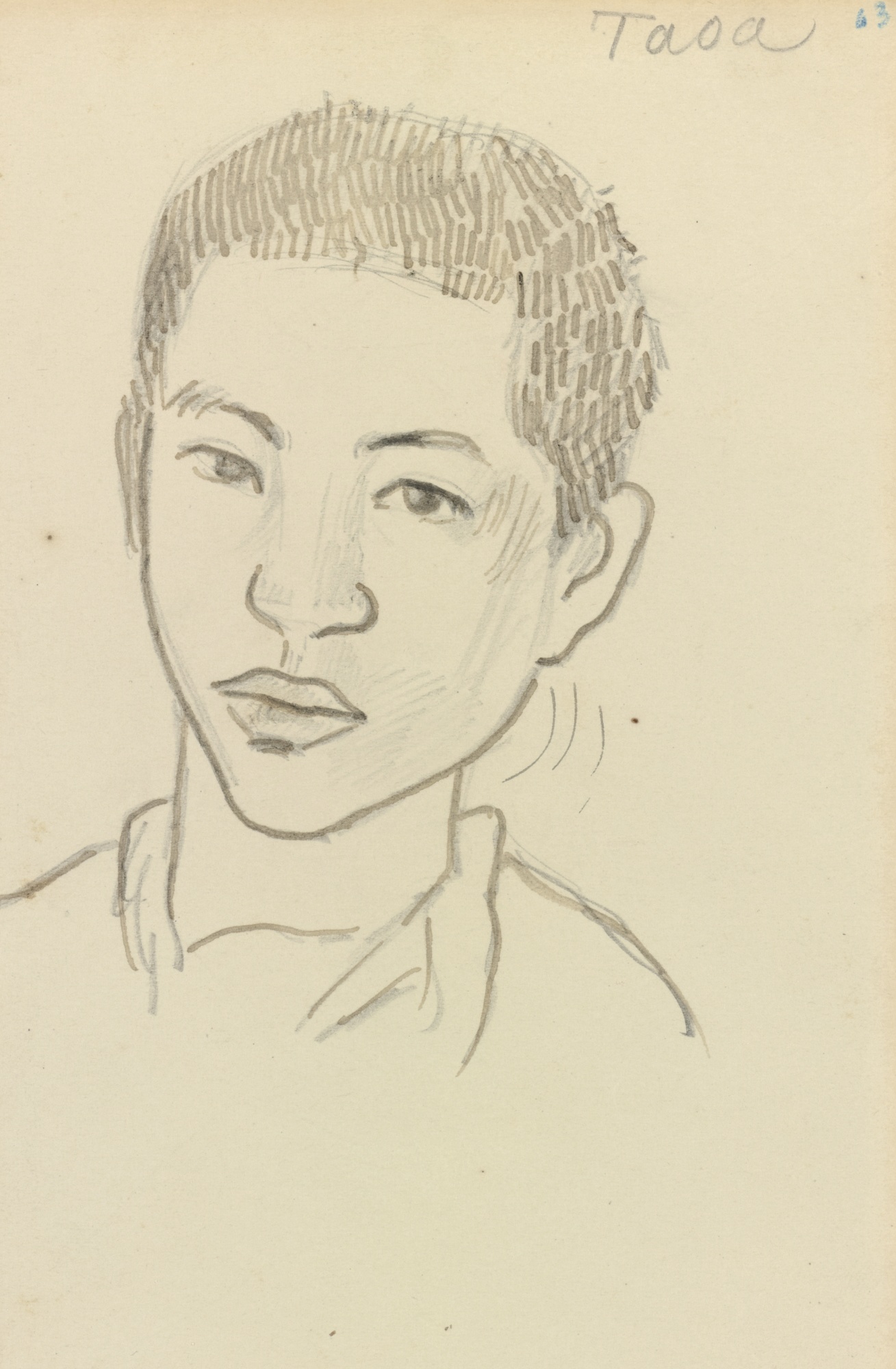


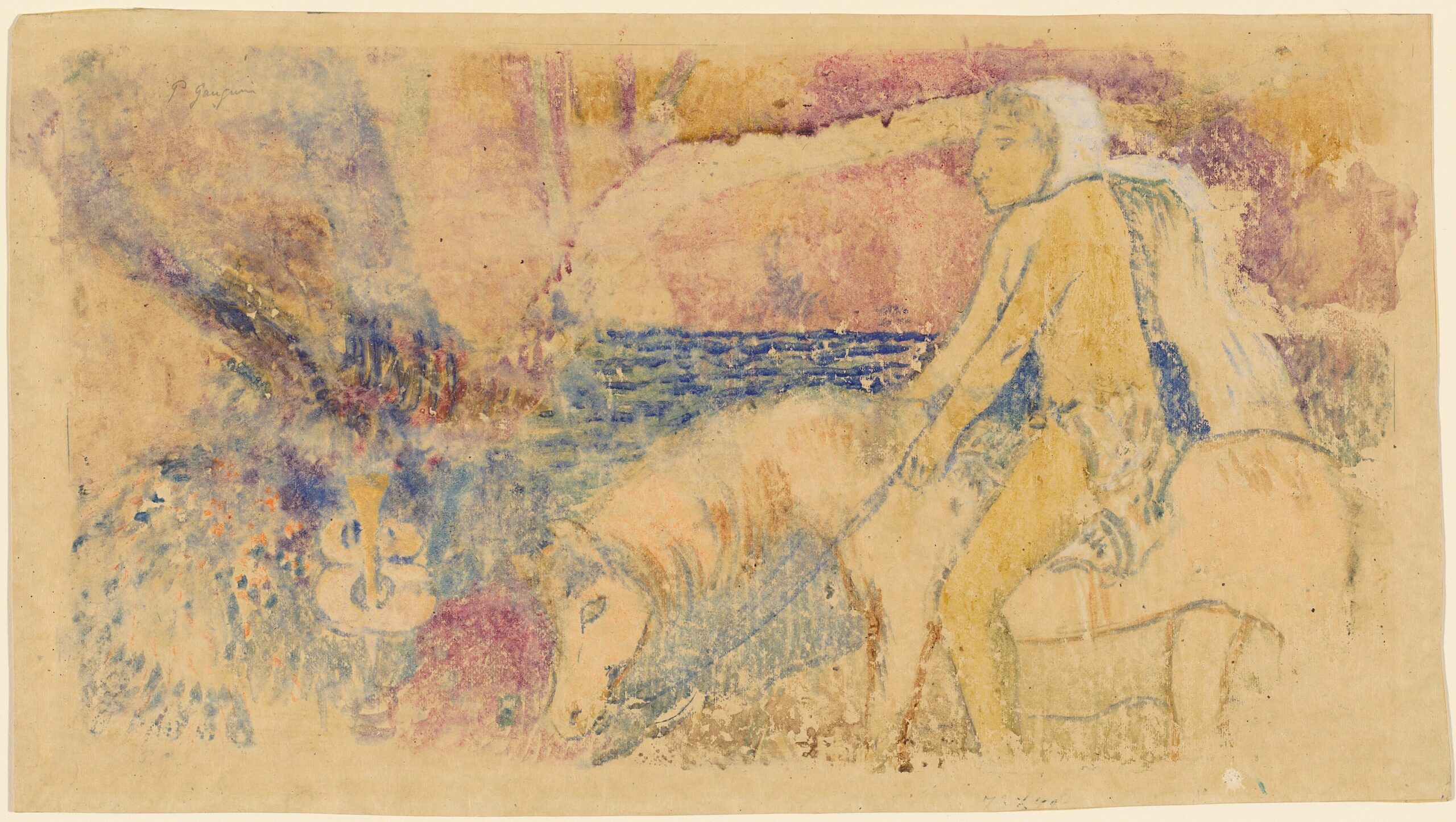
![Paul Gauguin - Te Atua (The Gods) Small Plate [recto], 1895](https://theartinpixels.com/wp-content/uploads/Paul-Gauguin-Te-Atua-The-Gods-Small-Plate-recto-1895-scaled.jpg)
![Paul Gauguin - Te Atua (The Gods) Small Plate [verso], 1895](https://theartinpixels.com/wp-content/uploads/Paul-Gauguin-Te-Atua-The-Gods-Small-Plate-verso-1895.jpg)