Paul Klee
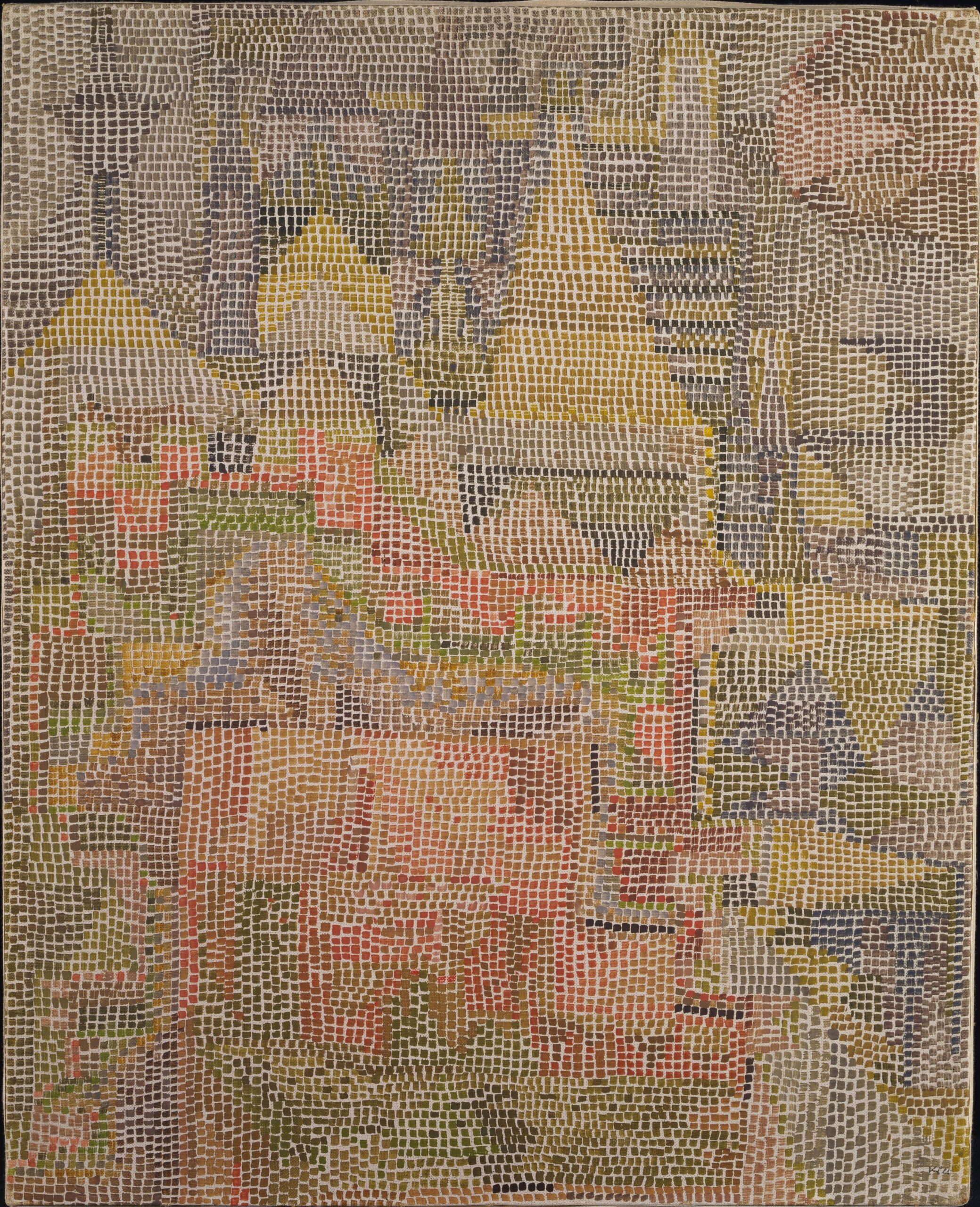
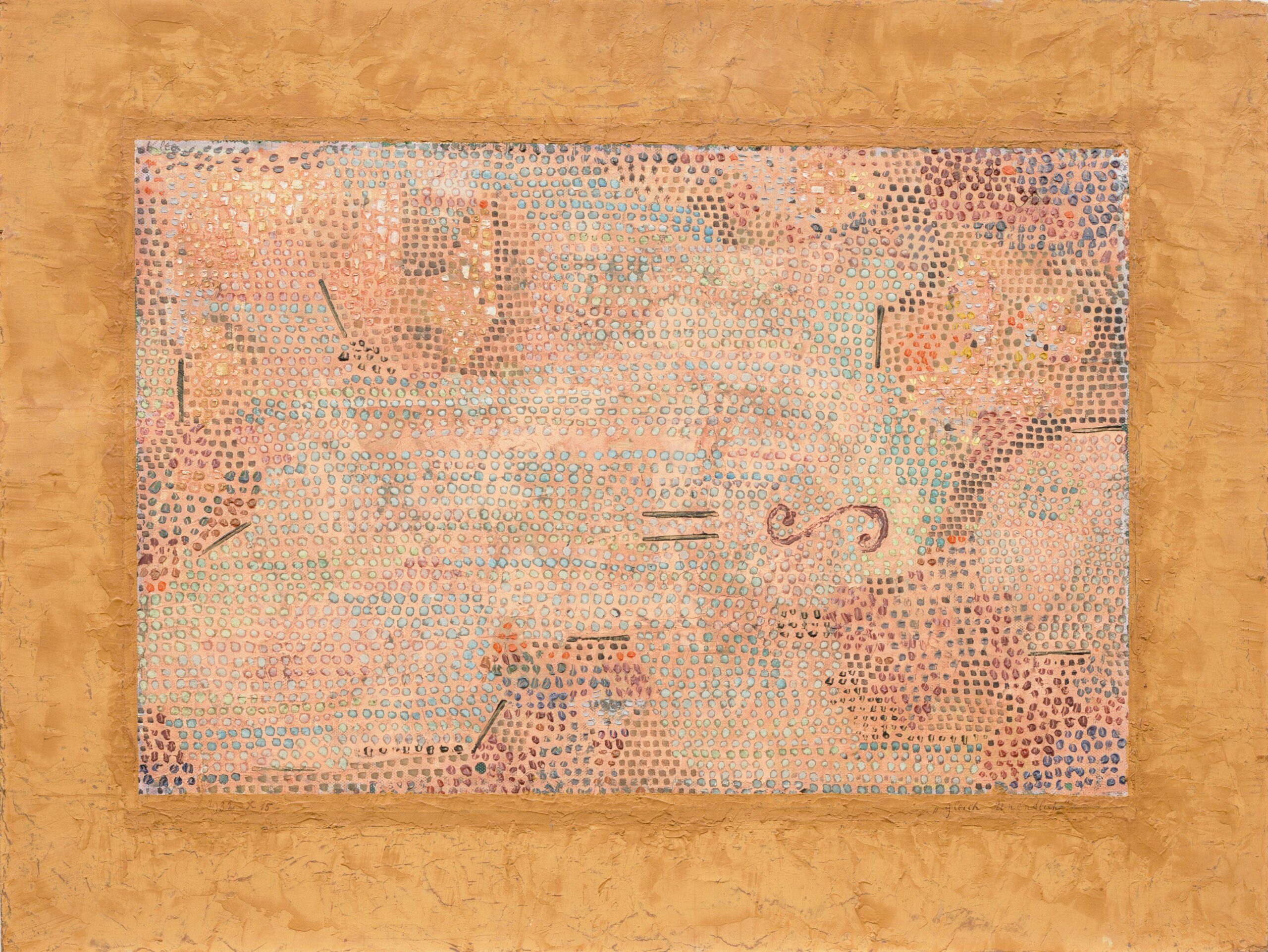
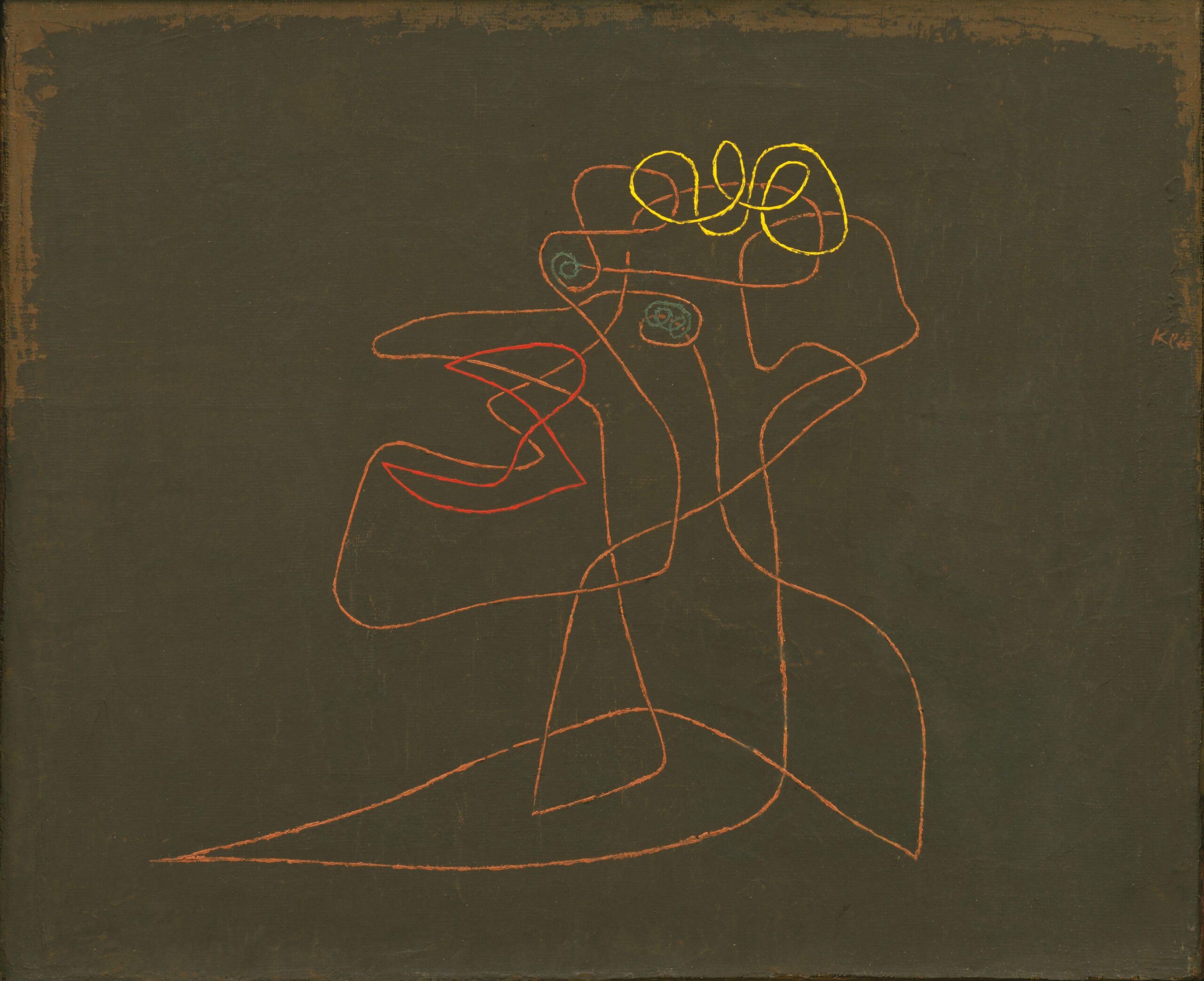
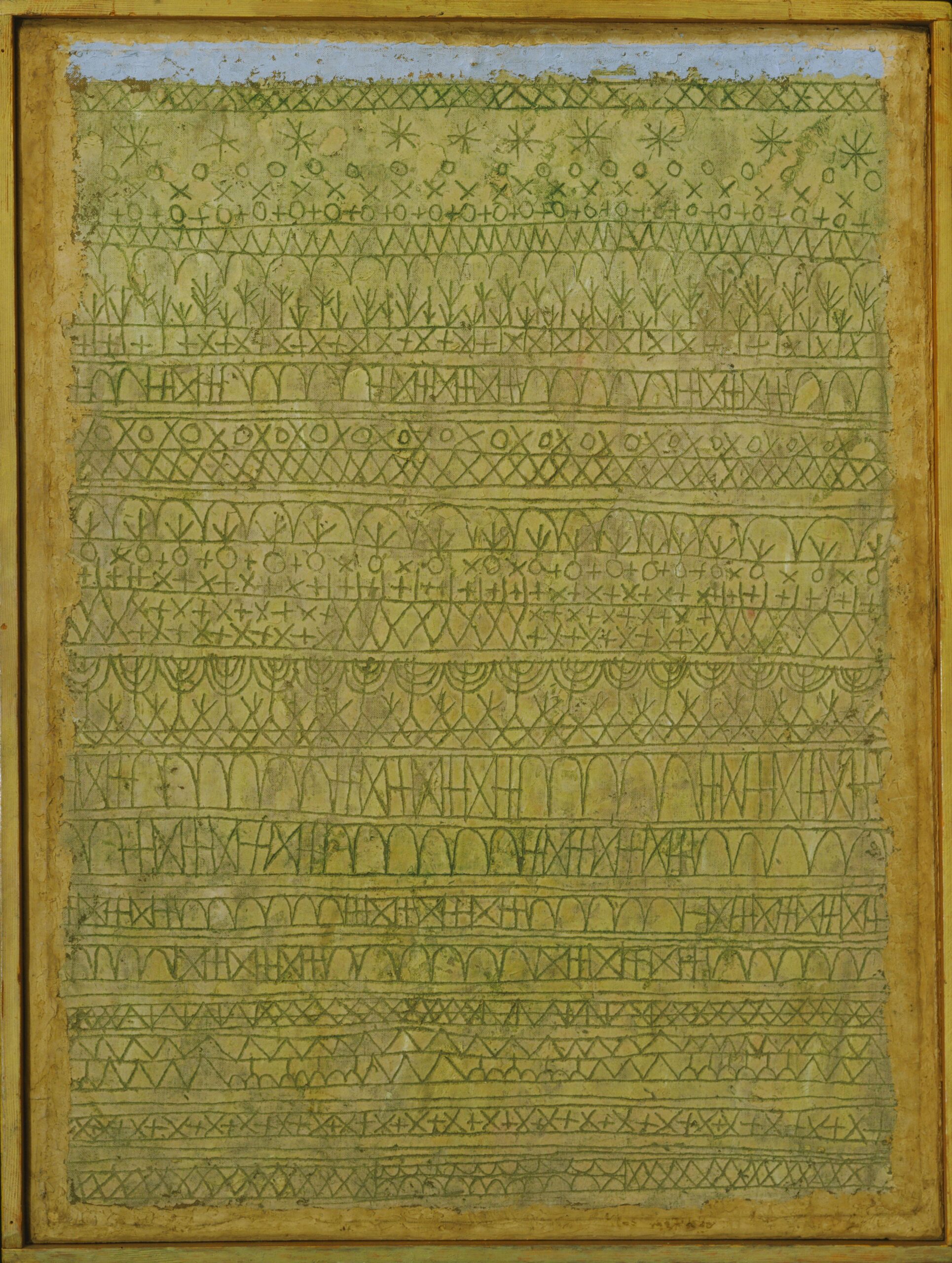
Paul Klee was born in 1879 in Switzerland and became one of the most original and influential artists of modern art. Trained as a musician as well as a painter, he approached visual art with a strong sense of rhythm and structure. Klee was associated with several avant-garde movements, including Expressionism, Cubism, and Surrealism, while always maintaining a deeply personal style. His work blends abstraction with symbols drawn from nature, dreams, and imagination.
Klee taught at the Bauhaus, where he played a key role in shaping modern art education. His theories on color and form influenced generations of artists. Klee’s paintings often appear playful and childlike, yet are built on complex intellectual foundations. After being dismissed from his post by the Nazi regime, he returned to Switzerland. Despite declining health, he continued working intensely. Paul Klee died in 1940. His art remains celebrated for its poetic balance of intellect, emotion, and creativity.