Titian
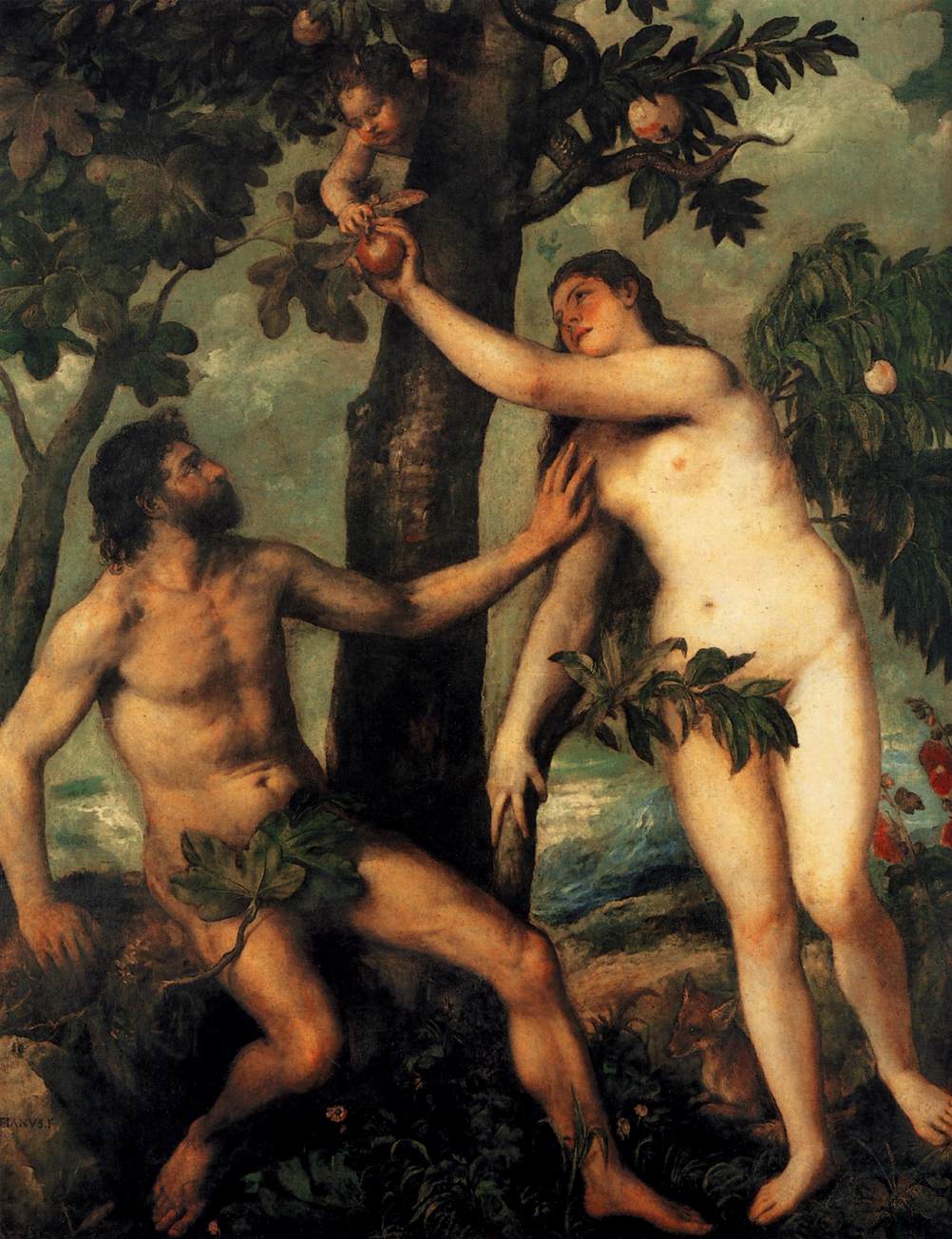
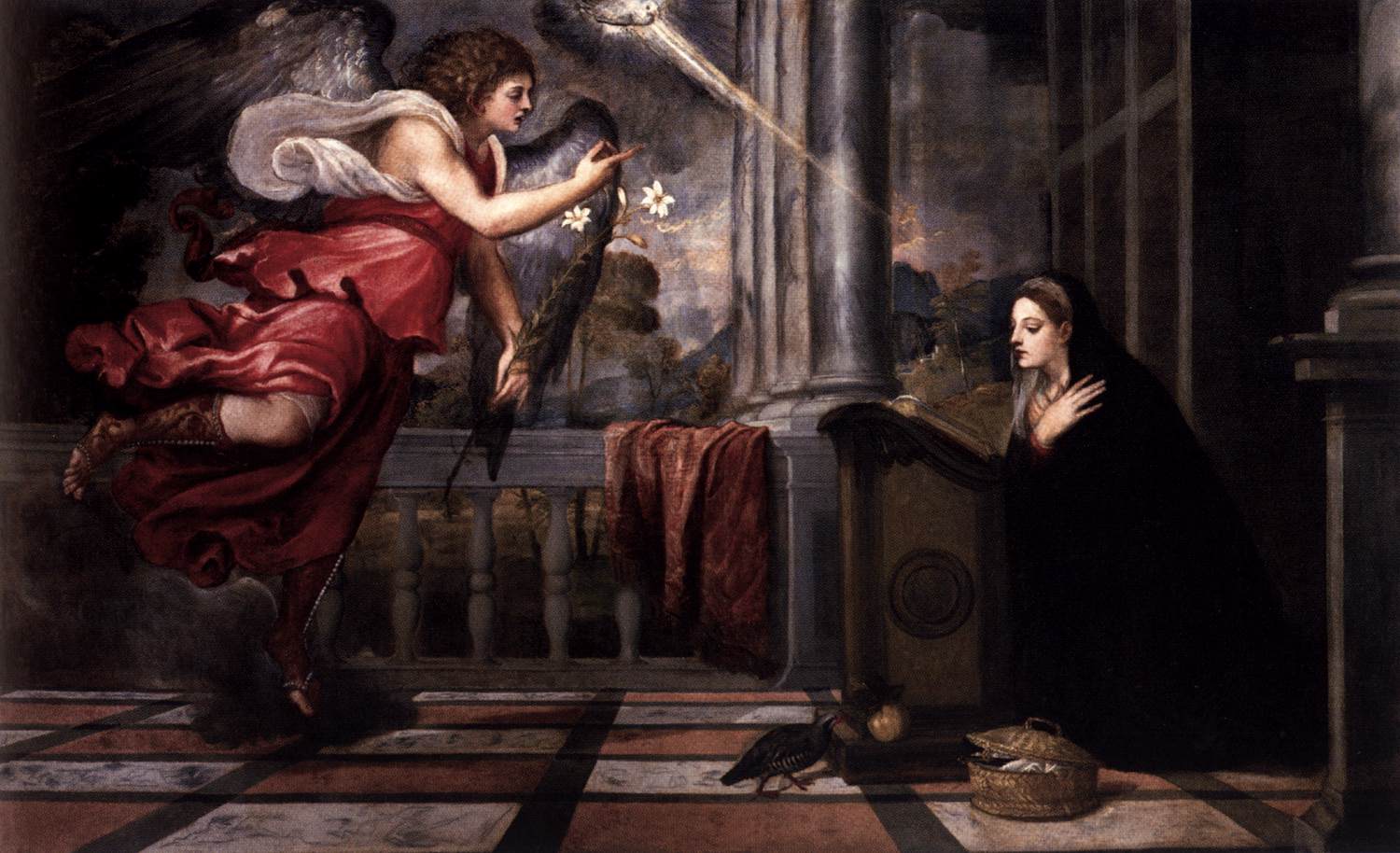
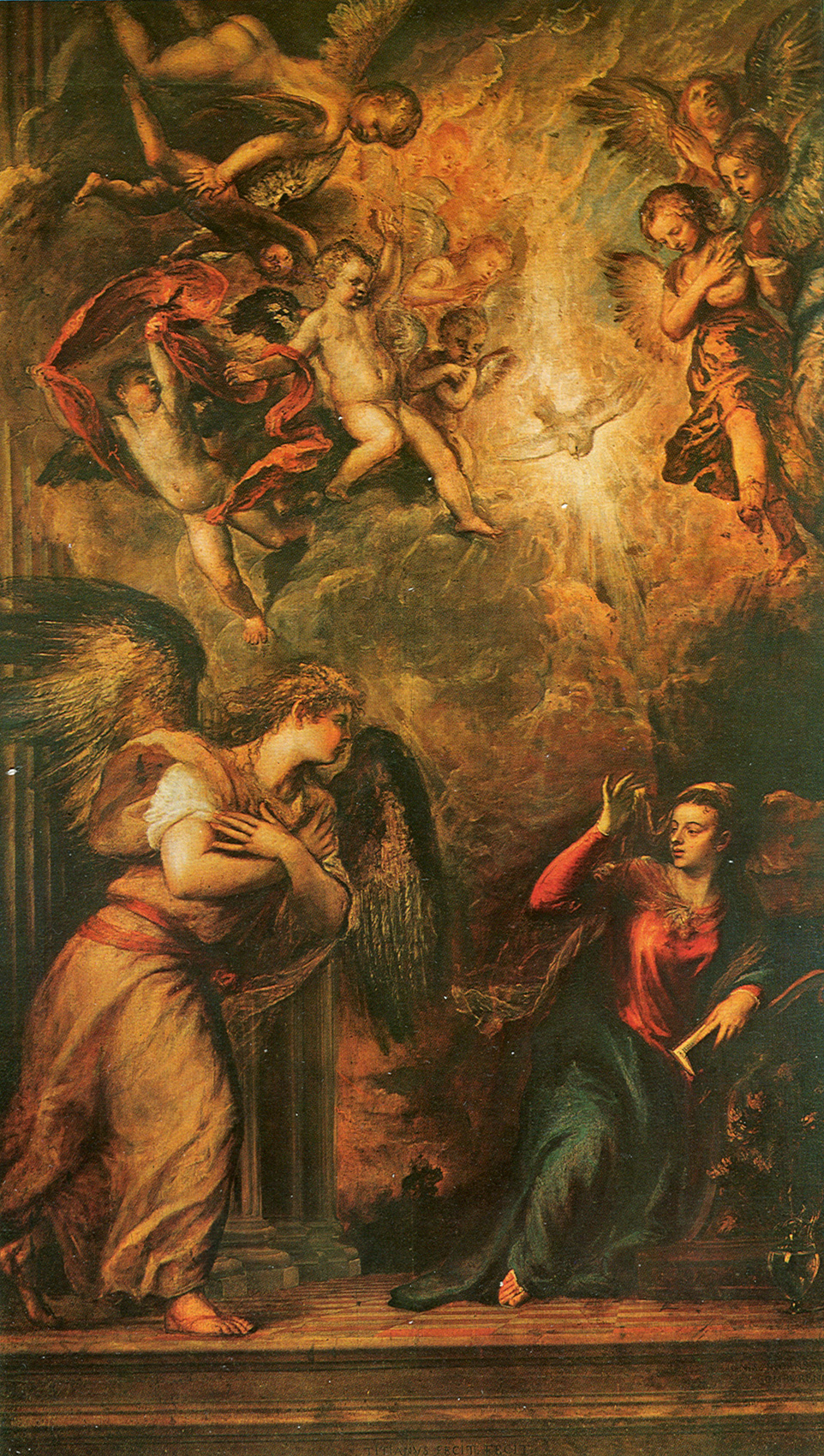
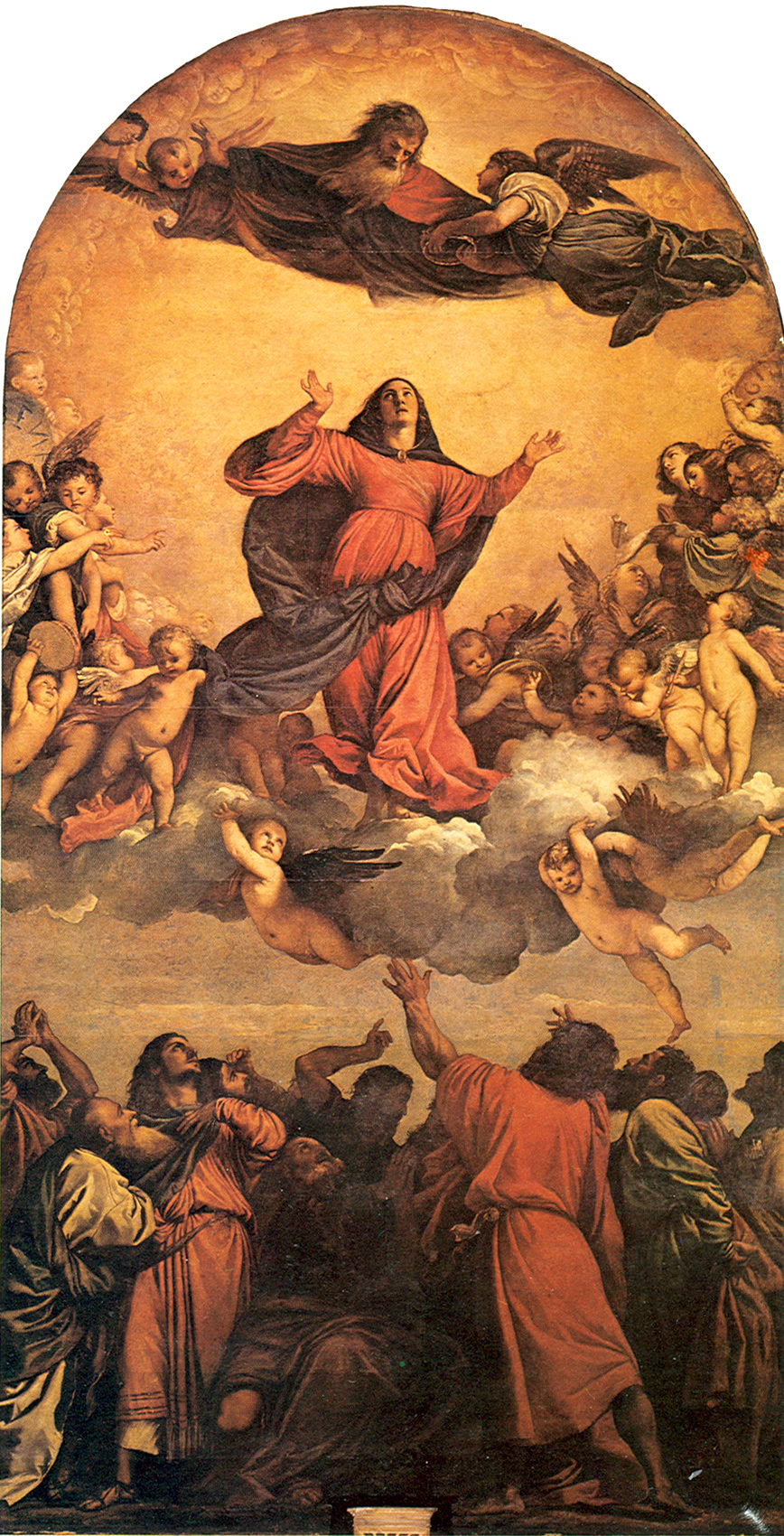
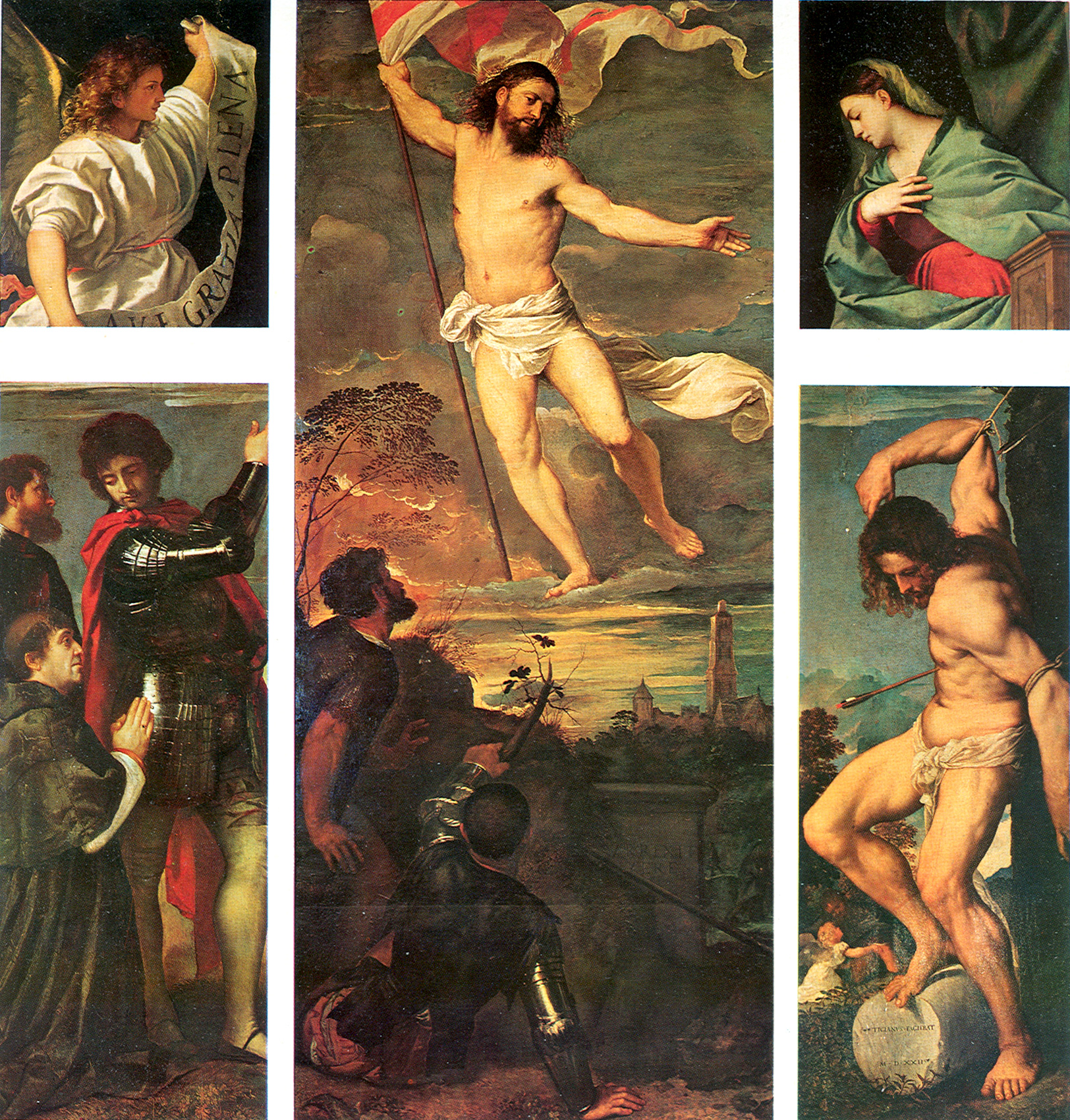
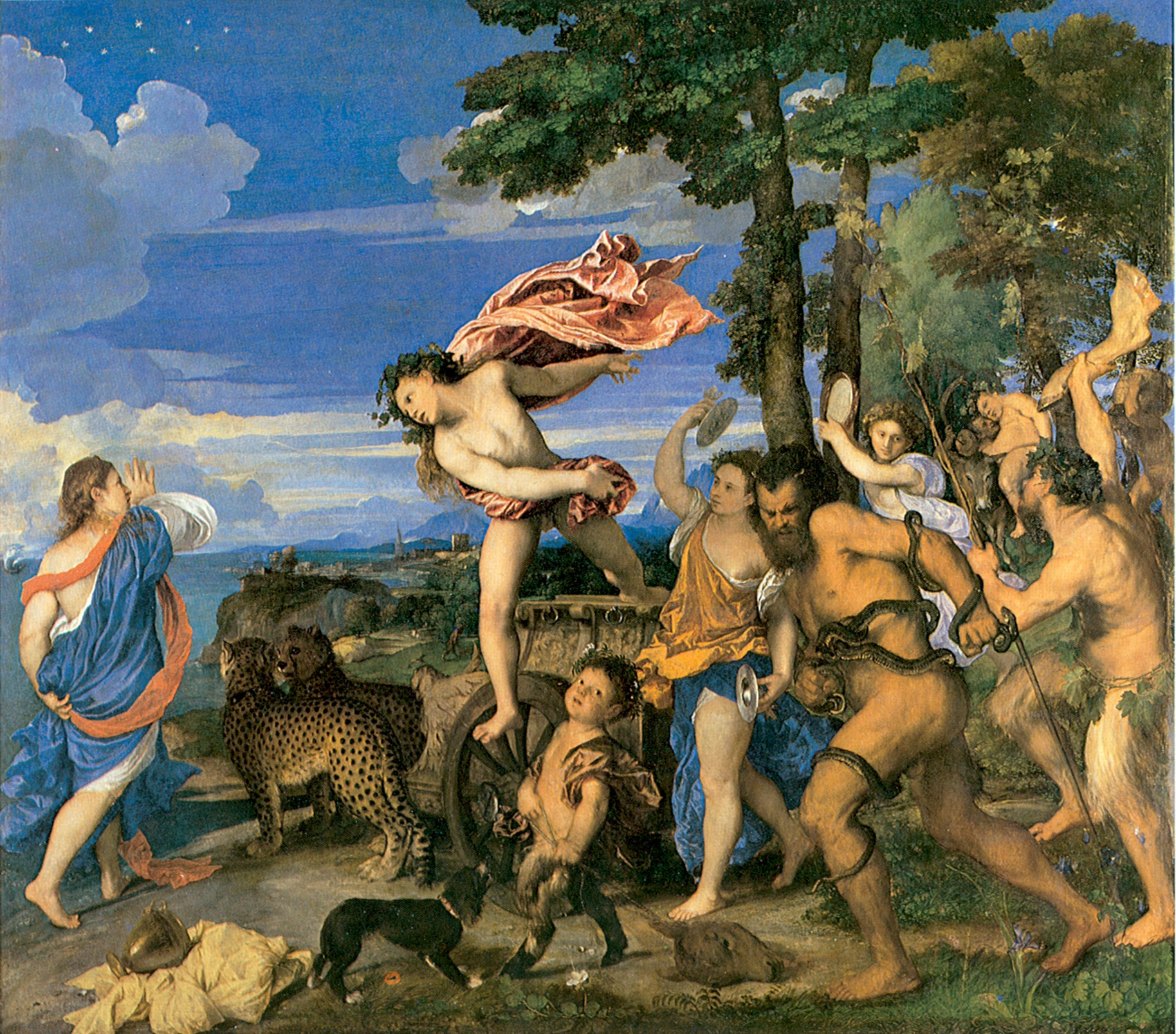
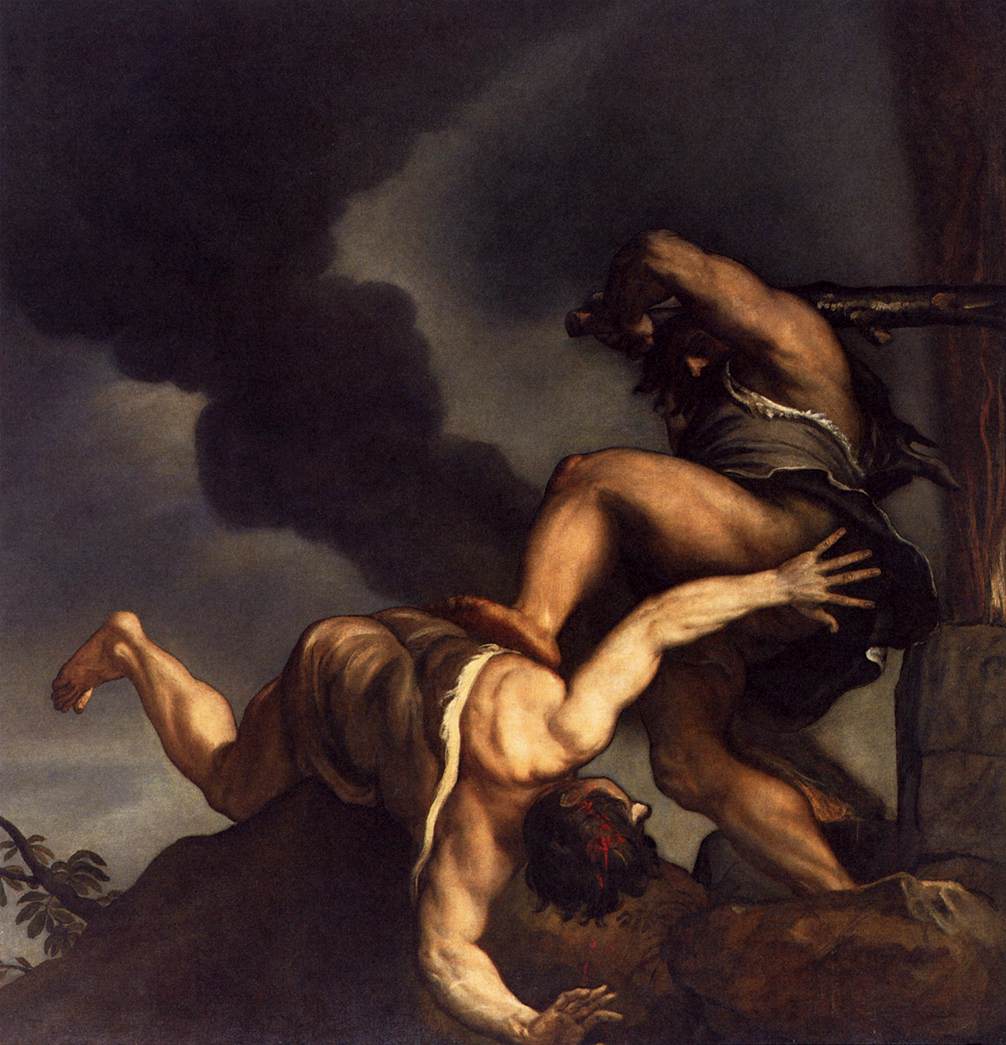
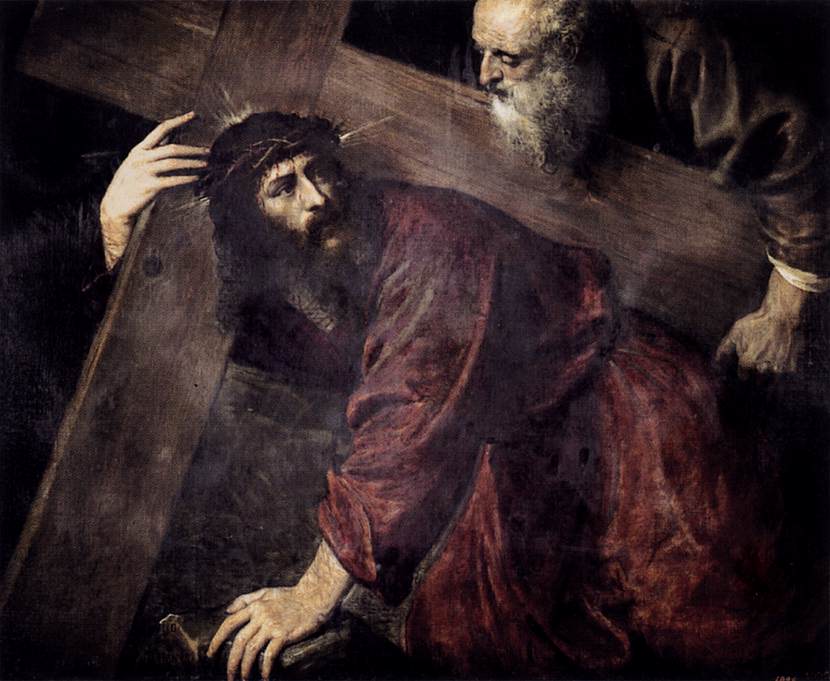
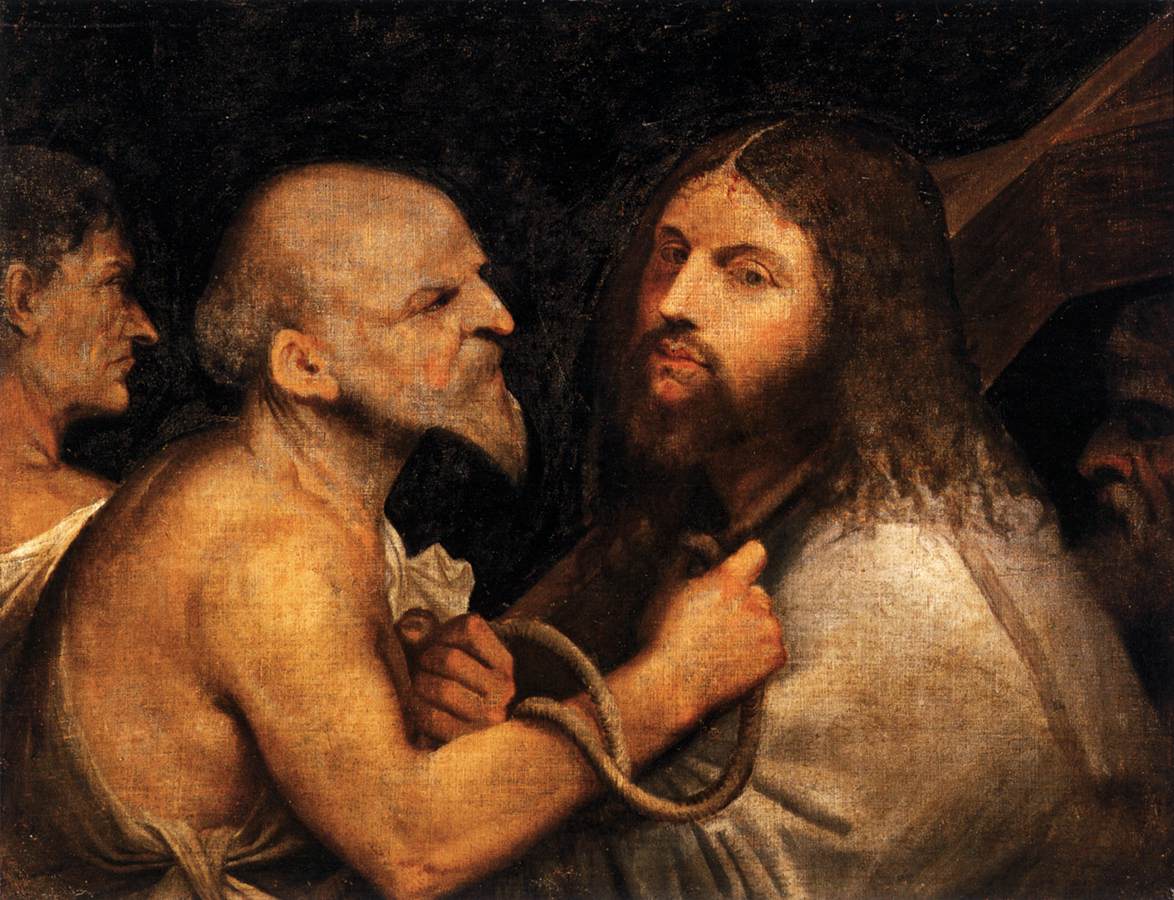
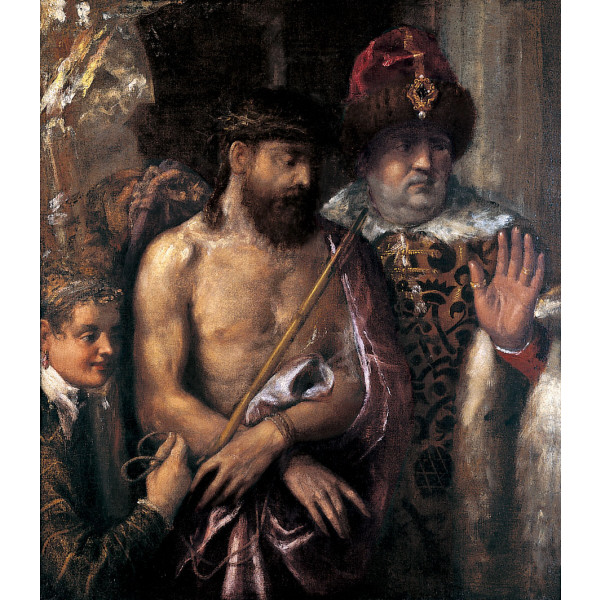
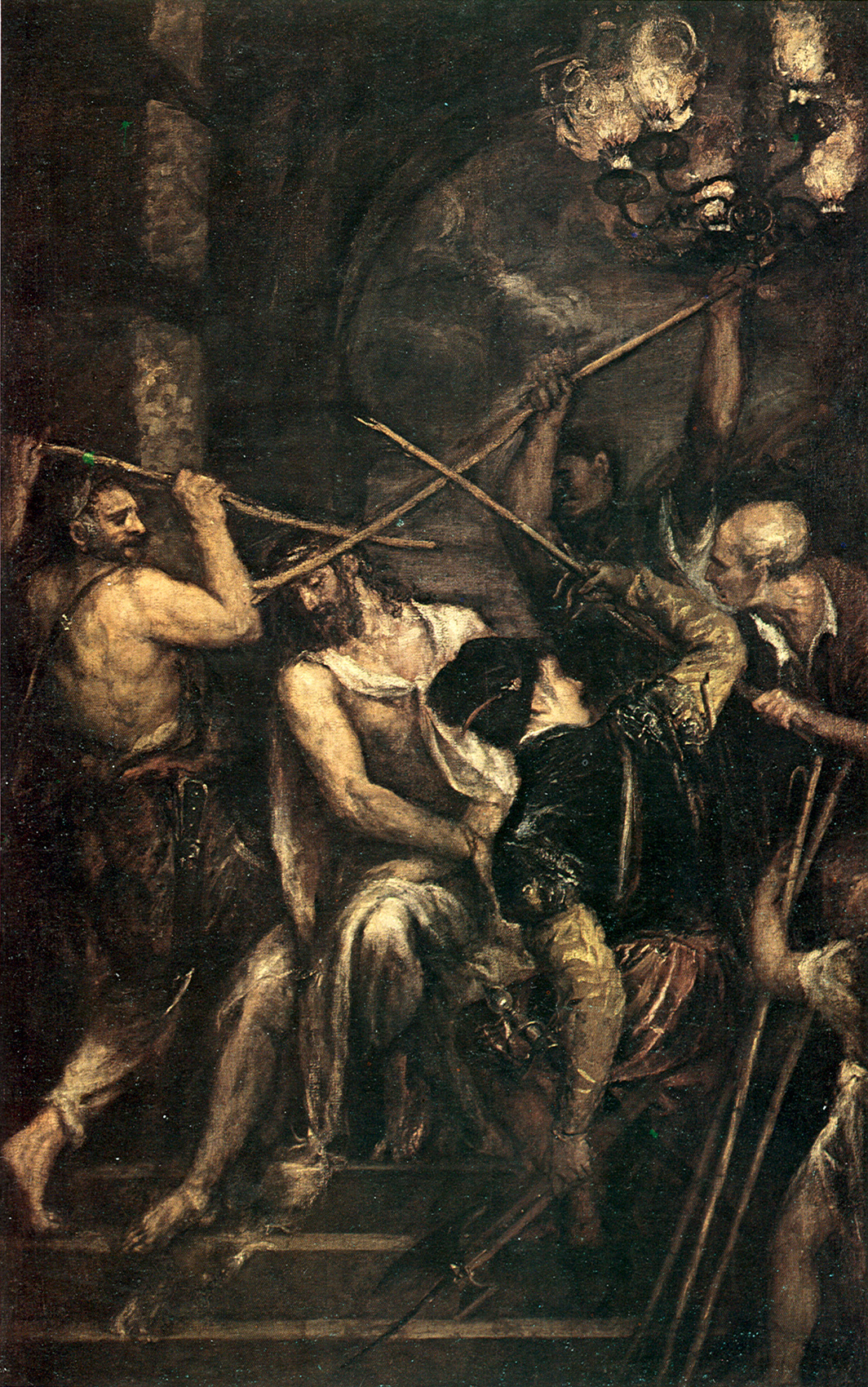
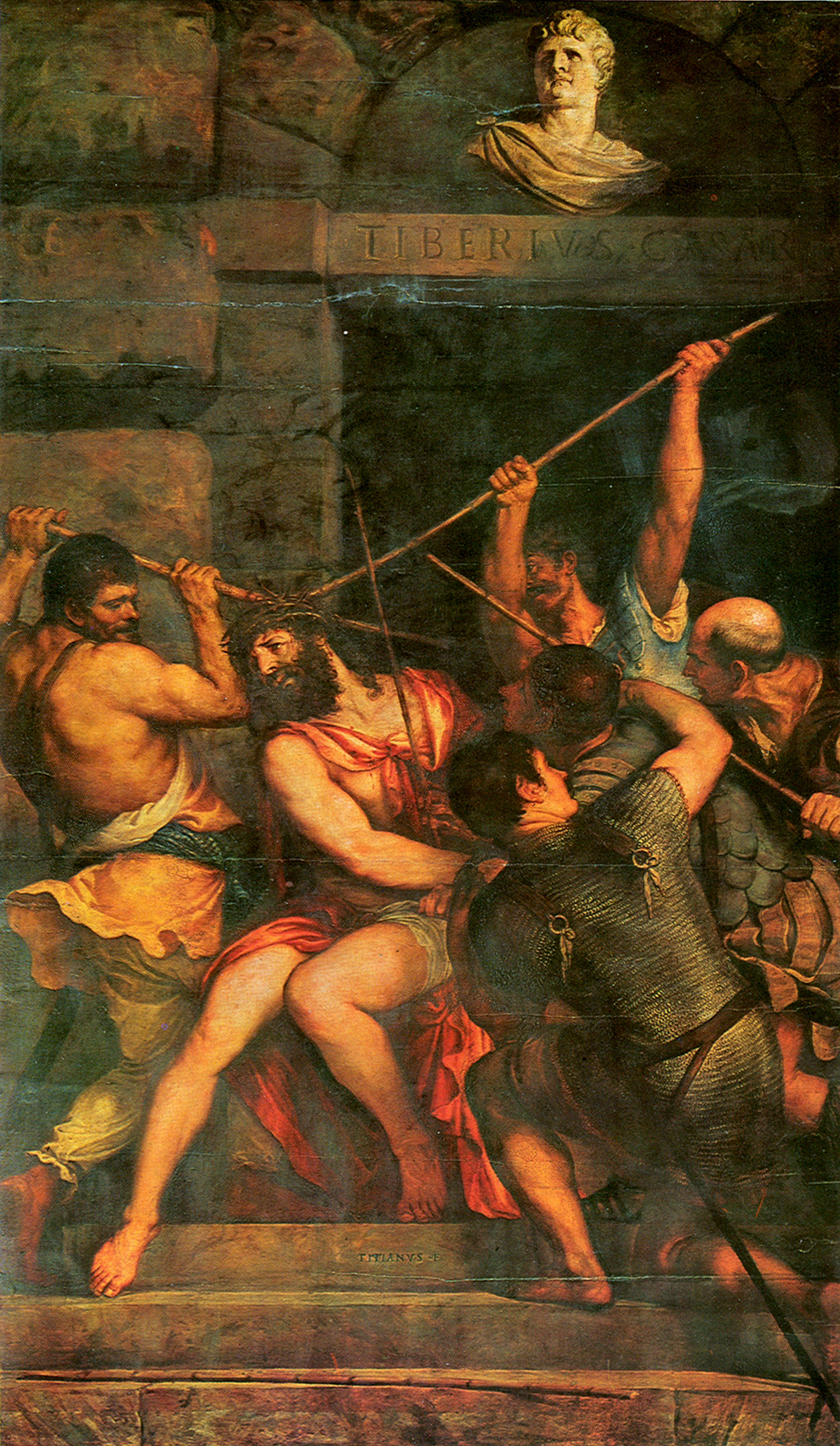
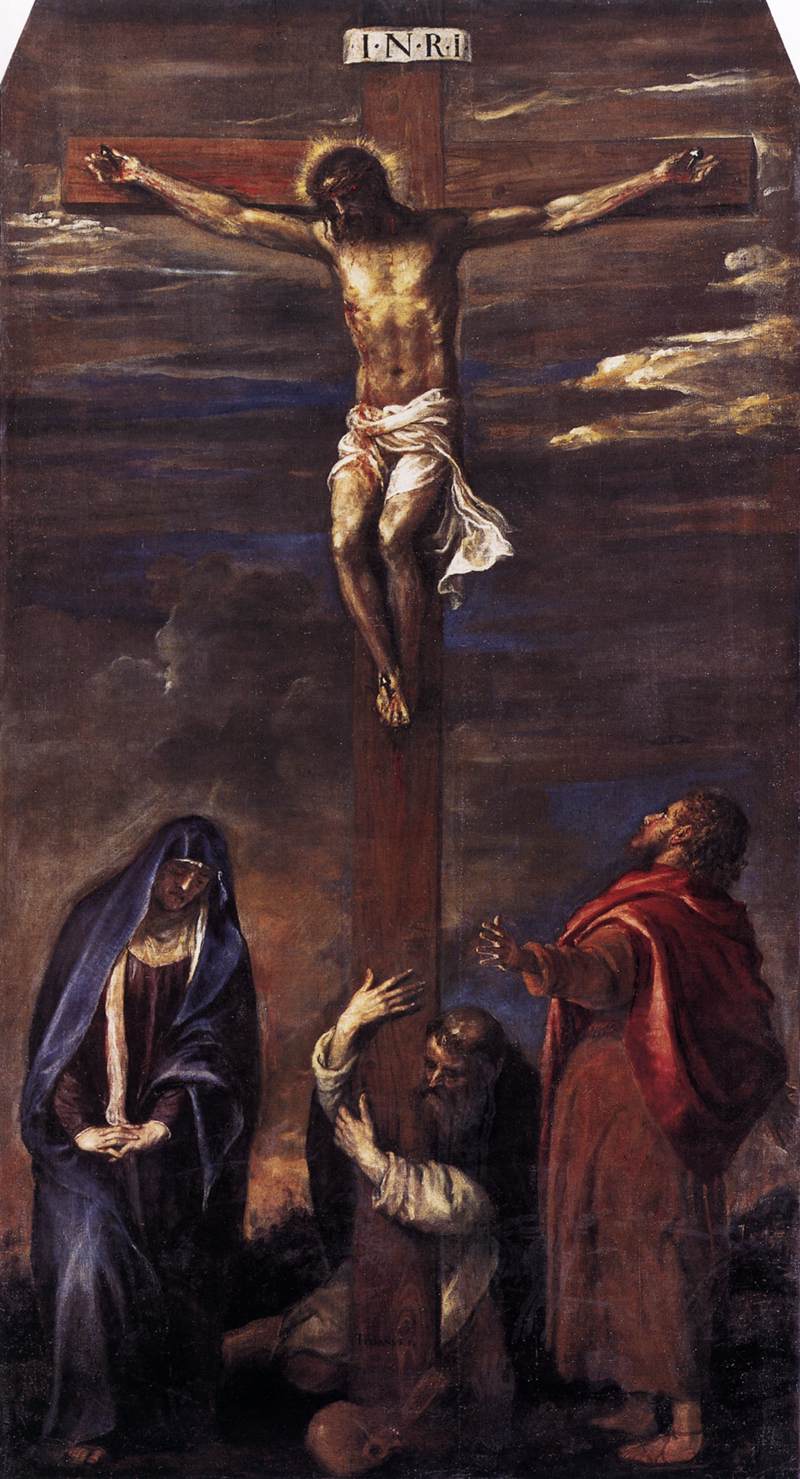
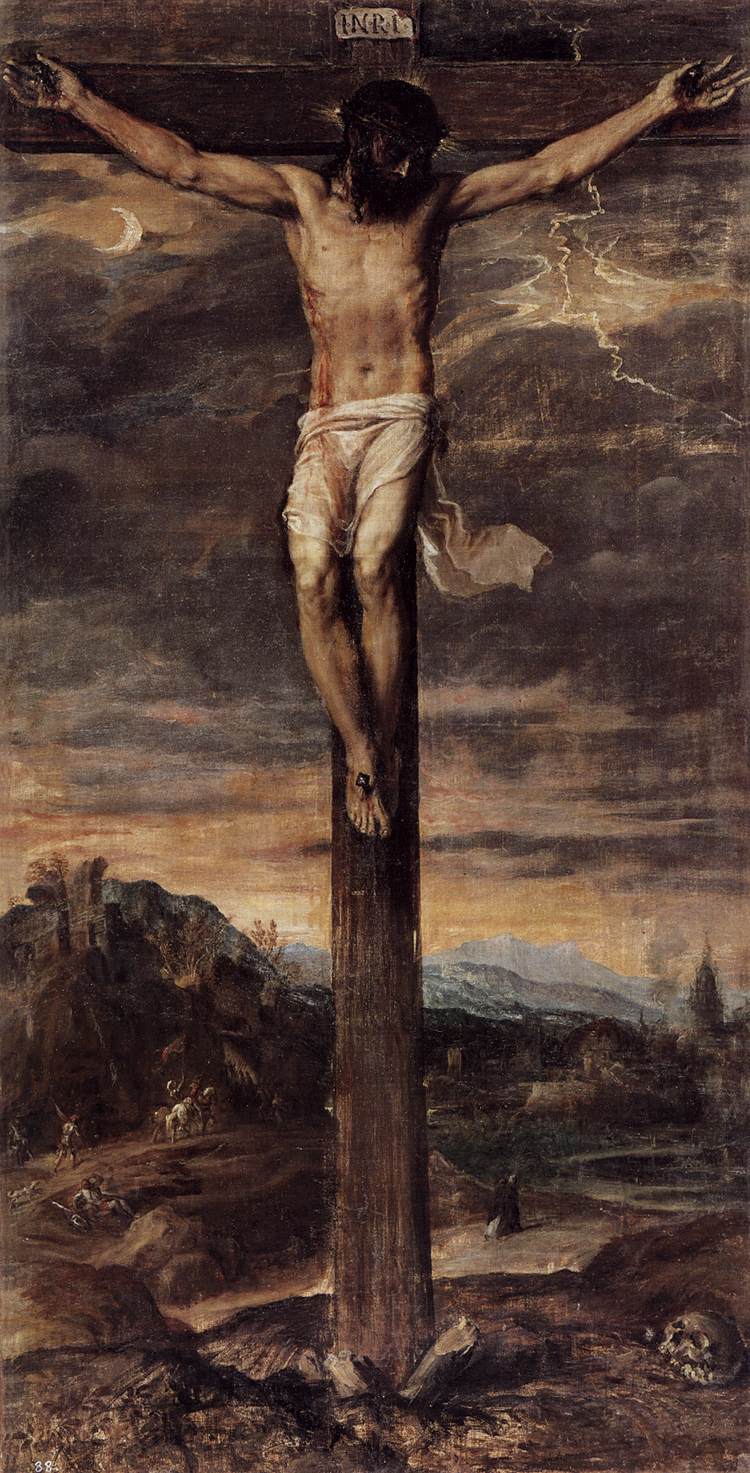
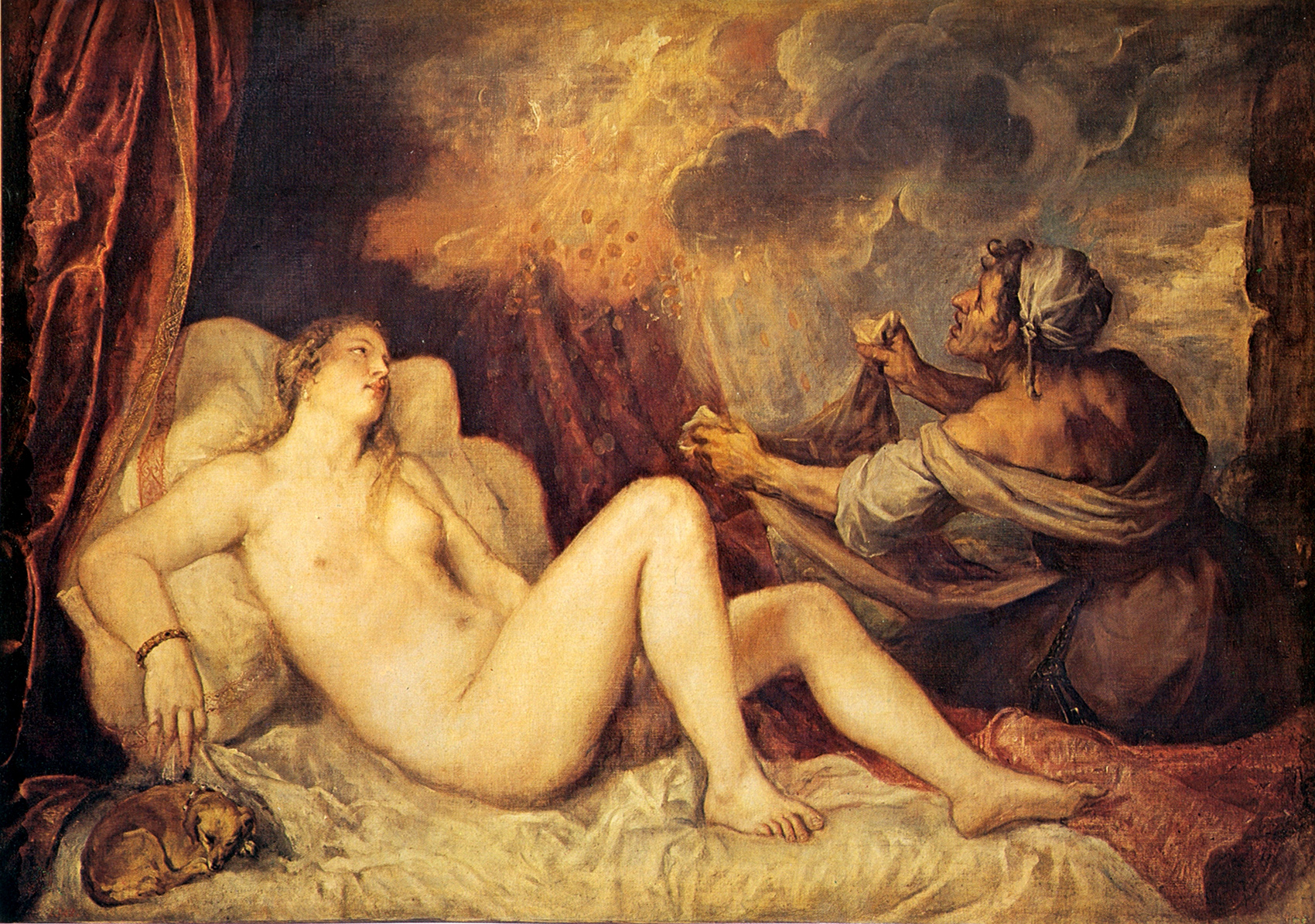
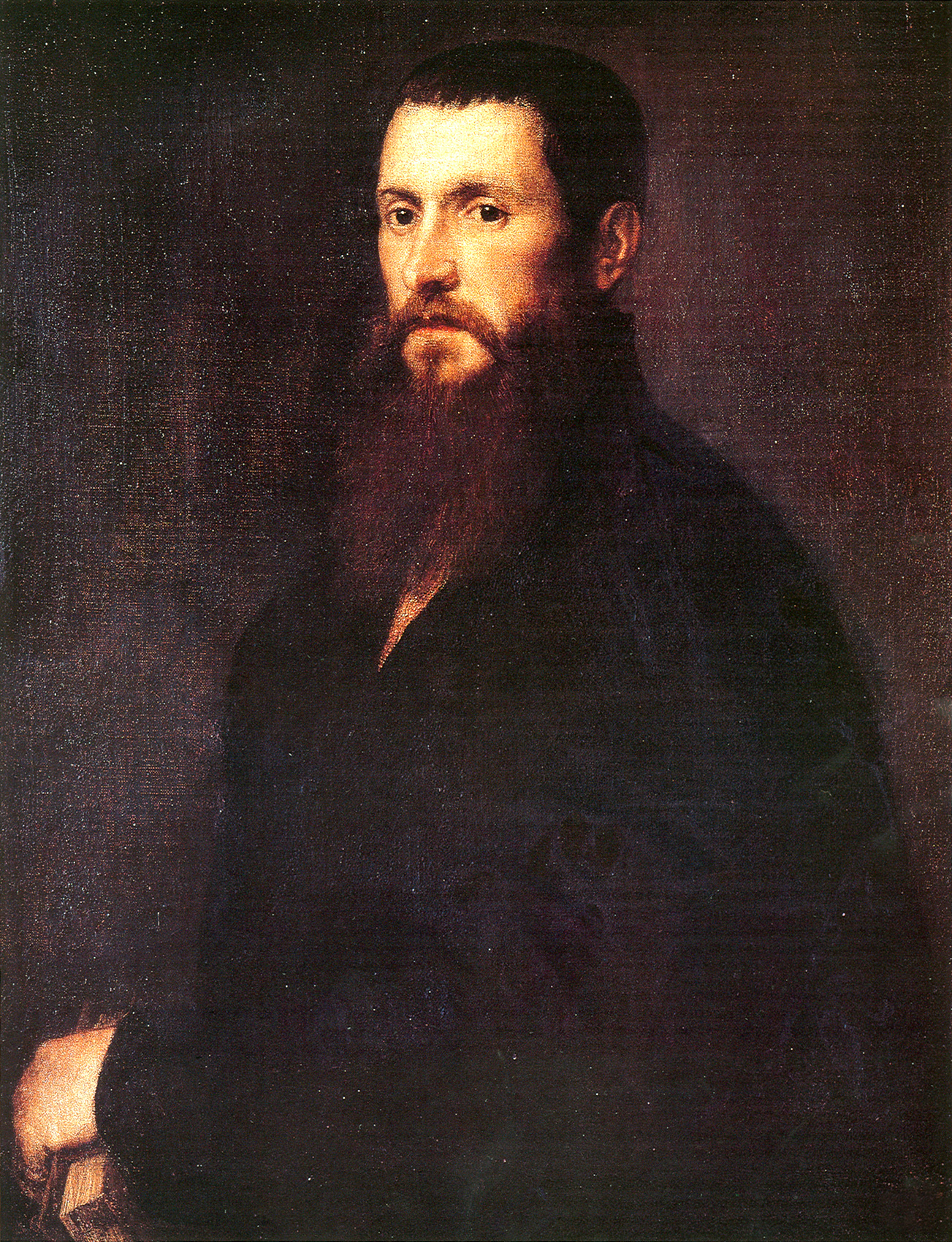
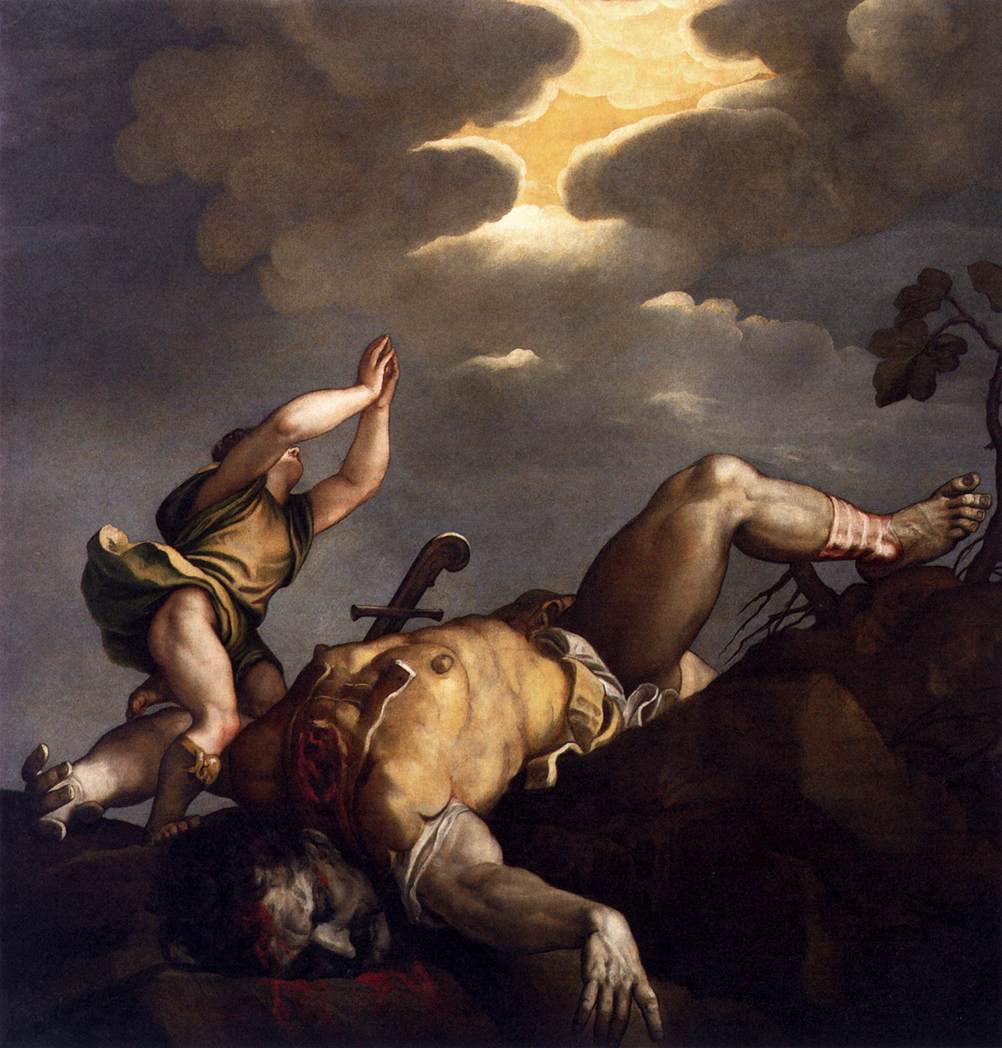
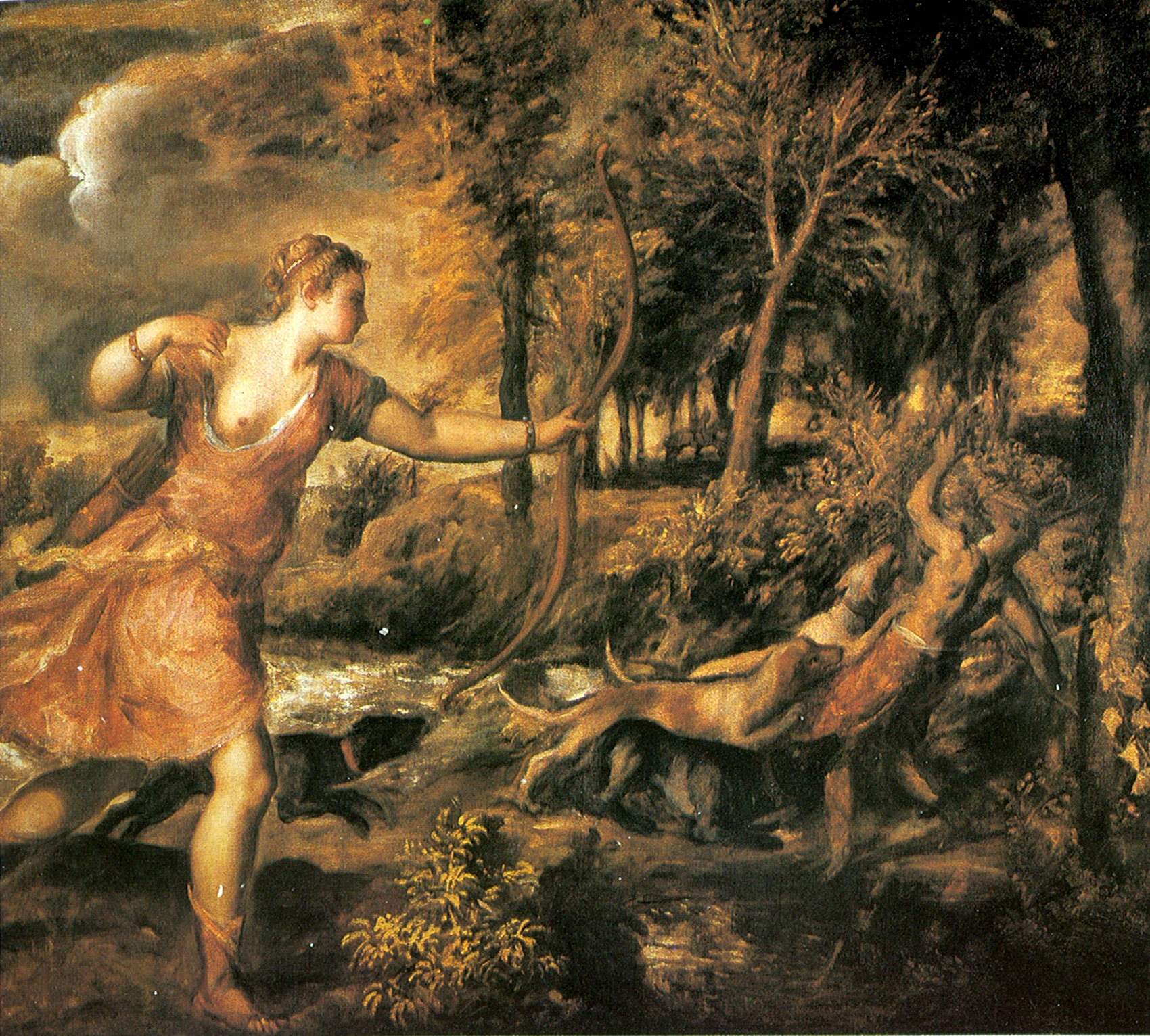
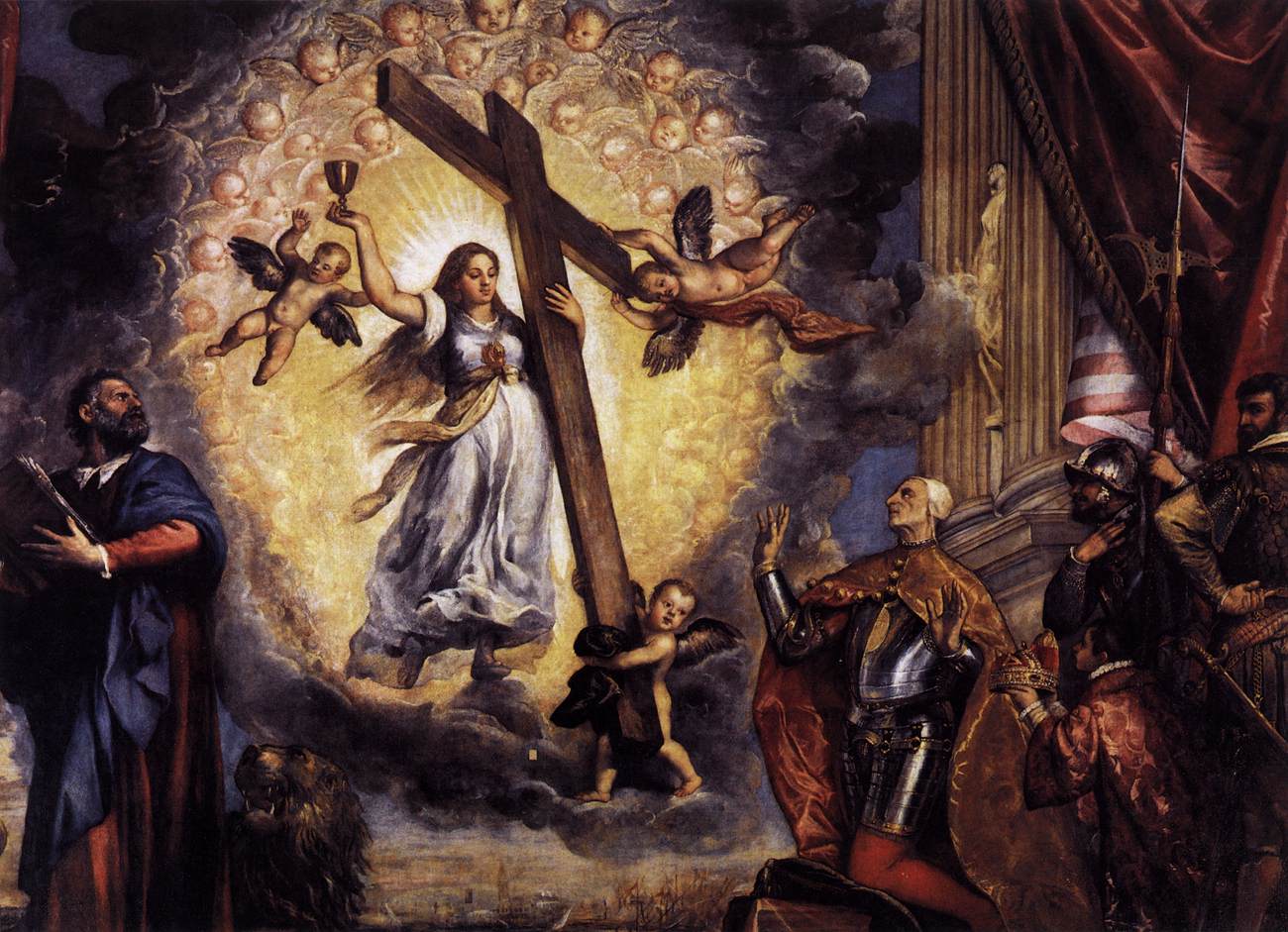
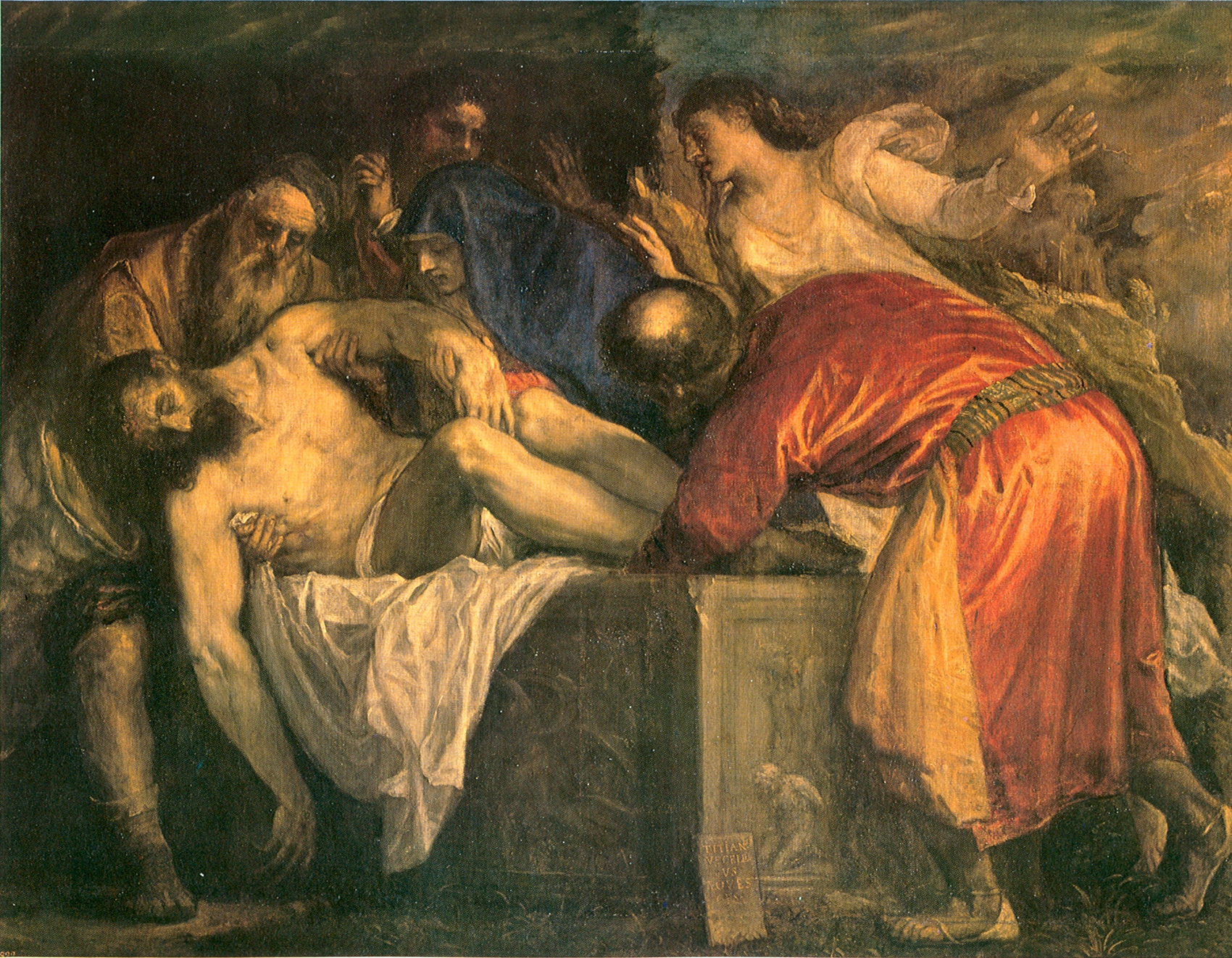
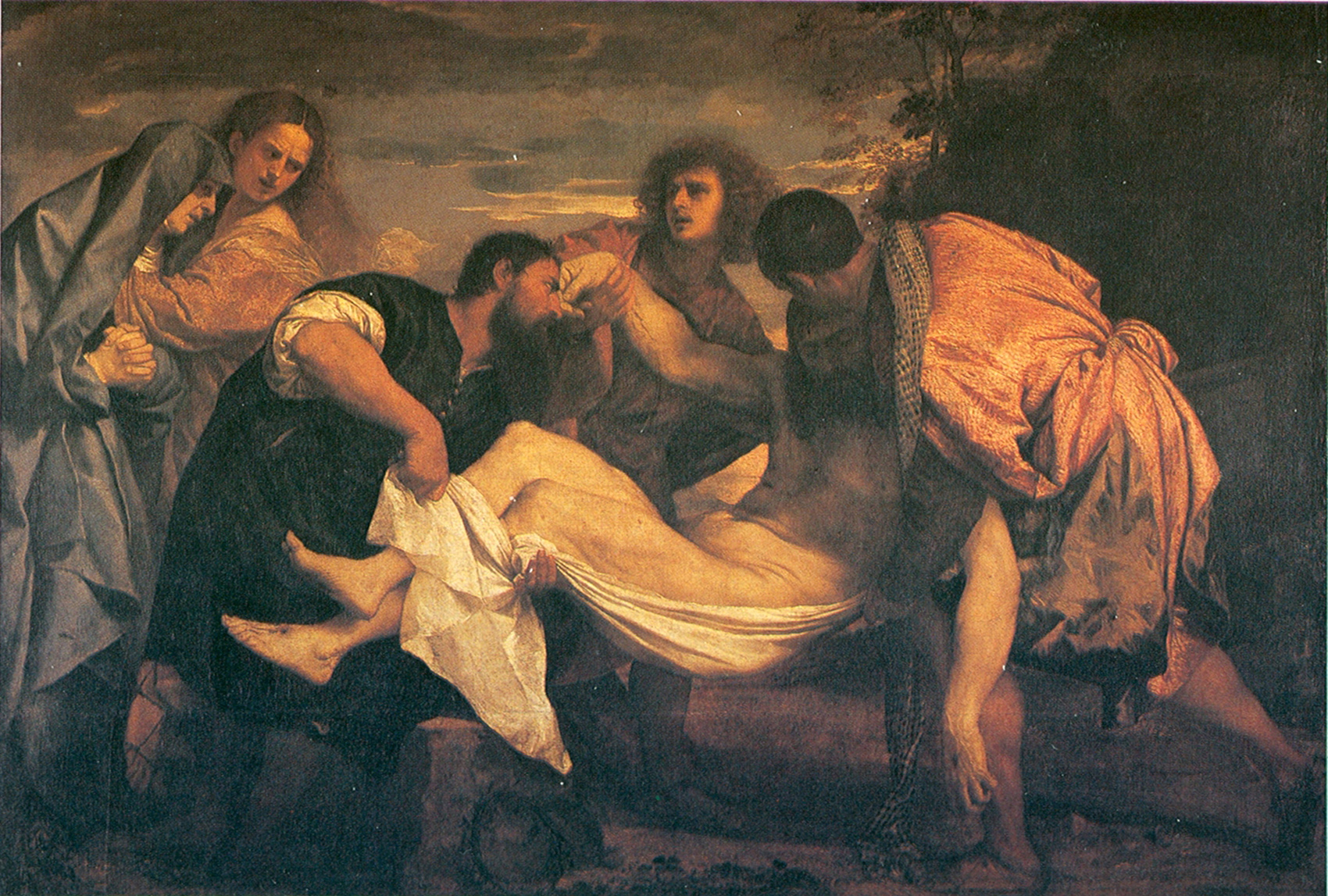
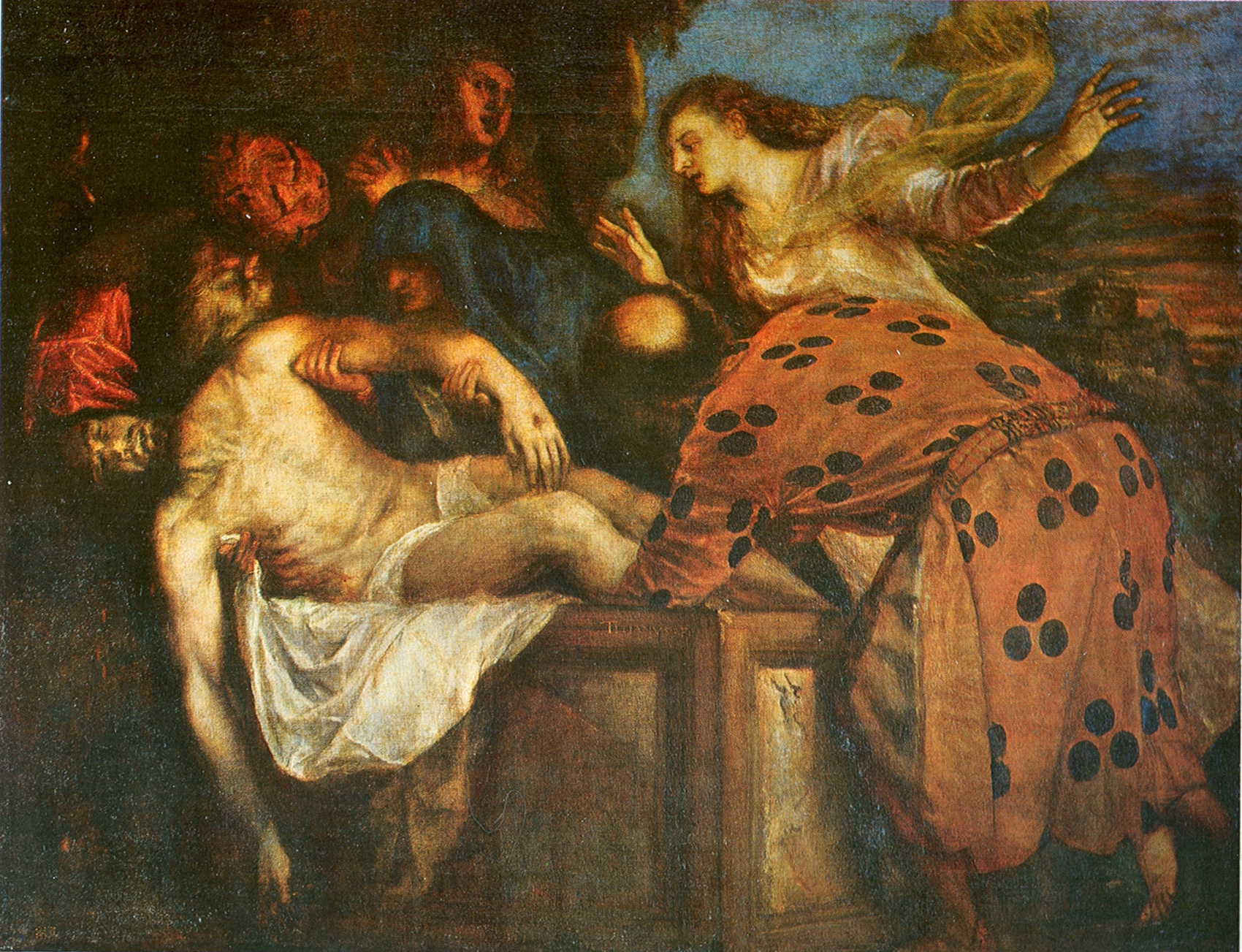
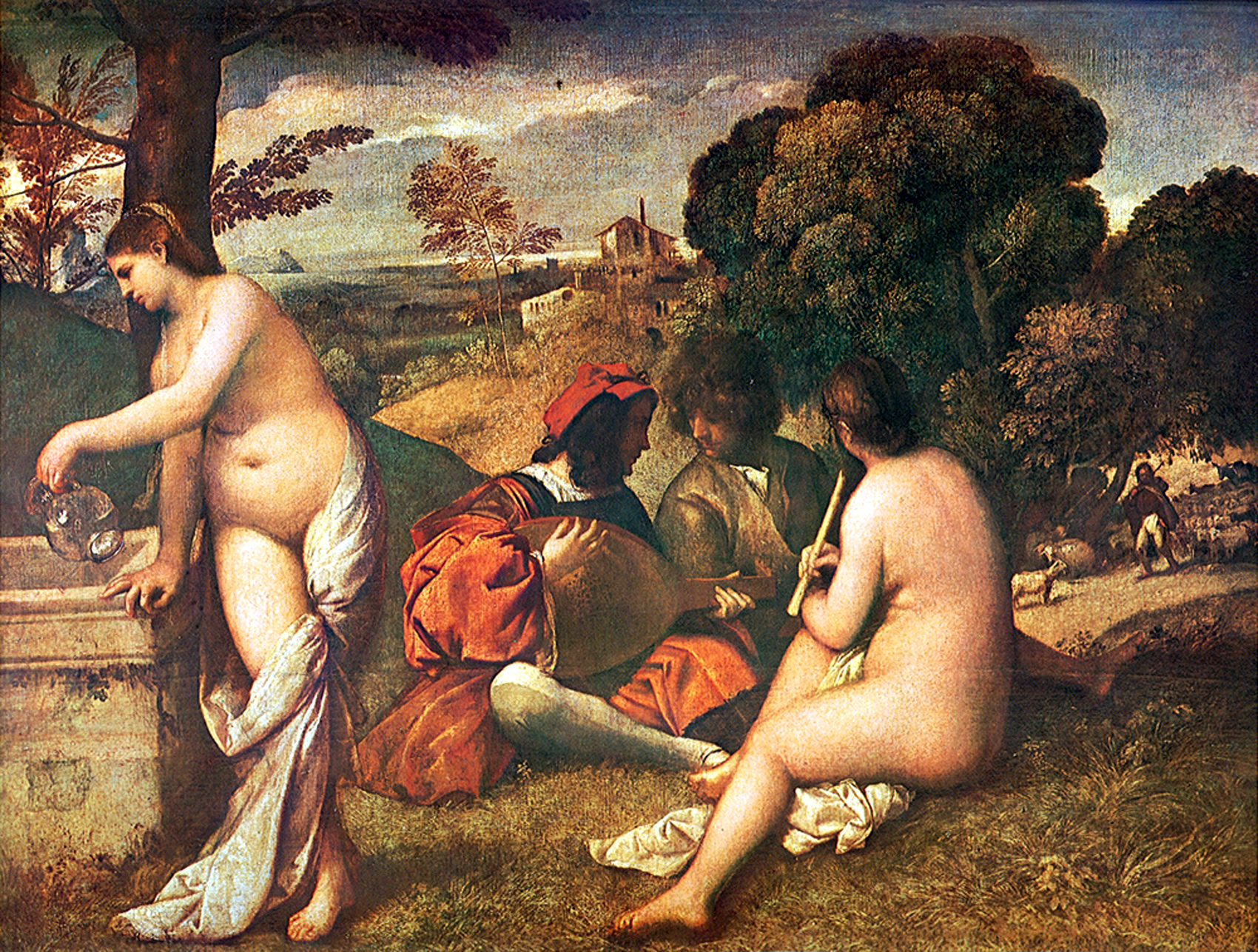
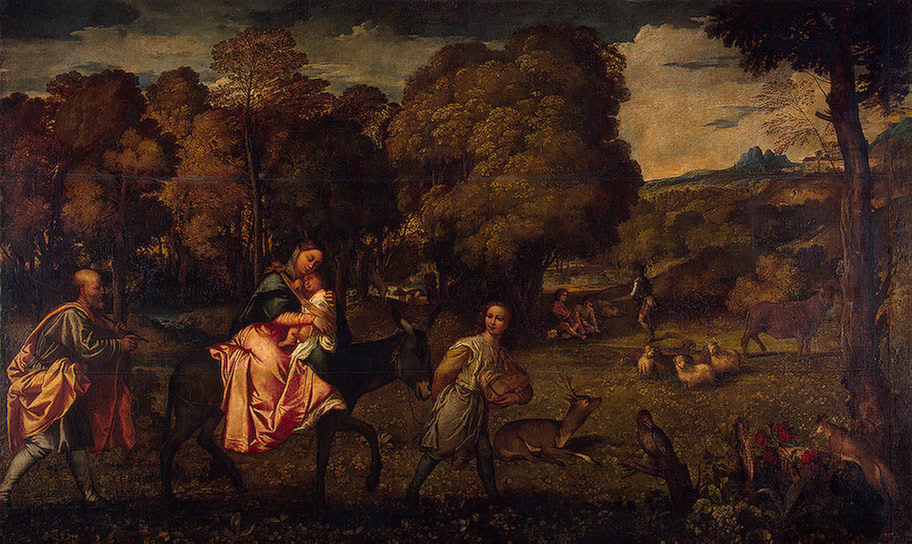
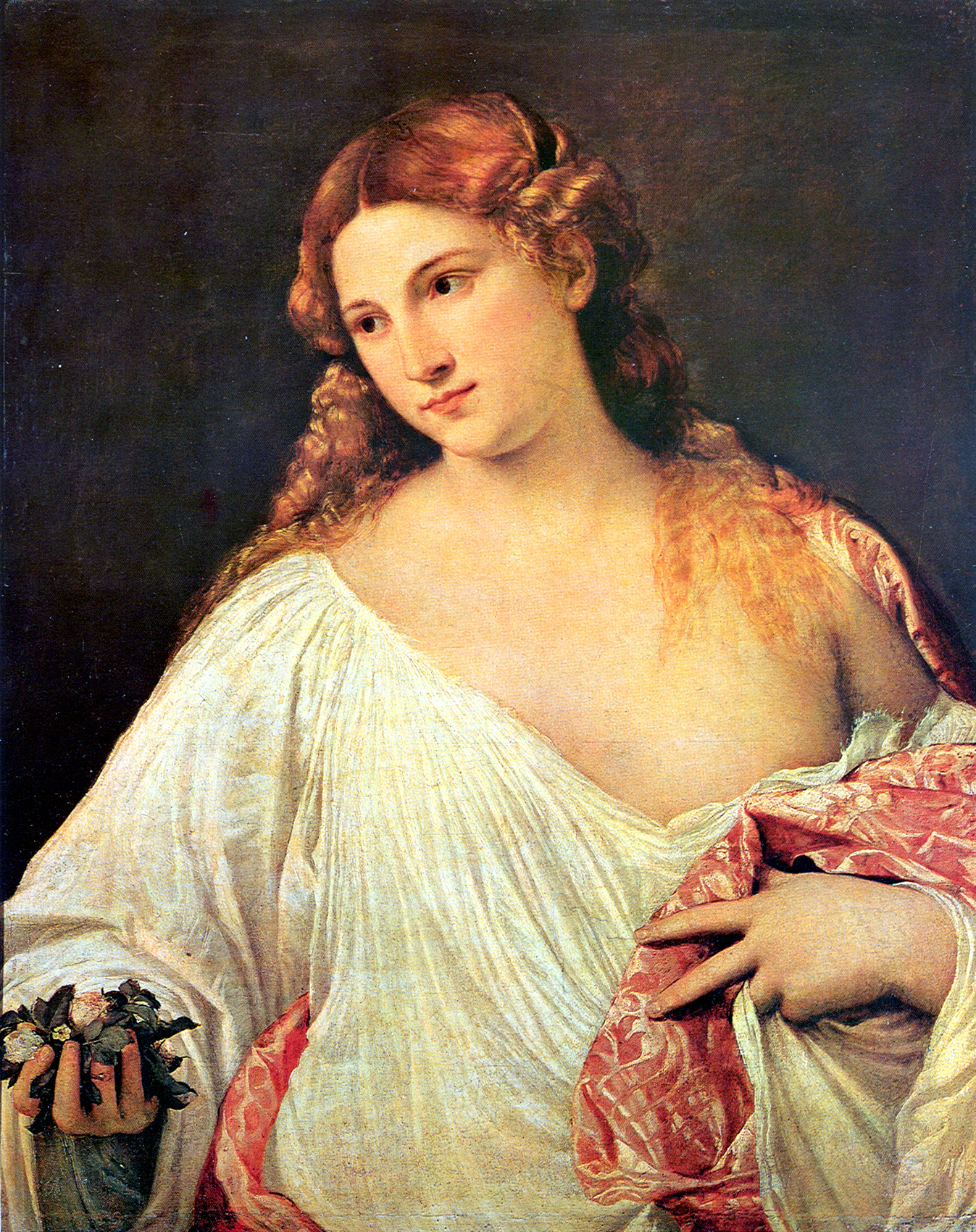
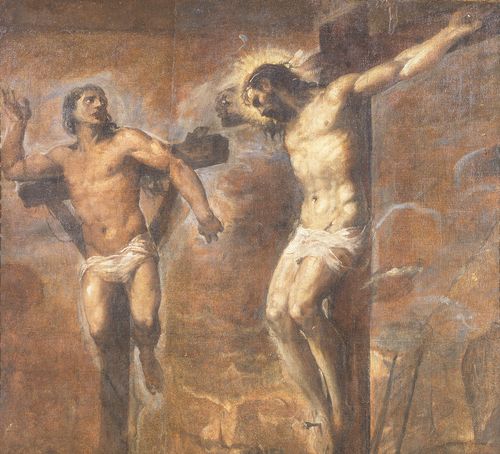
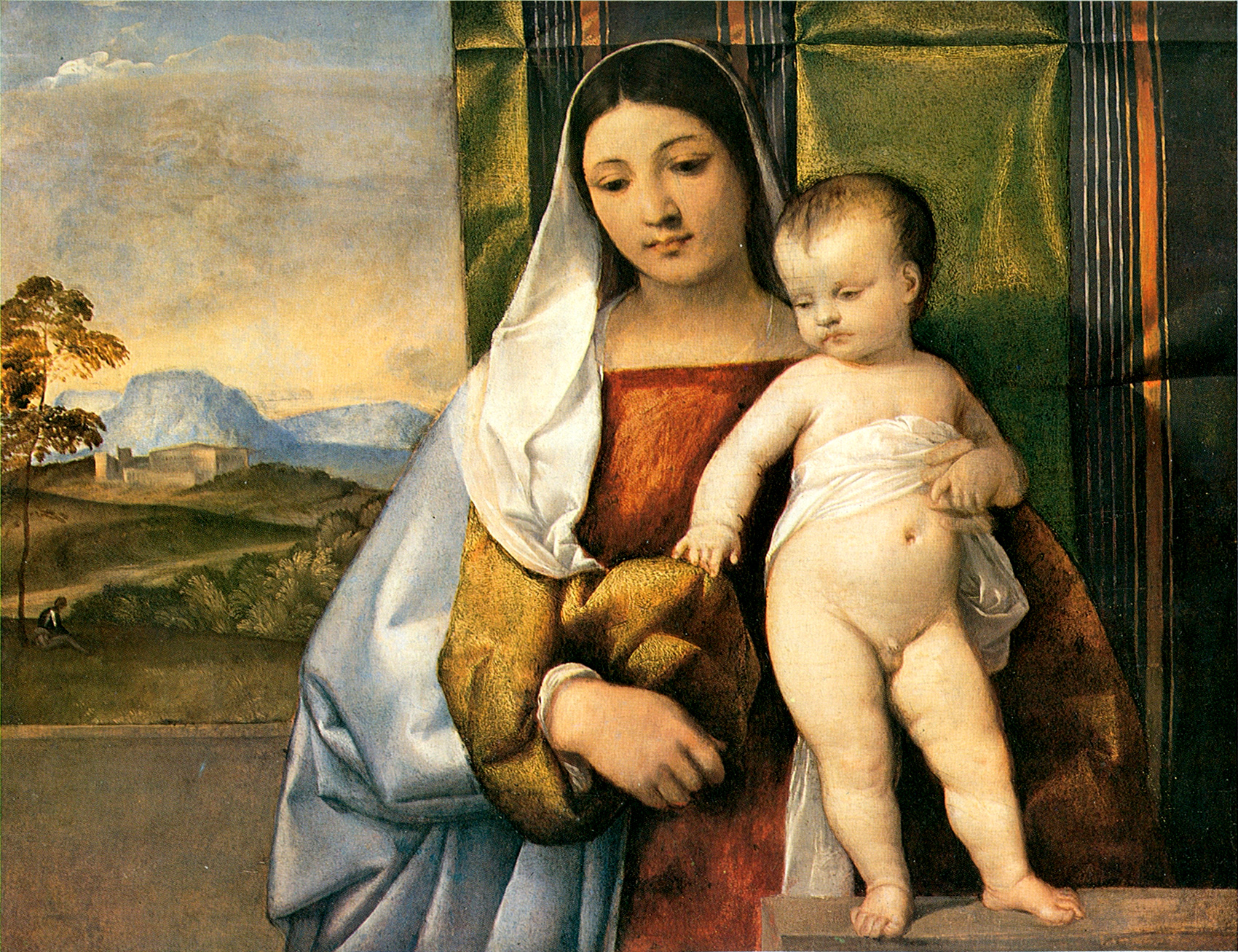
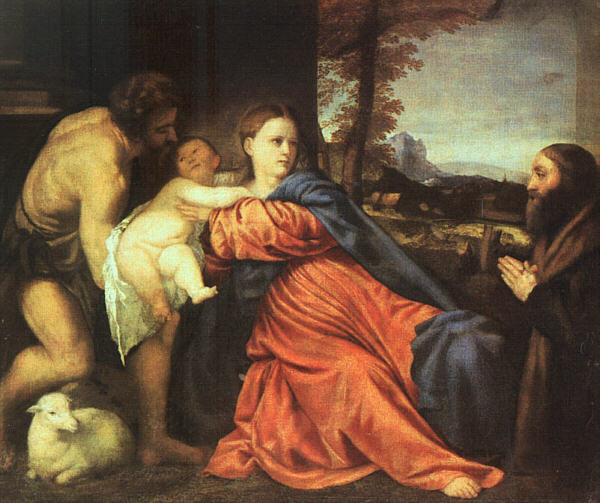
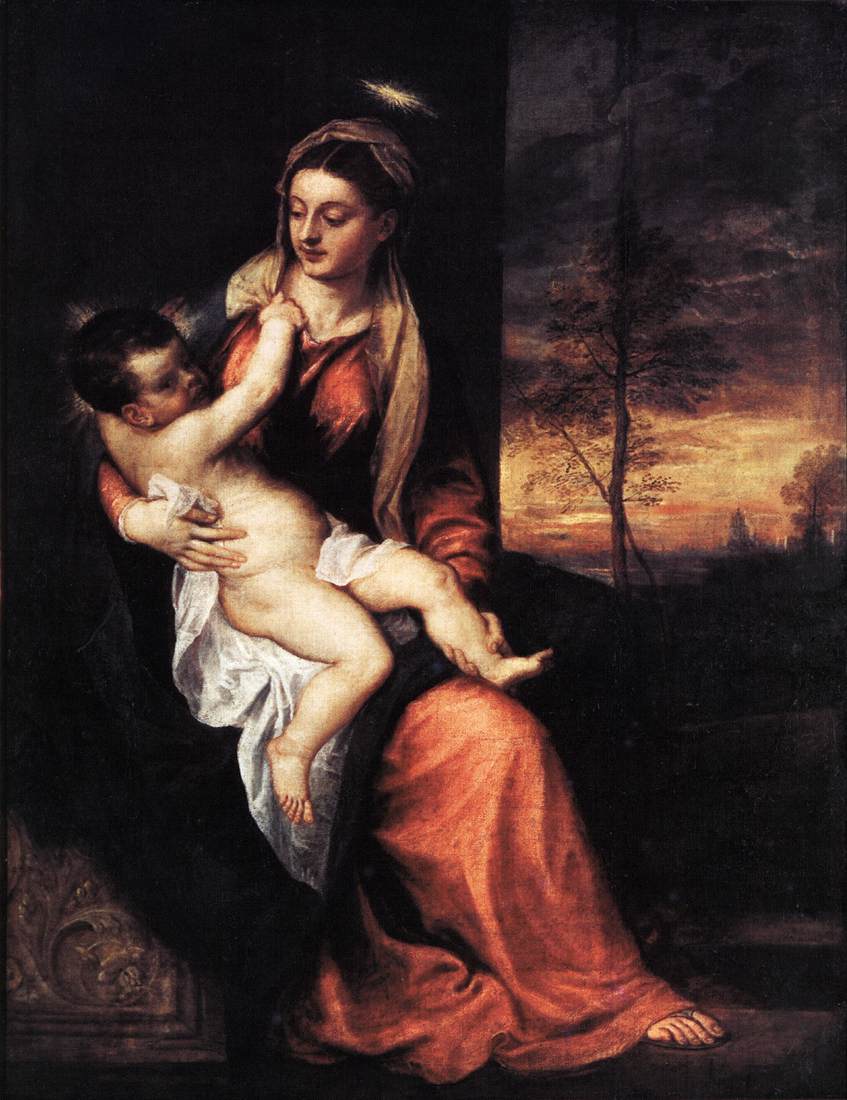
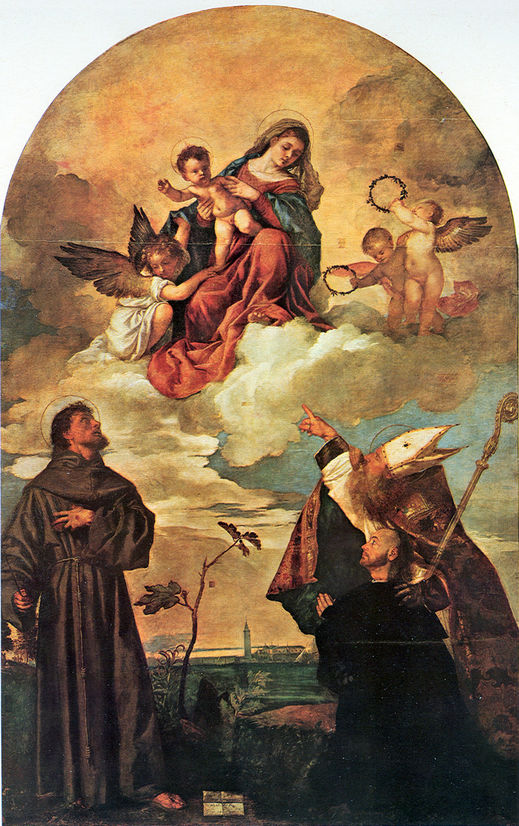
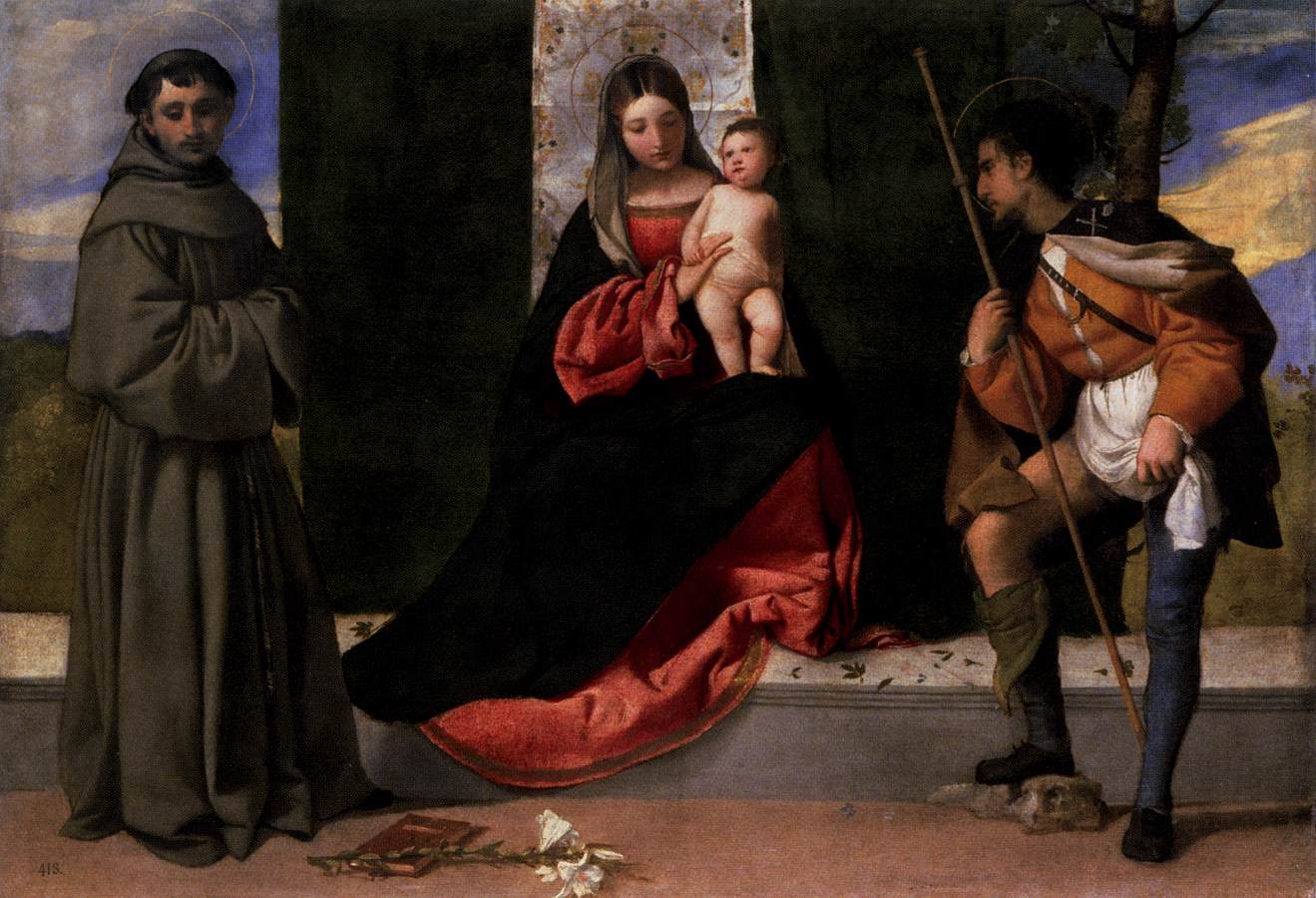
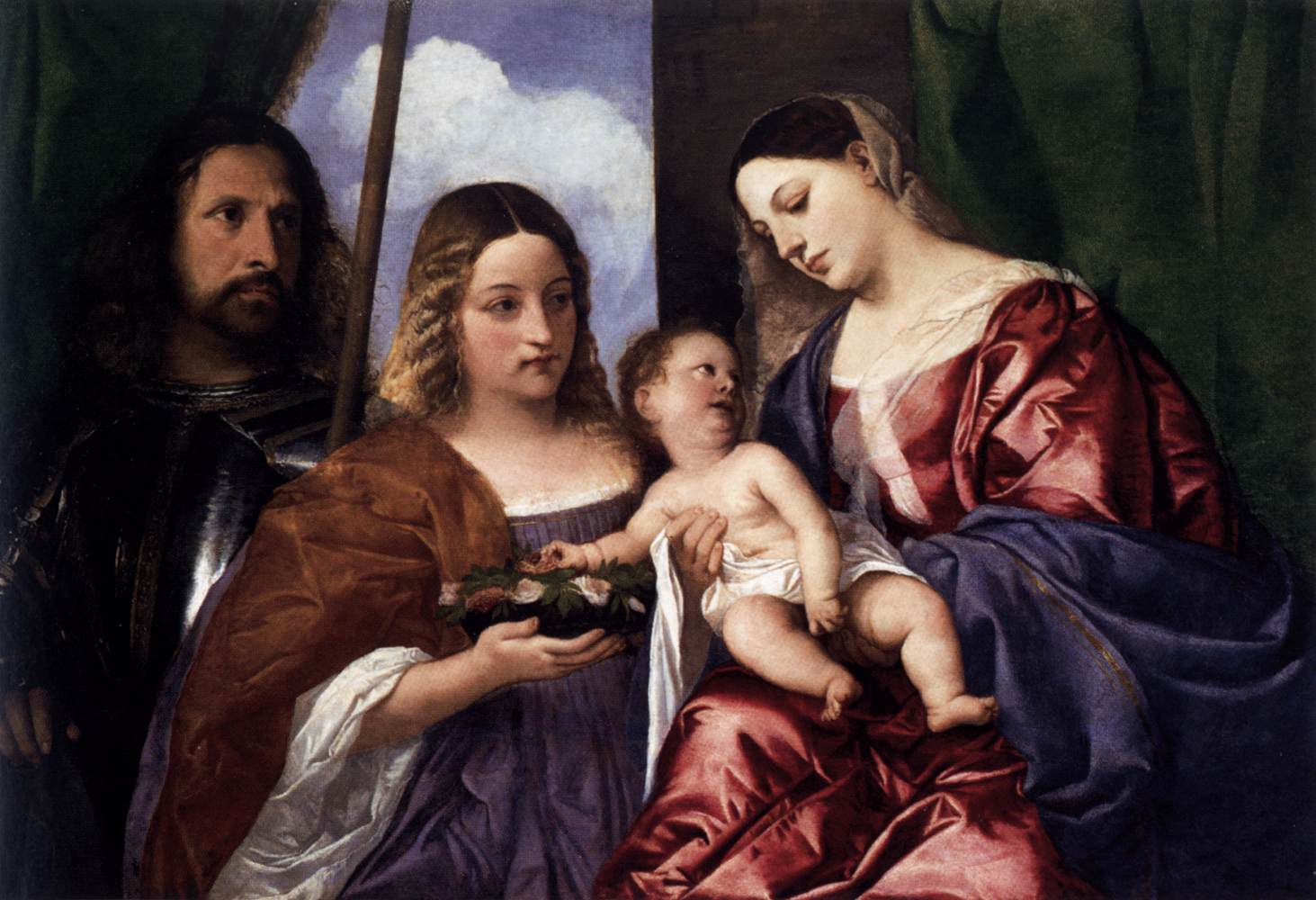
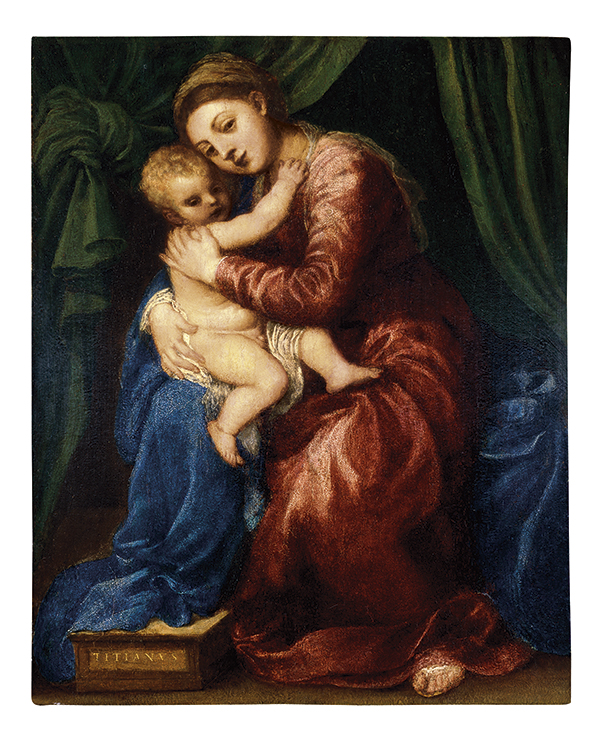
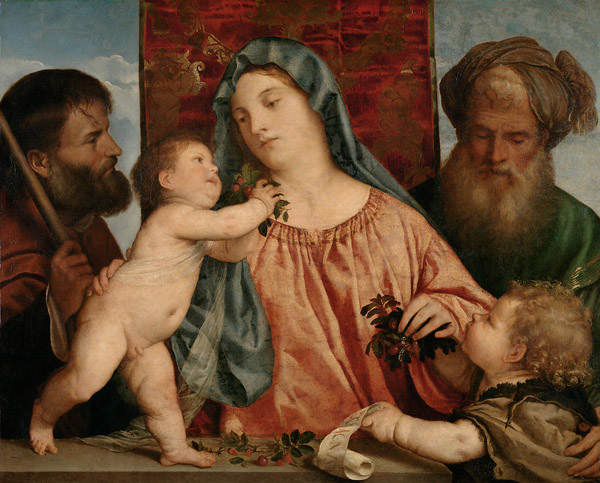
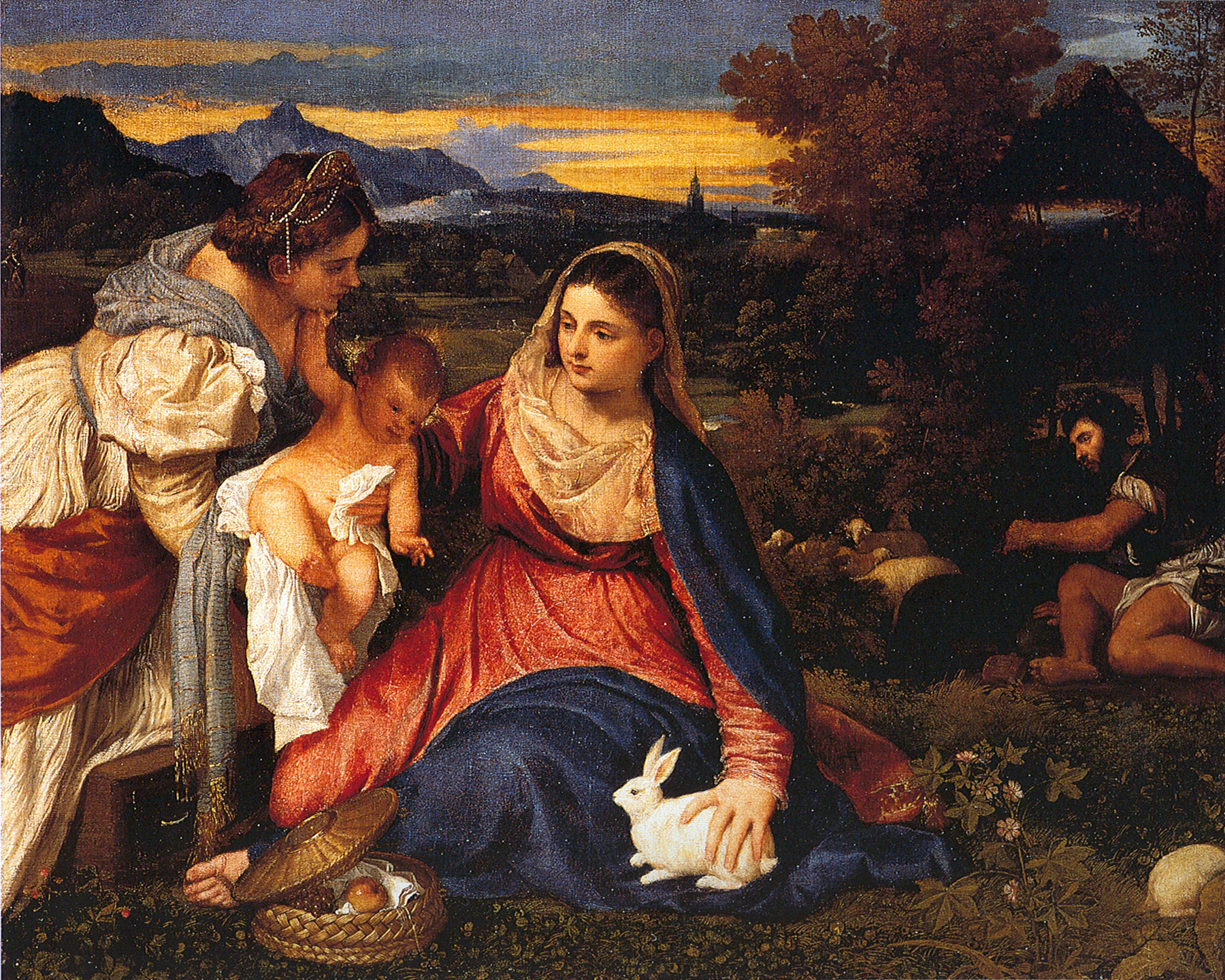
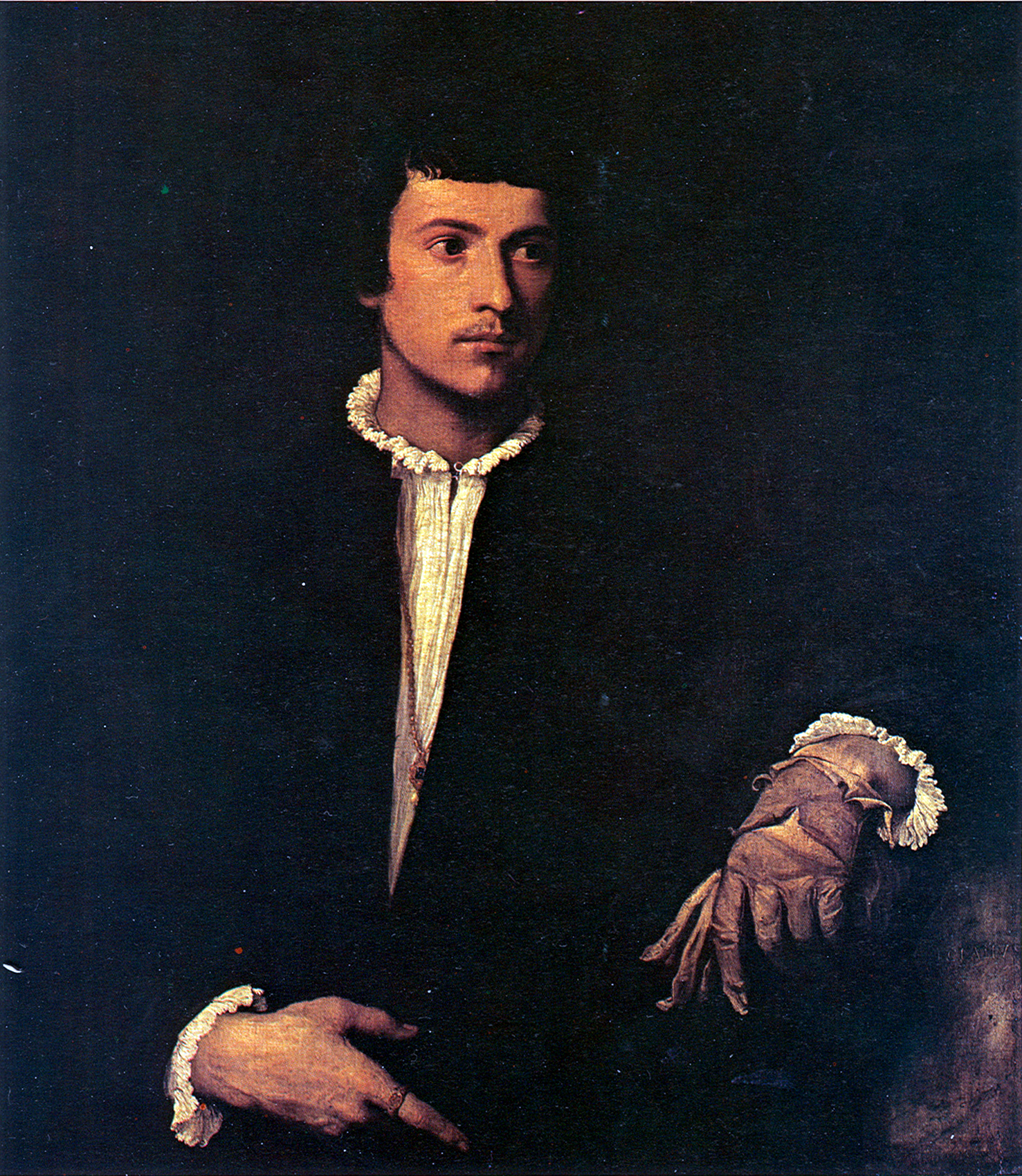
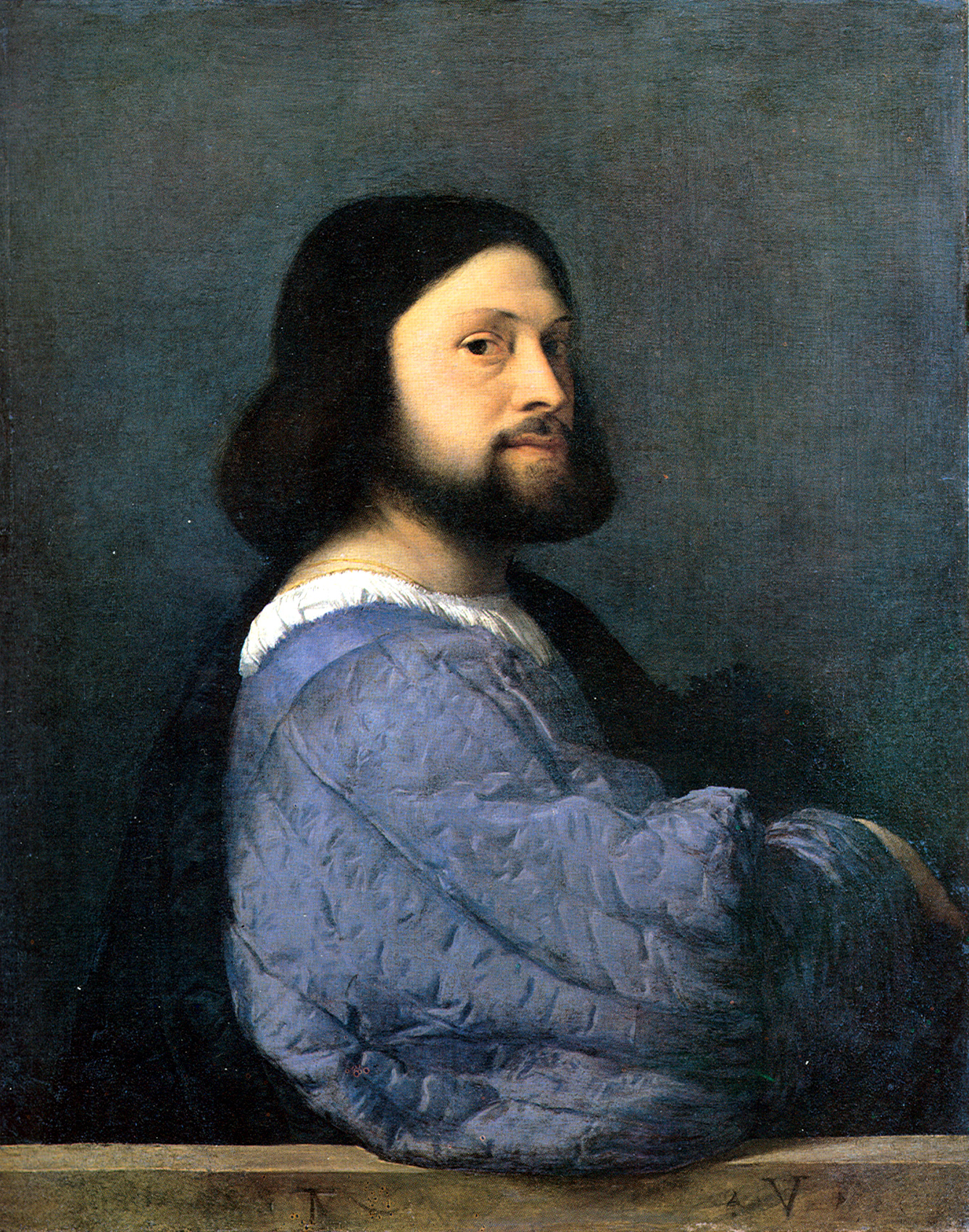
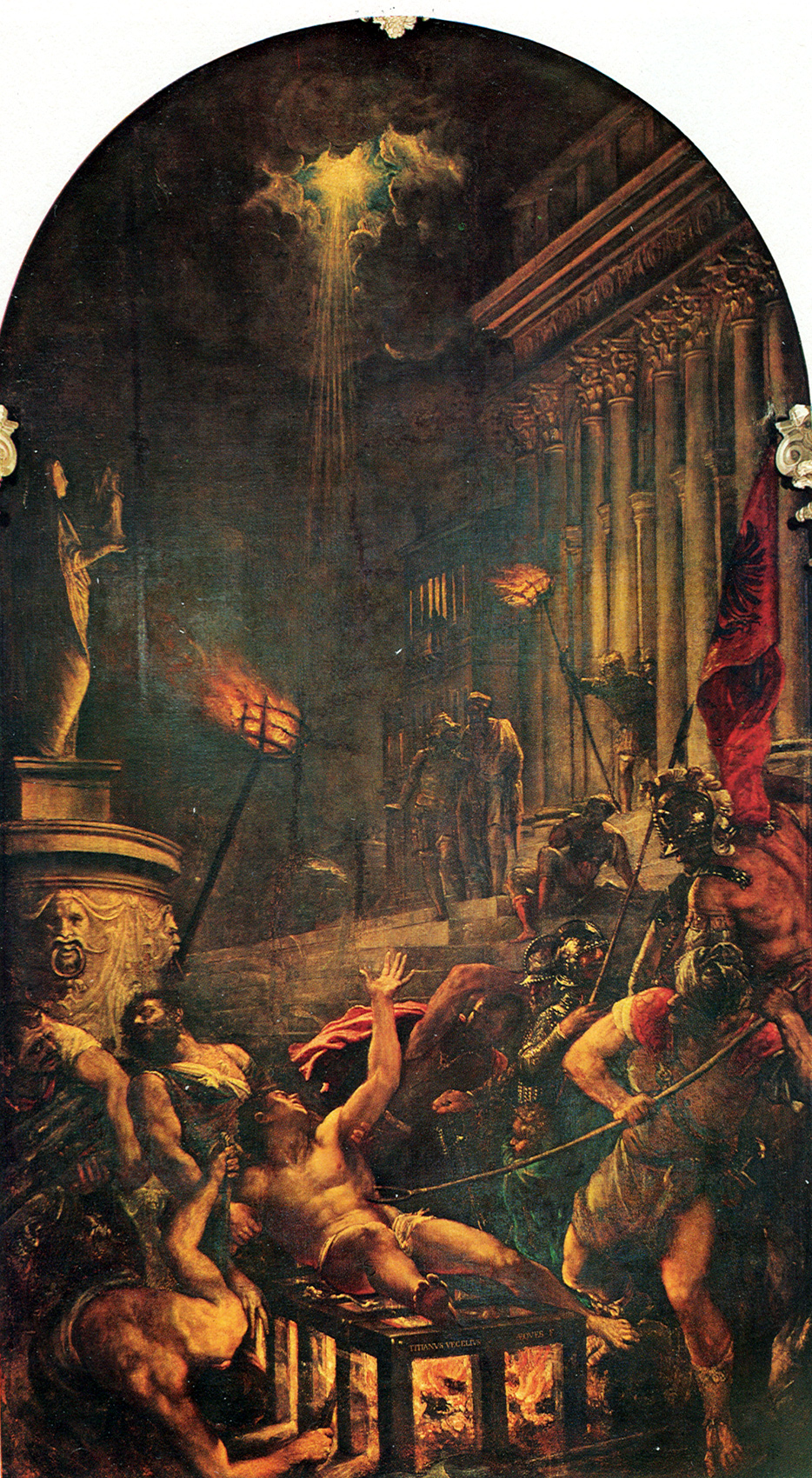
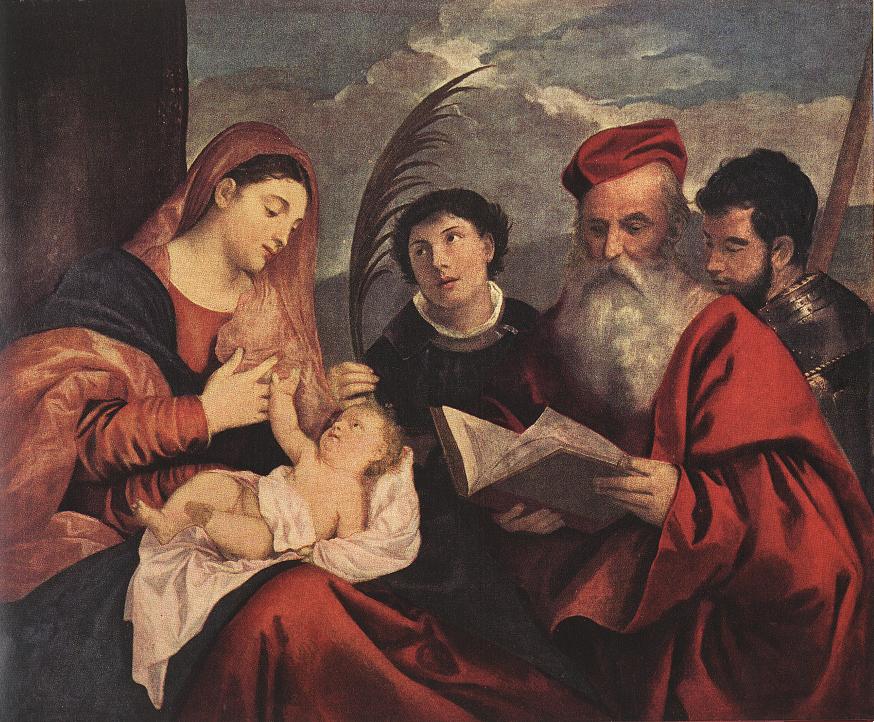
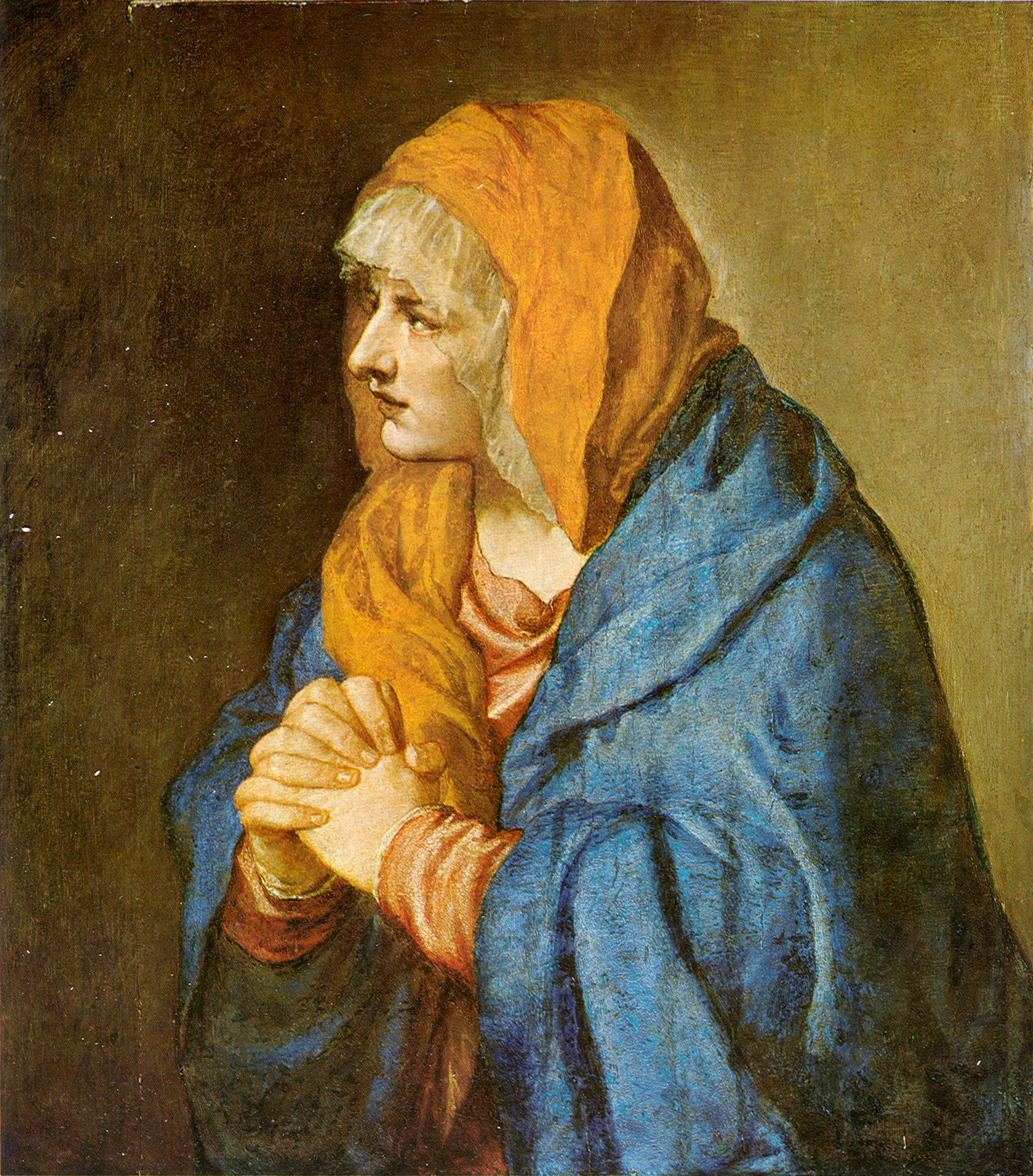
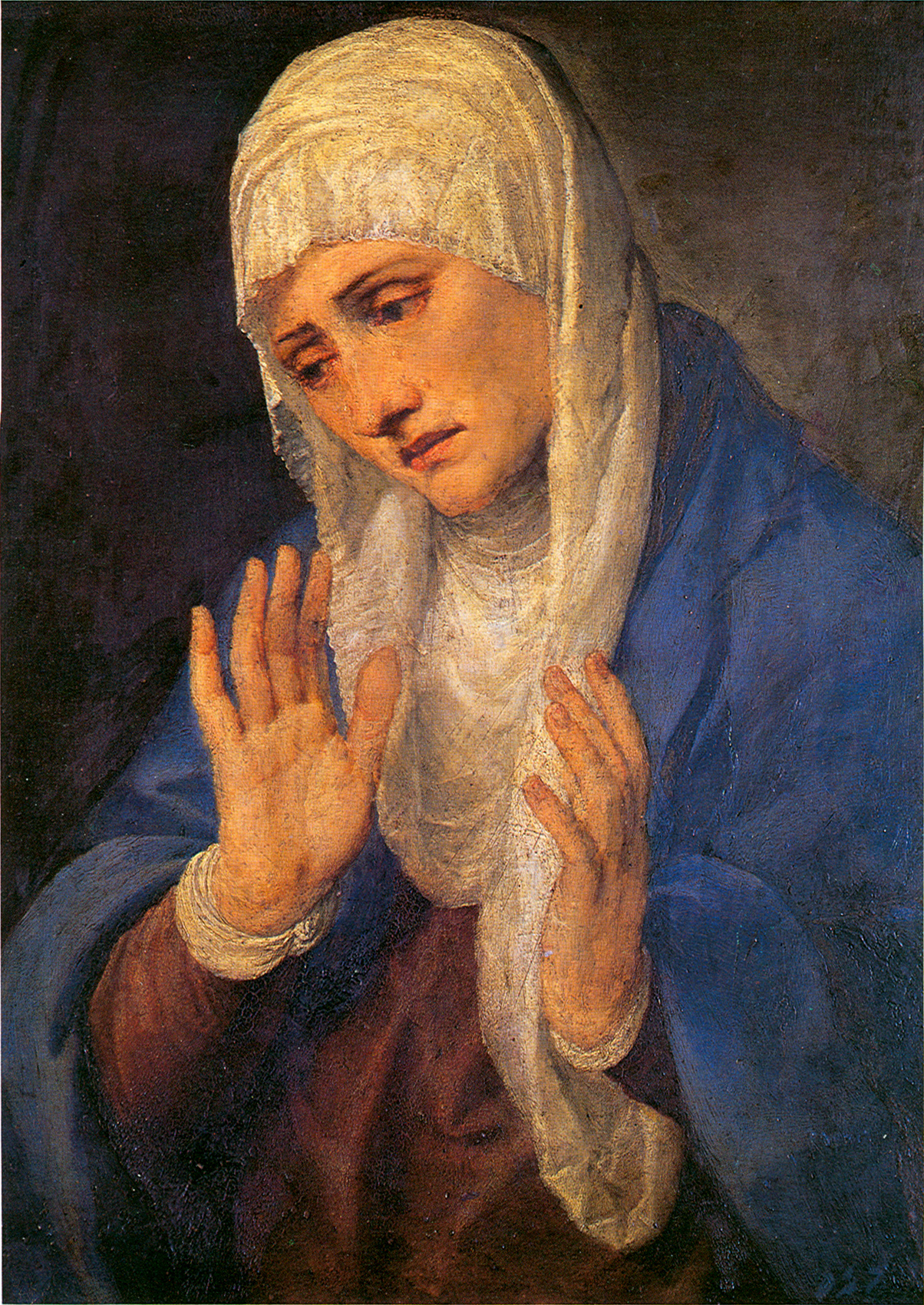
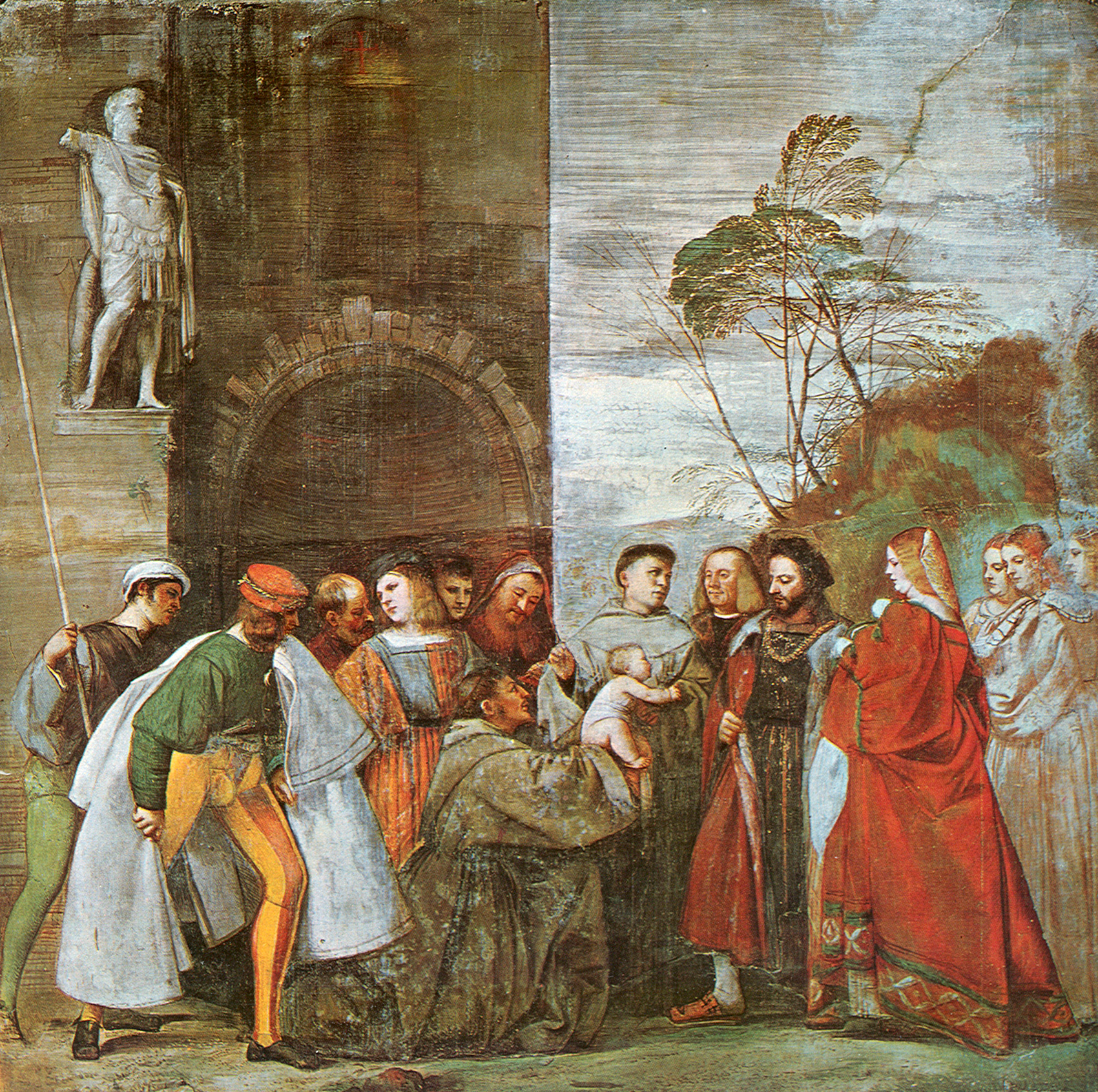
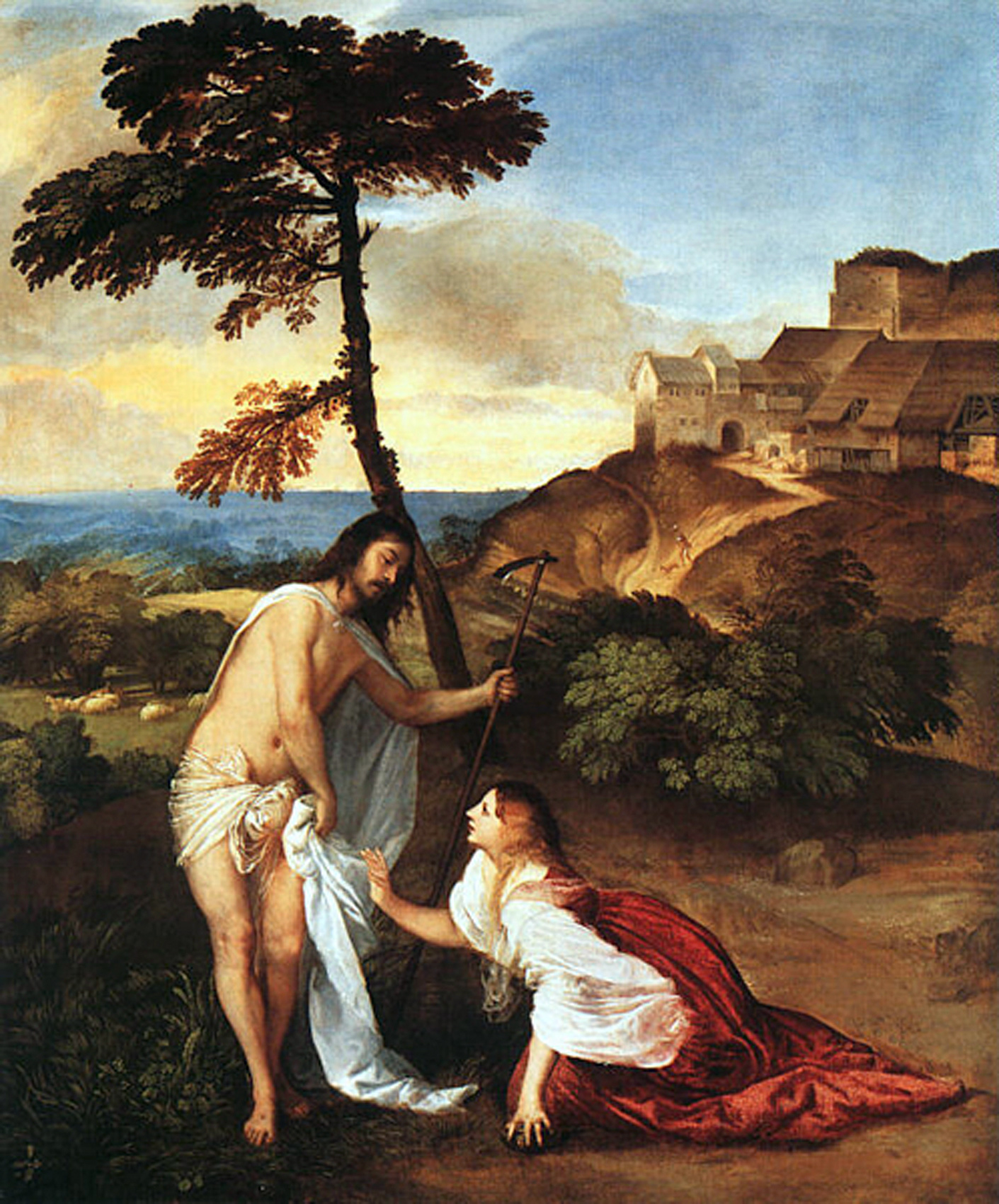
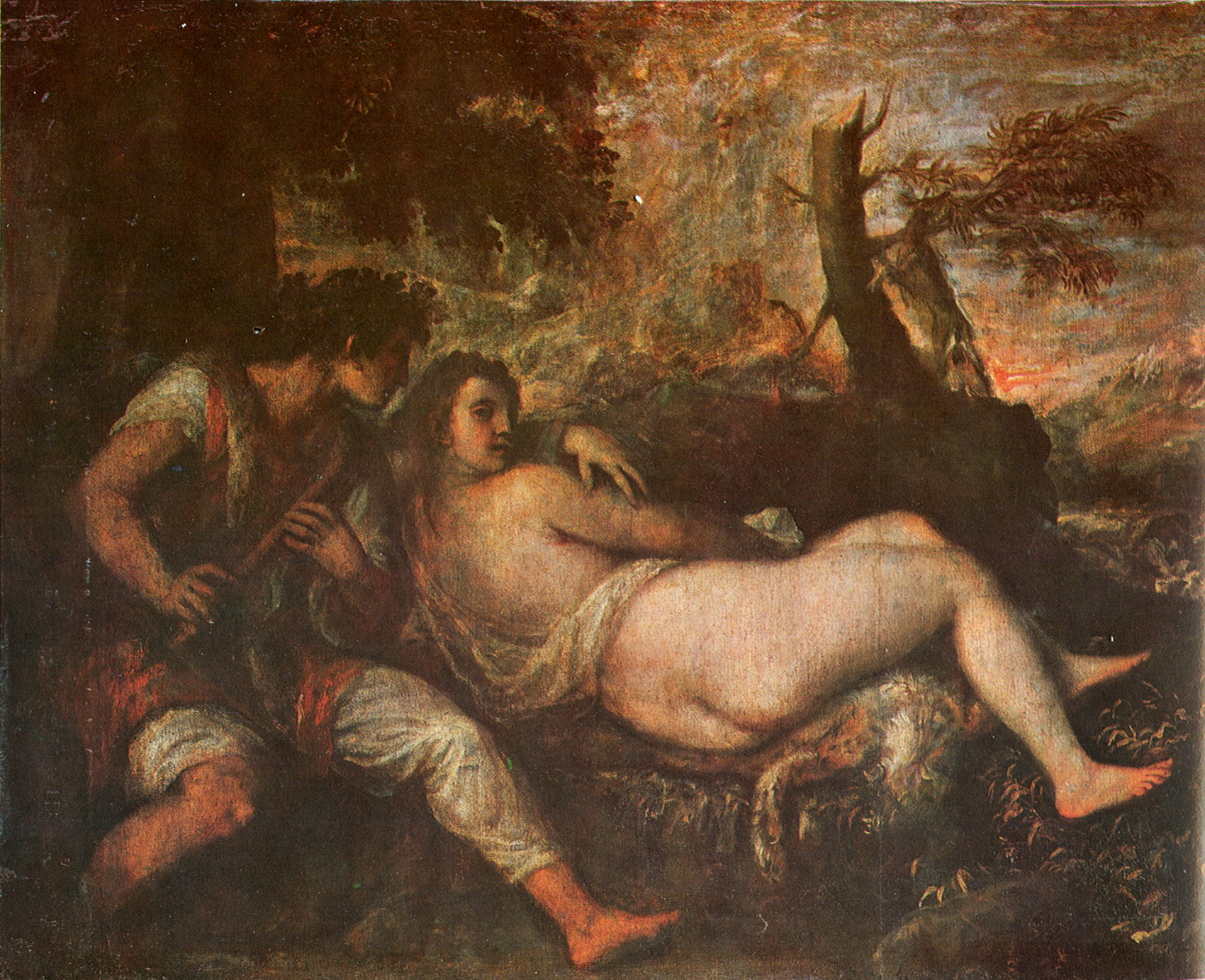
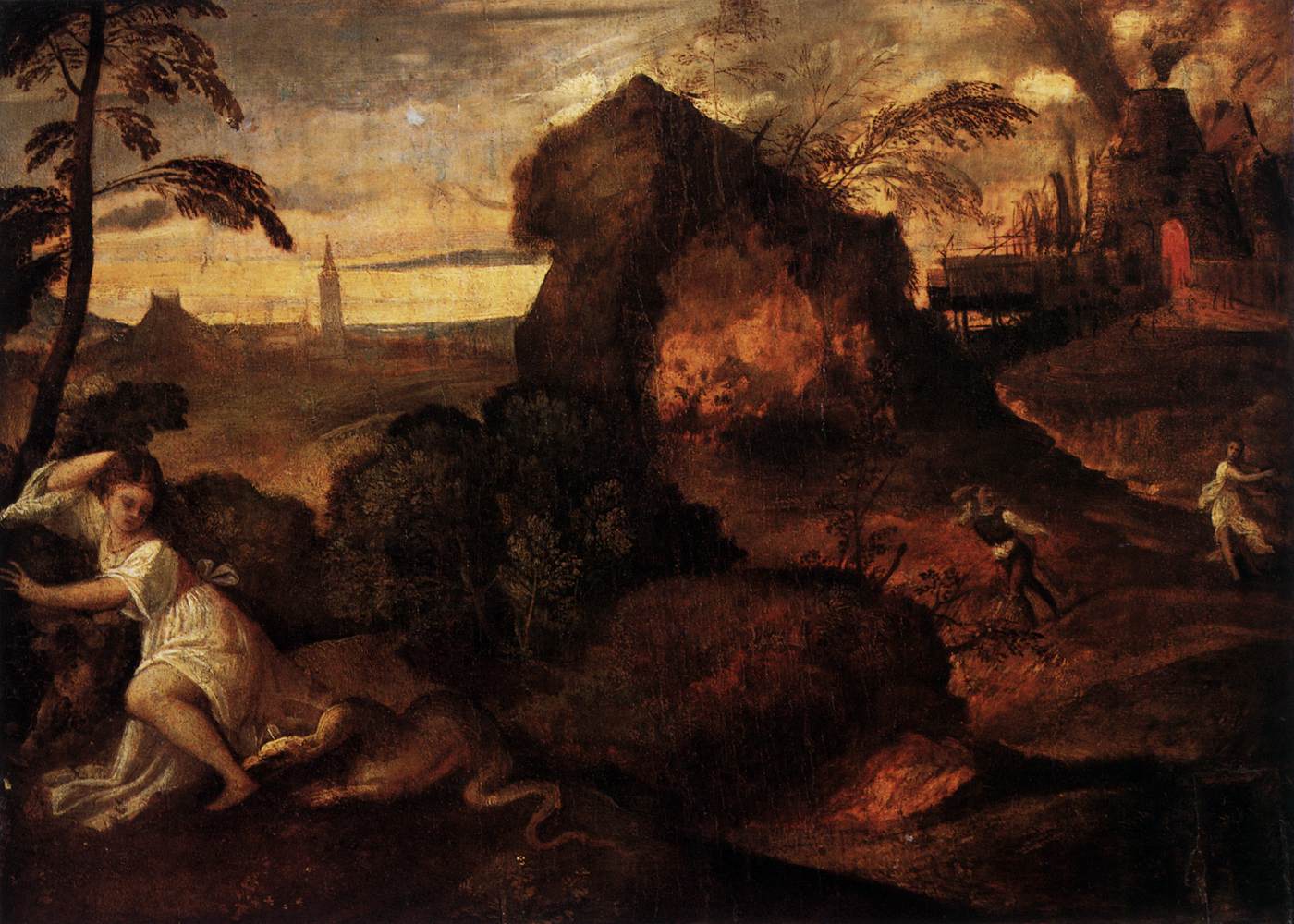
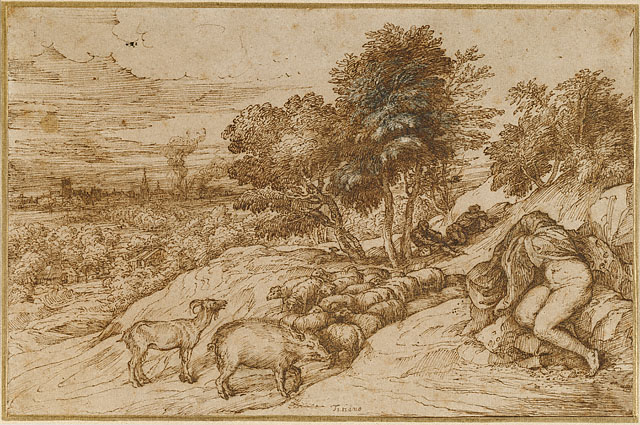
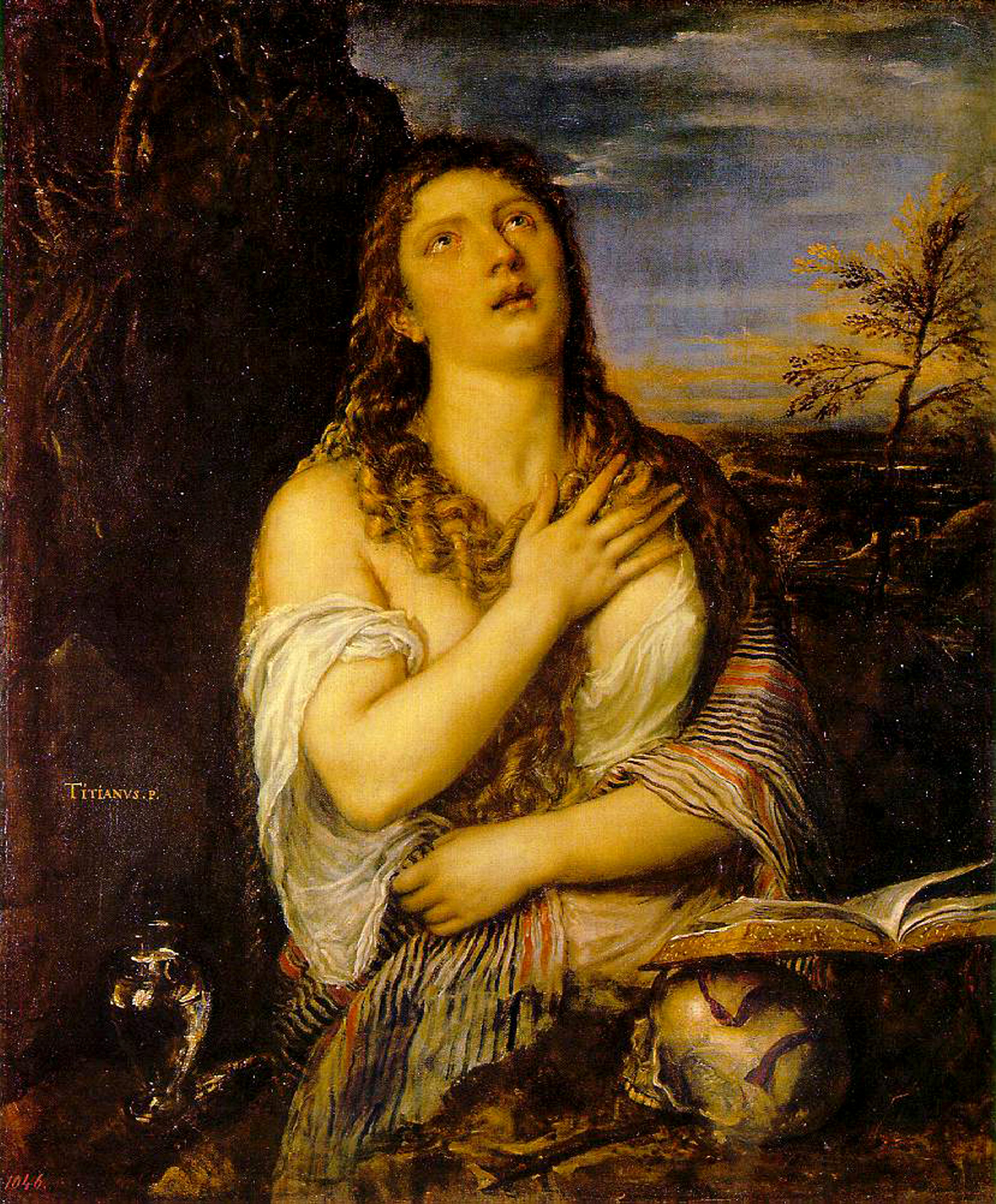
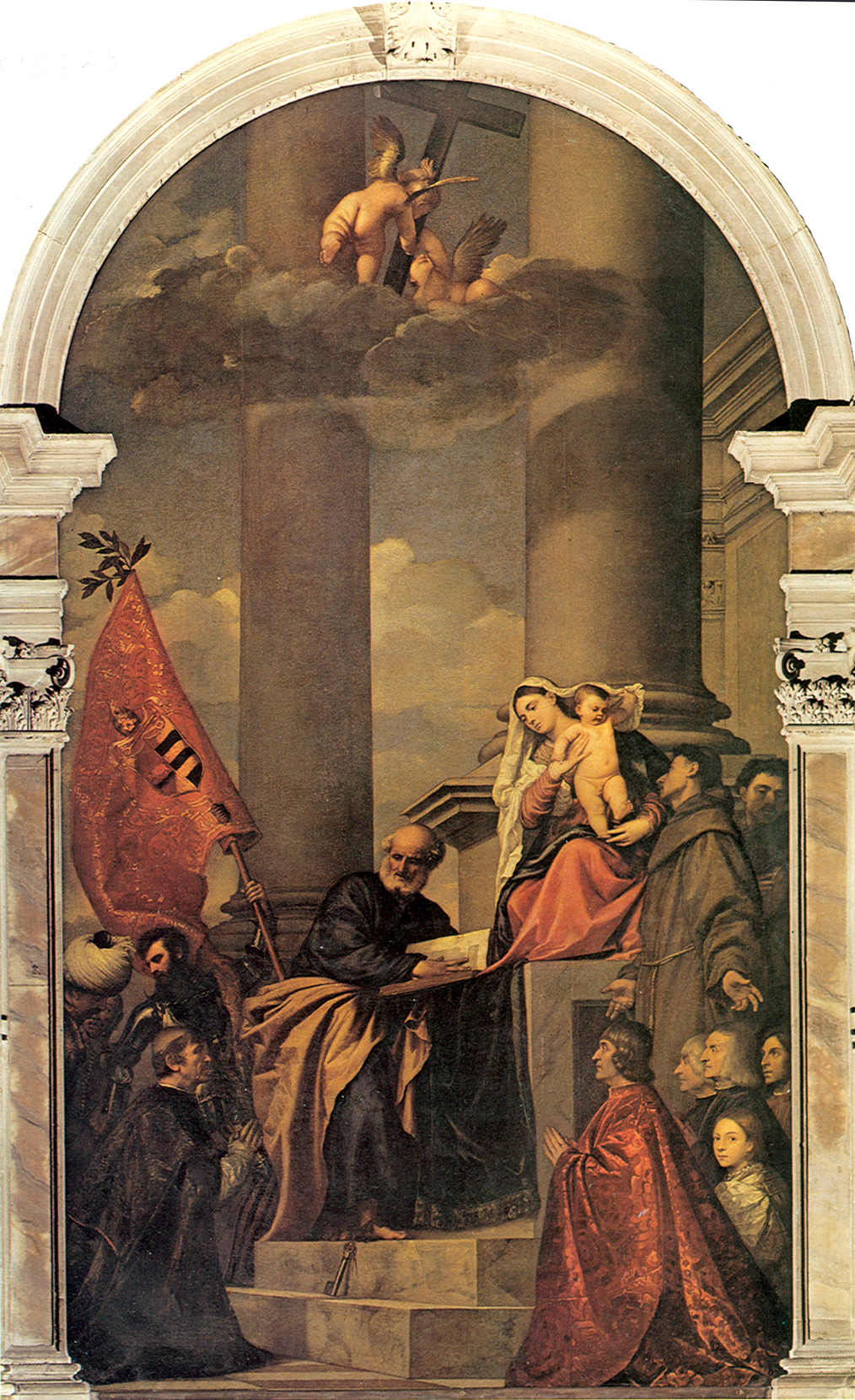
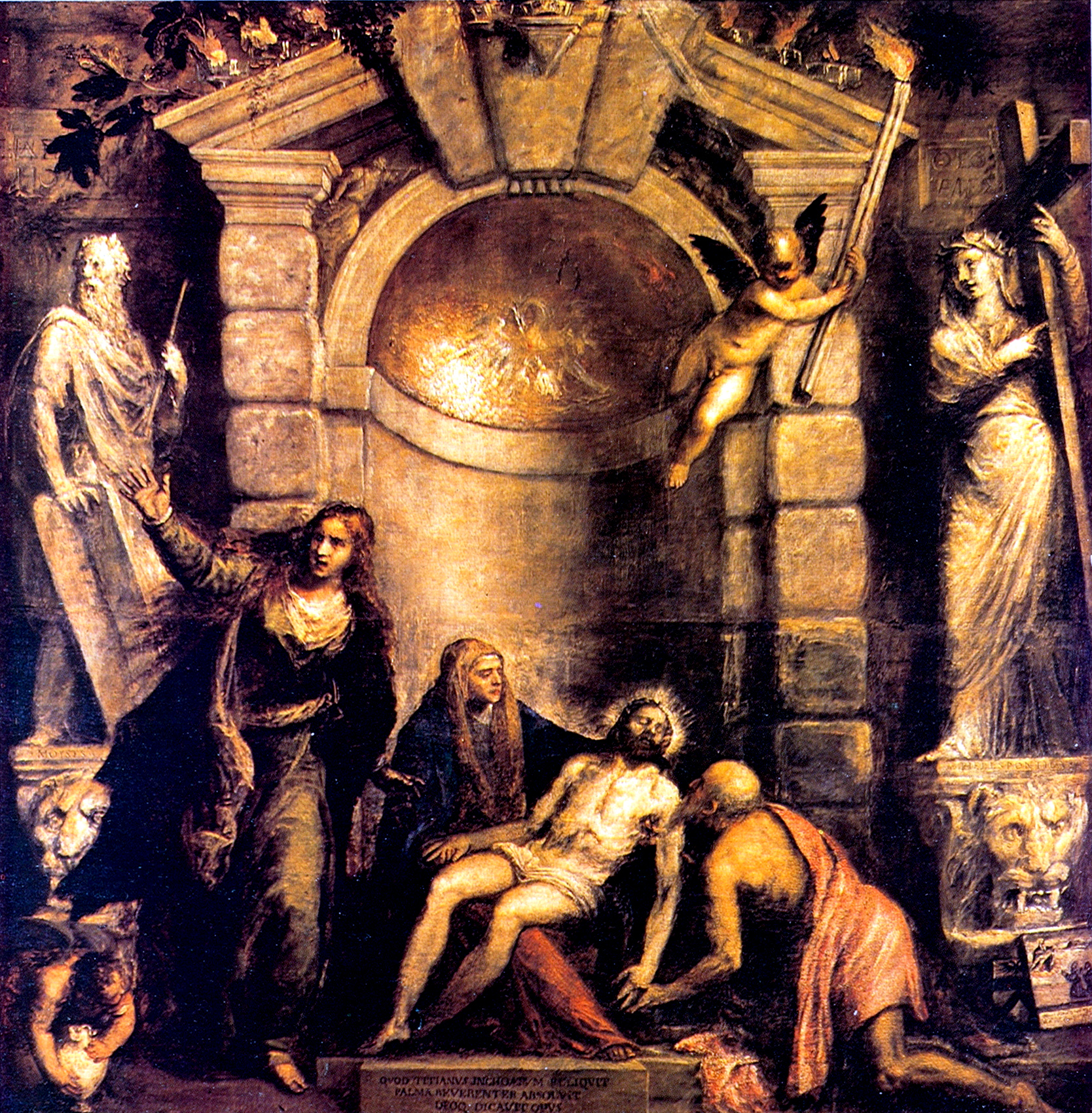
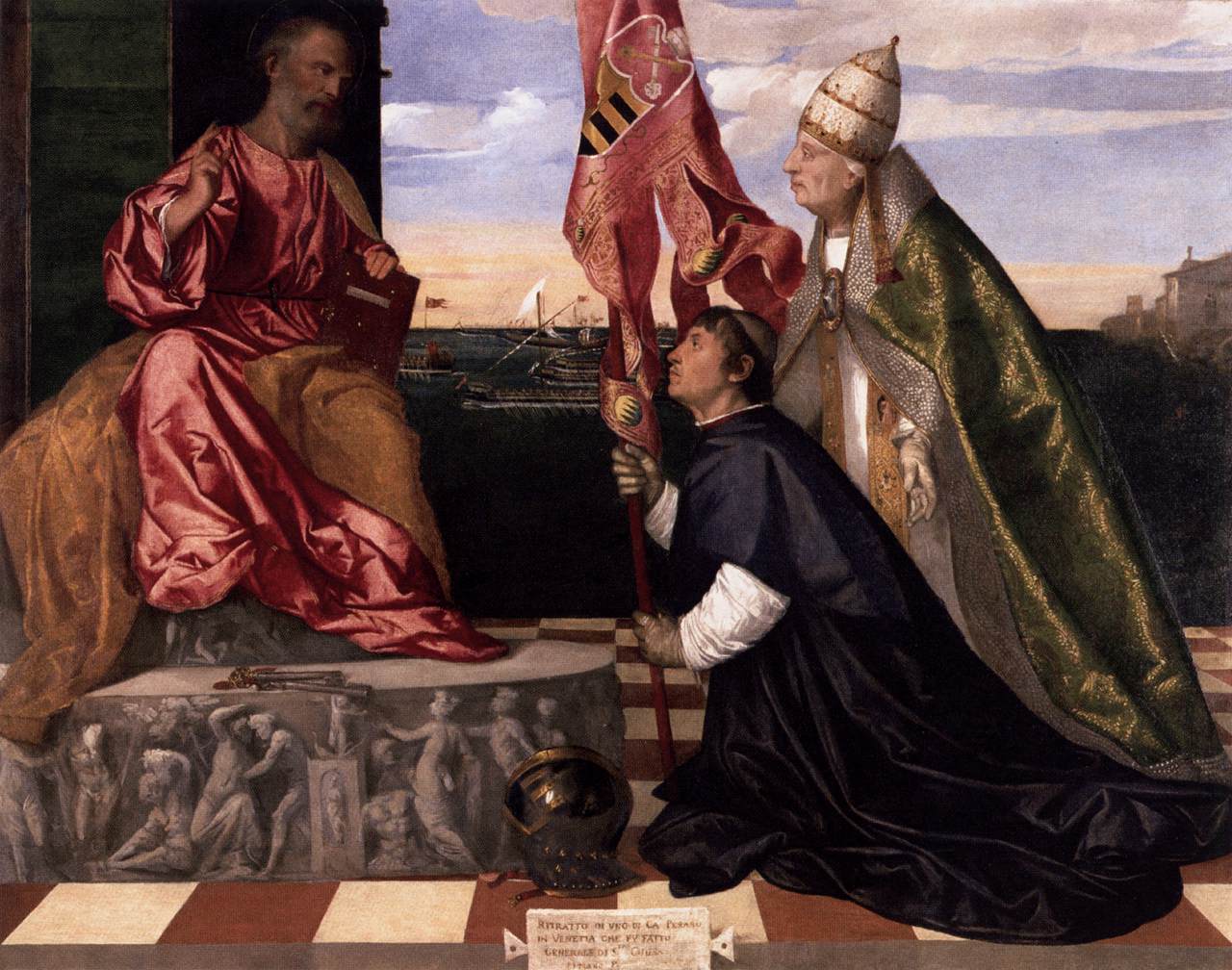
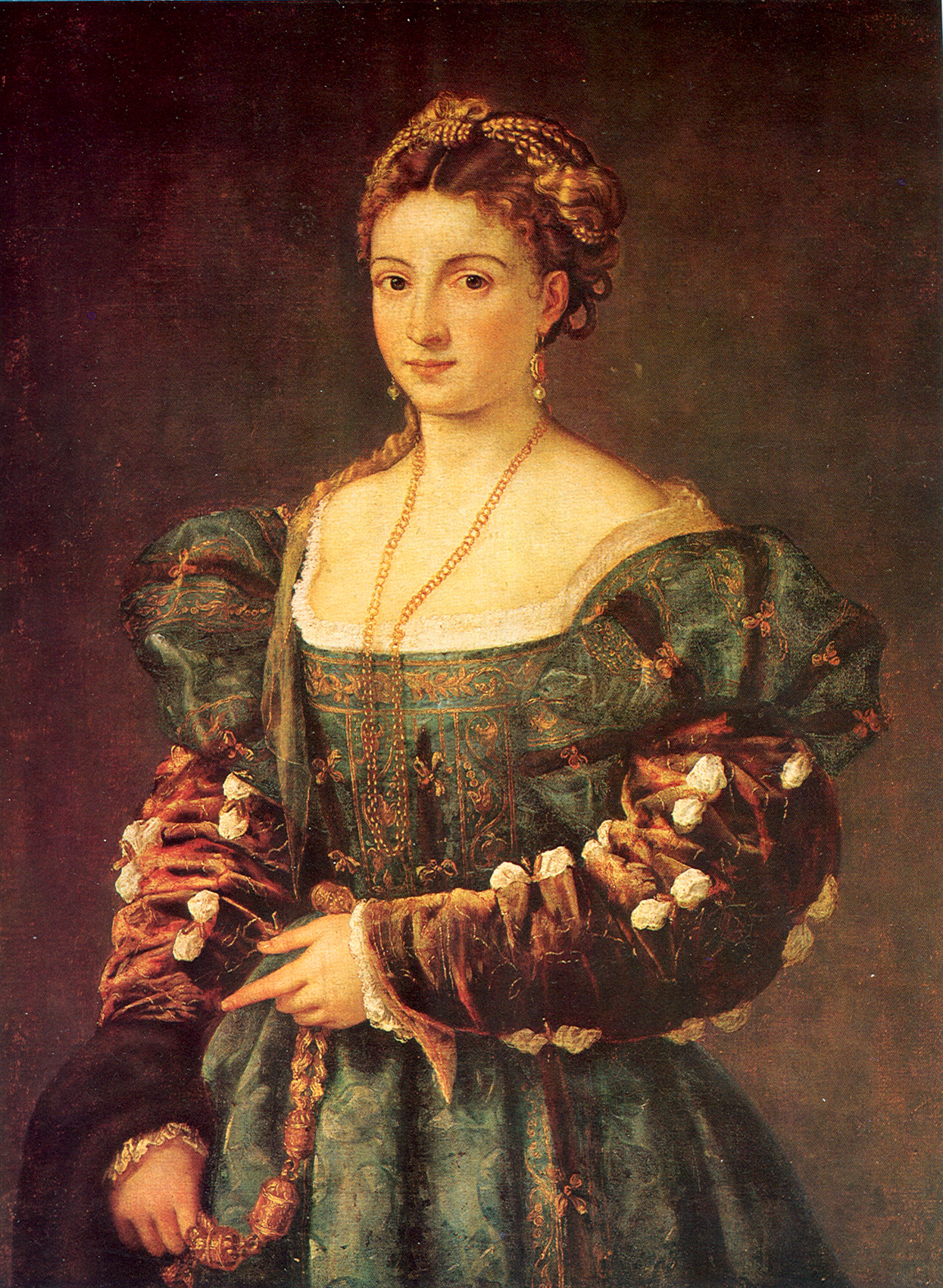
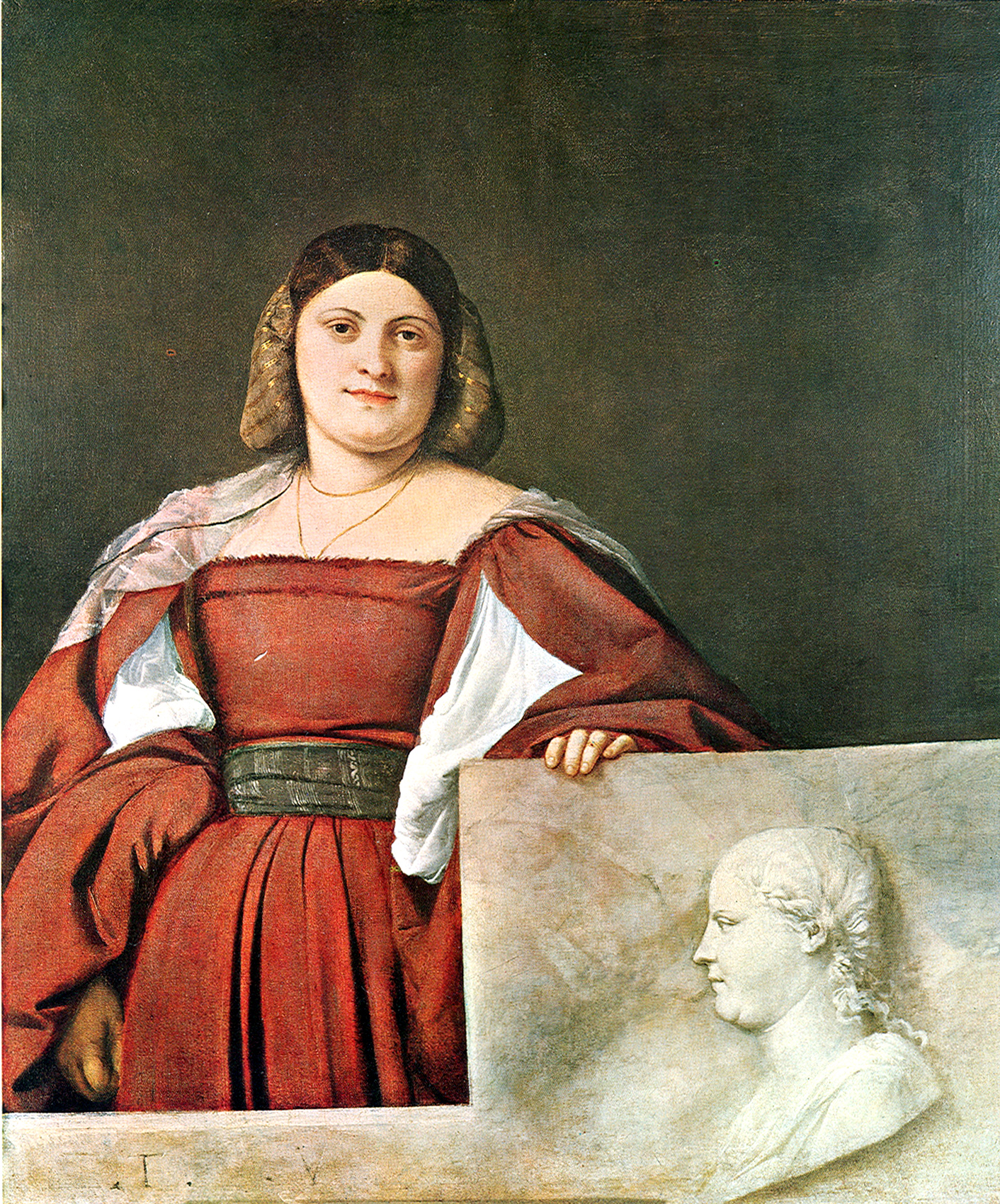
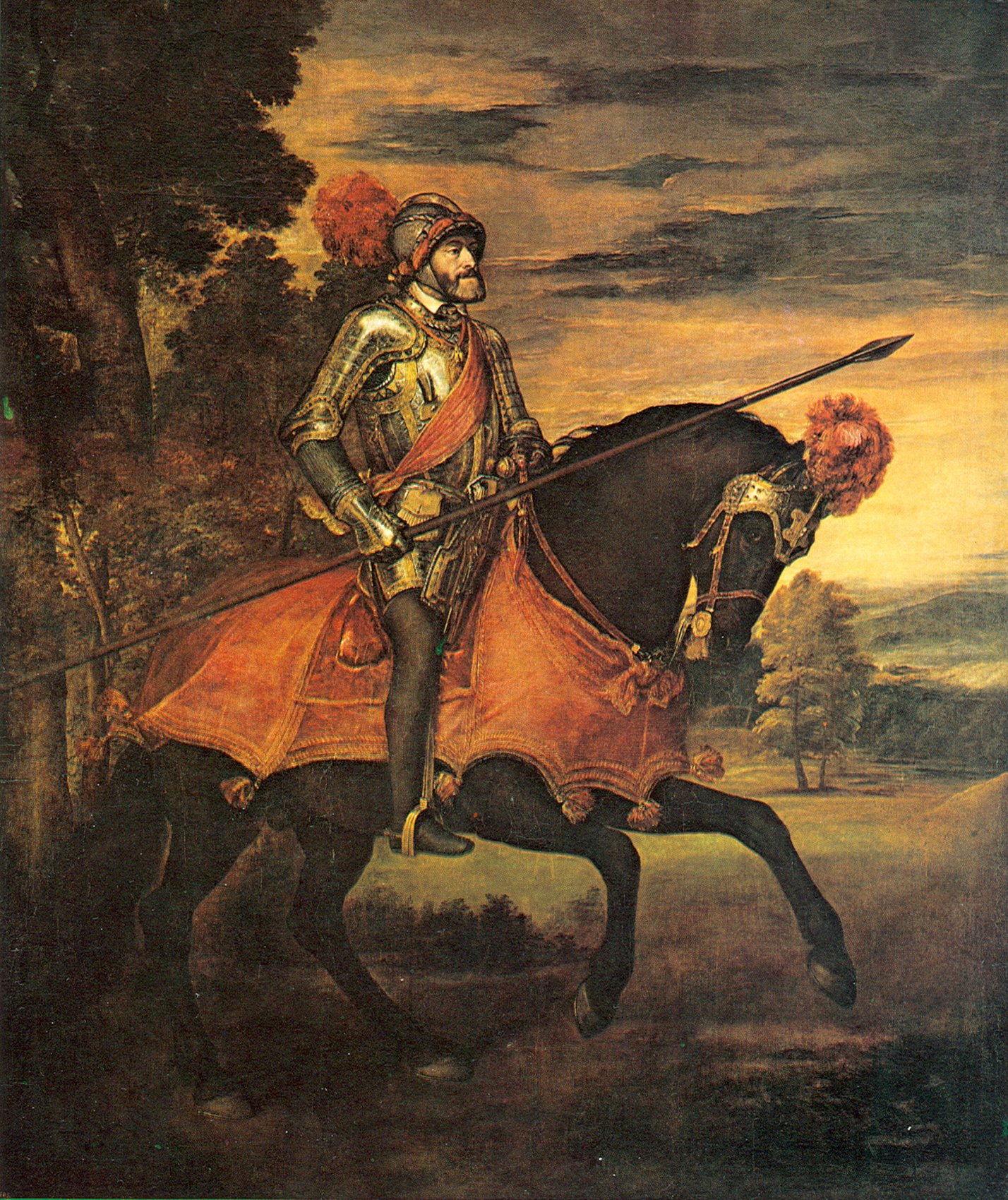
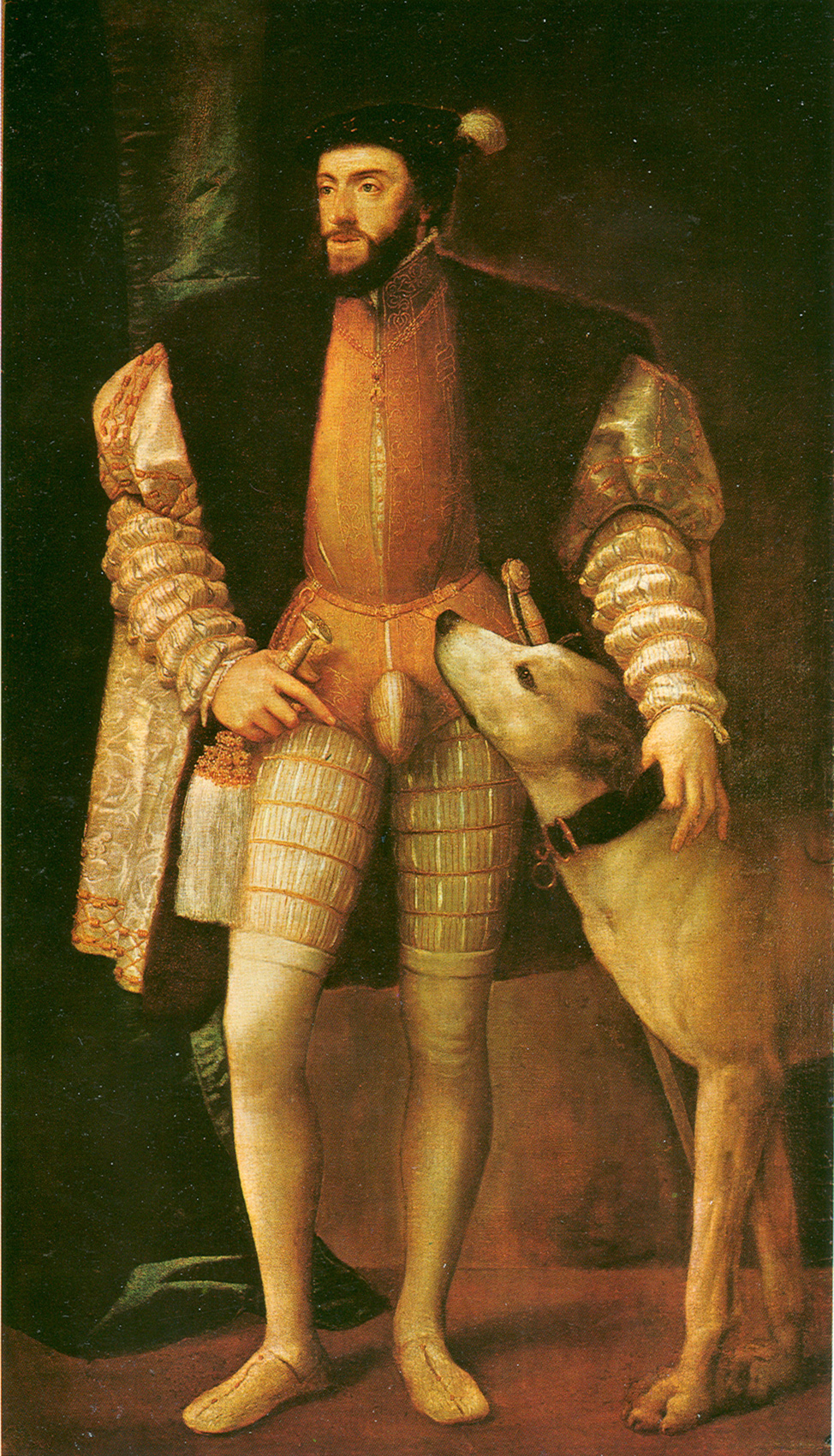
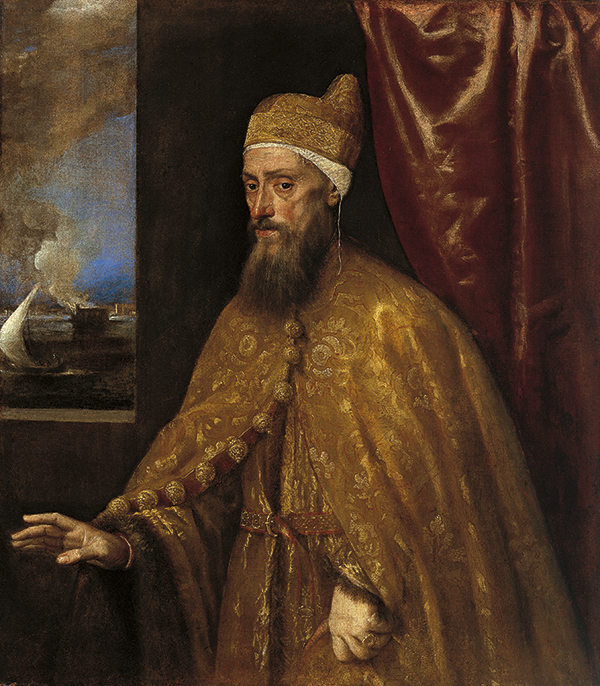
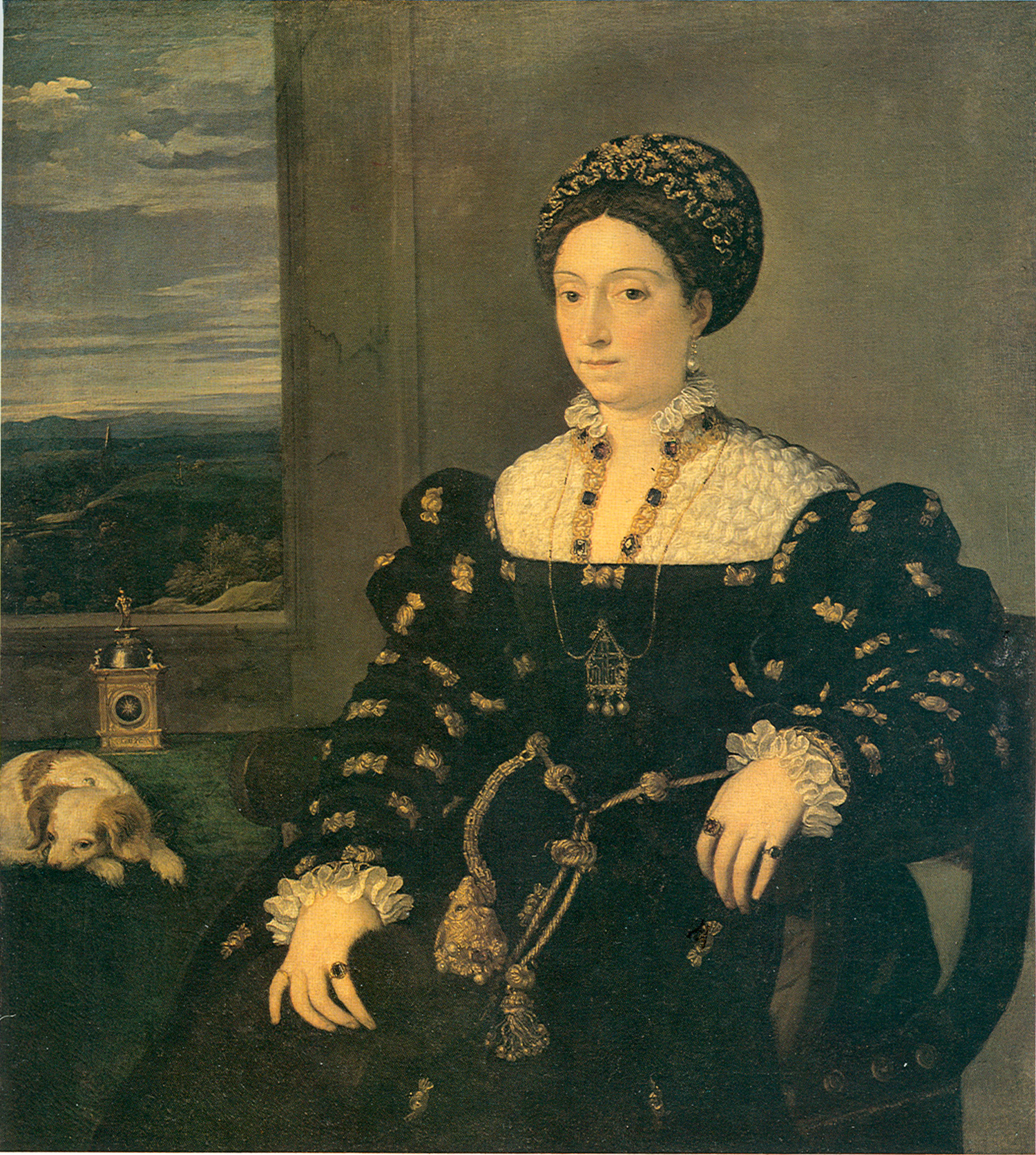
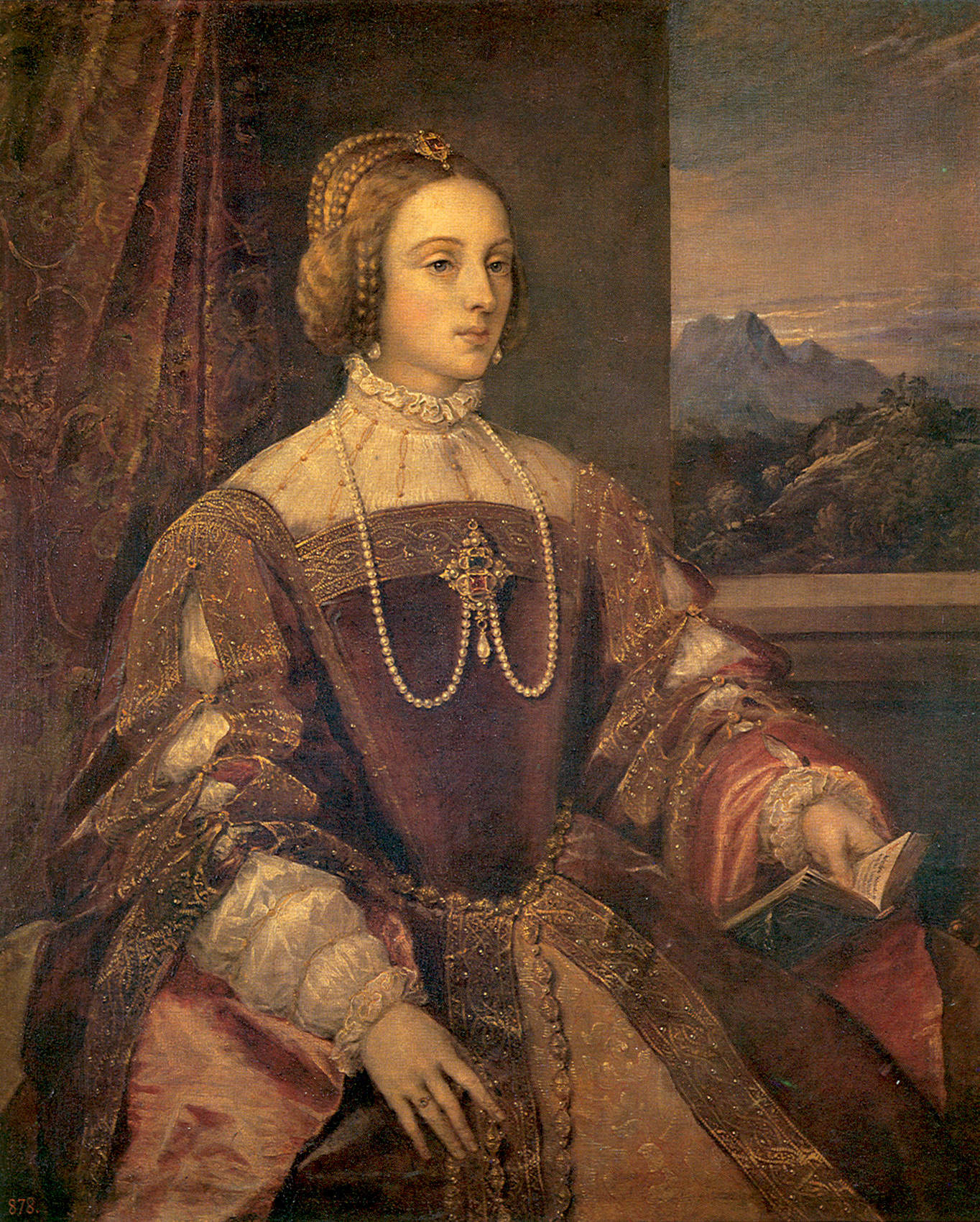
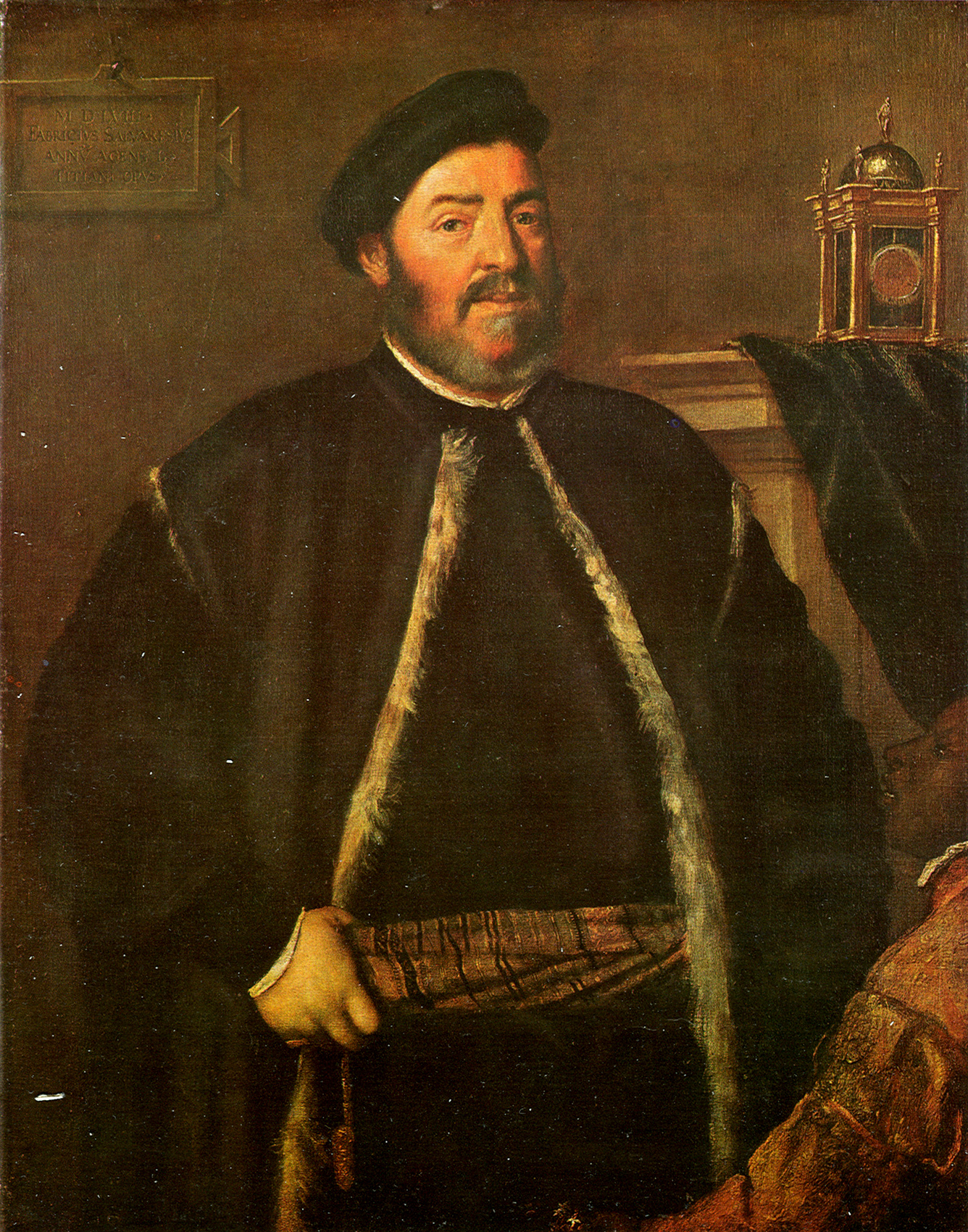
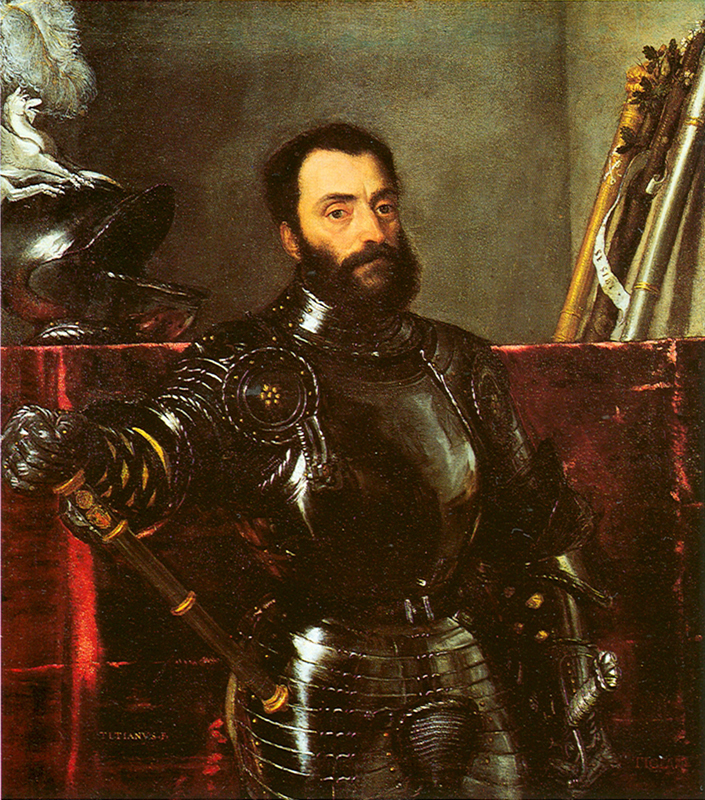
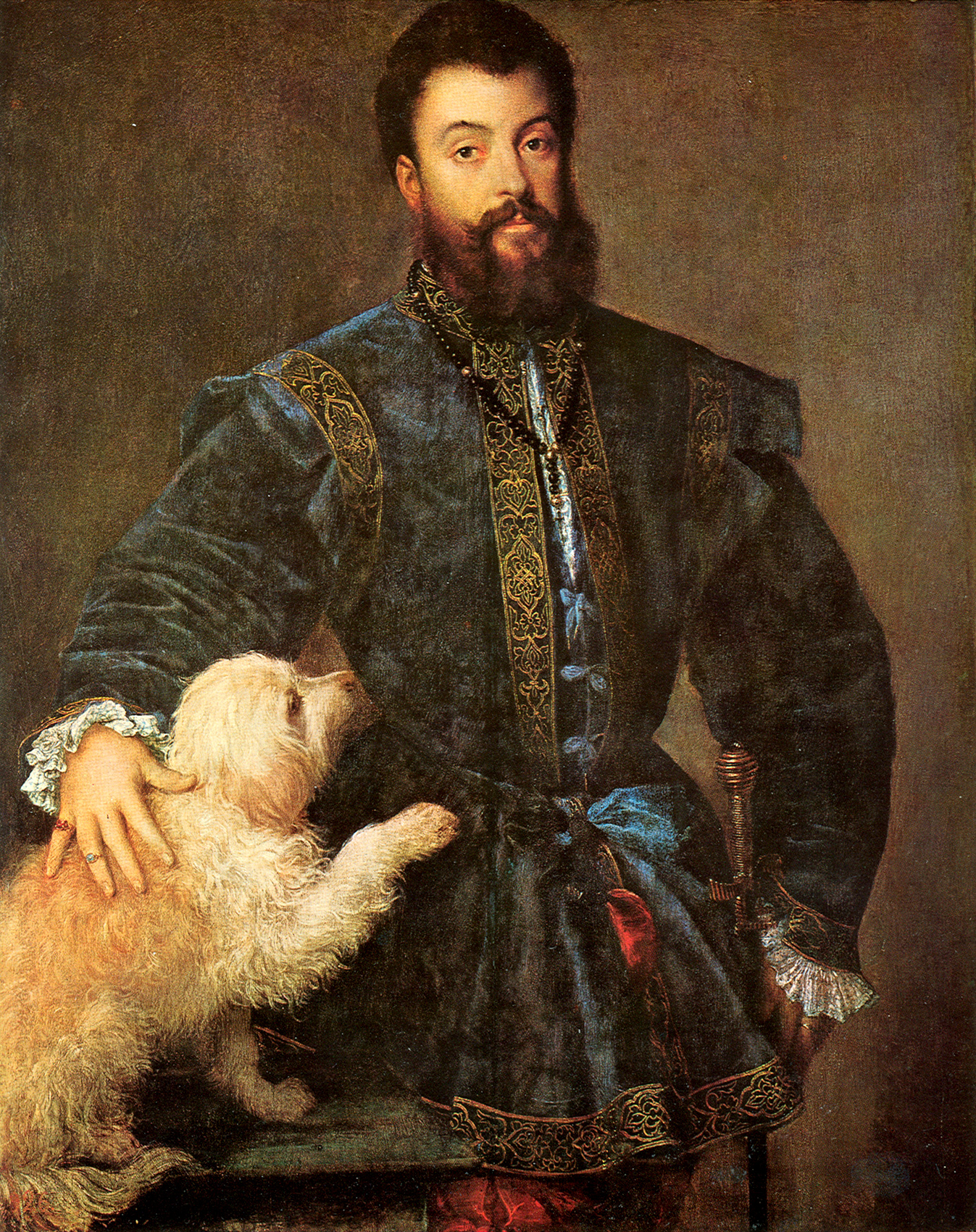
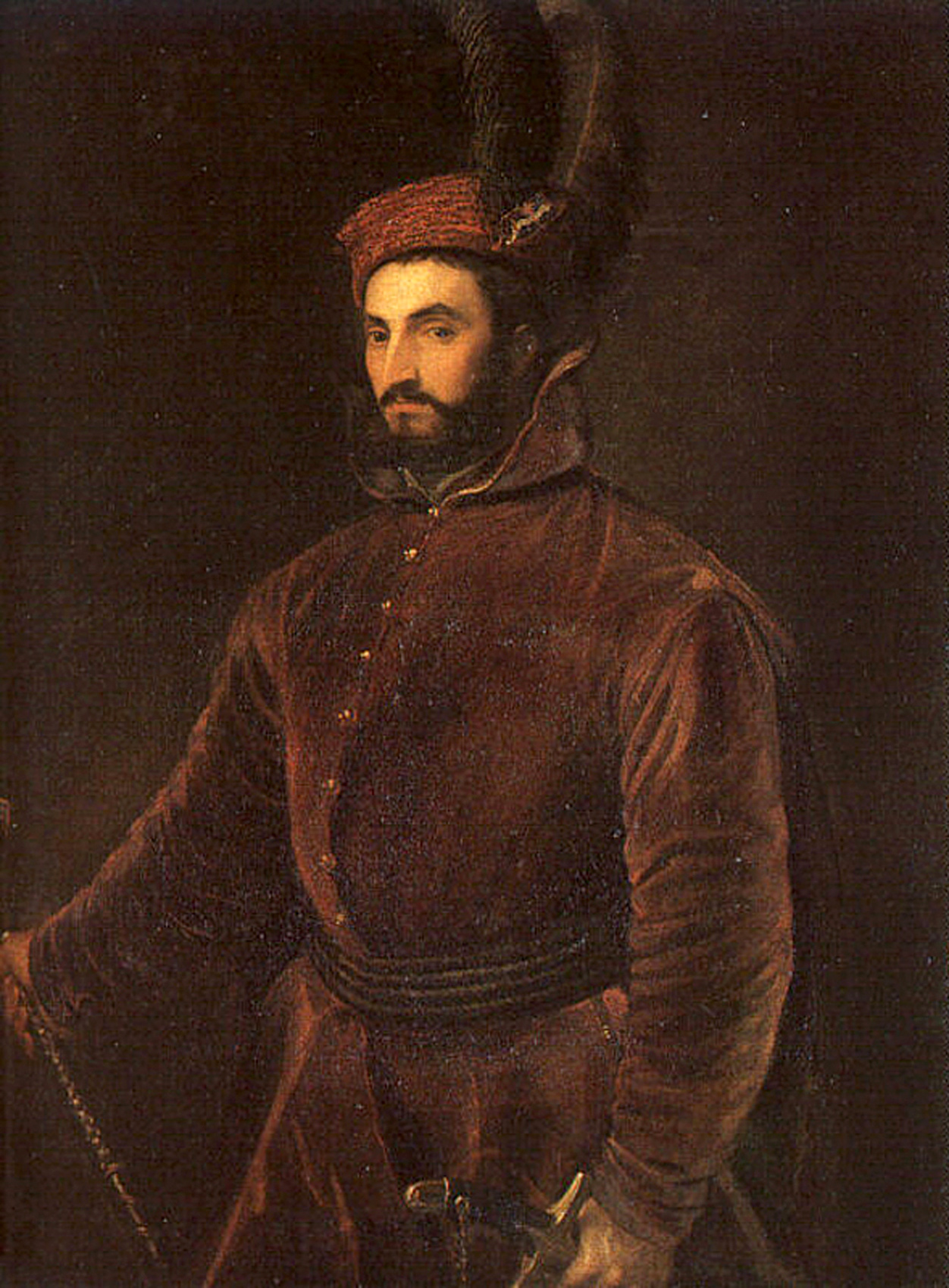
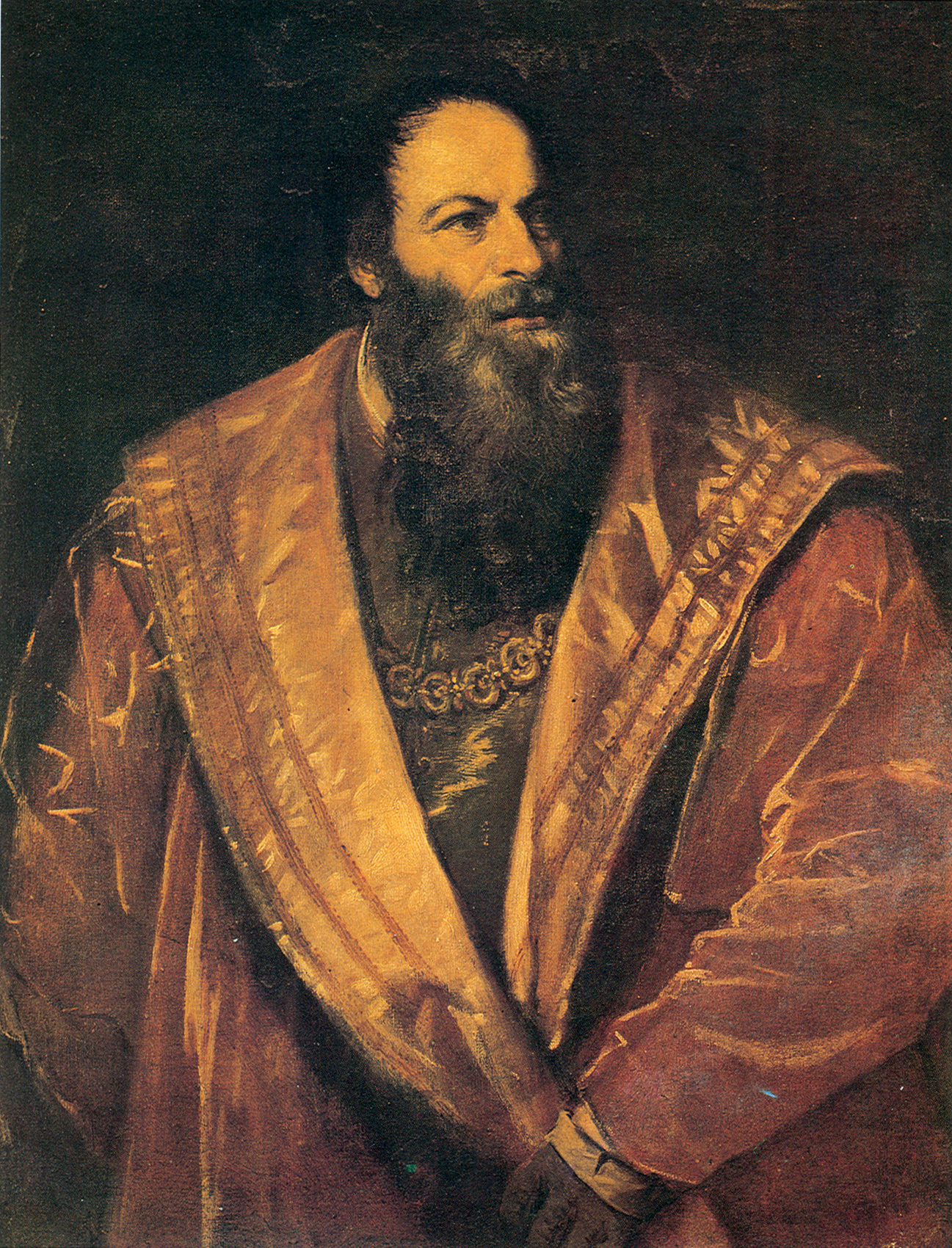
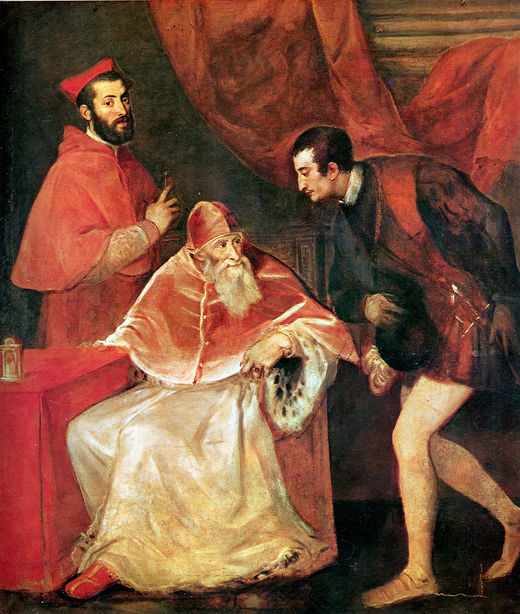
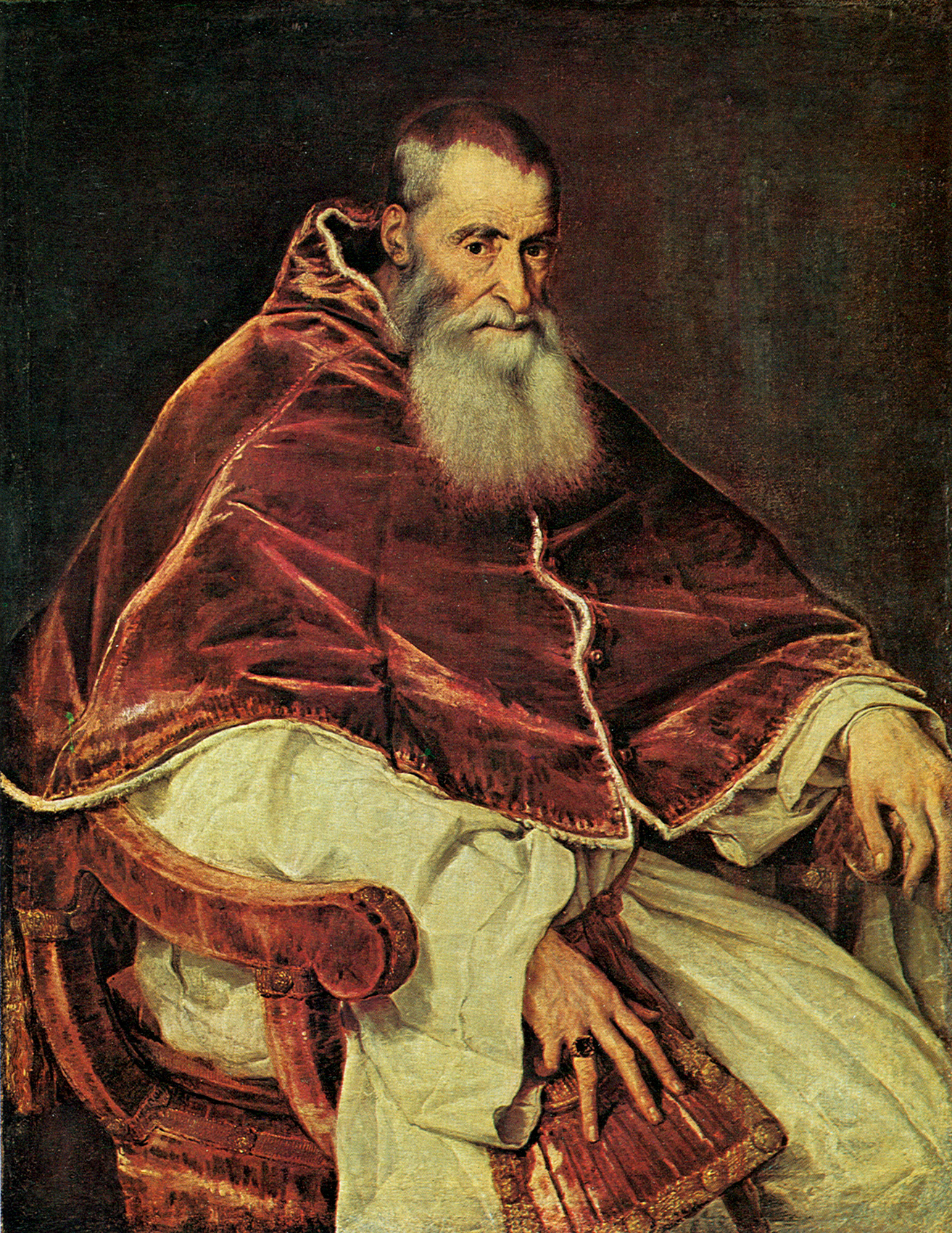
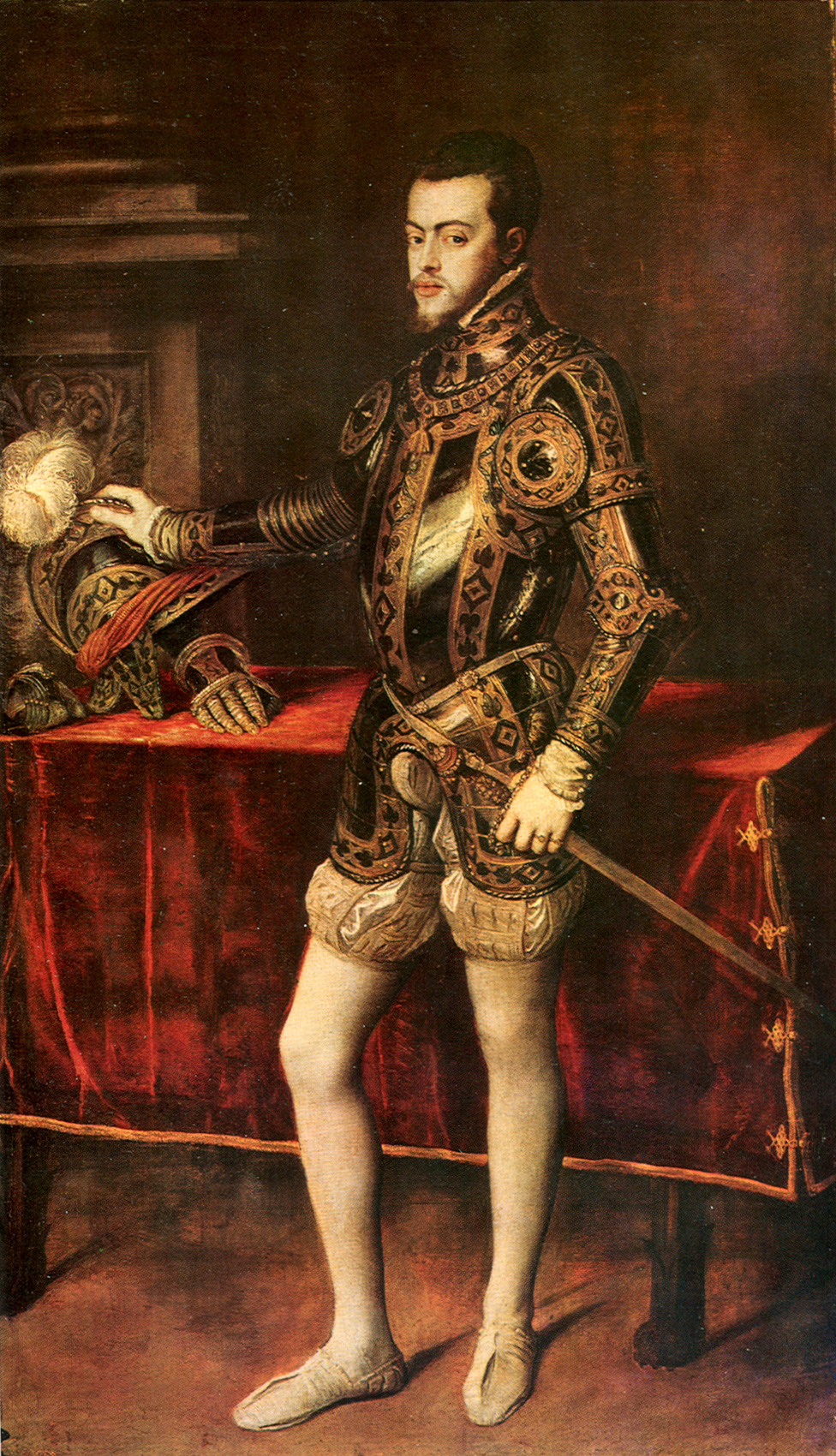
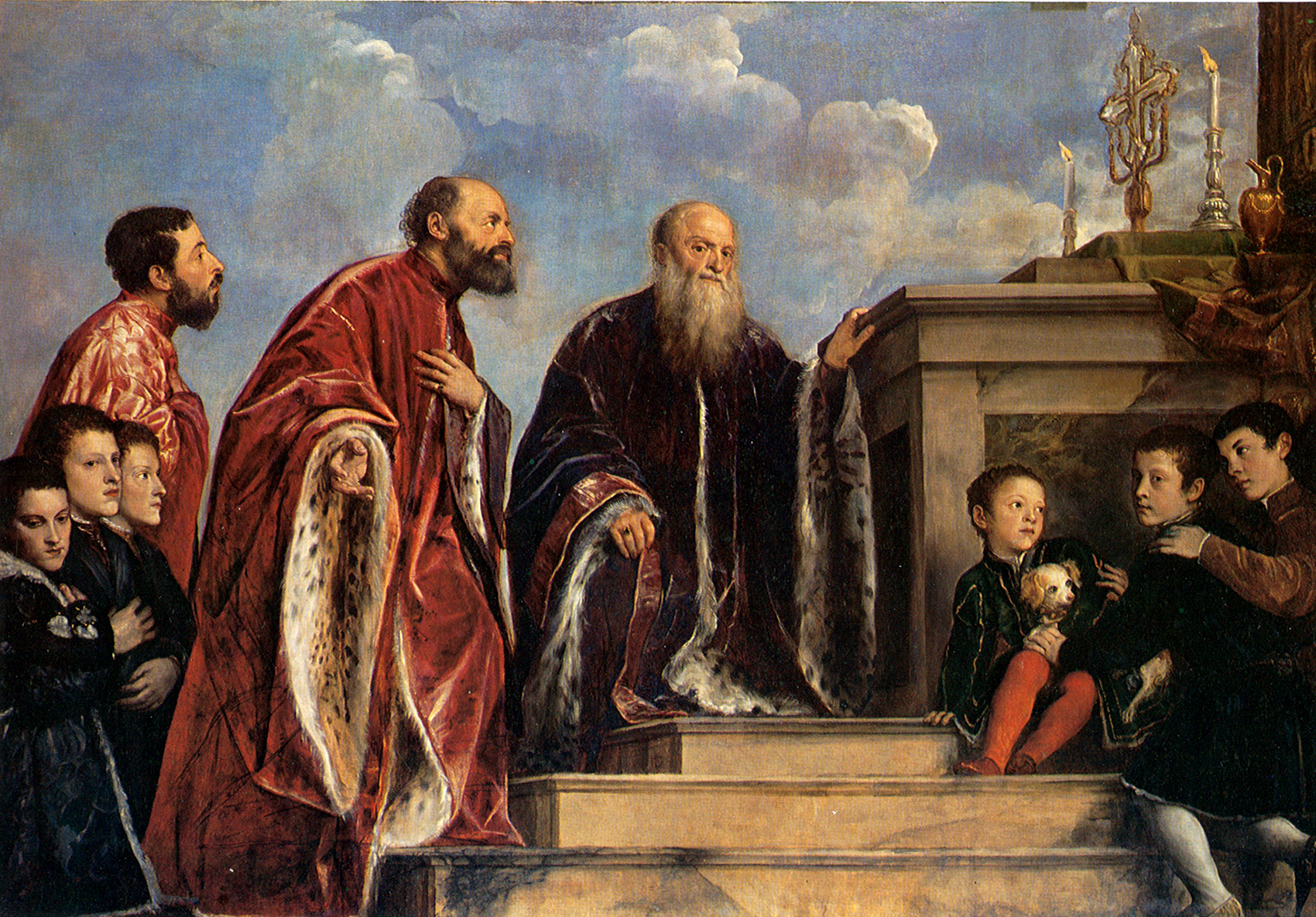
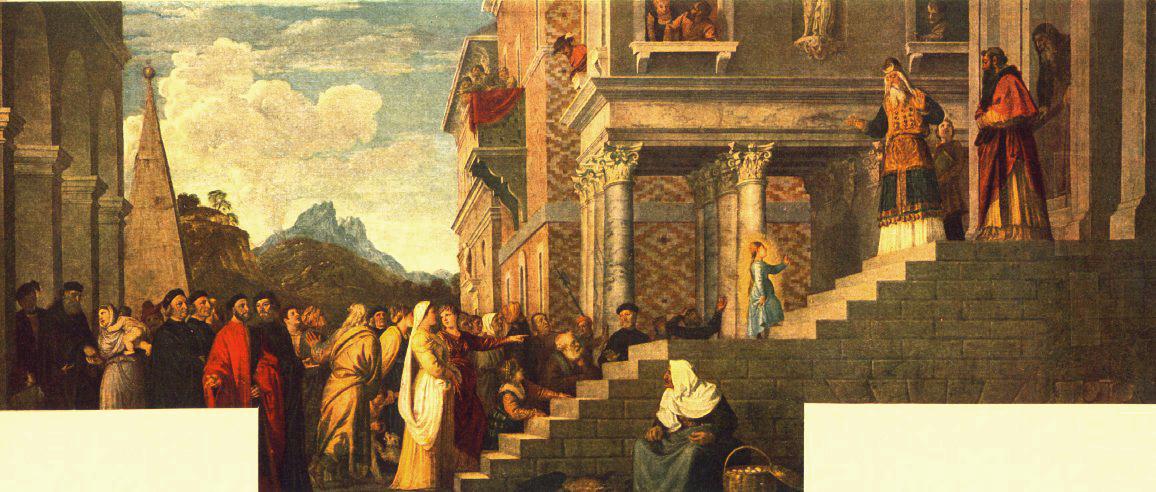
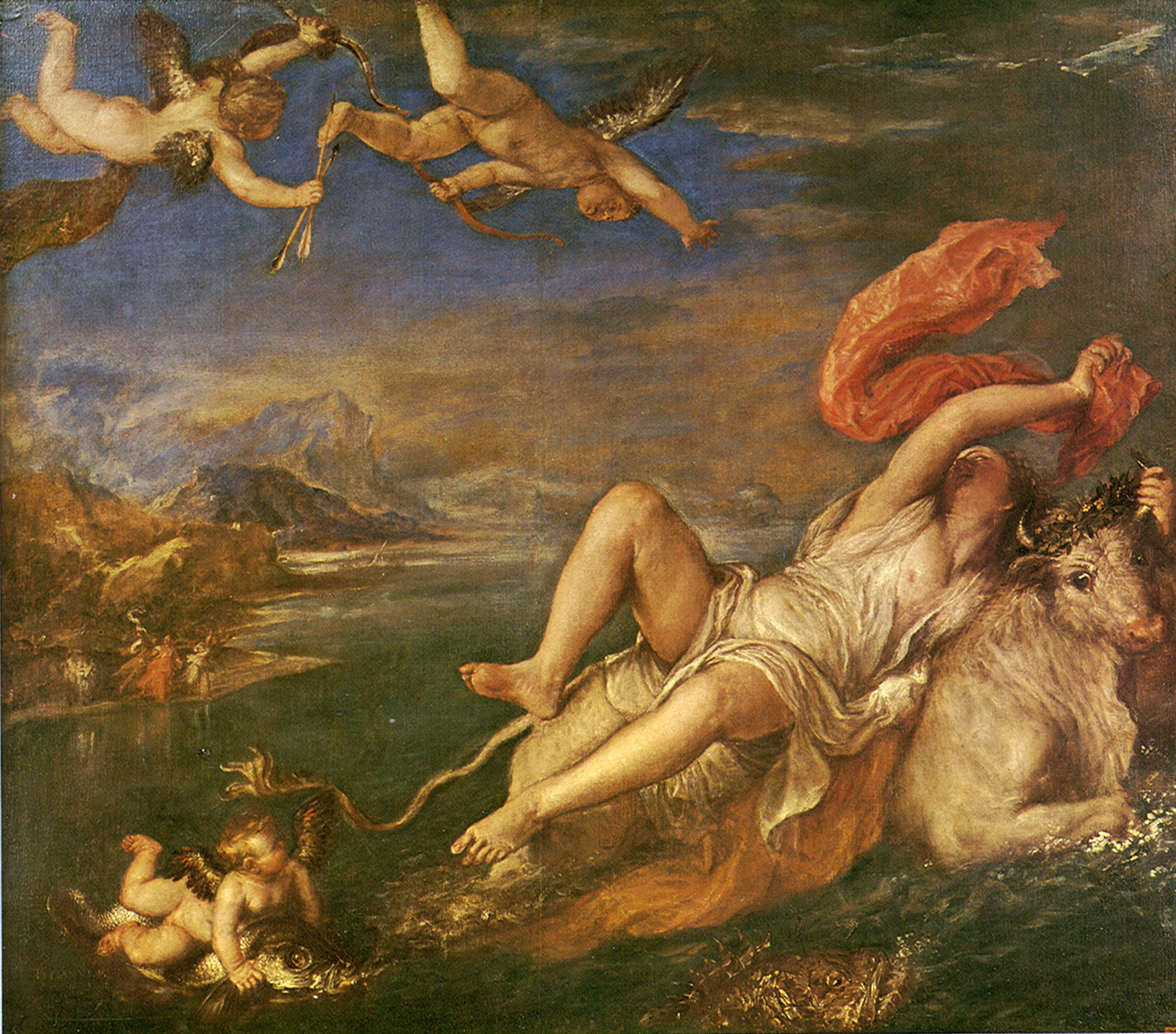
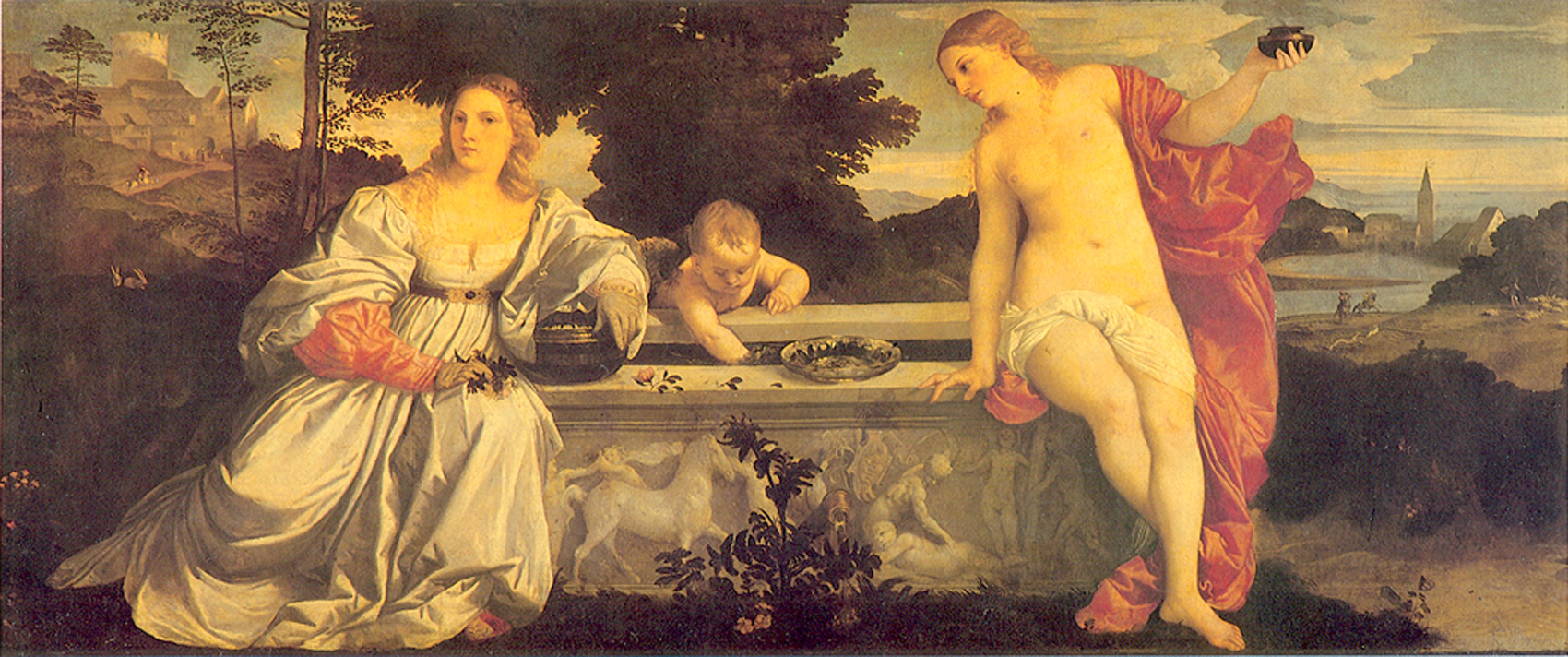
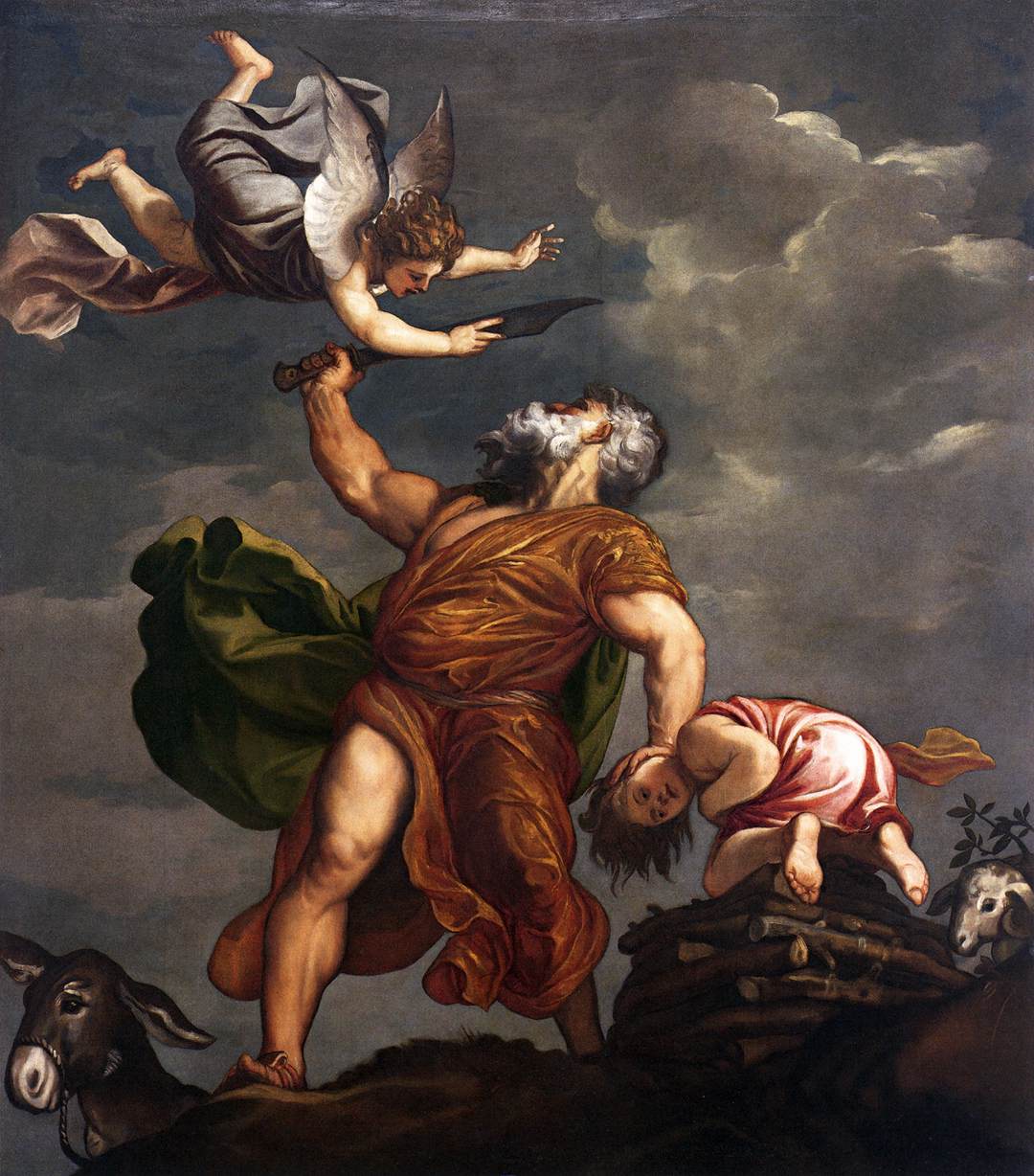
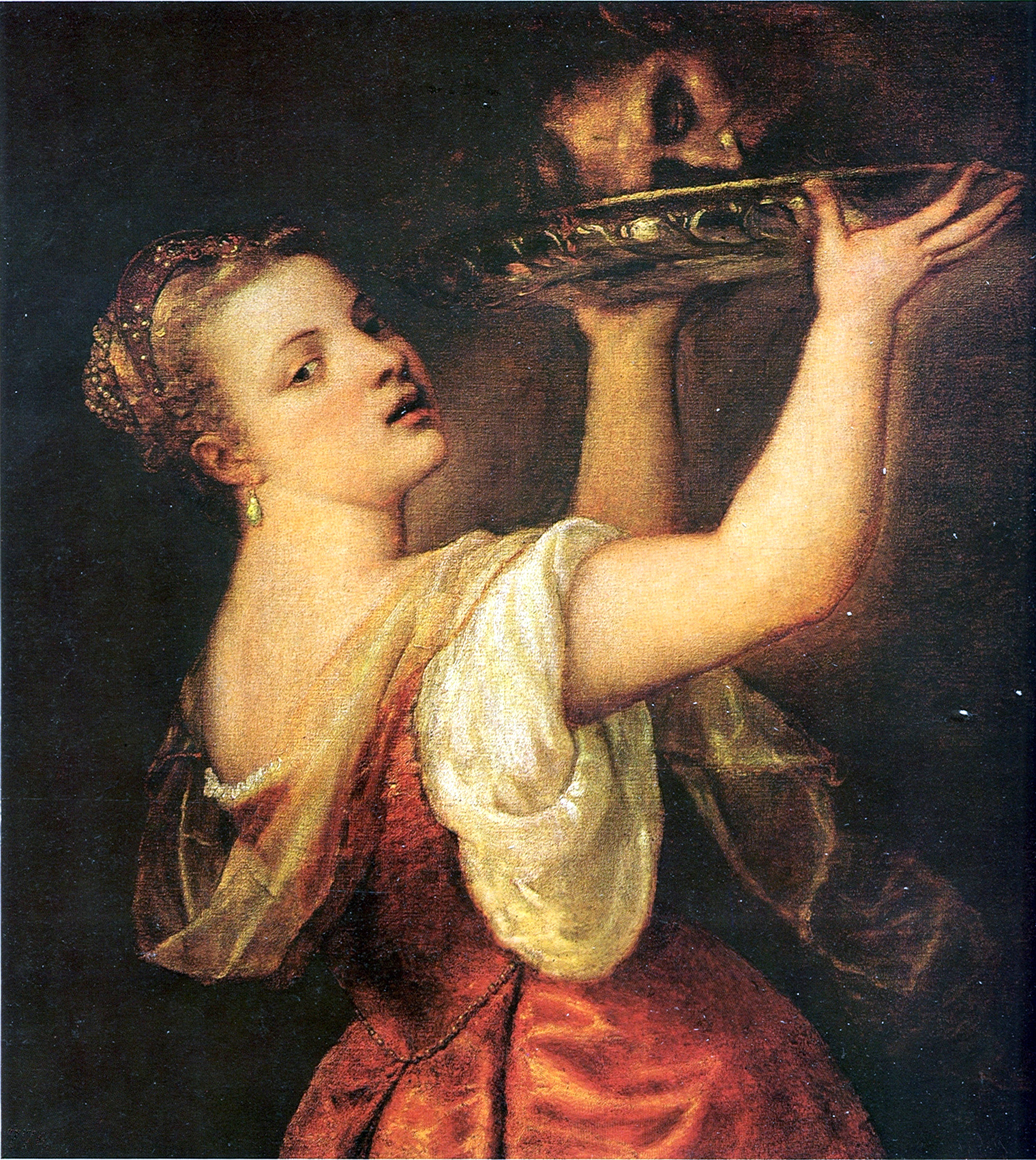
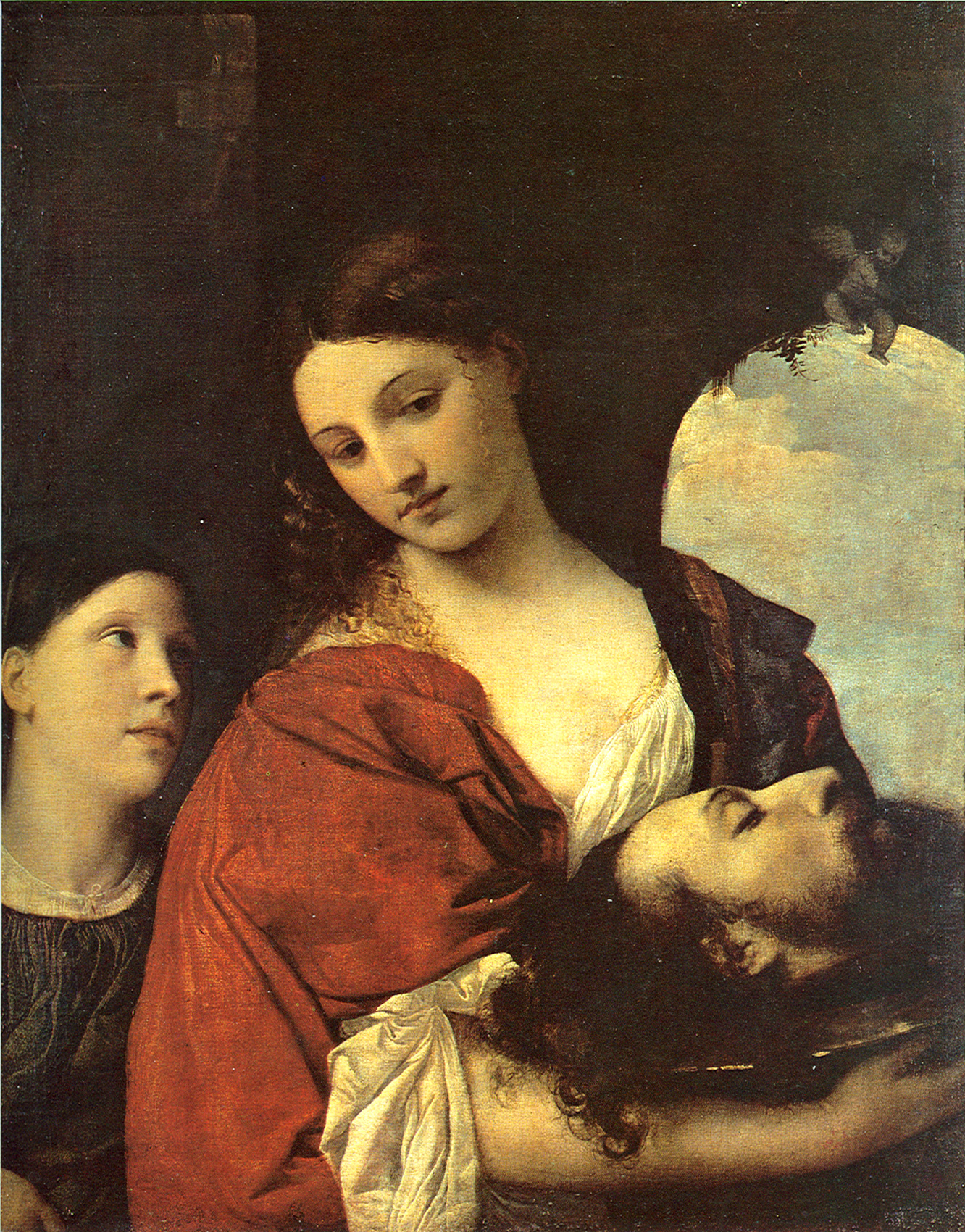
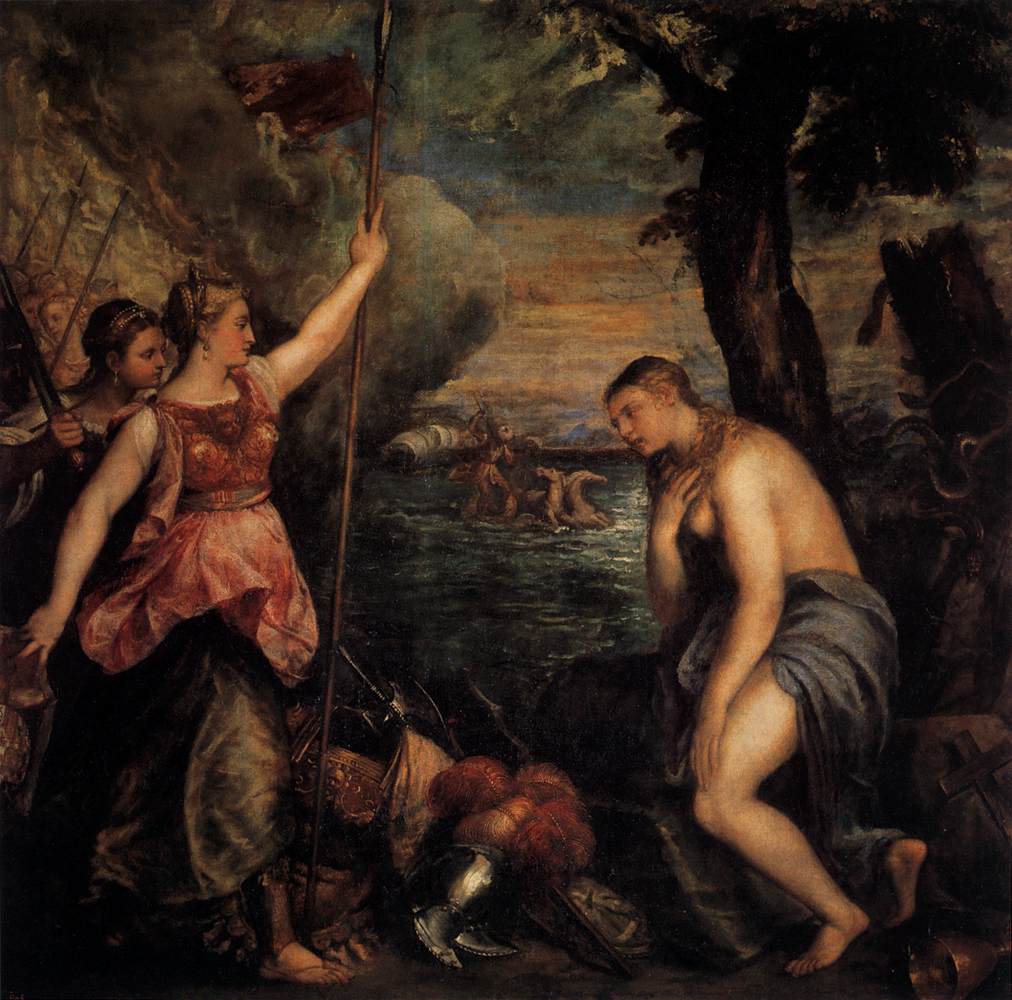
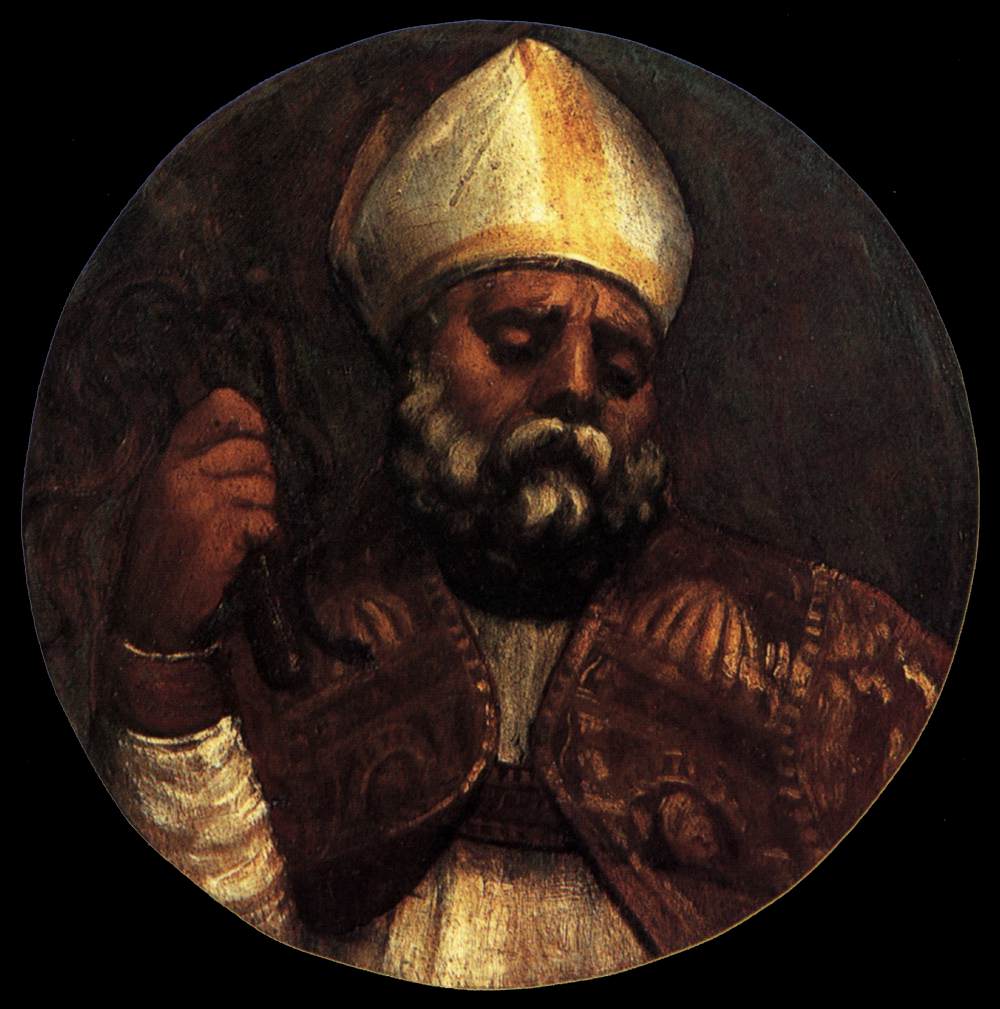
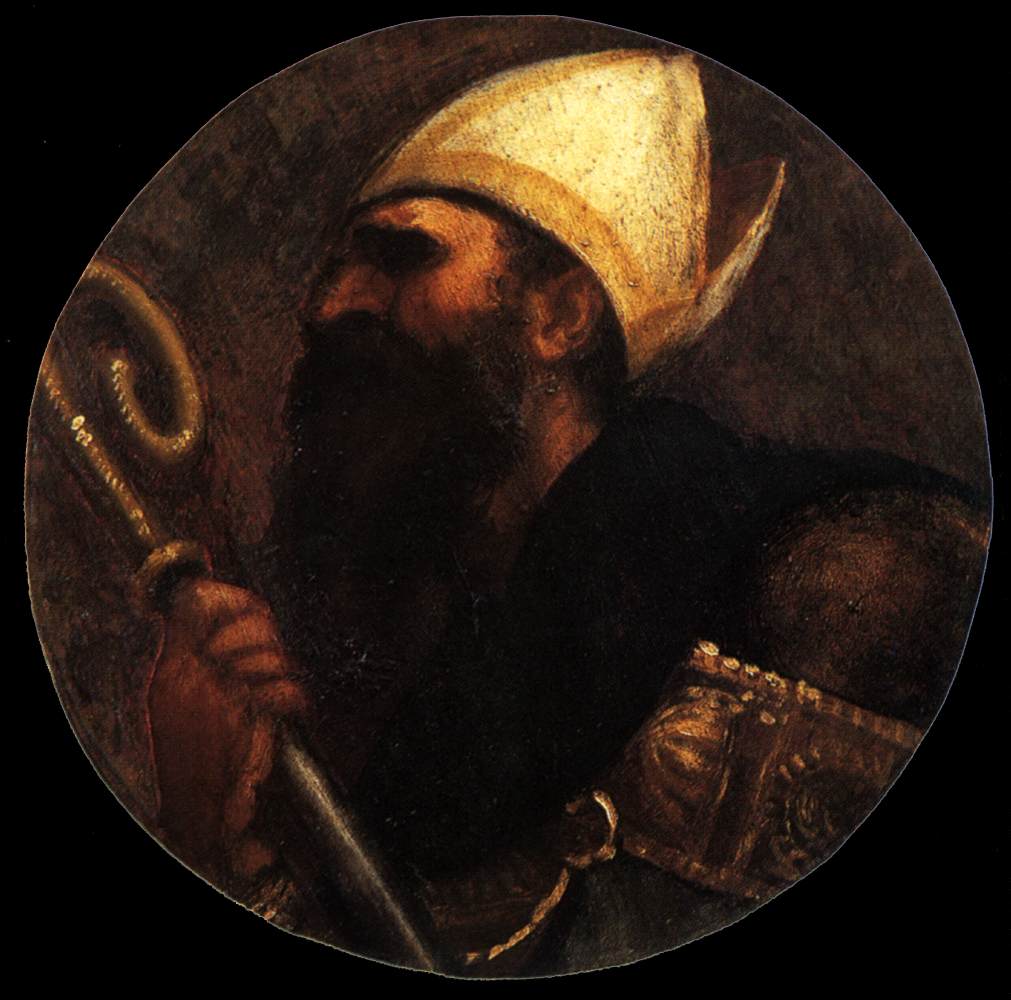
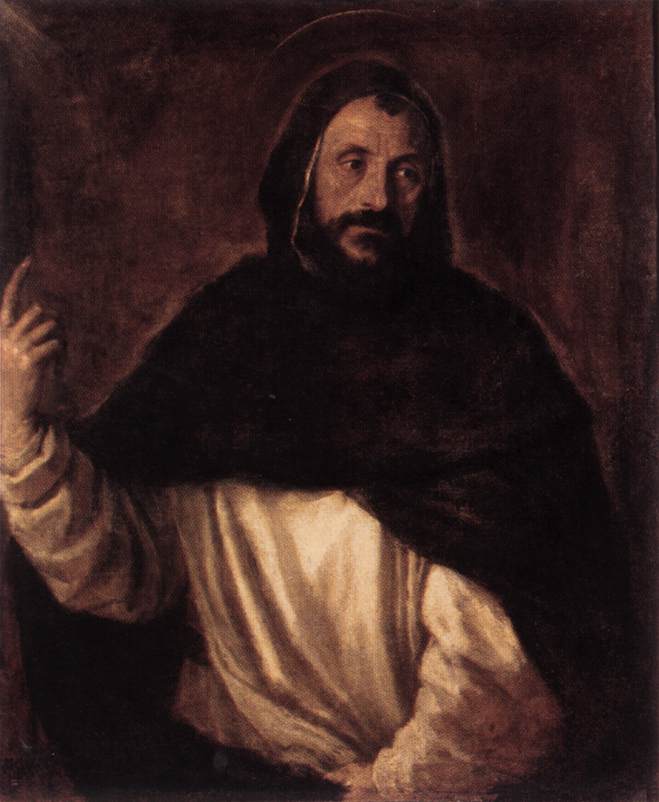
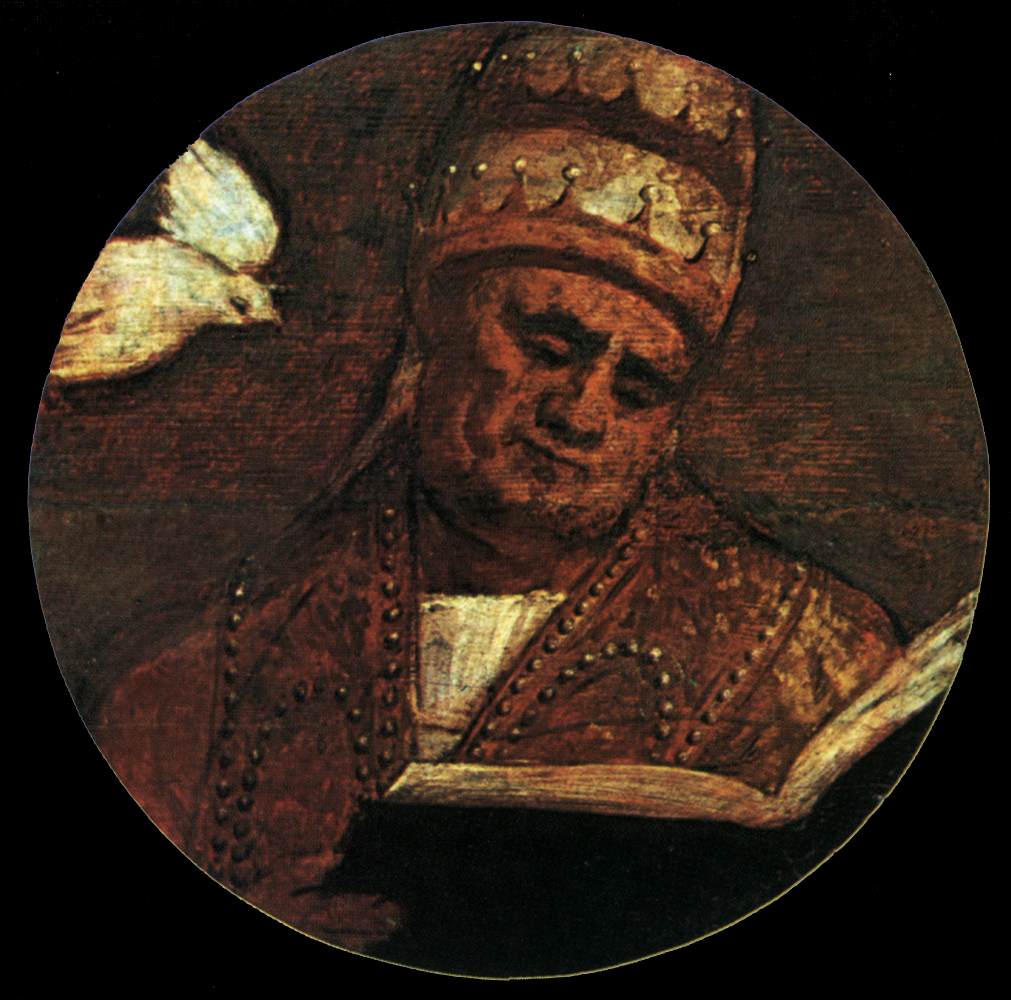
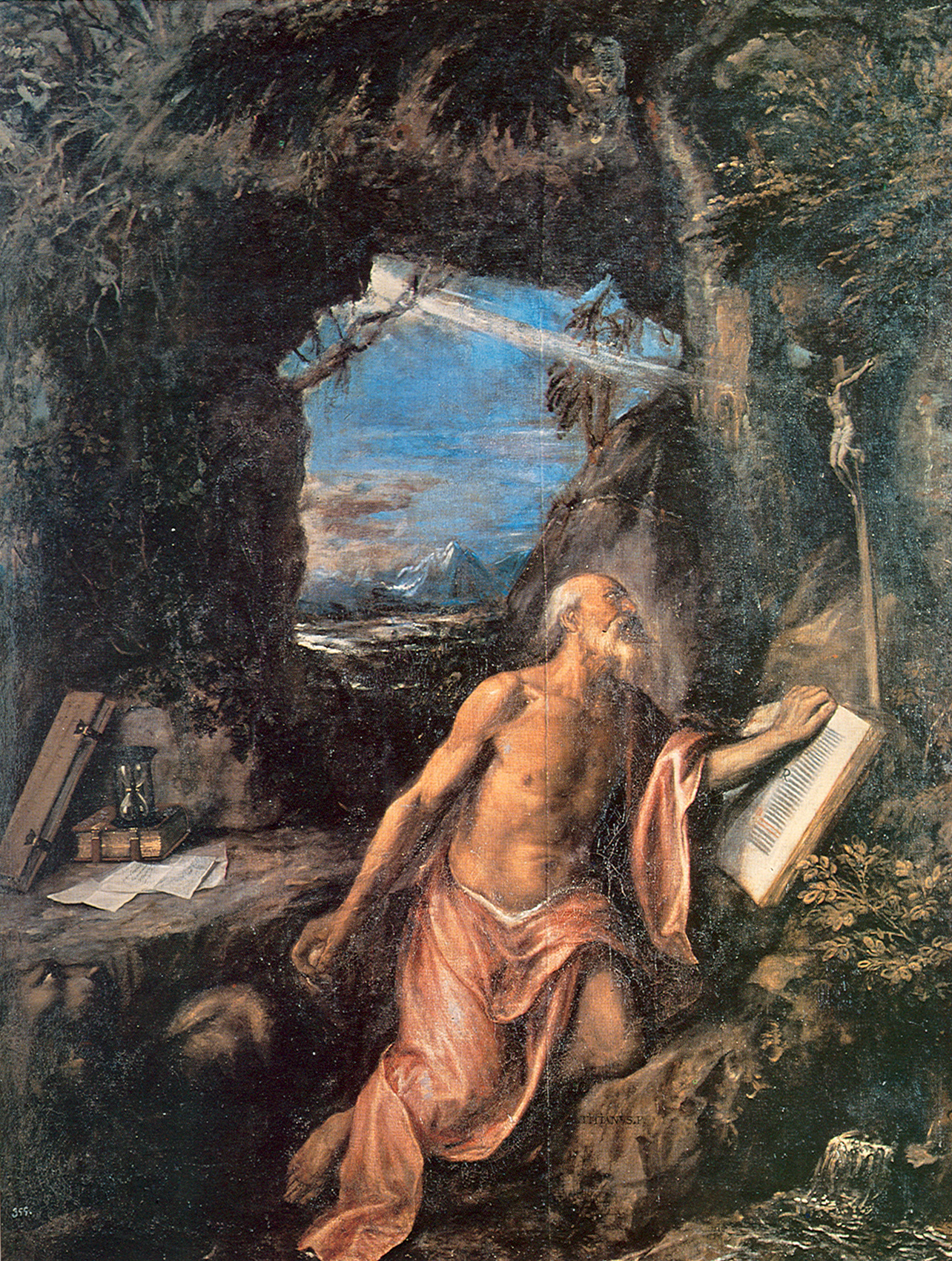
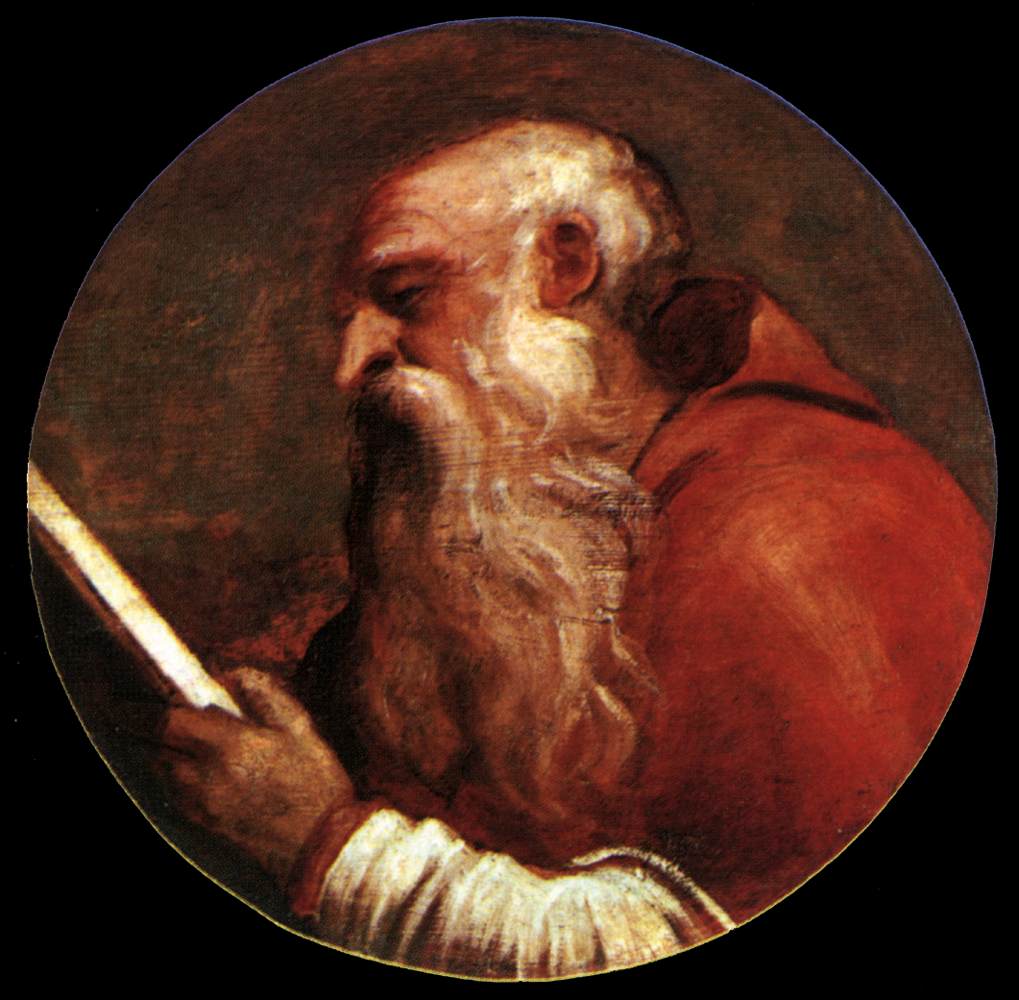
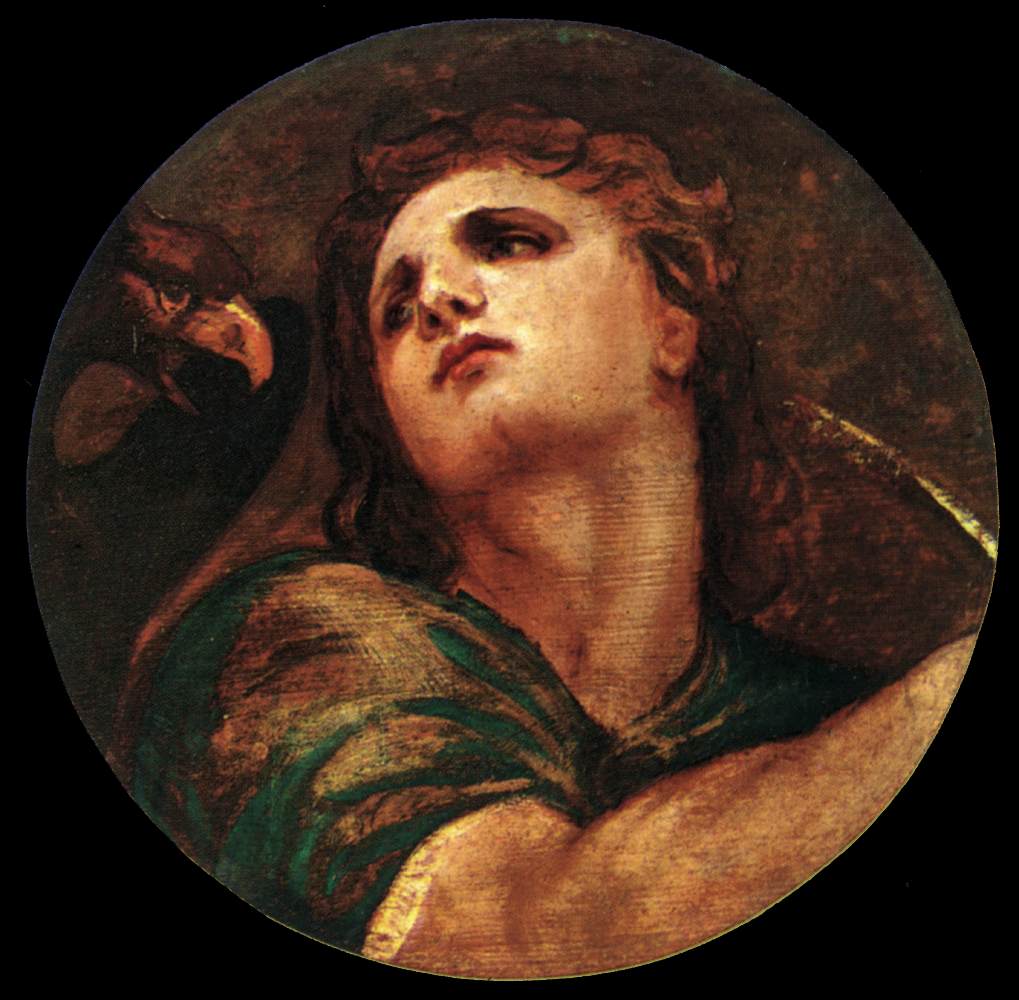
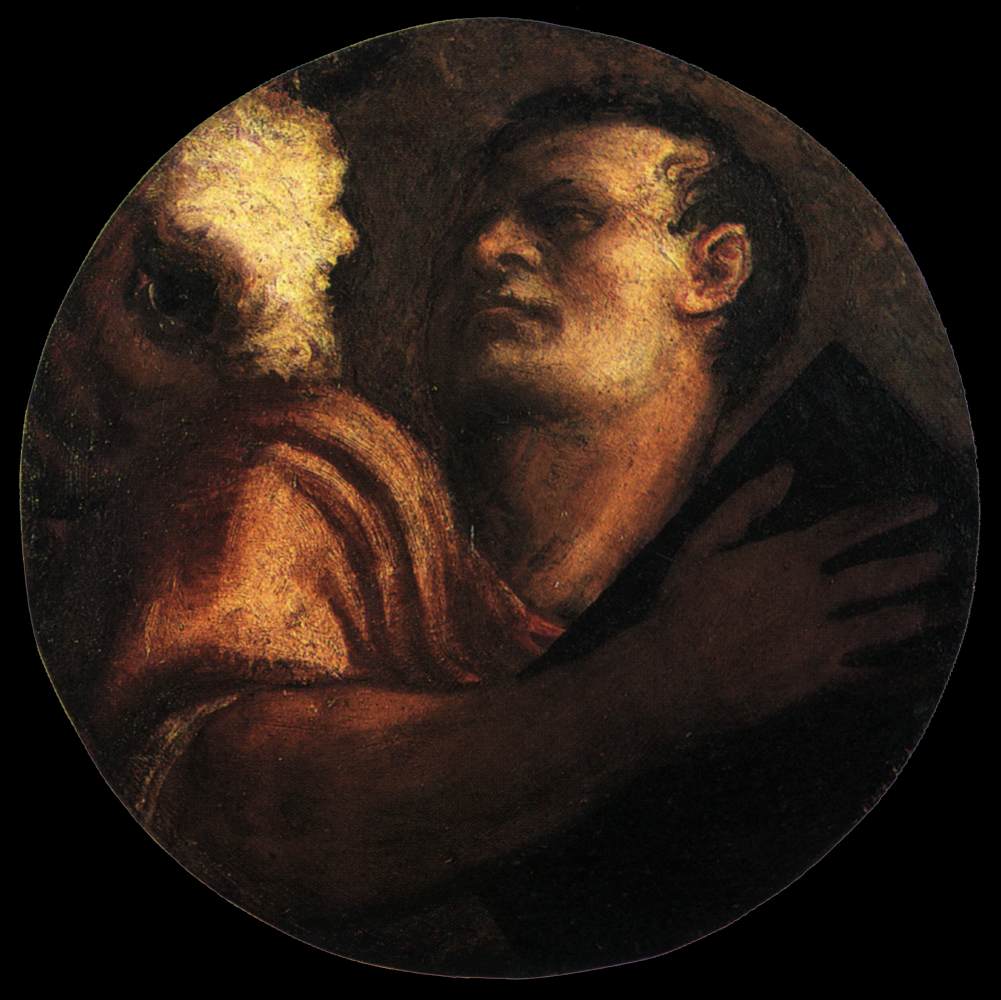
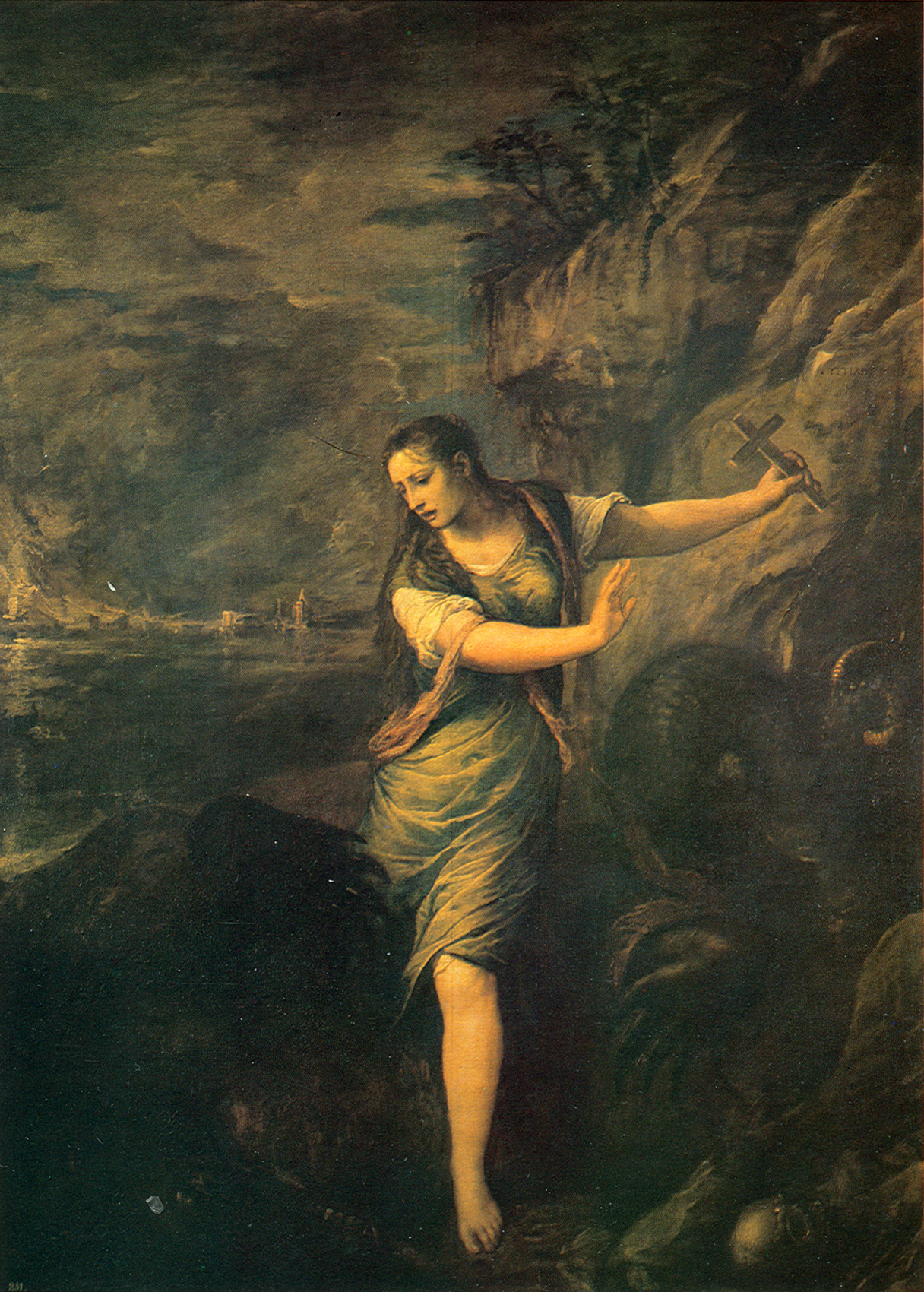
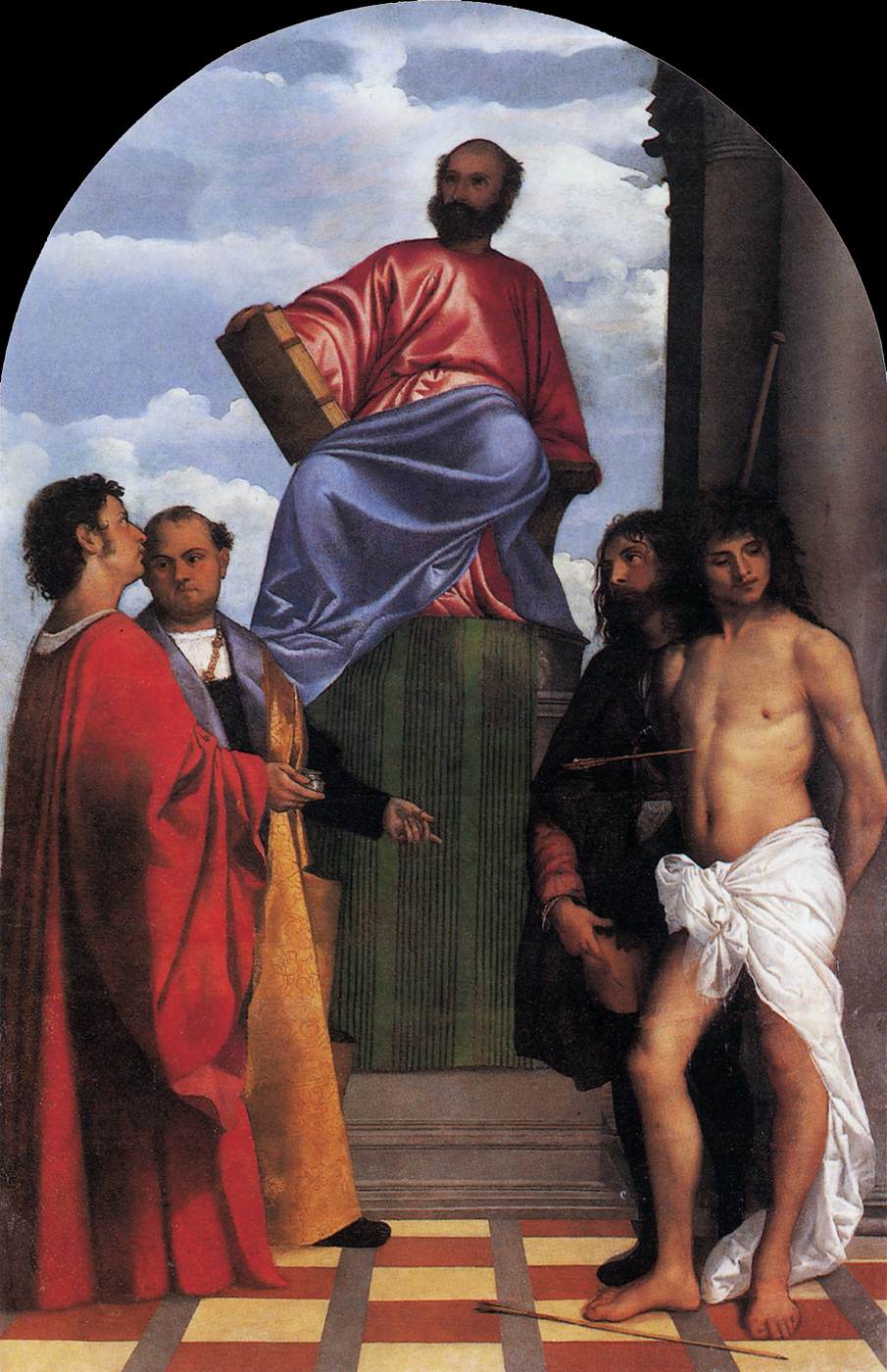
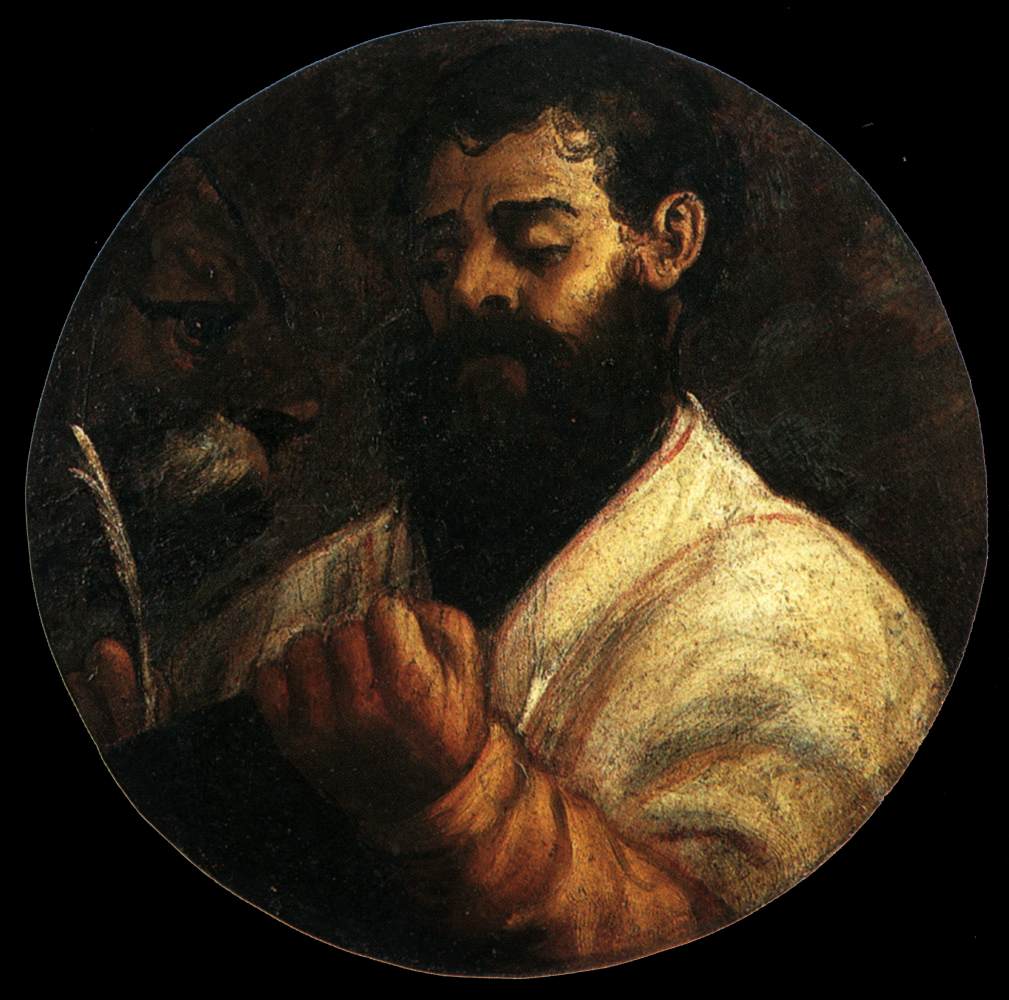
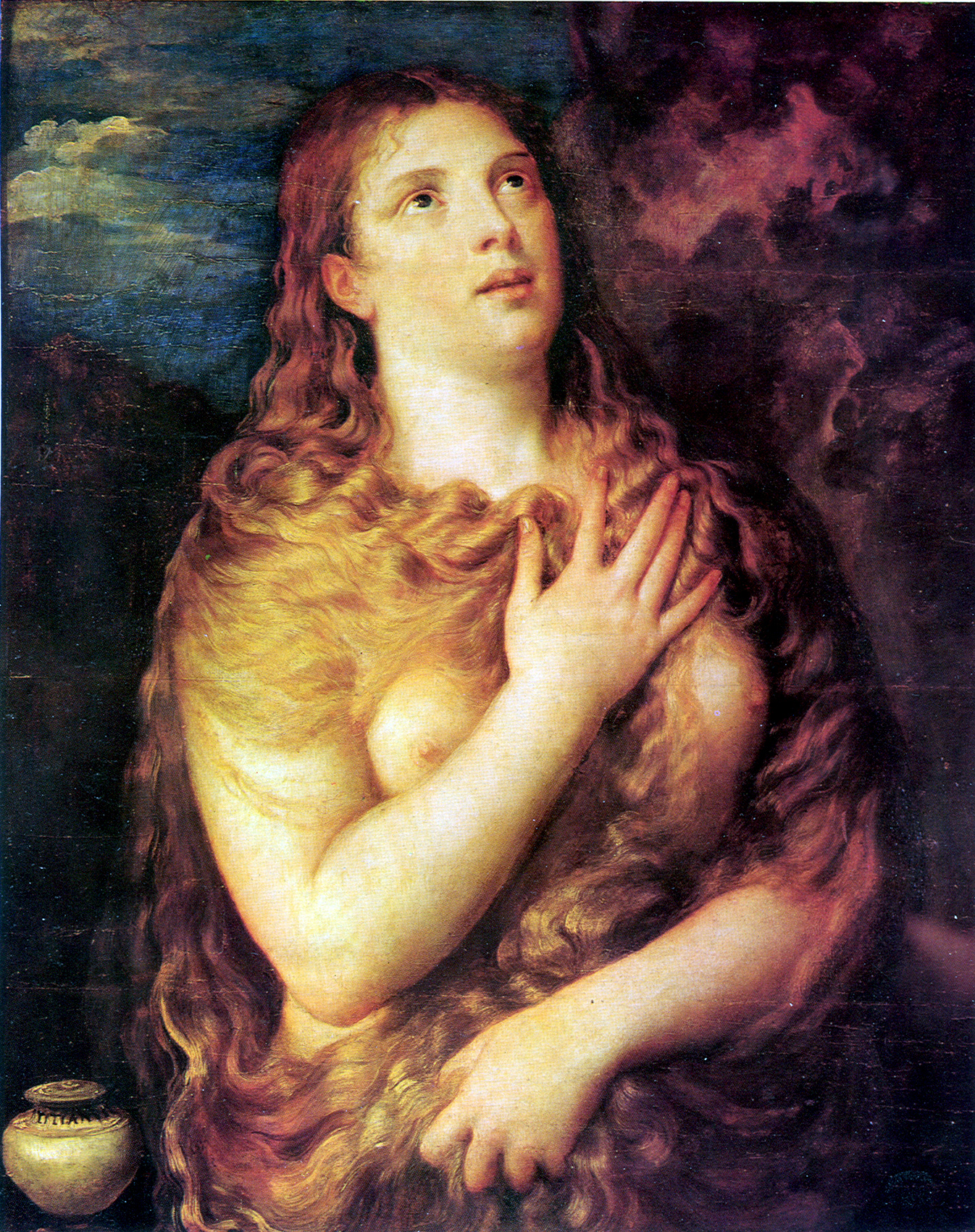
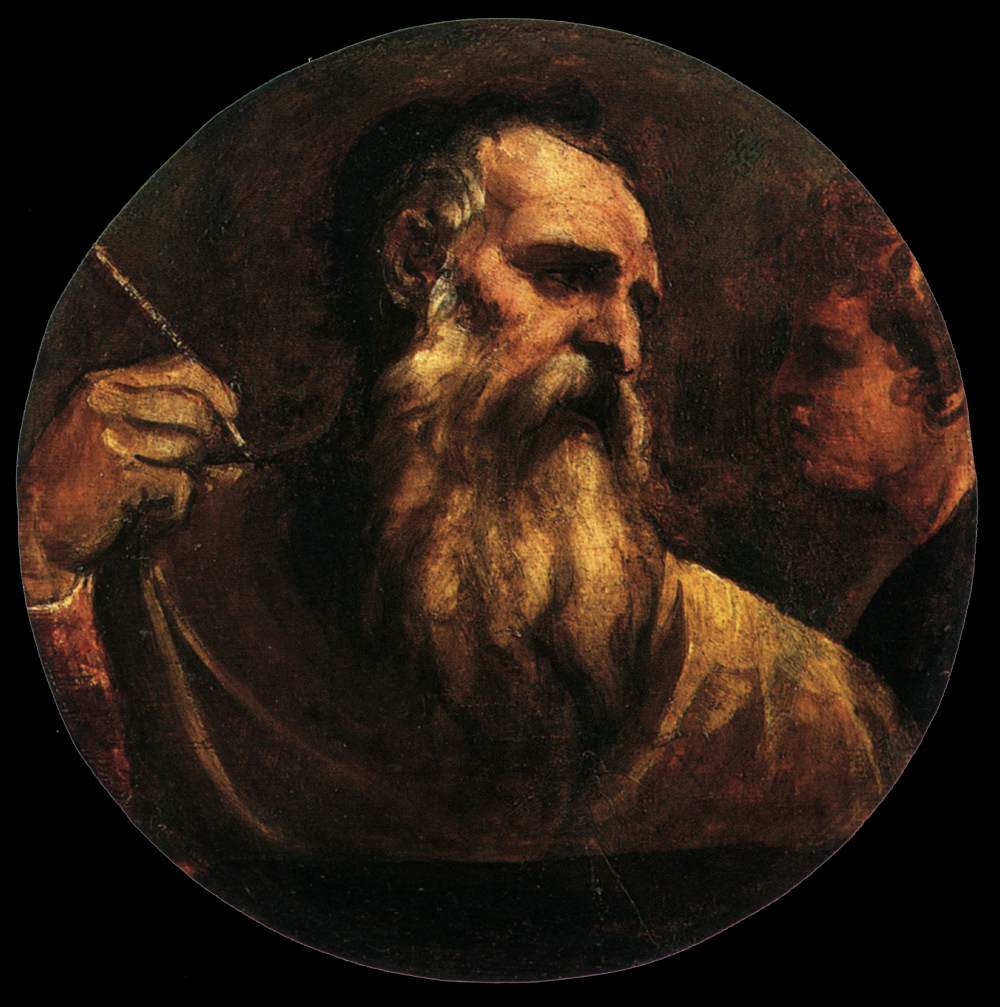
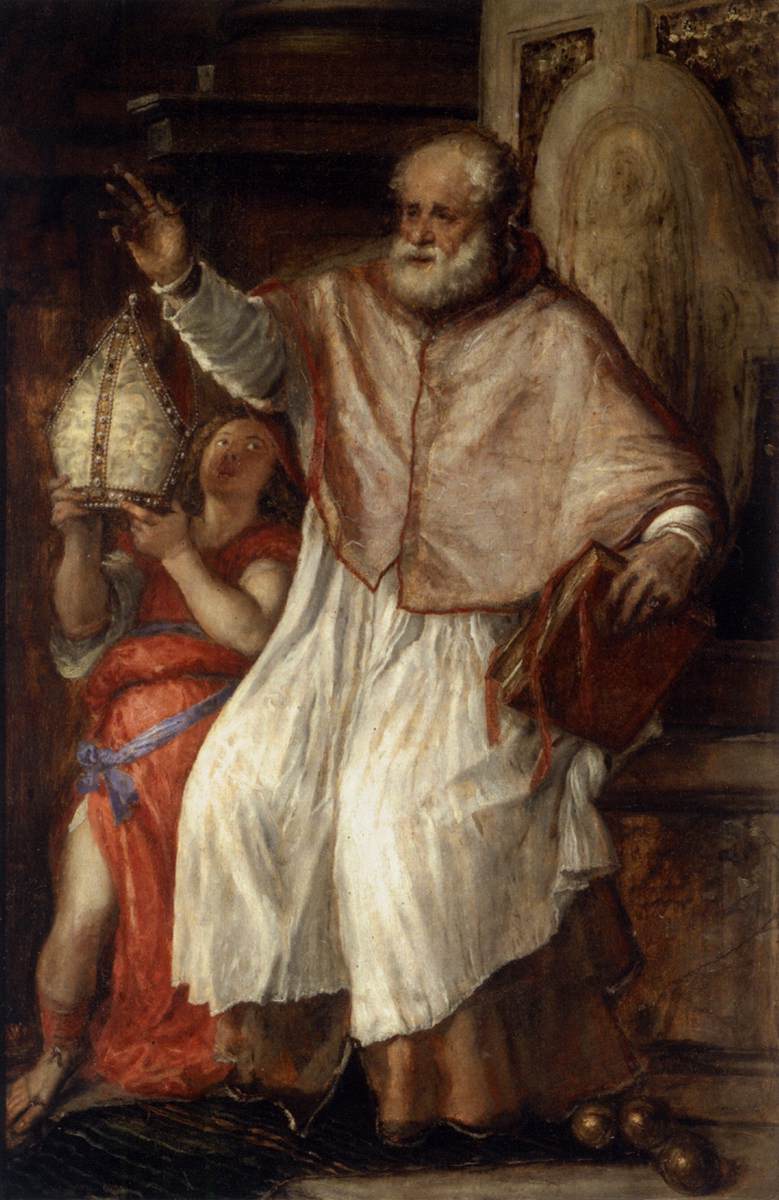
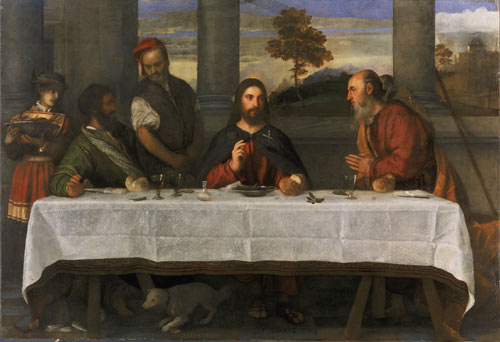
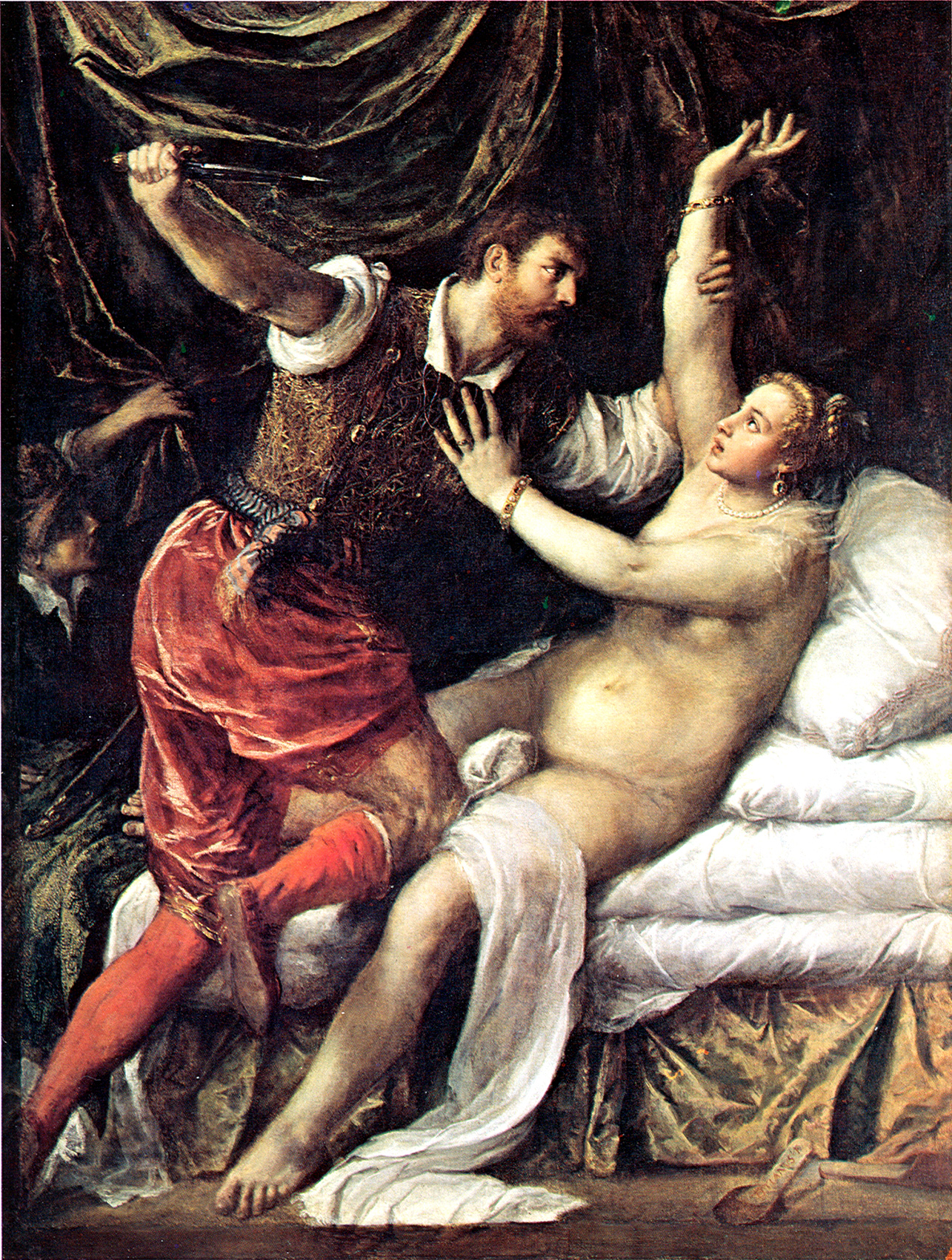
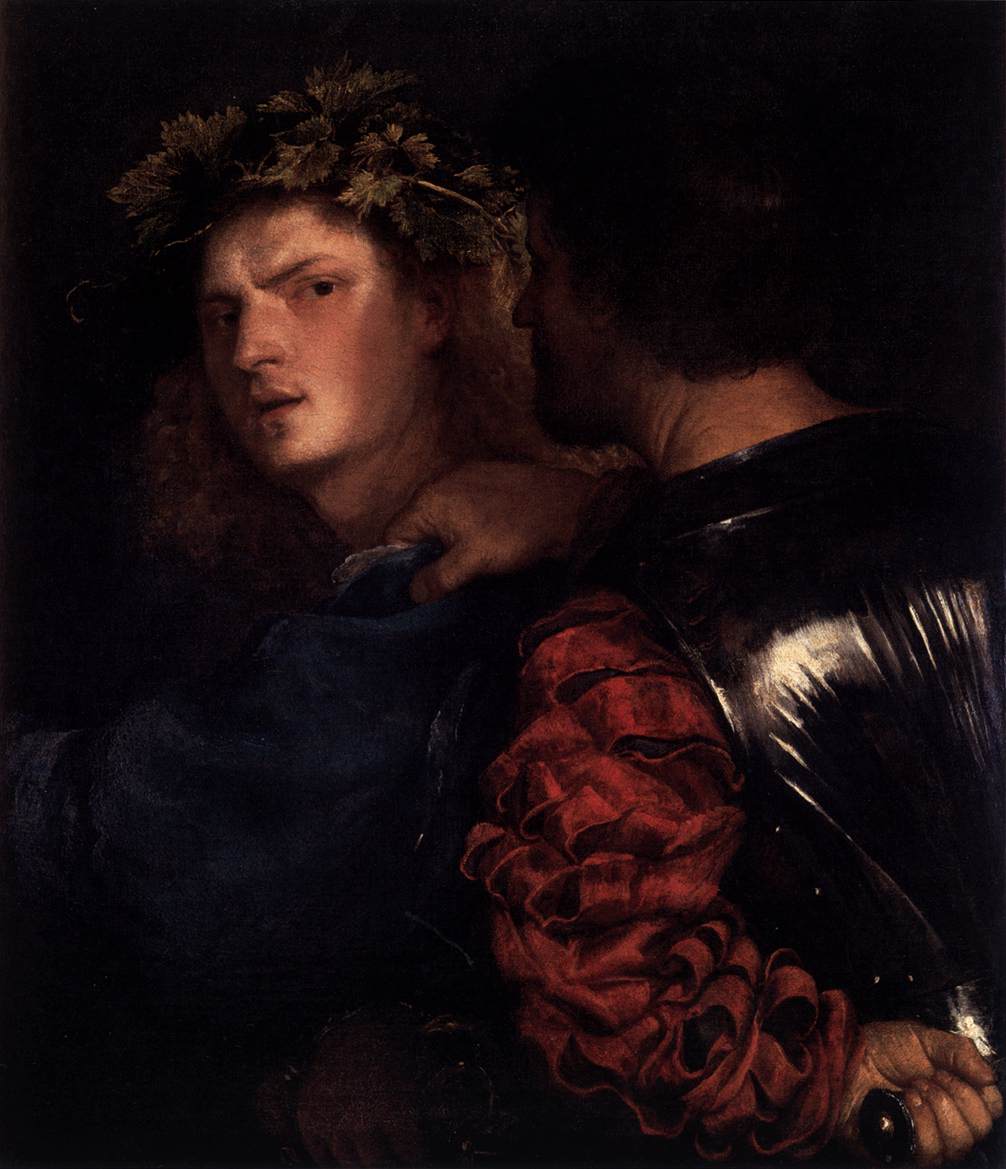
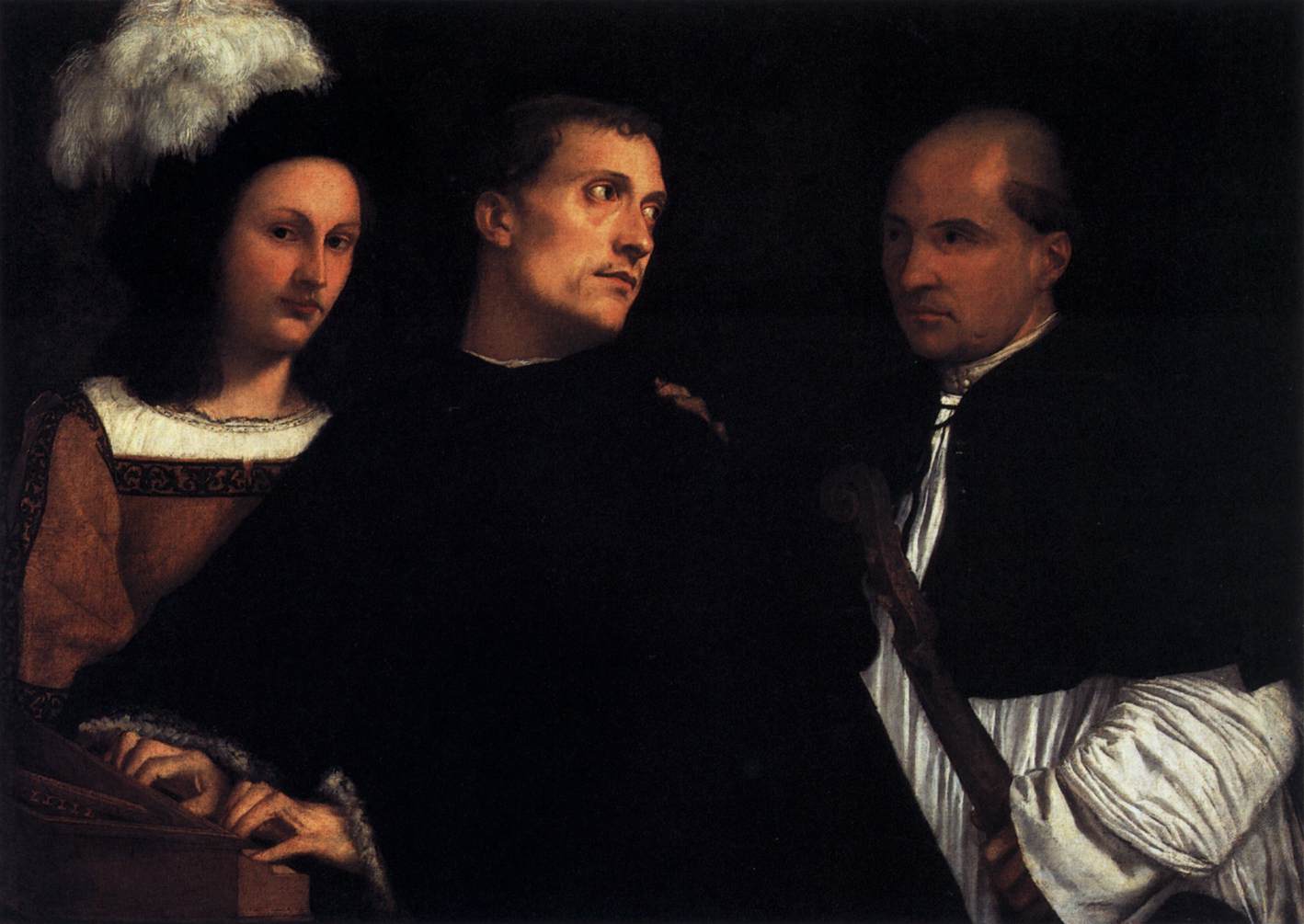
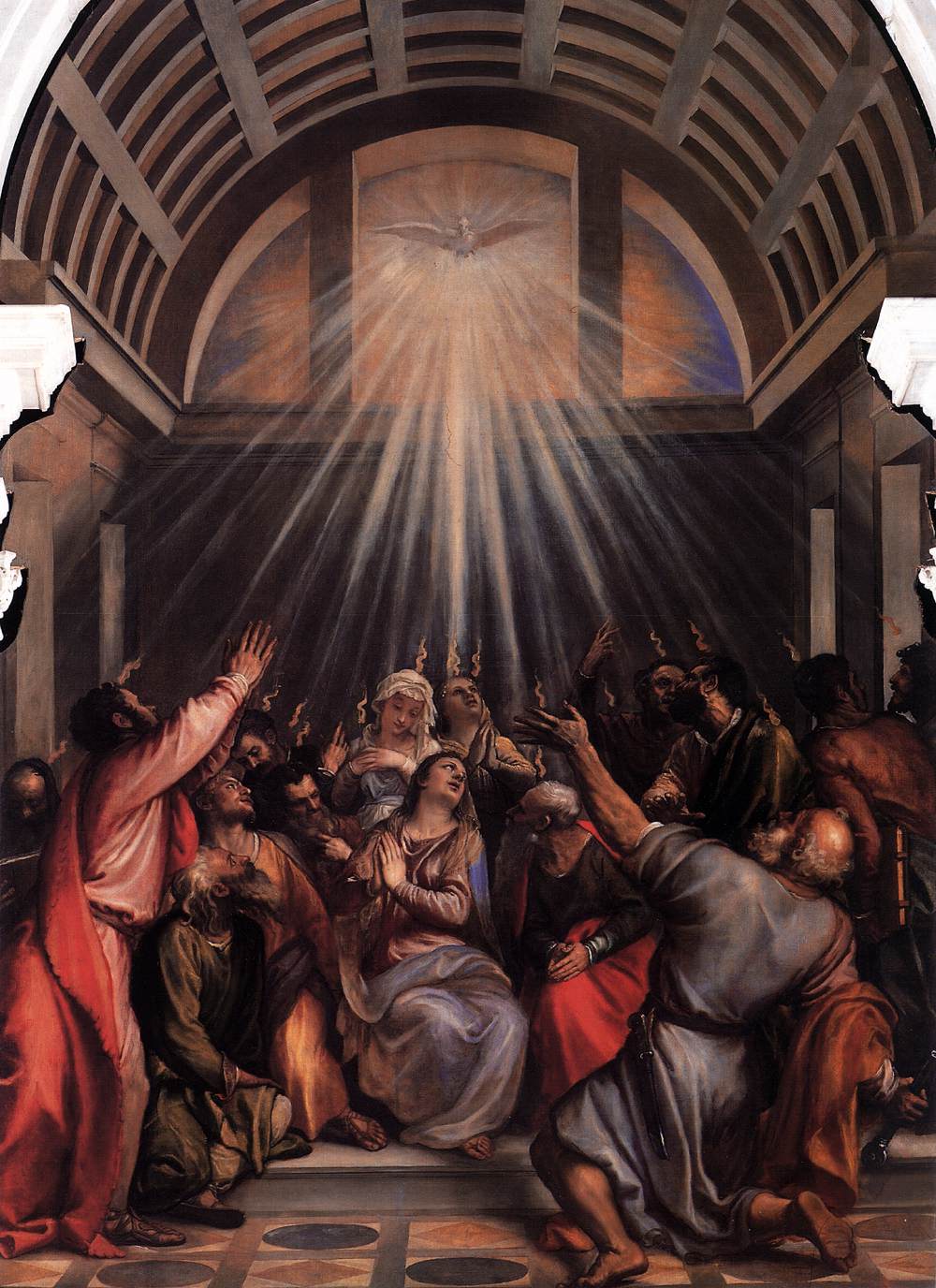
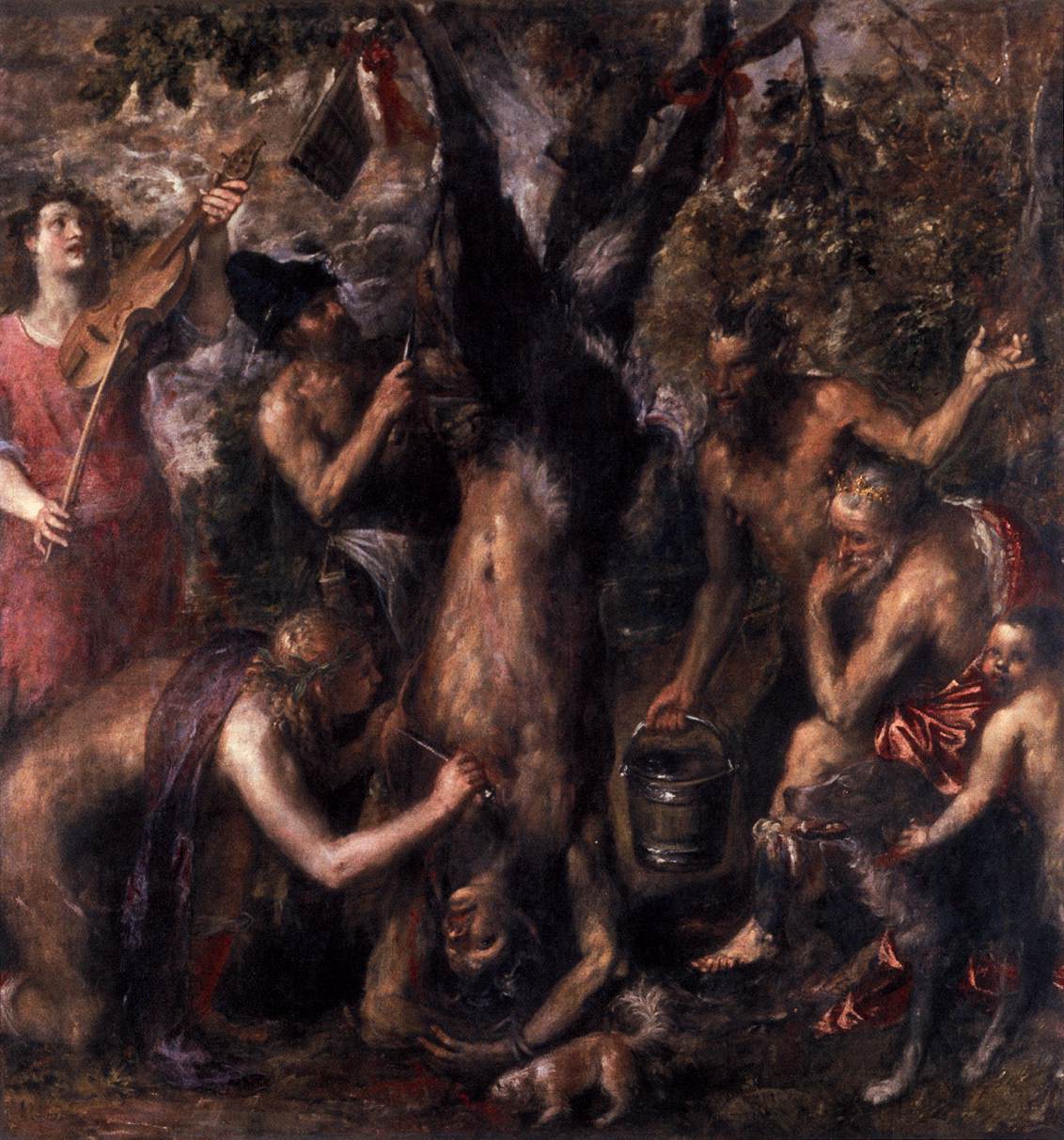
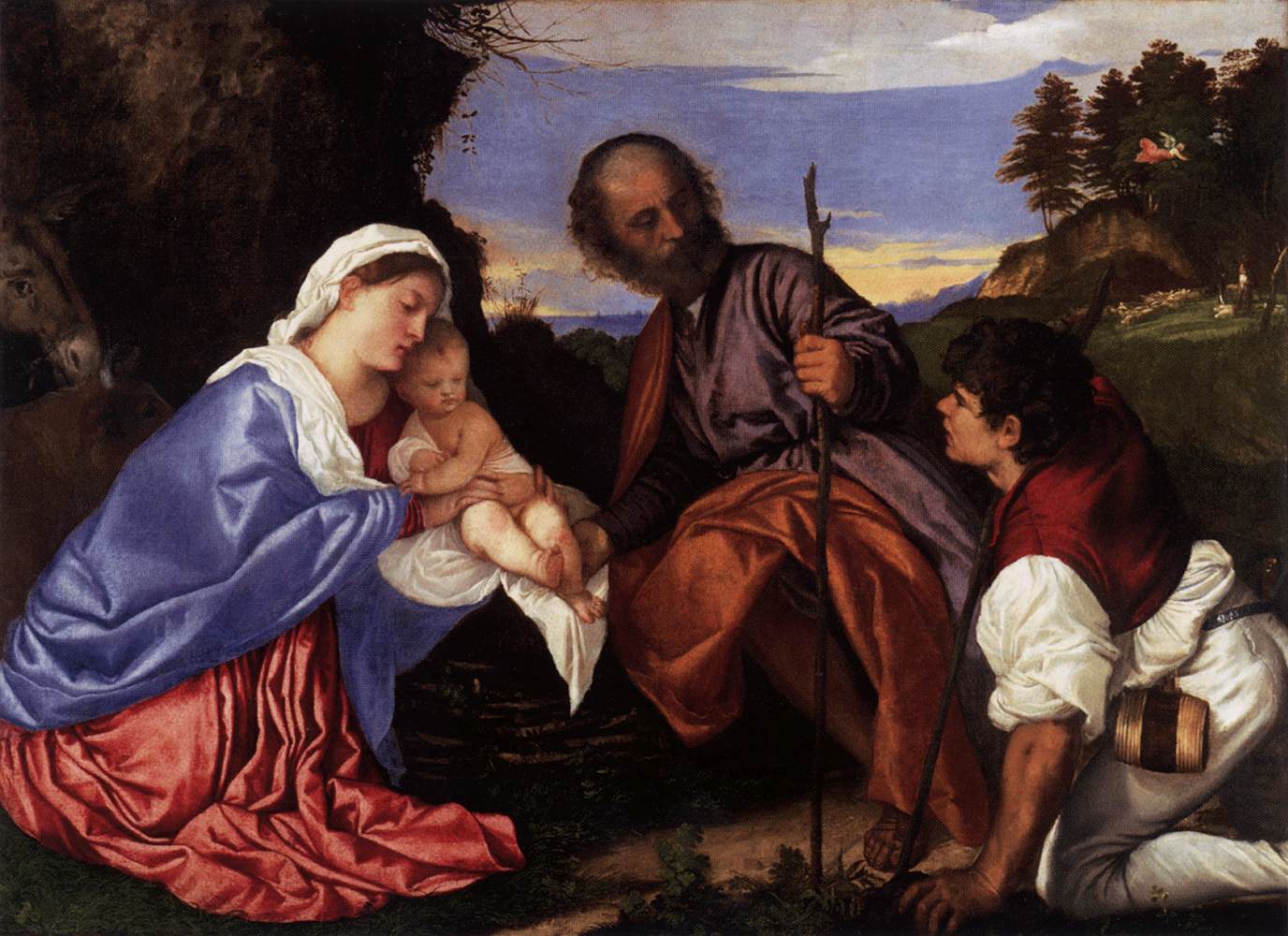
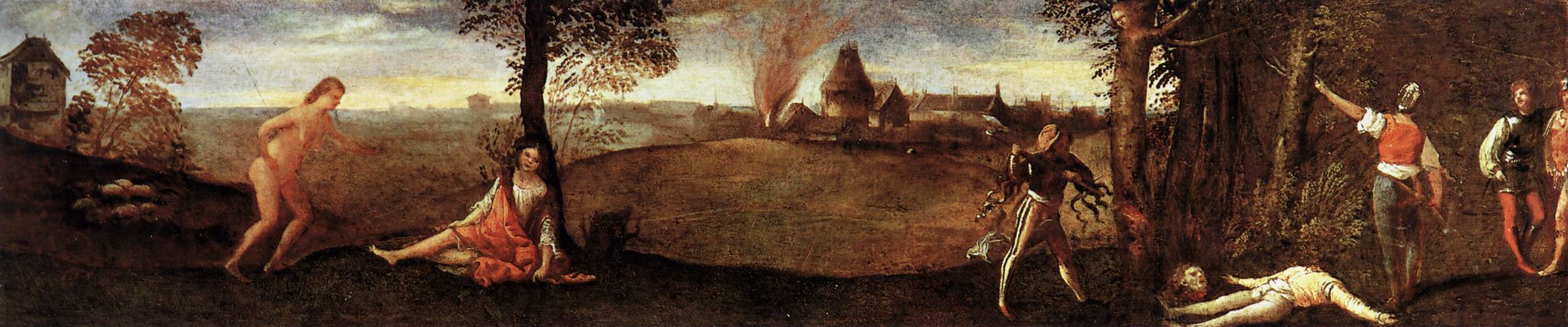
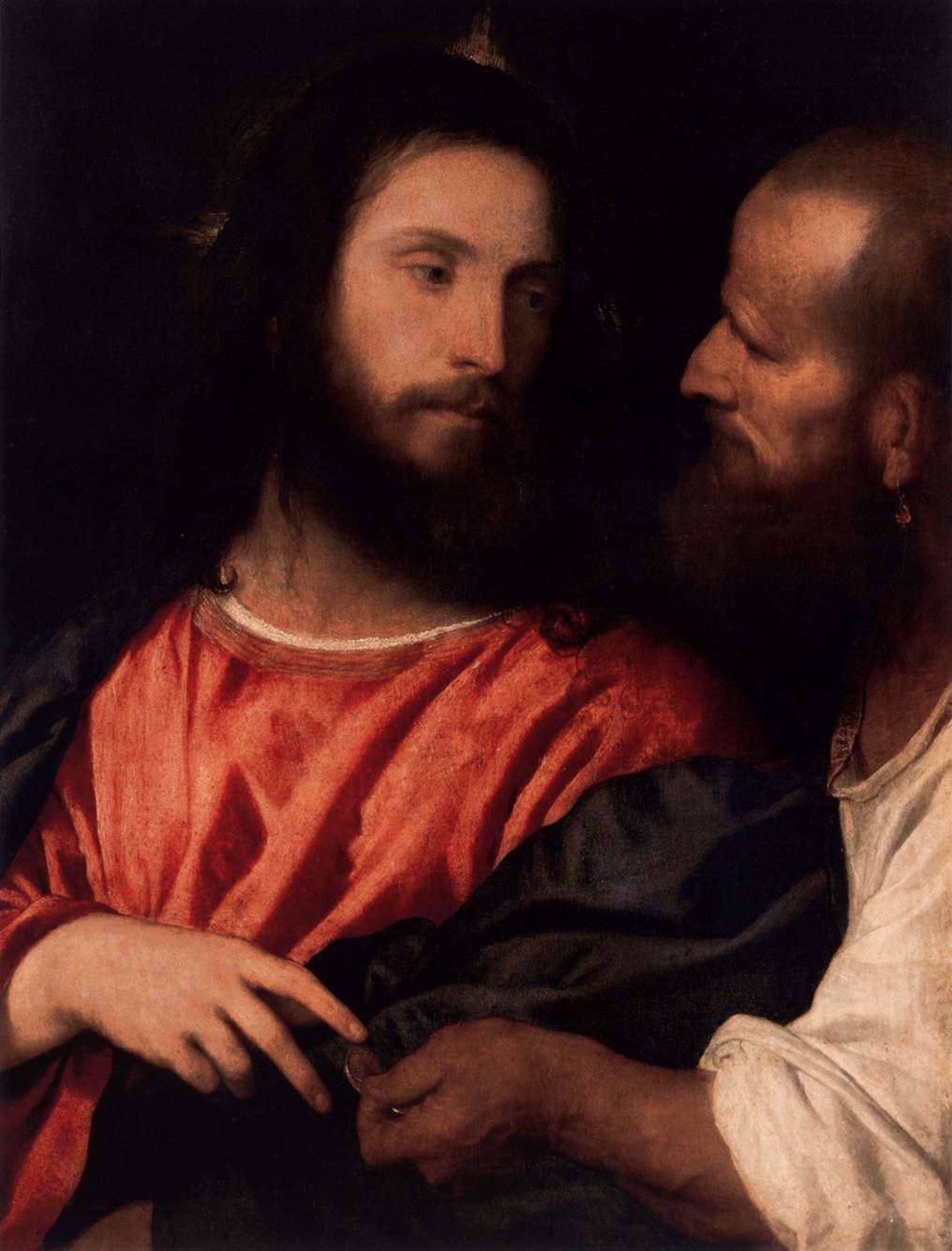
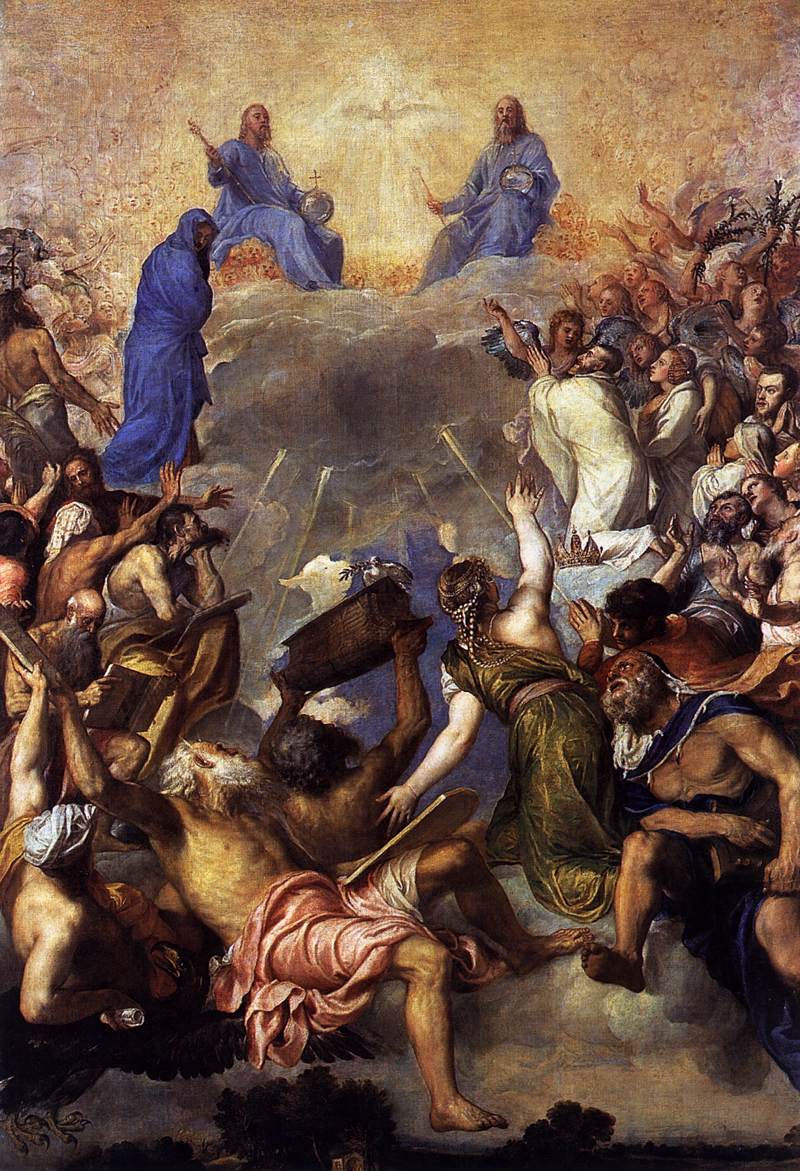
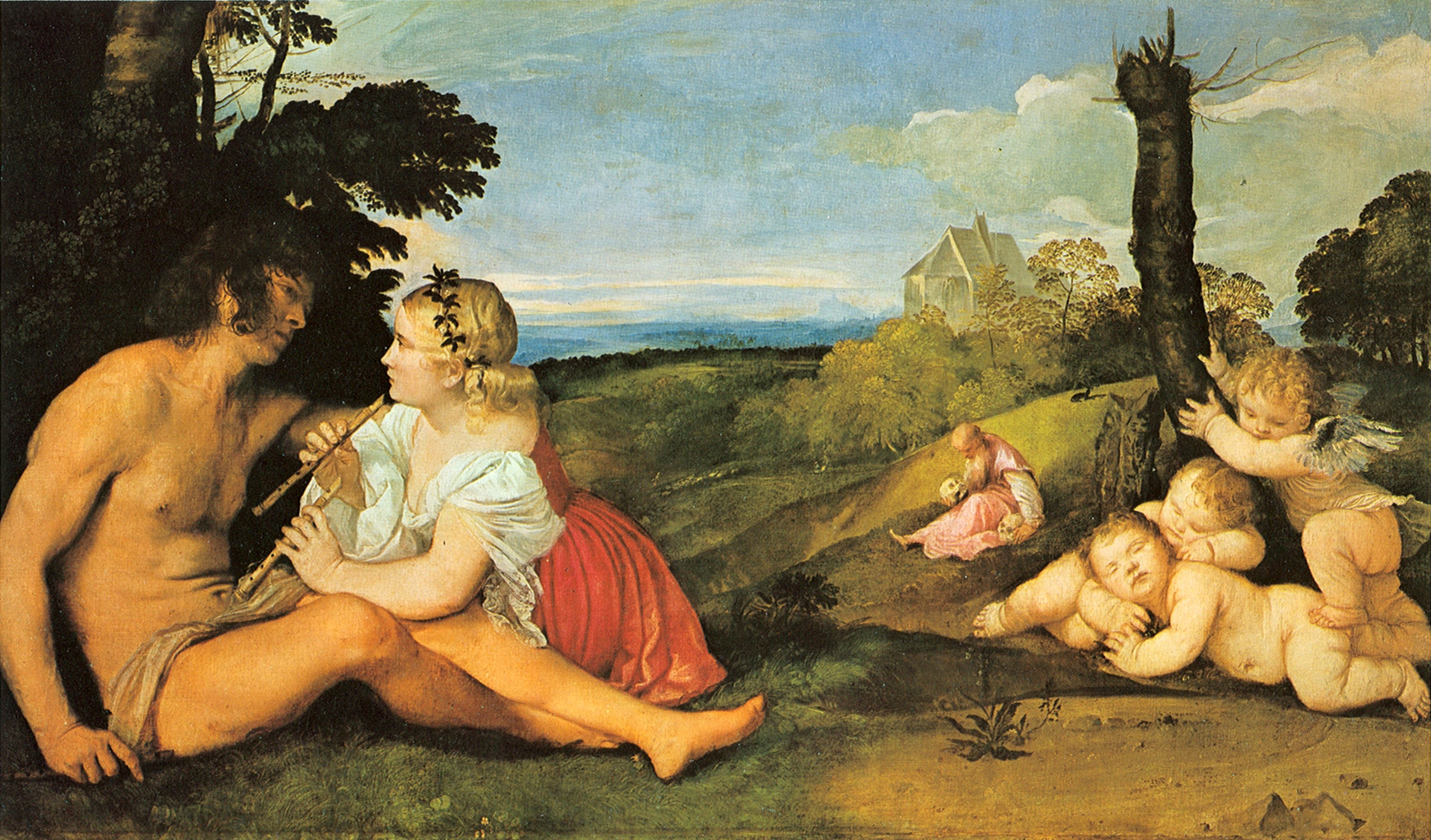
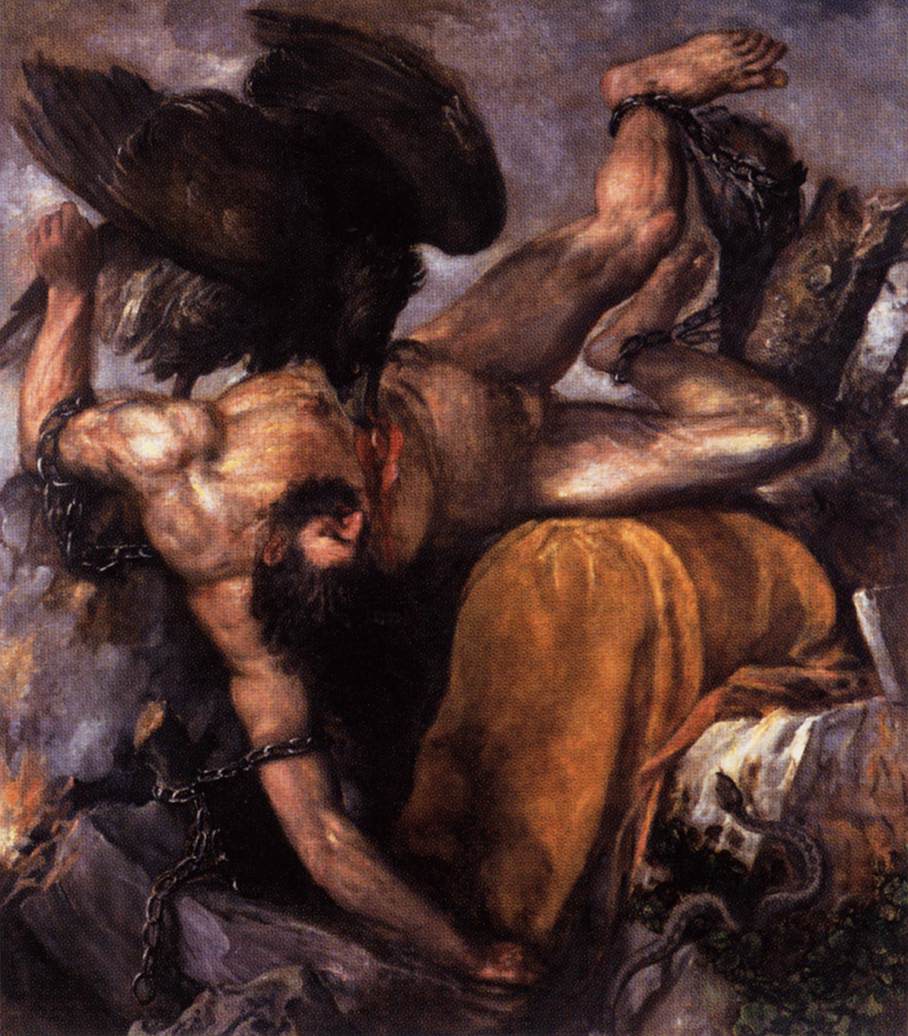
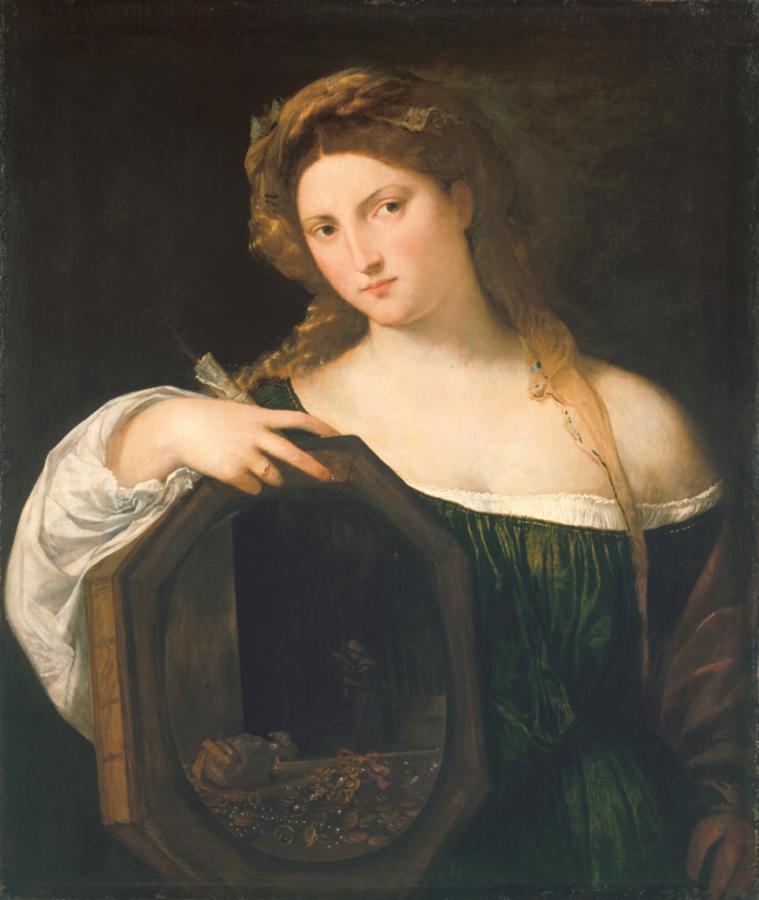
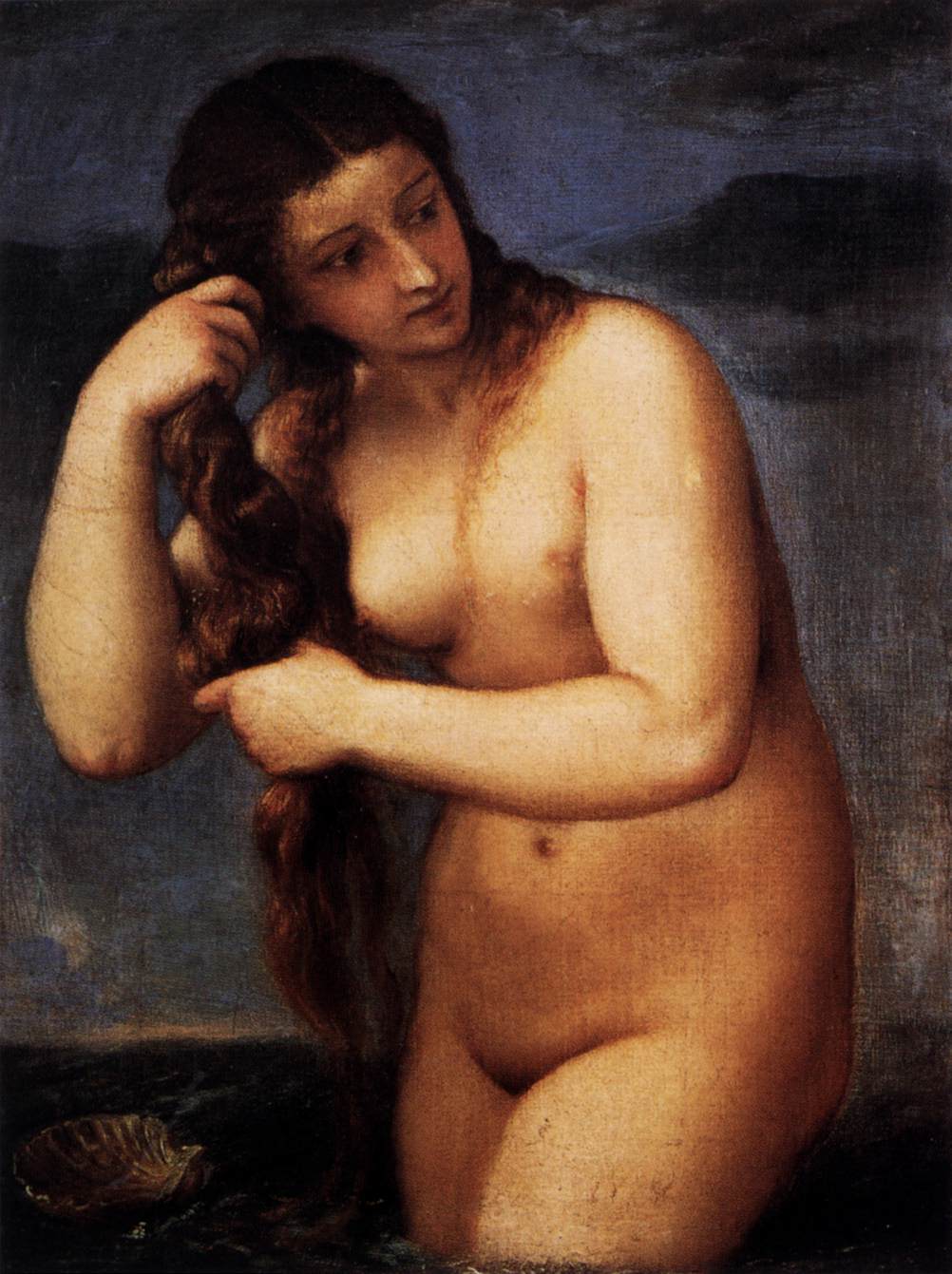
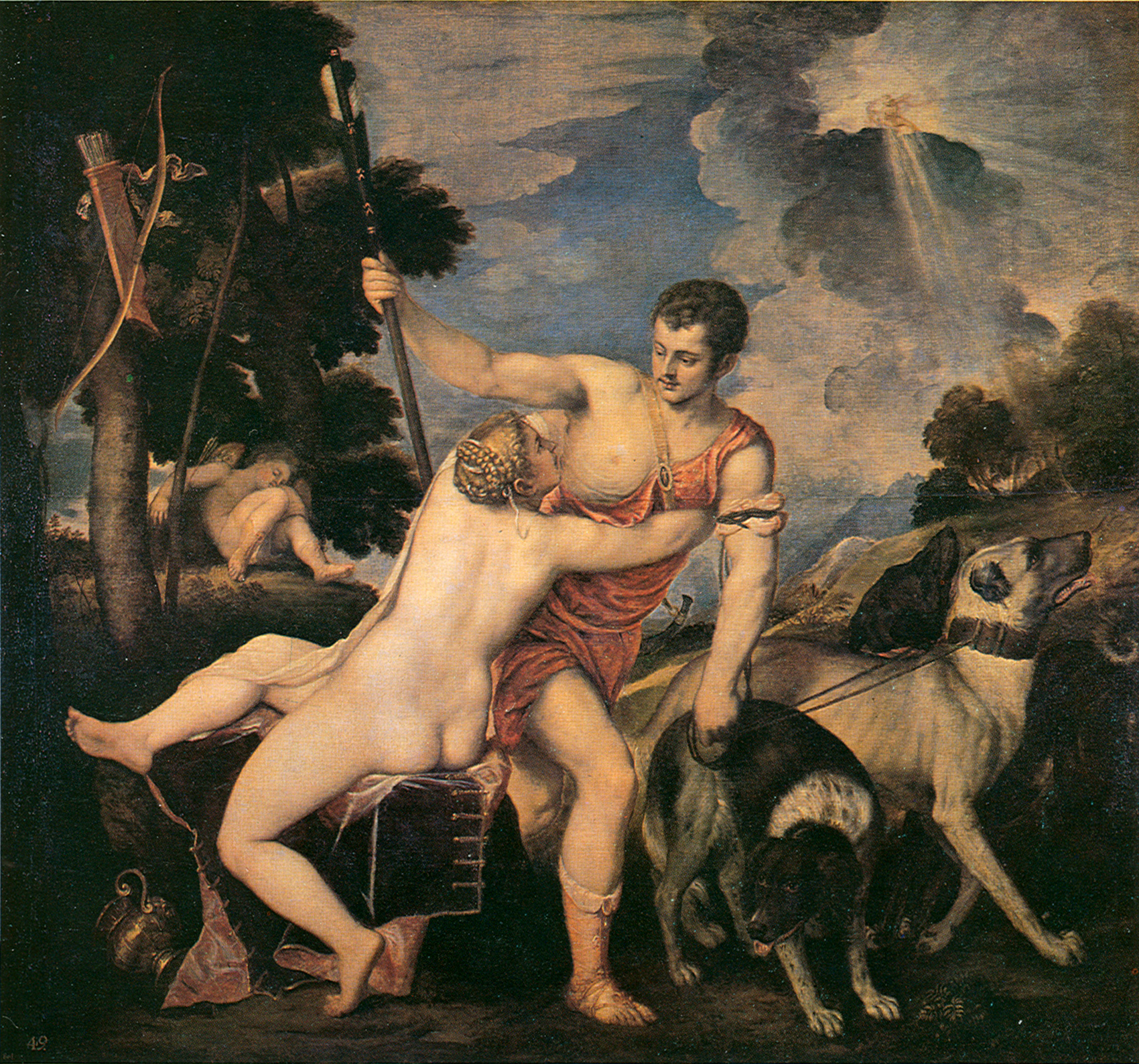
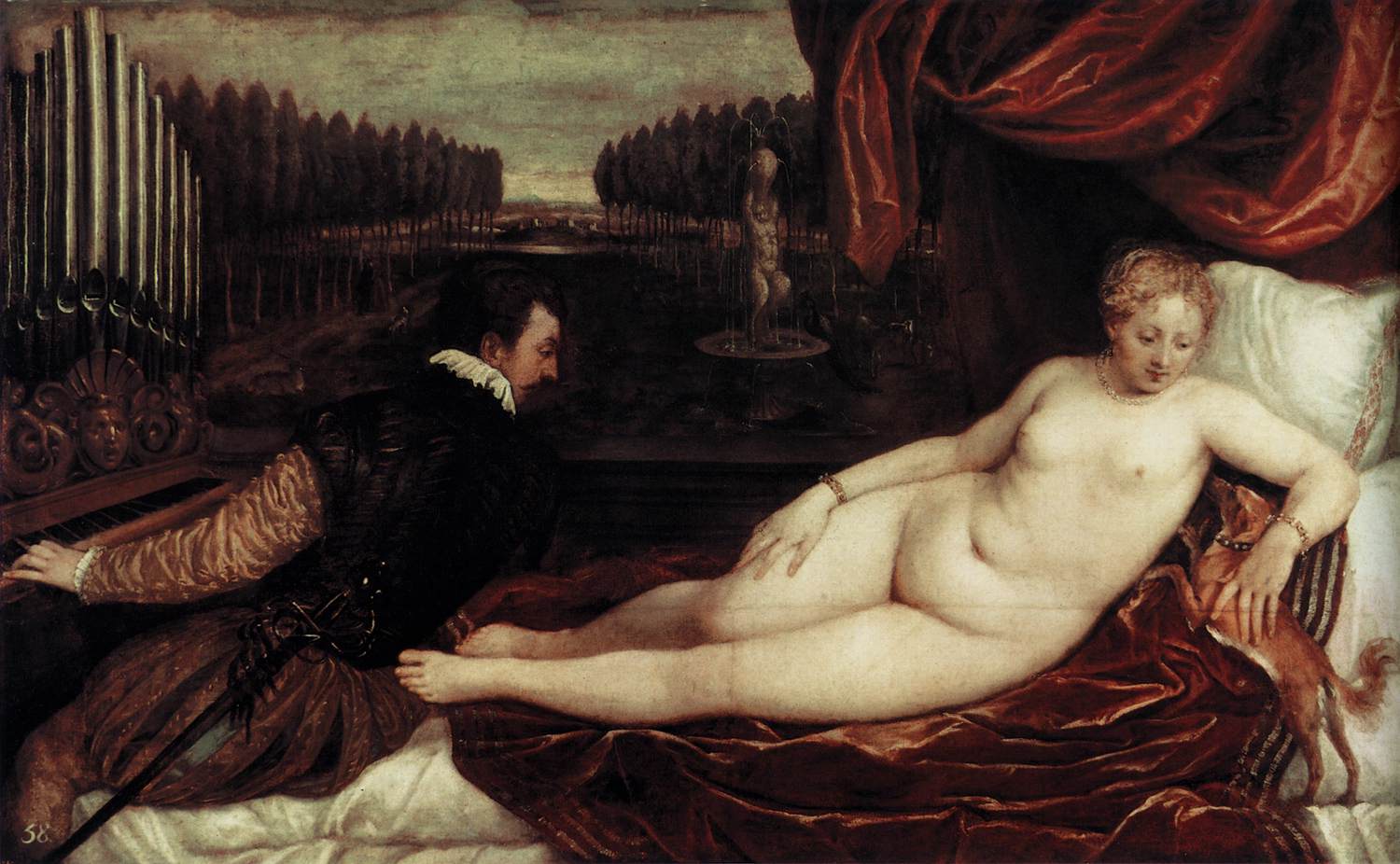
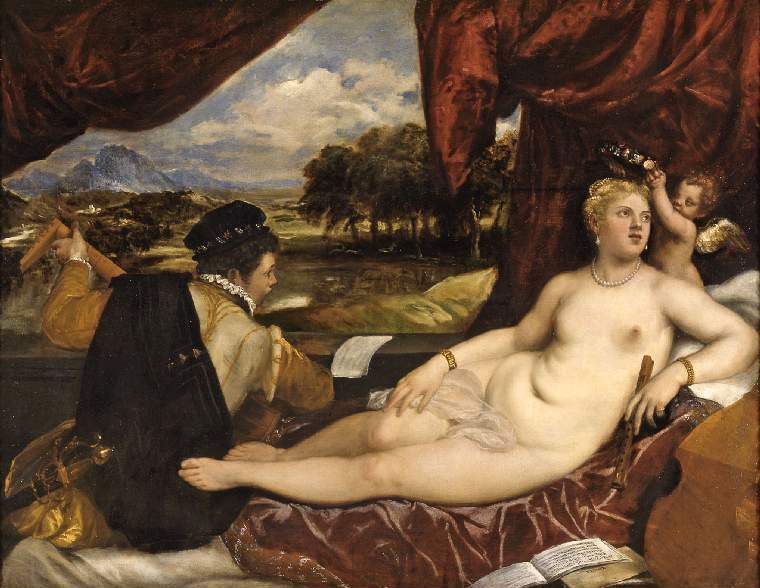
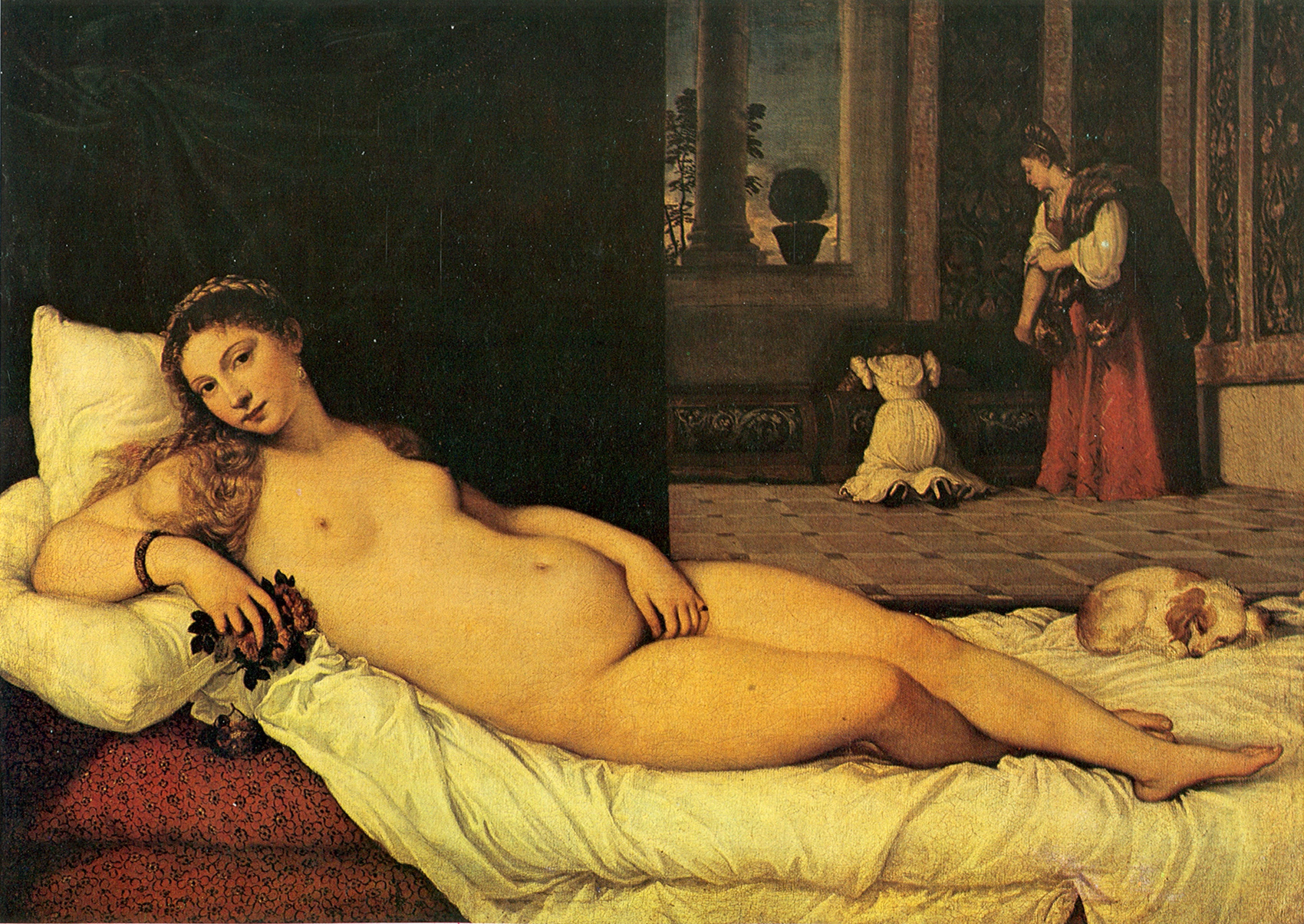
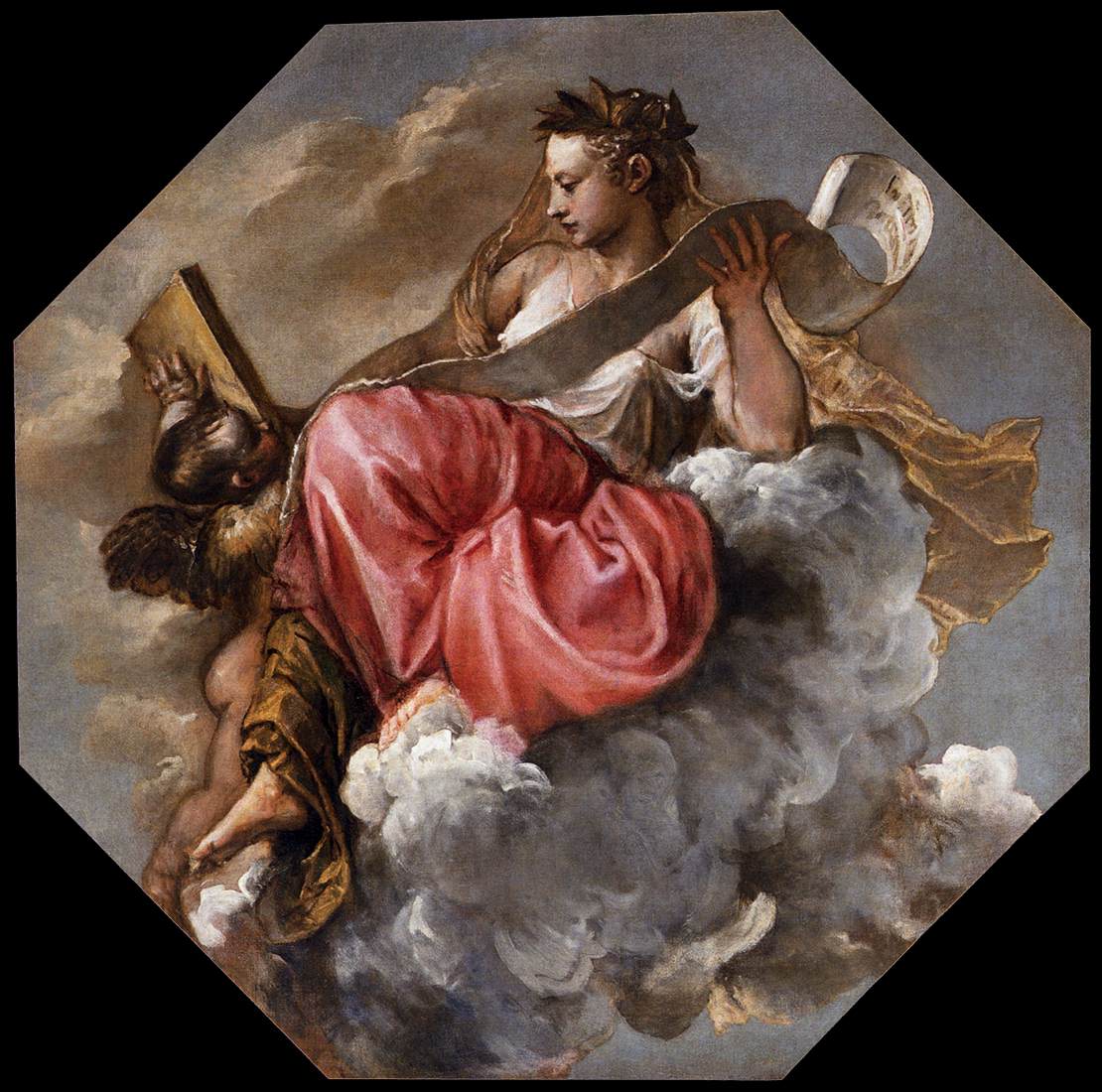
Titian was born around 1488 in Pieve di Cadore, in the Venetian Republic, and became one of the greatest painters of the Renaissance. He was trained in Venice and quickly rose to prominence for his innovative use of color and painterly technique. Titian’s work spans religious, mythological, and portrait subjects, all marked by rich tones and expressive brushwork. His approach transformed the role of color in Western painting.
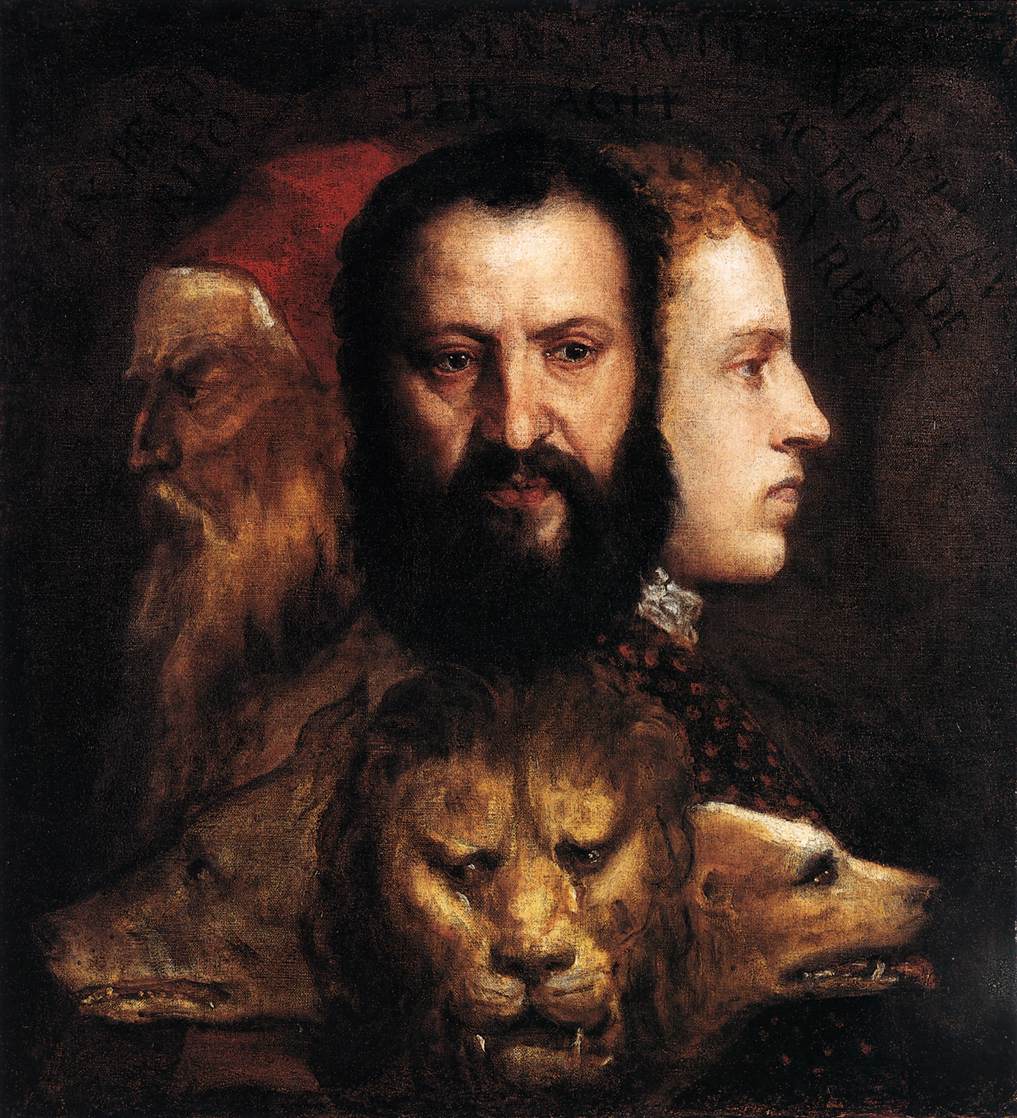
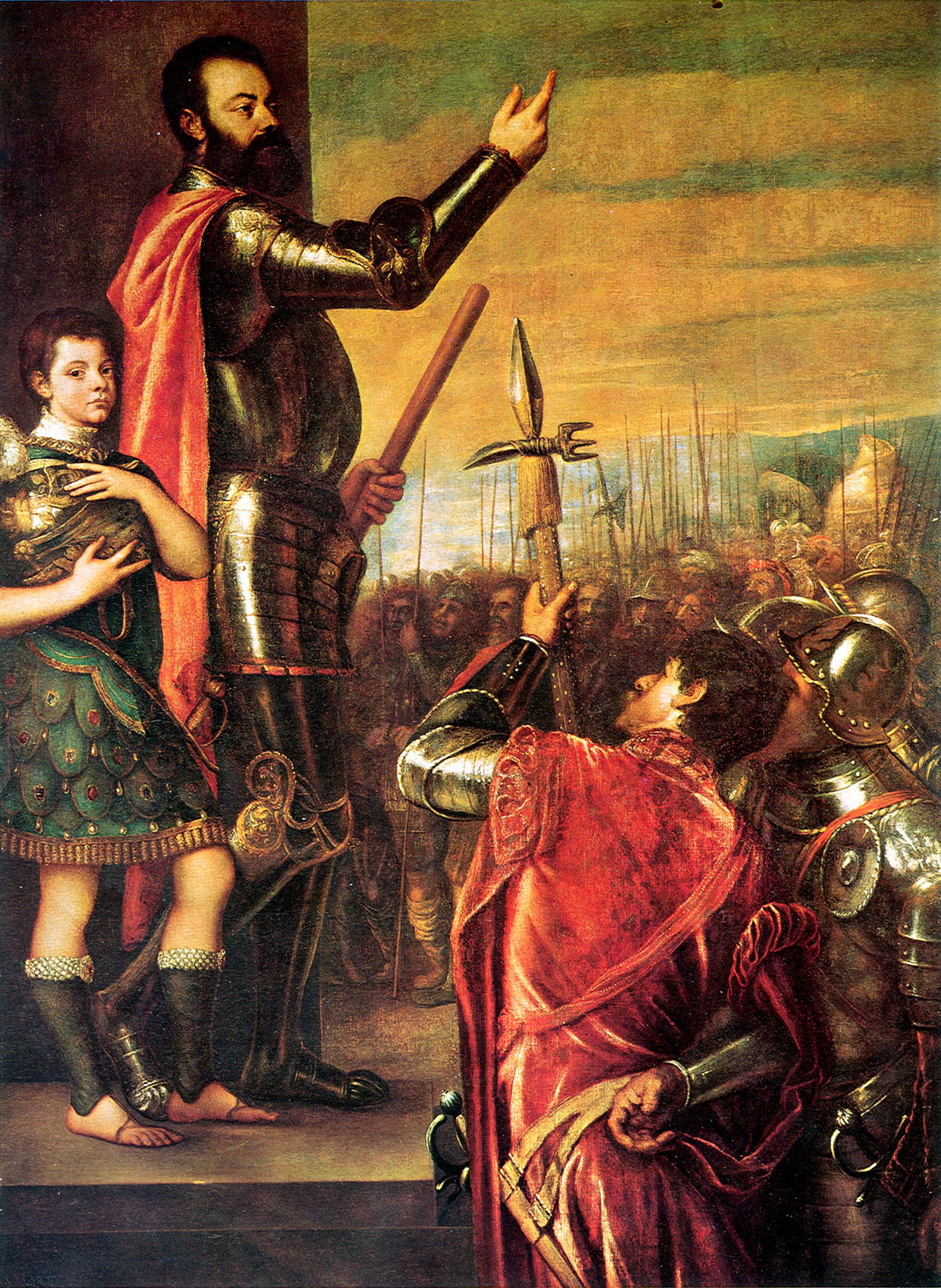
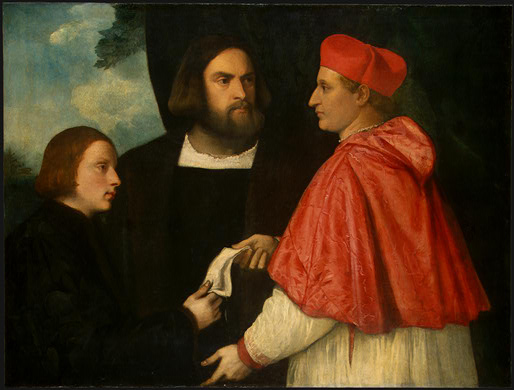
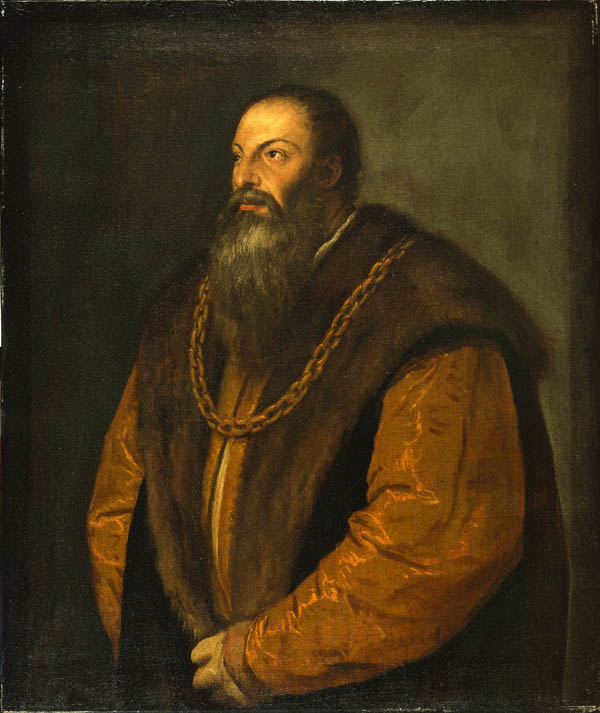
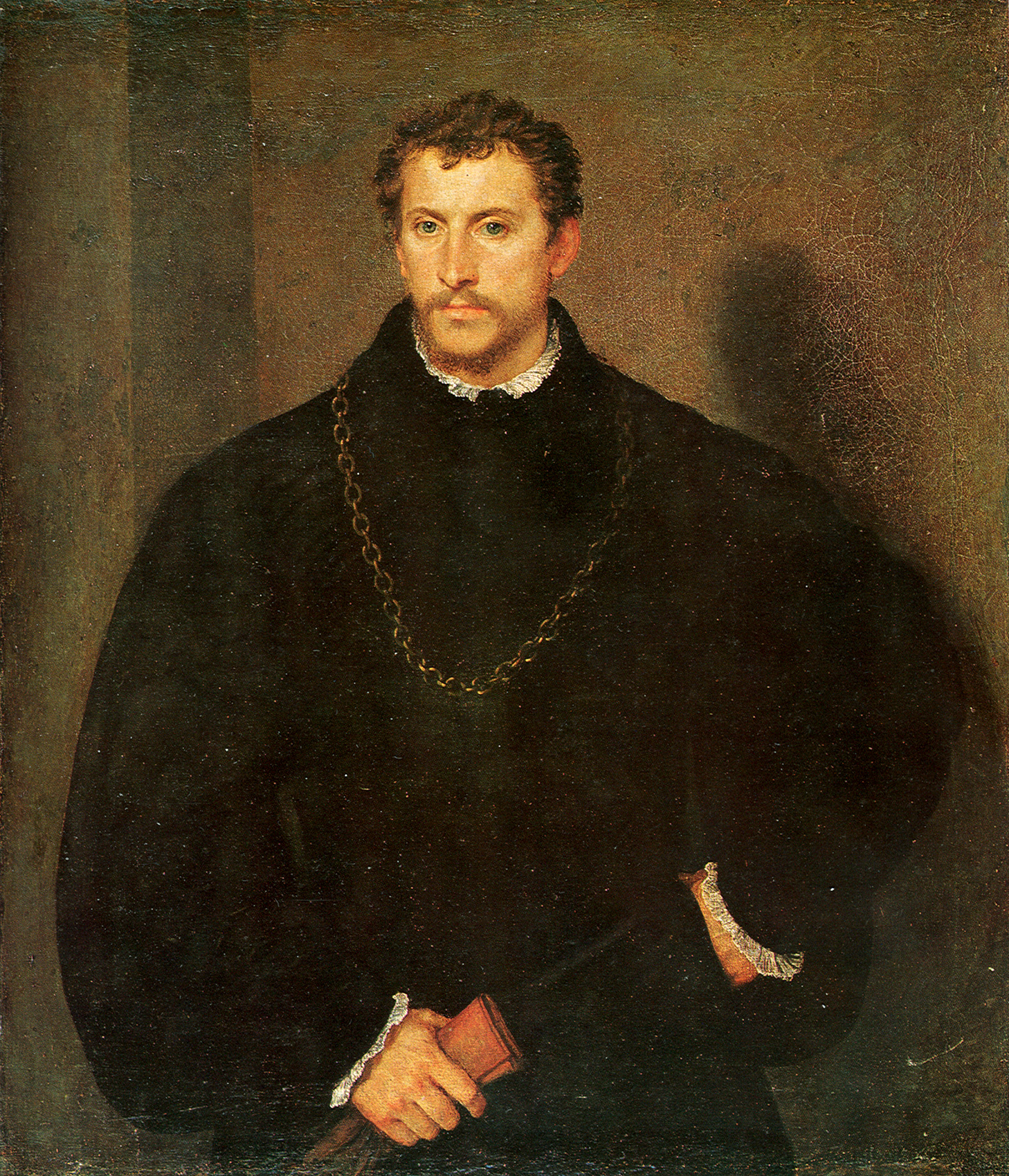
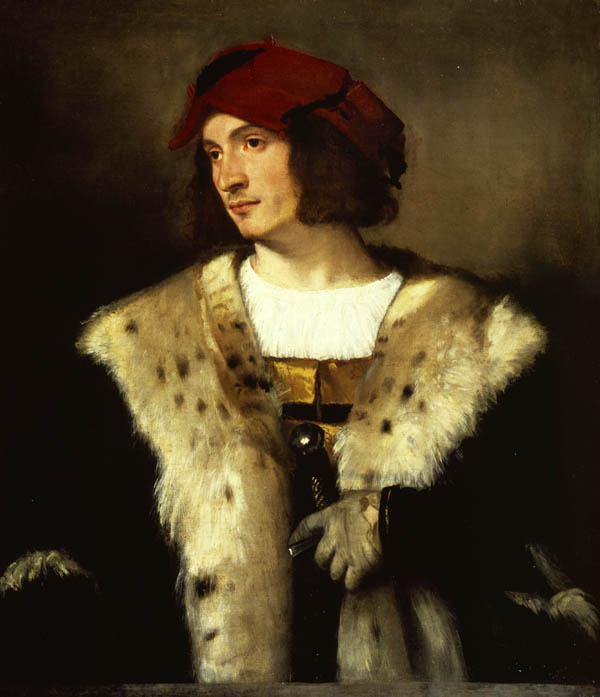
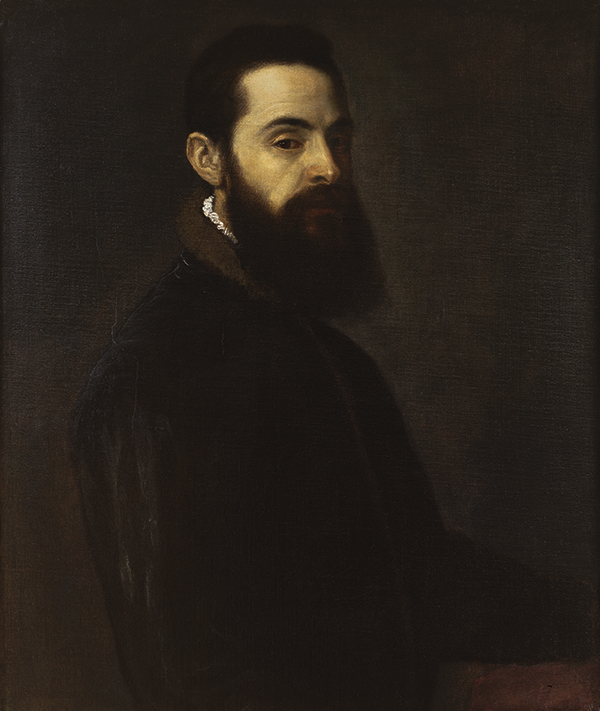
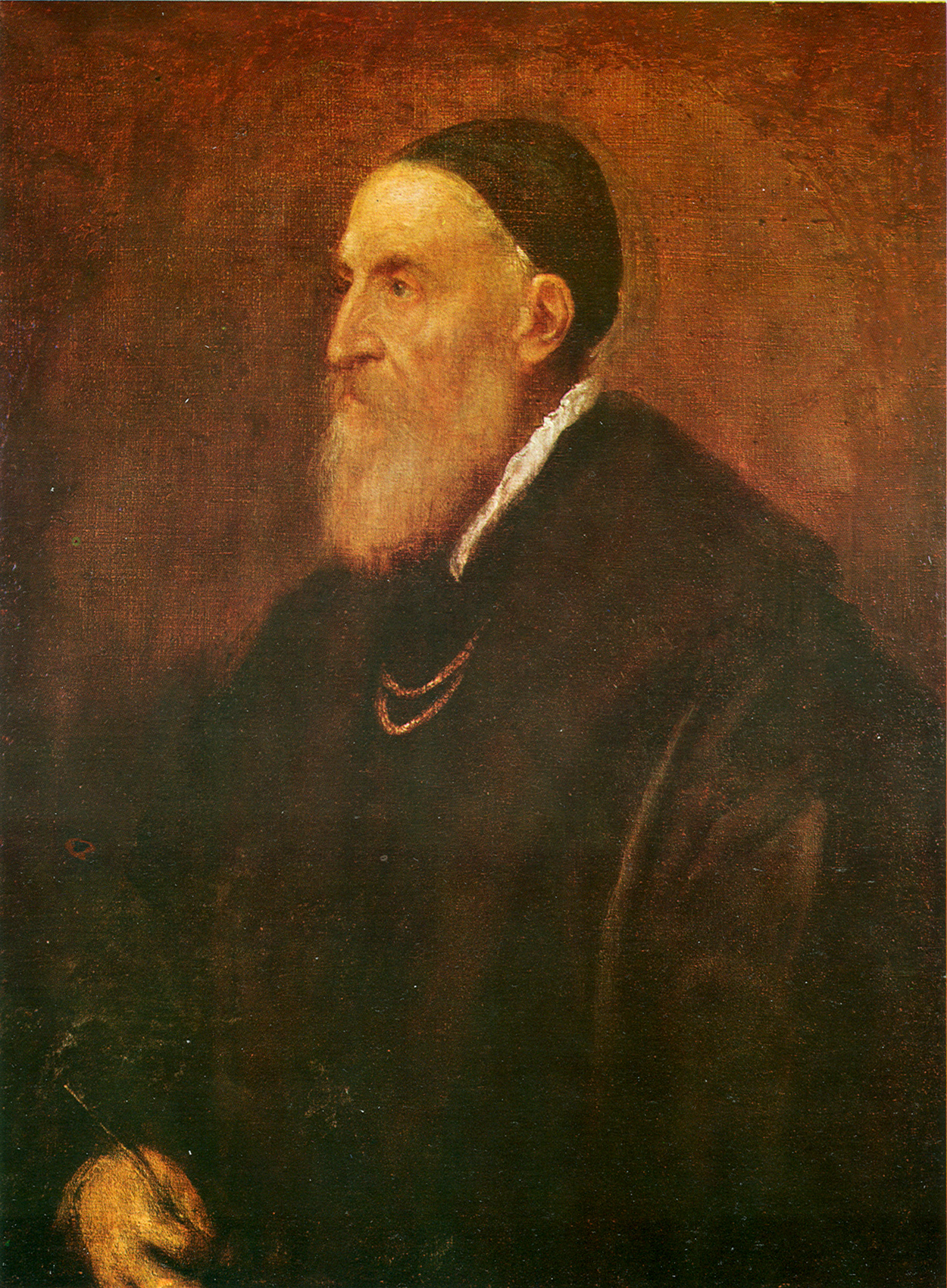
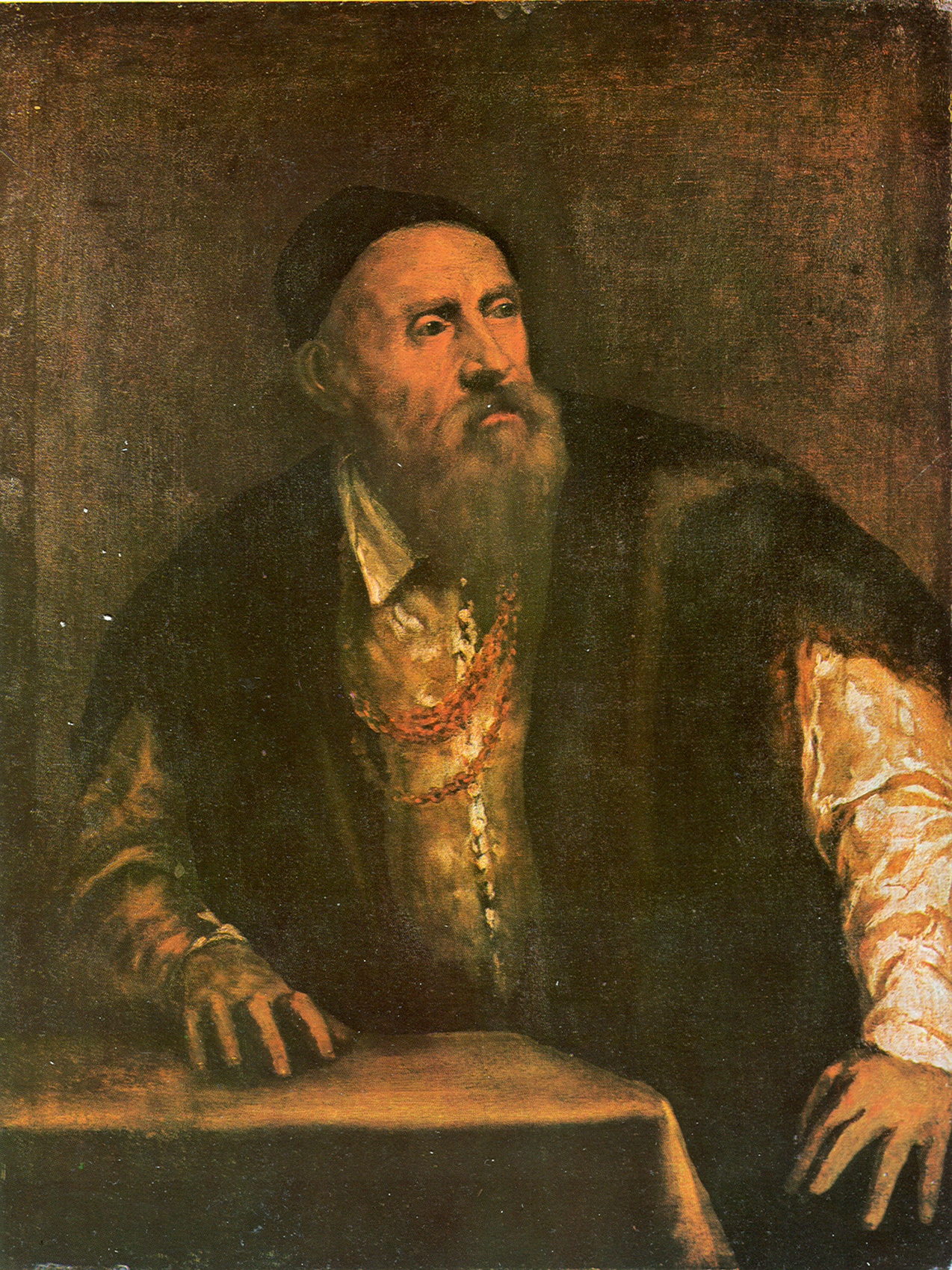
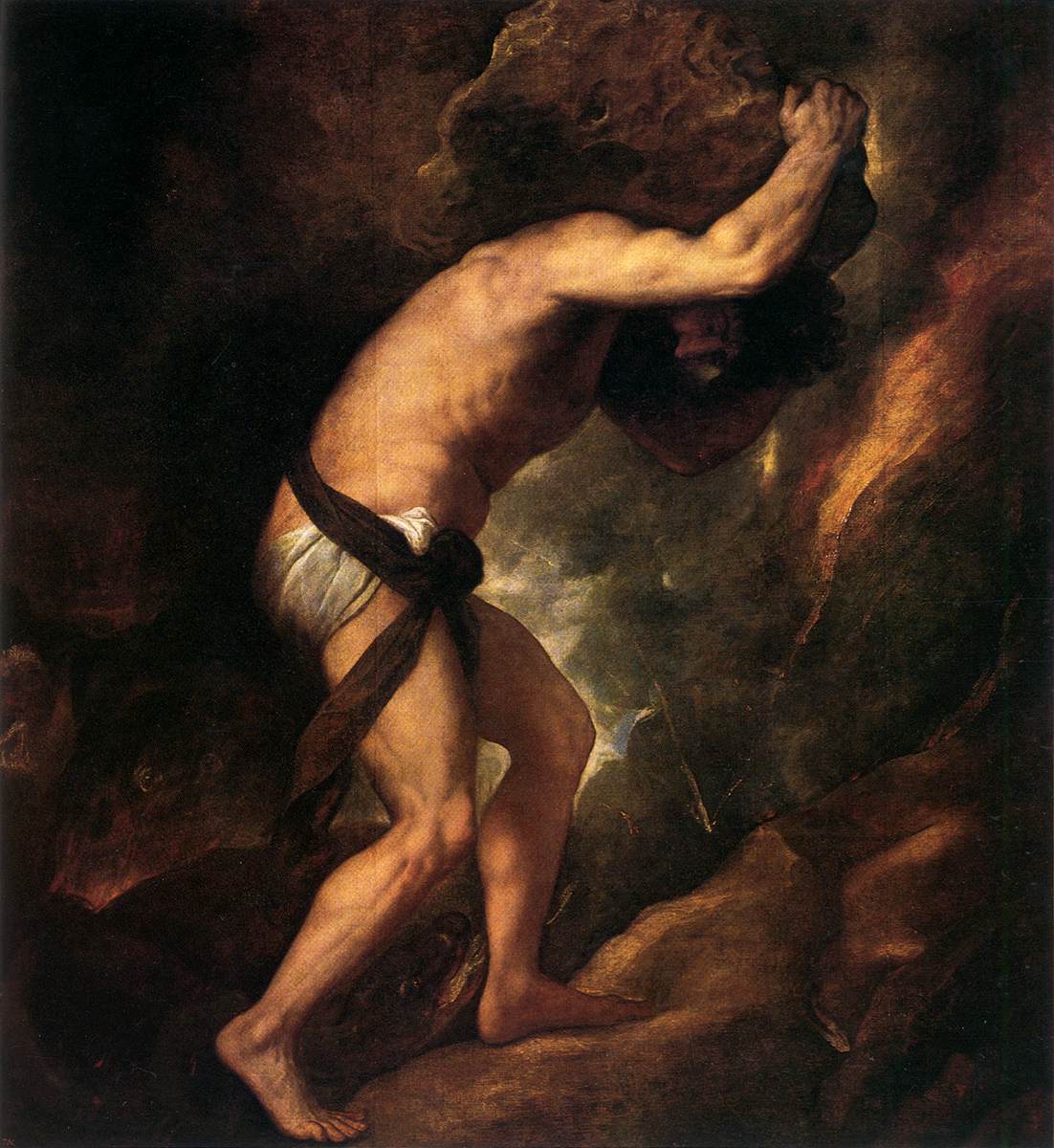
Throughout his long career, Titian worked for powerful patrons, including emperors, kings, and popes. His portraits are renowned for their psychological depth and commanding presence. In later years, his style grew looser and more expressive, influencing future generations of artists. Titian remained active almost until his death. He died in 1576 during a plague in Venice. His legacy endures as a cornerstone of Venetian painting and Renaissance art as a whole.