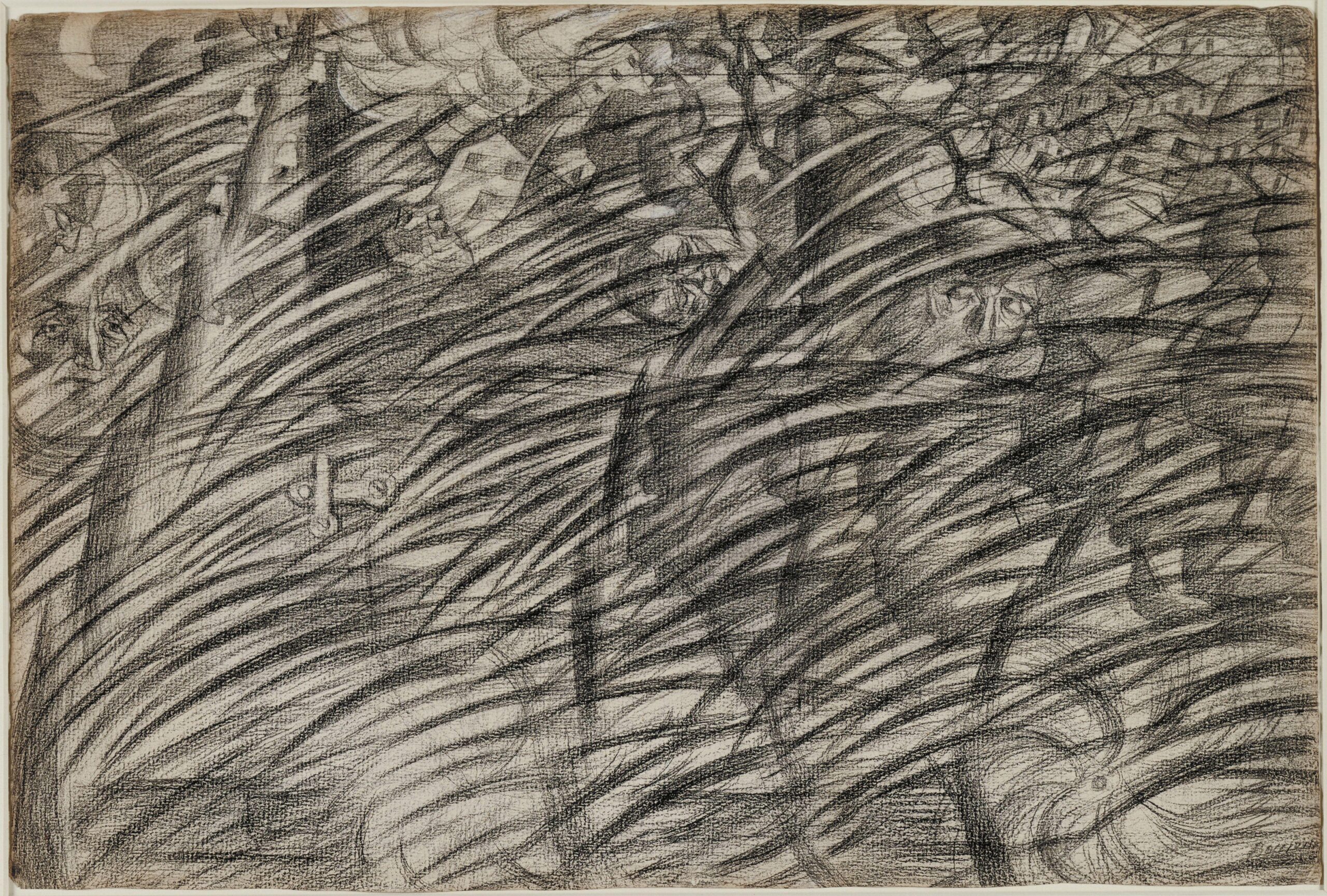
Umberto Boccioni
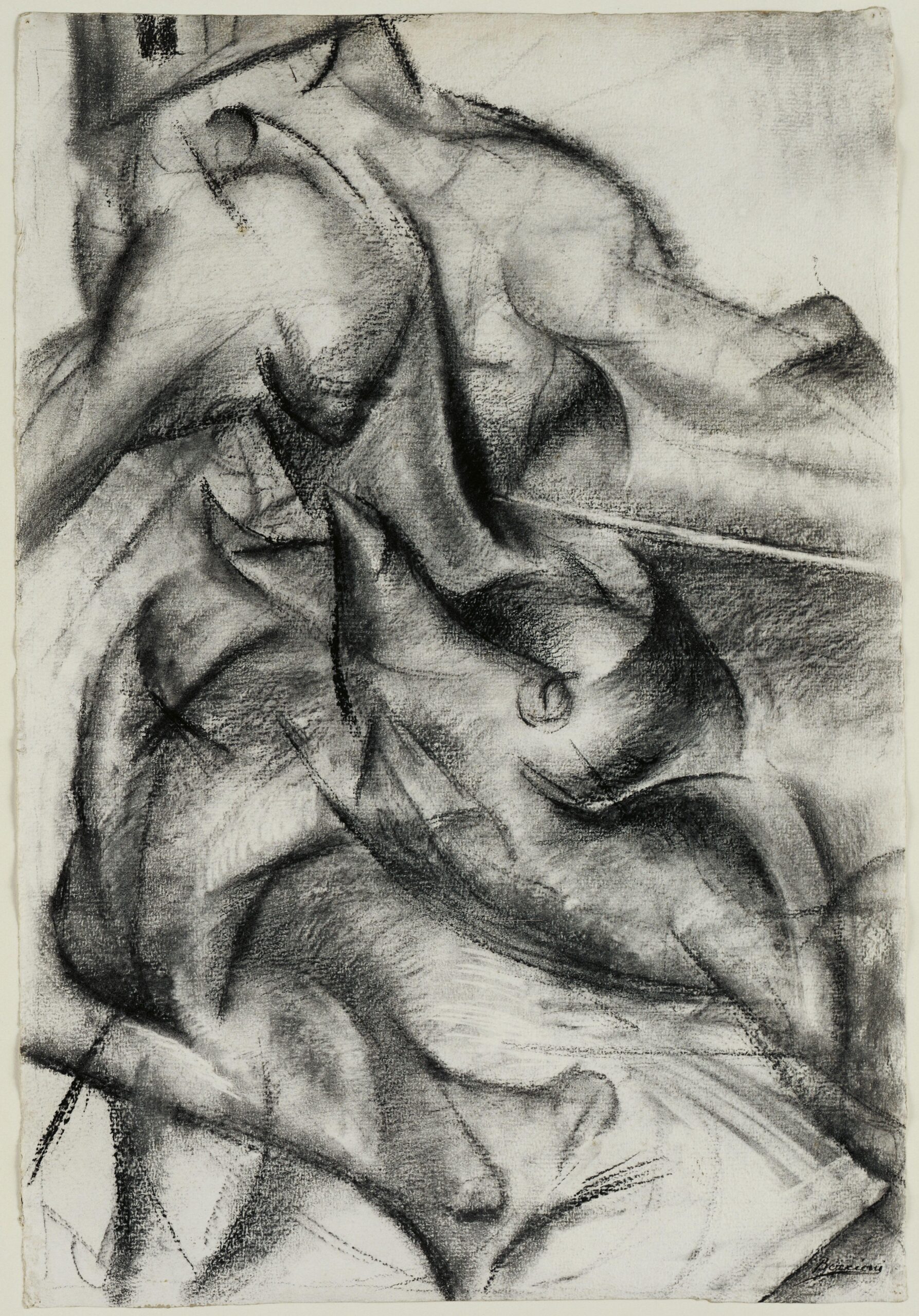
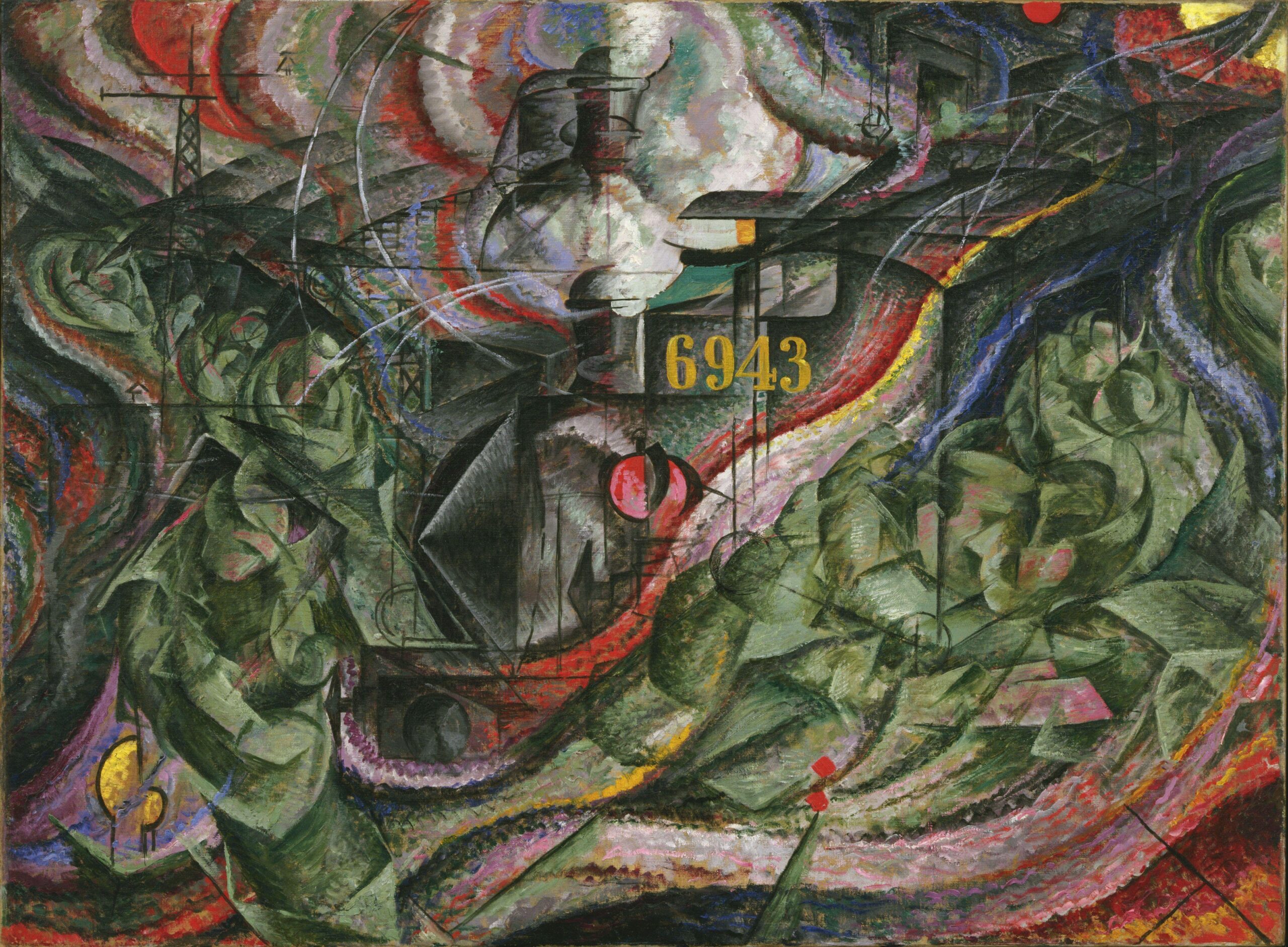
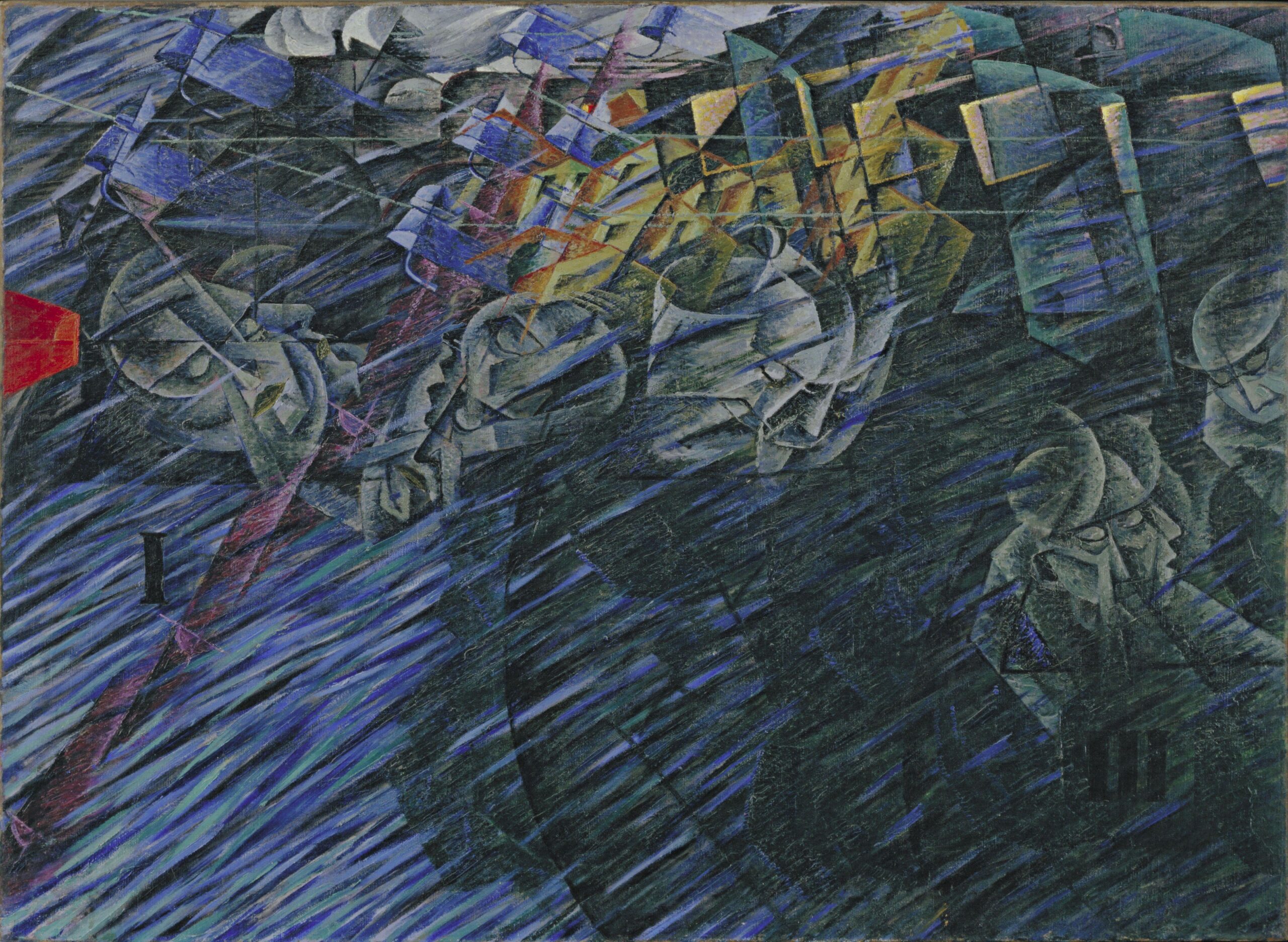
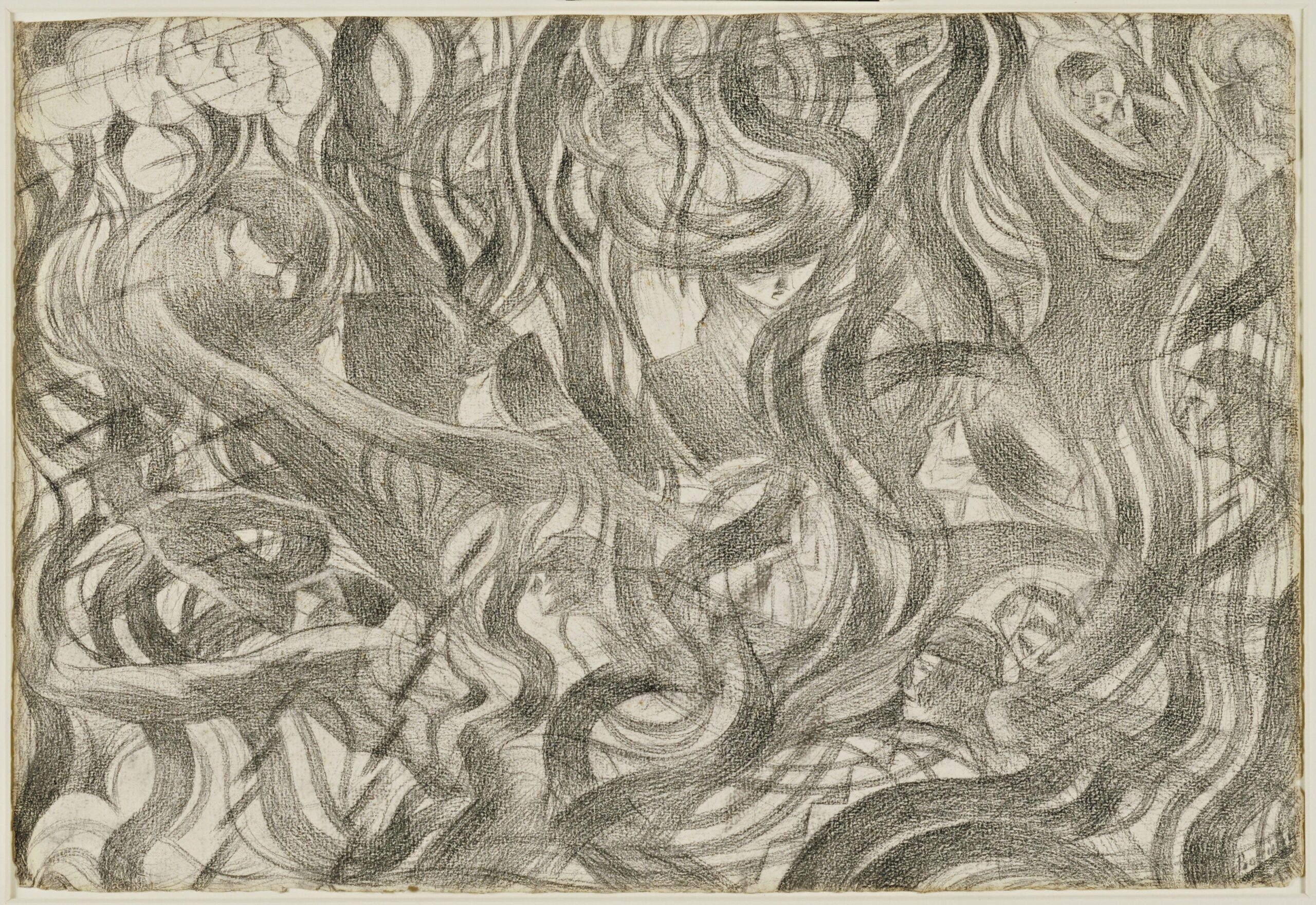
Umberto Boccioni was born in 1882 in Reggio Calabria, Italy, and became one of the leading figures of the Futurist movement. He sought to capture the energy, speed, and dynamism of the modern world. Influenced by Divisionism and Cubism, Boccioni developed a bold visual language focused on movement and transformation. His work aimed to break away from traditional representation and embrace modern life.
Boccioni worked across painting, sculpture, and writing, helping to define Futurism’s artistic principles. His sculptures, in particular, explore the fusion of form and motion in space. He believed art should reflect the vitality of industry, technology, and urban experience. Despite his growing influence, his career was cut short. Boccioni died in 1916 following a military accident. His innovative ideas left a lasting impact on modern art and avant-garde experimentation.