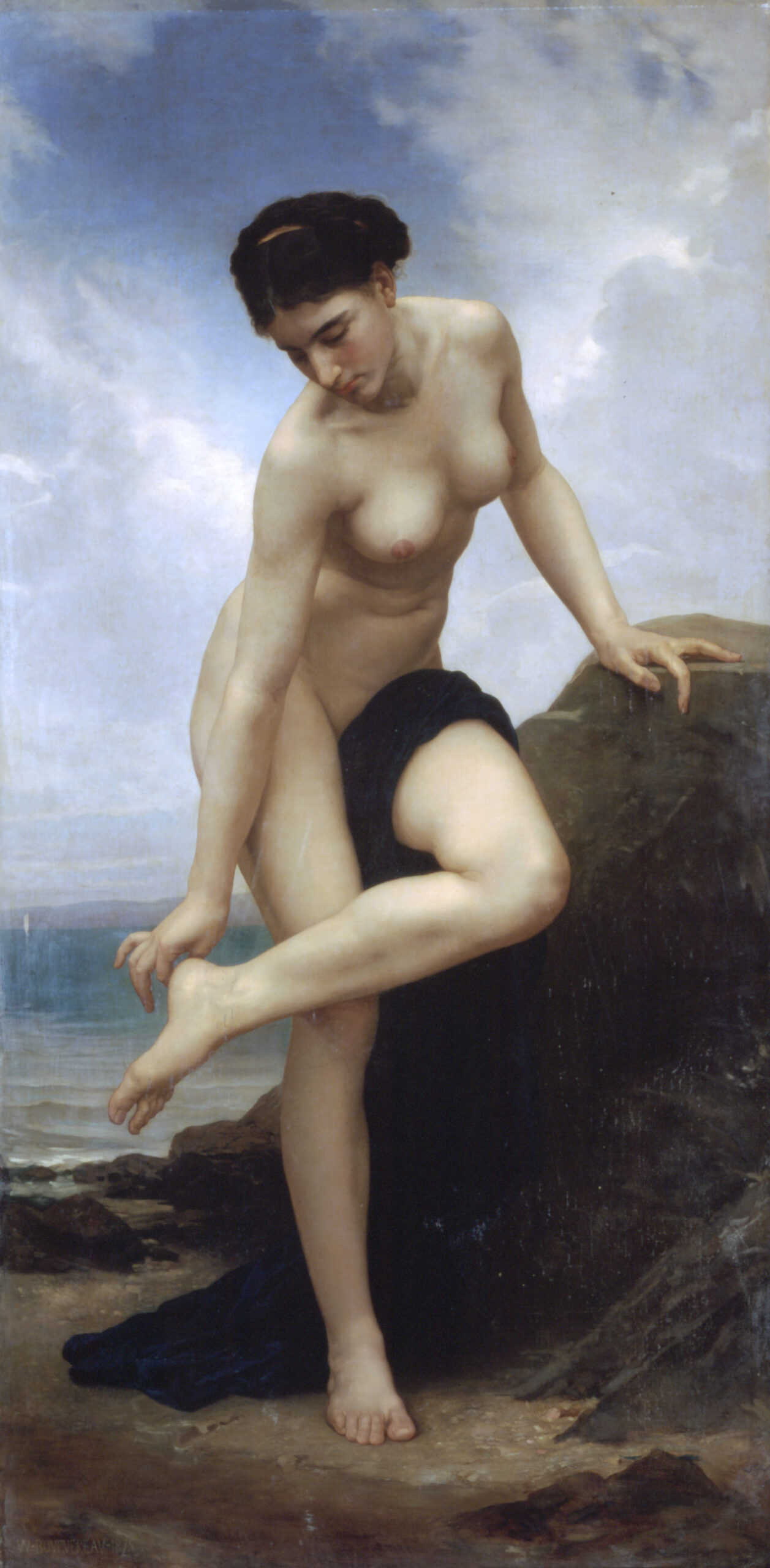
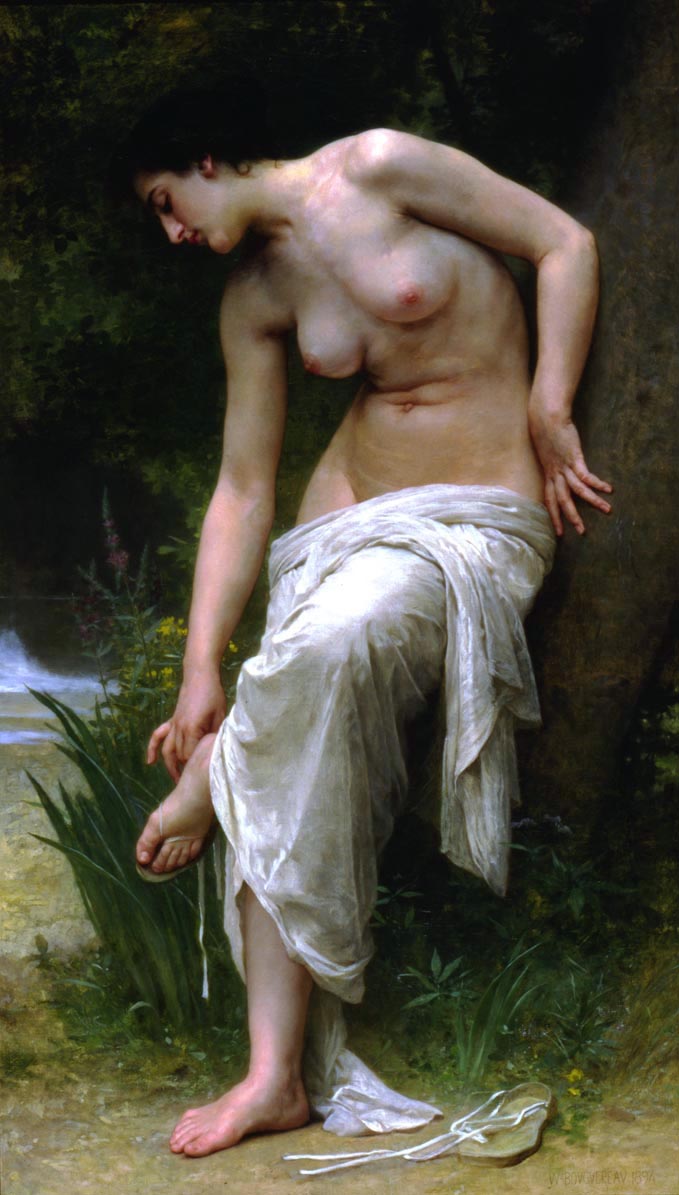
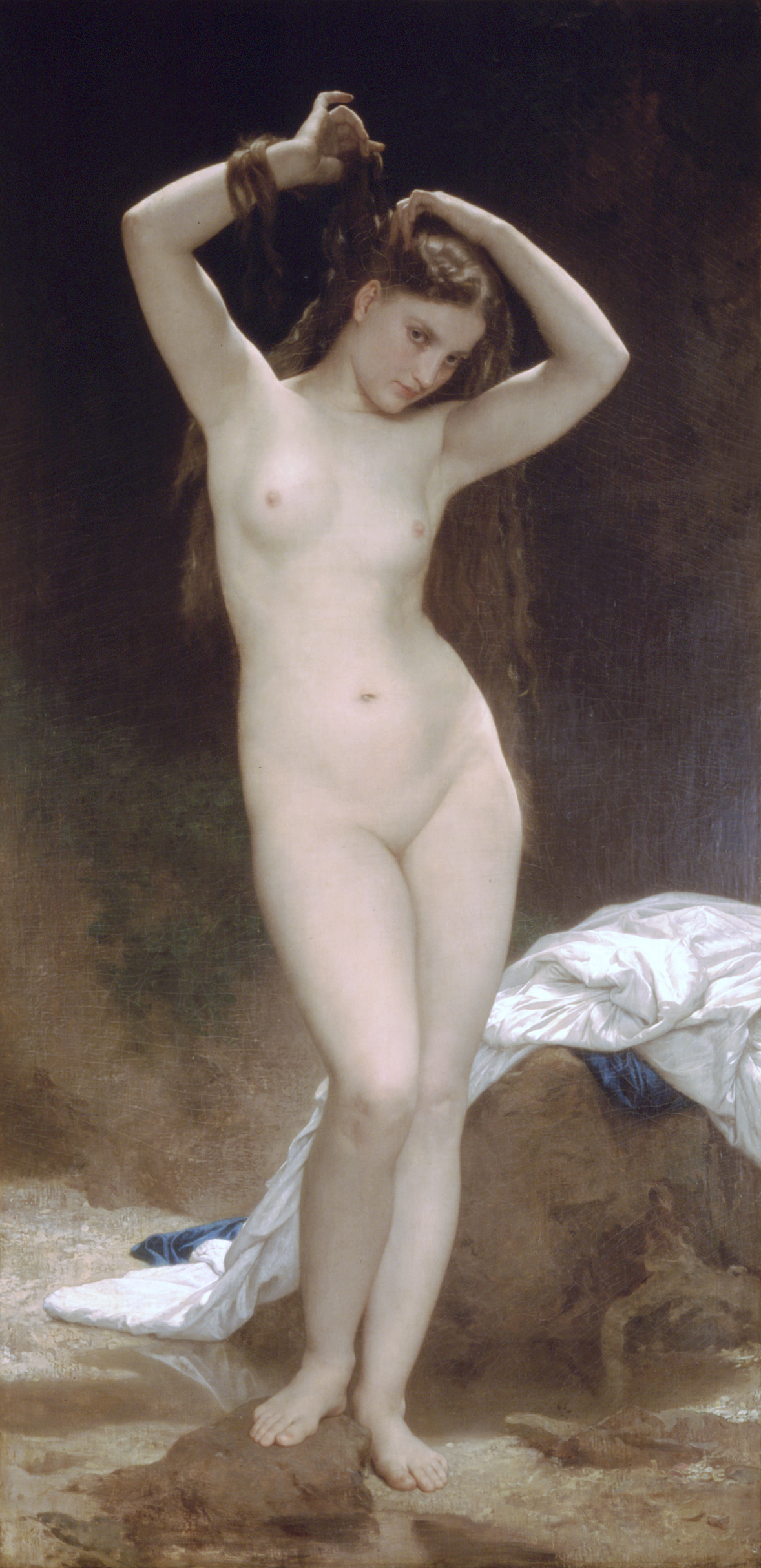
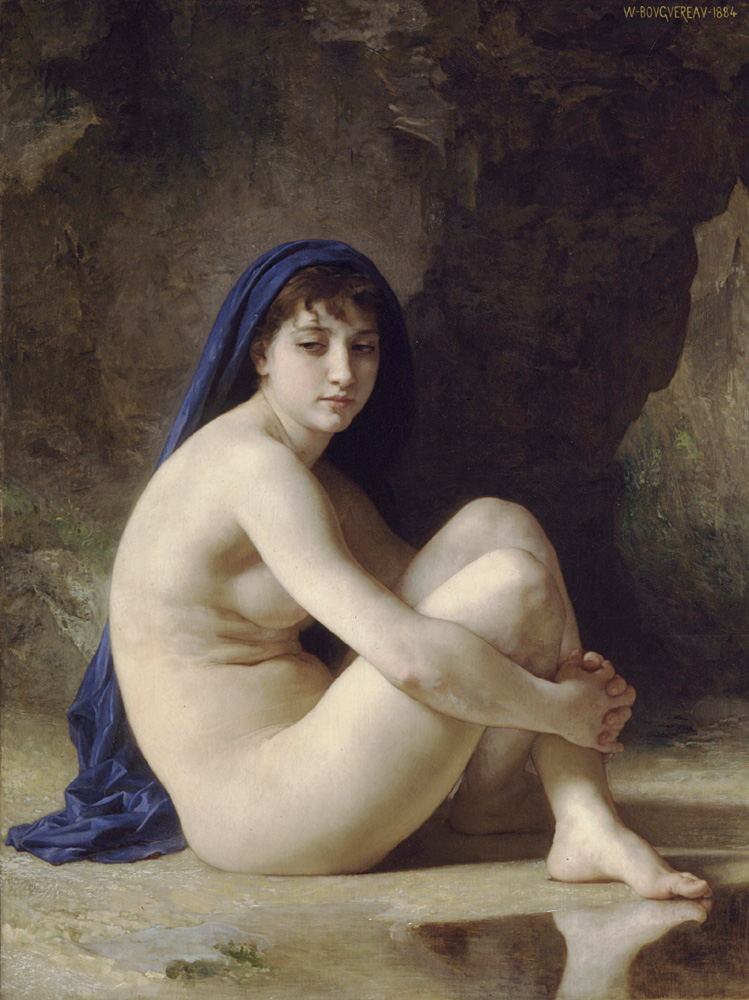
William-Adolphe Bouguereau
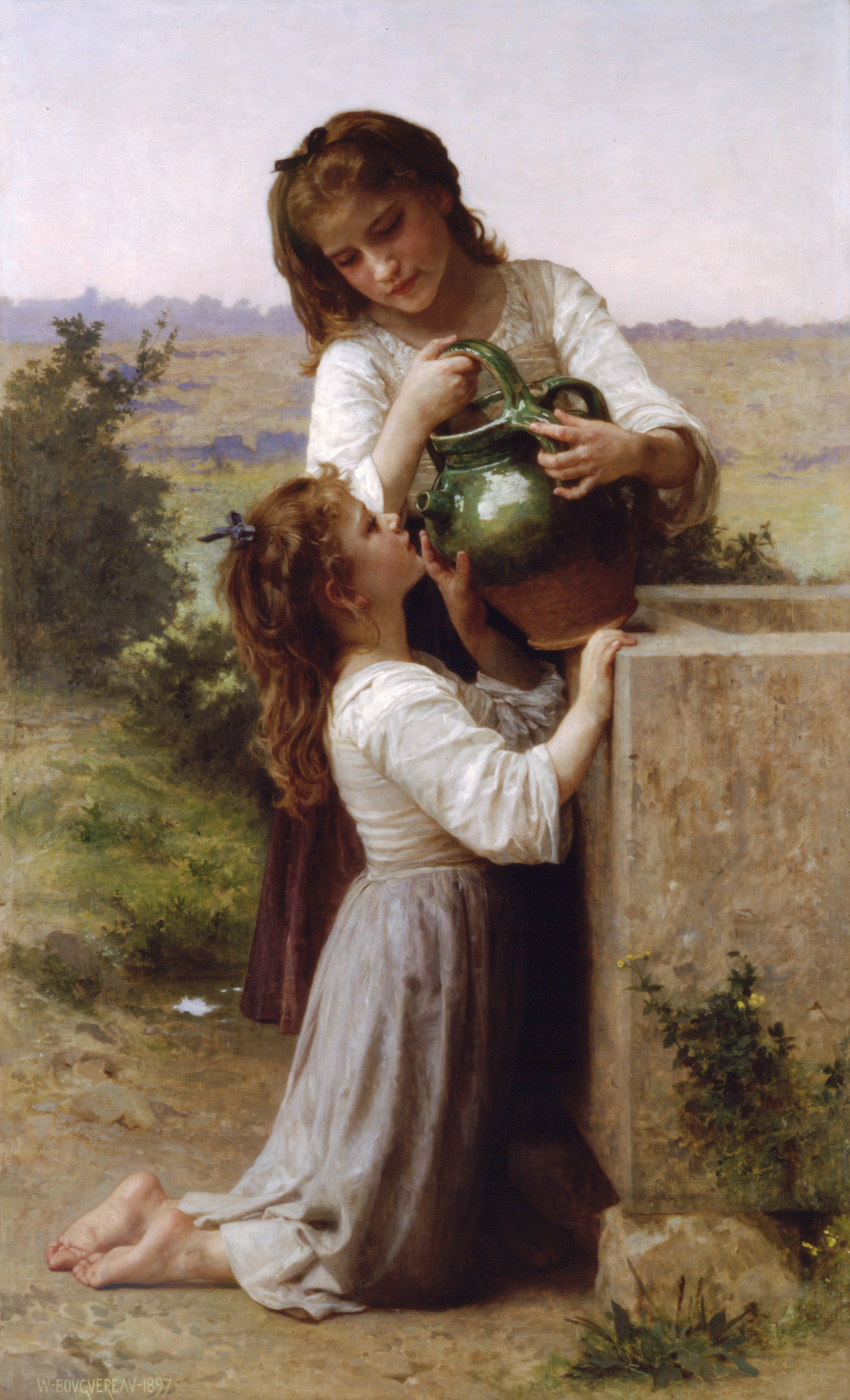
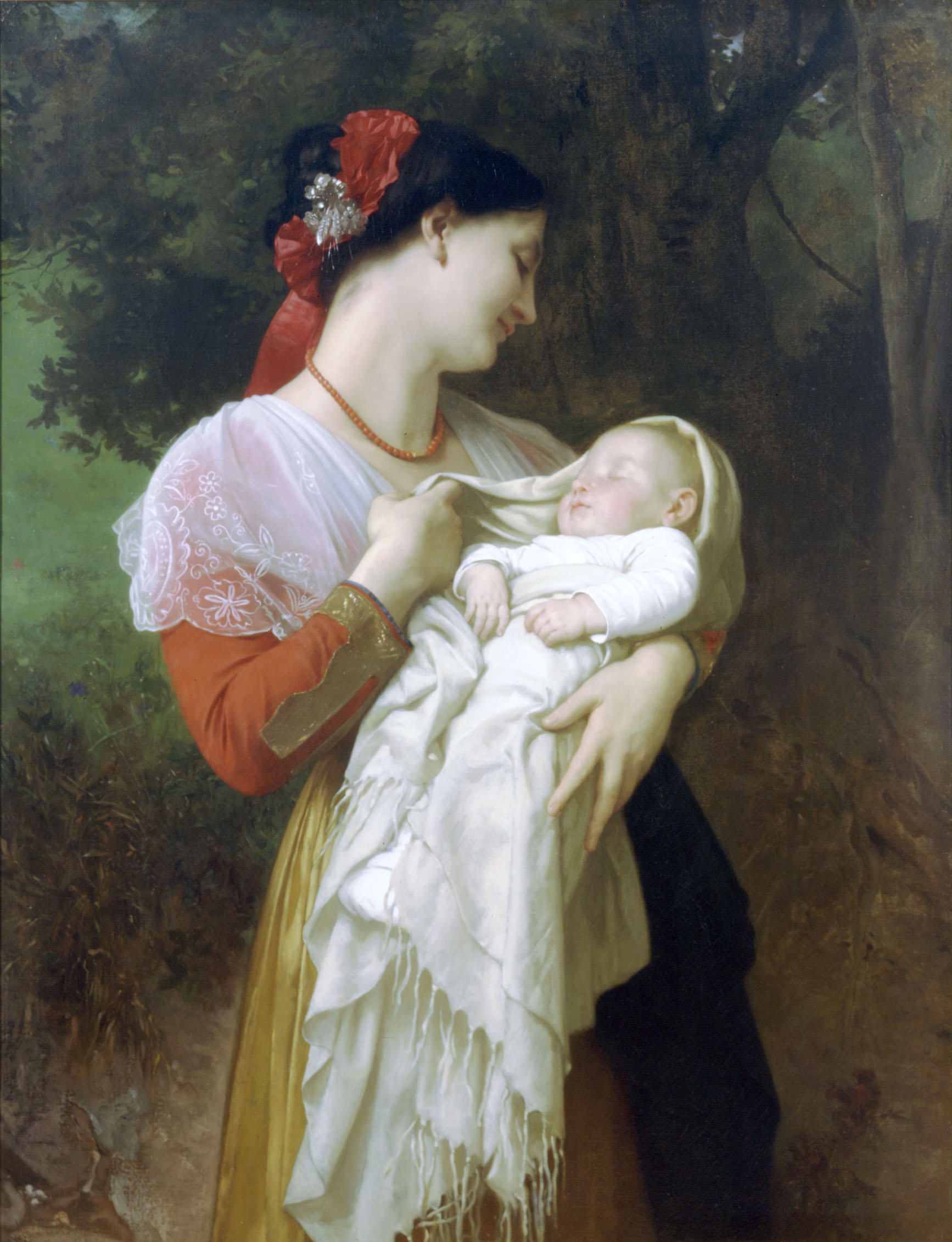
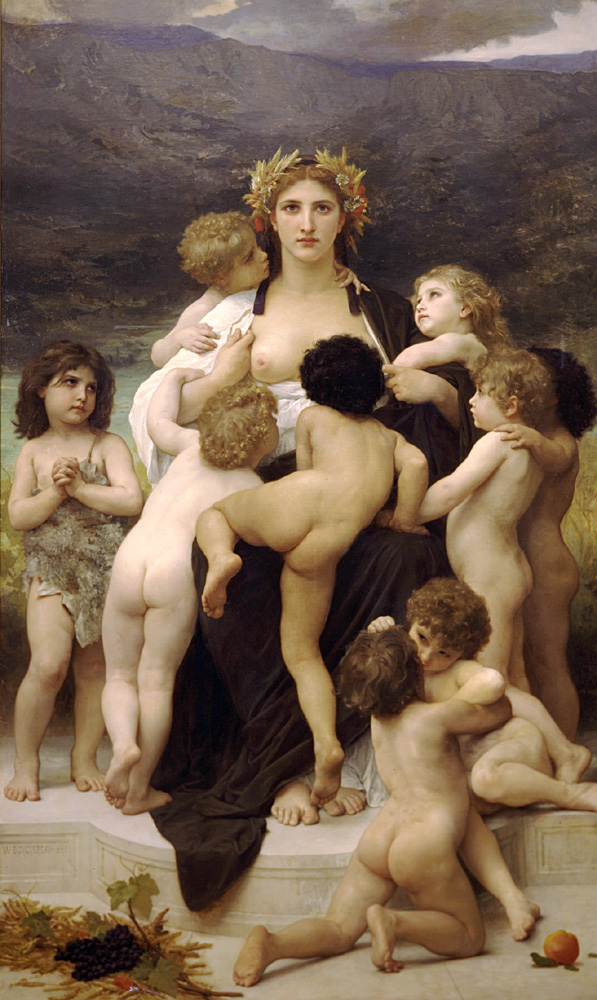
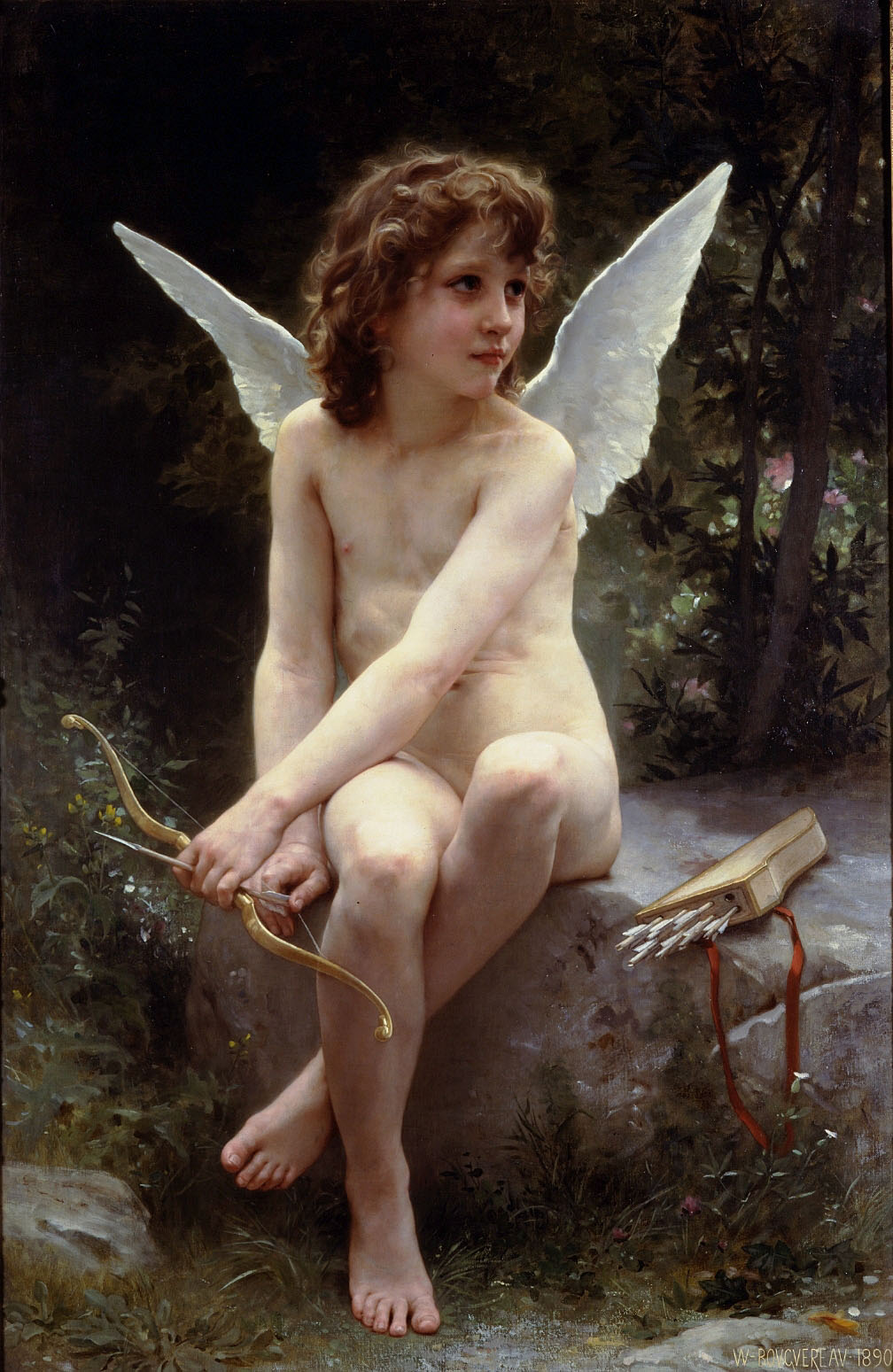
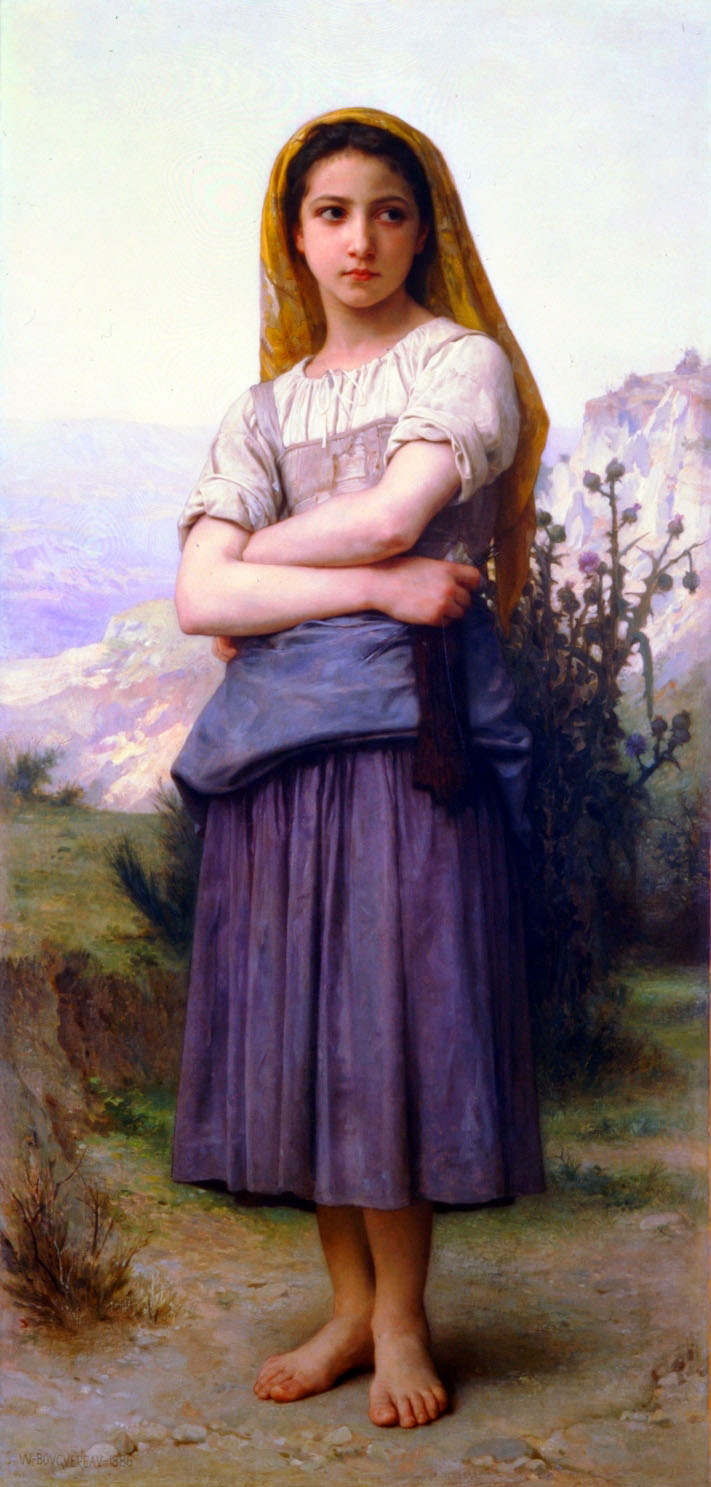
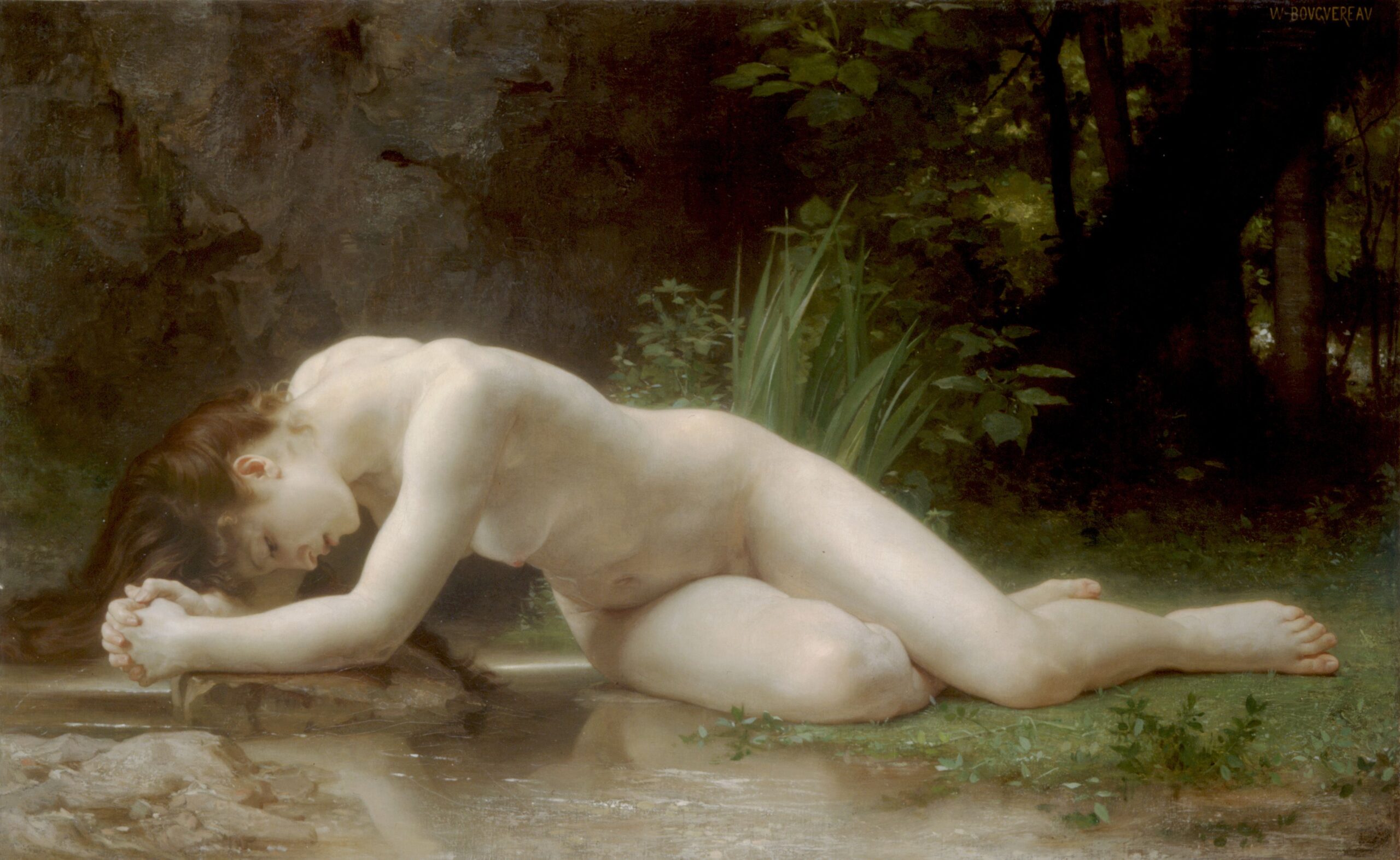
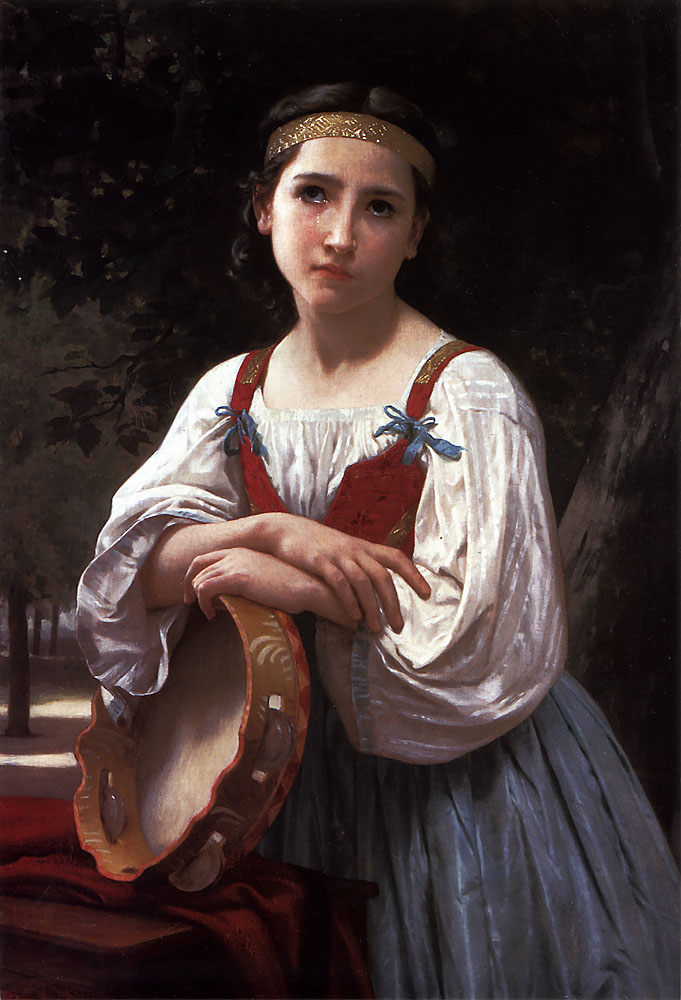
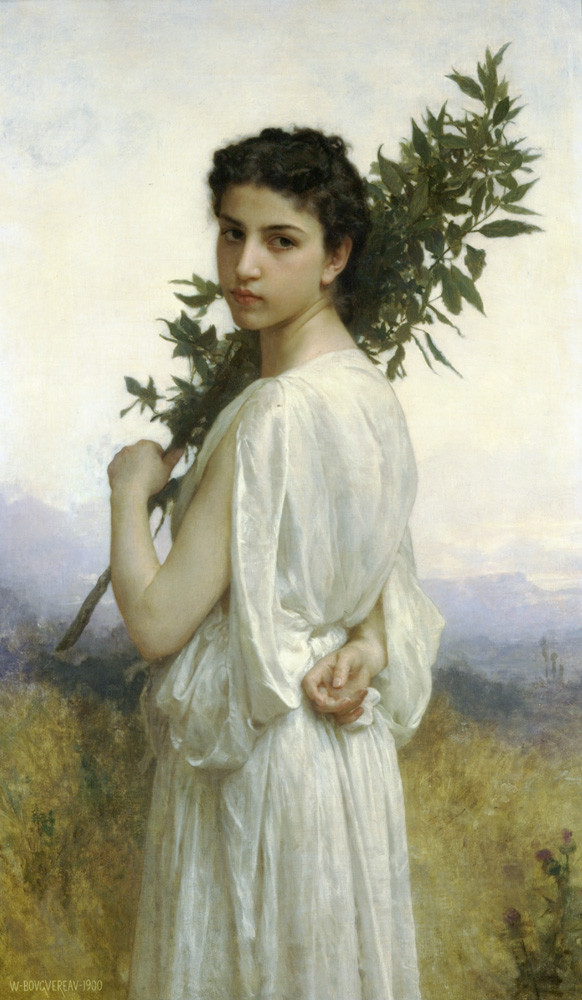
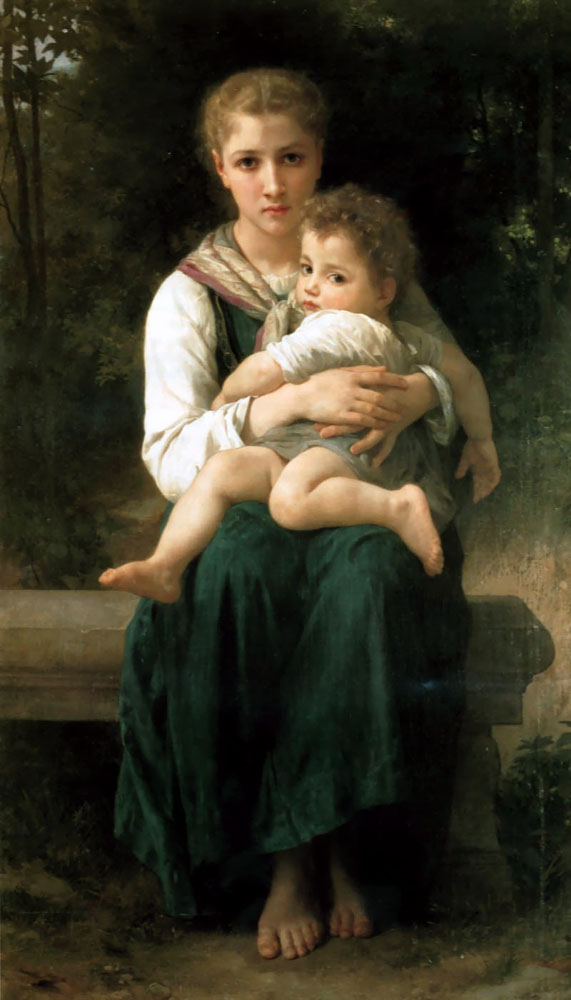
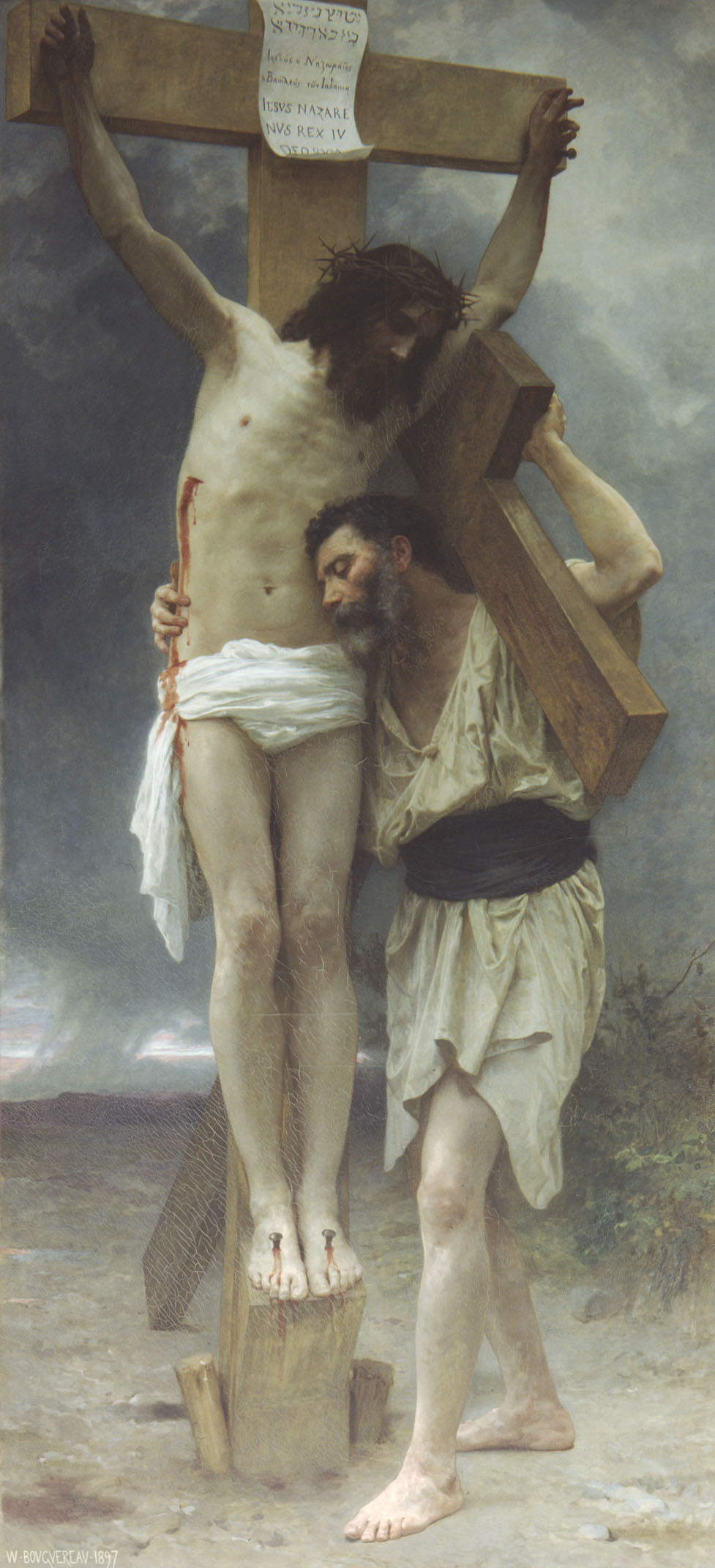
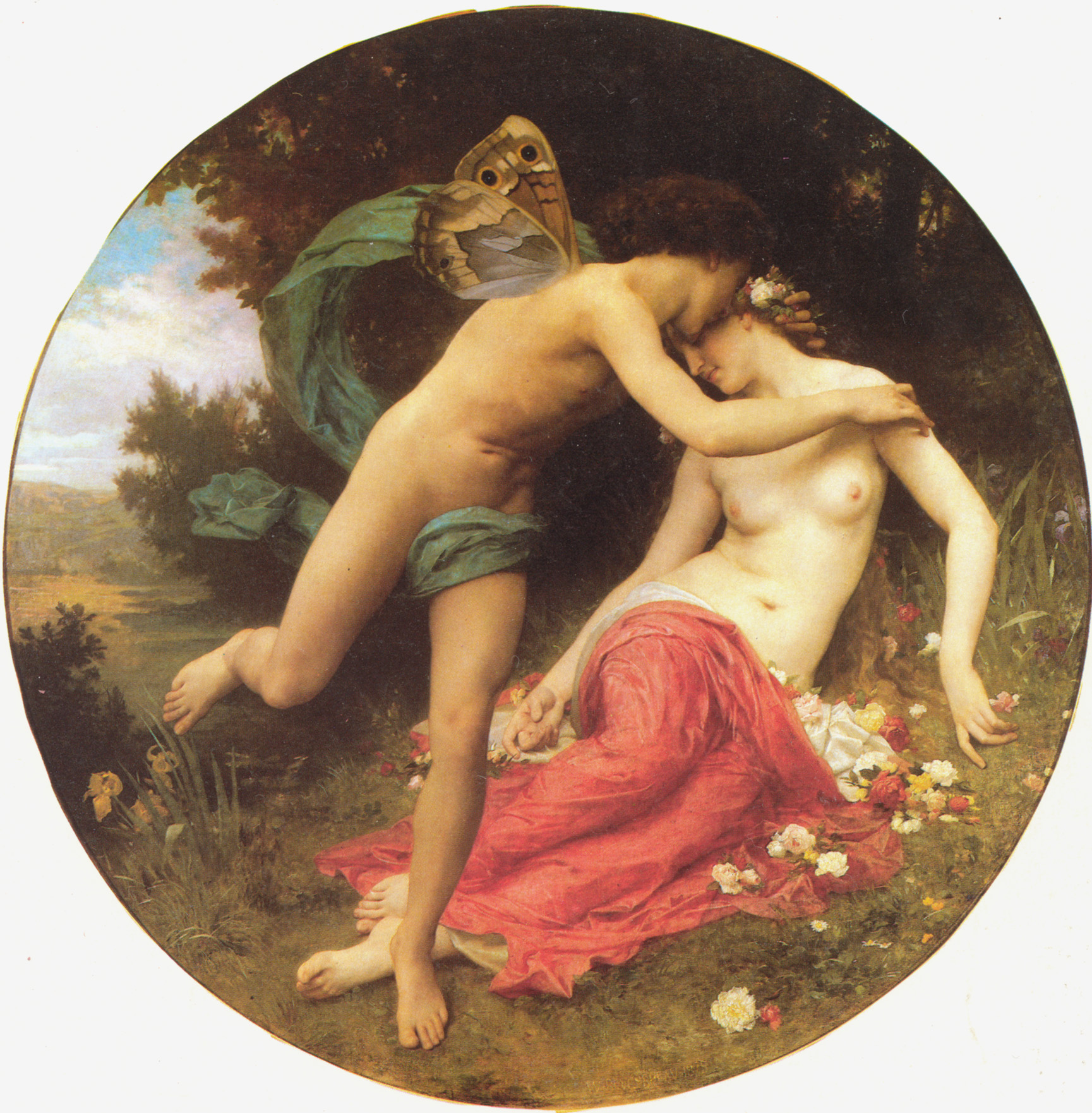
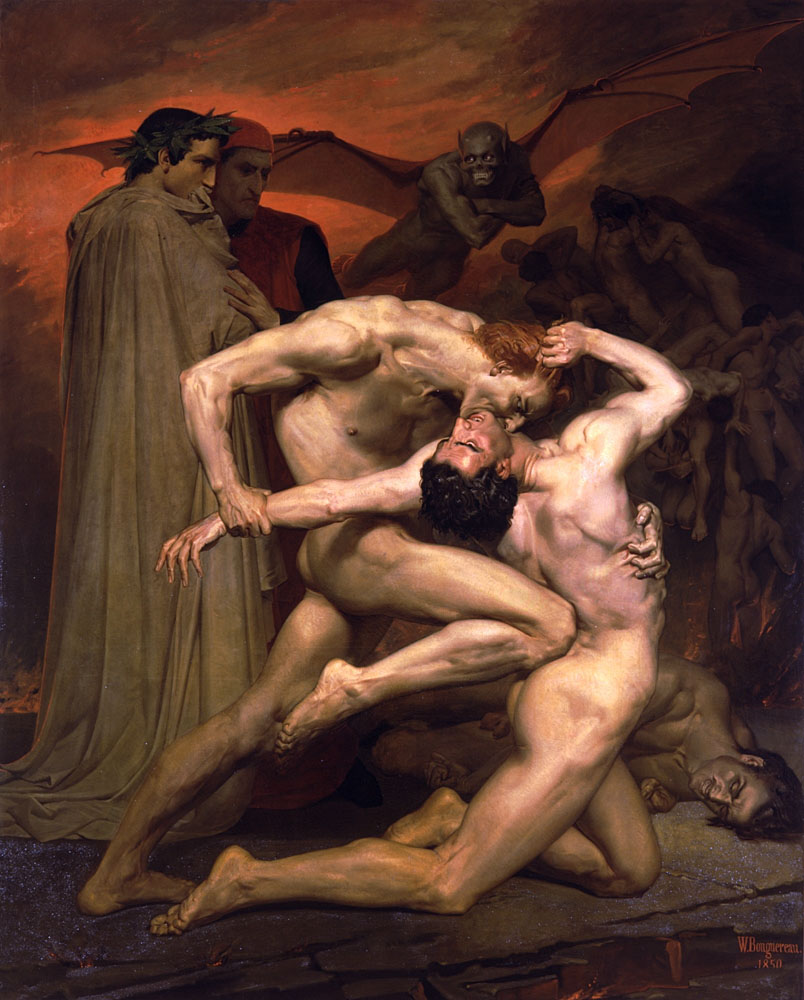
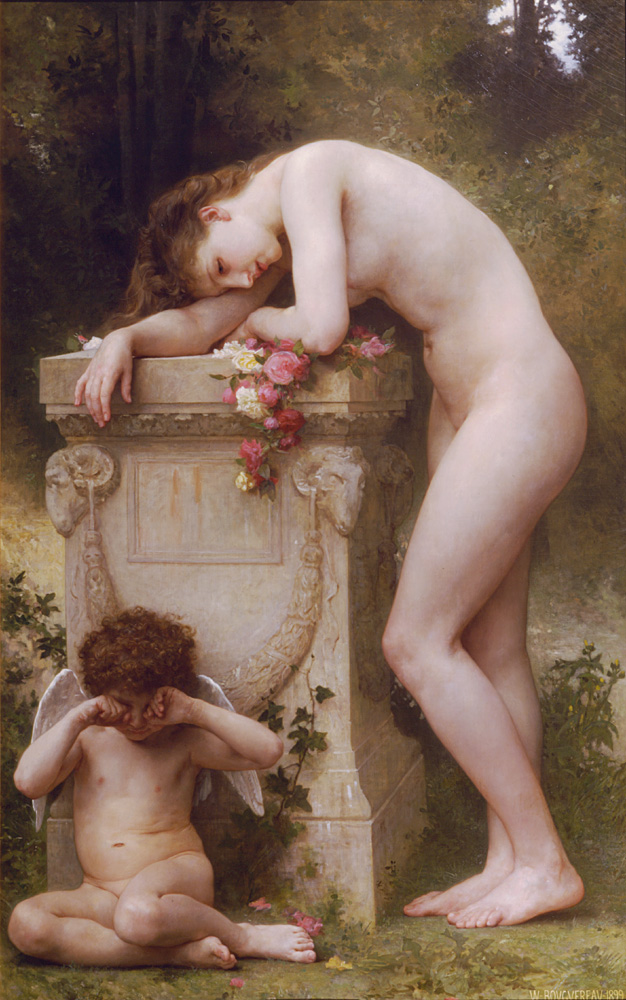
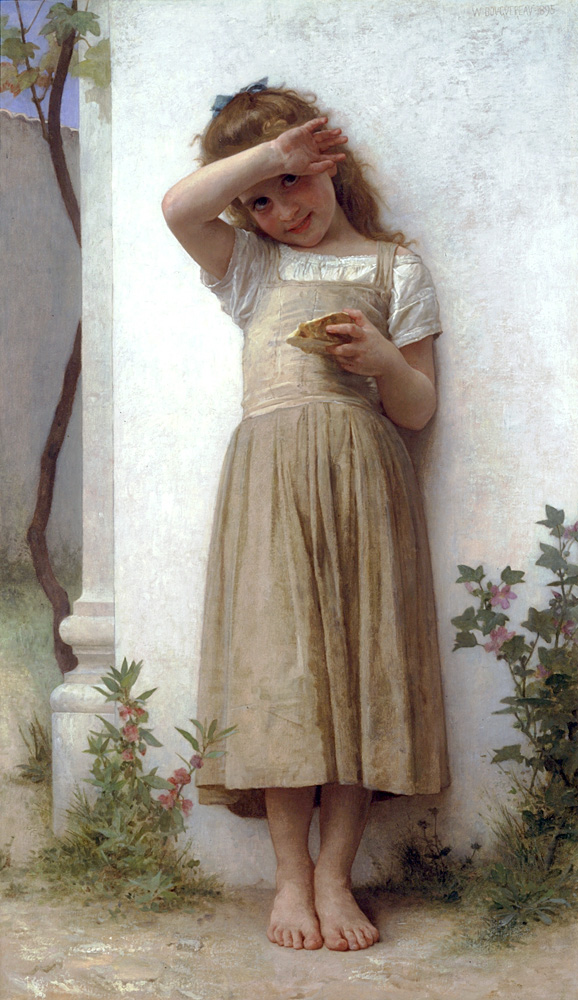
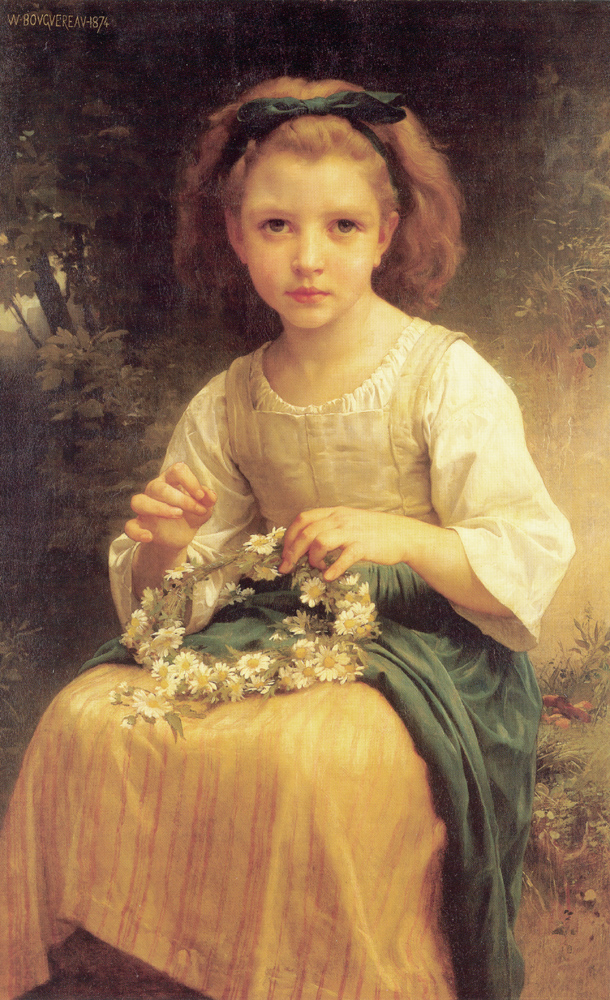
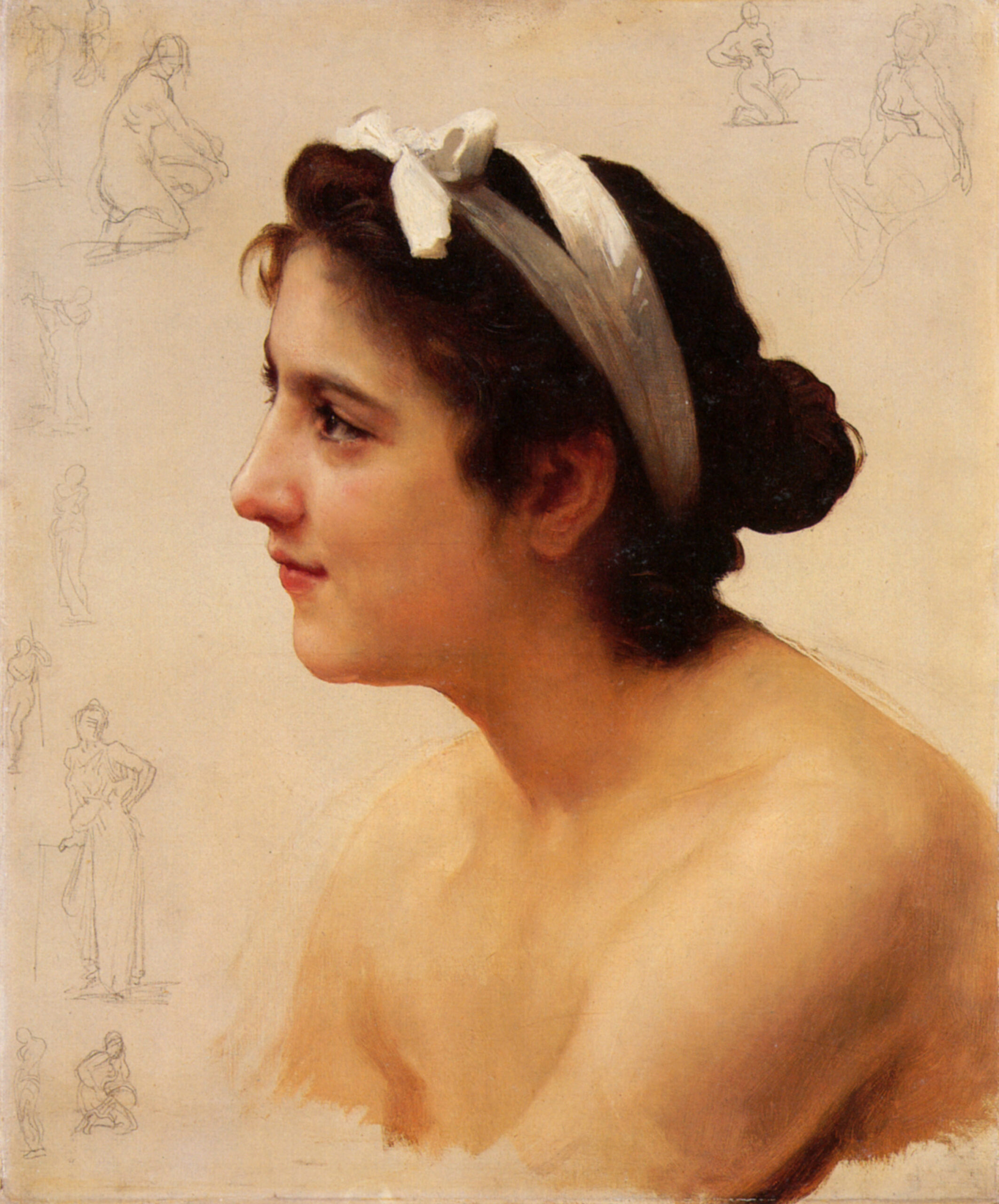
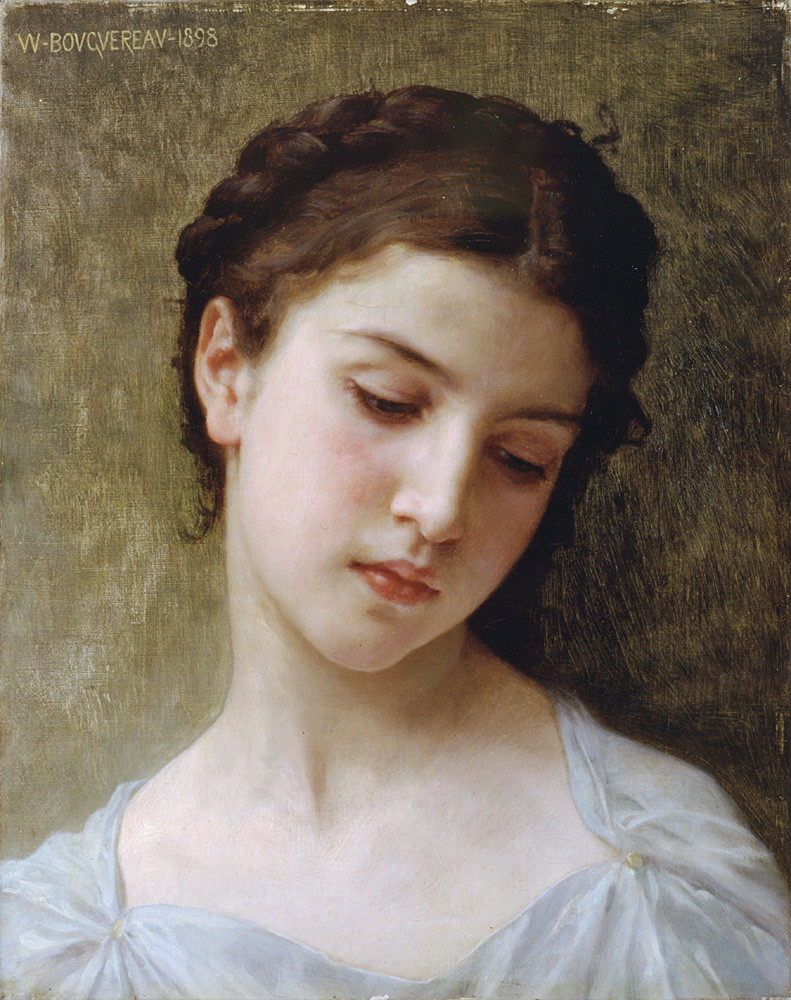
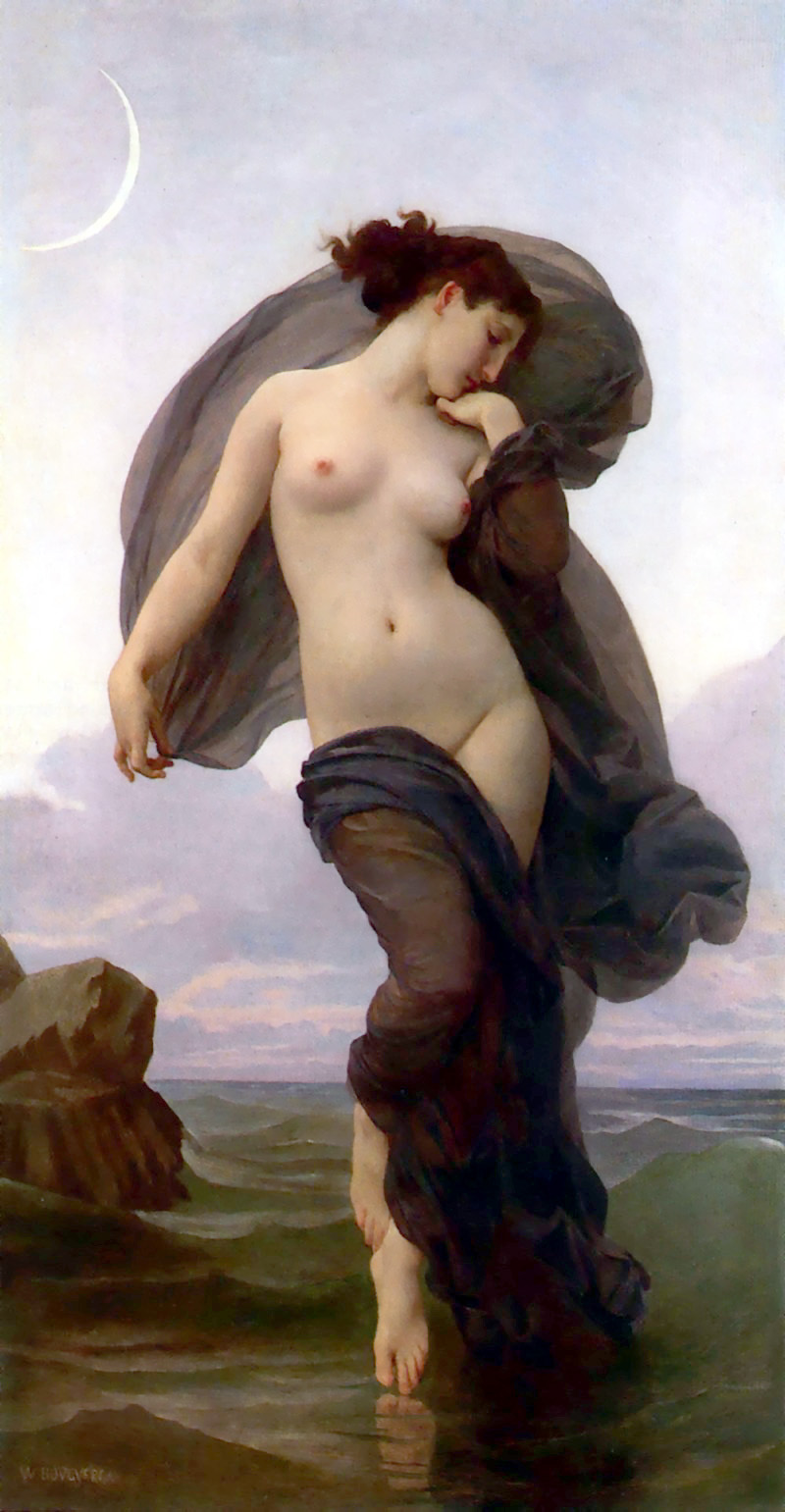
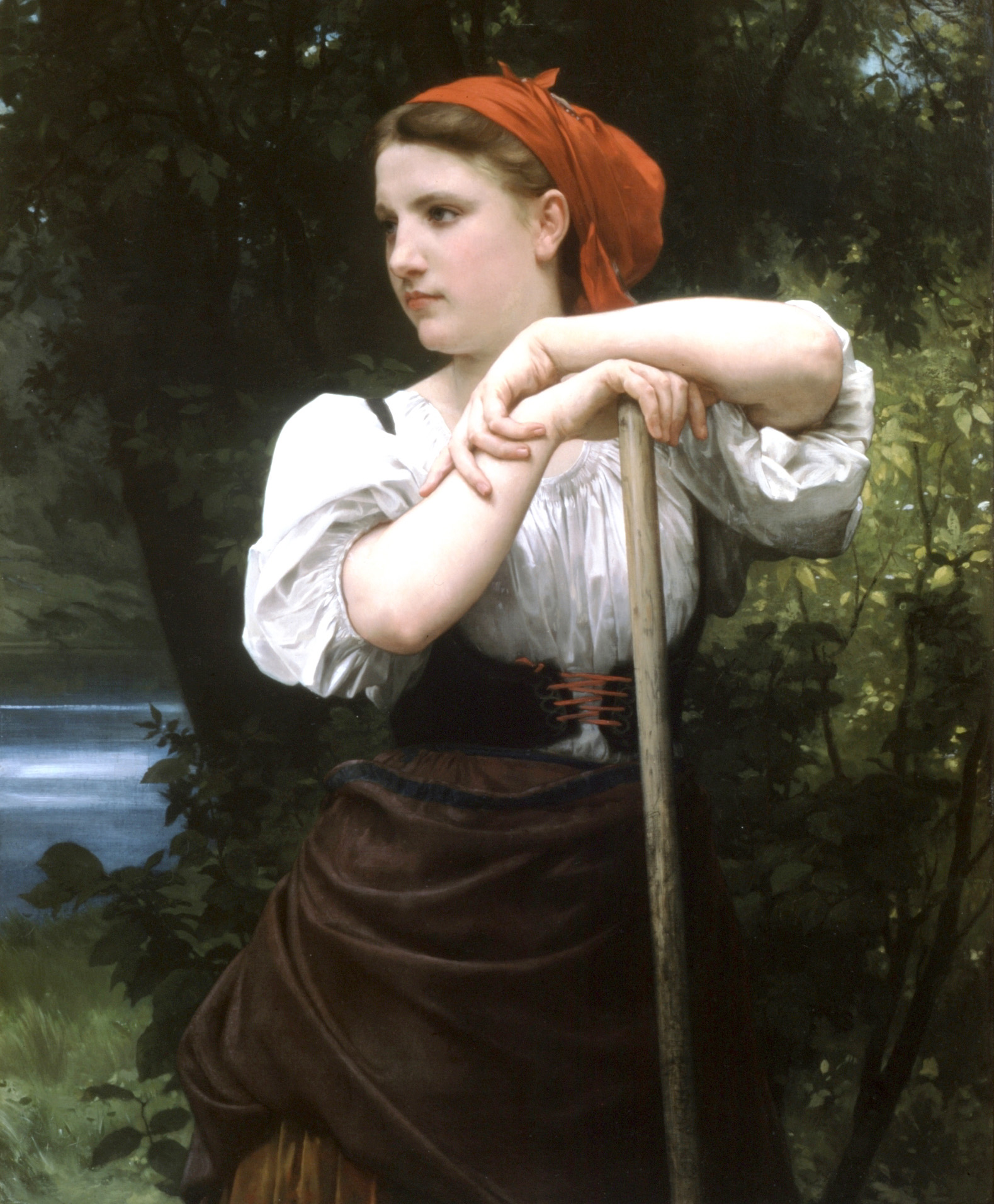
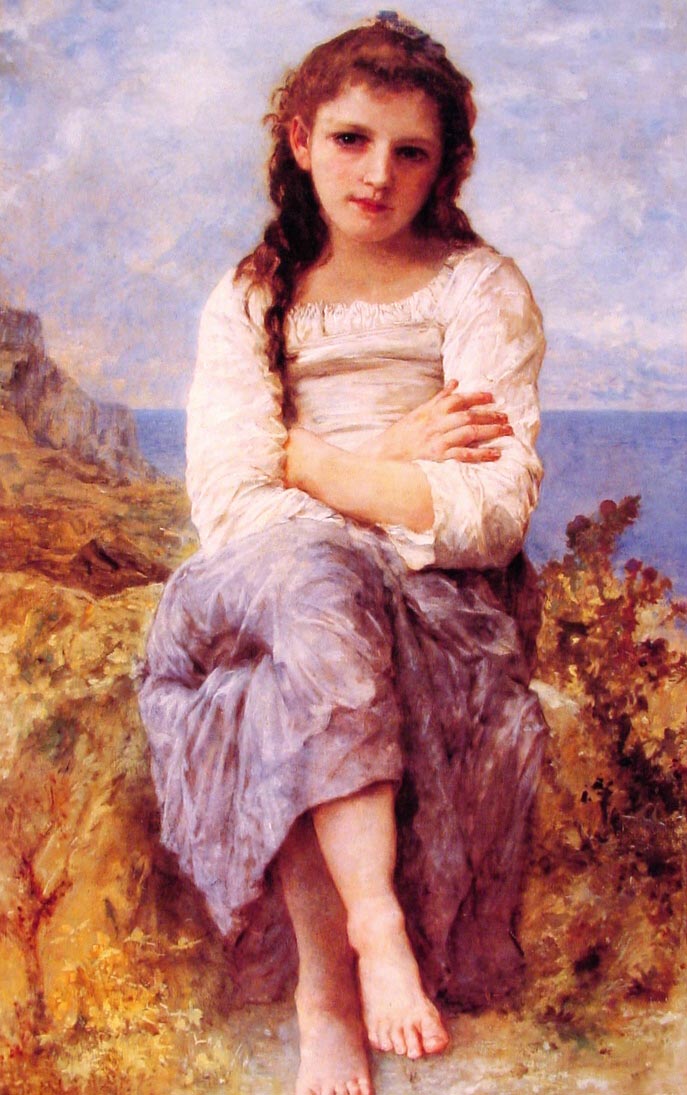
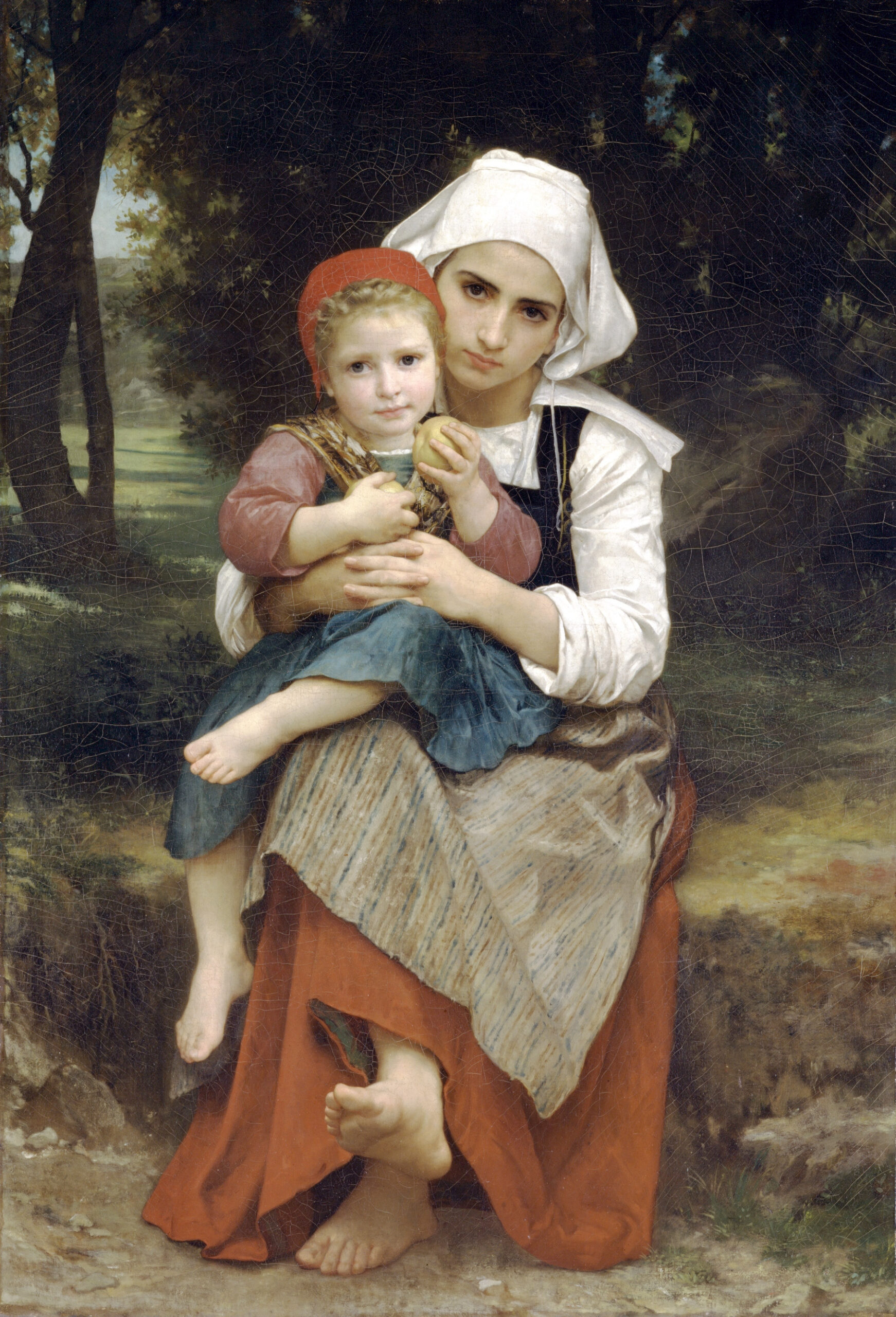
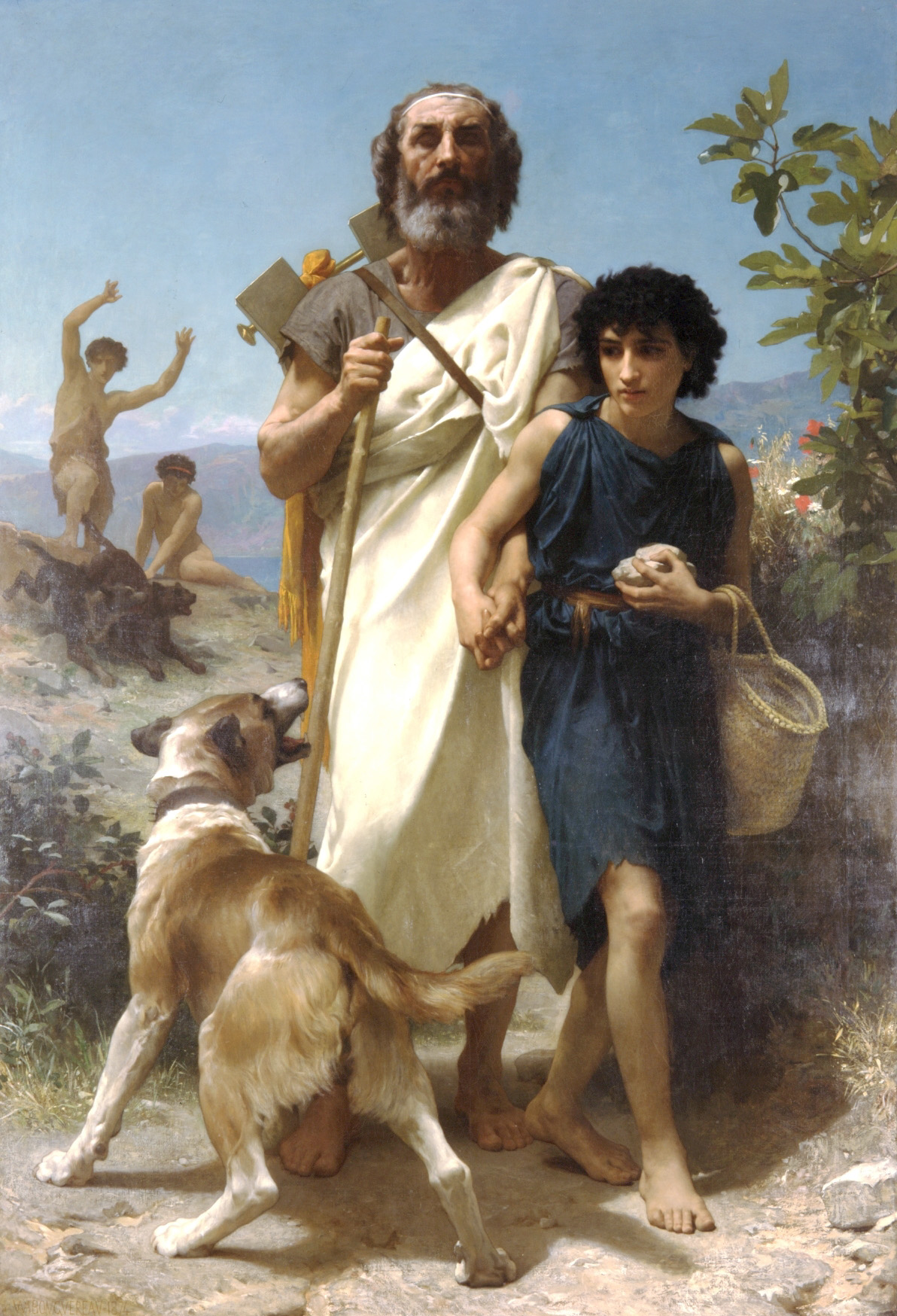
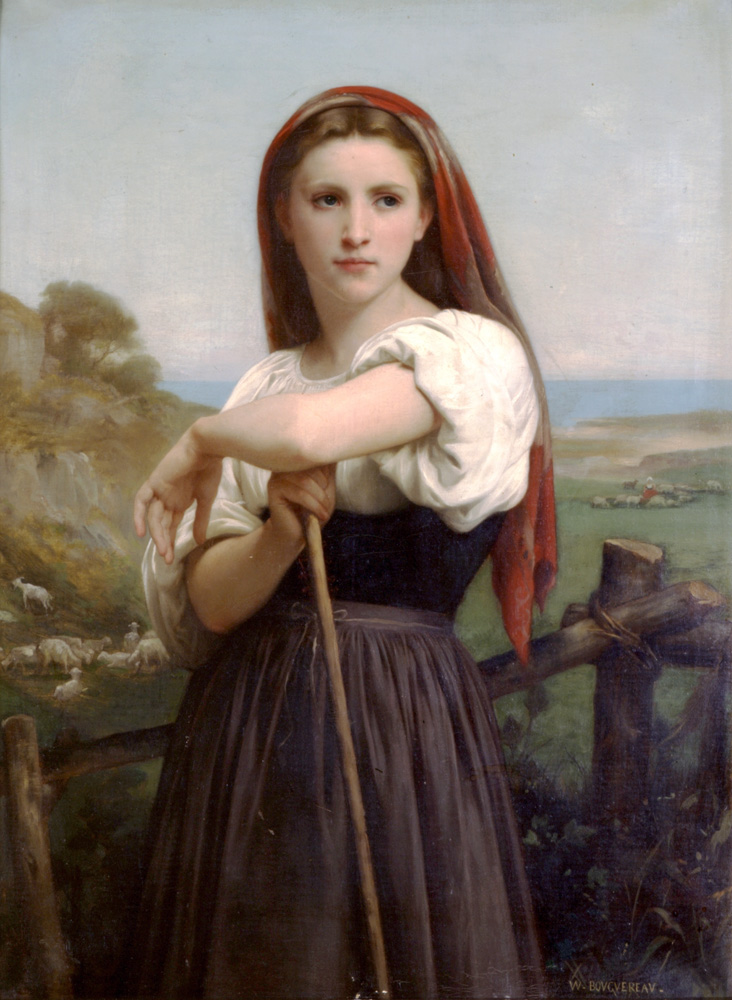
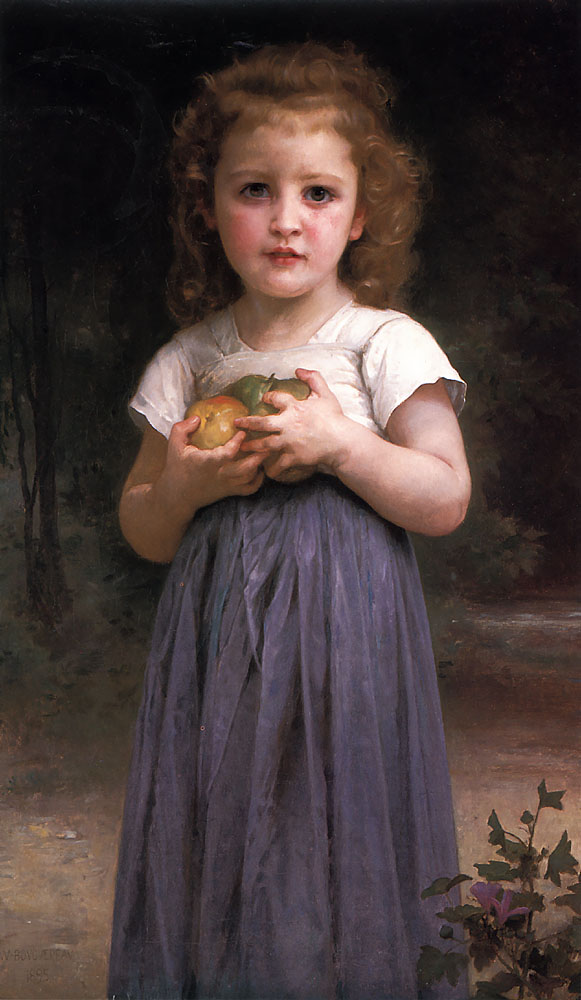
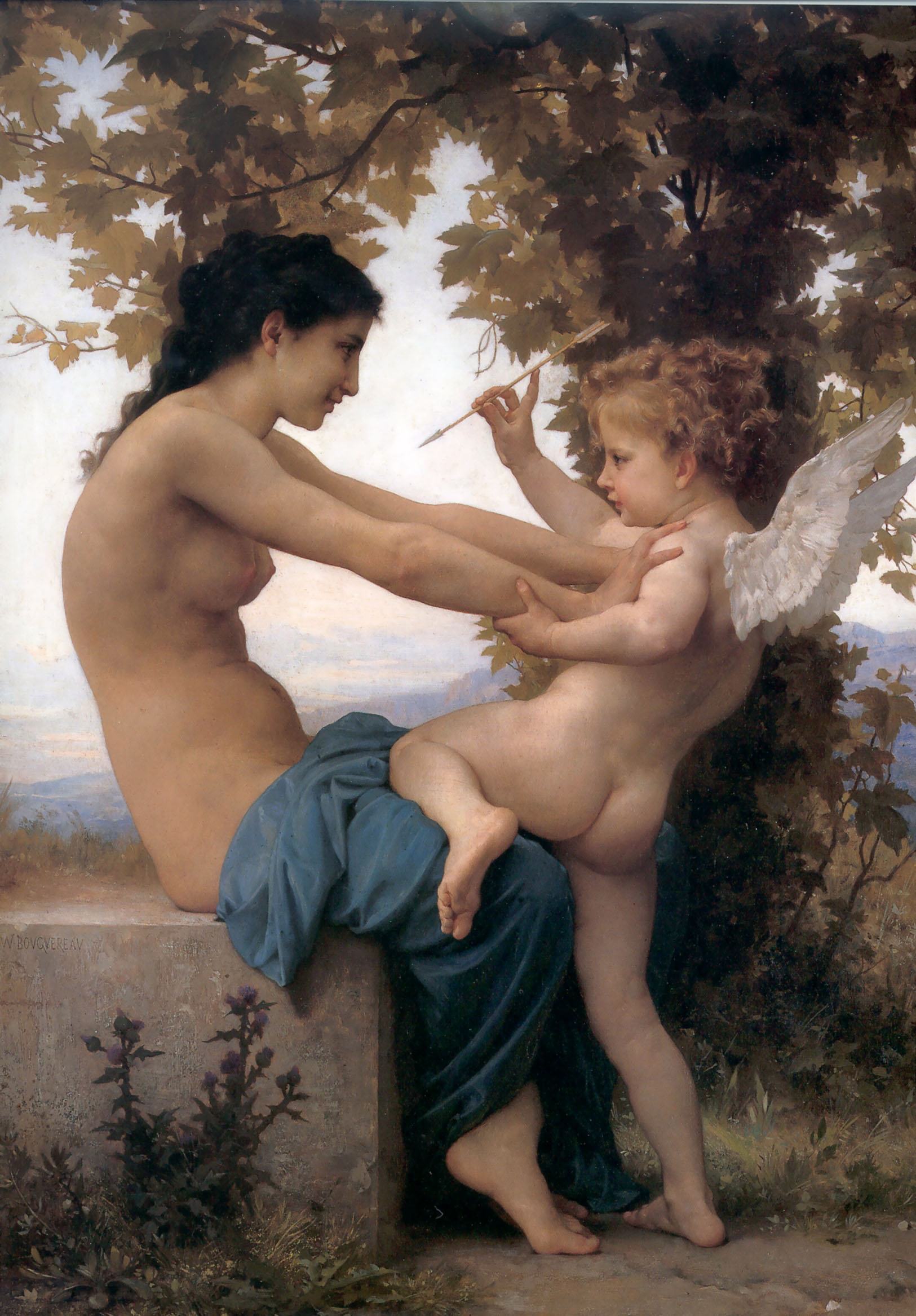
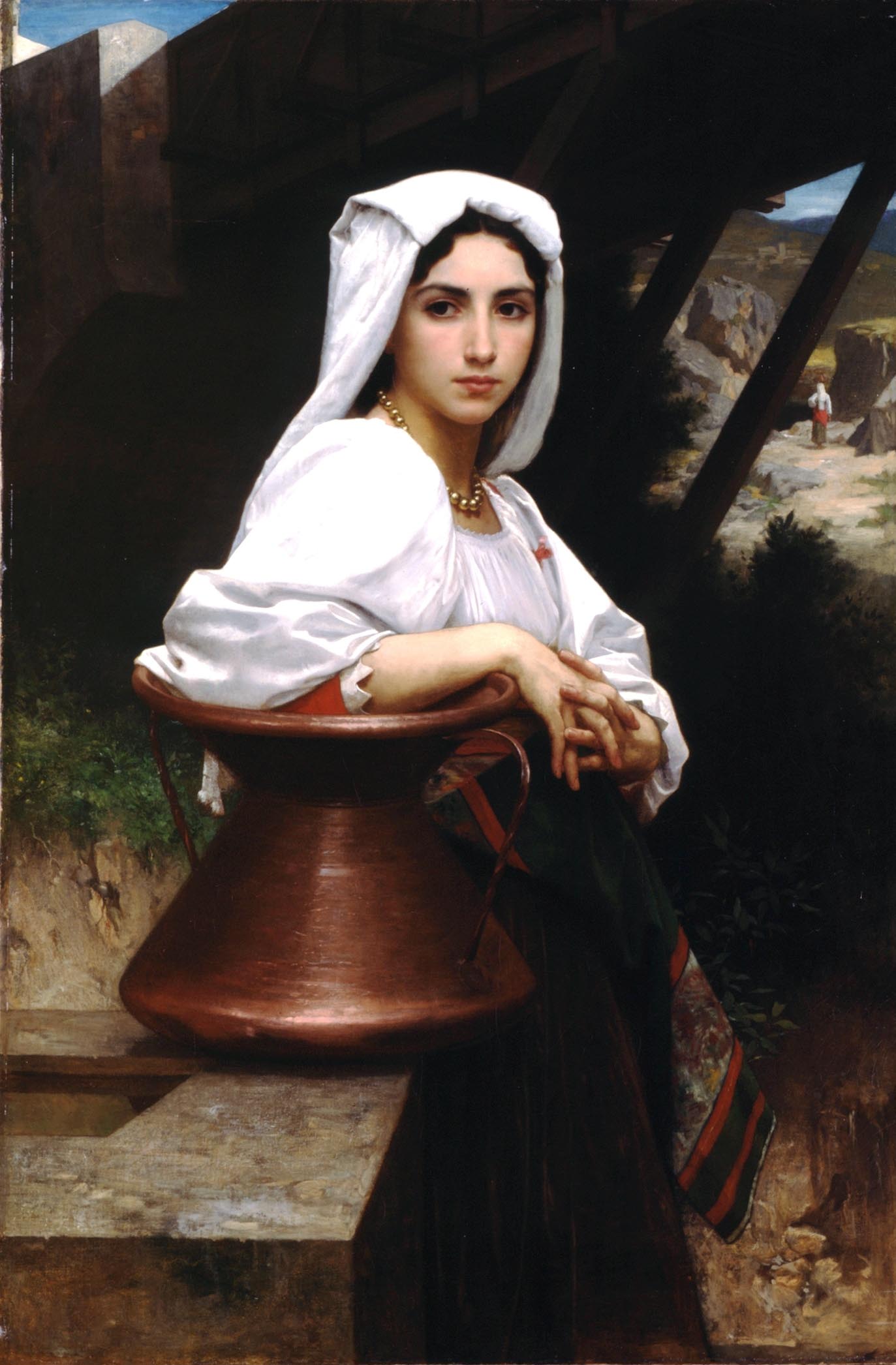
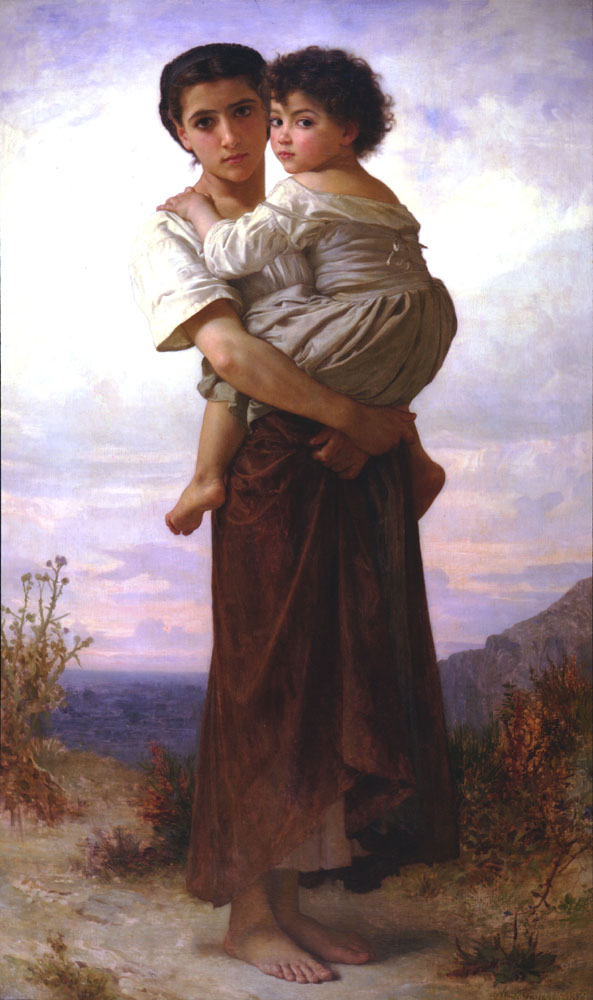
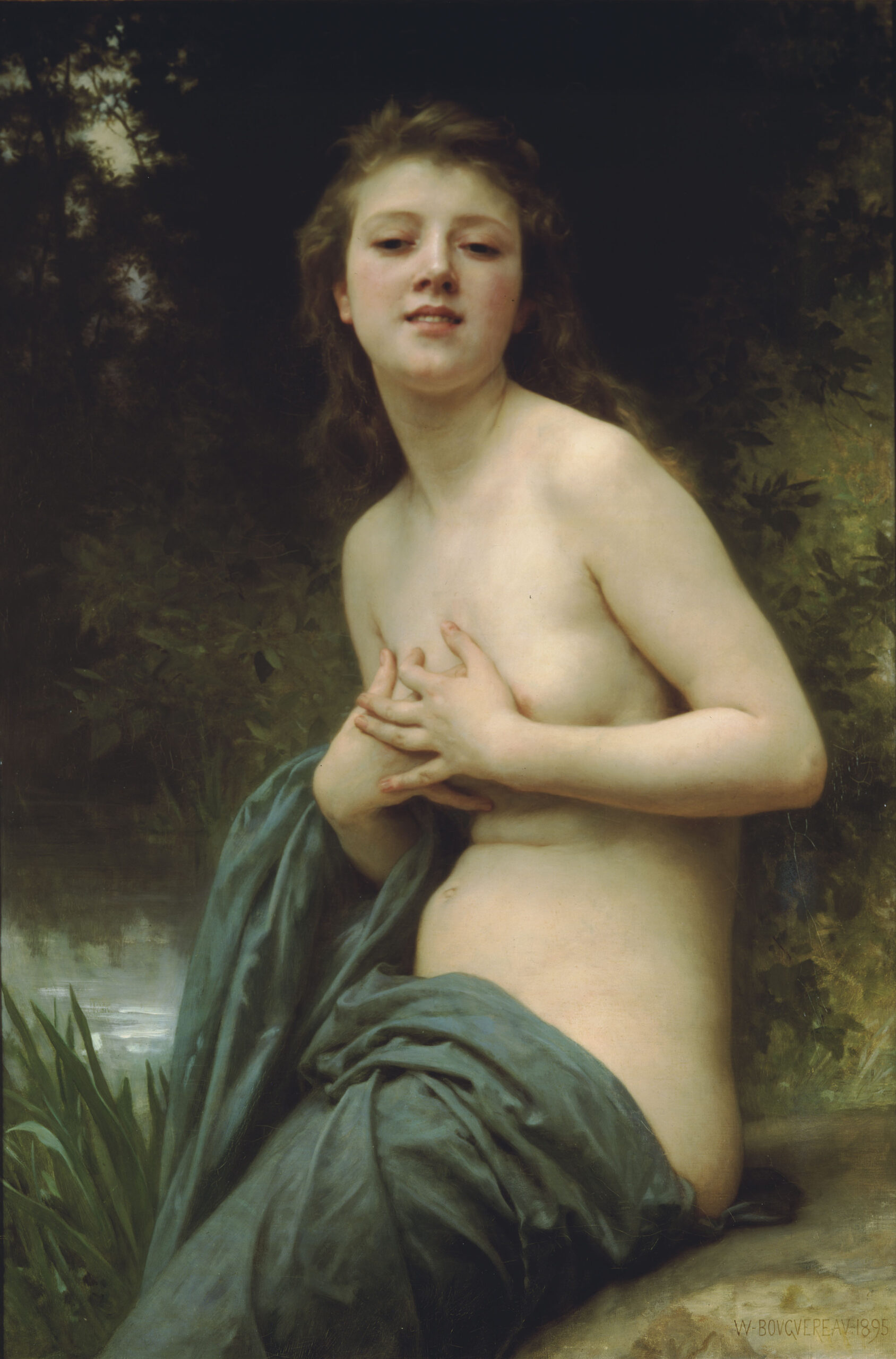
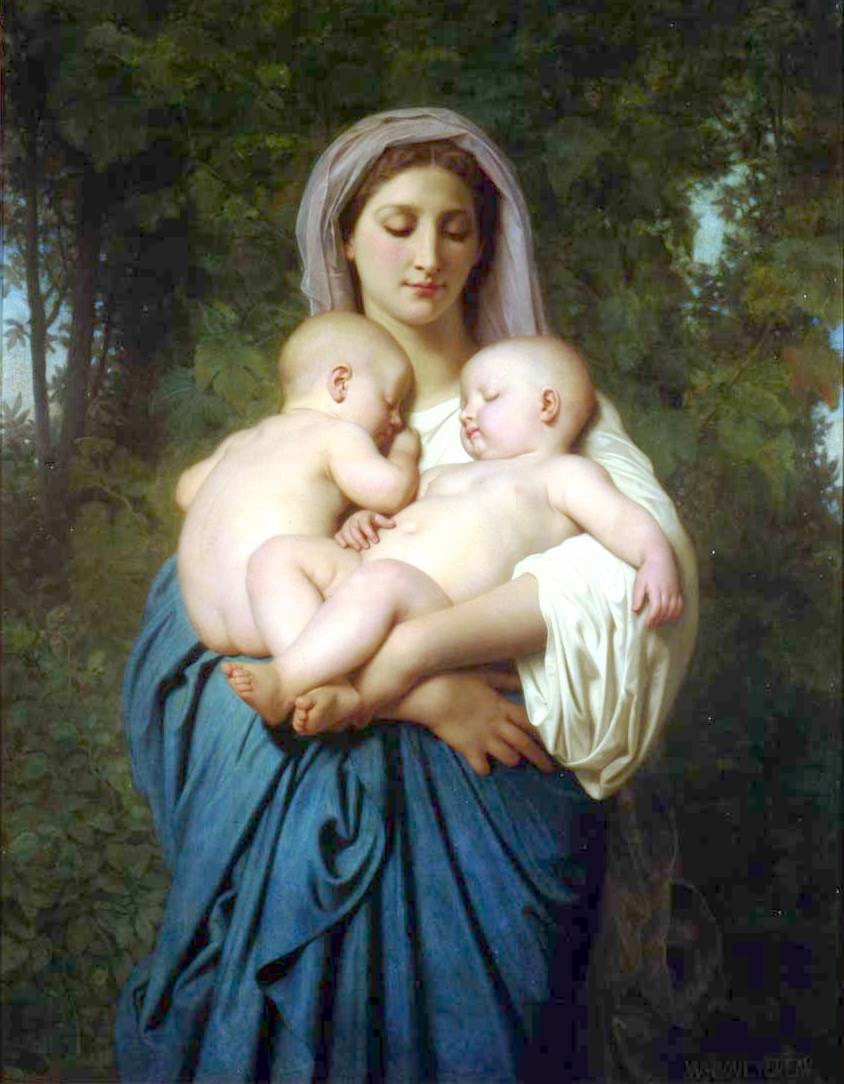
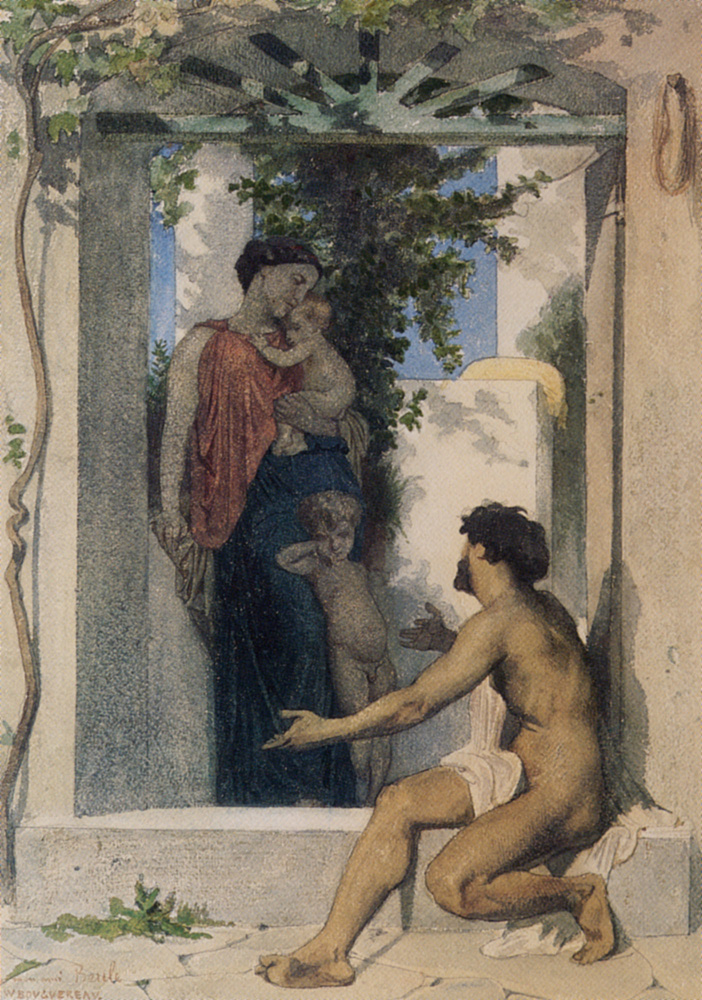
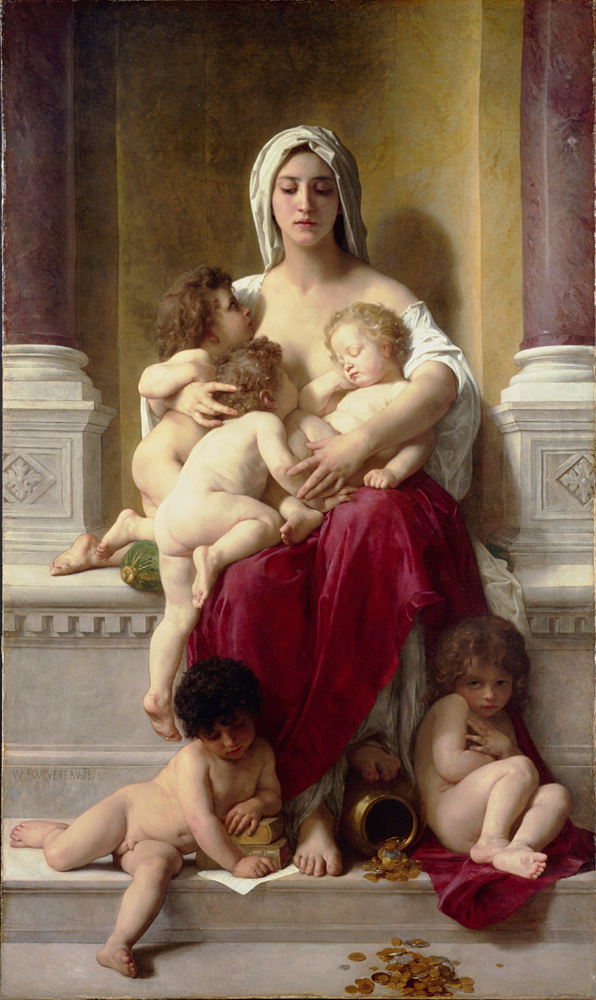
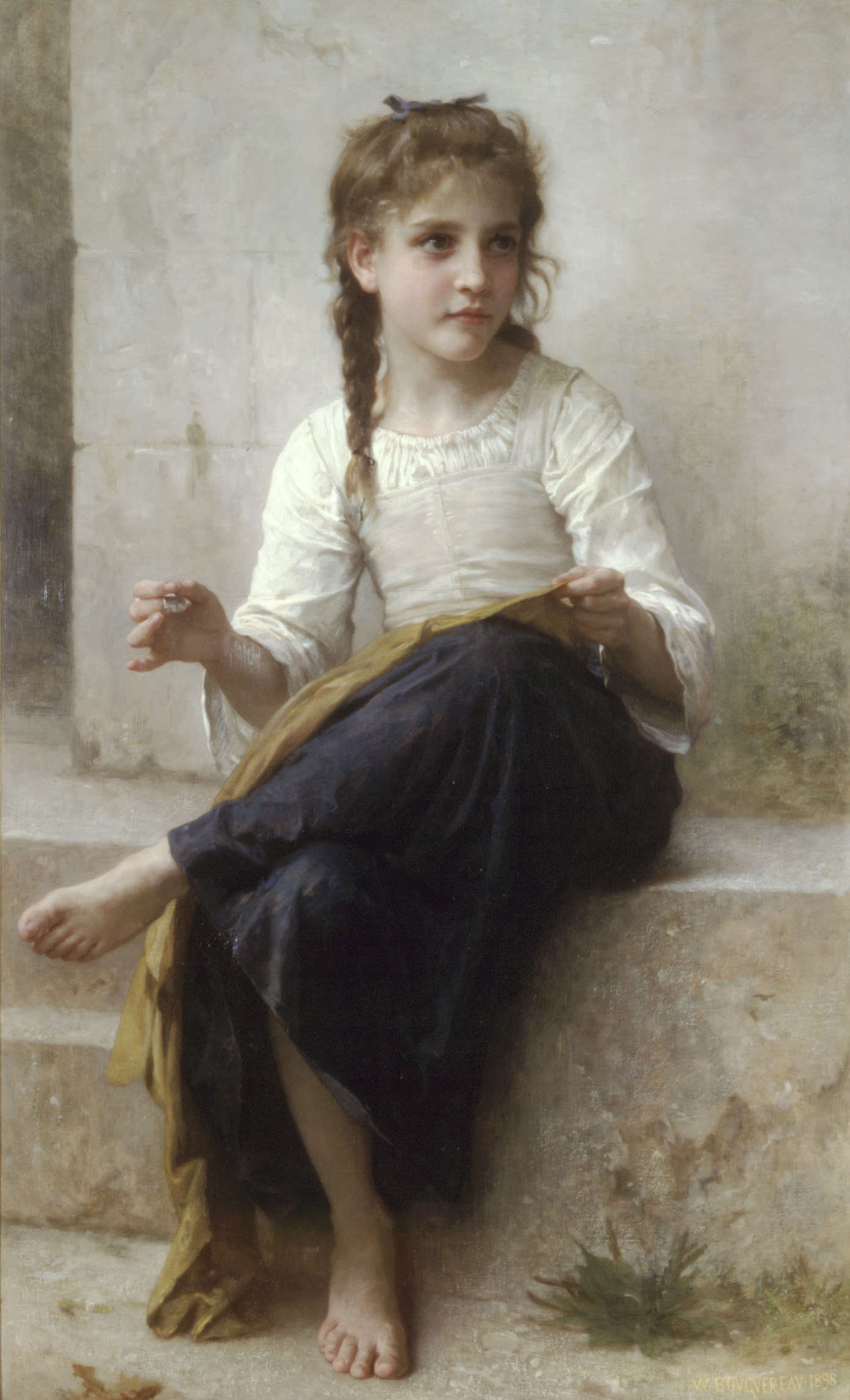
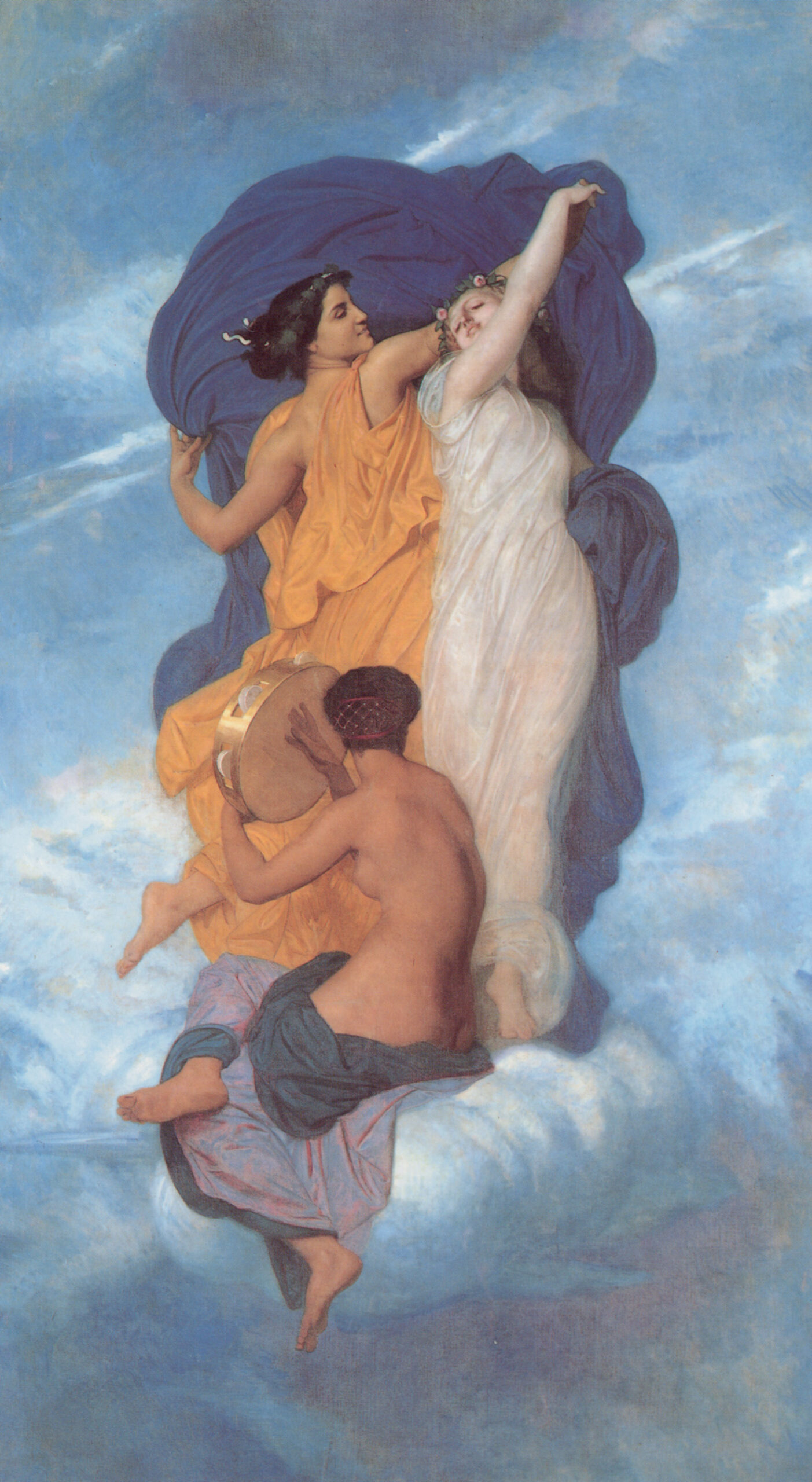
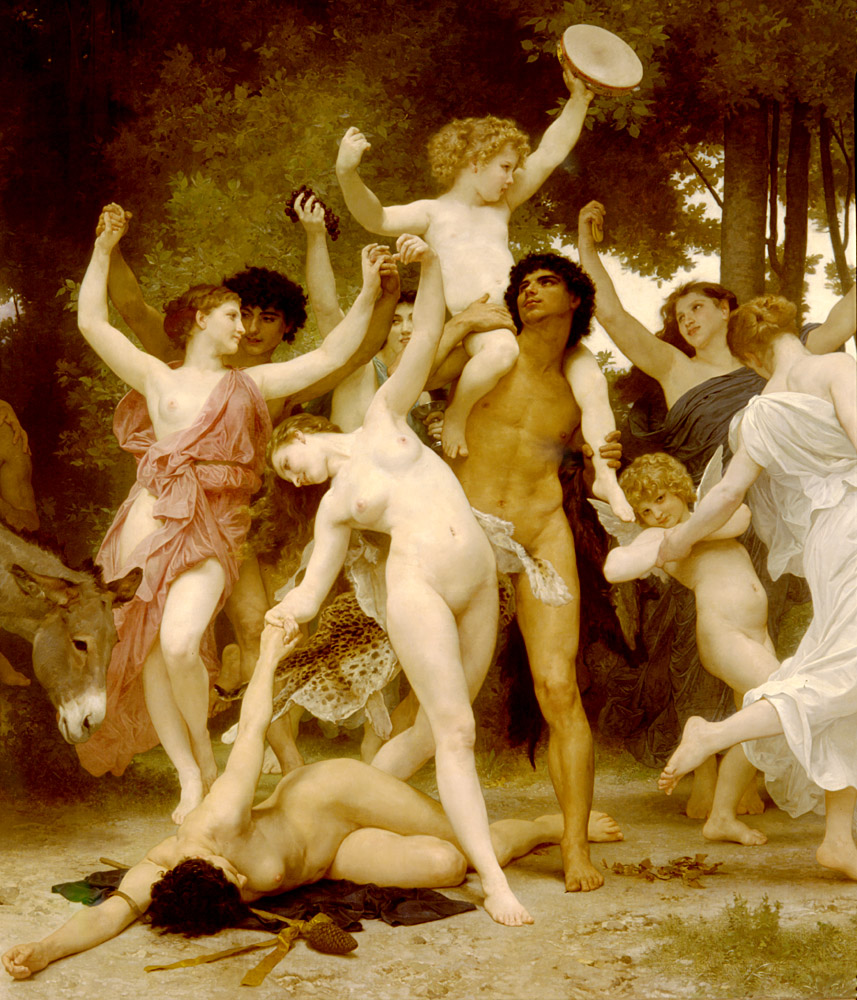
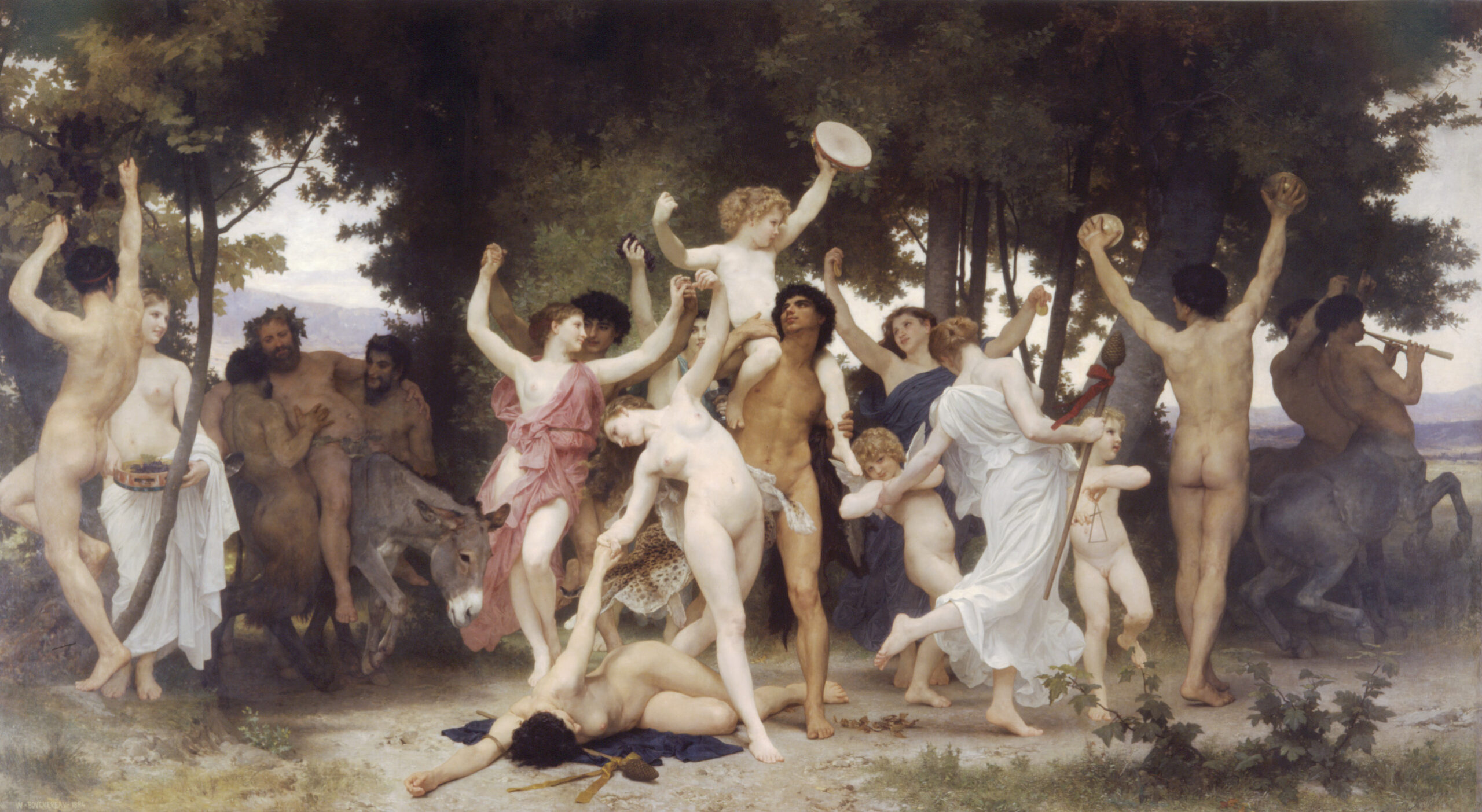
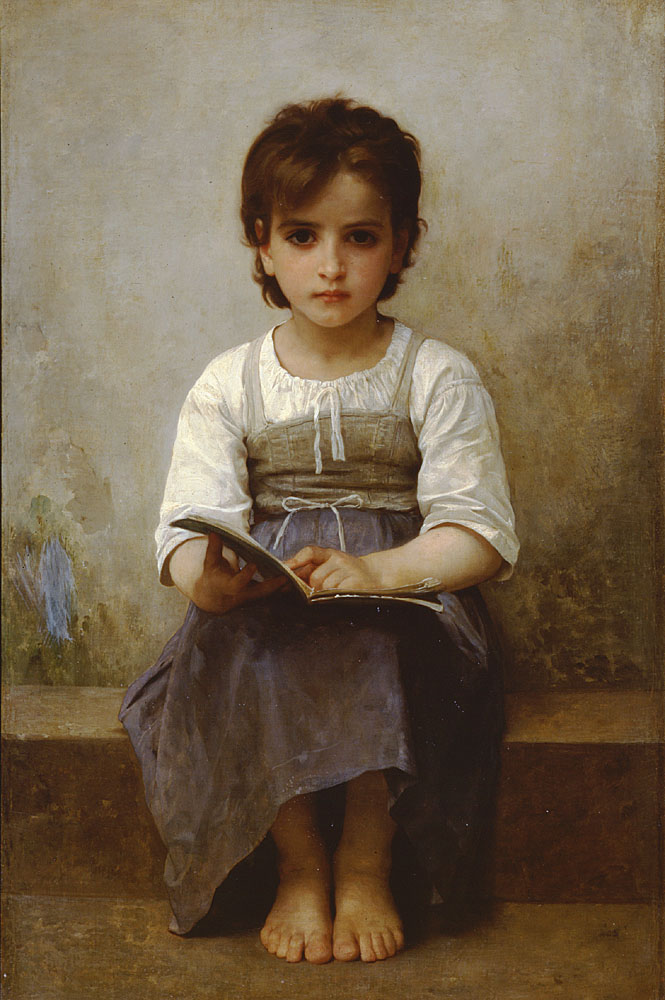
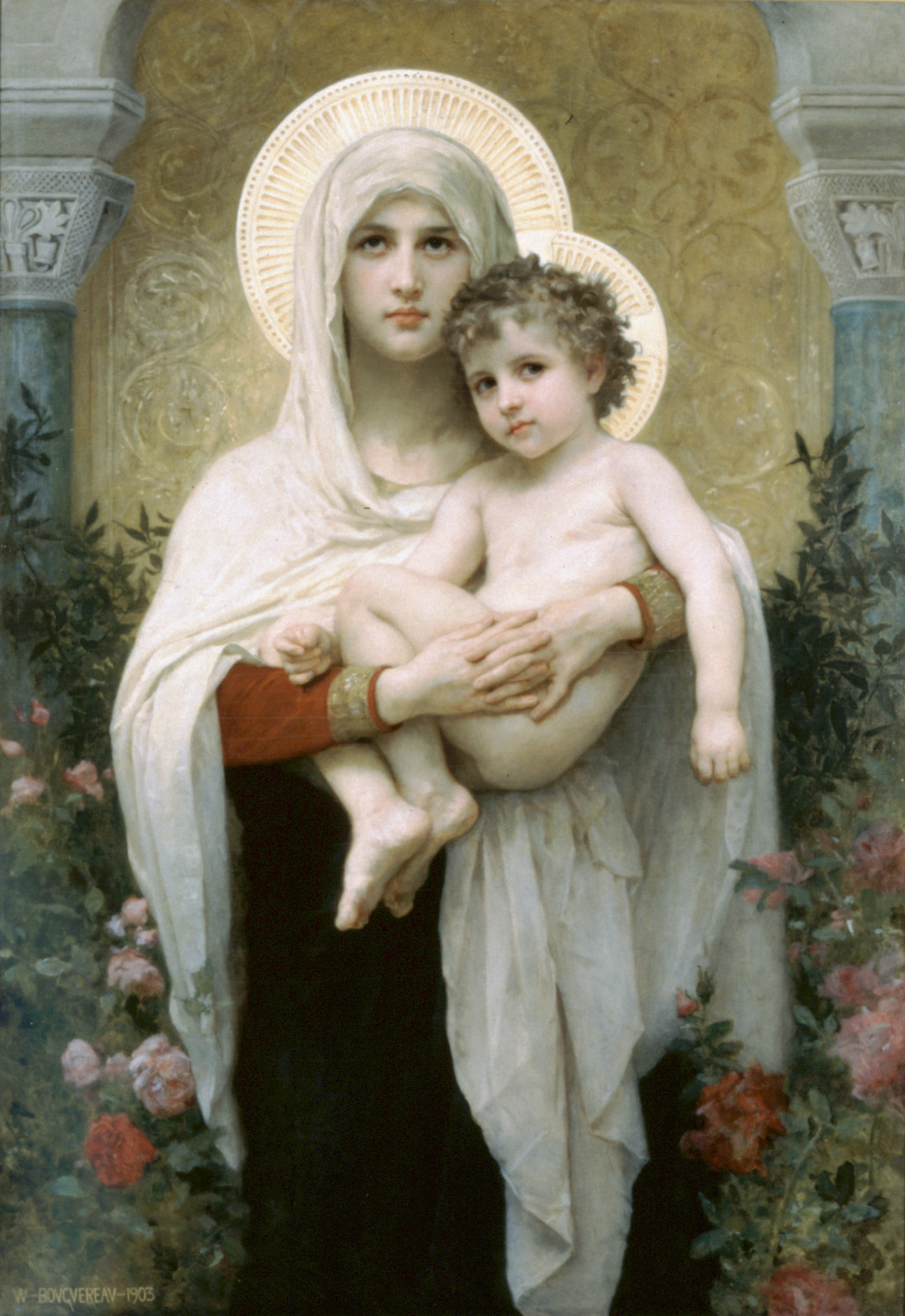
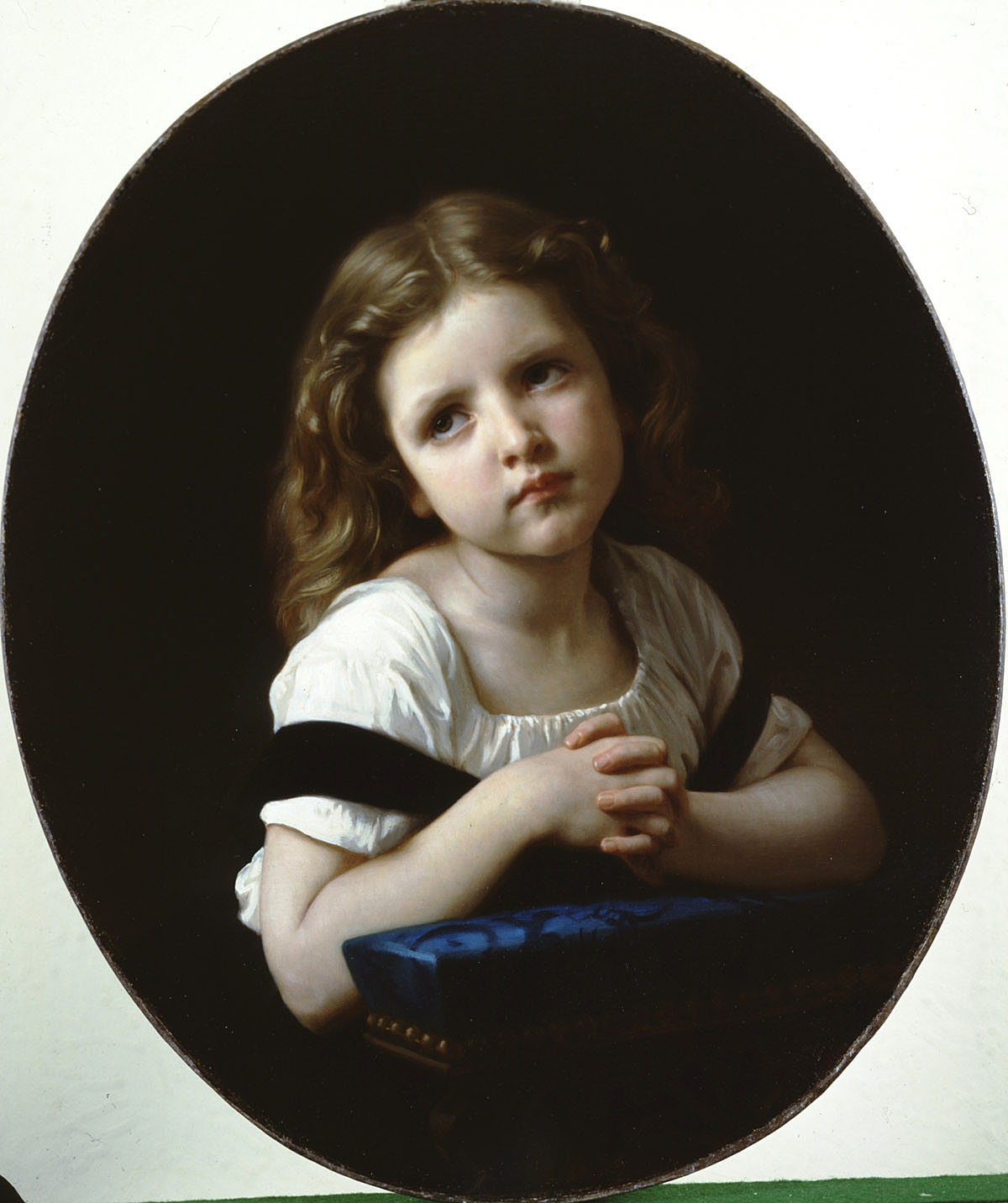
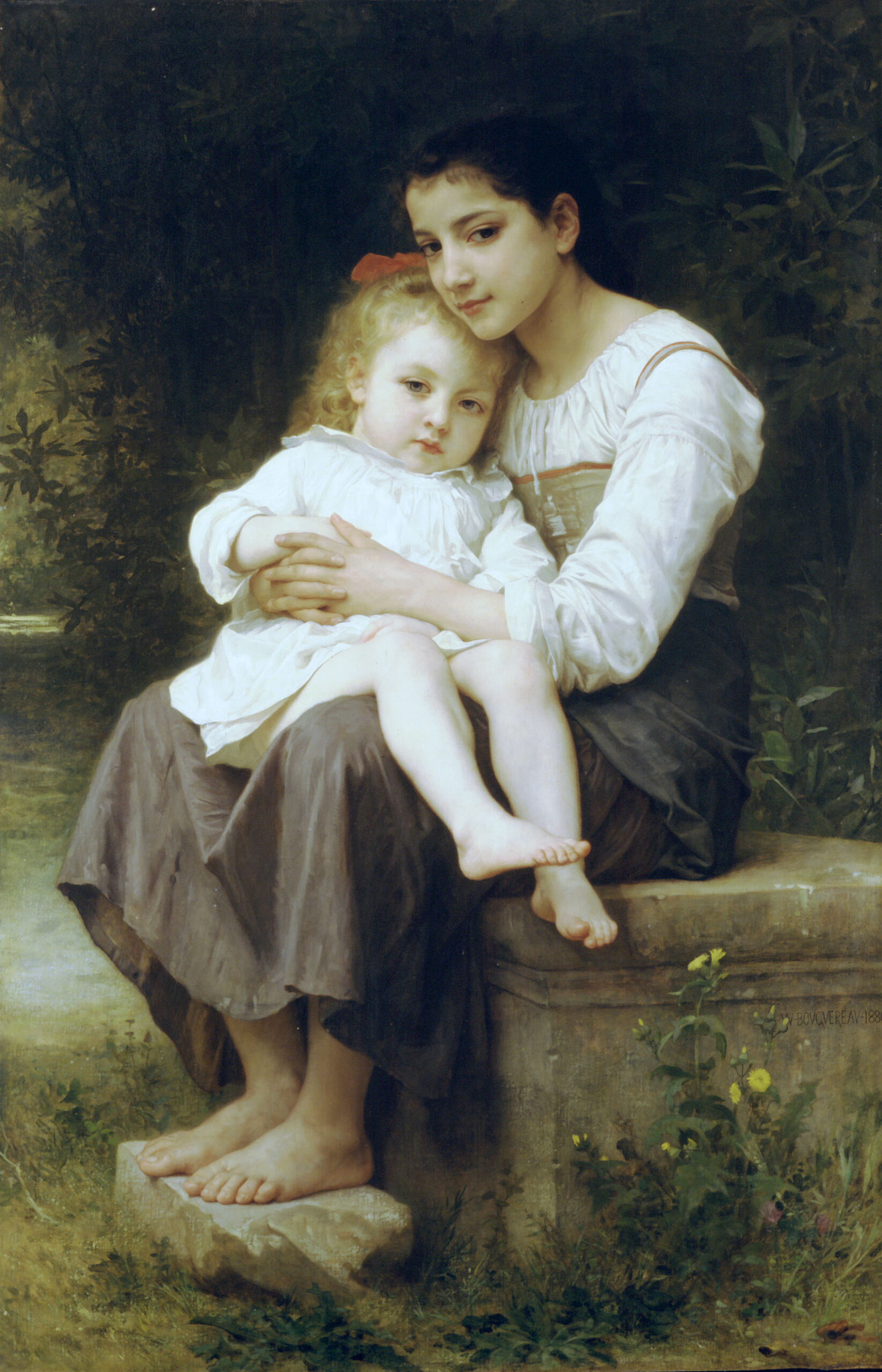
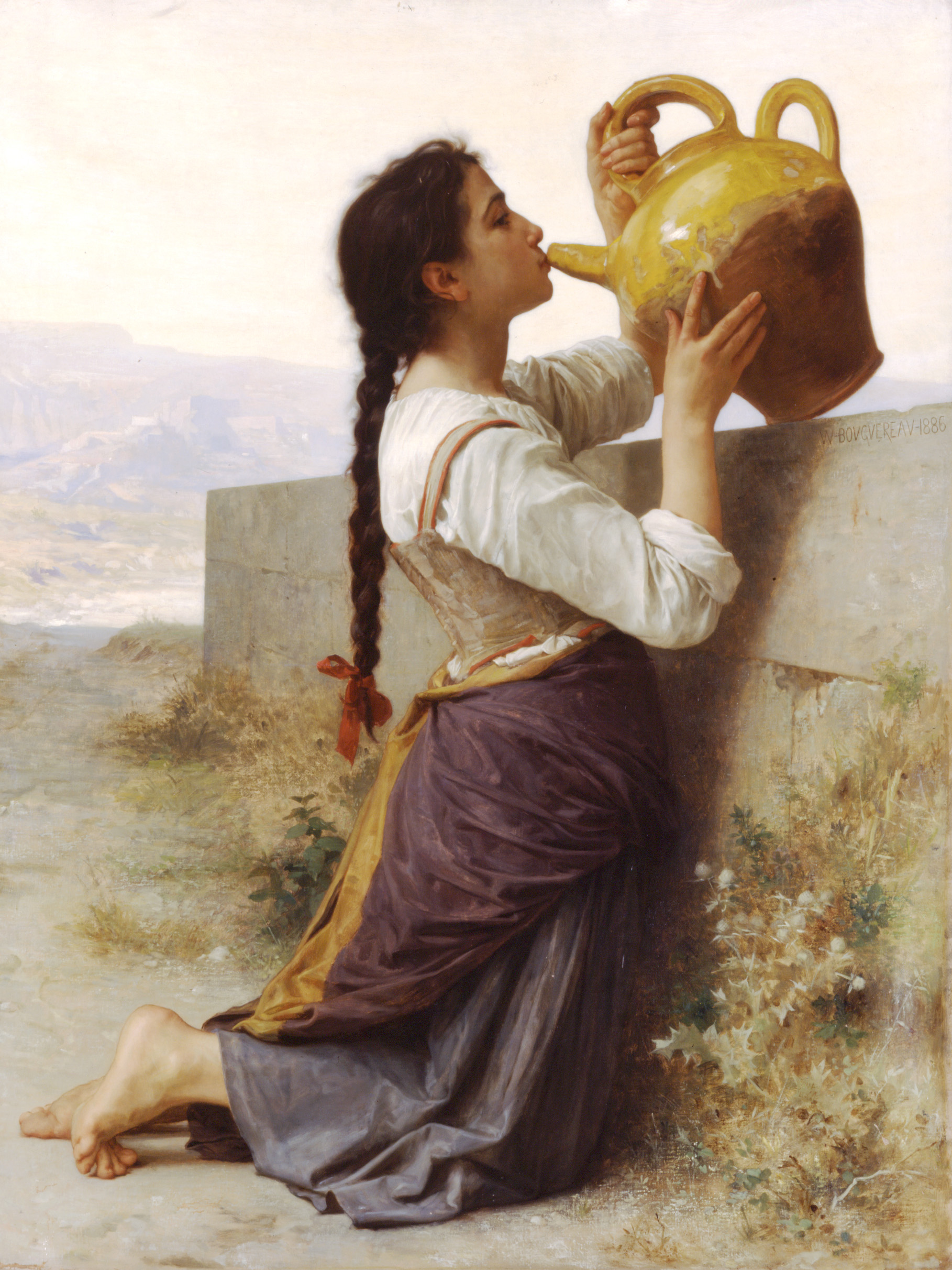
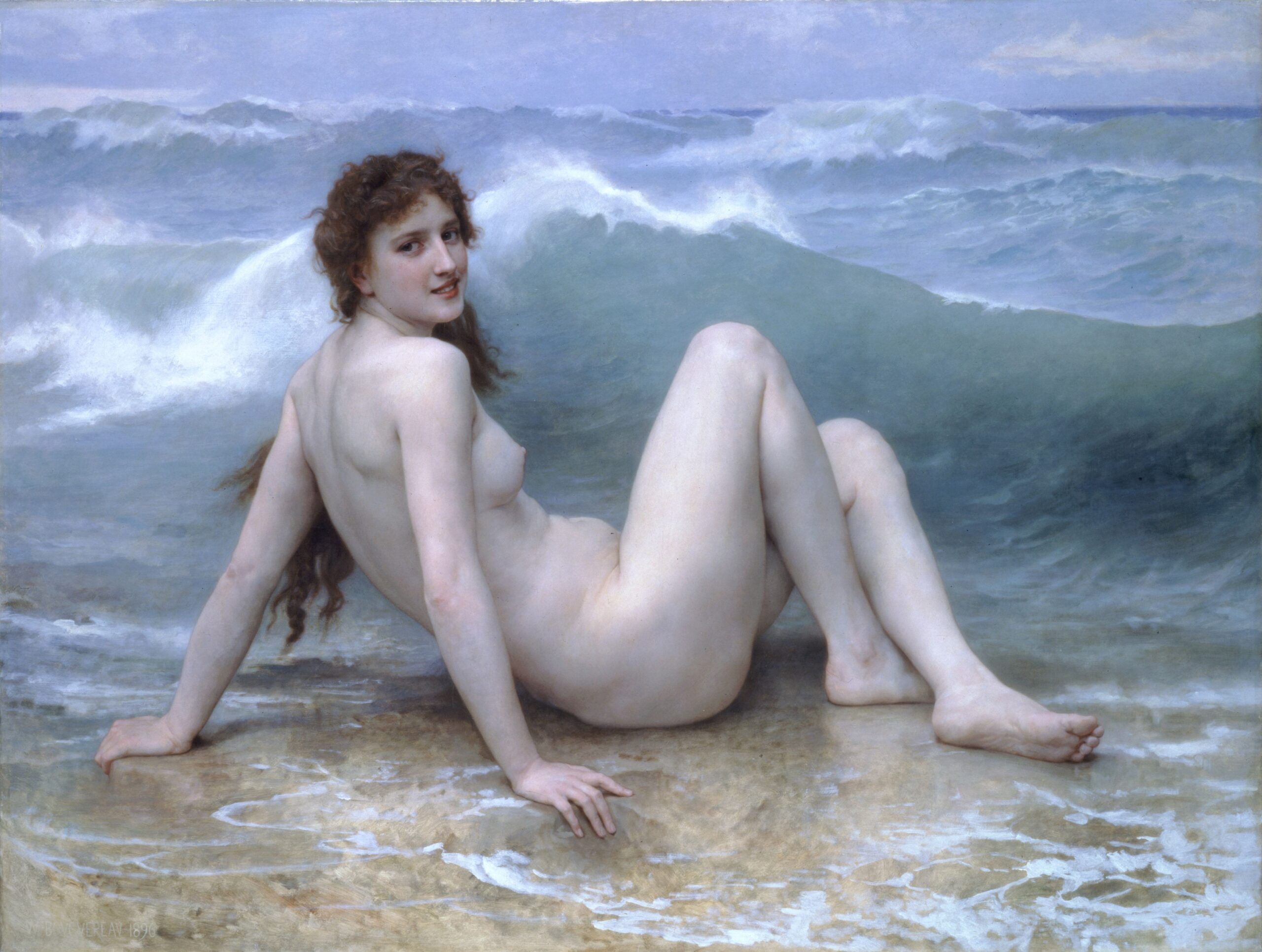
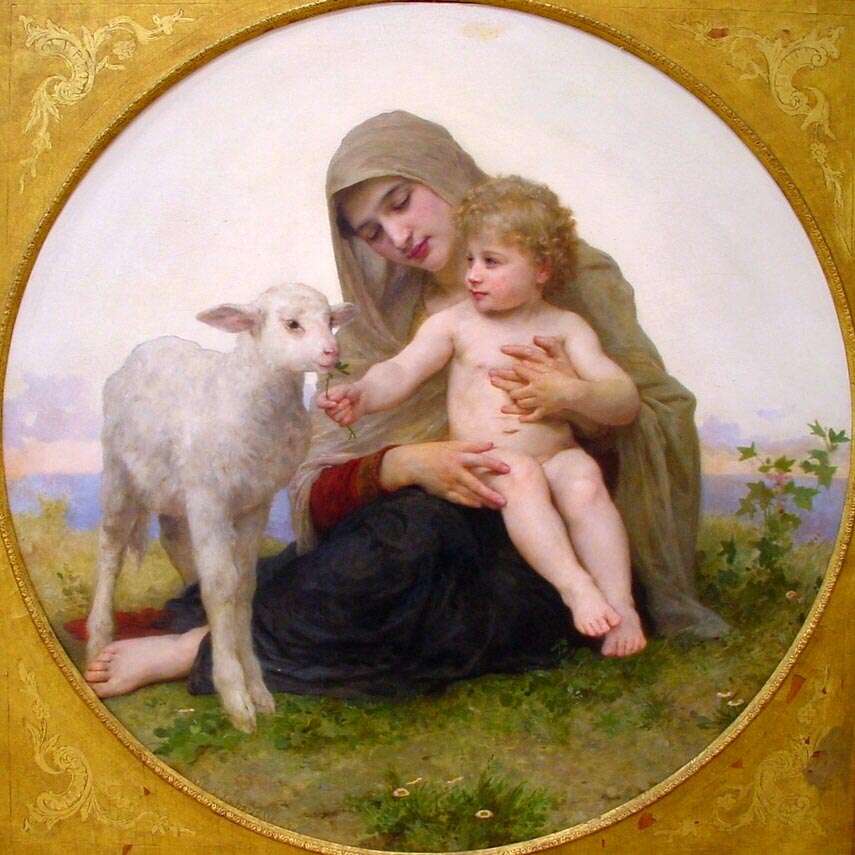
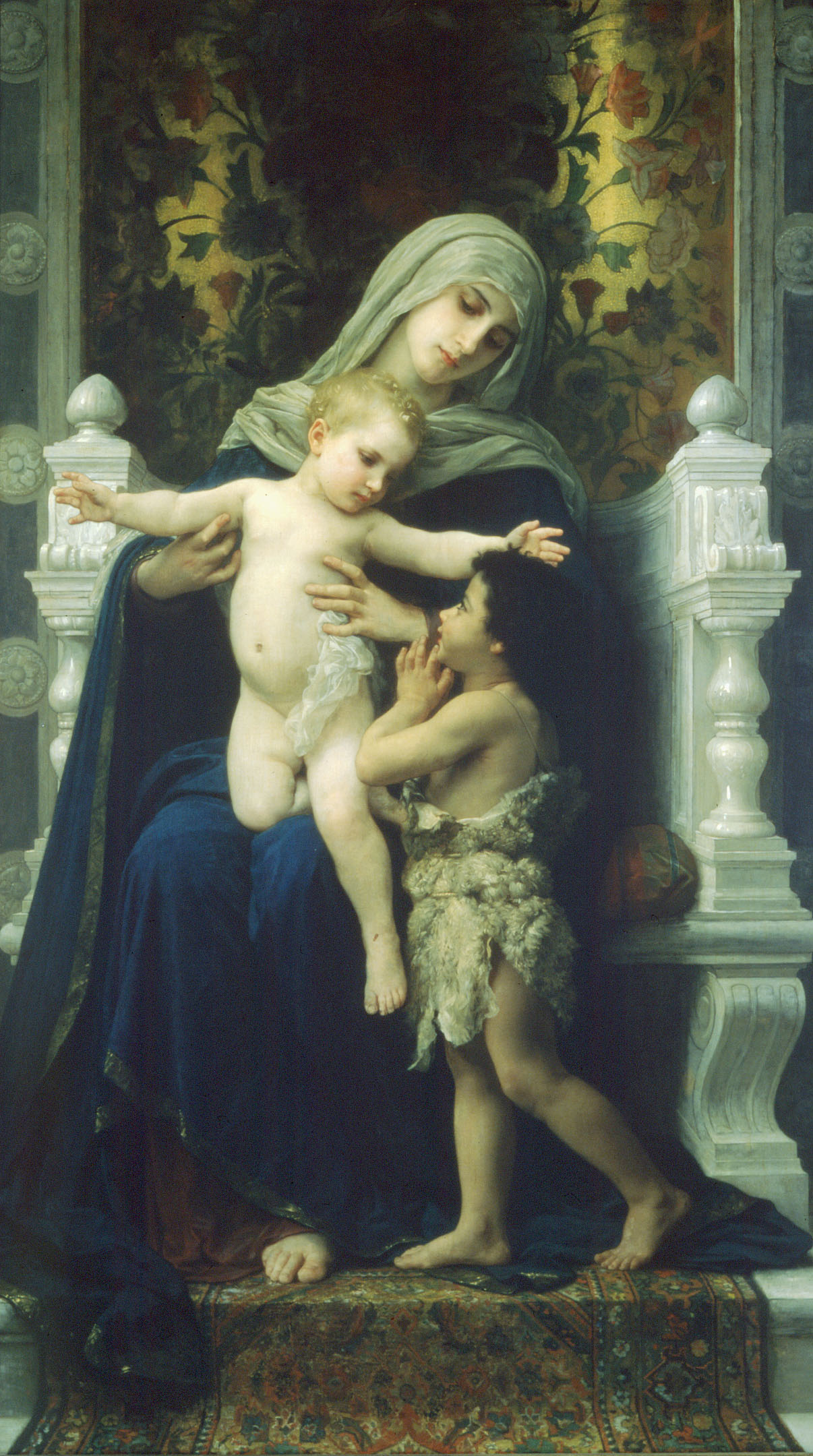
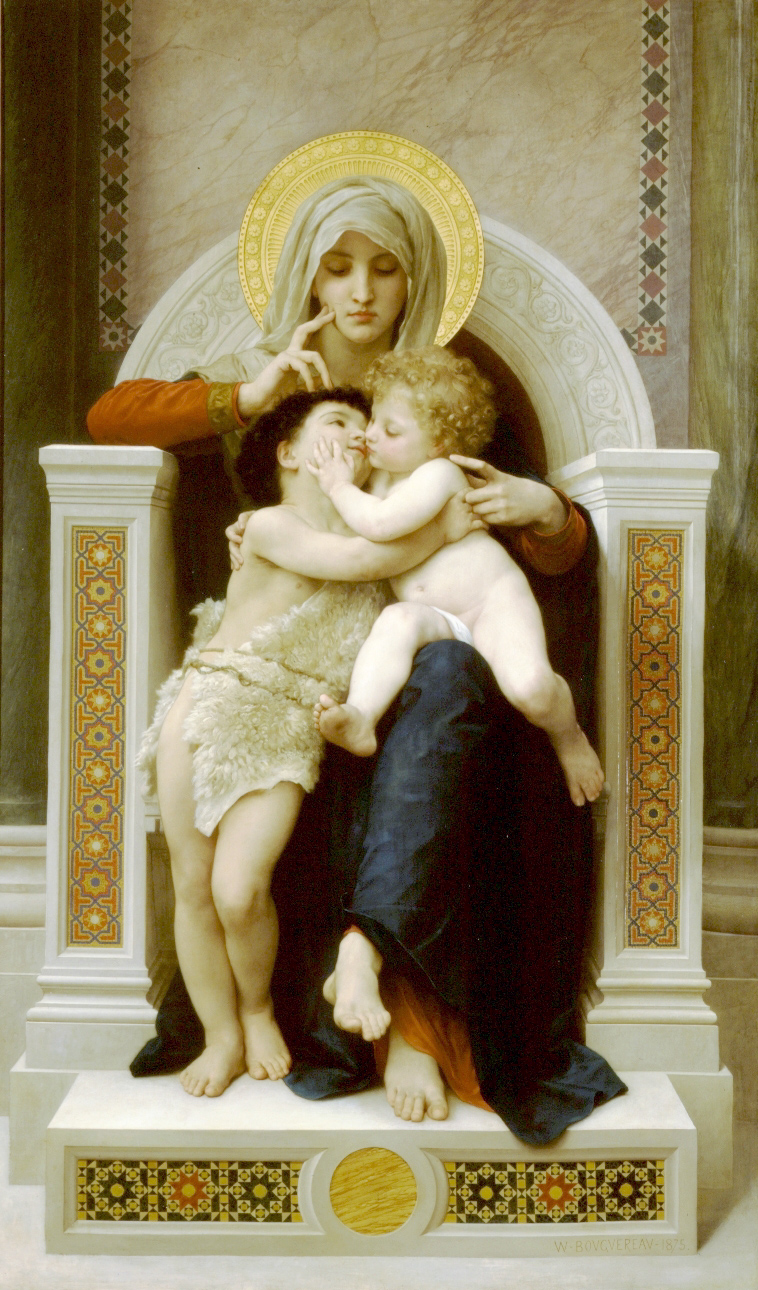
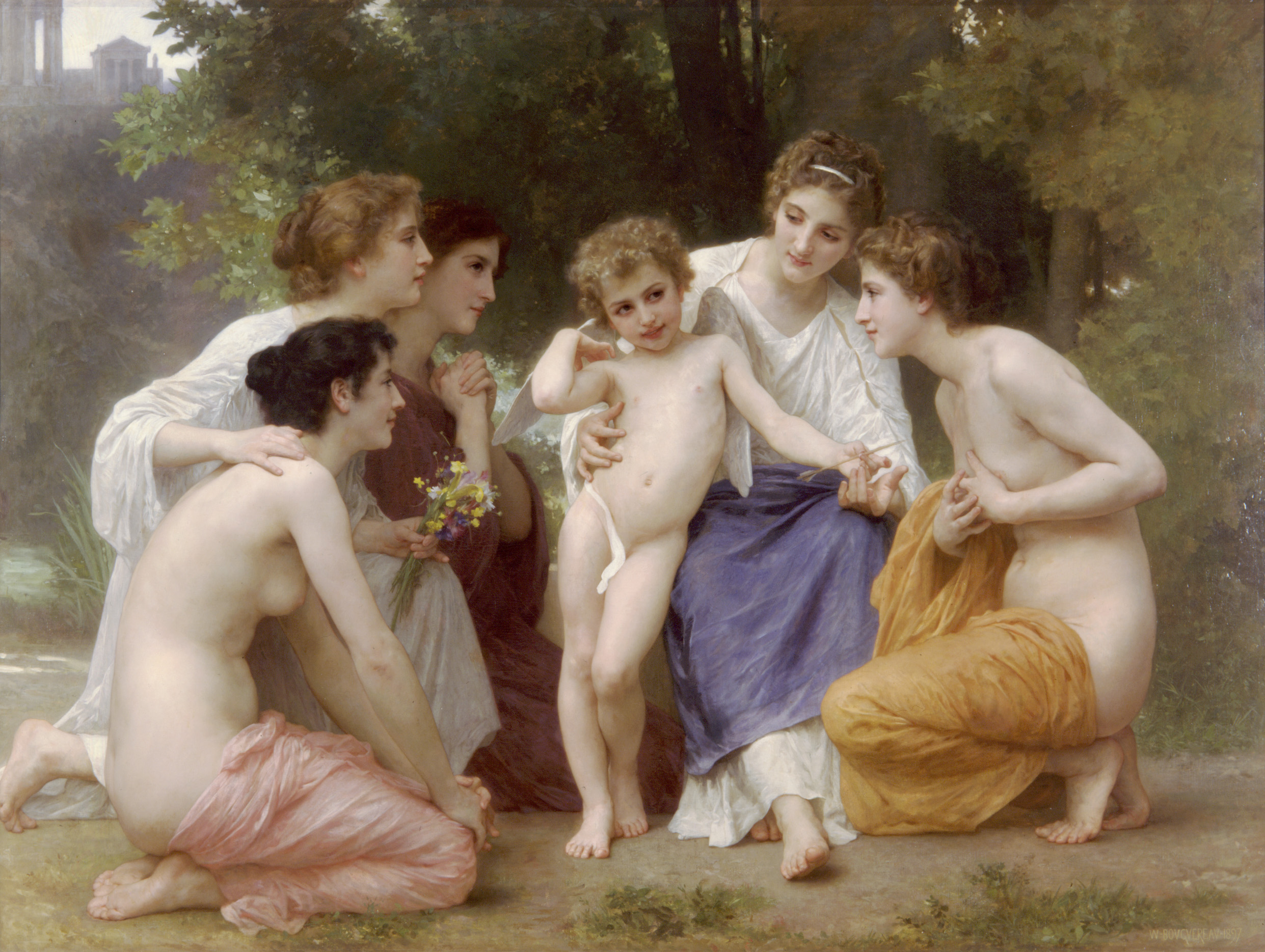
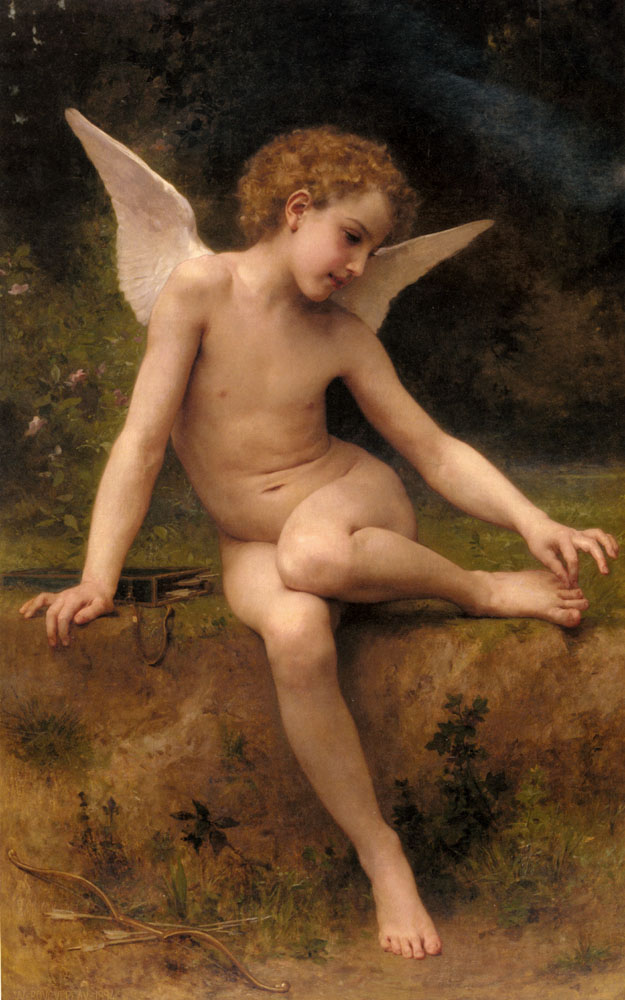
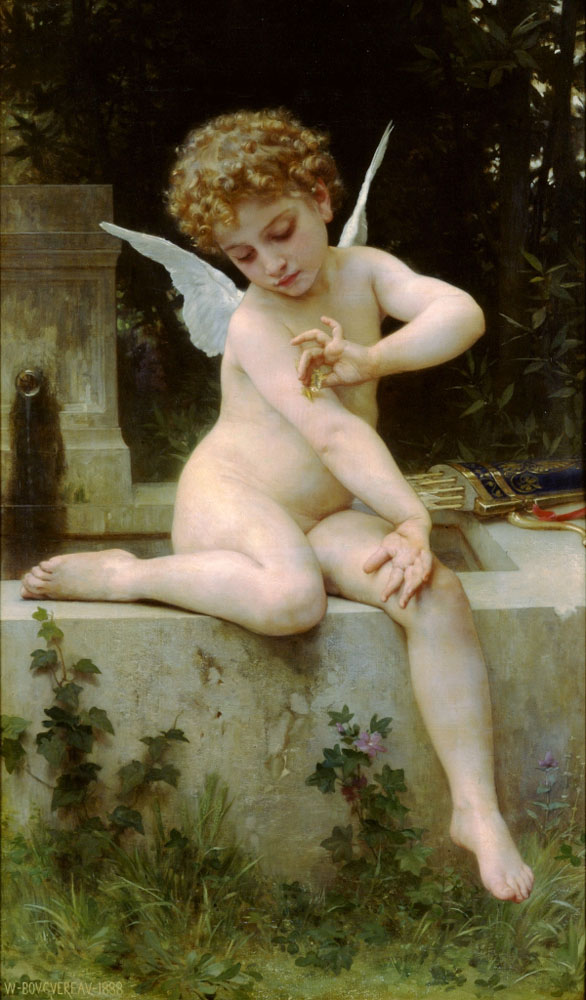
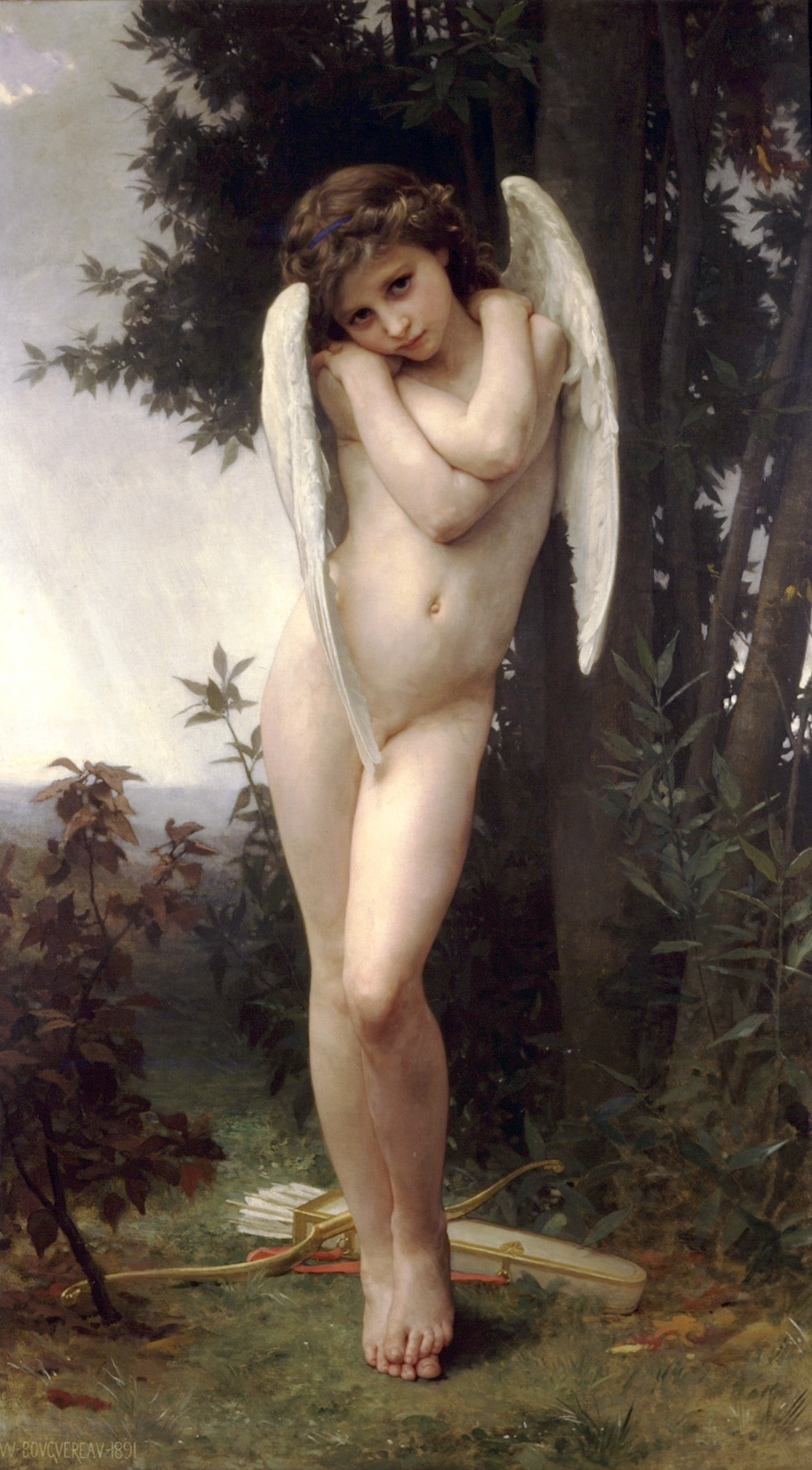
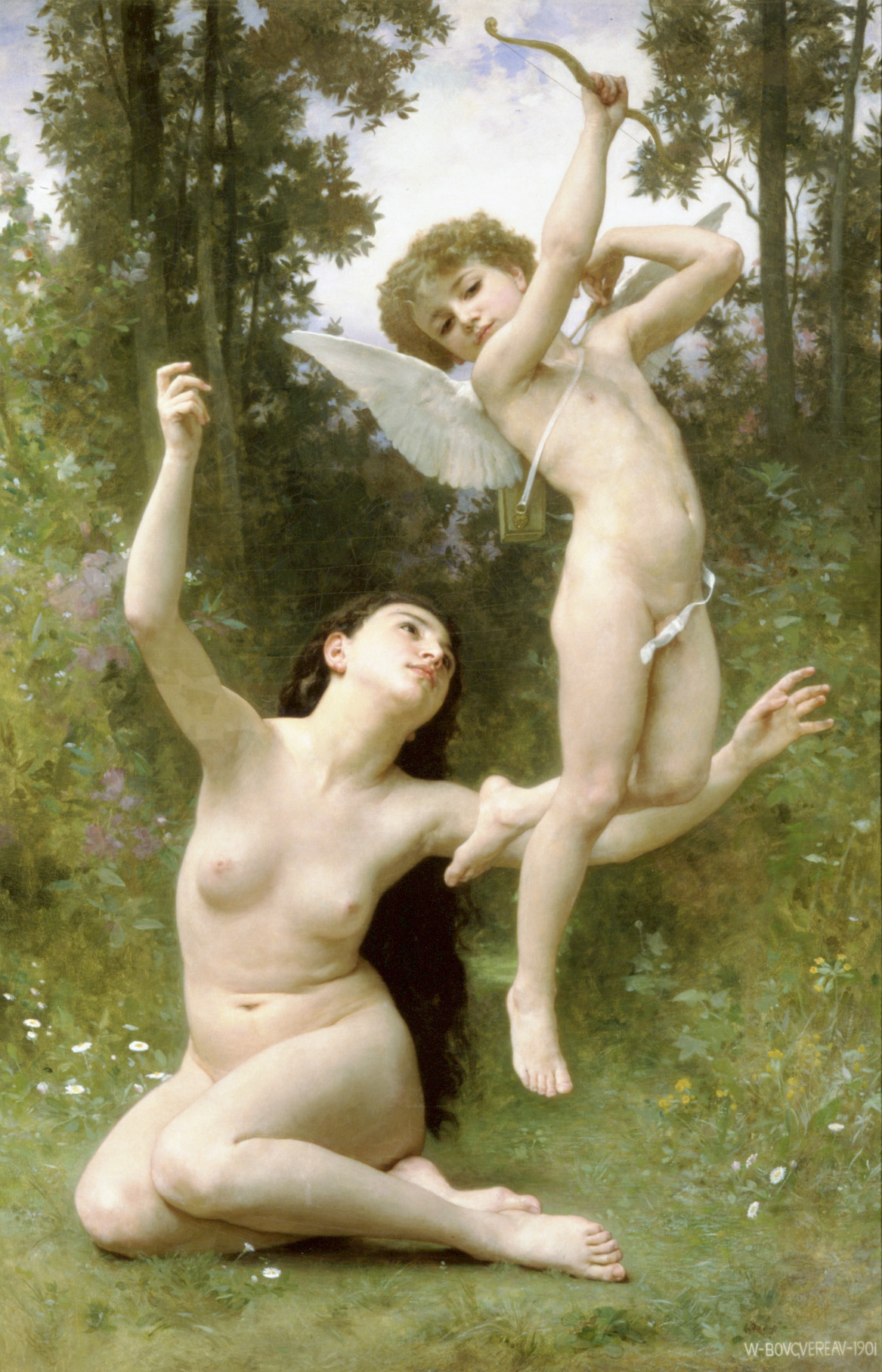
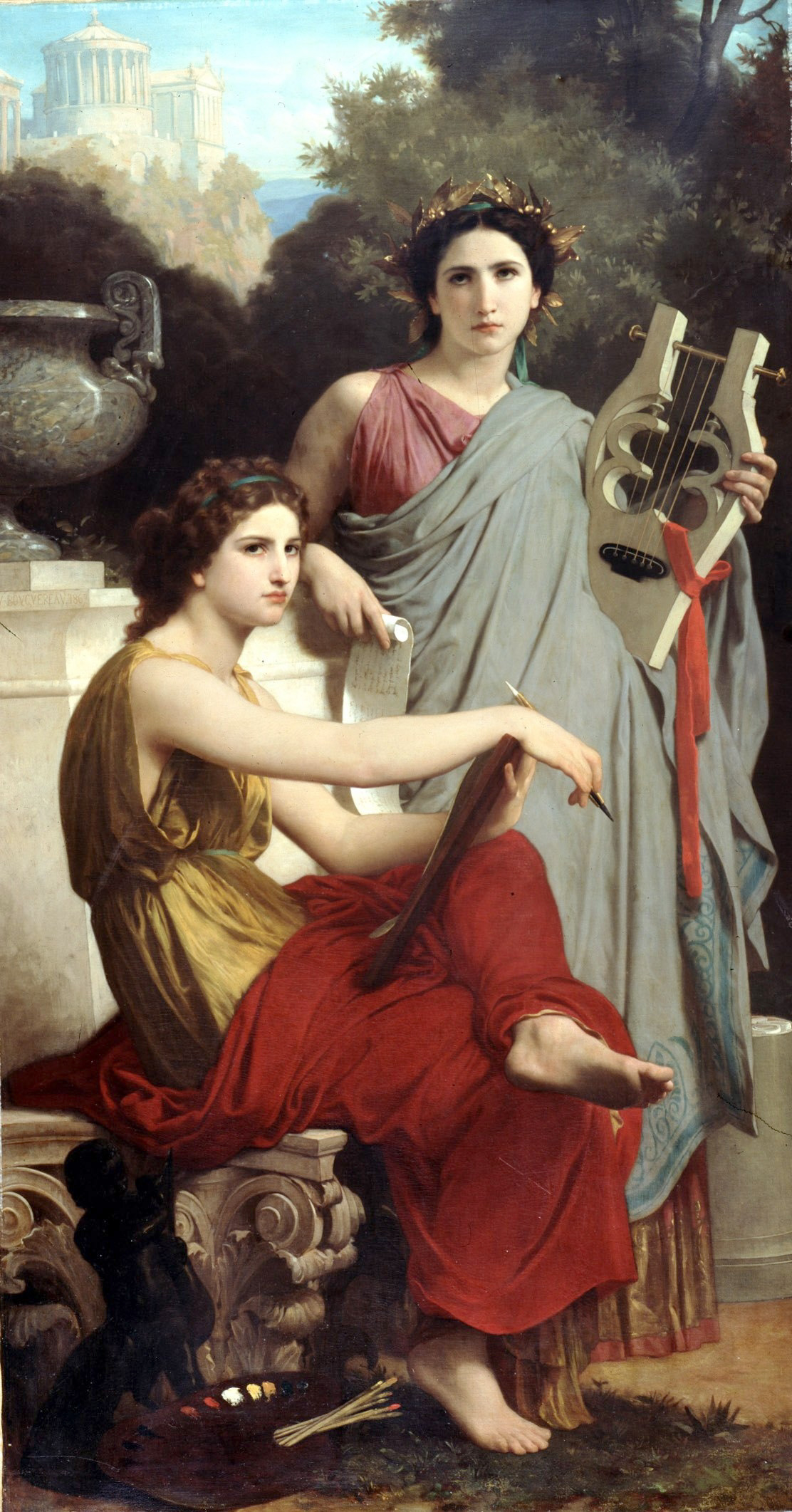
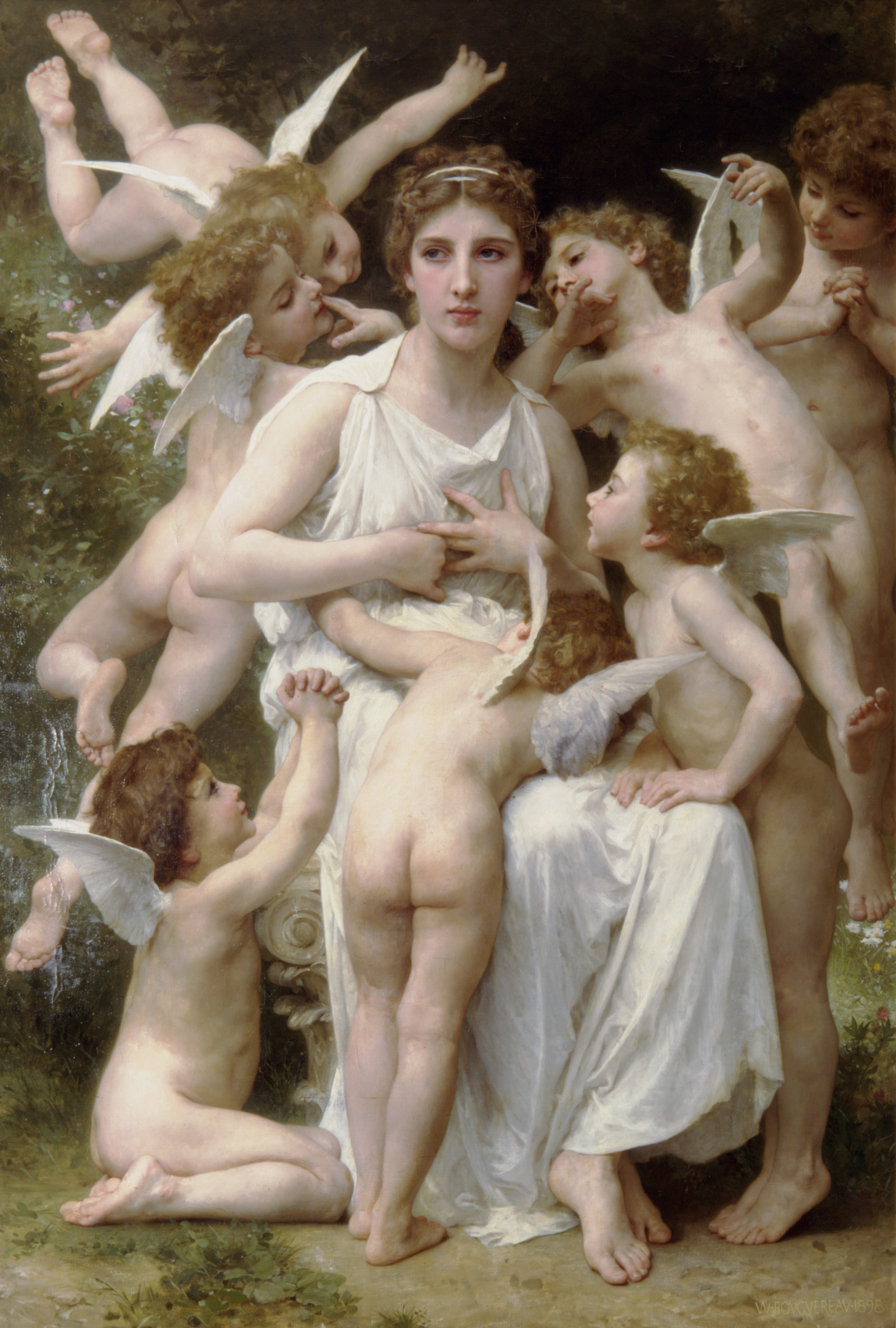
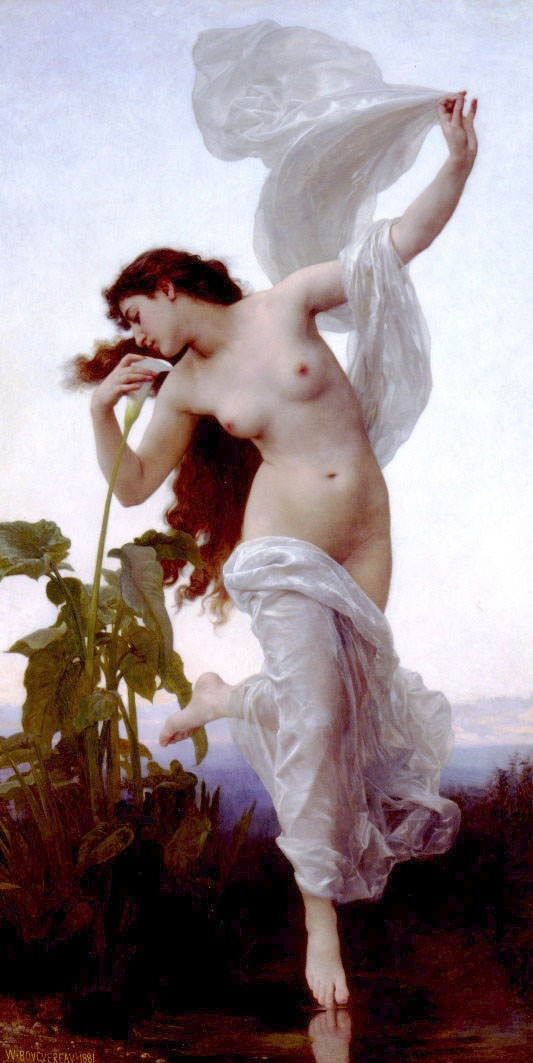
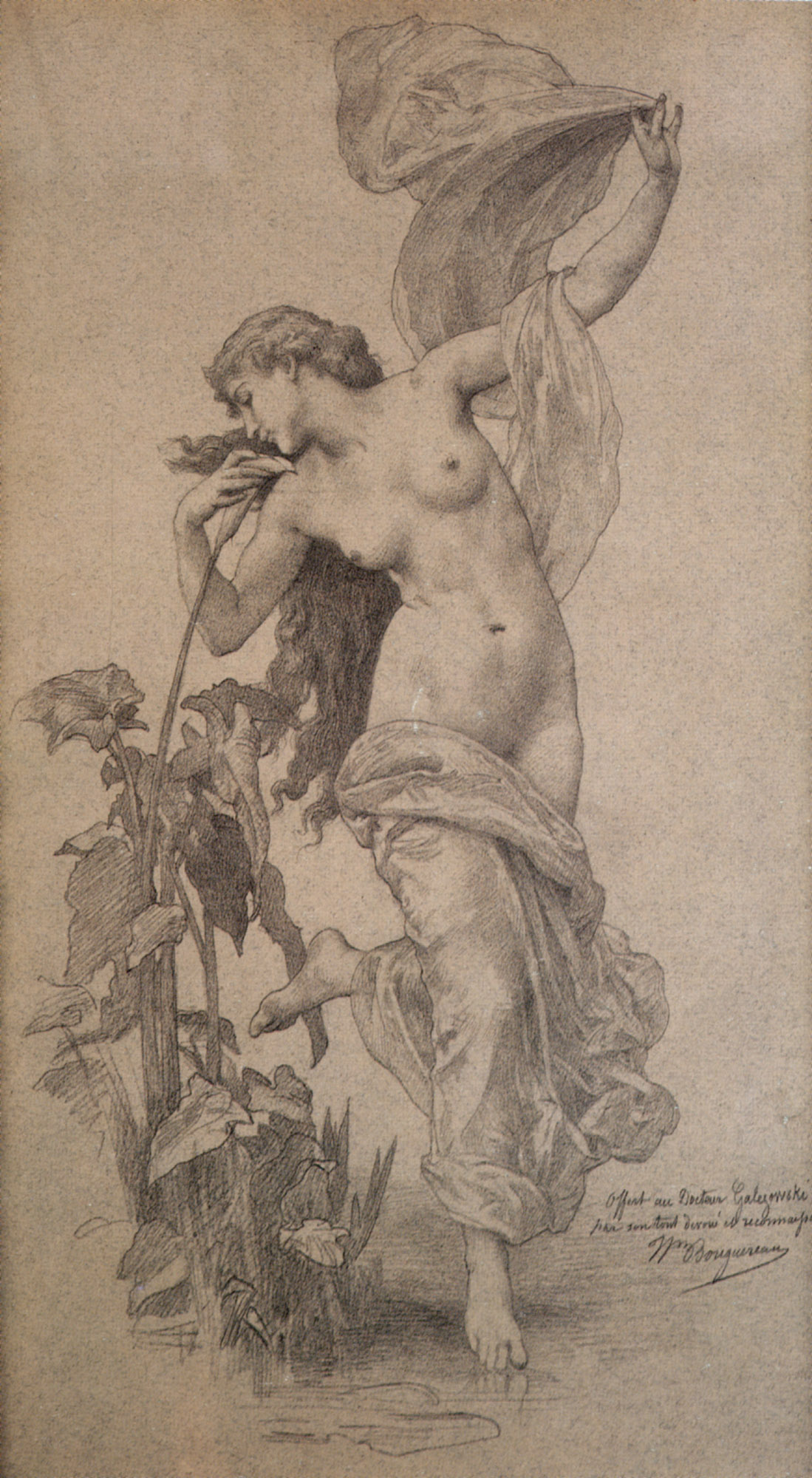
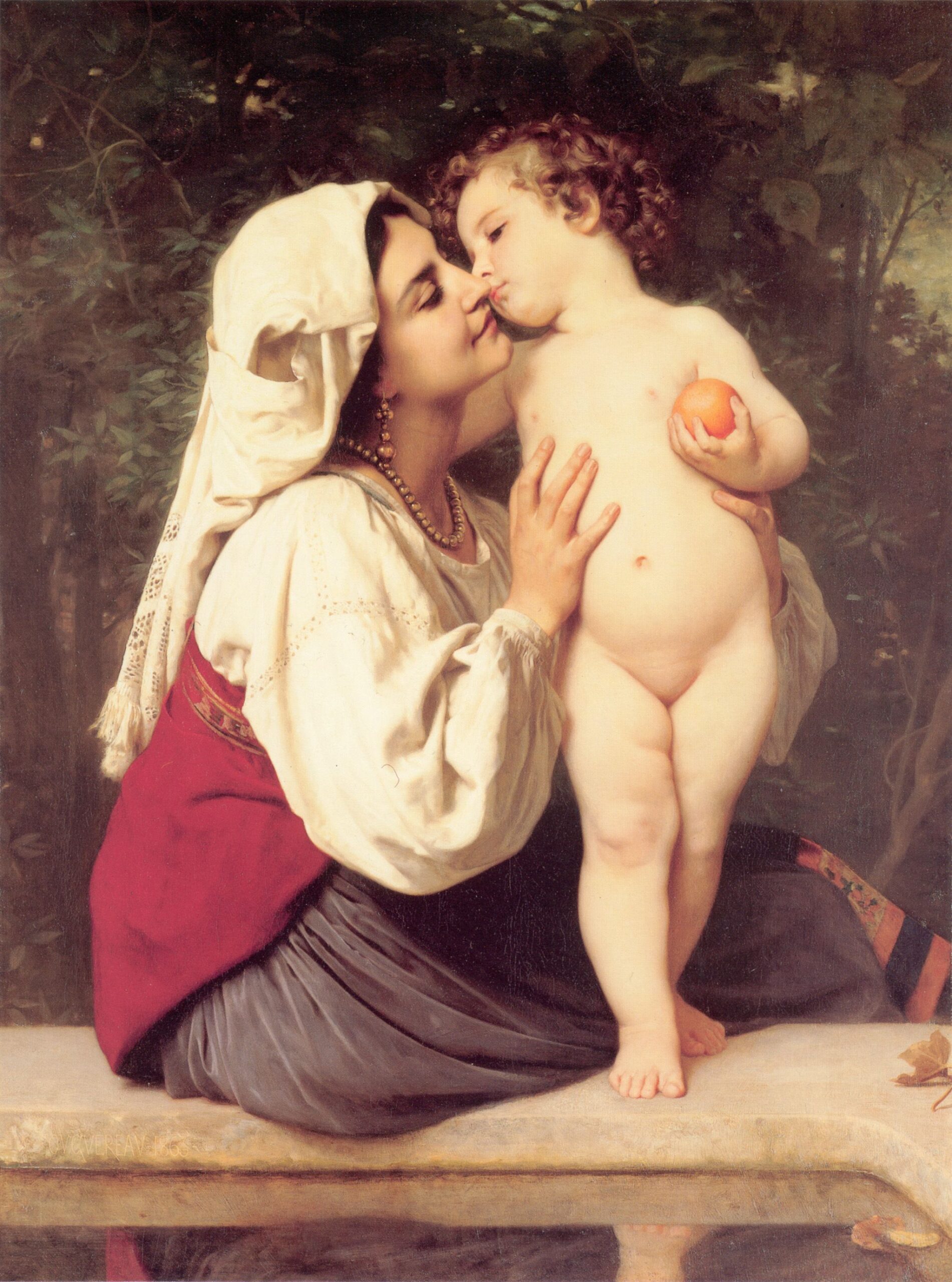
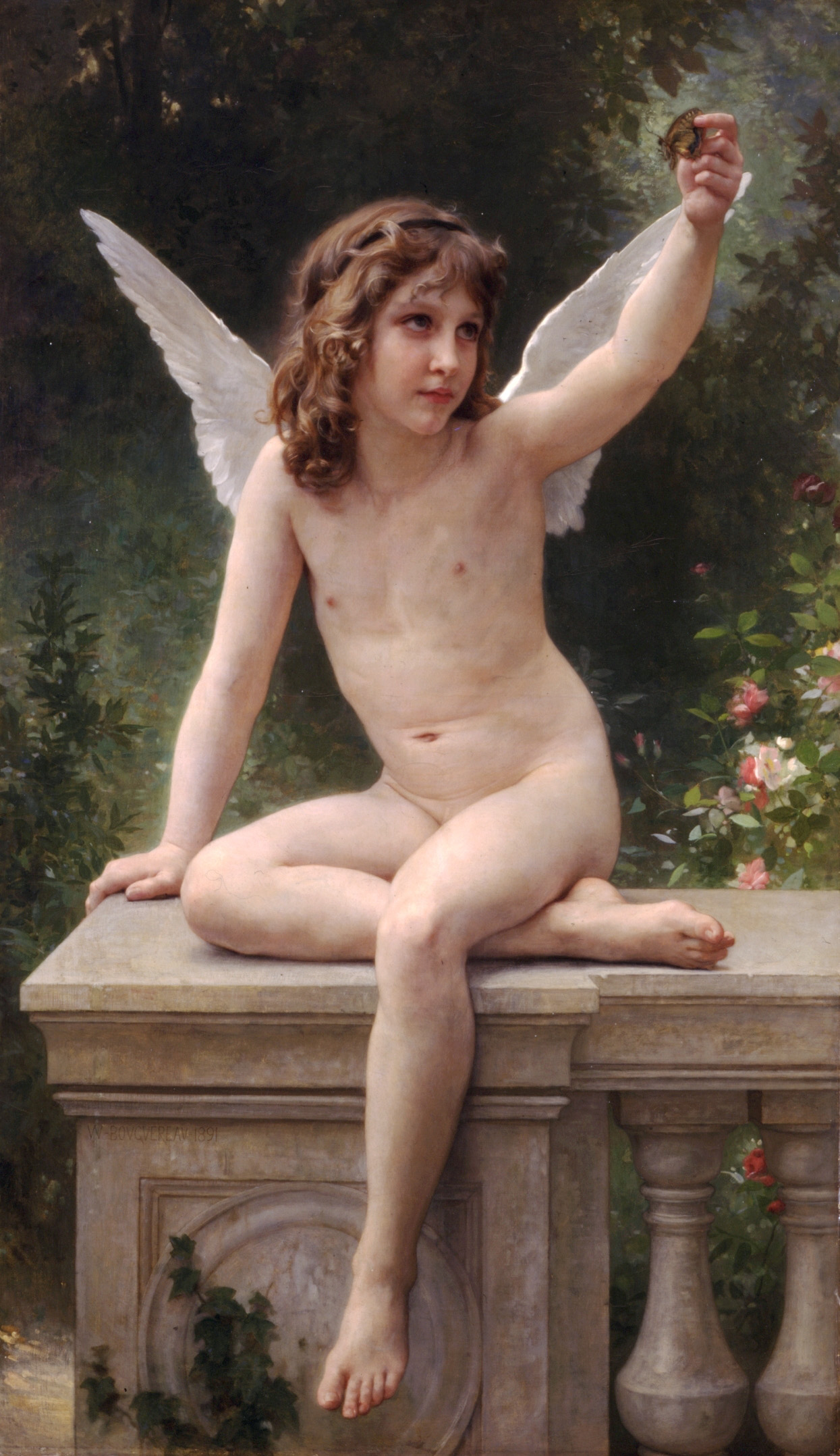
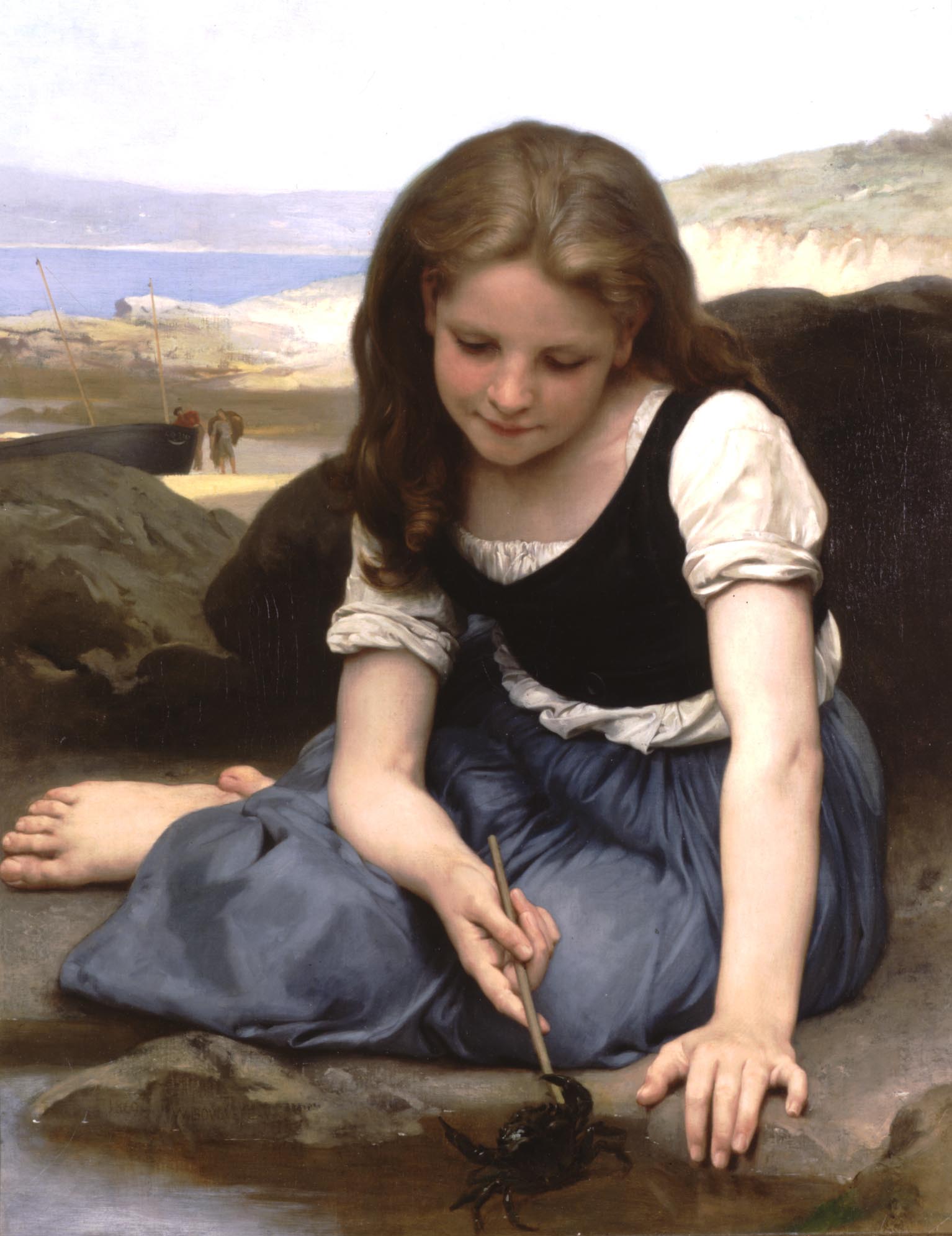
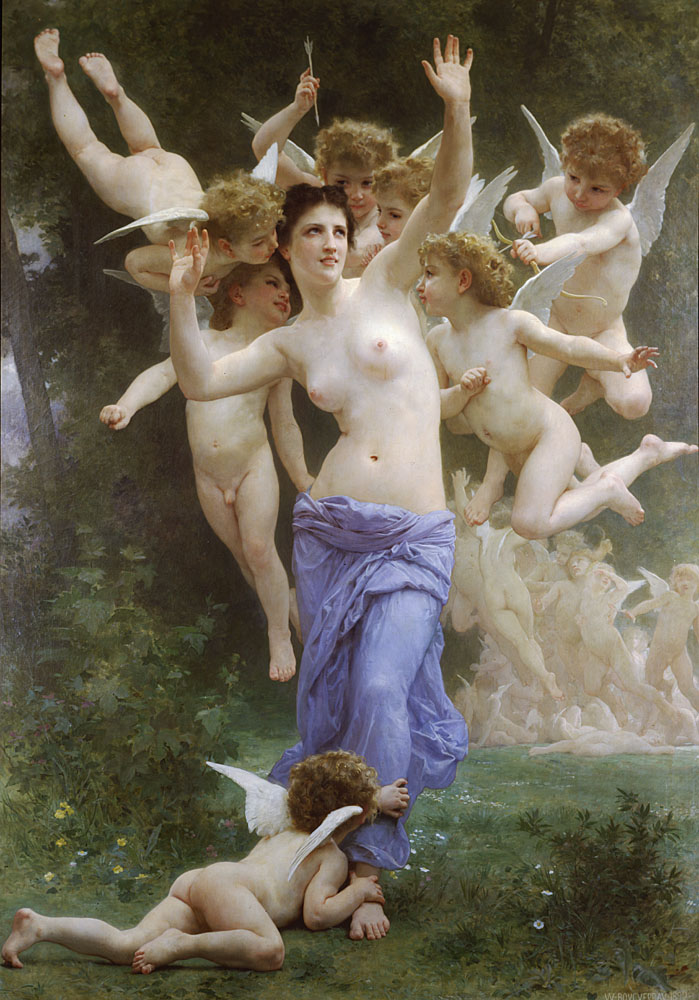
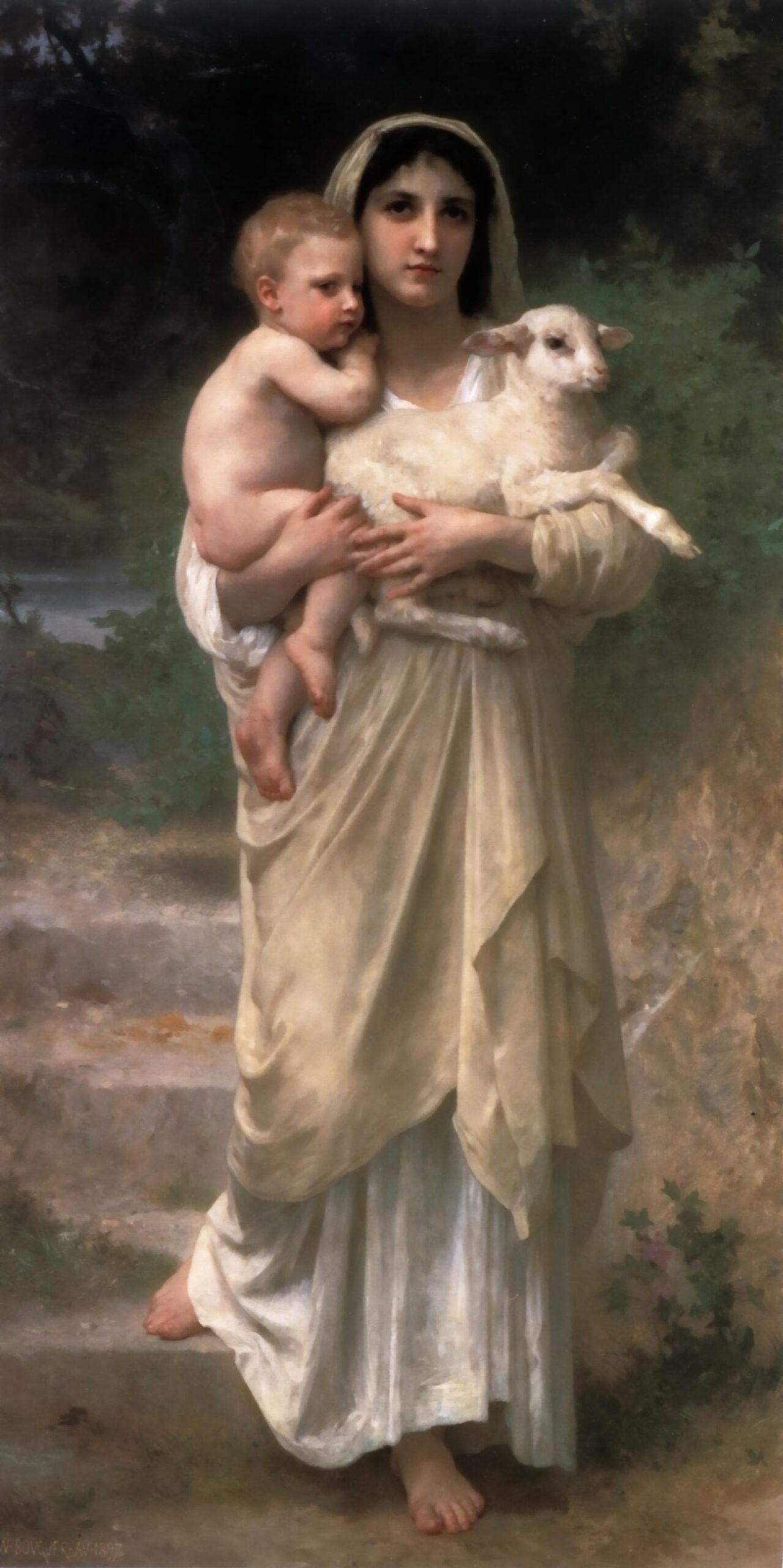
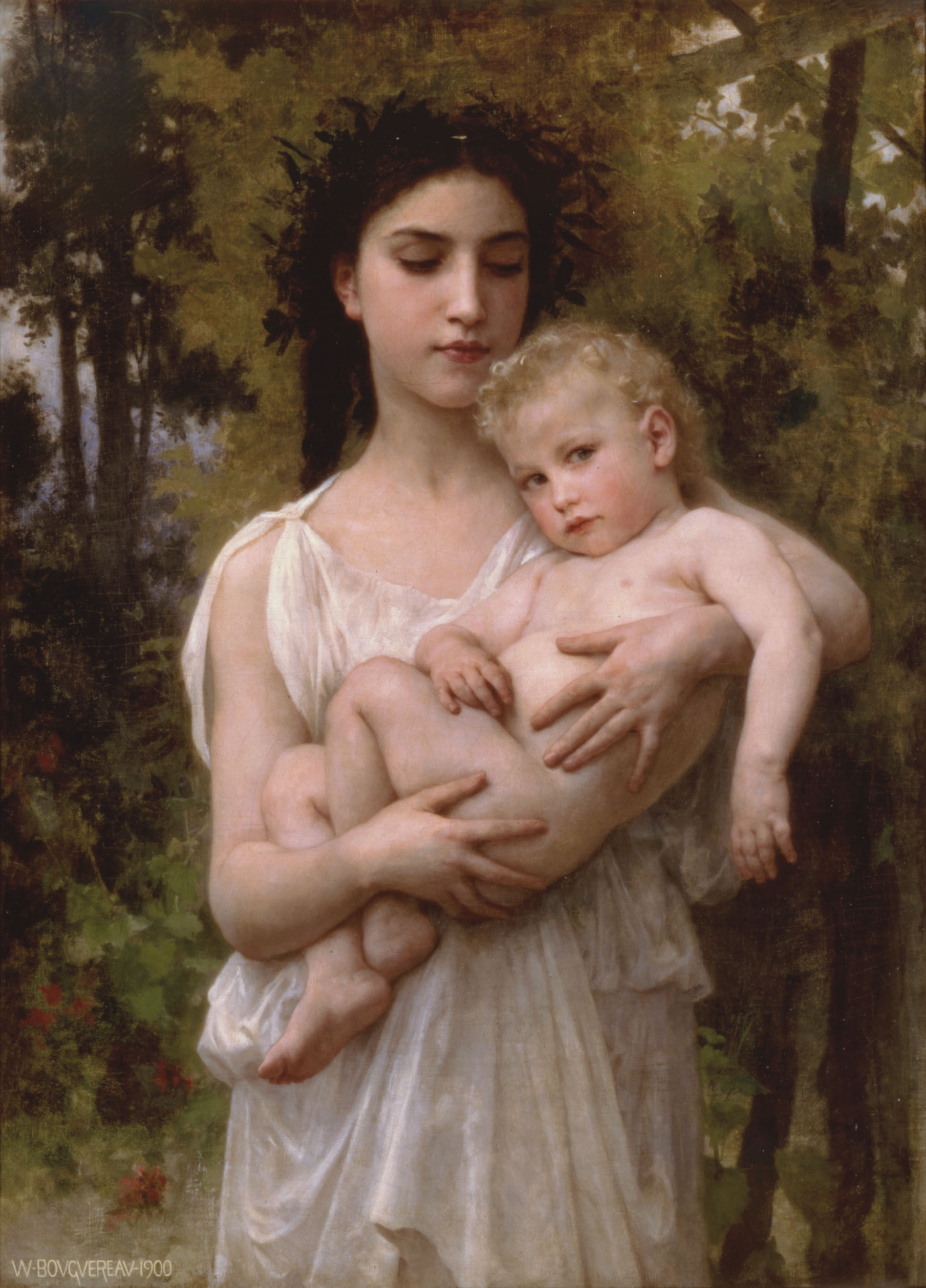
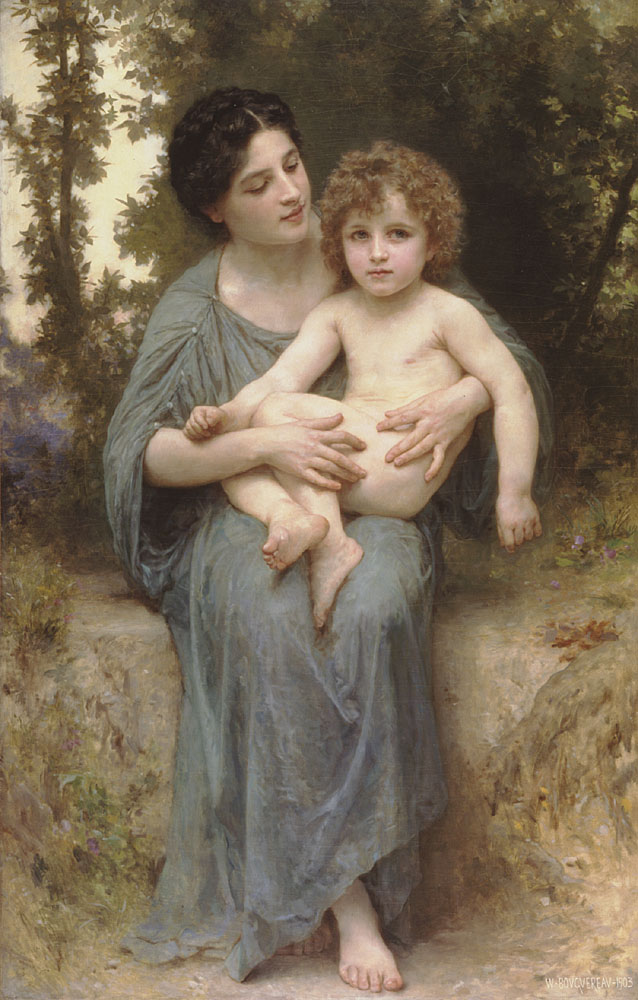
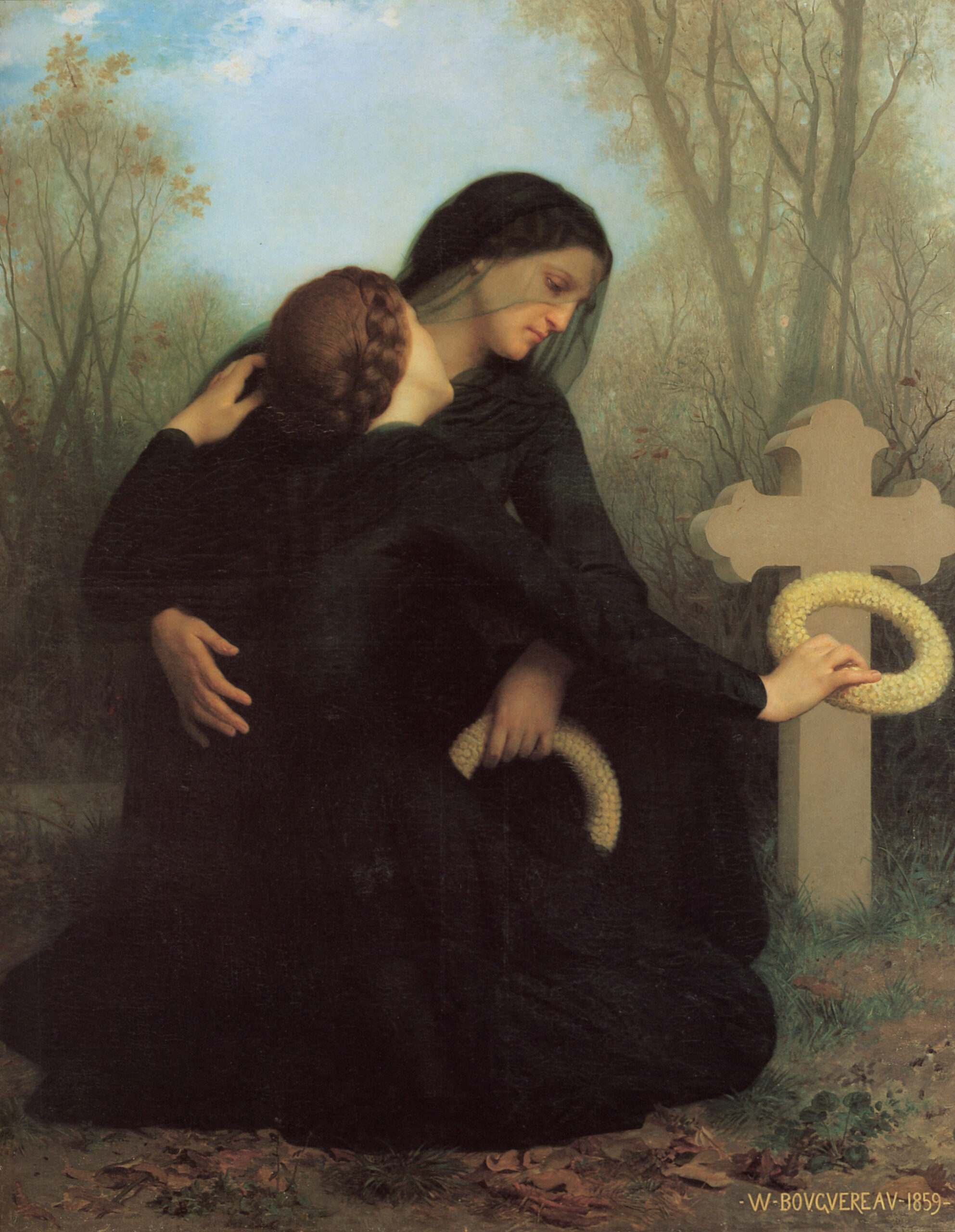
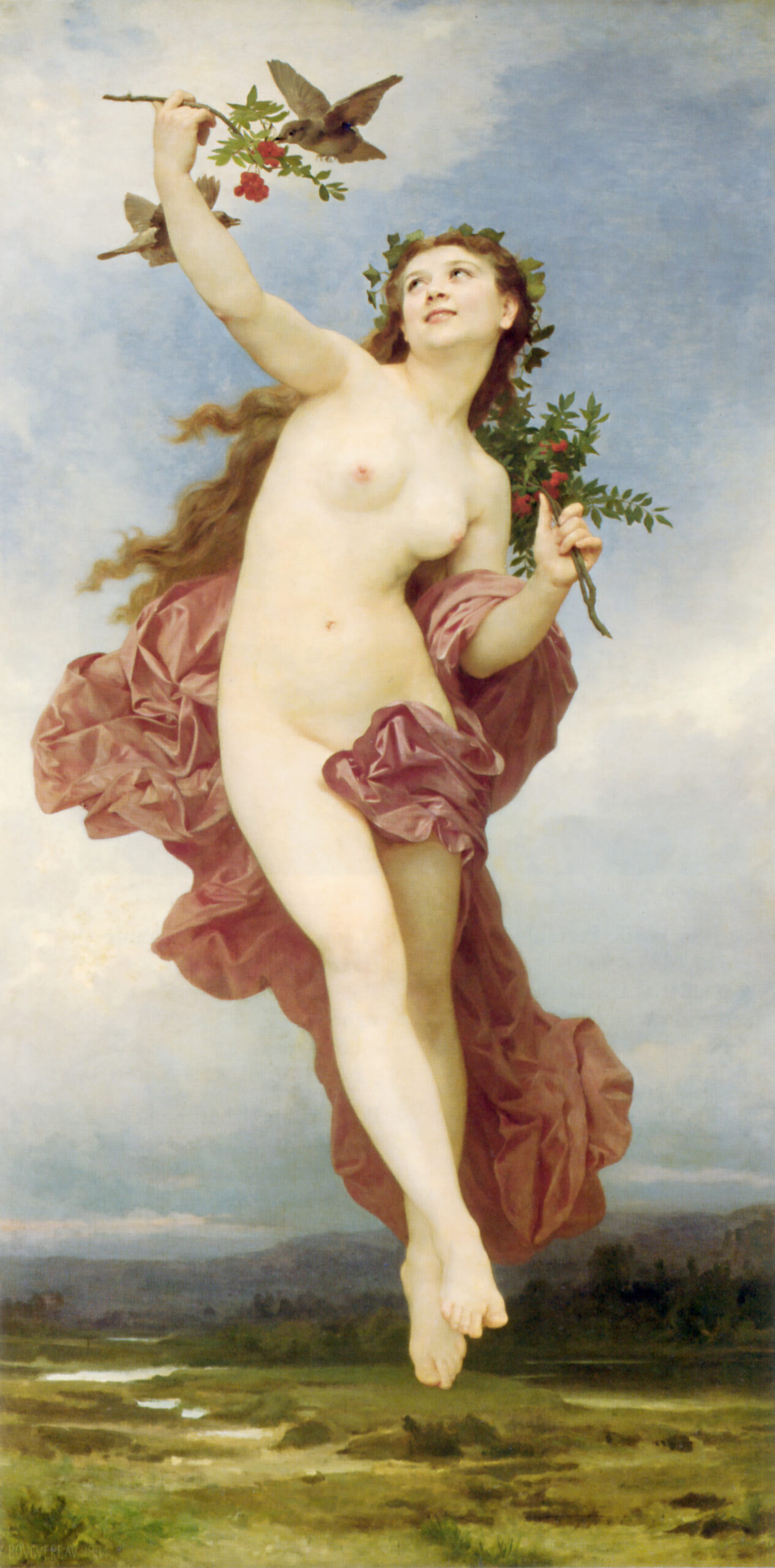
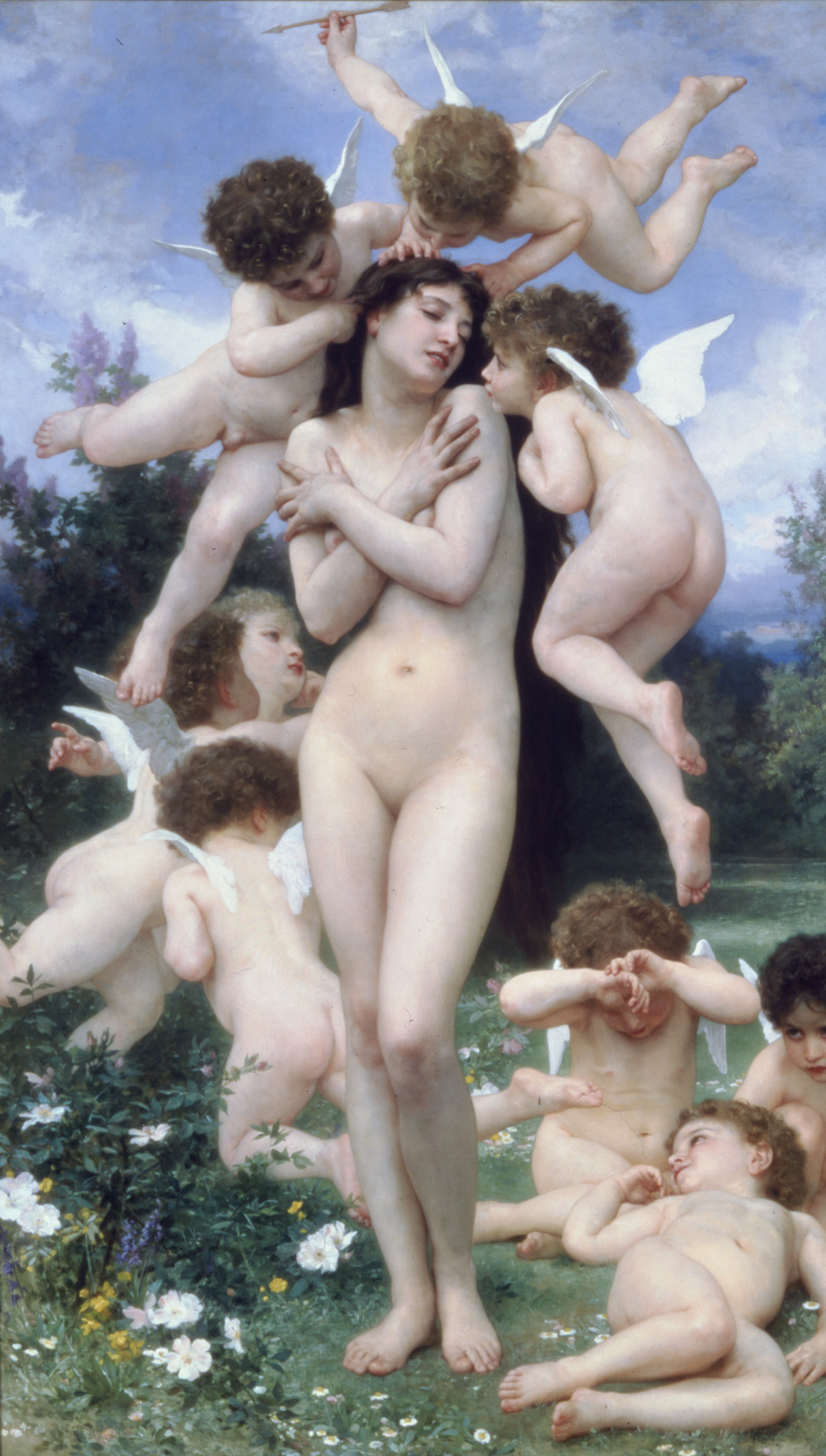
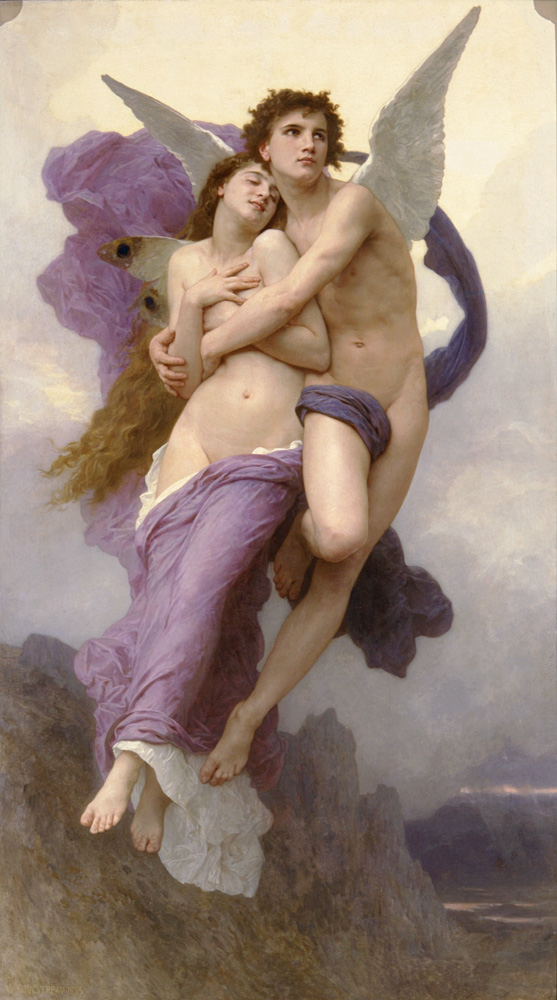
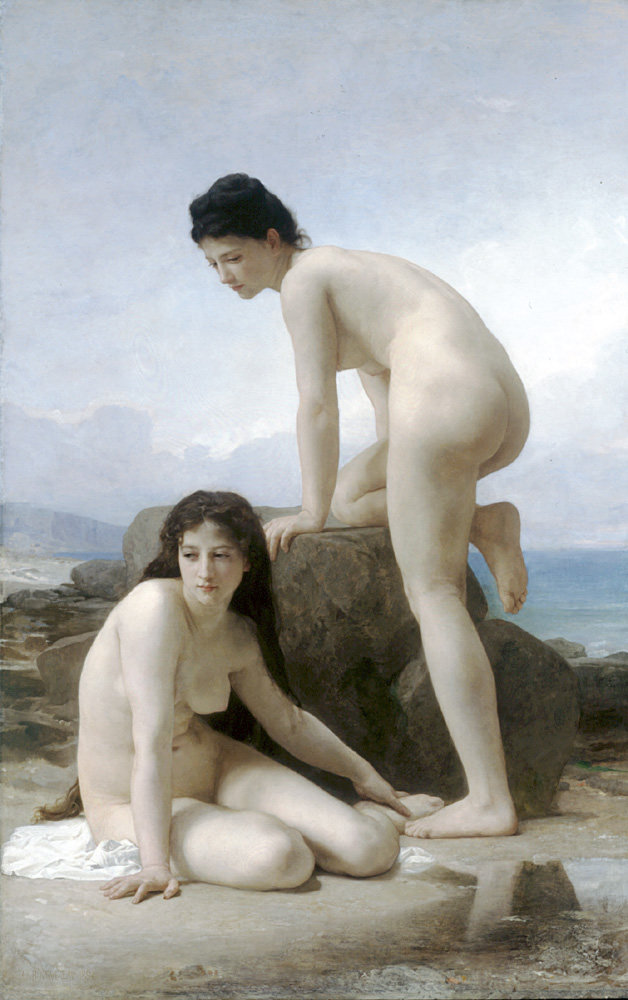
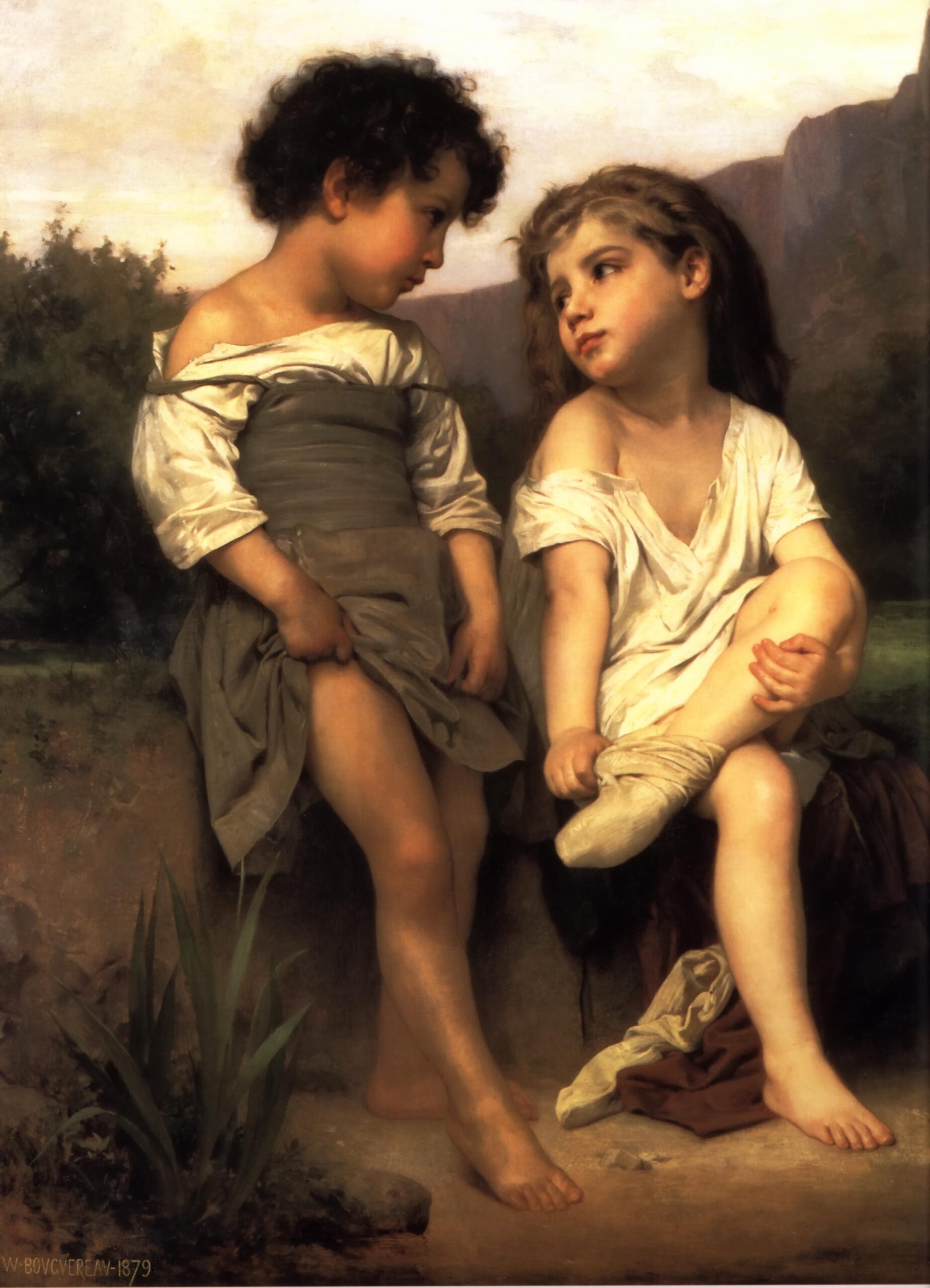
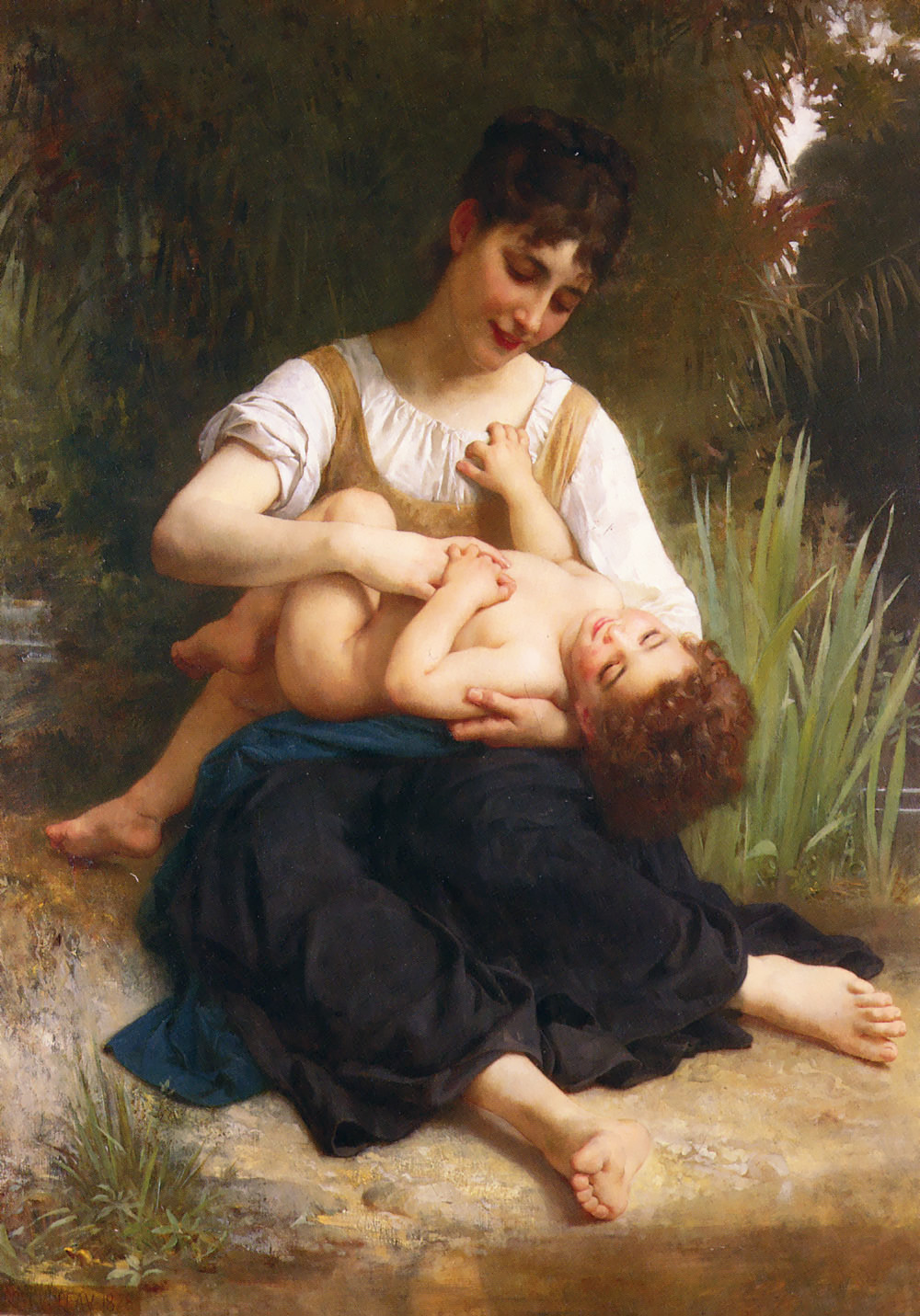
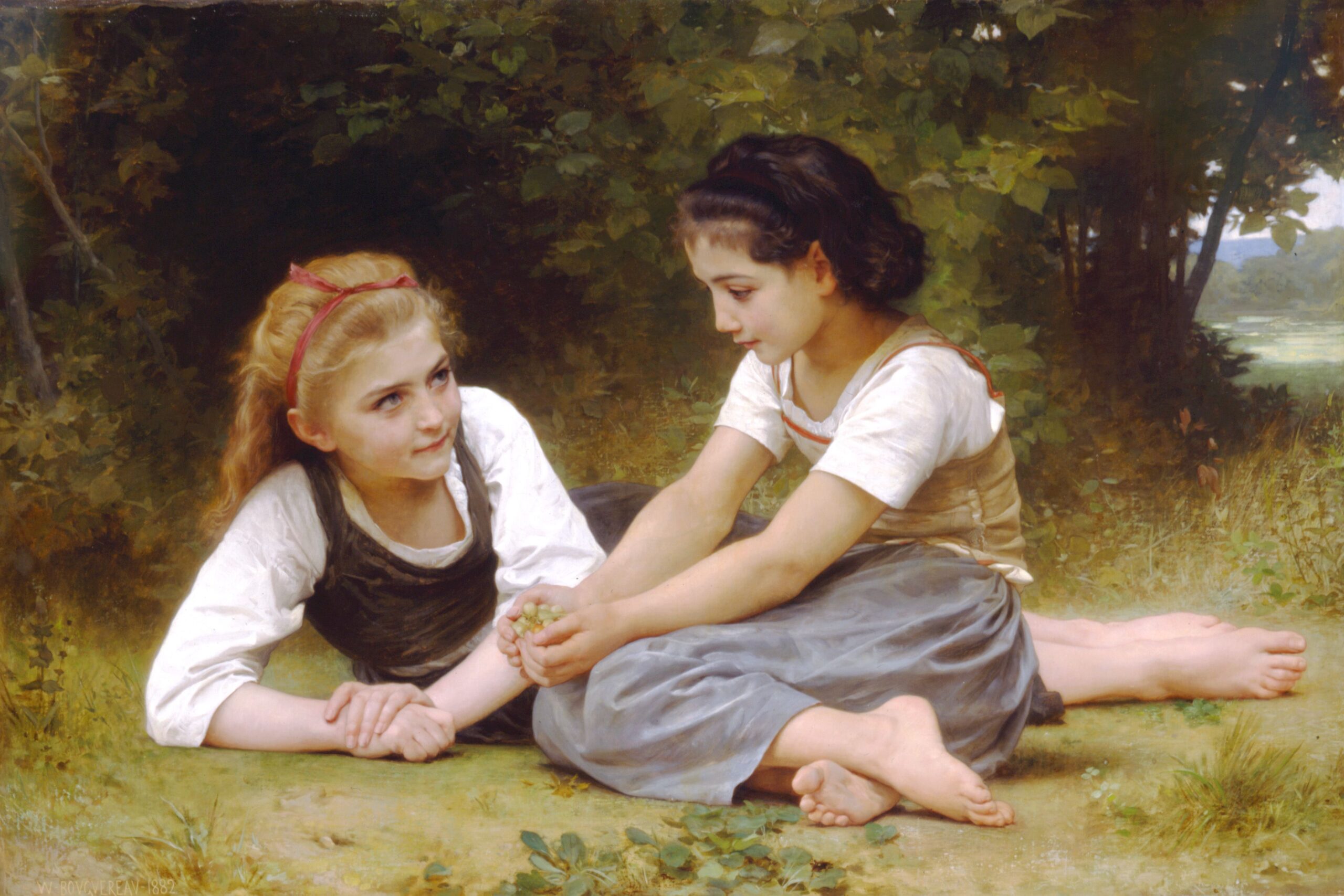
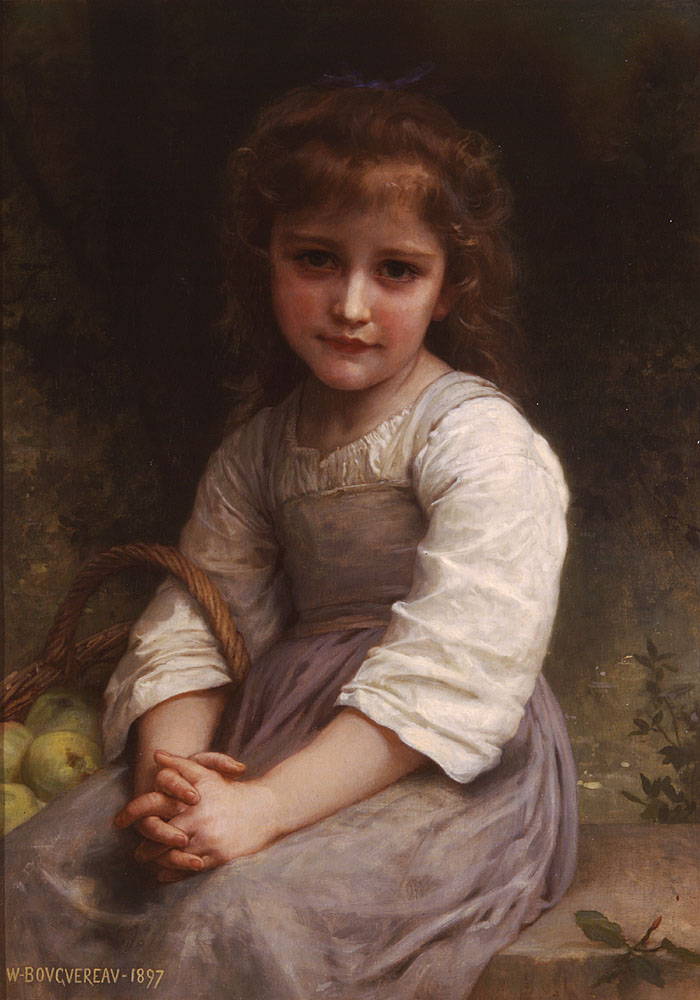
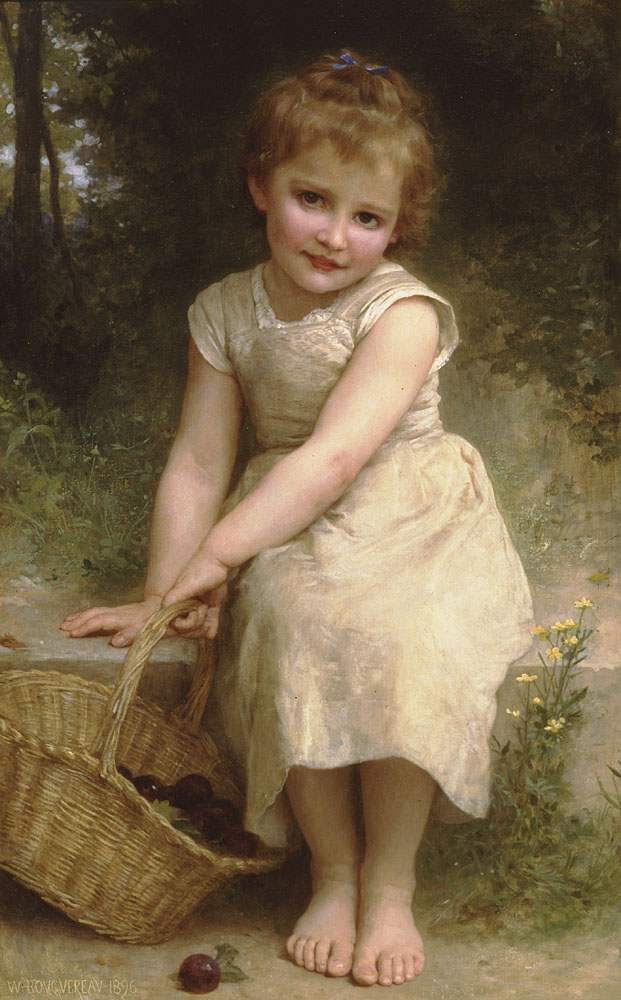
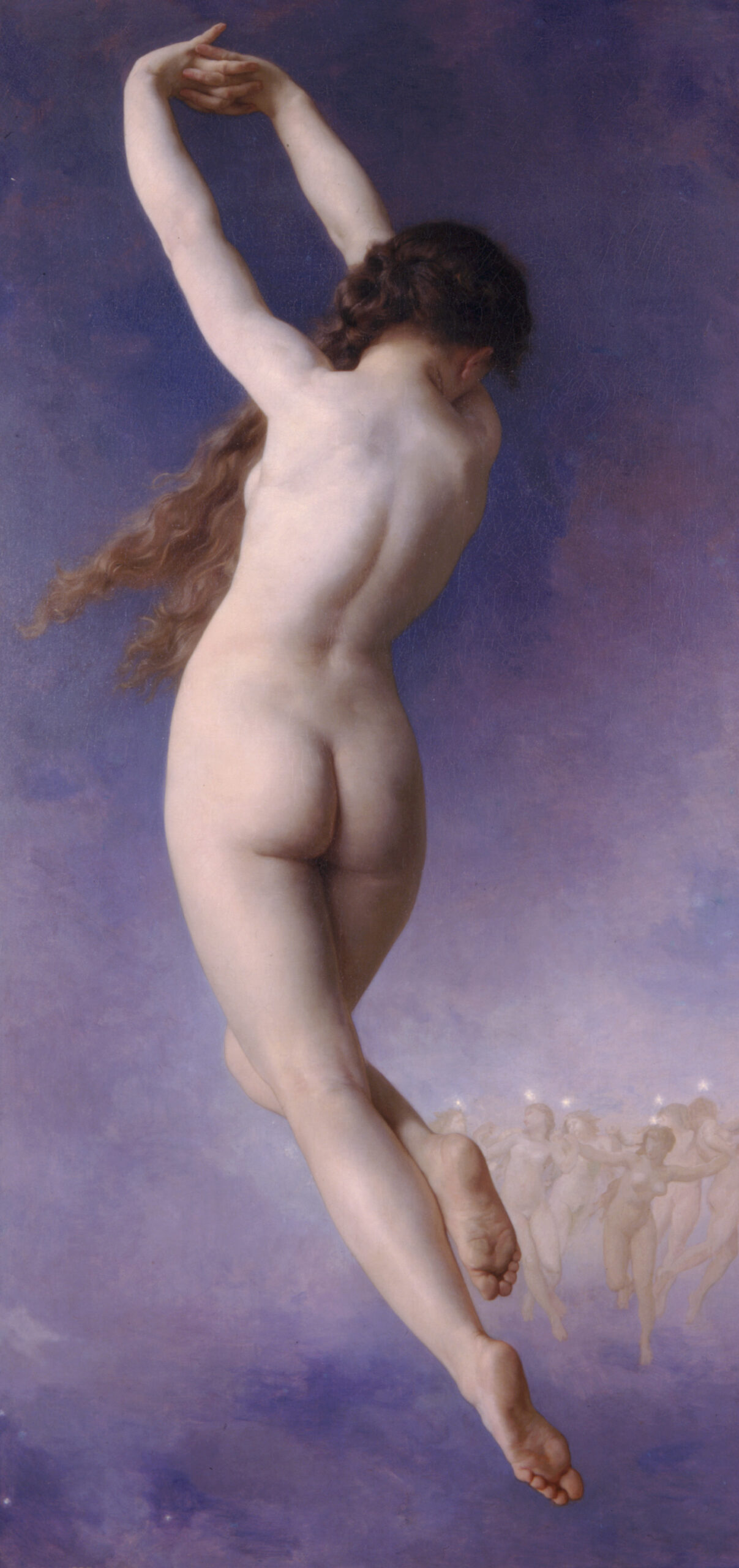
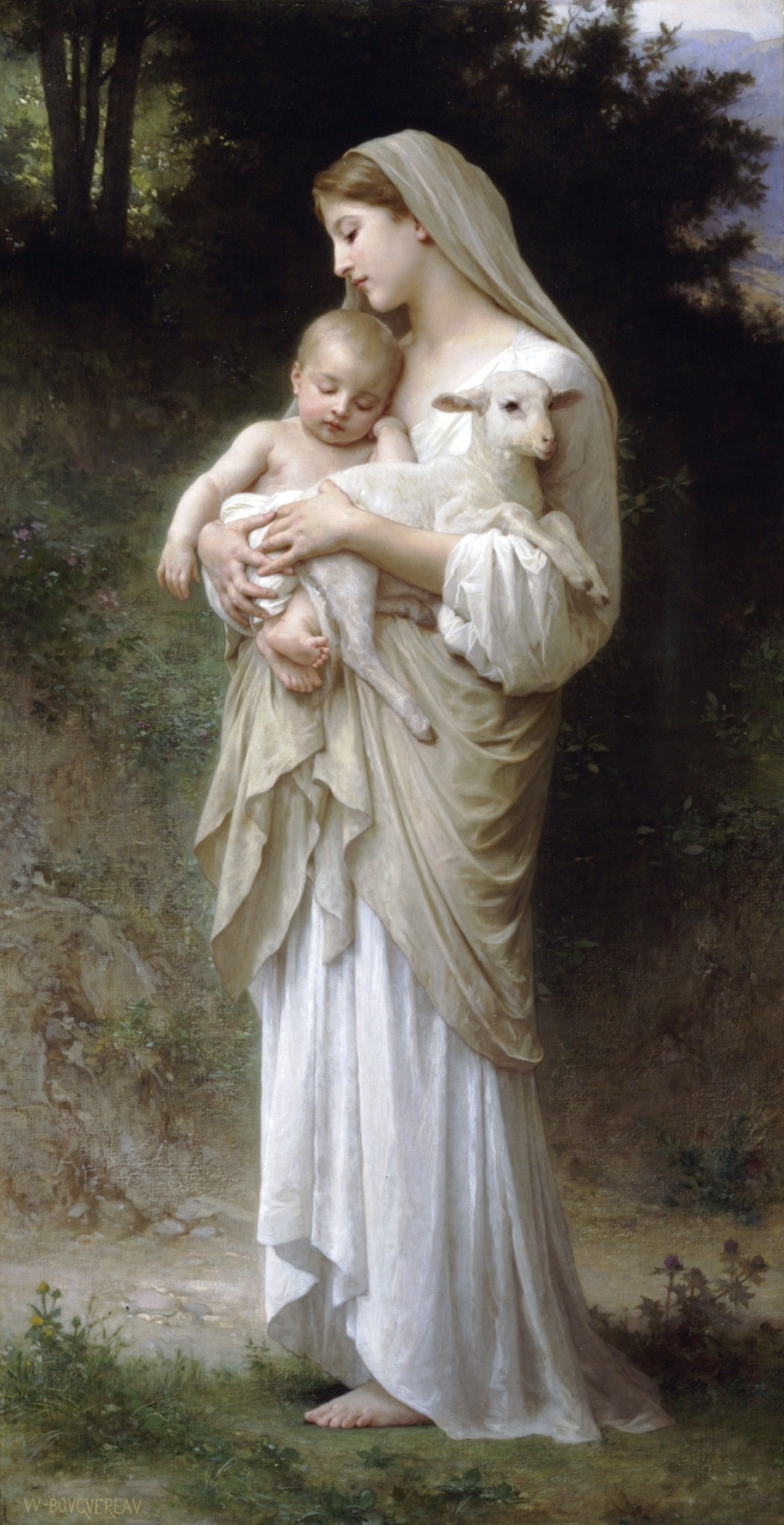
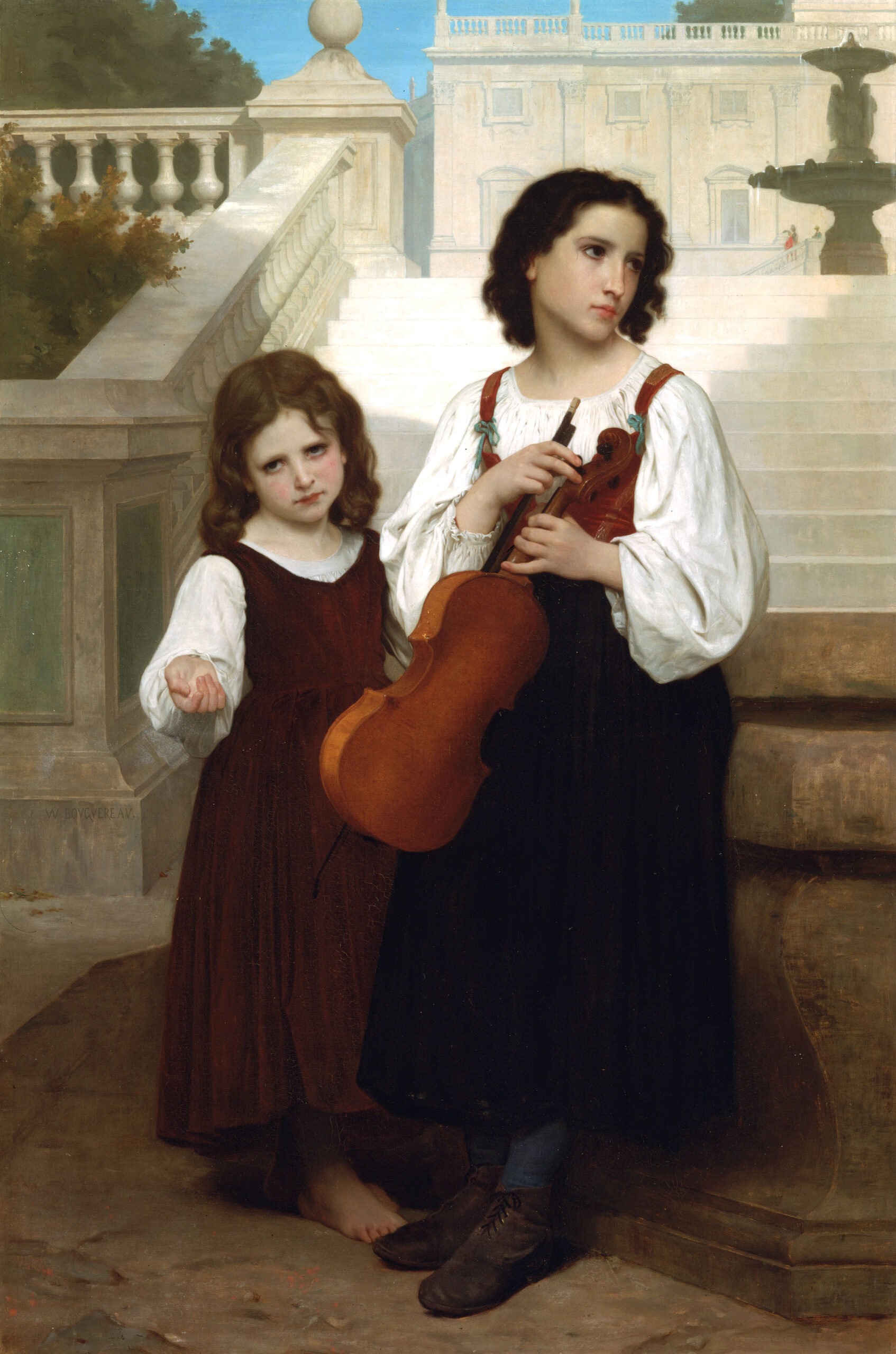
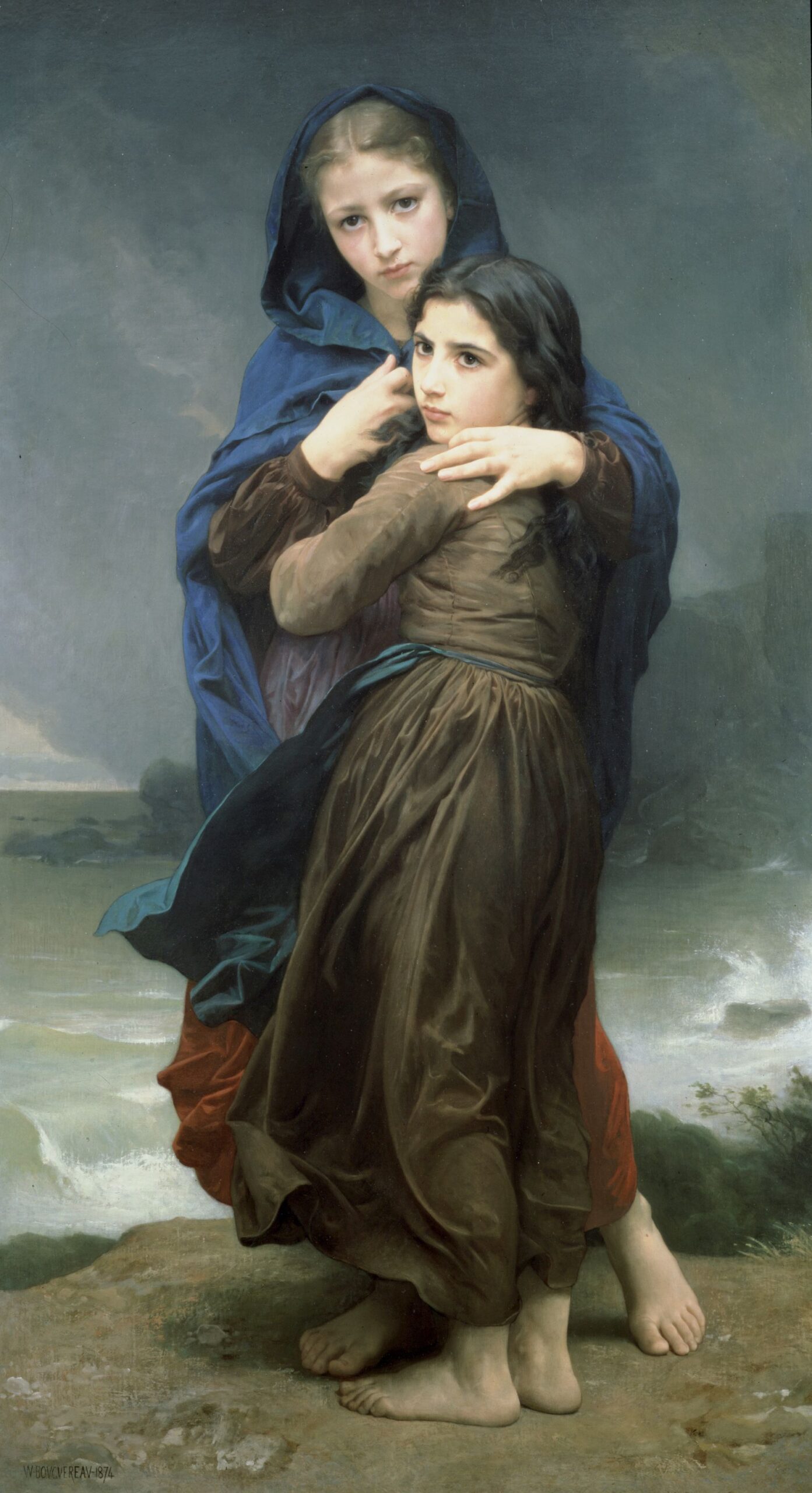
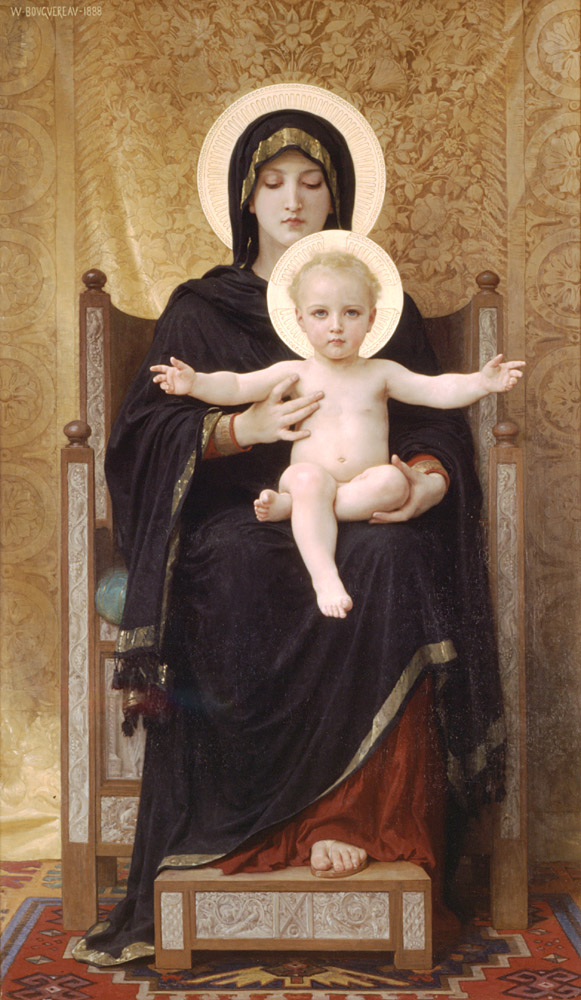
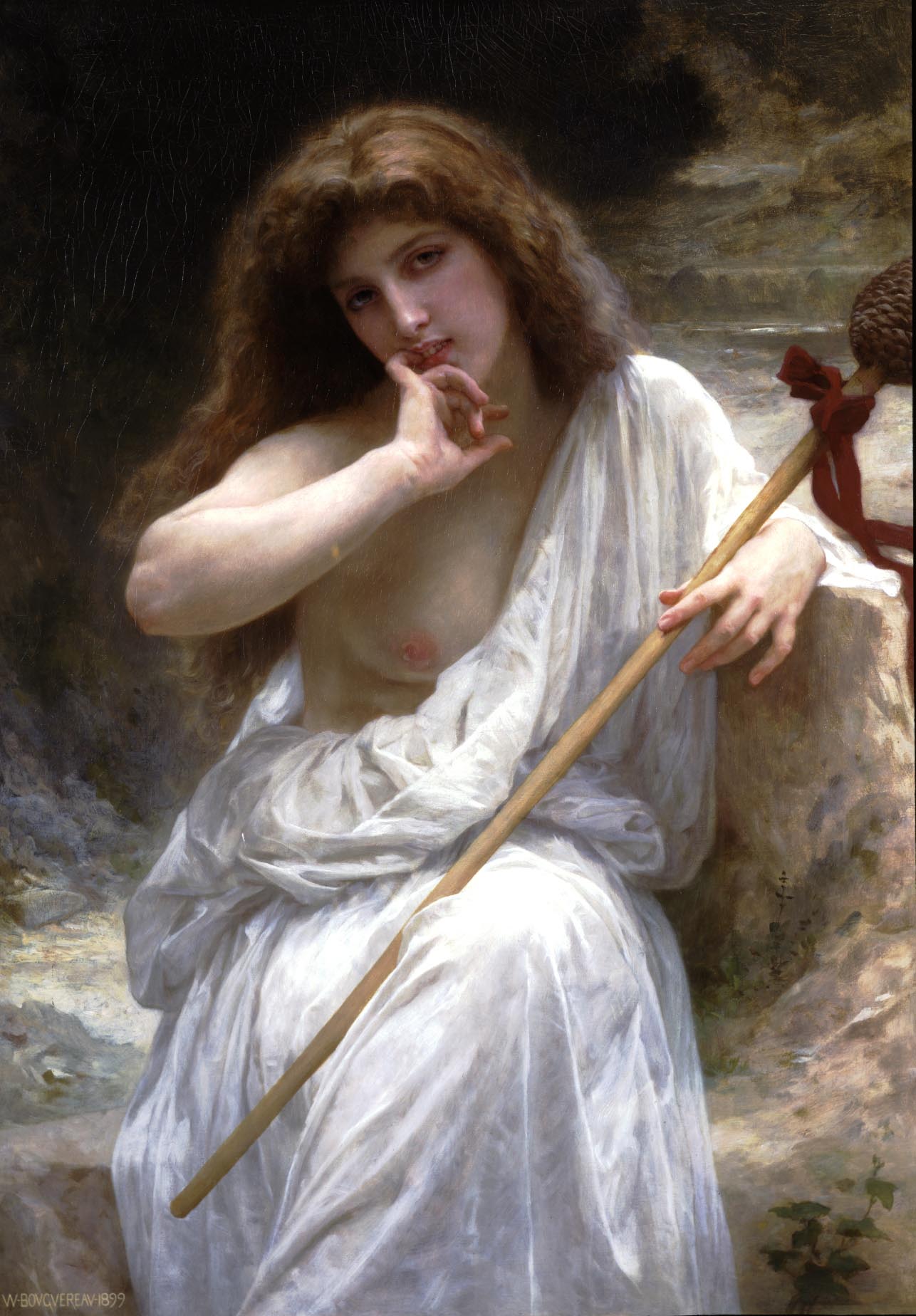
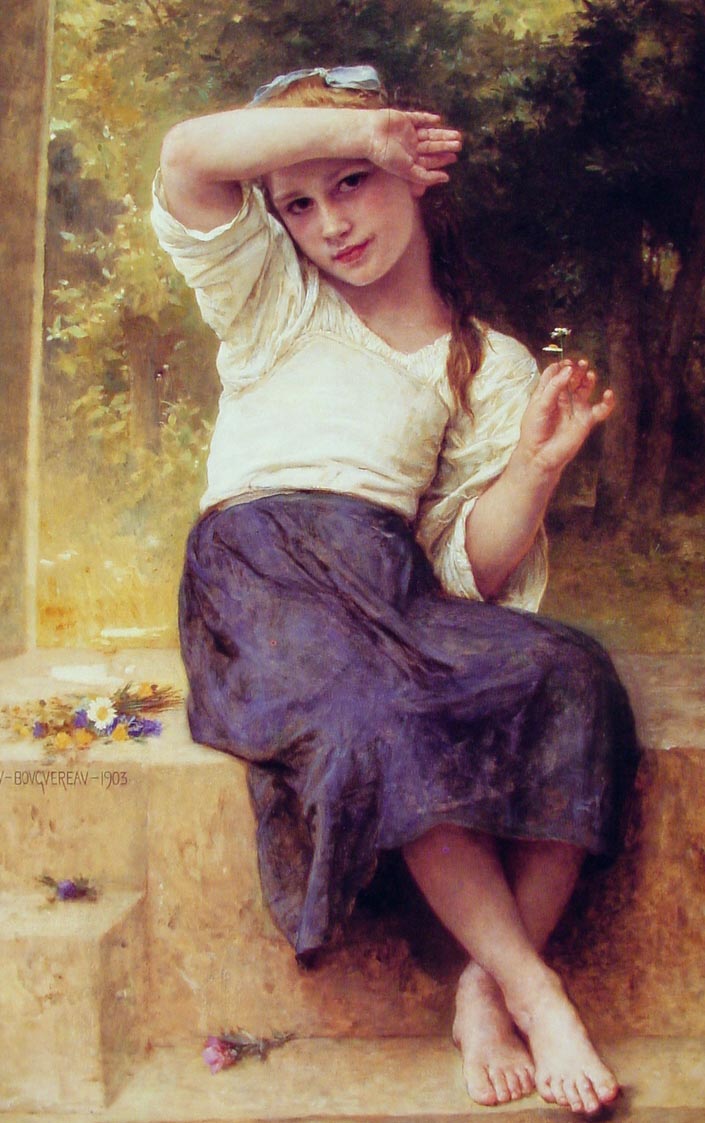
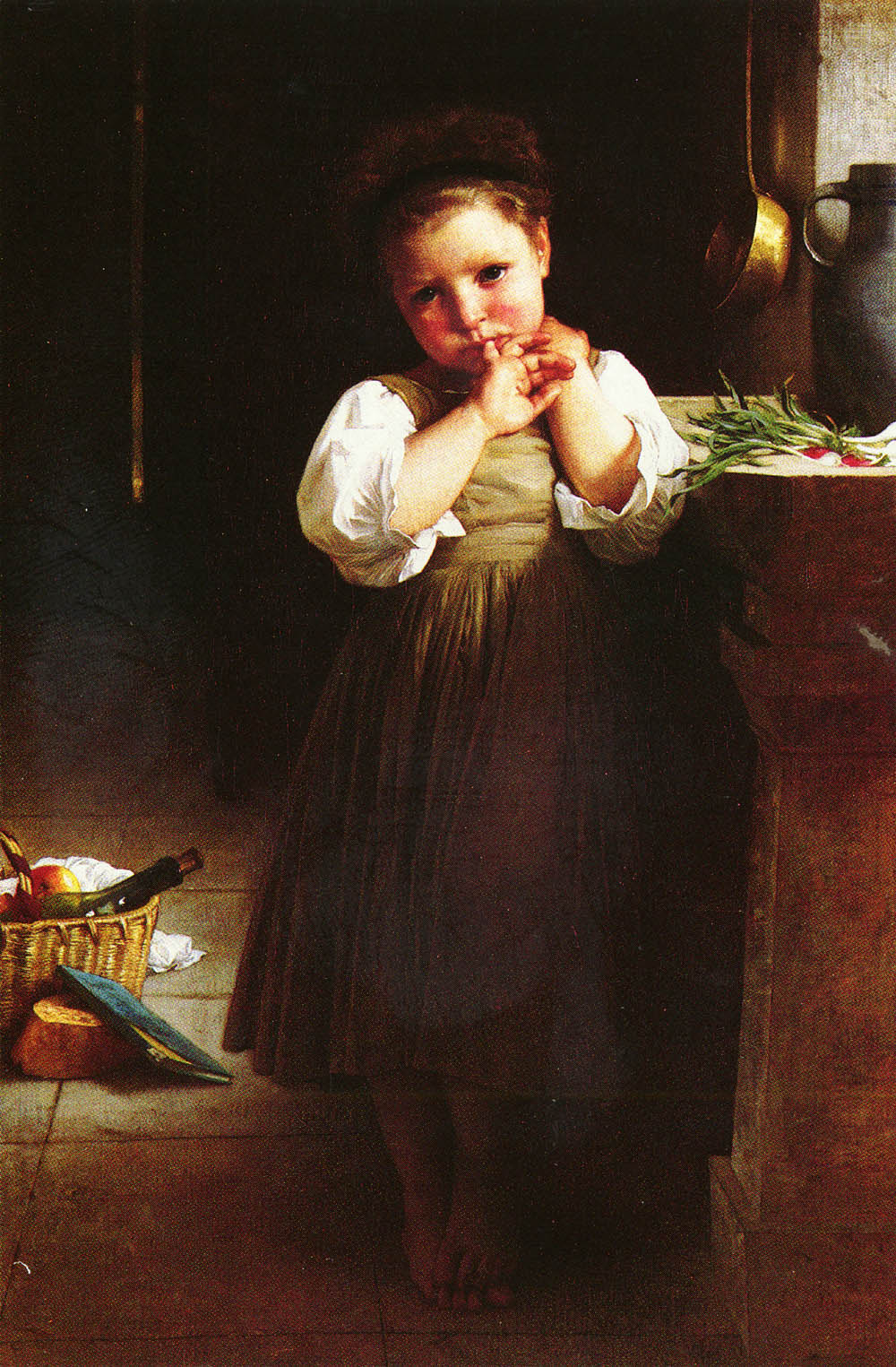
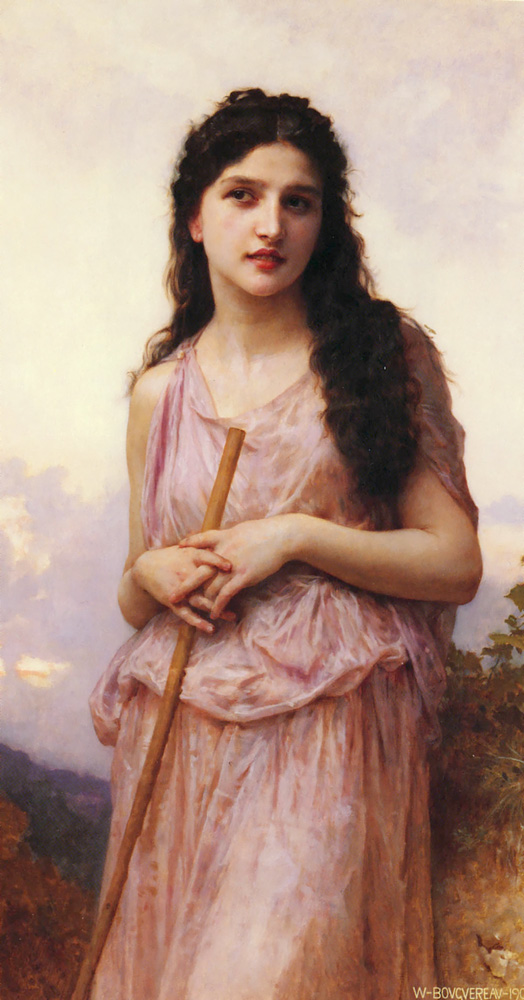
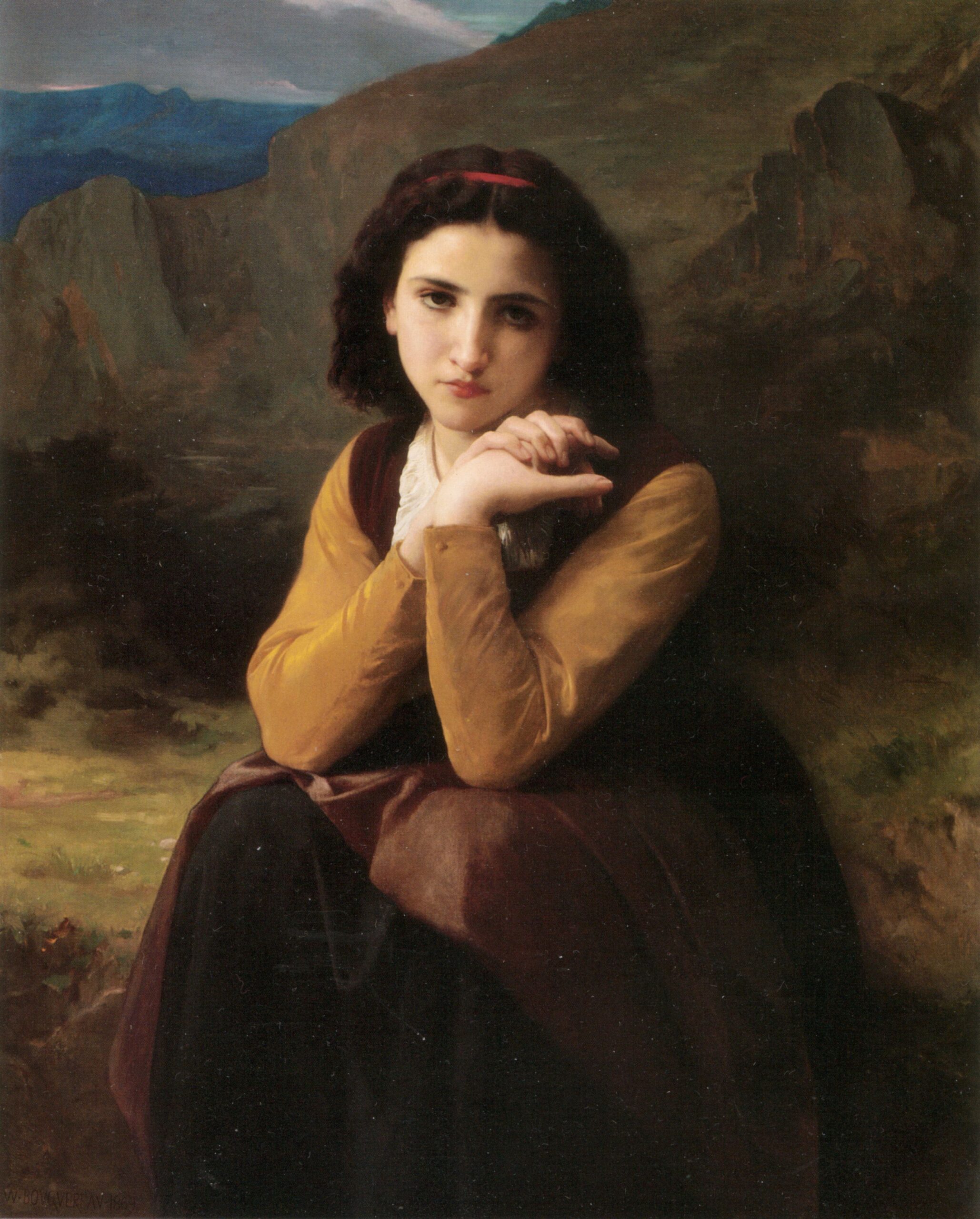
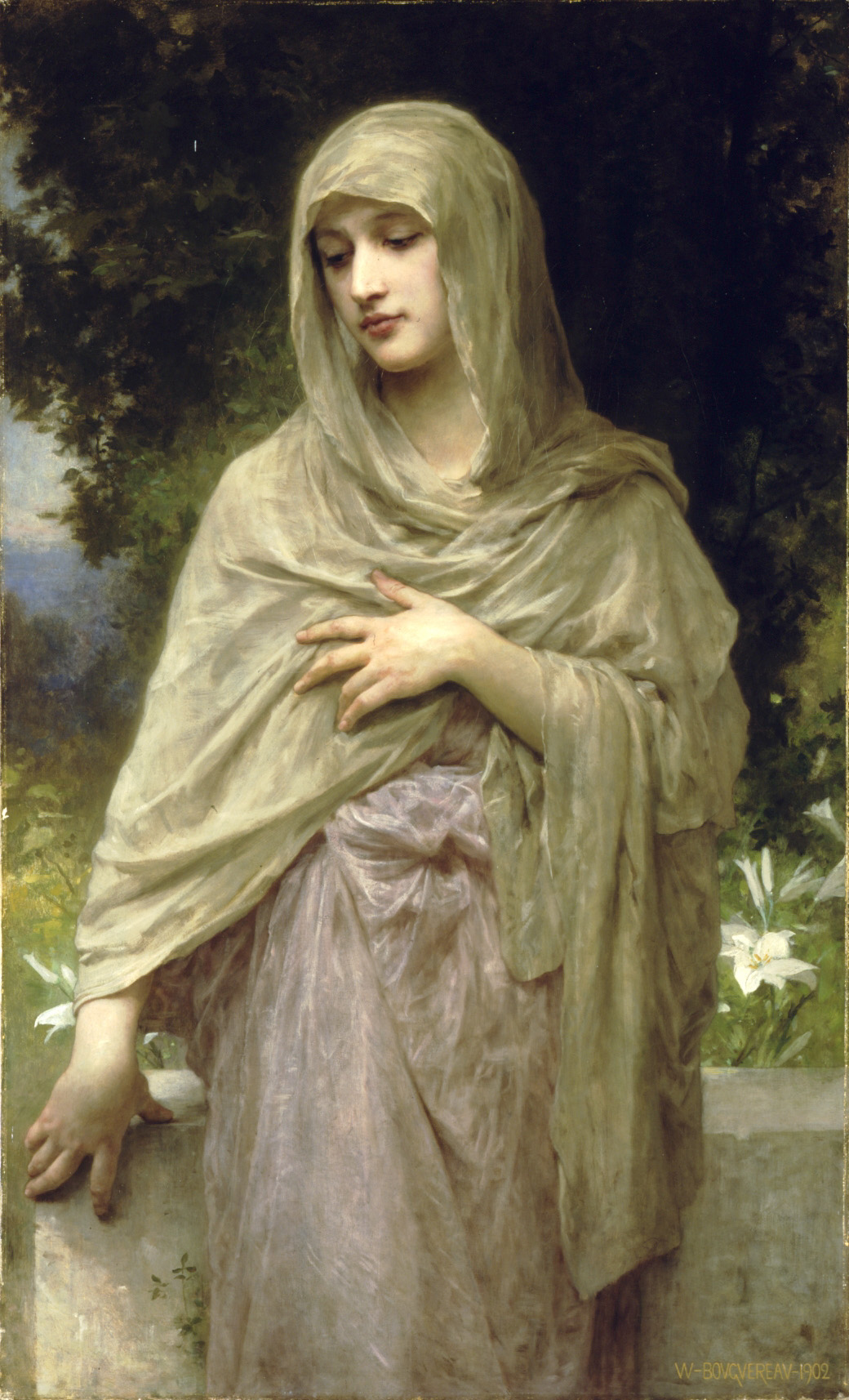
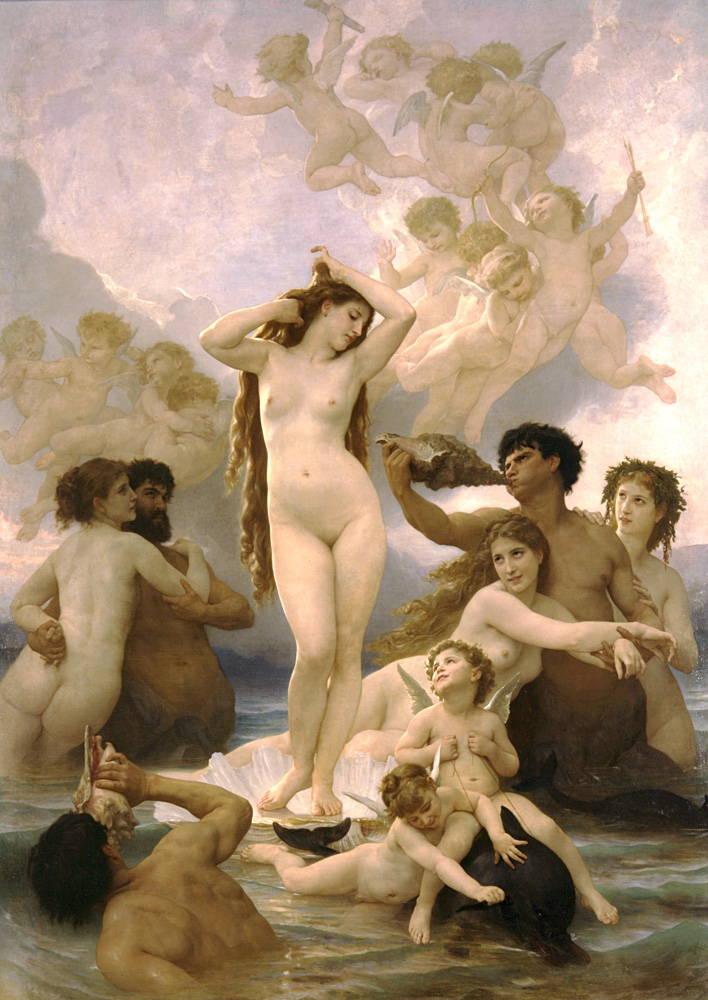
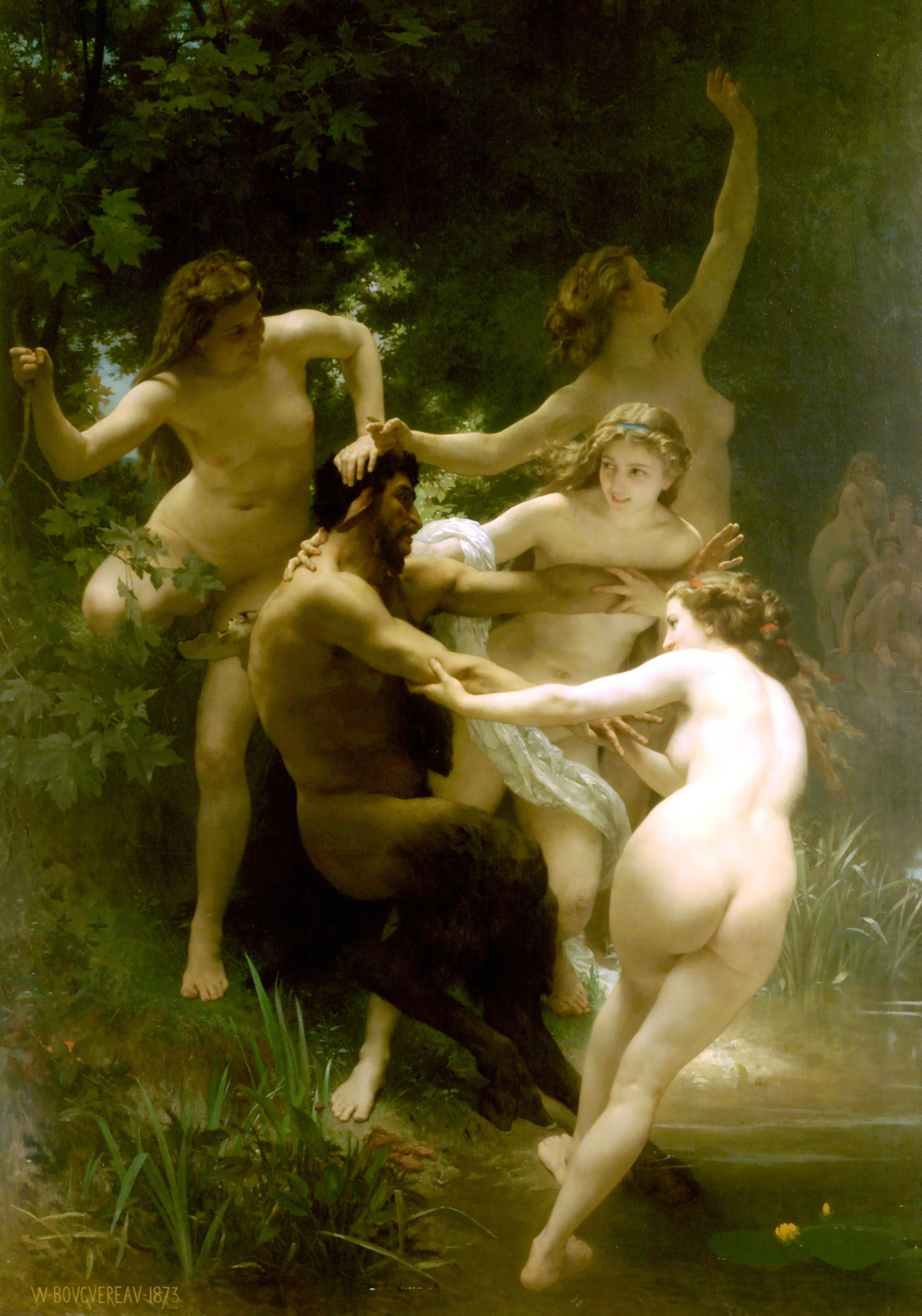
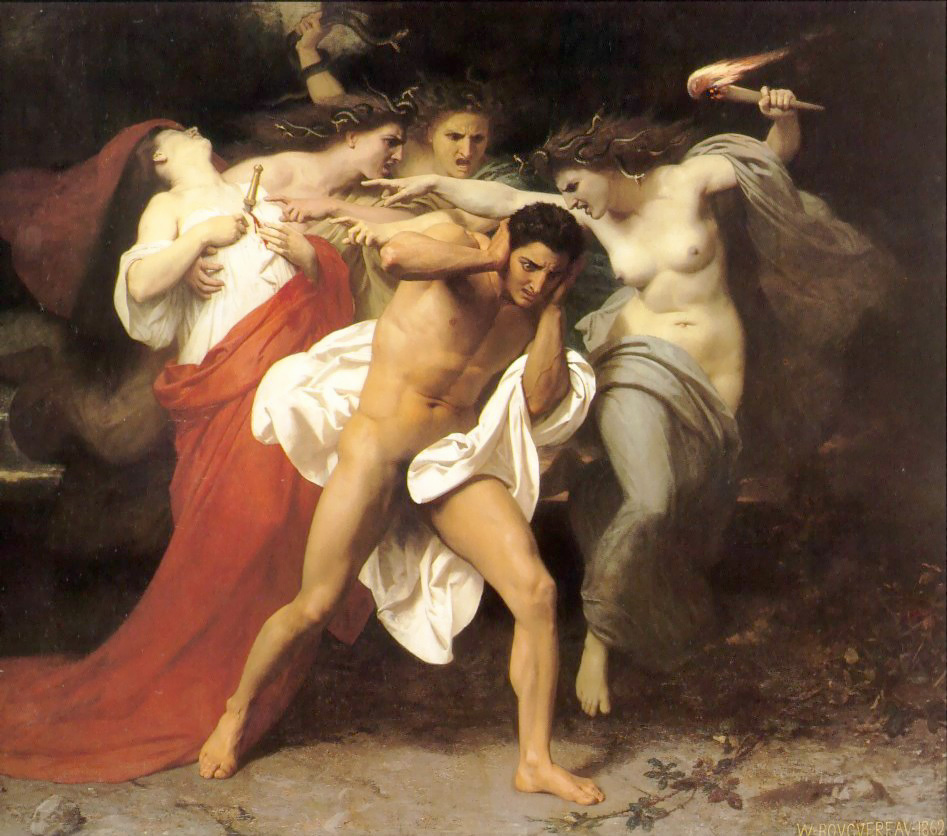
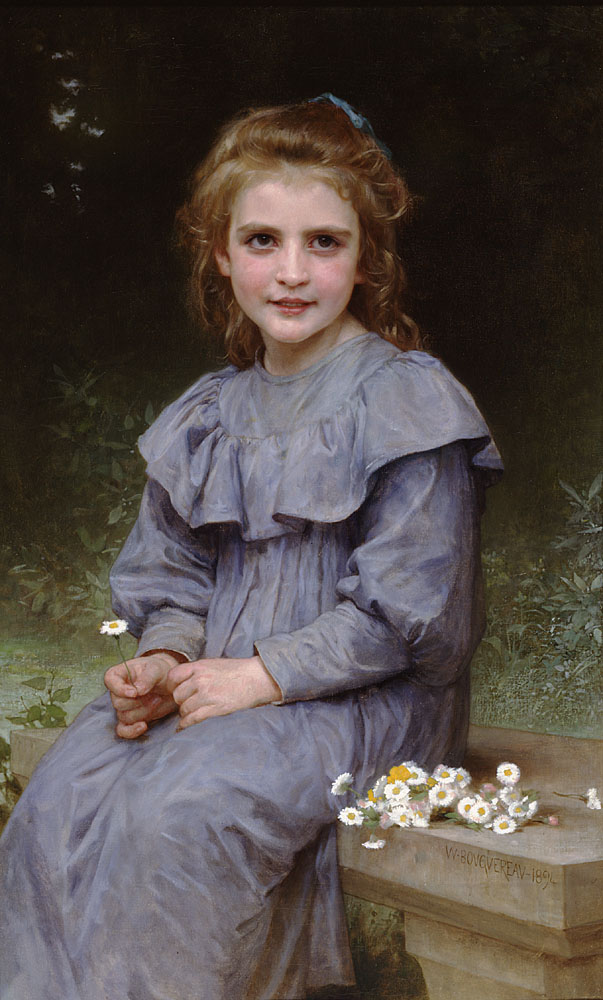
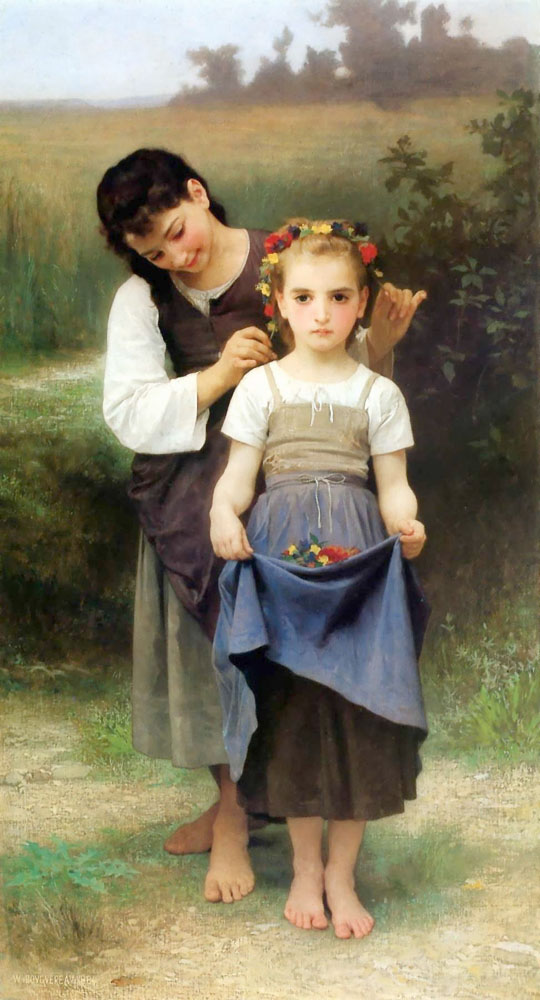
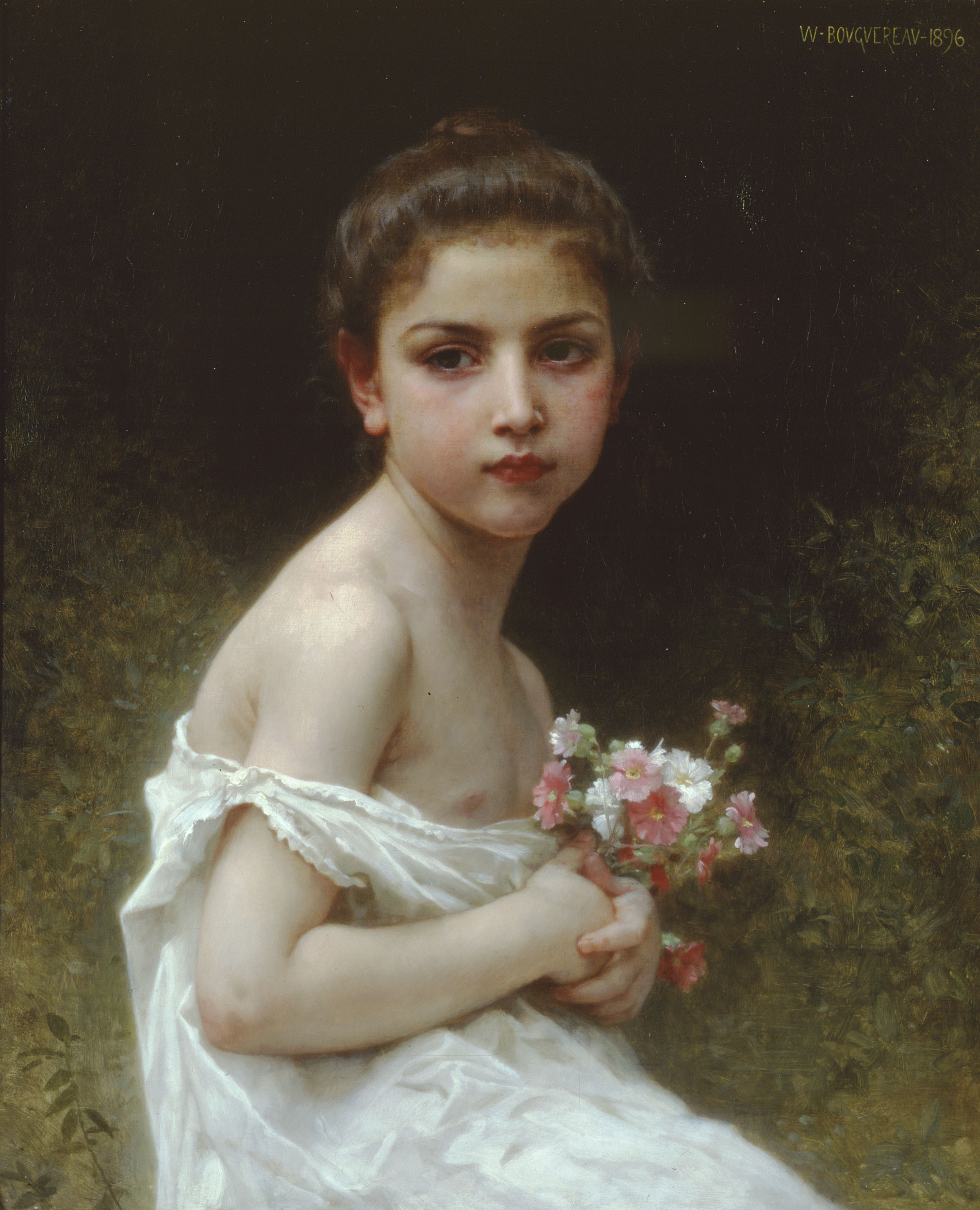
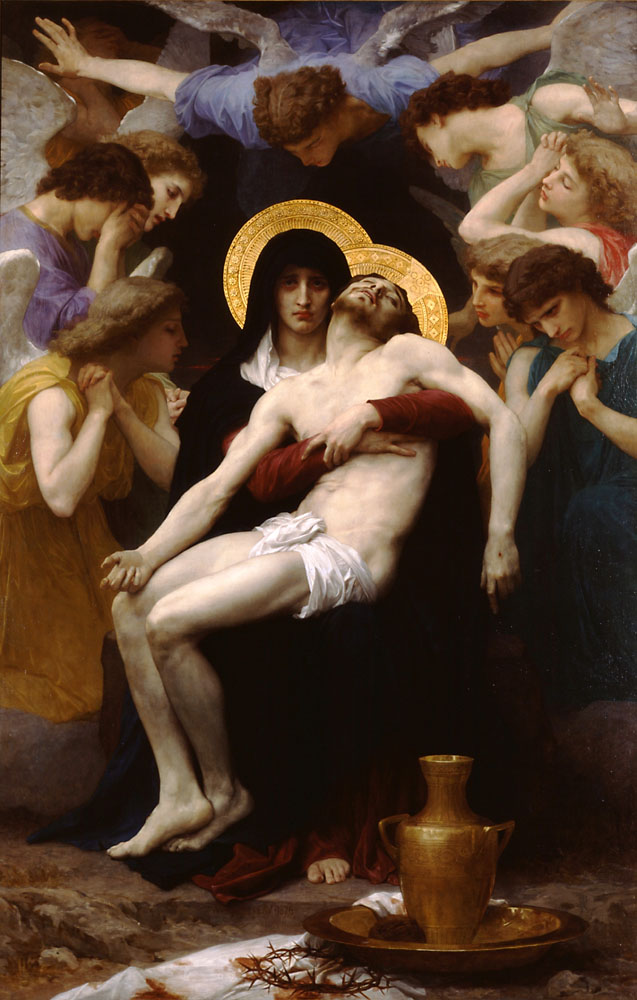
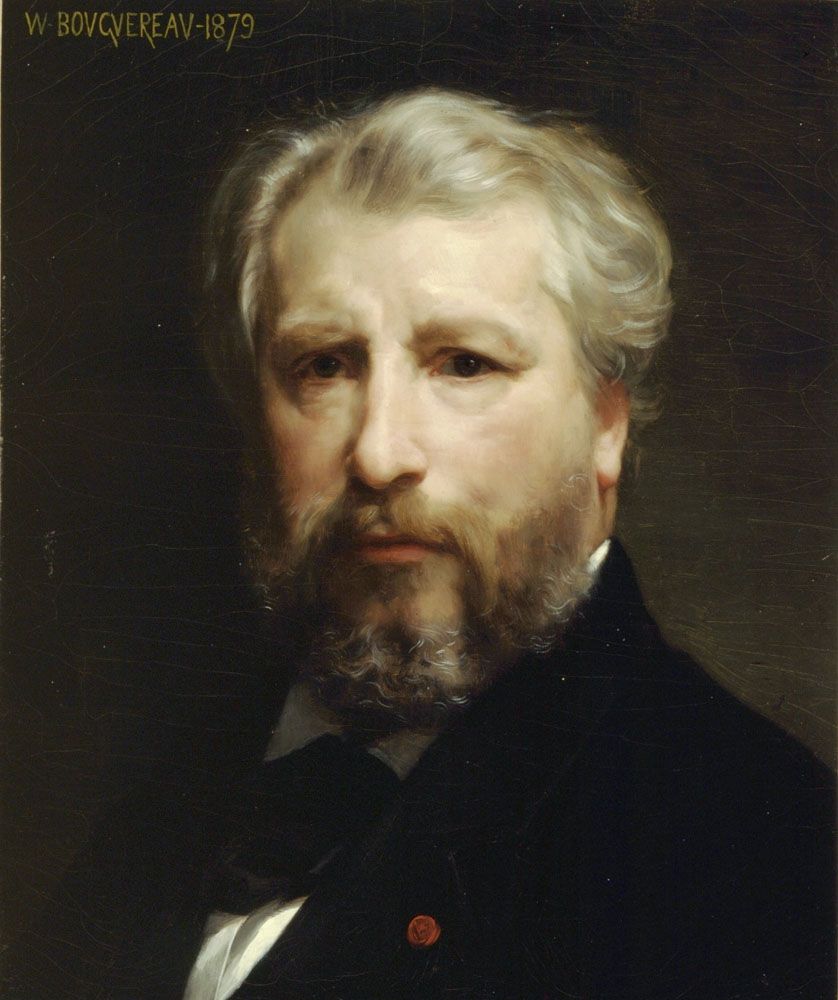
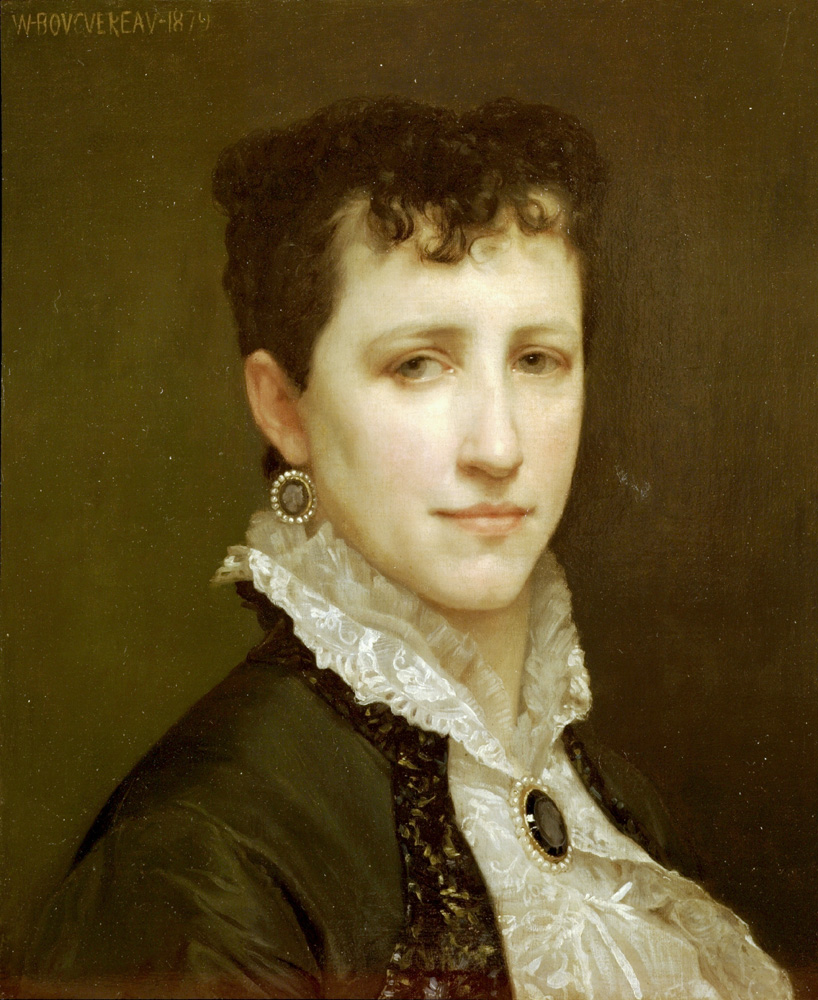
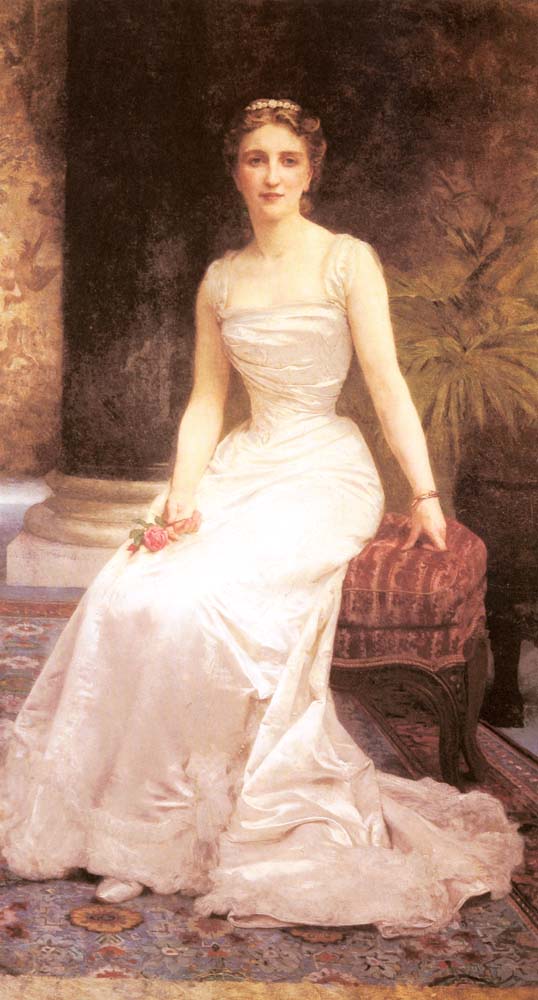
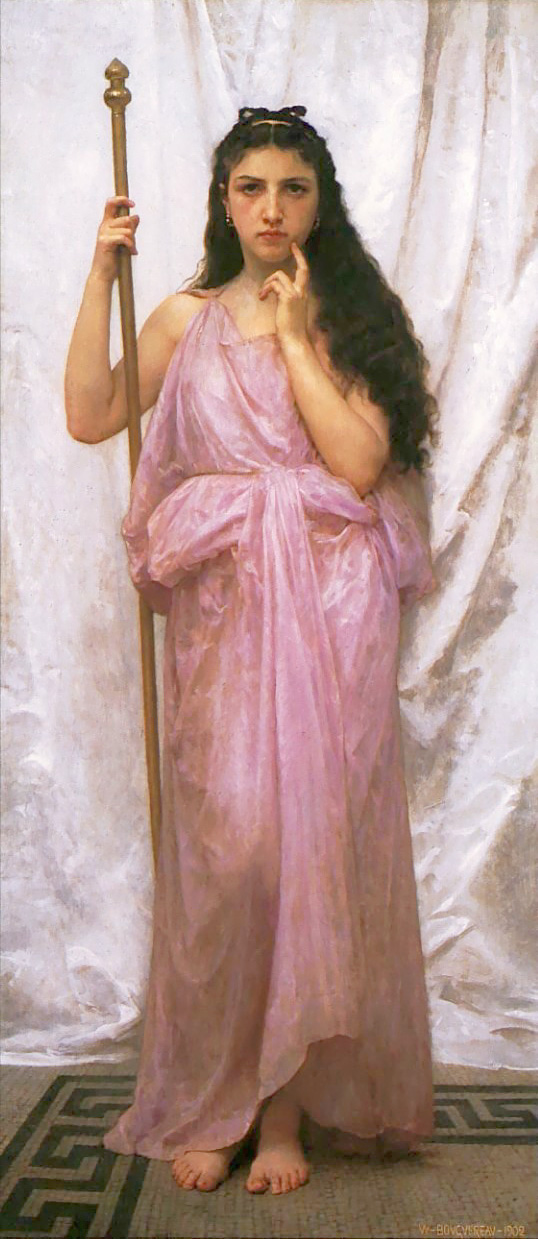
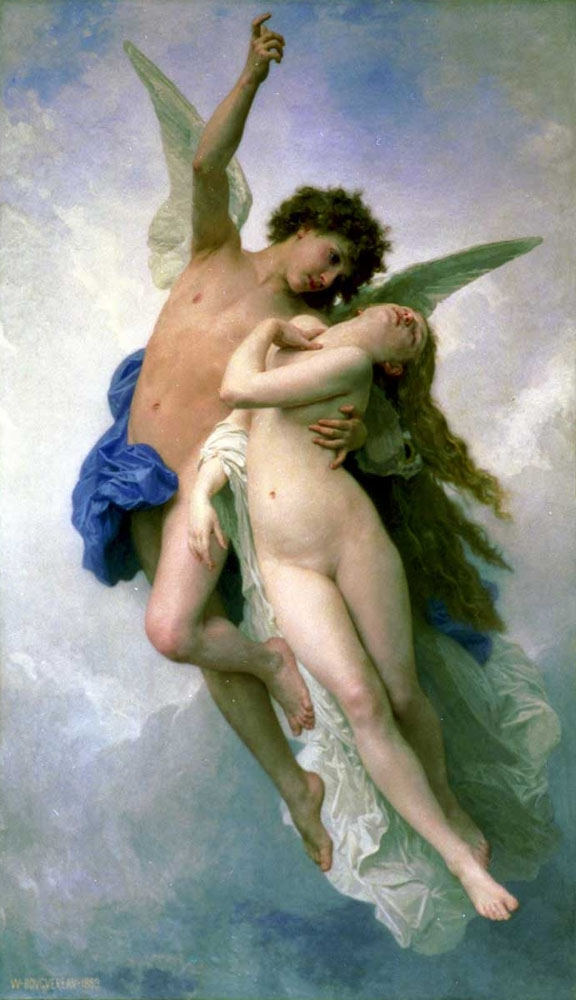
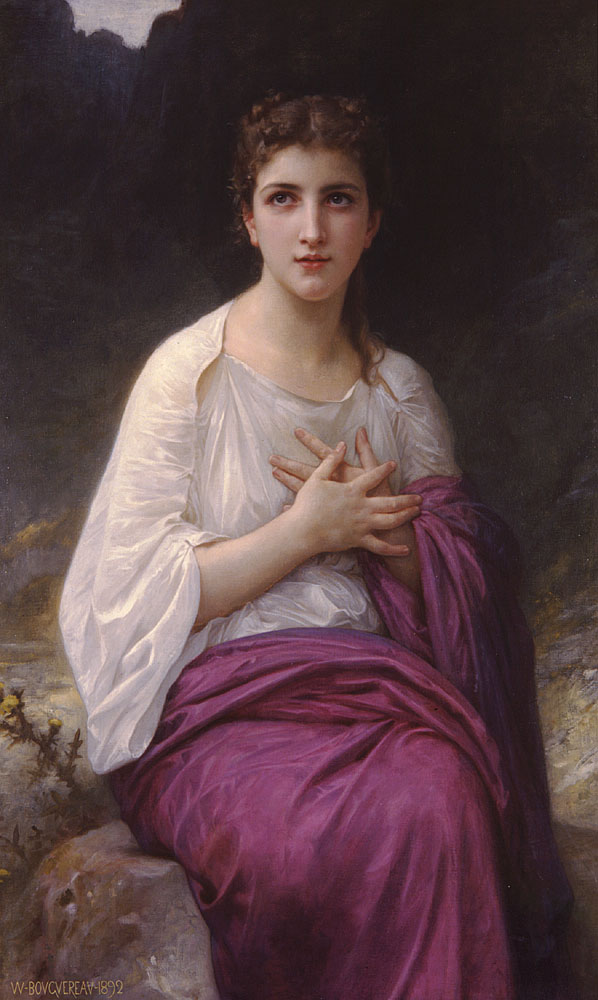
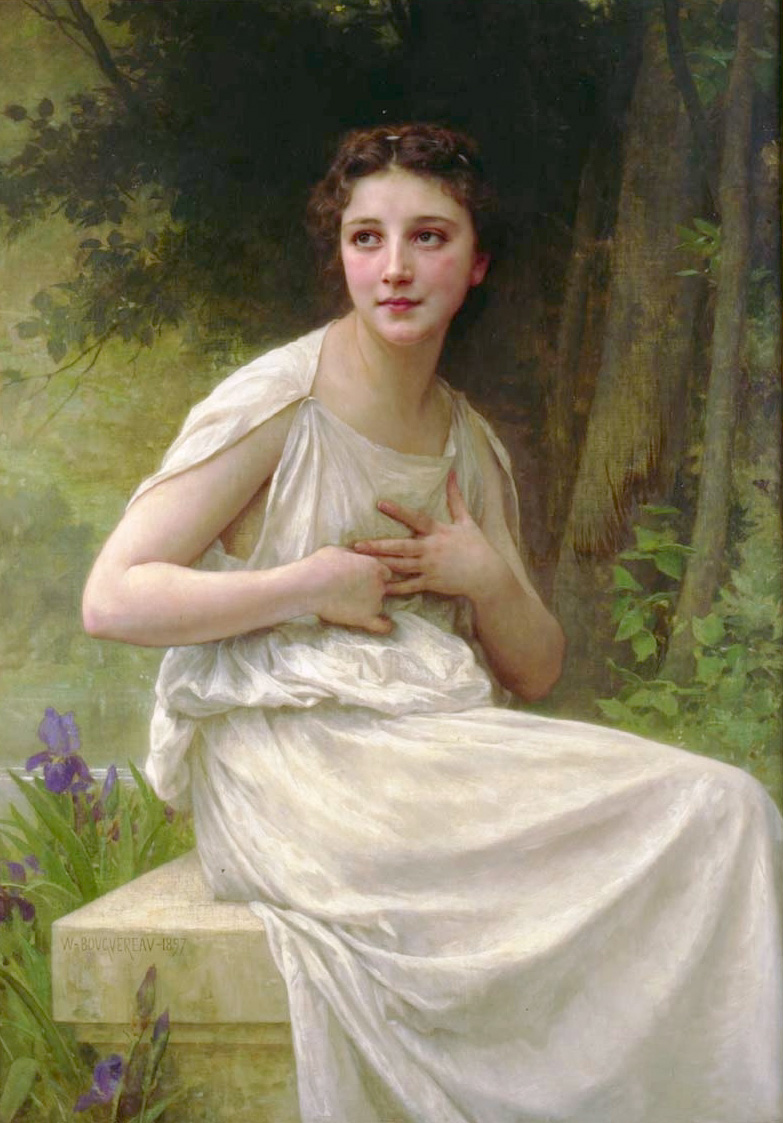
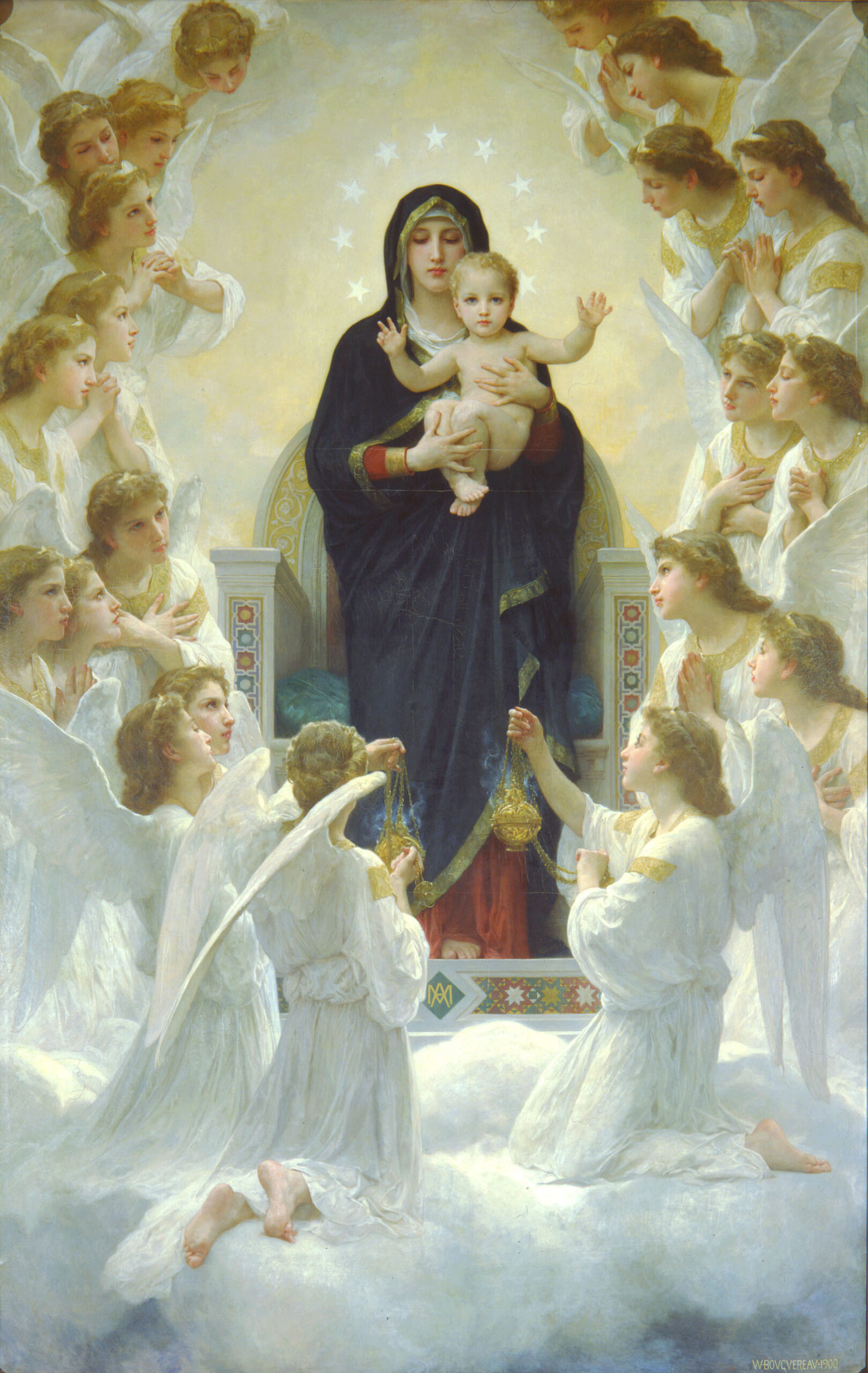
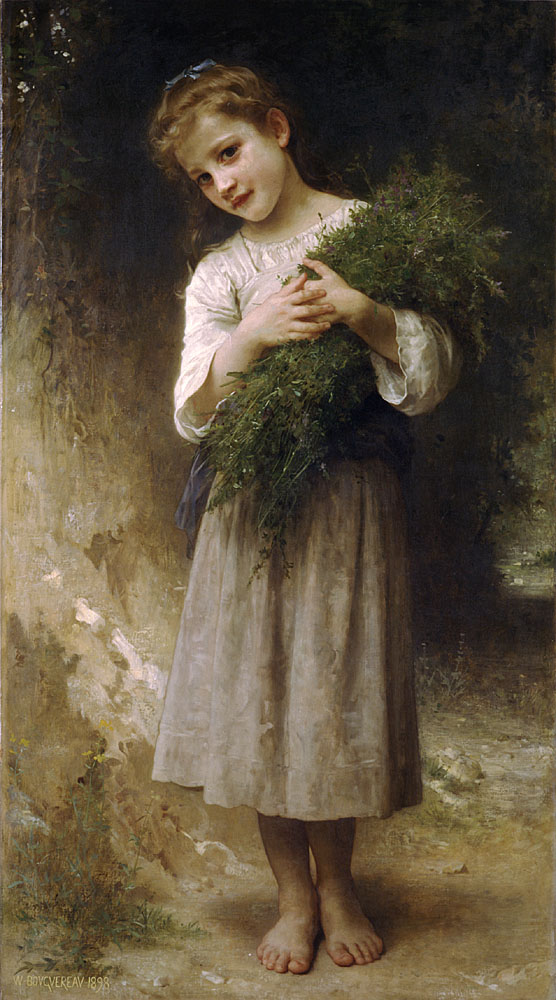
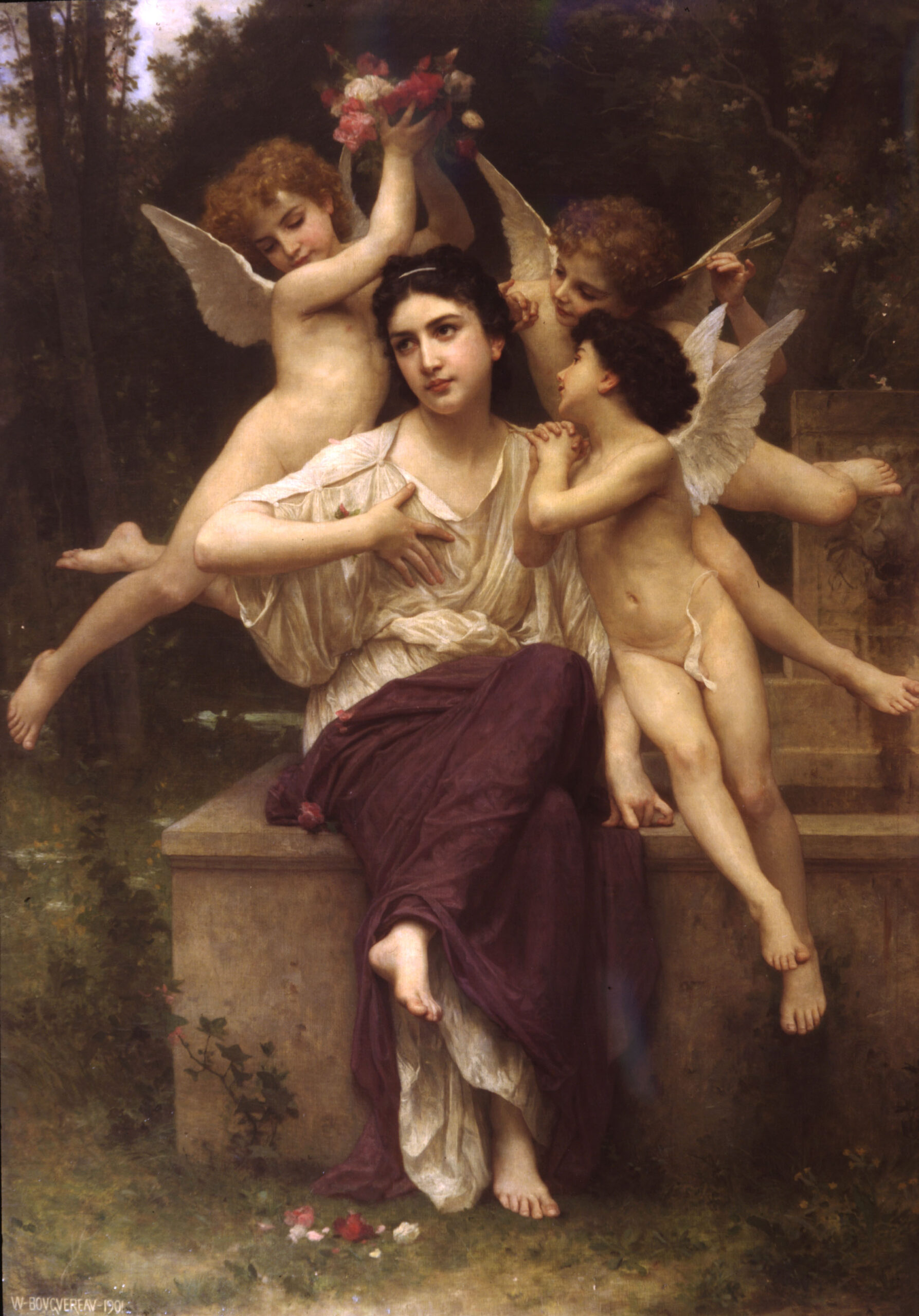
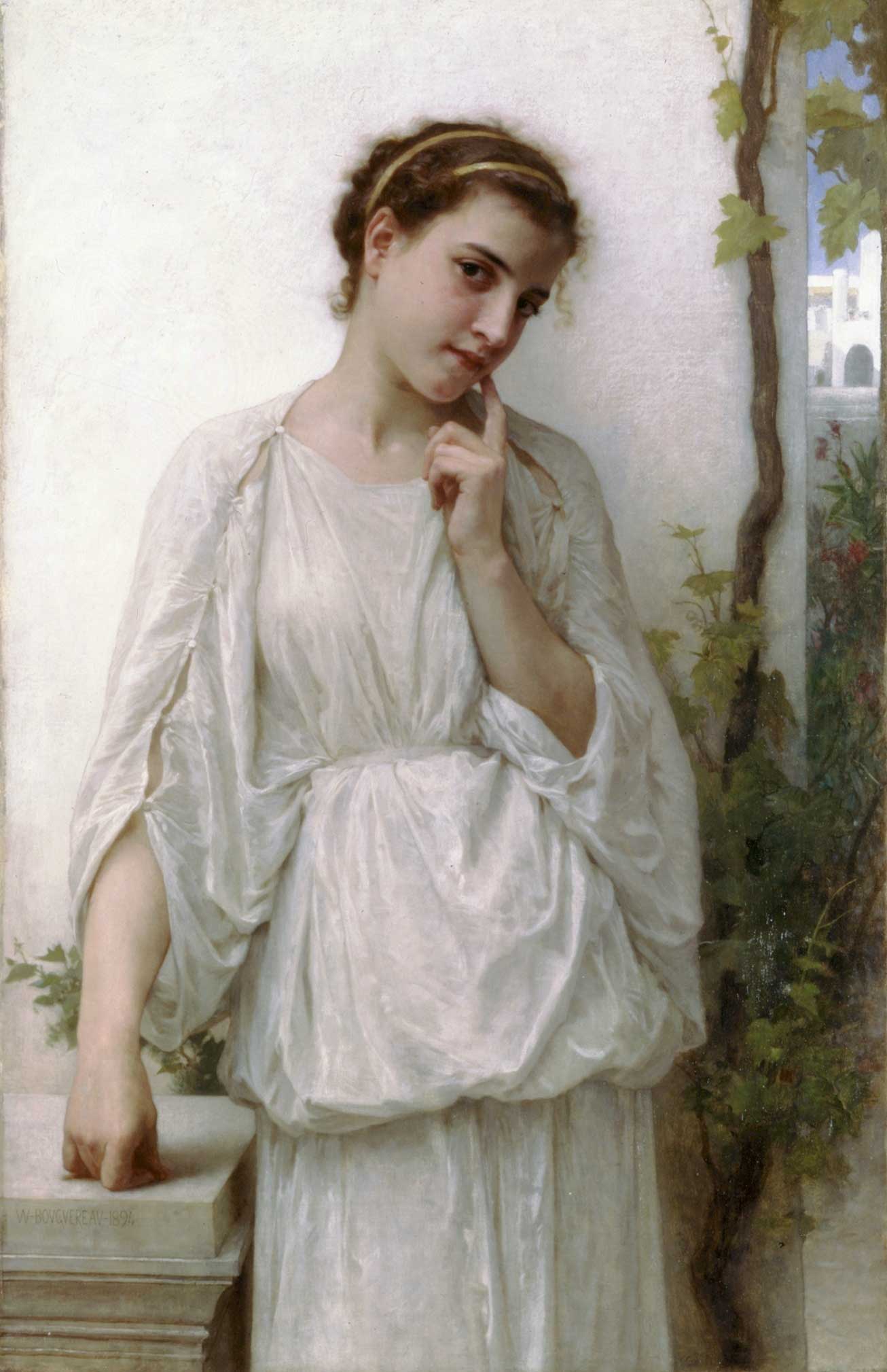
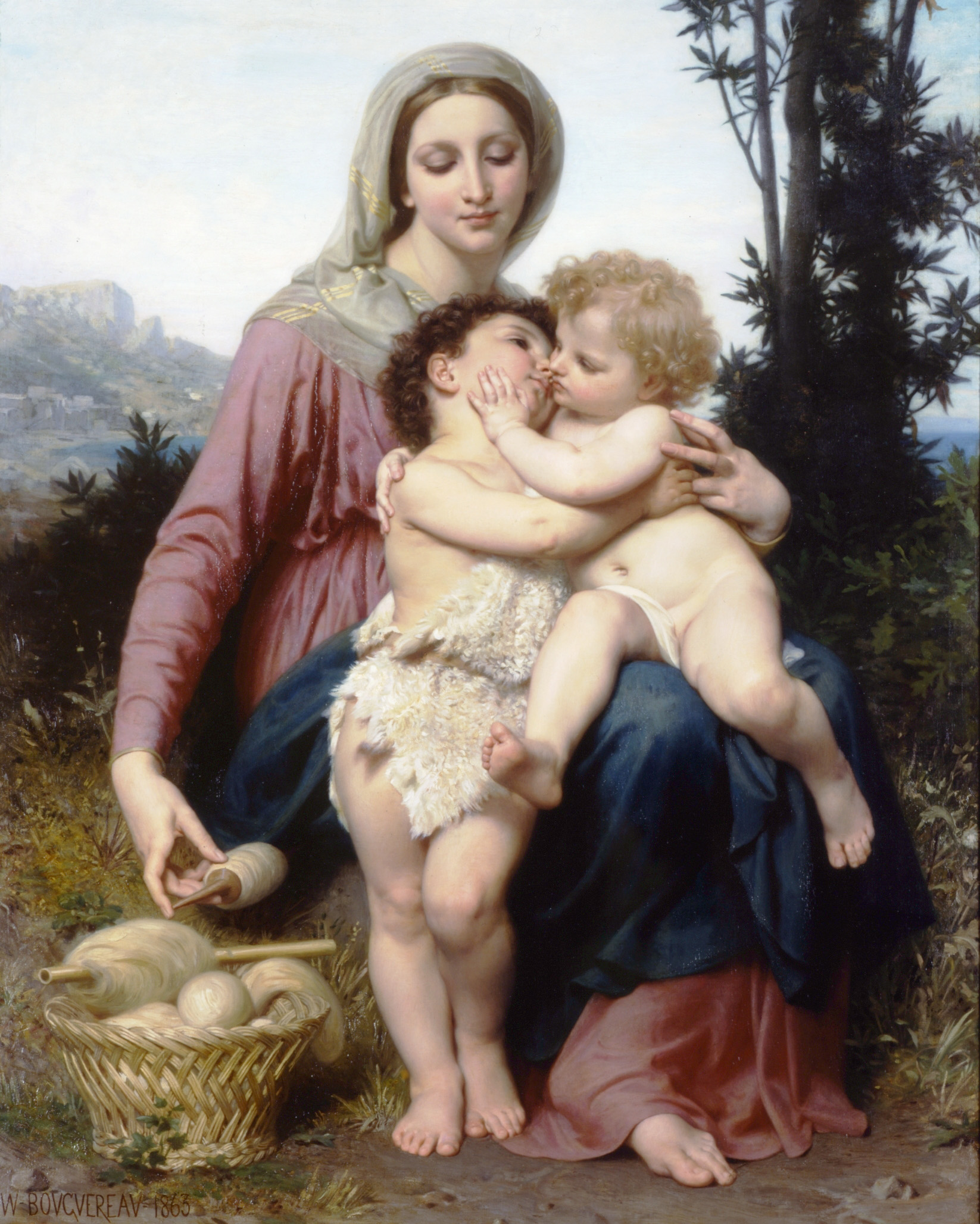
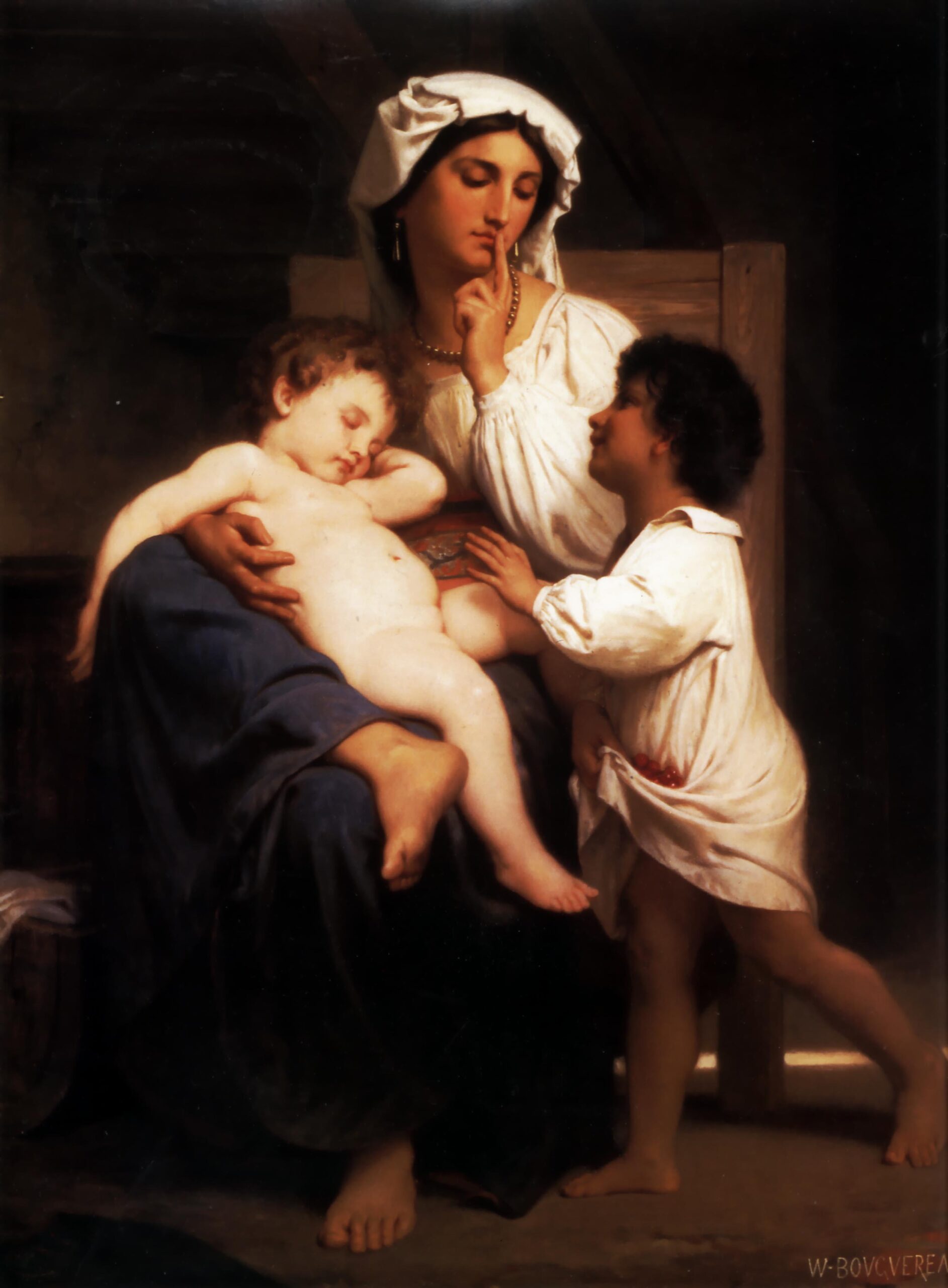
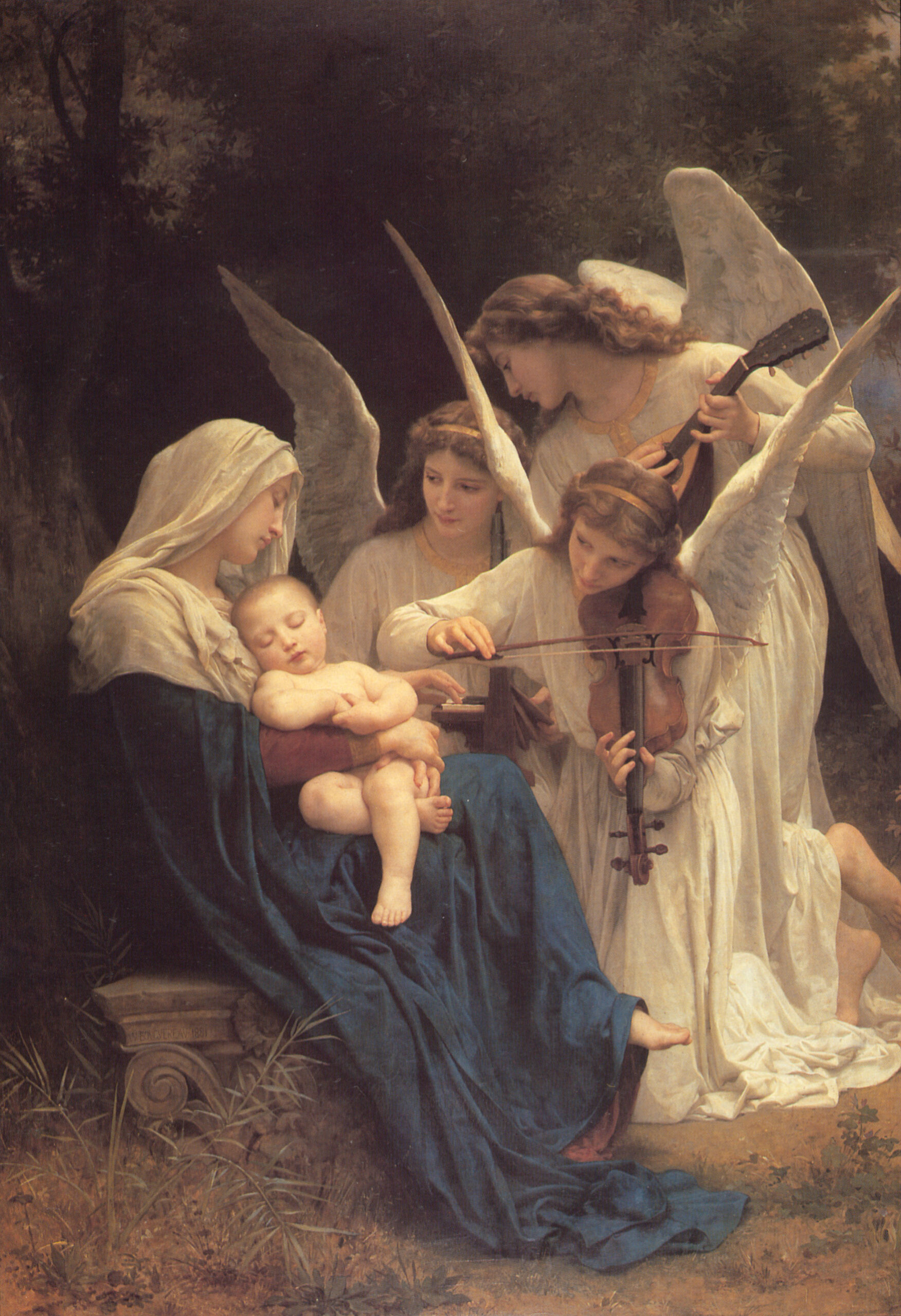
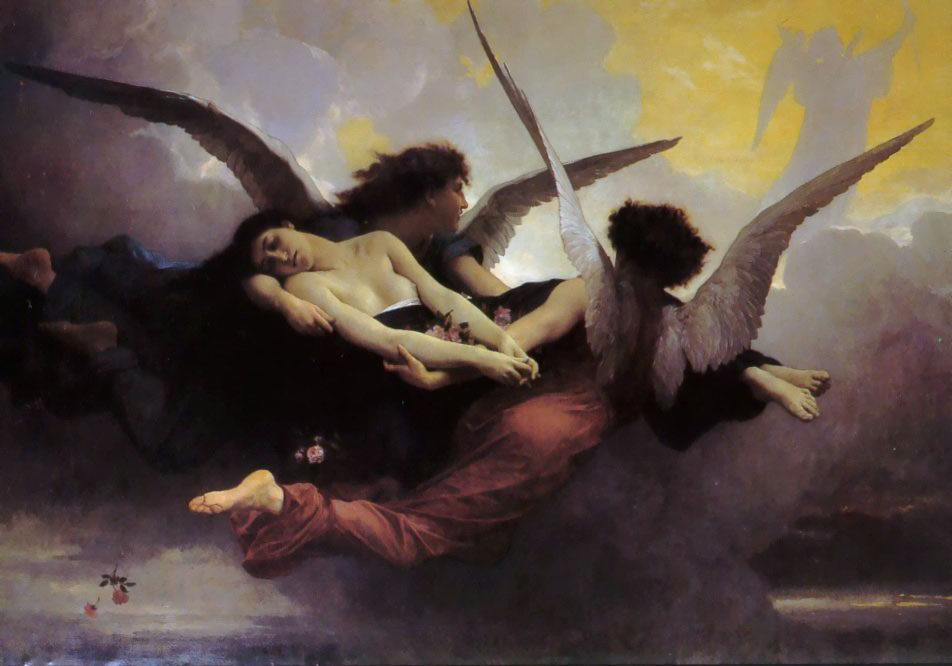
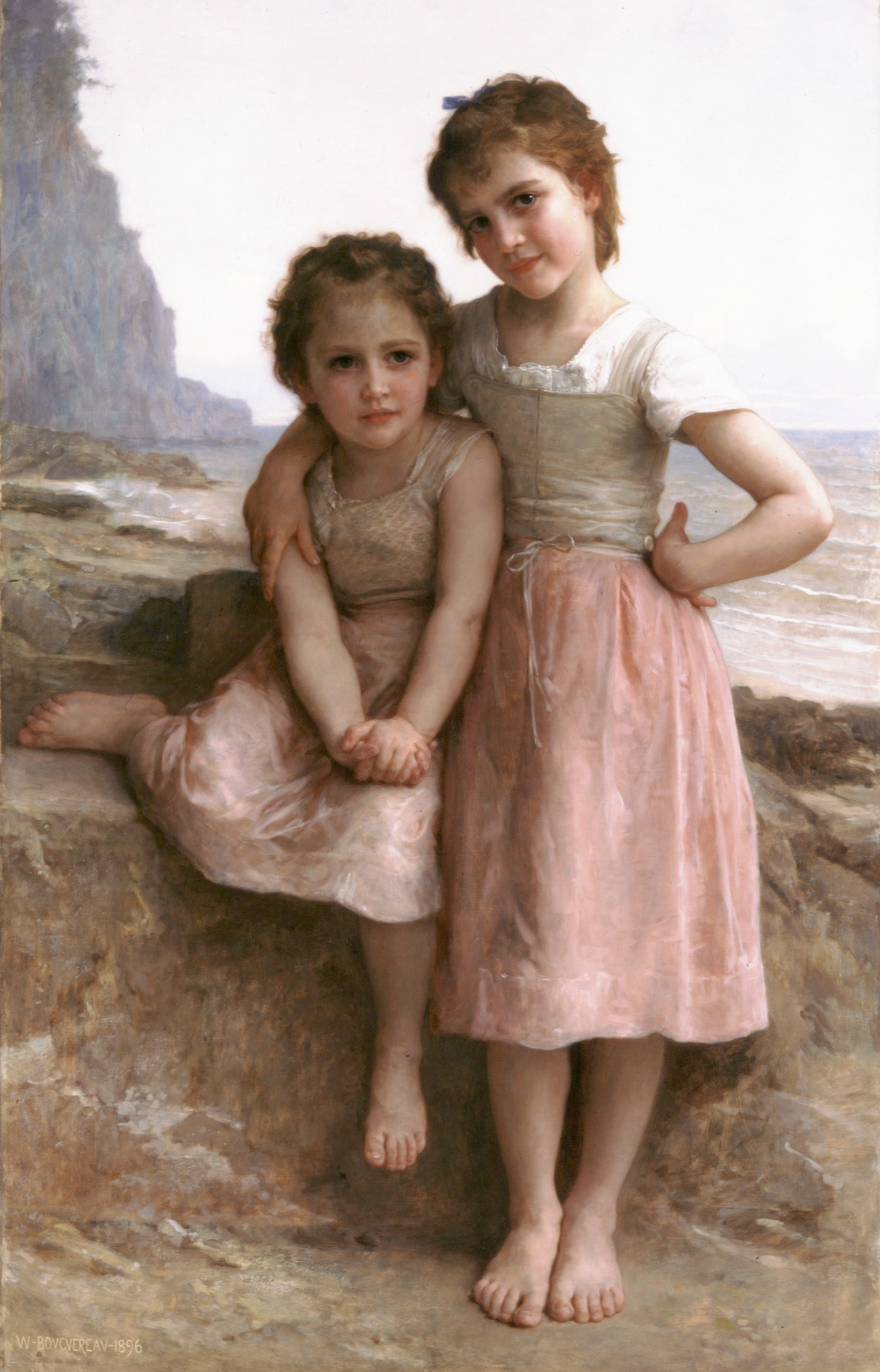
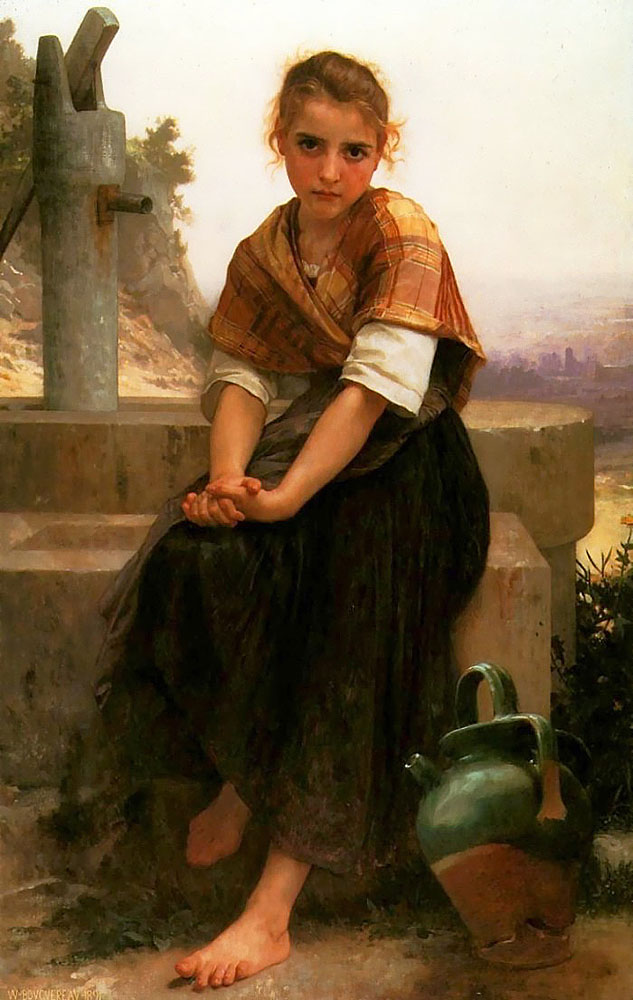
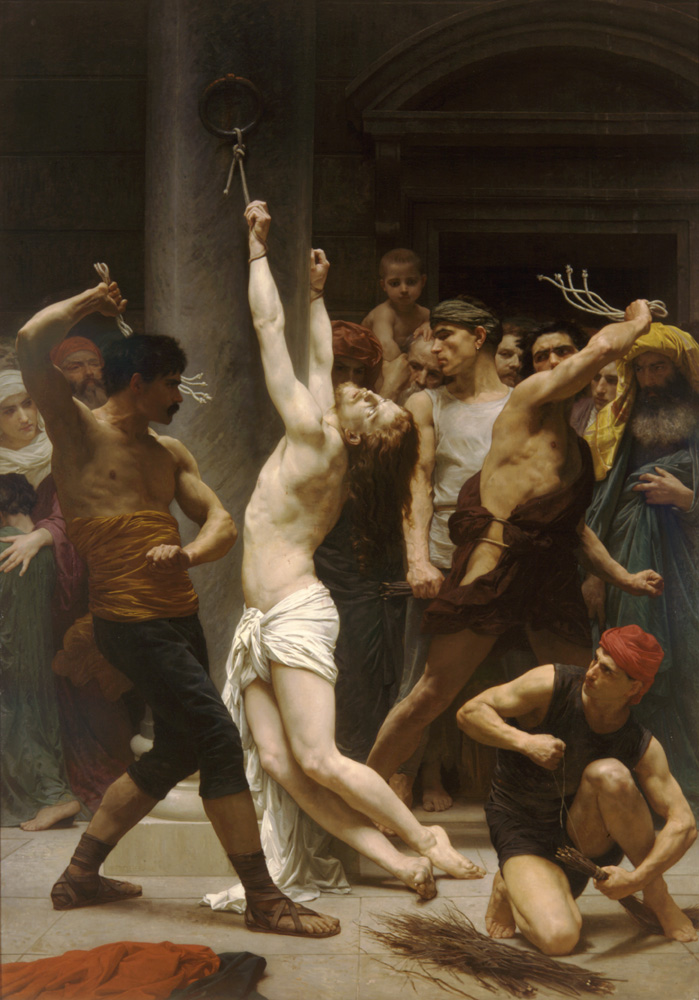
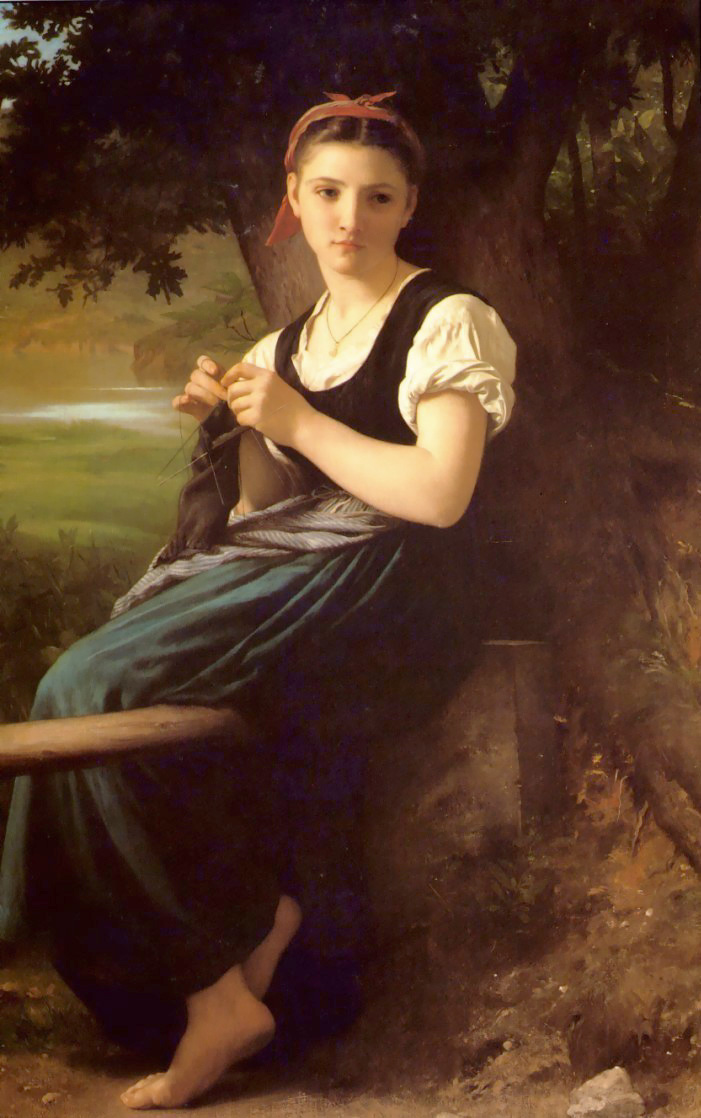
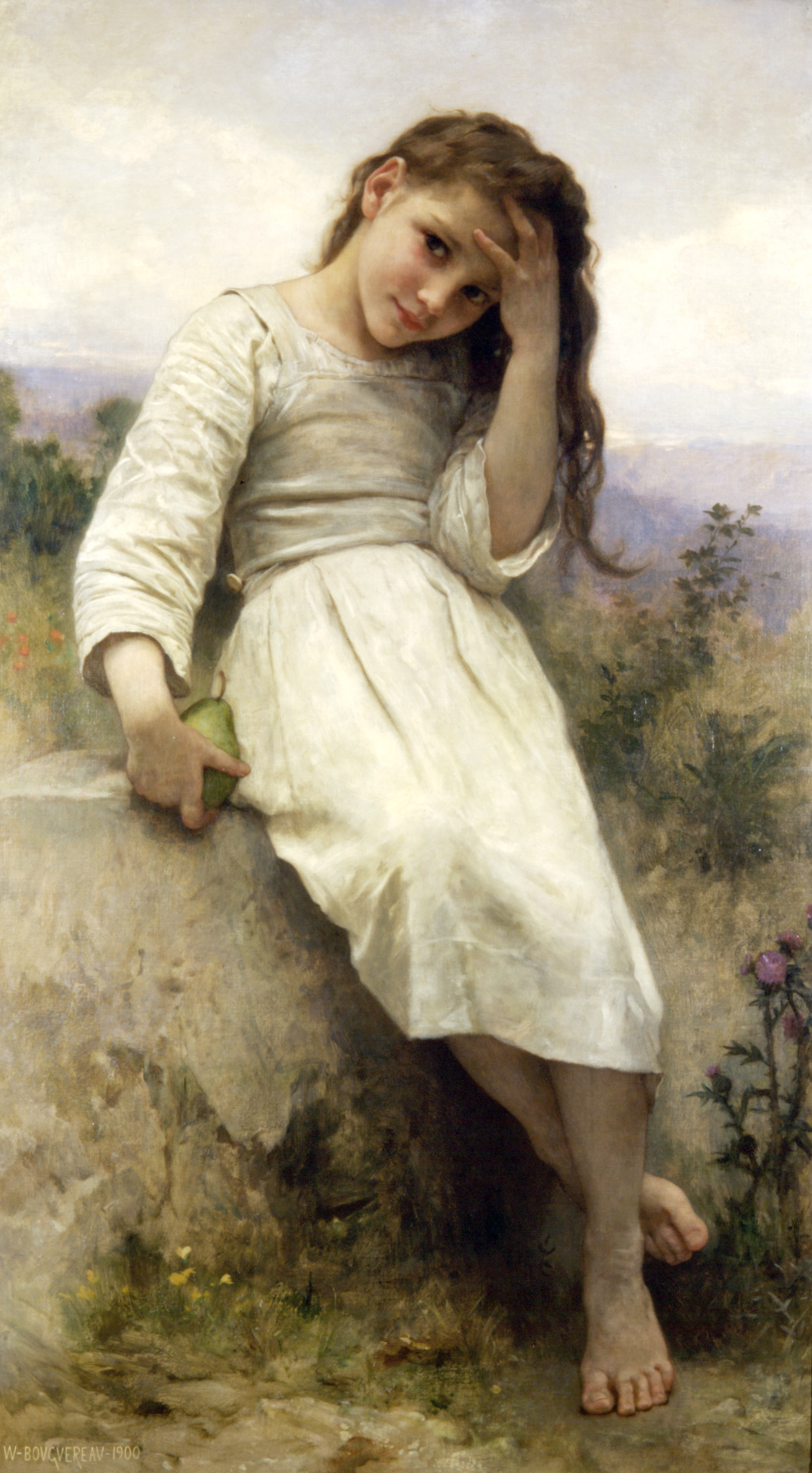
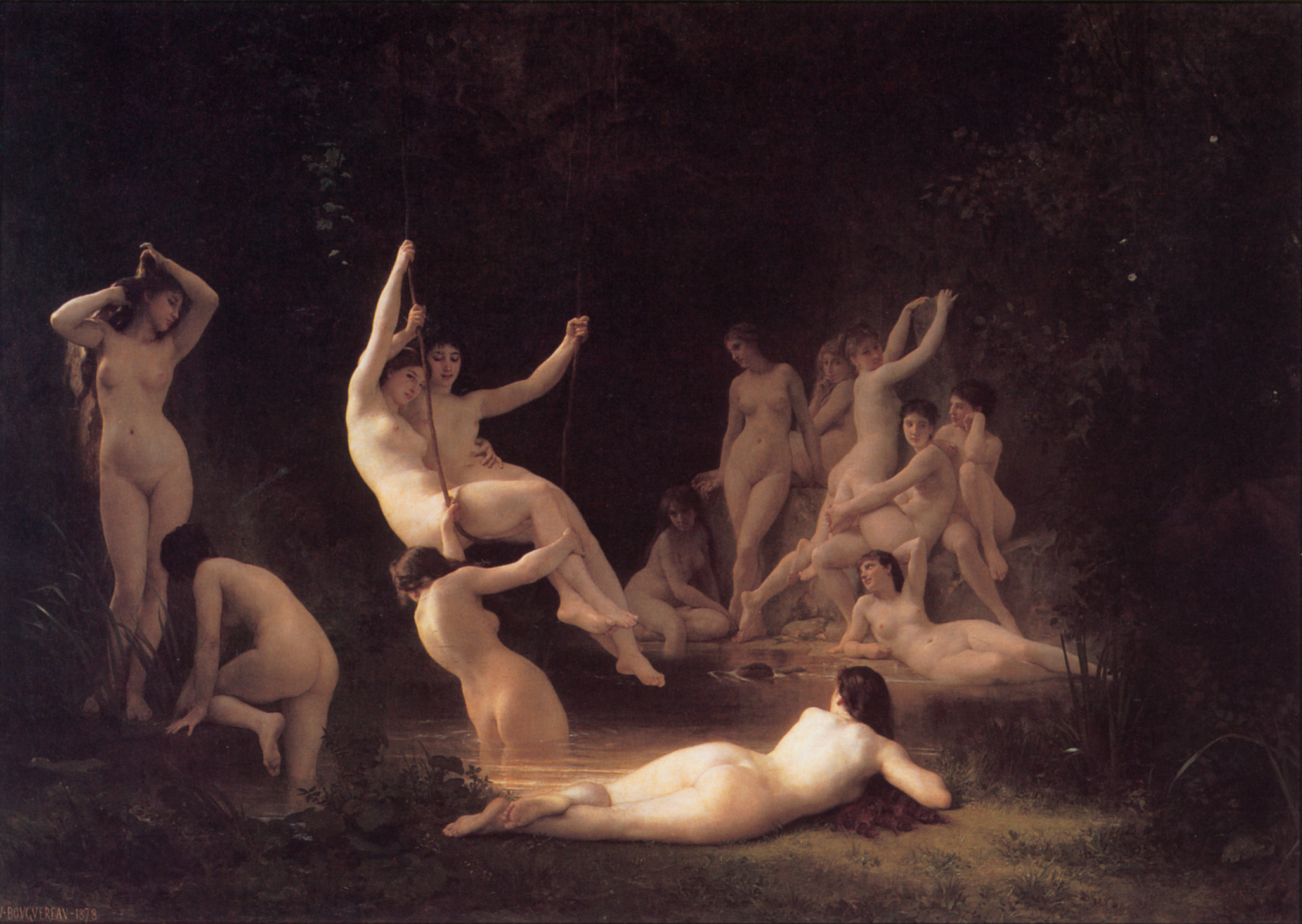
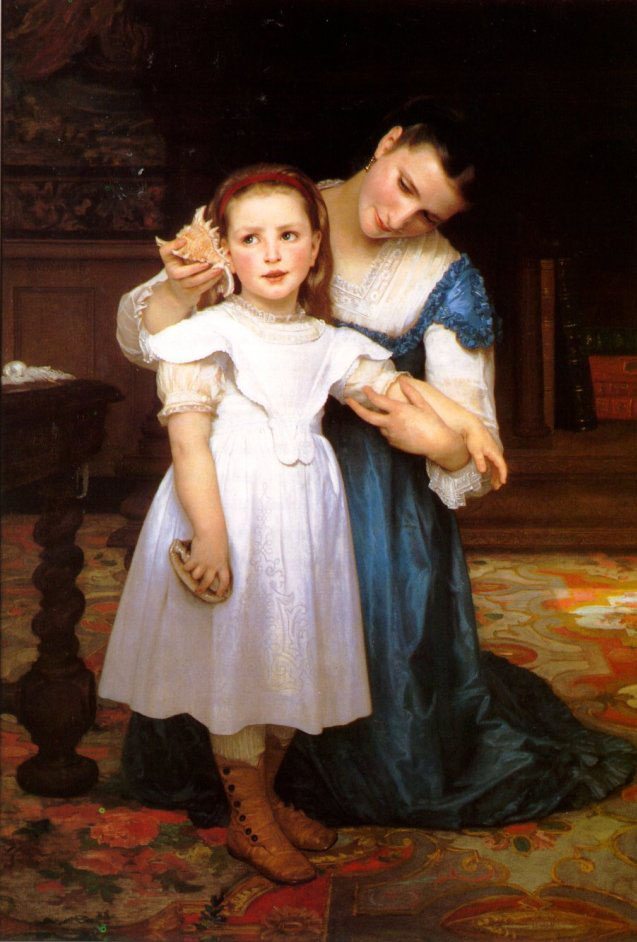
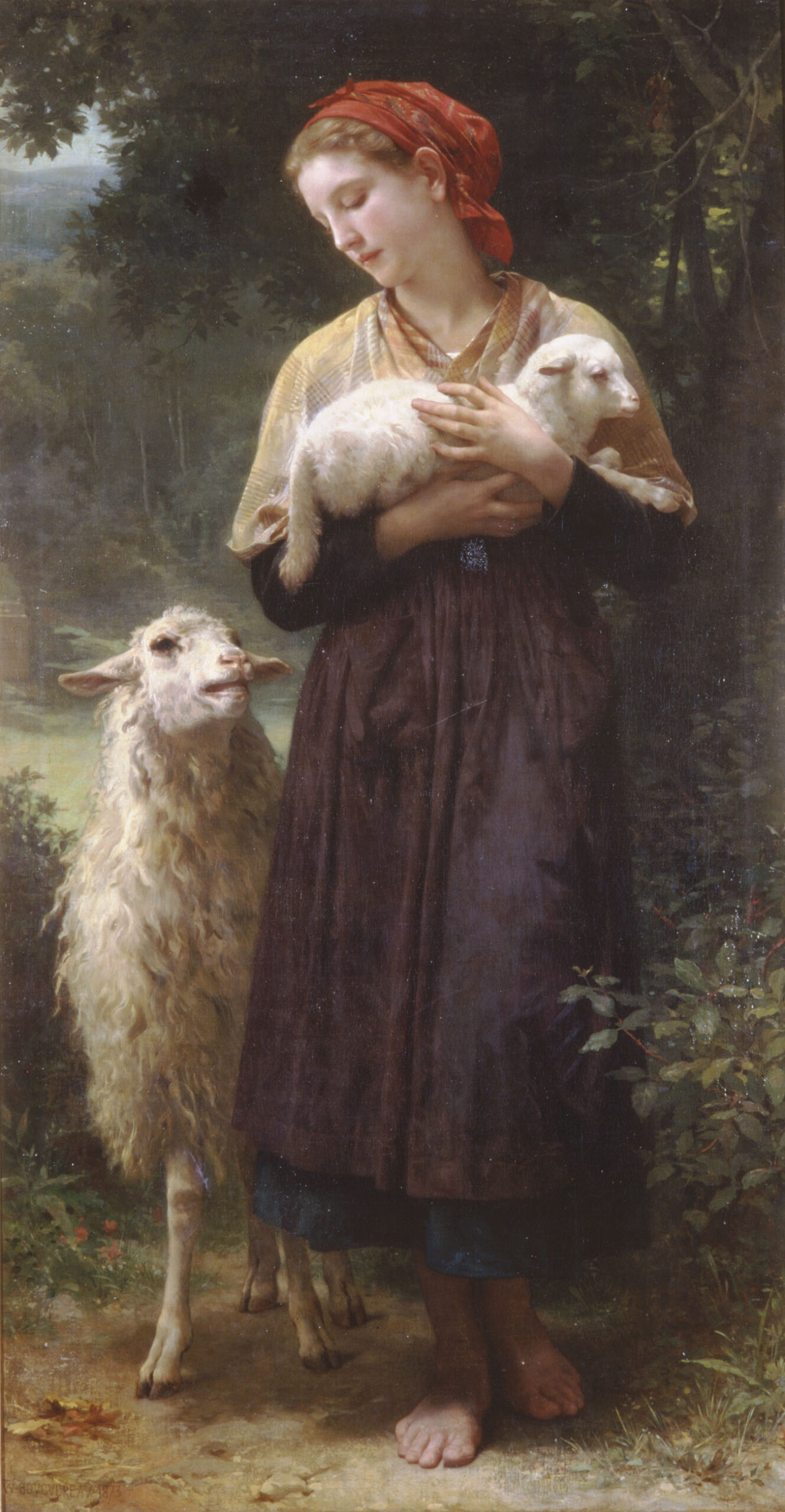
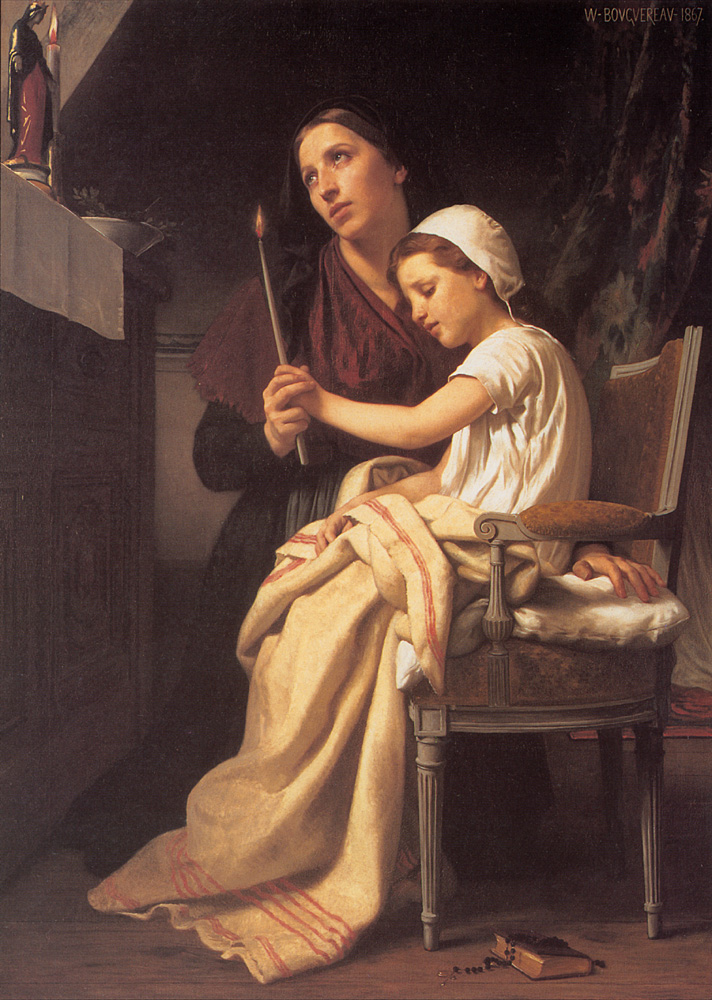
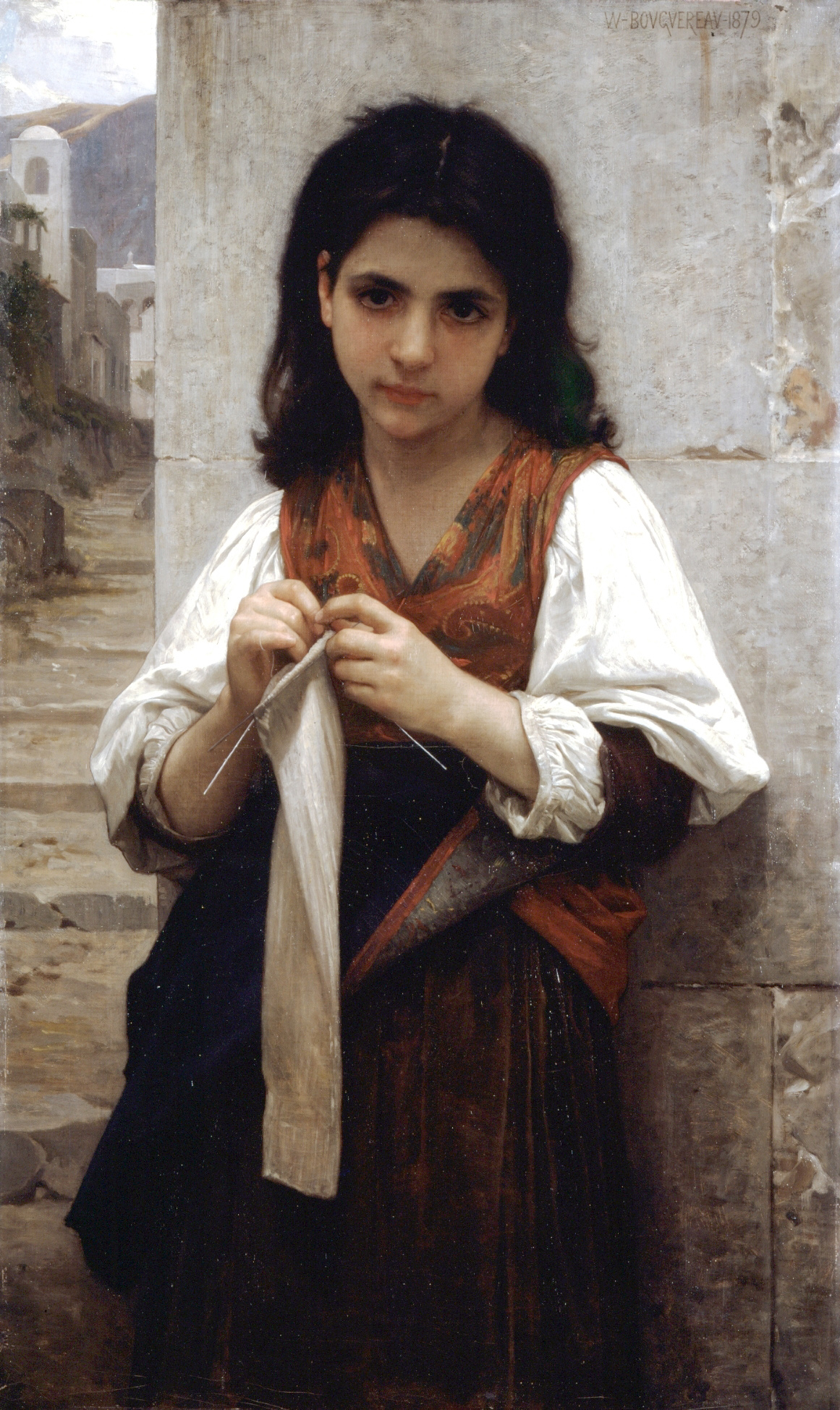
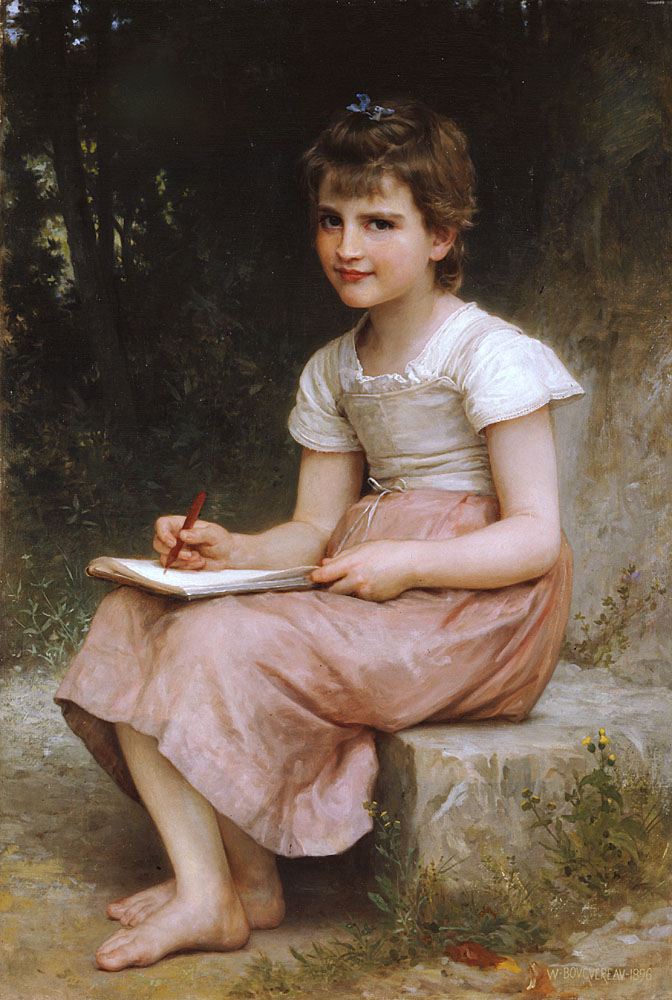
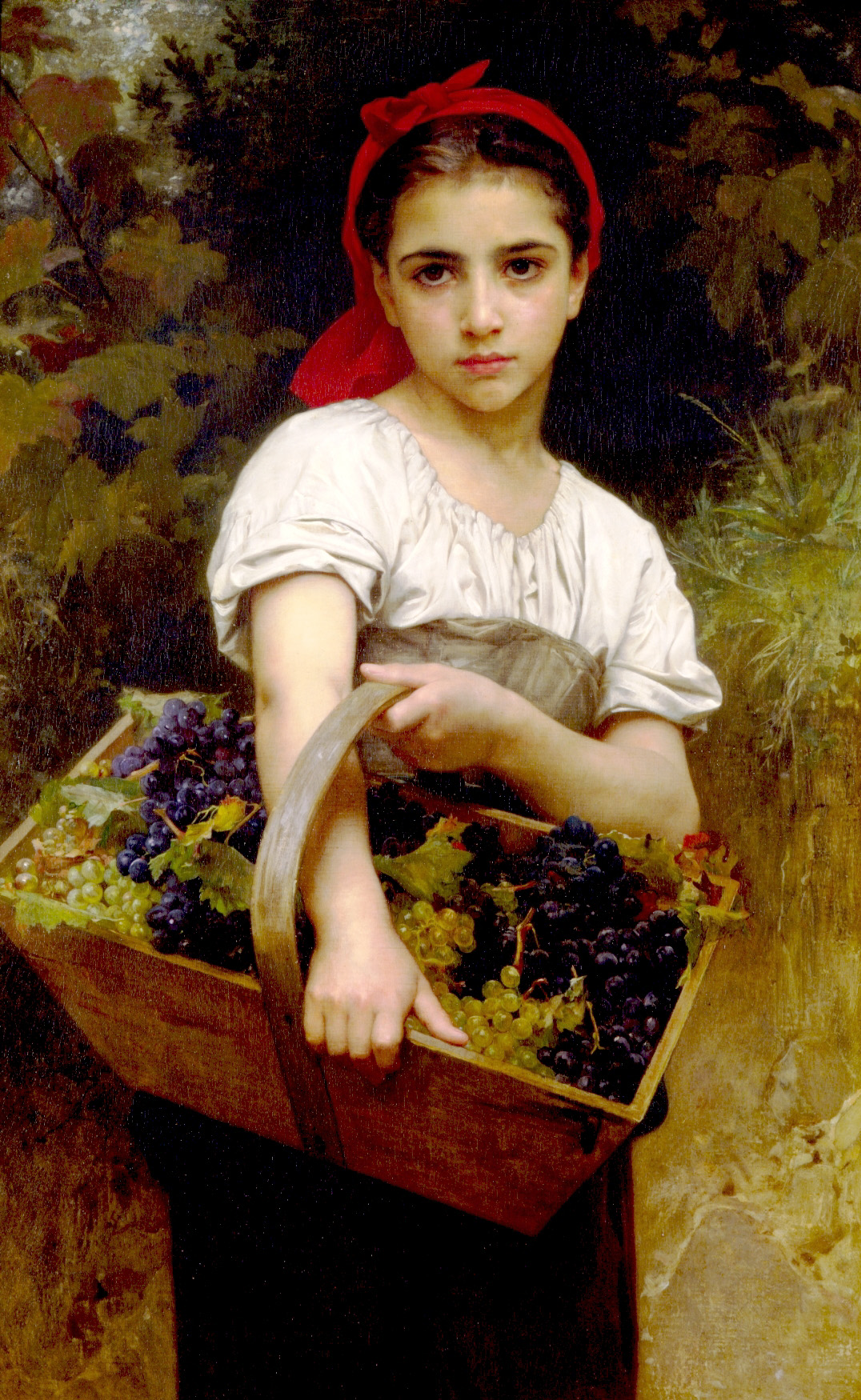
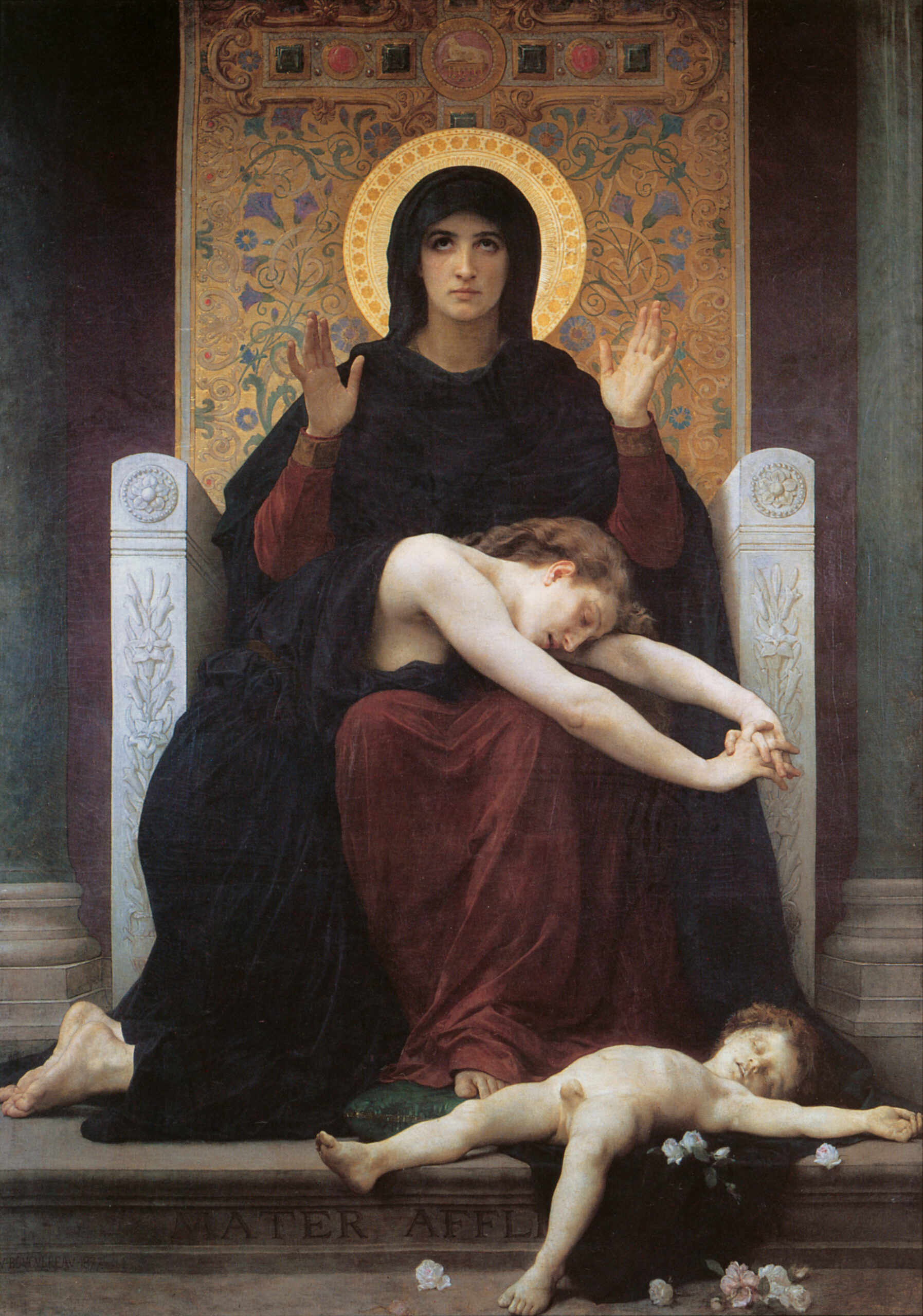
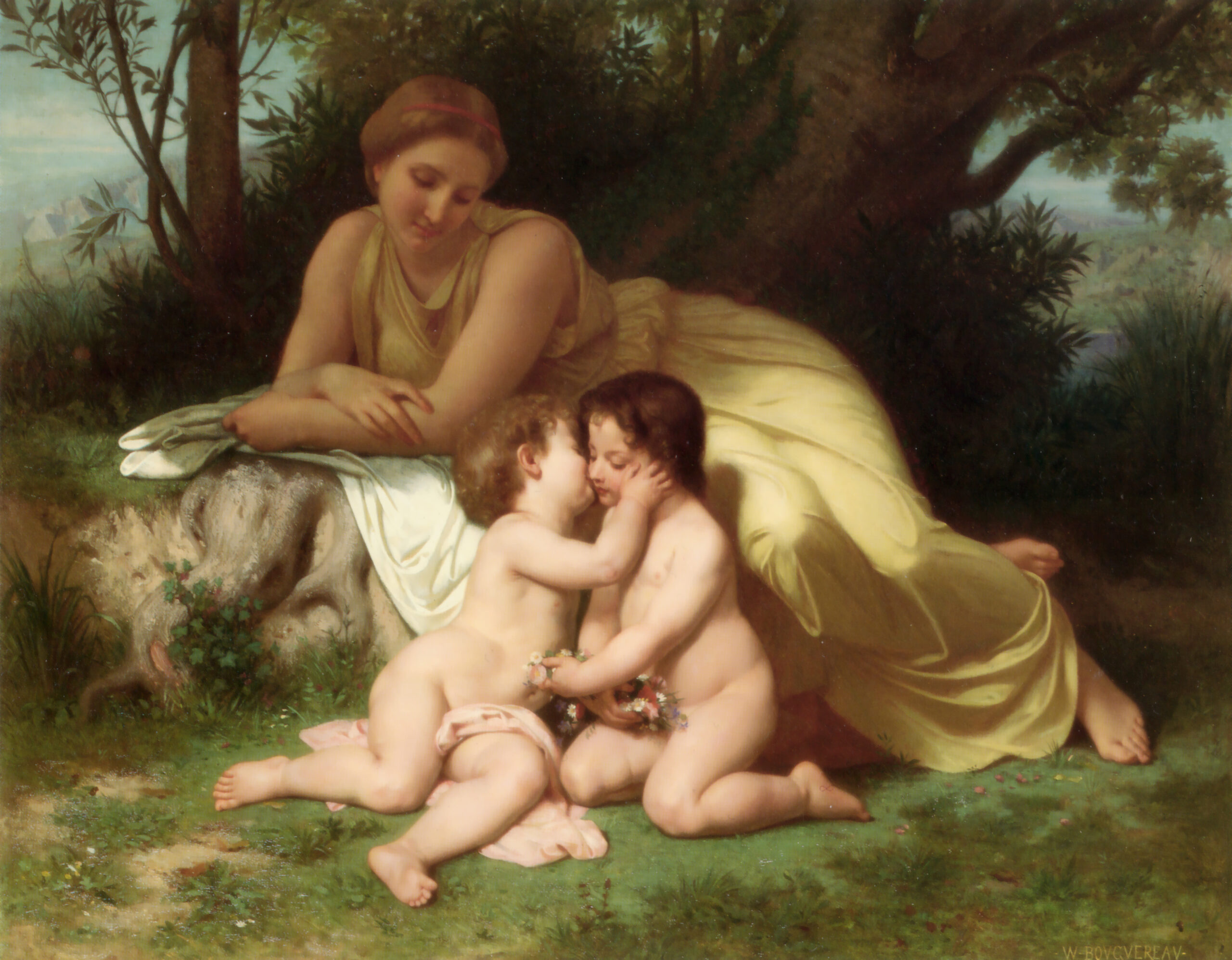
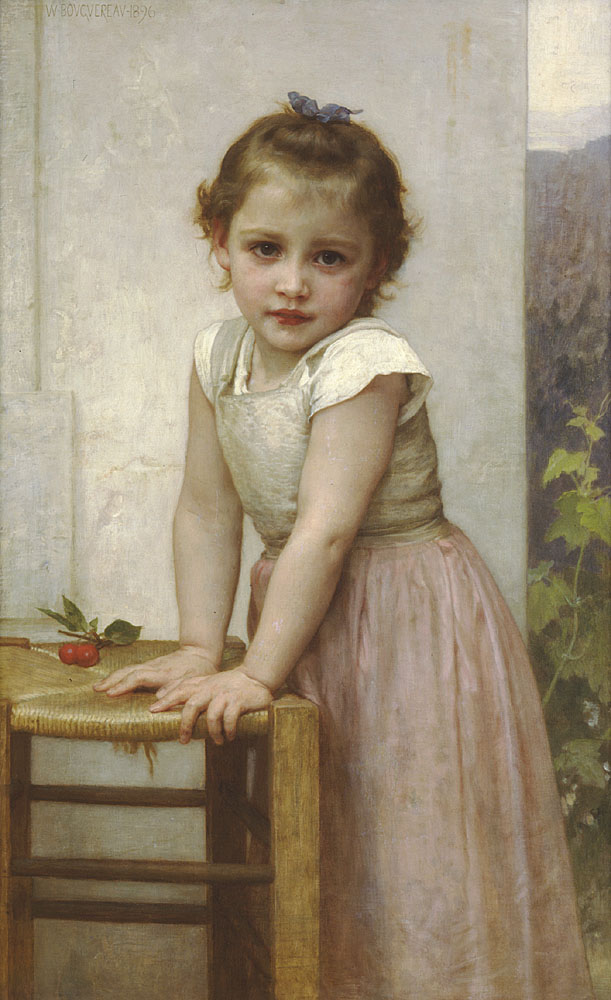
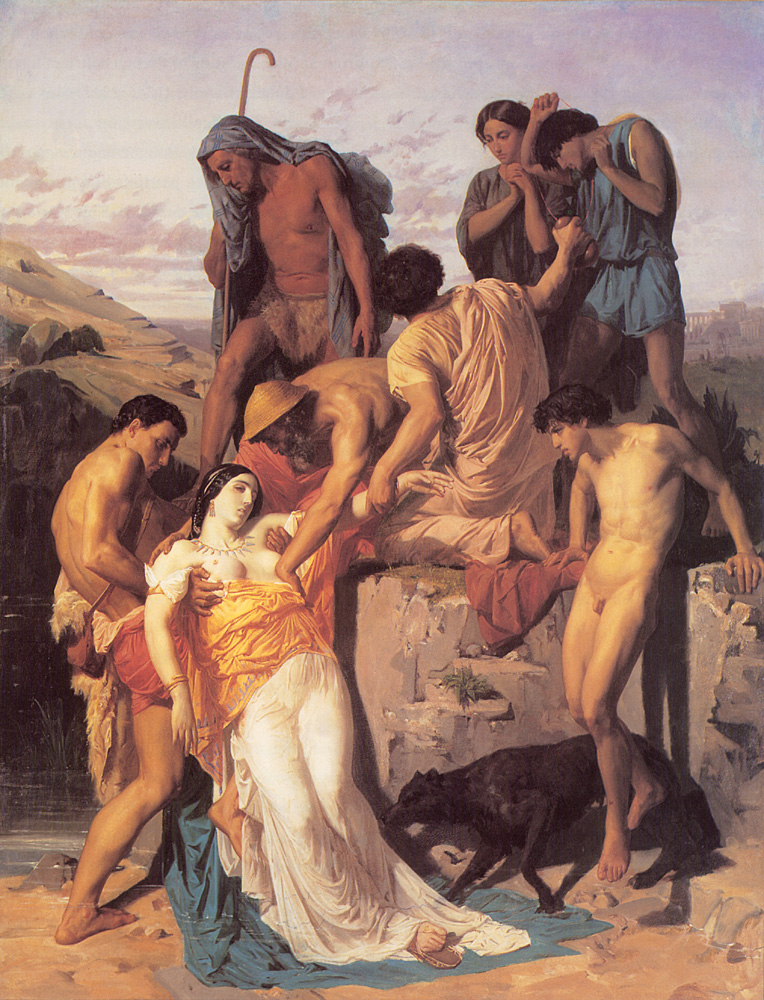
William-Adolphe Bouguereau was born in 1825 in La Rochelle, France, and became one of the leading academic painters of the 19th century. He received rigorous training at the École des Beaux-Arts in Paris and achieved early success through the Salon system. Bouguereau was renowned for his exceptional technical skill, especially his smooth brushwork and precise rendering of the human figure. His paintings often depict mythological, religious, and pastoral subjects.
Bouguereau’s work reflects idealized beauty, careful composition, and classical harmony. During his lifetime, he enjoyed immense popularity and official recognition. He also played an important role as a teacher, influencing many younger artists. With the rise of modernism, his reputation declined, but interest in his work later revived. Bouguereau died in 1905. Today, he is admired for his mastery of form and his contribution to academic art tradition.