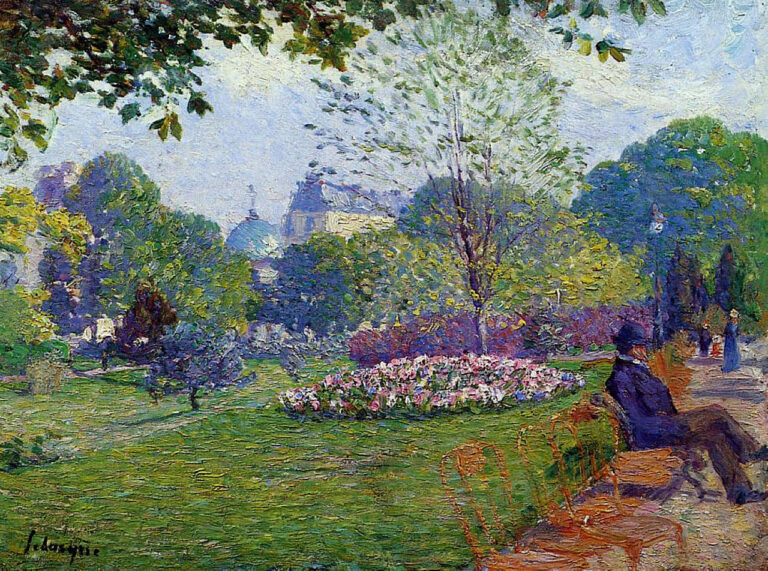
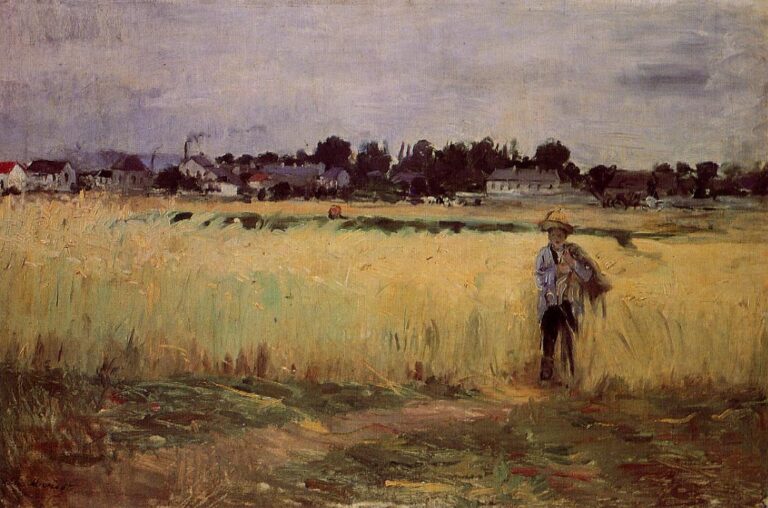
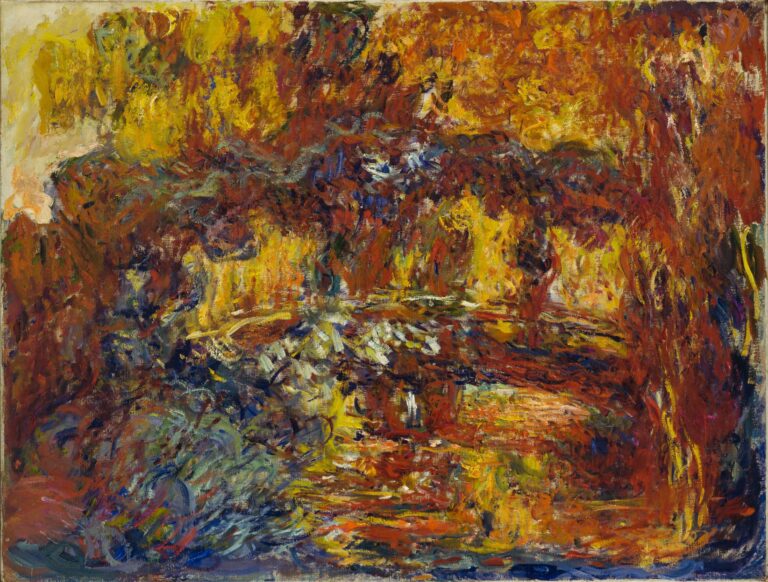
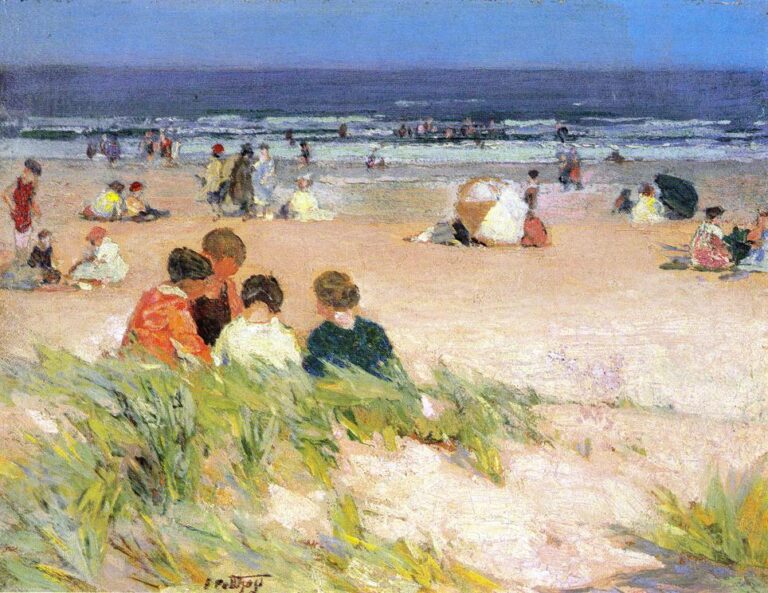
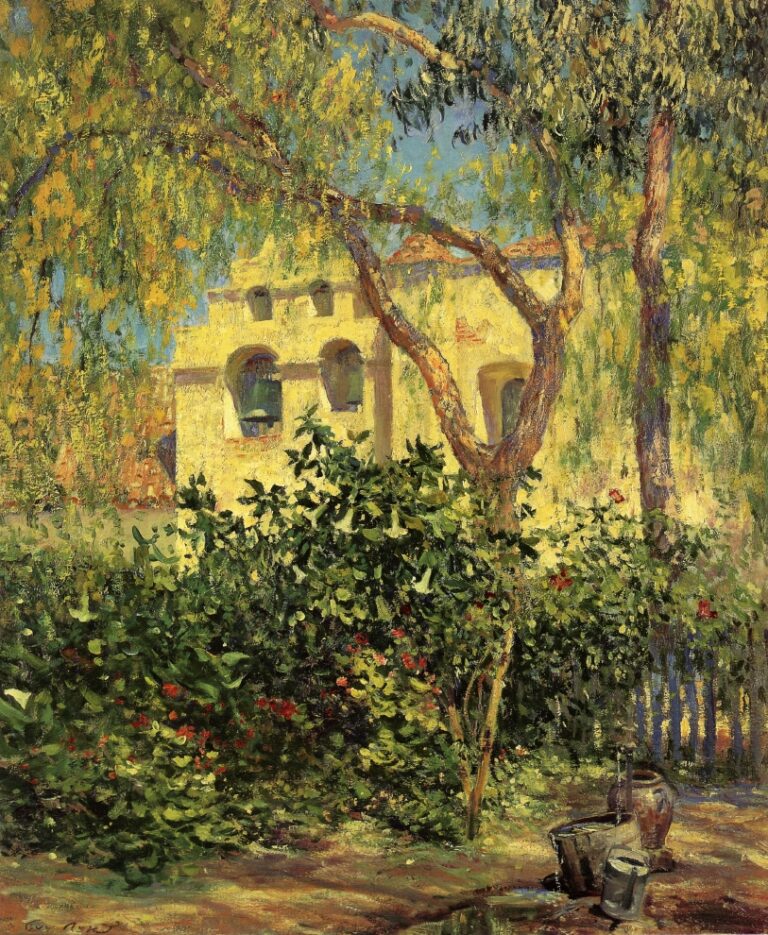
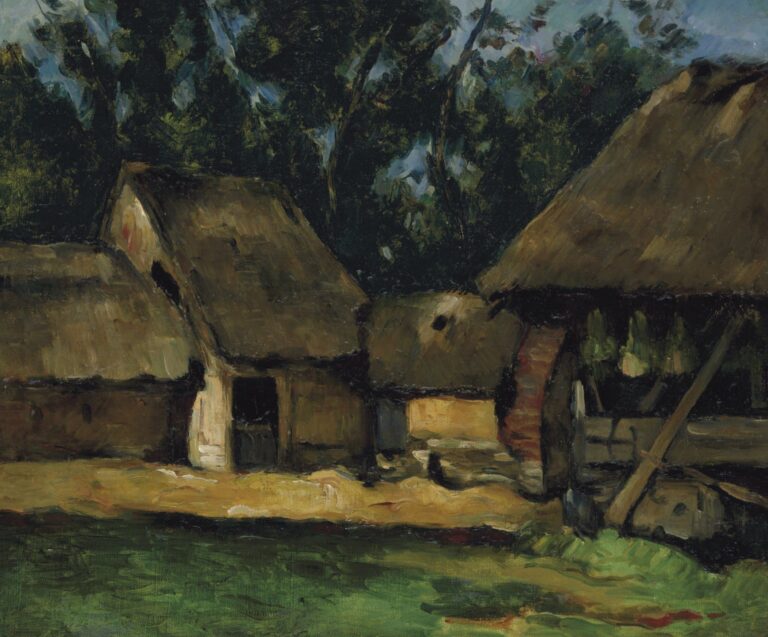
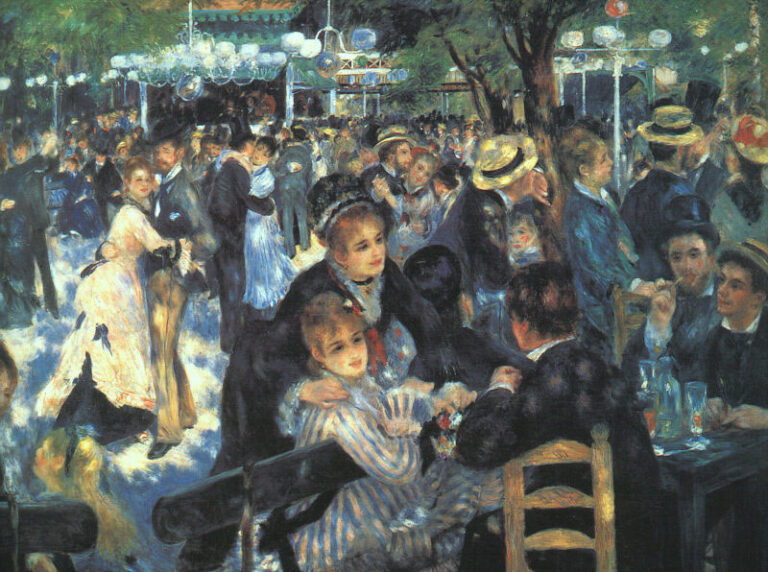
Impressionism is an art movement centered on capturing light, atmosphere, and fleeting moments. Emerging in France during the late 19th century, it marked a break from traditional studio painting and academic rules. Impressionist artists often worked outdoors, observing the changing effects of natural light.
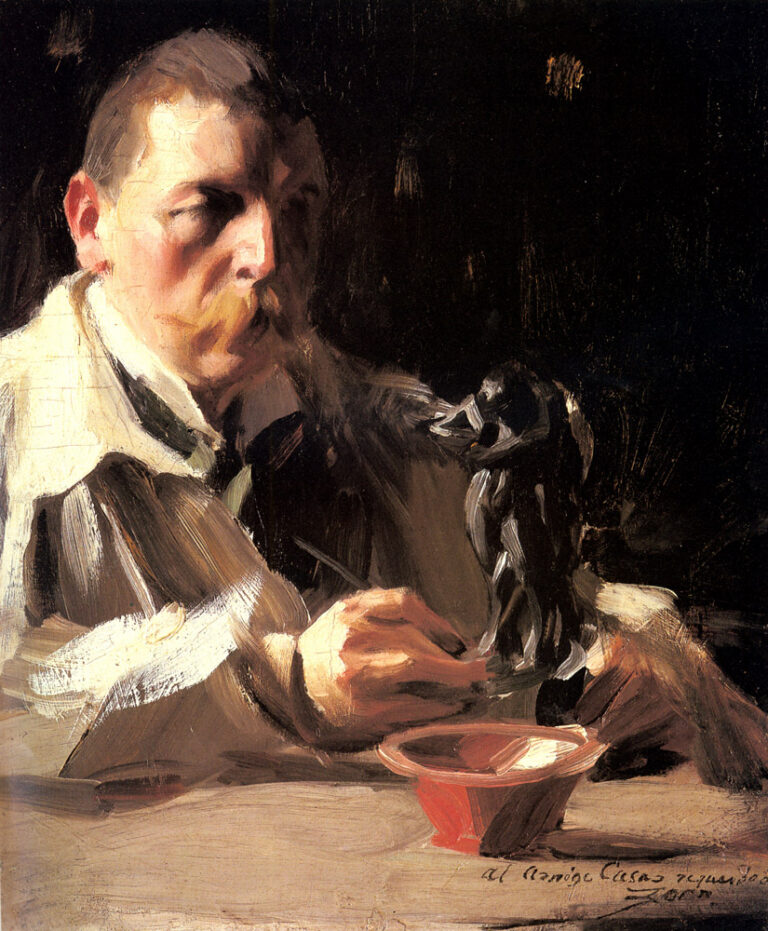
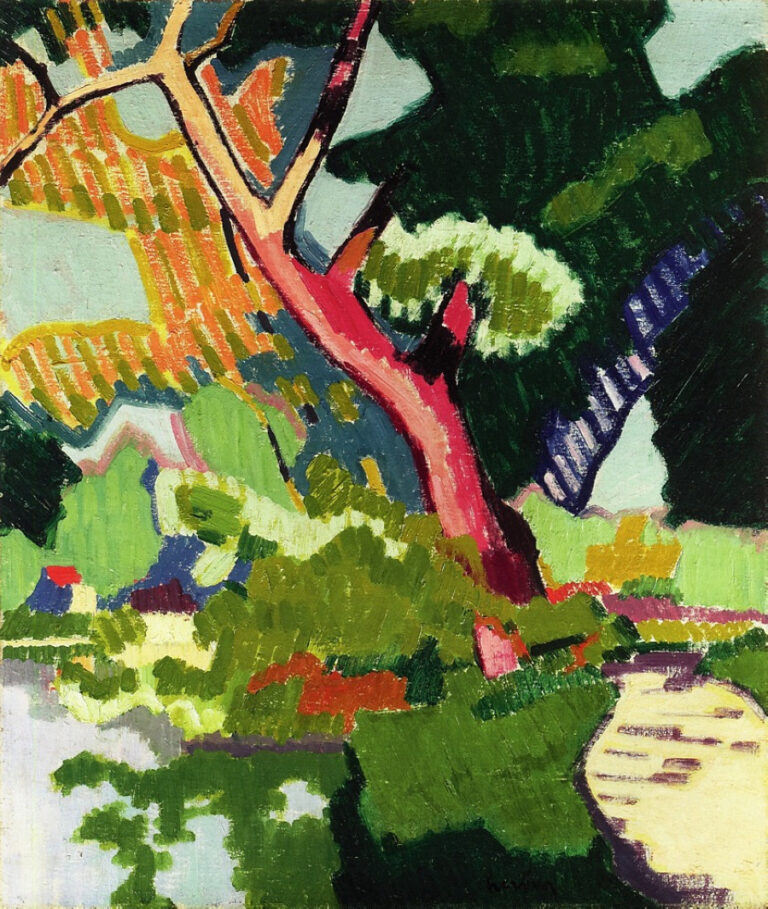
Brushwork was loose and visible, with colors applied in small, vibrant strokes. Rather than precise detail, the focus was on overall impression and sensory experience. Everyday scenes, landscapes, city life, and leisure activities became common subjects. Shadows were rendered with color instead of black, enhancing luminosity.
Impressionism emphasized spontaneity and modern life. Its innovative approach transformed the direction of Western art and laid the foundation for many modern movements that followed.