Mannerism
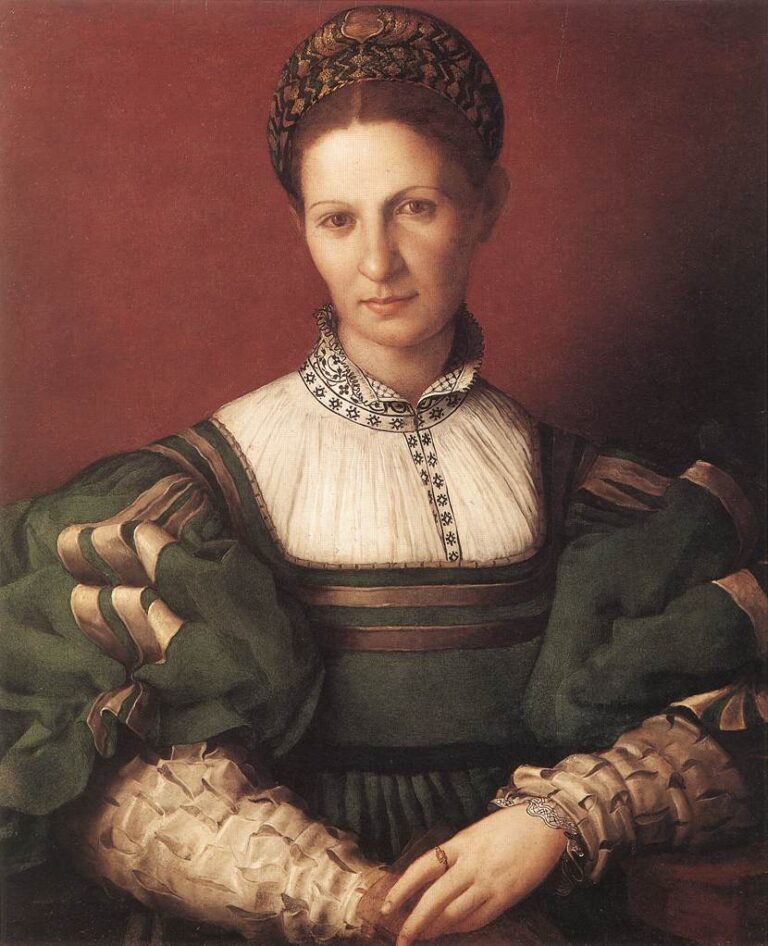
Mannerism is an art style that emerged in the late Renaissance, marked by elegance, complexity, and artistic experimentation. It developed as artists moved away from the balanced harmony and naturalism of High Renaissance ideals. Instead of strict realism, Mannerist artists favored artificiality and expressive distortion.
Figures are often elongated, posed in unusual or exaggerated positions, and placed within complex compositions. Proportions may appear intentionally altered, creating a sense of tension and sophistication. Color palettes can be refined yet unexpected, with sharp contrasts and cool tones. Space is often ambiguous, making scenes feel crowded or unstable.
Mannerism emphasized style, virtuosity, and intellectual expression. Religious and mythological subjects remained common, but were treated with heightened drama and emotional intensity. The movement reflects a period of cultural transition and artistic self-awareness. Mannerism stands as a bridge between the Renaissance and the Baroque, celebrating individuality and expressive freedom.