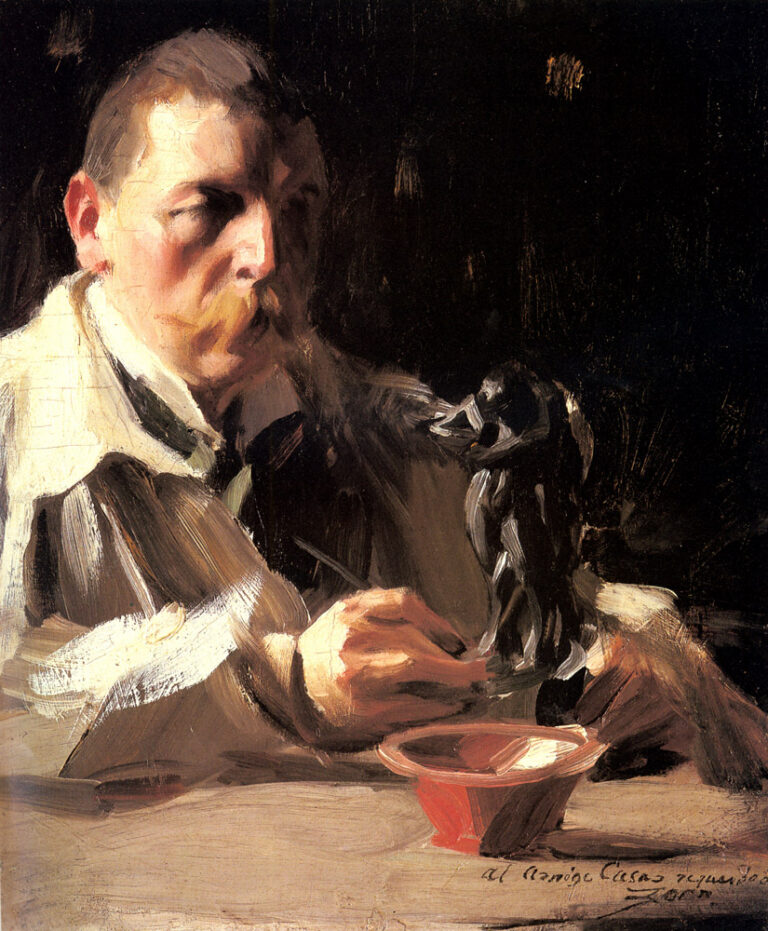
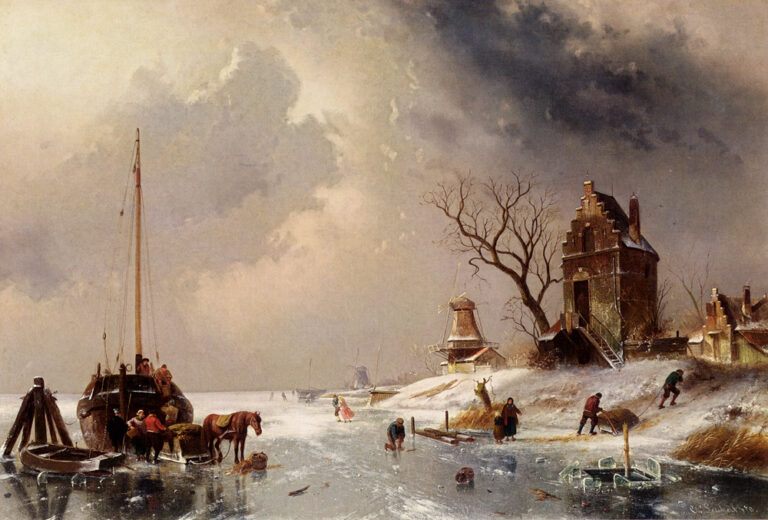
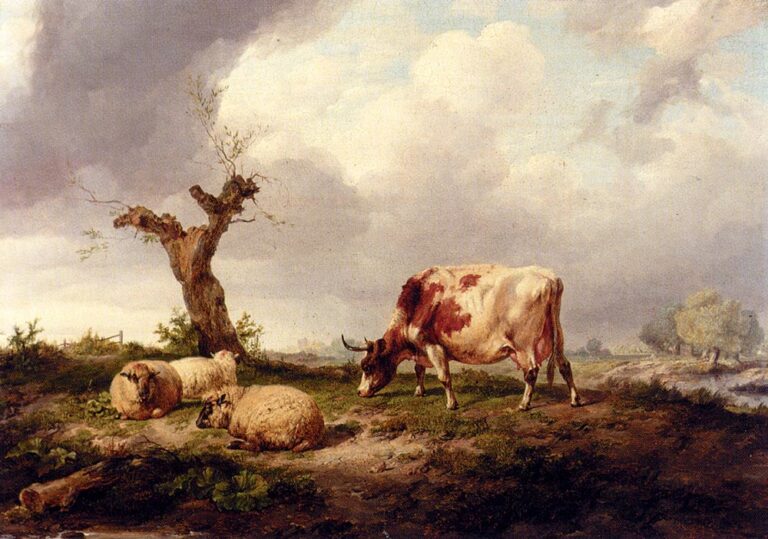
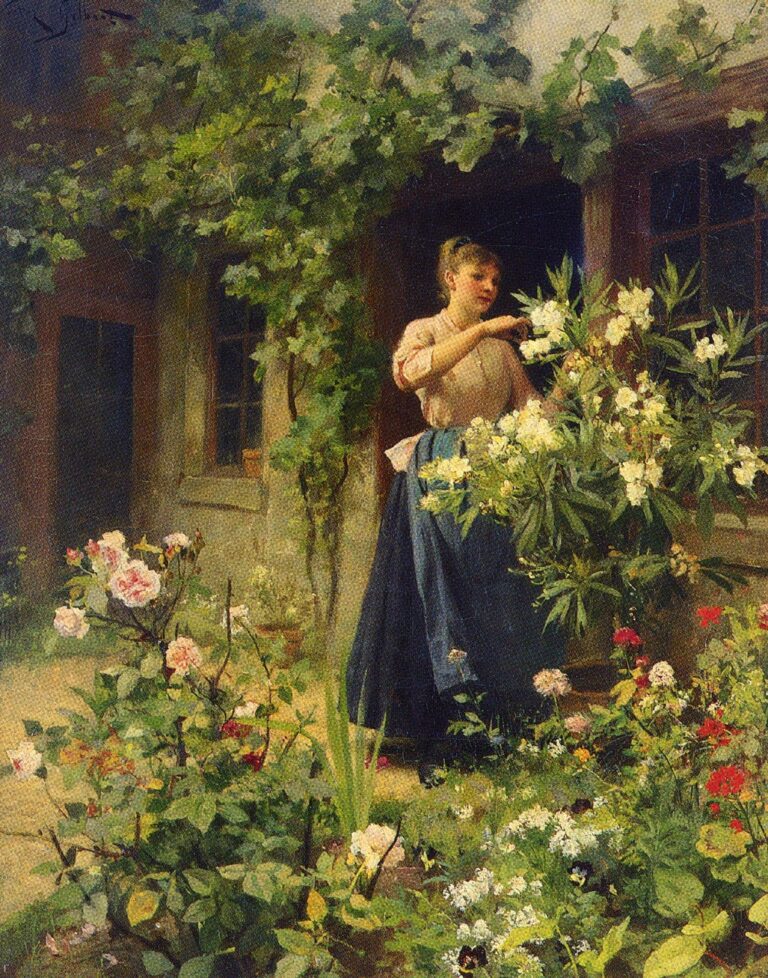
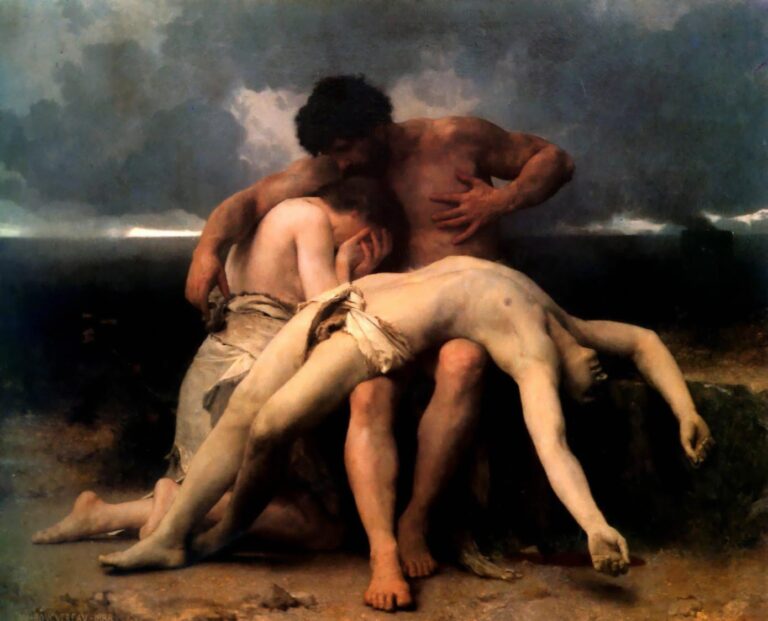
Realism is an art movement dedicated to depicting everyday life with honesty and accuracy. Emerging in the mid 19th century, it rejected idealized subjects and dramatic interpretations in favor of ordinary scenes and common people. Realist artists focused on the world as it was, without embellishment or romanticism.
Subjects often included rural labor, urban life, and social conditions of the time. Figures were portrayed with natural proportions and unidealized features. Color palettes tended to be restrained, reinforcing a sense of authenticity and direct observation. Composition emphasized clarity and solid structure.
Realism challenged traditional hierarchies of subject matter in art. By elevating ordinary experience to the level of fine art, the movement reshaped artistic priorities. Its influence can be seen in later developments that continued to explore truth, society, and daily life.