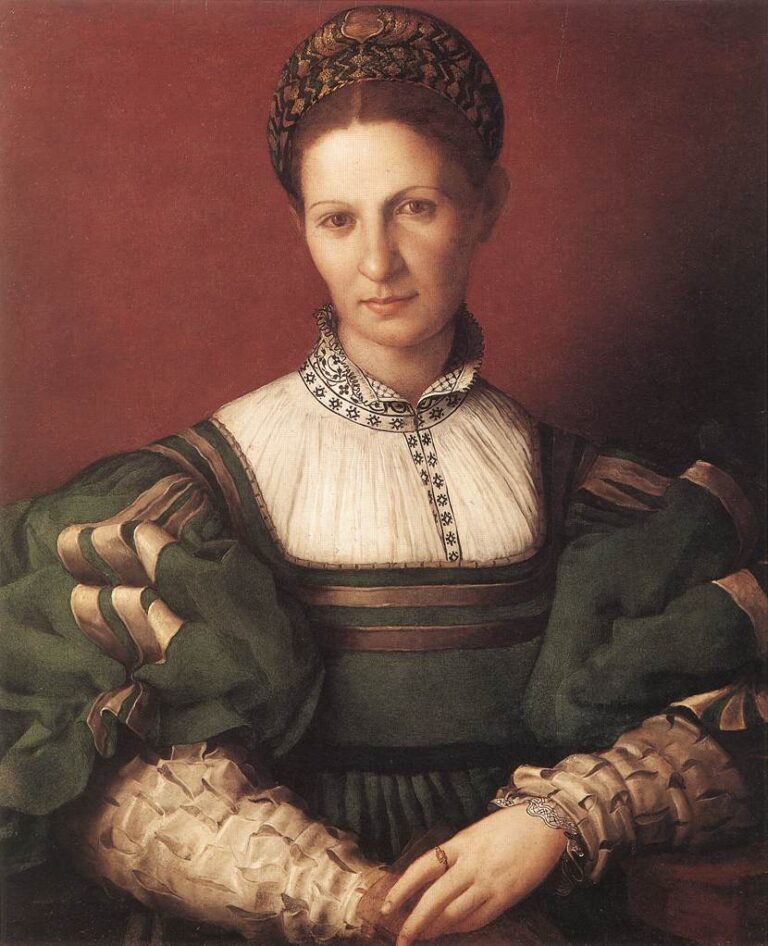
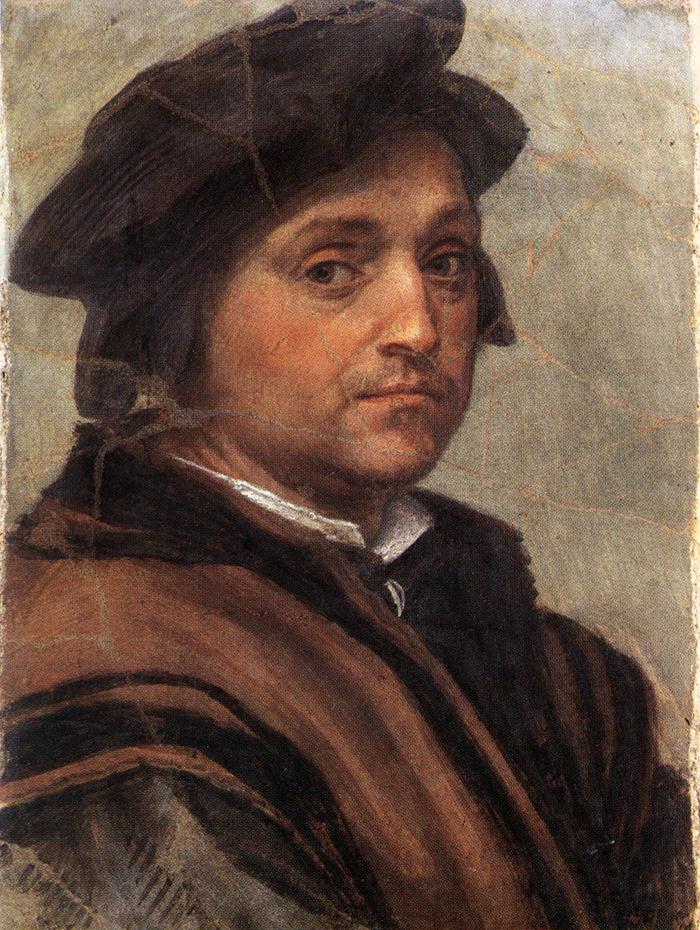
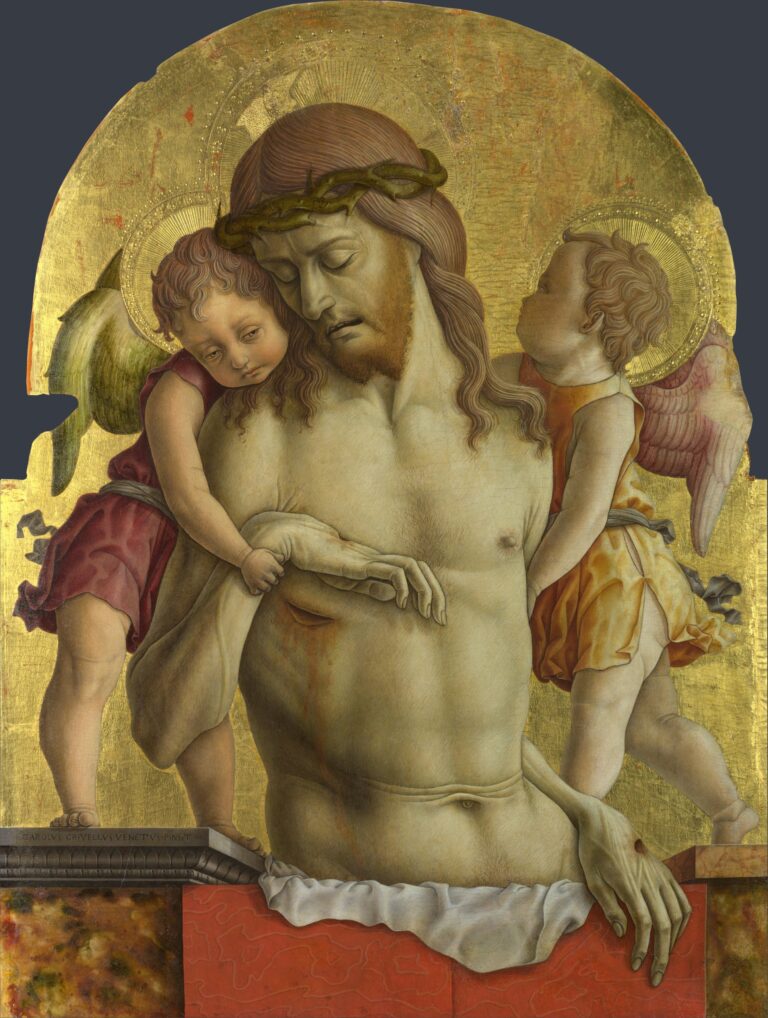
Renaissance art marks a profound revival of classical knowledge, humanist ideals, and artistic innovation. Emerging in Italy during the 14th century, it reshaped European art through a renewed focus on realism, proportion, and harmony. Artists studied anatomy, mathematics, and perspective to create more natural and convincing representations of the world.
Inspired by ancient Greek and Roman culture, Renaissance art emphasized balance, clarity, and ideal beauty. Human figures became more lifelike, expressive, and grounded in physical space. Religious themes remained central, but they were infused with human emotion and individual character. Mythological and secular subjects also gained prominence, reflecting the era’s broader intellectual curiosity.
Light, shadow, and linear perspective were used to enhance depth and realism. The Renaissance established artistic foundations that influenced Western art for centuries. It stands as a celebration of human intellect, creativity, and the pursuit of knowledge through visual form.