Lovis Corinth
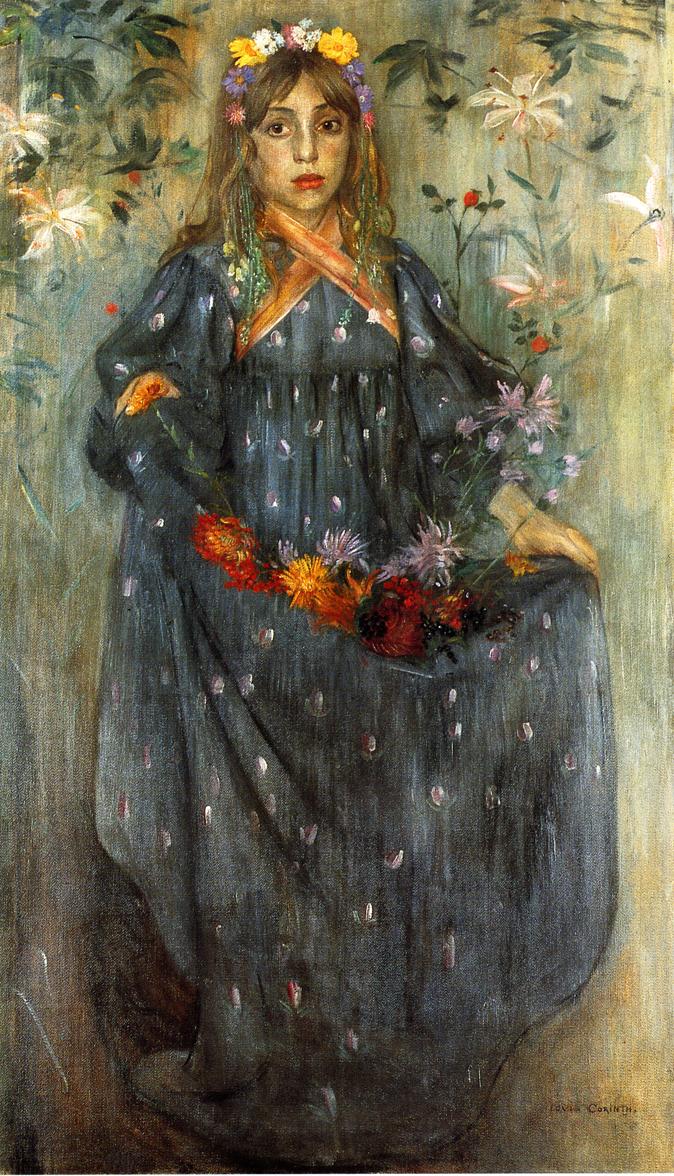
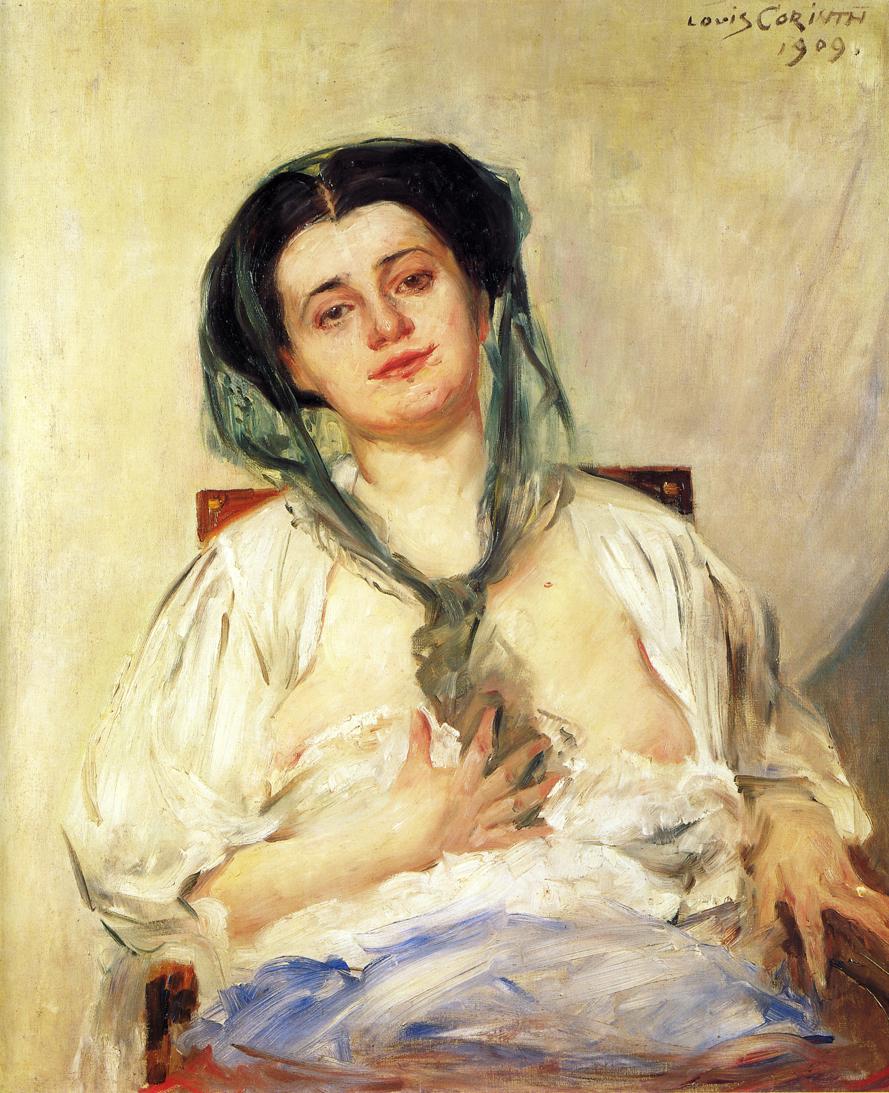
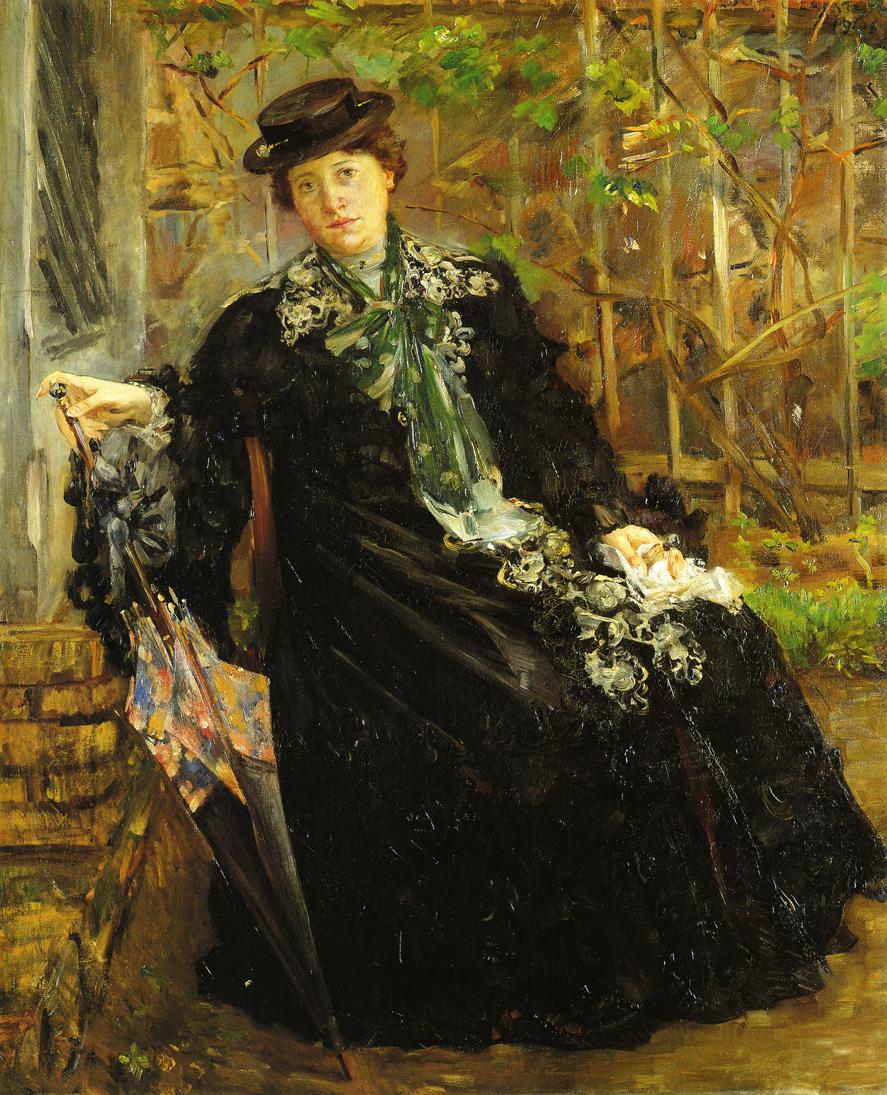
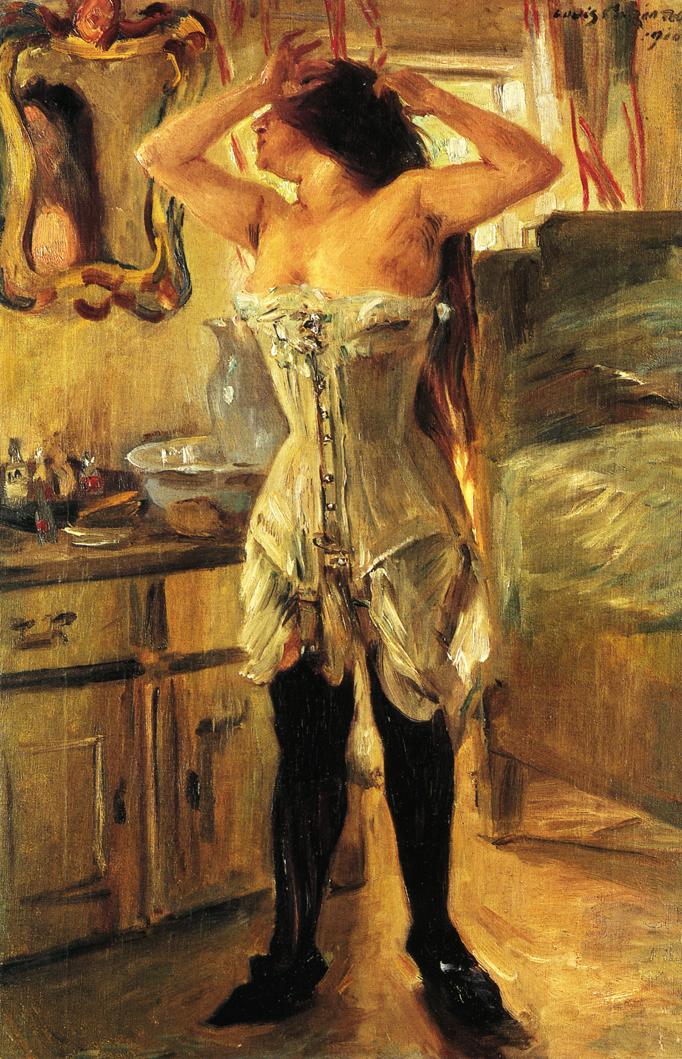
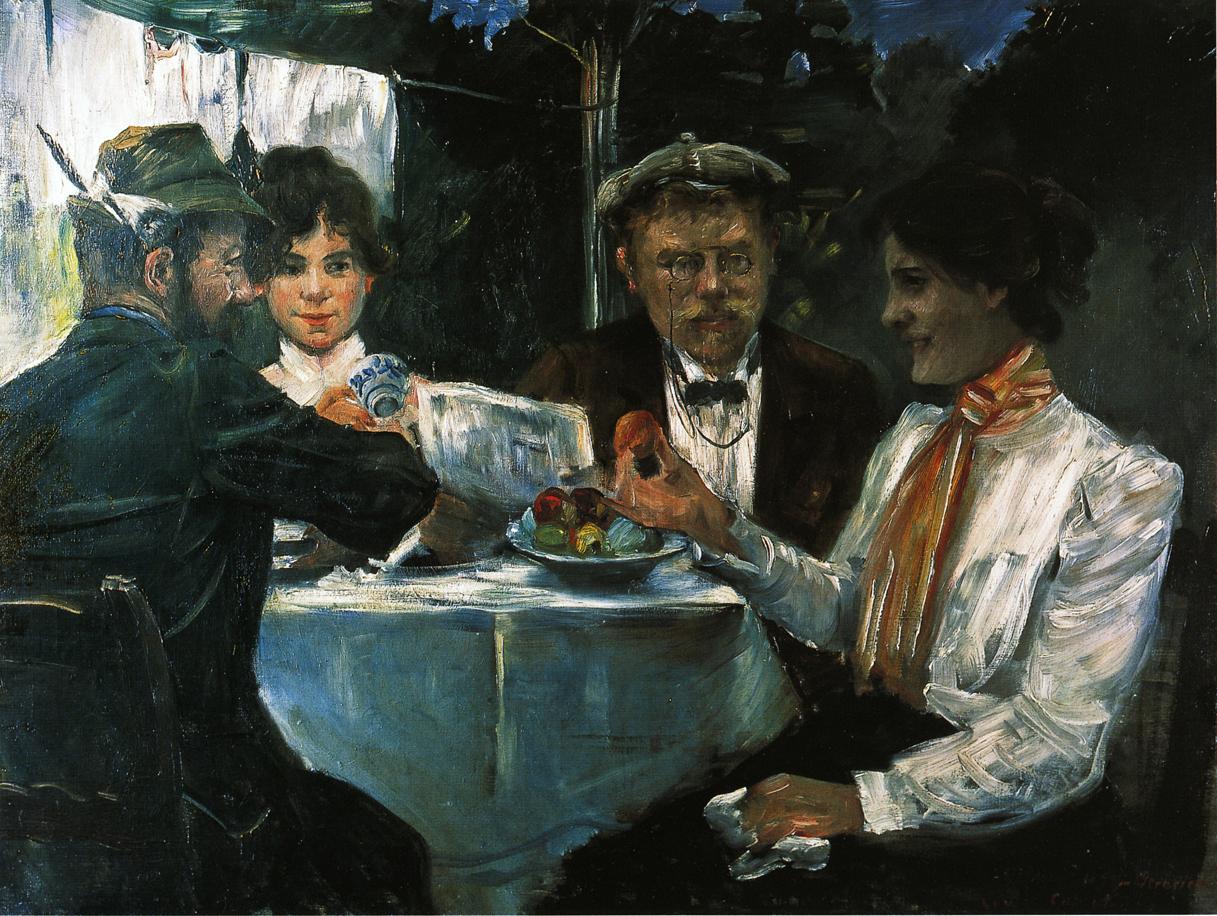
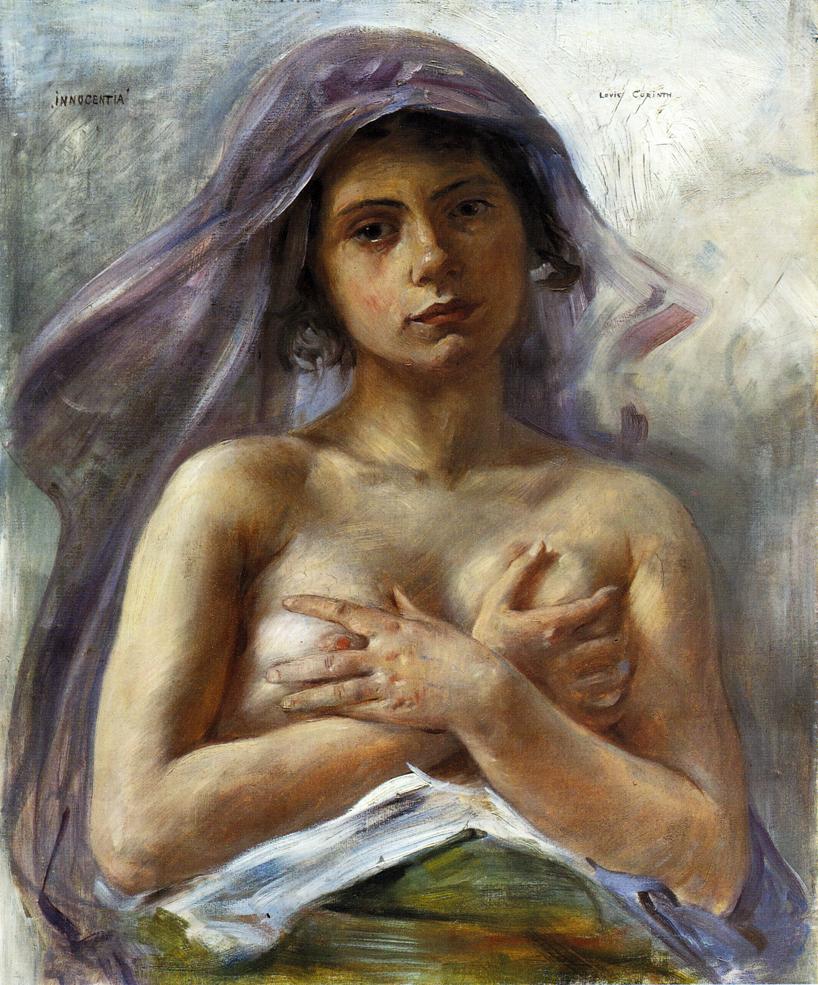
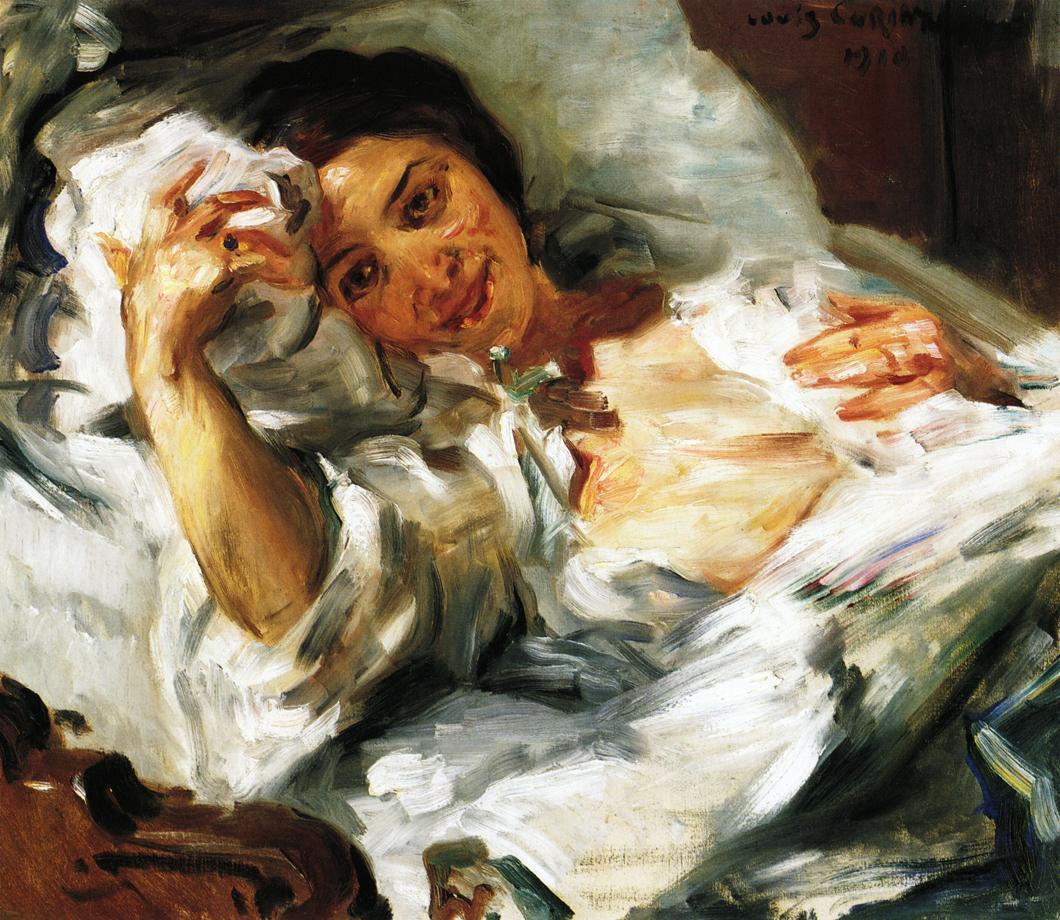
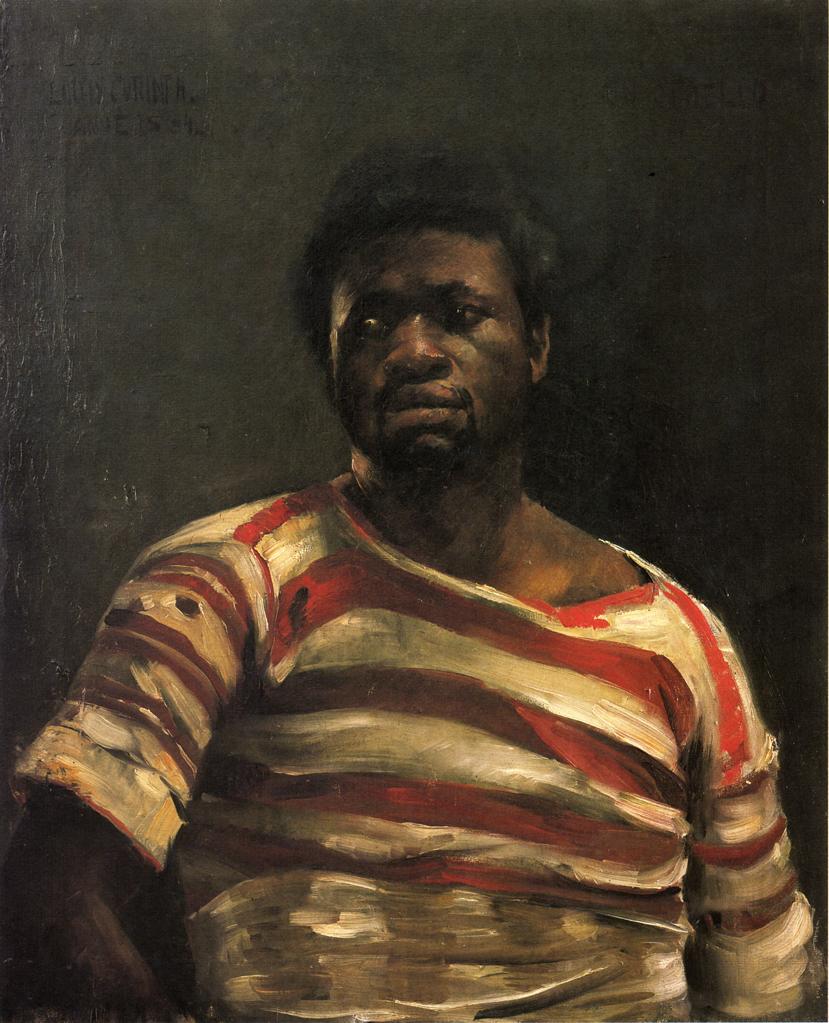
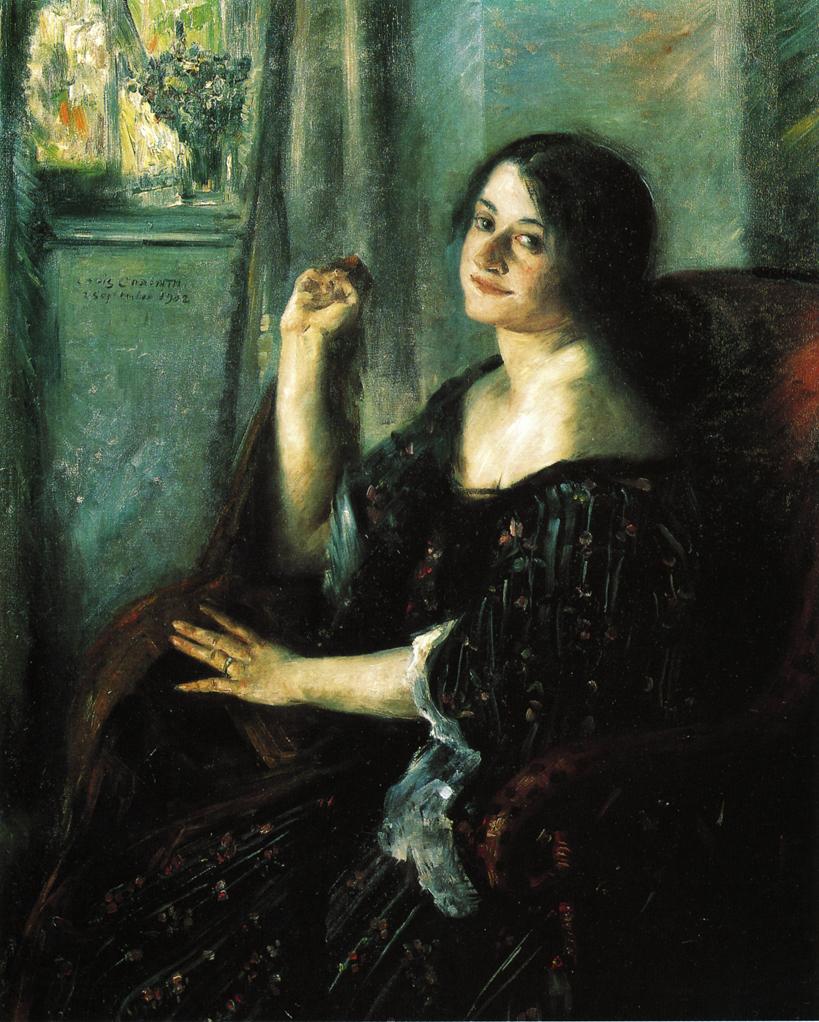
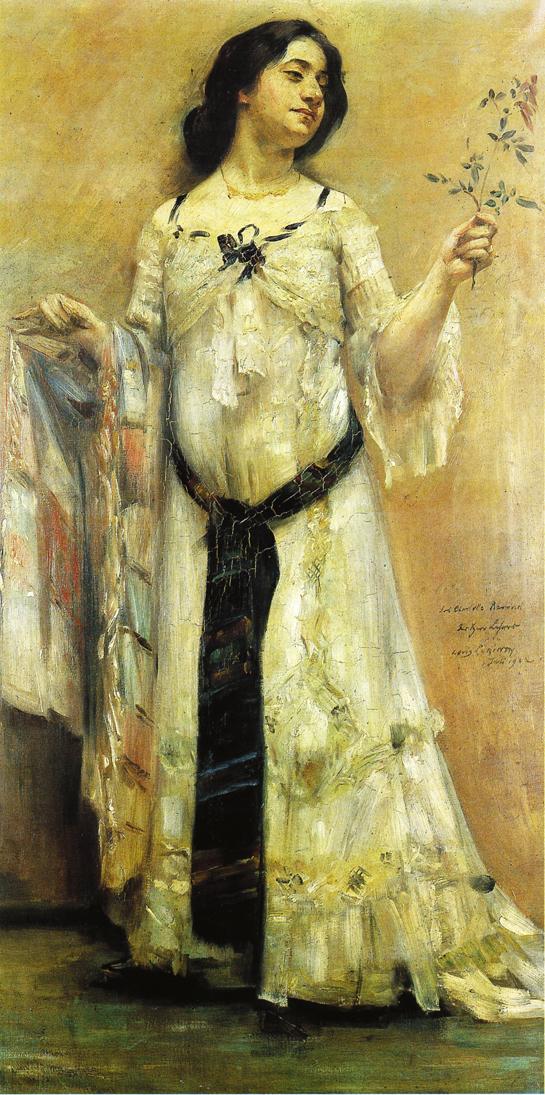
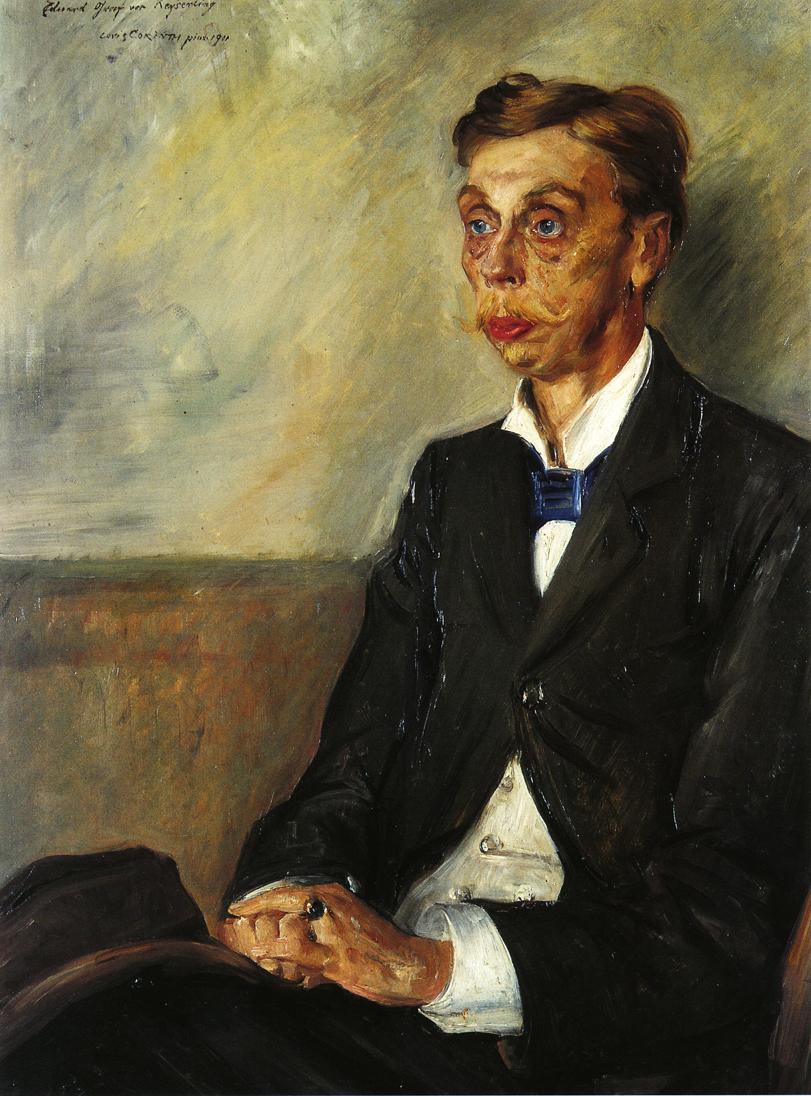
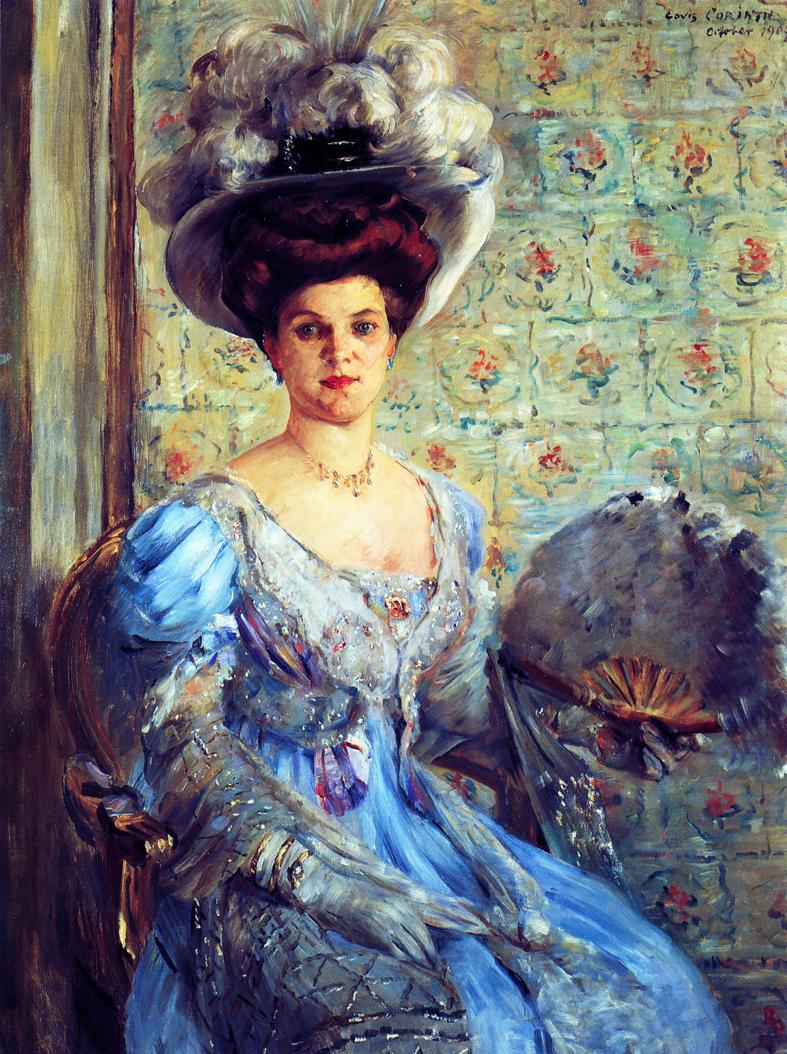
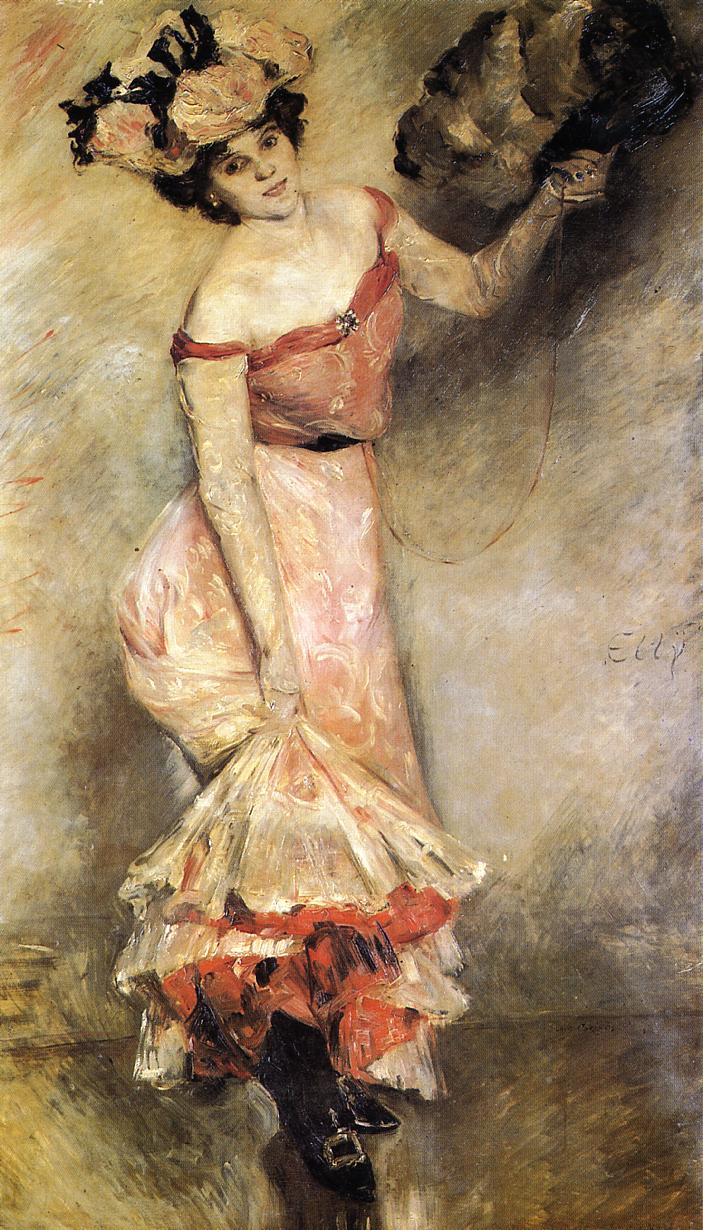
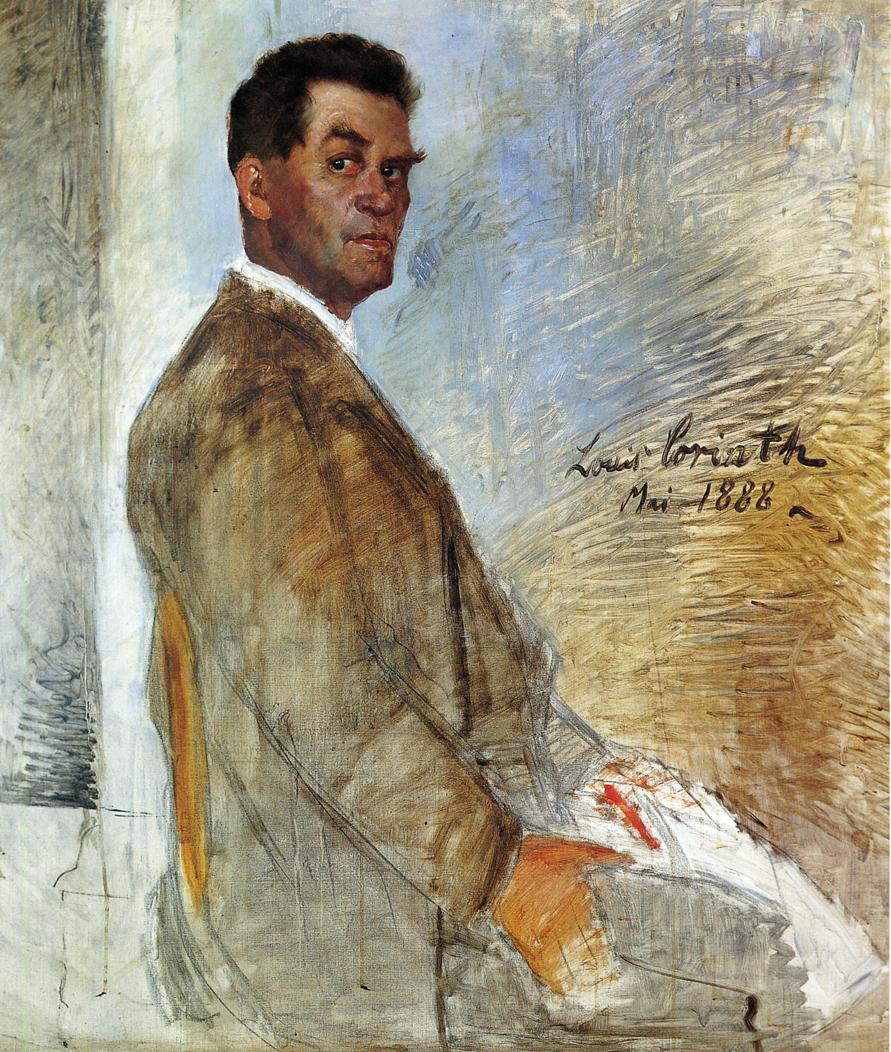
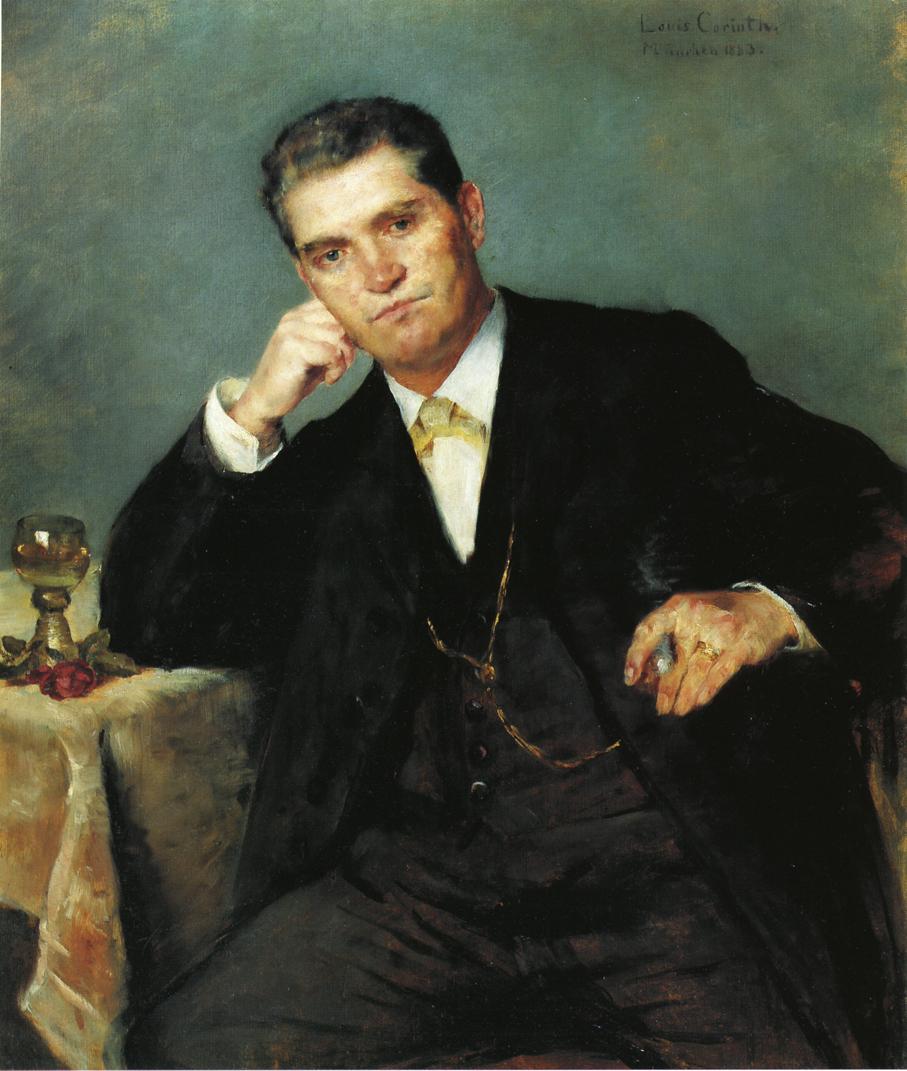
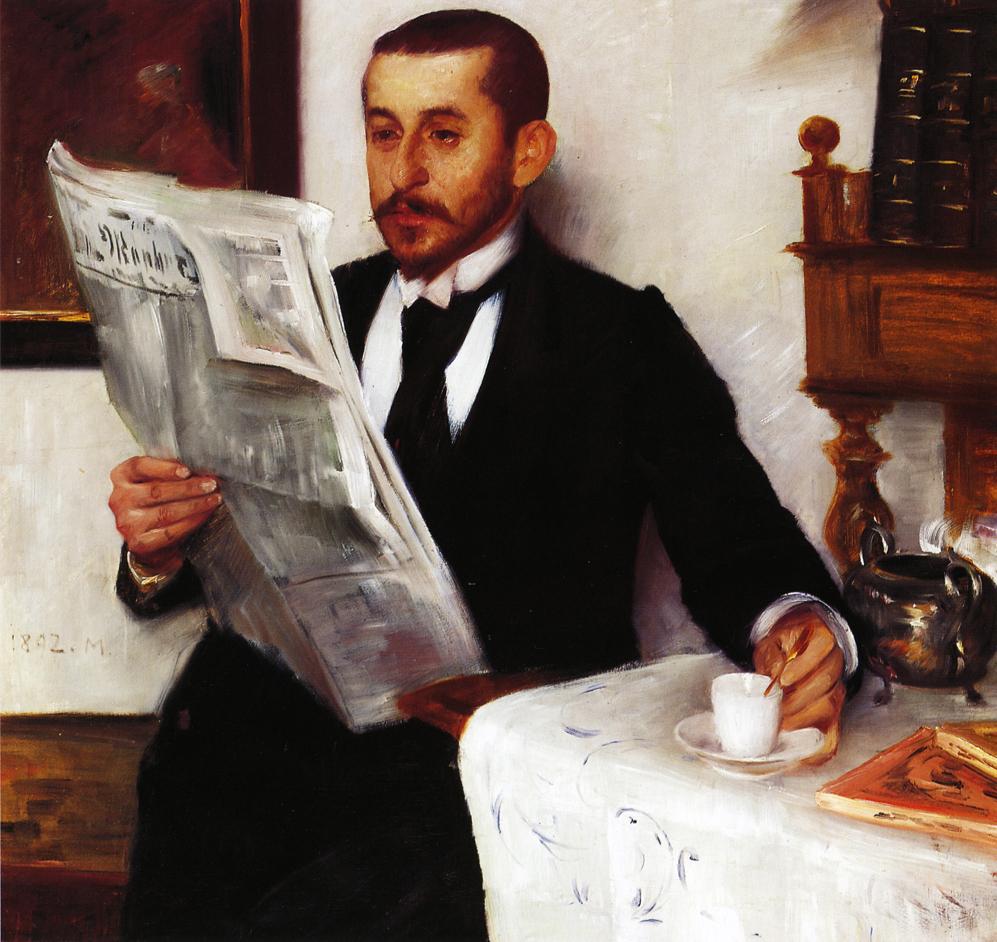
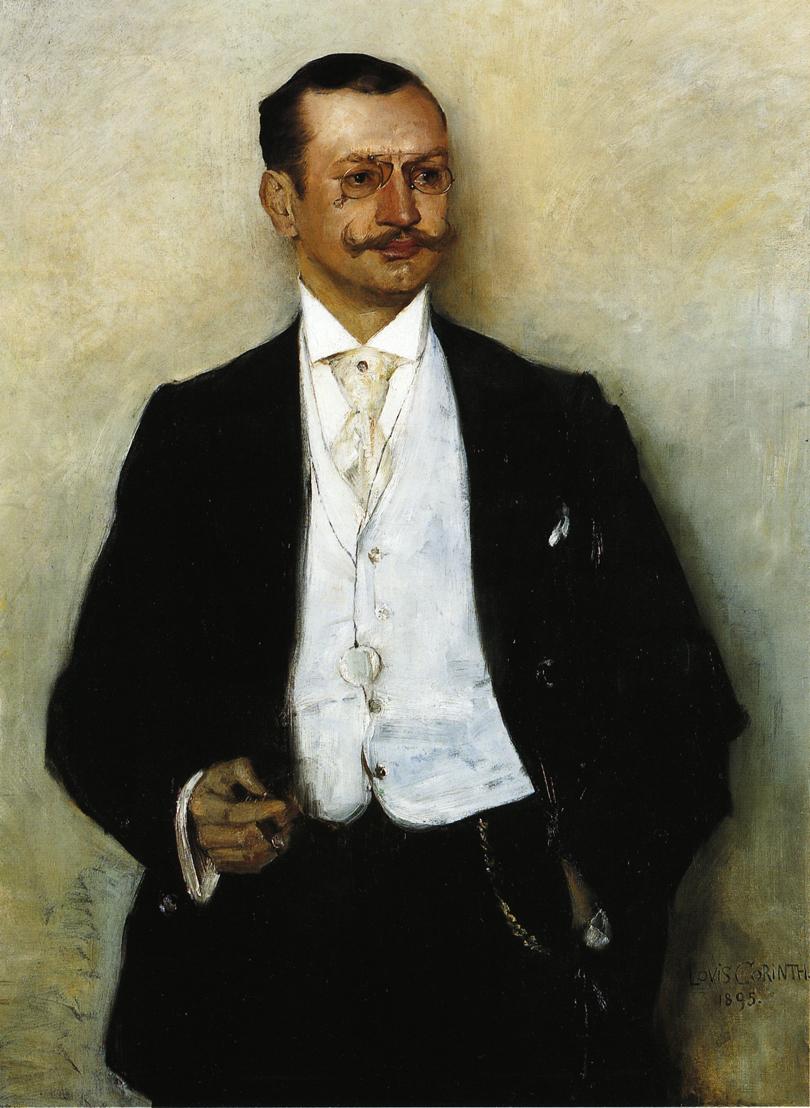
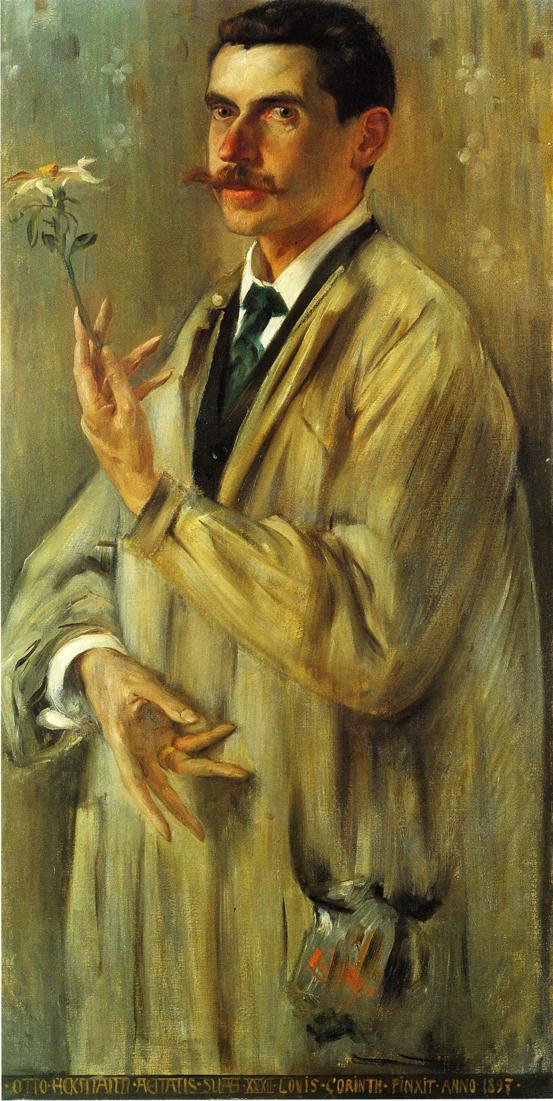
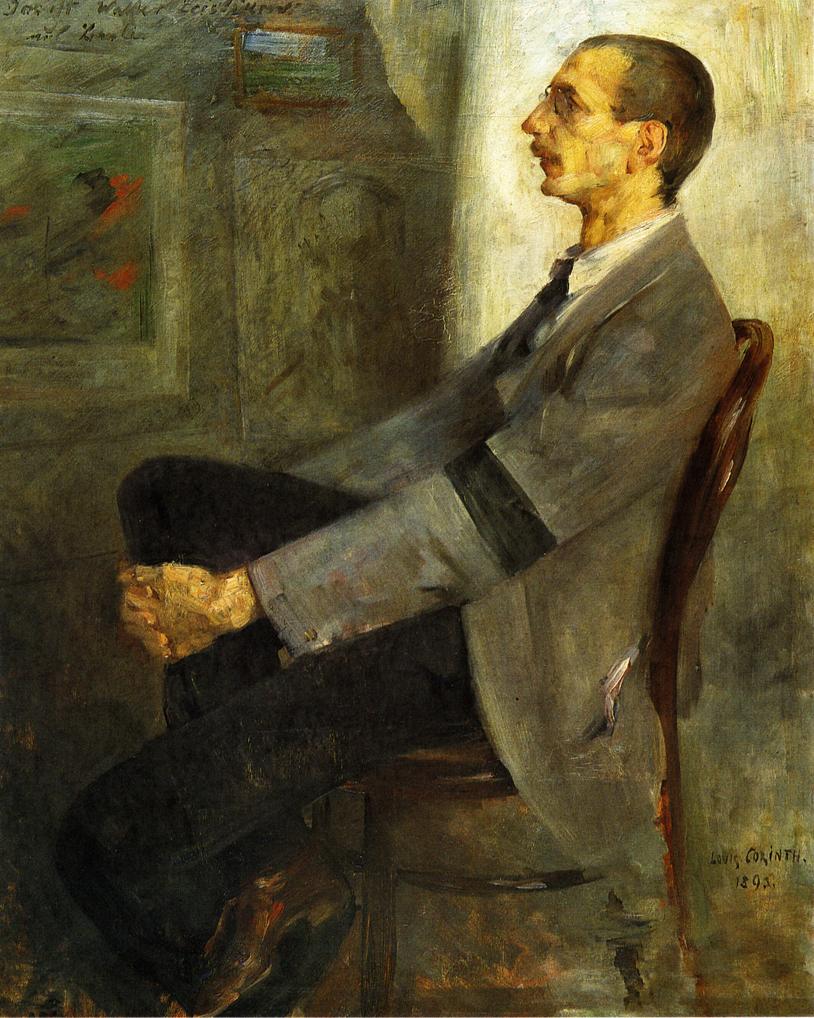
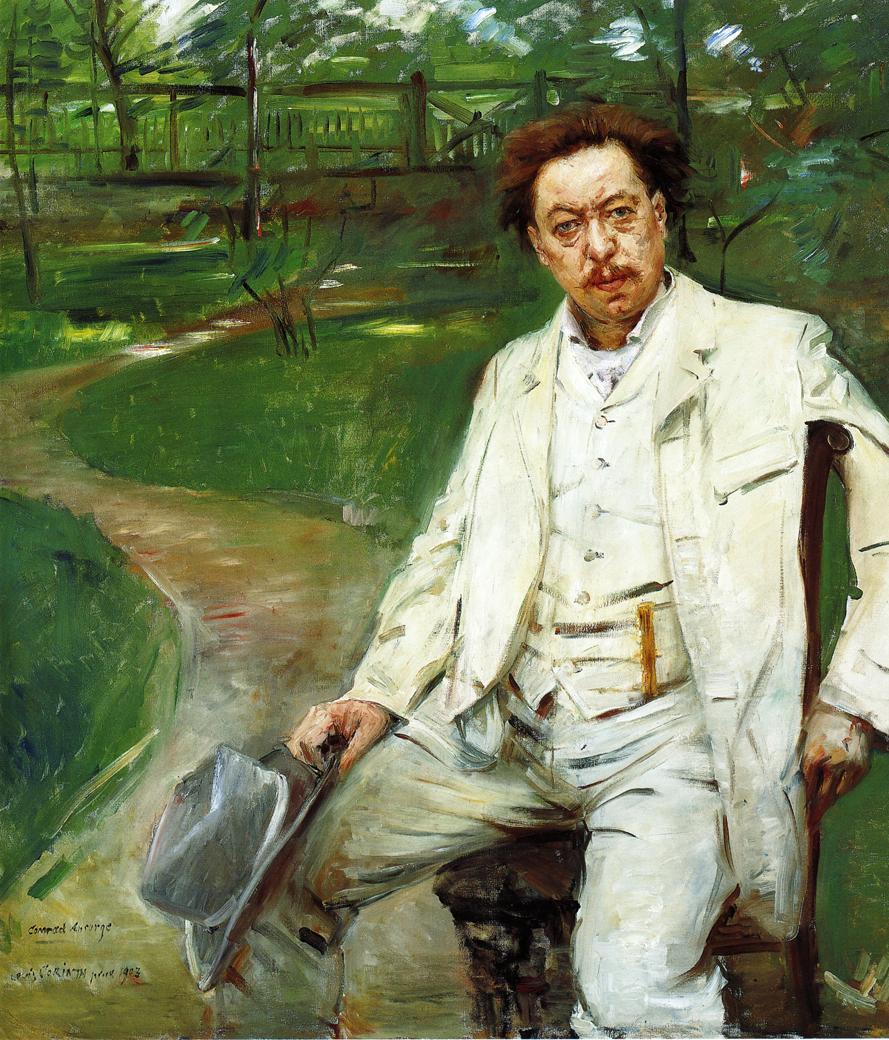
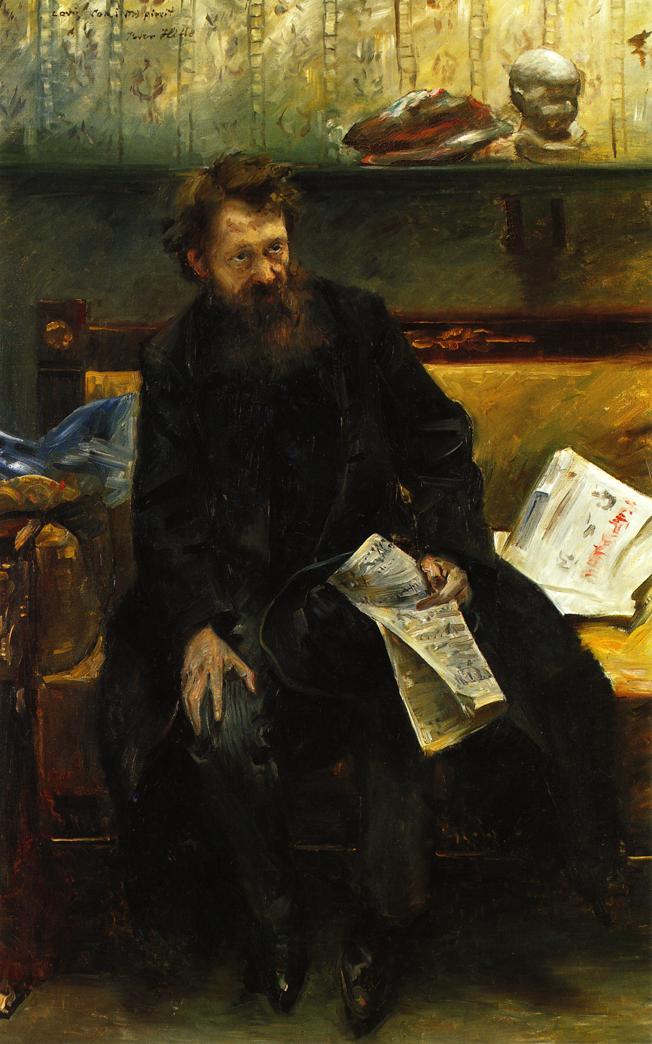
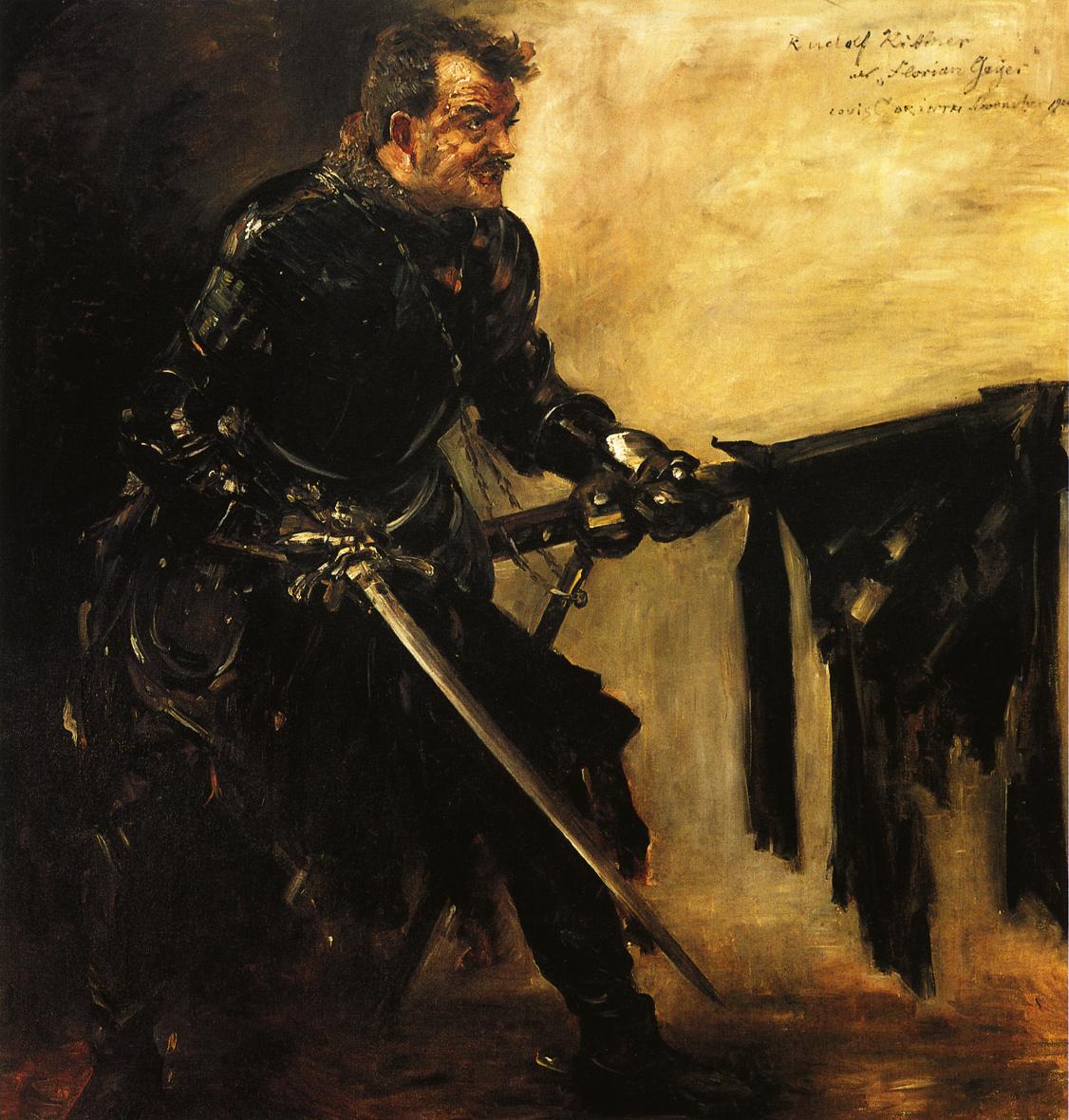
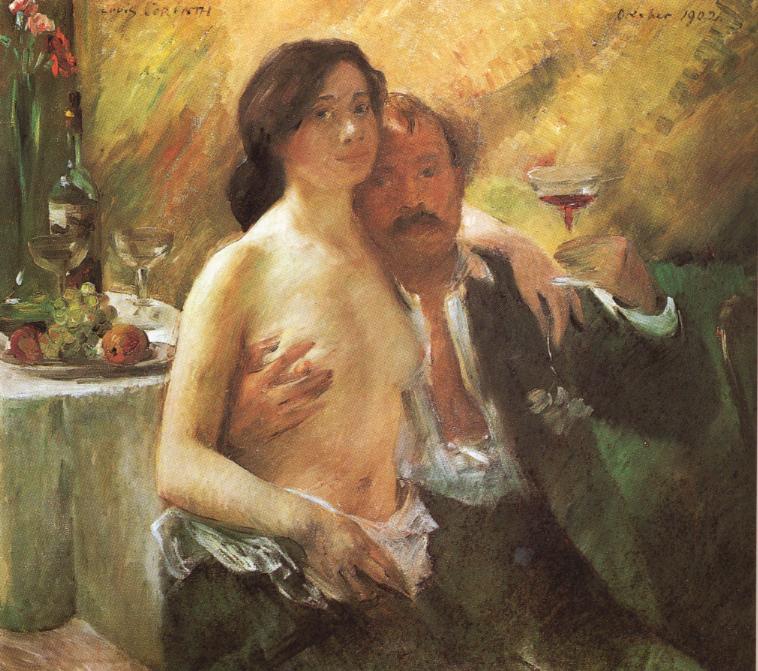
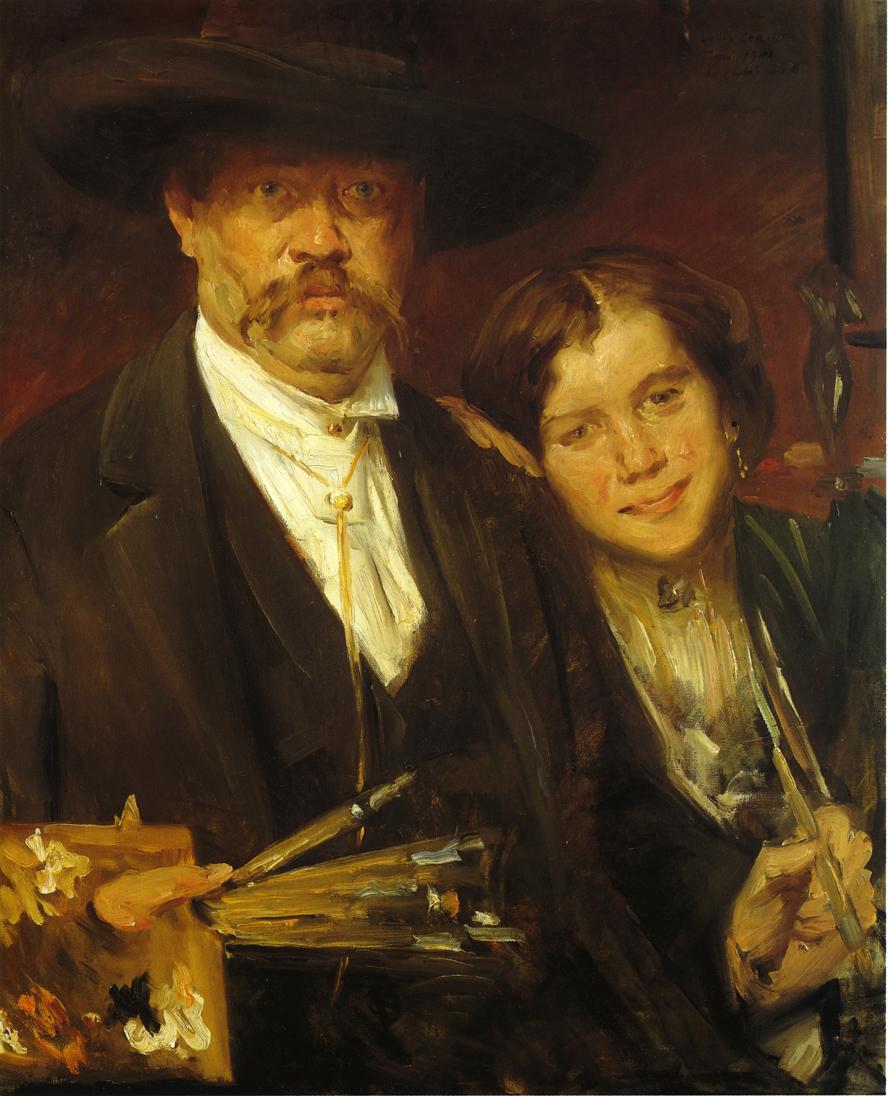
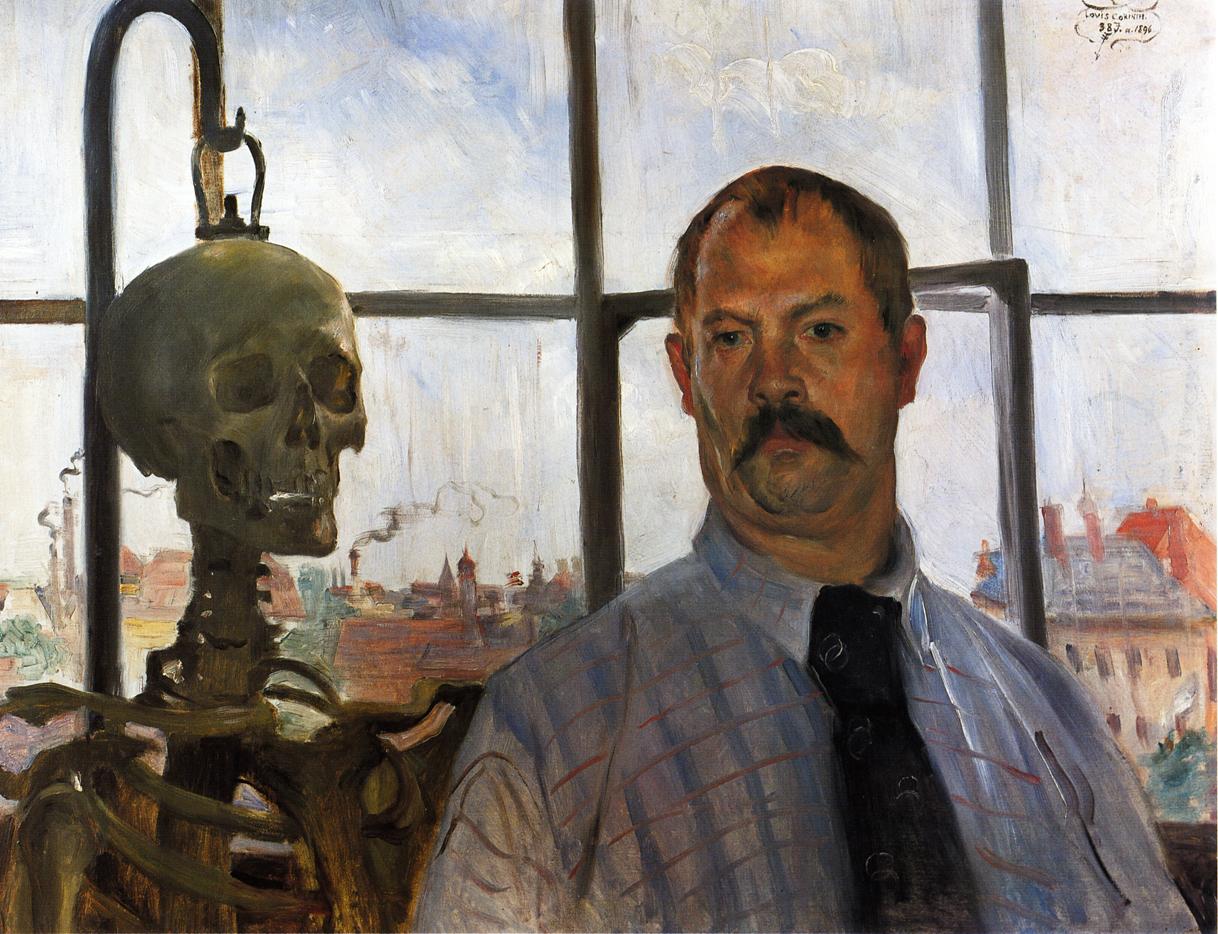
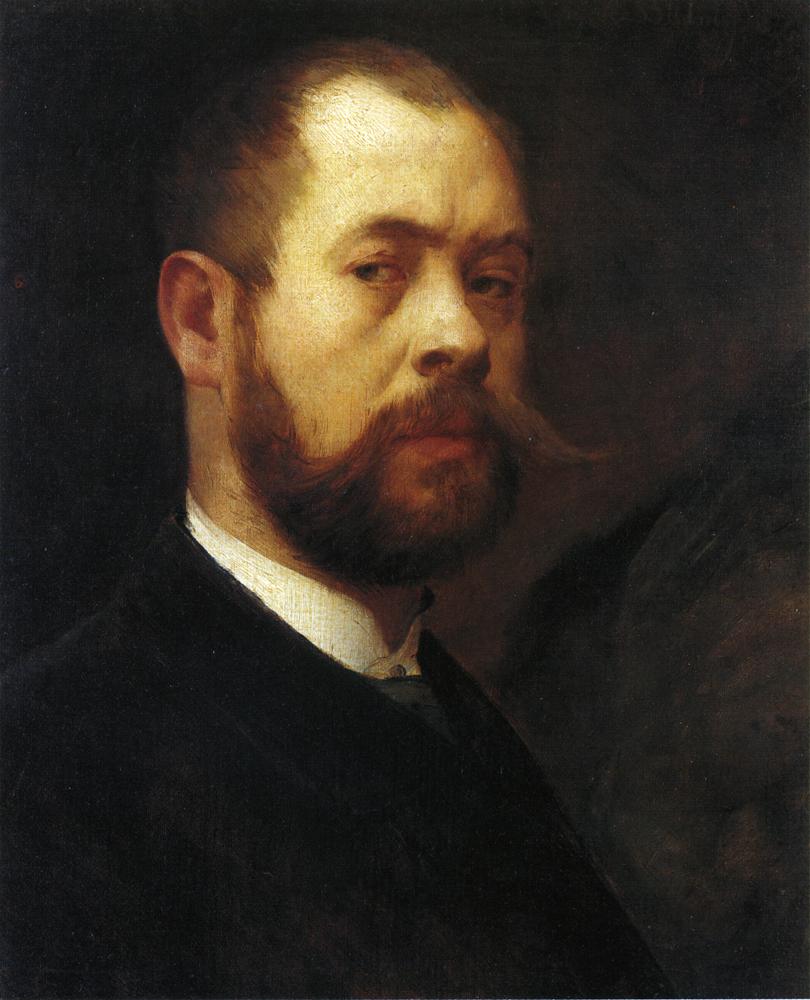
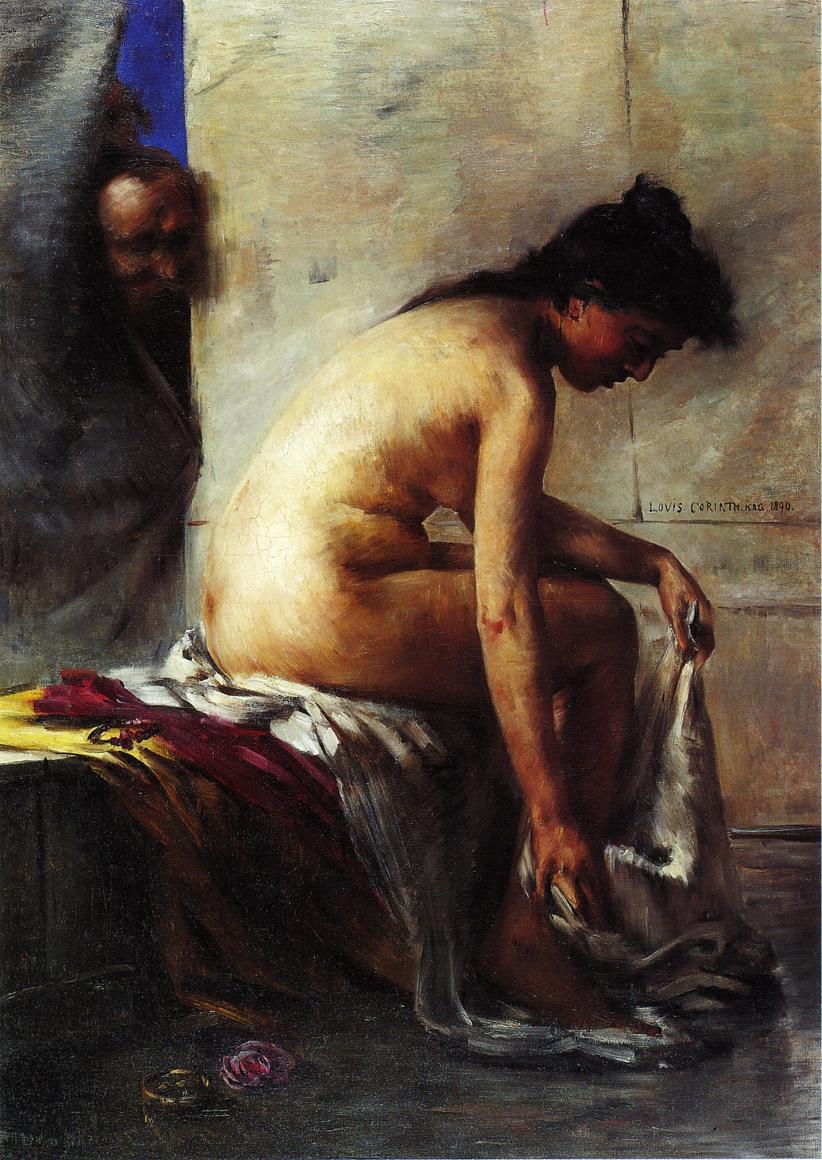
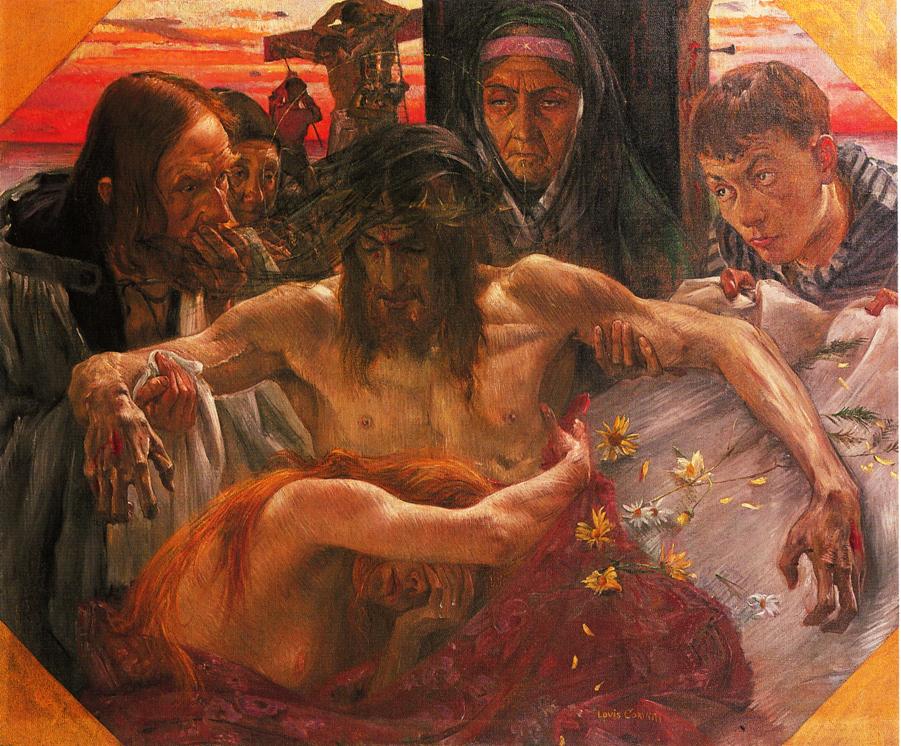
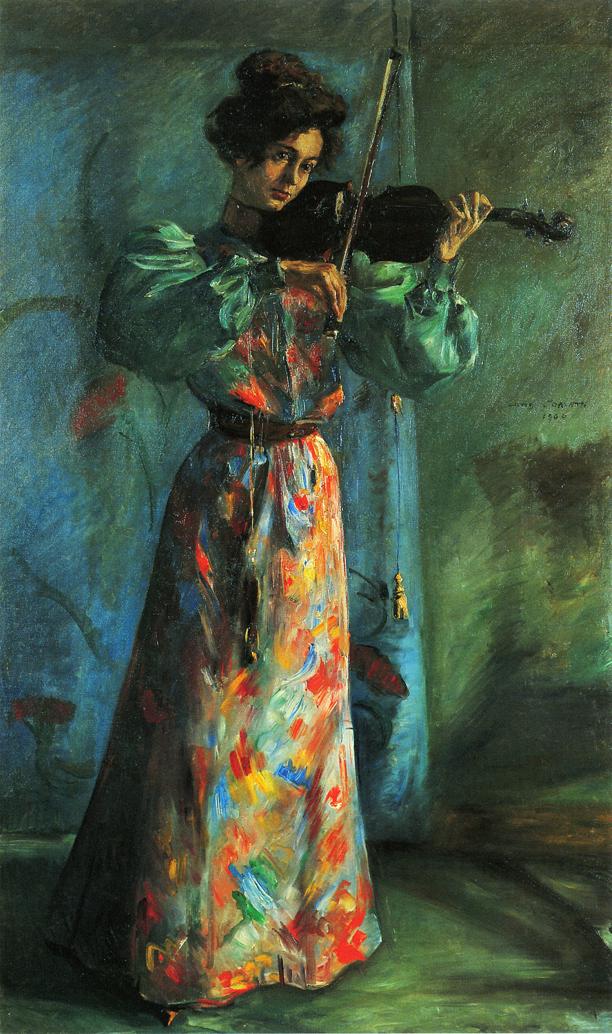
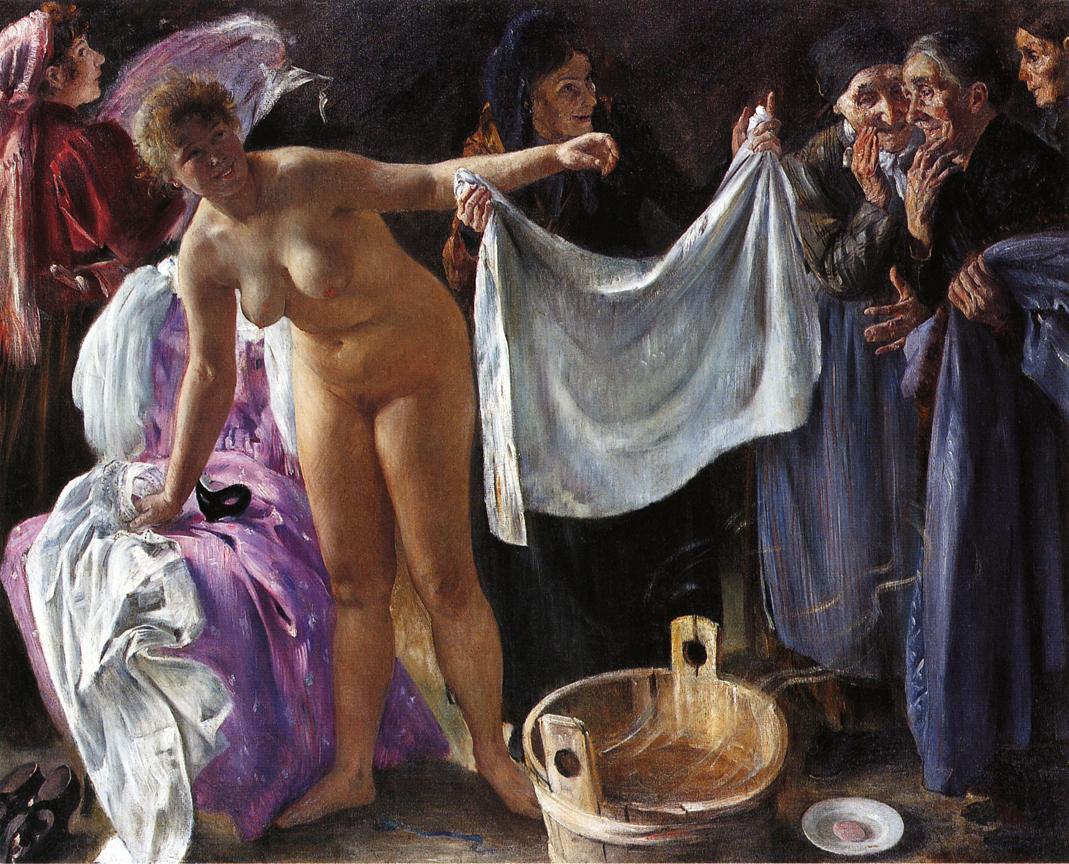
Lovis Corinth was born in 1858 in Tapiau, East Prussia, and became one of the most important figures in German modern art. He studied in Königsberg, Munich, and Paris, developing a strong foundation in academic painting. Corinth’s work combined elements of Realism, Impressionism, and later Expressionism, creating a highly personal and energetic style. He painted a wide range of subjects, including portraits, landscapes, mythological scenes, and still lifes.
Corinth was known for his vigorous brushwork, rich color, and expressive treatment of the human figure. In 1911, he suffered a severe stroke, but continued painting and gradually developed an even freer and more expressive style. He also became an influential member and later president of the Berlin Secession. His later landscapes are particularly admired for their emotional intensity and spontaneous handling of paint. Lovis Corinth died in 1925. Today, he is regarded as a major link between 19th-century naturalism and the emergence of German Expressionism.